
Last updated November 17, 2026
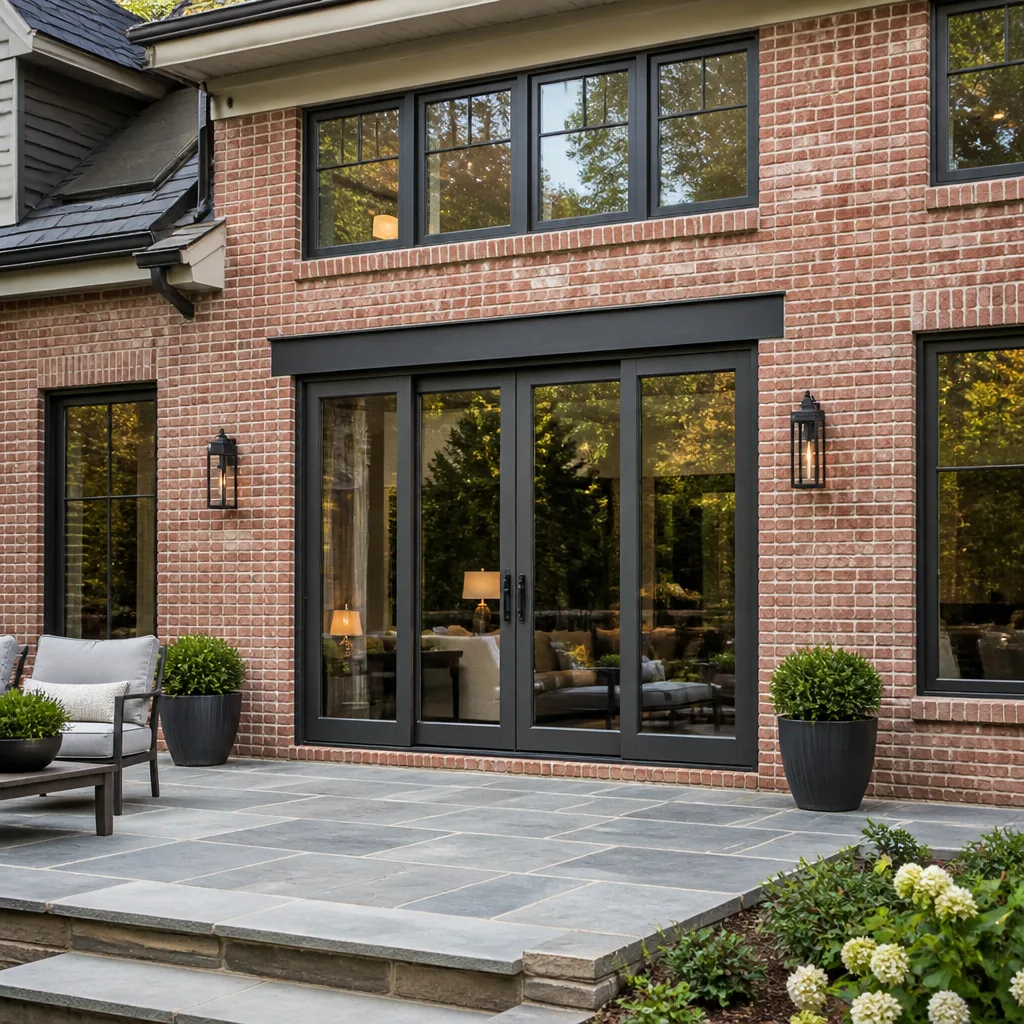 Windows & doors
 Kitchen remodeling
 Bathroom remodeling
 Home additions & ADU
 Roofing
 Driveway & pavers
 Fence
Free written scope consultation - allowances, timeline, and change-order rules on paper before a single trade is scheduled
The Complete Windows & Doors Guide for The Hammocks Homeowners
A window that passes Florida Building Code in Broward County may still fail Miami-Dade’s High-Velocity Hurricane Zone requirements – and The Hammocks sits squarely inside that zone. That single fact reshapes almost every decision you’ll make about replacement windows and exterior doors here: which products are even legal to install, what your insurance carrier will credit you for, and how much of your budget goes to glass versus paperwork. Most national window guides don’t mention it. This one can’t avoid it. We’ll walk through Miami-Dade NOA approvals, the real cost gap between impact and non-impact units, energy ratings tuned to South Florida sun, HOA documentation, and the door systems that survive salt-humid air. By the end you’ll know exactly what to ask for before you sign anything.
Quick Answer
In The Hammocks, replacement windows and exterior doors must carry a current Miami-Dade Notice of Acceptance (NOA) because the community sits inside the High-Velocity Hurricane Zone. Expect roughly $650 – $1,400 installed per impact window and $2,200 – $5,500 per impact entry door, with non-impact units running 30 – 45% less but offering no wind-borne debris protection and no insurance mitigation credit. Pull your HOA architectural approval and verify every product’s NOA number before you place an order.
Styles & brands we work with
- Kitchen remodeling
- Bathroom remodeling
- Home additions & ADU
- Roofing
- Windows & doors
- Driveway & pavers
- Fence
Table of Contents
- What Is a Miami-Dade NOA and Why Does It Matter in The Hammocks?
- Impact vs. Non-Impact Windows: Costs, Insurance, and When Each Makes Sense
- U-Factor and SHGC Ratings Calibrated for South Florida Sun
- HOA Approvals: What The Hammocks Homeowners Need Before Ordering
- South Florida Door Systems: Thresholds, Multipoint Locks, and Frame Materials
- How Installation Actually Works in the High-Velocity Hurricane Zone
- Lead Times, Sequencing, and What a Realistic Project Calendar Looks Like
- Full Cost Breakdown for The Hammocks Window and Door Projects
What Is a Miami-Dade NOA and Why Does It Matter in The Hammocks?
A Notice of Acceptance (NOA) is Miami-Dade County’s product approval document confirming that a specific window or door assembly has passed testing for wind pressure, water infiltration, and large-missile impact at the ratings required inside the High-Velocity Hurricane Zone. Without a valid NOA, a product cannot legally be permitted for exterior openings in The Hammocks. It isn’t a suggestion or a marketing badge.
The NOA is product-specific and installation-specific. A window that carries approval when set in a wood-frame wall may not be approved for a concrete-block wall without a different anchorage detail. That distinction matters enormously in The Hammocks, where much of the housing stock is concrete block and stucco construction. Here’s what a legitimate NOA document tells you:
- The exact product line and model number covered
- The design pressure (DP) rating achieved, typically DP 50 or higher for this zone
- The approved installation method and anchor spacing
- The expiration date – NOAs must be current at the time of permitting and inspection
How to verify a product before you buy: ask the contractor for the NOA number, then look it up directly in Miami-Dade County’s online product control database. Match the model number exactly. We’ve seen homeowners shown a NOA for a premium line, then handed a cheaper sibling product at delivery. That gap is a permit failure waiting to happen, and inspectors in The Hammocks do check.
What DP rating do The Hammocks windows actually need?
Most of The Hammocks falls into exposure category C or D depending on surrounding terrain, which pushes design pressure requirements toward DP 50 minimum and often higher on upper floors or corner lots. A window rated DP 35 for a calmer inland county is a non-starter here. Confirm the DP rating on the NOA, not on the showroom sticker.
Impact vs. Non-Impact Windows: Costs, Insurance, and When Each Makes Sense
Impact windows use laminated glass with an interlayer that holds the pane together after a strike, mounted in a reinforced frame with heavy-duty hardware. Non-impact windows use standard glass and frames. In The Hammocks, the High-Velocity Hurricane Zone requires impact-rated openings or an approved shutter system covering non-impact glazing. You cannot simply install plain windows and skip protection.
Here’s the cost picture for a typical The Hammocks single-family home:
| Option | Installed cost per opening | Insurance mitigation credit | Debris protection |
|---|---|---|---|
| Impact window (standard size) | $650 – $1,400 | Yes, with certification | Built-in |
| Non-impact window + accordion shutters | $380 – $700 window + $250 – $500 shutter | Partial, shutter-dependent | Shutter only |
| Impact sliding glass door | $2,800 – $6,500 | Yes | Built-in |
| Impact entry door | $2,200 – $5,500 | Yes | Built-in |
The insurance math often closes the gap faster than people expect. Many Florida carriers apply wind mitigation discounts when impact openings are documented with the NOA and a completed mitigation inspection form. Over a decade, those credits can recoup a meaningful share of the impact premium. The other side: shutters are cheaper up front but require deployment before every storm, and a homeowner who isn’t home to hang them gets no protection at all. When impact makes financial sense: you plan to stay long-term, your carrier offers mitigation credits, and you value not scrambling at 10 p.m. before a named storm. When non-impact can work: a rental property, a strict budget, or a home where an existing shutter system is already in good repair.
For broader exterior envelope work that pairs with a window project, our team handles Groundwork Construction Co. of The Hammocks home services across roofing, fencing, and additions under one accountable contractor.
U-Factor and SHGC Ratings Calibrated for South Florida Sun
Energy ratings matter, but the numbers that matter here are not the numbers marketed in Minnesota. In The Hammocks, cooling load dominates. You want low solar heat gain, not maximum winter heat retention.
Two ratings do the heavy lifting:
- U-factor measures heat flow through the whole assembly. Lower is better. In South Florida, aim for U-factor 0.40 or lower for windows.
- SHGC (Solar Heat Gain Coefficient) measures how much solar radiation passes through as heat. In a cooling-dominated climate, lower SHGC is the priority. Target 0.25 or below.
National guides will push you toward high SHGC to capture winter sun. Ignore that here. A window with SHGC 0.50 in The Hammocks adds measurable load to your AC system May through October. Low-E coatings and argon fill help, but the coating type matters: solar-control low-E, not the cold-climate variant. Look for the NFRC label on every unit and confirm the SHGC rating matches what’s quoted.
Do impact windows reduce energy bills in The Hammocks?
They can, but modestly. The bigger energy win in The Hammocks comes from correct SHGC selection and proper air sealing at the rough opening during installation. An impact window installed with sloppy foam and no backer rod still leaks cooled air. The product and the install both count.
HOA Approvals: What The Hammocks Homeowners Need Before Ordering Anything
The Hammocks community is governed by HOA architectural review, and most neighborhoods require written approval before any exterior change to windows or doors. Ordering product before approval is the single most common and most expensive sequencing error we see. If the board rejects your chosen frame color or grid pattern, you own non-returnable custom units.
Follow this sequence:
- Request the architectural modification form and current design guidelines from your HOA management company.
- Read the window and door specifications – frame color, glass tint, grid style, and visible mullion dimensions are usually regulated.
- Get a contractor specification sheet showing product model, NOA number, frame color, and glass package.
- Submit the application with a site plan or elevation showing the affected openings.
- Wait for written approval. Verbal approval from a board member is not approval.
- File the approved documents with your permit application so the inspection record matches HOA records.
Approval timelines in The Hammocks typically run two to six weeks depending on board meeting schedules. Build that into your calendar before you commit to an install date. Also confirm whether your HOA requires a licensed contractor’s certificate of insurance on file before work begins, which most do.
South Florida Door Systems: Thresholds, Multipoint Locks, and Frame Materials
Exterior doors in The Hammocks face conditions most door guides don’t account for: driven rain, salt-laden humid air, and the pressure cycling of hurricane season. A door that looks solid in the showroom can fail at the threshold within three years if the details are wrong.
What to specify:
- Thresholds: raised, water-shedding sill with a positive seal. Low-profile sills let wind-driven rain reach the interior during a storm. Look for a sill with weep holes that drain outward.
- Multipoint locking: locks at the top, middle, and bottom of the slab. This isn’t a luxury feature in the HVHZ; it’s how the door assembly achieves its impact and pressure ratings. A single deadbolt doesn’t hold against design pressure.
- Frame material: fiberglass and aluminum with a thermally broken design hold up in salt-humid air better than wood or standard steel. Aluminum should be powder-coated, not painted, to resist oxidation. Wood doors demand vigilant maintenance in this climate.
- Hardware finish: stainless steel or marine-grade for any coastal-influenced exposure.
The door frame is also where air sealing fails first. Ask how your contractor handles the gap between the jamb and the block, and whether a sill pan is specified. A missing sill pan is the most common cause of rotted subfloor beneath an entry door in The Hammocks.
Premium brand partners matter here too. We work with established manufacturers across our service lines, including Andersen and Marvin for windows and doors, and we carry the same brand discipline into Fence Installation in The Hammocks and other exterior work.
How Installation Actually Works in the High-Velocity Hurricane Zone
Installation in the HVHZ is where product approvals and real-world performance meet. The county inspects the installation method, not just the product. A correct window installation in The Hammocks follows a defined process:
- Permit filed with Miami-Dade County, referencing the specific NOA for each product and its approved installation method.
- Opening prepared – rough opening verified square and level, existing stucco and block inspected for damage.
- Water management installed – sill pan flashing, then self-adhered flashing lapped correctly over the rough opening, with the head flashing layered last.
- Window set and shimmed per the NOA anchorage detail, with anchor spacing matched to the approval document.
- Air seal and insulation – low-expansion foam at the perimeter, backer rod where specified.
- Interior trim and finish, then exterior stucco repair and sealant at the reveal.
- Inspection by Miami-Dade County, then final flashing and finish checks.
Skipping the flashing sequence is where leaks start. In our experience, water intrusion in The Hammocks homes clusters at the sill and at head flashing corners, not in the center of the glass. This is genuinely dangerous work at height, and the hurricane-strap and anchorage details demand a trained installer working to the approval document, not a general handyman guessing at anchor spacing.
If your project expands into structural work or a new addition, the same permit-and-inspection discipline applies. See Home Additions & ADU in The Hammocks for how exterior openings integrate into larger builds, and Driveway & Pavers in The Hammocks if you’re coordinating a full exterior refresh.
Lead Times, Sequencing, and What a Realistic Project Calendar Looks Like
Custom impact windows and doors are not off-the-shelf items. Lead times in The Hammocks typically run 6 – 12 weeks for made-to-order units, longer if the manufacturer is fielding surge demand after a storm season. Plan the calendar honestly:
- HOA approval: 2 – 6 weeks
- Product lead time: 6 – 12 weeks
- Permit review: 2 – 4 weeks (can overlap with lead time)
- Installation: 1 – 3 days for a typical single-family home
- Inspection scheduling: 1 – 2 weeks
The smart move is to file the HOA application and the permit in parallel and place the product order only after HOA approval lands in writing. That sequences the risk correctly. Rushing a The Hammocks window project around a storm-season deadline almost always means paying expedite fees or accepting a substitute product that may not match your approved HOA spec.
How disruptive is installation?
For a full-home replacement, expect one to three working days with each opening briefly unsealed. We schedule around weather and stage the work so no opening stays open overnight. Interior furniture protection and daily cleanup keep the house livable.
Full Cost Breakdown for The Hammocks Window and Door Projects
These ranges reflect Miami-Dade market pricing for The Hammocks, including impact product, permit, installation, and finish work. Actual pricing depends on opening count, size, and frame material.
- Full-house impact window replacement (12 – 18 openings): $14,000 – $32,000
- Single impact window, standard size: $650 – $1,400
- Picture window, large format: $1,800 – $4,200
- Impact sliding glass door: $2,800 – $6,500
- Impact entry door with multipoint lock: $2,200 – $5,500
- Non-impact window plus shutter: $630 – $1,200 combined
- Permit fees: $300 – $900 depending on scope
- Stucco repair and finish: $400 – $1,500
Upfront pricing, no surprises, is the standard to hold any contractor to. Ask for a written, line-item quote that separates product, labor, permit, and finish. Any bid that lumps everything into one number without a product model and NOA reference is a bid you can’t verify.
Common Mistakes to Avoid
- Ordering before HOA approval. Custom impact units are non-returnable. Waiting for written board approval protects you from owning the wrong frame color.
- Accepting a verbal NOA claim. Verify the exact model number in the Miami-Dade product database. The document must cover your product and your installation detail.
- Buying cold-climate glass. High SHGC windows marketed for northern climates add cooling load in The Hammocks. Demand solar-control low-E and SHGC at 0.25 or below.
- Skipping the sill pan. Water intrusion under entry doors in The Hammocks almost always traces to a missing or reversed sill pan. Specify it explicitly.
- Choosing a low-profile threshold. It looks cleaner but fails in driven rain. A raised, water-shedding sill is the right call here.
- Ignoring the insurance paperwork. Without the NOA and a mitigation inspection, your carrier may not apply impact credits. Gather the documents before you call your agent.
- Hiring an installer instead of a licensed, insured contractor. HVHZ installation requires permit-pulling, background-checked, uniformed technicians who work to the approval document, not a crew guessing at anchor spacing.
We handle exterior work across the full envelope, so a window project can fold into roofing, fencing, or a larger remodel under one accountable contractor with a single warranty. Explore more of our work through the Groundwork Construction Co. of The Hammocks home page.
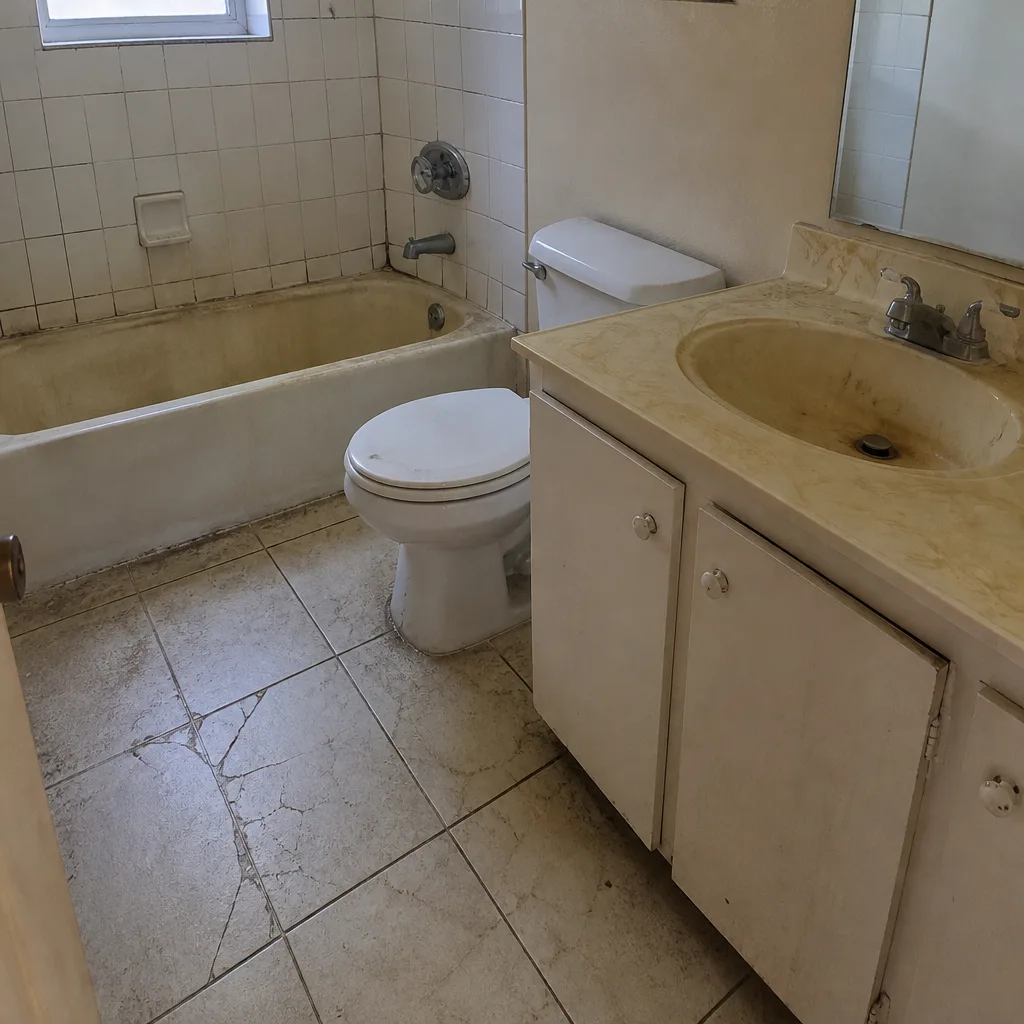
See the difference
 Before
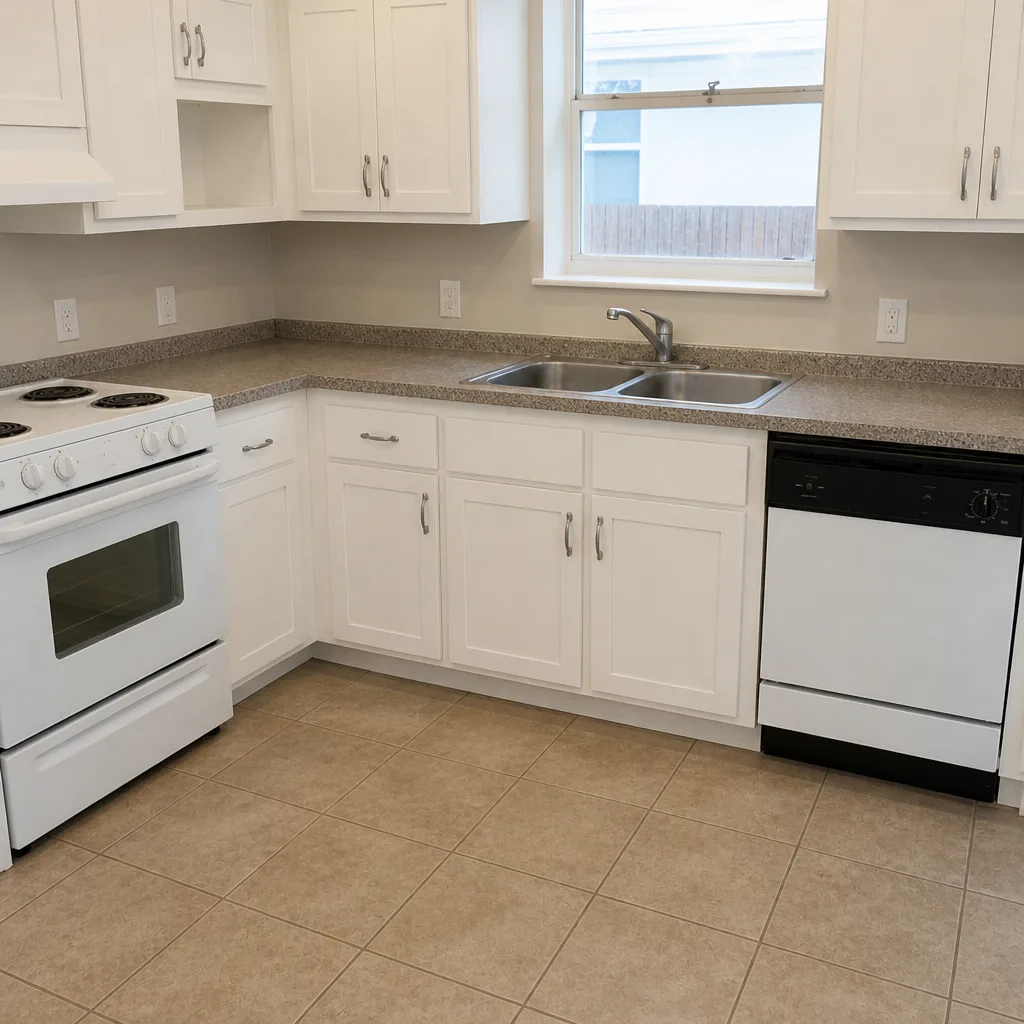 After
 Before
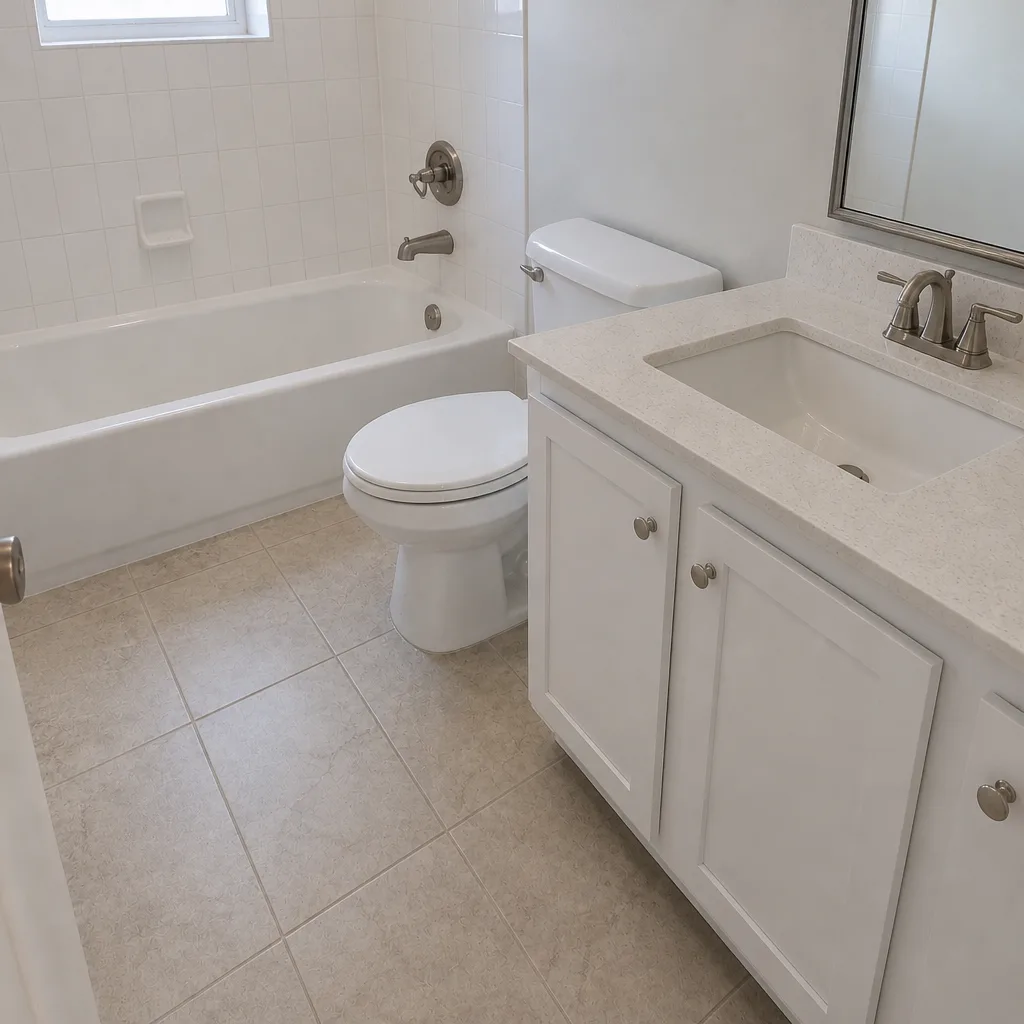 After
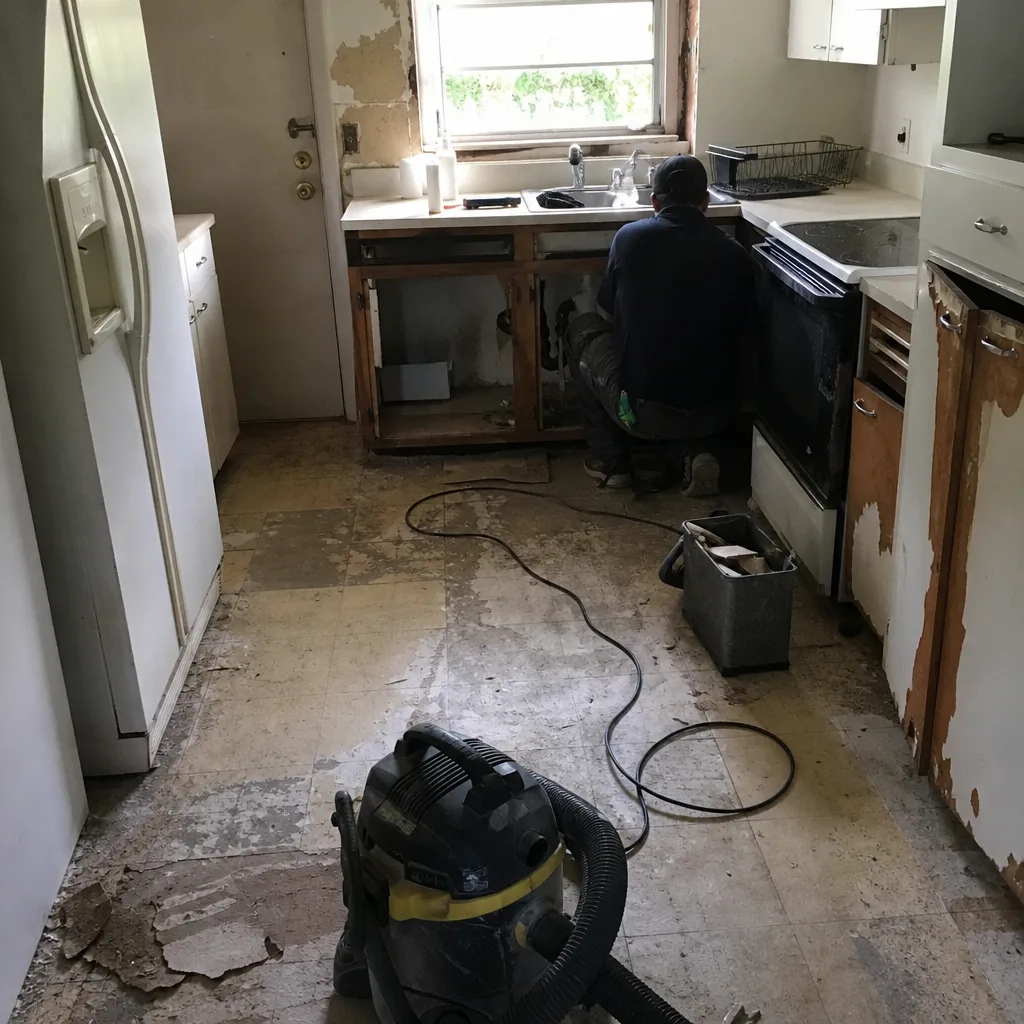 Before
 After
When to Call a Professional
Call a licensed contractor when you’re replacing exterior openings in the High-Velocity Hurricane Zone, when a door threshold shows rot or water staining, when you’re upgrading to impact product and need NOA verification and permit filing, when your HOA requires documentation you’re unsure how to assemble, or when you’re weighing a full-home replacement against a phased approach. Window and door work at height with hurricane anchorage details is dangerous, and the permit and inspection chain is unforgiving of shortcuts. Groundwork Construction Co. of The Hammocks offers free estimates in The Hammocks – call (844) 761-9356. Our technicians have up to 12 years of experience, all background-checked, arriving in uniform. Every project is backed by our 730-Day Done Right Promise, and calls are answered by a live person, 24/7.
Frequently Asked Questions
Effectively yes. The Hammocks sits inside Miami-Dade’s High-Velocity Hurricane Zone, so exterior openings must be impact-rated or protected by an approved shutter system. If you install non-impact glazing, you need a compliant shutter covering for every opening. Call (844) 761-9356 for a free estimate on a fully compliant setup.
Full-house impact window replacement in The Hammocks typically runs $14,000 – $32,000 for 12 – 18 openings, including permits, installation, and stucco finish. Individual windows run $650 – $1,400. Your exact number depends on opening count, size, and frame material – call (844) 761-9356 for a free, line-item estimate.
No. Miami-Dade requires a current Notice of Acceptance for exterior window and door products in the HVHZ, and the county will not permit or inspect openings without it. Verify the model number in the county’s product database before ordering. Call (844) 761-9356 and we’ll walk you through the NOA for any product we quote.
Aim for SHGC 0.25 or lower and U-factor 0.40 or lower. The Hammocks is cooling-dominated, so low solar heat gain matters more than winter heat retention. Confirm the NFRC label matches the quoted rating – call (844) 761-9356 for a free estimate with the ratings spelled out.
Often yes, but only if the installation is documented. Carriers apply wind mitigation credits based on the NOA and a completed mitigation inspection form. We provide the product documentation you need to file – call (844) 761-9356 to schedule a free estimate and we’ll tell you exactly what paperwork your project generates.
Plan on 6 – 12 weeks for product lead time, 2 – 6 weeks for HOA approval, and 2 – 4 weeks for permit review running in parallel, with 1 – 3 days of installation. The key is sequencing: HOA approval first, then the order. Call (844) 761-9356 for a free estimate and a realistic calendar for your home.
The Bottom Line
Windows and doors in The Hammocks are a regulatory and envelope decision before they’re an aesthetic one. Every exterior opening needs a current Miami-Dade NOA and an installation detail approved for the High-Velocity Hurricane Zone. Impact product costs more up front but earns insurance mitigation credits and delivers protection you don’t have to deploy. Choose SHGC at 0.25 or lower, specify a raised water-shedding threshold with a sill pan, and get HOA approval in writing before you order a single custom unit. Do the sequencing right and the project goes smoothly. Skip it and you’ll be paying for someone else’s shortcut – the details above are what separate a job done right from a job done cheap.
Get Your Free Estimate
Whether you’re upgrading to impact windows, replacing a failing entry door, or planning a full exterior refresh around a larger build, our team handles the NOA verification, permit filing, HOA documentation, and installation that The Hammocks homes require. Upfront pricing, no surprises, and every project covered by our 730-Day Done Right Promise. We also offer 0% financing for 18 months and $1,000 off projects over $10,000. Call (844) 761-9356 to schedule your free estimate and design consult – a live person answers, 24/7.
Written by the team at Groundwork Construction Co. of The Hammocks.