
Last updated November 17, 2026
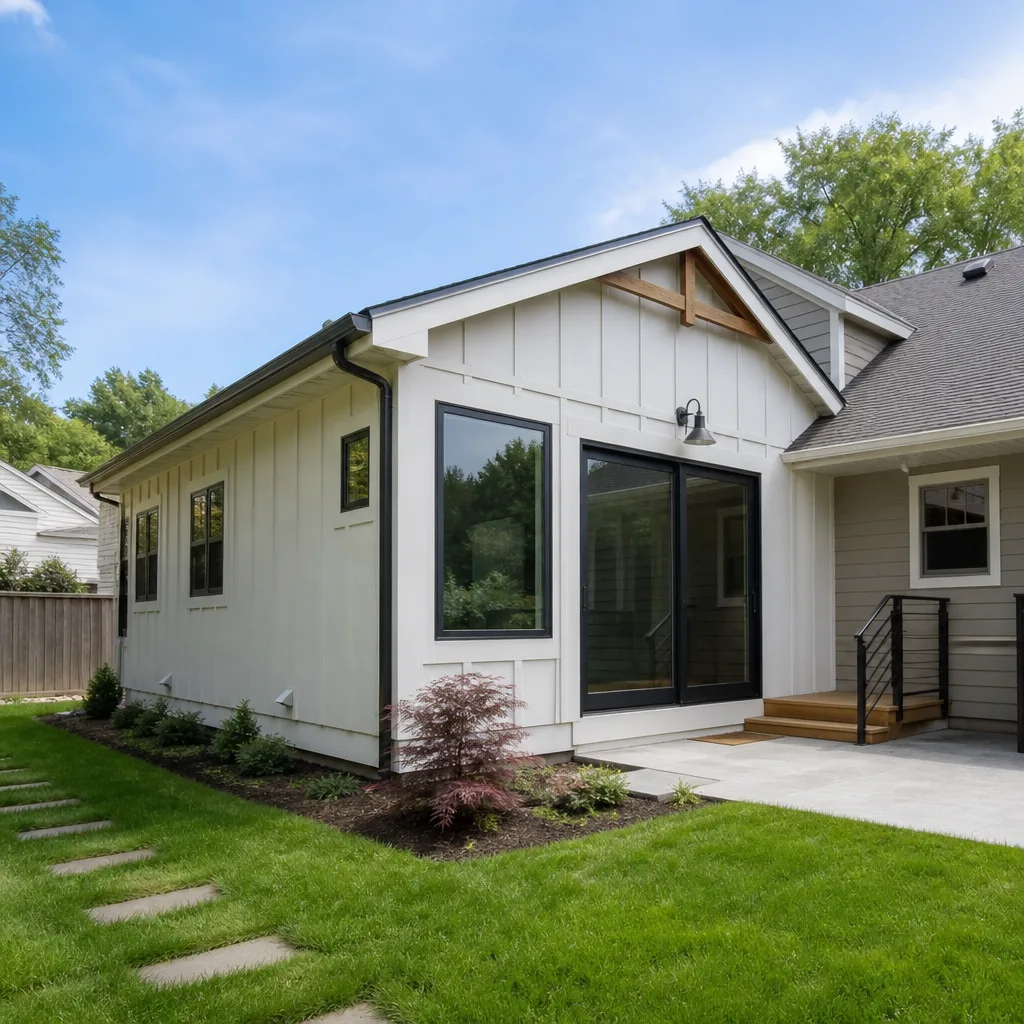 Home additions & ADU
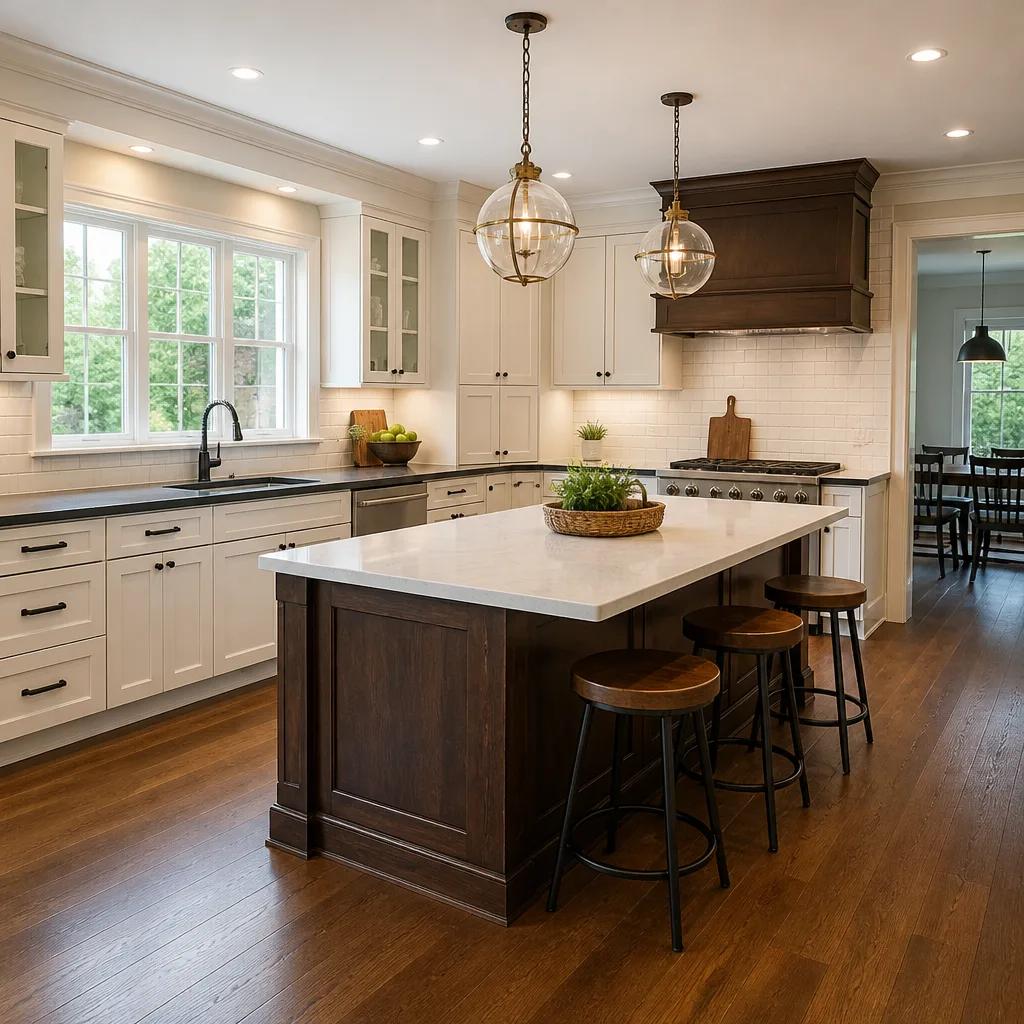 Kitchen remodeling
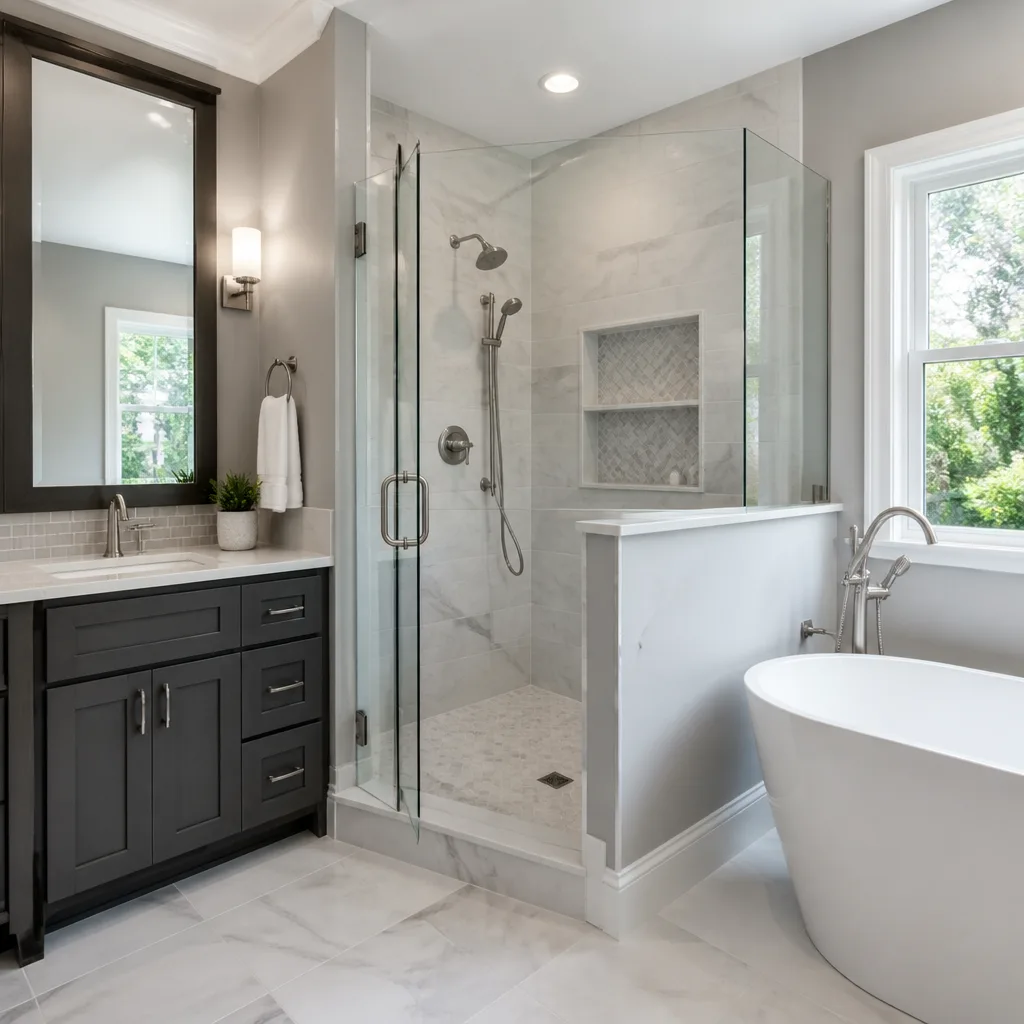 Bathroom remodeling
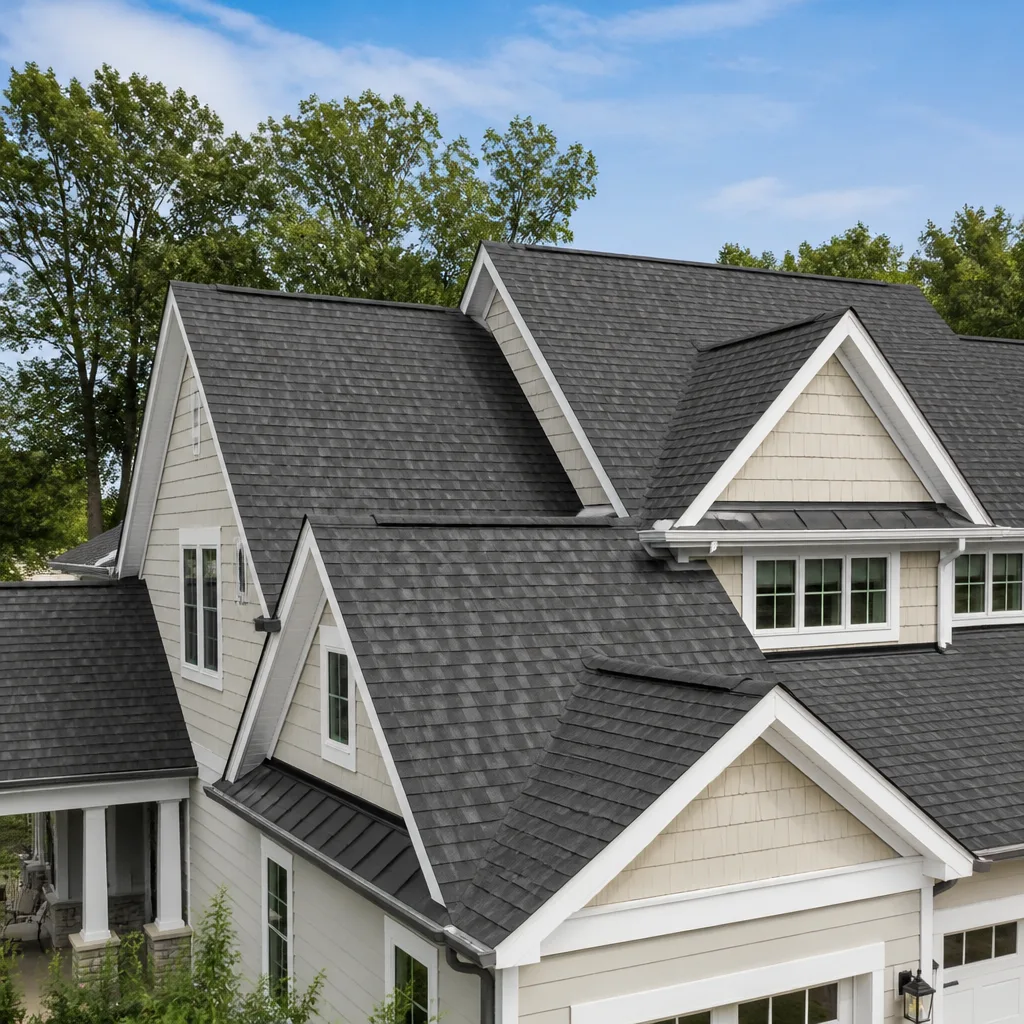 Roofing
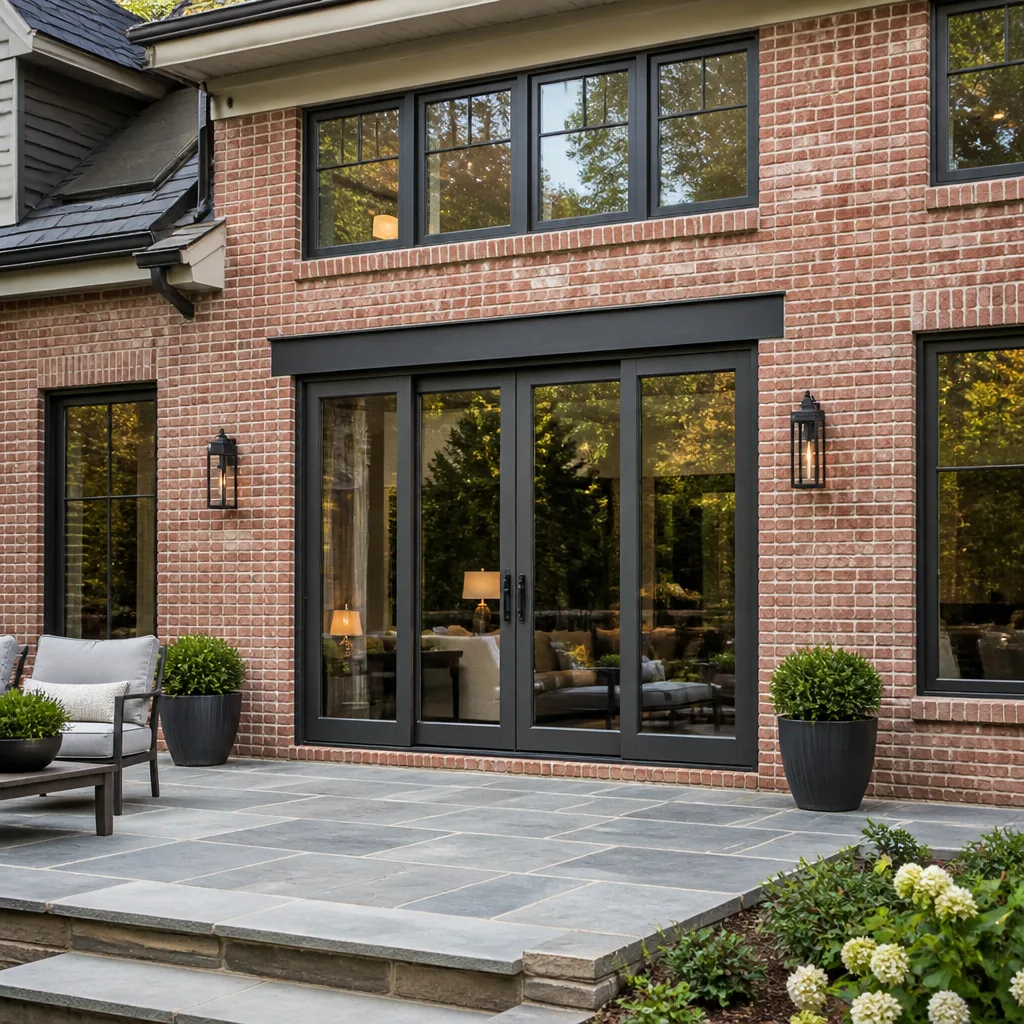 Windows & doors
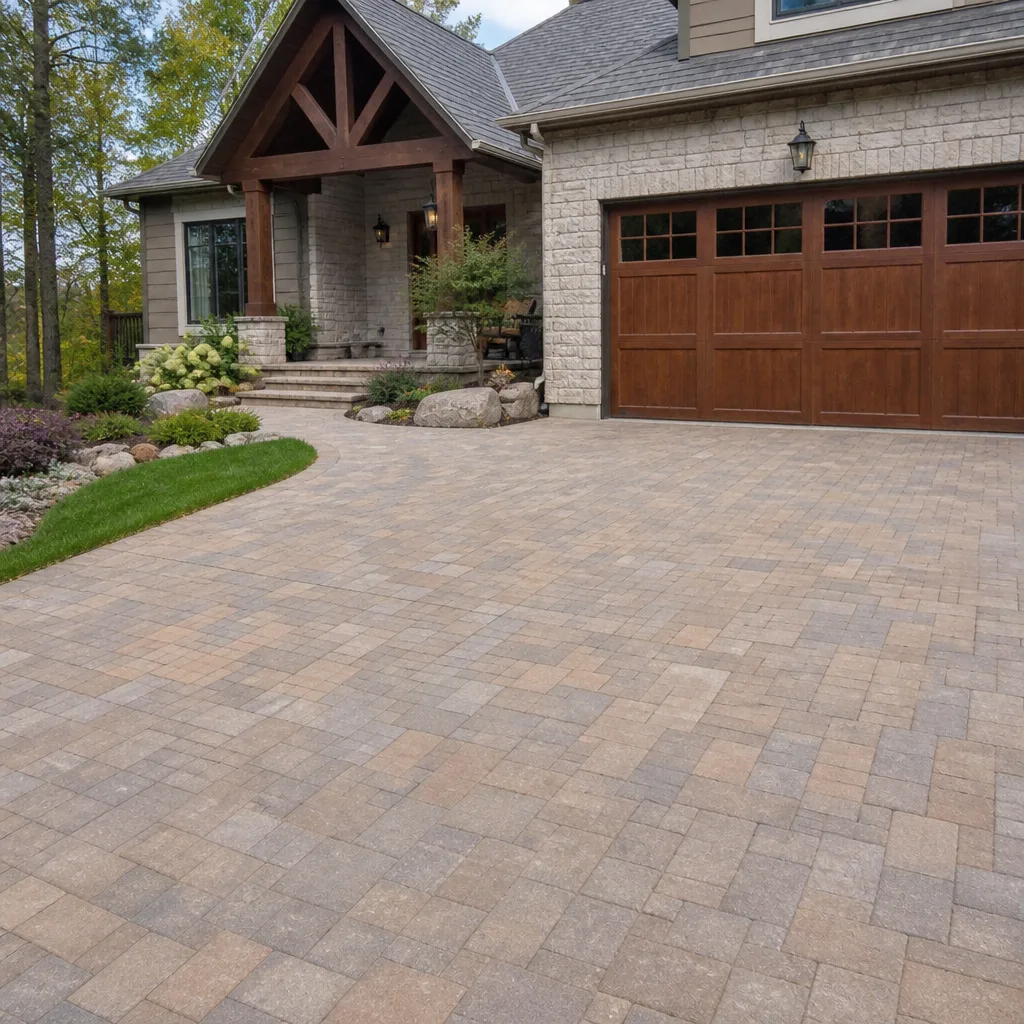 Driveway & pavers
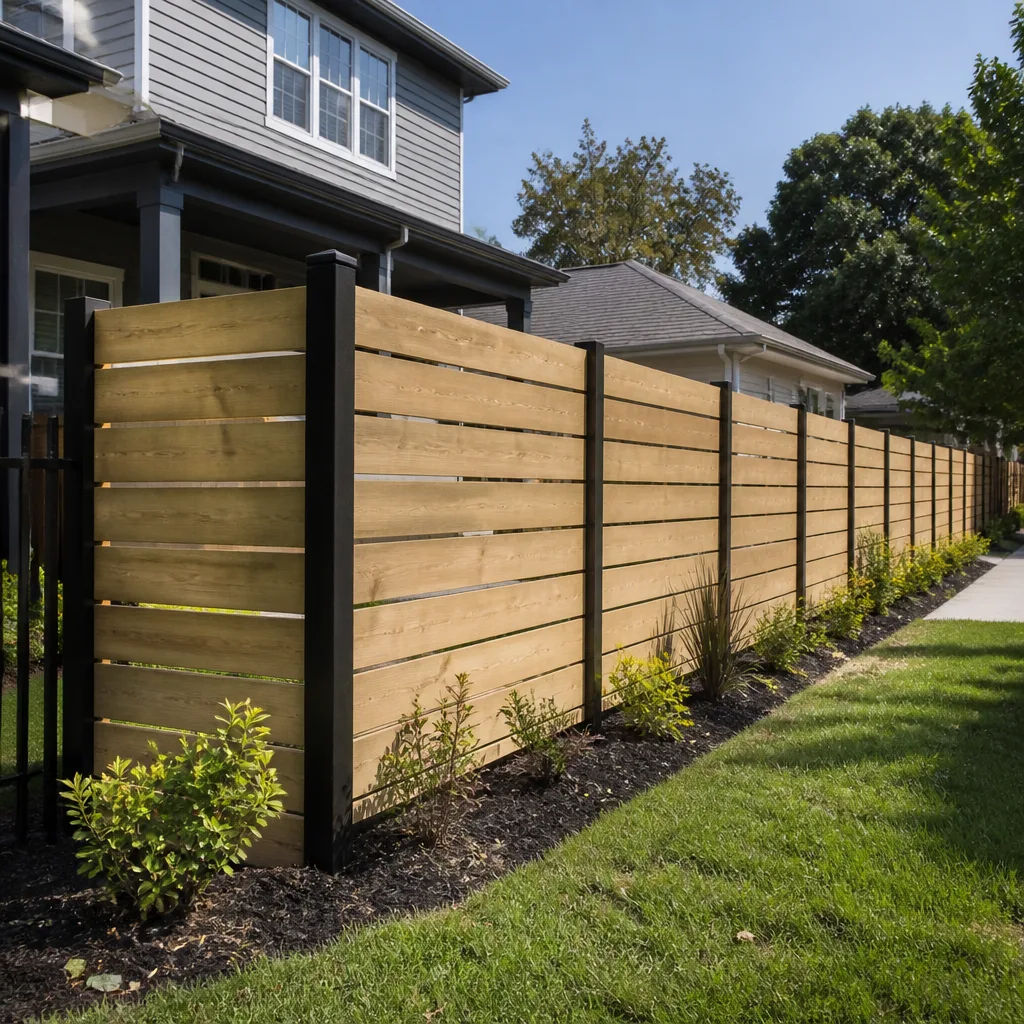 Fence
Free written scope consultation - allowances, timeline, and change-order rules on paper before a single trade is scheduled
Construction Emergency Preparedness Guide for The Hammocks Homes
FEMA has found that a large share of homeowners in hurricane-impacted areas who filed construction-related claims could not document their home’s pre-storm condition. The result: claims settled for less than the actual damage, because the burden of proof simply wasn’t there. In The Hammocks, where homes face hurricane-force wind, storm surge, and extended power loss, that gap between what your house looked like on a Tuesday in May and what’s left of it in September decides who pays. This guide shows you how to build a documentation file, understand which parts of your home fail first, and vet contractors after a storm. It’s the construction-side preparedness plan for The Hammocks homes that most checklists skip.
Quick Answer
Construction emergency preparedness for The Hammocks means documenting your home’s pre-storm condition (photos, permits, material specs), having a licensed professional inspect the failure-prone elements before June 1, and knowing your insurance obligations before you authorize emergency repairs. The goal is proof and a plan in place before the season starts, not scrambling after the storm.
Styles & brands we work with
- Kitchen remodeling
- Bathroom remodeling
- Home additions & ADU
- Roofing
- Windows & doors
- Driveway & pavers
- Fence
Table of Contents
- Building Your Home Construction Documentation File
- What Fails First in The Hammocks Under Hurricane Conditions
- The Pre-Season Contractor Inspection Checklist
- The First 48 Hours After Storm Damage
- How to Vet Emergency Response Contractors
- Working With Your Insurer From the First Call
- What You Can Self-Assess Before the Season
Building Your Home Construction Documentation File
The single most valuable thing you can do for your home before hurricane season is create a dated record of what it looks like now. This file becomes your strongest insurance claim tool after a storm. Without it, an adjuster has to take your word for pre-loss condition. With it, you have evidence.
We’ve seen The Hammocks homeowners win claims decisively because a folder existed and lose ground because it didn’t. Here’s what belongs in it:
- Exterior photos, dated. All four sides, roof from multiple angles if safely accessible from the ground with a zoom lens, driveway, fence line, windows and doors. Re-shoot every six months.
- Interior photos of every room. Open cabinets so contents are visible. Photograph the underside of ceilings and around window frames where water intrusion shows.
- Permits and inspection records. Miami-Dade County requires permits for roofing, structural work, additions, and most window and door replacements. Copies of those permits prove the work was legally done to current code.
- Material specifications. Roof underlayment product, shingle line, impact-window rating, fence material. If your roof is GAF or CertainTeed, note the product line and the installer’s name.
- Contractor invoices and warranties. Every warranty document, including workmanship coverage, scanned and stored off-site.
- A video walkthrough. Narrate it. “This is the north wall, May of this year, no cracks.” Video timestamps settle arguments.
Store the whole file in the cloud, not just in a drawer. A binder in a flooded garage helps no one. Email it to yourself, put it in cloud storage, and give a copy to a relative outside South Florida. If you have time, read more about how we approach Groundwork Construction Co. of The Hammocks home construction and the standards we build to.
What Fails First in The Hammocks Under Hurricane Conditions
The Hammocks sits inland in western Miami-Dade, which means storm surge is less the threat than wind, wind-driven rain, and the fatigue that comes from repeated storms. The construction elements that fail first in this area are predictable, and knowing them lets you assess your home’s compliance status now.
Roof covering and underlayment. Shingles and tiles fail at their edges and at ridge caps first. In The Hammocks, homes with older three-tab shingles or underlayment past its service life lose seal quickly in sustained wind. Modern products from GAF and Owens Corning carry higher wind ratings when installed to spec, and the difference shows up in how a roof holds under a Category 2 or 3.
Roof-to-wall connections. This is the invisible failure. If the straps and clips tying your roof structure to the walls aren’t per current Miami-Dade code, the roof can peel off as a unit. Only an inspector with attic access can tell you where you stand.
Windows and doors. Non-impact glazing fails when debris strikes it. Impact-rated windows and doors with proper anchoring and flashing are the standard for this region, and older homes in The Hammocks often haven’t been upgraded.
Fences and screened enclosures. A failing fence becomes flying debris that damages neighbors’ homes. Screened pool enclosures are notorious for panels that lift and tear. Properly anchored Fence Installation in The Hammocks using code-appropriate materials holds up far better than builder-grade work.
Garage doors. An unbraced garage door is a pressure breach that can fail the whole building envelope in high wind. Miami-Dade requires wind-rated doors with proper labeling.
The Pre-Season Contractor Inspection Checklist
Before June 1, have a licensed professional evaluate the parts of your home that determine whether it survives a storm. This is not the same as a home inspection for a sale. It’s a structural and envelope review with the season in mind.
Ask the professional to evaluate:
- Roof condition and attachment. Underlayment age, shingle or tile condition, flashing at penetrations, and the roof-to-wall connections visible from the attic.
- Attic framing and strapping. Verify straps, clips, and the connection points per current Miami-Dade code.
- Window and door ratings. Confirm impact ratings and check for proper anchoring and flashing, especially where additions meet original structure.
- Garage door wind rating. Check the label and confirm bracing.
- Fence and enclosure anchoring. Post depth, concrete set, and panel attachment.
- Drainage and grading. Where water pools against the foundation and whether the driveway slopes away from the house.
- Exterior cladding and sealant. Cracks, failed caulk lines, and gaps that let wind-driven rain in.
If your home has an addition or accessory structure, that review should cover Home Additions & ADU in The Hammocks connections specifically, because the joint between new and old construction is where failures concentrate. Pair the structural review with a look at how water moves across your property, which often means rethinking your Driveway & Pavers in The Hammocks grading so runoff goes where you want it.
The First 48 Hours After Storm Damage
What you do in the first two days after storm damage determines your legal position with your insurer. The instinct to clean up and get someone out immediately is understandable, but a few steps protect you before you authorize any repair work.
- Document before you touch anything. Photograph and video the damage exactly as you found it, including debris placement, water lines on walls, and the condition of roofing materials on the ground.
- Call your insurer and open the claim. Get a claim number and the name of your adjuster on the record before any repairs begin.
- Make only emergency protective repairs. Tarping a roof or boarding a window to prevent further damage is expected. Structural or permanent repair work should wait for the adjuster’s assessment unless it’s genuinely unsafe.
- Keep every receipt. Emergency tarping, temporary lodging, and any protective materials are typically reimbursable. Save receipts and photograph the work.
- Write a timeline. Note when the storm hit, when you found damage, when you called, when anyone visited. A simple timeline is powerful in a dispute.
- Do not sign anything you don’t understand. An emergency contractor asking for an assignment of benefits or a signature before you’ve spoken to your insurer is a red flag. Slow down.
Your documentation file from before the storm is what makes these steps quick. If you already have dated photos and permits, the adjuster’s job is easier and your claim is stronger. In our experience with The Hammocks claims, the homeowners who file with a complete record move through the process faster and with fewer disputes.
How to Vet Emergency Response Contractors
After a major storm, the market floods with out-of-state operators who arrive fast, take deposits, and disappear or build to the wrong standard. Miami-Dade’s building code is among the strictest in the country, and a contractor who doesn’t know it will leave you with work that fails inspection and voids coverage. Vet carefully.
- Verify a Florida license. Ask for the license number and check it with the state. A legitimate contractor provides it without hesitation.
- Confirm insurance and bonding. Request a certificate of insurance and confirm it covers general liability and workers’ compensation.
- Look for local knowledge. A contractor who knows Miami-Dade product approval requirements and can speak to how The Hammocks homes are built is a better bet than a crew that just drove in.
- Get a written, line-item quote. Vague lump-sum bids are how change orders happen later. You want the scope, materials, and price in writing before work starts.
- Check references in the area. Ask for recent local jobs you can verify.
- Insist on permits. Repairs to roofs, structure, windows, and additions require permits in Miami-Dade. A contractor who offers to skip them is offering to leave you uninsured and out of code.
- Read the warranty terms. Ask exactly what’s covered and for how long, in writing.
Our approach is built for exactly this moment. Every project is covered by the 730-Day Done Right Promise: if it’s not done right, we make it right. We use verified brand partners, and our technicians are background-checked and arrive in uniform. When the market is chaotic, those commitments are what separate a real contractor from a storm chaser.
Working With Your Insurer From the First Call
Your insurer is a partner in recovery, and the way you work with them shapes your outcome. The more organized you are, the better the result.
Start with your written documentation file. When you call, reference the pre-storm record and offer to send it. Adjusters respond to evidence. Next, be clear about the difference between emergency protective work and permanent repair. That distinction protects your claim. If your policy requires it, get a written scope before work starts.
Ask questions until the process is clear:
- What’s my claim number, and who is my assigned adjuster?
- What’s my deductible, and is it a separate hurricane deductible?
- Which repairs require pre-approval, and which can proceed as emergency work?
- What documentation do you need for reimbursement of emergency expenses?
Keep a running log of every call, date, name, and what was said. When you get a written quote for repairs, share it with the adjuster so the settlement reflects real numbers rather than an estimate from a distance.
What You Can Self-Assess Before the Season
You don’t need a pro for everything. Between a document file and a contractor inspection, walk your home and note what you see. Stay on the ground; anything on the roof or involving high-tension components belongs to a trained professional.
- Look at the roof from the ground with binoculars. Note missing, lifted, or curling shingles and stained areas that suggest leaks.
- Photograph the attic from inside. Check for water stains, and note how the roof is strapped to the walls.
- Test windows and doors. Confirm they close, latch, and show impact-rating labels.
- Inspect caulk and sealant lines. Re-caulk cracked joints around windows, doors, and penetrations with exterior-grade sealant.
- Clear debris and check drainage. Clean gutters and confirm water flows away from the house.
- Look at your fence and enclosure. Note leaning posts, loose panels, and rusted hardware that wind will exploit.
- Check your garage door label. Confirm the wind rating is stamped and readable.
What you cannot self-assess safely: roof attachment, attic strapping against code, structural connections, and the integrity of any wall or enclosure. Those belong to a licensed professional. If you’re not sure who to call, a good starting point is the free estimate we offer for any home construction project in The Hammocks, and we’ll tell you honestly what needs a specialist.
Common Mistakes to Avoid
- No pre-storm photos. If you can’t prove the condition of your roof, windows, or fence before the storm, the adjuster’s assumption about their condition controls the settlement. Keep the file current.
- Signing an assignment of benefits under pressure. An emergency contractor asking for a signature within hours of a storm, before you’ve spoken to your insurer, is a major red flag. Read everything and call your insurer first.
- Hiring the first out-of-state crew that knocks. Take a few days to verify license, insurance, and local knowledge. A wrong crew in Miami-Dade leaves you with work that fails inspection and voids coverage.
- Skipping the permits. Repairs done without permits can leave you uninsured and may need to be redone at your cost. In Miami-Dade, the code is strict for a reason.
- Treating the pre-season inspection as optional. A couple hundred dollars to verify roof attachment and garage door rating can prevent a five-figure loss. Schedule it before June 1.
- Letting water pool against the foundation. Poor grading and drainage around your driveway and foundation invite foundation and moisture damage long before any storm arrives. Fix it now.
- Forgetting to update the file after any new construction. New roof? New windows? New addition? Re-document it immediately, or the file tells a story that’s no longer true.
See the difference
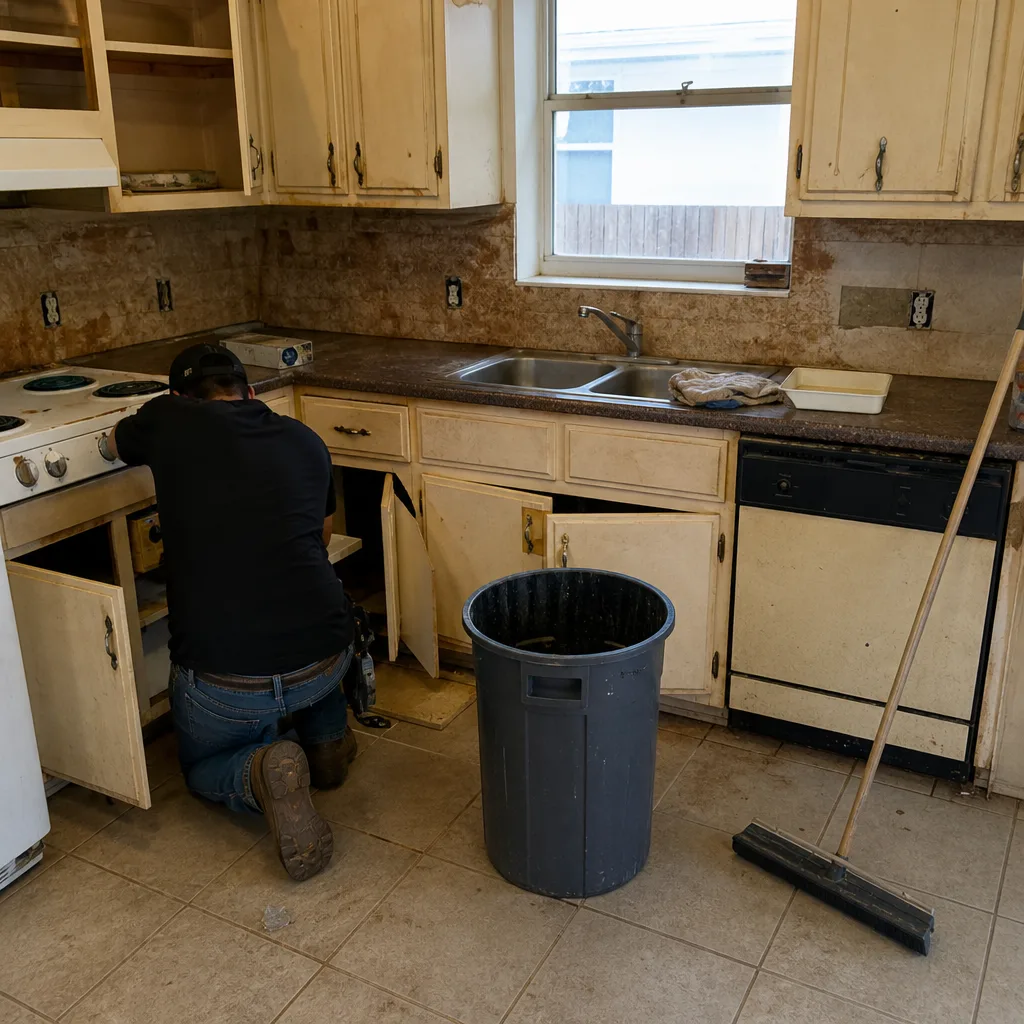 Before
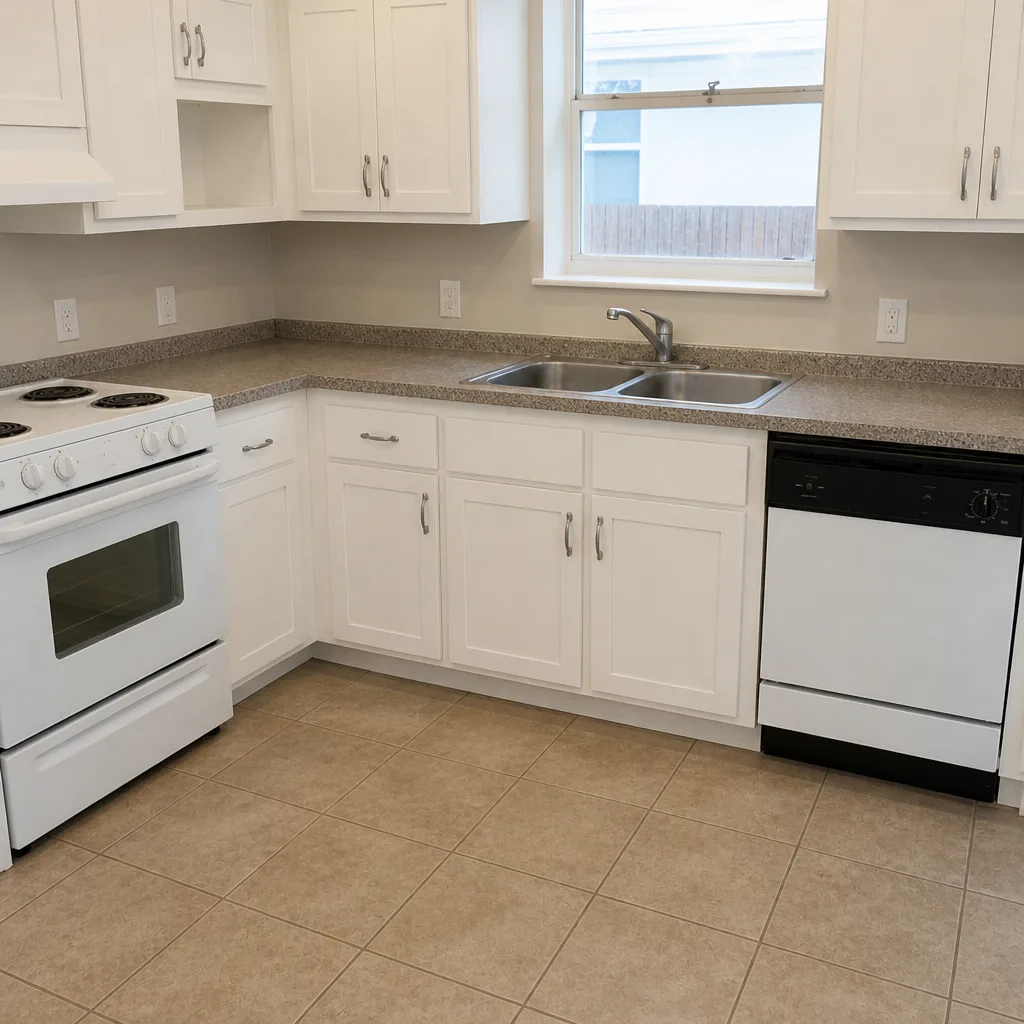 After
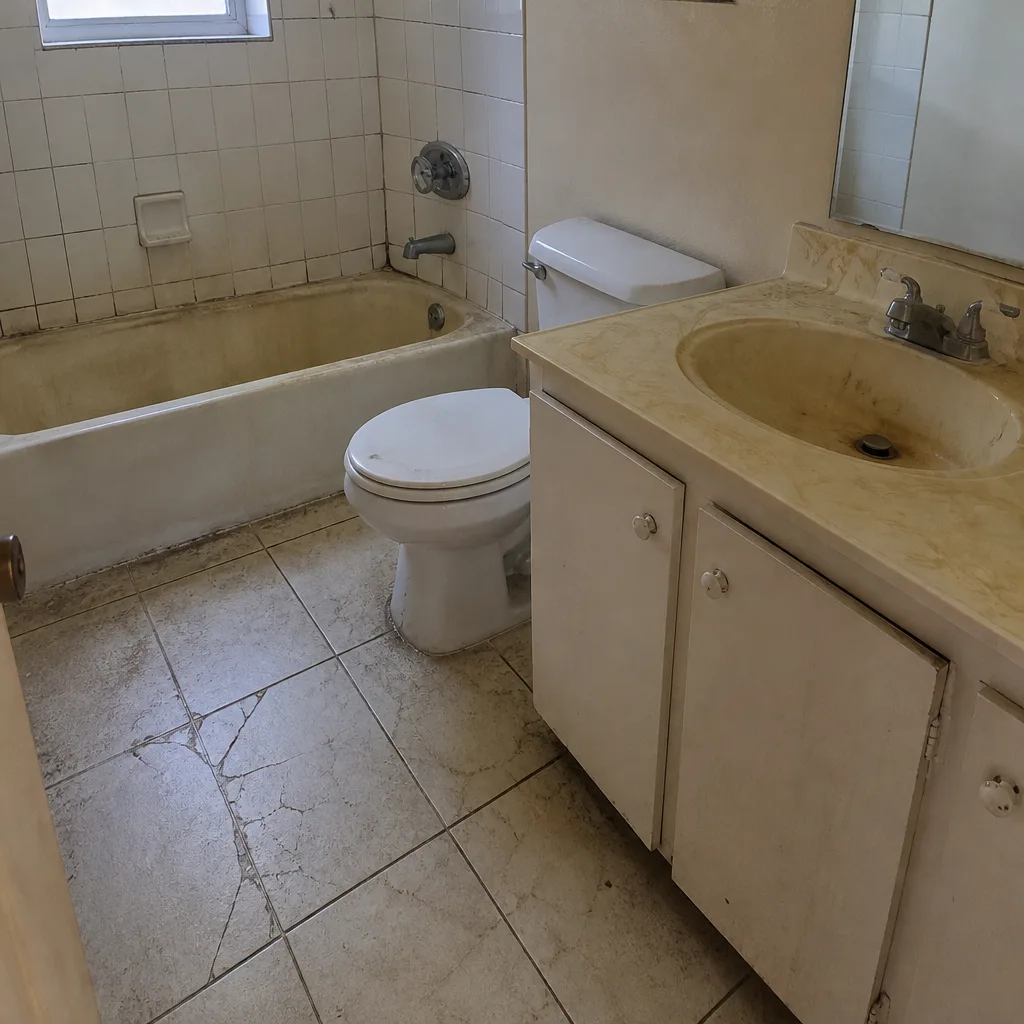 Before
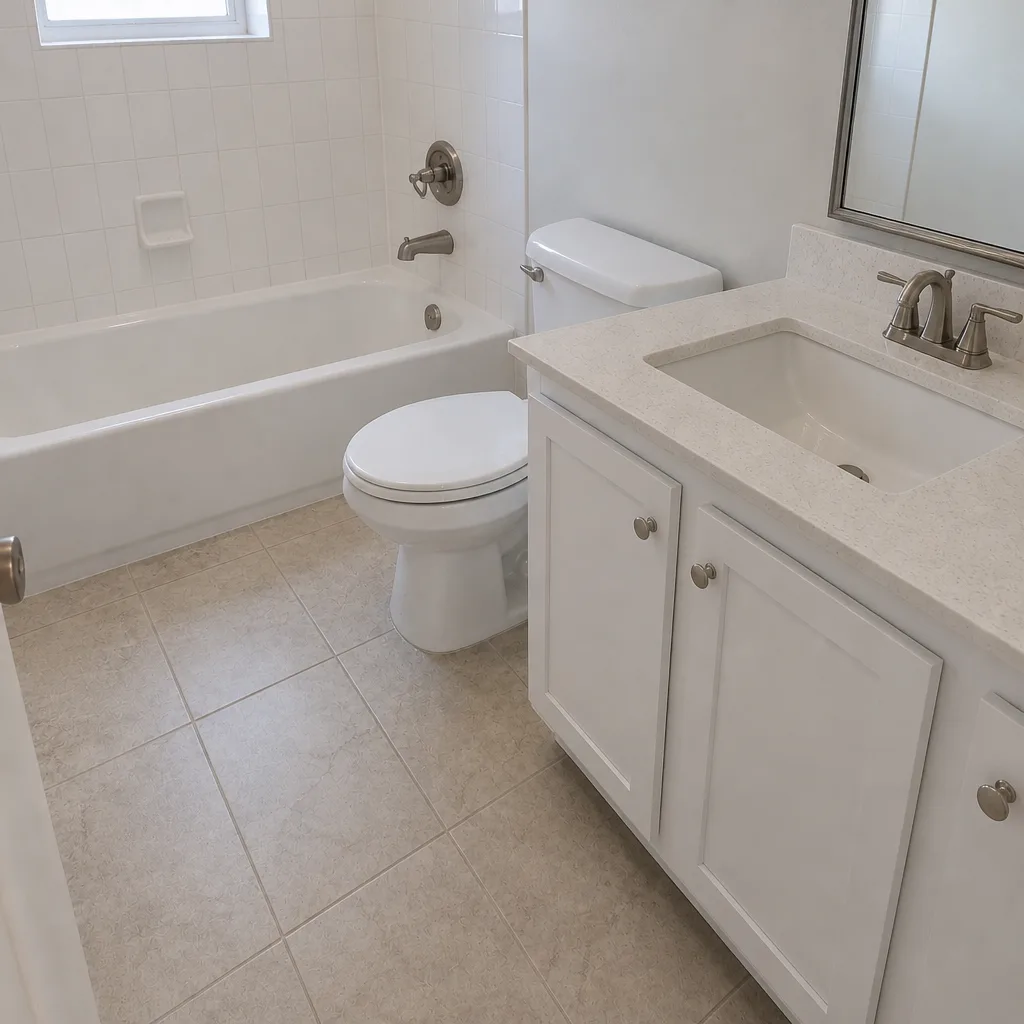 After
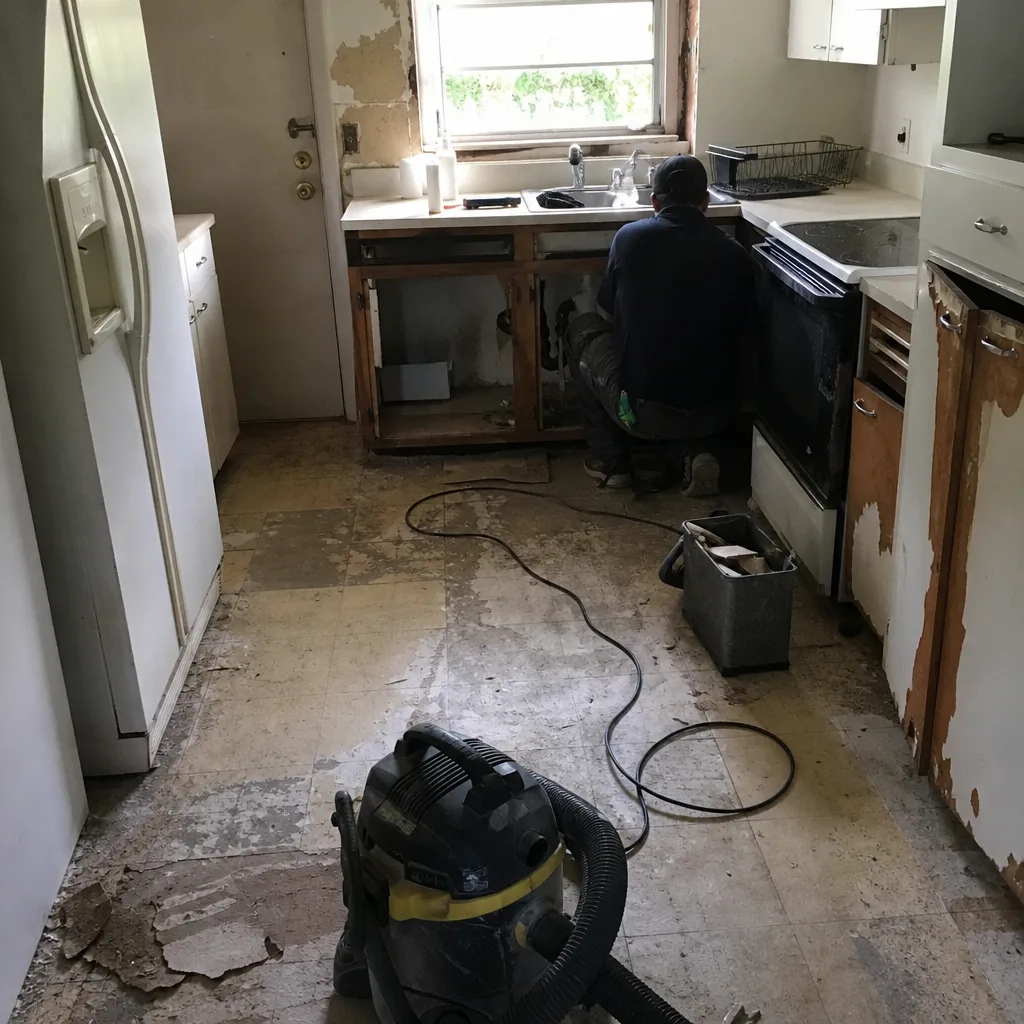 Before
 After
When to Call a Professional
Call a professional for anything structural, anything on the roof, anything involving garage doors, and anything you can’t verify against Miami-Dade code. A licensed contractor should assess roof-to-wall attachment, impact ratings, addition connections, and the drainage that protects your foundation. We won’t tell you to self-inspect the parts that decide whether your house survives. Our technicians have up to 12 years of experience, and our work is covered by the 730-Day Done Right Promise: if it’s not done right, we make it right. Groundwork Construction Co. of The Hammocks offers free estimates in The Hammocks. Call (844) 761-9356 to schedule yours, and we’ll answer, live, any hour of the day or night.
Frequently Asked Questions
Photograph every exterior side of your home, your roof from the ground with a zoom lens, all interior rooms, and any permits and material specs. Dated photos prove your home’s pre-storm condition, which is the single biggest factor in getting a claim that reflects actual damage. Without that record, an adjuster can only estimate, and estimates favor the insurer.
Schedule it between March and mid-May, well before June 1. An inspection should cover roof attachment, attic strapping, window and door ratings, garage door wind rating, fence anchoring, and drainage. Doing it early gives you time to fix anything that turns up before the season starts.
Yes, but only emergency protective repairs like tarping a roof or boarding a window. Those are expected and typically reimbursable. Permanent structural or repair work should wait for the adjuster’s assessment unless something is genuinely unsafe. Document everything before, during, and after the emergency work, and keep all receipts.
Verify a Florida license, confirm general liability insurance and bonding, and ask for recent local references you can check. A legitimate contractor provides all of this without hesitation, knows Miami-Dade product approval rules, and pulls permits. Anyone asking for a signature or deposit before you’ve spoken to your insurer is a risk.
Roof covering and underlayment, the roof-to-wall connections hidden in your attic, non-impact windows and doors, unbraced garage doors, and poorly anchored fences and enclosures. The failures that cause the most damage are often invisible, which is why an attic-level inspection before the season matters.
We offer free estimates on construction work, and our phones are answered by a live person any hour of the day or night. Call (844) 761-9356 and describe what you’re facing. We’ll tell you what needs immediate attention, what can wait for your adjuster, and how to protect your claim while we plan the repair.
The Bottom Line
Construction emergency preparedness for The Hammocks homes comes down to evidence and a plan before the season starts. Build a dated documentation file, have a licensed professional inspect the elements that fail first, and know the first-48-hours steps that protect your insurance claim. Vet contractors carefully after a storm, because the market fills with operators who don’t know Miami-Dade code. Groundwork Construction Co. of The Hammocks is here to help with every step, backed by the 730-Day Done Right Promise, transparent pricing, and real people who answer the phone. Call (844) 761-9356 for a free estimate and start your season prepared, not scrambling.
Written by the team at Groundwork Construction Co. of The Hammocks.