
Last updated November 17, 2026
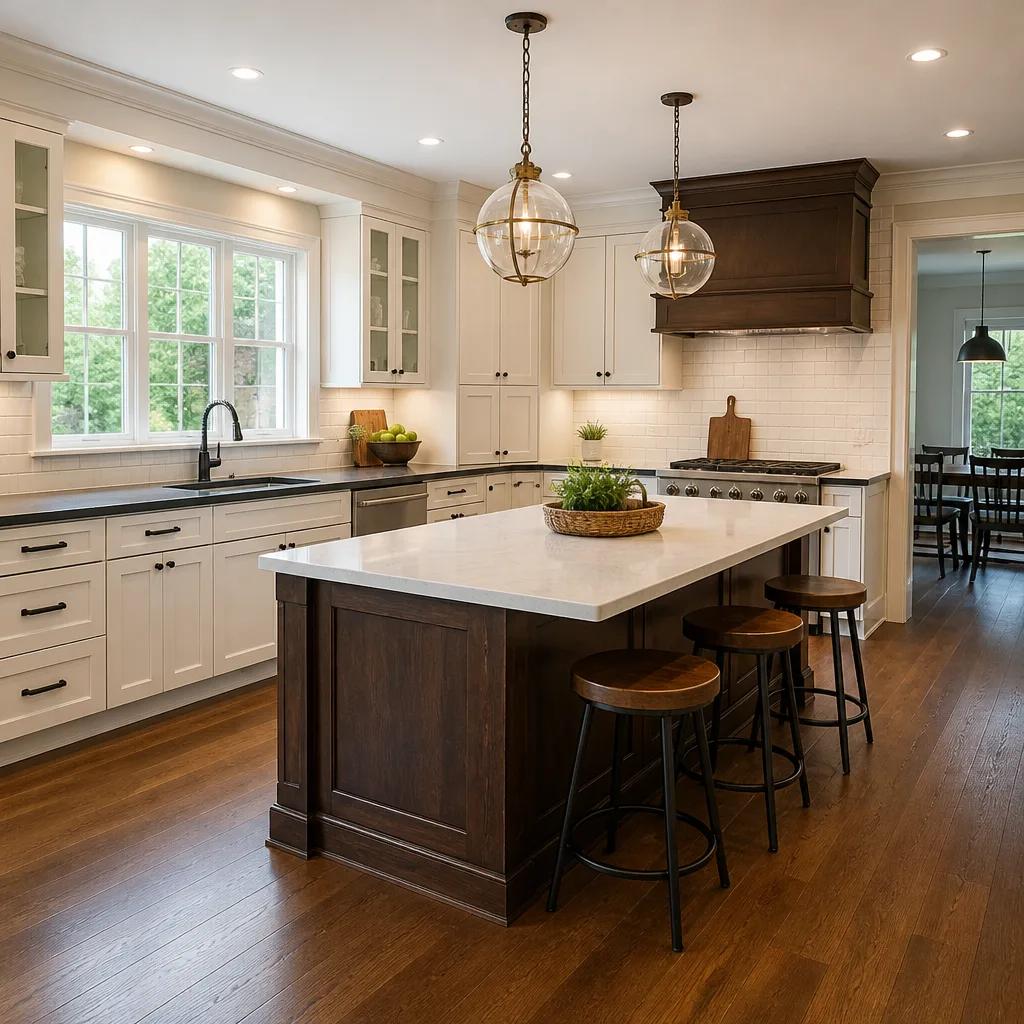 Kitchen remodeling
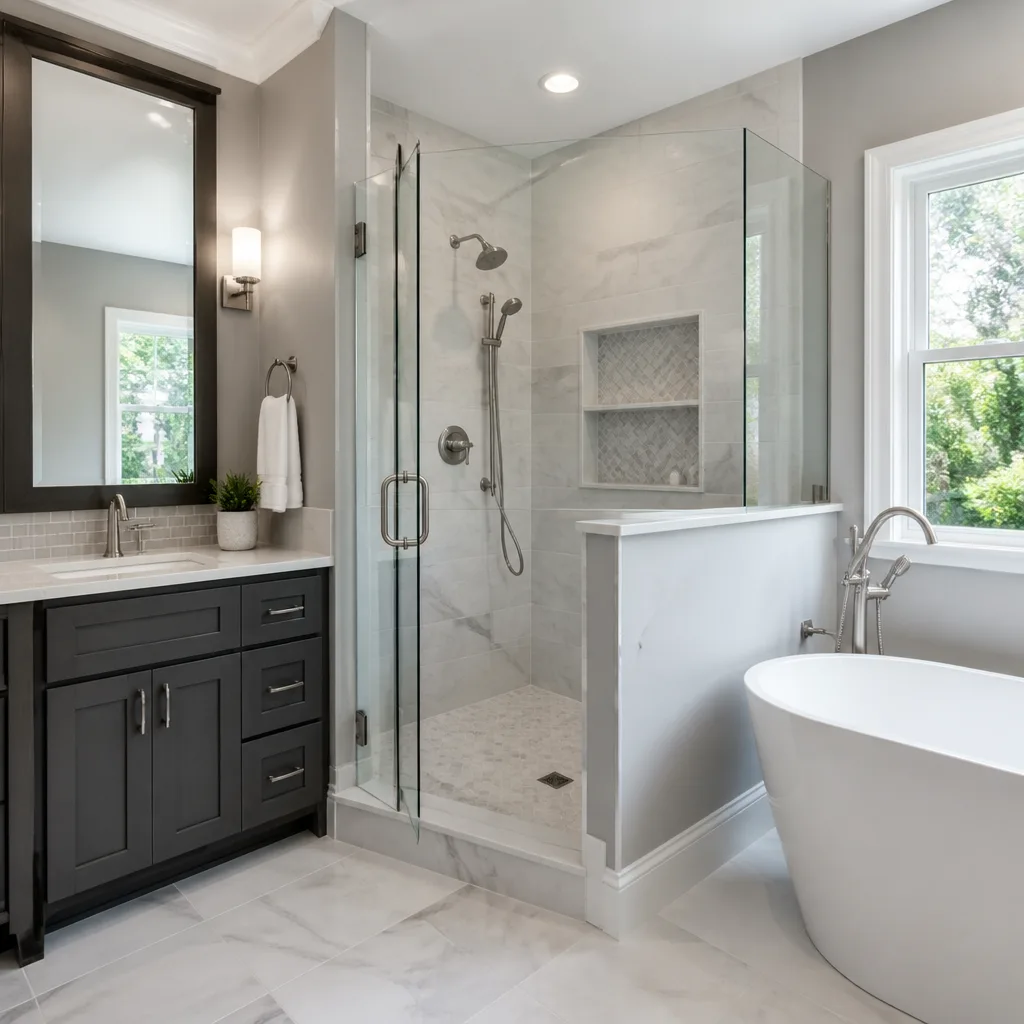 Bathroom remodeling
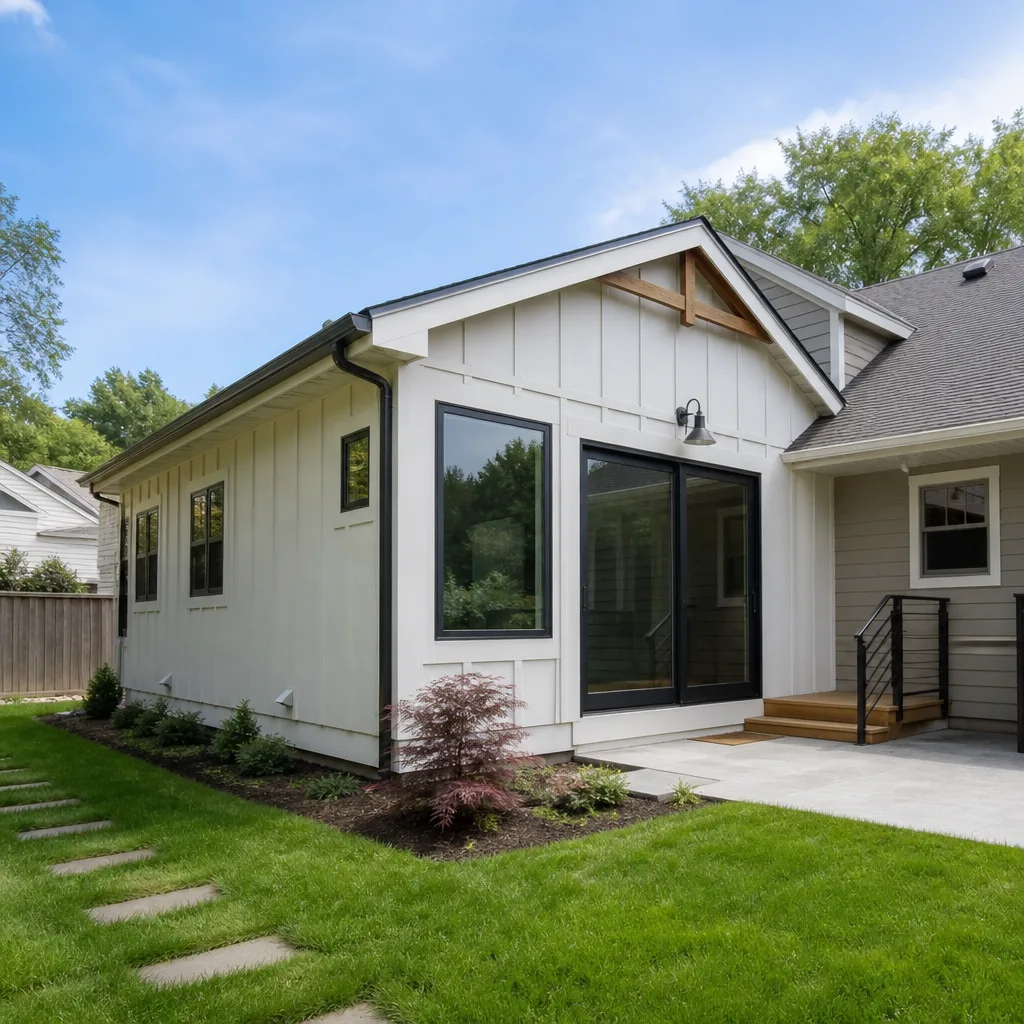 Home additions & ADU
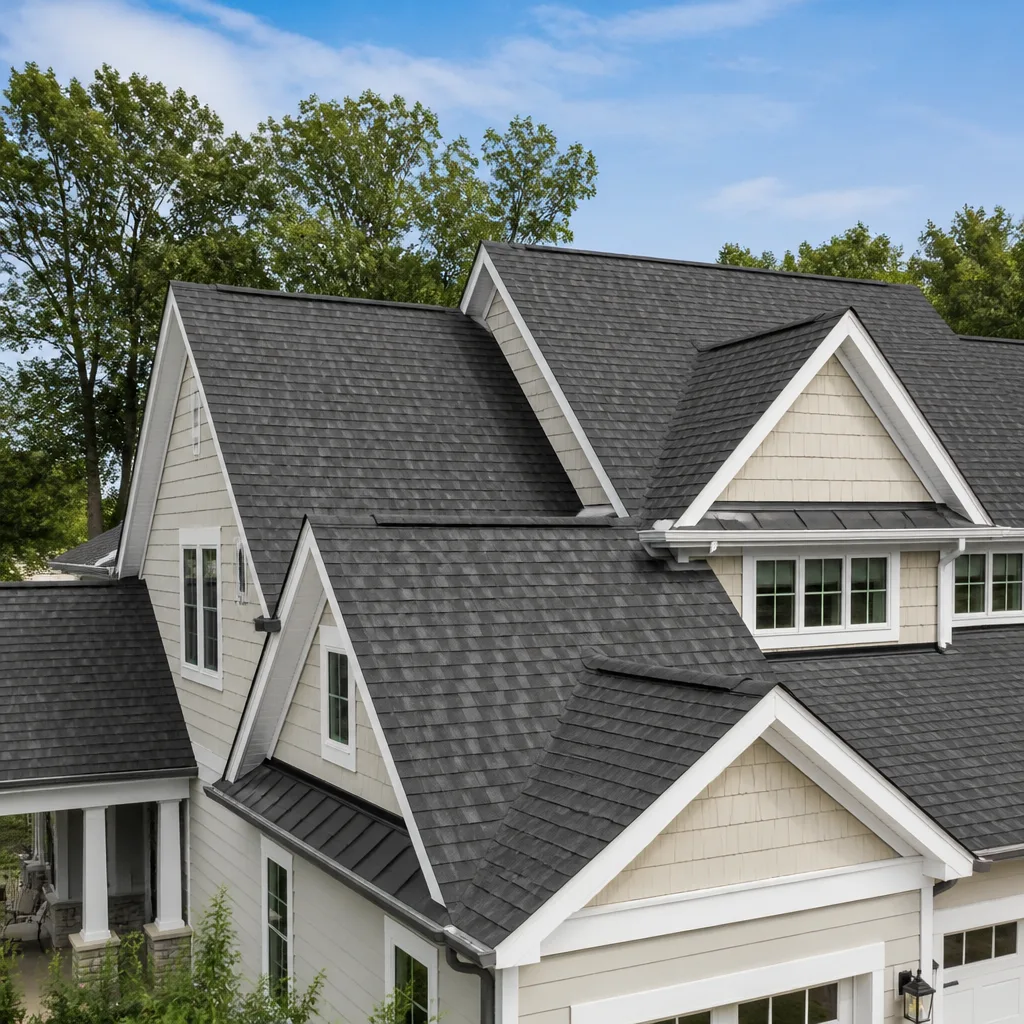 Roofing
 Windows & doors
 Driveway & pavers
 Fence
Free written scope consultation - allowances, timeline, and change-order rules on paper before a single trade is scheduled
Construction Permits, Codes & Inspections in FL: What You Need to Know
Here’s the part most homeowners learn too late: unpermitted work in Florida doesn’t just risk a fine. It becomes a legally disclosed defect. When you sell, you have to report it on the property disclosure statement, and that line item can force you to tear out finished work years later to satisfy a buyer’s lender or a title insurer. We’ve watched homeowners near The Hammocks pull out a completed addition because the paperwork never existed. This guide walks you through the real approval chain in Miami-Dade County – the permits, the product approvals under the High-Velocity Hurricane Zone rules, the Notice of Commencement, the inspections that matter, and how smart planning keeps a revision cycle from costing you a month.
Quick Answer
Residential construction in Miami-Dade County requires a building permit routed through the county’s own product-approval system layered on top of the Florida Building Code, and every product used in the building envelope must carry a Miami-Dade NOA (Notice of Acceptance) to pass inspection. Permits move through plan review, staged inspections, and a final inspection before a Certificate of Occupancy or Completion is issued. Getting the sequence right before you break ground is what separates a smooth build from a stop-work order.
Styles & brands we work with
- Kitchen remodeling
- Bathroom remodeling
- Home additions & ADU
- Roofing
- Windows & doors
- Driveway & pavers
- Fence
Table of Contents
- The Miami-Dade Permit Pathway vs. the Standard Florida Process
- What Product Approval Means Under HVHZ Rules
- How to Read a Notice of Commencement (and Why It Protects You)
- Which Inspections You Should Attend – and Which You Can Skip
- What Happens to Your Timeline When a Revision Cycle Hits
- The Step-by-Step Approval Chain for a Residential Project
- Which Projects Need a Permit in The Hammocks
- What Permits and Inspections Cost in Miami-Dade
The Miami-Dade Permit Pathway vs. the Standard Florida Process
Every county in Florida works from the same base document, the Florida Building Code. But Miami-Dade County and Broward County sit inside the High-Velocity Hurricane Zone, or HVHZ, and that pushes the two counties into a stricter rulebook than the rest of the state. If you’re building in The Hammocks or anywhere else in unincorporated Miami-Dade, your project is governed by those HVHZ provisions, not the standard state baseline. That’s not a technicality. It’s the single biggest reason projects from out-of-county builders get rejected at plan review.
Where the two processes diverge:
- Wind-load requirements. HVHZ sets higher design pressures for roof sheathing, fasteners, windows, and doors. A window that meets the base Florida code can still fail in Miami-Dade if it doesn’t hold an HVHZ rating.
- Product approval. The rest of Florida accepts products approved through the state’s Florida Product Approval system. Miami-Dade requires its own NOA, or an equivalent acceptance, for products used in the wind-borne debris region.
- Plan review authority. Miami-Dade runs its own building department review with stricter internal checklists for HVHZ scopes – roofing, window replacement, structural additions, and screen enclosures especially.
- Inspector credentials. HVHZ inspections for roofing and structural work require inspectors trained to those standards, and the inspection checklist is longer than the standard state list.
We’ve seen projects in The Hammocks stall for weeks because a supplier shipped a window that was state-approved but lacked the Miami-Dade NOA. The installation was perfect. The permit card still wouldn’t clear. That’s the whole point of the county pathway – it screens for the product, not just the workmanship. The Groundwork Construction Co. of The Hammocks home page lists what we handle in-scope locally, and it’s a useful starting reference for what needs a permit versus what doesn’t.
What Product Approval Means Under HVHZ Rules
A product approval is the documentation that a specific product – a window, a roof underlayment, a fastener, a shutter – has been tested and certified to meet Miami-Dade’s HVHZ standards. The county issues a Notice of Acceptance, commonly called a NOA, and every NOA has an expiration date and a specific scope of approval. Approved for one assembly does not mean approved for every application. The NOA lists the exact substrate, the fastener pattern, and the installation method it’s validated for.
This is where inspectors catch problems even on correctly installed work. Picture a roof replacement in a The Hammocks neighborhood where the roofer used the right shingle but a different underlayment, or installed the approved underlayment over a deck that wasn’t on the NOA’s approved substrate list. The shingles are fine. The installation technique is fine. The inspection still fails because the assembly as a whole isn’t the approved system. The roofing inspector reads the NOA, checks the product labels and fasteners on the roof, and if they don’t match the document, the inspection doesn’t clear.
How to avoid getting burned:
- Ask for the NOA number before ordering materials. Any reputable supplier or contractor can give you the number, and you can verify it against the Miami-Dade product control database.
- Confirm the NOA is current. Expired NOAs get rejected, even if the product is physically identical to what was approved.
- Match the installation to the NOA’s scope. The approved assembly includes the substrate, underlayment, fasteners, and attachment pattern – not just the visible product.
- Keep the label and packaging on-site until the inspection passes. Inspectors often want to see the printed NOA number on the materials, and once the boxes are gone, proof gets harder.
When we quote a roofing or window project in The Hammocks, our material partners – GAF, CertainTeed, Andersen, and others – all publish Miami-Dade NOAs for the products we specify, and we confirm the number before the order goes out. That’s a basic step for any builder working this county, but it’s also the step most often skipped to save a day on ordering. The Home Additions & ADU in The Hammocks page covers how we handle product approvals on new structural scopes, which face the longest review list.
How to Read a Notice of Commencement (and Why It Protects You)
A Notice of Commencement, or NOC, is a legal document the property owner (not the contractor) files with the county clerk before work starts on a permitted construction project with a value above the statutory threshold. It goes on record, and it tells the world – suppliers, subcontractors, lenders – that work is beginning and who to contact regarding the property. It’s short, usually one page, and homeowners skim past it. That’s a mistake, because the NOC is one of the few protections that runs in your favor.
Why it matters to you, not just your contractor:
- It caps your lien exposure. A subcontractor or supplier who wants to file a mechanic’s lien against your property must serve you a Notice to Owner based on the NOC. Without the NOC posted and recorded, the paperwork chain is incomplete, and disputes over who was supposed to be paid can land on your title.
- It identifies who’s authorized to work on your site. The NOC names the contractor, the surety (if any), and the lender (if any). If a name appears that you didn’t expect, that’s your cue to stop and ask questions before work begins.
- It sets the start date. The NOC kicks off the clock for the whole project. Time-based filings – notices of termination, claims of lien – reference that date.
- It gets posted on-site. The NOC must be available at the job site, and inspectors or county officials can ask to see it. If it isn’t posted, schedules get pushed.
If you’re financing the build, your lender will likely require the NOC. If you’re paying cash, file it anyway. We’ve seen it protect homeowners in The Hammocks from mechanic’s lien claims by suppliers who never got paid by a subcontractor – the NOC paperwork and notice chain made clear who owed what. It’s a ten-minute filing that prevents a months-long headache. Any project of real size, including Driveway & Pavers in The Hammocks, benefits from filing the NOC even on scopes where it isn’t strictly required. It’s cheap insurance for your title.
Which Inspections You Should Attend – and Which You Can Skip
Inspection stages in Miami-Dade are set by scope, and a general rule applies: attend the ones where structural assemblies are about to be covered up, and skip the routine ones where the work is visible and documented. The homeowner’s presence catches problems before they’re buried behind drywall or sealed under roofing membrane. Here’s how we sort them.
Worth your time:
- Pre-pour foundation or slab inspection. Rebar spacing, anchor bolts, and forms need to be correct before concrete goes down. Once poured, everything is permanent.
- Framing inspection. This is the big one. Wall sheathing, hurricane straps, roof truss connections, and nailing patterns all get checked. If the inspector flags anything, it gets corrected while the walls are open. Being there helps you understand what was caught.
- Final inspection and Certificate of Occupancy. This closes the project and clears the permit card. You want to be present, walk the work with the inspector, and see the CO issued.
Safely skipped:
- Rough-in electrical, plumbing, and mechanical inspections. These check behind-the-wall work and are usually documented with photos.
- Insulation and drywall inspections. Routine and visible. Contractors handle these as a matter of course.
- Roofing progress inspections. Unless you want to see a specific detail, the roofer and the inspector manage these.
We schedule walkthroughs with The Hammocks homeowners for the framing and final stages as a standard part of every project – it’s easier to spot a concern live than to hear about it after the fact. Fence installations typically need fewer inspection stages than structural additions, so the Fence Installation in The Hammocks guide covers what to expect on that scope. Ask your builder for the full inspection schedule before the permit is issued. Knowing which checkpoints are on the calendar is how you plan your time.
What Happens to Your Timeline When a Revision Cycle Hits
A revision cycle is when the plans get kicked back during plan review for changes before the permit can be issued. It’s not a rejection – the plan reviewer found something that needs correction, or a document is missing, or a product approval doesn’t line up. Every jurisdiction has these. What separates a fast project from a slow one is how quickly the builder responds and how complete the resubmittal is.
A typical revision cycle during plan review costs two to four weeks in Miami-Dade – sometimes five or six if the correction requires structural calculations from an engineer. That’s time you don’t get back. The clock runs from the day the reviewer returns comments to the day the corrected plan package goes back into the queue. And if the second review catches a new problem, you’ve added another cycle on top.
Why builders who know the system lose less time:
- They front-load the paperwork. Architectural drawings, engineering calculations, NOA packets, and product specifications all go in the first submittal. Every missing document in the initial package is a guaranteed revision.
- They read the reviewer’s comments carefully. Half the delays we’ve seen come from a resubmittal that fixed one thing and missed a related item, sending the plan back for a second cycle.
- They confirm product approvals before design closes. Specifying a window without a NOA means the reviewer catches it, and correcting the spec pulls in the design team.
- They build a realistic schedule around the review. A builder who says “the permit takes two weeks” when the county’s typical turnaround is six weeks is setting you up to be angry later.
The pattern we see in The Hammocks and across Miami-Dade is that a revision cycle triggered on a simple scope – say a kitchen with no structural changes – can clear in a week or two if the contractor is organized. A revision cycle on an addition or a roof replacement with a non-compliant assembly takes longer because every change triggers re-checking. Our team builds the plan-review timeline into every quote. If a project we’re running for you goes through a revision, you’ll know the day it happens and the correction date we’re targeting. That’s part of what a written quote should mean: no surprises about the clock, no surprises about the cost.
The Step-by-Step Approval Chain for a Residential Project
Here’s the walk-through we use for every project. It’s the same sequence whether you’re remodeling in The Hammocks or building a new ADU. Deviating from it – skipping a step to save time – is how projects end up dealing with stop-work orders.
- Confirm the scope and check what permits are needed. Every permitted scope gets identified at intake. Structural, roofing, electrical, plumbing, mechanical, window replacement, and fence and driveway work all have their own requirements. Some interior finish work does not. Knowing the difference before you start saves wasted effort.
- Confirm product approvals. Every product in the envelope gets its Miami-Dade NOA number verified and logged before design closes. This is where most revision cycles are avoided.
- Submit the permit application and plans. The package goes to Miami-Dade with all engineering, drawings, and NOAs. The review clock starts on submittal.
- Handle plan review and revise if needed. If the reviewer returns comments, corrections get made and the package resubmits. The builder’s organization on the resubmittal is the pace driver.
- File the Notice of Commencement. You record the NOC with the county clerk before work begins. It goes up at the job site.
- Pass staged inspections. Foundation, framing, rough-ins, and any scope-specific stages. Each stage clears before the next proceeds.
- Attend the final inspection. The final inspection clears the permit, and the Certificate of Occupancy or Completion gets issued.
- Close the permit and keep the paperwork. The permit record becomes part of your property file, and it’s what buyers and their lenders will pull during resale.
If you want to understand how much of this chain applies to your specific project, the free estimate process is the right place to start. Groundwork Construction Co. of The Hammocks runs the full approval chain on every permitted job, suppliers and subcontractors included.
Which Projects Need a Permit in The Hammocks
Miami-Dade requires a permit on any scope that affects the structure, the building envelope, the electrical system, the plumbing, or the mechanical systems. That covers more than most homeowners expect. Cosmetic work often doesn’t require one. Structural and envelope work almost always does.
Typically permitted:
- Any wall removal or addition, including non-load-bearing walls that affect electrical or plumbing
- Roof replacement, re-roofing, or any work on the roof structure
- Window and door replacement (HVHZ wind-load requirements)
- Kitchen and bathroom remodels that move plumbing, electrical, or gas
- Additions, ADUs, screen enclosures, and any new square footage
- Driveways, patios, and pavers when they affect drainage or impervious surface limits
- Fences above six feet, and any fence in a required setback or on a property line
- Any electrical panel change, service upgrade, or new circuit run
Often not permitted, but confirm with the county:
- Interior paint, flooring, and cosmetic finishes
- Cabinet replacement in the same footprint without plumbing or electrical changes
- Fence replacement in the same location under six feet, when the original fence was permitted
- Landscaping and mulch
The tricky cases fall around the edges – kitchen cabinetry replacing a section of wall, a fence that replaces a permitted fence but shifts location, a paver driveway that adds impervious surface. Call the county to confirm before assuming no permit is required. Getting this wrong is the expensive kind of mistake: fines, stop-work orders, and the disclosure obligation at resale. When in doubt, permit it. Our team’s experience on these projects runs up to 12 years per technician, and the thing that experience buys you is knowing the edges. Most jobs in The Hammocks run through a permit review smoothly when the scope is identified correctly at the start.
What Permits and Inspections Cost in Miami-Dade
Permit fees in Miami-Dade are calculated by the valuation of the project and the specific scope. There’s no single flat fee. The range depends on the kind of work and the square footage or project value involved. Here’s how residential scopes typically look in the The Hammocks market:
- Kitchen or bathroom remodel: $350 to $1,200 in permit fees for a typical scope, depending on electrical and plumbing changes and the valuation
- Roof replacement: $400 to $1,400 on a single-family home, higher for complex roof structures and HVHZ product-approval review
- Window and door replacement: $200 to $900 depending on unit count and HVHZ review scope
- Addition or ADU: $2,500 to $8,000 and up for permits, plan review, and inspection fees, driven by square footage and structural engineering
- Driveway and pavers: $200 to $700, typically lower if the scope doesn’t change site impervious area
- Fence installation: $100 to $400, more for fences above six feet or in setbacks
- Inspection fees: usually built into the permit fee, with occasional per-inspection charges on specific scopes
These are permit and review fees only, not contractor labor or materials. The permit is the paperwork layer, and skipping it saves nothing in the long run. We provide the permit breakdown as part of every written quote so you see exactly what’s being filed and what it costs. Upfront pricing, no surprises.
Common Mistakes to Avoid
- Letting a contractor “handle it later.” Unpermitted work is the most common failure we see. It seems harmless until you sell and the buyer’s lender flags the disclosure. The cost of tearing out completed work to satisfy a buyer is far higher than the permit you skipped.
- Approving a product without a Miami-Dade NOA. A window or roofing product that’s approved elsewhere in Florida still fails here. Confirm the NOA number on every envelope product before it ships.
- Assuming the standard Florida code covers your project in Miami-Dade. The HVHZ rules are stricter. Builders from outside the county often don’t know this, and you end up paying for the citation.
- Skipping the Notice of Commencement because the contractor said you didn’t need one. The NOC is your protection against mechanic’s liens. File it even if it feels like paperwork overkill.
- Missing the framing inspection. Once the drywall goes up, the straps and truss connections are hidden. That inspection is your only chance to see what’s inside the wall before it’s sealed.
- Starting work on a verbal “permit’s coming” promise. Work isn’t permitted until the permit card is issued and posted at the site. Starting early is a stop-work order waiting to happen.
- Not confirming product approval on a roofing scope. The shingles on a Miami-Dade roof must carry an NOA for the assembly, not just the shingle product alone. An underlayment swap in the field can fail the inspection even when the visible work looks correct.
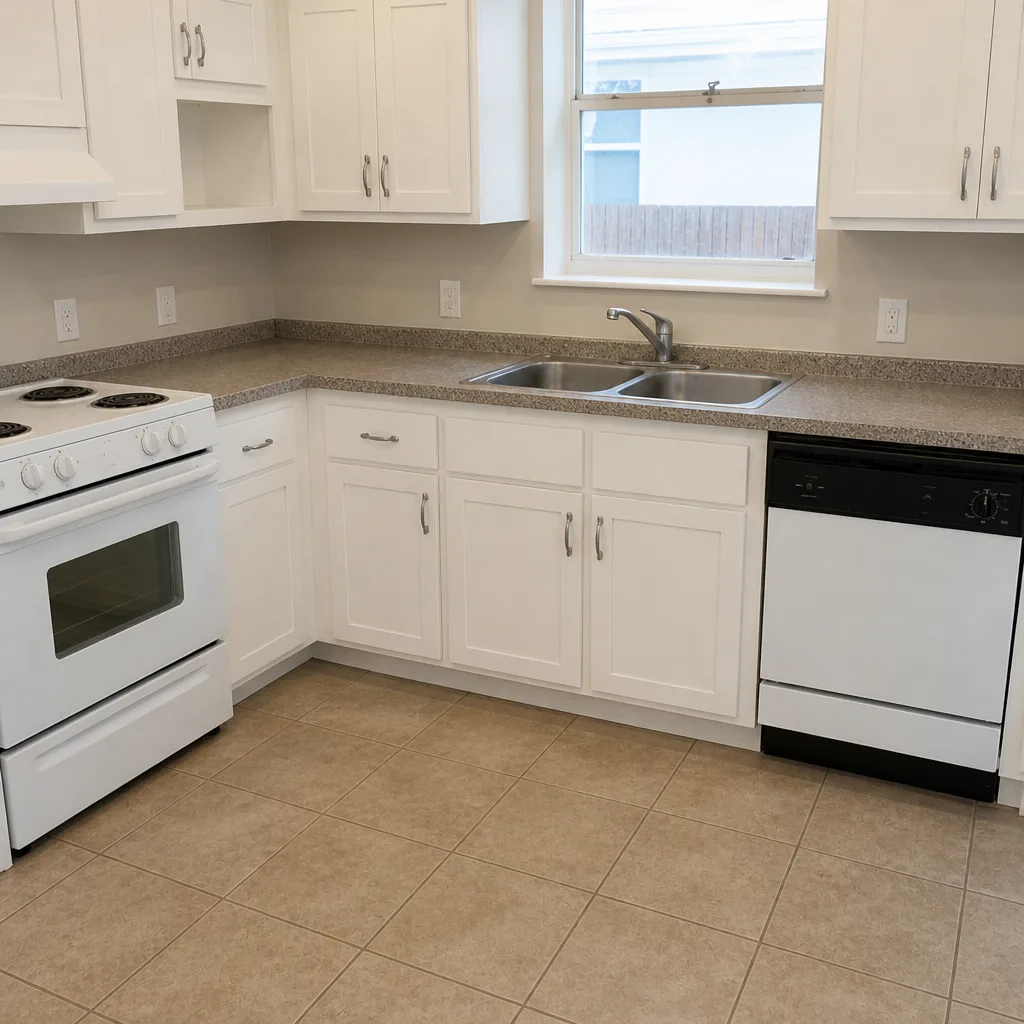
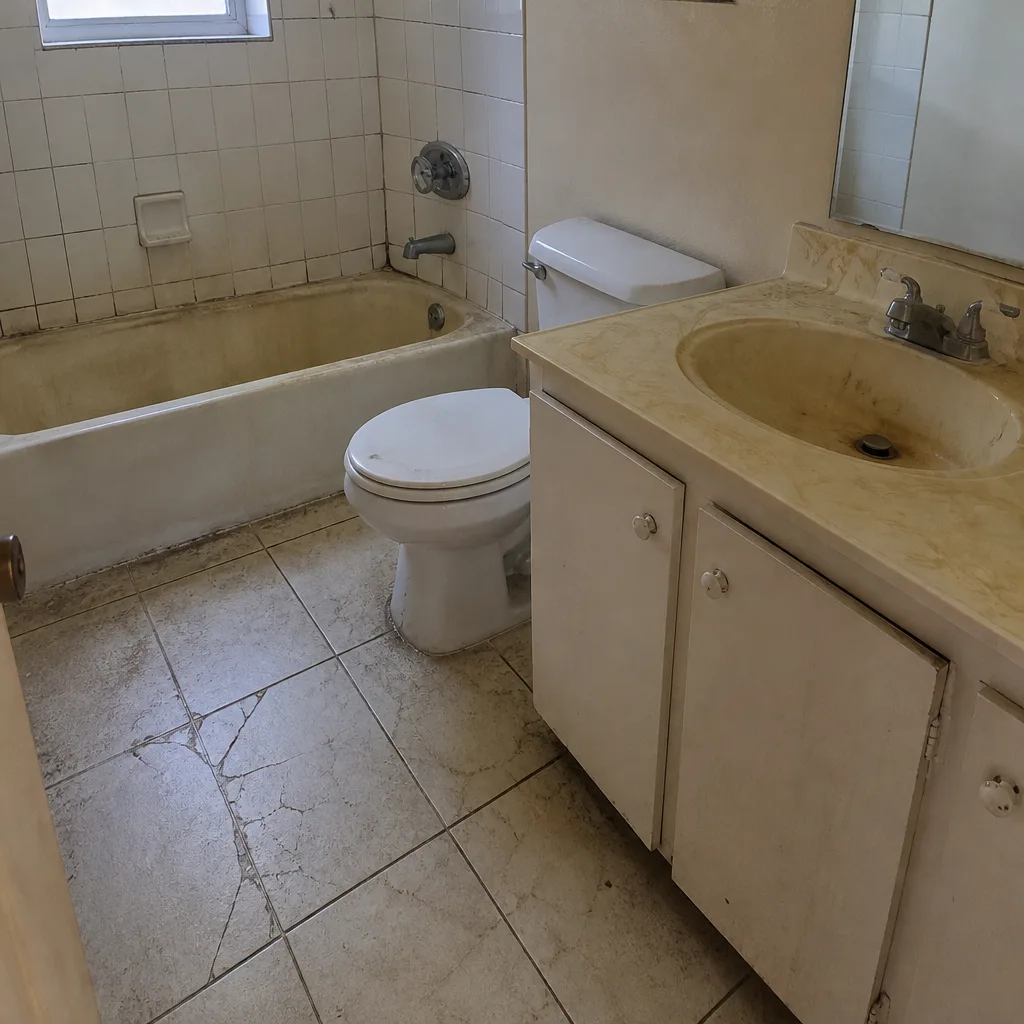
See the difference
 Before
 After
 Before
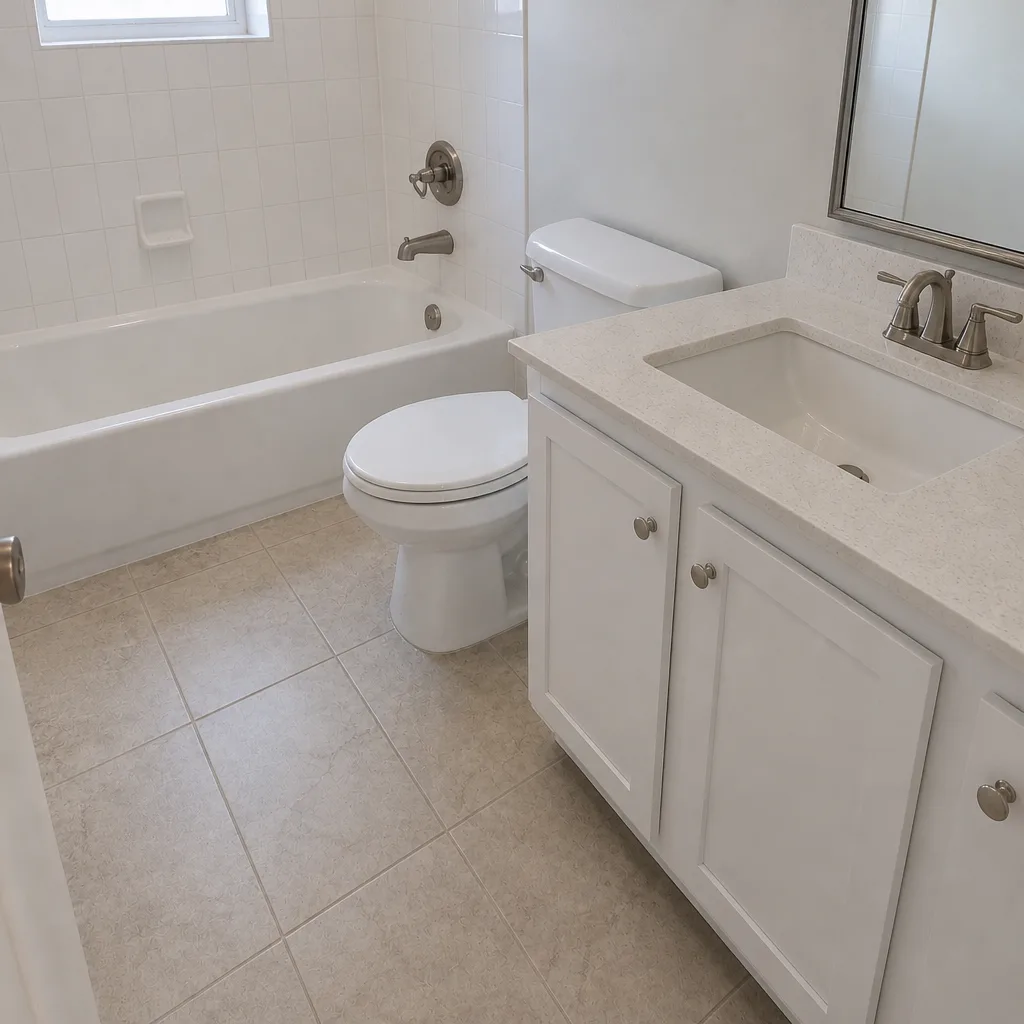 After
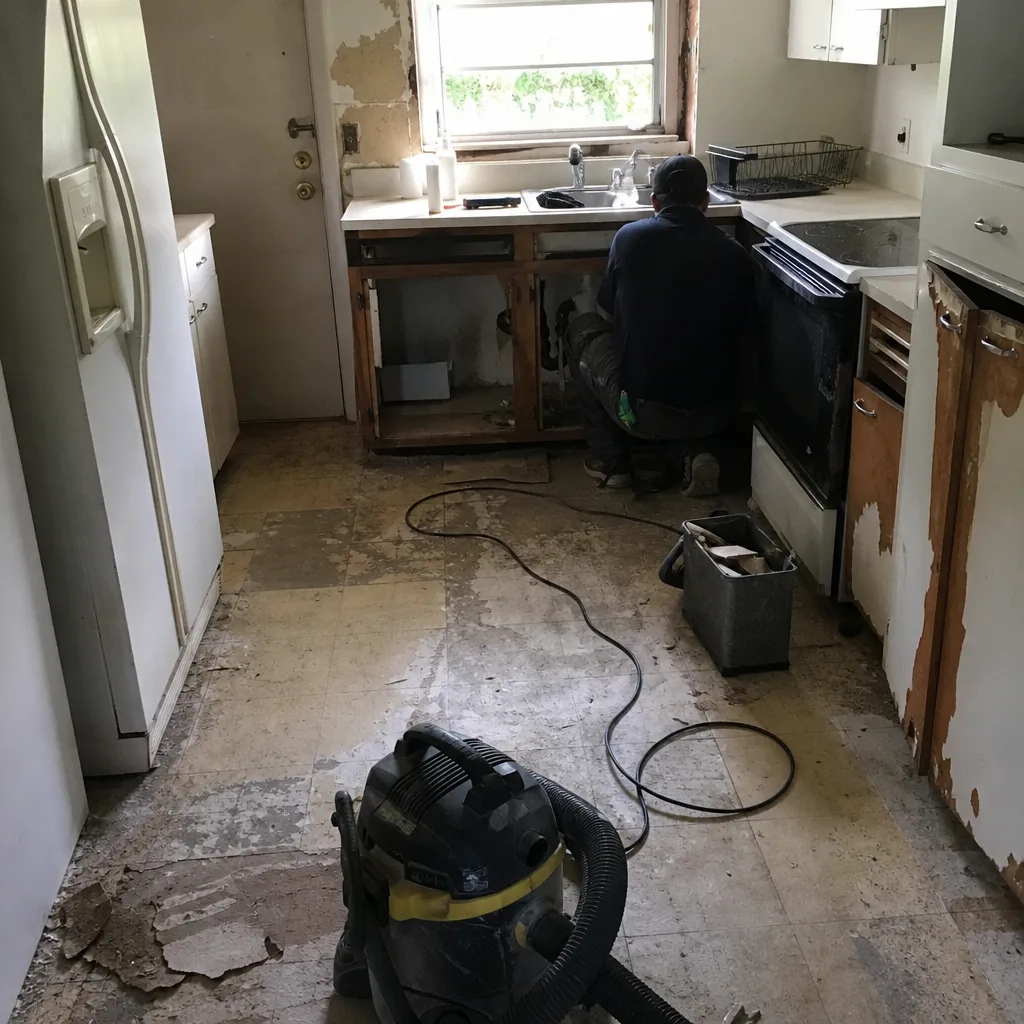 Before
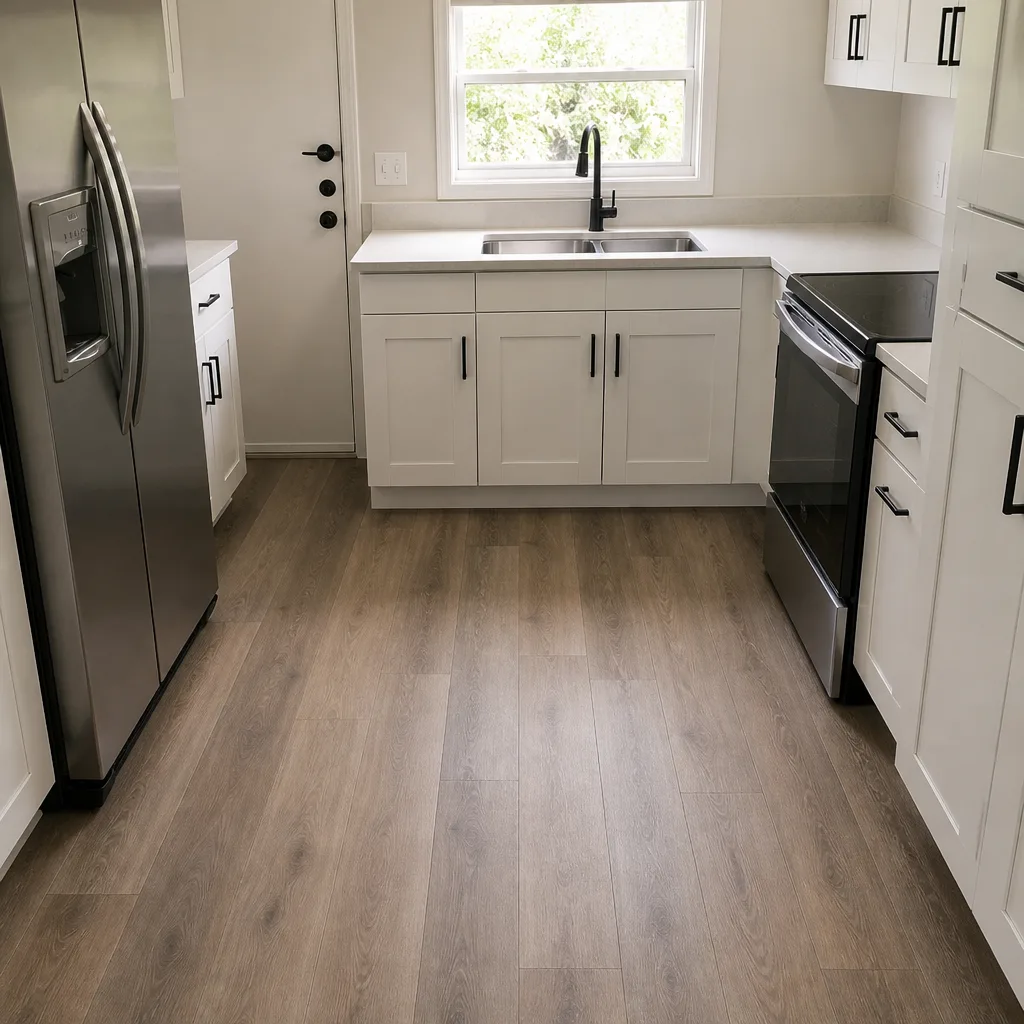 After
When to Call a Professional
The moment a project involves removing a wall, adding square footage, changing the roof, replacing windows, upgrading the electrical panel, or moving plumbing, you’re in permit territory – and the approval chain is easier to run with a builder who knows the county system. Trying to manage plan review, product approvals, NOC filing, and inspection scheduling yourself while also managing the trade work is how projects get delayed. The scopes we handle require HVHZ product approvals, county plan review, staged inspections, and a final CO or Completion. Groundwork Construction Co. of The Hammocks offers free estimates in The Hammocks – call (844) 761-9356 to schedule yours, and we’ll walk through the permit pathway for your scope before you commit to anything. Calls are answered by a live person, 24/7.
Frequently Asked Questions
Yes, if the remodel involves moving plumbing, electrical, gas, or any wall removal. Cosmetic changes like paint, flooring, and cabinet replacements in the same footprint typically don’t need a permit. If the scope includes moving a sink, adding an outlet, or taking down a wall, the permit is required. Call (844) 761-9356 for a free estimate – we’ll confirm the permit scope for your specific project.
An NOA (Notice of Acceptance) is Miami-Dade County’s product approval document for materials used in the High-Velocity Hurricane Zone. Products in the building envelope – windows, doors, roofing underlayments, fasteners, shutters – need a current NOA to pass inspection. Without one, even correctly installed work fails. Our team verifies NOA numbers on every envelope product before materials ship to your site.
Yes. Our written quotes itemize the permit and review fees separately from labor and materials, so you see exactly what’s being filed with Miami-Dade and what it costs. The number you see is the number you pay – no change orders once work starts. Call (844) 761-9356 to schedule a free estimate and see the full breakdown.
A stop-work order means the county has identified a code or permit problem and halted work until it’s resolved. The resolution usually involves submitting missing paperwork, correcting an unapproved product, or addressing inspector comments. Work restarts once the county clears the issue. Avoiding stop-work orders is a matter of running the approval chain properly from the start – which is what we do on every project.
A standard residential roof replacement typically takes three to six weeks for permit issuance in Miami-Dade, depending on current plan review volume and whether the product approvals are in order. The HVHZ product review adds time compared to standard Florida jurisdictions. Call (844) 761-9356 for an estimate and we’ll walk through the timeline for your specific roof.
Fences above six feet, fences in a required setback, and fences on a property line generally require a permit in Miami-Dade. Fence replacement in the same location under six feet may not require one, but confirm with the county before assuming. Call (844) 761-9356 for a free estimate – we’ll confirm the permit scope before we start.
The Bottom Line
Florida’s building code is strict, and Miami-Dade County pushes it further because of the High-Velocity Hurricane Zone rules. The permit chain runs through product approvals, plan review, the Notice of Commencement, and staged inspections before a final CO closes the project. Getting it right means confirming NOA numbers on every envelope product, filing the NOC to protect your title, attending the inspections that catch structural issues, and building a realistic plan-review timeline into the schedule. The cost of doing it correctly is worth every dollar compared to the cost of tearing out unpermitted work at resale. If you’re planning a project in The Hammocks and want the approval chain handled properly from day one, call Groundwork Construction Co. of The Hammocks at (844) 761-9356 for a free estimate. The number you see is the number you pay, backed in writing by the 730-Day Done Right Promise – we make it right if anything isn’t done right. Our technicians bring up to 12 years of experience per project, arrive background-checked and in uniform, and stand behind the work. Ask about current promotions: $1,000 off projects over $10,000 and 0% financing for 18 months. From foundation to finish line, that’s the standard.
Written by the team at Groundwork Construction Co. of The Hammocks.