
Last updated November 17, 2026
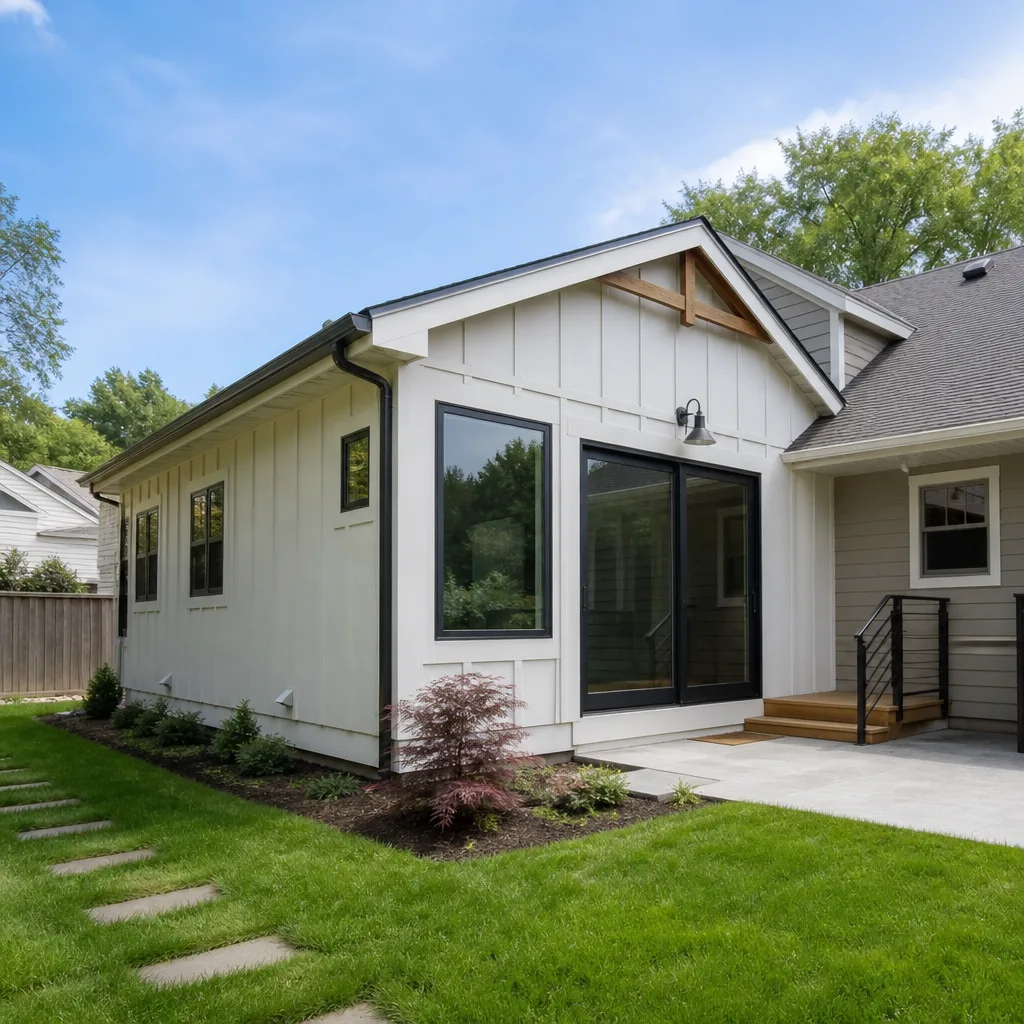 Home additions & ADU
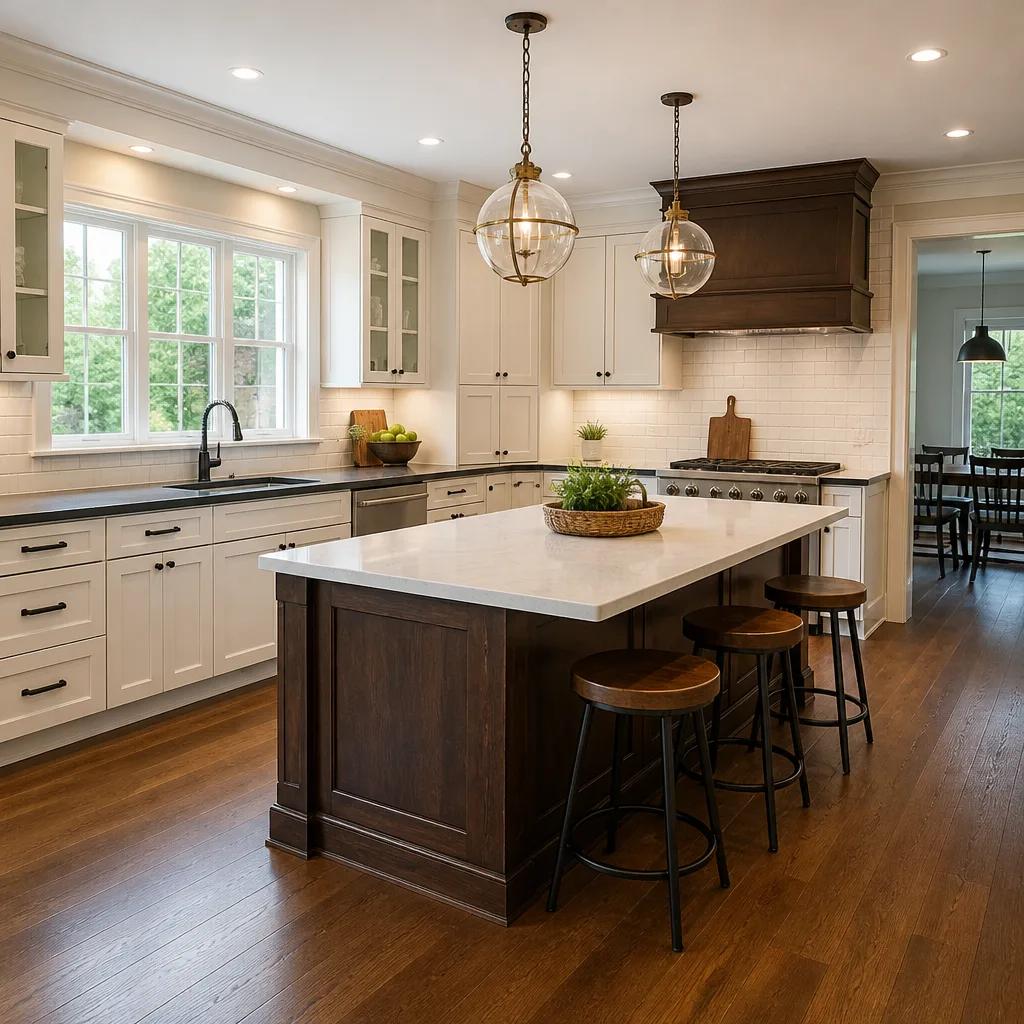 Kitchen remodeling
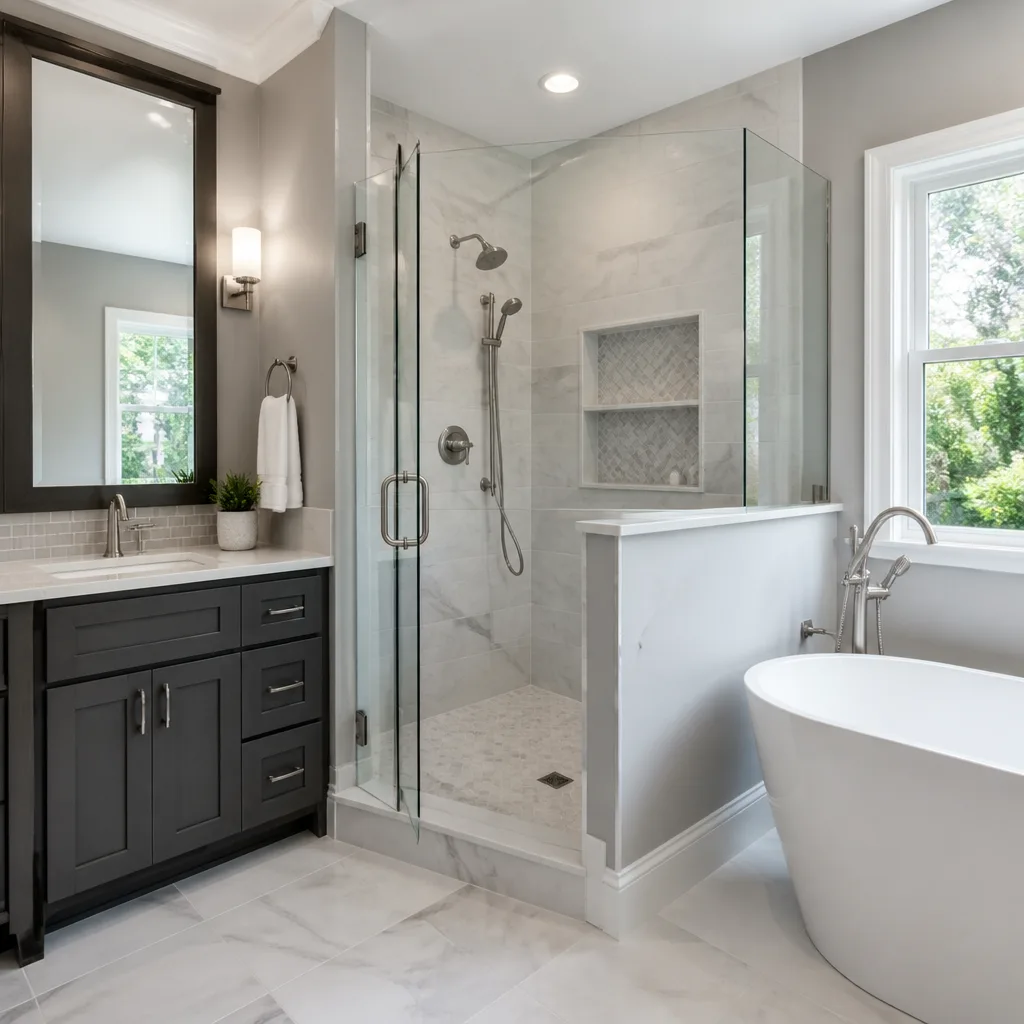 Bathroom remodeling
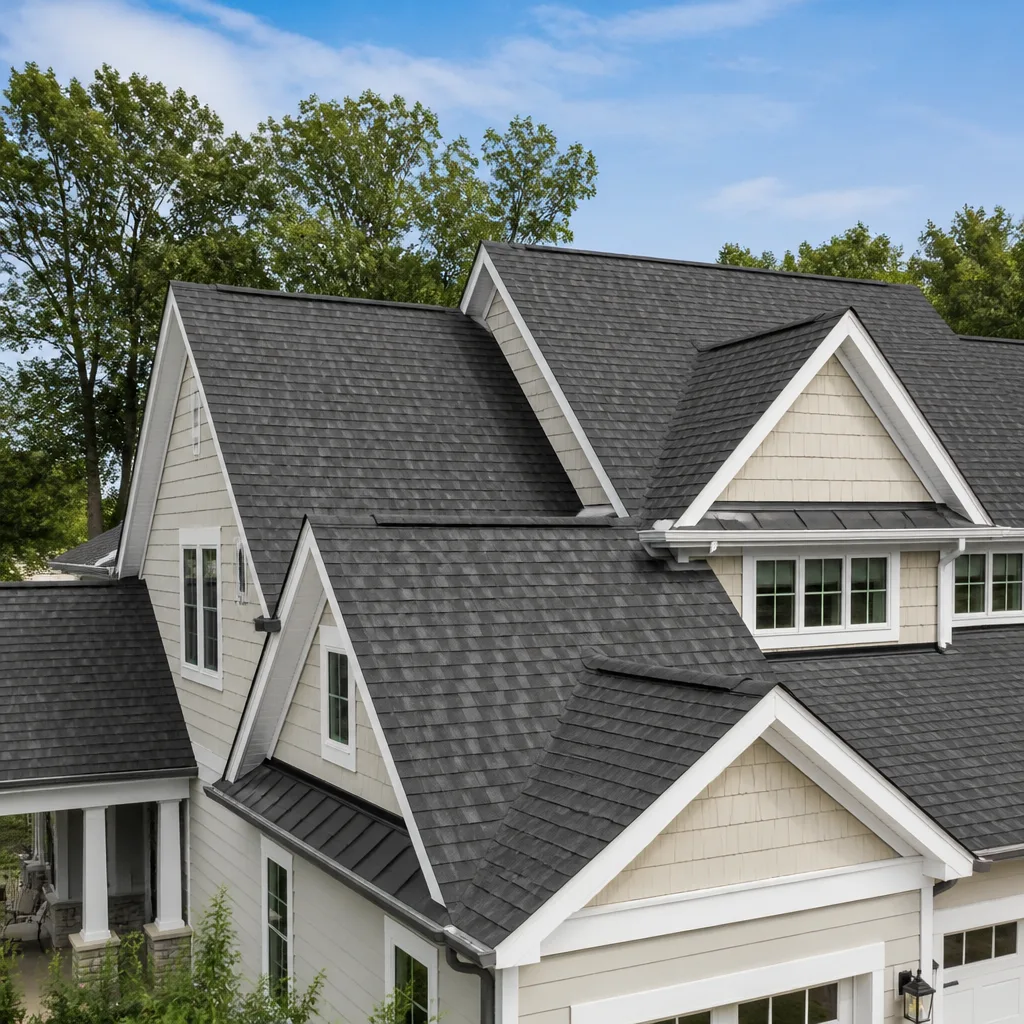 Roofing
 Windows & doors
 Driveway & pavers
 Fence
Free written scope consultation - allowances, timeline, and change-order rules on paper before a single trade is scheduled
DIY vs Professional Construction: The The Hammocks Homeowner’s Decision Guide
Florida lets you pull permits for construction on your own primary residence under the owner-builder exemption. That part is true, and plenty of The Hammocks homeowners have used it to finish a fence, lay pavers, or patch drywall without hiring anyone. But the savings rarely survive the transaction. Lenders get skittish, insurance carriers get specific about who did the work, and future buyers inherit every shortcut. This guide draws the line honestly: what you can legally and safely do yourself in Miami-Dade County, what requires a licensed contractor by statute, and how to decide which side of that line any given project falls on.
Quick Answer
In The Hammocks, you can legally self-perform cosmetic and non-structural work like painting, fencing, landscaping, and paver patios under Florida’s owner-builder exemption, but anything involving the structural envelope, roofing, electrical, plumbing, or gas requires a licensed contractor. The real deciding factors are insurance exposure and resale value, not just whether you can swing a hammer. Unpermitted or unlicensed work can void a claim and stall a sale, which is why most The Hammocks homeowners hire licensed professionals for anything that touches the permit system.
Styles & brands we work with
- Kitchen remodeling
- Bathroom remodeling
- Home additions & ADU
- Roofing
- Windows & doors
- Driveway & pavers
- Fence
Table of Contents
- What Florida’s Owner-Builder Exemption Actually Allows in The Hammocks
- How Unpermitted Work Affects Your Homeowner’s Insurance
- The Real Cost Comparison: Labor Rate vs Total Cost of Ownership
- Wind, Moisture, and Why South Florida Changes the Risk Math
- The Four-Variable Decision Framework
- Resale Value and the Paper Trail Buyers Expect
- Where DIY Genuinely Pays Off in The Hammocks
- Common Mistakes to Avoid
What Florida’s Owner-Builder Exemption Actually Allows in The Hammocks
Florida Statute 489.103(7) is the section that gives homeowners the owner-builder exemption. It says a person who owns and occupies a single-family residence, or owns a building lot where they intend to build a residence for their own use, can act as their own contractor and pull permits for construction on that property. There’s no license required for that specific arrangement. It’s a real provision, and Miami-Dade County’s Building Department processes owner-builder permits for The Hammocks residents every week.
Here’s where people get it wrong. The exemption is narrow. It covers construction of the structure itself and certain improvements, but it doesn’t erase the underlying code requirements, and it doesn’t let you self-perform trades that Florida regulates separately. Electrical work, plumbing, mechanical (HVAC), and gas work are governed by their own licensing statutes. You can be your own general contractor. You can’t be your own electrician.
The owner-builder exemption also carries conditions most people don’t read. You must personally supervise the work. You can’t hire unlicensed subcontractors to do the trades you’re not allowed to do. And the exemption only applies to a residence you’ll occupy, not to a rental or an investment property.
Under Miami-Dade County rules, most permit applications require a Notice of Commencement, and owner-builder permits require a signed disclosure acknowledging that the homeowner assumes the liability a licensed contractor would normally carry. That disclosure is the part homeowners skim past. It’s the part that matters.
What self-performing with an owner-builder permit in The Hammocks typically looks like:
- Fencing and gates on your own property, subject to HOA and setback rules
- Paver driveways and patios, with proper base prep and drainage
- Interior cosmetic work like drywall patching, painting, trim, and cabinet installation
- Landscaping, sod, irrigation (non-potable), and hardscape
What the exemption does not permit you to self-perform, no matter how handy you are:
- Electrical work beyond swapping a light fixture
- Plumbing beyond replacing a faucet or flapper
- Gas line work of any kind
- HVAC installation or refrigerant handling
- Structural alterations, roof framing, and any work that changes the building envelope
If you’re planning a full addition, the honest answer in The Hammocks is that the permit process, inspection schedule, and engineering documentation will consume more of your time than the savings justify. Our Home Additions & ADU in The Hammocks page walks through what that process actually looks like with a licensed contractor managing it.
How Unpermitted Work Affects Your Homeowner’s Insurance
This is the section most DIY guides skip, and it’s the one that costs The Hammocks homeowners the most money. A standard Florida homeowner’s policy includes a clause, usually buried in the exclusions section, that voids coverage for damage “arising out of” work performed by an unlicensed or unpermitted party. The exact wording varies by carrier, but the pattern is consistent: if your roof leaked because the decking was installed by an unlicensed crew, or your electrical panel caught fire because an unpermitted circuit was added, the carrier can deny the claim entirely.
Read that again. It’s not a reduced payout. It’s often a full denial, and the burden falls on you to prove the work was complaint and licensed.
In The Hammocks, where roof damage from tropical systems is a routine insurance event, this matters more than it does in most of the country. A homeowner who self-installs a roof under an owner-builder permit and later files a wind damage claim may find the carrier asking for the installer’s license number. When there isn’t one, the claim gets scrutinized. The same applies to repairs after a storm where the original work doesn’t match the permitted scope.
Here’s the pattern we’ve seen across The Hammocks and the surrounding Kendall neighborhoods:
- Claim filed. A hurricane or heavy summer storm causes damage.
- Adjuster inspects. They pull the permit history for the address.
- Mismatch surfaces. The damage originates in a section of the home that was modified without a matching permit.
- Coverage questioned. The carrier invokes the unlicensed work exclusion or the failure-to-maintain clause.
- Homeowner pays out of pocket for damage that would have been covered.
Some carriers are more forgiving than others, and some Florida policies have been adjusted since the recent insurance market turmoil. But the general direction is not in your favor. If you’re going to self-perform, get it permitted, get it inspected, and keep the paperwork where you can find it. The permit is the insurance policy behind the insurance policy.
One more consideration specific to The Hammocks: many homes here were built in the 1990s and 2000s and have already been through at least one roof replacement or kitchen update. If a prior owner’s unpermitted work surfaces during a claim or an inspection, you inherit the problem. A title search doesn’t always catch it. A permit history pull does.
The Real Cost Comparison: Labor Rate vs Total Cost of Ownership
The DIY cost calculation most homeowners run is simple: material cost plus my weekend hours versus the contractor’s full bid. That calculation is wrong, and it’s wrong in ways that consistently favor the contractor once you account for what a licensed company actually brings to the table.
Start with materials. A licensed contractor like Groundwork Construction Co. of The Hammocks buys through established brand partners, and gets pricing on products like Groundwork Construction Co. of The Hammocks home consumers can’t walk into a big-box store and match. On a kitchen remodel, that difference on KraftMaid cabinetry and Cambria countertops alone can run into the thousands. On roofing, GAF and CertainTeed shingles bought at contractor pricing, with proper underlayment and flashing specified by the manufacturer, change the math substantially.
Then add the pieces homeowners don’t put a number on:
- Warranty coverage. Every project Groundwork completes is backed by the 730-Day Done Right Promise. If something fails, we make it right. That’s not a warranty most DIY projects can offer, because there’s no one to call.
- Liability transfer. If a contractor’s worker is injured on your property, the contractor’s insurance responds. If you’re injured doing the same work as an owner-builder, your homeowner’s policy may or may not cover it, and the deductible is yours.
- Permit and inspection coordination. Pulling the permit, scheduling inspections, and passing final sign-off is work, and it’s work that gets done on a contractor’s timeline, not squeezed into your evenings.
- Speed with a fixed end date. A family of four living without a functioning kitchen for six weeks because the homeowner ran out of weekends is a real cost. Most professional remodels have a written schedule and a completion date you can plan around.
- No surprise costs. Upfront pricing means the number in the estimate is the number you pay. Change orders only happen when the scope changes, and only with your sign-off.
A rough framework for The Hammocks:
- DIY-appropriate projects like interior paint, fence repair, or landscaping: your labor genuinely saves $1,500 to $4,000 in most cases, and that savings is real.
- Mid-scope projects like a paver driveway or a bathroom refresh: the material differential plus warranty coverage often eats most of the nominal savings.
- Full-scope projects like a roof replacement, kitchen remodel, or home addition: the total cost of ownership almost always favors a licensed contractor once insurance, resale, and warranty are counted.
Take a driveway as a concrete example. Our Driveway & Pavers in The Hammocks page goes into the details, but the short version is that a properly installed paver driveway in South Florida needs a compacted sub-base, correct slope for drainage, and edge restraint. Skip any of those, and the pavers shift within two rainy seasons. The redo costs more than the original install.
Wind, Moisture, and Why South Florida Changes the Risk Math
The Hammocks sits in Miami-Dade County’s High Velocity Hurricane Zone. That’s not a marketing term. It’s a code designation under the Florida Building Code that imposes specific product approval, installation, and inspection requirements on roofing, windows, doors, and anything attached to the structural envelope. Self-performed work in the HVHZ has to meet the same standards as licensed work, and the county inspects it the same way. The difference is who gets called when something fails.
Wind exposure means every roofing and window decision is a long-term risk decision. A shingle installed without the correct number of fasteners, or a window unit set without proper flashing, might look fine for a year. Then a Category 1 storm pushes water behind it and you’re dealing with mold in the walls within 72 hours. In The Hammocks, that scenario plays out most summers.
Moisture is the other half of the equation. Between the humidity, the afternoon thunderstorms, and the way water moves through this part of Miami-Dade, any construction that touches the building envelope has to address drainage and vapor management correctly. We’ve seen more water damage in The Hammocks caused by poorly detailed window flashing and roof-to-wall transitions than by any other single failure. These aren’t the kinds of details a homeowner picks up watching a weekend video. They’re the details a roofing crew learns by doing it wrong a few times.
Where risk management genuinely changes the professional decision:
- Roofing: HVHZ product approval, proper underlayment, and nailing patterns that hold up to sustained wind. A GAF or CertainTeed system installed by a certified installer also extends the manufacturer’s material warranty, which is void on DIY installs.
- Windows and doors: impact-rated openings have to be installed to manufacturer and code specs, and the flashing detail is where the failures happen. Our team sees this on Andersen and Pella installs across The Hammocks regularly.
- Electrical: a panel that’s fine on a sunny day can arc in a storm. This is a life-safety category, not a cosmetic one.
- Structural: any load-bearing wall change, addition, or opening change requires engineered drawings and inspection sign-off. The flip side of not having that paperwork is a resale problem you’ll pay to unwind.
Electrical and structural work carries a specific safety dimension that needs to be stated plainly. Never open a service panel or modify wiring yourself if you’re not a licensed electrician and specifically trained in the equipment involved. A single mistake on live service equipment can kill. Structural changes that remove load-bearing elements can fail without warning. These aren’t skills that scale with confidence; they scale with training and licensing, and the person doing them should be a licensed professional, every time.
The Four-Variable Decision Framework
You can apply this framework to any project in The Hammocks, and it will give you a defensible answer without needing to consult anyone. The four variables are scope, permit requirement, insurance exposure, and resale impact. Score each one high or low and you’ll know which side of the line your project sits on.
Here’s how to run it as a step-by-step process:
- Define the scope in writing. Do this before you call anyone. Write down exactly what you want done, the square footage and material list, and a realistic timeline. Vague scope is where contractor bids diverge and where DIY projects go wrong halfway through.
- Check the permit requirement. Call Miami-Dade County’s Building Department or search their online permit portal. If a permit is required, note whether the trade is one you can self-perform under the owner-builder exemption or one that requires a licensed contractor.
- Assess insurance exposure. Call your insurance carrier and ask specifically: “If I self-perform this work under an owner-builder permit, does my policy still cover damage originating from it?” Get the answer in writing. This call is free and it settles the question faster than a hundred forum posts.
- Estimate resale impact. Look at recent comparable sales in The Hammocks and surrounding Kendall neighborhoods. Would a buyer discount a home with unpermitted work in the category you’re considering? If the honest answer is yes, run the numbers to see whether the savings survive the eventual sale.
Apply the framework to a couple of examples. A privacy fence replacement in The Hammocks scores low on scope, low on permit requirement (fences typically don’t need one, though HOA approval might), low on insurance exposure, and low on resale impact. That’s a DIY project if you want it to be. Our Fence Installation in The Hammocks page covers what a professional install gets you if you’d rather not spend the weekends on it.
A roof replacement scores high on every variable. It’s a full-scope project, it definitely requires a permit, it’s the single biggest insurance exposure in a Florida home, and buyers ask about roof age and permit status within the first five minutes of a showing. That’s a licensed-contractor project, full stop.
Most projects land somewhere in the middle. The framework helps you see clearly where the cut line is, and honestly, it will occasionally tell you to do the work yourself. We’re fine with that. The homeowners who call us after running the framework know exactly what they want and why, which makes the conversation faster and the estimate more accurate.
Resale Value and the Paper Trail Buyers Expect
In The Hammocks, the permit record for a home is public. Buyers and their agents can pull it before making an offer, and increasingly they do. What they find shapes the offer. A well-documented remodel with matching permits and final inspections supports the asking price. An unpermitted addition, converted garage, or enclosed patio sits in a gray zone that buyers price defensively.
Here’s what buyers and their lenders typically look for on a The Hammocks property:
- Permit history that matches visible improvements. If the kitchen was clearly updated in 2019, there should be a permit on file from 2019.
- Final inspection sign-offs for anything structural. A closed permit is a permit that passed. An open permit is a red flag lenders price in.
- Roof age and permit status. Especially in Miami-Dade’s HVHZ, the roof’s permit history affects insurability directly, which affects what the buyer can finance.
- Window and door permit records. Impact openings that were never permitted can hold up an insurance policy being written at all, which delays or kills closings.
The risk cuts both ways. If you’re buying in The Hammocks, this is one of the basic due-diligence steps. If you’re selling and you’ve self-performed work, get the permits sorted before you list. Retrofitting a permit after the fact is possible but costs more than pulling it upfront.
The other piece of the paper trail is the warranty. A home with a 730-Day Done Right Promise on record for the kitchen or roof is a home that has a documented answer for the next owner’s questions. That sells. An owner-built project with no documentation invites every buyer to assume the worst and price accordingly. The difference in the final sale price typically dwarfs whatever the homeowner saved by doing it themselves.
Where DIY Genuinely Pays Off in The Hammocks
We’re not going to talk anyone out of a project that genuinely makes sense. There are real categories where self-performing in The Hammocks saves money without creating a future liability, and we’d rather draw that line honestly than argue against every project.
Interior painting is the clearest example. Prep work and two coats on a 1,200-square-foot home’s interior is a weekend-project with maybe $600 to $1,200 in materials. Hiring it out typically runs $2,500 to $5,000 for the same scope. If you have the patience for the taping and the trim work, the savings is real, and there’s no permit or insurance downside.
Similar story for these categories:
- Landscaping and sod. Grading and sod installation is physical but low-risk. The code doesn’t consider it construction. Just make sure you understand how water drains off your lot before you change the grade.
- Interior trim and cabinet installation on an existing permit, where the plumbing and electrical are already in place and you’re just hanging doors and boxes.
- Light fixture swaps on existing, permitted wiring. Turn off the breaker. Match the load rating. Don’t add circuits.
- Pressure washing, fence staining, and deck sealing. Maintenance, not construction. Important for home value, cheap to do yourself.
Tuff Shed storage buildings are a good example of a project that sits near the line. A small, non-habitable storage shed under Miami-Dade’s square-footage threshold often doesn’t require a permit, and assembling one from a kit is a reasonable weekend job for a handy homeowner. Cross that threshold into habitable space, or into anything that touches the electrical or plumbing system, and the calculus changes. Larger accessory structures and any habitable ADU move into professional territory because the permit, engineering, and inspection requirements stack up fast. For reference on what a full ADU project looks like, our Home Additions & ADU in The Hammocks guide walks through the sequence.
With the new federal rules since 2023, some homeowners are also evaluating prefab construction options like those offered by Boxabl or Plant Prefab for a backyard unit. Prefab still requires a foundation permit, utility connections, and final inspection by Miami-Dade County in The Hammocks, so the “assemble and done” story gets more nuanced once the permitting is counted. It’s worth asking a licensed contractor before committing.
Where DIY stops paying off is the moment a project touches the building envelope, the electrical system, the plumbing, or the structural frame. Below that line, the money you save is yours. Above it, the money you save usually goes somewhere worse.
Common Mistakes to Avoid
- Reading the exemption as license to do trade work. The owner-builder exemption allows you to act as your own general contractor for construction of your own residence. It does not license you to do electrical, plumbing, gas, or HVAC work. Homeowners in The Hammocks get this confused constantly, and the resulting permit denials are avoidable.
- Not calling the insurance carrier before starting. The specific exclusions in your policy matter more than internet consensus. A five-minute phone call to your carrier before you swing a hammer is worth more than a weekend of research afterward. Get the answer in writing.
- Skipping the permit because “it’s just a small change.” Moving a wall two feet in The Hammocks still requires a structural review. So does enclosing a garage or converting a screen porch into a room. The permit is proportional to the change, not to how you feel about it.
- Assuming a licensed subcontractor is the same as a licensed general contractor. Hiring a licensed electrician directly to do the electrical work on an owner-builder permit is legal. Acting as your own general contractor without the experience to sequence inspections, coordinate trades, and catch defects is where projects go sideways.
- Buying materials at retail and assuming that’s the real material cost. A contractor’s material pricing on KraftMaid cabinets, GAF roofing, or James Hardie siding often wipes out most of the labor savings the DIY math was relying on. The comparison has to be apples-to-apples.
- Letting a weekend project become a six-month project. The most common failure mode of DIY work in South Florida is the project that stalls because life intervened. By the time it’s finished, the home has sat exposed to the elements longer than a professional install would have taken from start to final inspection.
- Assuming a prior owner’s unpermitted work isn’t your problem. It is. When you sell or file a claim, the county and the carrier don’t care who did the work. The permit history is your problem now, and unwinding it costs money. Check it before you buy.
See the difference
 Before
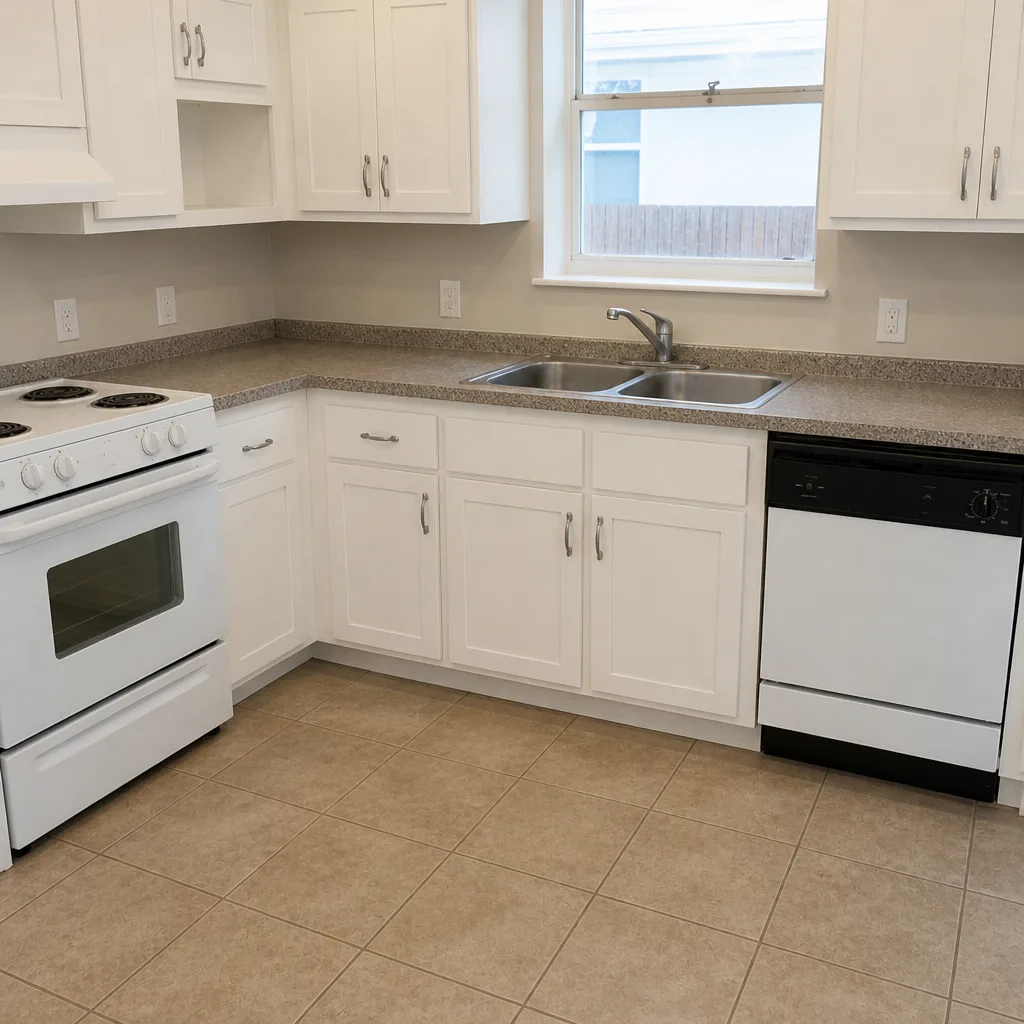 After
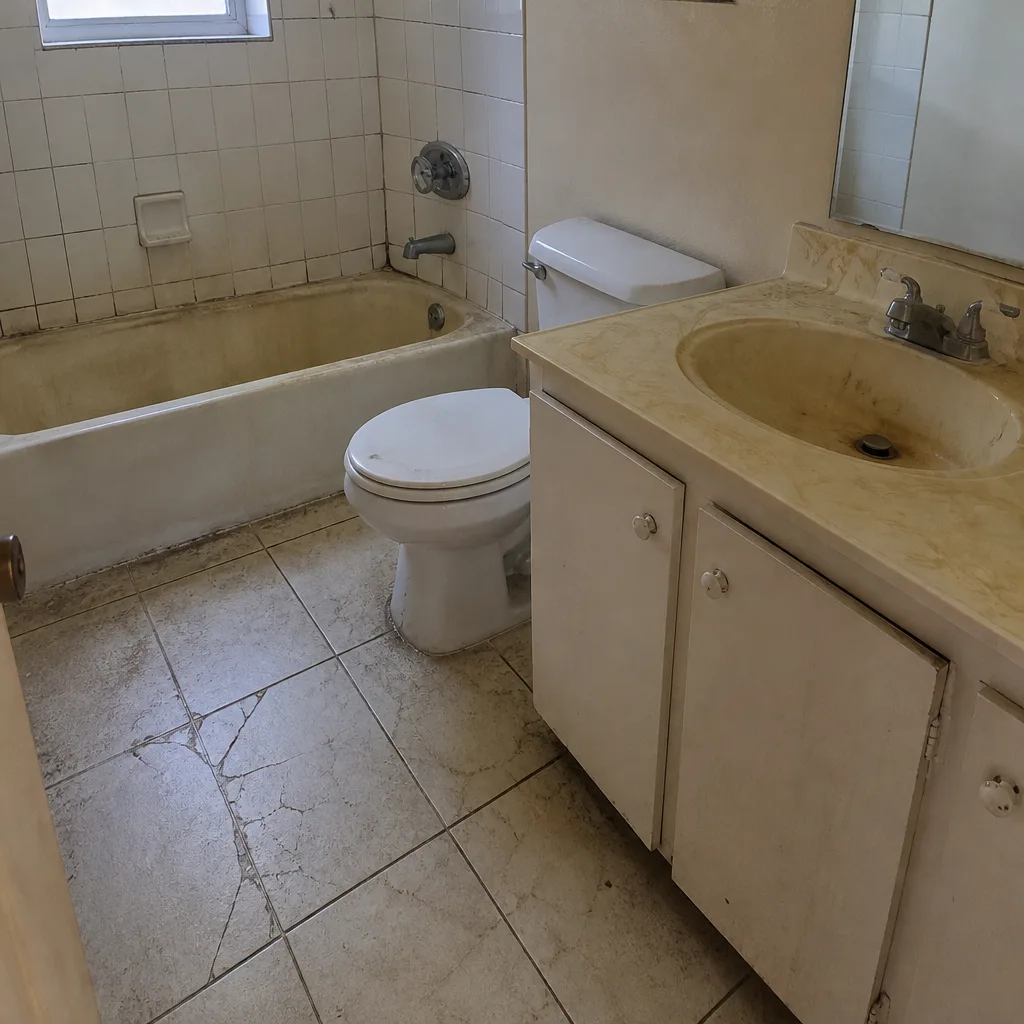 Before
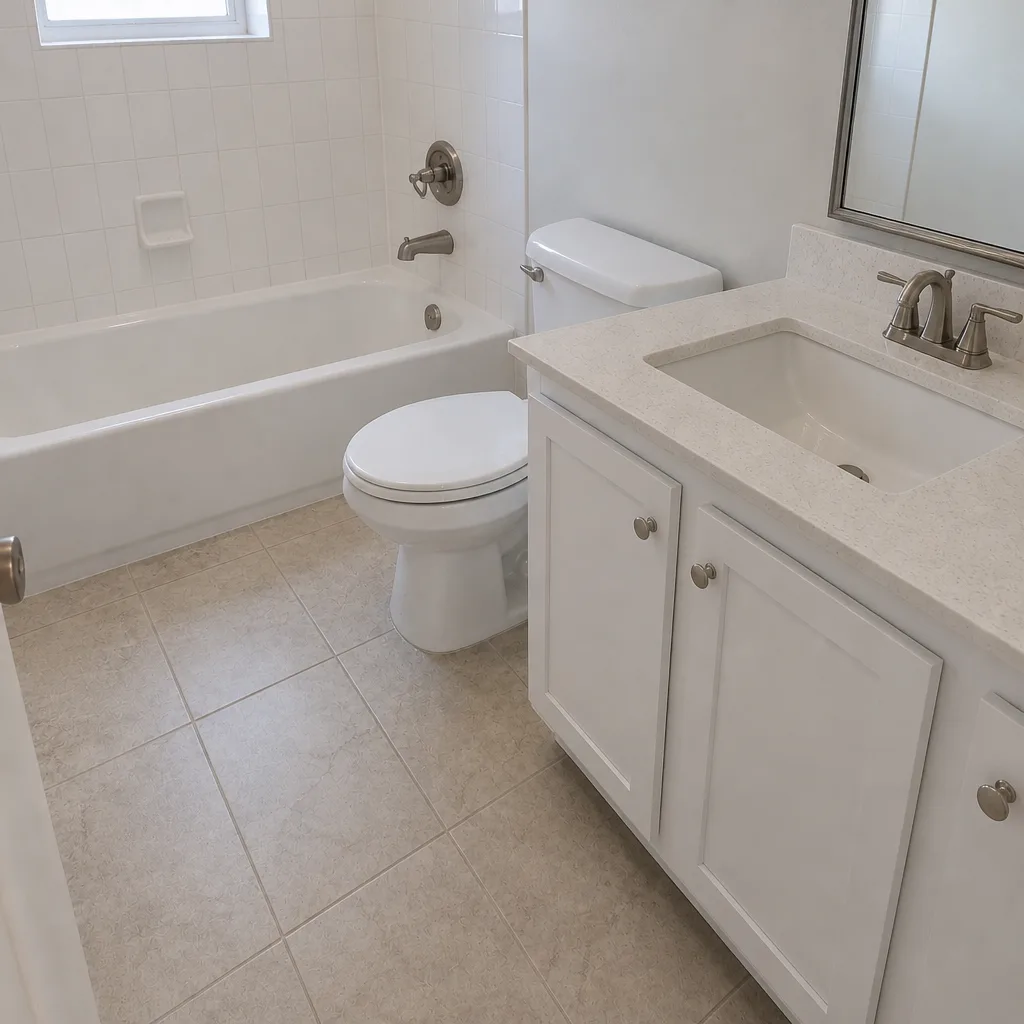 After
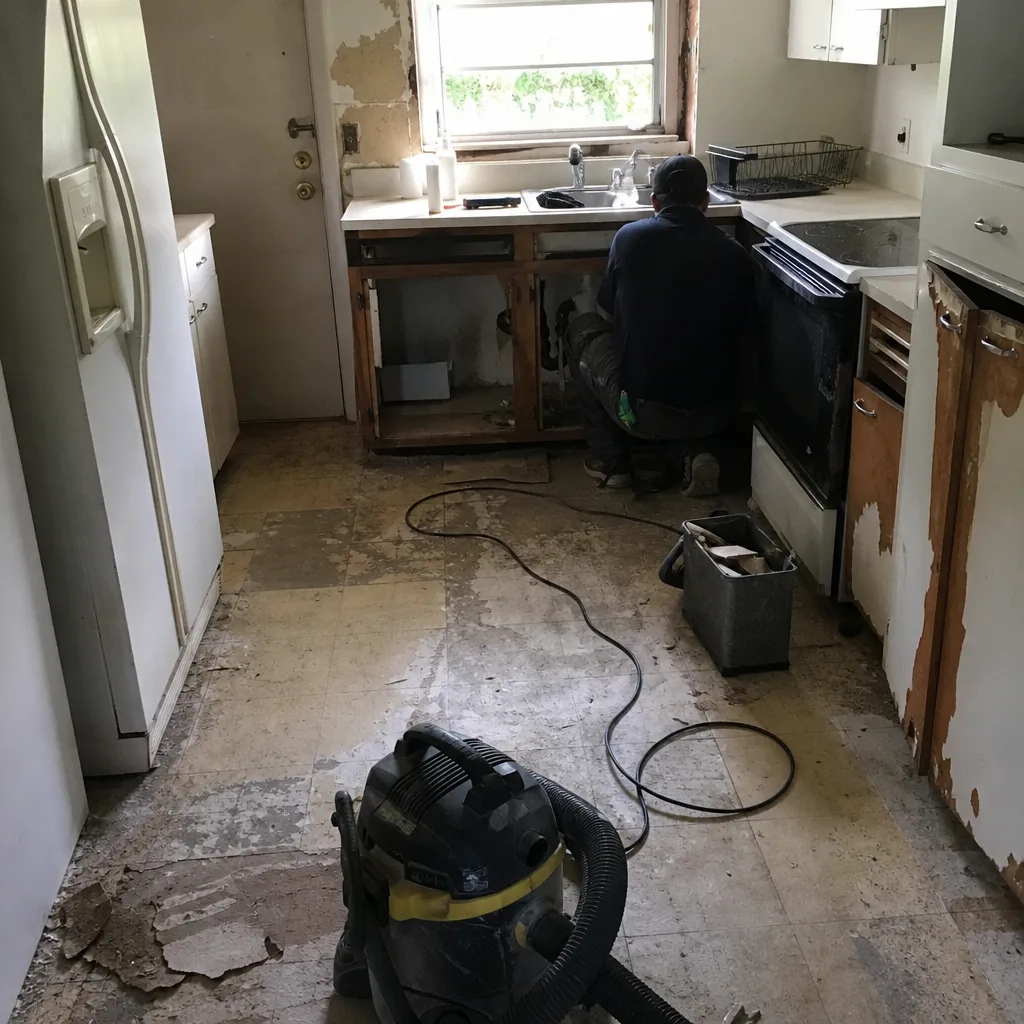 Before
 After
When to Call a Professional
Call a licensed contractor in The Hammocks the moment your project touches any of these: the roof or building envelope, any line-voltage electrical, plumbing, gas, HVAC, the structural frame, or any permit that requires engineered drawings. That list covers most projects beyond interior cosmetic work, fence installation, and paver driveways.
Additional scenarios where the call should happen before you buy materials:
- Your insurance carrier has any hesitation about covering the scope you described
- The project will require a Notice of Commencement or final inspection
- You’re within three years of a planned sale and don’t want a permit problem on the record
- You’re changing the footprint of the home, adding a bedroom, or converting a garage
- The work involves openings rated for wind in Miami-Dade’s HVHZ
Groundwork Construction Co. of The Hammocks offers free estimates across The Hammocks and the surrounding Kendall neighborhoods, with no-hassle upfront pricing and a written scope before any work begins. Our technicians have up to 12 years of experience, arrive in uniform, and are background-checked. Every project is backed by the 730-Day Done Right Promise, and calls are answered by a live person 24/7. Call (844) 761-9356 to schedule your free estimate.
Frequently Asked Questions
Yes, within the limits of Florida’s owner-builder exemption. If you own and occupy the home as your primary residence, you can pull permits for construction on the property and act as your own general contractor. You cannot self-perform electrical, plumbing, gas, or HVAC work, and any permit requiring engineered drawings or an HVHZ-specific inspection still has to pass the same review. Call (844) 761-9356 if you want an honest read on your specific project.
In many cases, no. Standard Florida homeowner’s policies include exclusions that void coverage for damage arising out of unlicensed or unpermitted work. The exact language varies by carrier, so the answer is to call your carrier and ask specifically. In The Hammocks, where storm damage claims are routine, this exclusion can turn a covered claim into an uncovered repair. A permitted, inspected, and licensed install protects the claim before it happens.
Less than the spreadsheet says. A typical The Hammocks kitchen remodel runs $25,000 to $60,000 depending on scope, and the visible savings on labor is real but only if you hire out the electrical and plumbing anyway, which is required by law. Add in the retail-versus-contractor material differential on cabinetry and countertops, and the net savings drops quickly. Upfront pricing from a licensed contractor often lands closer to the DIY number than homeowners expect. Call (844) 761-9356 for an exact quote. Estimates are free.
You’ll typically have to disclose it, and buyers, lenders, and insurers will price the disclosure into the offer. Unpermitted work that touches the roof, windows, electrical, or structural portions of the home often triggers lender scrutiny or insurance headaches for the buyer, which slows or kills the transaction. Retrofitting a permit is possible but costs more after the fact. Getting it done right the first time is the cheapest path. Call (844) 761-9356 for a free project estimate before you get started.
Fencing and paver driveways typically don’t require a building permit in Miami-Dade County, though HOA approval may still be required and the fence has to meet height and setback rules. Pavers need proper base preparation and drainage to survive South Florida’s rain pattern, which is where professional installation really earns its cost. Call (844) 761-9356 if you want a written estimate on either project. The estimate is free and the pricing is fixed.
Yes. Every job we perform that requires a permit gets pulled under our license, inspected by Miami-Dade County, and closed out with a final approval on record. That permit history is part of the documentation you receive at the end of the project, and it’s part of what protects the home at resale. Our technicians have up to 12 years of experience, arrive in uniform, and are background-checked. Call (844) 761-9356 for a free estimate and design consult.
The Bottom Line
The DIY versus professional question in The Hammocks comes down to four variables: scope, permit requirement, insurance exposure, and resale impact. Interior cosmetic work, fencing, landscaping, and paver driveways genuinely pay off for a confident DIYer. Roofing, electrical, structural, plumbing, and gas never do, because the cost of a permit problem or a denied claim dwarfs any labor savings. The owner-builder exemption is real, and it’s narrower than most people assume. Run the four-variable framework on your project before you start, get the insurance answer in writing, and hire licensed when the line says hire licensed. Groundwork Construction Co. of The Hammocks offers free estimates with no-hassle upfront pricing, 0% financing for 18 months, $1,000 off projects over $10,000, and the 730-Day Done Right Promise on every project. Call (844) 761-9356 to schedule your free estimate.
Written by the team at Groundwork Construction Co. of The Hammocks.