
Last updated November 17, 2026
 Bathroom remodeling
 Kitchen remodeling
 Home additions & ADU
 Roofing
 Windows & doors
 Driveway & pavers
 Fence
Free written scope consultation - allowances, timeline, and change-order rules on paper before a single trade is scheduled
Bathroom Remodeling Warning Signs Every Homeowner Should Know
The contractor who hands you the fastest quote is usually the one who hasn’t thought through your project, and you’ll pay for that gap in change orders. In our experience across The Hammocks, the most expensive bathroom remodels we’ve been called in to rescue didn’t fail during demolition. They failed in the sales conversation. A missing waterproofing spec, a lump-sum price with no scope detail, a vague “we’ll figure it out” on plumbing rough-in: these are the seeds of a $30,000 surprise. This guide teaches you to read the warning signs before work begins, not after the check clears, so you can spot trouble in the quote, on the job site, and in the first 60 days after completion.
Quick Answer
The biggest bathroom remodeling warning signs are a quote with lump-sum pricing and no line-item scope, no waterproofing specification, and a contractor who can’t answer basic questions about permits or plumbing rough-in before signing. Watch for skipped moisture barriers and premature tile setting during the build, and for efflorescence, sticking doors, or a musty smell within 60 days after. Any one of these signals a project headed for costly rework.
Styles & brands we work with
- Kitchen remodeling
- Bathroom remodeling
- Home additions & ADU
- Roofing
- Windows & doors
- Driveway & pavers
- Fence
Table of Contents
- Red Flags Inside the Written Quote
- On-Site Warning Signs During Active Remodeling
- What “We’ll Figure It Out As We Go” Really Costs
- How to Spot Unlicensed Subcontractors Mid-Project
- Post-Completion Warning Signs That Something Was Done Wrong
- Why The Hammocks Climate Punishes Shortcuts
- The Three Questions That Expose a Weak Contractor
- Common Mistakes to Avoid
Red Flags Inside the Written Quote
A bathroom remodel quote is a contract, and the gaps in it are where your budget goes to die. The single clearest warning sign is a lump-sum price with no scope detail: one number, no line items, no material allowances, no waterproofing specification. When the tile you thought was included costs $18 a square foot instead of $6, that “fixed” price becomes a change order you sign at the worst possible moment. In The Hammocks, where plenty of homes have had quick flip remodels, we regularly see quotes that reuse the same one-page template across very different bathrooms. That’s a sign the contractor hasn’t actually looked at your bathroom.
Here’s what a trustworthy written quote contains, line by line:
- Demolition and disposal separated from construction, with dumpster costs named
- Plumbing rough-in allowance stated as a dollar range, not a vague “as needed”
- Waterproofing specification naming the system and coverage area (shower walls, floor, niche)
- Tile and setting materials listed with brand and allowance dollars per square foot
- Fixture brands named explicitly, such as Kohler or KraftMaid cabinetry
- Permit and inspection line showing who pulls and who pays
- Change order policy describing how overages are priced and approved in writing
- Workmanship warranty with a specific term, in writing, attached to the quote
If a quote skips waterproofing entirely, ask directly: “What waterproofing system are you using, and does it cover the shower floor and niche?” A contractor who can’t answer that on the spot is a walking red flag. You shouldn’t have to negotiate for basic material standards, which is why our Groundwork Construction Co. of The Hammocks home pricing is built line-item by line-item with upfront pricing and no surprises.
On-Site Warning Signs During Active Remodeling
Once work starts, you have a narrow window to catch mistakes before they’re buried behind cement board and porcelain. The most expensive on-site warning signs are skipped moisture barriers, grout applied before full cure, and fixtures installed before tile. Each of these happens when a crew is rushing, and each one produces a failure you won’t see for months.
Walk your bathroom at the end of demo and the first few days of rough-in. Here’s what to watch for:
- Bare drywall in wet zones. Cement board or a bonded waterproofing membrane should go up before any tile. If you see greenboard in a shower enclosure, stop the work and ask why.
- No moisture barrier or a barrier with seams facing the wrong way. In The Hammocks humidity, a poorly lapped barrier traps water behind the tile and grows mold inside the wall.
- Tile set directly over plywood or untreated subfloor. The floor needs a proper substrate, or the tile will crack along the joists within a year.
- Grout going in before the thinset has fully cured. Rushed grout traps moisture and produces patchy, weak joints. Thinset needs its full cure before grouting.
- Fixtures installed before the tile. A toilet or vanity set before tile means the tile was cut around the fixture, and the connections were likely made under tension.
- Bad smells or visible standing water after demo. Fermenting drain or water pooling under the slab needs to be addressed before the build, not drywalled over.
We’ve watched plenty of homeowners in The Hammocks get talked out of asking these questions. Trust your eyes and ask anyway. Reporting a problem early on a project we’re managing is exactly why our crews are background-checked and uniformed, so you always know who is in your home.
What “We’ll Figure It Out As We Go” Really Costs
When a contractor tells you the plumbing rough-in will be “figured out as we go,” translate that into dollars: a bathroom plumbing rough-in that isn’t planned can push a $12,000 remodel toward $20,000 or more. Moving a drain because a layout was never confirmed means breaking slab, re-trenching, re-inspecting, and re-tiling. Each of those steps is a separate change order, and all of them land on you.
Here’s how unbudgeted “figure it out” work stacks up, using typical The Hammocks market ranges:
- Relocating a shower or sink drain in slab: $700 – $2,500, sometimes more if the slab needs cutting
- Moving a supply line or adding a second vanity rough-in: $450 – $1,200
- Re-inspection and permit revision after a scope change: $150 – $400, plus schedule delays
- Re-tiling a shower pan after a waterproofing fix: $1,200 – $2,800
- Replacing a vanity cabinet after a rough-in error: $400 – $1,800
On a 60-square-foot bathroom remodel in The Hammocks, we typically see a planned, fully quoted project come in between $11,000 and $18,000, while projects that were “figured out” during construction routinely run 25% to 40% over. The math is simple: plans are cheap, change orders are not. Ask for the plumbing layout in writing before the check clears.
How to Spot Unlicensed Subcontractors Mid-Project
One of the most common post-signing red flags is a crew that appears mid-project, does specialized work, and never gets introduced to you. If nobody has explained who they are, ask. Any contractor bringing in an unlicensed subcontractor without disclosure is putting your permit, your insurance, and your warranty at risk. In The Hammocks, where inspectors are thorough, a permit pulled under a general contractor’s name with unlisted helpers often turns into an inspection failure and a stalled job.
Here’s how to spot undisclosed subs and check them:
- Ask for the full crew and subcontractor list before work starts. Your quote should name who handles plumbing, electrical, and tile setting.
- Check the permit. In Florida, the permit lists the contractors involved. If a name appears on site but not on the permit, ask why.
- Look for license display. In Florida, licensed contractors carry their state license information. If a crew can’t tell you who their employer is, that’s a signal.
- Verify insurance. An unlicensed sub likely has no workers’ comp. If someone is hurt on your property, you could be exposed.
- Match credentials to trade. An electrician or plumber should be licensed in their trade, not just be a general laborer moved onto wiring or gas work.
Our approach is to tell you who’s coming and when, which is part of the 730-Day Done Right Promise. If a crew can’t tell you who they work for, don’t let them open a wall.
Post-Completion Warning Signs That Something Was Done Wrong
The hardest warning signs to catch are the ones that show up after the invoice is paid. Three are worth memorizing because they reliably point to a hidden defect: efflorescence on grout, doors that won’t close, and a musty smell within 60 days.
- Efflorescence on grout. A white, powdery film that keeps coming back means water is moving through the tile assembly and pushing mineral salts out. In The Hammocks’s humidity, that water likely comes from a missing or failed moisture barrier behind the wall.
- Doors that won’t close or latches that won’t line up. A swinging vanity, floor cabinet, or closet door can signal a floor installed out of level or a disturbed subfloor.
- Musty smell within 60 days. Mildew inside an enclosed wall or behind tile is the classic sign of a skipped moisture barrier or a poorly sealed shower pan.
- Grout cracks that return after one repair. Repeated hairline cracks along tile edges usually mean the substrate is moving under the tile.
- Loosening caulk along the shower floor. A shower pan that leaks at the joint continues to seep even after you recaulk it, and the damage is hidden inside the wall.
If you’re seeing any of these, call a second opinion before the original contractor disappears. We’ve sat with countless homeowners in The Hammocks who caught a musty smell at week six, and catching it then is far cheaper than catching it after the drywall is destroyed.
Why The Hammocks Climate Punishes Shortcuts
The Hammocks sits in South Florida’s tropical wet-dry climate, where indoor humidity regularly runs high and afternoon thunderstorms soak the outside of your home for months. Bathrooms in The Hammocks are that climate’s pressure point. A moisture barrier that would tolerate a drier market will fail here, and a shower pan that dries slowly grows mold faster than in a temperate state.
What this means specifically for your bathroom:
- Vapor management matters more. Exhaust fans should be sized for the room’s square footage, and waterproofing should cover the shower floor, walls, and niche, not just the walls.
- Grout cure times should not be rushed. The humidity slows thinset and grout curing, so rushed grout produces weak, mold-prone joints.
- Exterior wall penetrations need care. Every cut for a vent or pipe is an entry point for the summer rain, so flashing and sealing matter.
- Permits are not optional. Miami-Dade requirements around plumbing and electrical work in wet rooms are strict, and a permit is part of your protection.
- Tile choice affects moisture. A polished marble in a shower runs more slippery in our humidity, so a matte porcelain is often the more practical pick.
This is where our curated material partners earn their keep. When we use James Hardie board in adjacent rooms and pair it with a properly specified waterproofing system, the bathroom holds up across seasons. Tile and cabinetry choices matter too; KraftMaid cabinetry in a well-sealed, ventilated bathroom wears far better than a bargain cabinet built for a dry climate.
The Three Questions That Expose a Weak Contractor
Before you sign anything, ask three questions in the sales conversation and listen carefully to the answers. A strong contractor answers in specifics. A weak one hedges, changes the subject, or promises a price that hasn’t been calculated.
- “What waterproofing system are you using, and does your written quote specify it?” This is the single biggest differentiator. Correct answers name a system, its coverage, and where it lives in the quote document.
- “Who pulls the permit, and what happens if the permit inspection fails?” The answer should explain that the contractor pulls the permit, that inspections are scheduled in writing, and that the contractor bears the cost of any correction, not you. In The Hammocks, expect inspections around plumbing and electrical, and ask for the schedule.
- “What is your workmanship warranty, and are the exclusions attached to the quote?” A warranty you can’t read at signing time isn’t a warranty. Look for a long, specific term and a friendly answer to “what if something fails?”
Then a fourth question: “If I don’t want to do it all now, can we phase it?” A contractor who actually plans can tell you how a phased approach changes the price and schedule, and the answer often saves money. If your project involves more than the bathroom, our teams handle whole-home scopes, from Home Additions & ADU in The Hammocks to Driveway & Pavers in The Hammocks, so you get one plan across trades.
Common Mistakes to Avoid
- Choosing the fastest bid. The contractor who replies within hours with a firm price often hasn’t thought through your plumbing layout, and the change orders arrive later. In The Hammocks, a 48-hour “everything is included” quote is a warning sign.
- Accepting a lump-sum quote. Without line-item scope and material allowances, you have no room to enforce anything when work begins.
- Skipping waterproofing details. Ask for the waterproofing spec at quote time, not after the shower pan is tiled.
- Letting a contractor self-inspect. Make sure the permit inspections happen and that a copy of the passed inspection is included with your final paperwork.
- Paying ahead of progress. Pay on a schedule tied to completed milestones, not a large deposit up front.
- Ignoring the first musty smell. A musty smell in a new bathroom within 60 days is a hidden defect, not a quirk. Call for a second opinion early.
- Skipping a moisture-rated ceiling exhaust fan. In The Hammocks humidity, a properly sized exhaust fan keeps mold at bay more effectively than any caulk job.
See the difference
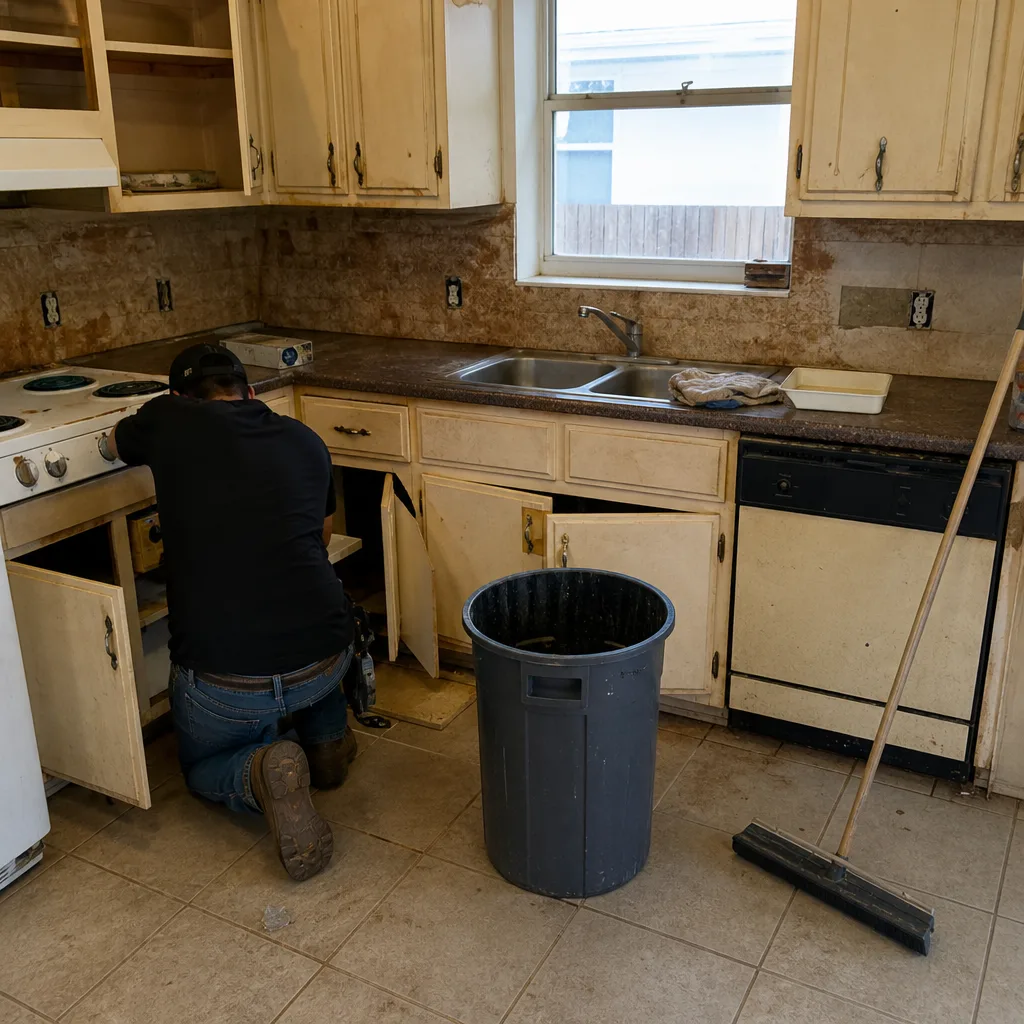 Before
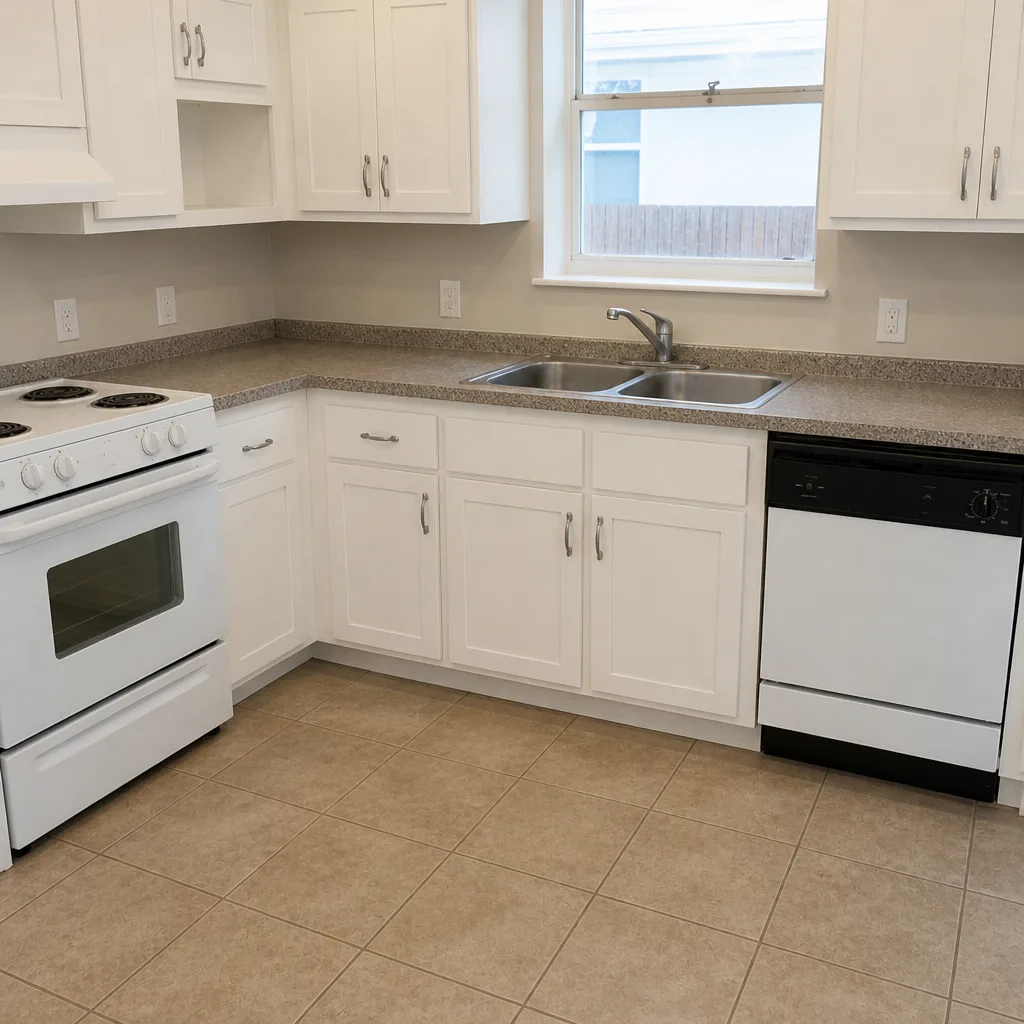 After
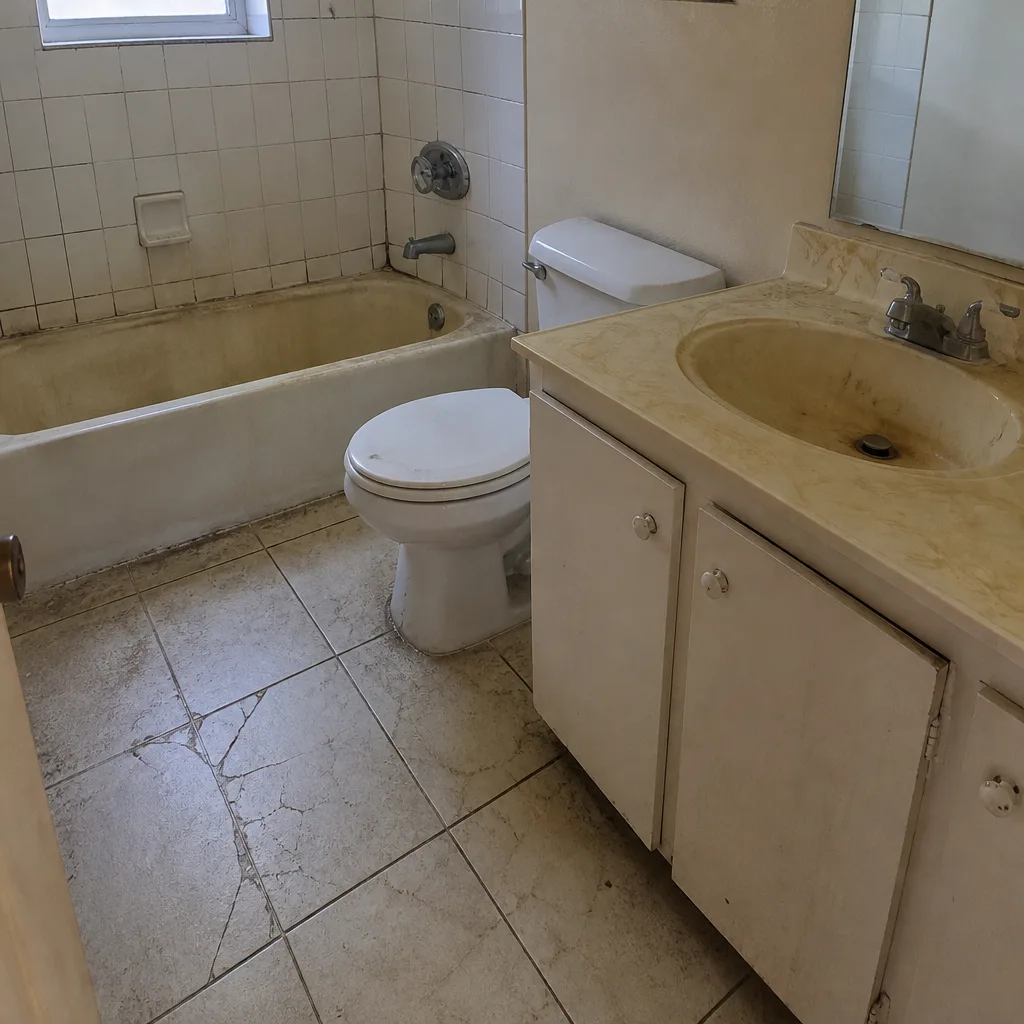 Before
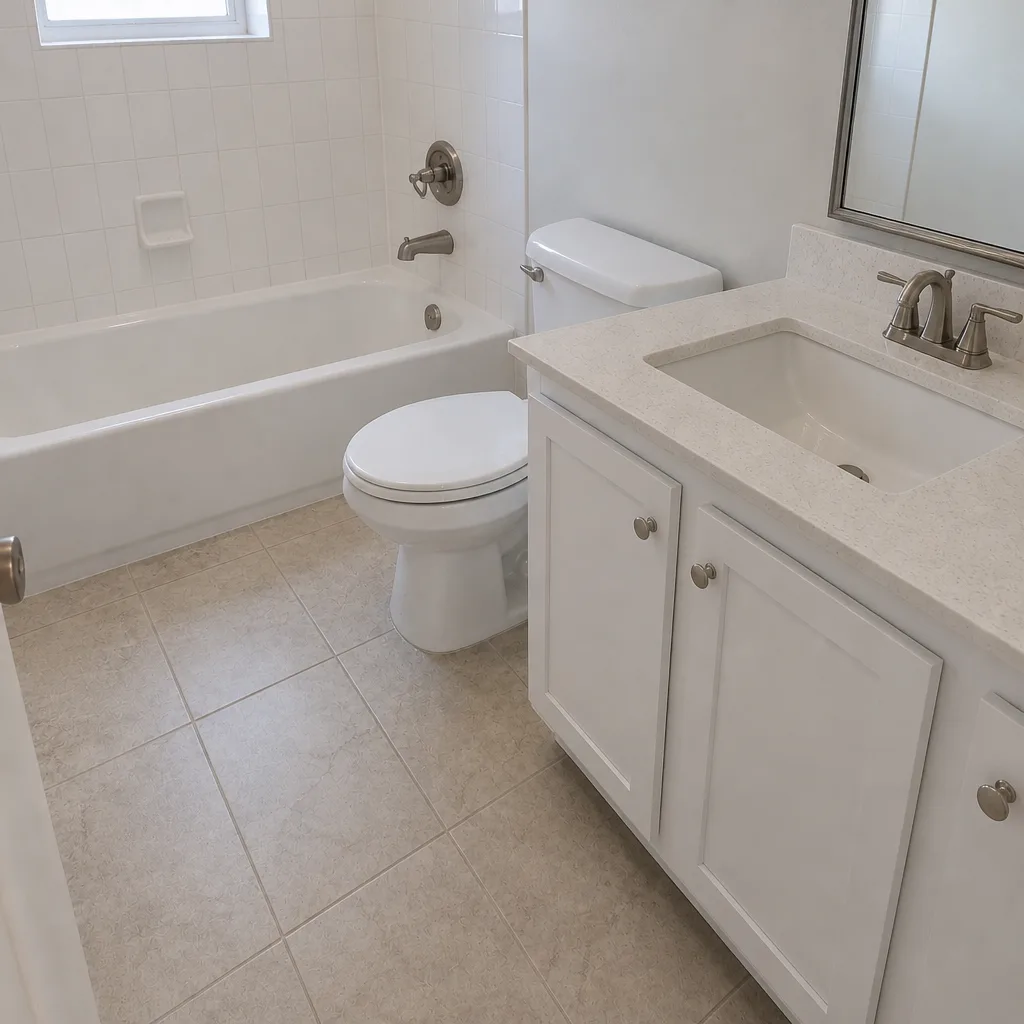 After
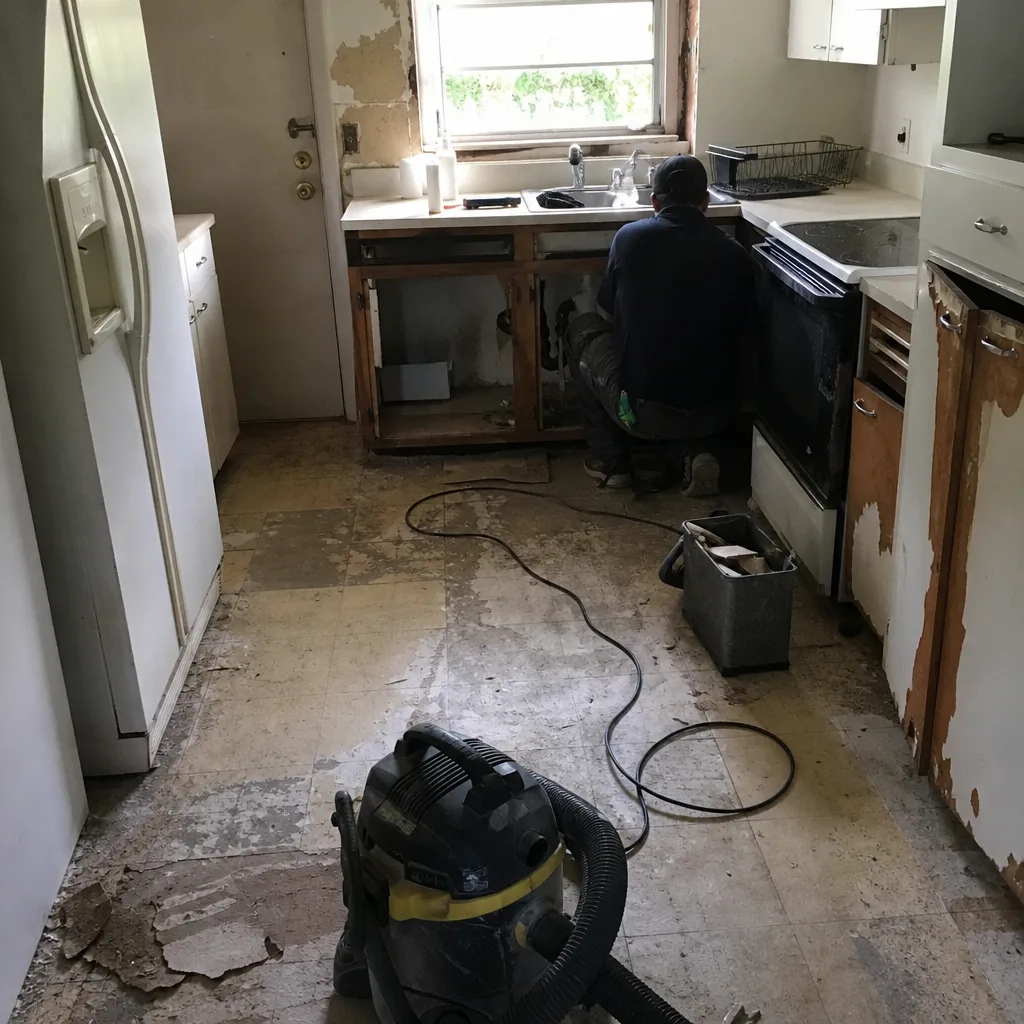 Before
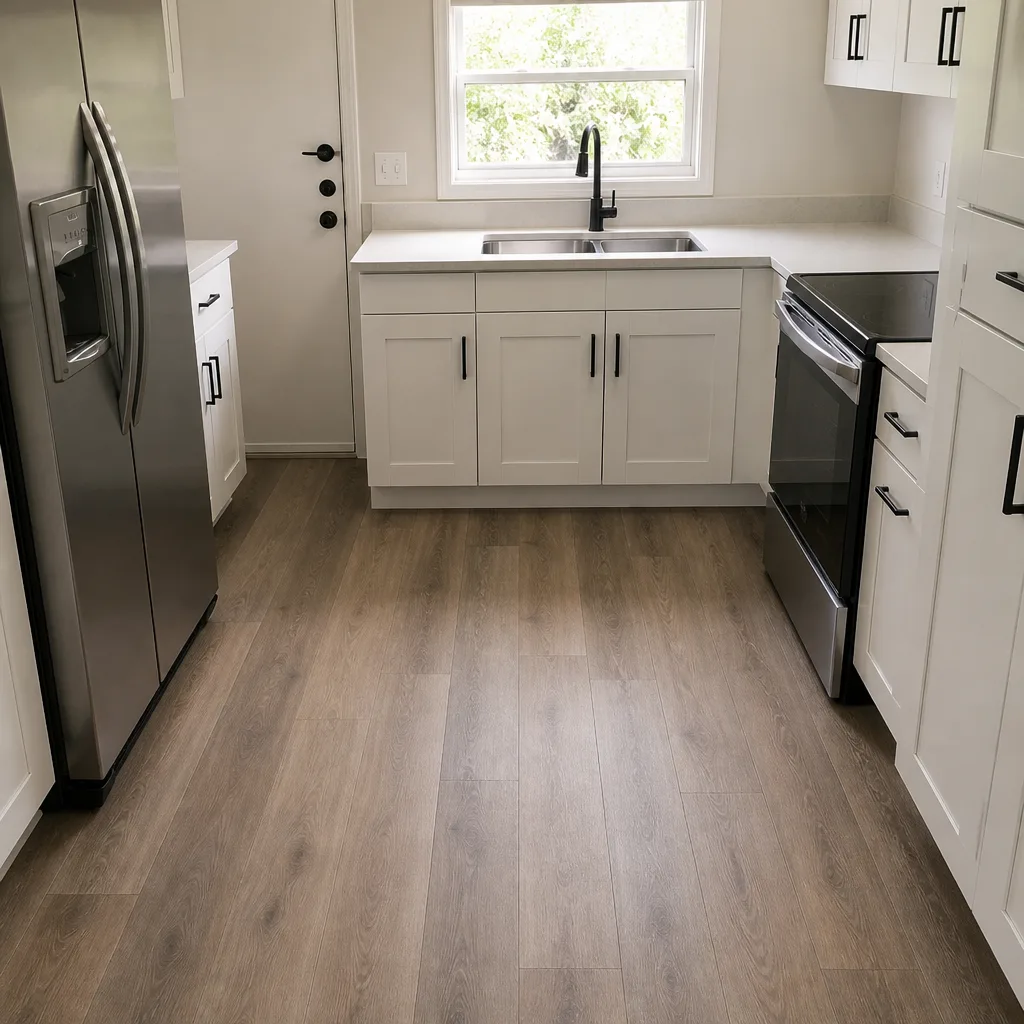 After
When to Call a Professional
Call a professional the moment you see a pattern, not a single small thing. If a contractor can’t answer the waterproofing question, if a permit is missing, or if the crew on site can’t name who employs them, stop the project and get an independent read on the scope before more work is done. If you’re seeing a musty smell, efflorescence, or sticking doors after completion, call promptly because the fixes only get more expensive with time. Replacing a shower pan or correcting a rough-in is straightforward when caught early and costly when buried behind tile and drywall. Groundwork Construction Co. of The Hammocks offers free estimates and honest second opinions in The Hammocks; call (844) 761-9356.
Frequently Asked Questions
A lump-sum quote with no line-item scope and no waterproofing specification is the biggest single warning sign. If the price is one number with no material allowances or listed waterproofing system, ask for itemized pricing before you sign anything.
A typical 60-square-foot bathroom remodel in The Hammocks runs roughly $11,000 to $18,000 for a planned, fully quoted project. That range covers demolition, plumbing rough-in, waterproofing, tile, and fixtures, so a quote far below it often means something is missing. Call (844) 761-9356 for an exact quote; estimates are free.
With a properly itemized quote, price changes only happen when you approve a change in writing, such as adding a second sink or moving a drain. If a contractor can’t explain their change order policy in writing, assume the price will move mid-project.
Yes, we pull the permit and schedule the required inspections for bathroom projects in The Hammocks, and the permit and inspection line is written into the quote. A contractor who tells you permits aren’t necessary for a bathroom remodel is telling you they plan to skip inspections.
Efflorescence is the white, powdery film left when water moves through the tile assembly and pushes mineral salts out of the grout. It means moisture is entering the wall from behind the tile, usually because the waterproofing is missing or damaged.
Yes, especially if anything in the quote feels vague. A second opinion is free and protects you from a $5,000 to $10,000 change order later. Call (844) 761-9356 and we’ll walk your scope with no pressure.
The Bottom Line
Bathroom remodel disasters begin in the quote, not on demo day. Read the written scope line by line, demand a waterproofing specification, confirm who pulls the permit and who carries the insurance, and ask your three questions before signing. During the build, watch for skipped moisture barriers, rushed grout, and fixtures set before tile. After completion, treat efflorescence, sticking doors, and a musty smell within 60 days as hidden-defect alarms. Groundwork Construction Co. of The Hammocks stands behind every project with the 730-Day Done Right Promise, upfront pricing, and a live person answering 24/7. From foundation to finish line, we use trusted partners like KraftMaid and James Hardie, along with our Fence Installation in The Hammocks and other service lines. Call (844) 761-9356 for a free estimate.
Written by the team at Groundwork Construction Co. of The Hammocks.