
Last updated November 17, 2026
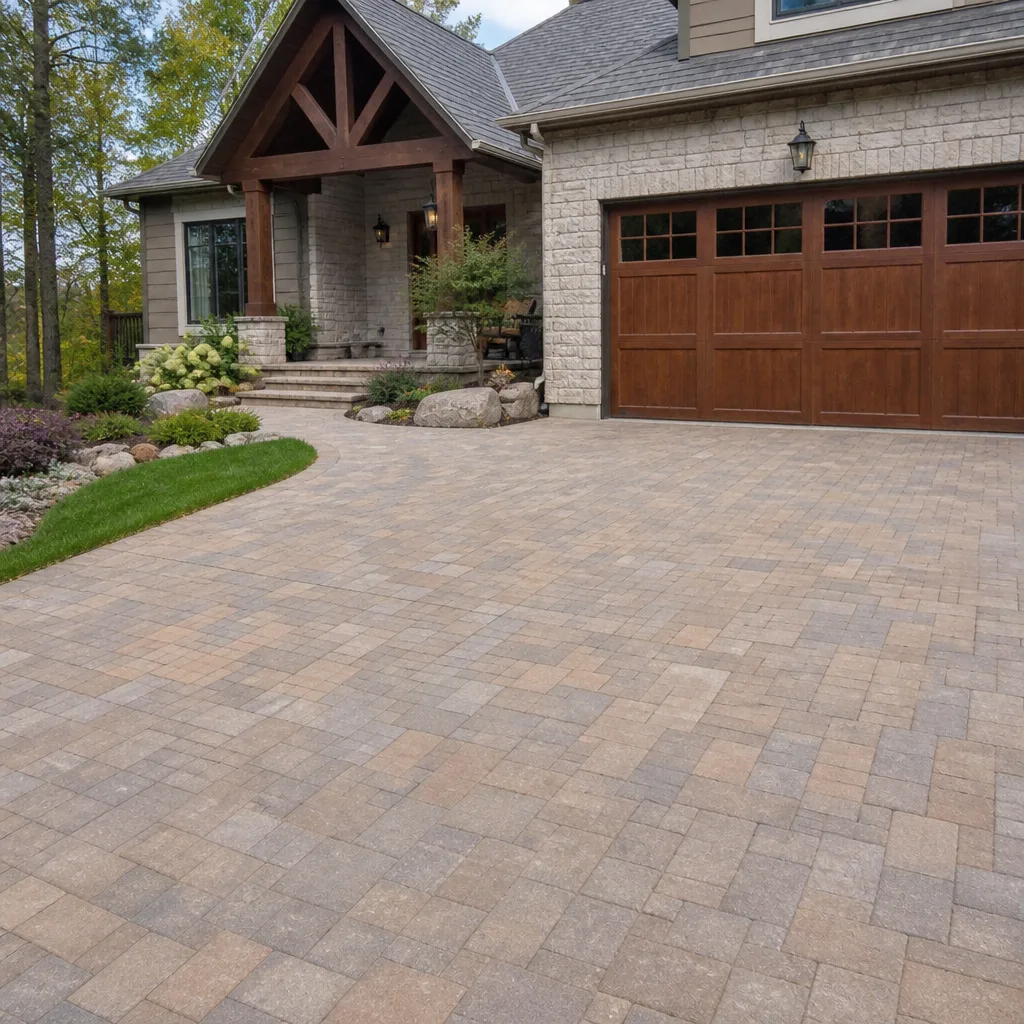 Driveway & pavers
 Kitchen remodeling
 Bathroom remodeling
 Home additions & ADU
 Roofing
 Windows & doors
 Fence
Free written scope consultation - allowances, timeline, and change-order rules on paper before a single trade is scheduled
The Complete Driveway & Pavers Guide for The Hammocks Homeowners
Most driveway paver failures in South Florida happen below the surface. The pavers themselves are usually fine – it’s the base underneath that turned to soup after the first rainy season. We’ve pulled up eight-year-old driveways in The Hammocks where the brick looked brand new and the six inches beneath it had the consistency of wet sand. That gap between what you see and what’s holding it up is where most of your money goes, and it’s where national paver guides quietly fail homeowners in this part of Miami-Dade. This guide covers the base depth you actually need here, which materials survive our UV index, how to get HOA approval before you spend a dollar, and what a real scope-of-work contract should say line by line.
Quick Answer
A driveway paver installation in The Hammocks needs a minimum 6-inch compacted aggregate base (not the 4-inch standard most national guides cite), a material that holds color under Miami-Dade’s UV index, and a drainage plan that moves stormwater to a swale or the street – never toward a neighbor’s lot. Expect correct installations to run longer and cost more up front than a bare-minimum job, and expect the ones that skip those steps to fail within a few rainy seasons.
Styles & brands we work with
- Kitchen remodeling
- Bathroom remodeling
- Home additions & ADU
- Roofing
- Windows & doors
- Driveway & pavers
- Fence
Table of Contents
- Why The Hammocks Driveways Aren’t Built Like Anywhere Else
- The 6-Inch Base Rule: Why the Standard Spec Fails Here
- Which Paver Materials Survive South Florida Heat and UV
- Decoding HOA Approval in The Hammocks Before You Buy Materials
- The Drainage Math Every Hammocks Driveway Needs
- What a Legitimate Scope-of-Work Contract Should Include
- The Installation Process, Step by Step
- Keeping Pavers Looking New in The Hammocks
Why The Hammocks Driveways Aren’t Built Like Anywhere Else
The Hammocks sits on a stretch of western Miami-Dade where the ground tells a specific story. Underneath the developed lots is a mix of limestone and clay-heavy fill, and the water table rides high – often within a few feet of the surface during the wet season. That combination does two things to a driveway. First, water has nowhere to drain downward quickly, so it sits in the base layer. Second, limestone and clay behave very differently under load than the sandy or gravelly soils that most national paver guides are written for. Clay swells when wet and shrinks when dry. Limestone under a saturated base can pump and lose compaction. Neither is catastrophic on its own, but together they punish an underbuilt base.
Then there’s the heat. The Hammocks regularly sees summer heat index values in the triple digits, and the ground surface temperature on unshaded driveways runs well above air temperature. Add South Florida’s UV load and a driveway here is a harder environment than almost any market the big paver manufacturers test in. That’s why material selection in The Hammocks isn’t a preference question – it’s a durability question. A paver that’s fine in the Carolinas can chalk and fade here inside five years, and a sealer that’s fine in a dry climate can trap moisture in our humidity.
Homeowners in The Hammocks also deal with something most national guides never mention: a dense layer of community association rules, recorded plats, and shared drainage easements. Your driveway isn’t just your driveway in the way it might be on a rural lot. It’s part of a drainage system your neighbors are also relying on, and it’s inside HOA architectural review. We’ll get into both.
We’ve worked enough Hammocks driveways to know the soil conversation comes first, not the paver color conversation. If you’re evaluating the broader property while you’re planning – fencing, an addition, a full exterior refresh – it helps to think about all of it together. Our guide to Groundwork Construction Co. of The Hammocks home is a good starting point for the full-scope picture.
The 6-Inch Base Rule: Why the Standard Spec Fails Here
Most national paver installation guides tell you a 4-inch compacted aggregate base is sufficient for a residential driveway. In most of the country, that’s not wrong for light traffic. In The Hammocks, it’s usually wrong. A 4-inch base under a saturated clay-limestone profile can’t distribute vehicle loads well enough, and the first really wet summer starts the failure. We specify a minimum 6-inch compacted base for The Hammocks driveways, and often 8 inches where the native soil is particularly clay-heavy or where the asphalt or concrete being replaced was already showing subgrade pumping.
Here’s what “compacted” actually means, because the word gets thrown around loosely:
- Lifts, not one pour. A 6-inch base should go down in two 3-inch lifts, each compacted before the next is added. A single 6-inch lift doesn’t compact evenly through its depth.
- Plate compaction, then check. A plate compactor runs over each lift until the aggregate stops moving under it. Good installers check density, not just pass a compactor over it a couple of times.
- Proper aggregate. Limestone base (often #57 stone mixed with fines) is standard here. Recycled concrete base is fine where it’s clean and properly graded, but ask what’s being used.
- Edge restraint matters as much as the base. An unrestrained base spreads sideways under load. Aluminum or concrete edge restraint, spiked or set, keeps the base where it belongs.
The reason this is worth spending money on: base failures are almost never fixable from above. If the base has gone soft under a The Hammocks driveway, the pavers come up, the base comes out, and the whole job starts over. The money you save on a 4-inch base at installation is money you pay twice, plus the cost of the first installation, within five to eight years.
We ask two questions before we quote any The Hammocks driveway. How old is the existing surface, and has it ever been patched? Patching is a tell. A driveway that’s been patched more than once usually has a subgrade problem underneath, and no paver – regardless of quality – will outlast a bad subgrade.
Which Paver Materials Survive South Florida Heat and UV
The hardest part of choosing pavers in The Hammocks isn’t style. It’s knowing which materials hold their integrity and color under Miami-Dade’s UV index and heat island load. Some pavers that look great on a sample board fade or spall within five years here. Here’s how the major material categories actually perform in The Hammocks conditions:
- Clay brick pavers. Genuinely excellent in South Florida heat. Clay doesn’t fade and doesn’t spall the way some concrete pavers can. The tradeoff is higher cost and a limited color range compared to concrete. If your HOA allows them, clay is the most durable long-haul choice.
- Concrete pavers with integral color and a UV-stable sealer. The right concrete paver is a solid choice. The key word is integral color – the pigment goes through the whole paver, not just the surface. Surface-tinted concrete pavers (often called slurry-sealed) are the ones that stop looking like themselves after a few Miami summers.
- Concrete pavers without UV-stable formulation. This is where a lot of The Hammocks driveways go wrong. Cheap surface-sealed concrete pavers can chalk, fade, or effloresce (a white salt bloom from moisture moving through the paver). In our climate, efflorescence in the first two years is common enough that it’s worth asking any installer how they handle it.
- Permeable pavers. The right answer for some lots, especially where drainage is tight. But in The Hammocks, permeable pavers only perform if the subgrade drains, which on clay-heavy lots often means an underdrain or a properly engineered detention layer. We’d rather see an honest conversation about drain design than a permeable paver installed over a subgrade that can’t take water.
- Tumbled or antiqued finishes. Purely aesthetic, but humidity does affect how quickly a tumbled finish shows algae in shaded areas. On shaded The Hammocks driveways, a dense, less porous finish cleans up easier.
Color matters less than finish density and integral pigment. Where we’ve seen premature failure in The Hammocks, it’s almost always a light-colored surface-tinted concrete paver over an underbuilt base, in a location with poor airflow and afternoon shade. That combination invites algae, efflorescence, and fading all at once. Clay or integrally colored concrete with a breathable sealer handles it far better.
Decoding HOA Approval in The Hammocks Before You Buy Materials
The Hammocks is largely a master-planned community, which means most driveways sit under some form of architectural review. Buying materials before you have approval is the single most common way Hammocks homeowners waste money on a paver project. We’ve seen homeowners order pallets of pavers only to learn their community requires a specific color family or a specific running-bond pattern, none of which they bought.
Here’s how to work through HOA approval in a sensible order:
- Pull your community’s architectural guidelines first. Every association maintains a written guideline that specifies approved paver finishes, colors, borders, and sometimes pattern. Get it before anything else. If you don’t have it, request it from the property manager in writing.
- Confirm your lot’s plat and drainage easements. Miami-Dade plats often carry drainage easements that restrict what you can do on a strip of your own driveway. Your HOA guidelines and the county plat together determine where your pavers can and can’t go.
- Submit a design package, not a verbal plan. Most Hammocks-area associations want a drawing or a dimensioned plan showing the paver footprint, materials, colors, and the drainage path. A licensed contractor can produce this – a verbal description almost always gets kicked back.
- Ask about project timing and inspection rules. Some Hammocks communities require notice before work begins and an inspection after. Confirm both so you’re not surprised by a stop-work order.
- Get written approval before ordering. Do not let anyone break ground – or order materials – until you have written approval in hand. This rule alone saves Hammocks homeowners thousands.
The good news is that a contractor who works in The Hammocks regularly already knows the drill. When we quote a Hammocks driveway, we build the design package and the submittal into the proposal, because we’ve seen the value of not making the homeowner navigate an architectural review committee alone. If your project also touches fencing or a property addition, it’s worth syncing the approvals – our page on Fence Installation in The Hammocks covers the parallel approval process for fences, and Home Additions & ADU in The Hammocks covers what additional approvals you’ll need if your driveway work is part of a larger plan.
The Drainage Math Every Hammocks Driveway Needs
This is the part of a paver driveway most homeowners never think about, and it’s where a Hammocks installation can quietly turn into a legal problem. If your new driveway redirects stormwater onto a neighbor’s property, or worsens drainage on a shared lot, you own that problem – not the contractor, and not the paver manufacturer. In a community with dense lots, shared swales, and a high water table, drainage design isn’t optional.
The basic math every driveway in The Hammocks should satisfy:
- Minimum 1.5% to 2% slope away from the structure. Your driveway must fall away from the garage slab and toward a defined discharge point – a swale, a public right-of-way, or a drainage structure. It should not be perfectly flat, and it should not slope toward the house or a neighbor’s lot.
- Identify the discharge path before installation. Where does the water go when it hits the street? If your lot has no legal discharge and the swale is insufficient, you may need a drainage feature – channel drain, catch basin, or an infiltration system – engineered into the driveway.
- Account for the wet season peak, not the average. The Hammocks drainage calculations need to consider the volume the driveway will see during the summer wet season, not the annual average. A 6-inch rain event is normal here; the driveway should shed it without ponding.
- Respect easements. If a drainage easement crosses your lot, the pavers cannot block or alter it. Doing so can create a county compliance issue and void portions of your HOA approval.
- Don’t create a nusiance flow. Concentrating stormwater into a single point on a neighbor’s lot is the fastest way to end up in a dispute, and it’s expensive to undo after the pavers are in.
We look at this before we quote a The Hammocks driveway. If your lot currently ponds in the backyard or the existing driveway floods your garage during heavy rain, installing new pavers without addressing the drainage just re-produces the problem at higher cost. The goal is always a driveway that handles a wet-season downpour and discharges only to where it’s allowed to go.
What a Legitimate Scope-of-Work Contract Should Include
A paver contract in The Hammocks should read like a construction document, not a proposal letter. If your contract is vague about any of the following, you’re exposed. Here’s what we recommend every homeowner insist on seeing, line by line:
- Excavation depth and base specification. Total excavation depth, base aggregate type, base depth in inches, number of lifts, and compaction method. “New base” without numbers is not a scope.
- Edge restraint material and method. Aluminum, concrete, or PVC edge; spiked or set. This is the difference between a base that stays and a base that spreads.
- Drainage scope. Slope direction, discharge location, any drainage features (channel drain, catch basin, underdrain), and who owns the drainage design.
- Paver make, model, and color. Written out, with a product sample or spec sheet attached. Not “gray pavers.” Also confirm the number of pavers or square footage – a job quoted by “area” should state the area.
- Sand, joint material, and sealer. What kind of joint sand (polymeric or plain), what sealer is being used, and whether sealing is included or a separate line item.
- Permits and HOA submittals. Who pulls what. Who produces the design package. Who handles the inspection after completion.
- Change-order process. How a change to the scope is priced and approved. Good contracts spell out that no changes happen without written approval.
- Workmanship warranty. In writing, with a duration and a description of what’s covered – including base failure. Base failure is exactly the problem most warranties exclude, and it’s the one that matters most in The Hammocks.
- Payment schedule. A schedule tied to milestones, not a large deposit up front.
- Cleanup and haul-away. Who removes the old surface and haul-off, and whether dumpster cost is included.
The contract should also name the exact product and color, and include a site plan. If a contractor can’t get specific about the base, the edge, or the discharge path in writing, that’s a red flag. We put every one of these items in writing on Hammocks driveway projects because it protects both sides, and because our 730-Day Done Right Promise only works if the scope is honest from the start.
The Installation Process, Step by Step
Here’s what a properly built Hammocks paver driveway looks like from start to finish. Every step matters – skip one and the base problem from the previous sections becomes a when, not an if.
- Site walk and layout. Confirm the driveway footprint, slope, and drainage discharge with the homeowner. Mark utilities. Confirm the HOA-approved design against the plan.
- Demo and haul-off. Remove the old surface. Excavate to the specified depth – 6-inch base means digging deep enough for base, bedding sand, and paver thickness all together, so total excavation depth is often closer to 10 to 12 inches.
- Subgrade prep and inspection. If the subgrade is soft, unstable, or holding water, it gets addressed before anything goes on top. This is where a good installer earns their money.
- Base installation in lifts. 6-inch base in two 3-inch compacted lifts. Check density as each lift compacts.
- Edge restraint and drainage features. Install edge restraint and any channel drains or catch basins called for in the plan.
- Bedding sand. A thin, screeded layer of bedding sand to set the pavers. Too thick, and the pavers settle unevenly later.
- Paver installation and cuts. Lay to the approved pattern and color. Accurate cuts at the edges and any borders.
- Joint sand and compaction. Sweep sand into the joints, then compact the finished field to seat the pavers. Top up joint sand after compaction.
- Final grading and cleanup. Confirm drainage flows away from the home and to the approved discharge point. Clean, haul off debris, and walk the job with you.
- Sealing (if specified). Applied after the pavers have had time to cure and dry – usually weeks, not hours, in our humidity. Breathable sealers only.
The whole job for a typical Hammocks driveway usually takes multiple days, not hours, and the base steps are the slow ones. Anyone who promises a single-day full paver driveway in The Hammocks is telling you they aren’t digging deep enough. For a full-scope property plan, our Driveway & Pavers in The Hammocks service page shows how we structure these projects.
Keeping Pavers Looking New in The Hammocks
A correctly installed paver driveway in The Hammocks doesn’t need much to stay in good shape, but “not much” isn’t the same as “nothing.”
- Refill joint sand as it settles. Joint sand screens the base and keeps it dry. When it washes out – and it will, with our rain volume – refill it. Polymeric sand is a good option on The Hammocks driveways because it holds better in heavy rain.
- Rinse off organic film. In shaded areas, algae and mildew film can form on paver surfaces. A periodic rinse and, where needed, a paver-safe cleaner keeps it under control. Never pressure-wash pavers at high pressure – it strips the surface and opens the joints.
- Walk your driveway after heavy rain. Look for ponding. A properly drained the Hammocks driveway should shed water within a few minutes of a downpour. Ponding 24 hours later is a drainage problem, not a paver problem.
- Don’t park heavy loads on a fresh driveway. Heavy construction loads and equipment belong on a plywood-protected surface for the first several weeks until the base fully seats.
- Check sealer condition every two to three years. Breathable sealers need periodic refreshing in our UV load. Don’t reseal a saturated surface – wait for the dry season.
Most driveways in The Hammocks under proper installation will maintain appearance for years with that routine upkeep, without the fading and efflorescence problems we see on underbuilt and under-sealed installations.
Common Mistakes to Avoid
- Installing a 4-inch base “because every guide says 4 inches.” In The Hammocks, that’s the single most reliable predictor of a base failure within five to eight years. The soil and water table here are not the generic conditions those guides assume.
- Ordering pavers before HOA approval. Every year, The Hammocks homeowners order pallets of pavers in a color or pattern their community doesn’t allow. Buy after written approval, not before.
- Ignoring drainage because the existing driveway “worked fine.” A new surface with different slope and materials can change where water goes. Recalculate for the wet season and confirm the discharge path.
- Accepting a contract that doesn’t specify base depth, edge restraint, and warranty terms. Vague contracts are where change orders and base failures become your problem, not the contractor’s.
- Choosing surface-tinted concrete pavers over integrally colored ones to save a few dollars. Under Miami-Dade’s UV index, that saving becomes a faded, blotchy driveway in a few summers.
- Skipping the edge restraint to save on the job. An unrestrained base spreads under vehicle load. You’ll see the pavers migrating outward within a couple of seasons.
- Assuming a one-day installation is a sign of a good deal. In The Hammocks, a one-day full paver driveway almost always means the base wasn’t dug or compacted to spec.
See the difference
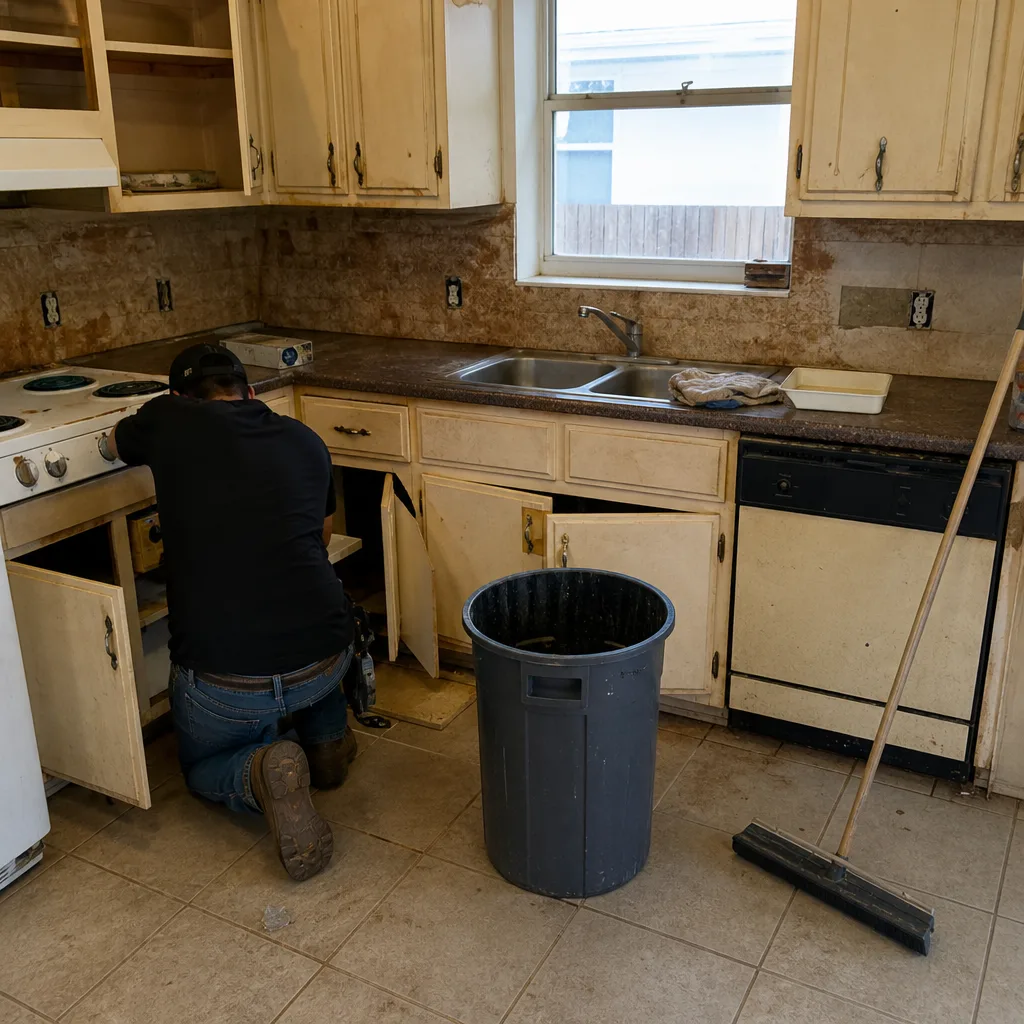 Before
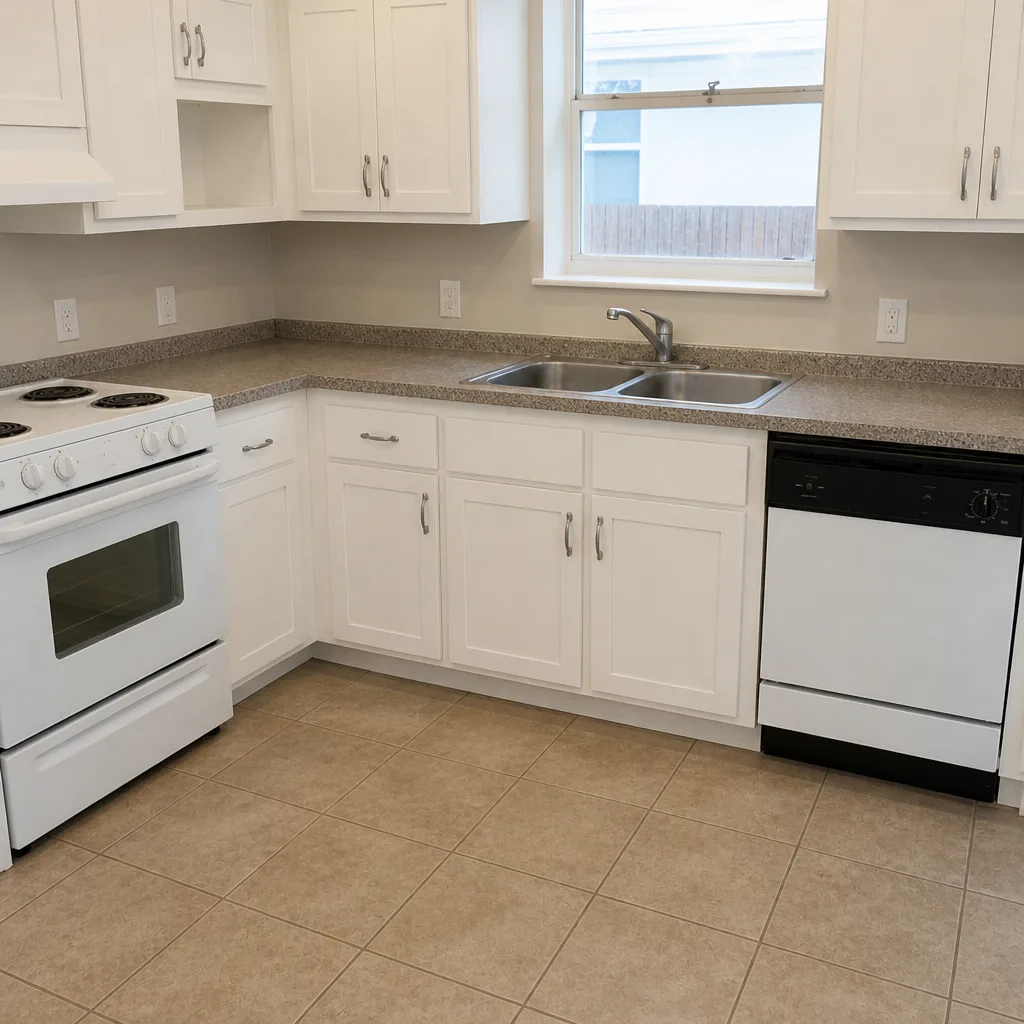 After
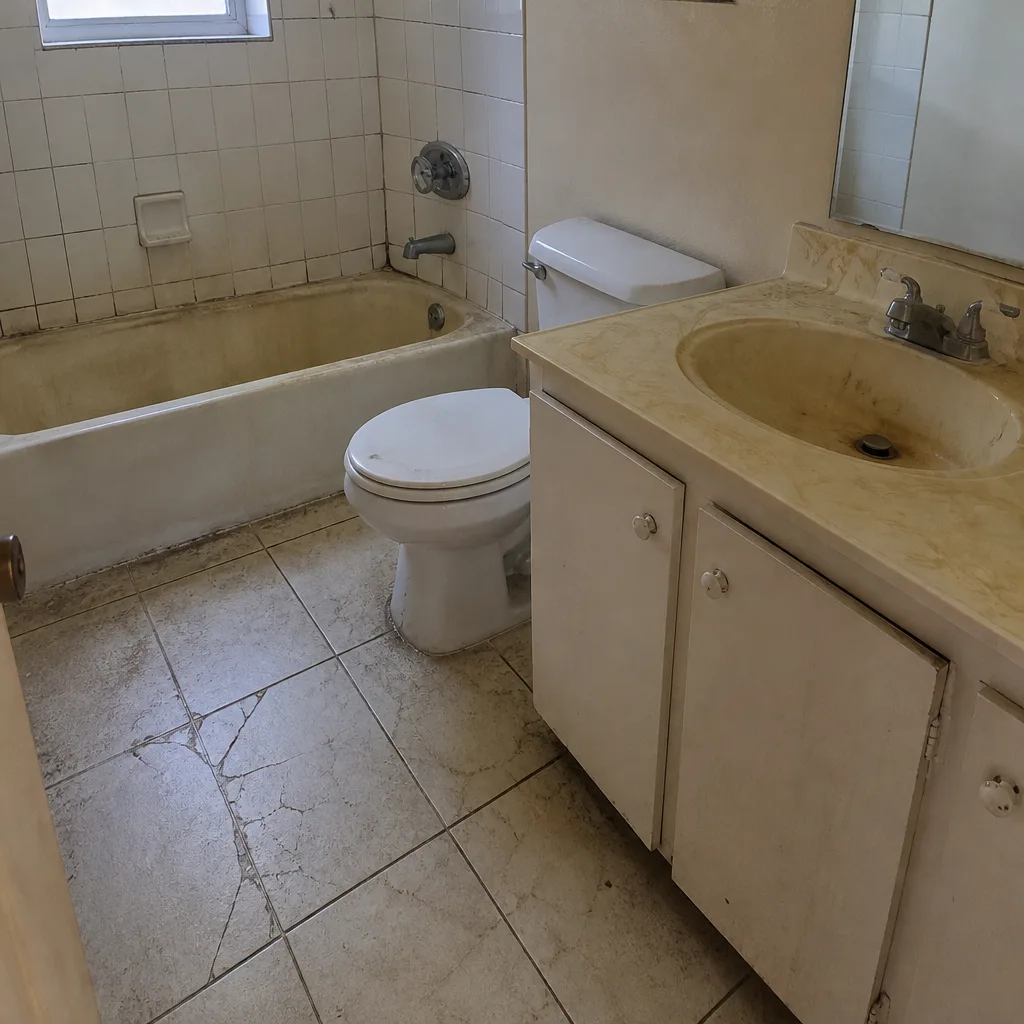 Before
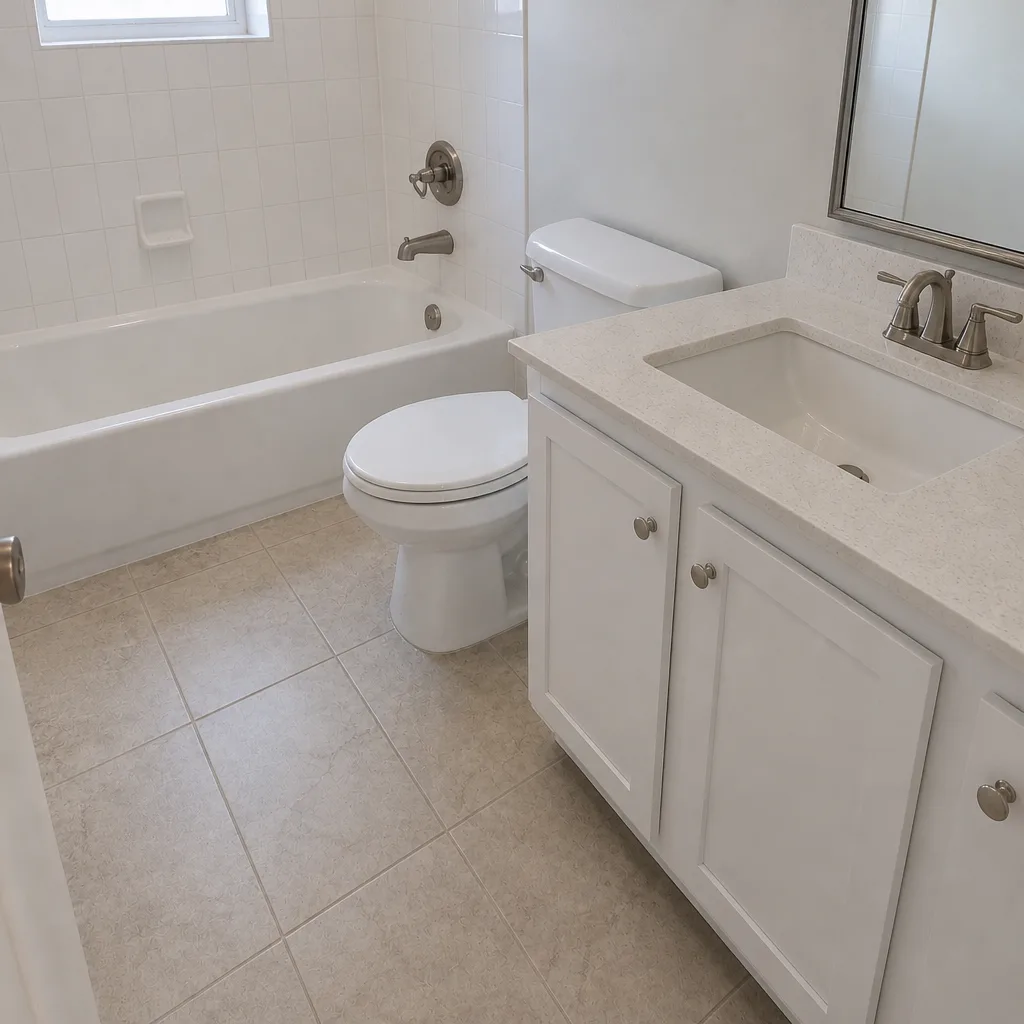 After
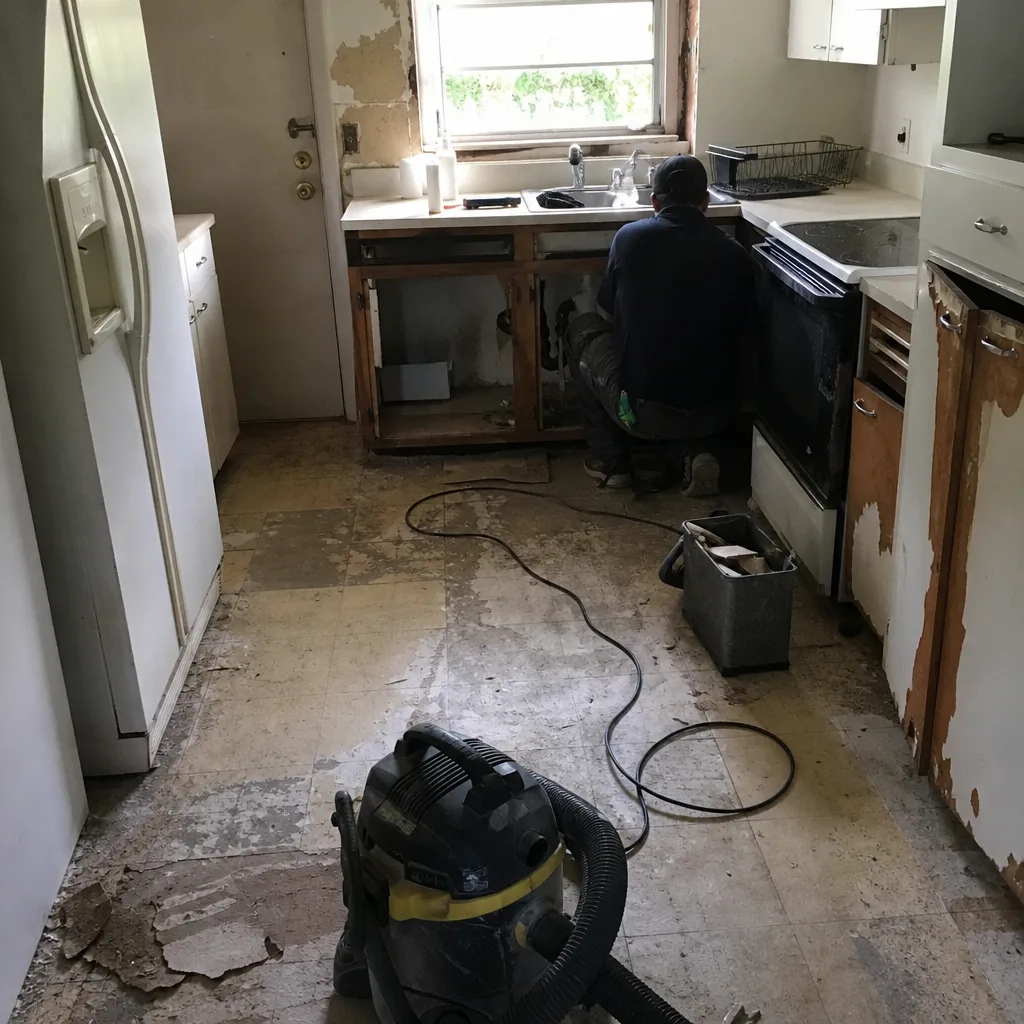 Before
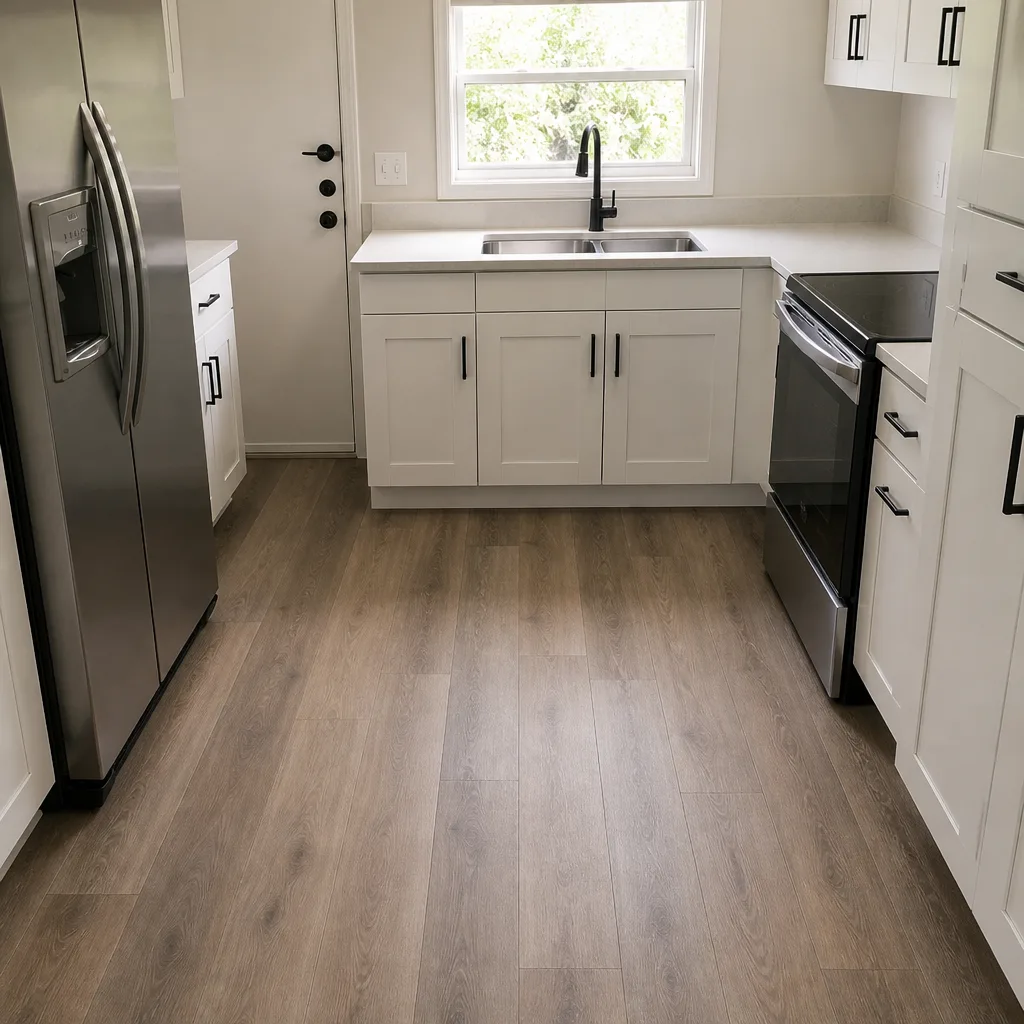 After
When to Call a Professional
A driveway paver project is one of the few exterior jobs where the real work is mostly underground and mostly invisible when the job is done. That’s exactly why it’s worth trusting a professional. Call a professional if the existing surface has been patched more than once, if the driveway ponds after rain, if you’re uncertain whether your lot’s drainage easement restricts what you can build, if the base under an existing driveway has ever shown soft spots, or if the HOA approval package is complex. And call a professional if you’re planning a driveway alongside fencing, an addition, or other exterior work – coordinating the approvals and drainage across projects saves real money and prevents re-work. Groundwork Construction Co. of The Hammocks offers free estimates in The Hammocks – call (844) 761-9356.
Frequently Asked Questions
A paver driveway in The Hammocks typically costs more than what national cost guides quote, because a proper installation here needs a 6-inch compacted base rather than the 4-inch standard those guides assume, plus drainage design and HOA submittal work. Expect a correct Hammocks installation to price above the national average for the same square footage, and expect the margin to reflect the deeper base, the edge restraint, and the drainage features that keep the driveway from failing. Call (844) 761-9356 for an exact quote – estimates are free.
The paver itself is rarely the failure point – the base underneath usually is. In The Hammocks, the limestone-clay soil mix and high water table trap moisture in the base layer, and a 4-inch base that would hold up in a dry market goes soft within a few rainy seasons. Base failures are almost never fixable from the surface, which is why base depth matters more than any other single choice on the job.
Yes – in almost every Hammocks-area community, you do. Architectural review typically specifies approved paver colors, finishes, borders, and sometimes patterns, and most associations want a dimensioned drawing or design package before work begins. Get written approval in hand before anyone breaks ground or orders materials. A contractor who works in The Hammocks regularly will know how to build that submittal into the proposal, and that’s how we quote every Hammocks driveway.
A minimum of 6 inches of compacted aggregate, installed in two 3-inch lifts, is the correct base depth for a Hammocks driveway – and 8 inches where the native soil is clay-heavy or the subgrade is soft. That’s deeper than most national guides cite because our soils and water table demand it. Any installer who proposes less than 6 inches in The Hammocks is saving money at the cost of your driveway’s lifespan.
A full paver driveway installation in The Hammocks usually takes multiple days, not a single day. Most of that time goes to excavation, base installation in lifts, and compaction – the steps that determine whether the driveway lasts. If a contractor promises a single-day full installation, ask what base depth they’re using and how many lifts they compact. The answer usually tells you everything.
Yes – a professional driveway contractor in The Hammocks should handle the design package, the HOA submittal, and any county permitting your lot requires, and it should be in the written scope before work begins. The contract should say explicitly who pulls what, who produces the design package, and who handles the post-completion inspection. Our quotes spell this out line by line so nothing falls through the cracks.
The Bottom Line
Driveway pavers in The Hammocks succeed or fail below the surface. Get a minimum 6-inch compacted base installed in lifts, choose a material that holds its color and structural integrity under Miami-Dade’s UV index and heat load, confirm your HOA approval in writing before ordering anything, and design drainage for the wet-season peak – not the average. Put your base spec, edge restraint, drainage path, and workmanship warranty in writing in the contract. Those five decisions are the difference between a driveway that lasts decades and one you’re replacing in five years. Everything else – color, pattern, border style – is a bonus.
Ready to price a Hammocks paver driveway with straight answers on the base spec and the drainage design? Call Groundwork Construction Co. of The Hammocks at (844) 761-9356 for a free estimate – the number you see is the number you pay, and every project is covered by the 730-Day Done Right Promise.
Written by the team at Groundwork Construction Co. of The Hammocks.