
Last updated November 17, 2026
 Kitchen remodeling
 Bathroom remodeling
 Home additions & ADU
 Roofing
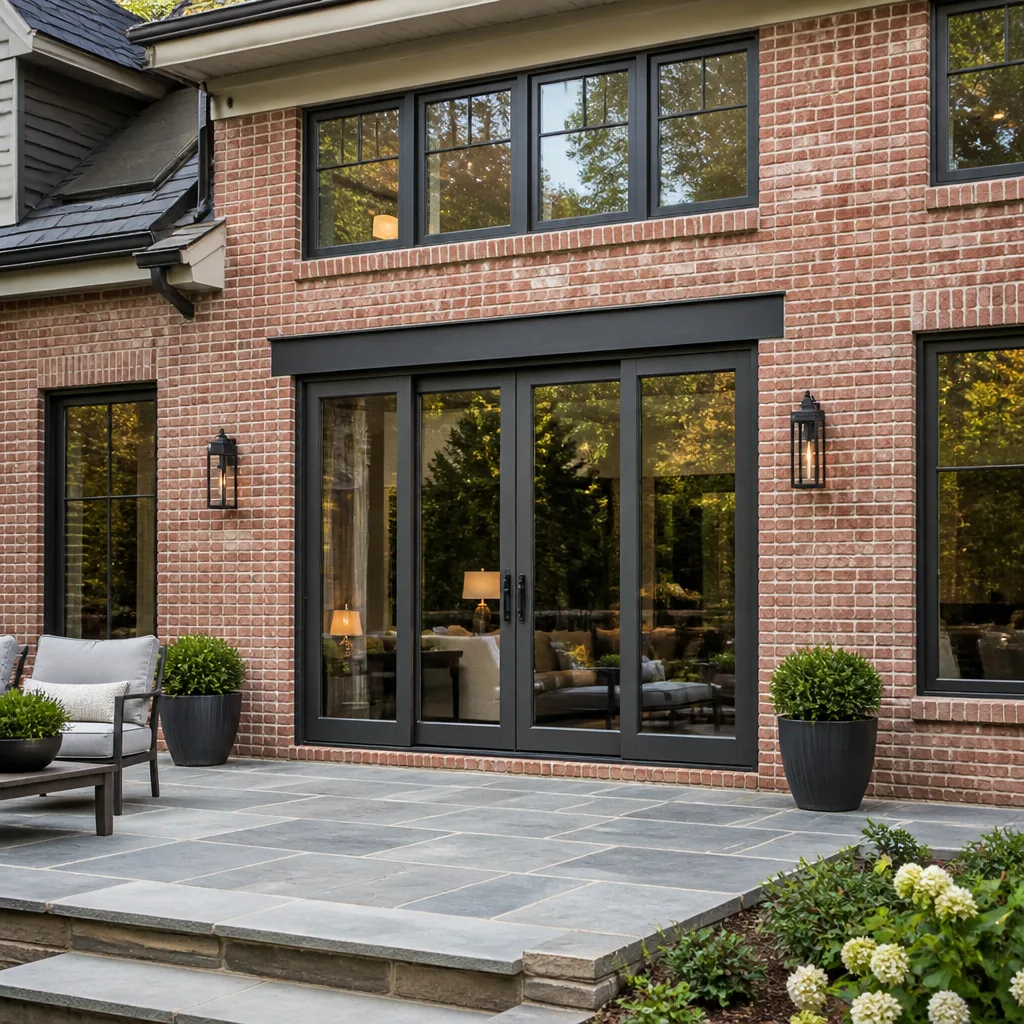 Windows & doors
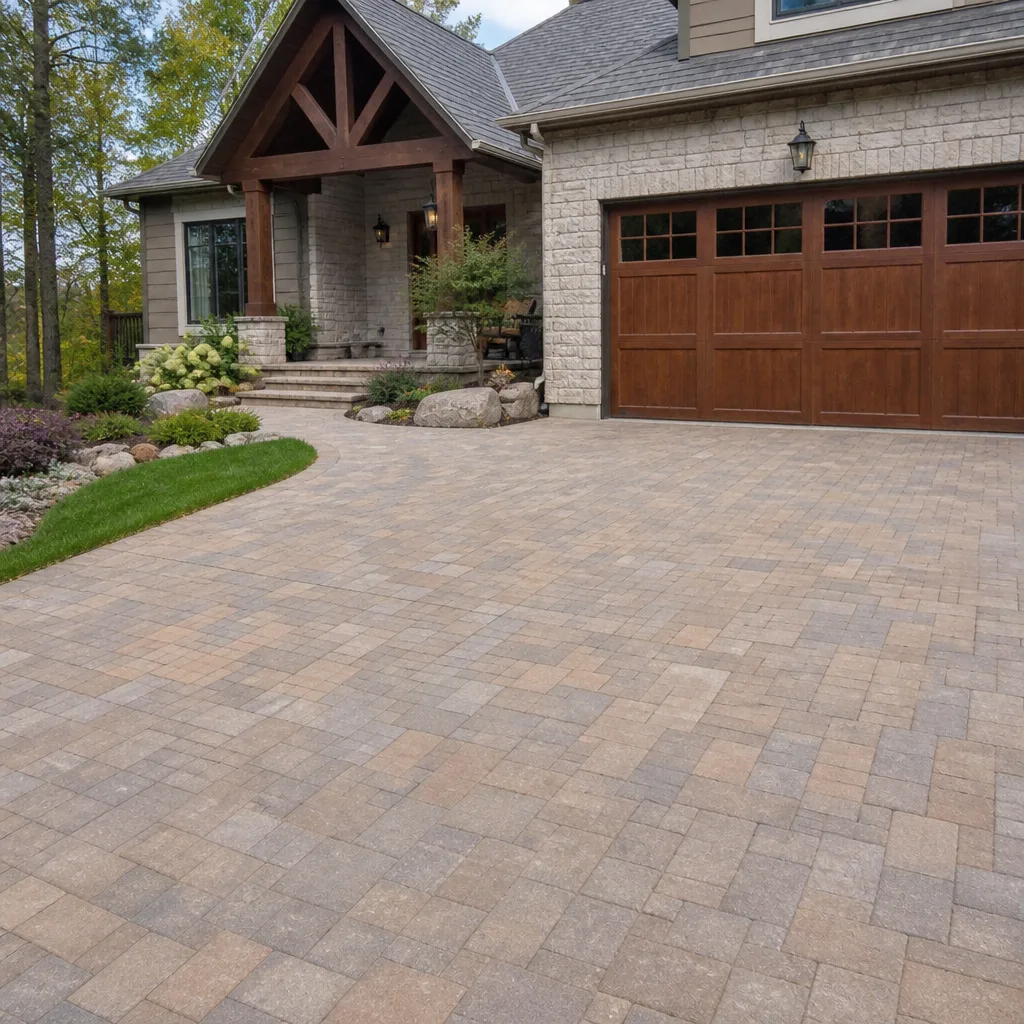 Driveway & pavers
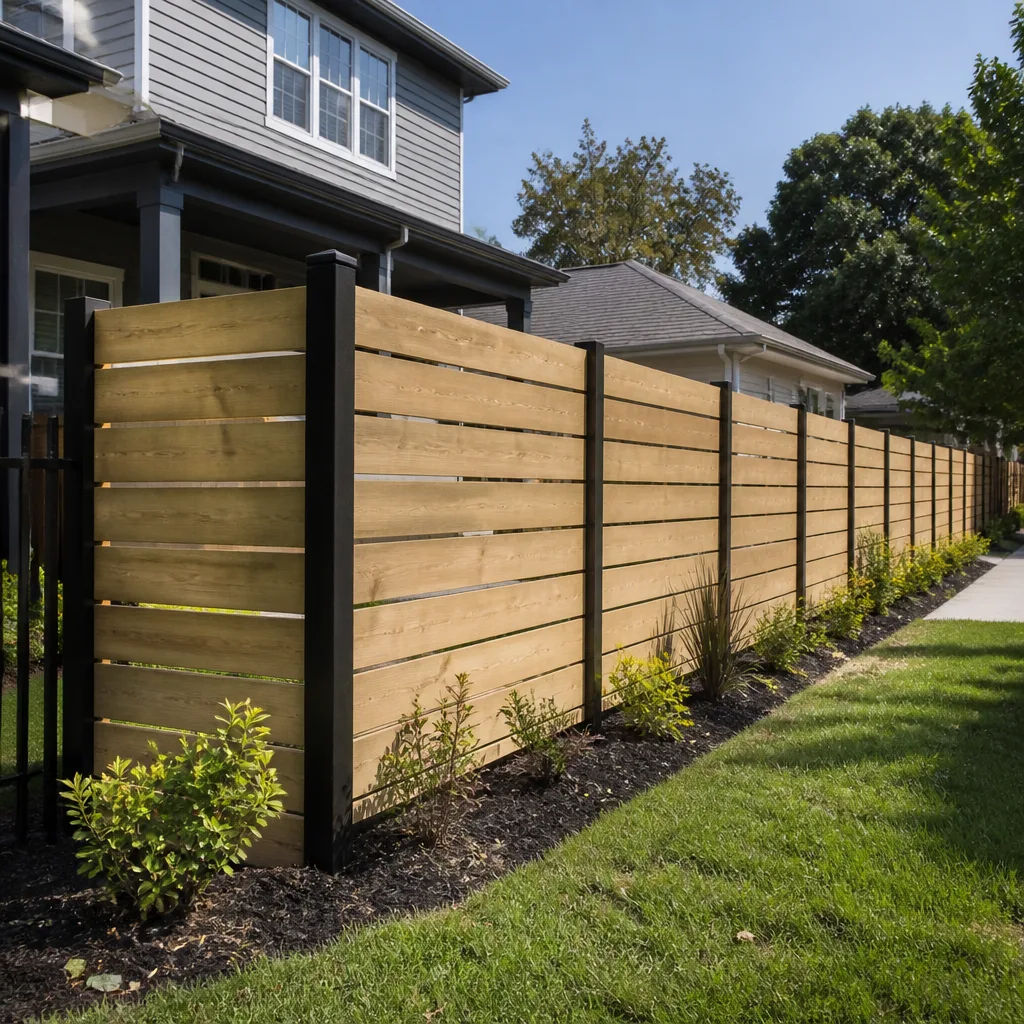 Fence
Free written scope consultation - allowances, timeline, and change-order rules on paper before a single trade is scheduled
The Complete Guide to Construction in The Hammocks
Most construction guides are written for anywhere, which means they’re useful for nowhere. The Hammocks has hurricane impact requirements, HOA overlay rules, and soil conditions that will derail any project planned around generic advice. A kitchen remodel here isn’t the same project as a kitchen remodel in Orlando or Tampa, and the permit packet that clears Miami-Dade County review looks nothing like what gets approved in Broward. This guide treats The Hammocks as the specific place it is: a West Kendall community where high-velocity hurricane code, an active HOA architectural review, and limestone-rich soil all shape what you can build and what it costs. You’ll learn how permitting actually works here, what a realistic timeline looks like, and where projects tend to go wrong.
Quick Answer
Construction in The Hammocks, FL is governed first by Miami-Dade County’s High-Velocity Hurricane Zone (HVHZ) code, which sets stricter wind-load, impact-glazing, and product-approval standards than the rest of Florida. On top of county permits, The Hammocks HOA architectural review adds a second approval layer for exterior changes like roofs, fences, driveways, and additions. Realistic timelines run longer than contractor estimates suggest because permit review and HOA sign-off stack sequentially, and foundations and pavers must account for the limestone and sandy soil typical of this part of the county.
Styles & brands we work with
- Kitchen remodeling
- Bathroom remodeling
- Home additions & ADU
- Roofing
- Windows & doors
- Driveway & pavers
- Fence
Table of Contents
- How Miami-Dade HVHZ Code Shapes Every Permit in The Hammocks
- The Hammocks HOA Review: The Second Approval Most Homeowners Forget
- Why Biscayne Aquifer Soil Matters for Foundations and Pavers
- A Realistic Construction Timeline for The Hammocks
- Why Full-Scope Contractors Reduce Coordination Failures
- What You Can Build in The Hammocks: Project Types and Considerations
- The Permit Process, Step by Step
- Choosing Materials That Survive South Florida
How Miami-Dade HVHZ Code Shapes Every Permit in The Hammocks
Miami-Dade County sits inside the High-Velocity Hurricane Zone, the strictest wind-load region in the state. That designation isn’t bureaucratic decoration. It changes what products you’re allowed to install, how they’re fastened, and which testing labs have to certify them before a building official will sign off. In The Hammocks, every permitted roof, window, door, and structural addition has to meet HVHZ standards, and inspectors verify the details on site.
What that means in practice:
- Roofs require Miami-Dade County Product Approval or a statewide approval with HVHZ supplement. Not every shingle or tile line carries it. GAF and CertainTeed both offer HVHZ-compliant systems, but you have to specify the right product, underlayment, and fastener pattern as a package.
- Windows and doors need impact-rated glazing or approved shutter protection. Andersen and Pella both make HVHZ-rated lines, but the approval is product-specific, not brand-wide.
- Fasteners, straps, and connections follow prescriptive schedules. A contractor who shows up with generic hurricane straps from a big-box store is already off-spec.
- Inspections are sequenced. A roof won’t pass final without an in-progress inspection showing the underlayment and nailing pattern. Window installations need rough-in and final sign-offs.
We’ve seen homeowners get burned by ordering materials before confirming product approval. The window arrives, looks correct, and the inspector fails it because the specific model isn’t listed for HVHZ use. That’s a four-to-six week reset in The Hammocks, minimum. If you’re planning any exterior work, verify product approval before the order is placed, not after.
The Hammocks HOA Review: The Second Approval Most Homeowners Forget
Miami-Dade County issues the permit. The Hammocks HOA decides whether you can build it the way you want. These are two separate processes, and they rarely run in parallel. The HOA’s architectural review committee evaluates exterior changes against community design standards, and county approval doesn’t override their authority.
What usually triggers HOA review in The Hammocks:
- Roof material or color changes (tile profiles matter, not just color)
- Fence height, material, and placement along property lines
- Driveway and paver changes that alter the front elevation
- Window and door replacements where profile or finish differs from the original
- Any addition or ADU that changes the roofline or footprint
- Paint color, though this varies by village within the community
The practical sequencing matters. If you submit to the county first and the HOA later requests a design change, you may need to revise the permit drawings, which restarts county review. The smoother path:
- Confirm HOA design standards for your specific village, in writing.
- Prepare drawings that satisfy both HVHZ and HOA requirements simultaneously.
- Submit to the HOA architectural review first, with county-ready drawings.
- Carry the HOA approval letter into the county permit packet.
- Schedule any required pre-construction walk-through with the HOA before breaking ground.
We’ve watched projects stall three to four months on HOA-driven redesign alone. That’s not a contractor problem; it’s a sequencing problem. Know which approval comes first, and build the timeline around it.
Why Biscayne Aquifer Soil Matters for Foundations and Pavers
Most of The Hammocks sits over the Biscayne Aquifer, which means the native soil is limestone close to the surface, often under a thin layer of sandy fill. That’s a fundamentally different soil condition than what contractors from other parts of Florida are used to. It affects two things that come up on almost every job: foundations and pavers.
For foundations and additions, the practical concerns are:
- Rock excavation. Digging for footings in limestone is slower than digging in fill. If a bid doesn’t account for rock removal, that line item shows up as a change order.
- Water table behavior. Because the aquifer is right there, water can rise quickly in excavation during the wet season (roughly June through October). Dewatering is a cost, and it’s not optional on additions with a slab or footing.
- Compaction and settlement. Sandy fill over limestone settles unevenly if it wasn’t compacted properly when the home was built. A soil evaluation before foundation work is standard best practice, not overkill.
For driveway and paver work, the sub-base is the entire game. Limestone sub-grade doesn’t drain the same way sandy soil does, and water that pools beneath a driveway undercuts the pavers from below. On The Hammocks paver jobs, we specify a thicker compacted base, a more intentional slope to the street, and edge restraints rated for the load. A missing or undersized base is the number one reason paver driveways in this ZIP code fail within five years. If you’re comparing bids on Driveway & Pavers in The Hammocks, check what base thickness each contractor is quoting. That line tells you more than the price.
A Realistic Construction Timeline for The Hammocks
Contractor estimates tend to skip the bureaucratic gaps: the weeks waiting on county review, the weeks waiting on HOA response, the weeks waiting on product delivery for HVHZ-specific materials. Here’s what a realistic timeline looks like across common project types, assuming a single contractor coordinates everything.
| Project Type | Typical Duration (The Hammocks) | Notes |
|---|---|---|
| Roof replacement | 4-8 weeks | Permit review plus product order for HVHZ-compliant system; install itself is 1-3 days |
| Window or door replacement | 6-10 weeks | Product lead time dominates; verify HVHZ approval on every model |
| Bathroom remodel | 6-10 weeks | Permit required for plumbing or electrical relocation; simple finish swaps move faster |
| Kitchen remodel | 10-16 weeks | Cabinet lead time plus trade sequencing (KraftMaid and Cambria; plumbing; electrical; tile) |
| Fence installation | 3-6 weeks | HOA review is the variable; install runs 2-4 days |
| Driveway or paver install | 4-8 weeks | Rock excavation and base prep time; finish install 2-5 days |
| Room addition | 6-10 months | Design, HVHZ structural engineering, county permit, HOA, construction |
| ADU | 8-12 months | Full entitlement stack; structural review; utility connections |
Two realities shape these numbers. First, Miami-Dade County’s building department runs on a review backlog that varies by project complexity, and larger projects sit longer. Second, The Hammocks HOA review adds time on top. When we schedule a Home Additions & ADU in The Hammocks project, we plan the permit and HOA phases as separate calendar blocks, not simultaneous ones. Anyone who quotes you a single number without breaking that out is guessing.
Why Full-Scope Contractors Reduce Coordination Failures
Construction projects break at the seams between trades. The plumber installs at the wrong depth, the tile setter shows up before the rough-in inspection, the electrician needs a permit that wasn’t pulled, and suddenly the homeowner is the one making calls between six subcontractors who don’t talk to each other. That’s the single biggest failure mode in The Hammocks and everywhere else.
The coordination failures we see most often on homeowner-managed projects:
- Two contractors, two permit applications. Roofing and structural work on the same house, filed separately, triggered separate inspections that didn’t align.
- Trade sequencing gone wrong. Cabinet installation before electrical rough-in signed off means tearing out cabinets after inspection. That’s a five-figure mistake.
- Warranty handoffs. When a roof leaks and a skylight is involved, the roofer blames the skylight installer and vice versa. Homeowner is stuck between them.
- Material substitutions. A sub uses a non-HVHZ-rated product because “it’s the same thing” and the inspection fails, delaying everything.
- HOA compliance drift. An unapproved paint color or fence height discovered at the end, forcing a redo.
A full-scope contractor solves most of that by owning the whole scope under one contract, one permit package where possible, and one warranty. Our full-scope work in The Hammocks covers seven trades under one job file: Kitchen Remodeling, Bathroom Remodeling, Roofing, Windows & Doors, Fence Installation in The Hammocks, Driveway & Pavers, and Home Additions & ADU. When something goes wrong, there’s one number to call and one team accountable. That’s the structure that eliminates most of the coordination tax homeowners pay when they manage it themselves.
What You Can Build in The Hammocks: Project Types and Considerations
Different project types run into different local variables. What follows is a quick walkthrough of the seven construction categories homeowners here ask about most, with the local angle on each.
Kitchen Remodeling
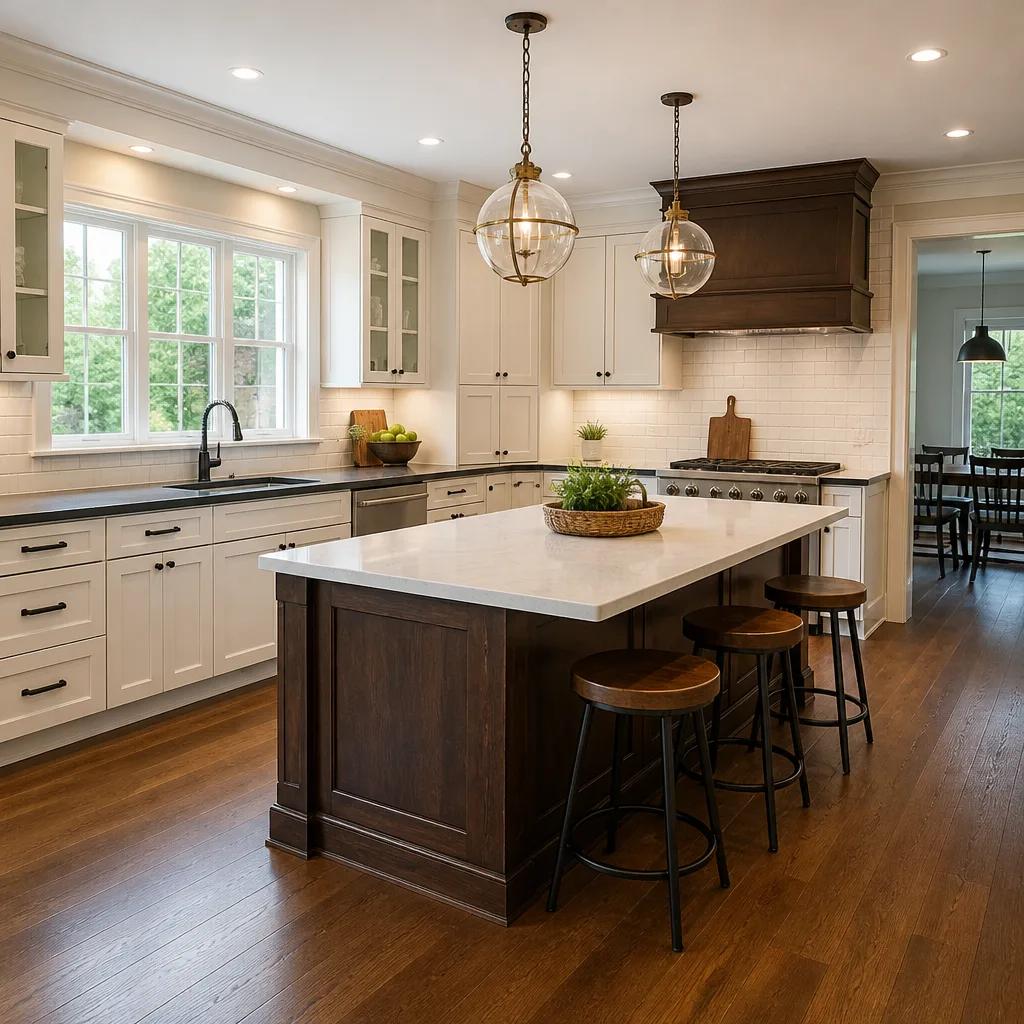
Kitchens in The Hammocks homes tend to sit in the middle of the floor plan, which means relocating plumbing or gas lines is a permit-triggering event. Cabinet lead times dominate the schedule, and the best outcome comes from choosing cabinet lines with realistic delivery windows. KraftMaid and Cambria are the brands we specify most often for a reason: predictable lead times and finishes that hold up to South Florida humidity. Expect 10-16 weeks door to door on a full remodel with layout changes.
Bathroom Remodeling
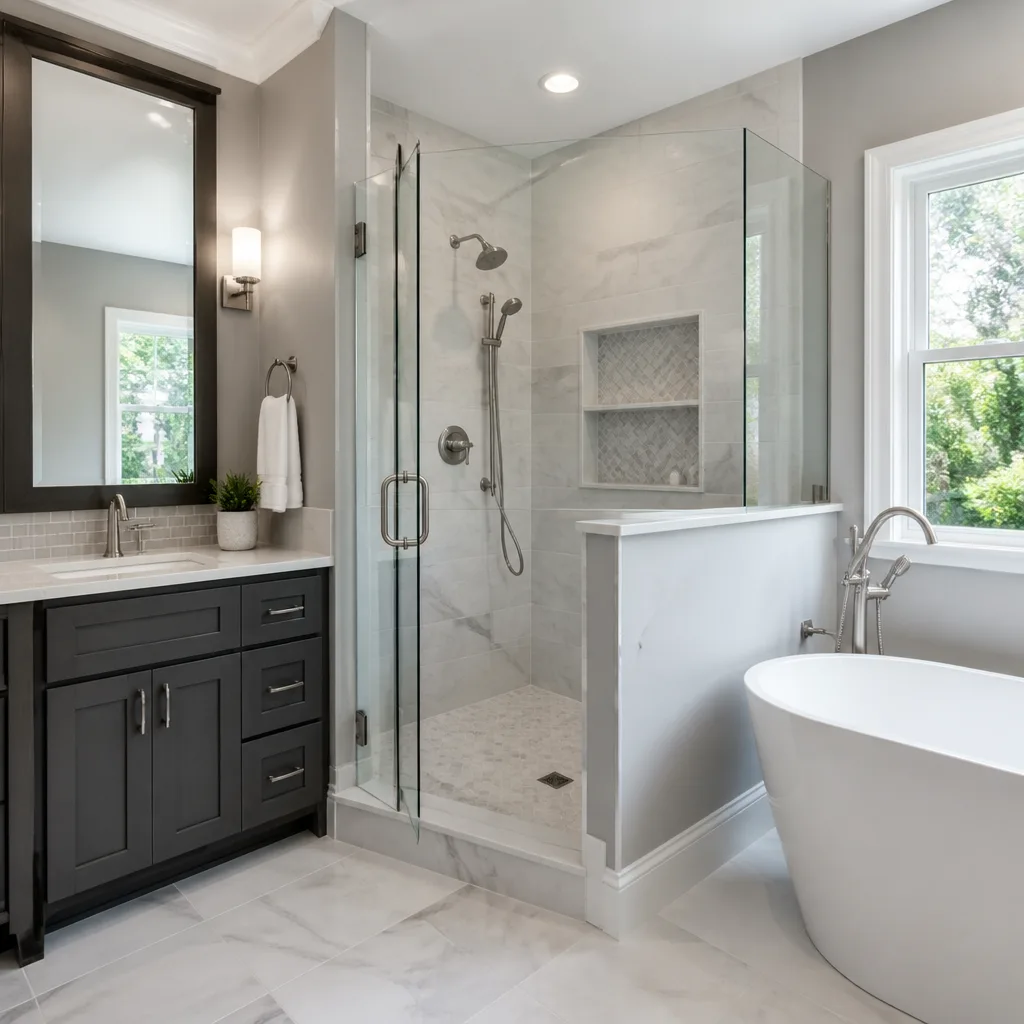
Bathroom projects run faster than kitchens, but moisture management is the local concern. Here in The Hammocks, we require a proper waterproofing membrane and a sloped pan on every shower because the humidity makes grout and caulk fail faster than in drier climates. Six to ten weeks is a realistic window for a full bath remodel with plumbing relocation.
Roofing
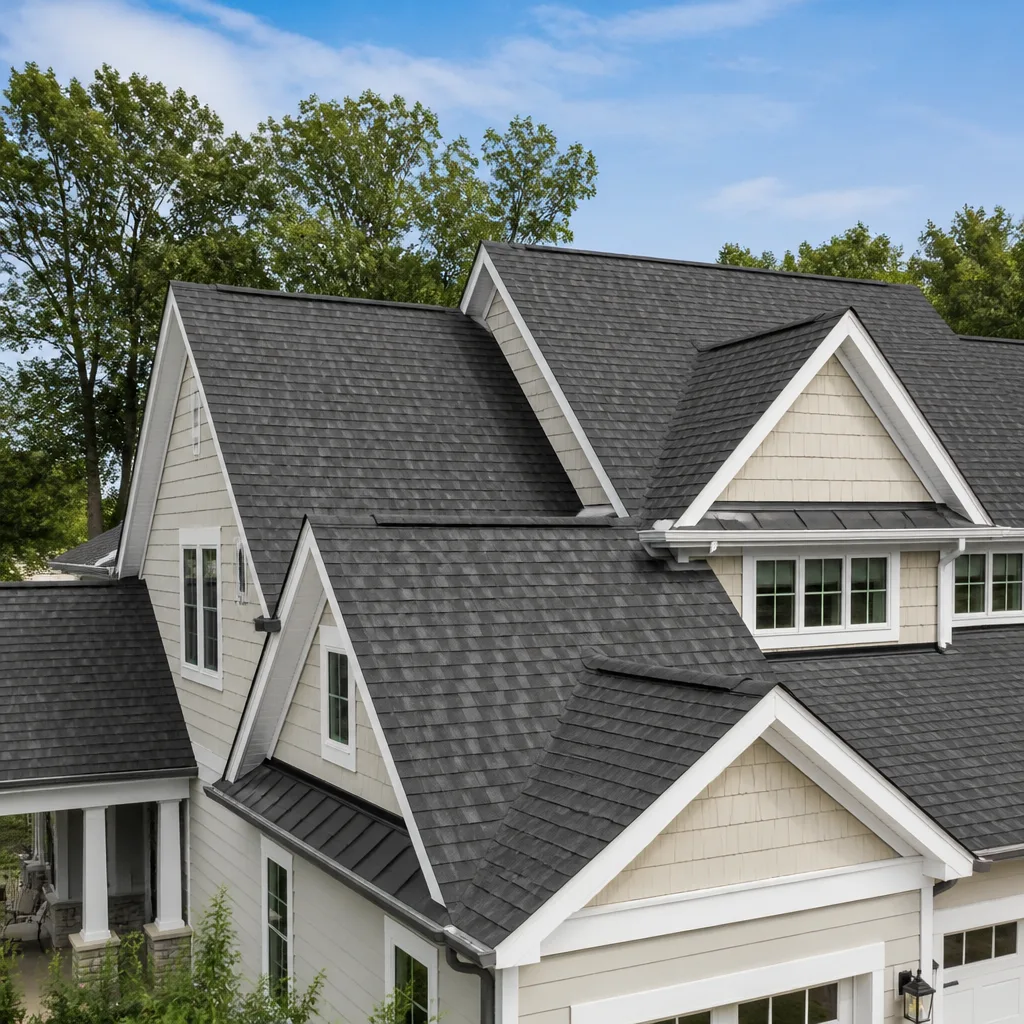
The roof on a The Hammocks home is engineered, not just installed. HVHZ system approval, secondary water barrier, specific fastener patterns, underlayment inspection. GAF and Owens Corning both offer HVHZ-approved systems, and specifying them correctly is the difference between a 5-day install and a 5-week do-over. Roofs here typically need replacement every 15-20 years given UV exposure and storm cycles.
Windows & Doors
Impact-rated glazing pays for itself in insurance discounts and storm-season peace of mind. Every window model must be individually listed for HVHZ use. We work with Andersen and Marvin, both of which have deep HVHZ-rated lines, but approval verification happens on the model number, not the brand promise.
Fence Installation
HOA review dominates fence timelines here. Height, material, and placement along the property line are all governed, and different villages within The Hammocks have different rules. Aluminum and composite hold up best to the salt-laden air and hurricane season.
Driveway & Pavers
Paver installation here lives or dies on the base. Limestone sub-grade, sandy fill, and the wet season all combine to stress the base. We specify thicker compacted base and perimeter restraints on every job. A well-built paver driveway in The Hammocks lasts 20-plus years; a poorly-built one fails in five.
Home Additions & ADU
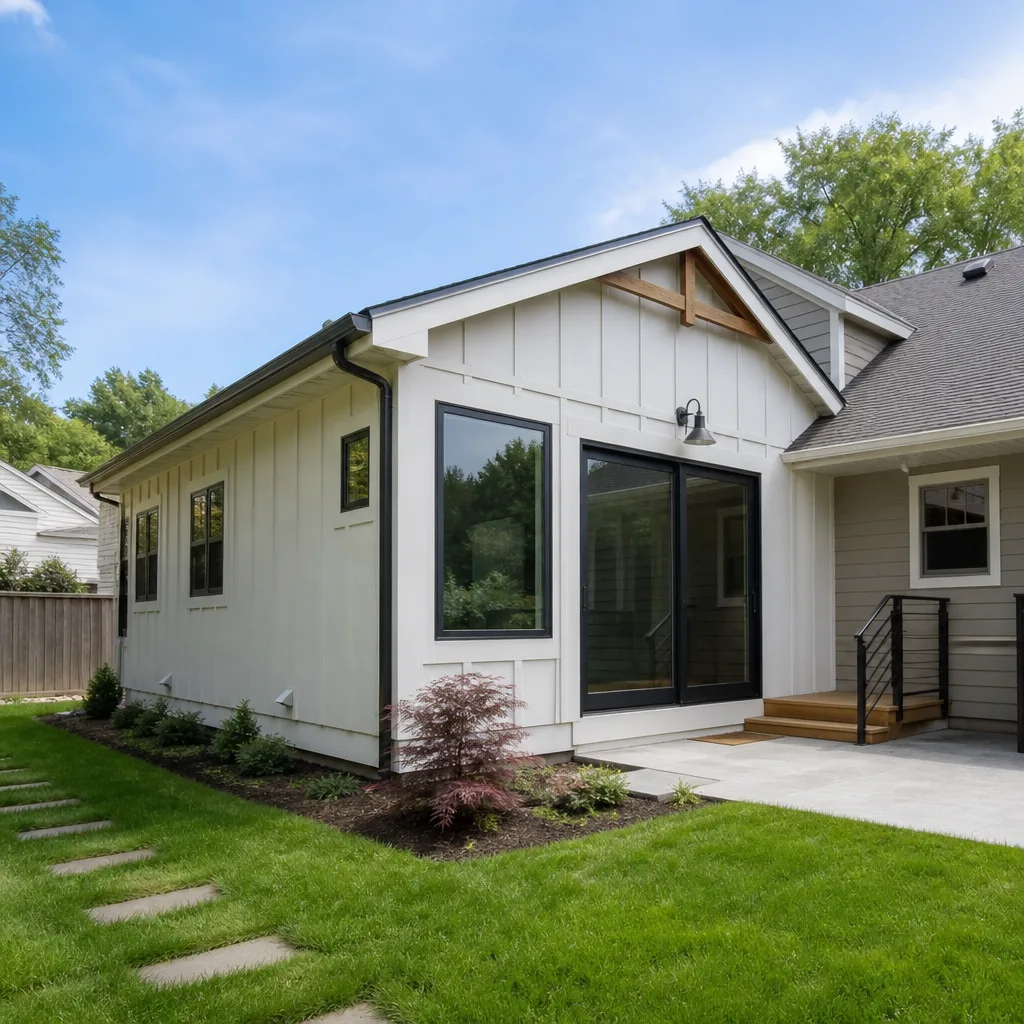
Additions and ADUs are the most complex projects because they stack every variable: HVHZ structural engineering, county permit, HOA architectural review, utility connections, and construction sequencing. Prefabricated options from Mighty Buildings and Plant Prefab have gained traction in South Florida because they compress on-site construction time, but they still need full county approval and HOA sign-off. Realistic timeline: 6-12 months depending on scope.
The Permit Process, Step by Step
Permitting feels opaque until you’ve done it. Here’s the sequence for a typical permit-required project in The Hammocks, whether it’s a roof, an addition, or a window replacement.
- Confirm HOA design standards. Get the written standards for your village before designing anything. This prevents redesign later.
- Prepare drawings with HVHZ specifications. Product approval documentation is attached at the drawing stage, not after permit issue.
- Submit to HOA architectural review. Where required, this runs before county submission.
- Apply for the Miami-Dade County building permit. Some projects (window replacements, roofing) go through ePlan or expedited review; additions go through full plan review.
- Plan review and correction cycles. Expect at least one round of corrections on any structural or addition work. Each cycle adds 2-4 weeks.
- Permit issue. Once issued, apply for any required utility or right-of-way permits.
- Pre-inspection walkthroughs. Roofs and windows have specialized inspection sequences that cannot be skipped.
- Progress inspections. Scheduled by the contractor as work hits each phase.
- Final inspection and certificate of completion. This is what insurance and future resale rely on.
Property owners who plan for one to two correction cycles in their schedule build in fewer delays. Contractors who plan for zero corrections are guessing.
Choosing Materials That Survive South Florida
Materials sold as “great” in a national catalog don’t all belong in The Hammocks. South Florida’s UV load, humidity cycle, salt exposure near the coast, and hurricane season put every material choice through a durability test that other regions don’t.
What holds up here:
- Roofing: Tile and standing-seam metal outperform asphalt shingle for longevity. Both need HVHZ system approval regardless of material.
- Windows and doors: Impact-rated glazing on every opening. No exceptions for “just this one window.”
- Fencing: Aluminum, composite, and treated wood rated for ground contact. Vinyl tends to discolor faster in high UV.
- Pavers: Travertine and shell stone are popular for pool decks; concrete pavers with proper base prep for driveways.
- Cabinets: Plywood box construction with moisture-resistant finishes. Particle board fails faster in this climate.
Brand partners matter here. GAF, CertainTeed, Andersen, Pella, KraftMaid, Kohler, Belgard, James Hardie, and Dvele each have specific product lines engineered for this climate. Specifying the right line from a brand is more important than picking a brand and assuming everything they make is appropriate.
Common Mistakes to Avoid
- Skipping HOA review before county submission. It feels efficient to go straight to the county. It isn’t. HOA-driven design changes after county approval restart the permit cycle and add weeks or months.
- Buying materials before verifying HVHZ approval. A window or roof system that isn’t product-approved for the HVHZ will fail inspection regardless of brand. Verify on the specific model number before ordering.
- Accepting a bid that doesn’t account for rock excavation. In The Hammocks, digging to depth often means cutting limestone. Bids without a rock-removal line item frequently turn into change orders once the shovel hits the ground.
- Underestimating sub-base on pavers. Base thickness and compaction decide whether a driveway lasts 5 years or 25 here. A low bid that skimps on base is not a cheaper driveway; it’s a shorter one.
- Hiring a contractor without a county license and HVHZ experience. Miami-Dade requires specific licensing, and HVHZ work needs specific product knowledge. A contractor from outside the county can be competent and still miss local code details.
- Not planning for the wet season. June through October is rain and storm season. Exterior projects that break ground in May and expect to pour footings in July need dewatering and contingency in the schedule.
- Treating the warranty as marketing. Read what the written warranty actually covers, how long it lasts, and who backs it. A 730-Day Done Right Promise on paper is worth more than any verbal assurance. Get it in writing before you sign.
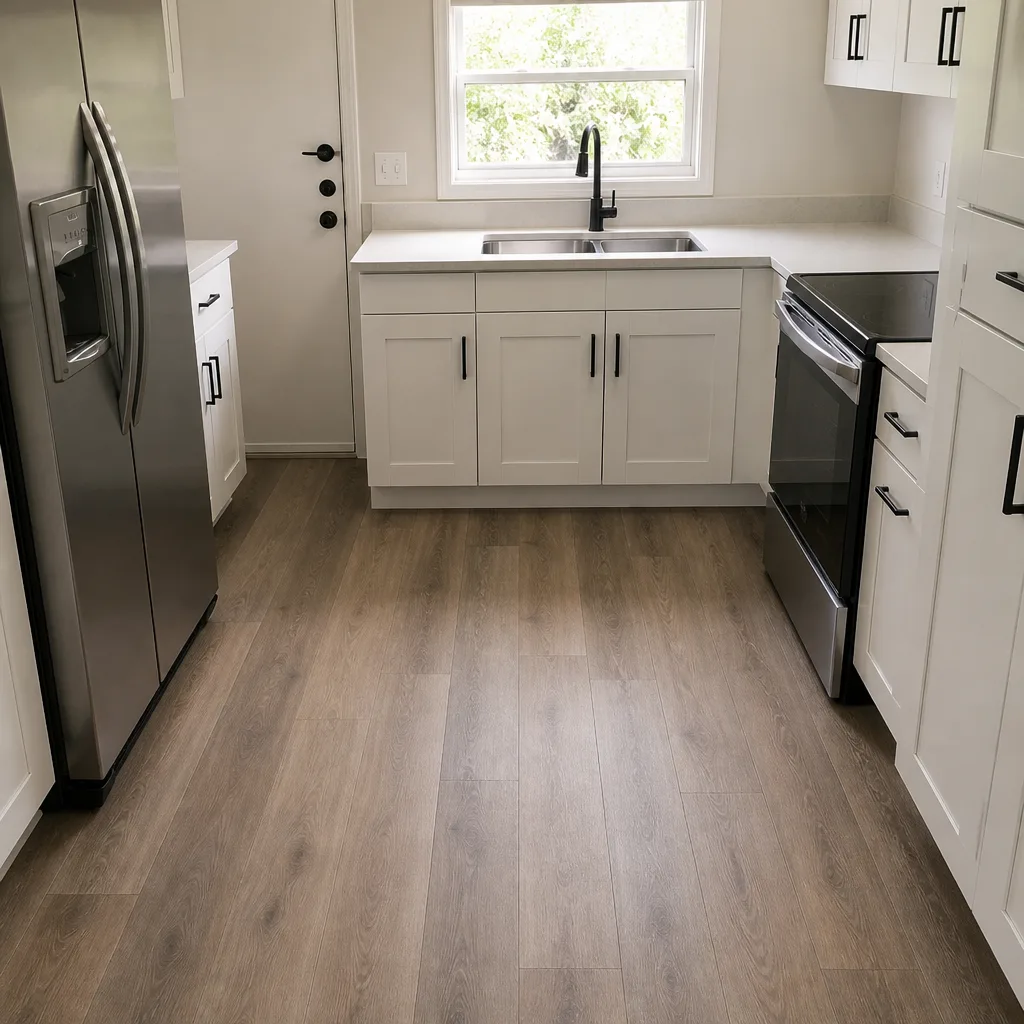
See the difference
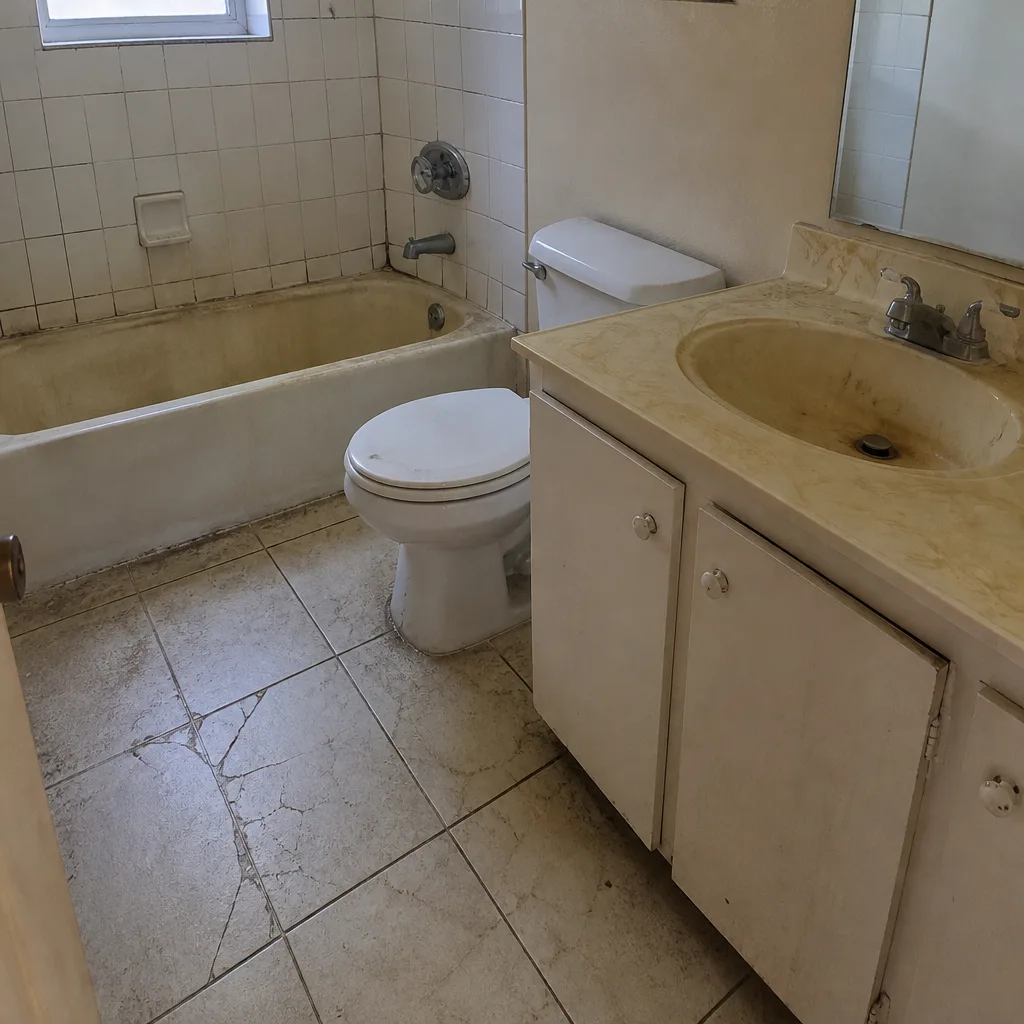
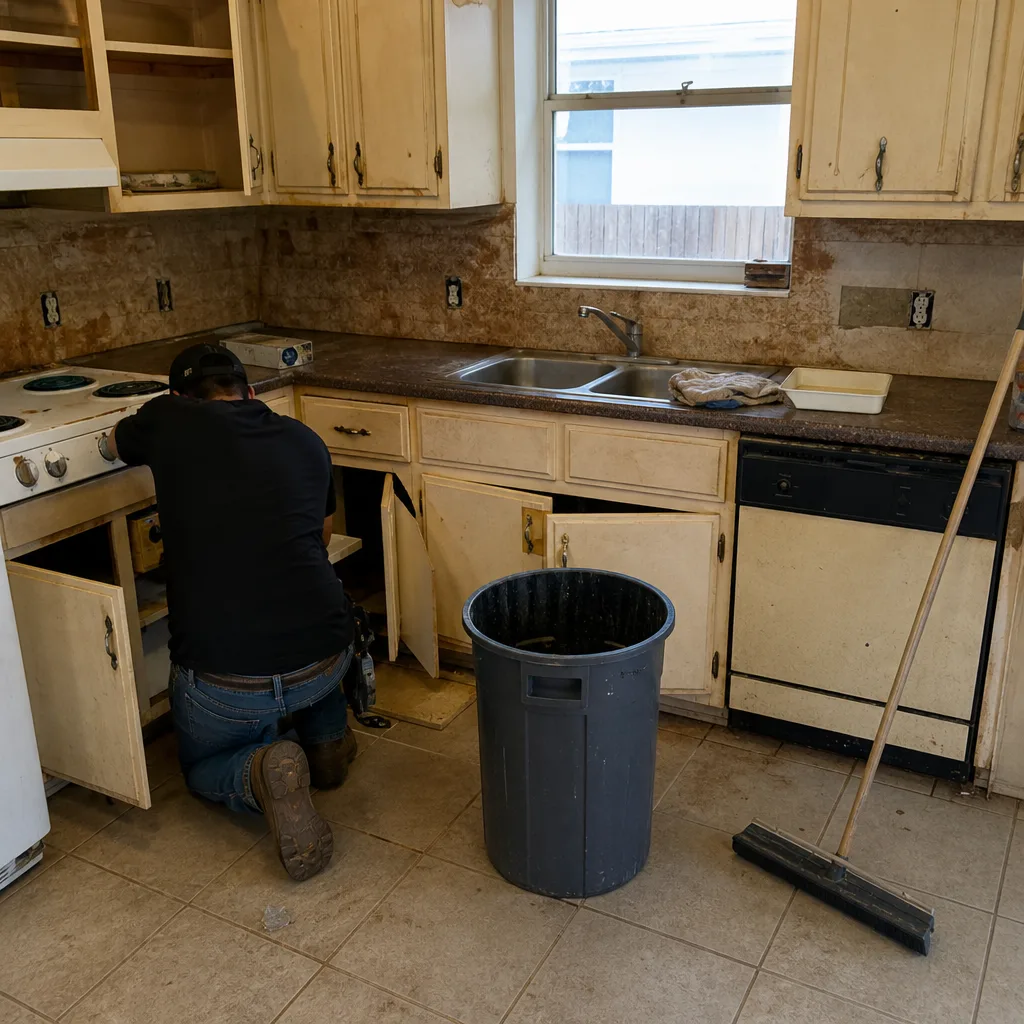 Before
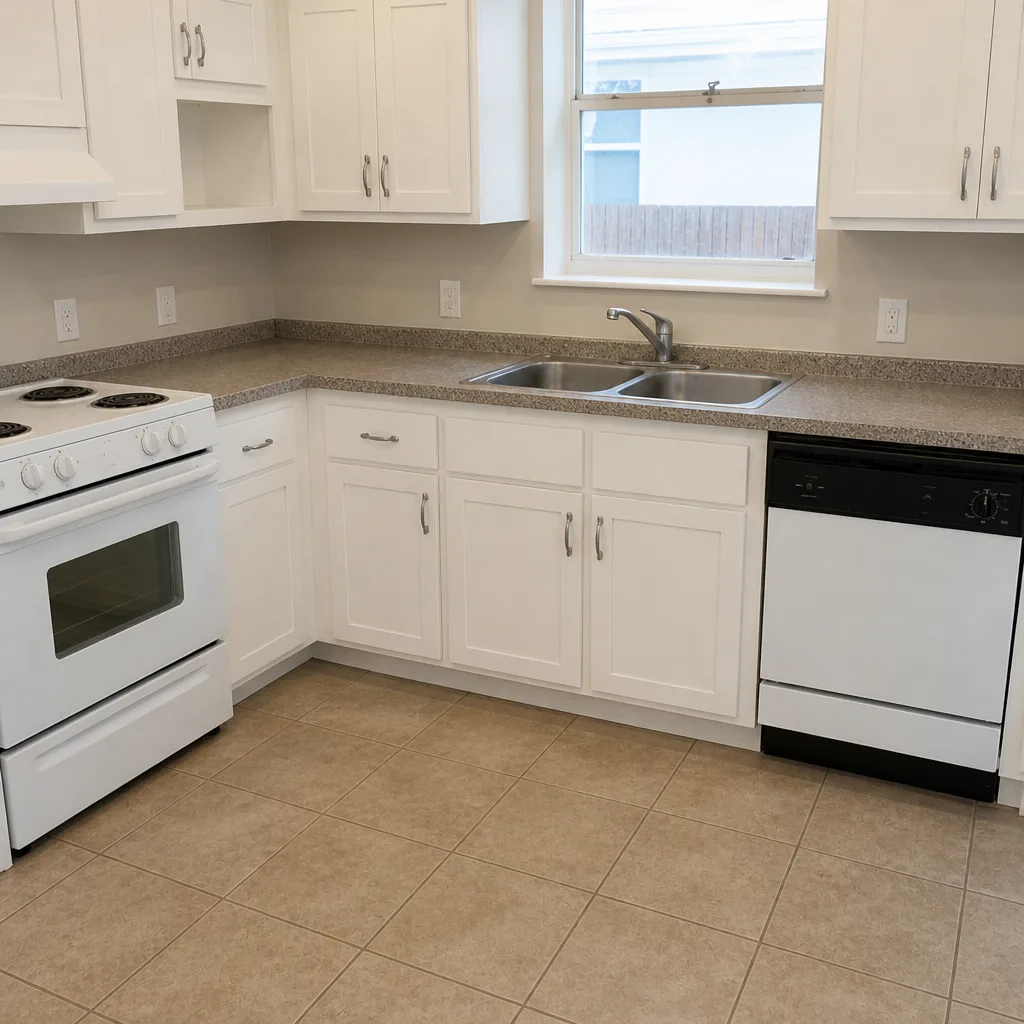 After
 Before
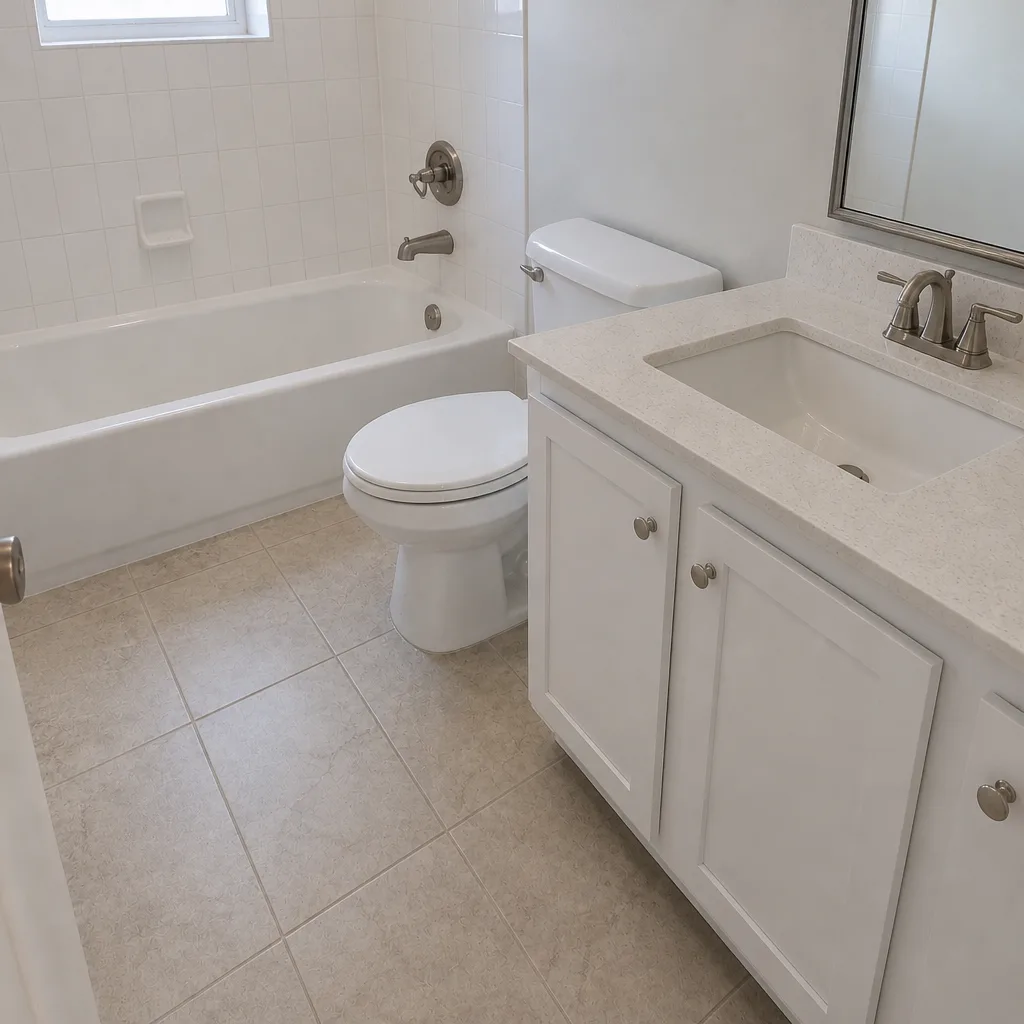 After
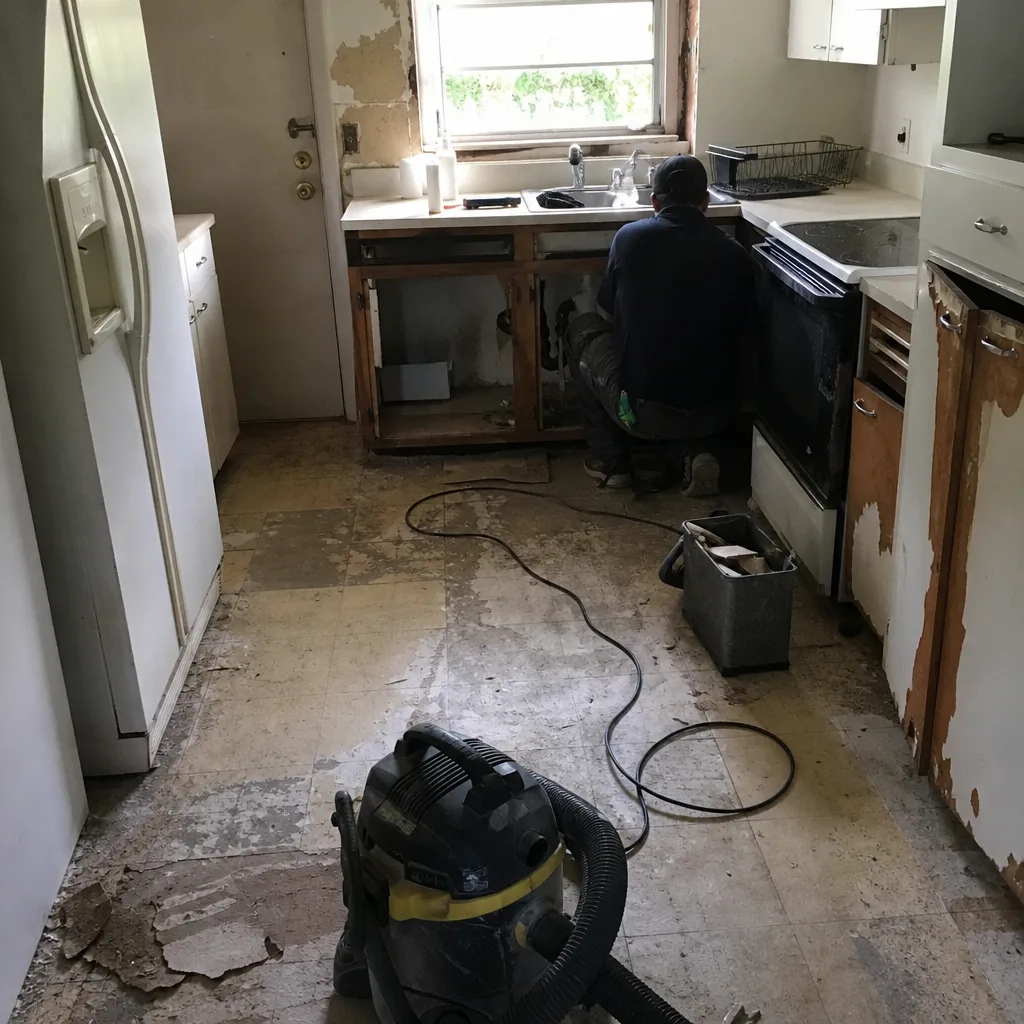 Before
 After
When to Call a Professional
Some projects in The Hammocks are genuinely safe to plan with a knowledgeable weekend helper; most aren’t. Call a professional when the work touches structural elements, roof systems under HVHZ code, electrical panels or wiring, gas lines, hurricane-rated window installation, any permitted project, or anything that requires HOA architectural review. If your project involves rock excavation, dewatering, or an addition footprint that quietly changes the elevation, that’s a professional job. Impact window and roof installs carry real safety risk; don’t attempt them yourself. Groundwork Construction Co. of The Hammocks offers free estimates in The Hammocks – call (844) 761-9356. We’ll walk through your project scope, the permit path, and the realistic timeline before you commit to anything.
Frequently Asked Questions
A full kitchen remodel in The Hammocks typically runs $28,000 to $75,000 depending on whether you’re relocating plumbing or gas, the cabinet line (KraftMaid sits in the mid-to-upper range), and countertop material. Cambria quartz and comparable surfaces push the upper end. Call (844) 761-9356 for an exact quote and a written line-item estimate; it’s free and there’s no obligation.
Yes. For any exterior change, Miami-Dade County issues the permit and The Hammocks HOA architectural review issues a separate approval. Both are required, and they don’t substitute for each other. The HOA review is often the slower of the two, so plan for it first.
Permitting and product order take 4-8 weeks; the actual install typically takes 1-3 days depending on square footage and access. HVHZ-compliant systems from GAF and CertainTeed are the standard here, and verification of product approval on the specific system is part of the pre-install step. Call (844) 761-9356 to schedule a free roof inspection and estimate.
Limestone sub-grade and sandy fill under The Hammocks create drainage and settlement conditions that demand a thicker compacted base and adequate edge restraint. Under-built driveways undercut and settle faster here. A correctly built paver driveway lasts 20-plus years; one with skimped base prep often fails within five.
Yes, with full entitlement. ADUs in The Hammocks require Miami-Dade County permitting, HVHZ structural compliance, HOA architectural review, and utility connection approval. Prefabricated options from Mighty Buildings and Plant Prefab have shortened on-site construction time, but they still go through the full approval stack. Realistic timeline is 8-12 months. Call (844) 761-9356 to talk through feasibility for your lot.
Not when pricing is upfront and line-item. Weather-driven changes (rock excavation exceeding what’s typical, wet-season dewatering) are the only categories where scope can change legitimately, and those should be flagged before a bid is signed. Fixed pricing with no surprise change orders is the standard we hold to. Call (844) 761-9356 for a free estimate with a written line-item quote.
The Bottom Line
Construction in The Hammocks runs through three gates that generic advice misses: Miami-Dade HVHZ code, The Hammocks HOA architectural review, and Biscayne Aquifer soil behavior. Success on a project here depends on sequencing those three correctly, building a realistic timeline that includes permit backlogs and wet-season windows, and hiring a contractor who owns the full scope so coordination failures stay someone else’s problem. The projects that finish on schedule here are the ones that started with a written line-item bid, verified product approvals before ordering, and one team accountable from first inspection to final walkthrough. Build it right the first time, and back it in writing. That’s the only path that lasts south of the Palmetto.
Ready to plan your The Hammocks project? Groundwork Construction Co. of The Hammocks home has the full scope under one roof: Kitchen Remodeling, Bathroom Remodeling, Roofing, Windows & Doors, Fence Installation, Driveway & Pavers, and Home Additions & ADU. Every project carries the 730-Day Done Right Promise, every job is performed by background-checked uniformed technicians, and every price is written plainly before work begins. Financing through 0% for 18 months is available, and projects over $10,000 get $1,000 off. Call (844) 761-9356 for a free estimate – a live person answers, day or night.
Written by the team at Groundwork Construction Co. of The Hammocks.