
Last updated November 17, 2026
 Kitchen remodeling
 Bathroom remodeling
 Home additions & ADU
 Roofing
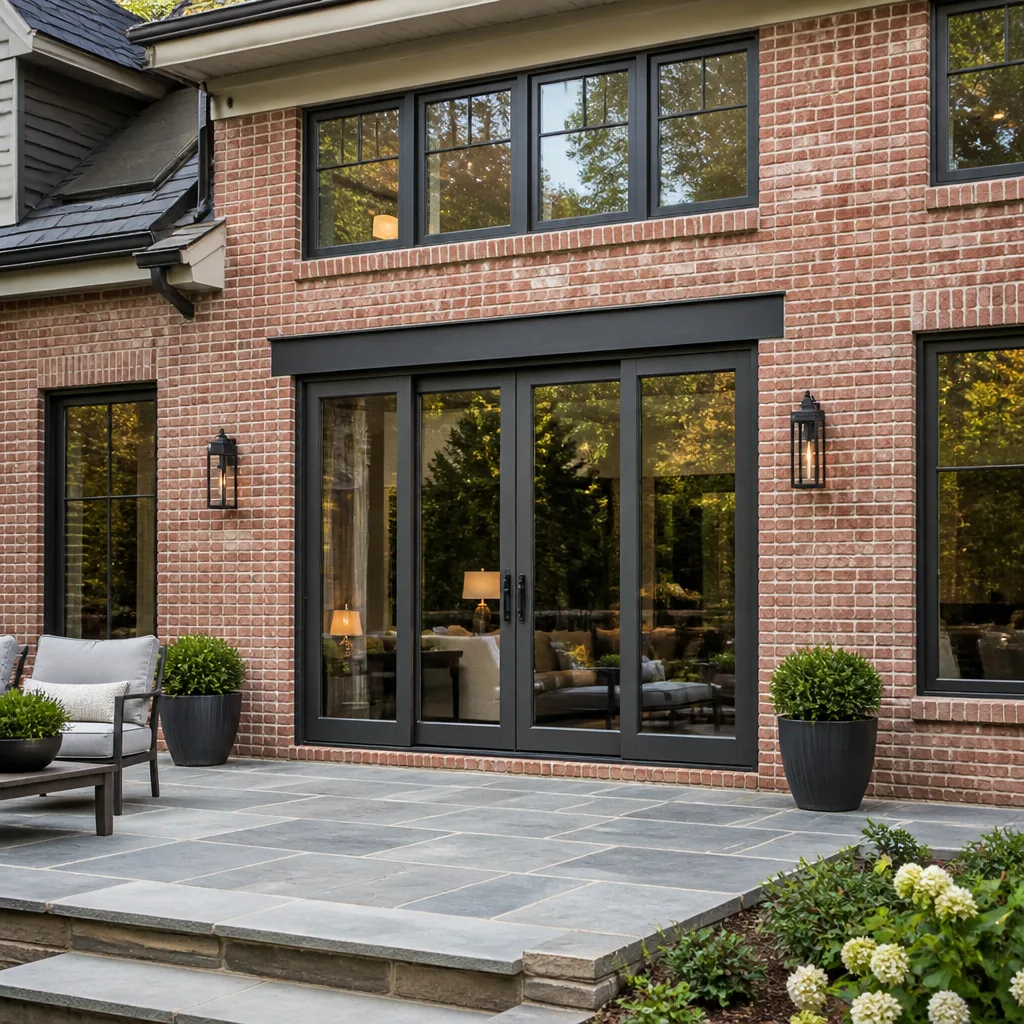 Windows & doors
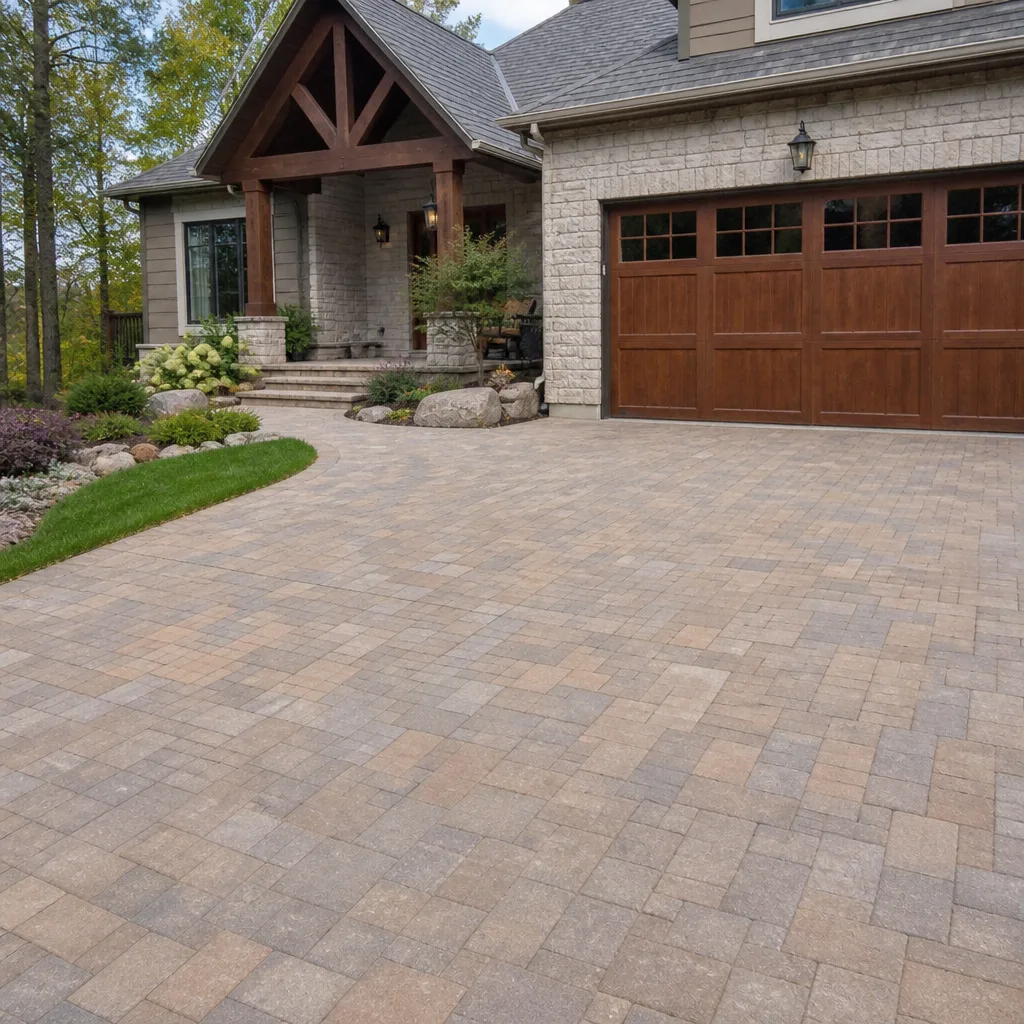 Driveway & pavers
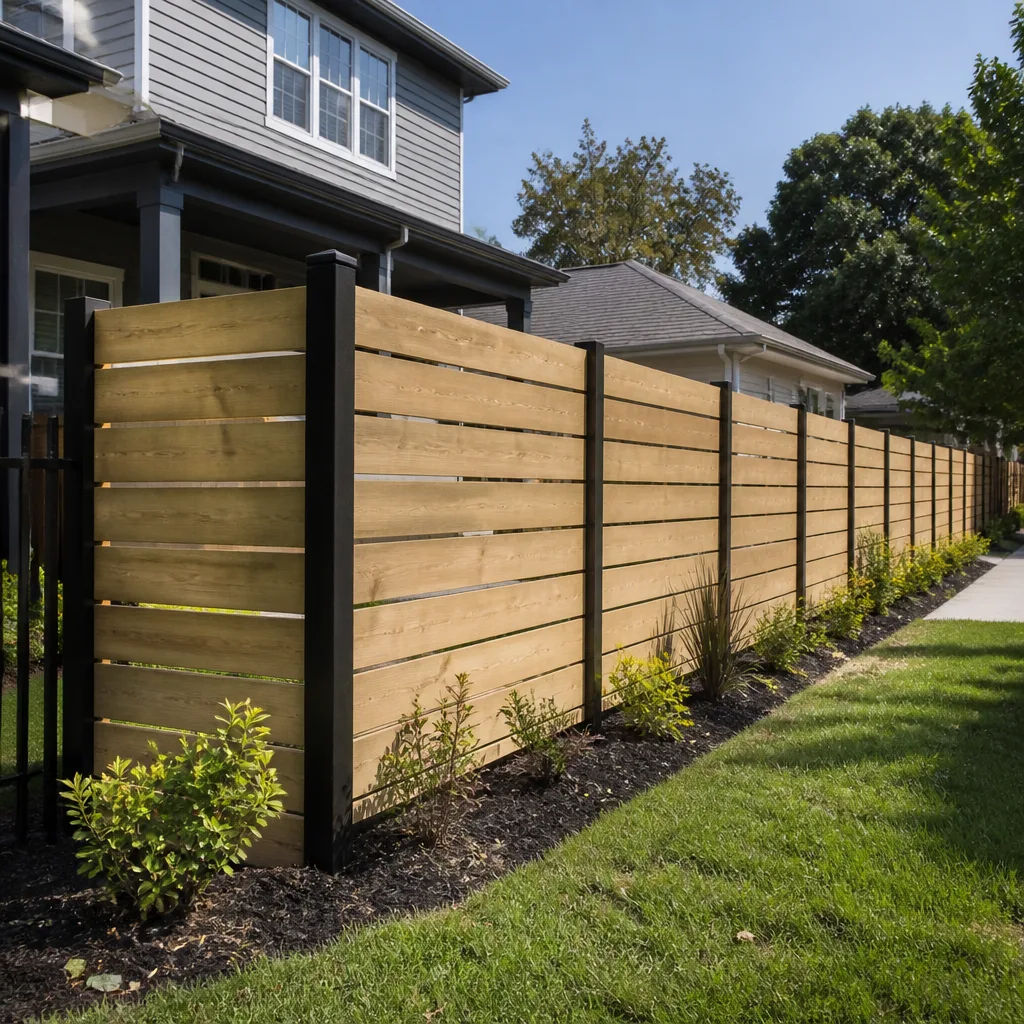 Fence
Free written scope consultation - allowances, timeline, and change-order rules on paper before a single trade is scheduled
Choosing the Right Construction Brand: A Buyer’s Guide for The Hammocks
Two contractors can hand you the same bid for the same money and install materials with a ten-year difference in service life. Neither bid names a brand. Neither spec sheet says which shingle, which window line, which underlayment. You think you’re comparing apples to apples, and you’re not even in the same grocery store. In The Hammocks, where salt air, summer UV, and hurricane-season wind loads punish shortcuts, that gap shows up faster than almost anywhere in Florida. This guide covers how to read a bid, why Miami-Dade NOA approval is the floor and not the ceiling, which material categories matter most here, and how to make brand names your decision instead of your contractor’s.
Quick Answer
The right construction brand in The Hammocks is the one that carries a current Miami-Dade Notice of Acceptance (NOA) for its specific product line, is named explicitly in your contract with no substitution clause, and matches the performance data for South Florida’s wind, heat, and salt exposure. National reputation alone means nothing here. A brand is only as good as its local approval record and the paper trail your contractor is willing to put in writing.
Styles & brands we work with
- Kitchen remodeling
- Bathroom remodeling
- Home additions & ADU
- Roofing
- Windows & doors
- Driveway & pavers
- Fence
Table of Contents
- Why Miami-Dade NOA approval is the minimum bar in The Hammocks
- How to read a material spec sheet like a builder
- Four product categories where brand choice is measurable
- What brand partnerships tell you about contractor accountability
- How to question a contractor about their brand selections
- How The Hammocks climate rewrites the brand playbook
- Brand decisions by project type
- Common mistakes to avoid
Why Miami-Dade NOA Approval Is the Minimum Bar in The Hammocks
A Notice of Acceptance is not marketing. It’s a product approval document issued by Miami-Dade County’s Building Code Compliance Office after the product has been tested against the county’s High-Velocity Hurricane Zone standards. In The Hammocks, which sits inside Miami-Dade County, an exterior product without a current NOA can stop your permit cold or, worse, pass inspection and fail its first real wind event. Every roofer and window installer in The Hammocks should be able to produce the NOA number for the exact product they bid.
Here’s the part most homeowners never hear: an NOA applies to a specific product, not a brand. A manufacturer can have approval on their premium impact window line and no approval on the value line. If your contract just says “impact windows by [brand],” you have no idea which line you’re getting. The approval covers the model, the size range, the installation method, and the fasteners. Change any of those and the approval may no longer cover what’s on your wall.
What to check on the NOA:
- Expiration date. NOAs expire and get revised. A six-year-old printout is not proof of anything.
- Product description match. The NOA should name the model and size range matching your spec, not just the manufacturer.
- Installation details. Approved fasteners, embedment depth, and substrate conditions are part of the approval.
- Product control or quality assurance. Some NOAs require factory inspection under a QA program. That’s a stronger signal than one without.
When we specify roofing, windows, or exterior cladding in The Hammocks, the NOA check happens before the price conversation, not after. A brand that can’t produce a current approval for South Florida isn’t a bad brand nationally. It’s just not a brand for this market, and choosing it is a decision you can’t undo once it’s on your house.
How to Read a Material Spec Sheet Like a Builder
Your bid is a legal document. Read it that way. Most The Hammocks homeowners skim the price page and sign, then discover six months later that the “architectural shingle” on their roof is a builder-grade line the contractor picked up on sale. The spec sheet is where brand accountability lives or dies. Here’s a step-by-step way to read one.
- Find the manufacturer name, not just the category. “Architectural shingle” is a category. “GAF Timberline HDZ” is a product. You want products.
- Look for “or equal” or “or approved equal” language. This is a substitution clause. It legally allows the contractor to swap in a cheaper product if they claim it’s equivalent. Equivalence is rarely defined.
- Check for model numbers on windows and doors. A window line without a model number in the contract is a blank check. Impact windows vary enormously by model within a single manufacturer.
- Verify NOA numbers are listed. A confident contractor includes them. A vague one says “all products are code-compliant,” which means nothing.
- Look at warranty terms from the manufacturer, not just the installer. A strong manufacturer warranty (25, 30 years, or lifetime limited) is transferable paper. An installer’s “warranty” that ends when the check clears is not.
- Confirm the color, finish, and profile are named. Paver color and finish are brand-and-line specific. So are roofing granules and window frame colors.
A bid with all six items answered is a bid you can trust. A bid missing three of them is asking you to hope. In our experience, the substitution clause is the single most common bait-and-switch opening in The Hammocks bids. The contractor bids a premium brand to win the job, then substitutes a lesser line once the deposit clears. When no brand was named at all, there’s nothing to hold them to.
Four Product Categories Where Brand Choice Is Measurable
Not every material category rewards brand scrutiny equally. Paint is paint in most applications. But four categories in The Hammocks swing the performance needle hard enough that brand becomes a financial decision, not an aesthetic one.
Roofing
Roofing brands in South Florida differ on three measurable things: granule retention under UV, wind uplift rating, and underlayment quality. A shingle rated for 110 mph uplift and one rated for 130 mph are not the same product. The underlayment underneath matters more than most homeowners realize; a premium shingle over cheap felt will fail faster than a mid-grade shingle over a synthetic underlayment system. GAF and CertainTeed both publish South Florida-specific system warranties, but only when the full system (shingle, underlayment, starter, ridge) comes from the same manufacturer. Mixed-brand roofs lose that warranty. Ask your contractor if the bid specifies a full system or just the visible layer.
Impact Windows and Doors
Florida product approval for impact openings is line-specific. Andersen and Pella both have strong South Florida approvals, but the strength of the approval on their premium lines doesn’t extend to their builder-grade lines. Two windows with the same visible dimensions can have substantially different laminated glass specs, different frame extrusions, and different anchor systems. In The Hammocks, where wind-driven rain is a routine event, the frame and seal design matters as much as the glass. Ask for the specific model and the NOA. Then ask whether the installer uses the approved anchor pattern or “the way we usually do it.”
Concrete Pavers
Paver brands vary on compressive strength, color fade resistance, and efflorescence resistance. Belgard and comparable premium lines hold color and shape under The Hammocks sun for years longer than value pavers, which chalk and fade in a couple of Miami-Dade summers. The bigger variable is installation: a premium paver set over a thin base will heave and shift regardless of brand. Brand plus base preparation plus joint sand is the whole system. Ask your contractor which specific paver line is bid, and whether the base is compacted in lifts with the correct aggregate.
Waterproofing Membranes
This one hides behind your tile and behind your stucco, so brand matters more, not less, because you’ll never see it. Premium sheet or liquid membranes fail far less often than builder-grade roll-on products in The Hammocks humidity. The brand is irrelevant if the installation is bad, but a strong brand installed correctly gives you the only waterproofing you’ll ever get credit for in twenty years. Ask your contractor to name the specific membrane brand and the manufacturer that goes with their tile or stucco system; many systems require a matched manufacturer for the warranty to apply.
What Brand Partnerships Say About Contractor Accountability
Any contractor can buy GAF shingles from a supply house. Very few carry certified or authorized status with the manufacturers whose products they install. That difference is worth understanding, because it’s the accountability trail that matters after your check has cleared.
A branded partnership means the manufacturer has vetted the contractor’s installation practices, insurance, and training. It also means there’s a paper trail: if a warranty claim goes sideways, the manufacturer has a direct relationship to enforce through, not just a third-party installer they’ve never heard of. When we carry partnerships with brands like KraftMaid, Kohler, Cambria, GAF, CertainTeed, Andersen, Pella, Belgard, and James Hardie across our seven service lines, it isn’t a marketing decision. It’s a way to make the product warranty enforceable when something goes wrong.
A generic supplier relationship has no such trail. Your contractor bought whatever the supply house had in stock that week. If it fails, you’re left holding a warranty from a company that no longer answers your calls.
Look for these signals when evaluating a contractor’s brand relationships:
- Authorized installer status is printed on the manufacturer’s site, not just the contractor’s. Verify.
- Certified training for product-specific practices like roofing system installation or window anchoring.
- System warranty eligibility, which almost always requires the certified installer and matched-brand components.
- Consistency. A contractor who names the same brand lines across bids is stable. One who switches brands every job is shopping for whatever’s cheapest that month.
For remodeling work in The Hammocks, this is where a partnership like ours with Groundwork Construction Co. of The Hammocks home matters on kitchens and baths. KraftMaid and Cambria don’t extend their product warranty through just anyone. For exterior work like Driveway & Pavers in The Hammocks, Belgard holds their certified installer line for a reason. Same logic across every trade.
How to Question a Contractor About Their Brand Selections
The confident answer is specific. The vague answer is a deflection, and it’s a preview of how the job will go. Here’s how to run the conversation.
- Ask: “Which specific product, including model number, is bid for each line item?” A confident contractor answers in thirty seconds. A vague one says “we use premium materials” and moves on.
- Ask: “Why this brand specifically, and what’s the second-best option you considered?” A confident contractor has a reason: local approval, warranty strength, install requirements. A vague one says “we’ve always used them.”
- Ask: “Can I see the NOA for the exact product on my bid?” A confident contractor emails it within the hour. A vague one promises to get back to you and doesn’t.
- Ask: “What happens if the brand is unavailable when you order?” A confident contractor writes a substitution clause that requires your written approval. A vague one says “we’ll figure something out.”
- Ask: “Who pays the difference if the substitute is more expensive, and who pockets it if it’s cheaper?” This question separates the honest from the shifty in one sentence.
- Ask: “What is the manufacturer’s warranty on this specific product, and is it transferable?” A confident contractor has this answer memorized. A vague one “will look into it.”
Watch for the deflection phrases. “All our products exceed code” is a deflection. “Our installers are trained on everything” is a deflection. “We stand behind our work” without a written warranty is a deflection. The right answer names products, quotes approvals, and puts the terms in the contract. When material and brand decisions feel unsure, an occasional homeowner asks whether prefab modular lines like Abodu, Cover, Dvele, or Mighty Buildings shortcut the brand problem. They don’t eliminate it; they shift it to the manufacturer’s approval and installation requirements, which still come down to the same NOA and spec-sheet questions.
How The Hammocks Climate Rewrites the Brand Playbook
The Hammocks sits in western Miami-Dade, west of the Turnpike, in a stretch of the county that gets the full combination of salt-laden air, high UV load, and hurricane exposure. Homes here face the same environmental pressures as the coast, minus some of the direct salt spray, but with their own local quirks. Summer thunderstorms drop an inch of water in less than an hour. Afternoon UV has bleached more asphalt driveways and faded more paver colors than any other factor.
That changes the brand equation in specific ways:
- Roofing shingles need heat-cycle ratings, not just wind ratings. The daily thermal expansion between a 92-degree afternoon and a 78-degree night cracks products that weren’t designed for it. National brands with a South Florida heat-cycle track record outperform brands whose primary market is the Southeast or Midwest.
- Impact windows need the full frame and seal package, not just laminated glass. Wind-driven rain finds the seam, not the pane. Brand-specific gasket and mullion design matters here.
- Pavers need color-fast pigment, not just strength. The Hammocks sun is brutal on iron-oxide pigments. Belgian and premium brands that hold color for a decade over a value paver that fades in three summers are not the same purchase.
- Stucco and waterproofing need membrane brands rated for high humidity, not just wet climates. Slow-drying interiors and afternoon storms mean the membrane has to work in a specific vapor drive environment.
- Fencing needs wind-rated hardware rated for The Hammocks exposures. A fence that stands through a Category 1 storm in Orlando is not the same product as one rated for south Florida wind exposures. Fence Installation in The Hammocks bids should name the brand, the wind rating, and the post embedment depth.
When we look at storm-damage patterns across The Hammocks neighborhoods like Bonita Lakes, Tuscany, and the homes along Hammocks Boulevard, the failures cluster around installation and brand selection, not storm severity. Cheap underlayment lifts at the edge. Off-brand impact windows crack at the corner where the glass meets the frame. Value pavers crack where the base was under-compacted. Brand plus installation plus local approval, in that order, is what holds up.
Brand Decisions by Project Type
Different projects reward brand scrutiny differently. Here’s how we think about the highest-leverage brand calls in each of our core service lines for The Hammocks.
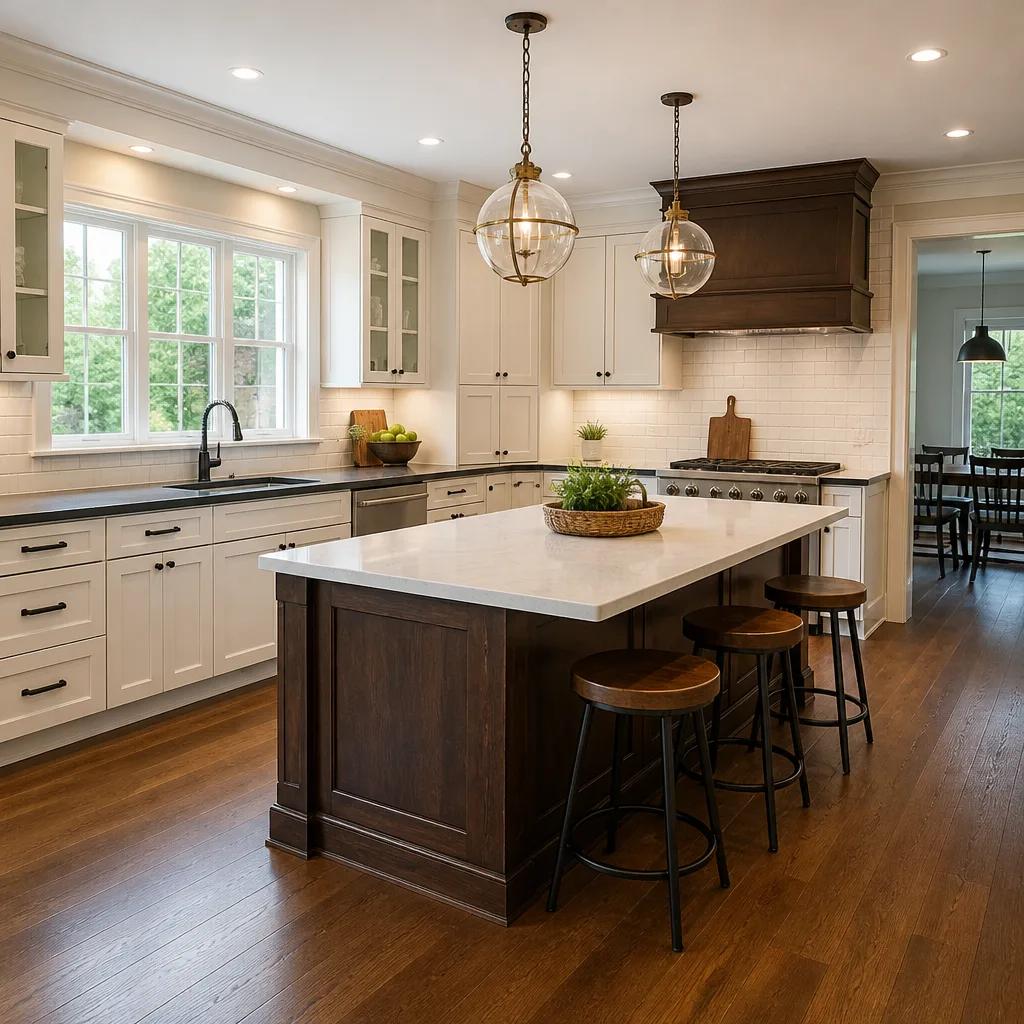
Kitchen Remodeling
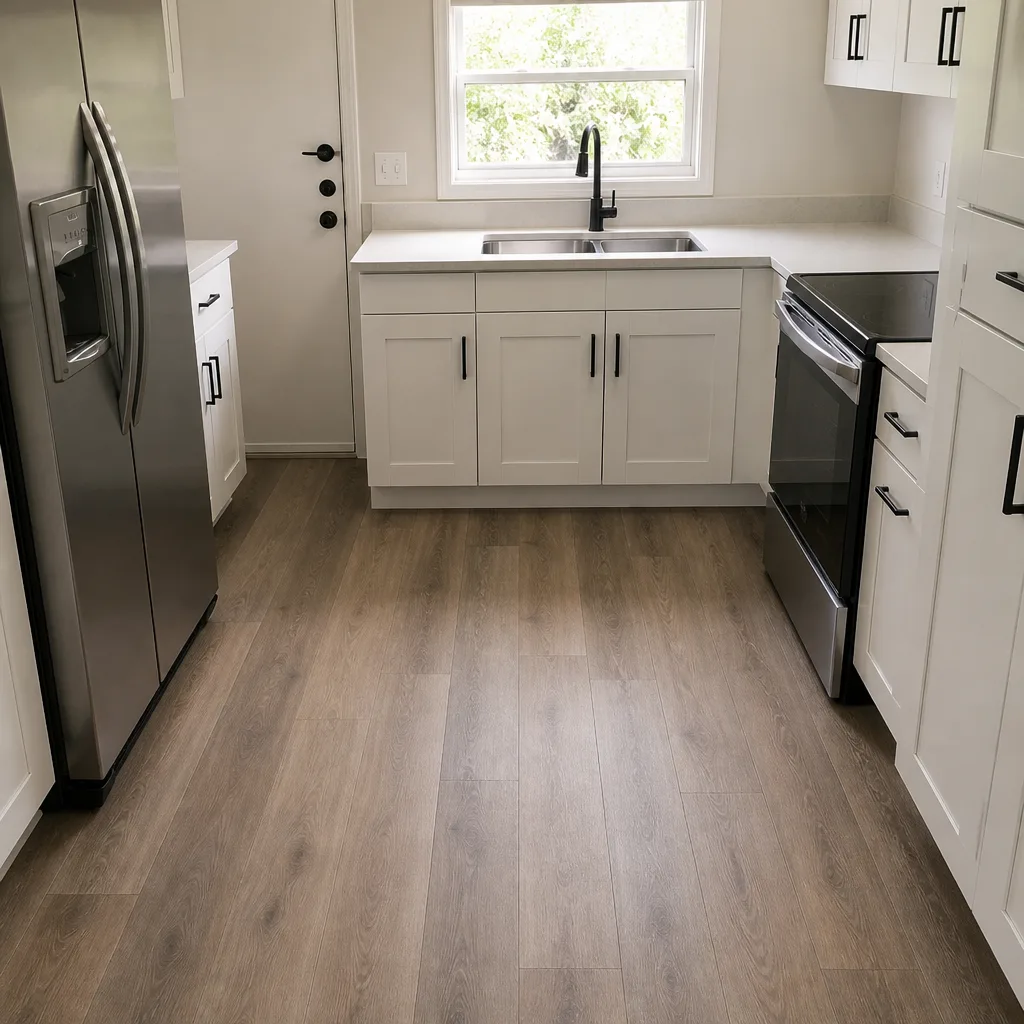
Cabinet brand is the biggest single driver of a kitchen’s lifespan. KraftMaid and comparable lines use hardware, hinges, and drawer systems that hold up to twenty years of daily use. Cheaper cabinet lines fail at the hinge within five years. Countertop brand matters next: Cambria quartz has a predictable pattern and slab consistency that lesser brands don’t match, and in The Hammocks humidity, non-porous quartz outperforms most natural stone for maintenance. Kohler fixtures are on the durable end of the faucet and sink spectrum. The three brands together are what make the kitchen survive The Hammocks heat and humidity without warping, swelling, or discoloring.
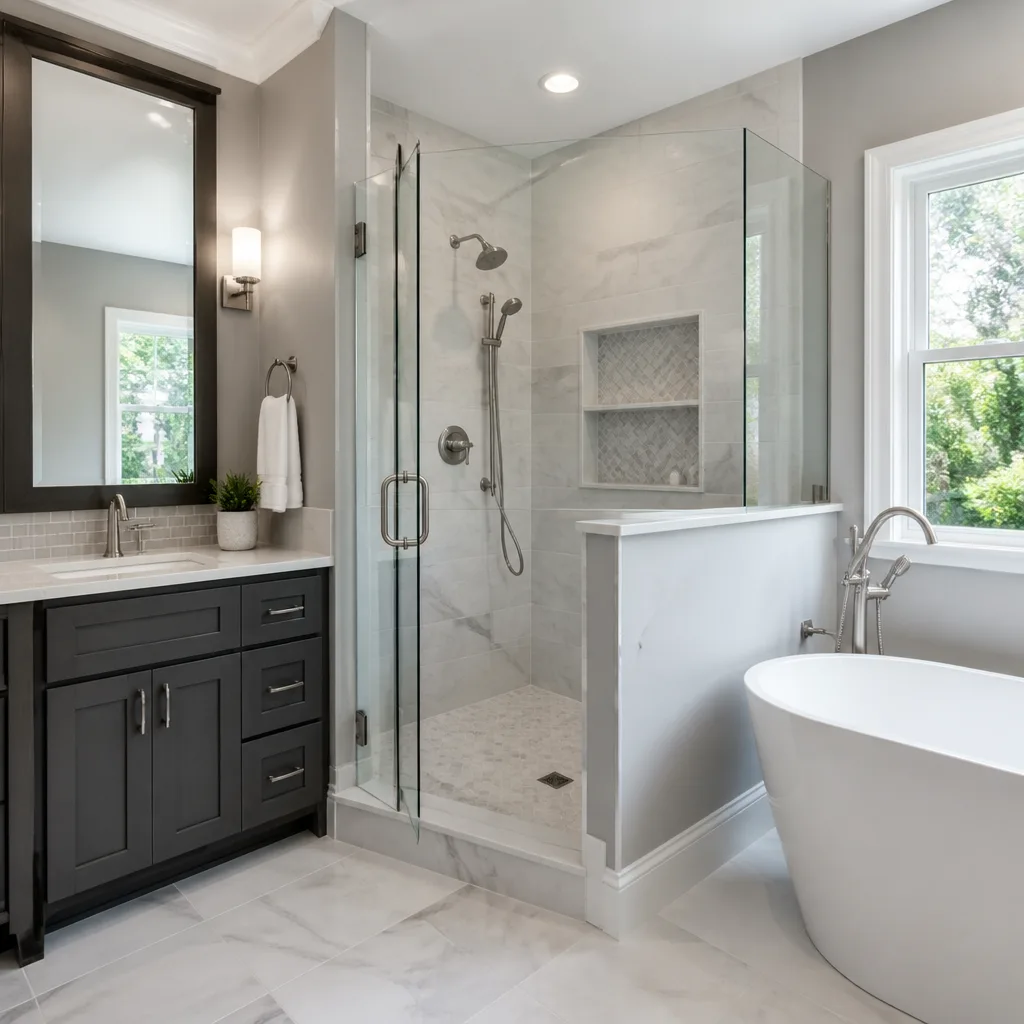
Bathroom Remodeling
Waterproofing brand, then tile, then fixtures. The membrane brand behind the tile is the single highest-leverage call in a bathroom, and it’s invisible forever. A premium membrane fully installed under a tile is a thirty-year waterproofing job. Builder-grade roll-on in a The Hammocks bathroom is a five-year fail. Kohler and comparable fixture brands matter next for longevity of valves and finishes, which do more for a bathroom’s daily feel than tile selection ever will.
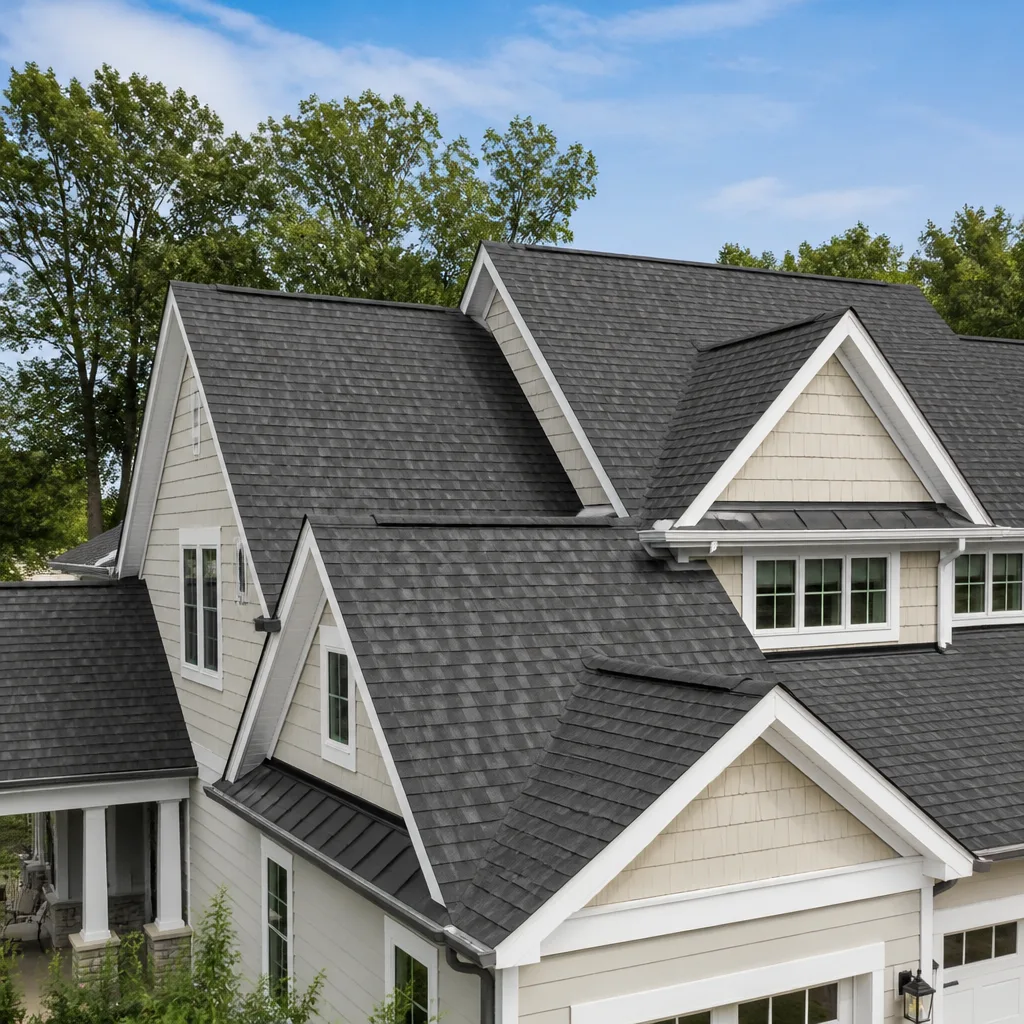
Roofing
Full system brand, not shingle brand. GAF and CertainTeed publish system warranties that require the shingle, underlayment, starter course, ridge cap, and ventilation to all come from the same manufacturer. A mixed-brand roof loses that warranty. In The Hammocks, the underlayment matters as much as the shingle because that’s where the storm-driven water gets in first.
Windows & Doors
Impact window model number, then installation method. Andersen and Pella both have strong product lines for South Florida, but the line in the spec sheet has to match the one with the current NOA, and the installer has to follow the approved anchor pattern. Cheap window brands ask for retrofits that pass inspection and fail at the first storm test.
Fence Installation
Post material, hardware, and finish. Aluminum and vinyl brands differ substantially on wind rating and UV fade resistance. Wood fencing needs the right treatment for The Hammocks humidity, and pressure-treated lumber brands vary on retention levels. Hardware corrosion resistance is the underrated variable in every The Hammocks fence bid.
Driveway & Pavers
Paver line, then base preparation system. Belgard and premium lines hold color and shape longer than value pavers. The joint sand brand matters too, because a premium paver with cheap joint sand loses its color and stability in the same three-year window. Base aggregate and compaction are the invisible brand decision.
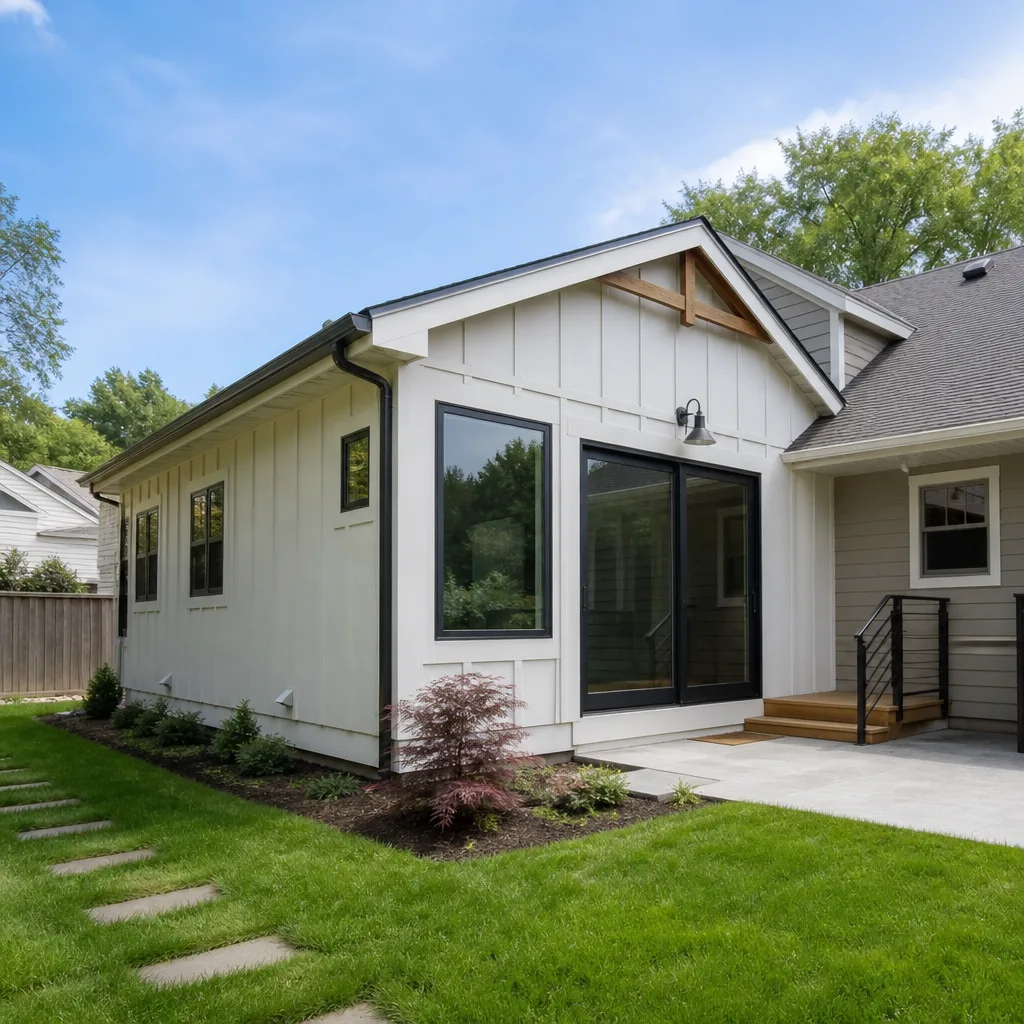
Home Additions & ADU
The brand questions multiply here because you’re combining multiple trades. Full-scope additions in The Hammocks pull together framing, roofing, windows, waterproofing, and finishes, and each category brings its own brand decision. Modular lines like Abodu, Cover, Dvele, or Mighty Buildings can shortcut the on-site build, but they still require Miami-Dade NOA approval for the assembly and installation method. Coordination across all trades in Home Additions & ADU in The Hammocks is where the brand consistency wins or fails.
Common Mistakes to Avoid
- Accepting a bid that names categories but not brands. “Architectural shingle” or “impact window” without a model is a blank check. The contractor decides what’s cheapest once you’ve signed.
- Signing a contract with an “or equal” substitution clause you didn’t read. This is the most common bait-and-switch opening in South Florida bids. Require written approval for any substitution, in advance, with a price adjustment.
- Assuming national brand reputation equals Miami-Dade approval for the exact model. Every product line at every manufacturer has its own NOA status. The website means nothing without the approval number on the exact model.
- Comparing bids on price alone when the underlying products are different. Two bids at $40,000 for a roof are not the same roof if one installs a premium full-system and one installs a mixed-brand with value underlayment. Compare the spec sheet, then compare the numbers.
- Ignoring the manufacturer warranty in favor of the installer warranty. A manufacturer warranty on a premium brand is transferable and real. An installer “warranty” without written terms rarely survives the first year.
- Letting the contractor pick the brand without asking why. The brand selection is a homeowner decision. Ask the specific questions above, and if the answer is vague, that’s your signal.
- Skipping the NOA check on impact windows. In The Hammocks, this is the single most expensive mistake because windows are almost always non-transferable to the next contractor if they fail inspection later. The product is already on the wall.
See the difference
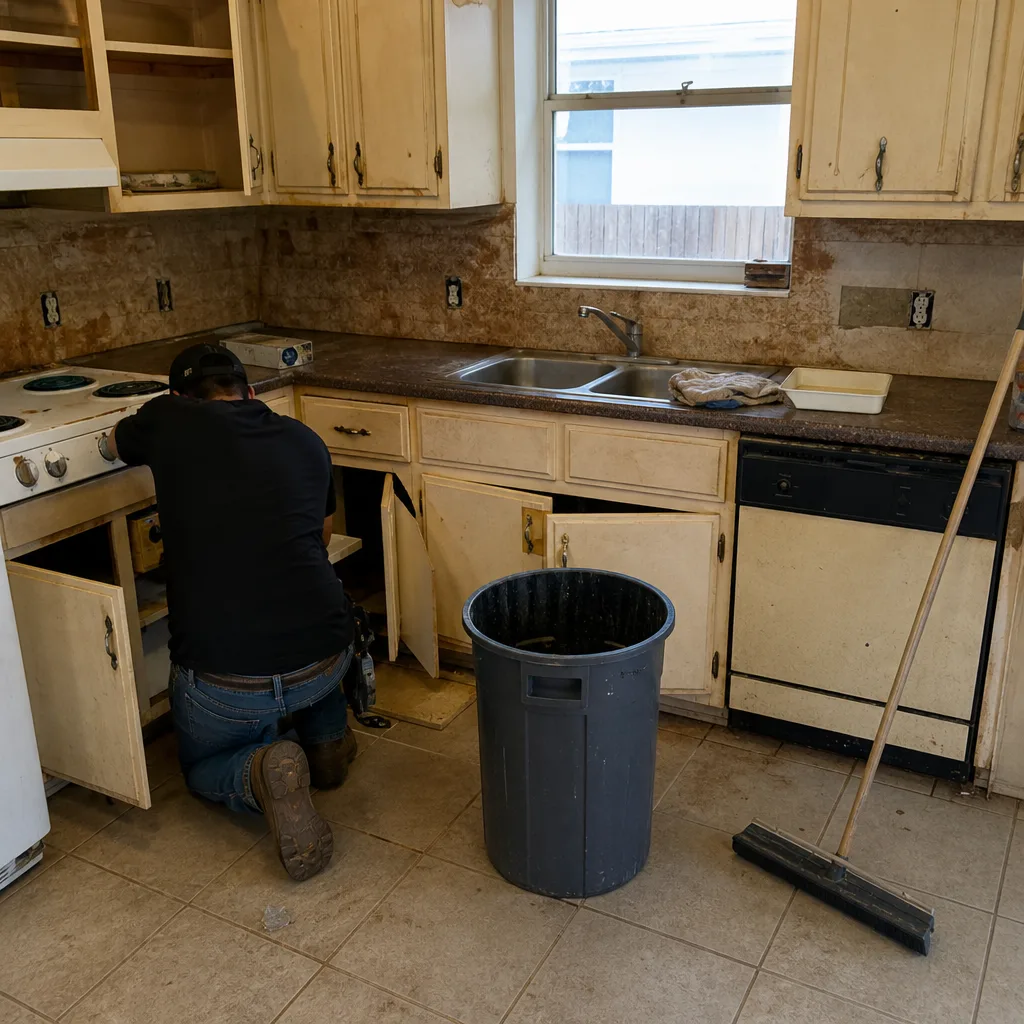 Before
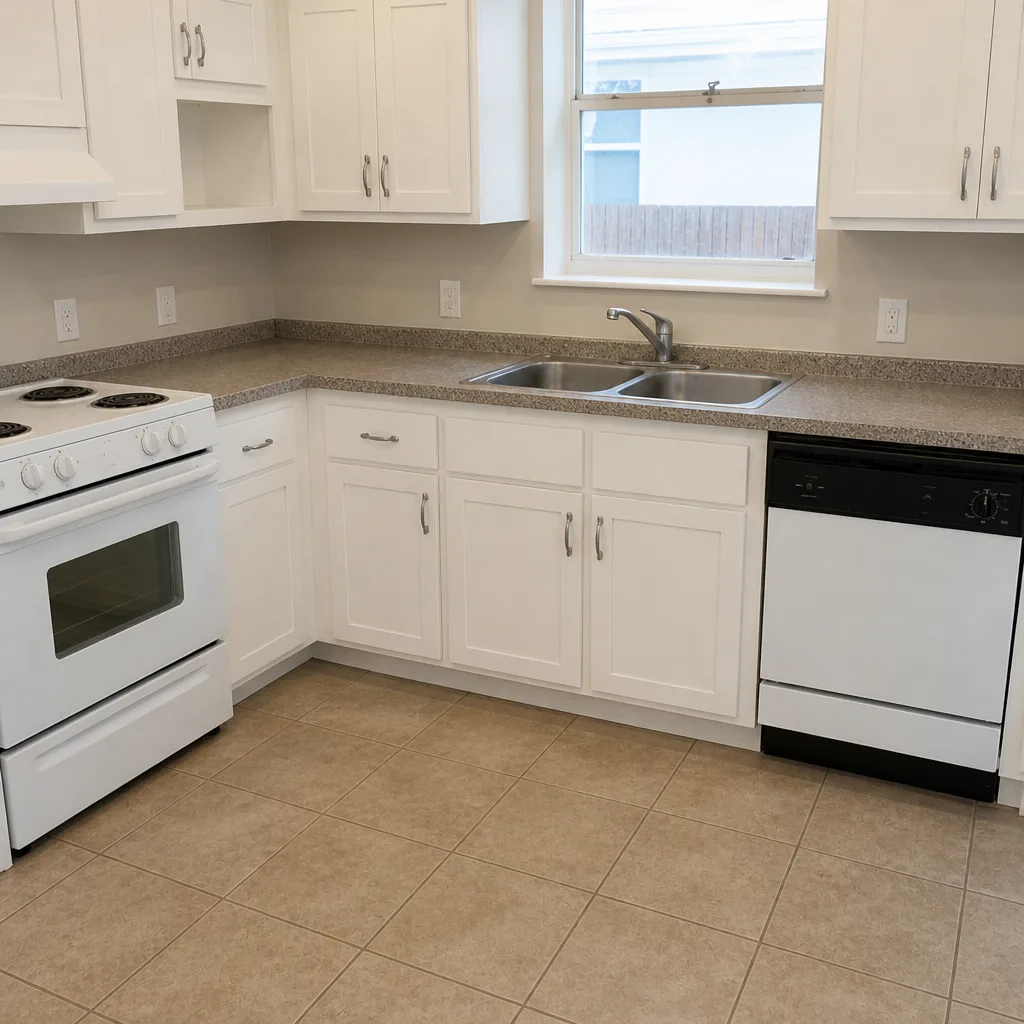 After
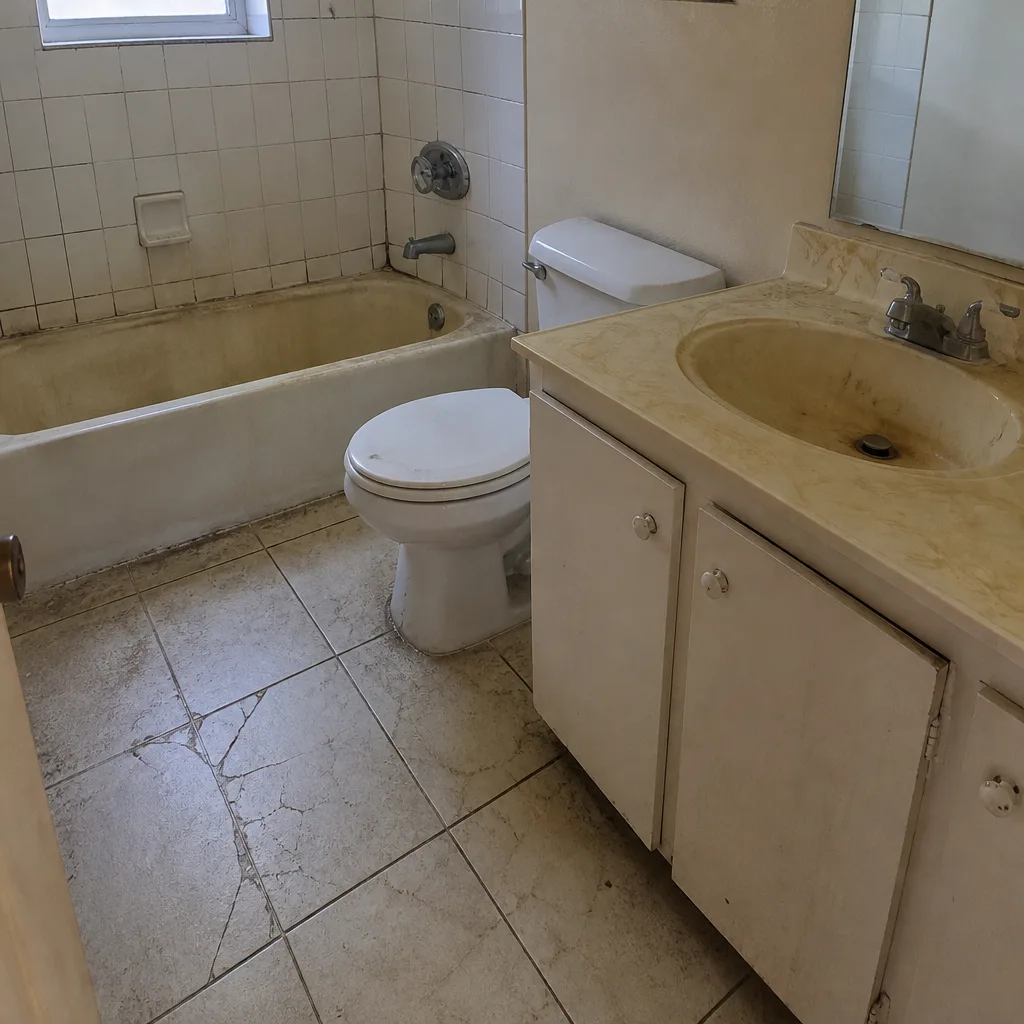 Before
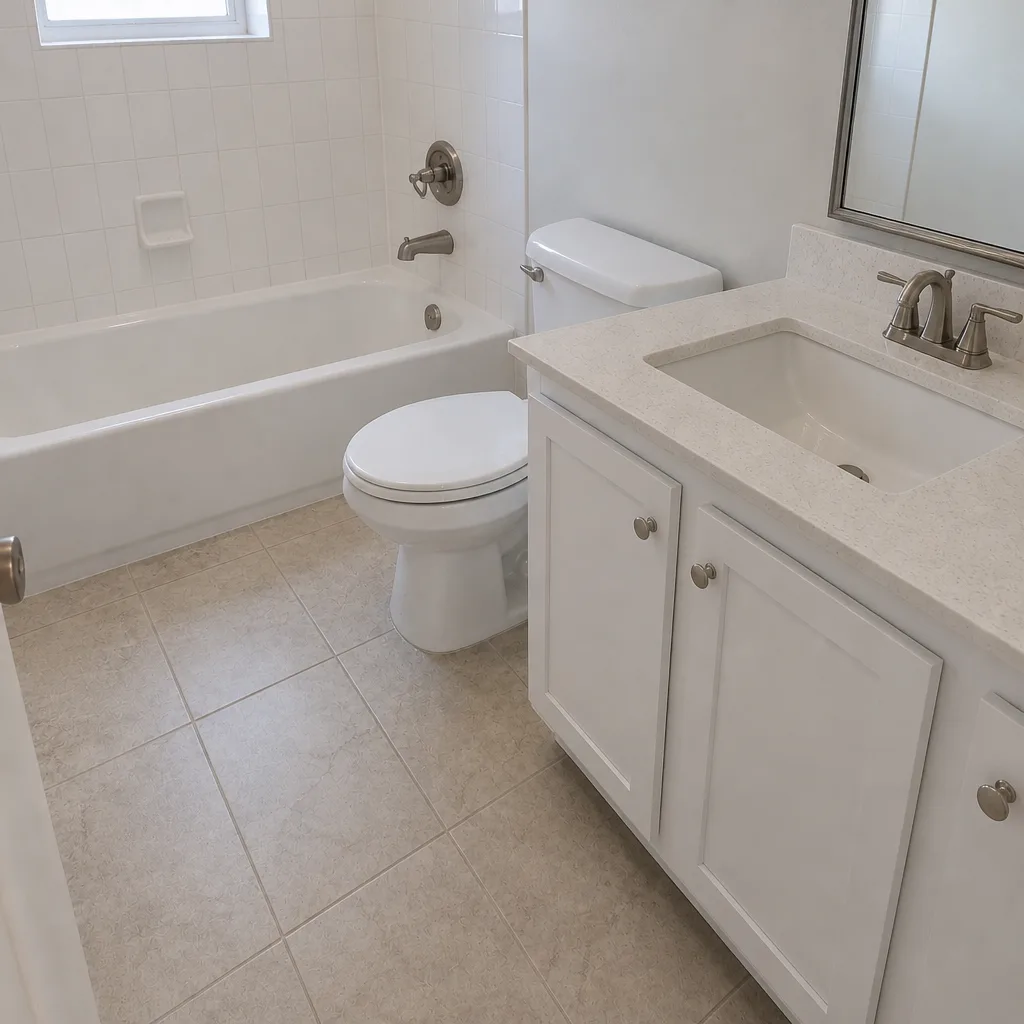 After
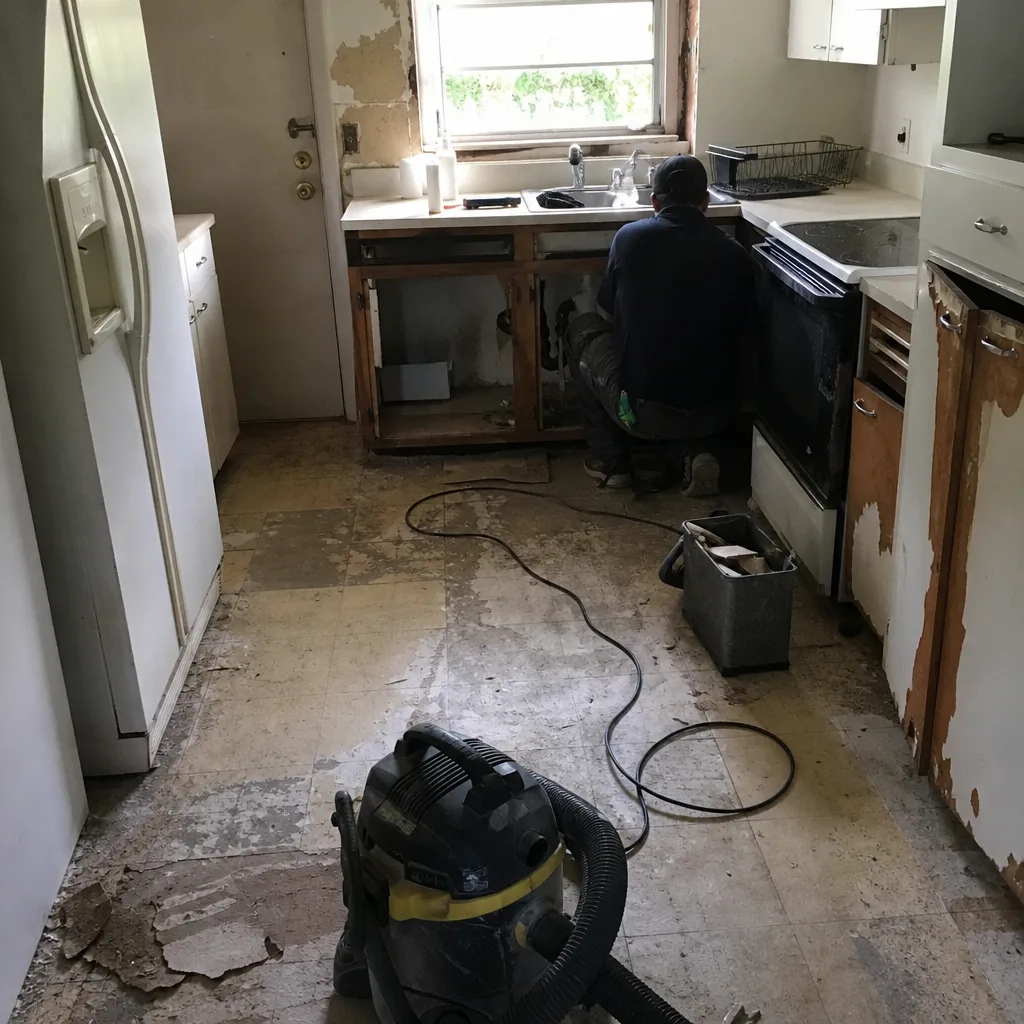 Before
 After
When to Call a Professional
Brand questions get hard the moment the work involves wind loading, waterproofing, electrical integration, or permitting. If you’re specifying a full roof system, replacing impact openings, or coordinating an addition across multiple trades in The Hammocks, the spec sheet conversation is a licensed contractor’s job, and it’s where we spend most of our time. The wrong brand in a hidden waterproofing membrane or an underlayment layer will fail in five years whether or not the install looked clean on day one. We hold the 730-Day Done Right Promise on every project because we know how much of a job’s lifespan is decided before the first nail goes in. Groundwork Construction Co. of The Hammocks offers free estimates in The Hammocks; call (844) 761-9356 to schedule yours.
Frequently Asked Questions
There isn’t one best brand, because the best brand depends on the product category. For roofing, GAF and CertainTeed are strong in South Florida when installed as a full system. For impact windows, Andersen and Pella have current Miami-Dade NOAs on their premium lines. For pavers, Belgard holds color and shape in The Hammocks sun. For kitchens, KraftMaid and Cambria. The right question is “which specific product line has a current NOA for this application,” not “which brand is best.” Call (844) 761-9356 for a free estimate that names every product in writing.
Yes. The Hammocks sits inside Miami-Dade County, which requires a Notice of Acceptance for exterior products on most permitted work. An exterior product without a current NOA can fail inspection or fail its first storm event. The NOA covers the exact model, size, and installation method, not the brand as a whole. Every exterior product on your bid should carry a current NOA number you can verify. Call (844) 761-9356 and we’ll walk you through the NOA on any product we quote.
Insist the contract names the product, model number, and NOA number for each line item, with a substitution clause that requires your written approval in advance. Then check the products on delivery against the contract before installation. A contractor who names these items in the bid is usually the same one who installs them. A contractor with vague substitution language and unattached product names is asking you to trust their supply house. Call (844) 761-9356 for an upfront-priced estimate with every brand named.
Look for authorized or certified installer status that’s verifiable on the manufacturer’s own website, not just claimed by the contractor. For roofing, that’s GAF or CertainTeed certified installer status. For windows, it’s Andersen or Pella authorization. For kitchens, KraftMaid. For pavers, Belgard. The partnership matters because it’s the paper trail that makes the manufacturer warranty enforceable if something fails. Call (844) 761-9356 to see the partnership list and what it means for your project.
Brand selection typically swings the total project cost by 10-25% depending on the category. Premium roofing systems run higher than value shingles but cut the roof replacement cycle from 15 years to 25 or more in South Florida conditions. Impact window lines within a single brand can differ by 20-30% from builder-grade to premium. Upfront pricing means the number in our bid is the number you pay, and the brand names are locked into the contract. Call (844) 761-9356 for a free estimate.
Not on a properly written contract. Groundwork Construction Co. of The Hammocks quotes no-hassle upfront pricing with the specific products named and no substitution clause. If a brand becomes unavailable, we come to you with a written change order for your approval, at the same price or better. The $1,000 off projects over $10,000 and 0% financing for 18 months are added to the written estimate, not sprung on you later. Call (844) 761-9356 for a free estimate with the full brand list in writing.
The Bottom Line
Your contractor’s brand selections are your decision, and they belong in the contract. The right brand in The Hammocks carries a current Miami-Dade NOA on the exact product line, sits in a spec sheet with a named model number and no substitution clause, and matches the performance data for this climate. Ask the six questions. Check the NOA. Watch the answer quality. A confident, specific answer to “why this brand” is the single best predictor of how the rest of the job will go. Groundwork Construction Co. of The Hammocks builds to that standard on every project, backed by the 730-Day Done Right Promise.
Ready to price a project with the brands named in the bid before you sign? Call Groundwork Construction Co. of The Hammocks at (844) 761-9356 for a free estimate and design consult with upfront pricing, a full brand list, and every product specified in writing. Calls are answered by a live person 24/7, and our background-checked, uniformed technicians show up on every job ready to work.
Written by the team at Groundwork Construction Co. of The Hammocks.