
Last updated November 17, 2026
 Bathroom remodeling
 Kitchen remodeling
 Home additions & ADU
 Roofing
 Windows & doors
 Driveway & pavers
 Fence
Free written scope consultation - allowances, timeline, and change-order rules on paper before a single trade is scheduled
DIY vs Professional Bathroom Remodeling: What’s Safe to Do Yourself
Painting your own vanity saves about $200. Connecting your own drain line wrong can void a homeowner’s insurance policy and cost $8,000 in subfloor replacement. That gap is the whole conversation. The DIY versus professional debate isn’t really about whether you can hold a brush or swing a hammer. It’s about jurisdiction, liability, and what happens when water meets a mistake you made behind a wall where nobody can see it. In this guide, we’ll draw the line at exactly the tasks where amateur work creates code violations, insurance gaps, or structural damage that costs three times as much to fix. If you own a home in The Hammocks, the permit rules here make parts of this decision for you.
Quick Answer
Safe DIY bathroom tasks in Florida are paint, hardware swaps, mirror installs, and faucet aerators. Anything involving plumbing lines, waterproofing membrane, electrical circuits, permits, or moving a fixture is work for a licensed professional. The line isn’t your skill level. It’s what an inspector, an insurer, and a future buyer will accept as proof the work was done to code.
Styles & brands we work with
- Kitchen remodeling
- Bathroom remodeling
- Home additions & ADU
- Roofing
- Windows & doors
- Driveway & pavers
- Fence
Table of Contents
- The Real Line: Jurisdiction, Liability, and Water
- Florida Permit Rules That Make DIY Bathroom Work Illegal
- The Exact Tasks That Are Genuinely Safe for a Capable Homeowner
- Why Tile Work Looks DIY-Able but Fails at the Waterproofing Stage
- How Unpermitted DIY Work Affects Resale Value in Miami-Dade
- Handyman vs. Licensed GC: What One Permit for the Whole Scope Actually Buys You
- Common Mistakes to Avoid
- When to Call a Professional
The Real Line: Jurisdiction, Liability, and Water
Most DIY guides frame the decision as a skill test. That’s the wrong framing. The real question is who is legally allowed to touch a given system, and who pays when it fails. A homeowner can legally paint a bathroom in Miami-Dade County any day of the week. That same homeowner cannot legally run new drain lines or replace a shower pan without pulling the right permits, which requires a licensed contractor in most cases.
Water is the reason the stakes are so high. A drywall patch that cracks is a cosmetic problem. A shower pan that fails behind tile leaks silently for months, soaks the subfloor, wicks into wall framing, and creates a mildew environment that spreads through adjacent rooms. By the time you see it, you’re not fixing a $300 mistake. You’re replacing subfloor joists and a wall assembly.
In our experience across The Hammocks, we’ve seen this play out repeatedly in homes built during the 1980s and 1990s tract developments, where original cast-iron and early PVC drain assemblies are already nearing the end of their service life. A quick weekend tile refresh over an aging shower pan doesn’t reset that clock. It hides it. When the pan fails a year later, the homeowner has to demo the new tile they just paid for along with the water damage underneath.
The practical rule: if a task touches water supply, drain, waterproofing, or electrical, treat it as pro territory. If it’s a surface finish that sits on top of a properly built substrate, it may be yours. Everything in between is a judgment call, and the four points below spell out where the call lands.
Florida Permit Rules That Make DIY Bathroom Work Illegal
Florida is a state where certain bathroom tasks are not a matter of skill. They’re a matter of law. Miami-Dade County requires permits for any work that alters a plumbing system, adds or moves an electrical circuit, or changes the structural framing of a bathroom. That covers far more of a typical remodel than most homeowners expect.
Here’s what requires a permit and a licensed professional in Miami-Dade:
- Moving or adding a plumbing fixture – relocating a toilet, sink, or shower, or adding a new drain line, requires a permit and a licensed plumber.
- Replacing a water heater – even a straight swap needs a permit pulled by a licensed contractor.
- Electrical work – new outlets, GFCI replacement, vanity lighting circuits, and exhaust fan wiring all require electrical permits and a licensed electrician.
- Shower pan and waterproofing replacement – a full pan replacement is permitted work tied to the plumbing inspection.
- Structural changes – removing or altering a wall, even a non-load-bearing partition, triggers a permit review.
- Window replacement – bathroom window swaps fall under hurricane-impact and egress rules specific to South Florida.
What’s the risk of skipping the permit? A few things stack up fast. First, the work is unpermitted, and unpermitted work discovered later can be ordered removed or re-inspected at the current owner’s cost. Second, insurance claims tied to the unpermitted work can be denied. If a washing machine supply line bursts and floods the bathroom, and the insurer discovers an unpermitted plumbing modification in that room, the claim can be contested. Third, sale of the home can be blocked when a buyer’s inspector flags the discrepancy.
The Hammocks sits within Miami-Dade’s jurisdiction, so every one of these rules applies here directly. A contractor walking your bathroom will pull the permits that match the scope, schedule the inspections, and produce the paper trail. That paper trail is worth as much as the tile.
The Exact Tasks That Are Genuinely Safe for a Capable Homeowner
This is the short list, and we keep it short on purpose. These tasks are safe because they don’t touch water supply, drain, waterproofing, electrical circuits, or structure. They’re surface-level, reversible, and low-consequence if you get them wrong.
- Painting the walls, ceiling, and vanity. Prep work matters more than paint brand. Sand, prime, and use a bathroom-rated paint that resists moisture and mildew.
- Swapping cabinet hardware and bath accessories. Knobs, drawer pulls, towel bars, toilet paper holders, and robe hooks. Drill carefully and use the right anchors for the substrate.
- Installing a mirror. A framed mirror over a vanity is a standard wall-mount job. Use appropriate anchors and check for studs before you drill. Skip anything over a shower where moisture gets into the adhesive.
- Replacing faucet aerators and showerheads. These thread on and off by hand or with a wrench. Easy, satisfying, and effective if your water pressure is weak or a showerhead is scaling up.
- Swapping a toilet seat or a towel ring. Straightforward hardware replacements with zero plumbing or electrical involvement.
- Freshening caulk and grout at accessible seams. Re-caulking the seam where the tub meets the wall or the vanity meets the floor is fine if the underlying substrate is sound. If you find soft spots or crumbling behind the caulk, stop and call a pro.
- Replacing a bathmat, shower curtain rod, and similar accessories. Cosmetic swaps that touch nothing structural.
Notice what’s missing from that list. Tile, waterproofing, drains, electrical, and anything behind a finished surface. Those fall on the other side of the line. If you’re a homeowner in The Hammocks looking for the highest-impact low-risk DIY wins, painting and hardware alone can transform a bathroom’s look for a few hundred dollars.
Why Tile Work Looks DIY-Able but Fails at the Waterproofing Stage
Tile is the trap. It photographs beautifully in online tutorials. The tools are cheap. The process looks like laying rectangles on a flat surface. And the visible result can look competent for a year before it fails, which is exactly why so much bad tile work gets done by well-meaning homeowners.
The problem is what you can’t see. The tile is the finished surface. Behind it sits a waterproofing layer, and behind that sits the wall substrate. The membrane is the part that has to work. If it’s not installed correctly, water gets past the tile grout, soaks into the substrate, and finds wood or drywall. By the time you see a symptom (tile popping, dark grout lines, musty smell, bubbling paint in the next room), the damage is already deep.
Here’s the failure cascade in a typical DIY shower:
- Homeowner installs cement board with the right screws but doesn’t tape and mud the seams.
- Waterproofing membrane goes on thin, or gets skipped in favor of “waterproof cement board.” Cement board is not waterproof. It’s water-resistant.
- Thinset and tile go down on a surface that lets moisture bypass the seams.
- Water seeps behind the tile at the corners and around the shower valve opening.
- Substrate saturates. Mold begins in a dark, wet cavity behind a wall.
- Tile starts to move. Grout cracks and falls out. The shower starts to smell. By the time it’s noticeable, the wall assembly is compromised.
The membrane stage is where the real skill lives, and it’s the stage no tutorial can prepare you for. Flashing, corner detailing, curb and bench construction, and how the waterproofing ties into the shower valve and drain flange are all decisions that come from repetition, not a YouTube video. In The Hammocks, where the summer humidity runs high and interior moisture lingers, a shower with a leaky membrane becomes a mildew problem faster than it would in a drier climate.
We’ve walked into bathrooms in The Hammocks where the homeowner had done the tile themselves and it looked fine from the doorway. Under the tile, the membrane was three years past failure. The re-tile became a full wall rebuild plus a new shower pan. That’s the story most tile tutorials leave out.
How Unpermitted DIY Work Affects Resale Value in Miami-Dade
Selling a home in Miami-Dade with unpermitted bathroom work is a specific kind of headache. Florida law requires sellers to disclose known defects, and an unpermitted modification that was never inspected is often a defect as far as a lender or buyer is concerned. Once a buyer’s inspector flags it, the deal stalls. Even if the buyer wants to proceed, the lender may not.
Here’s what Miami-Dade inspectors commonly flag during a home sale when bathroom work looks off the books:
- Improper or missing vent stacks on relocated fixtures, or fixtures set at the wrong distances for code.
- Shower pan materials inconsistent with the era of the surrounding finishes, suggesting a hidden replacement.
- Missing GFCI protection on bathroom receptacles or a non-compliant exhaust fan install.
- Framing changes visible in the attic that no permit record reflects.
- Impact window ratings that don’t match the original permit on file, which is a big concern in South Florida coverage.
Unpermitted work in a The Hammocks home can knock a meaningful amount off a buyer’s offer, and in a tight closing it can kill the deal entirely. A permitted remodel, done by a licensed contractor and inspected along the way, doesn’t just protect the current owners. It protects the resale value of the home, and that matters just as much as whether the tile looks good in photos. This is why we treat permit records as part of the finished product, not overhead.
Handyman vs. Licensed GC: What One Permit for the Whole Scope Actually Buys You
The “hire a handyman for the cheap stuff” instinct makes sense on paper. It’s cheaper per task. The problem is that a handyman without a GC license can’t legally pull the permit for plumbing, electrical, or structural work. So the work that needs a permit still needs a licensed professional, and a handyman doing that work is doing it illegally. Meanwhile, the homeowner carries all the liability.
A licensed general contractor pulling one permit for the whole scope buys you four things that matter:
- One paper trail for the entire project. Plumbing, electrical, and finish work all roll into the same permit file, so an inspector reviews the systems together instead of in disconnected pieces.
- Inspections at the right moments. A GC schedules rough-in, waterproofing, and final inspections at the specific stages where code compliance must be verified. A handyman doing a string of small tasks misses those checkpoints entirely.
- Single-point accountability when something fails. If the shower pan leaks after six months, you’re calling one contractor who is on the hook, not chasing a handyman, a plumber, and an electrician who all blame each other.
- A written workmanship warranty that outlasts the invoice. Our 730-Day Done Right Promise exists because good work doesn’t fail fast, and we back it in writing for two years. Handyman work typically carries no such backing.
The economics usually favor the GC once you add up the risks. A cheap handyman patch that fails and produces $8,000 in subfloor damage is not cheaper. A single licensed GC who plans the scope, pulls permits, and warrants the work isn’t a luxury. It’s the actual low-cost option once risk is priced in.
Common Mistakes to Avoid
- Believing “waterproof cement board” is waterproof. It isn’t. It’s water-resistant, and it still needs a true moisture barrier installed over it. Skipping that step in a The Hammocks bathroom means silent water damage starts on day one.
- Skipping the permit because the job seems small. A relocated drain line, a new GFCI outlet, or a shower pan replacement all require permits in Miami-Dade County. “It’s just a small job” is the single most common prelude to unpermitted work.
- Tiling over a failed shower pan without a proper membrane. New tile over a compromised substrate hides a problem rather than fixing it. The lifespan of the tile is only as long as the membrane underneath it.
- Hiring a handyman for plumbing or electrical work. A handyman can’t legally pull permits for the work that matters most, and the liability sits with the homeowner. If the task requires a permit, it requires a licensed trade.
- Assuming homeowner’s insurance covers a DIY flood. Many policies exclude or contest water damage tied to unpermitted plumbing work. Read the fine print before you connect a drain line yourself.
- Treating Florida humidity as a nonissue. Bathrooms in The Hammocks run humid most of the year. Undersized exhaust fans and skipped waterproofing turn a small leak into a mildew and rot problem within a season.
- Forgetting that resale is part of the project. An unpermitted bathroom shows up on an inspector’s report the day you list the house. That’s the day checking for a permit file costs more than pulling one upfront would have.
When to Call a Professional
Call a licensed contractor the moment your project touches water supply, drains, waterproofing, electrical circuits, framing, or permits. That includes any shower or tub replacement, any tile work, any vanity relocation, any lighting or exhaust change, and any layout adjustment. Call sooner if you’ve found soft spots behind existing tile, musty odors, water staining in adjacent rooms, or a shower that’s draining slowly. In The Hammocks, those symptoms usually point to a shower pan or drain assembly that’s already failing behind the finished surface.
There’s also a point where the cumulative complexity of a “slow” DIY remodel passes the cost of having the whole scope handled in one permit pull. A quick, free conversation with a licensed GC is the fastest way to price that decision. Groundwork Construction Co. of The Hammocks offers free estimates in The Hammocks – call (844) 761-9356.
See the difference
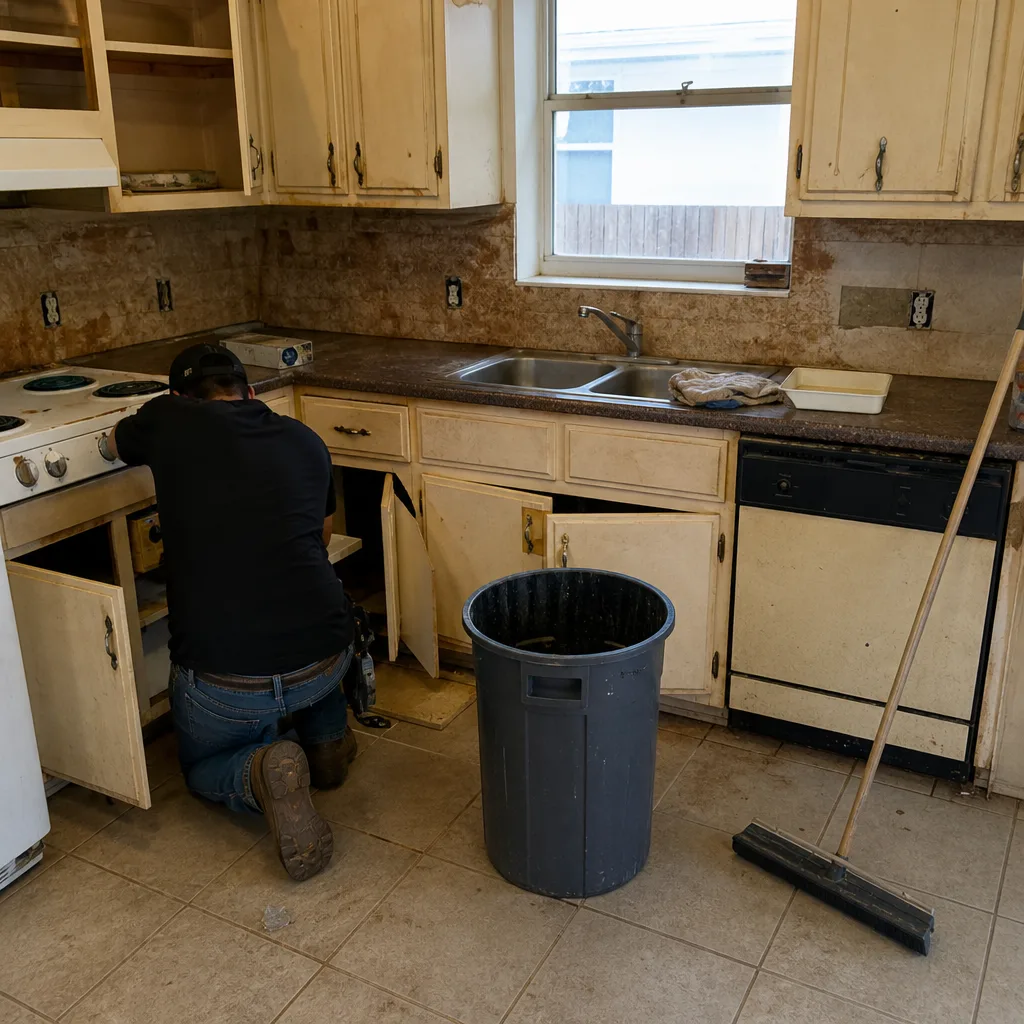 Before
 After
 Before
 After
 Before
 After
Frequently Asked Questions
Partially. You can paint, swap hardware, install a mirror, and replace faucet aerators and showerheads. Any work touching plumbing, electrical, waterproofing, or structure requires a permit and a licensed professional in Florida. The safe DIY portion of a bathroom remodel is a surface finish job, not a systems job.
Moving or adding plumbing fixtures, replacing a water heater, changing electrical circuits or receptacles, replacing a shower pan, altering structural walls, and replacing windows all require permits in Miami-Dade County. The Hammocks sits within that jurisdiction, so those rules apply directly to homes here. Call (844) 761-9356 for an exact scope and permit review on your project.
DIY is cheaper upfront for the specific safe tasks (paint, hardware, accessories). It becomes more expensive the moment you touch plumbing or tile, because a failed shower pan or unpermitted drain line leads to repair costs that dwarf the labor savings. Most comprehensive bathroom remodels in The Hammocks land in a range where the GC’s permit-and-warranty approach is the lower total cost once risk is factored in.
Consequences stack: the work can be flagged at resale, insurance claims tied to the unpermitted work can be contested or denied, and the county can require re-inspection or removal at the current owner’s cost. In a Miami-Dade home sale, an inspector’s report showing unpermitted work is one of the most common deal-stalling items. Call (844) 761-9356 to schedule a compliant scope and estimate.
Rarely. If the membrane underneath failed, the tile has to come out to fix the problem correctly, because the failure sits beneath the finished surface. Salvaging the tile means doing the work again plus repairing any water damage that reached the substrate. It’s almost always cheaper to replace the shower properly the second time than to attempt a patch.
Yes, when it’s done to code and permitted. A permitted bathroom remodel protects resale value because it comes with inspection records a buyer’s inspector can verify. Unpermitted work does the opposite: inspectors flag it, lenders balk, and buyers negotiate the risk back into their offer. Call (844) 761-9356 for a free estimate and permit walkthrough.
The Bottom Line
The DIY versus professional line in a bathroom isn’t about whether you’re handy. It’s about jurisdiction, liability, and what happens behind the wall. Paint, hardware, mirror installs, and aerator swaps are yours to handle and worth doing. Anything involving plumbing lines, waterproofing membrane, electrical, structural, or permits belongs to a licensed professional, in Florida and specifically in Miami-Dade County. The cost of skipping that distinction isn’t the labor you saved. It’s subfloor replacement, unpermitted work at resale, and insurance claims that get denied. Protect the paper trail, and protect the home.
If your scope crosses the line into permitted work, that’s where we live. Our technicians have up to 12 years of experience, all technicians are background-checked and arrive in uniform, and every project is backed by our 730-Day Done Right Promise – if it’s not done right, we make it right. Whether your project is a full bathroom remodel, a suite addition, or an exterior upgrade like Driveway & Pavers in The Hammocks or Fence Installation in The Hammocks, we bring the same upfront pricing, permits pulled, and single-point accountability from foundation to finish line. If the project is larger than a bathroom, take a look at Home Additions & ADU in The Hammocks or start from the Groundwork Construction Co. of The Hammocks home page to see how we handle a full-scope remodel. With kitchens, we work with brand partners like KraftMaid and Cambria; with baths, fixtures from Kohler and materials from leading manufacturers so you choose quality, not just availability.
When you’re ready to price the whole scope, call (844) 761-9356 for a free estimate. Our live-person line is answered 24/7 – no voicemail, no waiting until Monday. Upfront pricing with no surprises, 0% financing for 18 months, and $1,000 off projects over $10,000 make a licensed, permitted remodel as financially accessible as it is safe.
Written by the team at Groundwork Construction Co. of The Hammocks.