
Last updated November 17, 2026
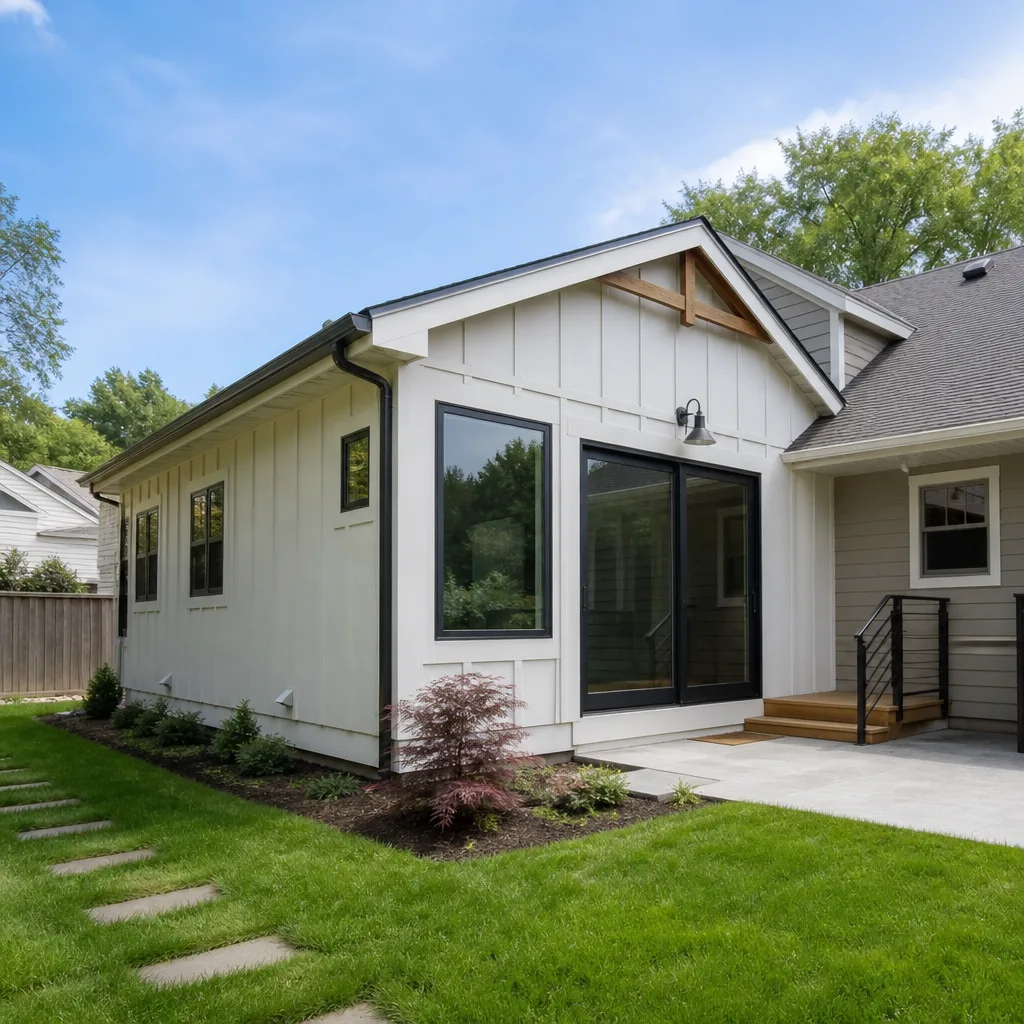 Home additions & ADU
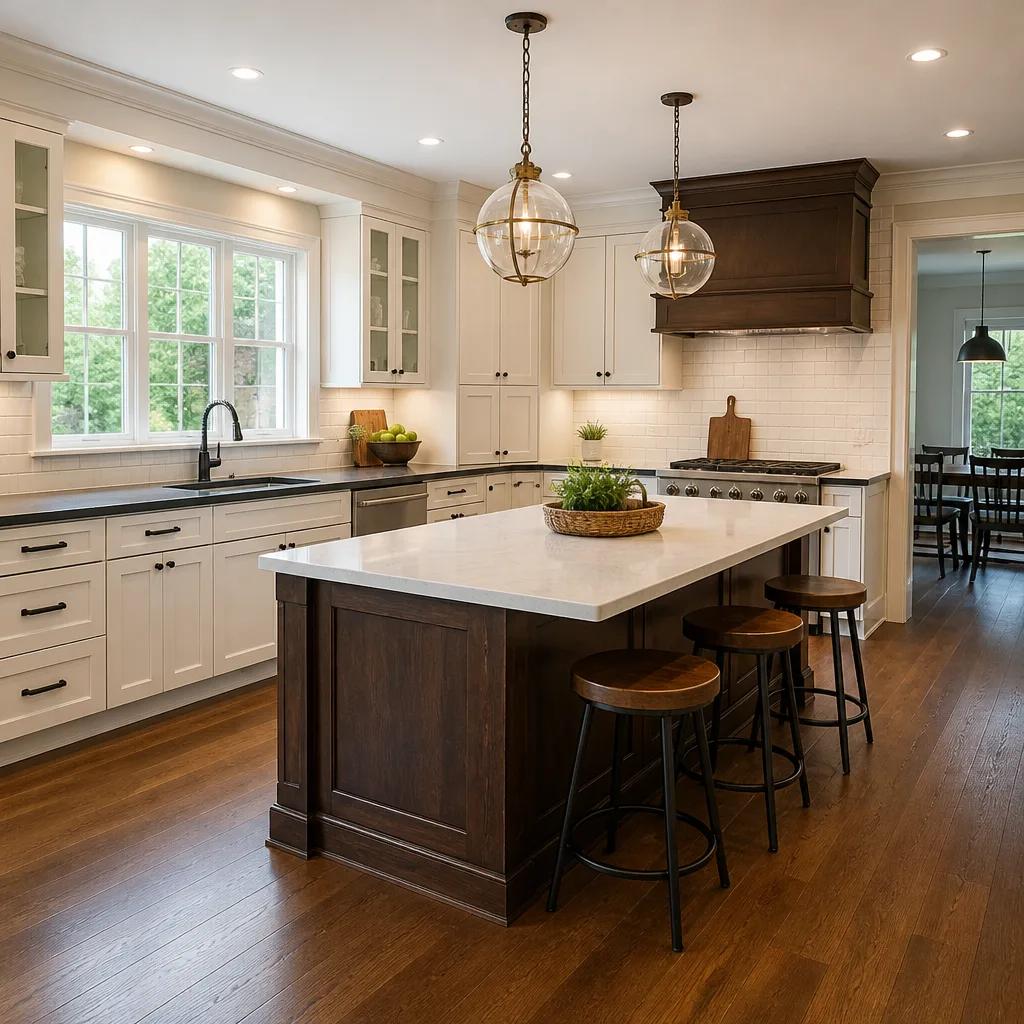 Kitchen remodeling
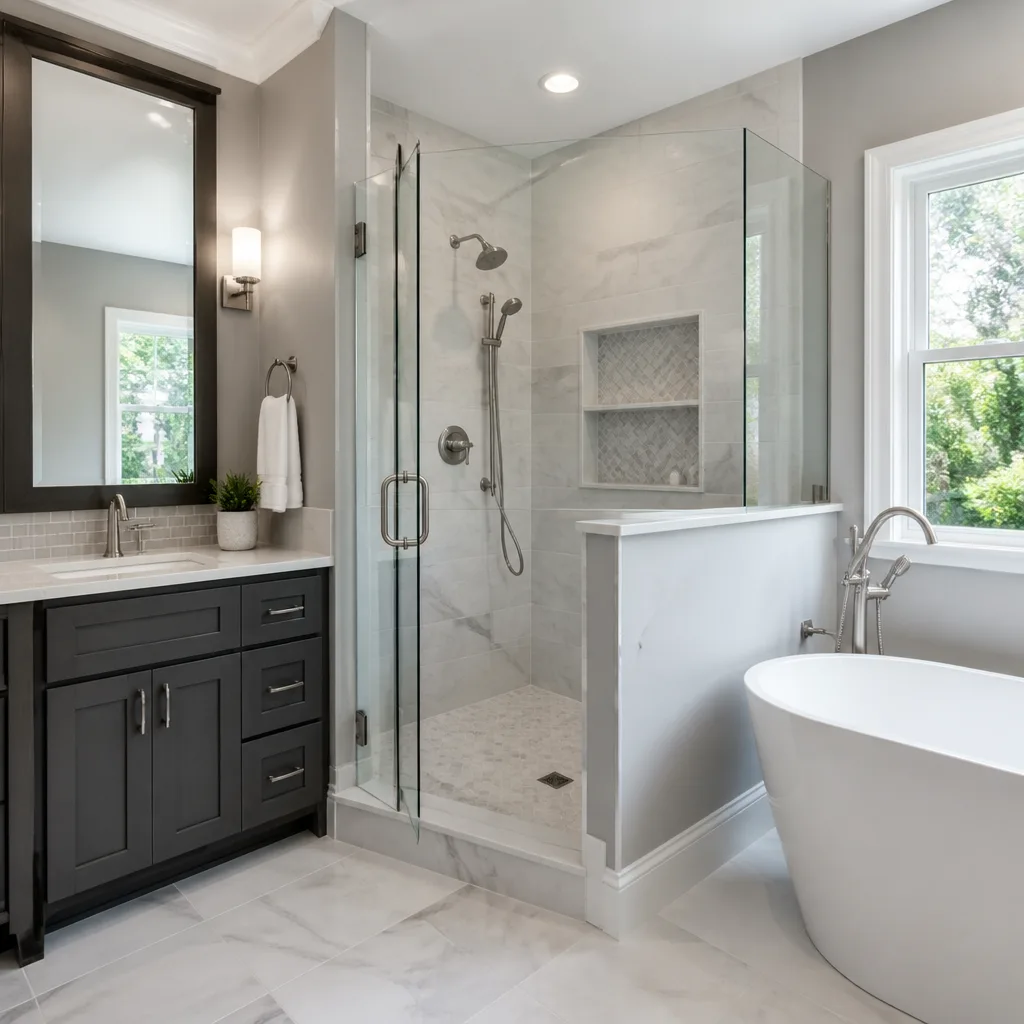 Bathroom remodeling
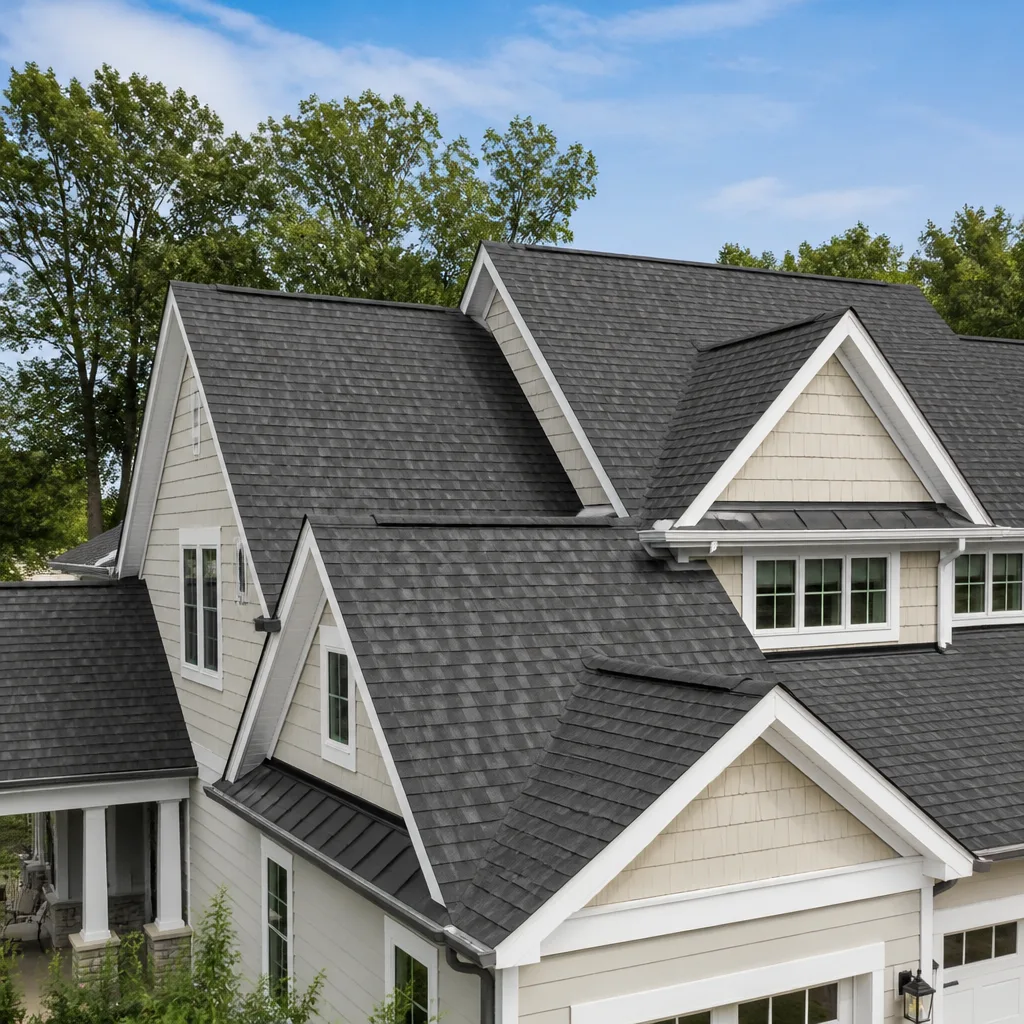 Roofing
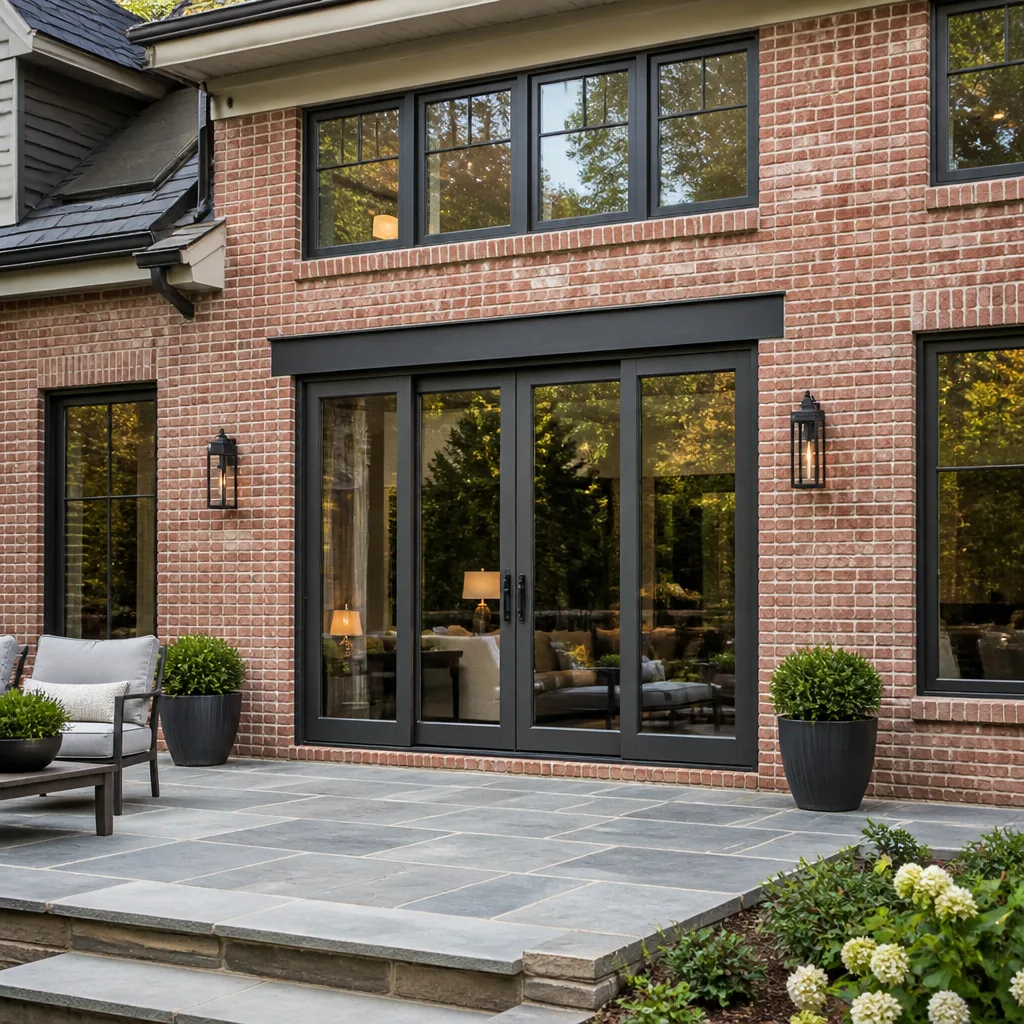 Windows & doors
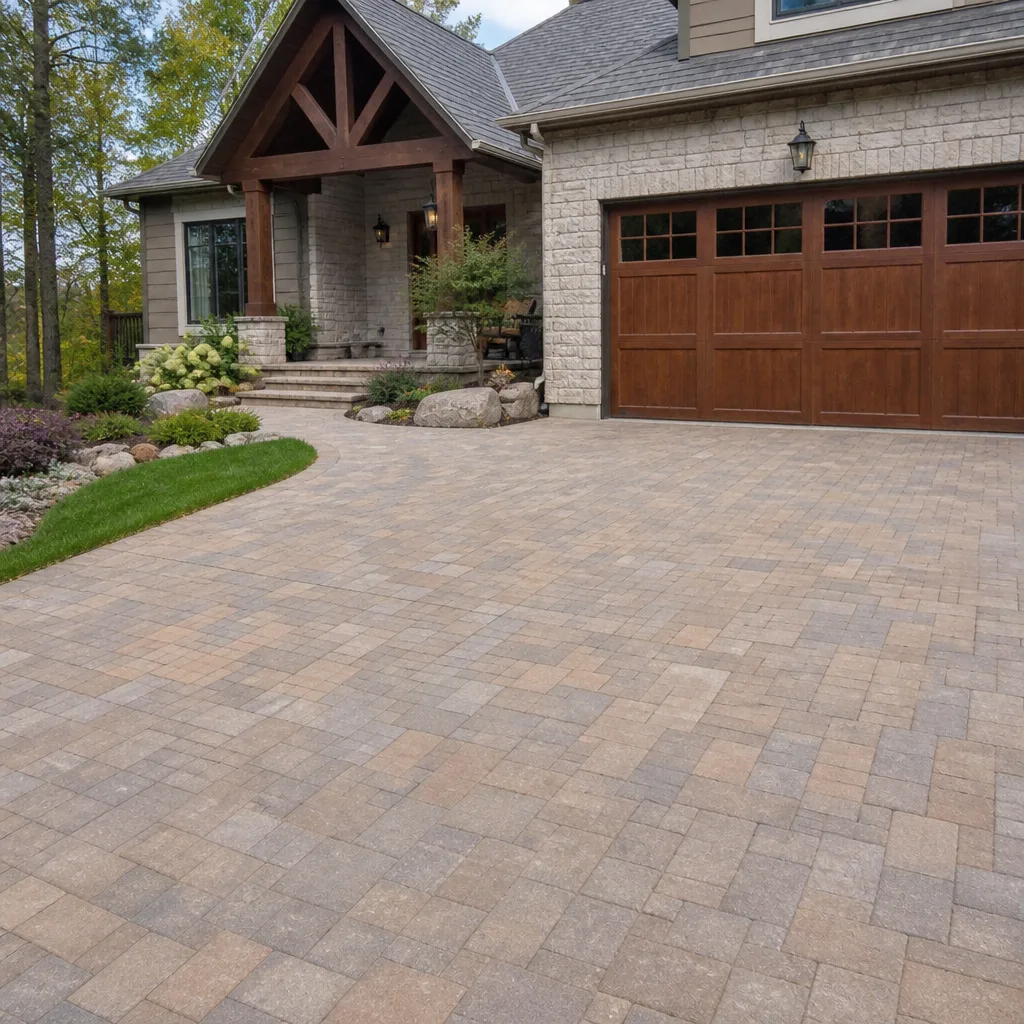 Driveway & pavers
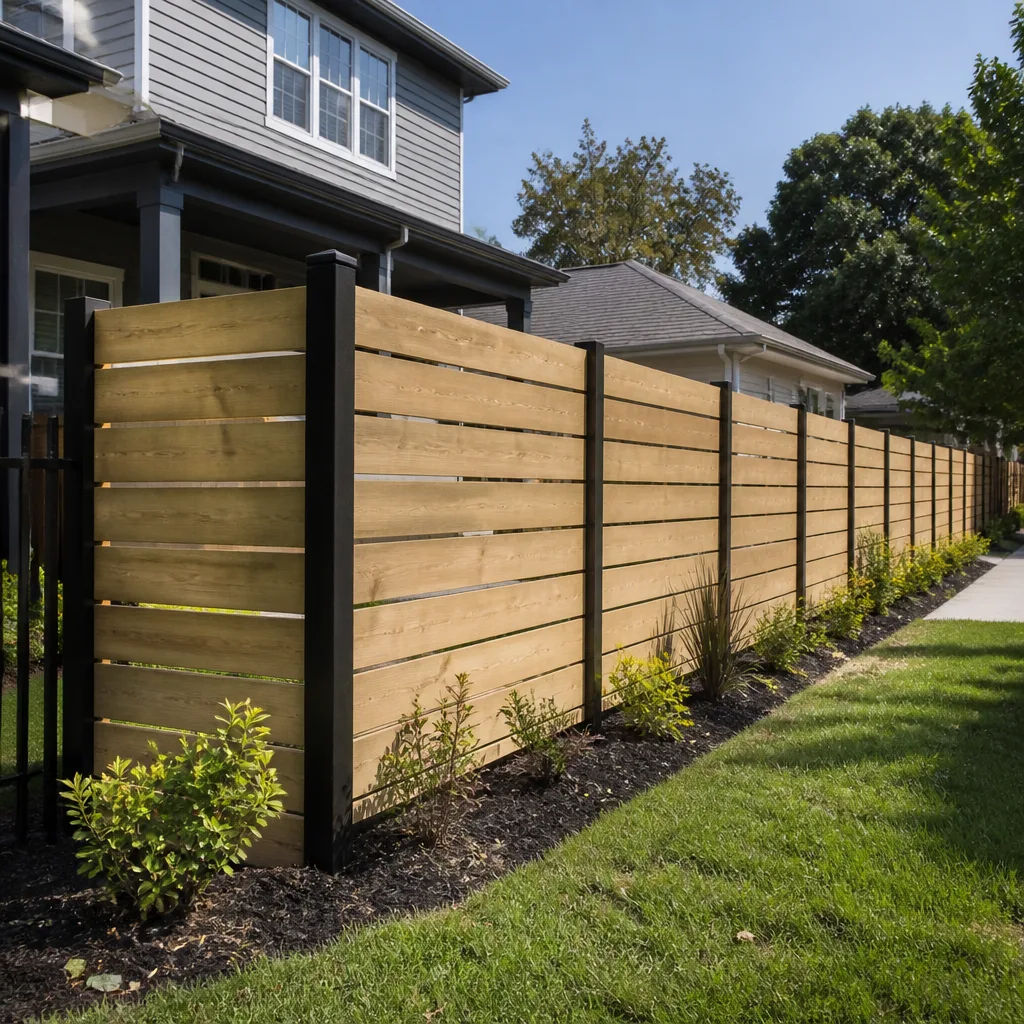 Fence
Free written scope consultation - allowances, timeline, and change-order rules on paper before a single trade is scheduled
Construction Cost Breakdown: The The Hammocks Homeowner’s Reference for 2026
The lowest bid you get for a construction project in The Hammocks is, statistically, the one most likely to cost you the most money. That’s not because contractors are crooks. It’s because a low number is almost always built on optimistic guesses about scope, labor, and materials that the South Florida market simply won’t honor once the work starts. The gap between the bid and the final invoice is where budgets die. This guide shows you what construction actually costs in The Hammocks in 2026, trade by trade and line by line, so you can read a bid for what it really is and spot the missing pieces before you sign.
Quick Answer
Residential construction in The Hammocks in 2026 runs roughly $180 to $325 per square foot for full-scope interior work, with trade-specific pricing like $14,000 to $28,000 for a mid-range kitchen remodel and $450 to $750 per square for a shingle roof replacement. Miami-Dade labor carries a 12% to 25% premium over state averages, and High-Velocity Hurricane Zone (HVHZ) code compliance adds real material cost that a too-cheap bid usually leaves out. The single best defense against overpaying is an itemized, line-by-line bid instead of a lump sum.
Styles & brands we work with
- Kitchen remodeling
- Bathroom remodeling
- Home additions & ADU
- Roofing
- Windows & doors
- Driveway & pavers
- Fence
Table of Contents
- What Do South Florida Construction Labor Rates Look Like in 2026?
- HVHZ Materials: Why Impact Products Cost More and What Non-Compliant Substitutes Cost You
- Permit Fees, Inspections, and Miami-Dade Impact Fees: The Costs Bids Leave Out
- Phased Construction vs. Full-Scope Contracted Work
- What a Transparent, Itemized Bid Should Look Like
- 2026 Line-Item Cost Ranges for The Hammocks Projects
- How the The Hammocks Market and Climate Shape Real Pricing
- How to Compare Contractors Without Getting Fooled
What Do South Florida Construction Labor Rates Look Like in 2026?
Labor is the biggest variable in any construction bid, and in 2026 it’s the number homeowners understand least. Tradespeople in Miami-Dade command more than their counterparts in most of Florida because of three compounding pressures: higher cost of living, hurricane-belt specialization, and a permitting system that requires licensed, insured crews to do work many other states allow unlicensed hands to handle. A framing crew in The Hammocks isn’t paid like a framing crew in Ocala.
Here’s what residential labor runs in the The Hammocks area in 2026, by trade:
- General labor and demolition: $45 to $70 per hour
- Carpentry (framing, trim, cabinet install): $65 to $110 per hour
- Electrical (licensed): $85 to $150 per hour
- Plumbing (licensed): $90 to $175 per hour
- HVAC: $85 to $160 per hour
- Tiling and flooring: $55 to $95 per hour
- Roofing crews: $60 to $100 per hour, often priced by the square instead
Why the premium over state averages? Every licensed trade in Miami-Dade carries insurance, continuing-education, and licensing costs that unlicensed labor avoids. HVHZ product installs also require techniques and fasteners that take longer and cost more in labor than standard installs. When a bid quotes electrical work at half these rates, it usually means the crew isn’t licensed, isn’t insured, or is planning to substitute a helper for a licensed electrician once the job is underway. In The Hammocks, where nearly every home was built after 1990 and many carry older panel configurations, that shortcut tends to surface at the first inspection.
Our technicians have up to 12 years of experience across these trades, and we’ve watched enough bids get torn apart at the permit counter to know which line items are the usual suspects. If you want to see what transparent trade pricing looks like, the team at Groundwork Construction Co. of The Hammocks home lays it out before you commit.
HVHZ Materials: Why Impact Products Cost More and What Non-Compliant Substitutes Cost You
The Hammocks sits inside the High-Velocity Hurricane Zone, which means nearly every exterior product on your home has to meet a stricter standard than what’s sold in Tampa or Orlando. Impact windows, doors, roofing, and shutters must carry a Miami-Dade Notice of Acceptance (NOA) or Florida Product Approval. That approval isn’t free, and the materials that meet it cost more than the non-approved versions some contractors quietly substitute.
Look at the spread:
- Impact windows (HVHZ-rated): $600 to $1,200 per unit installed, versus $350 to $650 for non-HVHZ impact windows some bids use to reach a lower number
- Roofing (HVHZ-compliant shingle system): $450 to $750 per square, versus $300 to $475 for a non-compliant system that may not pass inspection
- Concrete (HVHZ mix and reinforcement): $180 to $260 per cubic yard, with reinforcement and wind-load requirements baked in
- Garage doors (wind-rated): $1,400 to $2,800 installed, versus $700 to $1,300 for non-rated doors
The substitution risk is real and it lands on you. If a contractor installs a non-compliant window in The Hammocks, your inspection fails, the certificate of occupancy gets held up, and you may not learn about it until you try to sell or file an insurance claim. In our experience, the “cheap” impact window story almost always ends with a homeowner paying twice: once for the wrong product and once for the right one. Choose quality, not just availability. We source from verified partners like Andersen, Pella, GAF, and CertainTeed because those brands publish the approvals you’ll need in writing.
Permit Fees, Inspections, and Miami-Dade Impact Fees: The Costs Bids Leave Out
Here’s the money that shows up in your final budget but almost never appears on the estimate you signed. Permit fees and inspection costs are line items in Miami-Dade, and they vary by project scope and valuation. Impact fees apply to additions and new square footage, and they can be substantial.
What to expect in The Hammocks in 2026:
- Building permit fees: typically 1% to 2.5% of the declared project valuation, often $800 to $4,000 for a typical remodel and more for additions
- Inspection fees: bundled into the permit or charged per inspection, generally $75 to $200 each, and there are usually several per project
- Impact fees on new square footage: school, fire, park, and transportation impact fees can run $4,000 to $12,000+ per new dwelling or substantial addition, depending on the size and use
- Plan review and submittal fees: $150 to $900, sometimes more for complex or structural plans
The bid trap here is what a contractor calls a “permit allowance.” An allowance is a placeholder for a number nobody actually calculated. We’ve seen allowances quoted at $1,500 for projects that ended up requiring $6,000 in permits and impact fees, and the homeowner eats that difference. A bid that doesn’t break out permits, inspections, and impact fees separately is a bid that expects you to absorb that uncertainty.
On any project that adds square footage, such as an ADU or an addition, the impact fee calculation alone can change your decision about the whole build. Our Home Additions & ADU in The Hammocks guide walks through how those fees are assessed and how they shape the total. Before you sign anything, ask each contractor one question: “Is this permit number fixed or an allowance?” The answer tells you a lot about how the rest of the bid was built.
- Request the permit and inspection fees as separate, fixed line items in writing.
- Ask whether impact fees apply to your scope and request an estimate for them.
- Confirm who pulls the permit. In Miami-Dade, the licensed contractor of record must pull it, and if they can’t, that’s a red flag.
- Hold back 5% to 10% of the total budget as a contingency for permit-driven surprises, even on a transparent bid.
During all phases of construction, materials and trades need to comply with Miami-Dade safety requirements, and a permit pulled correctly is your proof that they did.
Phased Construction vs. Full-Scope Contracted Work
Phasing sounds like the money-smart choice, and sometimes it is. But it isn’t free. Every time you break a project into phases, you add mobilization costs, duplicate permit fees, duplicate inspection fees, and the risk that prices rise between phases. In 2026 Florida, with material pricing moving more than it did a decade ago, phasing over years can cost more in the end than doing the whole job once.
When phased work saves money honestly:
- You’re genuinely constrained by cash flow and need 0% financing or a phased cash plan
- The work has clean natural breaks, like a roof now and windows next season
- You use the first phase to test a contractor’s workmanship before committing to a bigger scope
- A life event or a sale timeline forces the sequencing
When phase-and-patch costs more than one contracted build:
- Phases overlap, so a bathroom demo has to be re-done when the plumbing phase alters the same walls
- Permits and inspections get duplicated because the original permit expires
- Each phase adds overhead for mobilization, dumpsters, and protection
In The Hammocks, the trade-off shows up most clearly on whole-home remodels. Open the kitchen in one phase and the floors in another, and you’ll pay twice to protect finishes, twice for dumpsters, and likely twice for a permit amendment. A single contracted scope with fixed pricing and the 730-Day Done Right Promise removes that risk. If you want multi-trade work coordinated as one project, our full-scope pricing covers kitchen, bath, flooring, and finishes together, and you’re choosing quality over availability by working with partners like Kitchen Remodeling in The Hammocks and trusted surface brands like Bathroom Remodeling in The Hammocks partners that include Caesarstone and Kohler.
What a Transparent, Itemized Bid Should Look Like
A lump-sum bid tells you one number and leaves you to guess what’s inside it. An itemized bid tells you the whole story, and it’s the document that lets you compare contractors fairly. If two bids are $18,000 apart and neither one is itemized, you’re not comparing prices. You’re comparing guesses.
A proper itemized bid for The Hammocks in 2026 should include, at minimum:
- Scope of work by trade: demolition, framing, plumbing, electrical, HVAC, drywall, flooring, finishes, each with its own cost
- Material specification: brand, model, and HVHZ NOA or product approval number for every exterior product
- Labor breakdown: hours and rate, or a stated allowance by trade
- Permit and inspection fees: listed separately and marked as fixed or allowance
- Impact fees: estimated in writing when applicable
- Change-order process: how approvals work and what a change costs
- Schedule and payment milestones: percentages tied to milestones, not to a calendar
- Warranty terms: explicitly stated with duration and exclusions
Numbered tips for reading a bid accurately:
- Assign each bid the same itemized structure. If a contractor won’t itemize, exclude them from the comparison.
- Flag every “allowance.” An allowance is a placeholder, and a low one means a mid-project increase.
- Confirm that permit fees are fixed, not estimated.
- Check for HVHZ product approval numbers on anything going on the exterior.
- Read the change-order language. A good bid says exactly how changes get priced and approved.
- Match the warranty to the work. A warranty shorter than 730 days on workmanship is a weaker guarantee.
Upfront pricing, no surprises, means the number you see is the number you pay, and that only works when the bid is itemized enough to mean something. When you’re ready to compare, call (844) 761-9356 for a free itemized estimate and see what your project actually looks like line by line.
2026 Line-Item Cost Ranges for The Hammocks Projects
Here’s a reference table of what residential work runs in The Hammocks in 2026, organized by trade. Ranges assume licensed labor, HVHZ-compliant materials, and permits pulled correctly. Anything priced below these ranges is either a loss leader or a sign something’s missing.
- Mid-range kitchen remodel (200 sq ft): $14,000 to $28,000, includes cabinets, counters, flooring, lighting, plumbing, and electrical
- Full bathroom remodel (50 sq ft): $9,000 to $18,000, includes tile, fixtures, vanity, plumbing, and waterproofing
- Roof replacement (shingle, 2,000 sq ft): $15,000 to $28,000, includes HVHZ-compliant underlayment, fasteners, and haul-away
- Impact window replacement (whole home, 12 units): $12,000 to $24,000 installed
- Fence installation (150 linear feet, aluminum or composite): $4,500 to $9,500, includes posts, HVHZ-rated anchoring where applicable, and permits
- Driveway and paver work (600 sq ft): $6,000 to $14,000, includes base prep, drainage, and Belgard-class pavers
- Room addition (300 sq ft): $75,000 to $130,000, includes framing, finishes, permits, and impact fees
Why these ranges work as a sanity check: if a kitchen bid comes in at $8,000 in The Hammocks, someone has planned around cheap cabinets, a missing permit, or a crew working without insurance. If a roof bid is $9,000 on a 2,000-square-foot home, you’re looking at a non-HVHZ system that likely fails inspection. Both are common. Both are the beginning of a story where the homeowner pays more later.
Our pricing is fixed against the itemized bid, and the 0% financing for 18 months plus $1,000 off projects over $10,000 exists specifically so you can build the full itemized scope rather than the cheapest version of it. If you’re weighing a driveway upgrade alongside a larger exterior project, our guide to Driveway & Pavers in The Hammocks covers how base prep and drainage affect the number. Paving is one of the trades where a $2,000 difference in quote often reflects a $4,000 difference in long-term repair cost.
How the The Hammocks Market and Climate Shape Real Pricing
Costs in The Hammocks are shaped by things you can’t change: the climate, the code, and the housing stock. The neighborhood’s homes are mostly 1990s and 2000s construction, and a lot of them are hitting the age where systems start to fail in clusters. Roofs, water heaters, A/C units, and windows all have service lives, and when a home turns about 25 years old, several of those items come due around the same time. That’s not bad luck. It’s a predictable cycle, and it affects bids because contractors in The Hammocks routinely see multiple systems failing together.
The climate affects material selection and, therefore, cost. Humidity accelerates wood rot, so exterior trim and fencing have to be rot-resistant or properly sealed. Summer heat and UV age shingles faster than in northern markets, so a 30-year shingle may deliver 22 to 25 years in The Hammocks. Afternoon downpours test drainage and window seals, and a roof installed without proper flashing will show water intrusion faster here than in a dryer climate. When a contractor prices a job in The Hammocks, those are the variables in play, whether the bid states them or not.
The housing stock matters for renovation cost, too. Older kitchens often have original cabinet boxes that don’t match modern appliance dimensions, which means new cabinetry, and sometimes new electric, before the new layout works. Bathrooms with original tile often have hidden moisture in the walls that only surfaces during demo. These aren’t contractor tricks; they’re predictable realities of The Hammocks homes that a well-built bid anticipates with a contingency line.
The area’s geography also shapes exterior work. The Hammocks sits near wetland and drainage corridors, and fencing, driveway base, and drainage all have to account for seasonal water tables. A paver driveway or a fence install priced without drainage consideration can cost you more in the second year than it saved in the first. Those specifics are why local pricing matters and why a bid based on national averages misses the mark in The Hammocks.
How to Compare Contractors Without Getting Fooled
Comparing contractors is not about picking the lowest number, and it’s not about picking the highest either. It’s about comparing like-for-like scopes. The three-number trick that experienced homeowners use: normalize every bid to the same itemized template, then compare the total, then compare what’s outside the total.
Do this with every bid you receive:
- Lay out every bid against the same itemized template: scope, materials, labor, permits, fees, allowances.
- Mark every “allowance” and estimate what happens to the total if that allowance doubles.
- Confirm whether permits, inspections, and impact fees are fixed or estimated.
- Check the warranty language. Shorter than 730 days on workmanship means the contractor is carrying a smaller responsibility.
- Ask how change orders get priced before the job starts, not after.
- Ask for proof of licensing and insurance, and confirm the company that will pull the permit.
- Make sure the scope includes disposal, protection, and cleanup, which are silent costs in low bids.
Two bids $18,000 apart almost always differ in scope, not in skill. The higher bid usually includes the permits, the compliant materials, the waste removal, and the warranty. The lower one usually doesn’t. Over a project lifetime, the difference between the two is the difference between one build and two.
Common Mistakes to Avoid
- Accepting a lump-sum bid. A single number hides the scope, and you can’t compare what you can’t see. Insist on itemization for every trade.
- Ignoring allowances. A $2,000 allowance for cabinets or tile on a $20,000 remodel is a promise you’ll pay more. Ask what the realistic number is before you sign.
- Choosing the lowest bid with the shortest schedule. The lowest number plus the fastest timeline usually means someone is counting on you not noticing what was left out, especially permits and HVHZ approvals.
- Letting the contractor skip permit details. In The Hammocks, a permit pulled properly is your protection against failed inspections, insurance disputes, and resale problems. Unpermitted work follows the house forever.
- Not budgeting for the permit and impact fee line. Homeowners in The Hammocks frequently get blindsided by permit and impact fee costs that never appeared on a bid. Build them into the budget from the start.
- Substituting non-HVHZ materials to save money. The savings look real until the inspection fails or the insurance claim is denied.
- Skipping the written warranty on workmanship. If the guarantee isn’t in writing with a clear duration, it isn’t a guarantee. The 730-Day Done Right Promise exists because the alternative is a handshake you’ll never collect on.
See the difference
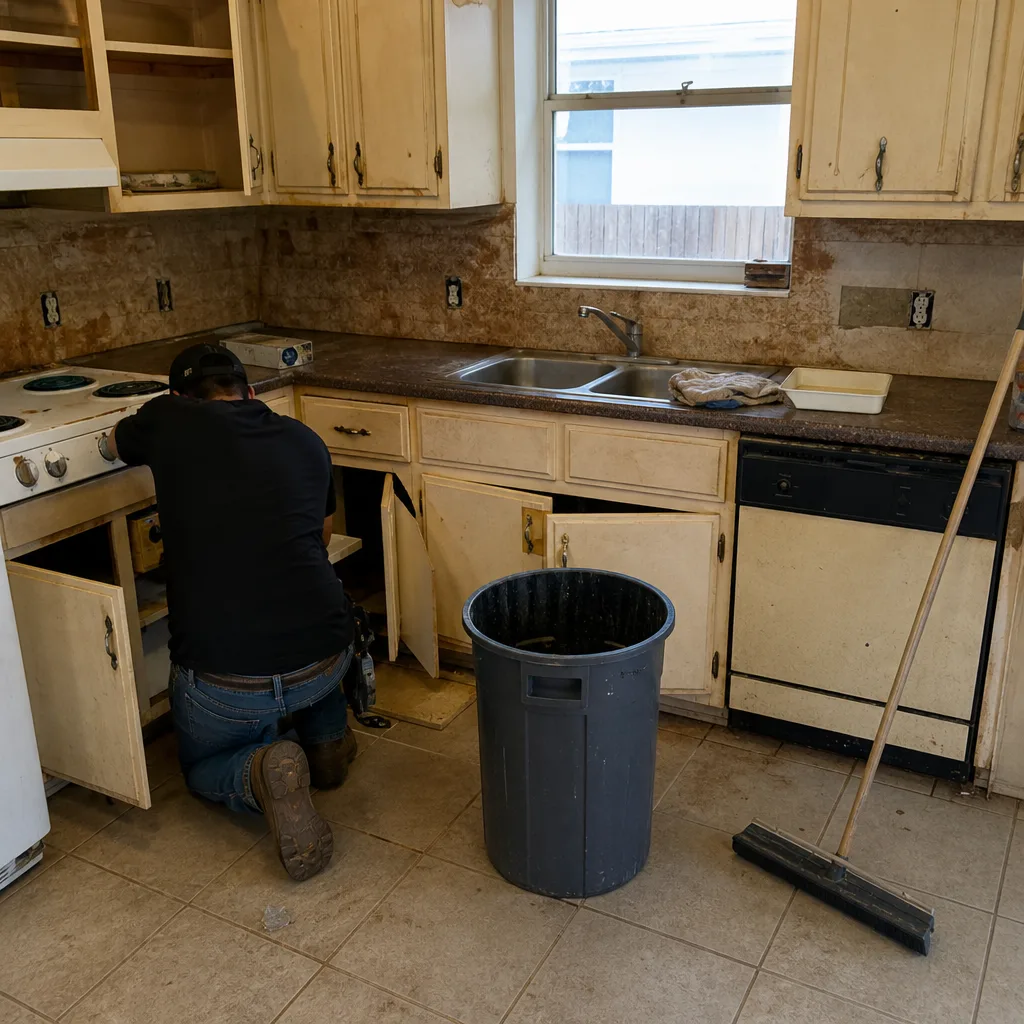 Before
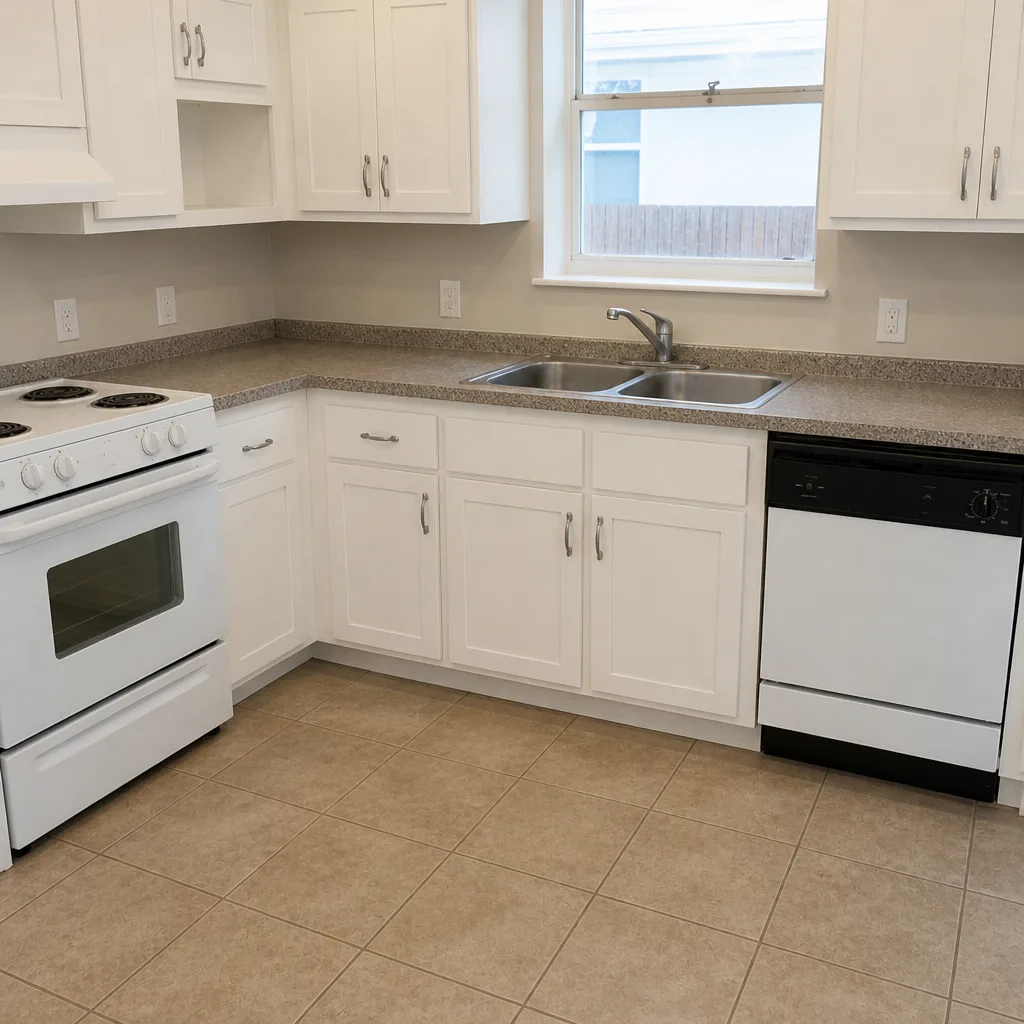 After
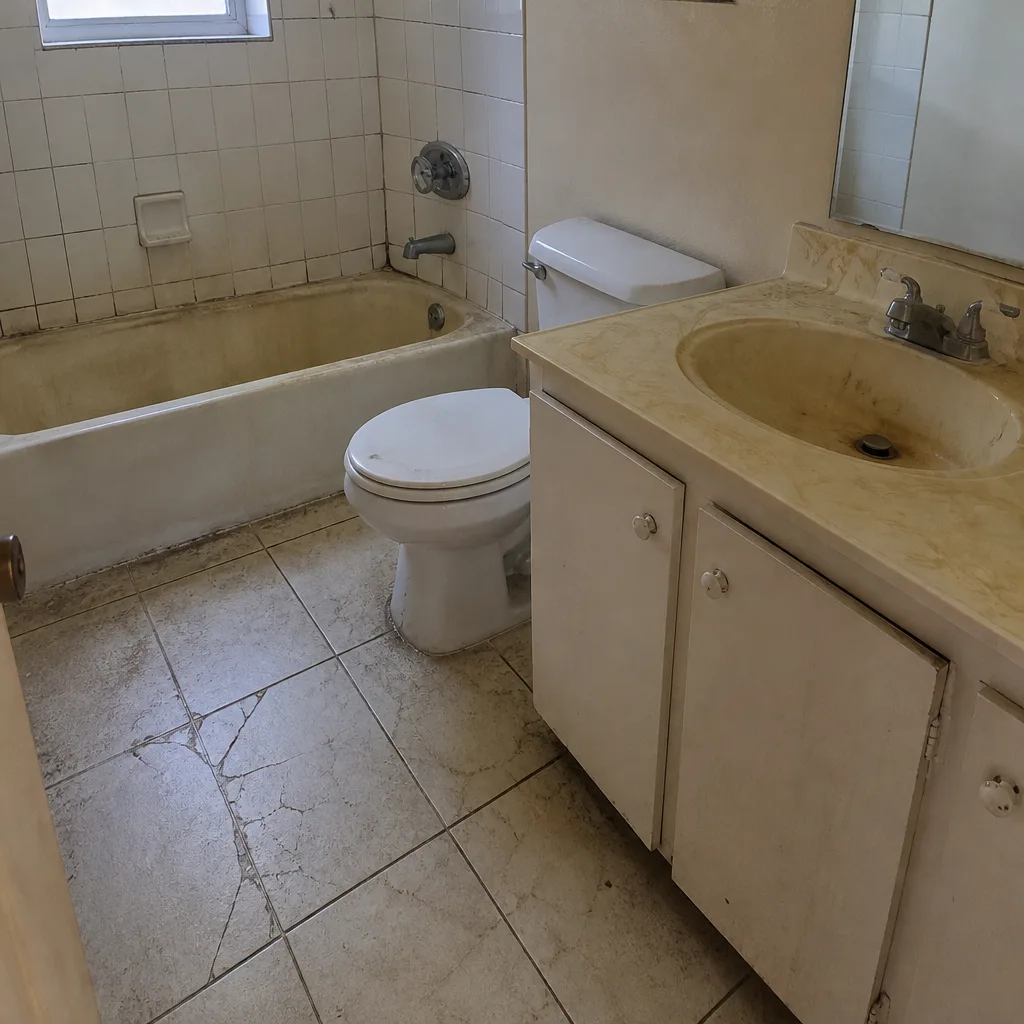 Before
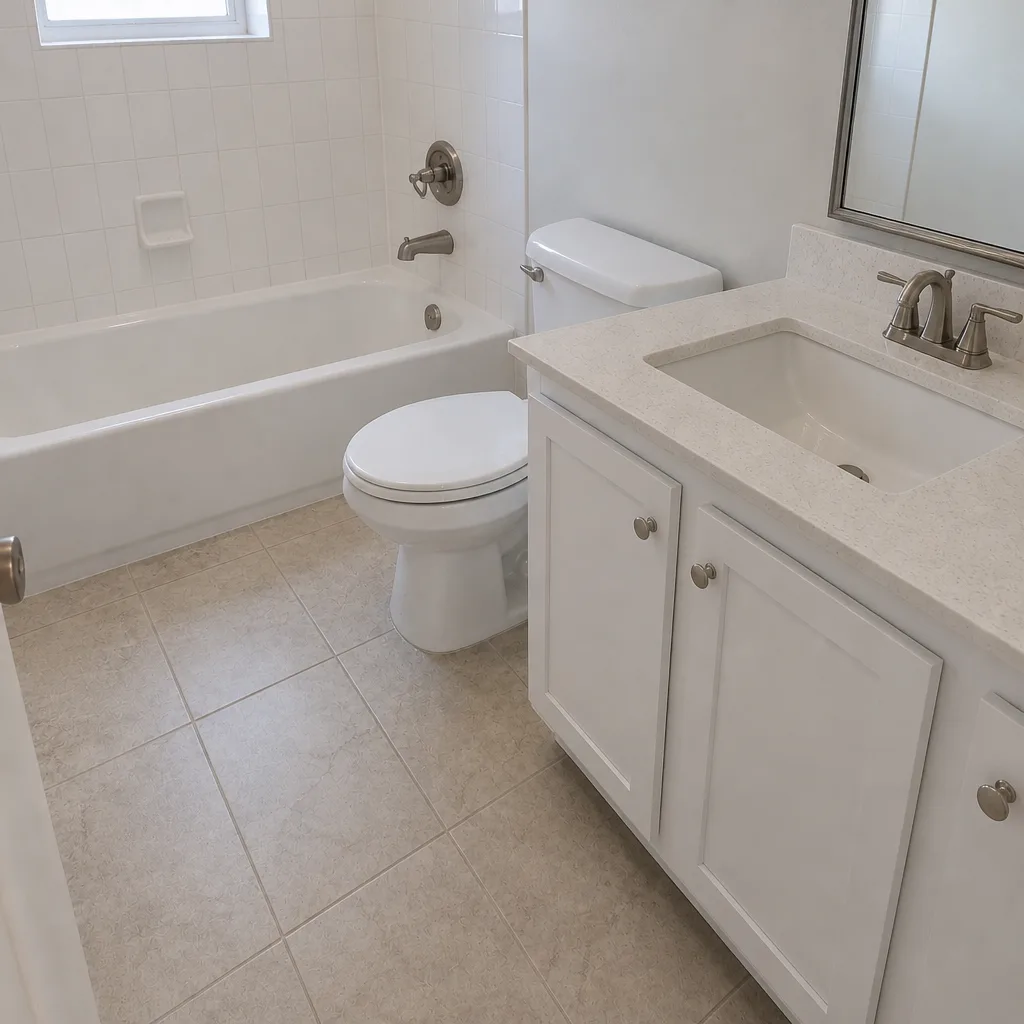 After
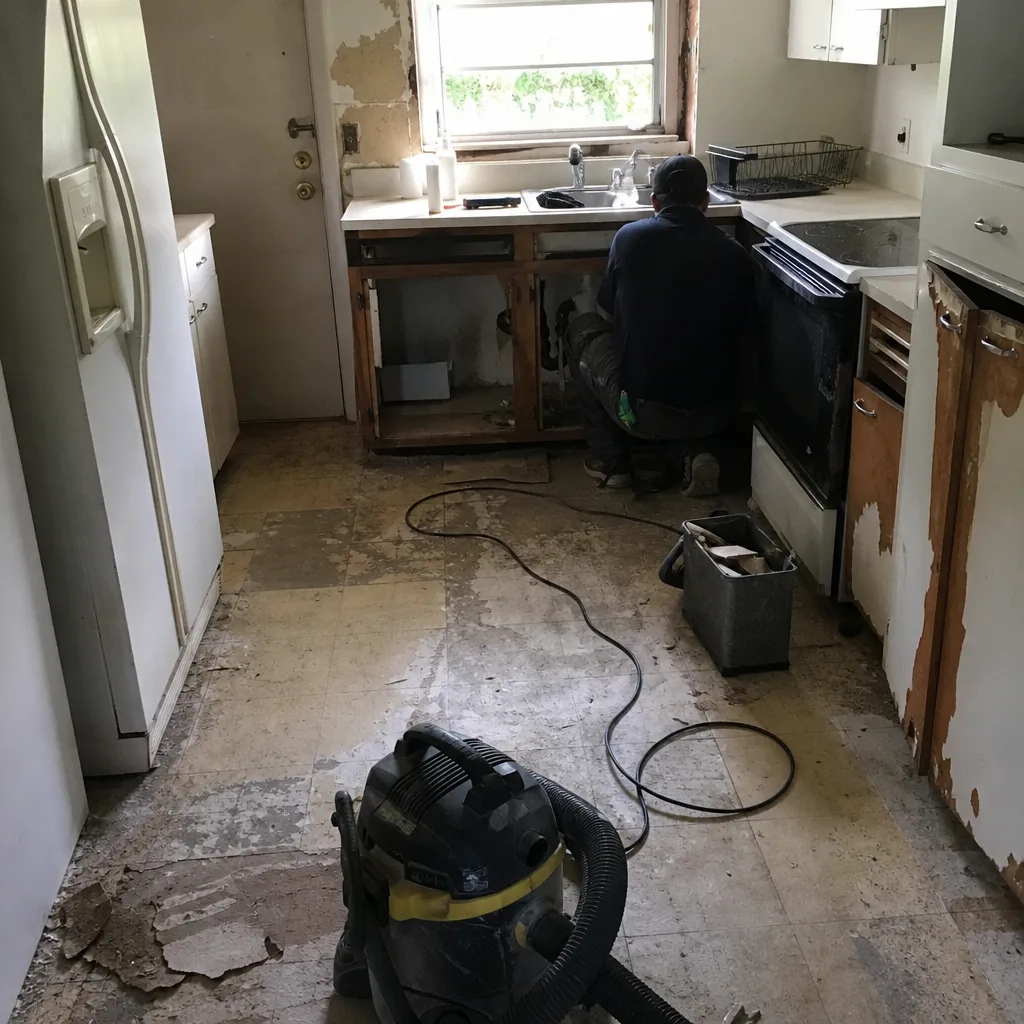 Before
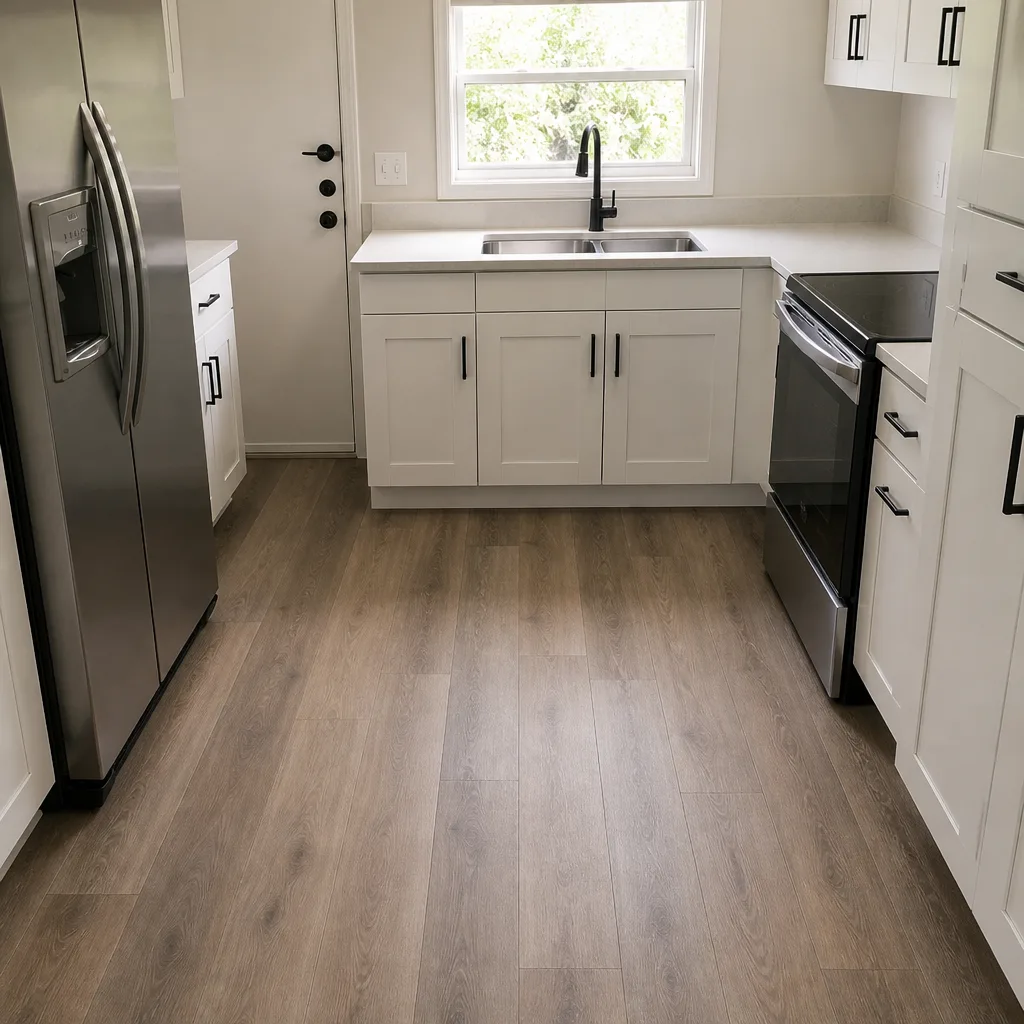 After
When to Call a Professional
Some projects are not DIY candidates, and in The Hammocks the list is longer than it is in most markets. Call a licensed professional for anything that touches the electrical panel, gas lines, roof framing at height, or structural openings in load-bearing walls. Panel changes and gas line work carry genuine danger, and the permit system in Miami-Dade requires a licensed contractor of record for both. Roof work at height on a hammerhead-truss roof, which most homes in The Hammocks have, is not the place to learn by doing. When you’re planning a project with multiple trades or any exterior scope, the safest first call is a free estimate that lays out the scope in writing before anyone swings a hammer.
Groundwork Construction Co. of The Hammocks offers free estimates in The Hammocks, with itemized, no-hassle upfront pricing and the 730-Day Done Right Promise behind every job. Call (844) 761-9356 to schedule yours.
If your project involves fencing or a new perimeter, our Fence Installation in The Hammocks guide covers the local anchoring and drainage questions specific to the area.
Frequently Asked Questions
Full-scope residential construction in The Hammocks runs about $180 to $325 per square foot in 2026, with trade-specific work priced separately or by the square. Kitchen remodels typically land between $14,000 and $28,000 for a 200-square-foot space, and shingle roof replacement runs $450 to $750 per square. Call (844) 761-9356 for an exact quote on your project, estimates are free.
Miami-Dade construction costs run 12% to 25% above state averages because of higher labor rates, HVHZ product requirements, and a permit and inspection system that mandates licensed, insured trades across nearly every scope. The premium is real, and it’s mostly the cost of building to a standard that survives the local climate. A bid priced like the rest of Florida is usually missing the compliance items.
HVHZ stands for High-Velocity Hurricane Zone, a classification that applies to Miami-Dade and Broward Counties and requires impact-rated, storm-resistant materials for most exterior products. HVHZ products cost more because they carry certified testing, Miami-Dade NOAs, and installation standards that take longer to complete. Choosing non-HVHZ substitutes to save money can lead to failed inspections and denied insurance claims, which costs more than the difference in materials. Call (844) 761-9356 to see itemized HVHZ pricing for your project.
With a properly itemized bid and fixed pricing, the price should not change unless the scope changes and you approve a written change order. Allowances are the main reason prices move mid-project, and a transparent bid minimizes them. Our no-hassle upfront pricing means the number in your itemized estimate is the number you pay when scope stays the same. Call (844) 761-9356 for a quote you can hold us to.
Yes. On every project where a permit is required, the licensed contractor of record pulls the permit, and the permit and inspection fees appear as separate line items in the bid. In Miami-Dade, permits aren’t optional on structural, electrical, plumbing, or roofing work, and unpermitted work creates problems at inspection and resale. Call (844) 761-9356 to schedule your free estimate and we’ll walk through which permits your scope requires.
Timelines depend on scope, but as a reference: roof replacement typically takes 1 to 3 days, a bathroom remodel 2 to 4 weeks, a kitchen remodel 4 to 8 weeks, and a room addition 4 to 6 months including permits and inspections. Permit review times in Miami-Dade vary by project type and can add weeks to the front end. The written project schedule in your itemized bid is the number to plan around. Call (844) 761-9356 for a timeline built to your actual scope.
The Bottom Line
Construction costs in The Hammocks in 2026 come down to four things: labor rates that reflect Miami-Dade’s real market, HVHZ materials that code requires, permit and impact fees that belong in your budget, and the scope assumptions baked into every bid. Low bids are optimistic by design, and the gap gets paid by the homeowner, usually after work has started and leverage has shifted. An itemized bid is how you take that leverage back. Ask for fixed permit fees, HVHZ approval numbers, and a written warranty on every trade, then compare bids on equal terms. When a contractor puts the full scope in writing, upfront pricing, no surprises, and stands behind it with the 730-Day Done Right Promise, the cheapest safe option and the cheapest bid usually stop being the same conversation.
Ready to see the real line items for your project? Call (844) 761-9356 for a free estimate from Groundwork Construction Co. of The Hammocks. Calls are answered by a live person, 24/7, and every project is quoted before work starts.
Written by the team at Groundwork Construction Co. of The Hammocks.