
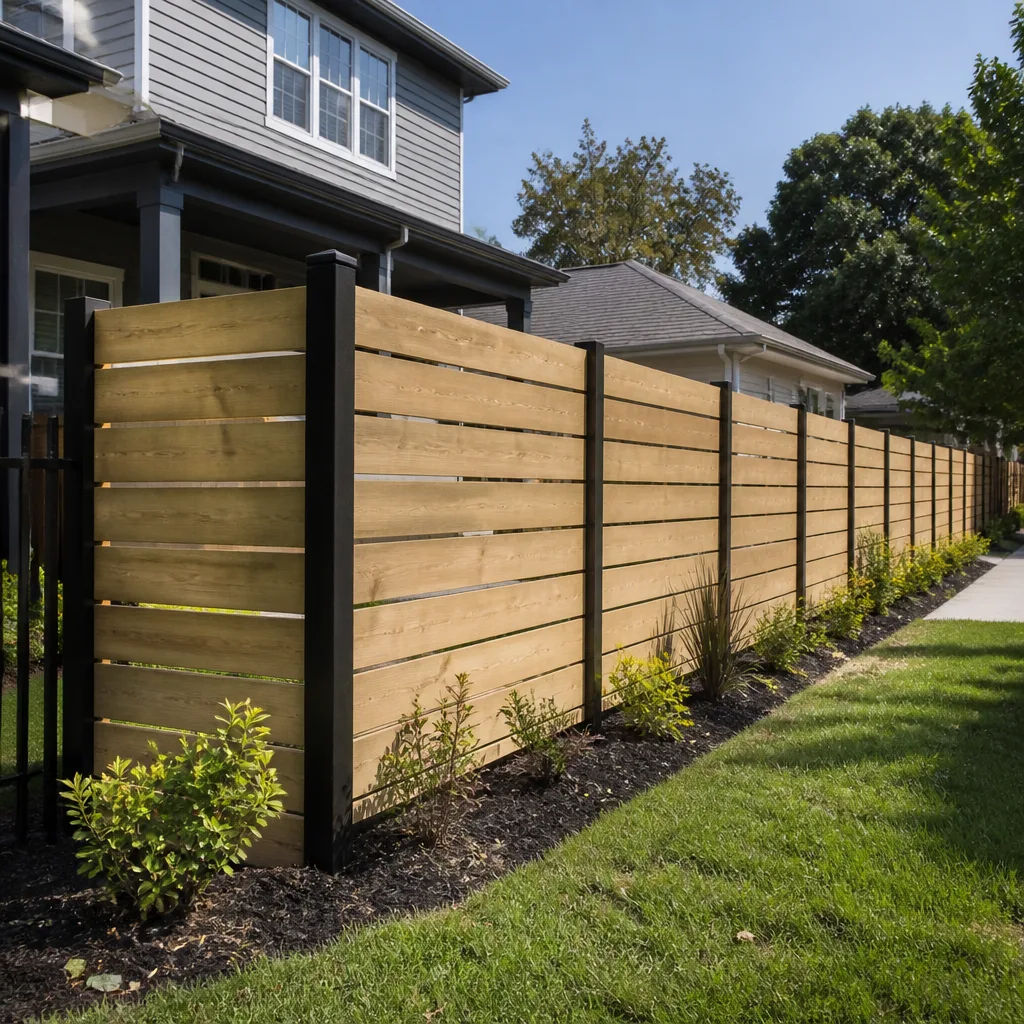
 Fence
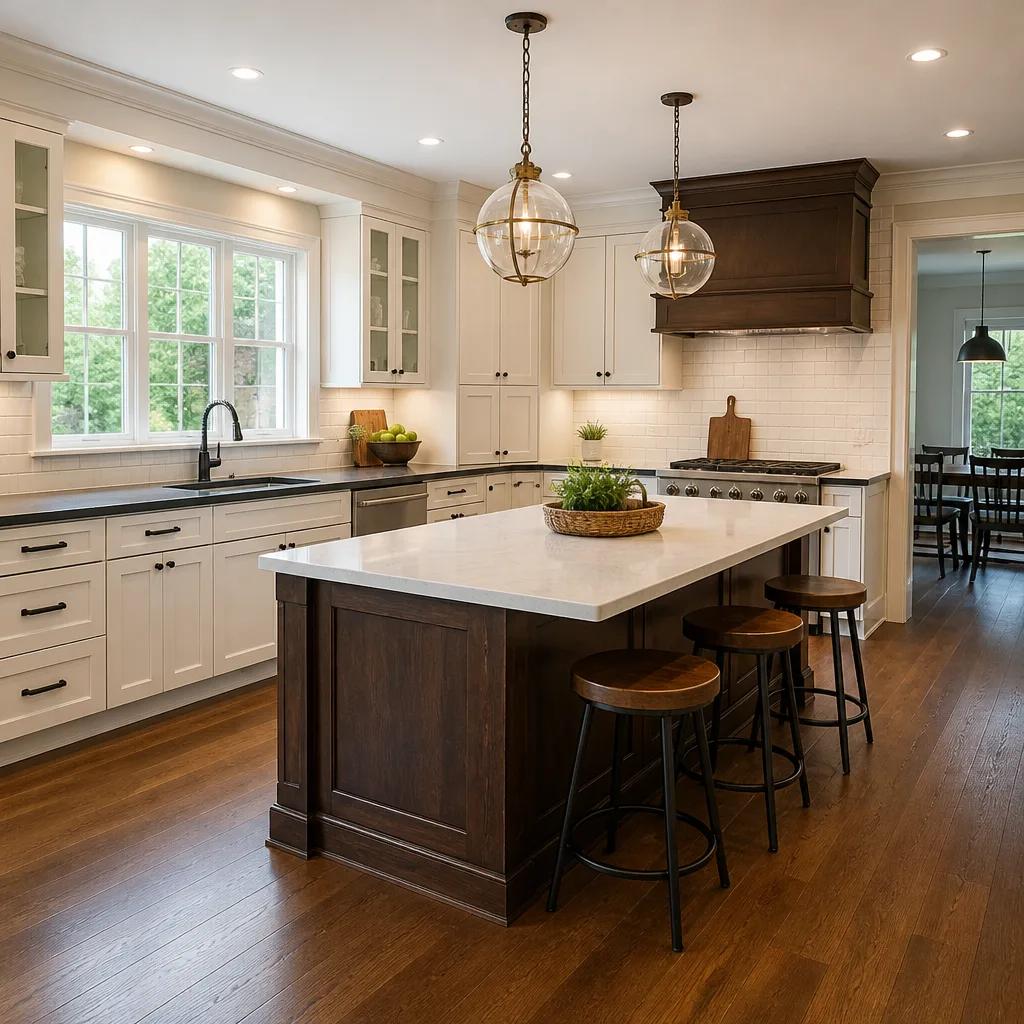 Kitchen remodeling
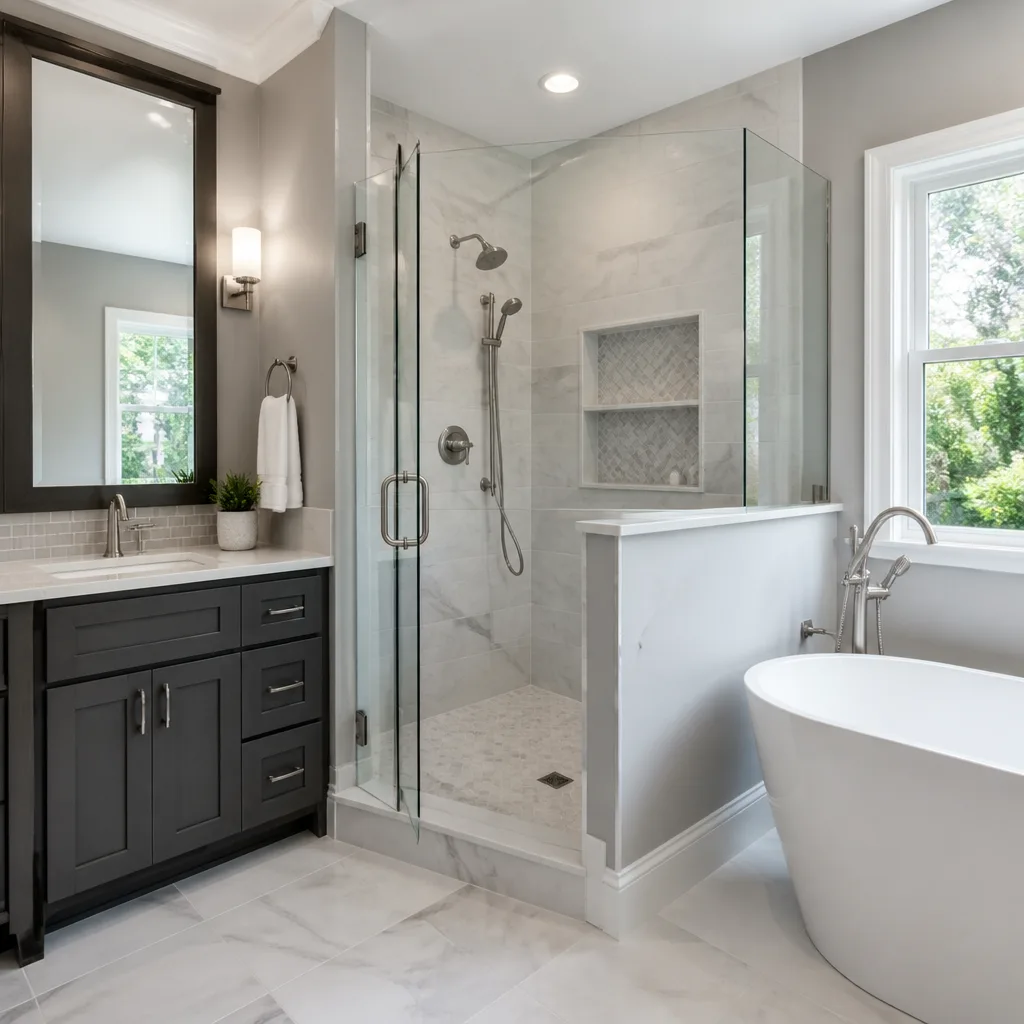 Bathroom remodeling
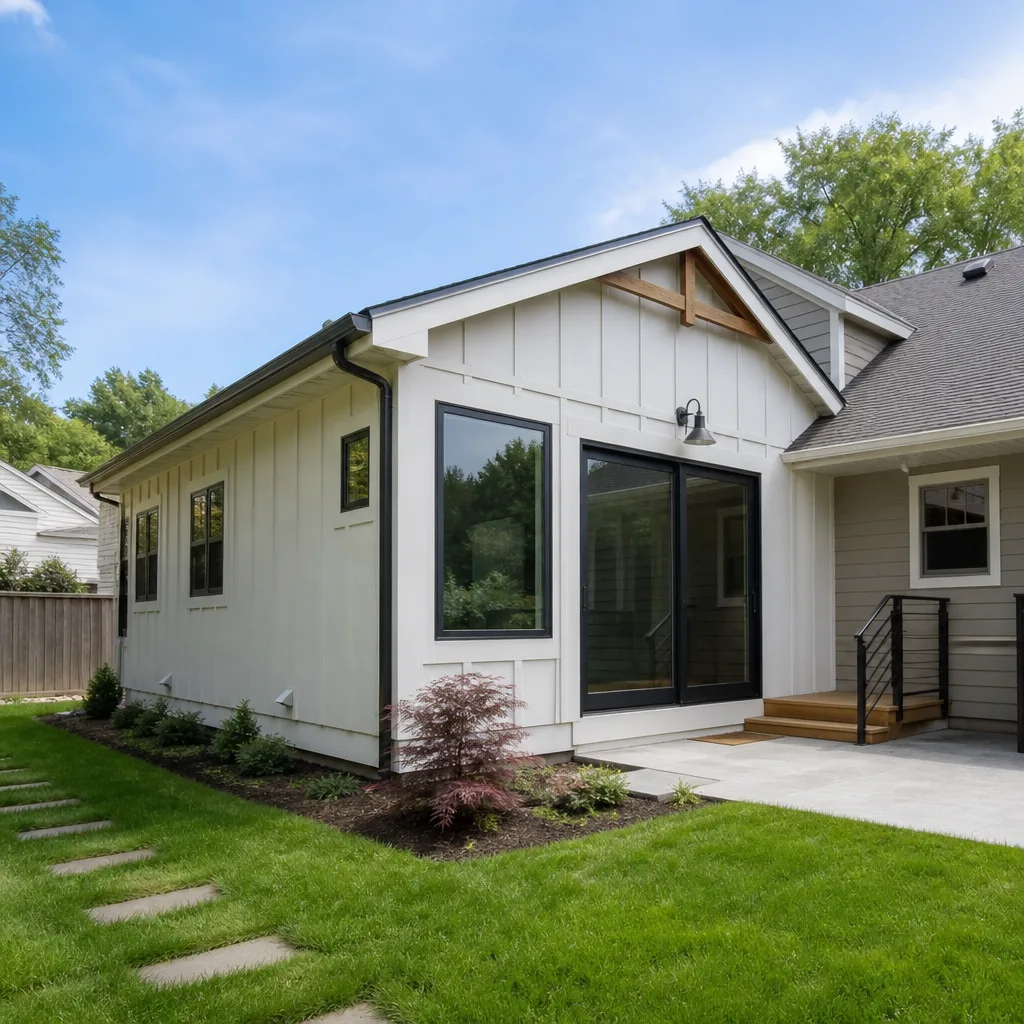 Home additions & ADU
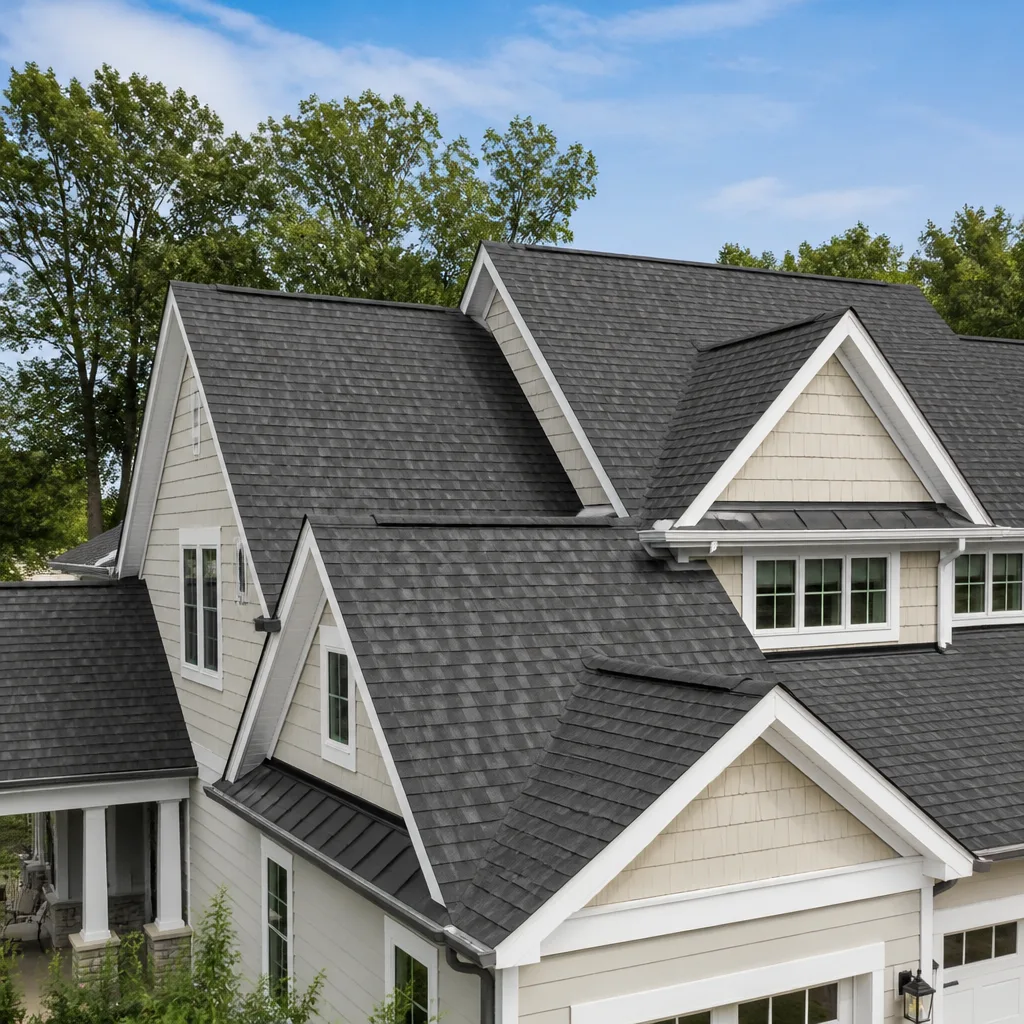 Roofing
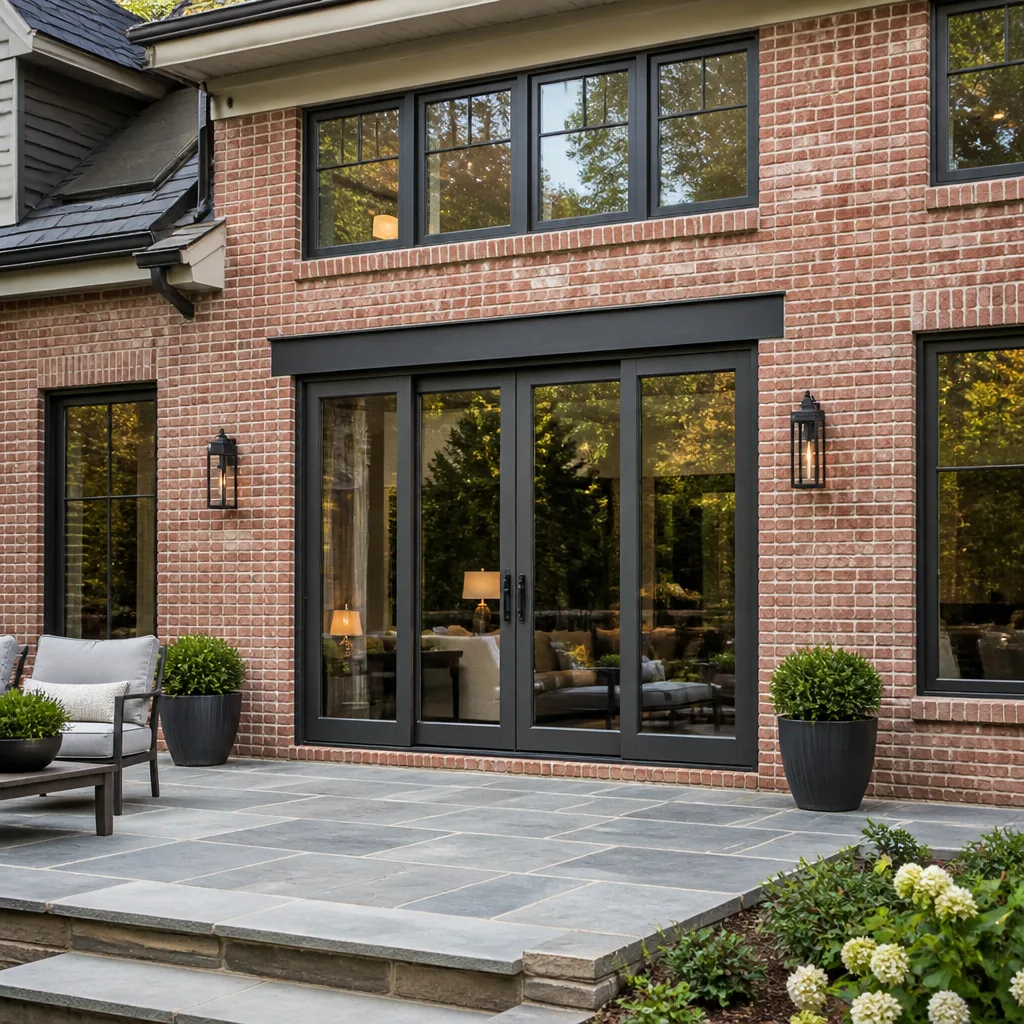 Windows & doors
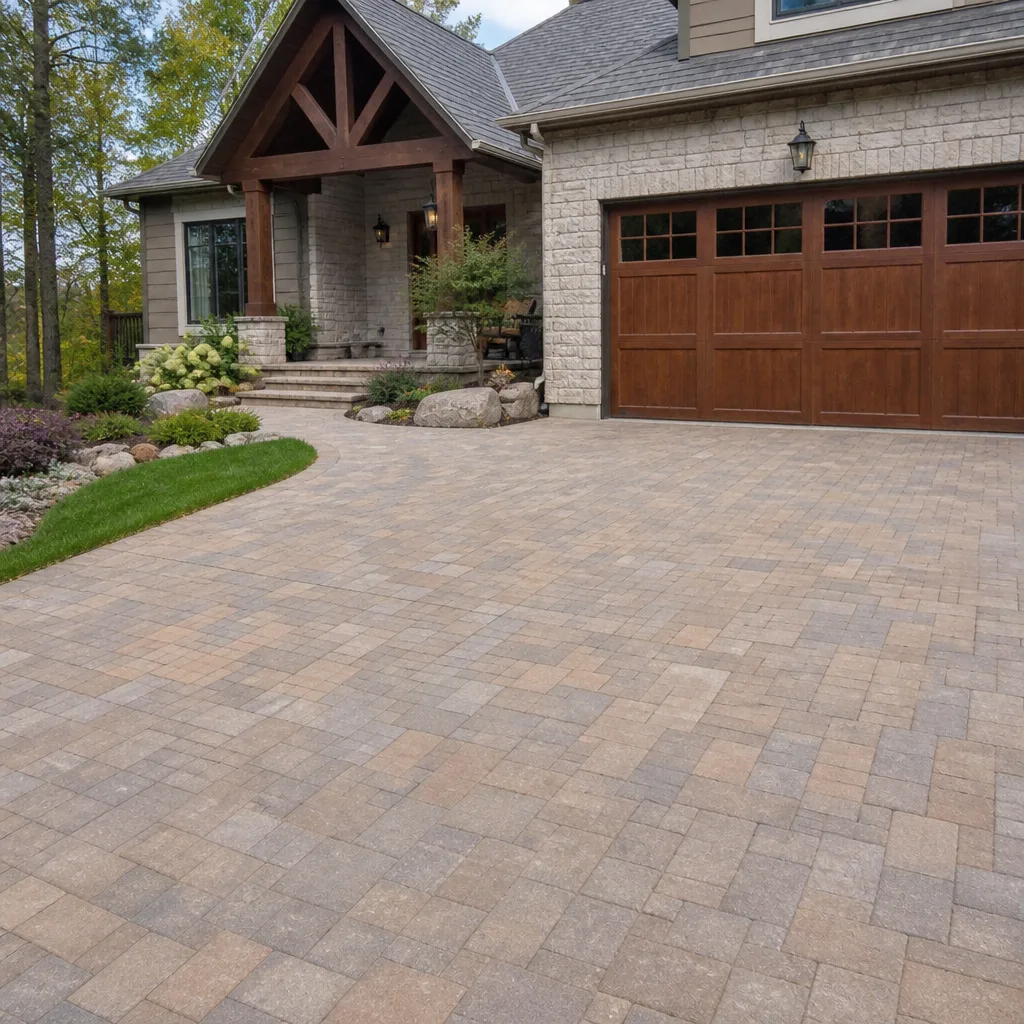 Driveway & pavers
Free written scope consultation - allowances, timeline, and change-order rules on paper before a single trade is scheduled
Styles & brands we work with
- Kitchen remodeling
- Bathroom remodeling
- Home additions & ADU
- Roofing
- Windows & doors
- Driveway & pavers
- Fence
See the difference
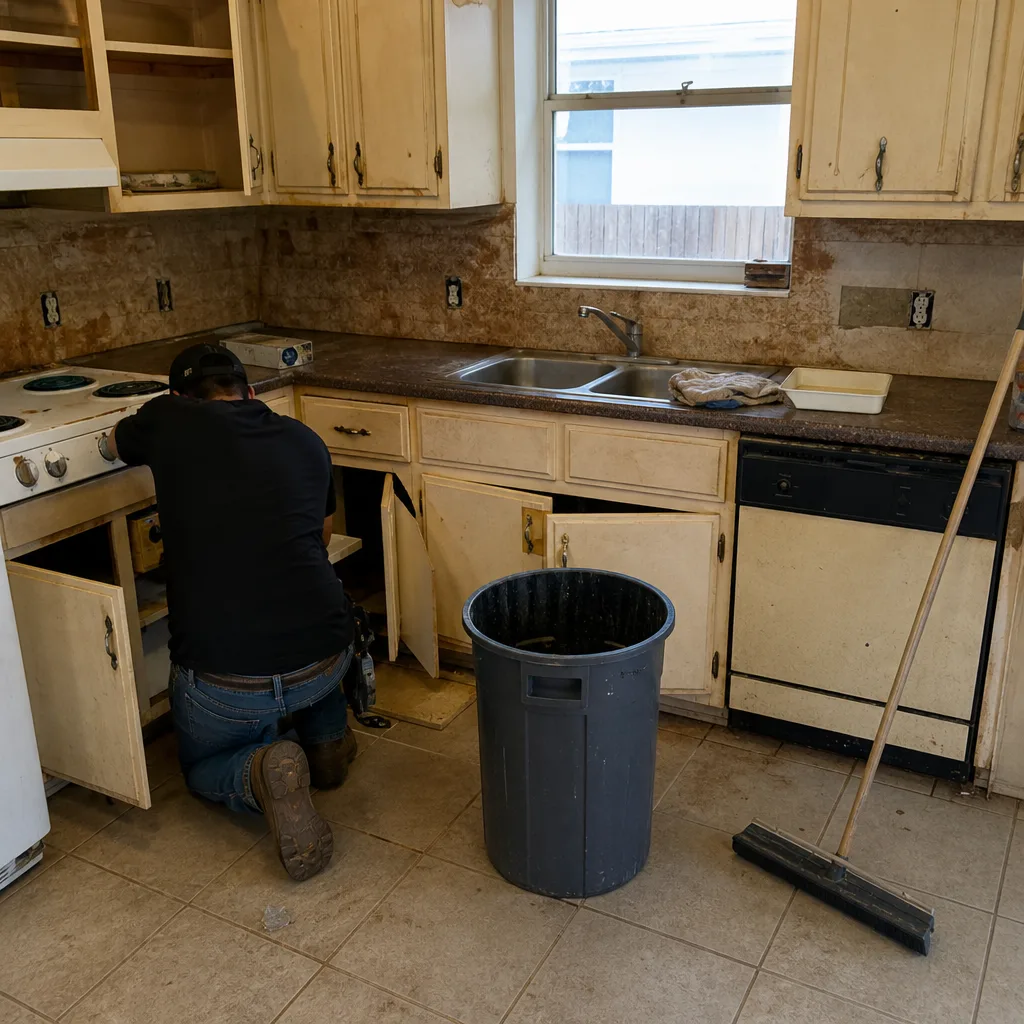 Before
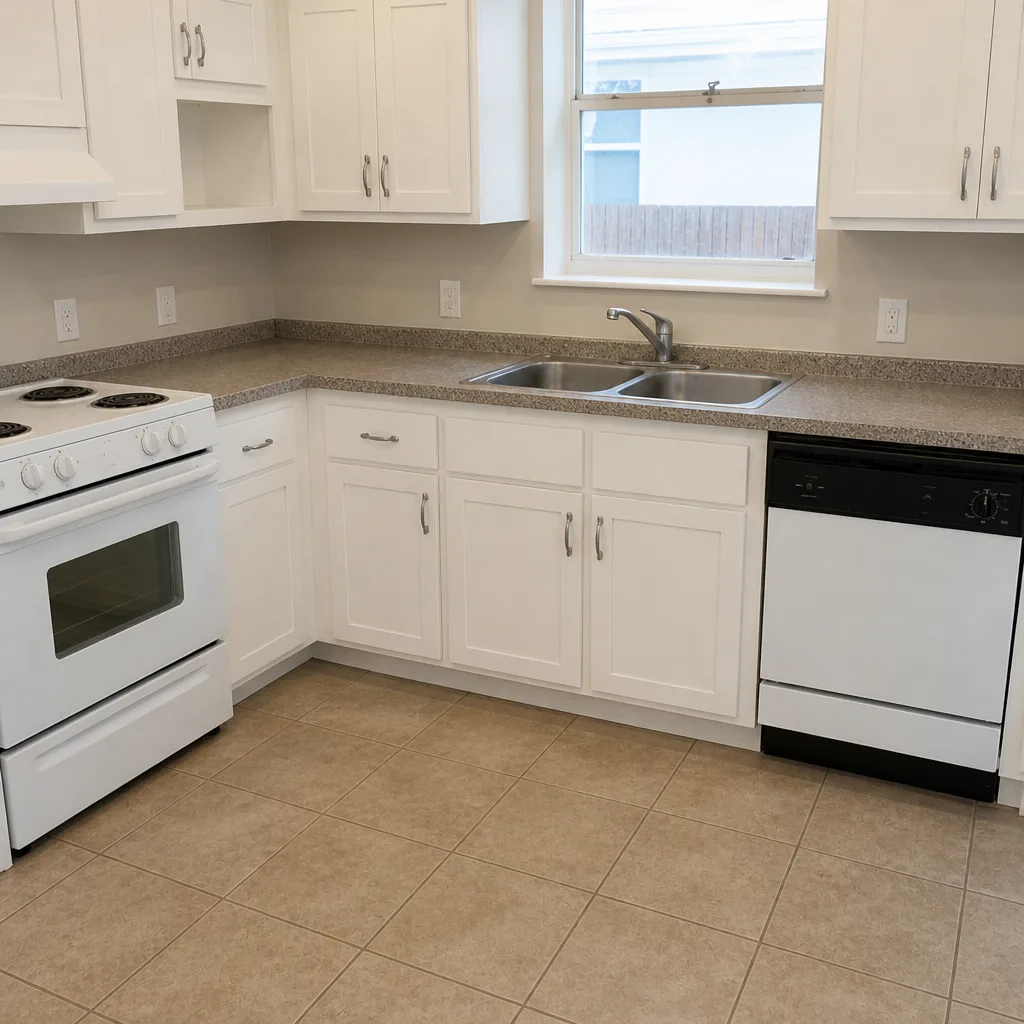 After
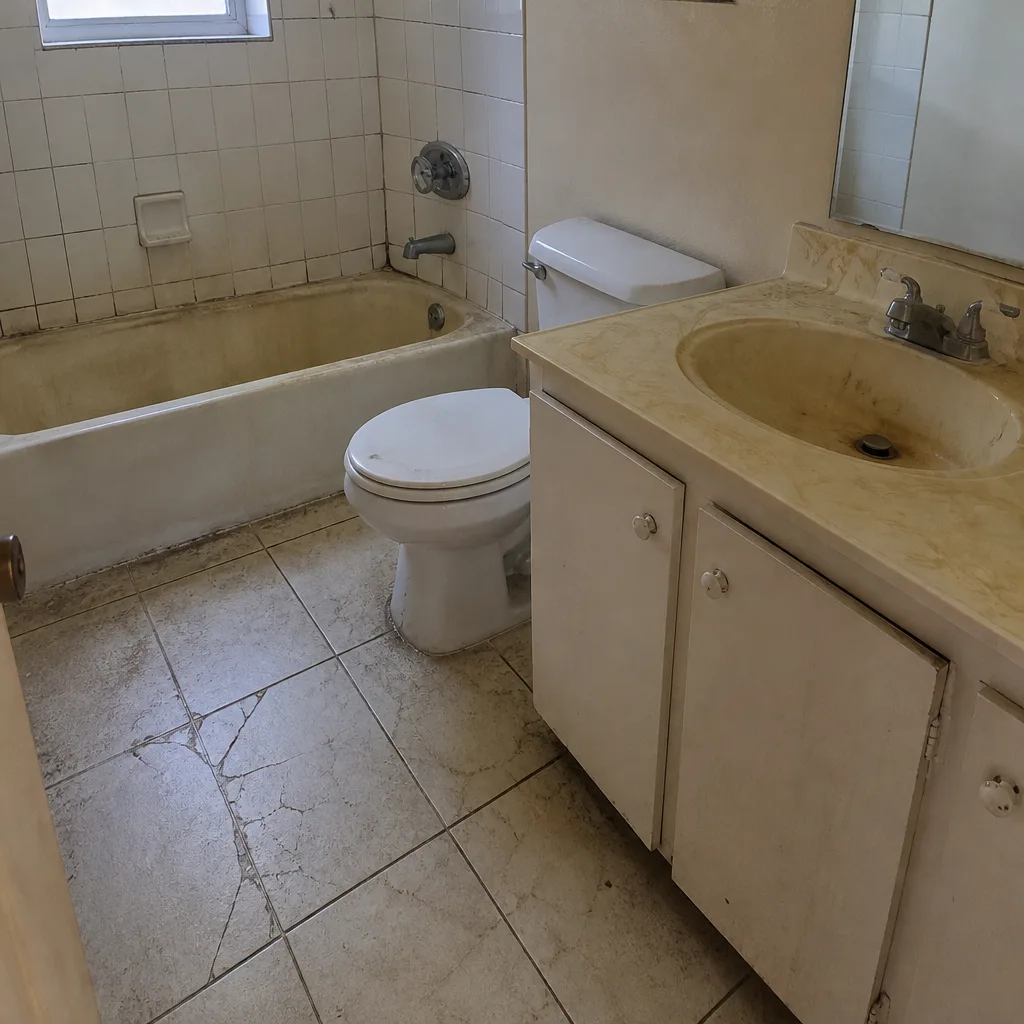 Before
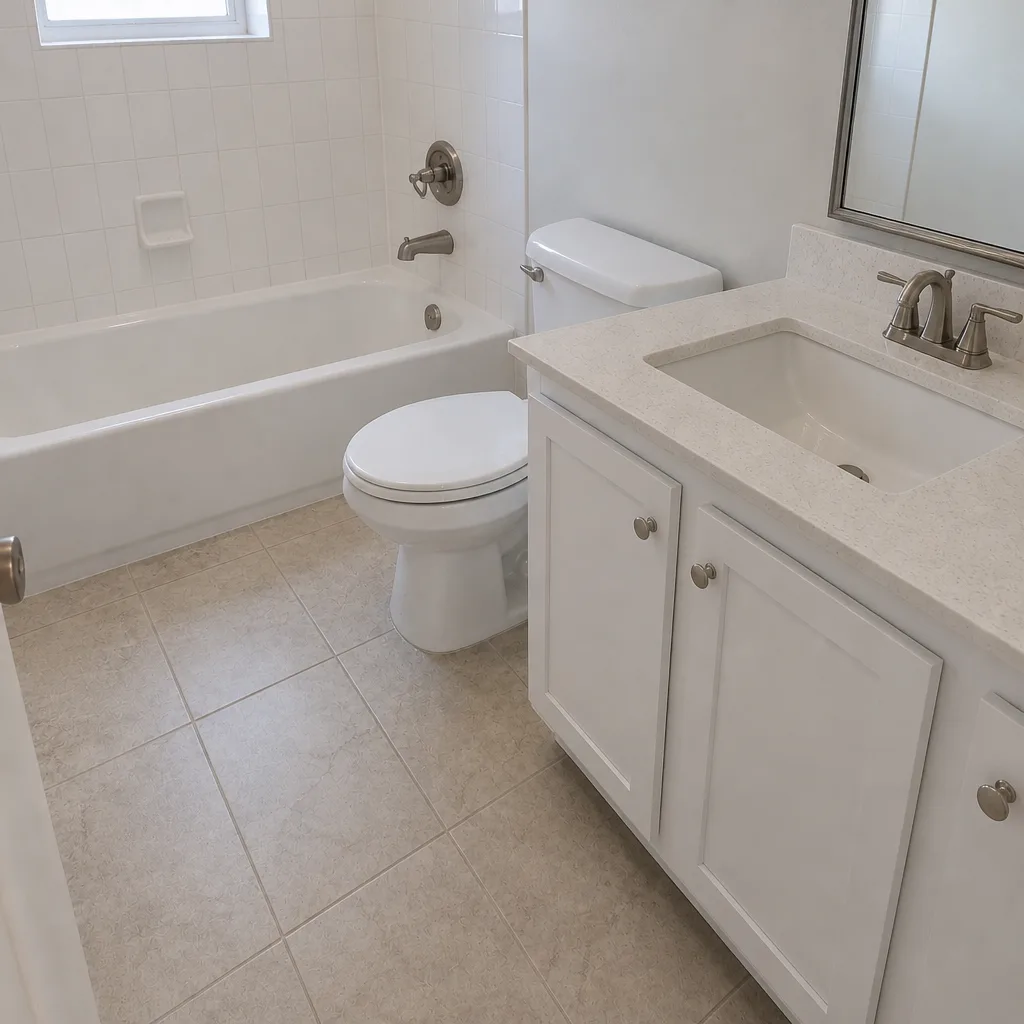 After
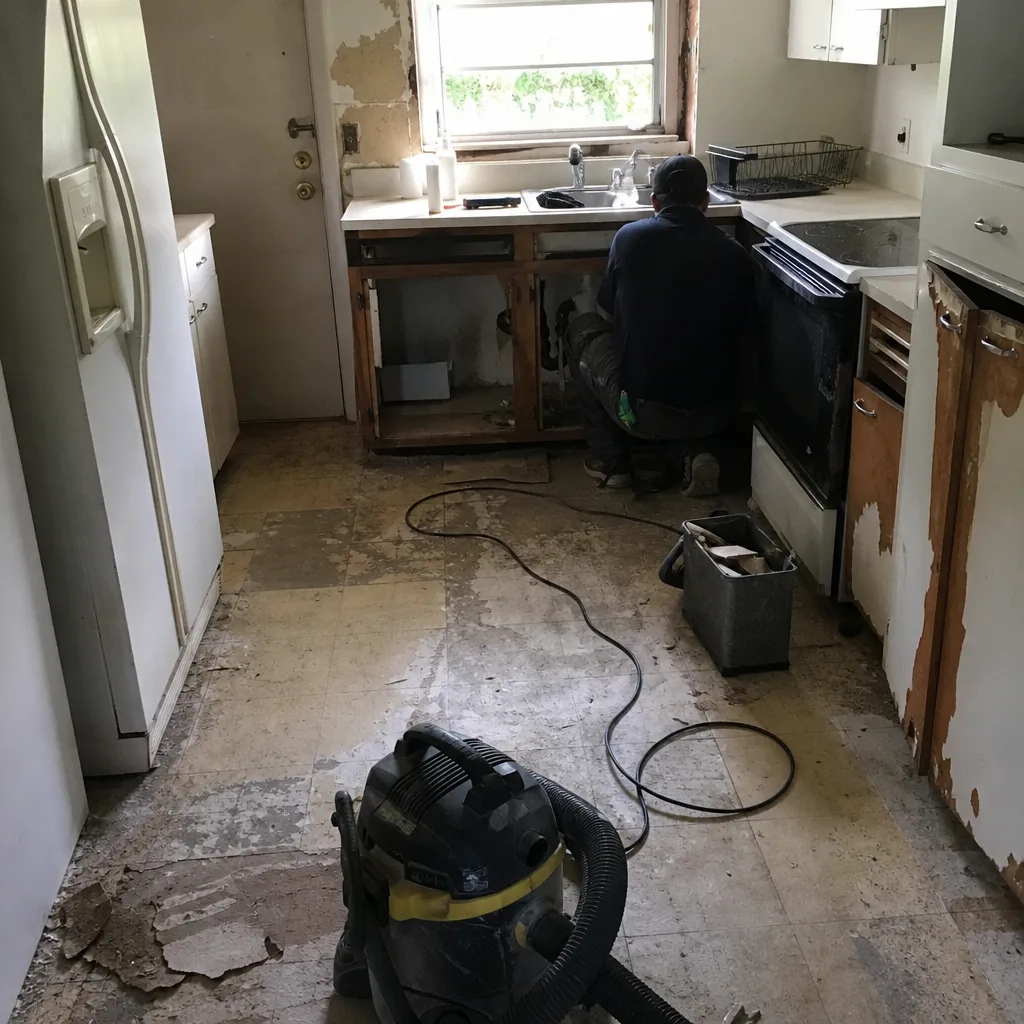 Before
 After
How to Repair a Chain Link Fence in The Hammocks, FL
Small chain-link damage is repairable by hand: re-twist or replace the tie wires, re-tension the tension wire along the bottom, straighten a bent top rail, and patch a torn section with a mesh repair kit. The catch is diagnosis. In The Hammocks, most fences that look fine from the street are already losing their hardware from salt-air corrosion, and fixing the visible mesh first leaves you with a fence that fails again within a season. If a post wobbles in its footing or more than half the structure needs replacement, it’s a rebuild, not a patch. Groundwork Construction Co. of The Hammocks handles that assessment and the repair; call (844) 761-9356 for a free estimate on anything you’re unsure about.
Key Takeaways
- Chain-link here fails tie wires and tension wire first, then mesh, then rail fittings – a different order than in dry climates.
- Do a hand-pressure check at each post at grade: movement means footing corrosion, and no patch kit fixes that.
- A vinyl-coated or aluminum upgrade at repair time adds 10-15 years and typically runs $3500-$9000 in The Hammocks.
- Replacing more than half a fence structure can require a Miami-Dade HVHZ permit – a step unlicensed help skips.
Why chain link fails differently in The Hammocks than in most repair guides
The Hammocks sits in salty, humid, hurricane-season South Florida air, and that changes the failure sequence. Dry-climate guides assume a bent rail or a sagging section. Here, the mesh is usually the last thing to go. The thin-gauge tie wires that hold mesh to rail and the tension wire threaded along the bottom carry less galvanizing than the mesh itself, so they rust through first. A fence can look intact from ten feet away while those connections are down to lace and the mesh is a year from letting go. When a whole tract neighborhood like this one hits the same age at once – these 1980s-to-2000s CBS homes and townhomes don’t stagger their milestones – entire blocks show the same corrosion pattern together.
What to look for: repairable rust vs. structural rust
The most useful DIY skill here is diagnostic, not mechanical. Before you touch a single tie wire, run this down the fence line:
- Tie wires and tension wire: rusty lace that flakes when you flex it means replacement now, before the mesh sags.
- Surface oxidation: silvery-white staining on the galvanizing is cosmetic. If the steel underneath still resists your thumb, the structure is fine.
- Rail-to-post fittings: loosen with a wrench. Fittings that won’t grip signal the rail and post are both compromised.
- Post base at grade: press hard on each post a foot above the ground. Rock the post gently. Any wobble, crumbling concrete at the base, or hollow sound means the footing is corroding below the surface.
That hand-pressure check at grade is the one test worth doing yourself. A stable post means the fence is a repair candidate. A moving post means the footing is gone, and replacing mesh over a compromised footing will fail in months. On older Hammocks lots where the fence sits in the same damp soil year-round, post corrosion below grade is far more common than above-ground rust that catches the eye. If every third post in your stretch moves, you’re looking at a rebuild, and our Fence Installation crew can quote that alongside the repair option.
The repair sequence that actually holds
When the posts check out, work from the hardest-wearing connection down to the softest:
- Tie wires first. Replace every rusted tie wire with fresh galvanized or vinyl-coated ties. This is the cheapest step and the one most skipped.
- Tension wire next. Re-run or replace the bottom tension wire and re-tension at the end posts.
- Mesh patches. Splice in a matching mesh panel where the weave is torn. Patch kits are a $40-$150 DIY job.
- Rails and fittings. Straighten or replace a bent top rail; swap the rail-end and brace fittings last.
On the material side, this is the moment to consider the upgrade that makes sense for a salt-air climate: replacing standard galvanized mesh with vinyl-coated chain link adds 10-15 years of service at repair time. It’s cost-effective when the posts are still sound, because you’re paying for mesh labor once rather than twice. Aluminum chain link, though pricier, sidesteps corrosion at the mesh level in a way galvanized mesh never will on a Hammocks lot. Homeowners leaning toward that route often move to vinyl-coated systems from names like ActiveYards or Bufftech, and our Fence Installation in The Hammocks page covers which material holds up best here. Our technicians have up to 12 years of experience working with these systems.
What a chain-link repair costs in The Hammocks, FL
A single torn panel or a line of failed tie wires usually runs in the low hundreds. A mid-to-large repair – multiple posts, tension wire, rails, and vinyl-coated mesh replacement – typically lands in the $3500-$9000 range for The Hammocks market. That’s the lead range for this work. All of it is covered by Groundwork’s 730-Day Done Right Promise: if it’s not done right, we make it right. Upfront pricing, no surprises – the number you see is the number you pay.
| Repair scope | Typical Hammocks range |
|---|---|
| Tie wire / tension wire replacement only | $150-$500 |
| Mesh panel patch + re-tension | $200-$700 |
| Rail and fitting replacement (partial run) | $400-$1,200 |
| Multi-post repair with vinyl-coated mesh upgrade | $3,500-$9,000 |
Those are informed ranges, not fixed quotes – post condition drives the number more than anything else. The upgrade path ($3,500-$9,000) is what most repairs of this scale cost when posts are reused. Projects over $10,000 qualify for $1,000 off, and 0% financing for 18 months is available if the work turns into a rebuild.
A step most guides and handymen skip: the permit question
If a repair replaces more than 50% of a fence structure, Miami-Dade’s High-Velocity Hurricane Zone rules can trigger a permit requirement, because the fence is a wind-rated structure in this code zone. Most DIY write-ups never mention it. Unlicensed help usually doesn’t. That matters when the work expands, and it’s the difference between a repair and a paperwork problem. Ask the question before the crew starts, not after.
When to stop and call a pro
Fixing tie wires and a single panel is well within reach for a careful homeowner. Stop when a post rocks, when the footing concrete crumbles at grade, or when more than half the run needs replacement. Storm damage is the common trigger: after a squall line pushes through, homeowners find a leaner section that reads as a liability and an HOA violation on the same afternoon. Because Groundwork answers calls with a live person 24/7, you can report storm damage the morning after and get a real assessment underway the same day instead of waiting until Monday. Our technicians are background-checked and arrive in uniform, and the assessment is free.
FAQs
A sagging bottom almost always means a failed tension wire or rusted tie wires, not a problem with the mesh itself. Replacing those two components and re-tensioning at the end posts re-lifts the mesh. If the posts move when you push them, the sag is a footing problem and a patch won’t hold.
Most repairs run from a couple hundred dollars for tie wires and a patch up to $3,500-$9,000 for multi-post work with a vinyl-coated mesh upgrade. Call (844) 761-9356 for an exact quote – estimates are free.
Tie wire, tension wire, and a mesh patch are reasonable DIY work. Anything involving a wobbling post, corroded footing, or more than half the fence structure is a job for a qualified pro, partly because the HVHZ permit rules kick in at that threshold.
A repair with fresh galvanized hardware and standard mesh typically buys 5-8 years before corrosion returns; upgrading to vinyl-coated or aluminum mesh at repair time stretches that to 10-15 years. Salty humid air is the reason the standard numbers are shorter here than in the manufacturer’s spec sheet.
If you’d rather have it looked at, Groundwork Construction Co. of The Hammocks offers a no-pressure assessment in The Hammocks – call (844) 761-9356. A live person answers around the clock, so storm damage gets eyes on it the same day, not the next business day.
Written by the team at Groundwork Construction Co. of The Hammocks, serving The Hammocks, FL.