
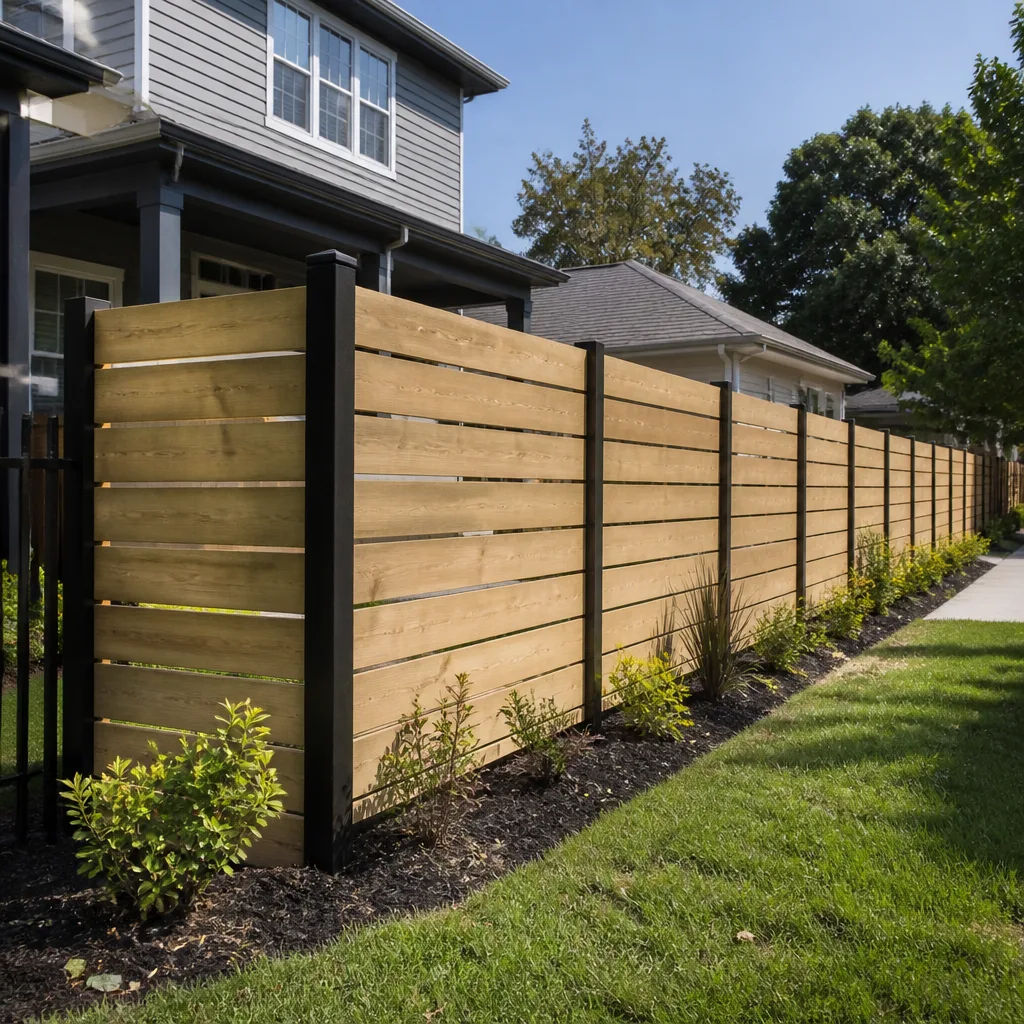
 Fence
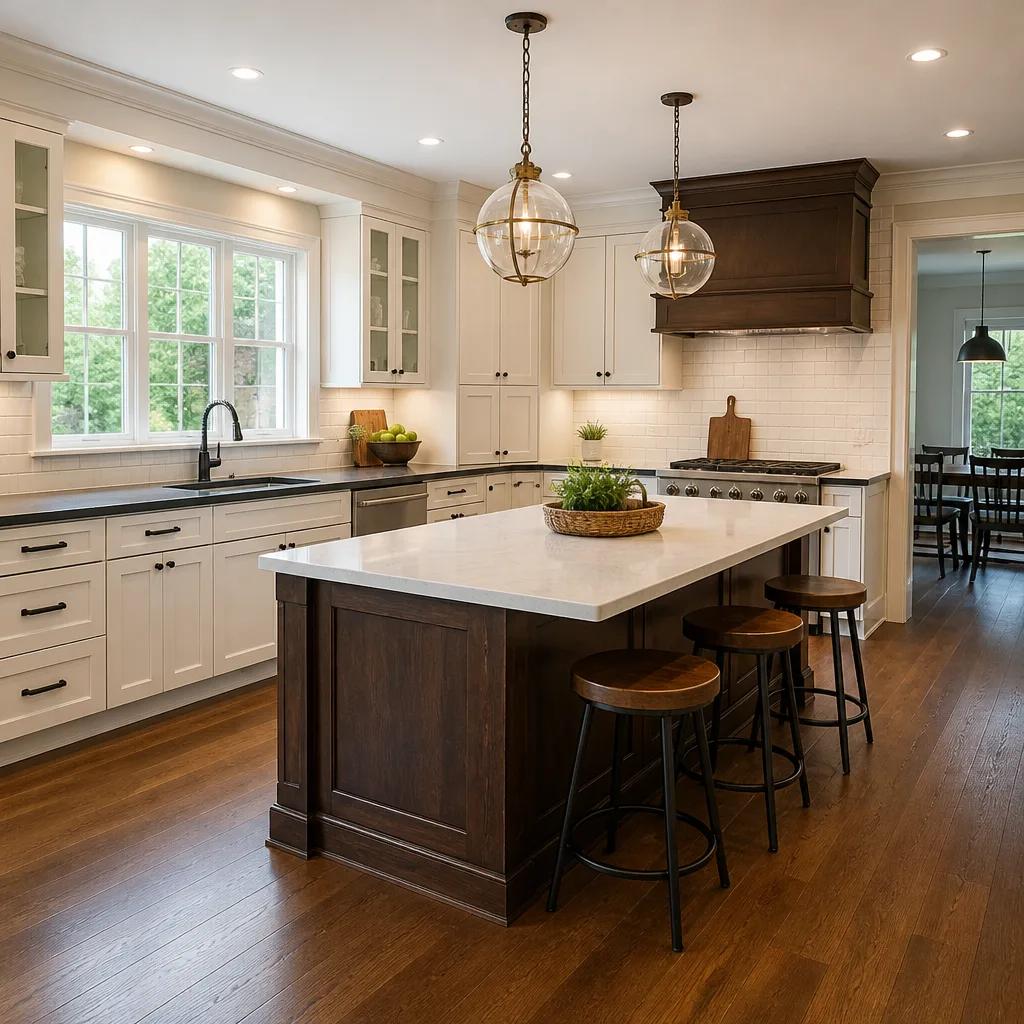 Kitchen remodeling
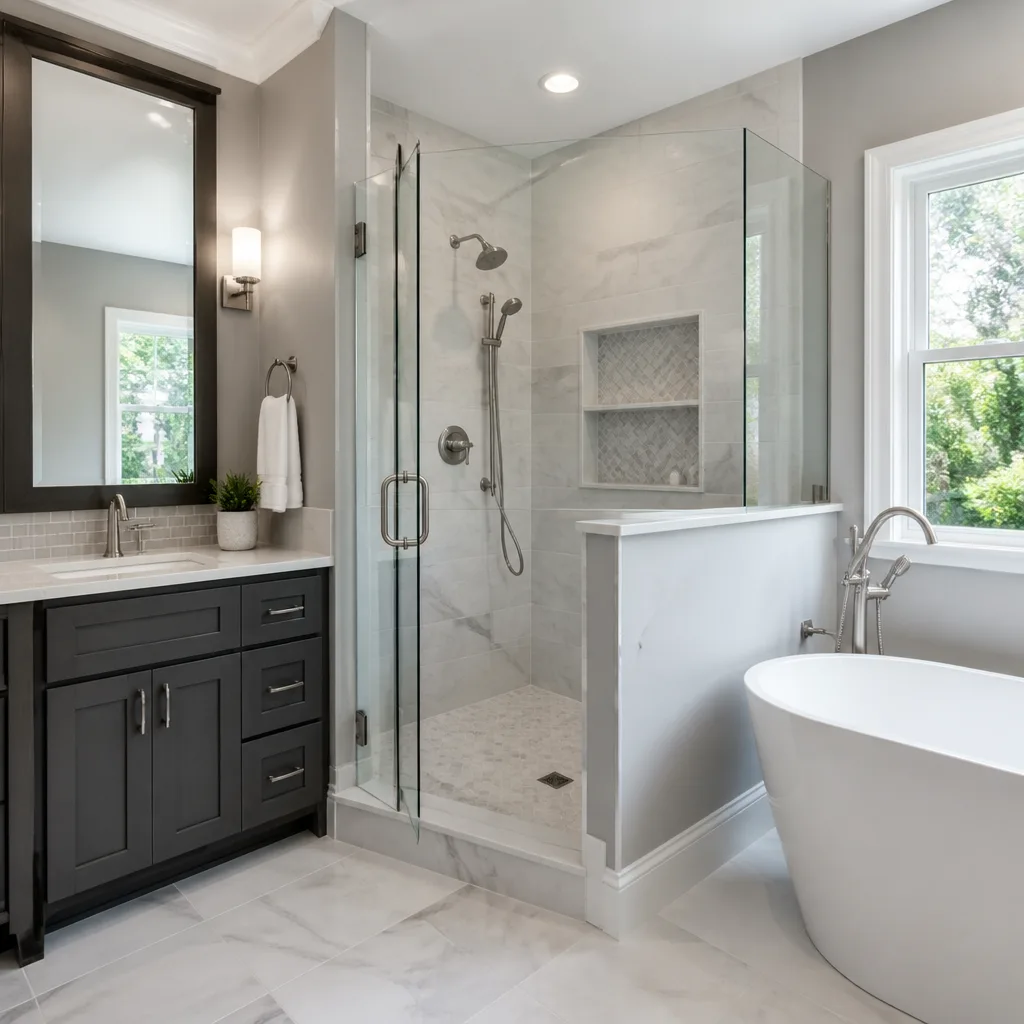 Bathroom remodeling
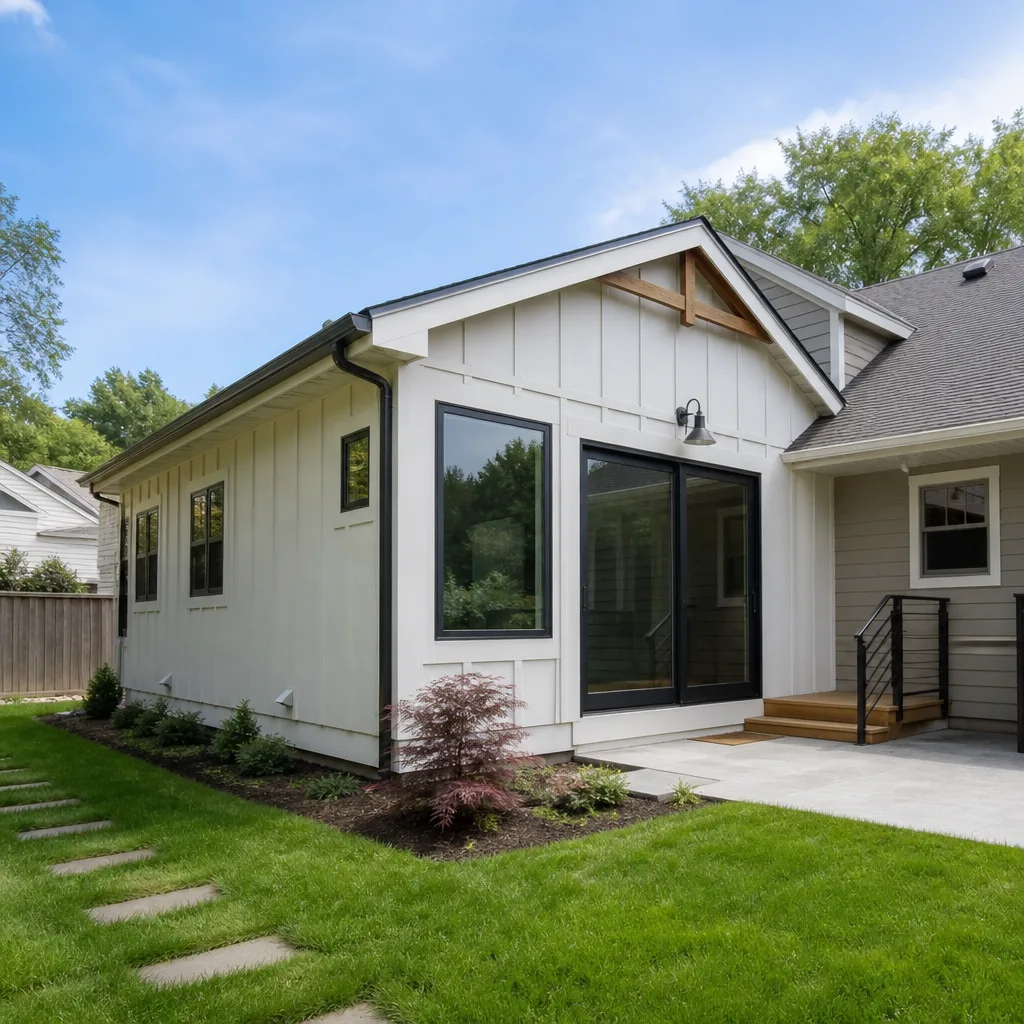 Home additions & ADU
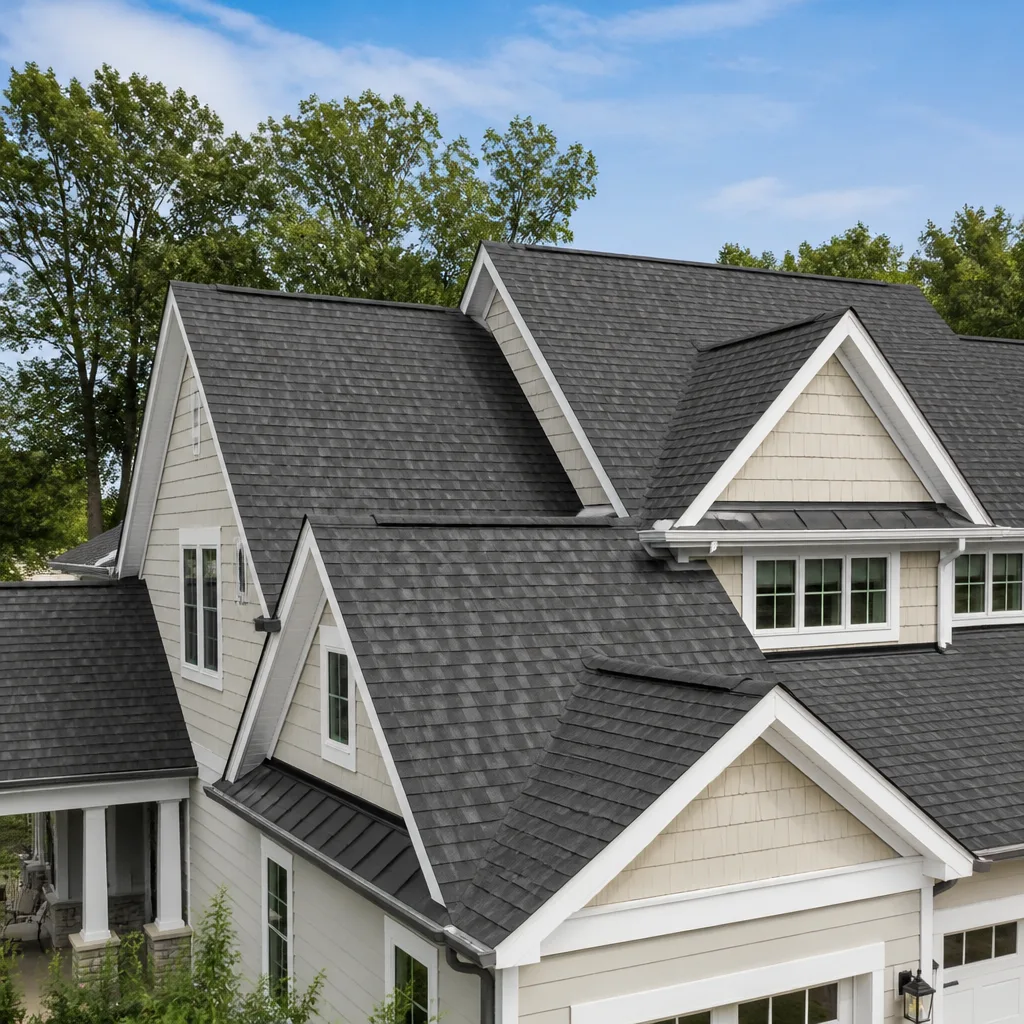 Roofing
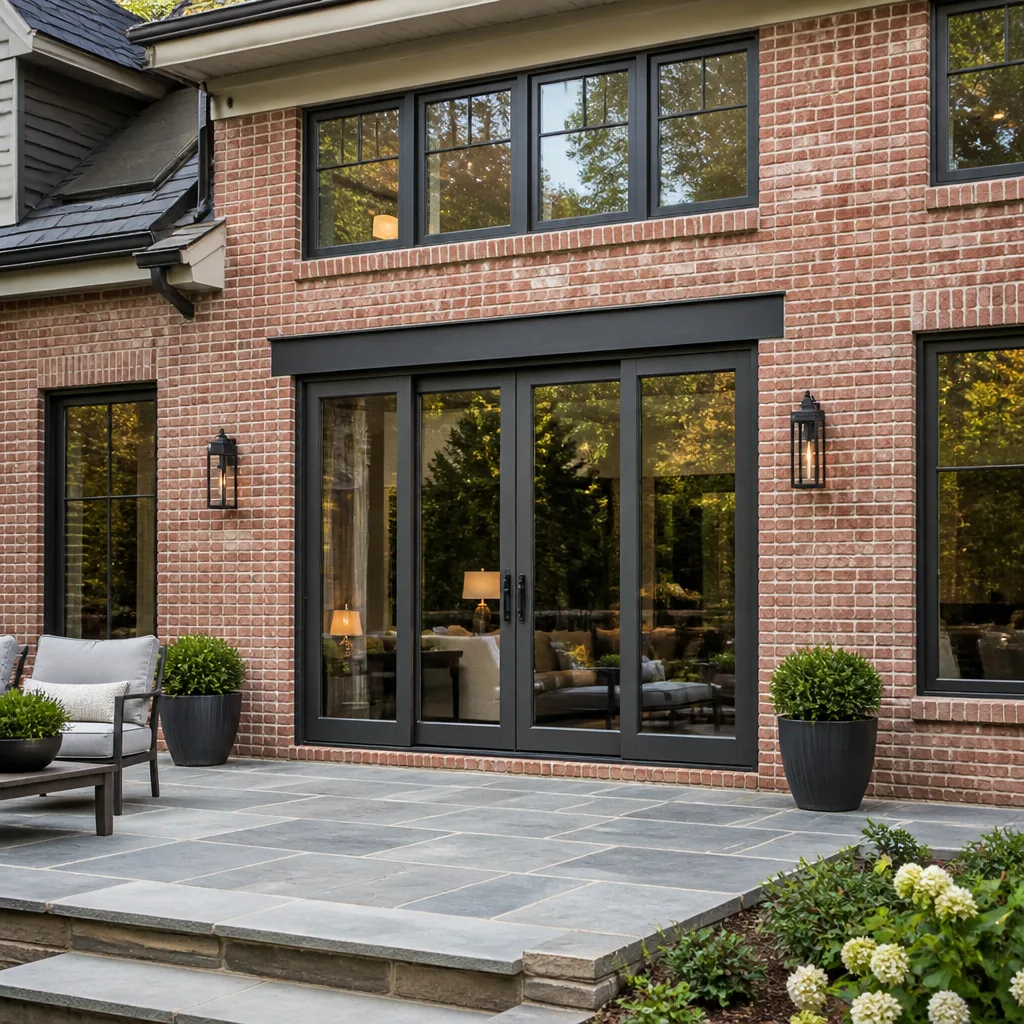 Windows & doors
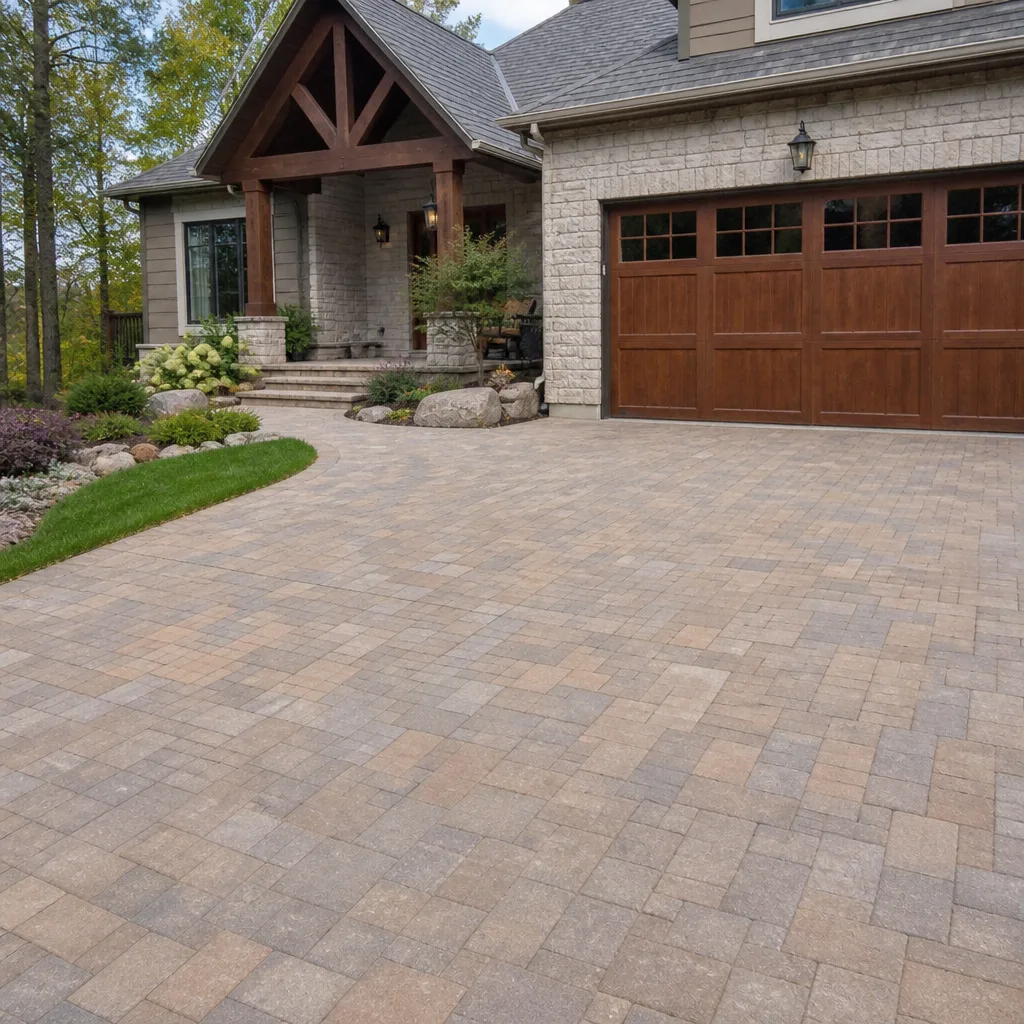 Driveway & pavers
Free written scope consultation - allowances, timeline, and change-order rules on paper before a single trade is scheduled
Styles & brands we work with
- Kitchen remodeling
- Bathroom remodeling
- Home additions & ADU
- Roofing
- Windows & doors
- Driveway & pavers
- Fence
See the difference
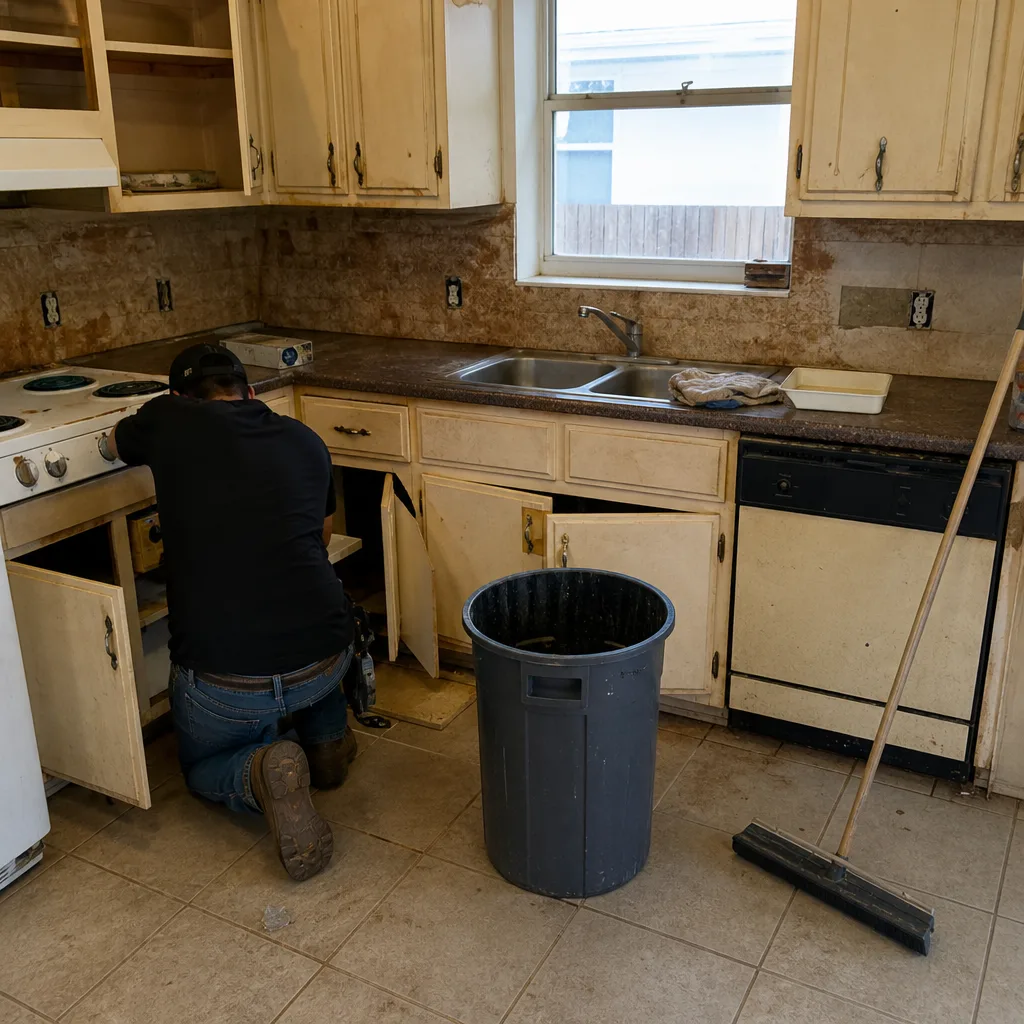 Before
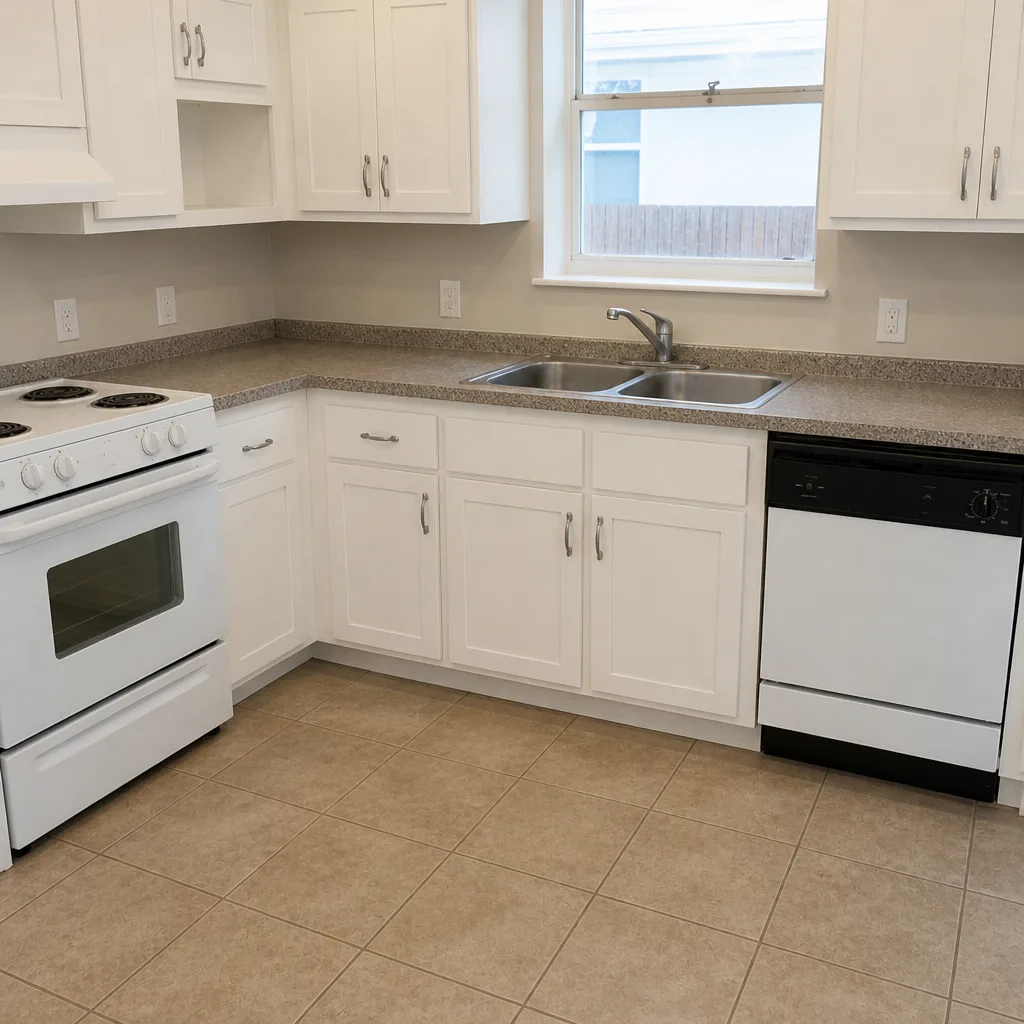 After
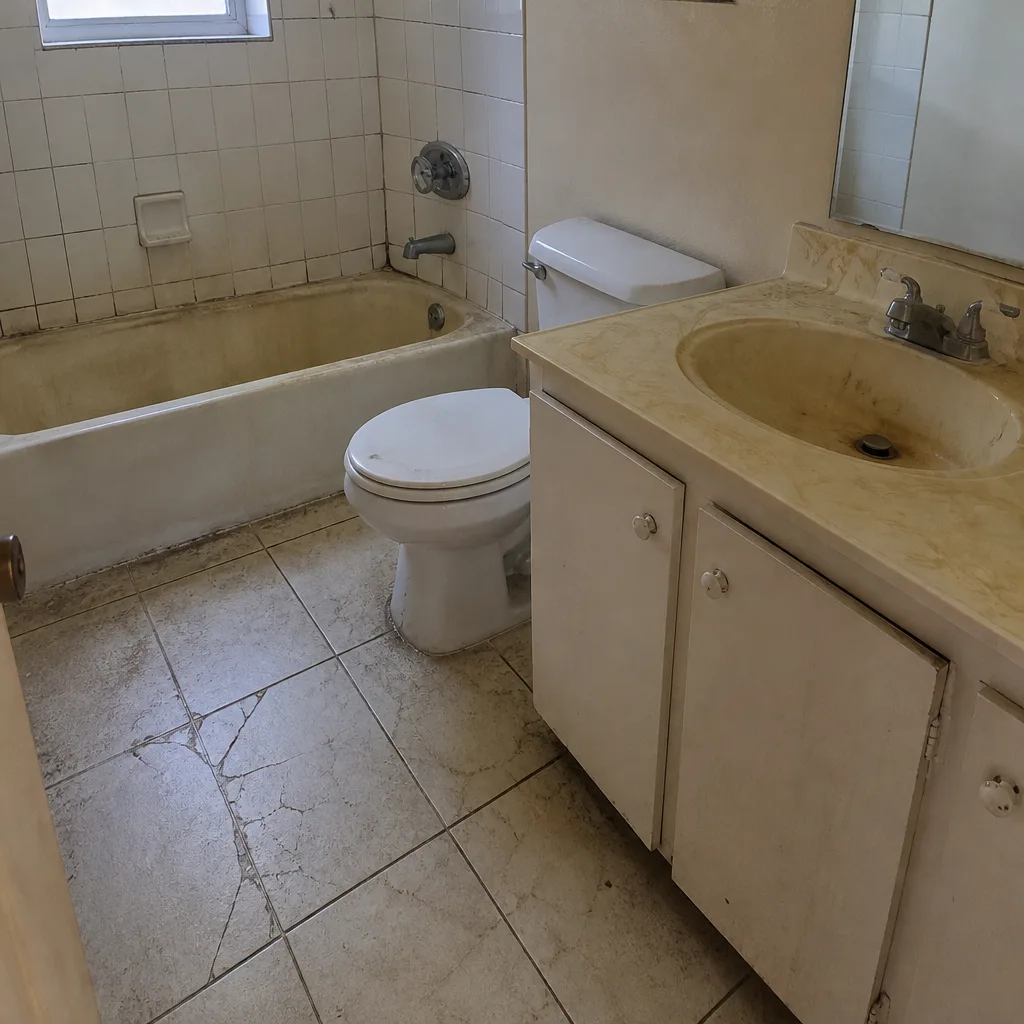 Before
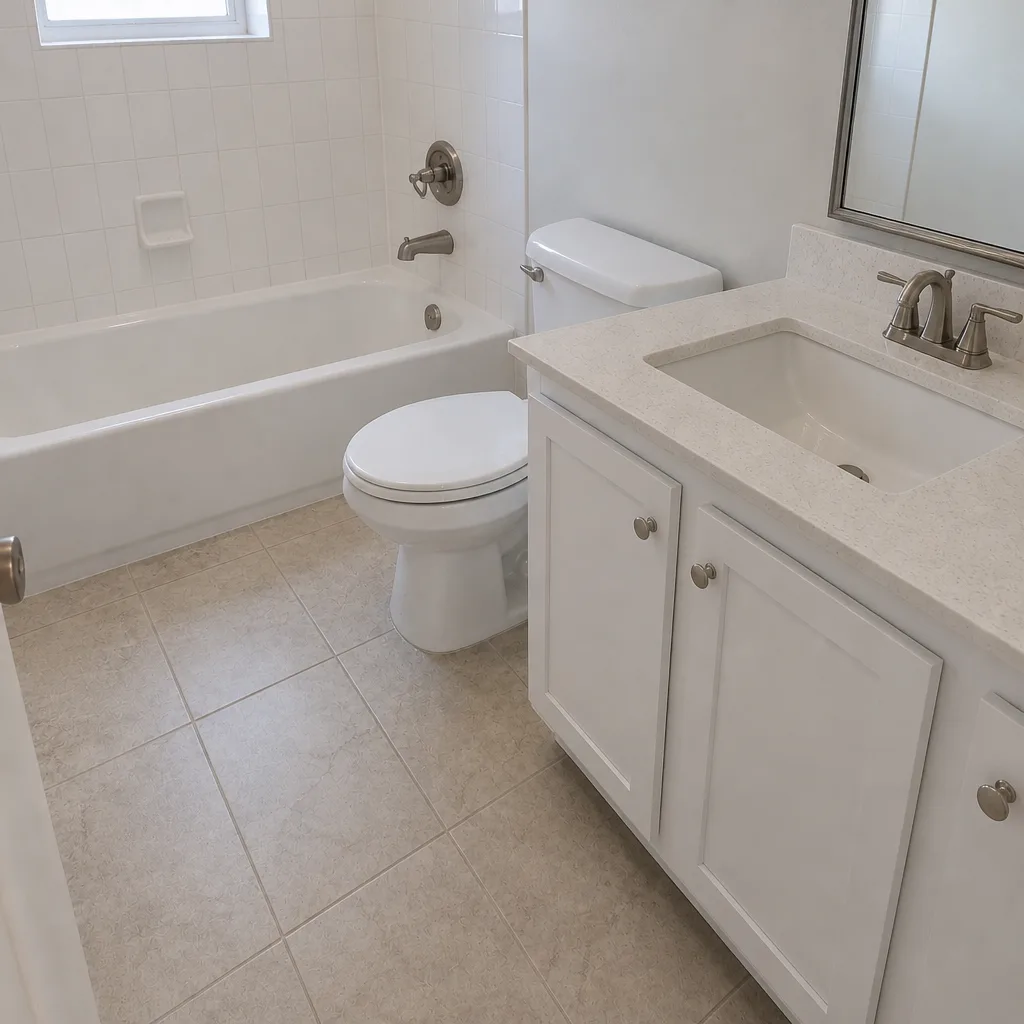 After
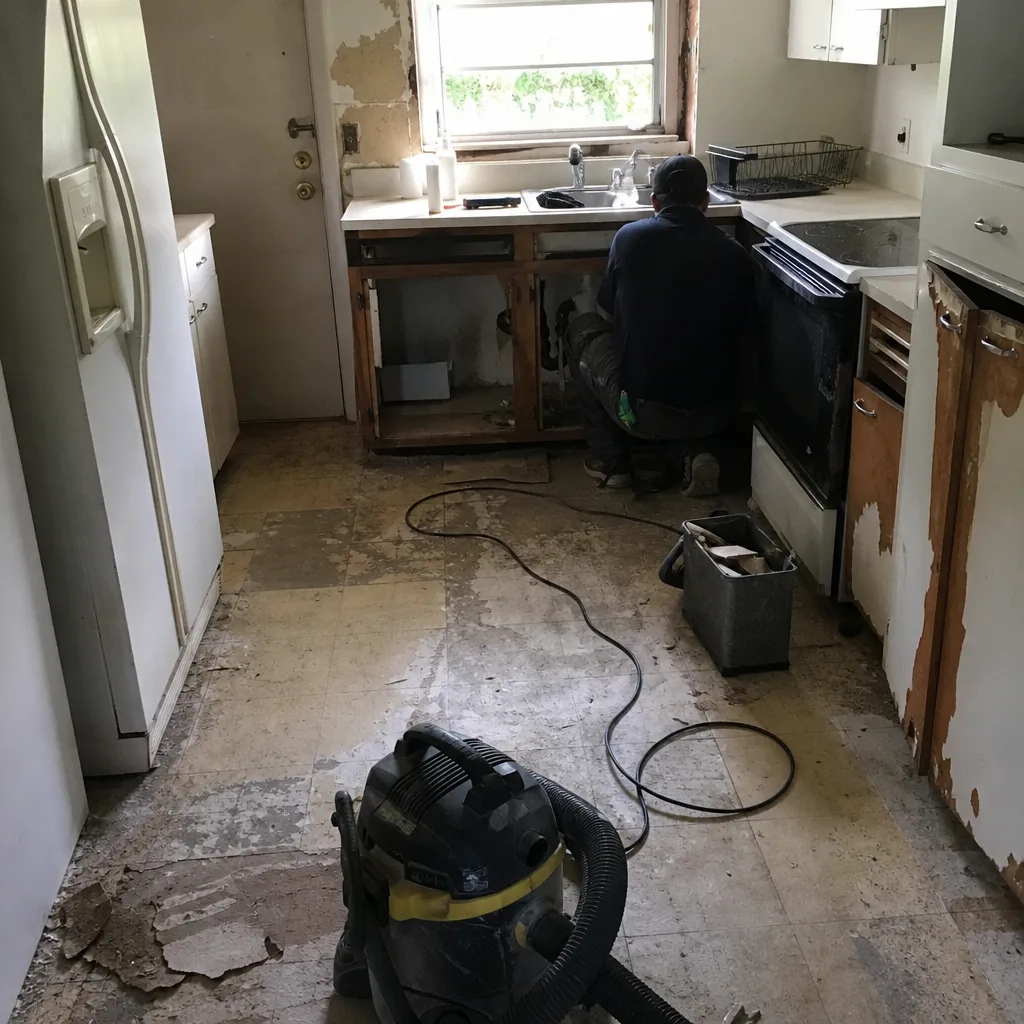 Before
 After
How to Stain a Wood Fence in The Hammocks, FL (And Why Timing Matters More Than Technique)
Stain your fence between late November and mid-April. That window is the short answer for The Hammocks, FL, and it lines up with everything else: relative humidity below 70% for weeks at a stretch, no afternoon thunderstorm chewing up your cure time, and wood that’s actually dry enough to absorb a penetrating coat. Stain between June and October and the humidity blocks penetration while the rainy season wipes out your finish before it bonds. If you want a spec-backed plan for your specific fence, call (844) 761-9356 and a live person answers, day or night, seven days a week.
National guides skip this part. Most of them teach application method as if weather were the same everywhere. In South Florida it isn’t, and the product category plus the calendar matter more than brush angle ever will.
What’s the Right Window for Staining in The Hammocks?
Late November through mid-April. That’s the annual opening, and it isn’t arbitrary.
Our subtropical humidity drops into a workable range during those months, which lets a penetrating stain sink into the grain instead of sitting on top of damp wood waiting to fail. The wet season functions as a hard stop: a stain applied in July may look fine on day one and go chalky or uneven within a few months once the daily storms do their thing. Watching the forecast is part of the job, not an afterthought. A single rain event during the cure window can push you back to square one.
The Hammocks adds a wrinkle. Because this is a master-planned subdivision built almost entirely between the 1980s and 2000s, whole streets reach the same fence milestone at once. When one neighbor’s privacy fence hits the end of its stain life, the block tends to follow within the same season. Plan your timing around the weather, then plan it again around the fact that everyone on your street is doing the same thing.
Which Stain Actually Survives South Florida Sun?
A penetrating oil-based stain with UV inhibitors rated for USDA Hardiness Zone 10 or 11. Anything less tends to give you one season, maybe two.
Here’s the chemistry that matters. Penetrating stains soak into the wood fibers and let moisture move through rather than trapping it. Film-forming solid stains sit on the surface like paint, and in The Hammocks’ humidity that film turns into a trap: moisture pushes up from below, the film peels, and you’re left sanding a mess off your fence in year two. The heat and sun load here rival tropical destinations on the UV index, so a stain without serious UV blockers will fade and gray out faster than the label suggests.
Most big-box stains aren’t labeled or formulated for this exposure. Read the back of the can before you buy, and if you can’t find a Zone 10 or 11 rating, keep looking. When Groundwork Construction Co. of The Hammocks installs fencing, the materials are spec’d for South Florida from the start, including brands like PGT and ES Windows for exterior components that have to hold up to the same sun and storm exposure.
What to Look For on the Label
- Penetrating oil-based formula – not a surface film
- UV inhibitor rating tied to Zone 10 or 11
- Explicit coverage rate in square feet per gallon, so you can size the job honestly
- Recoat guidance that matches a humid climate, not a dry one
How Long Before New Pressure-Treated Wood Can Be Stained Here?
Ninety to 120 days, not the 30 days most national guides quote. Our ambient humidity slows how fast treated lumber sheds its mill moisture, and staining too early seals that moisture in. The finish fails from the inside out and you’ll never figure out why.
For an existing fence that’s already been up a while, the test is the same regardless of climate: sprinkle water on a board. If it beads, the wood is still closed off. If it soaks in and darkens the grain, you’re ready to work. Do this in three or four spots, because fence boards age unevenly, especially on the side that takes the afternoon sun.
Staining itself is honest work you can do yourself. What we won’t walk you through is climbing a tired fence or muscling a heavy sprayer on an uneven grade. Ladder work over a fence line is where homeowners get hurt, and a fall from six feet is a bad afternoon. If the fence is tall, damaged, or on uneven ground, bring in a trained professional.
What Does It Cost to Stain a Fence in The Hammocks?
Professional fence staining in The Hammocks typically runs $3,500 to $9,000 depending on fence length, condition, prep work needed, and whether any panels are repaired before the stain goes down. A full fence replacement sits in the same range: Fence Installation for a vinyl fence in The Hammocks runs $3,500-$9,000, and an aluminum fence runs $4,000-$10,000.
Here’s the comparison most homeowners actually want:
| Option | Typical Range (The Hammocks) |
|---|---|
| Professional stain (wood fence, mid-size lot) | $3,500-$9,000 |
| Vinyl fence installation | $3,500-$9,000 |
| Aluminum fence installation | $4,000-$10,000 |
Worth weighing carefully: if the wood underneath is sound, staining buys you years. If boards are soft, warped, or sagging, stain money is wasted and replacement is the smarter call. See the full scope on our Fence Installation in The Hammocks page. Groundwork projects carry the 730-Day Done Right Promise, so if a fence we installed doesn’t hold up, we make it right. Pricing is upfront, and projects over $10,000 come with $1,000 off, plus 0% financing for 18 months if you’re replacing rather than staining.
Should You DIY or Bring in a Pro?
DIY is realistic for a healthy fence, a small yard, and a careful weekend in the dry season. Bring in a pro when the fence is tall, uneven, weathered past saving, or when you’re not confident about product selection.
What makes the difference in The Hammocks isn’t application skill as much as product knowledge, timing discipline, and knowing when the wood is actually ready. Our technicians have up to 12 years of experience and are background-checked, uniformed, and trained to catch problems before they cost more later. New to the area? Start with our home page to see the range of work we take on, or dig into related guides below.
Related Guides
FAQs
Clean it, then let it dry fully before anything else. In The Hammocks that means washing with a mild cleaner to strip dirt, mold, and old surface growth, then waiting several dry days before the first coat. Skip this and the stain won’t bond.
It’s a bad bet between June and October. The wet season brings daily storms that interrupt cure time and can wash a fresh coat before it sets, and the humidity blocks penetration in humid wood. Late November through mid-April is the reliable window.
A penetrating oil-based stain with UV inhibitors rated for USDA Zone 10 or 11. Film-forming solid stains trap moisture and peel within a season in this climate. Look for the zone rating on the label. Call (844) 761-9356 for product guidance if you’re unsure.
Roughly every two to three years with a quality penetrating stain. South Florida’s UV index will break down even good products faster than in northern climates. If your fence starts graying early, you waited too long.
If you’d rather have it looked at, Groundwork Construction Co. of The Hammocks offers a no-pressure assessment in The Hammocks. Call (844) 761-9356 for a free estimate, and a live person picks up any hour, any day.
Written by the team at Groundwork Construction Co. of The Hammocks, serving The Hammocks, FL.