
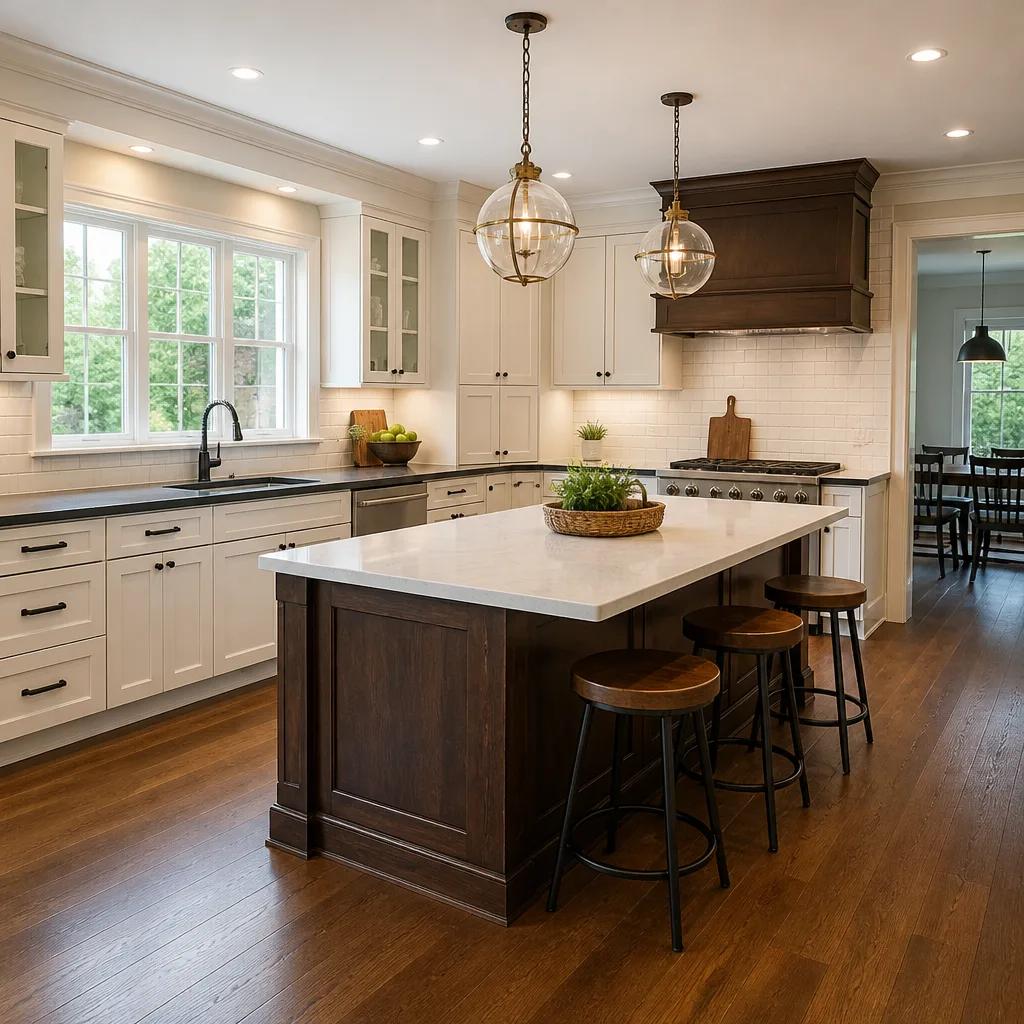
 Kitchen remodeling
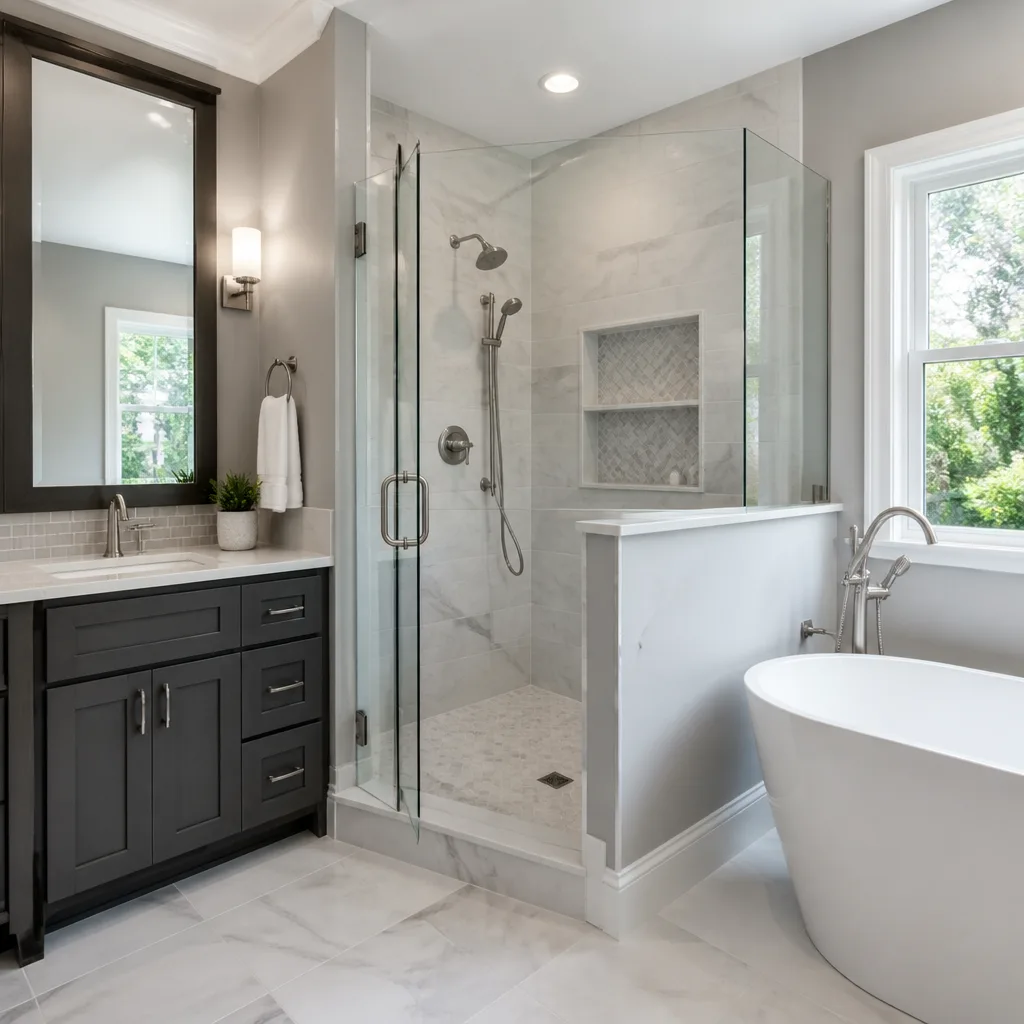 Bathroom remodeling
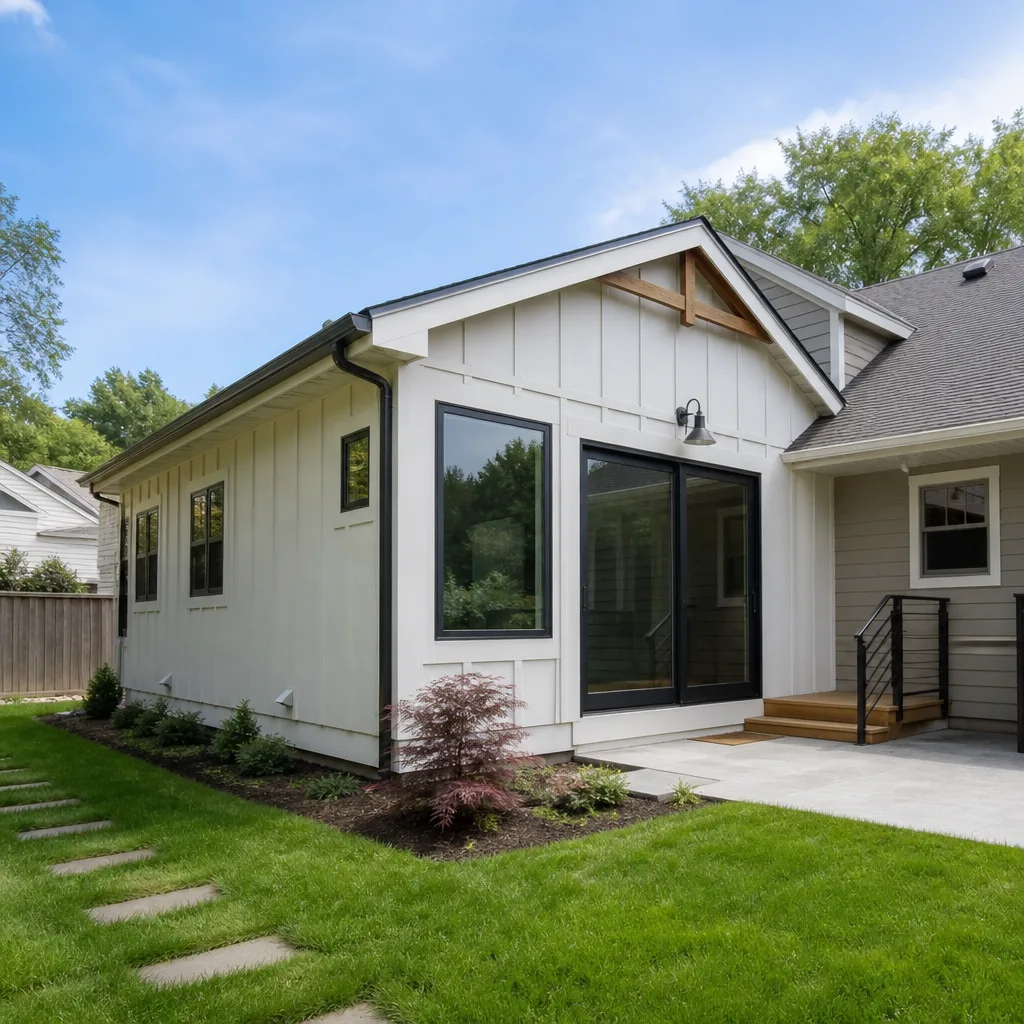 Home additions & ADU
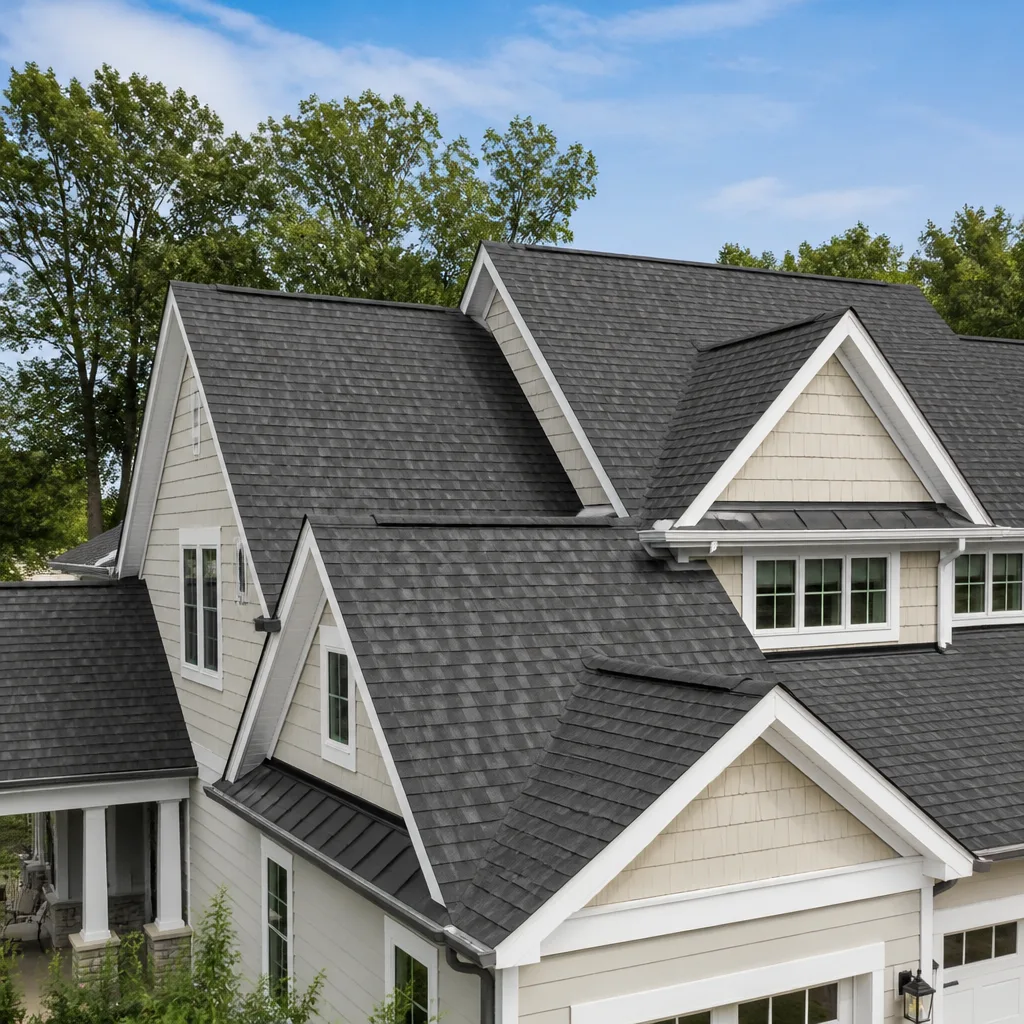 Roofing
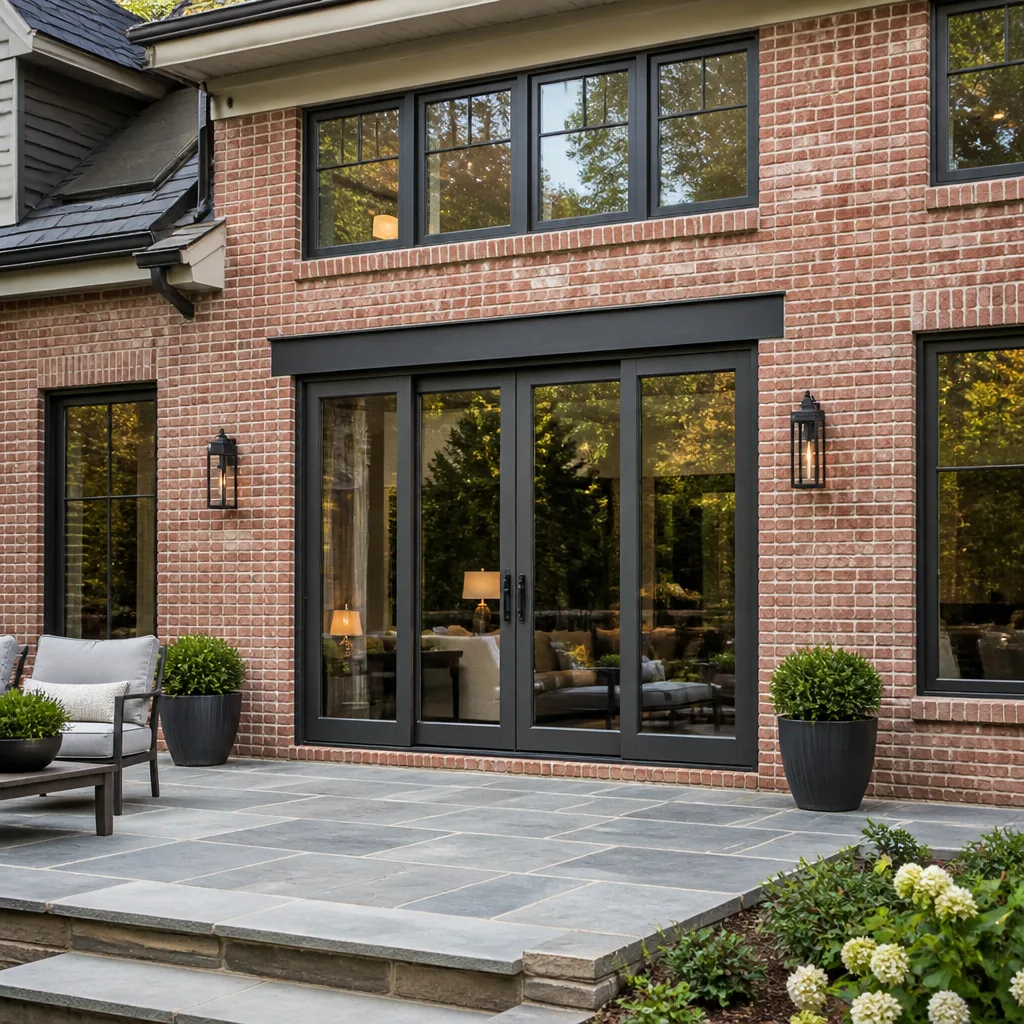 Windows & doors
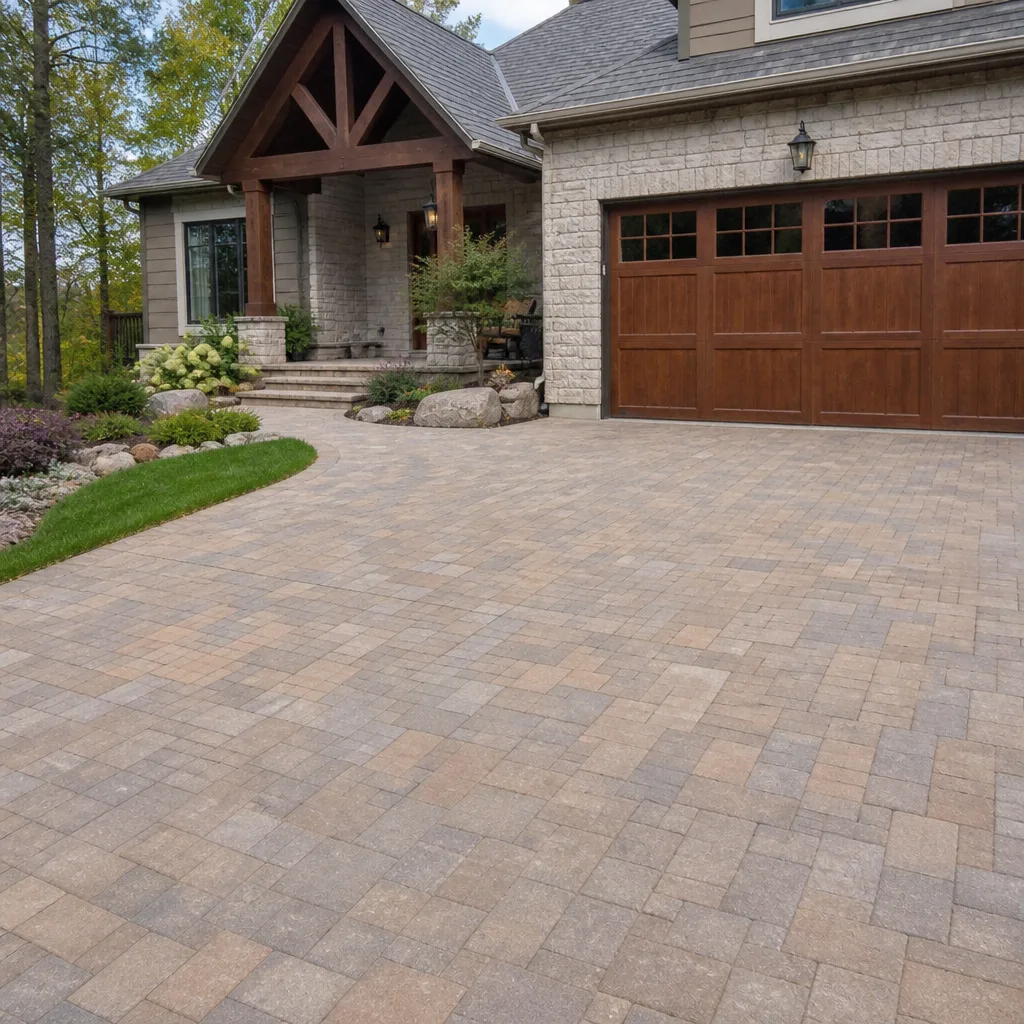 Driveway & pavers
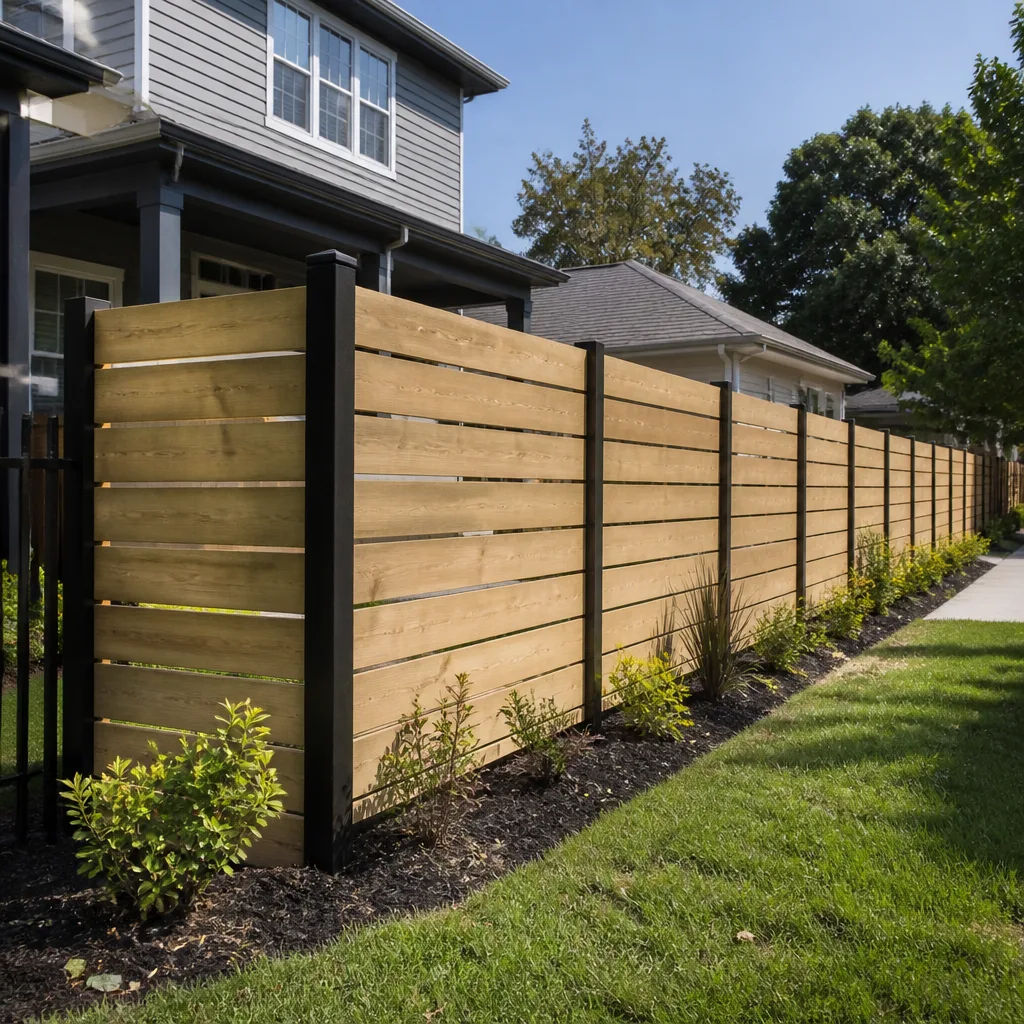 Fence
Free written scope consultation - allowances, timeline, and change-order rules on paper before a single trade is scheduled
Styles & brands we work with
- Kitchen remodeling
- Bathroom remodeling
- Home additions & ADU
- Roofing
- Windows & doors
- Driveway & pavers
- Fence
See the difference
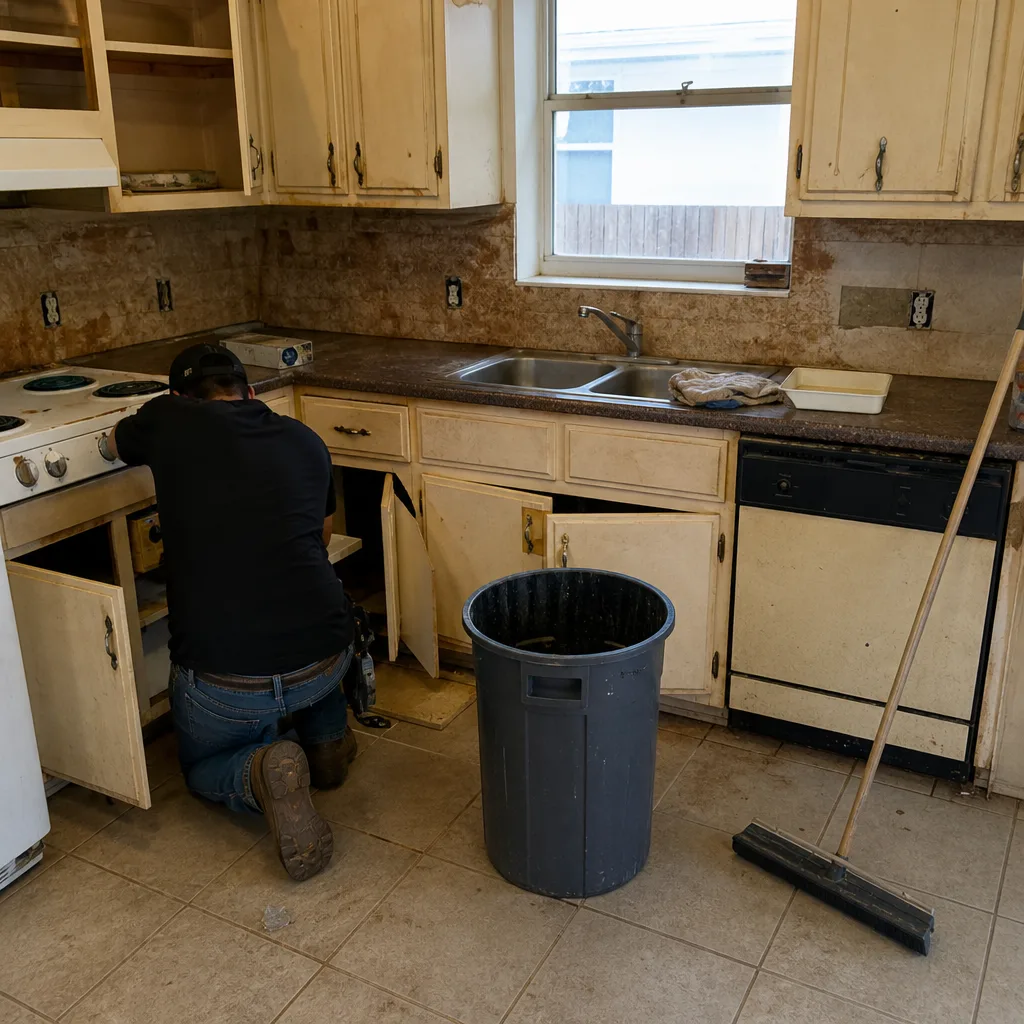 Before
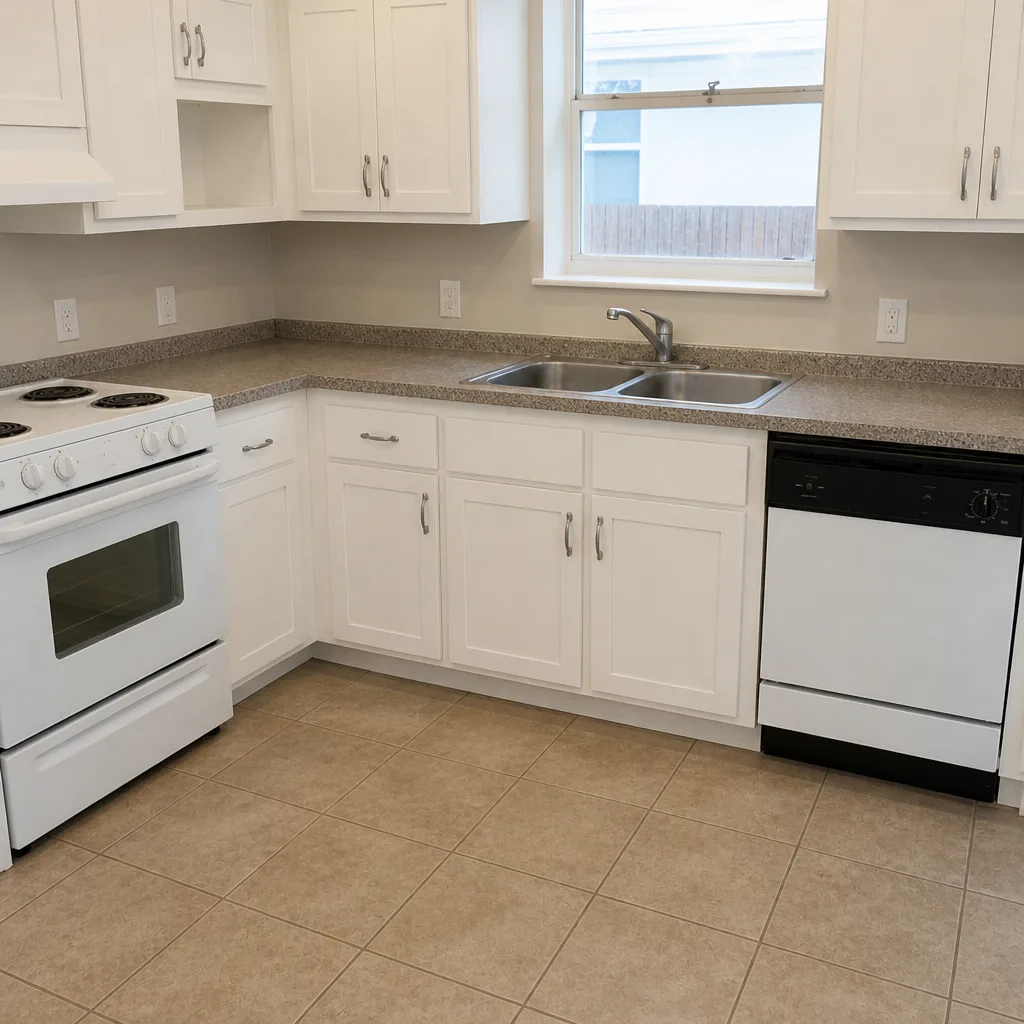 After
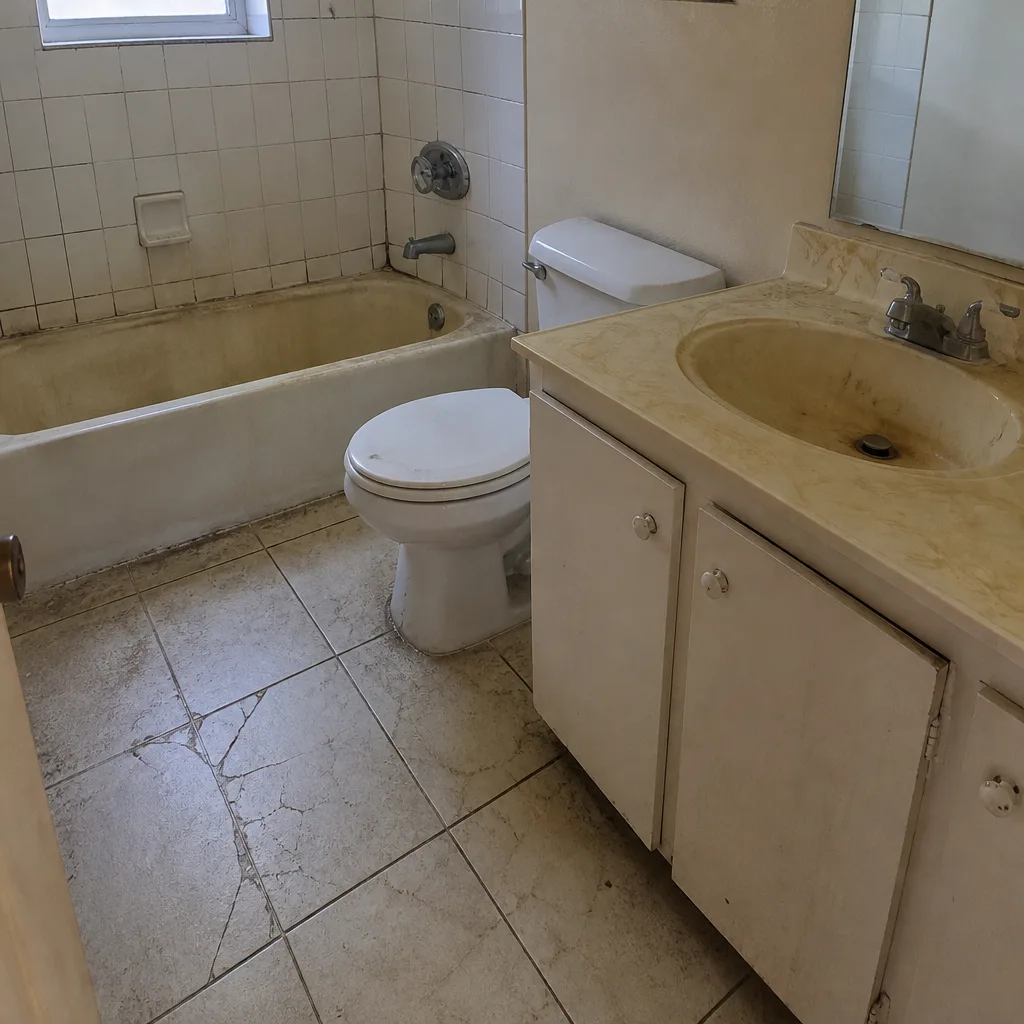 Before
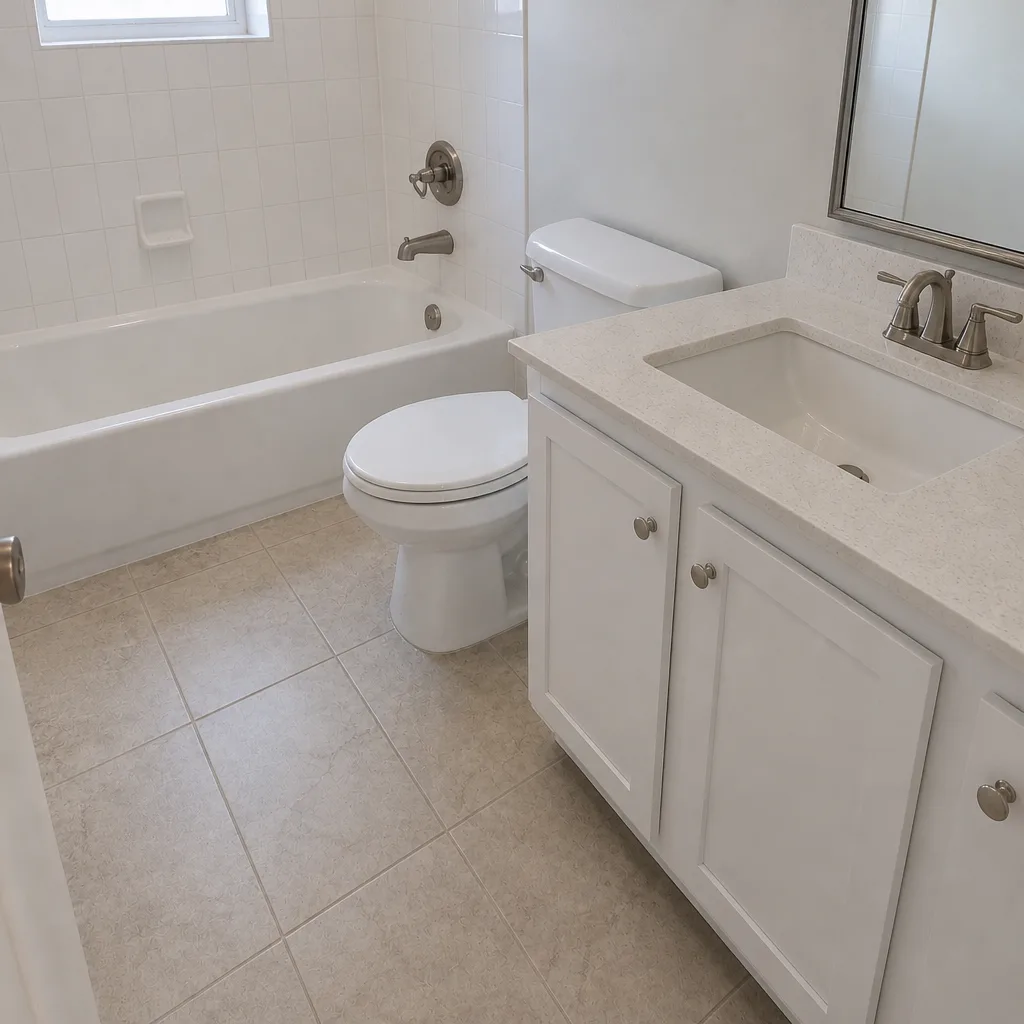 After
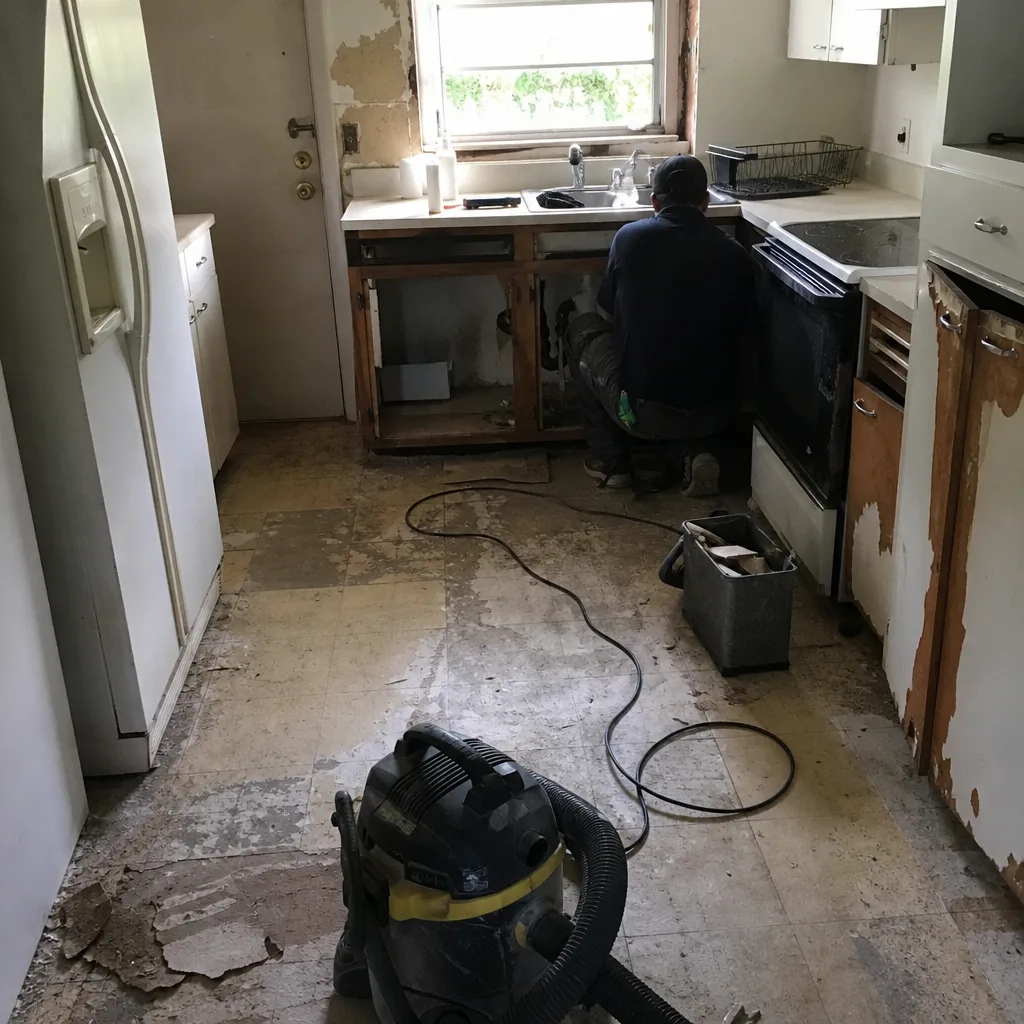 Before
 After
How Long Does a Roof Last in The Hammocks, FL? The Real Answer Is the Weakest Link, Not the Tile
The short answer: in The Hammocks, a roof lasts as long as its shortest-lived component, not the tile or shingle on top. Your concrete or clay tile may genuinely hold up 50 years. The felt underlayment and galvanized fasteners beneath it were never built for 30 Florida hurricane seasons. That gap is where leaks start, and it’s why an early-2000s home with a perfect-looking tile roof can already be overdue for a system inspection. If your home was built in that window, call Groundwork Construction Co. of The Hammocks at (844) 761-9356 for a no-pressure look before the next rainy season.
Why “50-Year Roof” Is a Marketing Number, Not a South Florida Lifespan
Manufacturer spec sheets quote the tile. They don’t quote what’s under it. In subtropical South Florida, intense summer sun, wind-driven rain, and year-round humidity break down the hidden layers long before the visible surface fails. Here’s how the components actually stack up:
- Concrete or clay tile surface: 40-50+ years. This is the layer everybody judges the roof by, and it’s the most durable part.
- Original ASTM D226 felt underlayment: 20-25 years under constant UV and thermal cycling. Most Hammocks homes built between 1985 and 2005 are at or past this threshold right now.
- Galvanized fasteners in high-humidity, salt-air air: 20-30 years before corrosion sets in. When they go, the decking fails – not in a dramatic way you can see, but quietly, from the inside out.
- Flashings and penetrations: 15-25 years, and the first place a water intrusion shows up around vents, valleys, and chimneys.
Read that list again. The tile might outlast the home. The system around it won’t. A “50-year roof” on a 2003 build in The Hammocks is really a 20-to-25-year roof that’s already been running past its window – even if every tile looks intact from the street.
The Post-Andrew Divide: Why Your Build Date Changes Everything
Hurricane Andrew in 1992 rewrote Miami-Dade’s building code, and the 1994 changes created a hard before-and-after line in roof construction quality. Homes built before 1994 have structurally different roof-to-wall connections than post-Andrew construction. Same tile on top. Very different real-world hurricane rating underneath.
That matters in The Hammocks specifically because the whole community was built as a master-planned tract development from the 1980s through the 2000s. Nearly every home is single-family concrete-block (CBS) with stucco walls and clay or concrete tile or shingle up top. Because the neighborhood went up in such a narrow window, whole blocks hit the same milestone at once. A 1988 block is now staring down a 35-plus-year-old roof system. A 2005 block is a decade behind but heading the same way.
Two roof systems, same appearance, different clock. That’s the pattern our technicians see again and again, and it’s why we document the original construction indicators – fastener type, underlayment spec, how the mortar was applied – whenever we re-roof a home here. You end up with an actual service record instead of a guess.
What actually determines how long your roof lasts
| Component | Typical service life | Fails how |
|---|---|---|
| Concrete/clay tile | 40-50+ years | Visible cracks or displacement |
| Felt underlayment | 20-25 years | Silent – leaks appear inside first |
| Galvanized fasteners | 20-30 years | Corrosion; decking loosens over time |
| Flashings | 15-25 years | Water intrusion at penetrations |
The lesson: lifespan is set by whichever of these fails first. In The Hammocks, that’s almost never the tile.
How Much Does a Roof Last-Inspection or Replacement Cost in The Hammocks?
You don’t have to guess what a fix runs here. These are the ranges we work from in this market:
- Roof inspection / minor repair: $400-$1,800
- Tile roof repair: $600-$2,500
- Full roof replacement: $8,000-$20,000
- Metal roof installation: $15,000-$40,000
If your home is a 1990s or early-2000s tract build and the original roof has never been touched, a repair is often the cheaper move for a single leak – but it doesn’t reset the clock on the underlayment or the fasteners. When several components are tired at once, a partial fix just delays the inevitable. Our Roofing team will tell you which side of that line you’re on, with upfront pricing so the number you see is the number you pay. There’s also $1,000 off projects over $10,000 and 0% financing for 18 months if a full replacement is where you land.
Common Local Scenarios We Walk Into in The Hammocks
A few recurring situations our technicians find on this side of Kendall:
- The “perfect tile” call: A homeowner sees no visible damage, but a ceiling stain appeared after a summer storm. Almost always underlayment or a flashing, not the tile.
- The 1990 fastener problem: Tiles look fine, but decking has loosened as the original fasteners corroded – no exterior warning until it’s serious.
- The whole-block wave: One neighbor’s re-roof triggers a run of copycat projects down the street. When a whole 1980s block hits the same vintage together, that pattern is real.
- The pre-1994 retrofit question: Older homes weighing whether to upgrade roof-to-wall connections during a re-roof rather than just replace tile on old framing.
This is where brand partners matter. When we specify a system, it’s GAF or CertainTeed underlayment paired with proper fasteners rated for the High-Velocity Hurricane Zone – not whatever’s cheapest that week. Built to last, backed in writing. Our The Hammocks service area page covers the full scope of what we handle here, from roofing to the interior remodeling that aging kitchens and baths also need.
Why the First Two Hurricane Seasons Matter More Than the Tile Warranty
Most contractors hand over a one-year workmanship warranty. That expires before the second storm season ever tests the work. Roofs don’t fail in the calm months; they fail when wind-driven rain and hurricane gusts hit the seams and flashings. The highest-risk window for a new install is the first two storm seasons.
That’s exactly why Groundwork’s 730-Day Done Right Promise extends 730 days, not 365. If it’s not done right, we make it right. It’s one of the longest workmanship guarantees in the residential construction space, and it’s built on the reality that a roof has to survive back-to-back hurricane seasons before you can trust it. Our technicians have up to 12 years of experience, calls are answered by a live person 24/7, and every technician arrives background-checked and in uniform.
FAQs
The tile itself can last 40-50+ years, but the underlayment and fasteners beneath it typically last 20-30 years in this climate – so the real roof system lifespan is closer to 20-30 years, not 50. If your home was built between 1985 and 2005, the hidden layers are at or past that mark. Call (844) 761-9356 for an inspection that checks the components, not just the surface.
For a single isolated leak, repair at $400-$2,500 is usually cheaper. But if the underlayment or fasteners are near end of life, a repair won’t reset the clock – replacement at $8,000-$20,000 is the only fix that does. We’ll tell you honestly which applies. Estimates are free and pricing is upfront, so call (844) 761-9356 for an exact quote.
Yes. The most common failure in The Hammocks is underlayment or fastener corrosion underneath intact tile, which leaves no exterior warning until water shows up inside. A proper inspection checks the decking, fasteners, and flashings, not just the visible surface. Call (844) 761-9356 to get one scheduled before the next storm.
They often do. Pre-1994 Miami-Dade roofs have different roof-to-wall connections than post-Andrew construction, so their real hurricane rating is lower than the same tile on a newer home. A re-roof is the moment to address those connections, not just roll new tile on old framing. Call (844) 761-9356 to talk through your home’s build date.
If you’d rather have it looked at than guess from the ground, Groundwork Construction Co. of The Hammocks offers a no-pressure roof assessment in The Hammocks – call (844) 761-9356. We’ll check the components under the tile, give you a straight answer on remaining life, and back any work with the 730-Day Done Right Promise. Live person, 24/7. Upfront pricing, no surprises.
Written by the team at Groundwork Construction Co. of The Hammocks, serving The Hammocks, FL.