
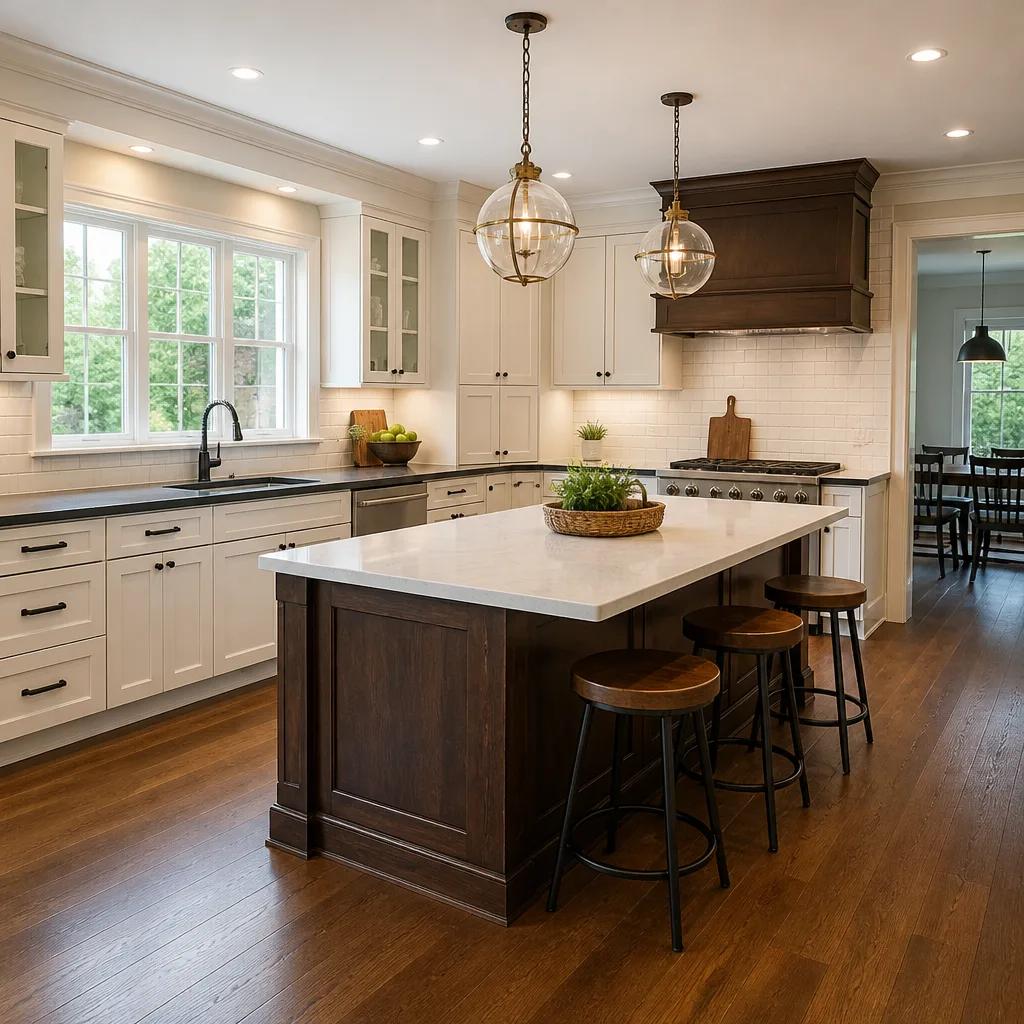
 Kitchen remodeling
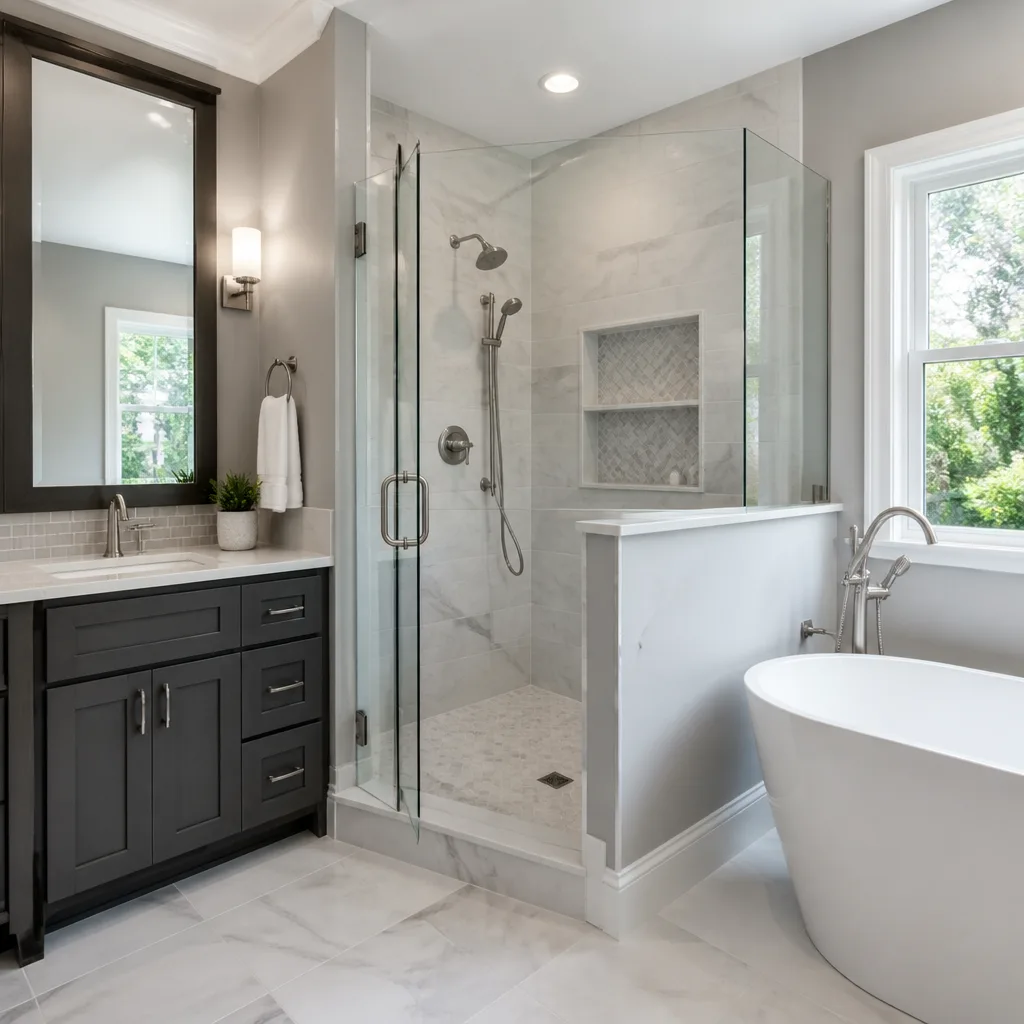 Bathroom remodeling
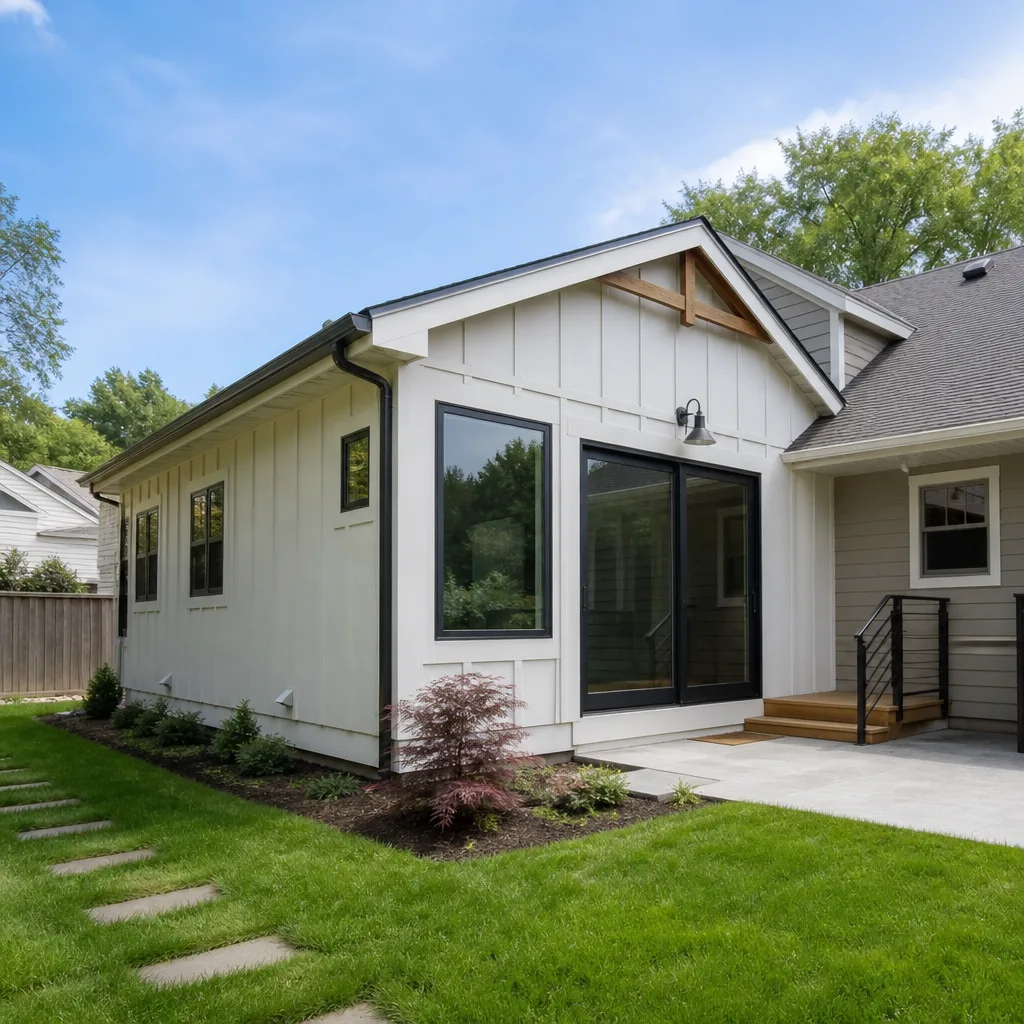 Home additions & ADU
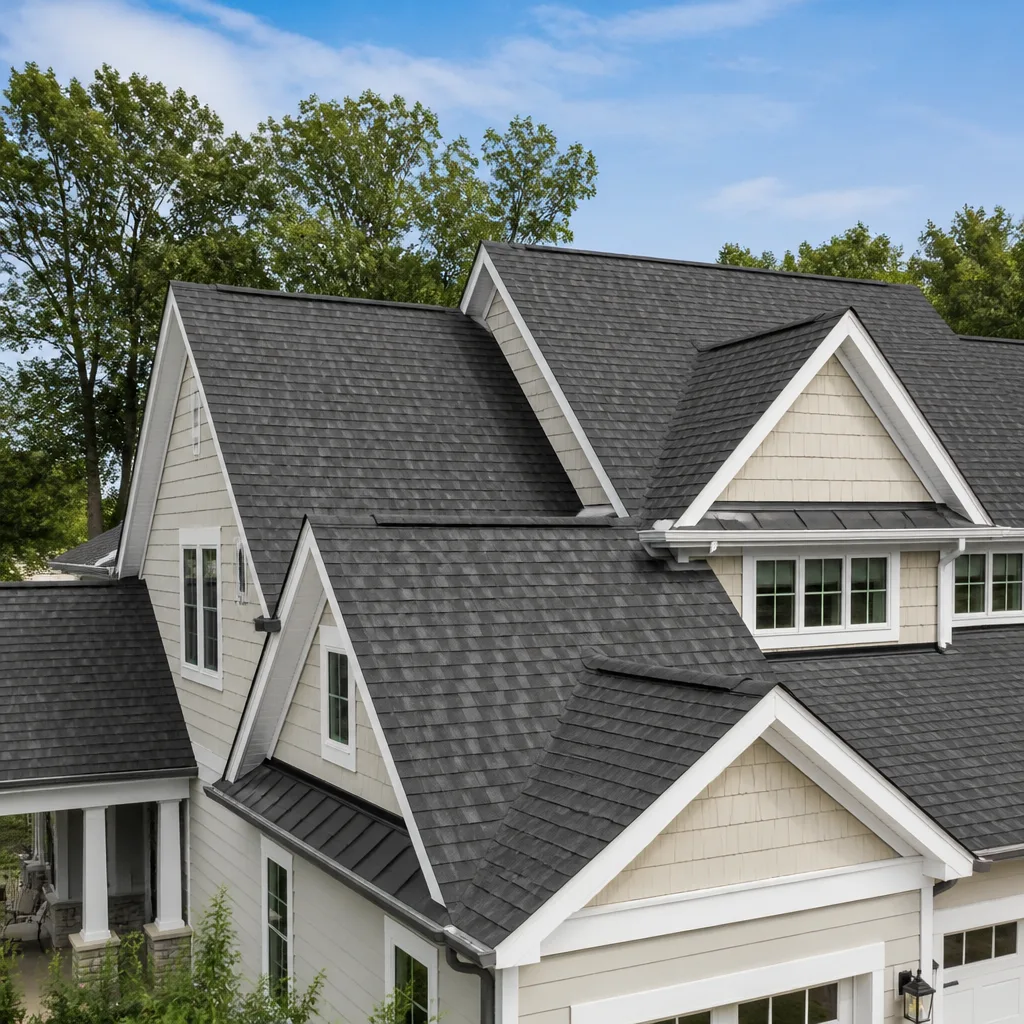 Roofing
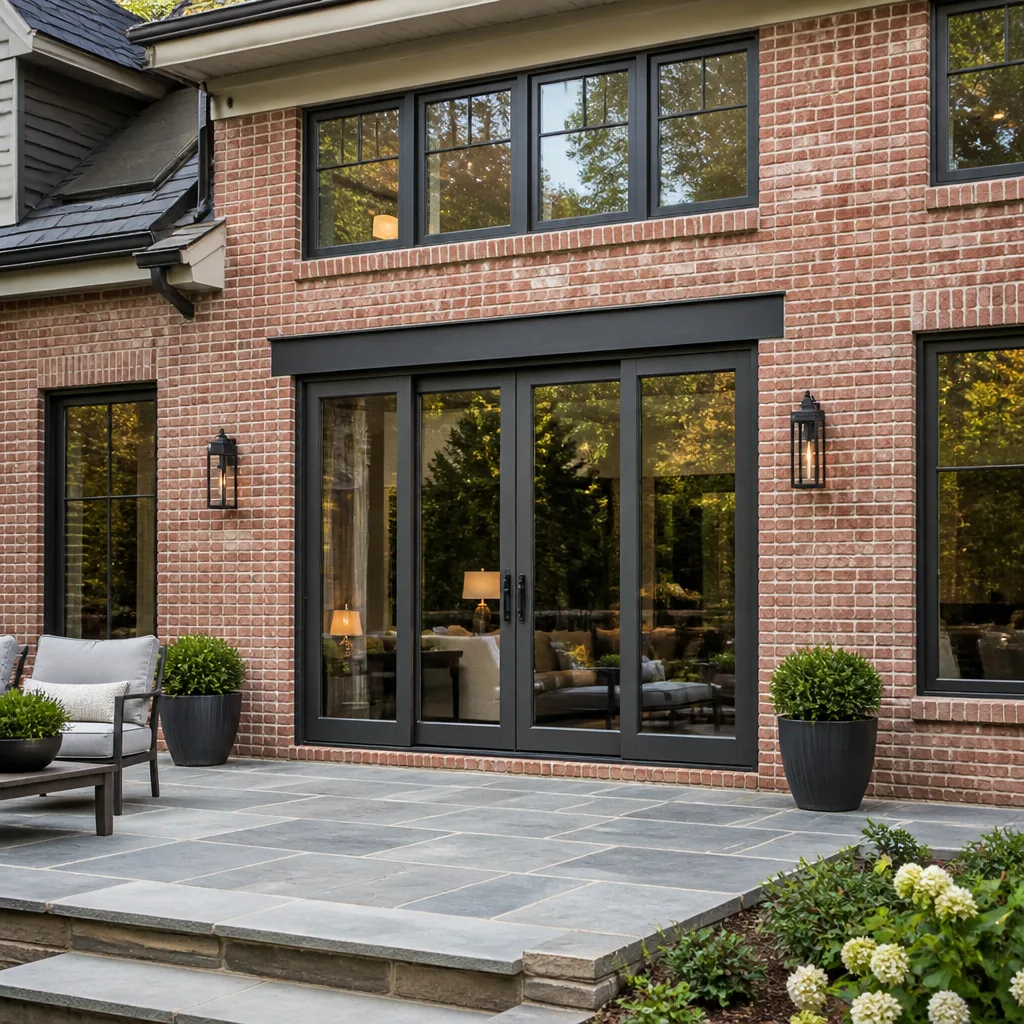 Windows & doors
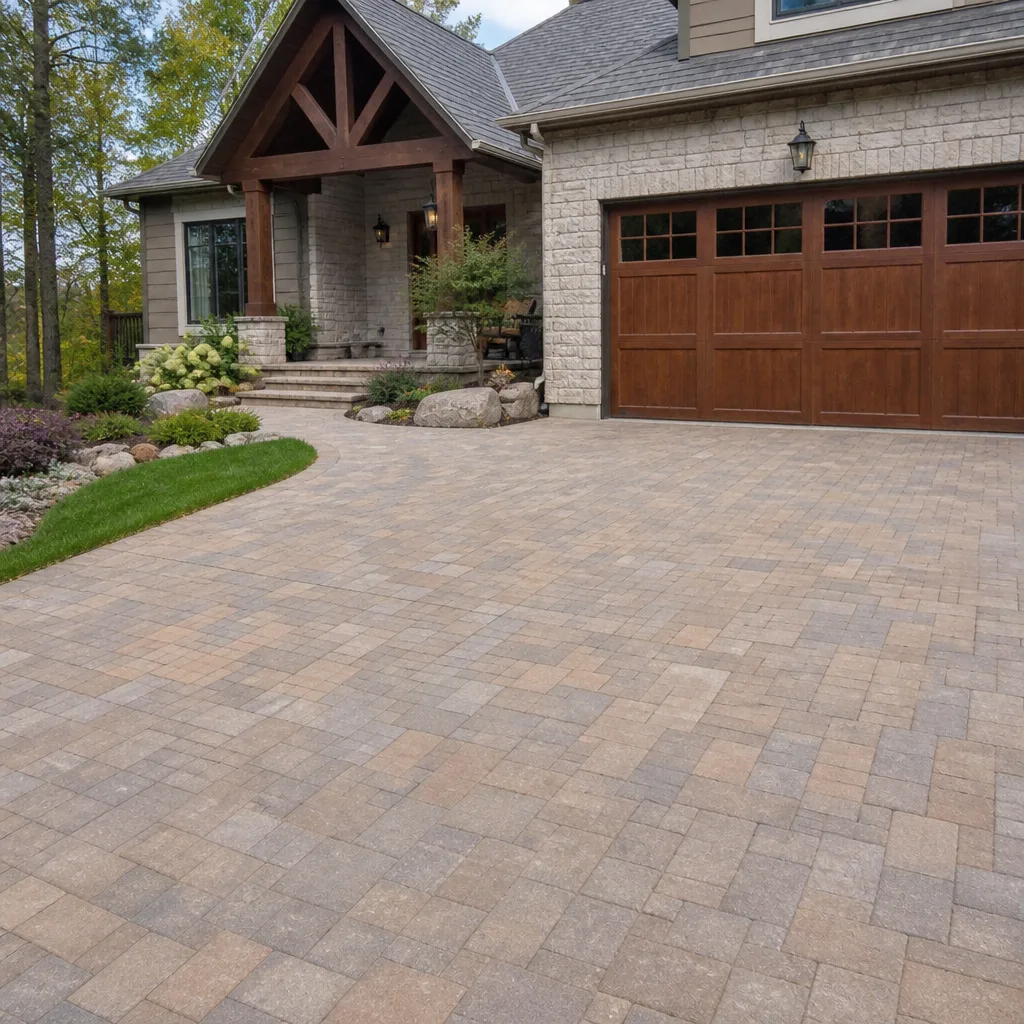 Driveway & pavers
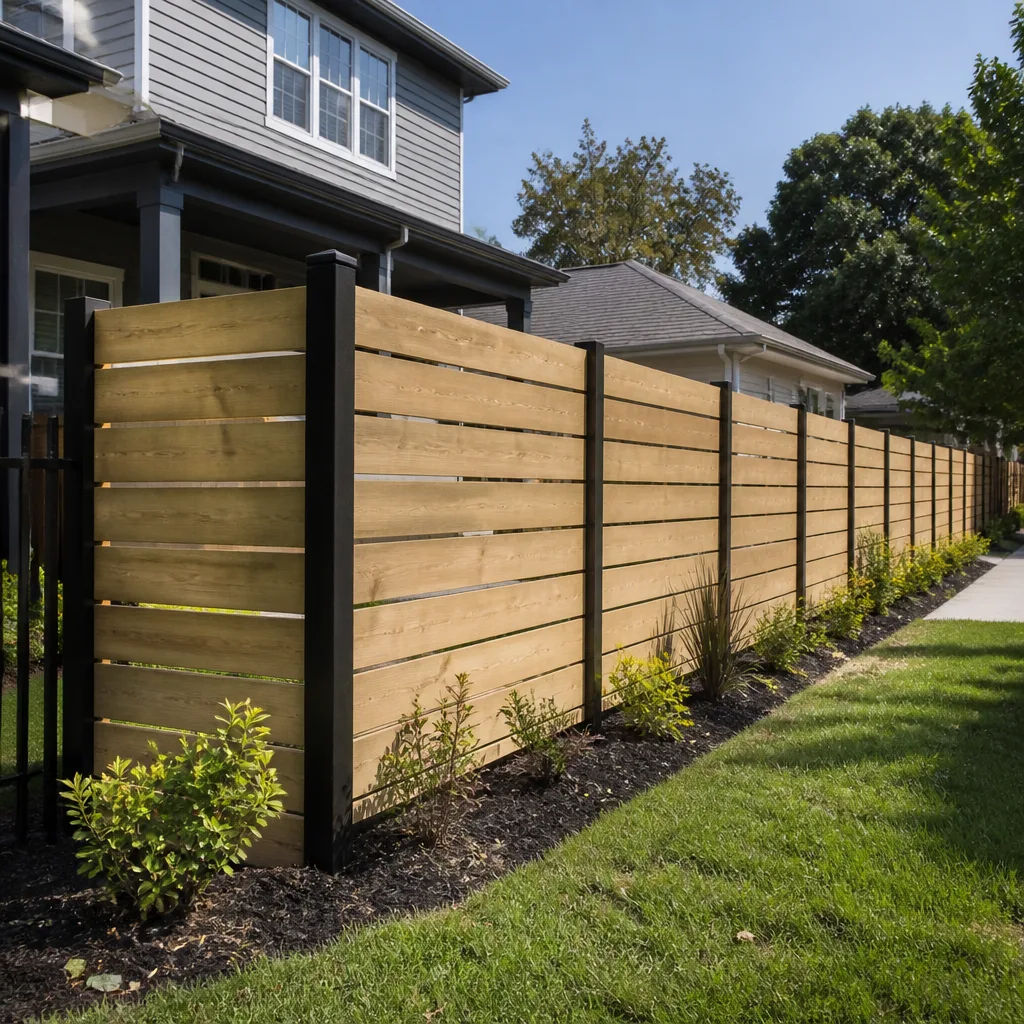 Fence
Free written scope consultation - allowances, timeline, and change-order rules on paper before a single trade is scheduled
Styles & brands we work with
- Kitchen remodeling
- Bathroom remodeling
- Home additions & ADU
- Roofing
- Windows & doors
- Driveway & pavers
- Fence
See the difference
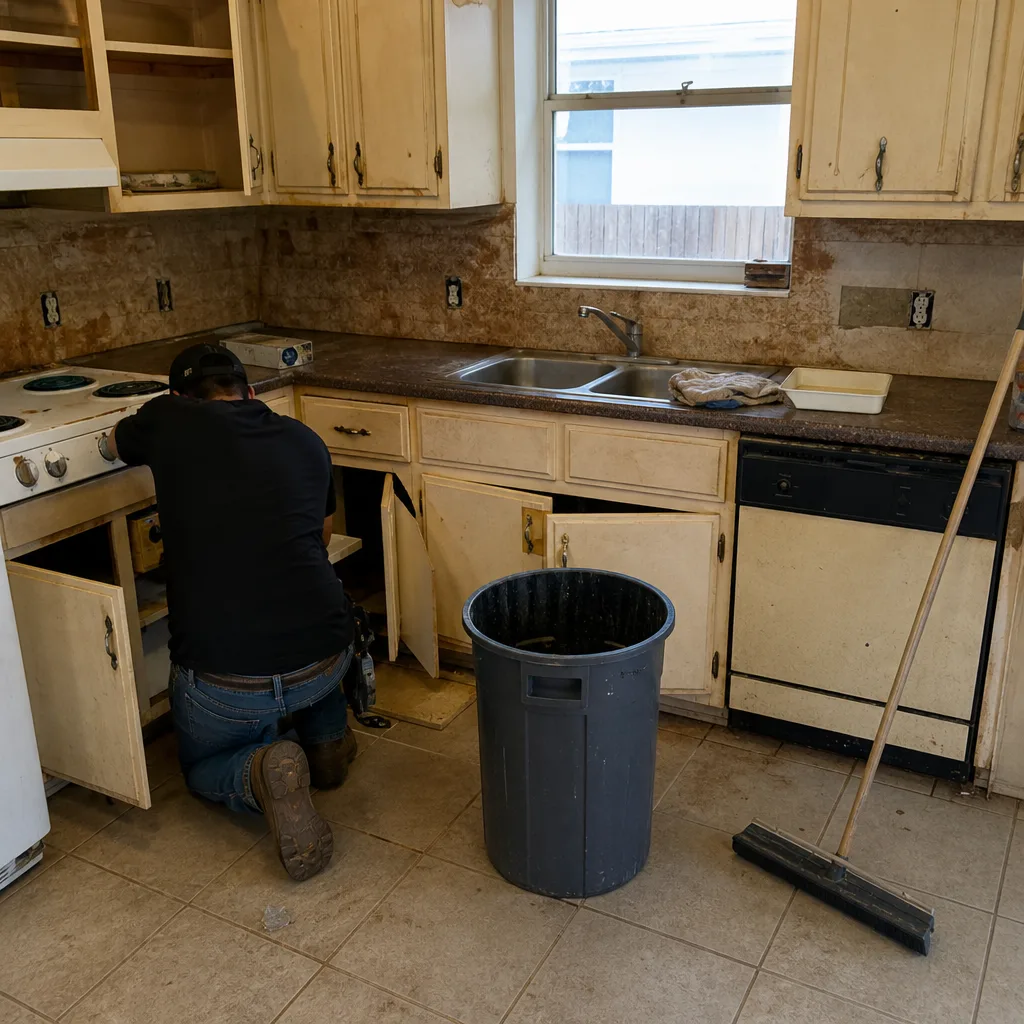 Before
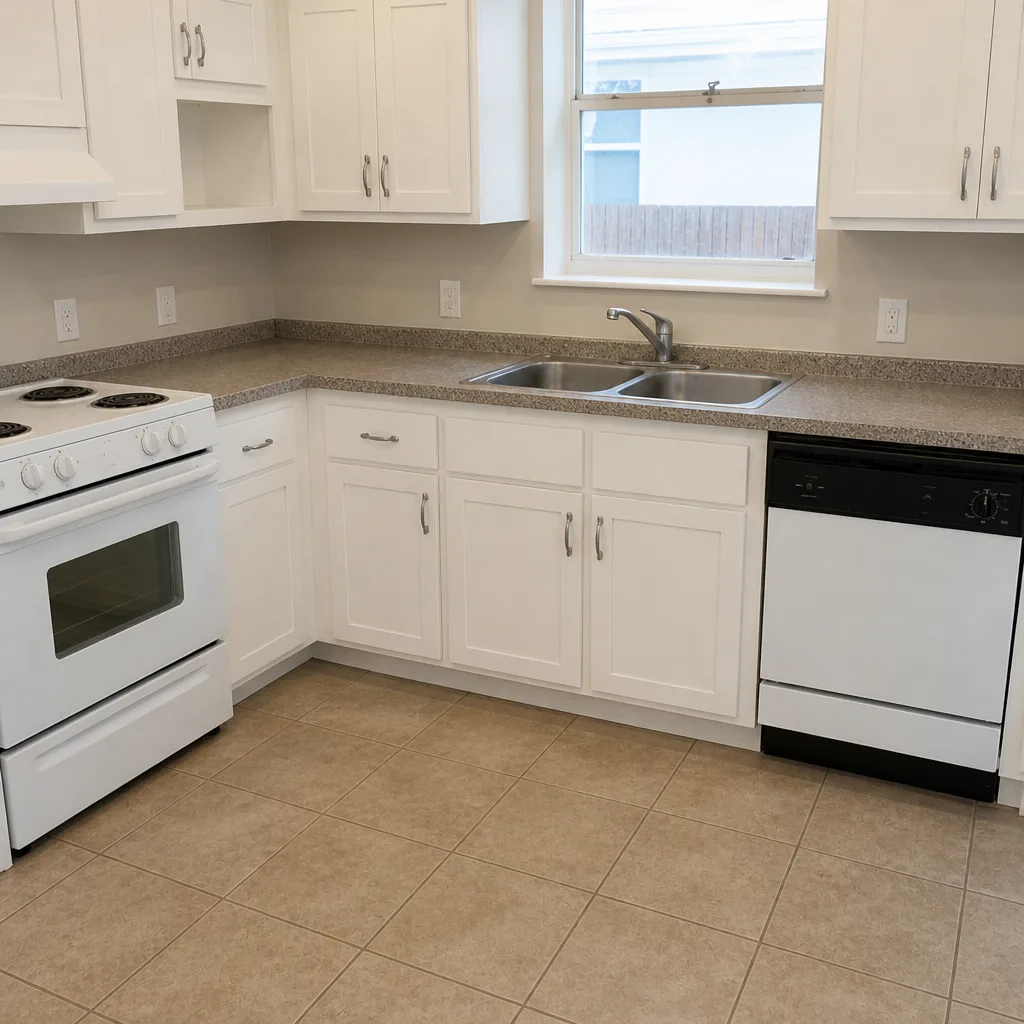 After
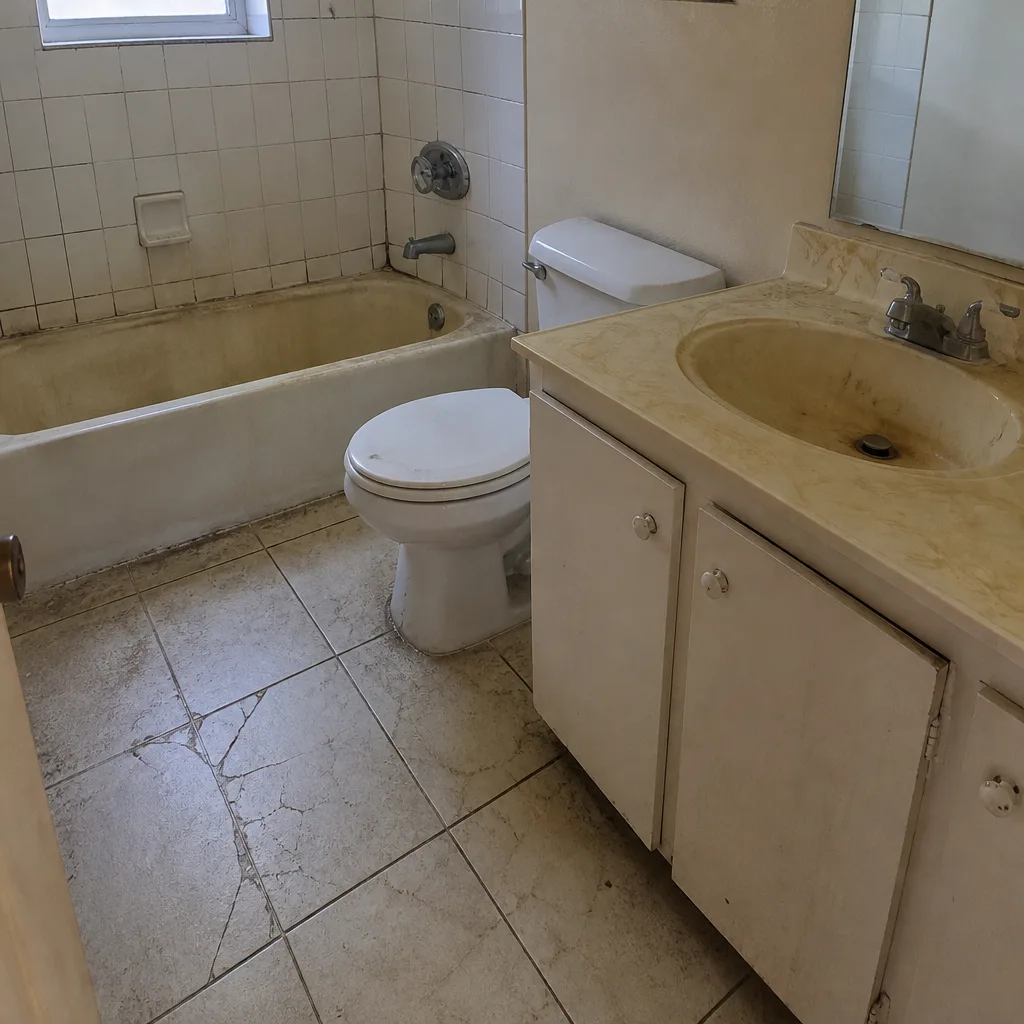 Before
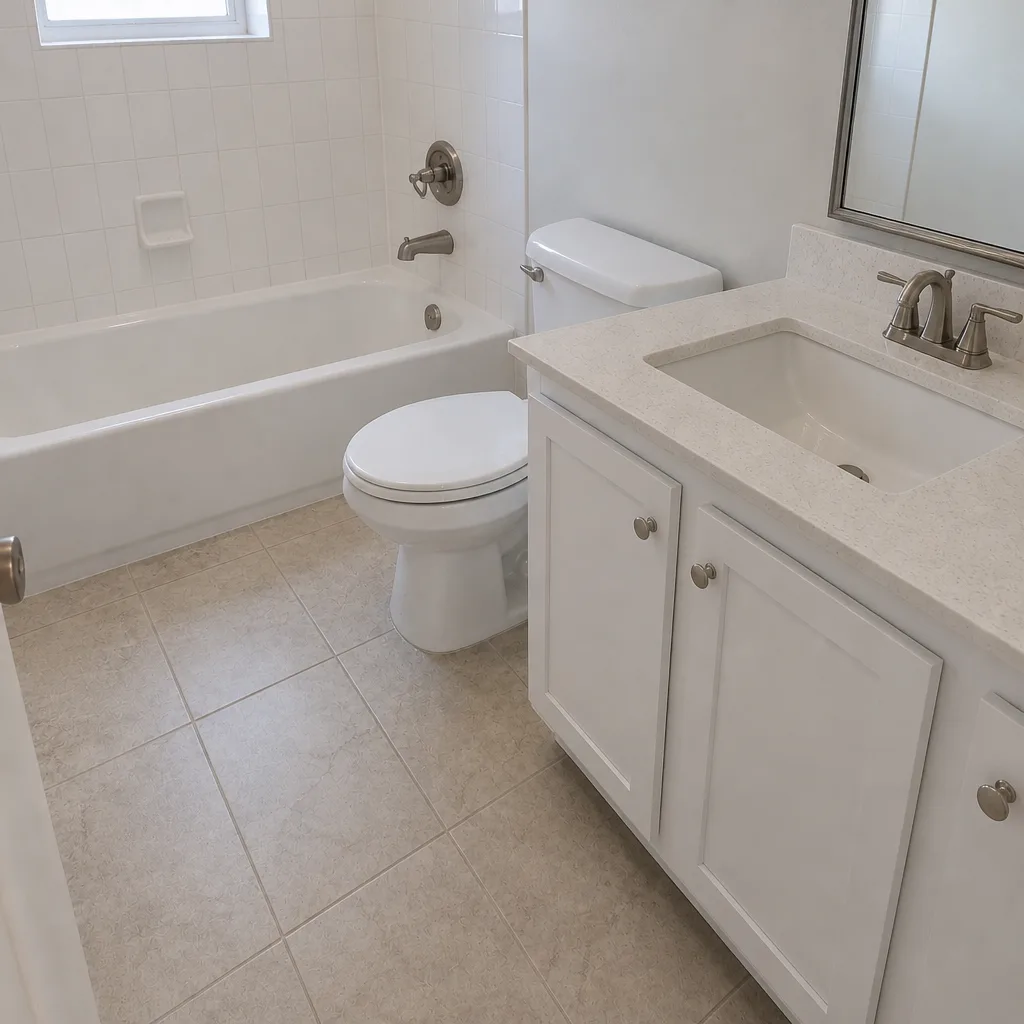 After
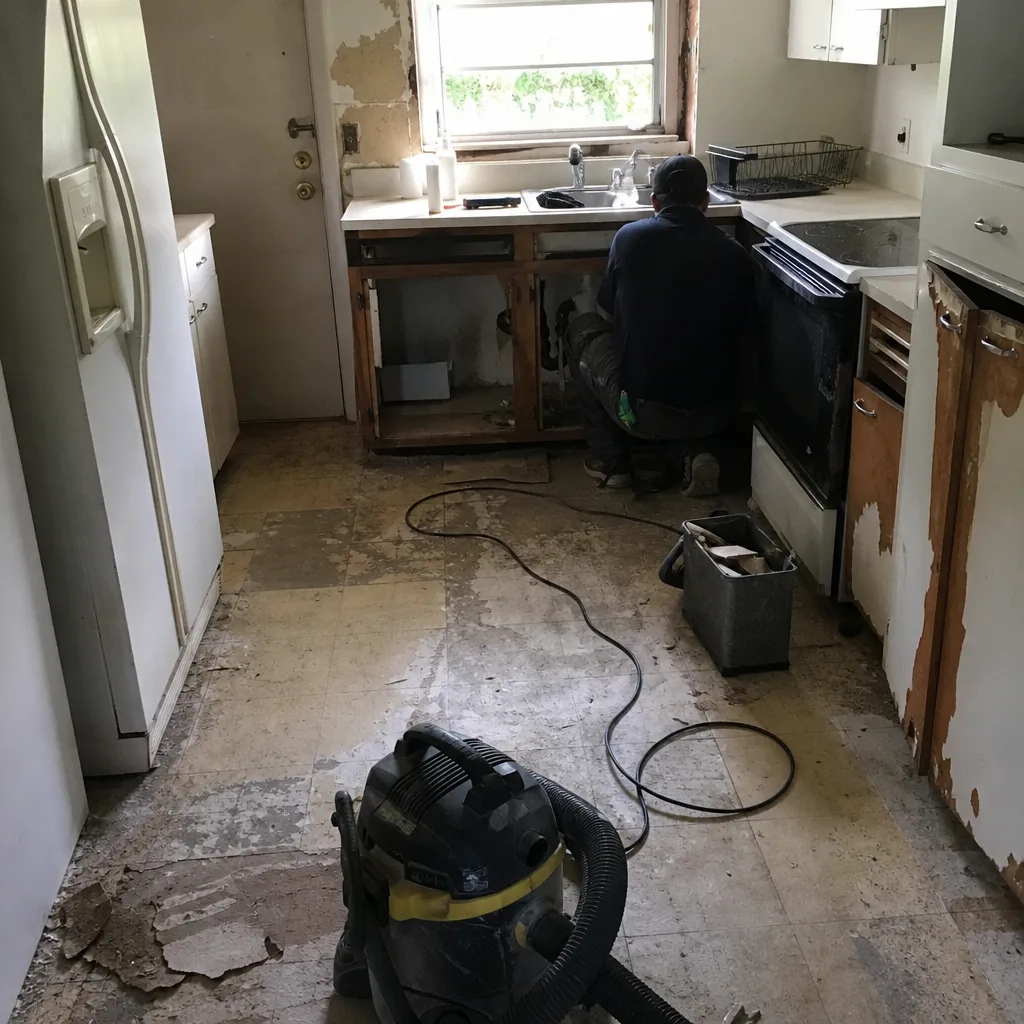 Before
 After
How Long Does a Tile Roof Last in The Hammocks, FL? The Answer Is Sitting Under the Tile
A tile roof in The Hammocks lasts about 20-25 years before the waterproofing fails, even though the tile itself can survive 50+ years. The tile is not the part that wears out first. The underlayment beneath it is. On this street-after-street stretch of unincorporated Kendall, most homes went up in the 1980s through the 2000s, all CBS block with stucco and concrete or clay tile, and whole blocks hit the same roof milestone within a year or two of each other. If your home still has original tile from that build window and you’ve never had a re-roof, the felt underneath is the thing telling you it’s time. Call (844) 761-9356 and we’ll put infrared eyes on it before you decide anything.
How long does a tile roof actually last in South Florida?
Judge the roof by the layer you can’t see. Under the tile, three lifetimes are running at once:
- The tile: 50+ years on concrete and clay, and often longer. Sun fade and a little color loss is normal and means nothing structurally.
- The underlayment: 20-25 years on the older organic felt, longer on modern synthetics. Attic temperatures here hit 140-160°F in summer, and that steady bake desiccates felt until it cracks like old paper.
- The mortar at ridges and hips: The first to let go. Thermal cycling opens the bond, and re-bedding or a dry-ridge replacement is a real line item at every re-roof that most online lifespan guides quietly leave out.
That’s the source of the confusion. The tile looks perfect, so the roof looks perfect, so the homeowner puts off a re-roof until a ceiling stain shows up in August. By then the water has been getting in for a while. The Roofing work we do across this part of Miami-Dade is mostly the second-generation kind: original tile coming off, new underlayment going down, and the tile going back on or getting replaced.
What to look for when you’re deciding whether to re-roof
Cracked and slipped tiles are the loudest clue, and they’re rarely from hurricanes. In The Hammocks, the more common cause is decades of foot traffic from AC technicians and satellite installers walking the same paths. Every broken tile is a direct opening for wind-driven rain to reach underlayment that’s already tired. Repair the tile and you’ve patched the symptom. The moisture path stays.
When you’re walking the yard or up on a ladder looking at eaves, use this to sort good from concerning:
- Loose or hollow-sounding tiles near ridges and hips: The mortar has let go. Expect re-bedding in the bid.
- Granules in the gutters or at the drip edge: On a tile roof that usually means felt wastage, not stone-coated wear.
- Rust streaks or discoloration on soffit and fascia: Fasteners and flashing are the usual culprits and often the first visible sign of underlayment failure.
- Ceiling or wall stains that appear only during heavy rain: Water is tracking under tile and finding a seam. Don’t wait for a second storm.
- A roof that’s passed its 20th birthday with original underlayment: Schedule the inspection, whether or not you see anything.
Here’s the code piece most homeowners don’t hear until bid day: Miami-Dade treats a tile re-roof as a full underlayment replacement, regardless of how good the tile looks. Any contractor who offers to “reuse your good tile” over worn felt isn’t giving you a shortcut. They’re proposing a job that won’t pass inspection. When we write a tile estimate for a Hammocks home, the underlayment replacement is the core line, and the tile decision (reuse vs. replace) comes after. That’s how the code wants it and how the roof actually lasts.
What does a tile roof cost in The Hammocks, and what’s in the number?
Upfront pricing is the first thing to insist on. A tile re-roof on a typical Hammocks home runs in the following range depending on square footage, tile type, whether the tile is reused, and whether ridges need dry-ridge conversion:
| Line item | Typical range in The Hammocks |
|---|---|
| Full tile roof replacement | $8,000-$20,000 |
| Tile roof repair (localized) | $600-$2,500 |
| General roof repair | $400-$1,800 |
| Metal roof installation (if you’re switching) | $15,000-$40,000 |
Every estimate we write is backed by the 730-Day Done Right Promise: if it’s not done right, we make it right. On a job that lives outside in hurricane country, that guarantee matters more than the tile brochure. And because large re-roofs stack up fast, we run 0% financing for 18 months plus $1,000 off projects over $10,000, so the number stays a number and doesn’t surprise you at contract signing. New roofs pair well with a few other upgrades the older Hammocks stock tends to need around the same decade: window replacement and impact window installation are natural companions to a re-roof, since both follow the same wind-code approvals.
Where should you start? We include a no-cost underlayment condition inspection with every tile roof estimate, using infrared moisture mapping. That little scan shows exactly where trapped moisture already exists under the tile. You see the evidence instead of taking a salesperson’s word for it, which is the difference between a real diagnosis and a guess.
The longer version of the code-and-materials story lives on the The Hammocks service area page, but the short version for your own roof is this: budget the underlayment, and the tile will take care of itself.
FAQs
The tile does, the underlayment usually doesn’t. Concrete and clay tile routinely pass 50 years, but the felt underneath fails in 20-25 years under South Florida’s attic heat and hurricane-season rain. The 50-year number describes the tile, not the roof as a system, and that gap is exactly what catches Hammocks homeowners by surprise. Call (844) 761-9356 if your home is past 20 years on original underlayment.
Sometimes, but the underlayment is being replaced no matter what. Miami-Dade requires full underlayment replacement on a tile re-roof, so tile reuse only changes what you pay for the visible top layer, not the waterproofing underneath. A contractor who skips the underlayment is handing you a job that fails inspection. We’ll tell you honestly whether your tile is worth reusing and price it both ways.
Most local tile roof repairs run $600-$2,500. Broken and slipped tiles are typically foot-traffic damage from AC and satellite techs, and the repair itself is quick. The real question is whether the underlayment below has already given up, which is why we inspect it first. Call (844) 761-9356 for a free estimate.
Repair is cheaper if the underlayment is sound and you’re fixing isolated tile. Once the felt is past 20 years, repairs become a series of patches on a failing system, and replacement wins on cost-per-year from there. A concrete-block Hammocks home with original tile is usually in that second camp. Our estimate makes the difference visible before you spend a dollar.
Get a straight answer on your roof
If you’d rather have it looked at, Groundwork Construction Co. of The Hammocks offers a no-pressure assessment in The Hammocks - call (844) 761-9356. Our technicians have up to 12 years of experience on local tile roofs, and calls are answered by a live person, 24/7. Estimates are free, pricing is upfront, and the work is backed by the 730-Day Done Right Promise. We’ll tell you what the underlayment looks like and what it means, whether or not the tile looks fine.
Written by the team at Groundwork Construction Co. of The Hammocks, serving The Hammocks, FL.