
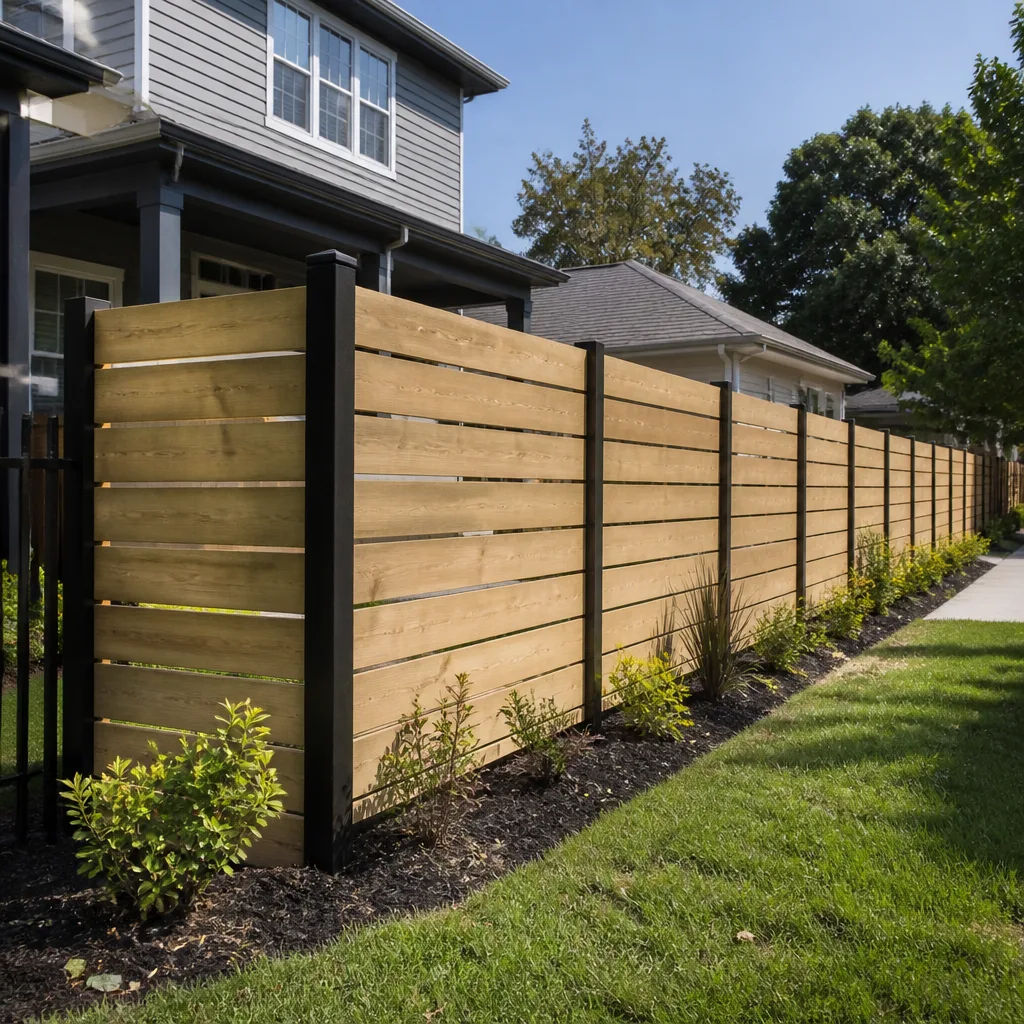
 Fence
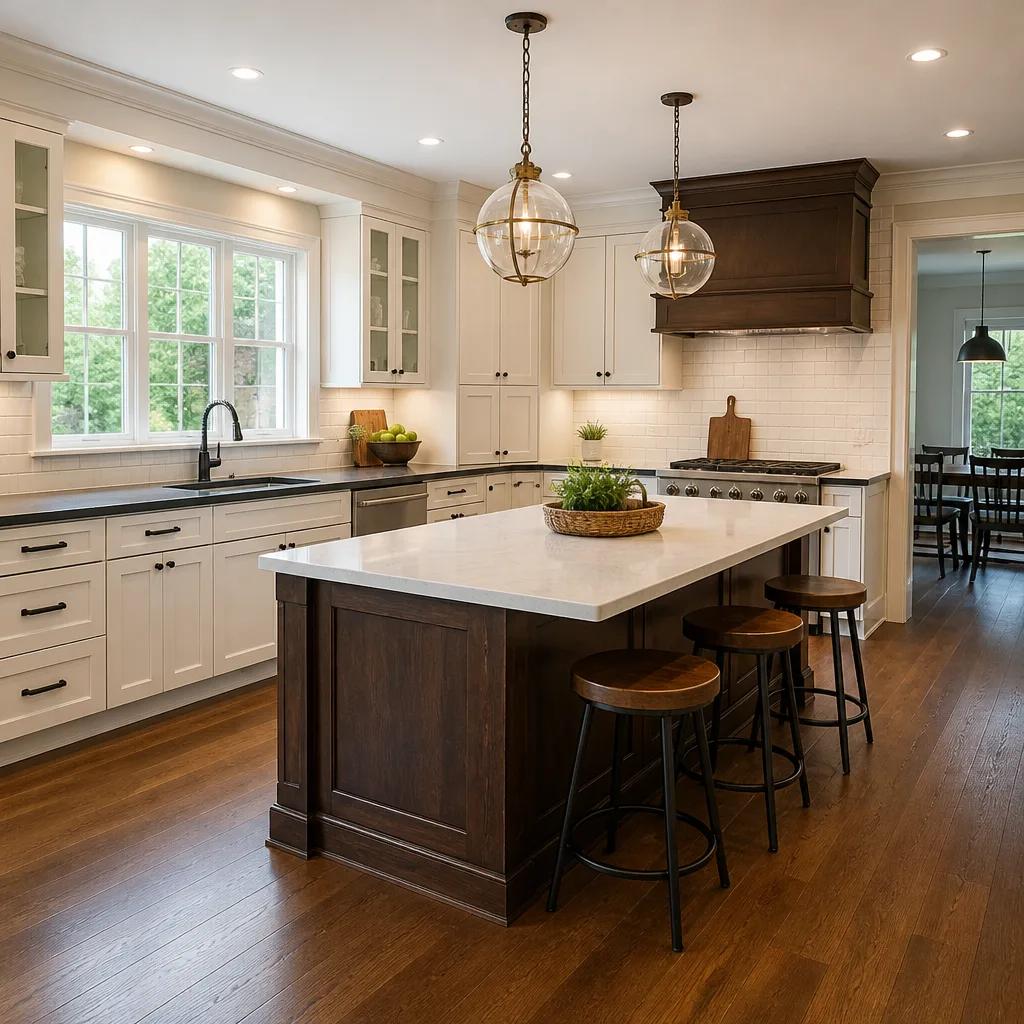 Kitchen remodeling
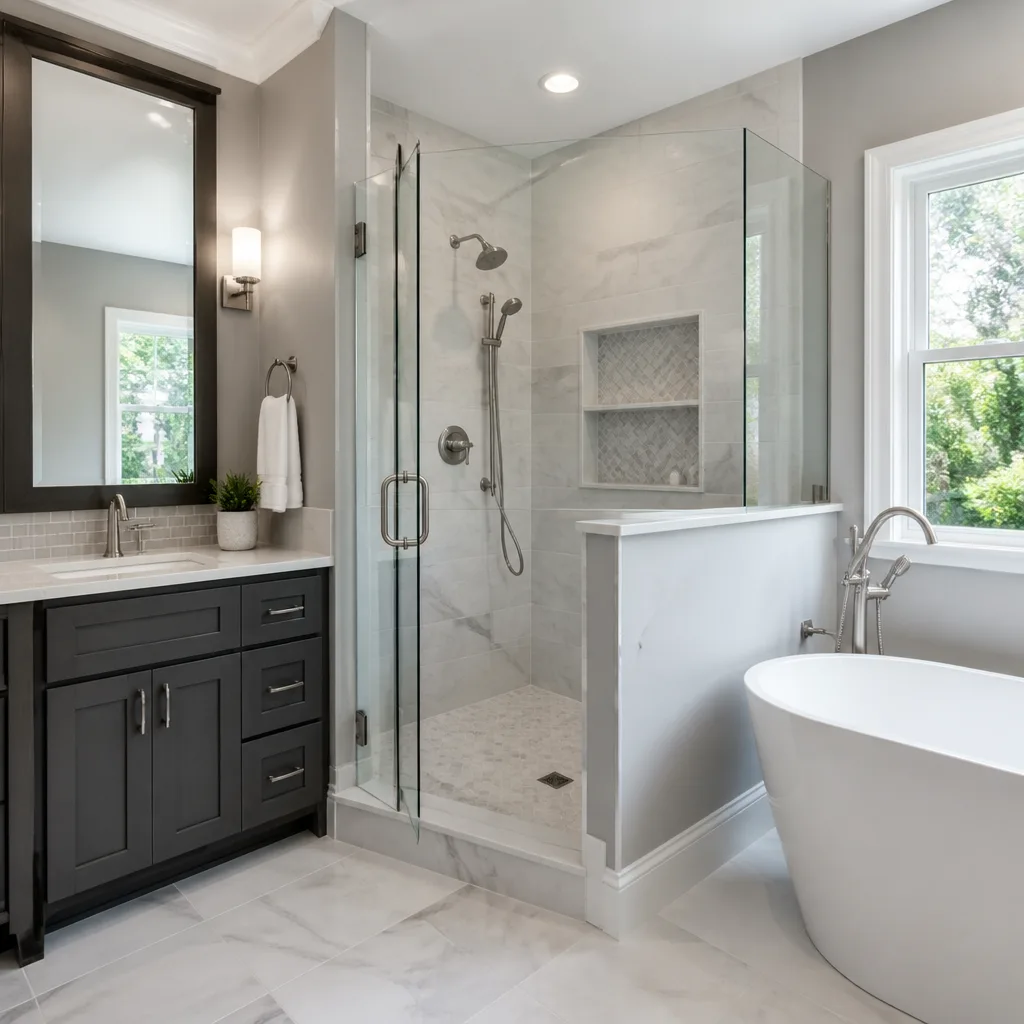 Bathroom remodeling
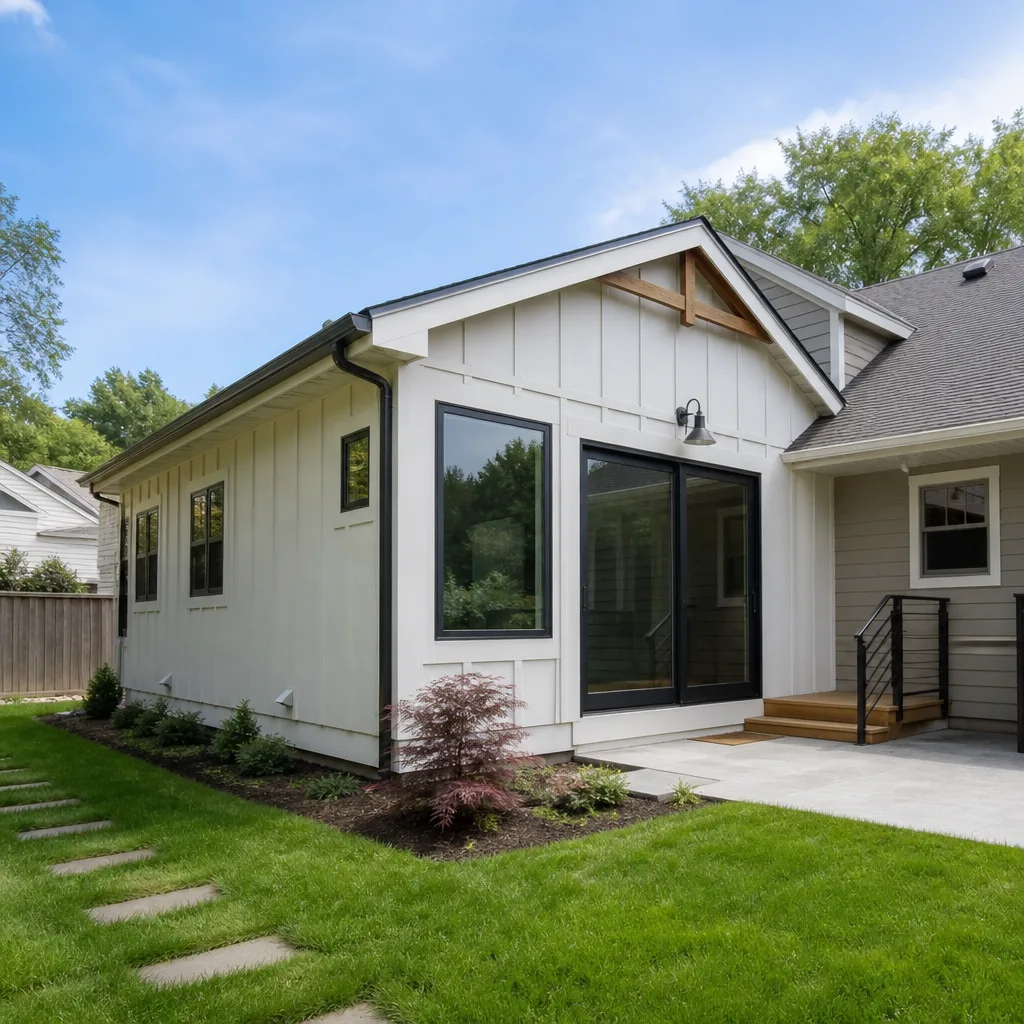 Home additions & ADU
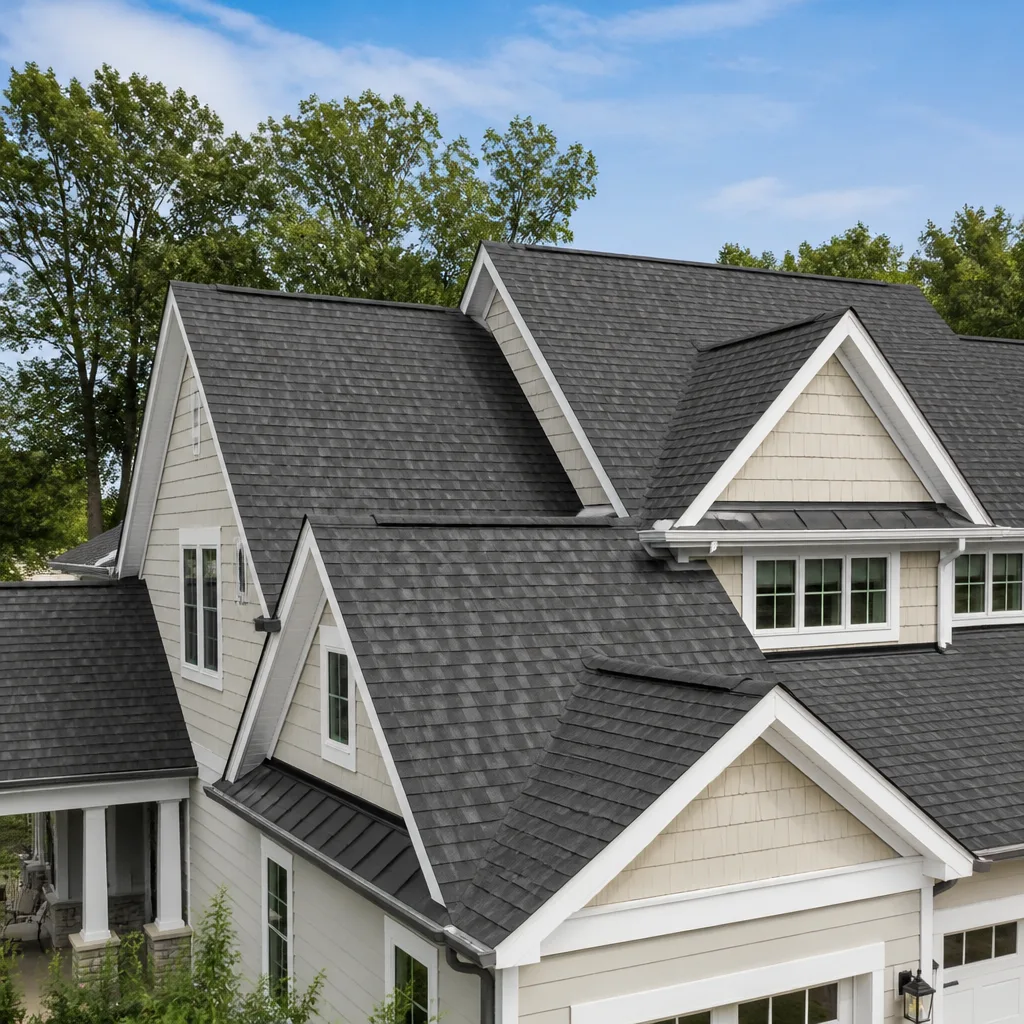 Roofing
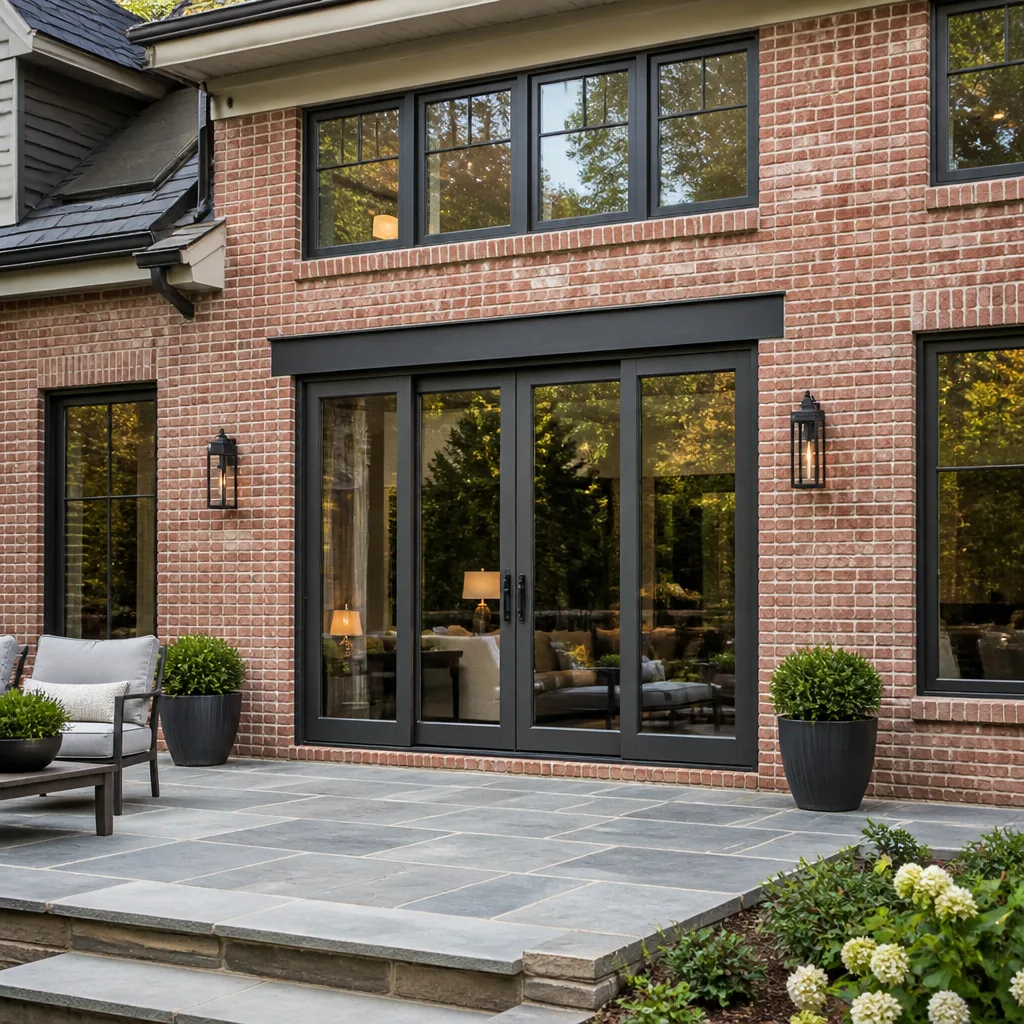 Windows & doors
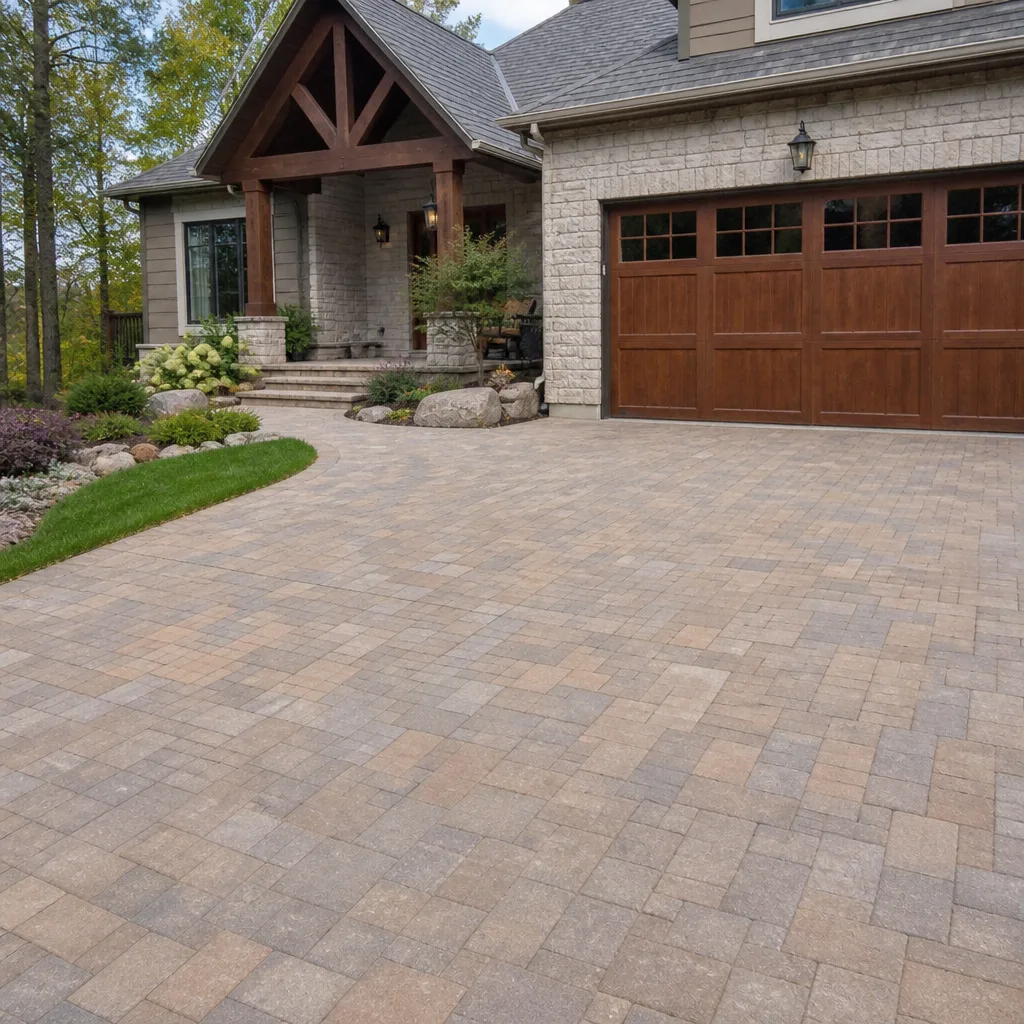 Driveway & pavers
Free written scope consultation - allowances, timeline, and change-order rules on paper before a single trade is scheduled
Styles & brands we work with
- Kitchen remodeling
- Bathroom remodeling
- Home additions & ADU
- Roofing
- Windows & doors
- Driveway & pavers
- Fence
See the difference
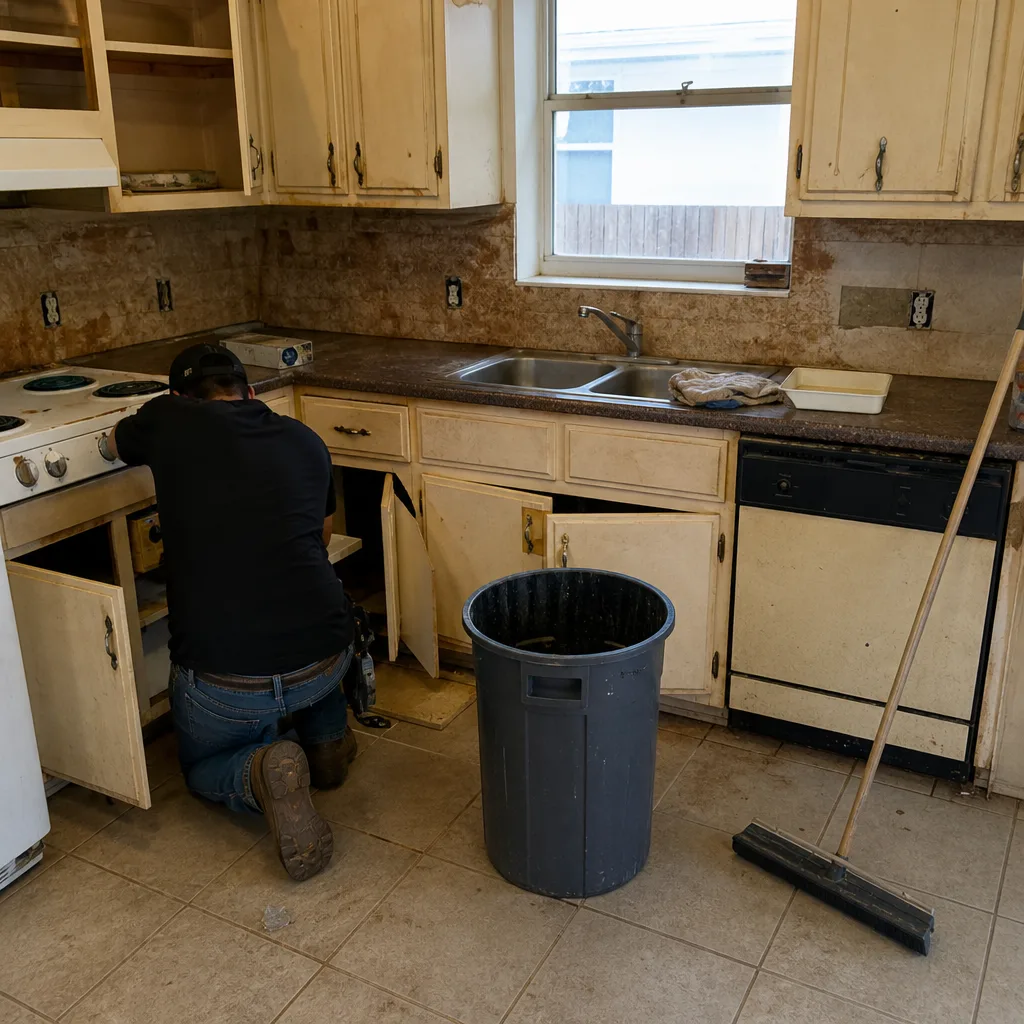 Before
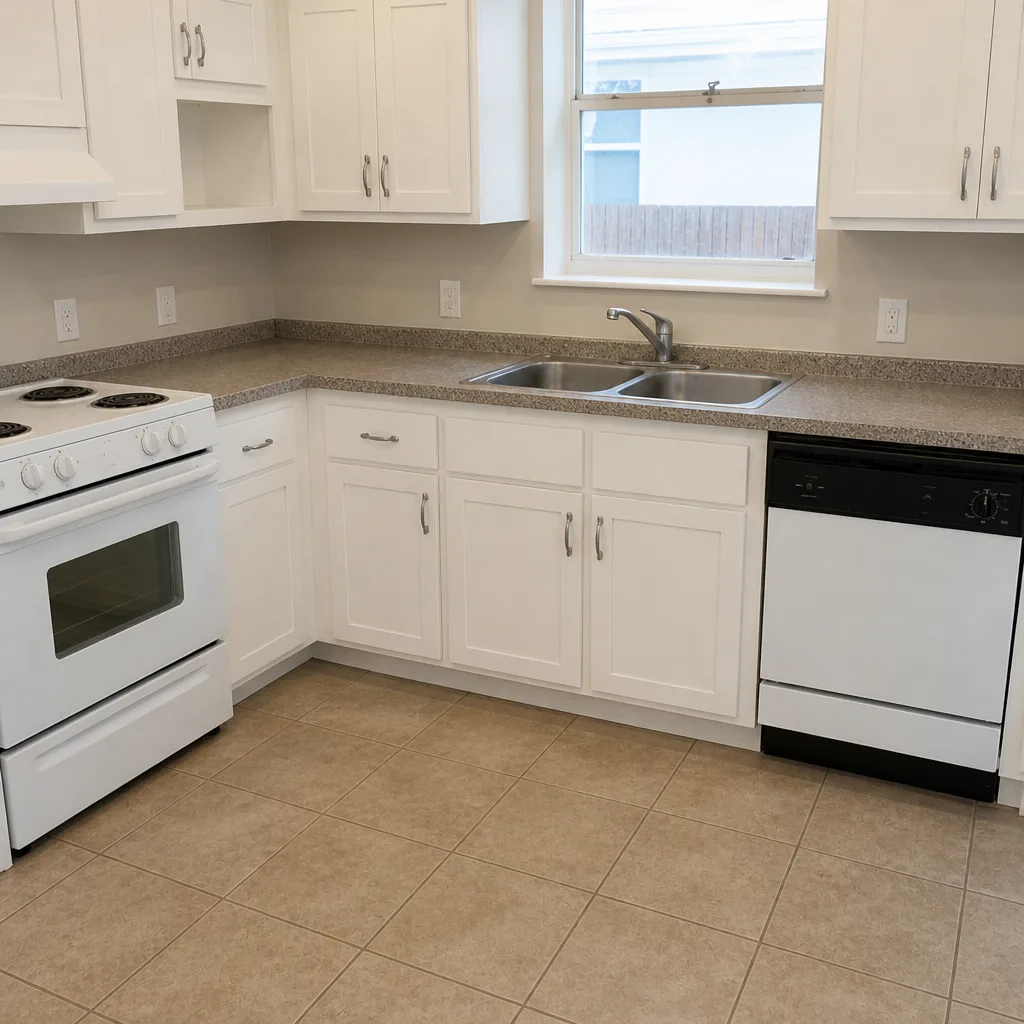 After
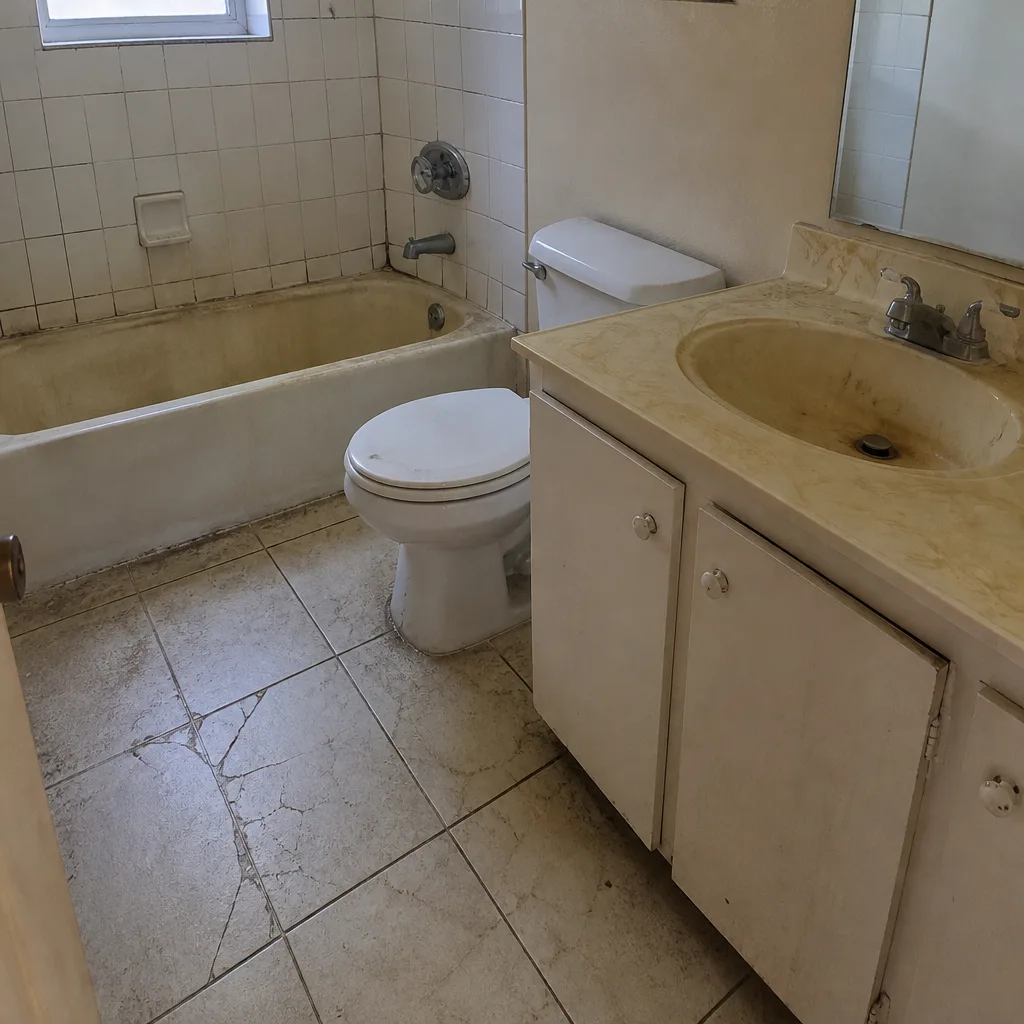 Before
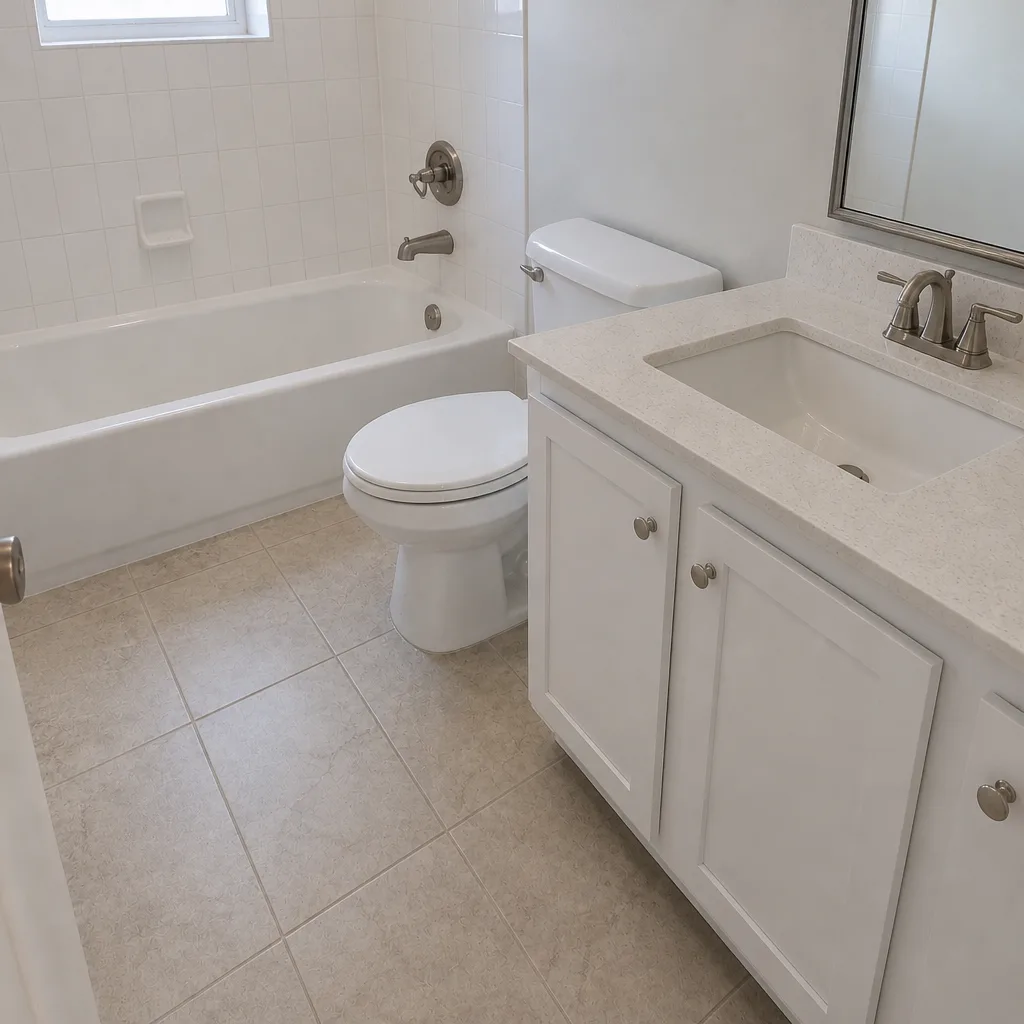 After
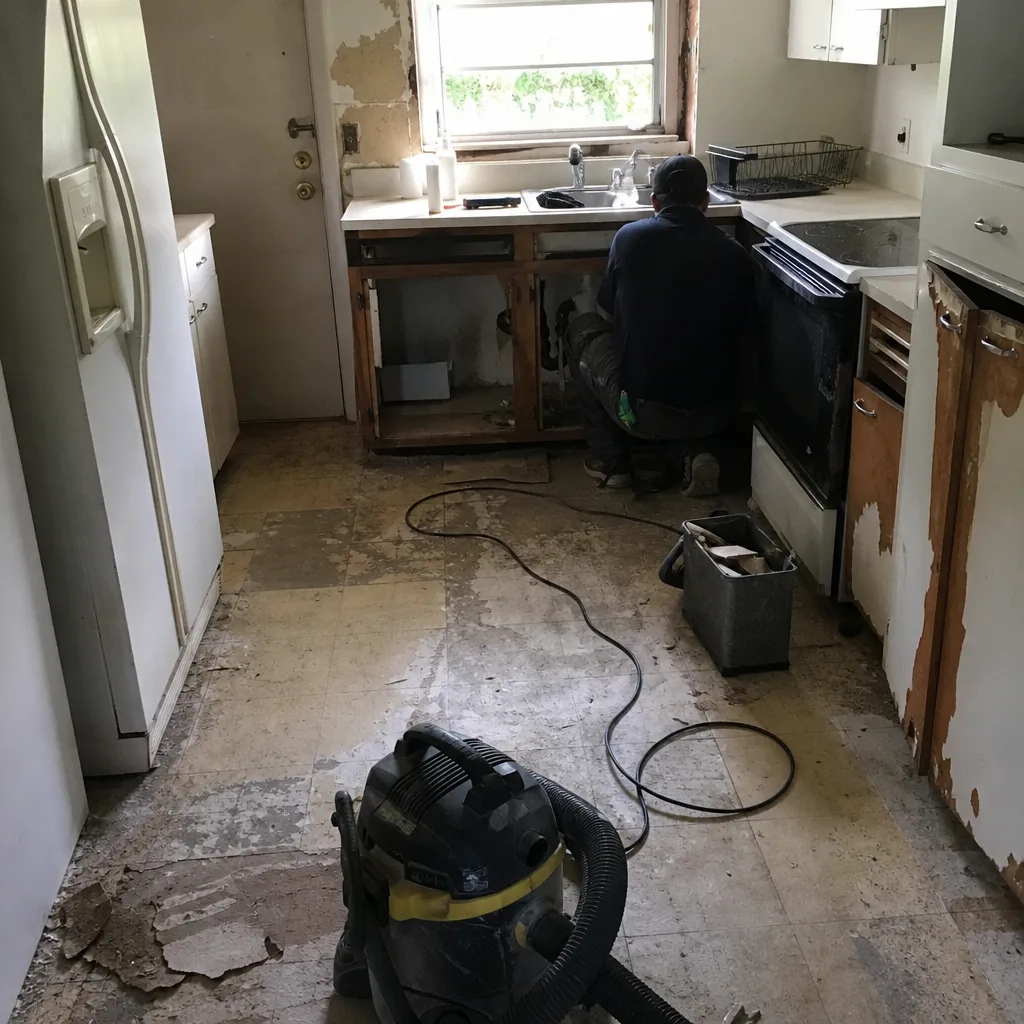 Before
 After
How Deep Should Fence Posts Be in The Hammocks, FL? Deeper Than Any National Guide Tells You
Fence posts in The Hammocks need to go deeper than the standard “one-third of post height” rule: for a 6-foot fence, that means a minimum footing depth of about 30 to 36 inches below grade under Miami-Dade’s High-Velocity Hurricane Zone (HVHZ) code, and often 42 to 48 inches where the limestone sits shallow. Nationally, burying one-third of the post is the accepted answer. In The Hammocks, that same answer can fail a Miami-Dade inspection outright – because the wind-load math here and the rock under your lawn don’t care what a guide written for Orlando says. If you want the depth and footing engineered and inspected correctly, call (844) 761-9356 for a free estimate.
Why the Standard “One-Third Rule” Doesn’t Hold in The Hammocks
The internet’s short answer – sink a post a third of its exposed height – is built for average soils and average wind. The Hammocks is neither. This is an unincorporated Kendall-area subdivision built almost entirely between the 1980s and 2000s, so most of what we do here is second-generation work on 20- to 35-year-old concrete-block homes, and a fence replacement on one of those lots runs straight into Miami-Dade’s post-Andrew wind and impact code. That code doesn’t ask whether the fence looks straight on a calm afternoon. It asks whether the fence and its footings stay put when a hurricane pushes on them.
Here’s the practical difference. Standard Florida wind-load assumptions are one thing; the HVHZ is stricter, because Miami-Dade requires fence structures to resist higher design wind speeds and, critically, the uplift that comes with them. When we size a footing for a fence in The Hammocks, the minimum diameter grows compared with a straight residential-allowable calculation – we’re not pouring the same 8- to 10-inch cylinder you’d see on a job in a non-HVHZ county. The wider footing, plus the depth, is what keeps a post from levering loose when wind-driven rain softens the ground around it. Fence Installation done here is a code-and-inspection job, not a weekend project.
The Limestone and Marl Reality Under The Hammocks
South Florida sits on limestone, and in The Hammocks that bedrock often rises close enough to the surface that a standard post-hole digger hits rock at 18 to 24 inches. You can’t bury a post to code depth through solid limestone with hand tools, and pounding it in isn’t the same as footing it in. This is the single detail no national guide mentions, and it’s the one that decides how your fence actually gets built:
- Shallow rock, deeper footing problem. When we hit rock above the required depth, the answer is core drilling a clean hole through the limestone so the post and concrete reach the depth the code and the wind load demand.
- Engineered alternatives. In spots where drilling isn’t practical, an engineered footing or alternative design can satisfy the load requirement – but that means a design on paper, not a guess in the hole.
- Concrete, not packed dirt. In this limestone-and-marl soil, backfilling with native dirt is a recipe for a post that leans within a season. We set posts in concrete every time.
The material you choose interacts with all of this. A lightweight aluminum fence loads the footings differently than a dense vinyl run, and on a long property line the difference shows up at the footing. For a look at how material and depth decisions play out on a full build, see our Fence Installation in The Hammocks page. We set aluminum and vinyl runs in concrete footings built to the same HVHZ depth standard – no shortcuts for the “lighter” materials.
The Footing Shape Miami-Dade Inspectors Actually Look For
Depth is only half the inspection. Miami-Dade inspectors look for a flared or belled footing at the bottom of the hole – wider at the base than at grade – because a straight cylinder resists uplift poorly. A bell-shaped footing essentially gives the soil more concrete to grab, so wind trying to pull the post out has to lift the whole mass. On fence footings in The Hammocks, that bell is a detail we build in from the start, and it’s one of the reasons a permit-pulled job gets signed off the first time.
Every Groundwork fence installation goes through Miami-Dade inspection. That matters because the depth, the hole, and the footing are verified by a third party before the fence is closed in – you’re not taking a contractor’s word for what’s underground. Our technicians have up to 12 years of experience, arrive background-checked and in uniform, and we pull the permit as part of the job. All fence work is backed by our 730-Day Done Right Promise: if it’s not done right, we make it right.
Why the Top 12 to 18 Inches of Soil Are Working Against You
Suburban South Florida tracts are irrigated constantly, and The Hammocks is no exception. That steady lawn watering keeps the top 12 to 18 inches of soil perpetually moist and weak. A post that only relies on that top layer has almost no lateral resistance when hurricane-season winds push sideways. So the structural load has to transfer to deeper, drier soil – which is exactly why post depth matters more here than in a dry climate where the surface soil stays firm. Pair the moist top layer with high humidity and intense summer sun degrading fasteners over the years, and you get a fence that looks fine until the first real storm tests it. That’s also why we lean on trusted brand partners and quality hardware rather than the cheapest post brackets on the shelf.
What Fence Work Costs in The Hammocks
Upfront pricing, no surprises – here’s what homeowners in The Hammocks typically see for a full fence project, which includes the HVHZ-compliant footings and the permit work:
| Project | Typical Range |
|---|---|
| Vinyl Fence Installation | $3,500 – $9,000 |
| Aluminum Fence Installation | $4,000 – $10,000 |
| Full fence project, lead range | $3,500 – $9,000 |
Cost climbs when core drilling through limestone is required, when the run is long, or when the design calls for an engineered footing. We quote the depth and footing scope up front, and standing offers help: a free project estimate and design consult, 0% financing for 18 months, and $1,000 off projects over $10,000. You’ll get a straight number before we dig, and the number you see is the number you pay.
Common Local Scenarios We See on The Hammocks Blocks
Because whole streets here went up in the same narrow window, the same fence problems show up block after block – one neighbor’s permit often triggers a run of copycat jobs down the street. A few scenarios that come up again and again:
- The 25-year-old builder fence that finally leans. Original posts set to a looser standard than today’s HVHZ code, now failing after decades of irrigation. We replace them to current depth and footing requirements.
- Rock at 20 inches. A homeowner digs a test hole, hits limestone, and calls because a hand-dug depth isn’t going to satisfy inspection. Core drilling solves it.
- Storm-damaged line on a property boundary. Wind knocked a section over and revealed shallow footings underneath. We reset the whole run rather than patch the one fallen post.
- New screen-enclosure or lanai work nearby. Homeowners adding a lanai or enclosure often redo the fence line in the same project, and the footing spec for both runs through the same code review.
Frequently Asked Questions
For a 6-foot fence in The Hammocks, plan on a minimum footing depth of about 30 to 36 inches, and often 42 to 48 inches where limestone sits shallow, with a flared footing to meet Miami-Dade HVHZ wind-load requirements. The exact depth depends on the post height, material, and the rock you hit. Call (844) 761-9356 for an exact assessment – estimates are free.
Two feet is generally not enough for a 6-foot fence in The Hammocks under Miami-Dade HVHZ code, because the wind-load and uplift requirements call for deeper footings and a belled base. A shallow post in irrigated South Florida soil can fail inspection or lean within a season. Call (844) 761-9356 to get the depth right the first time.
Fence installation in The Hammocks ranges from $3,500 to $9,000 for vinyl and $4,000 to $10,000 for aluminum, depending on length, material, and whether core drilling through limestone is needed. Groundwork quotes the depth and footing scope up front, with 0% financing for 18 months and $1,000 off projects over $10,000. Call (844) 761-9356 for a free, exact quote.
Yes, fences in The Hammocks require a Miami-Dade permit and inspection that verifies post depth and footing, and Groundwork pulls the permit as part of the job so the footing is third-party verified. You’re not relying on the contractor’s word for what’s underground. Call (844) 761-9356 and we’ll walk you through the permit scope – estimates are free.
Get the Depth Right, in Writing
If you’d rather have it looked at than guess at the rock depth under your lawn, Groundwork Construction Co. of The Hammocks offers a no-pressure assessment in The Hammocks – call (844) 761-9356 for a free estimate. We answer live, 24/7, and we back the whole job with the 730-Day Done Right Promise.
Written by the team at Groundwork Construction Co. of The Hammocks, serving The Hammocks, FL.