
Last updated November 17, 2026
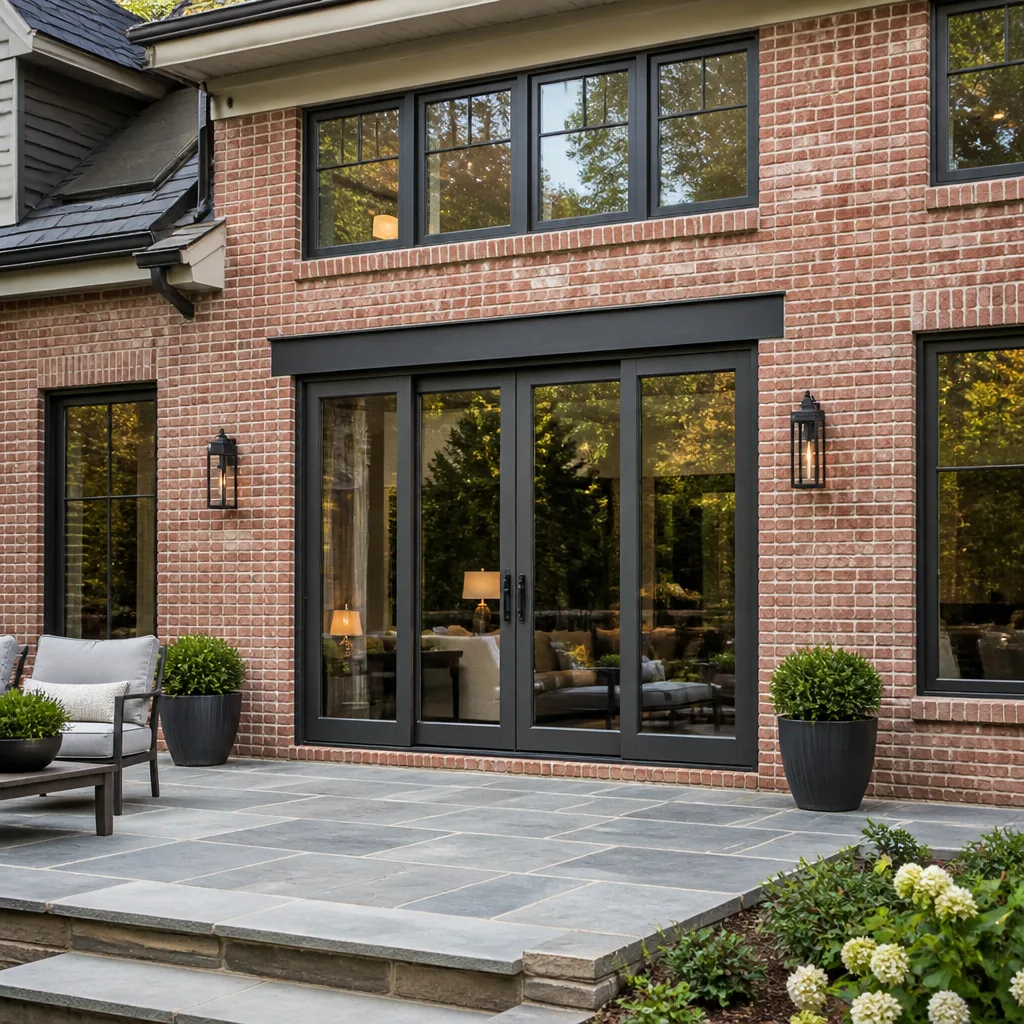 Windows & doors
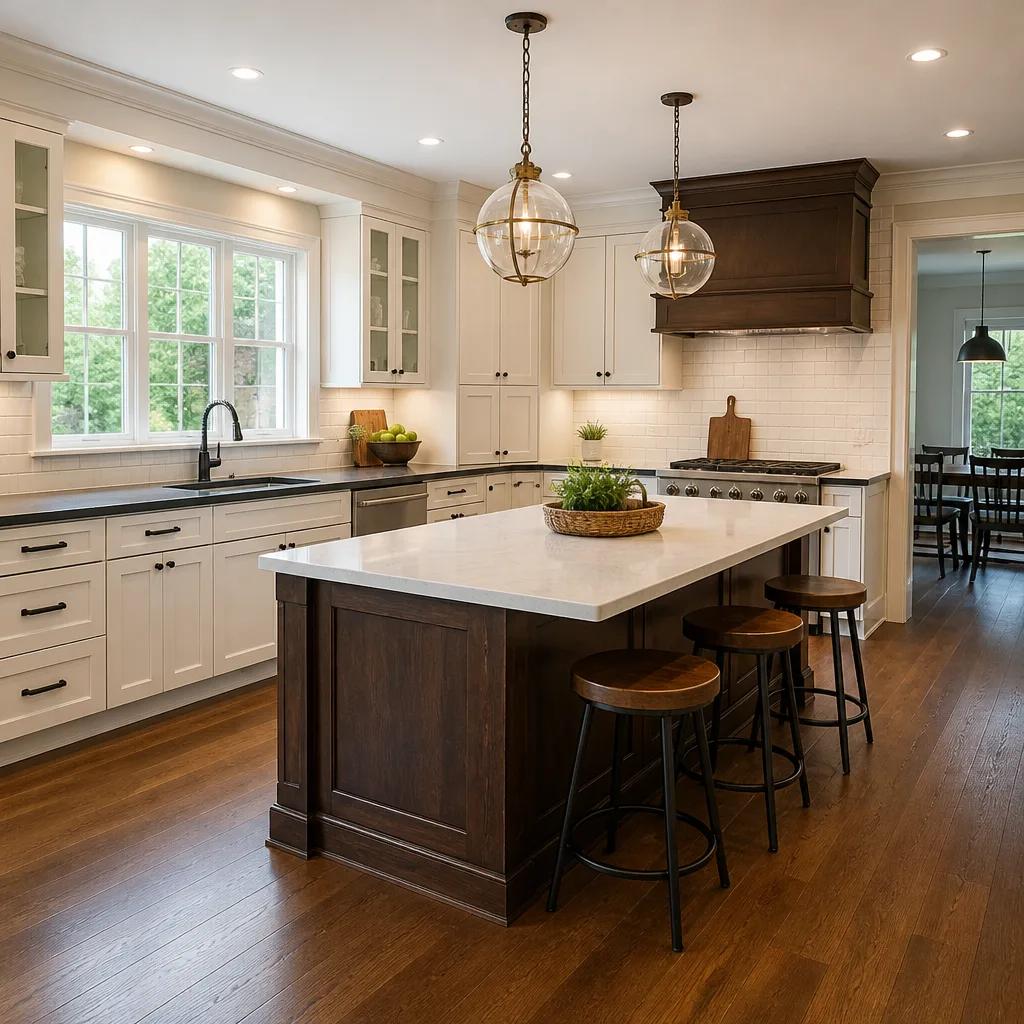 Kitchen remodeling
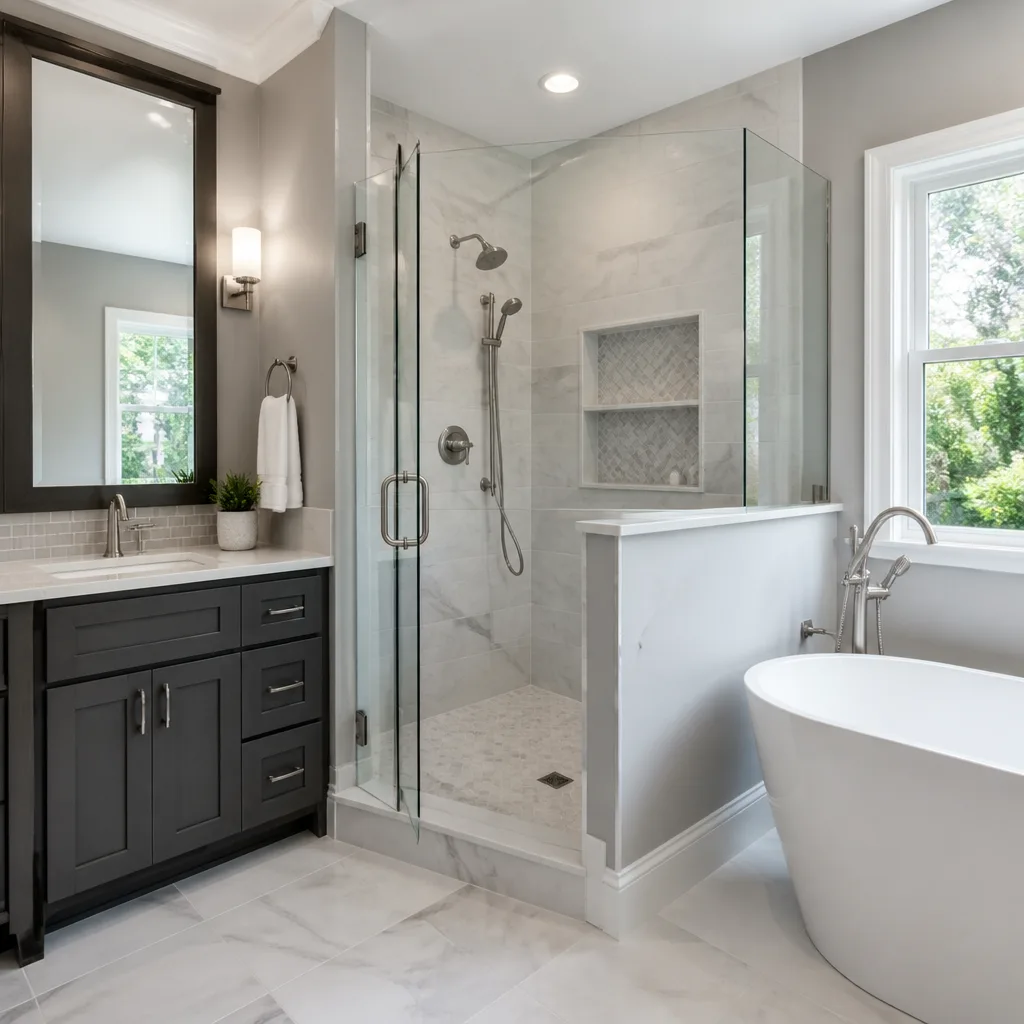 Bathroom remodeling
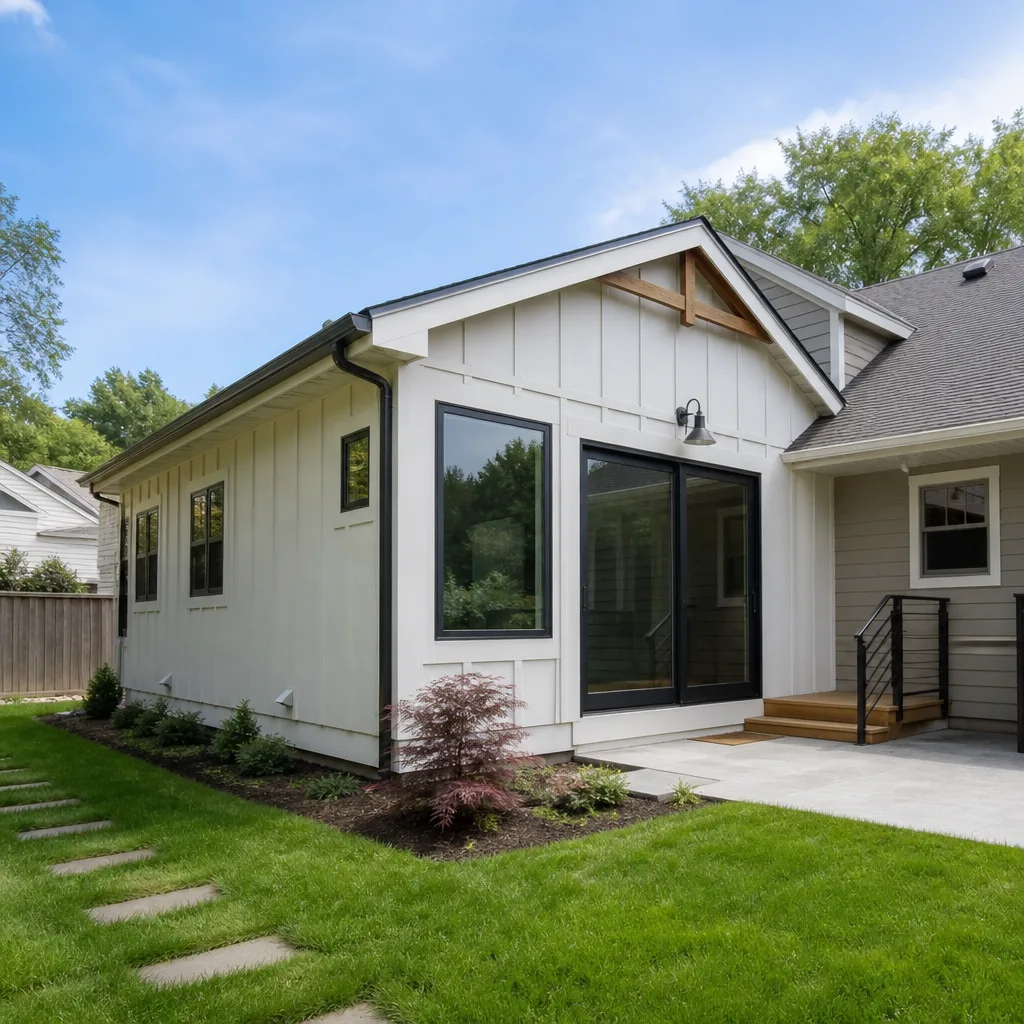 Home additions & ADU
 Roofing
 Driveway & pavers
 Fence
Free written scope consultation - allowances, timeline, and change-order rules on paper before a single trade is scheduled
How Long Does Windows & Doors Take? Timelines and What to Expect
Impact windows for a typical South Florida home take four to eight hours to install. The full project, from signed contract to passed inspection, routinely takes four to eight weeks. That gap is where homeowners get hurt. The installation is the short part. Everything around it – selection, permits, manufacturing, inspection scheduling – is where the calendar actually lives. Most contractors quote you the install day and let you assume the rest happens on its own. It doesn’t. This guide maps the real calendar for window and door replacement here in The Hammocks and across Miami-Dade, phase by phase, so you’re planning around how the work actually moves instead of a sales estimate that was never built to survive contact with the permit office.
Quick Answer
Window and door replacement in South Florida usually takes four to eight weeks total, while the physical installation itself is only one to three days for most homes. The long stretch is product lead time (six to ten weeks for custom impact units) and Miami-Dade permit processing, which can run two to four weeks on its own. A straightforward like-for-like swap with in-stock sizes can close in about four weeks. Custom-sized impact windows ordered fresh from the factory push closer to eight.
Styles & brands we work with
- Kitchen remodeling
- Bathroom remodeling
- Home additions & ADU
- Roofing
- Windows & doors
- Driveway & pavers
- Fence
Table of Contents
- The Five Phases of a Window and Door Project
- Miami-Dade Permits: Replacement vs. New Openings
- Why Custom Impact Windows Take 6-10 Weeks
- How Many Windows Get Installed in a Day
- What Adds Time: Stucco, Trim, and Surprises
- The Inspection Reality in Miami-Dade
- A Realistic Calendar by Project Type
- Common Mistakes to Avoid
The Five Phases of a Window and Door Project
Every window and door replacement moves through the same five phases. Knowing them is what separates a homeowner with a real schedule from one who’s waiting three weeks for a callback they were never warned about.
- Product selection – 3 to 10 days. This is where you pick materials, glass package, and whether you’re going with a brand like Andersen or Sterling, or an impact-rated aluminum line. It’s fast when you’ve done your homework and slow when you’re comparing twelve quotes with no basis for the comparison.
- Permit application – 1 to 2 days to prepare and submit, plus the county’s review window (covered below). South Florida requires a Notice of Commencement, product approval numbers, and a signed contract with a licensed contractor.
- Manufacturing and delivery – 3 to 6 weeks for stock sizes, 6 to 10 weeks for custom impact units. This is the single biggest variable, and it runs on the factory’s schedule, not yours.
- Installation – 1 to 3 days for most homes. A two-person crew handles four to six standard windows per day.
- Inspection – 3 days to 2 weeks to get an inspector on site, plus any re-inspection if something fails.
Notice the shape of this. Installation is 5% to 15% of the total timeline. If a contractor’s estimate centers on install day and glosses over everything else, you’re being sold a feeling, not a schedule.
Miami-Dade Permits: Replacement vs. New Openings
This is the part most homeowners don’t know, and it’s the reason two projects that look identical on paper can run weeks apart on the calendar. Miami-Dade treats a like-for-like window replacement differently from a new opening or a change in size, and the two move through the process at different speeds.
A straight replacement – same rough opening, same product category, impact-rated glass meeting current code – is usually reviewed on an expedited track. Permit processing in Miami-Dade for these commonly runs two to four weeks, and homeowners in The Hammocks should count on the longer end during storm-season permit surges, when everyone decides their windows need upgrading at once.
A new opening or a size change triggers more scrutiny. Structural questions come into play. You may need engineering, additional plan review, and a longer review window. Here’s the distinction that matters for your calendar:
- Like-for-like replacement: standard review, straight path, permits issued in weeks not months.
- New or resized opening: structural review, possible engineering stamps, longer review, and a separate inspection sequence.
- Door swaps into an existing frame: usually the simplest path – closer to the replacement track, especially for standard sizes.
- Adding a door where there was a wall: treated as a new opening, with the full structural review and inspection load that comes with it.
If you’re planning a larger project that moves an opening or adds a door, that permit timeline needs to fold into the bigger schedule, not sit on top of it. That’s the sort of sequencing we handle across the full scope of work, from Groundwork Construction Co. of The Hammocks home projects to full remodels, and it’s why we build the permit clock into the estimate instead of discovering it later.
Why Custom Impact Windows Take 6-10 Weeks
Custom impact windows are not a stack of glass sitting in a warehouse. They’re built to your openings, with laminated glass, reinforced frames, and product-approval documentation that has to match Miami-Dade’s impact standards. That build sequence is real, and it takes time.
Six to ten weeks is the honest range for custom impact units. Several factors push a specific order toward the long end:
- Non-standard sizing – an off-size opening that doesn’t match a production template means custom tooling and a longer queue slot.
- Finish and color choices – specialty finishes, custom interior or exterior colors, and bronze or dark anodized frames take longer than standard white.
- Product category – impact sliding glass doors and large picture windows are usually slower than standard single-hung units.
- Factory load – order during a heavy hurricane-prep season and the queue stretches for everyone.
Here’s the strategic part. Ordering before permit approval is both common and smart. The permit review and the factory lead time can run in parallel, not back-to-back. If you wait for permits before ordering, you’ve just stacked two multi-week clocks end to end and added a month to your project for no reason. The professional move is to have the manufacturer slot moving while the county does its review, with the understanding that final installation waits for the actual permit to be issued. Align the delivery date to land just after permit approval and your project closes weeks earlier than the sequential path would allow.
How Many Windows Get Installed in a Day
This is where expectations are most often miscalibrated, in both directions. Some homeowners think install day is a multi-week ordeal. Others think it’s an afternoon. Neither is right.
A trained two-person crew typically installs four to six standard windows per day. Larger openings, sliding doors, and picture windows run slower – think two to four a day for those. A whole house with 14 windows and two sliding doors is usually a two-to-three-day job for a competent crew, and that number assumes everything goes the way it should. It usually does. Not always.
What slows a two-person crew down in The Hammocks and throughout South Florida:
- Stucco repairs around the opening – South Florida’s exterior walls are stucco on block, and pulling a frame can chip or crack the surrounding finish. Matching and patching takes time and patience.
- Interior trim matching – if your interior casing is a specific profile, cutting and fitting new trim so it looks original slows the work.
- Water intrusion damage – once a frame comes out, you sometimes find rot or compromised flashing behind it. That gets fixed before the new unit goes in.
- Second-story work – scaffolding setup and safety considerations add time, especially on the tight lots in and around The Hammocks.
A crew that gives you “we’ll do it in a day” for a fourteen-window home is telling you they haven’t thought about it, or they’re assuming their way through it. Either way, it’s your schedule that pays.
What Adds Time: Stucco, Trim, and Surprises
The honest timeline isn’t the ideal timeline. Here are the specific things that stretch an install and how much they tend to add, so you can factor them in before they show up unexpectedly.
- Stucco patching and repainting: usually adds a half-day to a full day to a whole house.
- Interior trim replacement: matching and installing new casing adds a day or so, more if you’re doing custom millwork.
- Header or framing repairs: a compromised header found during removal adds a day or more, depending on the extent.
- Flashing and water-management upgrades: South Florida’s driving rain requires proper flash taping and sill pans. If they’re not already done right, doing them now adds time – and skipping them costs you years later.
- Lead-paint or asbestos handling on older homes: if your exterior was painted before 1978 or your interior has certain materials, proper handling and possibly an inspection adds days.
- Access limitations: a tight side yard, driveway setbacks, or second-story units can slow crew movement and equipment staging.
We tell homeowners in The Hammocks to budget an extra day of slack into a whole-house project for exactly these reasons. The best case almost always holds. Budgeting for the realistic case means a schedule change is a conversation, not a crisis – and that fits the way we quote jobs: upfront pricing, no surprises, with the slack built in from the start.
The Inspection Reality in Miami-Dade
The last phase is frequently treated as an afterthought. It shouldn’t be, because it’s the phase that can silently add a week to a job that was otherwise on track.
Inspection scheduling in Miami-Dade means getting on a county schedule. In normal conditions, an inspector is available within three days to two weeks of the request. During storm season, when everyone is closing projects at once, the scheduling window stretches toward the longer end. There’s no shortcut – you get the inspector when the county can send one, and the work has to be ready when they arrive.
What happens if the first inspection fails? It’s not the end of the world, but it costs you time:
- The inspector documents the specific issue – missing flashing tape, incorrect anchor spacing, a documentation mismatch.
- You (or the contractor) correct it and re-request the inspection.
- The new scheduling window starts, typically adding another week or two.
The reason pre-inspection preparation matters is that most failures come from a handful of avoidable issues: flashing not installed to spec, product-approval documentation not matching what’s installed, or anchors not at the required spacing. A competent crew installs to code and prepares documentation so the first inspection is the final one. Treat the inspection as part of the project from day one, and it stays a formality instead of a stall.
A Realistic Calendar by Project Type
Here’s the practical answer for the plans most homeowners actually have. Total timelines assume you’re working with a licensed contractor and a permit is required.
- Small job, in-stock or standard-size windows, one or two openings: 4 to 5 weeks total. Permit review and lead time are the gates; installation is a day.
- Mid-size house, seven to ten custom impact windows: 5 to 7 weeks. Lead time dominates. Install is two days.
- Whole house, 14-plus windows plus sliding doors, custom units: 7 to 9 weeks. Custom lead time plus stucco and trim work plus inspection.
- New opening or size change: add one to three weeks to the above for structural review.
- Like-for-like replacement with contractor-stocked or short-lead product: 4 weeks is achievable and worth aiming for.
To frame the whole scope, a window and door project is one piece of a bigger calendar. If you’re also planning exterior work alongside it, our guide to Driveway & Pavers in The Hammocks breaks down how those timelines stack up, and if you’re coordinating a fence line or property boundary, Fence Installation in The Hammocks covers the sequence for that work.
Common Mistakes to Avoid
- Believing an install-day estimate as the whole project timeline. If a contractor quotes you a completion date based only on crew time, ask them to walk you through permit and lead time explicitly. The install is the short part.
- Ordering windows only after the permit is in hand. That’s the most common cause of a project running a full month over. The factory queue and the permit review should run on parallel tracks, not sequential ones.
- Assuming The Hammocks permits move at the county’s fast track. They don’t always, especially during storm-season surges. Build the longer review window into the plan up front.
- Overlooking stucco and interior trim until install day. They’re almost always part of the scope here in South Florida. Discovered on install day, they’re a schedule surprise; planned for, they’re just part of the day.
- Treating inspection as a formality. Building documentation and flashing into the install from the start is what keeps a first inspection from becoming a second.
- Comparing quotes by price without comparing scope. A lower bid that assumes standard sizes, no stucco repair, and no inspection prep is not a lower bid. It’s an incomplete one.
- Not asking about the workmanship guarantee in writing. On any window and door project, the installation matters as much as the product. Ask for the warranty in writing before you sign, not after.
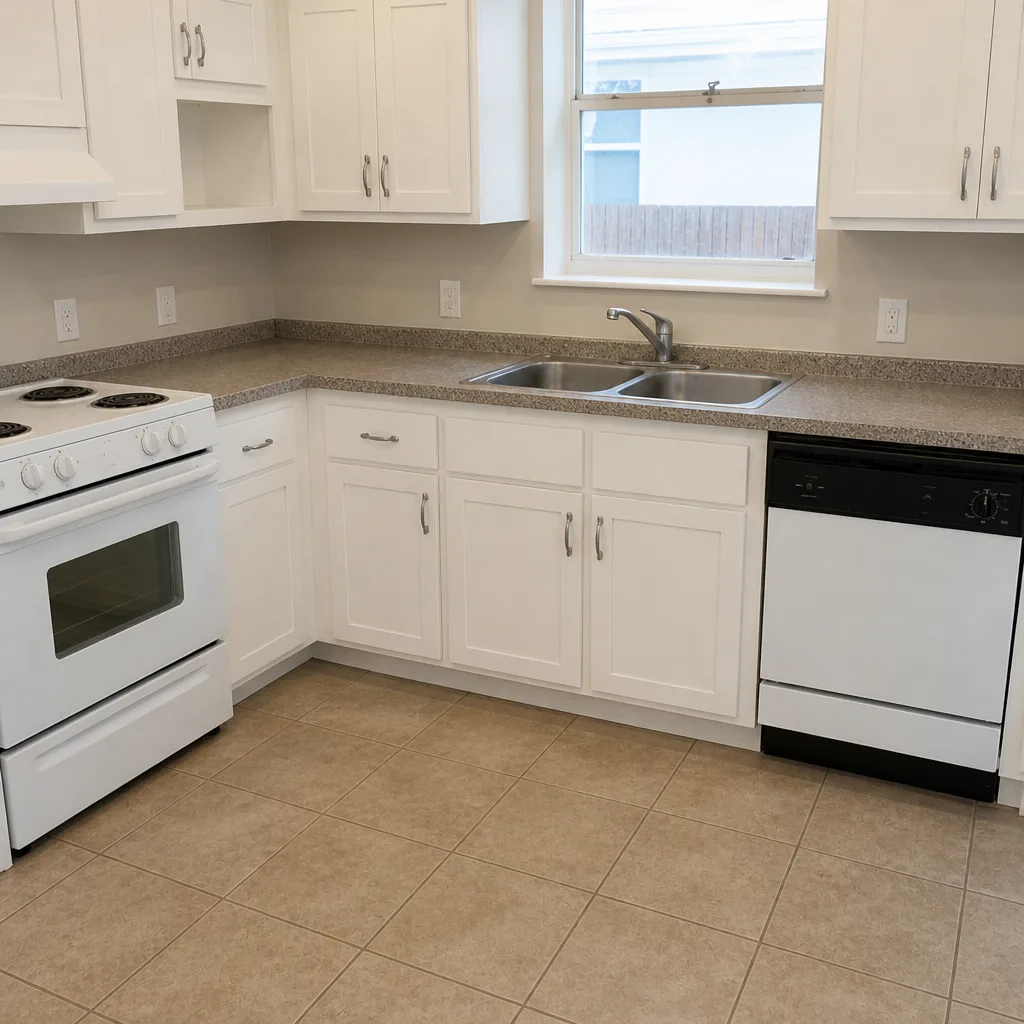
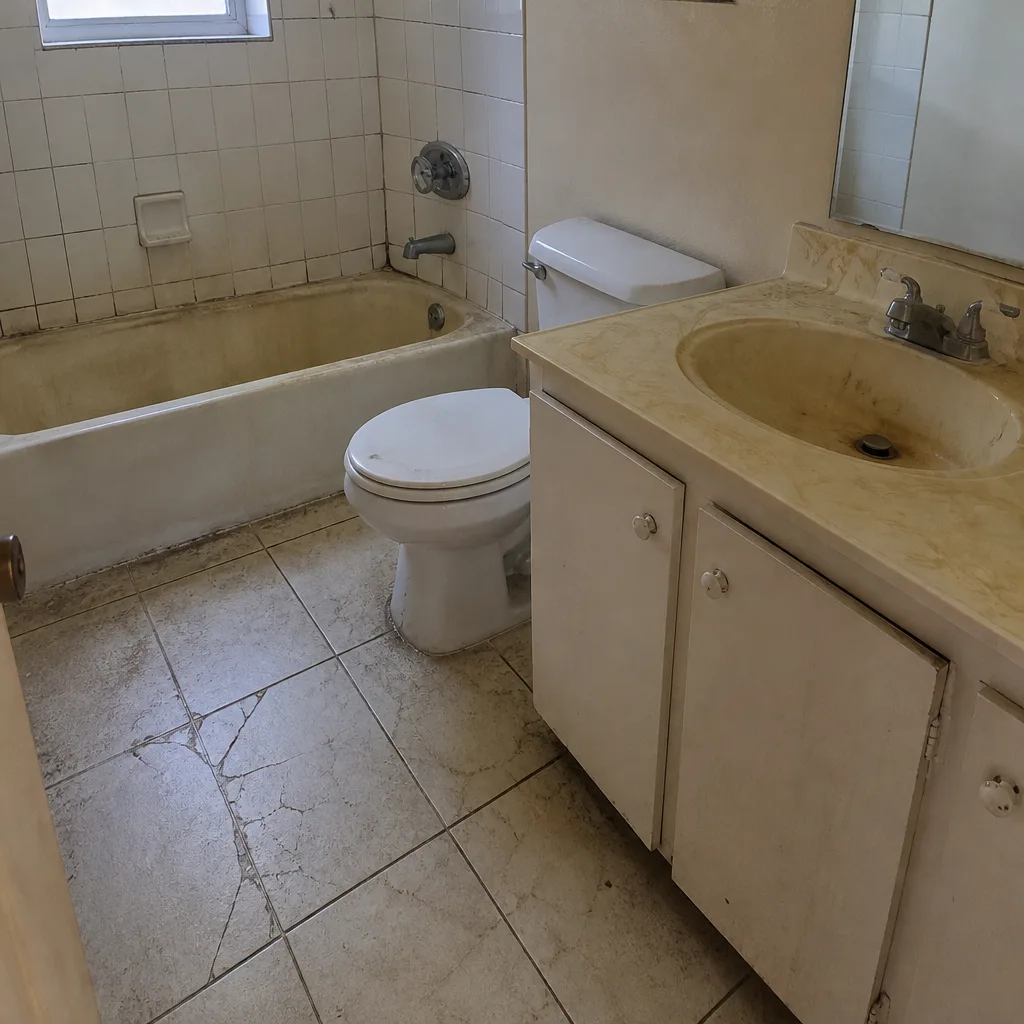
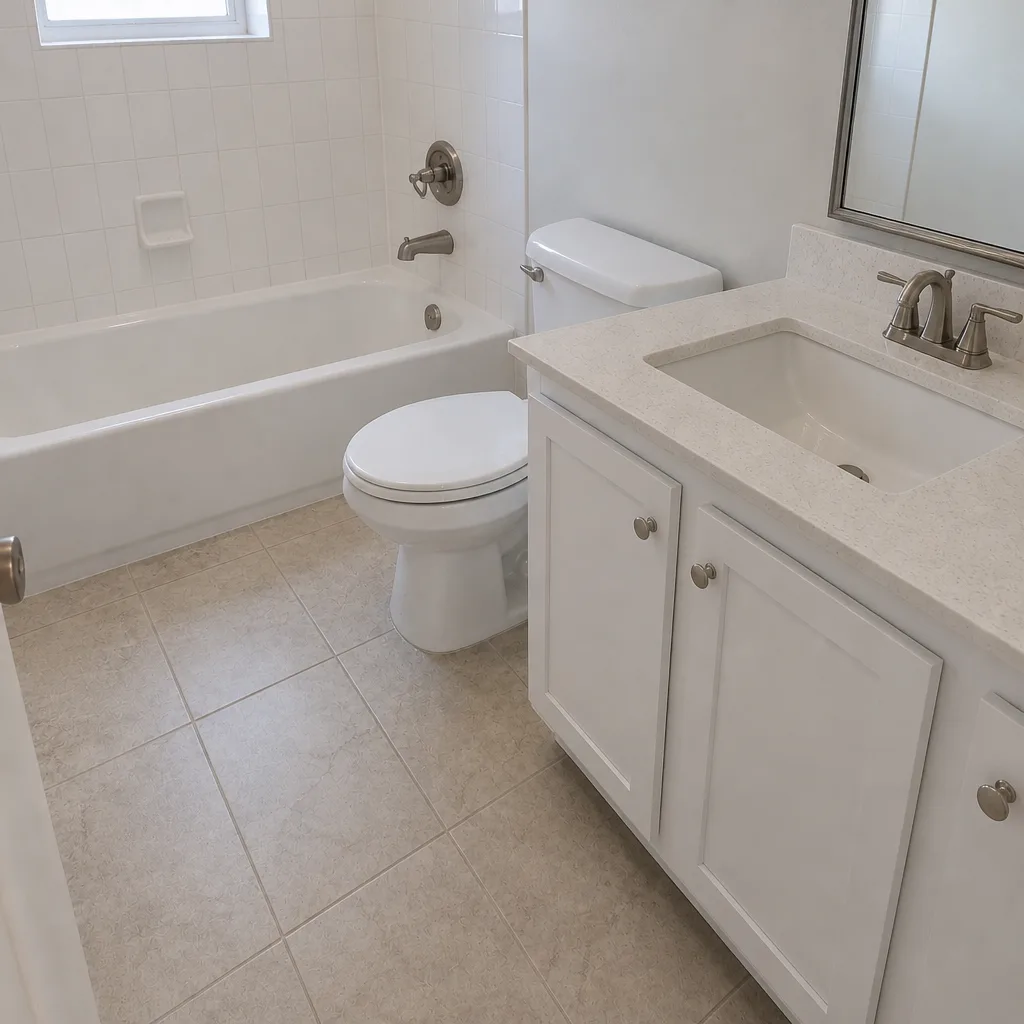
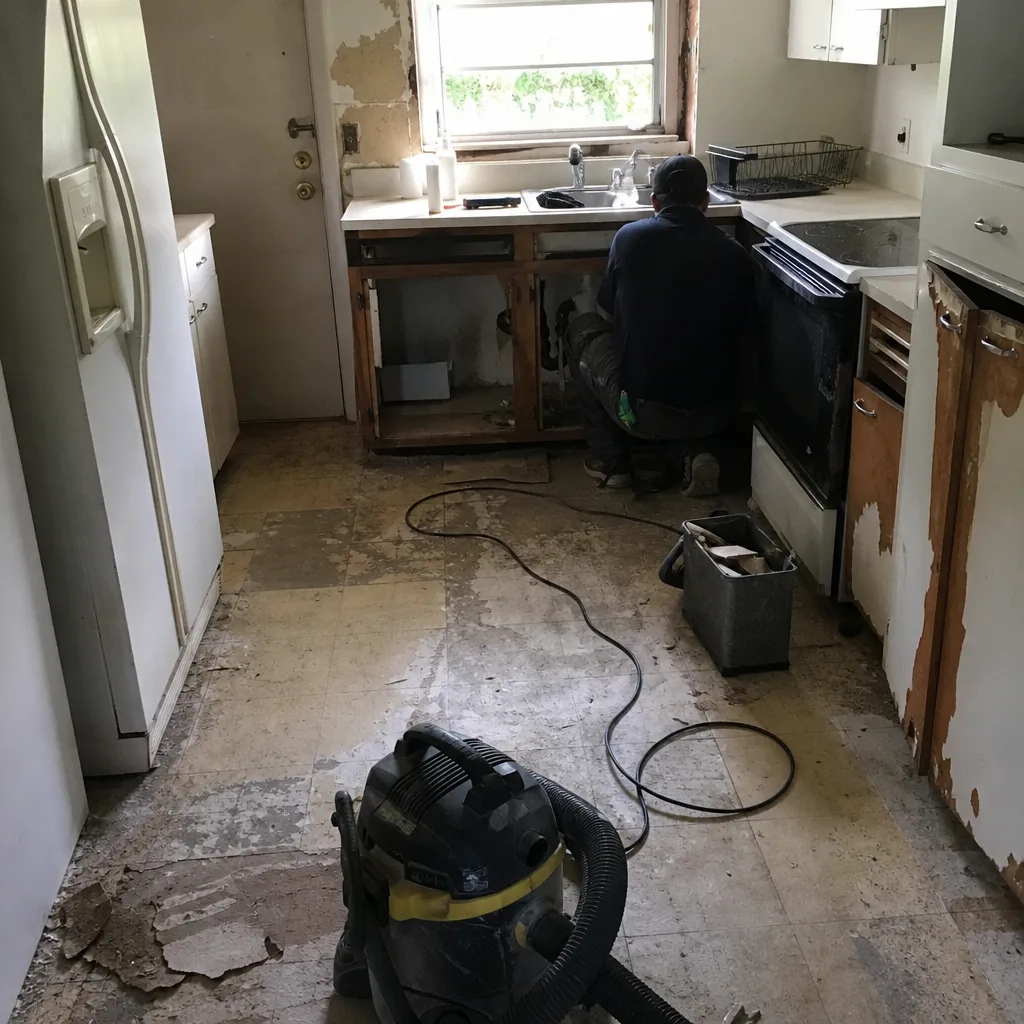
See the difference
 Before
 After
 Before
 After
 Before
 After
When to Call a Professional
Call a professional if your project involves any of these: an opening that needs to be resized or a door where a wall currently is (that’s a structural and permitting question, not a DIY one), any second-story installation, a home where prior window work left water damage or air leaks, or a lender or insurance carrier requiring an inspection. Window and door replacement touches the building envelope, which means water management, anchoring, and impact compliance all have to be right at once. It’s a job where one incorrect flashing detail becomes a water intrusion problem two seasons later. Groundwork Construction Co. of The Hammocks offers free estimates in The Hammocks – call (844) 761-9356. We’ll walk your openings, tell you what your specific timeline looks like, and put it in writing.
Frequently Asked Questions
Most projects in The Hammocks run four to eight weeks total, with installation itself taking one to three days. Your exact number depends mostly on custom lead time and the permit review window for your specific openings. Call (844) 761-9356 for a real timeline on your home.
Yes. Miami-Dade requires a permit for window and door replacement, and product approval documentation matching current impact standards is part of the application. The permit review for like-for-like replacement usually runs two to four weeks, and new openings take longer because of structural review.
A two-person crew installs four to six standard windows or two to four larger openings per day. A whole house with fourteen windows and two sliding doors is usually a two-to-three-day job. Stucco repair, interior trim matching, and any water damage found behind the frames can add a half-day to a full day.
Custom impact windows are built to your openings with impact-rated glass and reinforced frames, and that build sequence takes six to ten weeks. Ordering before permit approval is common because the factory lead time and the permit review can run in parallel, which is what keeps your overall project from stretching a month longer than necessary.
A failed inspection costs you time, not disaster. The inspector documents the specific issue, the crew corrects it, and a new inspection window is scheduled – usually adding a week or two. Most failures come from avoidable issues like missing flashing tape or incorrect anchor spacing, which is why proper installation up front keeps the first inspection the final one.
Yes, install days are contained and crews work systematically through the home. Doors get installed first for security, work proceeds room by room, and the crew keeps the household functioning throughout. Any overlap into remodeling – say a kitchen project running alongside – is where scheduling gets tight, and that’s covered in detail on our Home Additions & ADU in The Hammocks page since those timelines often intersect.
The Bottom Line
The window and door timeline that matters most isn’t install day – it’s the whole four-to-eight-week calendar behind it. Permit review for replacement runs two to four weeks in Miami-Dade, custom impact units take six to ten weeks from the factory, and a parallel-track approach that orders during permit review is what keeps a project from running a month long. Installation itself is one to three days for a competent crew. Budget slack for stucco, trim, and inspection scheduling. Compare quotes by scope, not just price, and get the workmanship guarantee in writing. That’s how a project finishes on the calendar you agreed to.
Written by the team at Groundwork Construction Co. of The Hammocks.
Ready to Get a Real Timeline for Your Home?
Every estimate we give includes a phase-by-phase schedule, not just a crew-day guess. You’ll get the permit window, the lead time, the install days, and the inspection window spelled out so you can plan around the whole project. Our technicians have up to 12 years of experience and we back every install with the 730-Day Done Right Promise – if it’s not done right, we make it right. Call (844) 761-9356 to schedule your free estimate in The Hammocks.