
Last updated November 17, 2026
 Windows & doors
 Kitchen remodeling
 Bathroom remodeling
 Home additions & ADU
 Roofing
 Driveway & pavers
 Fence
Free written scope consultation - allowances, timeline, and change-order rules on paper before a single trade is scheduled
Windows & Doors Maintenance Schedule: What to Do and When
Most impact window warranties get voided by a spray bottle. Walk into a hardware store in The Hammocks and you’ll find shelves full of “streak-free” glass cleaners built around ammonia and alcohol. Both dissolve the low-emissivity coating that makes impact glass worth its price tag, and both can degrade perimeter sealant within two years of regular use. In our experience, a failed seal is the number one reason a hurricane-rated window starts leaking during a routine summer storm instead of protecting the home it was installed to protect. The glass was never the weak link. The maintenance schedule was. This guide lays out exactly what to check, clean, lubricate, and photograph, and when, calibrated for South Florida UV load, salt air, and a storm season that starts every June whether your windows are ready or not.
Quick Answer
Impact windows and doors in South Florida need monthly cleaning with pH-neutral soap and water (never ammonia or alcohol), quarterly lubrication of hinges, multipoint locks, and sliding tracks with a PTFE or silicone dry lubricant, an annual hardware torque and weep-hole check each May before hurricane season, and a full seal and frame inspection after every named storm. Aluminum frames in salt-air zones like The Hammocks need a rinse-and-treat cycle every 90 days to slow oxidation. Document everything with dated photos; it’s both insurance evidence and your early-warning system for installation creep.
Styles & brands we work with
- Kitchen remodeling
- Bathroom remodeling
- Home additions & ADU
- Roofing
- Windows & doors
- Driveway & pavers
- Fence
Table of Contents
- Monthly: Cleaning That Preserves Low-E Coatings
- Quarterly: Hardware Lubrication by Component
- The May Pre-Hurricane Season Checklist
- Salt Air and Aluminum Frame Oxidation in The Hammocks
- What to Document After Every Major Storm
- The Annual Deep-Inspection Walk-Through
- Common Mistakes to Avoid
- Frequently Asked Questions
Monthly: Cleaning That Preserves Low-E Coatings
Low-E glass carries a microscopically thin metallic oxide layer that reflects heat. It’s tough, but it’s not invincible. Ammonia, alcohol-based cleaners, and abrasive pads attack that layer and the perimeter sealant at the same time. Some manufacturers specifically exclude seal failures caused by improper cleaning from warranty coverage, and they can tell from the residue. This is the single most common maintenance error we see on impact windows already installed across The Hammocks, and it’s expensive to correct once the coating has etched.
What works, month after month:
- pH-neutral car wash soap or dish soap diluted in a bucket of lukewarm water. Two drops per quart is plenty.
- A microfiber cloth or soft sponge for the glass. Never a scrub pad, never a squeegee with a metal edge.
- Clean water rinse and a dry microfiber pass to prevent mineral spotting from South Florida’s hard water.
- No paper towels on frames. They leave lint in weep holes and scuff the anodized finish on aluminum.
Clean when the glass is cool, not at 2 p.m. in July. Hot glass plus cool water stresses seals. A morning pass on the north and east elevations, an evening pass on the south and west, cuts the risk. Doors get the same treatment: wipe the glass, but keep liquid cleaners out of the threshold track and lock mechanism. If you’re working through a full exterior walkthrough, our guide to Groundwork Construction Co. of The Hammocks home lays out how our team approaches whole-home exterior maintenance as one coordinated job.
Quarterly: Hardware Lubrication by Component
Impact hardware is mechanical, and mechanical parts wear faster when they run dry. The right lubricant here matters as much as the right cleaner. Wet oils like WD-40 attract grit in coastal air and turn into a grinding paste on sliding tracks. Dry PTFE sprays, silicone sprays, and graphite lubricants work far better because they leave a thin film that doesn’t hold sand or salt residue.
Component-by-component, here’s what to touch every quarter in The Hammocks:
- Hinges (casement and awning windows): one short burst of PTFE spray per hinge, then open and close the sash three times to distribute.
- Multipoint locks (doors): a dry PTFE spray into the key cylinder and each point of the lock strip, then cycle the handle. Never use oil-based lubricant in the cylinder; it gums up and locks you out.
- Sliding door tracks: vacuum first, wipe with a damp cloth, then a light silicone spray along the extrusion. Don’t spray onto the rollers directly; you’ll pick up dust.
- Casement operators (the crank mechanism): one drop of light machine oil on the pivot screw, then run the operator full open and full closed twice so it moves fresh grease into the tracks.
A quarterly pass on a typical The Hammocks home takes forty minutes if you know where everything is. The cost of skipping it: binding rollers, stripped operators, and eventually a locked-open window you can’t seal before a storm. Impact windows are built to take a hurricane, but they aren’t built to sit dry and forgotten for five years. If you’re considering upgrading, our Home Additions & ADU in The Hammocks page explains how new openings and additions get framed and sealed to hurricane code.
The May Pre-Hurricane Season Checklist
May is the last calm month on the South Florida calendar. It’s also your only real window (no pun intended) to verify that every opening in the house will actually do what it was installed to do. The check isn’t complicated, but it has to be methodical.
Here’s the protocol we’d hand to any homeowner in The Hammocks:
- Torque-check every visible fastener on hardware. Locks, hinges, operators, and handle sets all have fasteners. None of them should move under a driver by hand. If one turns with light pressure, it’s loosened.
- Clear every weep hole. Weep holes drain the channel between the glass and frame. They’re behind the sash on the bottom rail and under the sill. Use a pipe cleaner, not a paperclip, and don’t enlarge the hole.
- Inspect the perimeter sealant, top and bottom, inside and out. Walk the bead with a flashlight at an angle. Any crack, gap, or bubble is a leak waiting for a 60-mph rainstorm. The top bead on second-floor windows fails first because sun hits it hardest.
- Open and close every sash and every door twice. If it binds, drags, or doesn’t latch with light pressure, the hardware or the frame has shifted. Note it.
- Verify the water management. Make sure mulch and landscaping sit at least six inches below sill height on the exterior. In The Hammocks, graded soil and paver patios installed later can quietly raise the exterior waterline above a window sill.
Do all of this in May. Anything that fails is fixable now; none of it is fixable in the middle of a named storm.
Salt Air and Aluminum Frame Oxidation in The Hammocks
The Hammocks is roughly fifteen miles from the Atlantic, and the afternoon sea breeze carries salt aerosol inland on a regular basis. Salt doesn’t reach the same concentration as on the beach, but it’s enough to pit bare aluminum over years if nobody’s watching. Most damage shows up as a chalky white film on the frame, then pinhole corrosion around fasteners, then a sealant bond that lets go entirely. Once aluminum starts oxidizating under a seal, water gets in and the window starts leaking at a joint that looked perfect two years earlier.
The right schedule:
- Every 90 days: rinse every aluminum frame with fresh water (garden hose, no pressure washer) and dry with a microfiber cloth. This alone does most of the work.
- Every 6 months: apply a non-abrasive aluminum cleaner or carnauba wax to exposed frame surfaces. It’s the same prep you’d give a car hood. It builds a barrier against salt and UV.
- Every 12 months: inspect fasteners and any scratch or abrasion down to bare metal. Touch up with a color-matched aluminum paint before corrosion can start.
Doors that face the salt-laden afternoon wind (south and west elevations in most The Hammocks homes) need the cleaner and wax pass twice as often as the shaded north side. It’s the difference between a twenty-year frame and a twelve-year frame.
What to Document After Every Major Storm
Two things happen after a storm passes: water gets in through failures you can’t see, and insurance companies ask for evidence you may not have. Both are solved by the same fifteen-minute walk-through. Doing this consistently is one of the most valuable things a The Hammocks homeowner can do for their home, and almost nobody does it.
Do this the day after every named storm, and after any thunderstorm that dumps two or more inches in an hour:
- Photograph every opening from outside and inside. Wide shot of the whole window or door, then a close-up of each corner, the sill, and the head. Use the date and time stamp on your phone.
- Check for interior water trails. Look for streaks, dark spots, or softened drywall at the edges of the opening. Water doesn’t come to a window to announce itself; it shows up three feet away on the ceiling.
- Test every window and door’s operation. Impact systems are supposed to close and latch with light pressure. If you have to shove a door to close it, the frame has moved.
- Photograph any displaced hardware. A hinge screw backing out half a turn after a storm is evidence of movement, not a quirk. Capture it before you tighten it.
- Save everything to cloud storage. Phone storage fails. Storm files on a phone you replace aren’t much help to an adjuster.
If you spot the same leak twice, that’s not a maintenance issue. That’s an installation issue. It’s worth having a licensed contractor take a look before the next storm cycle. Our team at Groundwork Construction Co. of The Hammocks has walked a lot of post-storm window failure calls, and the pattern is nearly always the same: installers who never gave the homeowner a maintenance schedule, and a homeowner who never knew one was needed.
The Annual Deep-Inspection Walk-Through
Once a year, ideally in April or early May, do a full walk-through that goes beyond the routine checklist. This is where you find the slow problems before they become expensive ones. We do this annually for our own customers, and it usually takes an hour on a mid-sized home.
The annual list:
- Remove and inspect every screen. Clean the screen frames, and check the spline for compression or tearing. Bring the screens to the window rather than the window to the screens.
- Look at every sill with a mirror and a flashlight. The bottom sill on a sliding door is where water intrusion starts. Detecting a failed seal there saves the subfloor.
- Check every exterior sealant joint at the frame-to-wall interface. Sealant has a service life of seven to ten years in South Florida UV. If a joint is brittle, cracking, or pulling away, replace it with a high-grade polyurethane sealant rated for the substrate.
- Verify glass close-up. Look for fog or haze between panes. Fogged impact glass means the unit’s argon or seal has failed, and the glass needs replacing on a warranty or out-of-pocket basis. Document and call the manufacturer immediately.
- Test every lock with the door closed. Impact door multipoint hardware should engage all points with one motion. If you need a hip-check, it needs adjustment.
- Photograph everything, but this time label the files by room. Future-you will thank current-you when the adjuster asks which window was leaking.
Beyond windows and doors, if the exterior of the property includes hardscaping and fencing, your annual walk-through is a good moment to review those too. Our Driveway & Pavers in The Hammocks and Fence Installation in The Hammocks pages cover those specific maintenance cycles.
See the difference
 Before
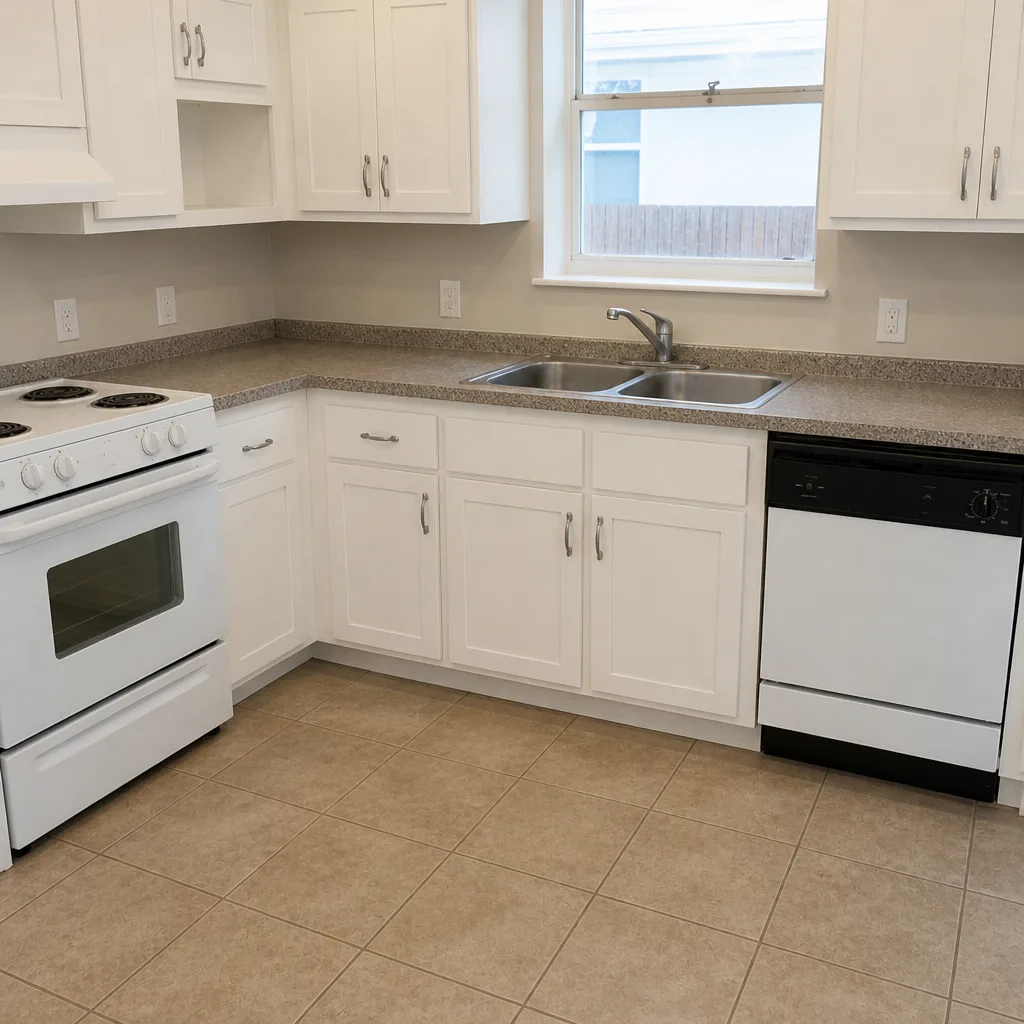 After
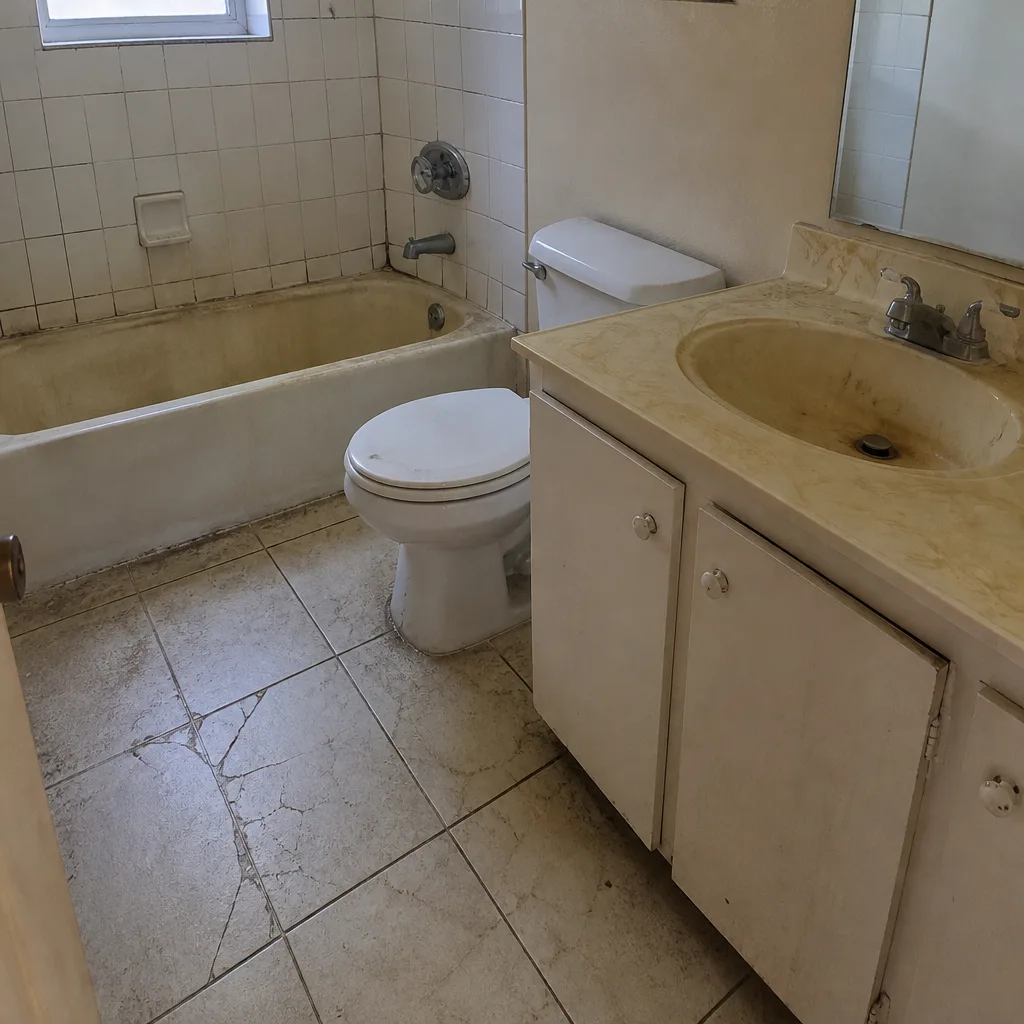 Before
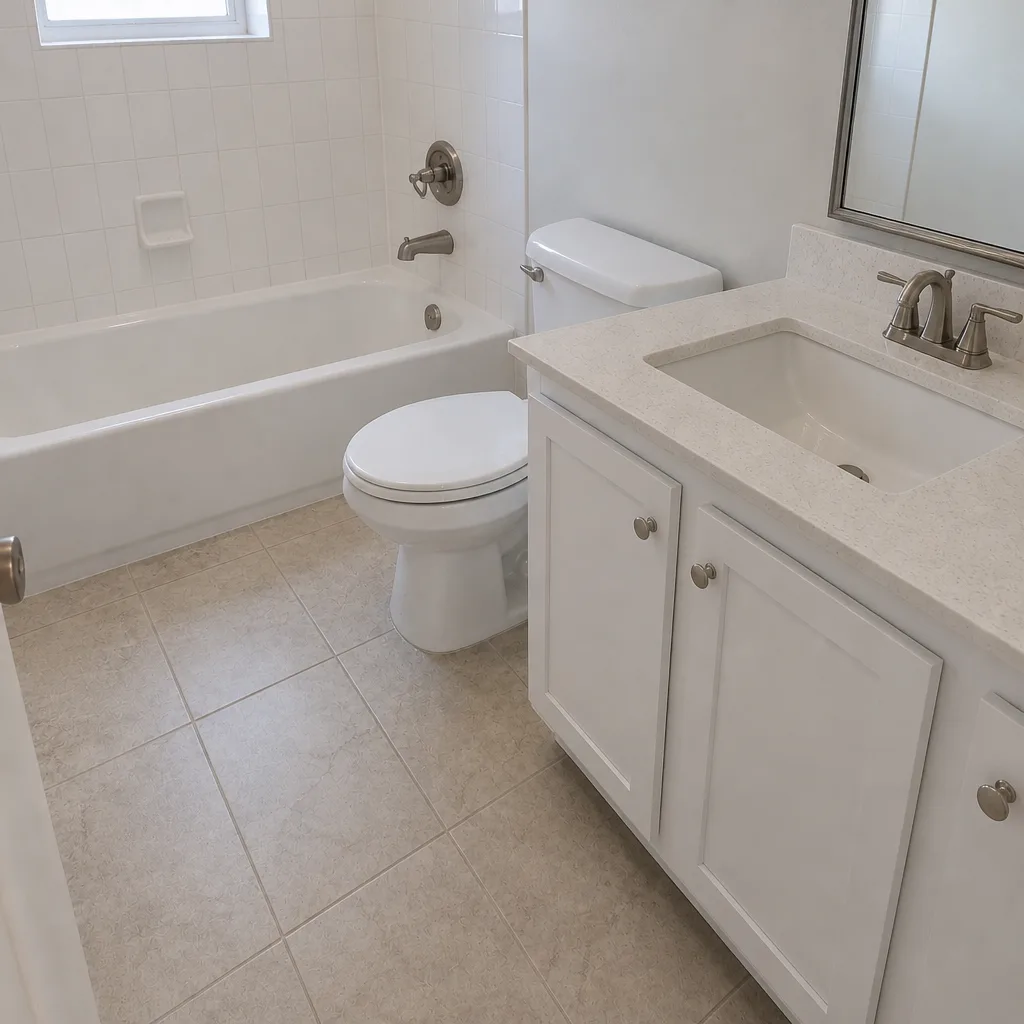 After
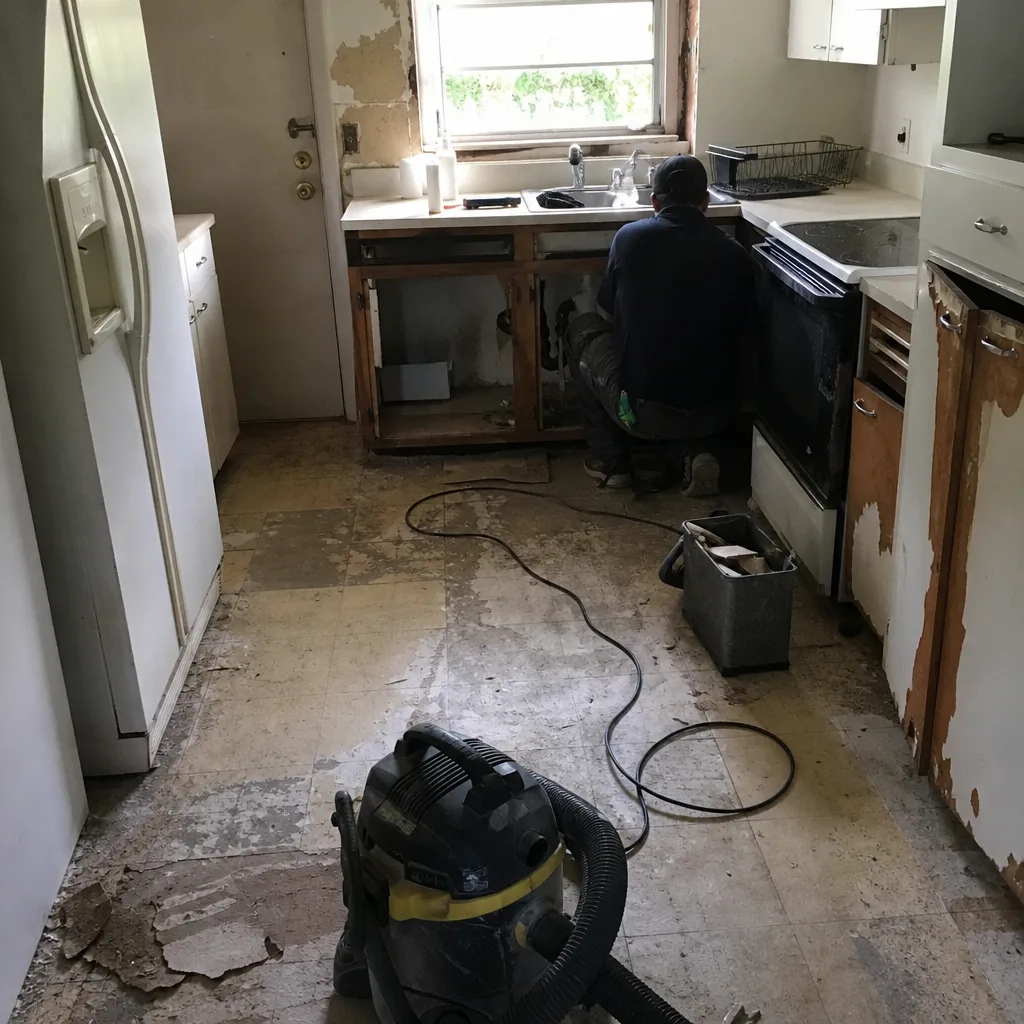 Before
 After
Common Mistakes to Avoid
- Using ammonia glass cleaner. This is the mistake that voids more window warranties than any other. It strips low-E coatings and attacks sealant, and once the coating is gone, the window no longer performs. Stick to pH-neutral soap and water.
- Oiling sliding tracks instead of using dry lubricant. In The Hammocks’ airborne grit, oil turns into a grinding compound. PTFE and silicone dry sprays are the right call, every time.
- Pressure-washing near windows and doors. A pressure washer at 2,500 PSI will drive water past sealant and can tear out a perimeter bead in seconds. Hose and cloth, never a pressure washer directed at any opening.
- Skipping the May hardware check. Fasteners loosen over the summer thermal cycle, and the pre-season check is the only thing standing between you and a locked-open casement during a storm. It takes forty minutes.
- Caulking over failed caulk without removing it. New sealant won’t bond to old, and you’ll have a failed joint under a “new” bead. Cut out the old, clean, dry, then caulk.
- Not documenting storm damage. A homeowner in The Hammocks who shows an adjuster dated photos from three days before the storm has a much easier claim than one who can’t prove when the damage happened.
- Ignoring fogging between panes. Fogged glass means a failed insulated unit. If a window fogs after year two, that’s a warranty claim. If nobody notices until year eight, it’s just a replacement.
When to Call a Professional
Routine cleaning and lubrication belong in your hands. Getting up a ladder to reseal a second-story window frame after forty years of homeowner chain-saw prudence is different. Call a licensed contractor for any of these:
Any sign of interior water intrusion. Fogging between panes on a unit less than ten years old (a likely warranty case). A door or window that won’t latch or has visibly shifted after a storm. Full-frame replacement or new-opening installation whenever the existing opening is larger than a standard replacement unit. Any exterior sealant at a height that requires more than a six-foot step ladder.
Groundwork Construction Co. of The Hammocks offers free estimates in The Hammocks. We send background-checked, uniformed technicians, use brand partners like Andersen and Pella for window work, and back every job with the 730-Day Done Right Promise. Call (844) 761-9356 to schedule your free estimate, or start with our Home Additions & ADU in The Hammocks page if the maintenance walk-through revealed a project you’ve been putting off.
Frequently Asked Questions
Every month for visible glass surfaces, using pH-neutral soap and water only, and never with ammonia or alcohol-based cleaners. The salt air in The Hammocks means you should also rinse every aluminum frame every 90 days and apply a non-abrasive aluminum cleaner or wax every six months. Monthly glass cleanings protect the low-E coating; quarterly frame rinses protect the finish.
Maintenance is hardware running dry, weep holes plugging, or sealant aging on schedule. An installation failure is the same problem showing up twice after you’ve done the maintenance. If a window leaks two consecutive storm seasons after you’ve cleared the weep holes and inspected the perimeter sealant, the problem is behind the frame, and it’s a contractor call, not a cleaning call. Call (844) 761-9356 for a free estimate if you’re in that situation.
Yes, and you should do it every quarter with a dry PTFE spray into the cylinder and each lock point. Never use wet oil or WD-40 in a multipoint lock; it gums up the internal mechanism and can lock the door closed with the key turning freely. If a lock ever fails to engage all points cleanly with light pressure, stop and call a technician.
Ammonia-based glass cleaners, alcohol-based sprays, vinegar solutions, and any product containing abrasives will degrade the low-E coating over time, and most manufacturers exclude coating damage and seal failures caused by those cleaners from their warranty coverage. If a cleaner has a warning label about skin irritation or ventilation, it isn’t going on impact glass.
Inspect every perimeter bead with a flashlight at a shallow angle twice a year (March and September in The Hammocks). Any cracking, bubbling, pulling away from the frame, or gap where it was continuous means replace it. South Florida UV degrades sealant in seven to ten years, so any home past that mark should plan on a full perimeter reseal rather than patching individual joints. Call (844) 761-9356 for a free seal inspection if you’re not sure what you’re looking at.
Yes, in three ways: the low-E coating is more sensitive to the wrong cleaners, the multipoint hardware and heavier hinges need regular lubrication, and the impact-rated perimeter sealant has a specific service life you should schedule against. The glass itself is tougher, but the framing and hardware are what fail first when maintenance gets skipped. Our team at Groundwork Construction Co. of The Hammocks has years of experience with impact installations throughout South Florida; the schedule in this guide is the one we hand to every customer after a job closes.
The Bottom Line
Impact windows and doors are built to take a hurricane, but they need a schedule to stay in shape: monthly pH-neutral cleaning, quarterly dry-lubricant on every hinge and lock, a May pre-storm torque and sealant check, quarterly frame rinses to fight salt oxidation, and post-storm photo documentation for insurance. Skip any of those, and the window stays glass and frame; it just stops protecting the home. None of this is complicated, and most of it takes less time than the average lawn mowing. Get it on your calendar and it handles itself. Need help with a repair, replacement, or a full project to close out the maintenance list? Groundwork Construction Co. of The Hammocks is a call away. Reach us at (844) 761-9356 for a free estimate and design consult.
Written by the team at Groundwork Construction Co. of The Hammocks.