
Last updated November 17, 2026
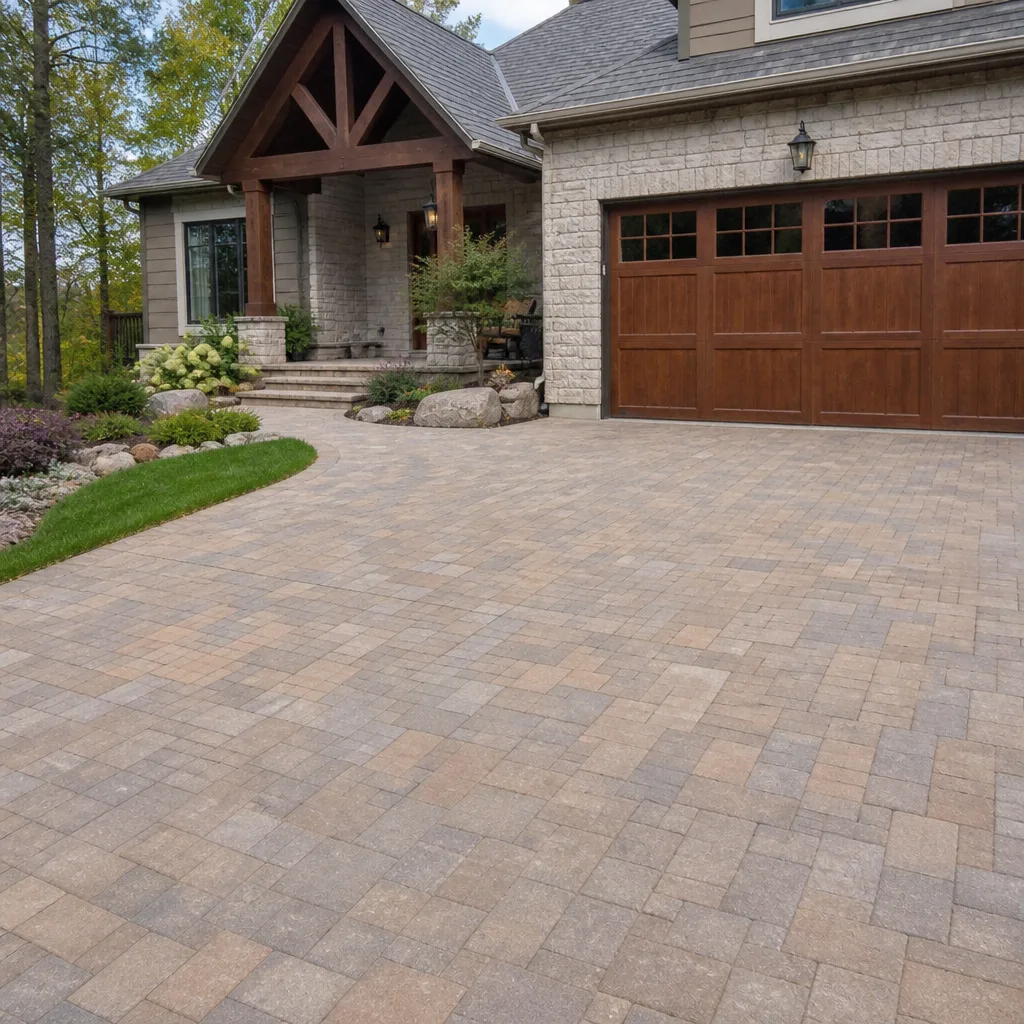 Driveway & pavers
 Kitchen remodeling
 Bathroom remodeling
 Home additions & ADU
 Roofing
 Windows & doors
 Fence
Free written scope consultation - allowances, timeline, and change-order rules on paper before a single trade is scheduled
How Long Does Driveway & Pavers Take? Timelines and What to Expect
A contractor who quotes you a 3-day driveway paver job without seeing your soil or checking your HOA approval timeline is guessing. And you’re the one who lives with the schedule when it’s wrong, with a torn-up yard, a car parked in the street, and a crew that vanished for a week during an afternoon storm. In The Hammocks, we’ve walked onto plenty of jobs where the “quick estimate” over the phone turned into a month of corrective work. This guide breaks down a realistic phase-by-phase timeline, the site conditions that reliably add days, and how to hold a contractor to a schedule without turning the relationship into a fight.
Quick Answer
A typical driveway paver installation takes 7 to 14 days of actual working time, and 3 to 6 weeks from contract signing to final walkthrough once you factor in permits, HOA approval, base prep, and South Florida weather holds. Simple driveways on stable soil can finish near the short end. Jobs with drainage corrections, root interference, or a slow HOA review push closer to the long end. Anyone quoting you a firm 3-day number before inspecting the site is not giving you a timeline, they’re giving you a sales line.
Styles & brands we work with
- Kitchen remodeling
- Bathroom remodeling
- Home additions & ADU
- Roofing
- Windows & doors
- Driveway & pavers
- Fence
Table of Contents
- The Real Phase-by-Phase Timeline, From Permit to Cure
- Permit and HOA Approval in The Hammocks
- Site Conditions That Add Days (and Why Nobody Warns You)
- How South Florida Afternoon Rain Affects the Schedule
- What “Done” Actually Means for a Paver Driveway
- How to Hold a Contractor to the Timeline
- Common Mistakes to Avoid
- Frequently Asked Questions
The Real Phase-by-Phase Timeline, From Permit to Cure
Let’s put honest day ranges against each phase. These are the same ranges we use when scoping a paver driveway in The Hammocks, and they assume a typical single-family driveway of roughly 500 to 900 square feet. Bigger driveways, tighter lots, and sloping sites add to these numbers, not replace them.
- Design consultation and contract: 3 to 7 days. This is where you pick your paver pattern, color, and edging. Belgard’s product line, which we install, typically ships in 2 to 3 weeks from order, so ordering happens early to run parallel with permitting.
- Permit submission and approval: 3 to 6 weeks in unincorporated Miami-Dade County. Rework adds days if your drainage plan doesn’t meet code. We never quote a start date until the permit is in hand.
- HOA architectural review (if applicable): 1 to 4 weeks. Many The Hammocks subdivisions require a design submittal before work starts. Missing this step is one of the most common causes of last-minute delays.
- Site excavation and removal: 1 to 2 days. Old surface comes out, spoils get hauled away. On small lots, staging and truck access stretch this to 3 days.
- Base preparation and compaction: 2 to 3 days. This is the phase that determines whether the driveway lasts 10 years or 30, and it’s the one most rushed by low bidders.
- Paver installation and cutting: 2 to 4 days. Laying goes fast once the base is right. Cutting at edges, transitions, and around utility covers is slow, careful work.
- Joint sand, compaction, and cleanup: 1 day. Polymeric sand fills the joints, final compaction locks everything in, and the site gets cleaned.
- Cure/settling period: 48 to 72 hours before vehicle traffic. Longer if rain saturates the sand.
Add it up honestly and you land at 7 to 14 working days on the ground, spread across 3 to 6 calendar weeks. If you’re also thinking about a Driveway & Pavers in The Hammocks project alongside other exterior work, coordinating the schedules up front prevents one project from stalling the other.
Permit and HOA Approval in The Hammocks
Permits are the first reason timelines slip, and The Hammocks has a specific wrinkle. Most of the community falls under unincorporated Miami-Dade County jurisdiction, which means the county’s building department handles your permit, not a city office. Review times for driveway and hardscape work range from roughly 3 to 6 weeks depending on how complete the initial submittal is. A drainage plan that accounts for our high water table and flat grade prevents the back-and-forth that adds weeks.
Then there’s the HOA layer. Many subdivisions within The Hammocks, like the neighborhoods off SW 157th Avenue and around Hammocks Boulevard, have architectural review committees that need to sign off on paver color, pattern, and driveway width before the first shovel touches the ground. That review can take another 1 to 4 weeks and is completely separate from the county permit.
Here’s what a contractor who actually knows the local landscape does differently:
- Submits the county permit and HOA application in parallel, not one after the other.
- Reviews the HOA architectural guidelines before ordering paver samples, so you’re not falling in love with a color the committee will reject.
- Puts the anticipated approval window in writing so you know when the clock actually starts.
If you’re weighing hardscape against other exterior upgrades, our guide to Fence Installation in The Hammocks covers the permit path for that scope, which sometimes runs on the same schedule.
Site Conditions That Add Days (and Why Nobody Warns You)
The number one timeline killer on a paver driveway is a surprise under the surface. A contractor who hasn’t probed the soil or walked the site with an eye for grading is guessing at what’s hiding below 6 inches of old concrete. Here are the conditions that reliably add days in The Hammocks, listed in rough order of how often we hit them.
- Soft or expansive soil: Western Miami-Dade soils vary from sand to pockets of organic material and clay. If the subgrade is soft, we over-excavate and bring in stabilized base material. That’s 1 to 2 extra days and real money in material.
- Root interference: Established oak and palm roots in The Hammocks lots often intrude on the driveway footprint. Root removal or a root barrier adds a day, and sometimes requires an arborist consultation if a protected tree is involved.
- Drainage correction: Our flat terrain and high water table mean water needs somewhere to go. A paver driveway that drains toward the house is a future flood. Grading, a swale, or a French drain can add 1 to 3 days.
- Inadequate or failing base: If the existing base is a patchwork of old concrete and crushed shell, it has to come out fully. Half-measures here are what cause paver settling within a year.
- Utility conflicts: Irrigation lines, septic components, or undocumented conduits crossing the footprint need to be relocated or protected. A day, often two.
- Tight truck access: A driveway that’s hard to reach with a dump truck or skid steer means more hand-carrying, slower excavation, and more labor hours.
This is where a real site assessment pays for itself. When we scope a job in The Hammocks, we probe the soil, check the grade against the house, and identify root and utility conflicts before the contract is signed. A builder who quotes off a photo is quoting off a fantasy. Groundwork Construction Co. of The Hammocks operates from our home base and knows these lots. Every project is backed by our 730-Day Done Right Promise, so if the base prep wasn’t right, we fix it, not you.
How South Florida Afternoon Rain Affects the Schedule
Anyone who’s lived in The Hammocks through a summer knows the drill: clear morning, black clouds by 3 p.m., downpour by 4, dry by dinner. That pattern is baked into a realistic paver schedule, and it’s the reason “7 working days” doesn’t mean “7 consecutive calendar days.”
What a legitimate contractor does during the rainy season:
- Schedules excavation and base prep for morning hours. Base material needs to be compacted dry. If it gets soaked, it has to dry out or be re-graded before pavers go down.
- Covers the base, not the finished pavers. A tarp over exposed base is standard. Tarping finished pavers traps moisture and can stain the surface. If your crew is throwing a plastic sheet over the finished product, ask why.
- Builds rain days into the schedule. We plan 2 to 3 weather holds per week during June through October. A contractor who doesn’t is either naive or hoping you won’t notice when the “3-day” job takes 9.
- Keeps a pumping plan. Flat lots with high water tables can pond after a heavy cell. A small utility pump on site saves a full day of waiting for the water table to drop.
The difference between a professional and a weather-beaten amateur shows up here. The pro is sitting in the truck at 7 a.m. the day after a storm, checking the base compaction with a plate compactor and moving forward. The amateur covers the mess and hopes the customer doesn’t inspect the subgrade. Our technicians, who have up to 12 years of experience, treat a rain delay as a schedule event, not a crisis, and we communicate the adjustment the same day. Calls to Groundwork are answered by a live person, 24/7, so you’re never waiting for a callback to find out whether the crew is showing up.
For homeowners planning a larger exterior scope, the rainfall patterns also drive sequencing decisions on a Home Additions & ADU in The Hammocks project, where framing and foundation phases need the same weather margin.
What “Done” Actually Means for a Paver Driveway
A paver driveway that looks finished is not the same as a paver driveway that’s ready for your car. Three things have to happen before the surface is load-ready, and skipping any of them is a shortcut that costs you later.
- Polymeric joint sand has to set. After the sand goes in and the final compaction locks it in, the sand needs time to cure. Drive on it too soon and the vibration shears the sand out of the joints, leaving gaps that grow every season.
- The base has to settle. Even a perfectly compacted base settles slightly under its first real load. That 48 to 72 hour window gives the system time to find its final position before you park a 4,000-pound vehicle on it.
- Edge restraints have to cure. If your driveway has a concrete or plastic edge restraint, the anchoring adhesive needs time to set. Rolling a truck over it hours after install pops the restraint and starts the paver edge creeping outward.
The 48 to 72 hour vehicle hold is not a suggestion, and a contractor who tells you to go ahead and park the minivan the same evening is telling you they don’t care about the warranty on their own work. For The Hammocks homeowners, plan on leaving cars in the street or a neighbor’s driveway for the better part of a week at the end of the job, factoring in the cure window plus any rain delays. If the final compaction and sand work happen on a Friday, expect to be off the surface until Monday.
What happens if you ignore it? Usually nothing dramatic in week one. Instead you get joint sand loss over the first year, pavers that start shifting and rocking after two summers, and a warranty conversation down the road that the contractor can attribute to customer misuse. Do it right and a Belgard or comparable paver system will outlast the house’s original concrete slab.
How to Hold a Contractor to the Timeline
You can absolutely protect yourself on schedule without becoming the client nobody wants to work for. The key is putting the right language in the contract and agreeing on milestone sign-offs before work starts. Here’s what to ask for.
- Phased schedule with reasonable ranges, not single dates. “Excavation complete by day X, base prep and inspection by day Y, pavers complete by day Z, final compaction and cleanup by day W.” Ranges with a built-in weather allowance are honest. A single firm date is a setup for disappointment.
- Change order clause that requires written approval. If the base turns out to be soft or a root conflict shows up, the change to the schedule and the price should come to you in writing before work resumes. No verbally delivered surprises at the end.
- Milestone payment schedule tied to completed phases. Deposits up front for materials are standard. Payments should follow completed and signed-off milestones, not arbitrary dates.
- Weather days defined in writing. State up front how many weather holds are built into the schedule and what happens if they’re exceeded.
- Written communication channel and response window. Daily or every-other-day updates in writing, with a maximum response window for questions. A contractor who goes silent for a week is telling you something.
- Final walkthrough and punch list. The job isn’t done until you walk it with the crew lead, do a compaction check, and sign off on a written punch list. Groundwork backs every project with the 730-Day Done Right Promise, and the final walkthrough is where we put that promise into practice.
Upfront pricing, no surprises, means the price on the contract matches what you pay, and the schedule in the contract reflects what’s realistically possible. Ask for the schedule in writing, ask about weather holds, and hold the contractor to the milestones. Every serious builder will welcome the structure.
Common Mistakes to Avoid
- Accepting a verbal timeline without a written schedule. A promise delivered in a driveway conversation and never written down is not a commitment. Insist on a phase-by-phase schedule in the contract.
- Skipping the HOA review. In The Hammocks subdivisions, installing pavers before architectural approval is granted can mean having to tear them out. Check the HOA covenants before you pick a color.
- Choosing pavers before the base is assessed. The material you pick should follow the base design, not the other way around. Soft soil may require a different paver thickness or a stabilized base.
- Driving on the new surface too soon. The 48 to 72 hour hold exists for a reason. Wait it out, even if it means leaving your car at a neighbor’s place over the weekend.
- Hiring the crew that quotes the fastest. A 3-day timeline that ignores soil conditions, permits, and weather is a red flag, not a bargain. It means the contractor is planning to cut corners somewhere you can’t see.
- Ignoring drainage. South Florida’s flat grade and high water table mean a paver driveway without proper grading will hold water against your house during heavy rain. Ask specifically how the new surface drains.
- Not asking what happens if it rains. A crew without a rain plan will make one up on your driveway. Ask up front how they handle afternoon storms and whether rain days are built into the schedule.
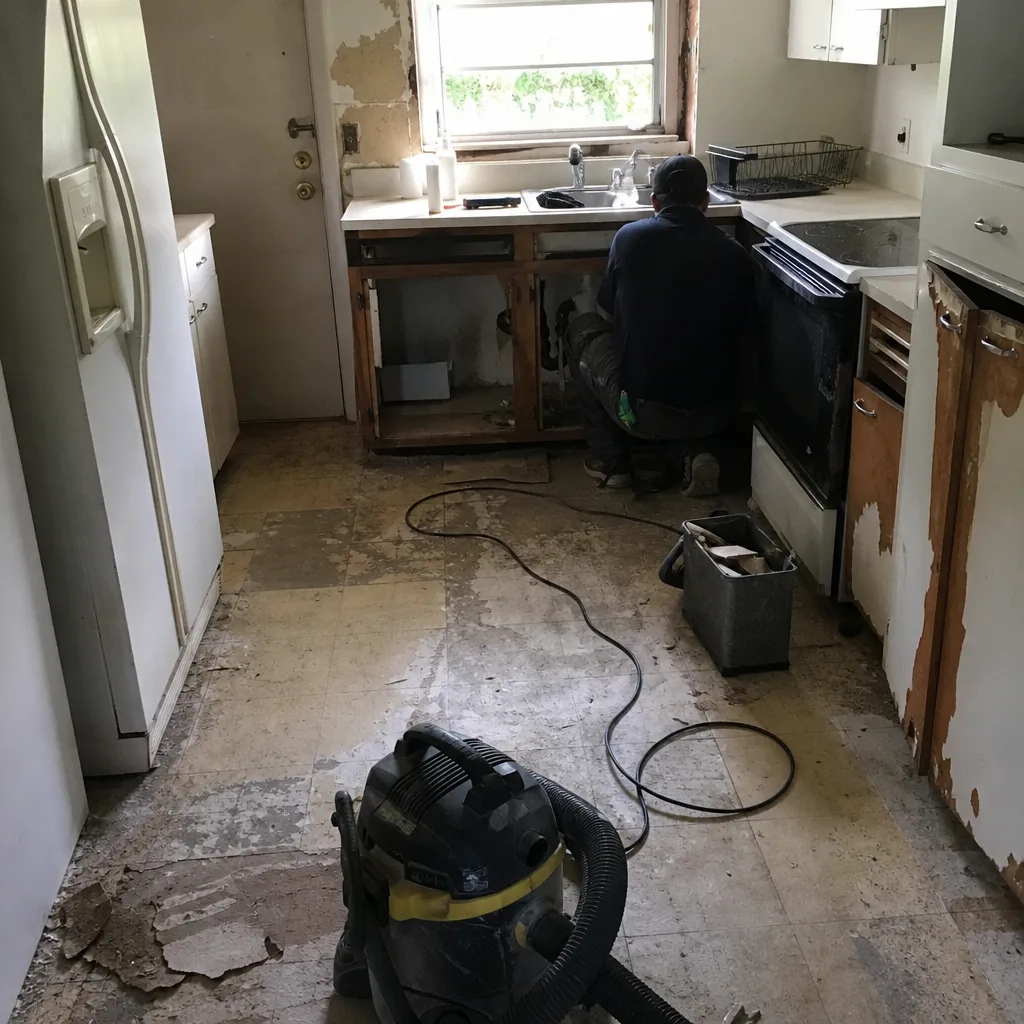
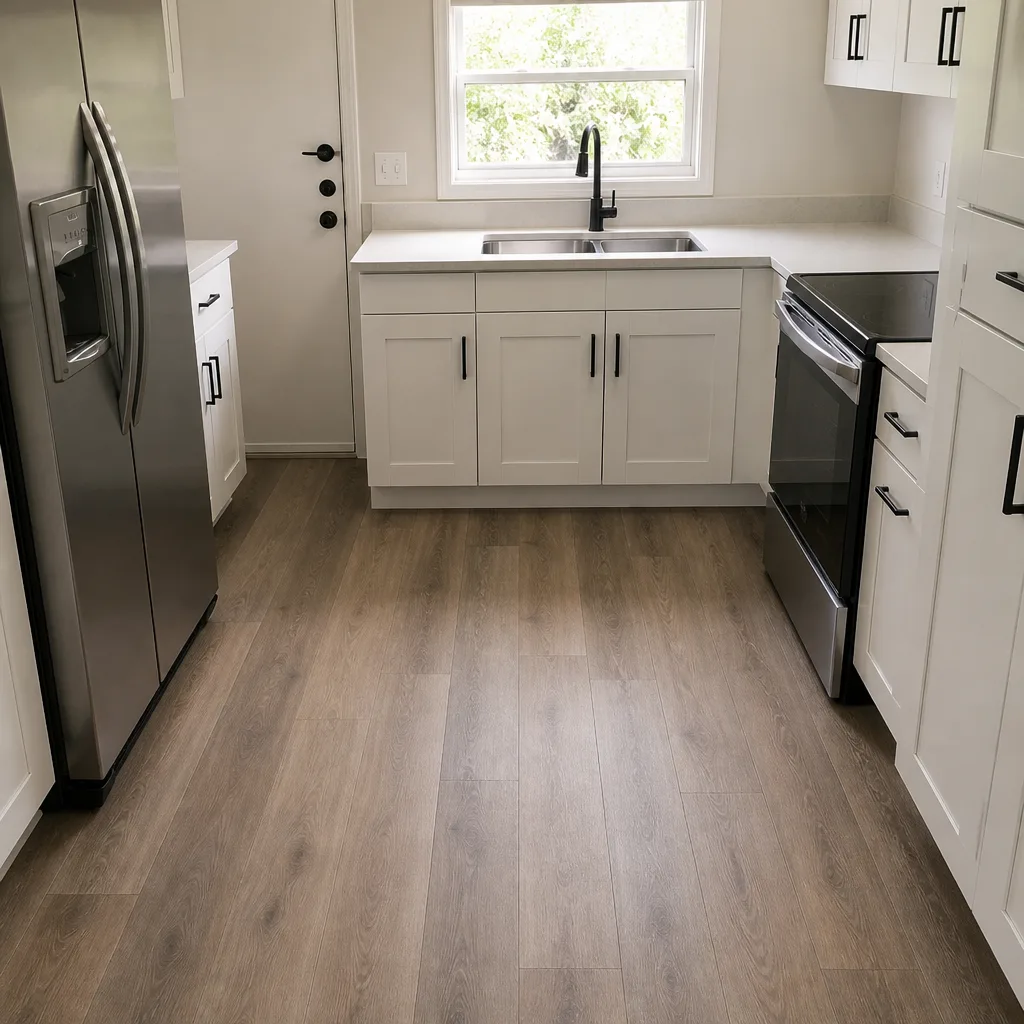
See the difference
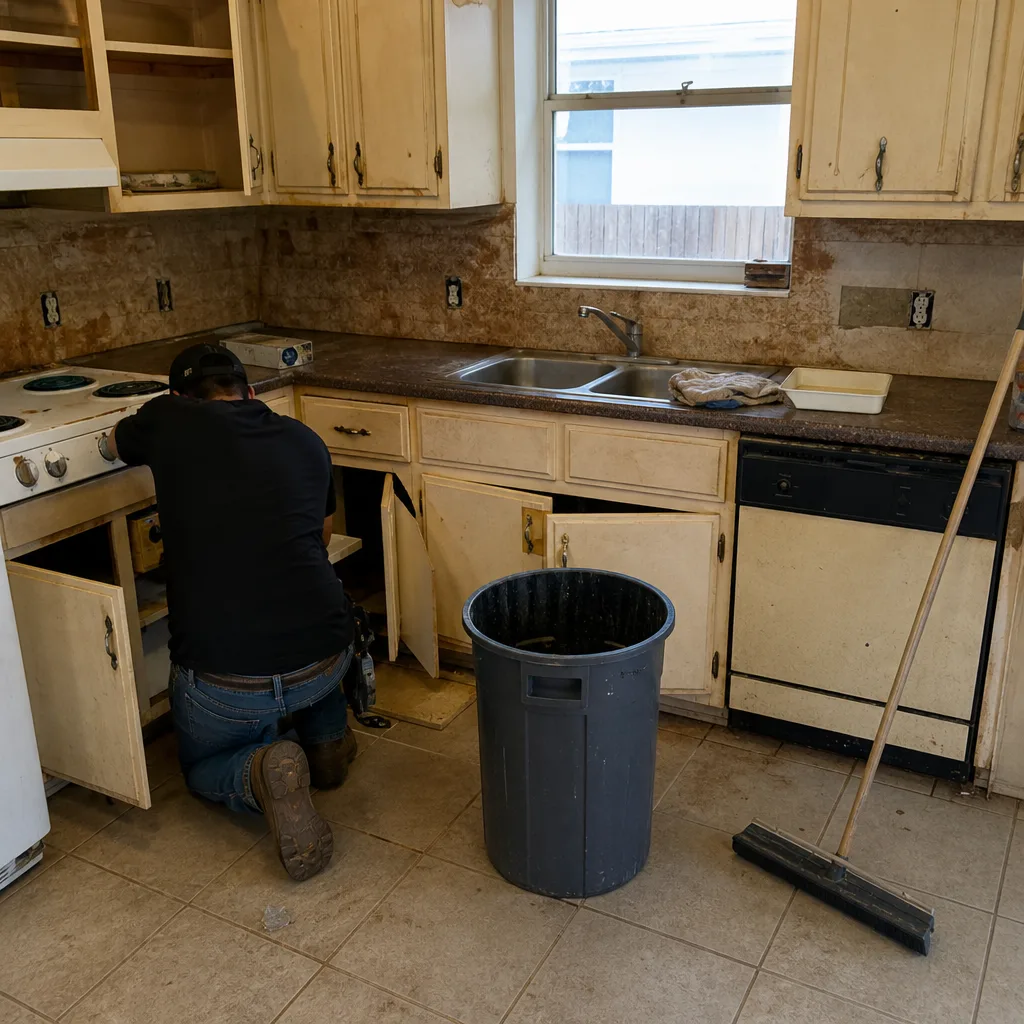 Before
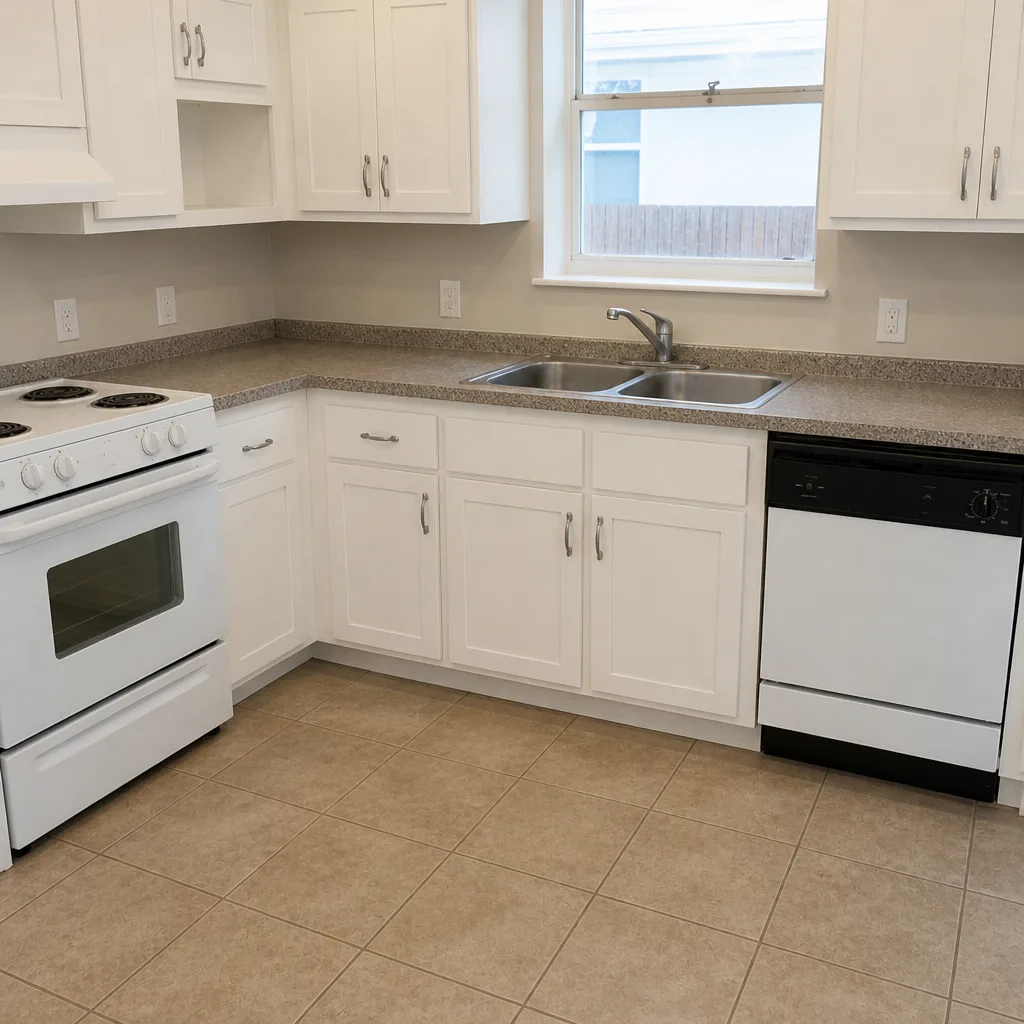 After
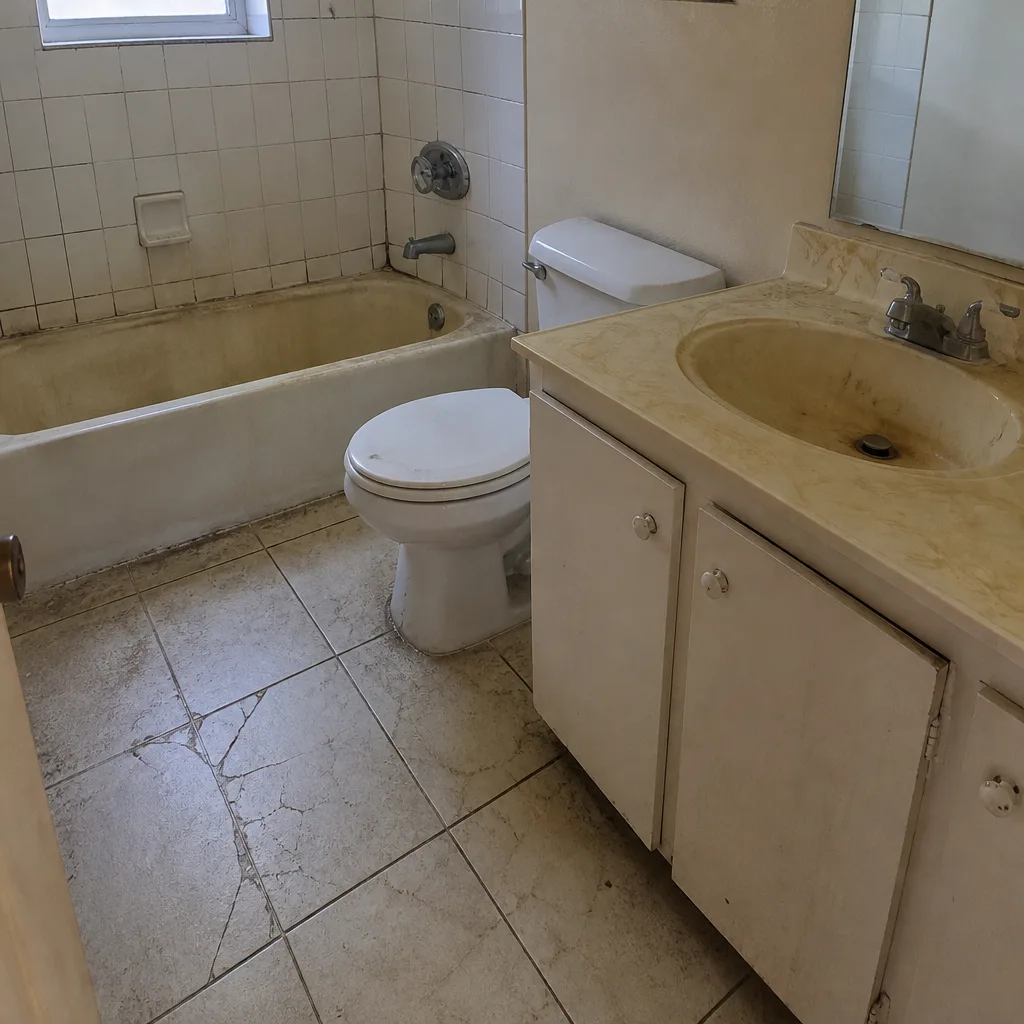 Before
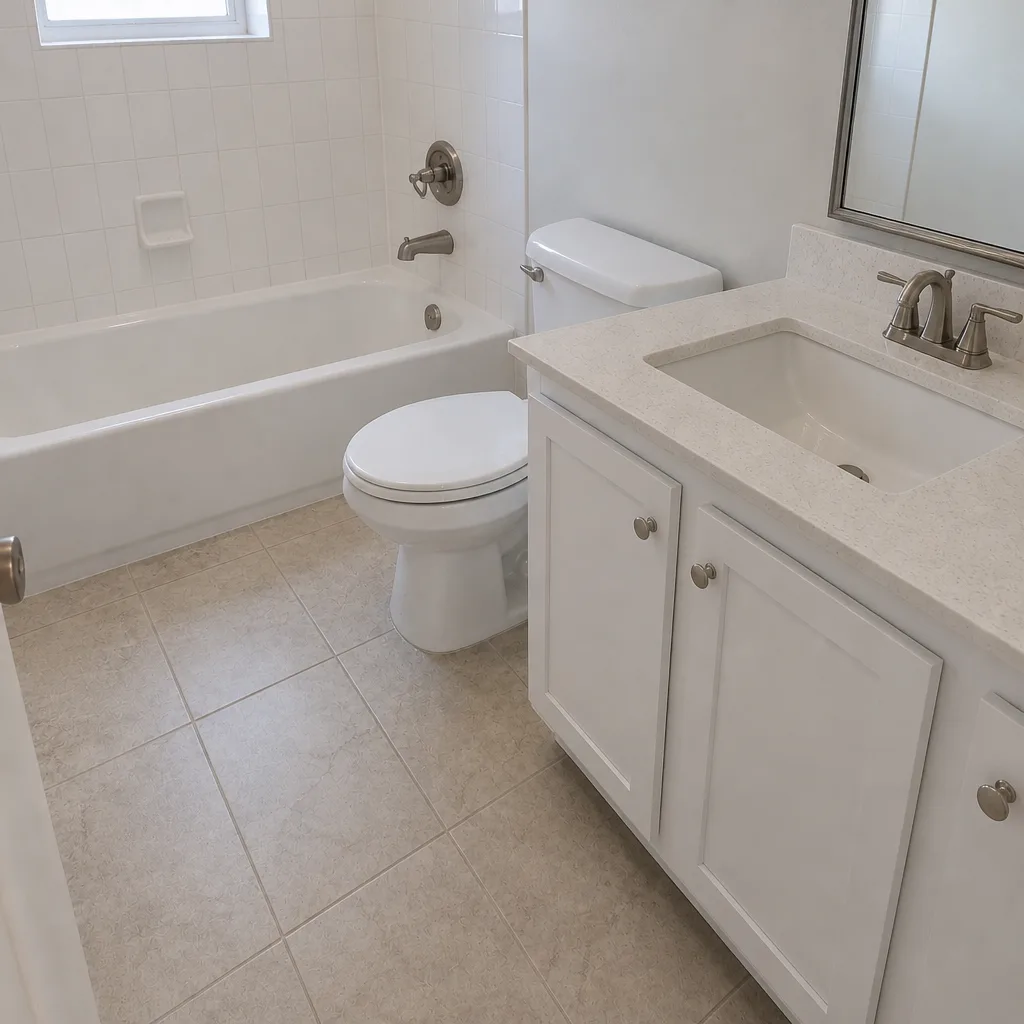 After
 Before
 After
When to Call a Professional
Some driveway work is a straightforward material swap, but plenty isn’t. Call a professional if the driveway slopes toward the house, if the existing surface is failing in multiple spots, if roots from mature trees cross the footprint, if the driveway is in a flood-prone pocket of The Hammocks, or if your HOA has architectural restrictions you don’t fully understand. Small patios and single-slab repairs are within reach of a confident DIYer. Anything with a base rebuild, drainage correction, or a 20-year material investment belongs with a contractor who’ll stand behind the work in writing. Groundwork Construction Co. of The Hammocks offers free estimates in The Hammocks. Call (844) 761-9356 to schedule yours, and we’ll walk the site with you, probe the soil, and put a realistic timeline in writing.
Frequently Asked Questions
Most driveway paver installations take 7 to 14 working days of on-site work, and 3 to 6 weeks from contract to final walkthrough once permits, HOA approval, base prep, and weather holds are factored in. The 7 to 14 working-day figure assumes a typical 500 to 900 square foot driveway with a stable base. Bigger driveways, soft soil, or drainage corrections push closer to the long end. Call (844) 761-9356 for an exact timeline based on your site.
Usually one of three reasons: soil conditions, HOA review time, or drainage corrections. Some The Hammocks lots have organic material in the subgrade that needs over-excavation, and many subdivisions have architectural review committees with wildly different turnaround times. If a neighbor’s job took six weeks and yours took three, the difference is almost always under the surface, not in the paver work itself. A site assessment before the contract prevents the surprise.
No. Wait at least 48 to 72 hours before driving on a new paver driveway so the polymeric joint sand and edge restraints cure properly, and the base settles under its first load. Driving on it sooner can shear sand out of the joints, pop edge restraints, and cause paver shifting within the first year. If rain falls during the cure window, add another day or two and check with your contractor before driving on it.
Yes, in almost all cases. Most of The Hammocks is in unincorporated Miami-Dade County, so driveway and hardscape projects go through the county’s building department rather than a city office. Typical review time runs 3 to 6 weeks. Many subdivisions also require HOA architectural approval before work starts, which is a separate process handled in parallel. Skipping either path can result in a stop-work order or a required removal. Call (844) 761-9356 to talk through the permit path for your specific street.
The crew covers exposed base material and pauses compaction until it’s dry enough to hold. Finished pavers typically aren’t tarped because trapping moisture can stain the surface. A legitimate contractor builds 2 to 3 weather holds per week into the schedule during South Florida’s rainy season and communicates the delay the same day. If your contractor doesn’t have a rain plan before work starts, that’s a warning sign.
Not if the site assessment was done properly. Groundwork quotes upfront pricing, no surprises, so the number on the contract is the number you pay unless you approve a written change order for something that couldn’t be seen until excavation, like soft soil or an undocumented utility line. Anything that changes during the project comes to you in writing first. Call (844) 761-9356 for a free estimate and a written scope of work.
The Bottom Line
A 7 to 14 working-day installation, backed by 3 to 6 calendar weeks of permitting, scheduling, and weather margin, is a realistic driveway paver timeline in The Hammocks. The variable isn’t the paver work itself, which is predictable. The variable is the site assessment behind the schedule. Soil conditions, root interference, drainage corrections, and HOA review times are what turn a “3-day job” into a month-long headache for someone who got sold a number that was never real. Get a site walk, get the schedule in writing, and expect the cure window to be honored. Groundwork Construction Co. of The Hammocks offers free estimates and a full written scope for every paver project, so call (844) 761-9356 to schedule yours and get a timeline you can actually plan around.
Written by the team at Groundwork Construction Co. of The Hammocks.