
Last updated November 17, 2026
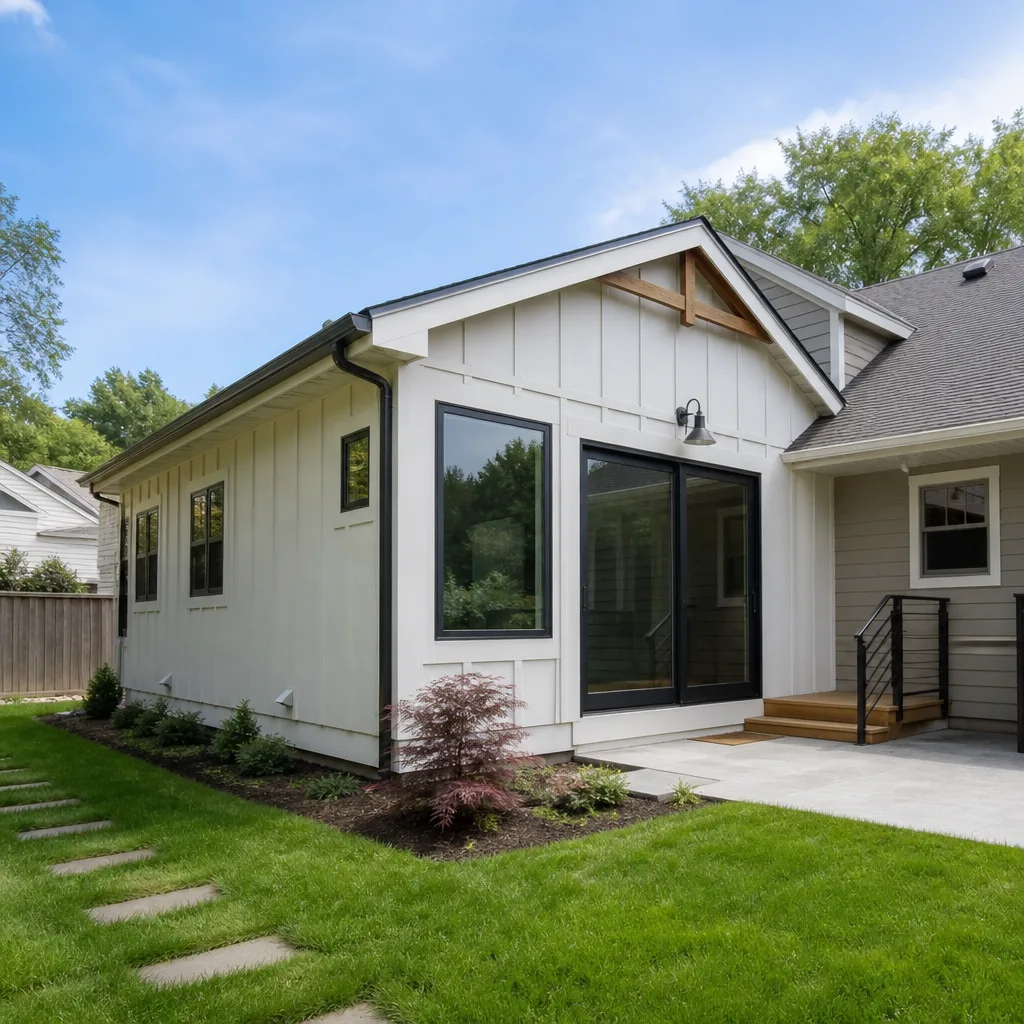 Home additions & ADU
 Kitchen remodeling
 Bathroom remodeling
 Roofing
 Windows & doors
 Driveway & pavers
 Fence
Free written scope consultation - allowances, timeline, and change-order rules on paper before a single trade is scheduled
Home Additions & ADU Troubleshooting: Common Problems and How to Fix Them
A hairline crack in the drywall near a new addition’s connection point isn’t always cosmetic. In The Hammocks and the rest of South Florida, expansive soil and a high water table mean old and new foundations settle at different rates, and that seam where the two structures meet is where trouble usually shows up first. Most of the problems we get called about don’t surface during construction. They appear 6 to 18 months later as water intrusion, rooms that won’t cool, or cracks that keep growing. This guide teaches you how to read those symptoms, separate cosmetic from structural, and know exactly when a problem demands a licensed professional within 48 hours.
Quick Answer
Most home addition and ADU problems fall into three buckets: differential settling at the old-to-new transition, HVAC imbalance in the new space, and water intrusion at roof tie-ins and new exterior walls. Cosmetic settling you can monitor and document yourself. Structural movement, active water intrusion, and rooms that stay 8+ degrees off target are professional territory, and you should call within 48 hours before secondary damage escalates.
Styles & brands we work with
- Kitchen remodeling
- Bathroom remodeling
- Home additions & ADU
- Roofing
- Windows & doors
- Driveway & pavers
- Fence
Table of Contents
- Why the Old-to-New Transition Point Fails First
- Cosmetic Settling Cracks vs. Structural Movement Cracks
- HVAC Imbalance in Additions: Duct, Sizing, or Insulation
- Water Intrusion at Roof Tie-Ins and New Exterior Walls
- Foundation and Soil Movement in South Florida
- ADU-Specific Problems: Permits, Utilities, and Setbacks
- The 48-Hour Decision Framework
Why the Old-to-New Transition Point Fails First
Every addition creates a seam. On one side sits a structure that has already found its equilibrium with the soil beneath it. On the other sits a foundation that is still curing, still settling, and in The Hammocks, still adjusting to a water table that rises and falls with the wet season. The two sides move independently for the first year or two, and the joint between them absorbs that movement. That’s why the transition zone is where you should look first when something seems off.
We’ve walked hundreds of additions across The Hammocks, and the pattern holds: the joint is the diagnosis point. Look for these signals along the interior seam where the old wall meets the new:
- Diagonal cracks running from door or window corners outward at roughly 45 degrees.
- Stair-step cracks in block or brick at the exterior seam.
- Gaps at the baseboard where the new addition meets the original flooring.
- Doors that stick only in the new space, or only at certain times of year.
- Drywall tape separation running vertically along the joint line.
A single hairline crack that appears in the first 12 months and stops growing is common after any addition in The Hammocks’ soil conditions. Cracks wider than 1/8 inch, cracks that grow month to month, or any horizontal crack in a foundation wall are the ones that demand attention. If you’re planning a new addition rather than troubleshooting an existing one, our team handles Home Additions & ADU in The Hammocks from foundation to finish, and the transition detail is where we spend the most engineering time.
Cosmetic Settling Cracks vs. Structural Movement Cracks
You can tell the difference between cosmetic and structural cracks with a few tests that require nothing more than a pencil, a tape measure, and a month of patience. Here’s how to run them.
- The pencil test. Drag a pencil across the crack at a 90-degree angle. If the pencil bridges the gap without catching, it’s hairline and likely cosmetic.
- The tape test. Place a strip of masking tape across the crack and mark the date on it. If the tape tears or the crack visibly opens past the edges within 30 days, it’s active movement.
- The width measurement. Measure the widest point in millimeters. Under 2mm and stable means monitor only. Over 3mm or growing means call.
- The level check. Lay a 4-foot level on the floor near the crack. A slope of more than 1/4 inch over 4 feet in a new addition signals potential structural settling.
- The door-and-window test. Open and close every door and window in the addition. If they all bind in the same season, that’s movement. If only one sticks, that’s a hardware or humidity issue.
In The Hammocks, the wet season from May through October swells the soil, and the dry season shrinks it back. Some seasonal movement of a 1/16-inch to 1/8-inch crack is normal and closes back up. What shouldn’t happen is a crack that only grows. Document with photos on the first of every month for three months. If the crack widens, you have your answer and it’s time to call.
HVAC Imbalance in Additions: Duct, Sizing, or Insulation
The complaint is always the same: “The new room never cools.” You set the thermostat to 74 and the addition sits at 82 while the rest of the house is comfortable. This almost always traces to one of three causes, and the symptoms tell you which.
Here’s the diagnostic sequence we run:
- Duct issue: If the room cools fine in the morning but can’t keep up in the afternoon, or cools only when other rooms are closed, the duct run to that room is undersized or leaking. A 6-inch flex duct feeding a 300-square-foot addition simply can’t move enough air. Check for disconnected ducts in the attic first.
- Equipment sizing: If the whole house seems to run longer since the addition was finished, the original HVAC system is likely undersized. An addition between 400 and 600 square feet in The Hammocks typically pushes the load past what a builder-grade unit was sized for. If the unit runs continuously on an 80-degree day, this is your answer.
- Insulation failure: If the addition is cold in winter and hot in summer but cool when the sun is down, you have an envelope problem. In The Hammocks, additions built with R-13 attic insulation instead of the R-19 to R-30 recommended for our climate will bleed heat all summer. Check the attic above the addition for thin or displaced insulation.
One practical test: put an instant-read thermometer at the vent and at the return. A properly balanced system should show a 15 to 20-degree difference between supply and return air. If you’re seeing less than 12 degrees, the duct or equipment is the culprit. Anything above 22 degrees means restriction somewhere in the line.
Water Intrusion at Roof Tie-Ins and New Exterior Walls
Water intrusion in additions almost always starts at two places: the roof tie-in where the new roof meets the old, and the base of new exterior walls where they meet the slab or stem wall. The Hammocks sits in a high rainfall zone with wind-driven summer storms, so a 1/4-inch gap in flashing that would stay dry through a mild climate will dump water into your addition during the first serious squall.
Trace the source before you call anyone. Here’s how:
- Note the timing. Water appearing during a driving rain from the east points to the east wall or its tie-in. Water that appears hours after the rain stops points to a drainage or flashing issue uphill.
- Follow the stain upward. Water stains fan outward from their source. The narrowest point of a ceiling or wall stain is closest to the intrusion point.
- Check the attic during a rain. Send someone with a flashlight into the attic during the storm and look along the roof-to-wall junction. You’ll see the drip before it reaches the ceiling.
- Test the weep holes. At the base of the new exterior wall, verify that weep holes are open and the drainage plane behind the siding/stucco is not sealed. A blocked weep hole backs water up under the wall system.
- Inspect the roof tie-in from outside. Look for lifted or unsealed step flashing where the new roof plane meets the old wall. Any gap you can slip a business card into is a problem.
Do not seal a leak with caulk and hope. In The Hammocks’ humidity, a caulk-and-hope repair traps moisture behind it, and the real damage starts about three months later as mold or rot in the wall cavity. If you’ve traced the source to the roof tie-in, that’s the recovery step covered by our Groundwork Construction Co. of The Hammocks home team’s trade partners, from GAF and CertainTeed roofing materials to the flashing detail itself.
Foundation and Soil Movement in South Florida
The Hammocks sits on the western edge of Miami-Dade, and the soil here is a mix of sandy fill and calcareous material over the limestone that runs down the Florida peninsula. That geology behaves nothing like the clay soils that most general construction literature assumes. Expansive clays swell and shrink dramatically, but our sandy soils are more about erosion, washout, and compaction than swelling.
Three foundation failure modes dominate in The Hammocks:
- Settlement from poor compaction under the new slab. An addition slab that wasn’t compacted in lifts will settle where the fill is thickest. Symptoms: a dip in the middle of a room, hollow sound when you tap the floor, and cracks radiating out from the dip.
- Washout around the footing during heavy rain. If drainage isn’t directed away from the addition, water scours the soil from under and around the footing. Symptoms: cracks that open after heavy rain and close in dry weather.
- Undermining at the transition footing. When the new footing is shallower than the original structure’s footing, water can move laterally under the new one. Symptoms: S-shaped or “heave” cracks near the transition point.
The ruler-and-blocks test is quick and tells you a lot. Place a marble on the floor of the addition in a corner and see which way it rolls. Rolling toward a low point near the center is a settlement symptom. Rolling toward an exterior wall is a drainage symptom. Both are professional territory, but knowing the direction tells the inspector or engineer where to start.
ADU-Specific Problems: Permits, Utilities, and Setbacks
Accessory dwelling units have their own failure modes that don’t apply to a simple bump-out addition. The problems here are usually paperwork rather than structural, but they can stop you cold when you go to sell or refinance.
Watch for these in any ADU in The Hammocks:
- Unpermitted work. An ADU that got built without its permits being pulled, inspected, and closed out on the certificate of occupancy can’t legally be rented. Before you buy a property with an ADU, verify permits at Miami-Dade’s Building Department – the address and parcel number pull up the history.
- Utility separation. A legal ADU generally needs its own electrical meter, water service, or a clear submetering arrangement, depending on how the local AHJ interprets it. The Hammocks’ HOA rules can add stricter requirements. If both units share a single panel with no separation and it wasn’t documented at permitting, that’s a negotiating point or a fix.
- Setbacks and lot coverage. The Hammocks has specific lot coverage and side setback rules that often trip up homeowners who measured their ADU against the wrong standard. If the ADU encroaches on a required setback, an administrative variance is the usual remedy, and it isn’t cheap or fast.
- Impact fee assessment. An ADU triggers transportation and school impact fees that a simple addition may not. If you’re being billed for these after the fact, that’s a sign the project started without a proper permitting conversation.
If you’re planning a new ADU rather than troubleshooting an existing one, get the permitting and utility plan locked down before a single shovel hits the ground. Retrofitting utility separation into a finished ADU costs roughly three to four times doing it correctly during construction.
The 48-Hour Decision Framework
The most useful thing we can teach you is where the line sits between “monitor and document” and “call a professional this week.” Here’s the framework we’d give a friend.
Monitor and document yourself:
- Hairline cracks under 2mm that appear in the first 12 months after completion.
- Seasonal door sticking during the wet season that resolves in dry weather.
- A room that’s 3 to 6 degrees off from the rest of the house but manages it with a room AC or a ceiling fan.
- Cosmetic paint cracking at a joint that hasn’t grown in 30 days.
Call a professional within 48 hours:
- Any horizontal crack in a foundation or stem wall, regardless of size.
- Active water intrusion, water staining that appears during rain, or visible mold at a ceiling or wall junction.
- Cracks wider than 3mm, or any crack that grew measurably in 30 days.
- Doors or windows that suddenly stopped closing in the addition, especially if they were fine last month.
- An HVAC system that can’t hold 8 degrees off the thermostat setpoint on an 85-degree day.
- Any sign of floor slope greater than 1/4 inch over 4 feet.
The 48-hour window matters because water and structural issues compound. A slow roof tie-in leak caught in week one is a flashing repair. Caught in month three, it’s rot, drywall, insulation, and mold remediation. The dollar difference is roughly 8 to 12x. Call fast when the signs are on the second list, not the first.
Common Mistakes to Avoid
- Caulking over cracks instead of monitoring them. That hides the evidence the inspector needs. In The Hammocks, a caulked-over structural crack looks cosmetic until the wall movement splits the caulk joint entirely.
- Closing off HVAC vents in the original house to force more air to the addition. This raises static pressure in the system and can shorten your compressor’s life by years. Fix the duct run or the equipment instead.
- Ignoring water stains above a window “because it only happens during strong storms.” It’ll happen in every storm. That’s a flashing failure, not a rare coincidence.
- Adding the ADU without separate utility meters. In The Hammocks this makes the ADU legally unrentable in many cases, and retrofitting is where the real cost hits.
- Skipping the pre-purchase permit check on an existing ADU. A permit search at the county takes 20 minutes. A failed permit closer takes months and money, and it can collapse a sale.
- Assuming the crack pattern is the same every year. Measure and photograph quarterly. Documented evidence is what a structural engineer needs to give you a useful diagnosis instead of a generic “monitor it” answer.
- Hiring the cheapest bid to fix a structural symptom without a written scope. If the bid doesn’t say what gets inspected, what gets fixed, and what the repair will look like in writing, it’s not a bid. It’s a guess.
See the difference
 Before
 After
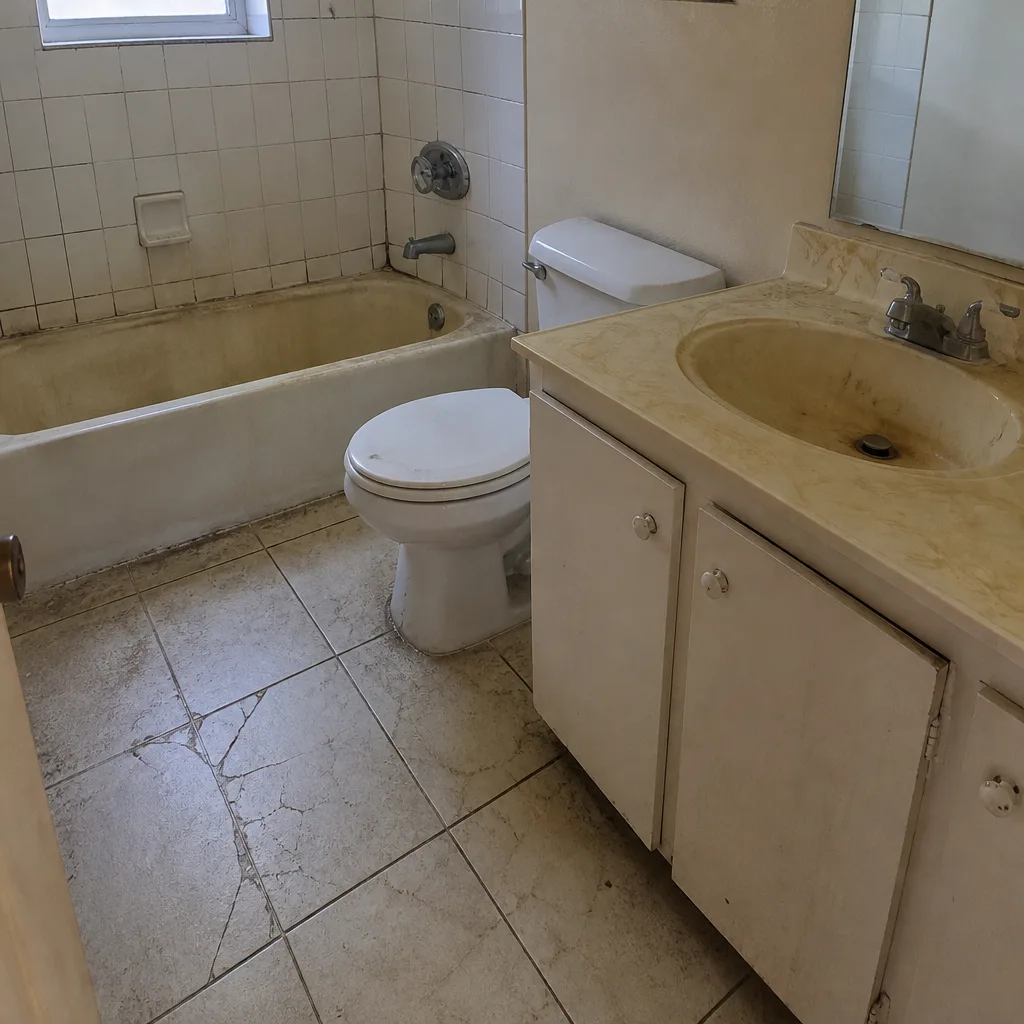 Before
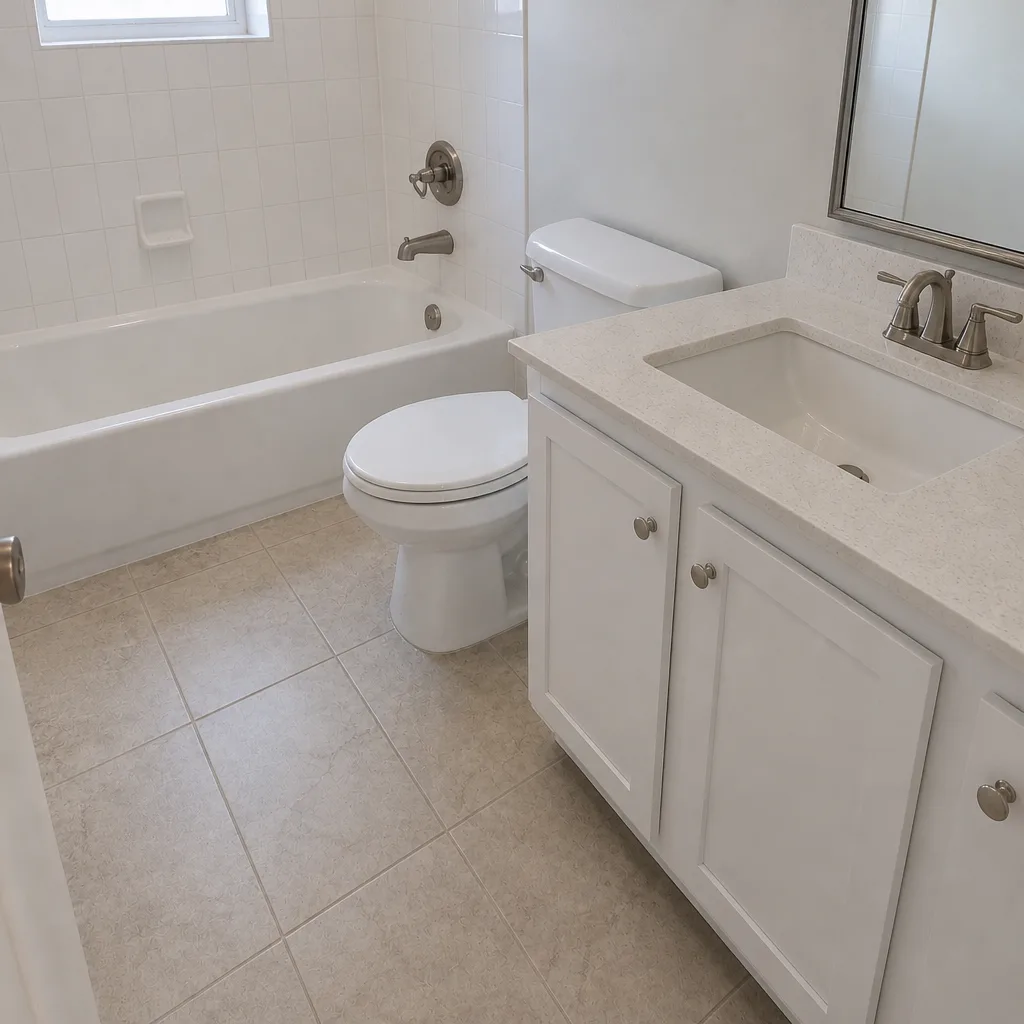 After
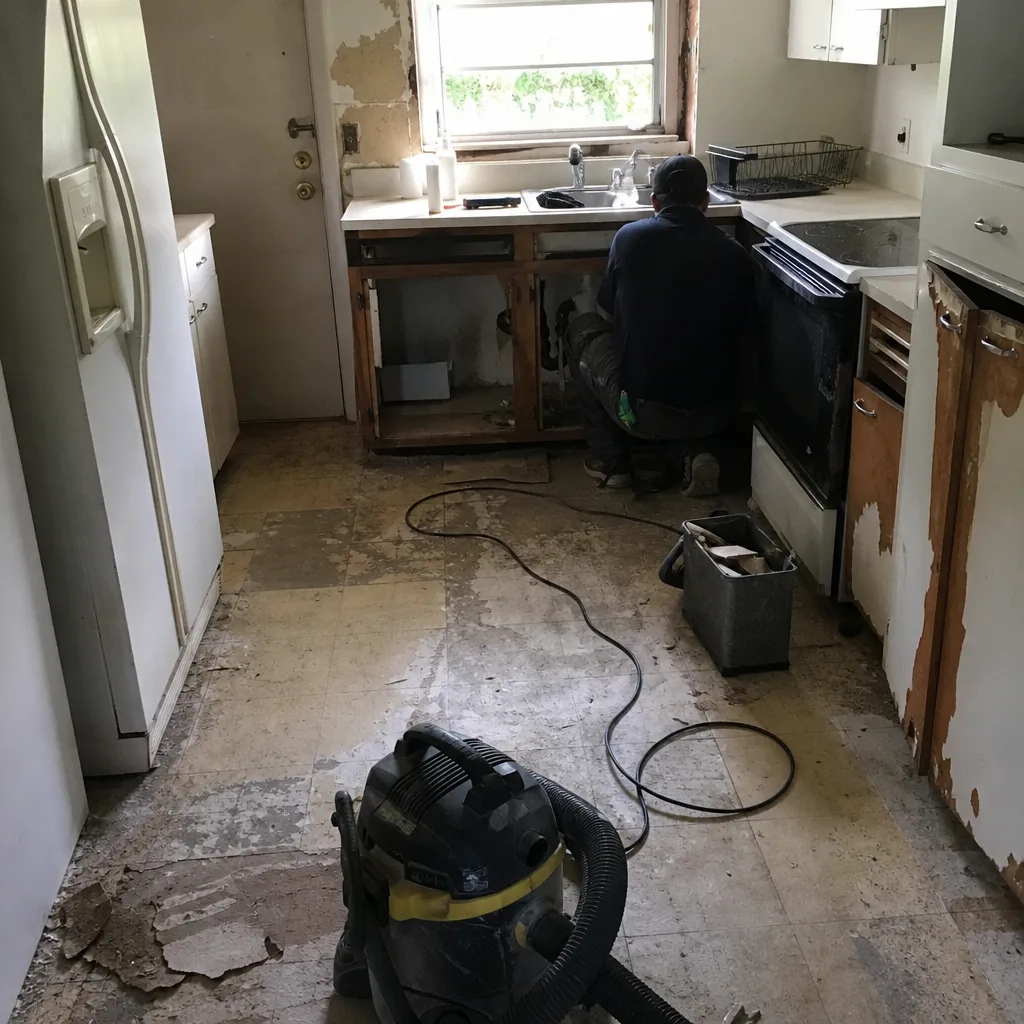 Before
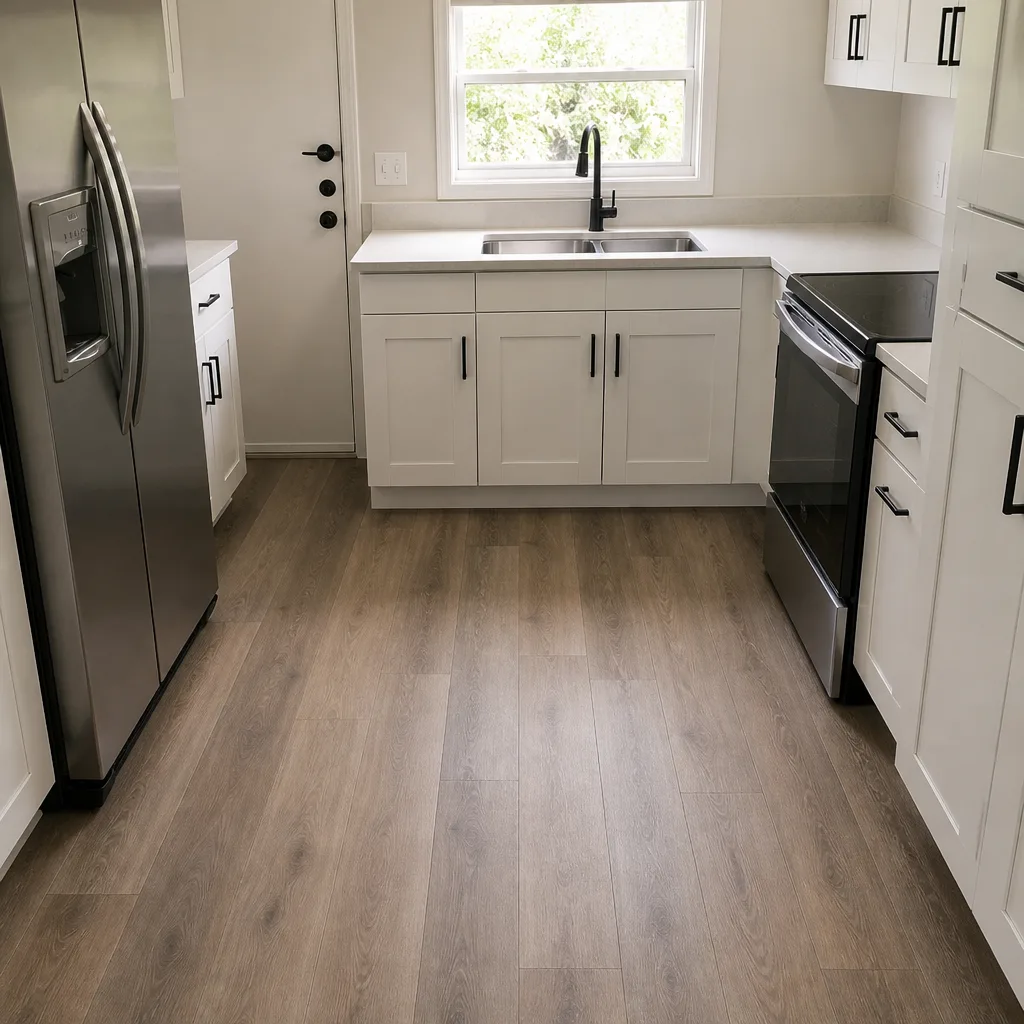 After
When to Call a Professional
Call a licensed professional if any of the following apply: active water intrusion, a horizontal foundation crack, a crack wider than 3mm or growing month to month, a door or window that abruptly stopped operating correctly, a floor slope greater than 1/4 inch over 4 feet, or an HVAC system that can’t hold its temperature. These signals point to structural or envelope problems that escalate on their own, and waiting rarely makes the repair smaller or the bill lower.
Groundwork Construction Co. of The Hammocks offers free estimates in The Hammocks and can assess additions, ADUs, and transitions between old and new construction. Every project is backed by our 730-Day Done Right Promise – if it’s not done right, we make it right. Calls are answered by a live person 24/7. Closest available crew is background-checked and arrives in uniform. Call (844) 761-9356 for a free estimate.
Frequently Asked Questions
Most of the meaningful settling in a The Hammocks addition finishes within 12 to 18 months, though some minor seasonal movement continues indefinitely because our wet-and-dry seasonal cycle keeps the soil active. Cracks that appear and stabilize within that window are usually cosmetic. Cracks that keep growing past 18 months are structural and should be evaluated by a professional engineer or contractor. Call (844) 761-9356 for a free assessment if a crack in your addition is past that window and still opening.
The three most common causes in The Hammocks are an undersized duct run to the new space, an HVAC system that was sized for the original house and can’t carry the added square footage, or an insulation gap in the new envelope. A supply-to-return temperature difference under 12 degrees points to a duct or equipment problem. A room that’s cool in the morning and hot by afternoon usually points to a duct that can’t keep up. Call (844) 761-9356 to have the system checked before summer peaks.
The pencil test, the tape test, and monthly width measurements give you the answer within 30 days without opening a single wall. Hairline cracks under 2mm that don’t grow are typically cosmetic. Cracks that are wider than 3mm, run horizontally on a foundation, or grow month over month are structural. Document with dated photos and call (844) 761-9356 if the crack falls on the wrong side of that line.
No – step flashing at a roof tie-in is one of the highest-risk repairs in any addition, and doing it wrong traps water in the wall assembly, which then shows up as rot or mold three to six months later. The flashing has to be integrated with the shingle course, the wall’s water-resistive barrier, and the exterior siding in the correct sequence. The right move is to trace the leak source (which you can do yourself with the steps above) and then have it repaired correctly. Call (844) 761-9356 for a free estimate on the repair.
In most cases yes, or an approved submetering arrangement – the exact requirement depends on how the local AHJ classifies the unit and what your HOA’s CC&Rs say on top of that. Shared single-panel service with no metering or documentation is common in retrofitted ADUs and creates problems when you go to rent the unit or sell the property. Before closing on a property with an existing ADU, pull the permit history at the county and verify what was approved. Call (844) 761-9356 for a free estimate on the code-compliant standalone ADU.
Insurance typically covers sudden damage from a specific event (a storm event that compromises a roof tie-in, for example), but it rarely covers gradual settling, long-term water intrusion, or contractor workmanship defects. That’s why the workmanship side matters. Our 730-Day Done Right Promise covers workmanship on additions we build – if it’s not done right, we make it right. For an existing problem you can call (844) 761-9356 for a free estimate on the repair, and we’ll give you a written scope you can bring to your insurer.
The Bottom Line
Addition and ADU problems have a predictable shape. Watch the transition point first, because that’s where the old structure and the new one fight it out. Use the pencil test and the 30-day tape test to separate cosmetic cracks from structural ones. Run the supply-and-return check before you call an HVAC tech. Trace water up from the stain before you call anyone. And honor the 48-hour rule on the six signals on the second list of the decision framework: horizontal foundation cracks, active water intrusion, cracks past 3mm, doors that stopped closing, HVAC greater than 8 degrees off target, and floor slope past 1/4 inch over 4 feet. Everything else, you can monitor and document. Groundwork Construction Co. of The Hammocks backs every addition with the 730-Day Done Right Promise. When your driveway, fence, or outdoor living space is next on the list, our team also handles Driveway & Pavers in The Hammocks and Fence Installation in The Hammocks with the same written guarantee.
Call (844) 761-9356 for a free estimate on your addition, ADU, or troubleshooting assessment. Calls are answered by a live person 24/7. You’ll get upfront pricing, no surprises, and a written scope that puts the number you see in the number you pay. If you’re planning rather than fixing, we’ll walk you through the design consult at no cost and apply $1,000 off any project over $10,000, with 0% financing for 18 months available.
Written by the team at Groundwork Construction Co. of The Hammocks.