
Last updated November 17, 2026
 Windows & doors
 Kitchen remodeling
 Bathroom remodeling
 Home additions & ADU
 Roofing
 Driveway & pavers
 Fence
Free written scope consultation - allowances, timeline, and change-order rules on paper before a single trade is scheduled
DIY vs Professional Windows & Doors: What’s Safe to Do Yourself
Here’s the part most DIY tutorials leave out: in Miami-Dade County, a homeowner can legally install a window without a permit and the county won’t stop them. It will look finished. It might even open and close smoothly. But no inspector has ever seen it, which means there is no record it was installed to the high-velocity hurricane zone code the rest of your house depends on. If a storm damages that opening, your insurance company has a legitimate reason to question the claim. In The Hammocks and across South Florida, installation is a legal and insurance question before it’s a skill question. This guide separates the tasks you can safely handle from the ones that need a licensed contractor, a permit, and an inspection.
Quick Answer
Replacing weatherstripping, swapping door hardware, changing a screen, and touching up caulk are genuinely safe DIY jobs. Installing a new window or exterior door in Florida is not, because state law requires a licensed contractor for structural openings and Miami-Dade requires a permit and inspection before an impact-rated product is legally recognized. Anything that touches the rough opening, framing, or impact rating belongs to a licensed contractor.
Styles & brands we work with
- Kitchen remodeling
- Bathroom remodeling
- Home additions & ADU
- Roofing
- Windows & doors
- Driveway & pavers
- Fence
Table of Contents
- What Florida Statute 489 Actually Says About Windows and Doors
- What’s Genuinely Safe to Do Yourself
- Why Impact Window Installation Needs a Permit in Miami-Dade
- The Rough Opening Line: When the Job Stops Being a Swap
- The Real Cost Comparison: Permitted vs. Unpermitted
- What the Inspection Record Does for Your Insurance
- How a Professional Window Installation Actually Works, Step by Step
- Common Mistakes to Avoid
What Florida Statute 489 Actually Says About Windows and Doors
Florida Statute Chapter 489 governs contractor licensing, and the section that matters here is the definition of “contracting.” The statute defines a contractor as someone who, for compensation, constructs, repairs, or improves a building or structure, or who does work requiring a building permit. That second clause is the tripwire. If the work requires a permit, the person doing it or offering to do it for hire must be licensed. And in Miami-Dade, window and door replacement on an exterior wall of a residential structure requires a permit.
The statute also carries a rule that catches homeowners who think a handyman is a loophole: it is a criminal offense to engage an unlicensed person to perform work that requires a contractor’s license. That means the homeowner carries legal exposure too. Hiring a neighbor with a truck and a nail gun to install a French door is not a gray area. It is the specific scenario the law was written to stop.
What the statute does not restrict
Chapter 489 targets work that requires a permit and construction work done for compensation. It does not stop you from maintaining what you already own. Replacing a torn screen, adjusting a sticking door, or swapping a deadbolt is not construction. The line is about creating or modifying a permit-required building component, not about upkeep. We’ve walked through this distinction with a lot of homeowners in The Hammocks, and it usually boils down to one question: does this work change the building, or maintain it?
Why “my cousin is handy” isn’t a defense
An unlicensed installer can produce something that looks fine and passes a casual eye test. What they can’t produce is a licensed contractor’s signature on a permit application, a passing inspection, or the 730-Day Done Right Promise that comes with a real workmanship guarantee. When you sell a home in The Hammocks, a buyer’s inspector and their insurance agent will ask about permitted work. Without a paper trail, the value of that window drops to zero in the transaction.
The licensing categories, briefly
- Certified contractor: licensed by the state and able to work statewide.
- Registered contractor: licensed locally, working within a specific jurisdiction.
- General, building, and residential contractors: the categories that can typically pull permits for window and door replacement on a home.
- Specialty contractors: licensing for narrower trades; not every one of these can pull a full window permit, so verify the scope, not just that a license exists.
A contractor’s license number should be checked against the state database before you sign anything. That single step filters out most of the risk.
What’s Genuinely Safe to Do Yourself
A lot of window and door work is maintenance, and maintenance is yours to handle. We’ve made a list of what we consider fair game for a homeowner with basic tools and no permit. You don’t need us for any of it, and if you’re inclined to do it, we’d rather you know exactly which jobs are safe so you save your energy and your budget for the ones that aren’t.
Weatherstripping replacement
If a door is drafty or a window rattles in the wind, the weatherstripping is usually the culprit. This is a peel-and-stick or press-in job that costs under $30 in materials and takes about twenty minutes per opening. In The Hammocks, the humidity and sun degrade foam and vinyl stripping faster than homeowners expect, so plan on replacing it every two or three years. A firm seal keeps your AC from fighting the outdoors, which matters a lot here.
Door hardware swaps
Deadbolts, handles, hinges, and strike plates are user-serviceable. If you’re upgrading to a keypad lock or a better-grade deadbolt, you can do that. The only caution is to match the backset and bore size to the existing door so you’re not drilling new holes in a finished surface. A stripped screw hole is easy to fix with a wooden matchstick and glue; a wrongly drilled door is not.
Screen replacement
Rescreening a window or a lanai panel is a classic Florida DIY job. Spline, roller, and screening material are cheap at any hardware store. A pool screen or window screen is not structural and doesn’t affect your impact rating, so there’s no permit involved and no insurance consequence.
Caulk and sealant touch-ups
Re-caulking around a window frame or door threshold where the old bead has cracked is proper maintenance. South Florida’s sun bakes sealant brittle in a couple of seasons, and water intrusion at a failed bead is a common cause of rot in The Hammocks. Use a good exterior-grade sealant rated for masonry and wood, clean the surface, and lay a smooth bead. This is not the same as installing a window; it’s keeping a seal that’s already there.
Cleaning, lubricating, and adjusting
Track cleaning on sliding doors, lubricating hardware, tightening hinge screws, and adjusting a roller that has slipped are all sensible. They extend the life of the opening and they’re the kind of small work that keeps water out. If a door starts dragging after you’ve cleaned the tracks, that’s often a sign of settling and worth a professional look.
The line to respect: impact and structure
Every task above is maintenance on an existing, already-permitted opening. None of them creates a new opening or changes the rating. Once a project requires a new frame, a new panel, or a change to an opening’s dimensions, it’s crossed the line, and a licensed contractor with a permit handles it.
Why Impact Window Installation Needs a Permit in Miami-Dade
Miami-Dade County is inside the High-Velocity Hurricane Zone, the strictest wind-load region in the country. Windows and doors in that zone must carry a Notice of Acceptance or a Miami-Dade Product Control approval, which documents that the product has been tested to survive debris impact and design pressure. Installation is code-driven, not cosmetic. The permit is the county’s mechanism to check that the right product went into the right opening in the right way.
Here’s the part homeowners tend to miss: the impact rating lives on the label of the product, but the legal protection lives in the inspection record. A window can be the correct product and still be non-compliant if it was installed without a permit and never inspected against the approved plans. From the county’s point of view, there’s no evidence it was installed to the code that the rest of your home’s wind mitigation credits depend on.
What the permit process checks
- Product approval: the window or door must have a valid Miami-Dade NOA listing it for the design pressure of your opening and elevation.
- Opening schedule: each opening is measured and the approved product is matched to its dimensions.
- Installation method: manufacturers specify anchors, sealants, and flashing; the inspector verifies the approved method was followed.
- Inspection: after installation, a county inspector confirms the work before it’s signed off.
- Certificate of completion and final inspection: the paperwork that documents the work is part of the property record.
That paperwork becomes your proof in a claim or a sale. Without it, you have a window that might be perfectly installed and cannot prove it. We’ve seen this exact problem come up in The Hammocks, where a homeowner bought a re-windowed house, loved the finished look, and then discovered during a refinance that there was no permit on file for any of the openings.
The Rough Opening Line: When the Job Stops Being a Swap
The rough opening is the framed gap in the wall that a window or door drops into. If the new unit matches the old opening within the manufacturer’s tolerances, the job can be a same-size replacement. Change that gap by even an inch and you’re modifying the structure of the wall, which is contractor-only territory and usually requires engineering and a full permit review. There’s no version of “we just made it a little bigger” that’s a homeowner project on an exterior wall.
What’s involved in a rough opening change
- Header and framing: widening an opening changes the load path above it. A structural header may need to be added or reinforced, and the wall may need an engineer’s stamp.
- Flashing: a new opening requires new flashing at the sill and around the frame. Roof-line and wall-line flashing tie-ins are where water gets in if they’re wrong.
- Water management: South Florida walls have specific drainage details behind the finish. Breaking into one without re-establishing those details invites mold and rot.
- Impact compliance at a new size: the approved product has to match the new dimension and design pressure, which means the NOA has to cover the new opening, not the old one.
- Exterior finish: stucco, siding, or trim around the opening has to be removed and restored, and a poor restoration in The Hammocks sun shows within a season.
If you’re planning an addition or a new opening altogether, that’s a full addition project, not a window swap. The scope shifts from a one-trade job to a coordinated build, and it usually belongs in the same conversation as any Home Additions & ADU in The Hammocks planning you’re doing.
The Real Cost Comparison: Permitted vs. Unpermitted
This is where the DIY math gets honest. A homeowner looking at window installation sees the parts cost and the labor savings and feels like they’re coming out ahead. What that math leaves out is the paperwork and the liability, which don’t show up on a Home Depot receipt but absolutely show up later. Here’s the line-item view for a typical The Hammocks replacement.
| Line item | Permitted professional install | Unpermitted DIY |
|---|---|---|
| Product (impact-rated, NOA-approved) | $400 – $1,200 per unit | $400 – $1,200 per unit |
| Permit fee | $150 – $400 per application | $0 upfront |
| Labor and installation | $250 – $600 per unit | $0 if competent |
| Inspection and compliance record | Included | None exists |
| Cost at sale if discovered | None | $3,000 – $15,000+ to reopen, permit, and correct |
| Insurance claim risk | Covered, documented | Denial possible on that opening |
| Workmanship warranty | 730-Day Done Right Promise | None |
The unpermitted path has a lower upfront number and a much higher worst-case number. A buyer’s inspector finding an unpermitted window can stall a closing, force a price reduction, or push the correction cost back onto the seller. And during a storm claim, an adjuster who reads “no permit on file” has a real basis to exclude that opening. We’ve watched this play out in The Hammocks more than once, and it’s the single most expensive way to save a few hundred dollars on labor.
What the professional number actually buys
- A licensed contractor who pulls the permit in their own name and takes responsibility for the install.
- The correct product for each opening, matched to Miami-Dade design pressure and documented with an NOA.
- An inspection record that lives on the property and supports your wind-mitigation position.
- The 730-Day Done Right Promise, in writing.
- Upfront pricing with no surprise line items at the end, plus 0% financing for 18 months and $1,000 off projects over $10,000.
If you want the full picture, our Groundwork Construction Co. of The Hammocks home page lays out every service line and the promotions we run year-round. The number you see is the number you pay, and there’s no change-order theater once the crew is on site.
What the Inspection Record Does for Your Insurance
Homeowners insurance in Florida is priced around wind mitigation, and wind mitigation credits depend on documentation. A permitted, inspected window replacement gives you a paper trail from the county that supports credits for impact-rated openings. An unpermitted install doesn’t generate that record, because there was no inspection to report. When you go to renew, or when a new carrier reviews the home, the opening may simply not be counted as protected.
The scenario we’ve seen in The Hammocks is a homeowner who replaced a set of windows themselves, felt good about the savings, and then got a renewal notice with a higher premium because the carrier’s inspection report listed those openings as not documented. The county record is the thing the carrier reads. Without it, the product doesn’t count, no matter how well it was installed.
Three records your future self will want
- The permit and final inspection sign-off, showing the openings were installed to the approved plans.
- Product documentation for each window and door, including the NOA number and the rated design pressure.
- The workmanship guarantee, which transfers as long as the work is done correctly.
If you’ve bought a home in The Hammocks and aren’t sure whether prior window work was permitted, you can check with the county records office. If the work is undocumented, a licensed contractor can help you evaluate options for bringing it into compliance before it becomes a claim problem or a sale problem.
How a Professional Window Installation Actually Works, Step by Step
Knowing the process is the best defense against a vague bid. Here’s the sequence we follow on a standard replacement, and it’s also how you should expect any reputable licensed contractor in Miami-Dade to work. If a bid skips any of these steps, it’s a warning sign.
- Measure every opening. Each window and door is measured individually. Openings in the same house are rarely identical, especially in older The Hammocks neighborhoods where settling has moved things around.
- Select product for the opening. Each unit is matched to design pressure and an approved NOA, with impact ratings documented.
- Pull the permit. The licensed contractor files the permit with the county and keeps the homeowner informed on the timeline.
- Prepare the opening. Old units come out, flashing is addressed, the frame is squared and checked, and existing damage around the opening is repaired before a new unit goes in.
- Install with the approved method. Anchoring, sealing, and shimming follow the manufacturer’s published method, which is what the inspector checks.
- Restore finishes. Stucco, trim, and interior finishes are repaired cleanly so the openings look like they belong in the wall.
- Call for inspection. The county inspector signs off on the install, and the record is created.
- Final walkthrough. We walk every opening with you, confirm operation, and hand over the paperwork and the warranty.
The full sequence usually runs a few days to a couple of weeks per window package, depending on permit timing and how many units are involved. There’s no same-day claim here, and there shouldn’t be. Doing this right takes a permit and an inspection, and we’d rather set an honest timetable than rush a job that affects your insurance for as long as you own the home.
Why material brand matters on a window package
A good builder specifies for the climate, not for the lowest bid. South Florida heat and salt air are tough on frames and hardware, and some product lines hold up better over a long window replacement cycle than others. We work with brand partners chosen for durability in this region, and we bring the same selection discipline to every service line, including Driveway & Pavers in The Hammocks and Fence Installation in The Hammocks. When we recommend a specific product line, it’s because it performs in The Hammocks, not because it was on sale.
Common Mistakes to Avoid
- Installing the right product without a permit. This is the one that costs the most. The window can be perfect and still fail the paper trail, which is what insurance and buyers look at.
- Mismatching a window to the opening’s design pressure. A window rated for a lower pressure than that opening requires is not compliant, even if it fits the frame. Every opening has its own requirement.
- Resizing a rough opening yourself. Widening or heightening a rough opening is structural work. Even an inch can change the header requirement and trigger a full re-review with engineering.
- Assuming a handyman can do the install. A handyman who isn’t licensed to pull a window permit is doing work that requires a licensed contractor, which puts exposure on the homeowner too.
- Trusting a bid that doesn’t mention the permit. A quote with no permit line is a quote that plans to skip it. Upfront pricing always includes the permit and the inspection.
- Skipping the inspection before closing on a home. If you’re buying in The Hammocks, check the permit record for every window that’s been replaced. Unpermitted openings show up much cheaper at closing than later.
- Using interior sealant on an exterior bead. The sun and rain in South Florida break down the wrong product in a season. A failed exterior bead is how water finds its way into a wall.
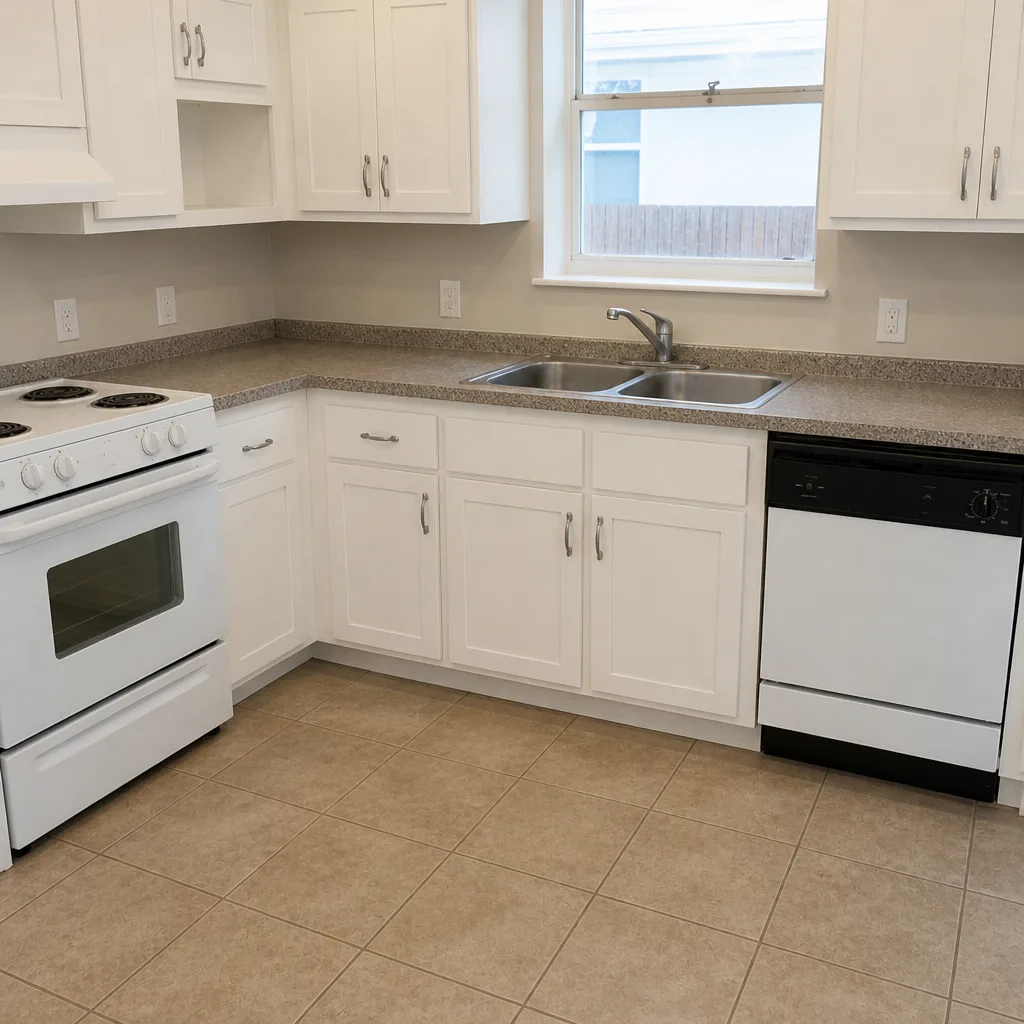
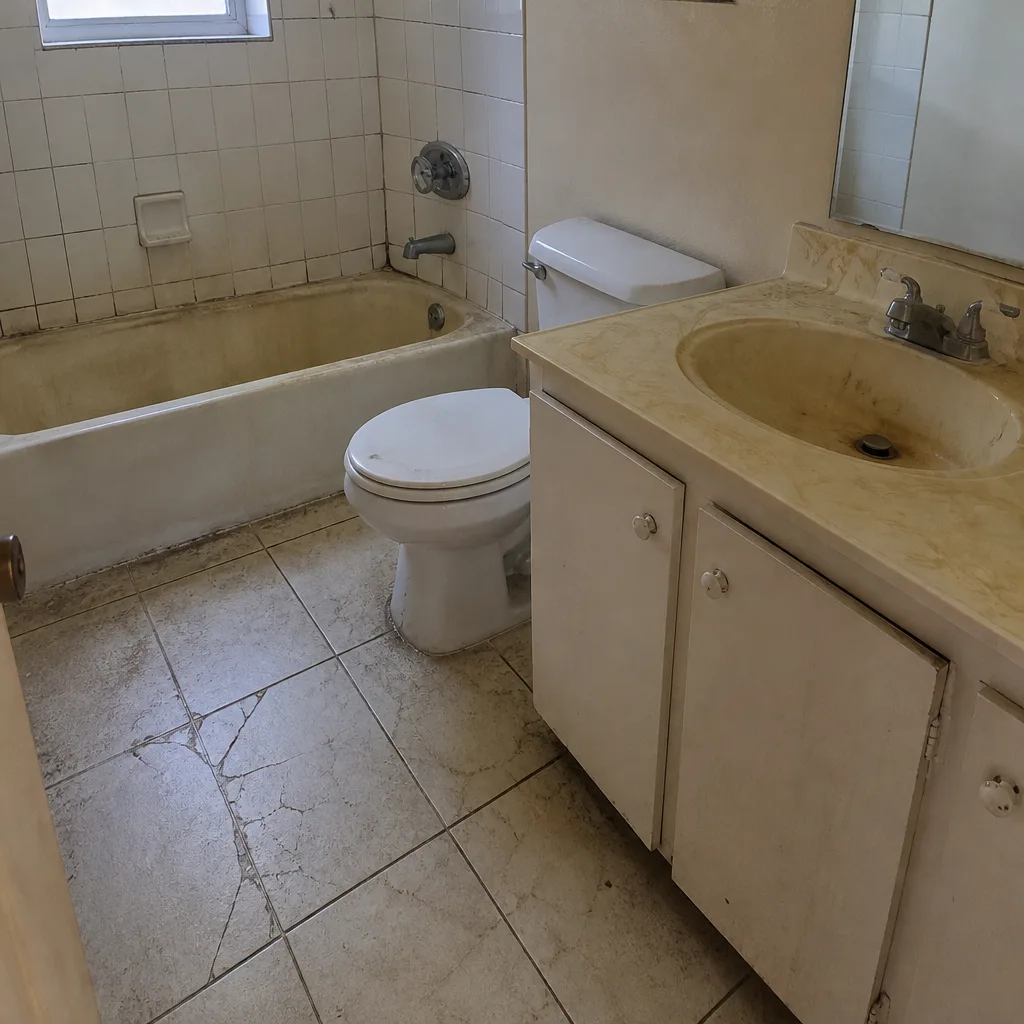
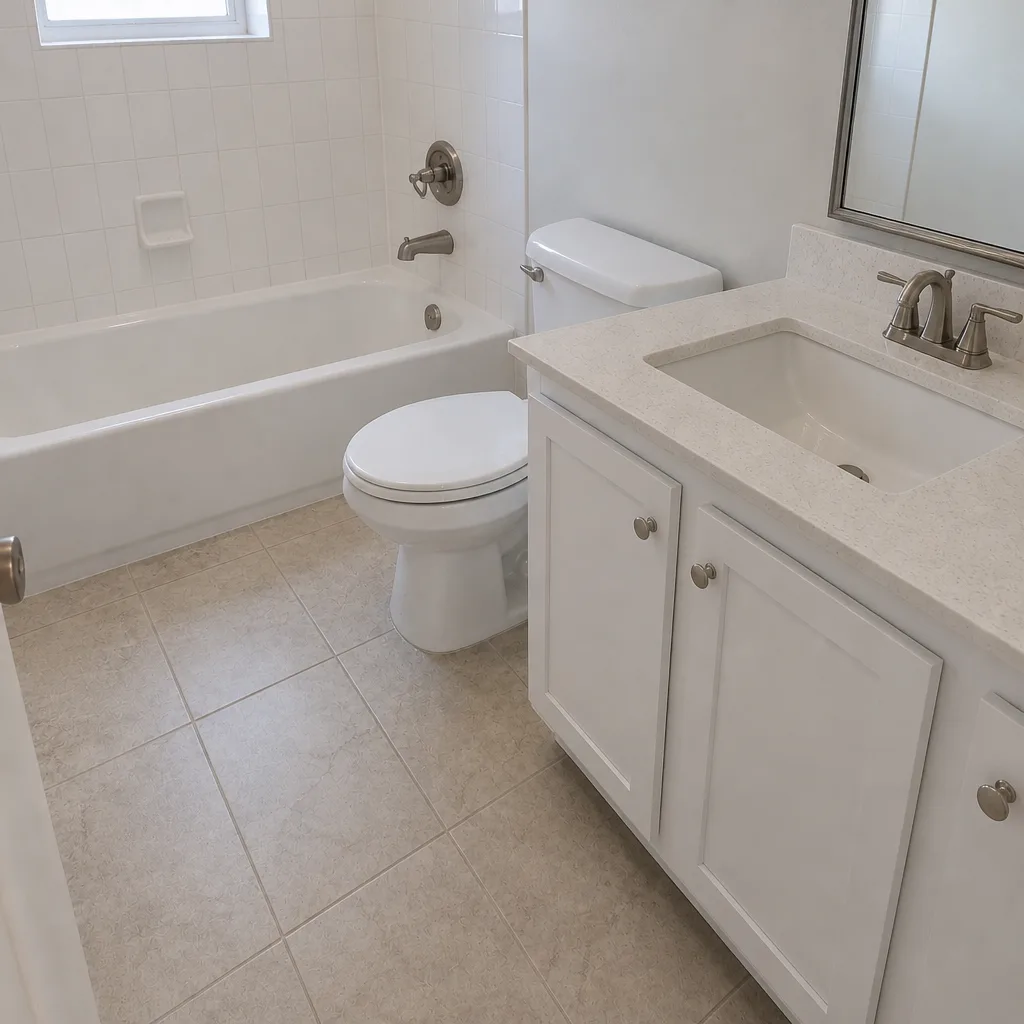
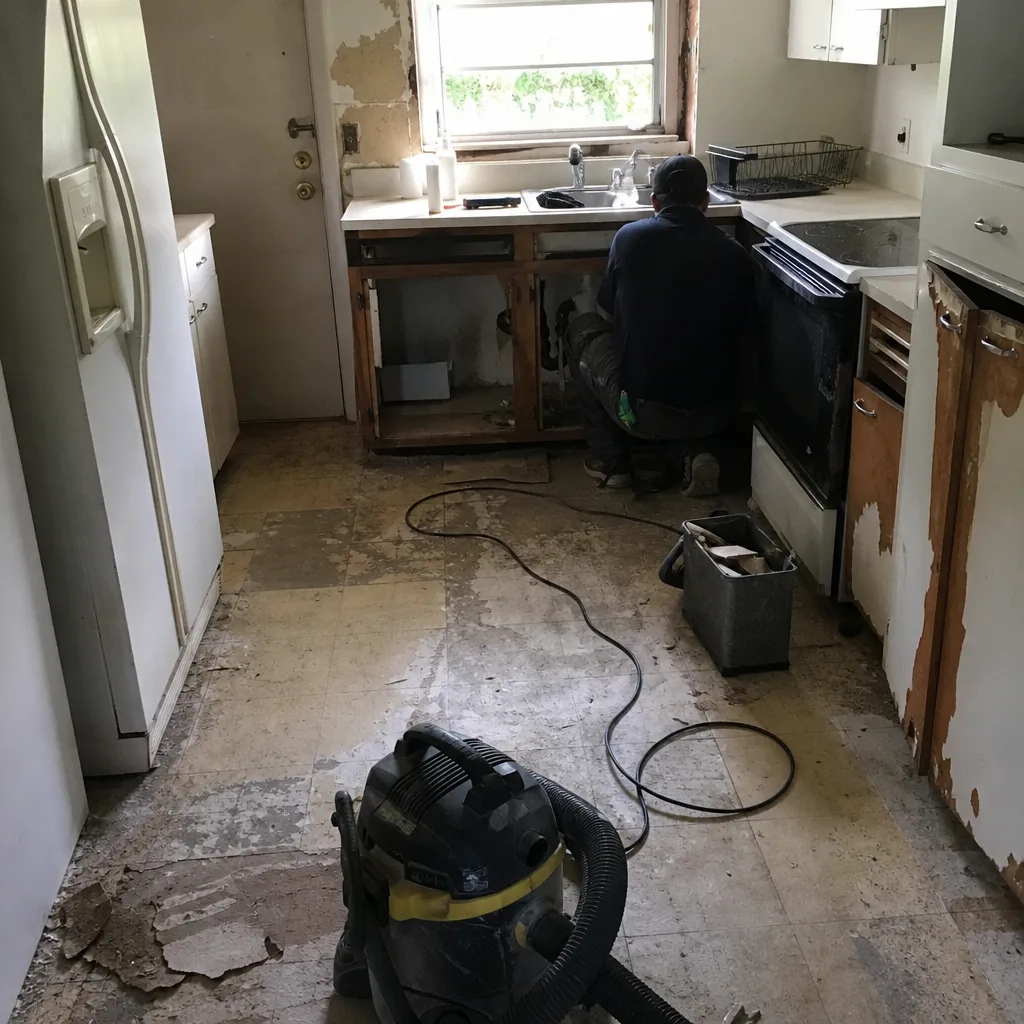
See the difference
 Before
 After
 Before
 After
 Before
 After
When to Call a Professional
Call a professional when the project involves a new window or exterior door, a change to an opening’s dimensions, any impact-rated product that needs a permit and inspection, water intrusion around an existing opening, or a repair that has moved beyond sealant and hardware. Call us if a window or door on your home is failing and you want a licensed contractor to evaluate it rather than guess. Groundwork Construction Co. of The Hammocks offers free estimates in The Hammocks. Call our team at (844) 761-9356 to schedule yours; a live person answers 24/7, and our technicians arrive background-checked and in uniform. Every project is covered by the 730-Day Done Right Promise, and if it’s not done right, we make it right.
Frequently Asked Questions
No. Impact window installation on an exterior wall in Miami-Dade requires a permit, and a permit requires a licensed contractor, which makes the work contractor-only by definition. If you install a window yourself without a permit, the installation is legally unverified and your insurance company can deny a wind claim on that opening. Call (844) 761-9356 for a free estimate if you want the permitted path done right.
Weatherstripping replacement, door hardware and deadbolt swaps, screen replacement, and re-caulking an existing frame are safe for a homeowner. These are maintenance tasks that don’t change an opening, add structure, or alter the impact rating. Anything that requires a permit, a new product, or a structural change belongs to a licensed contractor. Call (844) 761-9356 to schedule a free estimate for anything beyond the maintenance line.
Yes, in Miami-Dade, same-size replacement on an exterior opening still needs a permit. The inspection confirms the correct NOA-approved product was installed with the approved anchoring and flashing method. That inspection record is what documents the opening for insurance and for a future sale. Call (844) 761-9356 to get a written quote that includes the permit and inspection.
Your insurance company may deny a wind claim on that specific opening because there’s no inspection record proving the product was installed to code. The product may be impact-rated, but the county has no documentation that it was installed correctly. Call (844) 761-9356 to discuss bringing a non-compliant opening into compliance before it becomes a claim problem.
For a professional, permit-pulled replacement, budget roughly $650 to $1,800 per window depending on size, product, and finish work, plus permit fees in the $150 to $400 range per application. Unpermitted DIY work costs less upfront and can cost thousands later when it’s discovered at a sale or a claim. Call (844) 761-9356 for an exact quote; estimates are free, and we offer $1,000 off projects over $10,000 plus 0% financing for 18 months.
With us, no. Upfront pricing means the number you see is the number you pay, and change orders only happen if you request a scope change. A vague bid that leaves the permit and inspection off the line items is where surprises start. Call (844) 761-9356 to schedule a free estimate and design consult.
The Bottom Line
DIY window and door work is fine right up to the front door: weatherstripping, hardware, screens, and sealant are yours to handle. Installing an impact window or exterior door in The Hammocks is a different category, because Florida law and Miami-Dade code require a licensed contractor, a permit, and an inspection, and the inspection record is what makes the opening count for insurance and for a future sale. The DIY route looks cheaper until it’s discovered. The professional route costs more upfront and protects you for as long as you own the home. If you’re ready to see what a permitted replacement costs, call (844) 761-9356 for a free estimate from Groundwork Construction Co. of The Hammocks. Built to last, backed in writing.
Written by the team at Groundwork Construction Co. of The Hammocks.