
Last updated November 17, 2026
 Bathroom remodeling
 Kitchen remodeling
 Home additions & ADU
 Roofing
 Windows & doors
 Driveway & pavers
 Fence
Free written scope consultation - allowances, timeline, and change-order rules on paper before a single trade is scheduled
Bathroom Remodeling Maintenance Schedule: What to Do and When
The number one cause of a remodel failing within five years isn’t bad materials. It’s the caulk joint that nobody checked at month three. We’ve walked into The Hammocks bathrooms where a $30,000 renovation had water staining a brand-new vanity cabinet because a thumb-sized gap behind the shower trim went unnoticed for two summers. A remodeled bathroom isn’t a finished product you can forget about. It’s a living system of tile, grout, sealant, substrate, and ventilation that needs a schedule. This guide gives you a month-by-month plan built around the actual failure points of a newly remodeled bathroom, not generic cleaning tips. You’ll learn what to check at 30 days, 90 days, and one year, why a post-remodel fan degrades faster than you’d think, and which owner habits void coverage under our 730-Day Done Right Promise.
Quick Answer
Bathroom remodeling maintenance follows a three-tier schedule: inspect at 30 days, 90 days, and one year after the last tile is set, then move to a quarterly-and-annual rhythm. Check caulk and grout joints every 90 days in shower and wet zones, reseal natural stone annually, test your ventilation fan’s airflow once a year, and watch for substrate red flags (soft grout lines, hollow tile sounds, hairline cracking) through month 18. Owner maintenance is your responsibility under most workmanship warranties; actual installation defects are covered by the 730-Day Done Right Promise at Groundwork Construction Co. of The Hammocks.
Styles & brands we work with
- Kitchen remodeling
- Bathroom remodeling
- Home additions & ADU
- Roofing
- Windows & doors
- Driveway & pavers
- Fence
Table of Contents
- The First 30 Days: What to Watch After a New Remodel
- The 90-Day Inspection: Caulk, Grout, and Wet Zones
- Months 6-12: Early Warning Signs in Tile and Substrate
- The One-Year Anniversary Deep Check
- Why Ventilation Fans Fail Faster After a Remodel (and How to Test CFM)
- Grout and Caulk Intervals by Application: Shower vs. Floor vs. Vanity
- Waterproofing Failures: What Shows Up 6-18 Months Post-Install
- The 730-Day Done Right Promise and Your Maintenance Responsibilities
The First 30 Days: What to Watch After a New Remodel
The first month after a newly remodeled bathroom goes back into service is your observation window. Caulk needs time to fully cure, thinset and grout need to reach their final hardness, and the humidity swings inside a bathroom that’s now being used every day will reveal whether the water management details were done right. In The Hammocks, we see this play out against a humid subtropical climate where interior humidity inside a closed bathroom after a hot shower can spike well above 90%, even with a fan running. That’s a serious stress test for a brand-new install.
Here’s what to do at the 30-day mark:
- Look at the caulk line in the shower. Run your finger along the joint at the base of tile where it meets the shower pan or tub. If it feels tacky or looks glossy (uncured), the caulk is still setting. If it looks chalky, cracked, or has separated, that’s a red flag worth a call.
- Check the corners of the shower for water beads. After a shower, water should sheet off tile in the wet wall and trickle toward the drain. Puddling in a corner means a slope problem, which is a construction issue, not a maintenance one.
- Walk the floor tile with the lights off, then on. Look for hollow sounds underfoot (tap gently with a rubber mallet head), which can mean a thin-set or trim issue. Sound is your friend in a new bathroom.
- Watch the toilet base. A new toilet install that has moved slightly, or shows any staining at the base, could mean a wax ring issue. Address it in the first 30 days.
- Write down the humidity. Buy a cheap $12 hygrometer and place it on the vanity. After a 10-minute shower with the fan on, the reading should drop back under 60% within 30-40 minutes in a properly vented The Hammocks bathroom.
If something feels off in that first 30 days, call us. Our team handles the diagnostics and any warranty-related fixes under the 730-Day Done Right Promise. 30-day issues are often the easiest to correct, and catching a low-spot drain or an undersized vent now saves you from a substrate problem later. If your home has other upgrades in progress at the same time, see our broader Groundwork Construction Co. of The Hammocks home for how we sequence multi-project work.
The 90-Day Inspection: Caulk, Grout, and Wet Zones
The 90-day inspection is where most bathroom remodels either hold the line or start to fail. This is when the seasonal humidity swings of South Florida have cycled at least once, when the bathroom has hosted enough showers to stress every joint, and when caulk that wasn’t applied on a properly dried surface begins to lift. We’ve seen this in The Hammocks bathrooms where morning north-facing windows bring condensation without adequate airflow – the wall behind the vanity gets wet before the fan even wakes up.
The key 90-day checks:
- Shower caulk: Press the tip of a moistened finger along every caulk joint. Any separation larger than a hairline, or any gap you can see light through, needs rescaling. Don’t just slap more caulk on top; that traps moisture and makes it worse.
- Grout in the shower floor: Look for darkened grout lines, especially near the drain. Darkened grout in a 90-day-old bathroom is not normal aging; it usually means water is getting behind the tiles.
- Vanity backsplash joint: The joint between backsplash and counter, and between backsplash and wall, catches every splash. Inspect for cracking or lifting.
- Floor grout at the doorway and around the toilet: These are traffic zones and moisture zones. Look for pinhead-sized cracks.
- Wall paint at the shower surround: A new bathroom’s paint at the shower trim edge should be dry and firm. If the paint is bubbling or peeling here at 90 days, moisture is escaping the shower enclosure.
- Fan sound and airflow: Listen to the fan. A buzzing or grinding sound at 90 days is a mechanical warning sign, not just noise.
Any of the above items (tile lifting, water behind grout, wicking paint) are warranty-relevant. They’re exactly what we look at under the 730-Day Done Right Promise. If you’re in The Hammocks and want the 90-day inspection done by our team, call (844) 761-9356. We do these checks as part of our post-handoff follow-up for every bathroom we install.
Months 6-12: Early Warning Signs in Tile and Substrate
Between 6 and 12 months, a bathroom that was installed with a proper waterproofing membrane should still look and behave like new. A bathroom that was installed over a skimpy or missing waterproofing layer will start showing symptoms here, and The Hammocks’ humidity accelerates the timeline. This is the window where we most often get a call that starts with “the tile looks fine but the grout is dark” and ends with a substrate repair.
What to watch for:
- Shadowy grout lines in the shower floor. If the grout lines darken and stay dark after drying, water is not escaping. This can be a grout mix issue or a slope issue, but either way it means moisture is sitting in the mortar bed.
- Hollow tiles. Tap the tile lightly with the handle of a screwdriver. A dull “thunk” instead of a sharp “tink” means the tile has partially detached from the thinset. This is a substrate installation issue and should not appear at 6-12 months on a proper install.
- Lipage (lippage) getting worse. If the tile edges seemed flat when new but one corner has started to lift, the substrate is moving.
- Bubbling or “tenting” of the caulk at the floor-wall joint. This is often a sign that the subfloor is swelling from moisture.
- Door jamb swelling. If the bathroom door no longer closes flush or the trim has swelled, moisture is reaching the frame.
Each of these is worth a professional look. If your bathroom is less than two years old, the 730-Day Done Right Promise covers workmanship issues in these areas. If it’s older and you’re considering a refresh, we also handle full replacement projects – you can learn about how we approach similar full-scope work in our Home Additions & ADU in The Hammocks guide, even though that’s a different service line, because the sequencing logic is similar.
The One-Year Anniversary Deep Check
One year after the remodel is the single most important scheduled maintenance event. You now have 12 months of real-world data: every month of humidity, every family member’s shower habit, every quiet weekend, every hot afternoon. The one-year check is where you catch the issues that will become expensive if left alone for year two.
The one-year checklist:
- Remove and inspect the shower head. Look for mineral buildup (very common in South Florida’s water) and check the filter screen. This is a DIY-safe task.
- Reseal all natural stone. Marble, travertine, and limestone vanities and shower accents should be sealed once a year, ideally in the same season each year. Porcelain and ceramic don’t need sealing, but grout often does.
- Regrout any darkened shower floor lines. Not cosmetic; functional. Regrouting around the drain and perimeter is a yearly maintenance item on shower floors.
- Test your exhaust fan with a smoke trace or tissue test. Hold a tissue against the intake grille. If it doesn’t have enough pull to hold the tissue, it’s not moving enough air. We’ve found more than a third of post-remodel fans in The Hammocks homes reading under 60 CFM after a year of use.
- Pull the toilet. Yes, really. If it’s a new install, this is the time to check the wax ring and flange. This is a professional task; call us before you try it.
- Inspect the ceiling above the shower. Water stains on the ceiling below an upstairs bathroom are an emergency call. Water stains on the ceiling above a shower pan are less urgent but still warrant a professional look.
- Recheck the door, trim, and paint. One year of humidity tells you which finishes are holding up.
If you’d like the one-year check done by our team, call (844) 761-9356. It takes about 90 minutes, it’s more thorough than a homeowner inspection, and it’s the best way to spot hidden issues before they become expensive.
Why Ventilation Fans Fail Faster After a Remodel (and How to Test CFM)
A newly remodeled bathroom almost always gets a new ventilation fan, and that new fan is what most homeowners assume will handle moisture forever. But fans degrade faster after a remodel than most people realize, and The Hammocks’ climate is part of the reason. Years of high humidity mean dust sticks to fan blades more aggressively. Remodel work itself kicks up drywall dust that lodges in fan housings. And the larger, more elaborate bathroom design that homeowners choose today (a soaking tub, a walk-in shower, a water closet) means a fan that was correctly sized for the old bathroom is now undersized for the new one.
Here’s a simple annual CFM test you can do without tools:
- The tissue test: Hold a single-ply tissue against the fan intake grille while the fan runs. If the tissue stays put without falling, the fan is pulling meaningful air. If it flutters or falls, airflow has degraded.
- The mirror test: Hold a cool mirror (or the back of a metal spoon) near the fan intake for 30 seconds. If condensation forms on the mirror quickly, the fan is not moving enough air to carry the humidity out of the room.
- The timer test: Run the fan for 20 minutes after a shower. Then measure the bathroom humidity. It should drop below 60% with the door closed. If it doesn’t, the fan is operating below what the room needs.
Fan CFM needs scale with bathroom volume: a small hall bath in a The Hammocks single-family home typically needs 50-80 CFM; a master bath with a soaking tub and separate shower typically needs 110-150 CFM. If your fan is underperforming, a replacement fan with a proper match to your bathroom size is inexpensive to install and pays for itself in preventing mold and substrate damage. If your bathroom was recently remodeled and the fan feels weak, that’s a call to us under the 730-Day Done Right Promise, because the fan size was our call during the design phase.
Grout and Caulk Intervals by Application: Shower vs. Floor vs. Vanity
Not all caulk and grout in a bathroom is the same, and treating every joint the same way is how homeowners waste money on the wrong maintenance. We use different materials and different maintenance intervals for the three main application zones in a remodeled bathroom.
- Shower interior (wet wall and curb): Because this area is under constant water exposure, the caulk joint here needs to be checked every 90 days and often replaced at the 12-18 month mark. We use a quality 100% silicone in wet zones. Grout here should be sealed annually, and regrouted at the first sign of darkening.
- Bathroom floor: The floor is a splash zone, not a wet zone. Floor grout can typically go 2-3 years between sealing, but grout cracks near the toilet flange or doorway should be repaired right away. Caulk at the wall-floor joint should be checked yearly.
- Vanity backsplash and countertop edge: This is a low-moisture zone but a high-splash zone. The caulk here usually lasts 2-5 years but should be inspected annually. If you have a natural stone vanity top, seal it every 12 months.
- Tub and shower pan perimeter: The joint where the enclosure meets the tub or pan is a critical water-management detail. Inspect it quarterly. Any separation is a priority fix.
If a joint needs to be restored and you’re not certain which material the installer used, don’t guess. Call our team for a look. Mixing incompatible caulks (silicone over acrylic, or acrylic over silicone) is one of the most common reasons a joint fails early. If your bathroom work included an outdoor improvement at the same time, our Driveway & Pavers in The Hammocks guide uses the same sealing intervals logic, which is worth a read if you’re scheduling both.
Waterproofing Failures: What Shows Up 6-18 Months Post-Install
The single biggest determinant of whether your remodel holds up through year five is the waterproofing layer behind the tile. If it was done right, you’ll never think about it. If it was done wrong (missing membrane, poorly integrated shower pan liner, inadequate overlap at the corners) the failure becomes visible between month 6 and month 18. That’s the window where the signs show up. In The Hammocks, humidity is your ally in this case; it makes the symptoms appear faster than in a dry climate.
Signs your waterproofing was wrong, on a timeline:
- 6-9 months: Grout in the shower floor darkens and stays dark. Grout at the base of the shower wall cracks in a line.
- 9-12 months: Tile at the bottom row sounds hollow when tapped. Caulk at the shower floor perimeter begins to lift or bubble.
- 12-15 months: The wall behind the shower becomes slightly soft to the touch. The adjacent drywall (on the other side of the wall) shows a faint stain.
- 15-18 months: Grout lines around the shower floor drain darken dramatically. The floor tile sounds hollow when walked on. There may be a slight musty odor in the bathroom that doesn’t resolve with the fan.
If you see any of these and your bathroom is within the 730-Day window, call us immediately. Waterproofing failures are covered under our 730-Day Done Right Promise, and it’s much cheaper to fix one at month 9 than at month 24. If you’re not sure how to tell the difference between a waterproofing failure and a simple maintenance issue, that’s exactly what a professional inspection is for.
The 730-Day Done Right Promise and Your Maintenance Responsibilities
The 730-Day Done Right Promise means: if it’s not done right, we make it right, for two full years from the date of installation. That’s one of the longest workmanship guarantees in the residential construction space. What that guarantee also means, because it’s written honestly, is that owner maintenance is still your responsibility. The two are not in conflict, but you need to know where the line is.
What voids coverage:
- Skipping the 30-day, 90-day, 1-year checks. If a small caulk separation was left alone and turned into a substrate problem, that’s a maintenance failure, not a workmanship failure.
- DIY repairs that make it worse. Putting acrylic caulk over silicone, or trying to reseat a tile yourself, can void coverage on the affected area.
- Failing to run the fan. If you never use the ventilation, you cannot claim a waterproofing or mold issue is a workmanship concern.
- Unauthorized modifications. Adding a new fixture, moving plumbing, or renovating on top of our work without our involvement voids coverage of the affected area.
What does not void coverage:
- Normal wear. Grout lines that need resealing after a year, caulk that needs replacement at 18 months, a fan that needs a new motor blade – these are wear and tear, not install failures. We’ll still help you with them; they just aren’t a warranty claim.
- Damage from a plumbing leak or appliance failure. If a supply line bursts, that’s a plumbing repair, not a construction failure.
- Cosmetic choices. If you chose tile that you now dislike, that’s a design decision, not a defect.
The right move at every step is a phone call. Our team takes the 730-Day Done Right Promise seriously and the fastest path to a resolution is to have our technician on-site. Call (844) 761-9356. If your exterior perimeter has fencing installed at the same time as the bathroom remodel, similar warranty-language logic applies – see our Fence Installation in The Hammocks guide for the outdoor version.
Common Mistakes to Avoid
- Treating a remodeled bathroom like a finished product. The first year is the highest-risk period for a new install. It needs 3-4 inspections in that year, not one.
- Caulking over failing caulk. Layering new caulk over a failing joint traps the moisture you were trying to keep out. Remove and reapply, every time.
- Assuming a new fan “will last.” In The Hammocks, a fan needs an annual CFM check. We’ve replaced fans under 18 months old that were never checked and were reading under half capacity.
- Ignoring a hollow tile sound. A hollow tile at 6 months is a substrate warning. A hollow tile at 24 months is a tear-out. Sound is your cheapest diagnostic.
- Skipping the one-year inspection because it’s not insured. If your bathroom is outside the 730-Day window, don’t skip the one-year mark. Schedule a paid one-year check with a professional (yes, we offer it) and pay the small fee; it’s cheaper than a hidden substrate repair.
- Over-relying on a single seal. If you have marble or travertine in The Hammocks, seal it once a year in the same season. Water staining on the stone is not something your warranty covers.
- Letting The Hammocks’ summer humidity have its way. Closing up a bathroom for a vacation with the AC running at its normal setting and no fan running for weeks creates conditions underwaterproofing right at the limit. Leave the fan on a timer, or leave the door open.
See the difference
 Before
 After
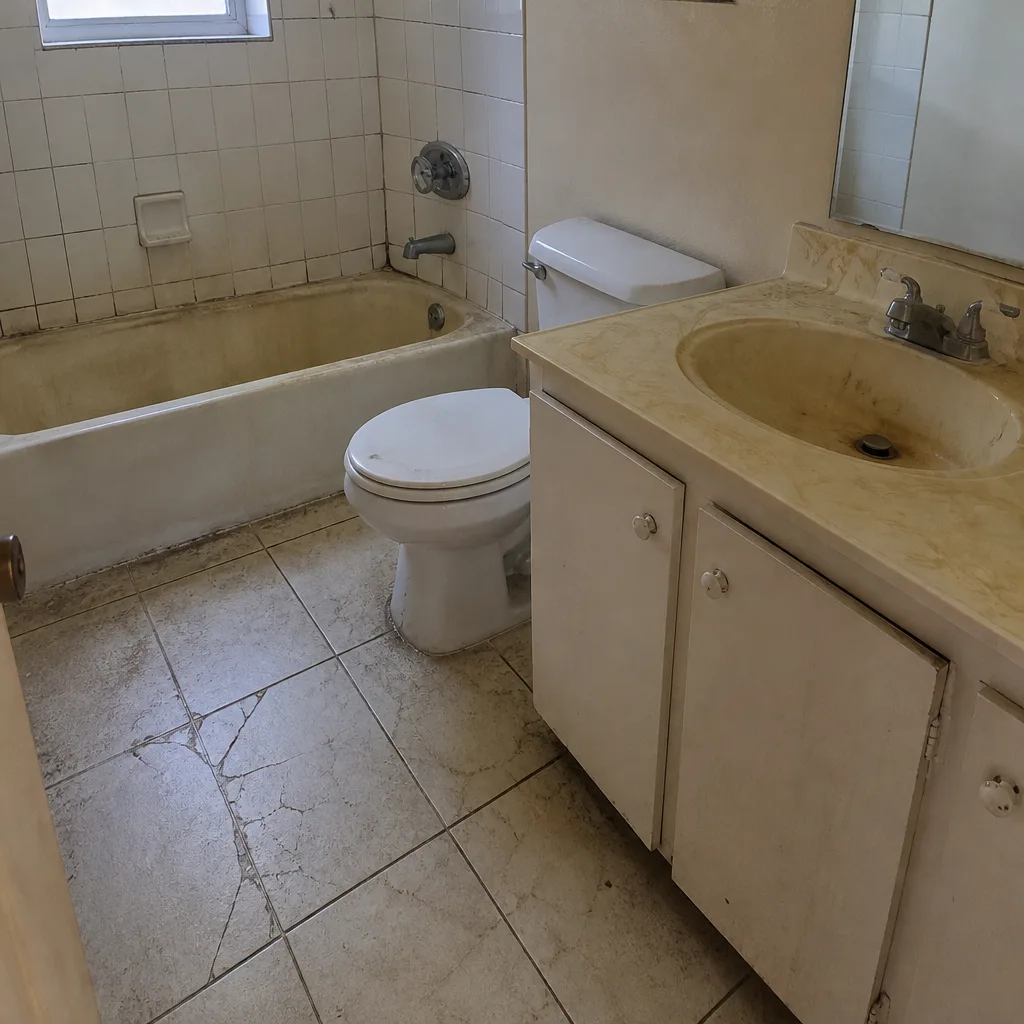 Before
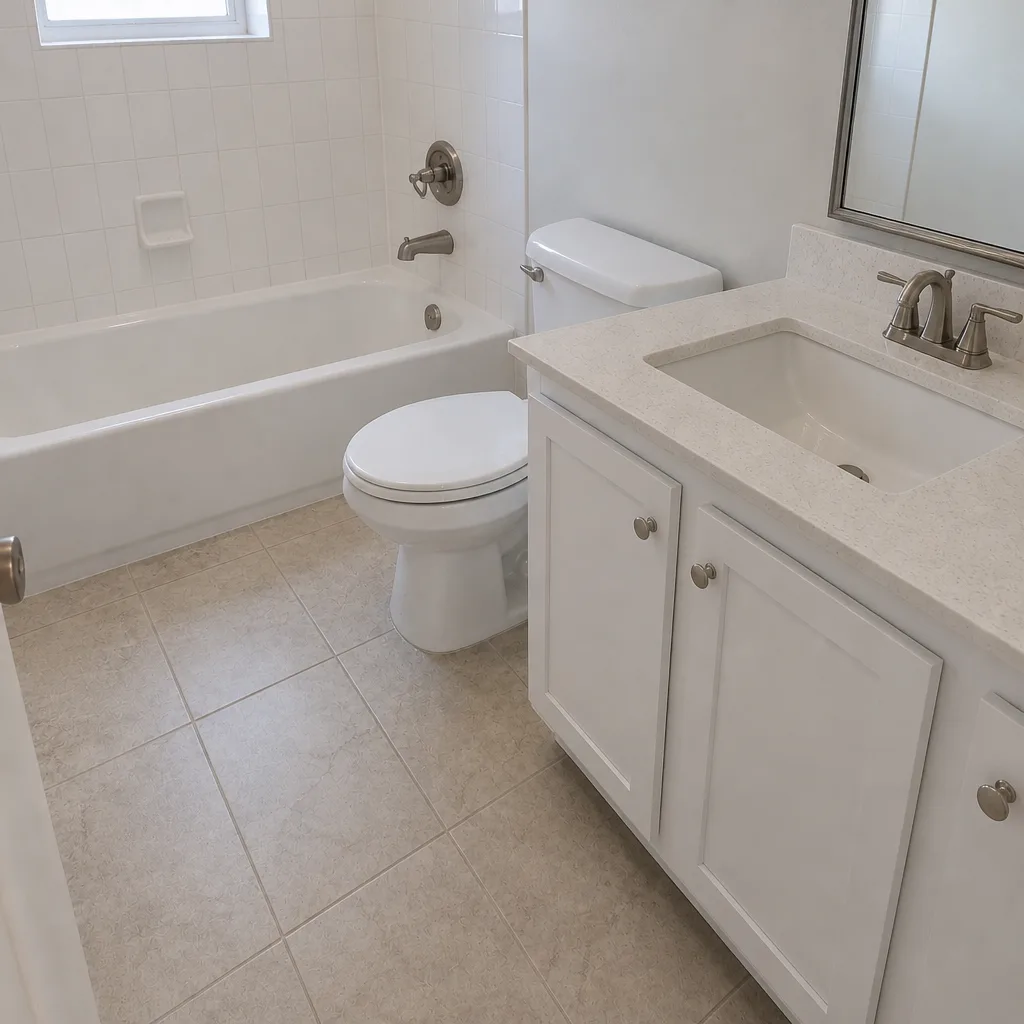 After
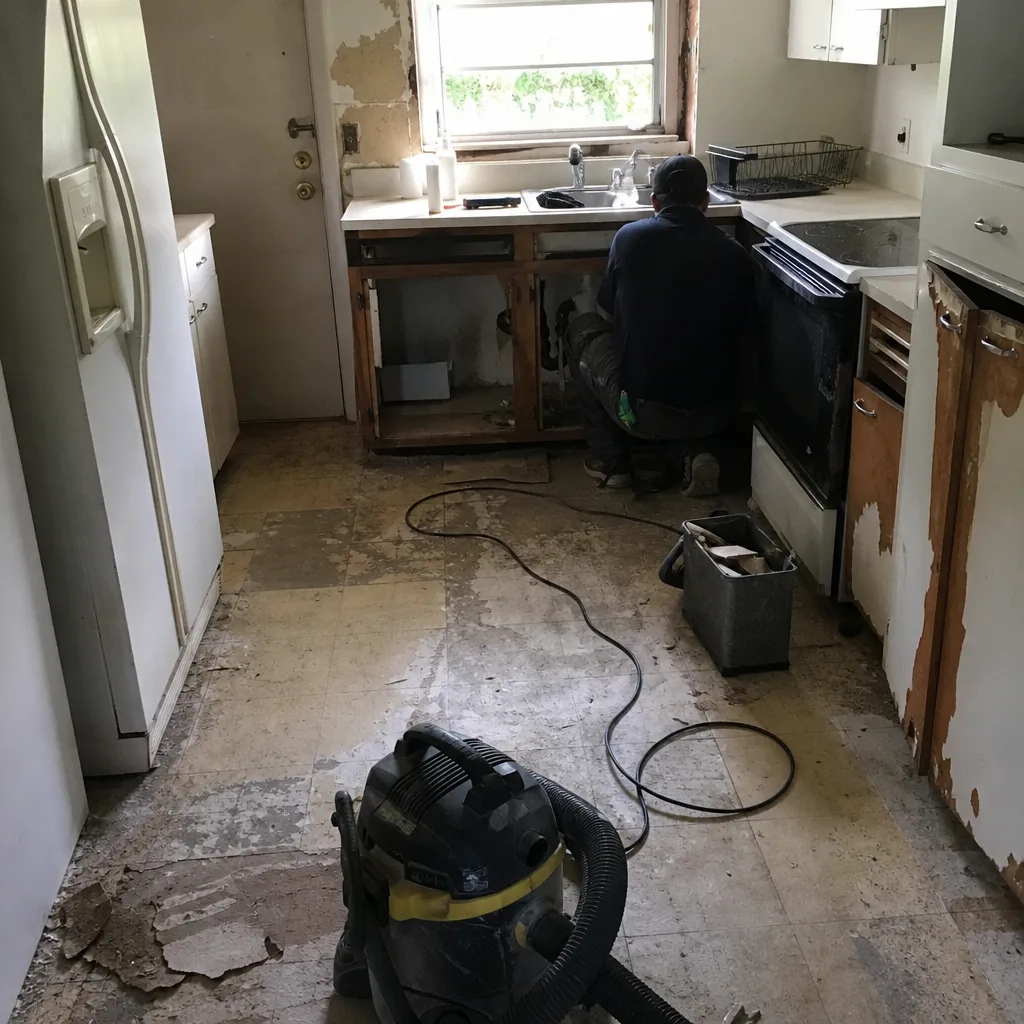 Before
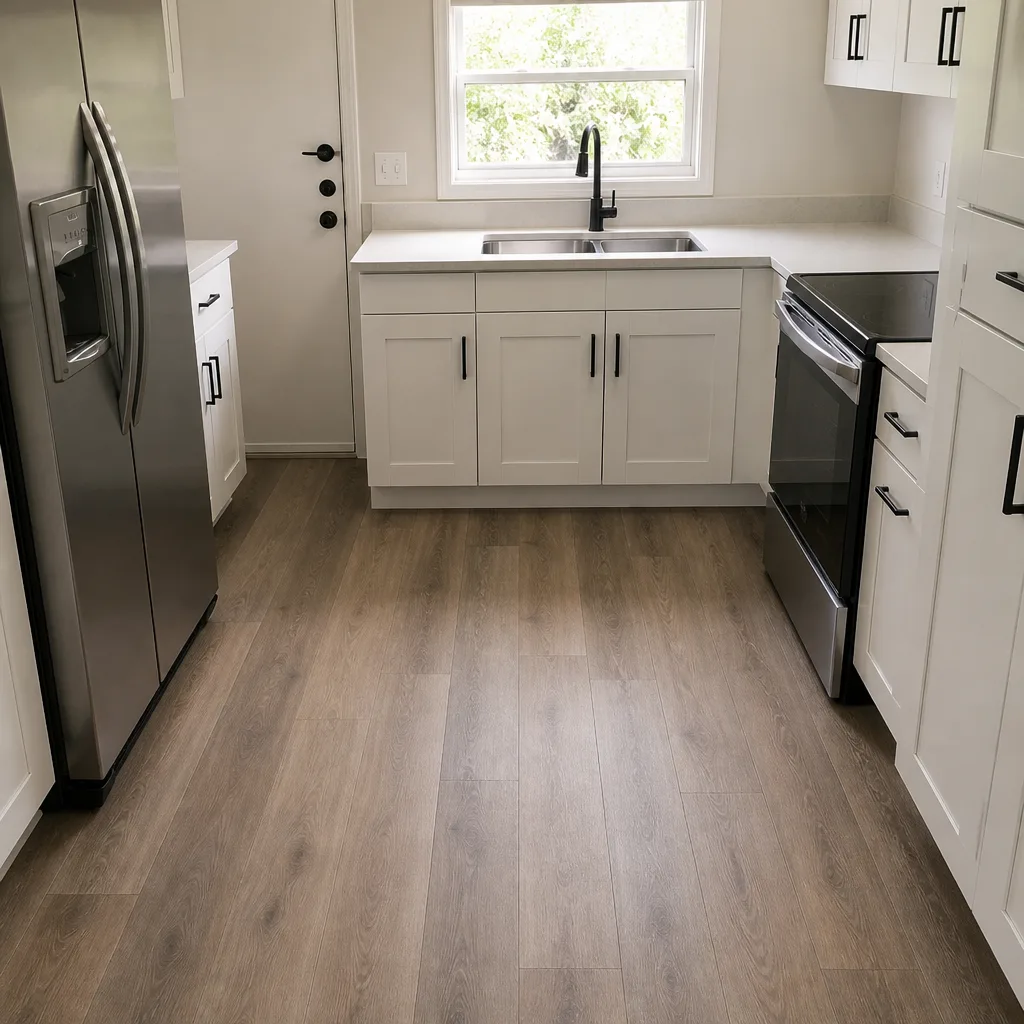 After
When to Call a Professional
Call a professional for anything that involves tile lifting, hollow tile sounds, dark grout that won’t dry, water stains above or below the bathroom, a fan reading under 60 CFM, or caulk separation larger than a hairline. Don’t wait for these to become dramatic; a small professional visit at month 9 costs a fraction of what a substrate repair at month 24 will run. Groundwork Construction Co. of The Hammocks offers free estimates in The Hammocks – call (844) 761-9356. Our technicians have up to 12 years of experience, and we back every project with our 730-Day Done Right Promise. Live person, 24/7, all day every day.
Frequently Asked Questions
Check the caulk joints in a newly remodeled shower every 90 days in the first year, and plan on a full recaulk of the wet zone every 12-18 months. Caulk in a working shower is a wear item, not a permanent seal. If you see a separation that lets light through, or either joint feels soft to the touch, it’s time. Call (844) 761-9356 and we’ll inspect and recaulk if needed.
Darkened grout in a shower that’s less than a year old usually means water is sitting in the mortar bed or the grout wasn’t sealed properly, and in The Hammocks that typically shows up between month 6 and month 9 because of the humidity. It’s a call-us-now issue, not a someday issue, because the underlying cause may be covered under the 730-Day Done Right Promise. Call (844) 761-9356 to schedule a look.
Porcelain and ceramic tile don’t need sealing; the grout usually does, and natural stone (marble, travertine, limestone) should be sealed once a year. Once a year is the safest cadence for real stone in The Hammocks, given the interior humidity levels. Our team can do the annual seal as part of a scheduled maintenance visit; call (844) 761-9356 to set one up.
Test it with the tissue test once a year: hold a single-ply tissue against the intake grille while the fan runs. If the tissue stays put, the fan is moving meaningful air. If it flutters or falls, airflow has degraded. You can also use the mirror test or a 20-minute post-shower humidity drop test. If the fan is underperforming and the bathroom is under two years old, that’s worth a call to us at (844) 761-9356.
It can. The 730-Day Done Right Promise covers actual installation defects for two full years, but skipping maintenance (not running the fan, letting a caulk separation become a substrate problem, DIY repairs that make things worse, unauthorized modifications) can void coverage on the affected area. The safest play is to schedule the 30-day, 90-day, and one-year inspections and call us at the first sign of a problem. Call (844) 761-9356 to schedule.
Three inspections in the first year (30 days, 90 days, one year) and then a professional visit every 12-18 months after that is the right cadence for The Hammocks’ humid climate. The first year is the highest-risk period, and the one-year mark is the most important single check. If you haven’t scheduled yours, call (844) 761-9356 for a free estimate on a maintenance visit and we’ll put yours on the calendar.
The Bottom Line
A bathroom remodel is only as good as what happens in the two years after the last tile is set. The maintenance schedule that actually protects your investment is: a 30-day observation window, a 90-day fire drill on caulk and grout, a 6-12 month watch for hollow tile and dark grout, and a full one-year professional check – then annual fan tests and stone sealing from there. Skipping these steps is the fastest way to void coverage under the 730-Day Done Right Promise. Call it the price of admission for a bathroom that holds up. Groundwork Construction Co. of The Hammocks offers upfront pricing, no surprises, and free estimates – call (844) 761-9356 today.
Written by the team at Groundwork Construction Co. of The Hammocks.