
Last updated November 17, 2026
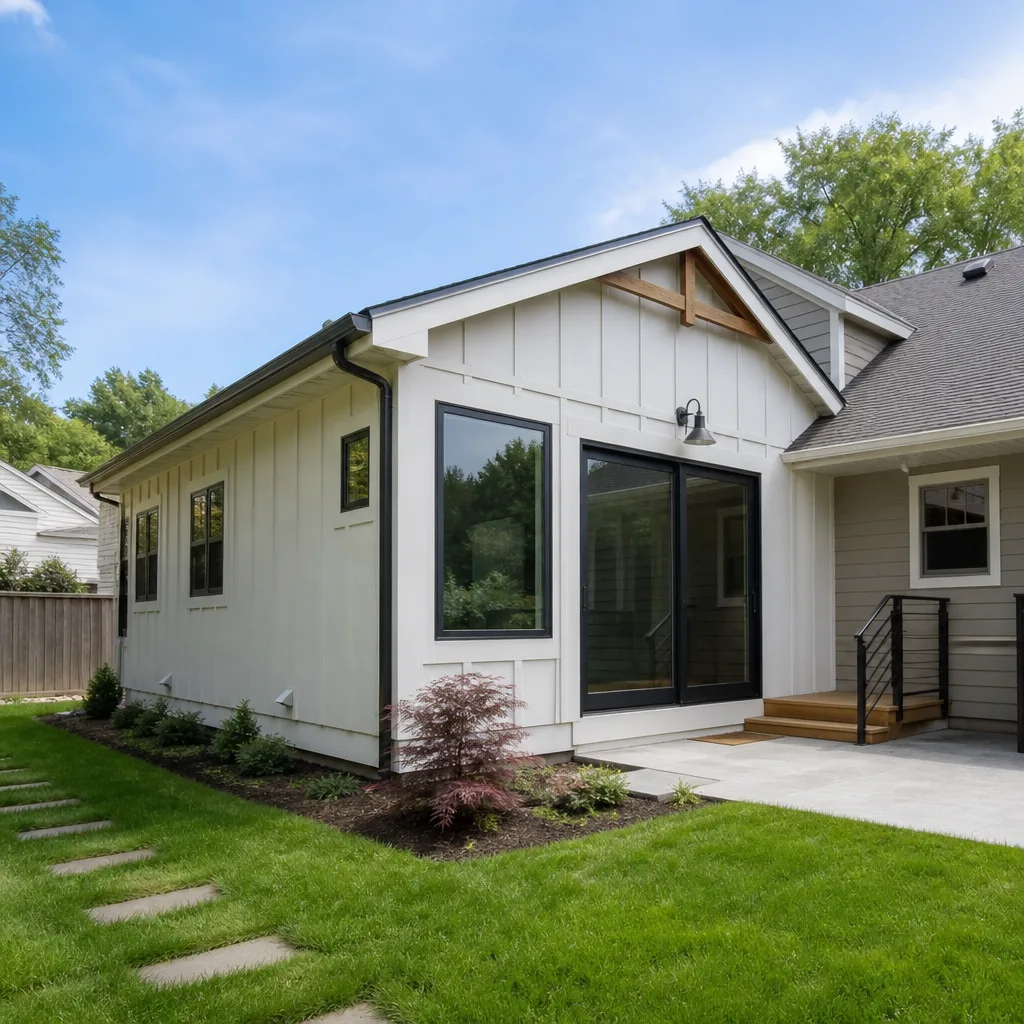 Home additions & ADU
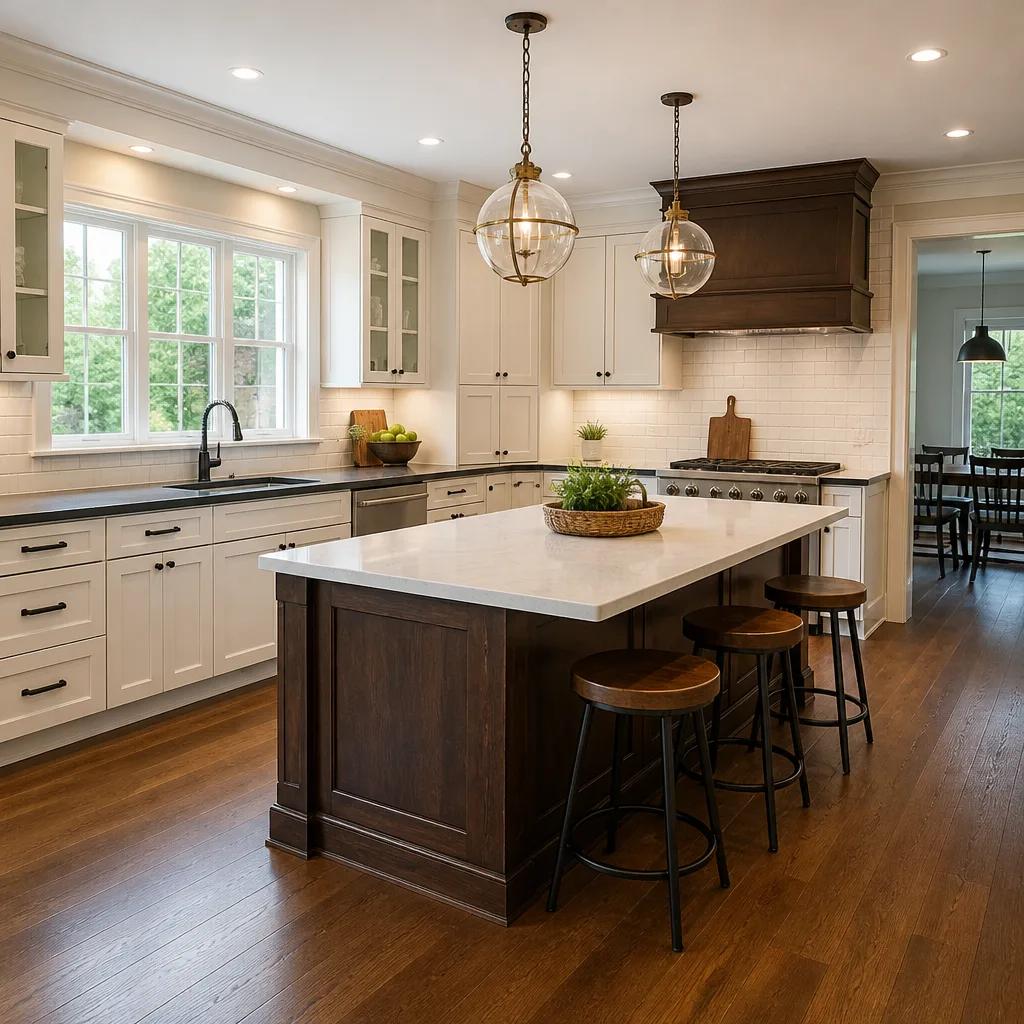 Kitchen remodeling
 Bathroom remodeling
 Roofing
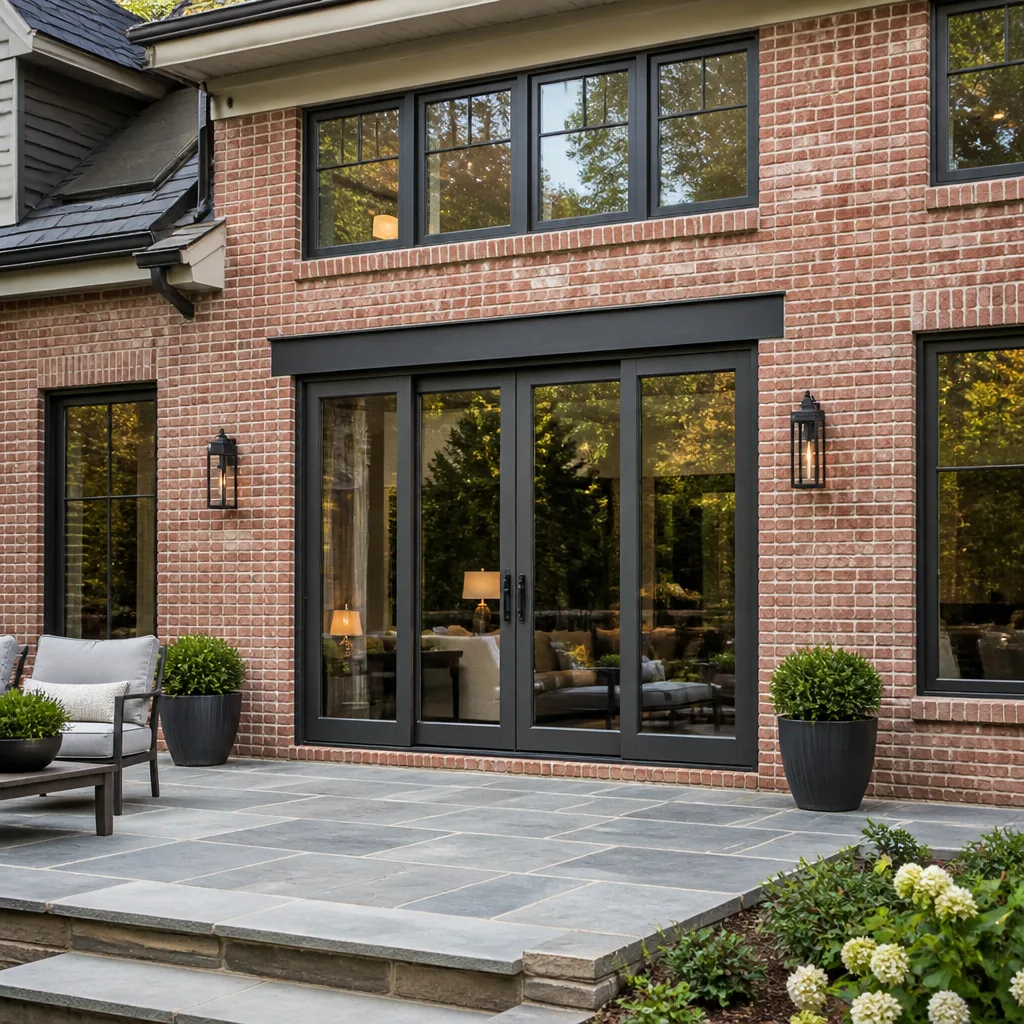 Windows & doors
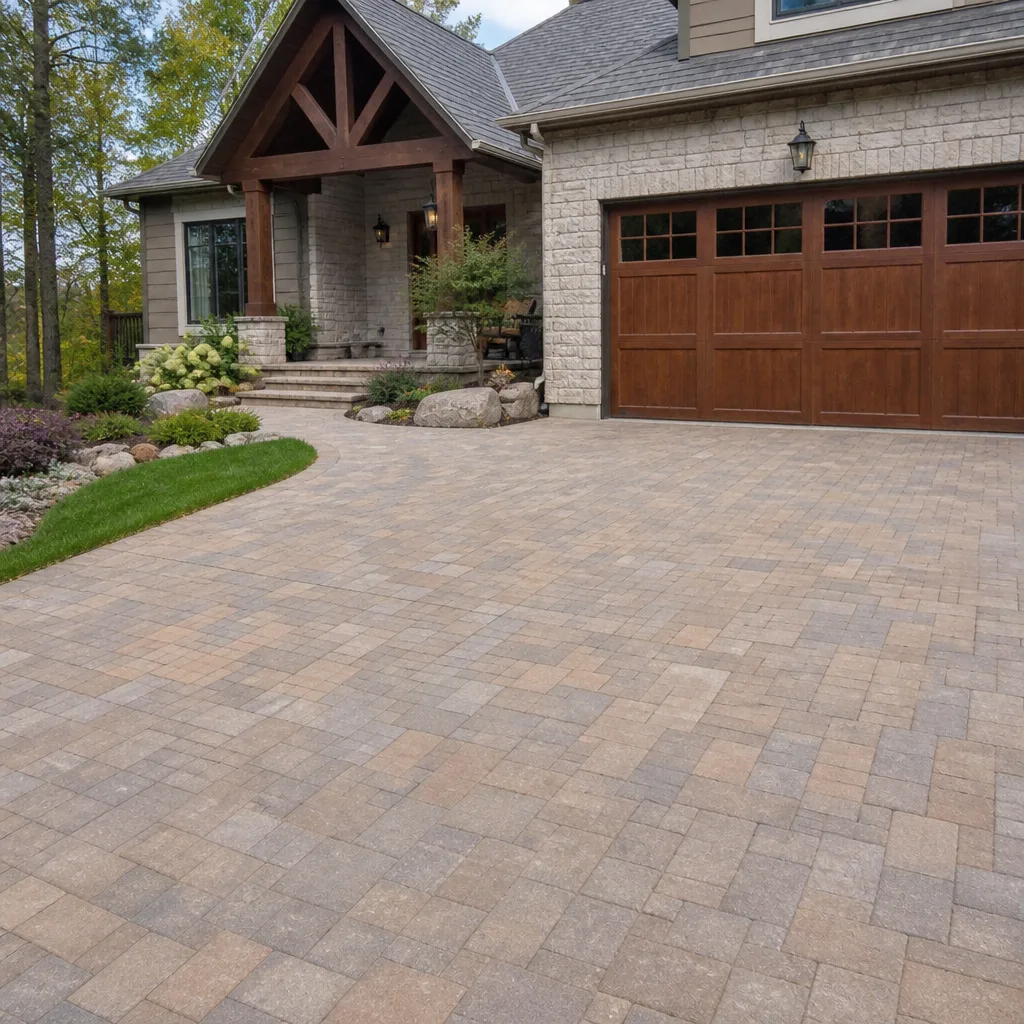 Driveway & pavers
 Fence
Free written scope consultation - allowances, timeline, and change-order rules on paper before a single trade is scheduled
Home Additions & ADU Warning Signs Every Homeowner Should Know
The single best predictor of a failed addition project has nothing to do with price. It’s whether the contractor submitted engineered drawings for permit or tried to pull the permit on a hand-sketch. In our experience, that one detail forecasts most of what goes wrong next: skipped inspections, mystery change orders, crews that vanish mid-framing. By the time you realize your contractor is in trouble, you’ve usually paid 60% of the contract and your addition is standing open to the Florida weather. This guide covers the early warning signs a homeowner can catch before the money is gone, with local context from The Hammocks and what to document if you ever need to replace a contractor.
Quick Answer
The clearest warning signs of a troubled home addition or ADU contractor are: no stamped engineered drawings before permit submission, an upfront payment demand above 30-40% of the contract, work proceeding without a posted permit, inspections skipped or failed and not disclosed, and unreturned calls during permit waiting periods. Any two of these together should stop the project until you get written answers. Call (844) 761-9356 if you’re already in the middle of one and need a second set of eyes on the contract.
Table of Contents
- The Engineered Drawings Shortcut (And Why It Predicts Everything Else)
- The Payment Schedule Danger Zone
- Active Construction Red Flags You Can See From the Curb
- Communication Patterns That Predict Abandonment
- The Documentation Protocol That Protects You Legally
- Why The Hammocks Additions Fail Differently
- Permits & Inspections: What to Verify Monthly
- Common Mistakes to Avoid
The Engineered Drawings Shortcut (And Why It Predicts Everything Else)
A home addition is a structural change to a building that already stands. In The Hammocks, that means a licensed engineer signing off on the drawings before the building department will look at them. A contractor who skips that step is saving themselves a fee of roughly $1,200 to $3,500 depending on the scope. They’re also skipping the accountability that comes with a stamped plan. Once an engineer signs, the loads, connections, and foundation footings are on record. Everyone builds to a known quantity. Skip it, and the contractor is improvising on your foundation.
Ask to see the engineered drawing before any permit is pulled. It should carry a professional engineer’s seal, not just a contractor’s sketch. If your contractor says “the city doesn’t require it for a small addition,” call Miami-Dade County’s building department yourself and ask. For most additions over a modest threshold, they do.
What engineered drawings actually do for you:
- They fix the structural scope in writing, so a change order to add posts or beams later isn’t free rein on your wallet.
- They trigger the inspections that catch foundation or framing shortcuts before drywall hides them.
- They establish a paper trail that a replacement contractor can build from if you ever have to fire the first one.
- They protect you in a resale, when a buyer’s inspector asks for the drawings and there aren’t any.
The pattern we watch for: contractors who resist engineered drawings also tend to resist written change orders, dated inspection logs, and any form of schedule. The engineering shortcut is the leading indicator because it’s the first chance to cut a corner on a project that’s genuinely dangerous to cut corners on. If you want to see how we handle the drawings and permit phase on a typical addition, our page on Home Additions & ADU in The Hammocks walks through the sequence.
The Payment Schedule Danger Zone
Any contract demanding more than 30-40% upfront for a permitted addition is structurally designed to benefit the contractor if they walk. That’s not a harsh read. It’s just math. A contractor who takes 60% before framing has zero financial incentive to finish. By then their cash position is set, and any remaining work is overhead. A fairer schedule ties each payment to a completed, inspected milestone, so the money follows the work.
What a defensible schedule looks like on a typical The Hammocks addition:
- 10-20% at contract signing – covers permits, engineered drawings, and material deposit.
- 15-20% at foundation signed off by inspection – the foundation is in the ground and the county has seen it.
- 20% at rough framing complete – walls up, sheathing on, roof dried in.
- 20% at rough trades inspections passed – electrical, plumbing, and mechanical are in and approved.
- 15% at drywall and finishes – when the work has actually happened.
- 10% final – released after the final inspection and your walkthrough punch list.
Watch for these schedule red flags:
- A “mobilization fee” that isn’t tied to any defined milestone.
- Cash-only requests with no receipt, especially mid-phase.
- Payment demanded before a scheduled inspection, not after.
- “Draws” that accelerate without explanation – three payments in the first month on a six-month job.
- Requests to pay trades directly. Once you’re paying subcontractors yourself, you own the liability and the liens.
Reading the schedule before signing is the single cheapest insurance on the project. If the terms feel pressuring, they are. As a general rule, we’re committing to the number on the contract in writing, so a schedule that starts high and climbs is the opposite of what a homeowner should expect. You can learn more about how we structure pricing and financing on our Groundwork Construction Co. of The Hammocks home page.
Active Construction Red Flags You Can See From the Curb
Once work starts, the job site becomes the only honest status report. Walk the property once a week and look for these specific signs. If you find more than one, that’s your cue to ask for written answers, not just a phone call.
- No posted permit. Miami-Dade requires the permit and inspection card to be visibly posted at the front of the job. If it’s not there by week two of any foundation or framing work, the permit is in question.
- Inspections skipped or failed and not disclosed. Every failed inspection shows up on the county’s online portal. Check it yourself. If your contractor says the inspection “passed” and the county says it’s scheduled or failed, you have a problem.
- Subcontractors who don’t match the contract. If the contract lists a licensed electrical contractor and a different crew shows up, ask why in writing. That crew may not be licensed, may not be insured, and may not carry workers’ comp – which transfers risk to you as the property owner.
- Materials not matching the spec. If the drawings call for a specific hurricane strap spec and the crew is using a cheaper version, the inspection will fail and the fix comes out of your budget. Record what’s on site against what was specified before it’s covered in drywall.
- Framing crews working without sheathing on an open structure for more than a week. In The Hammocks, that means every afternoon thunderstorm in June through September is soaking raw lumber and forming mold inside a wall you can’t see.
- A changing cast of faces. A crew that should be five people one week and one person the next, working in slow motion, is a sign of a contractor stretched thin across multiple jobs they can’t actually staff.
None of these individually is proof of a doomed project. Two or more, together, is a pattern. The pattern is what matters.
Communication Patterns That Predict Abandonment
We’ve been in this business long enough to know that the contractor who ghosts is rarely the one who was rude. It’s the one who was agreeable right up until the work got hard. The pattern is a slow fade, not a sudden stop. Here’s what it looks like, in order.
- Unreturned calls during the permit waiting period. Permit review in Miami-Dade routinely runs two to six weeks. If your contractor stops returning calls during that window, they’ve likely moved on to another job while the first one is stalled.
- Vague answers about inspection status. “It’s scheduled” without a date is not an answer. Neither is “the inspector’s busy.” The county portal has the real schedule.
- Rotating excuses for why the next phase hasn’t started. Concrete is delayed. The framer is out. The truck broke. Materials are on backorder. One delay is real. Three consecutive weeks of delays that all start with “unfortunately” is a project losing momentum.
- The disappearing foreman. The supervisor who ran the first week stops answering their phone. The next person you talk to doesn’t know the project.
- Requests to change the contract “to be fair” after phase one. The contract terms shift once the contractor has your deposit.
When you hit any two of these in the same week, put your concerns in writing. An email that lists the date, the specific issue, and the written remedy you expect is a record that has legal value if the project needs to move to another contractor. Silence after a written request is the signal you need to act, not wait.
The Documentation Protocol That Protects You Legally
You don’t need a lawyer to protect yourself mid-project. You need a disciplined routine. Photograph the job site weekly at the same angles. Keep every communication in writing, even if the response is a phone call you summarize back in an email. These habits don’t feel like much when things are going well. They matter enormously when they aren’t.
Here’s the routine we recommend to every homeowner we work with:
- Start a project folder. Signed contract, engineered drawings, permit number, all change orders, all inspection reports. Keep physical and digital copies.
- Photograph weekly. Same angles every Friday. The front elevation, each interior wall of the work, the foundation, and the permit posting. Date-stamp photos with your phone’s metadata.
- Confirm every verbal conversation in writing. A short email after each call: “Following up on our conversation – you said the framing inspection would happen by Friday. Confirming that’s still the plan.” That email is the record.
- Log every payment. Date, amount, milestone, and the specific written invoice you paid against. Never pay against a verbal request.
- Save inspection portal screenshots. Once a month, screenshot the county portal showing your permit status. That’s the truth, not the summary you get from the contractor.
- Keep a running punch list. Any defect or unfinished item written down as it’s noticed, not held until the final walkthrough. Small issues become disputes later.
If the project has to change hands mid-stream, the new contractor walks into a job with drawings, permits, inspection history, and a paper trail of what’s been paid for. That alone can save you tens of thousands. A licensed contractor like our teams can pick up a stalled job in ways a homeowner can’t, and the 730-Day Done Right Promise covers all of our workmanship – but none of that replaces the record you keep. That record is the homeowner’s leverage, and no contractor can do it for you.
Why The Hammocks Additions Fail Differently
The Hammocks sits in one of the most demanding building environments in Florida for an addition. The high water table in the western blocks means foundation work isn’t a standard slab. It’s a slab with specific fill and compaction requirements, and the difference shows up in the inspection. Additions that get their footings “about right” tend to pass a wet-season then shift in the next dry spell, and the cracks open in the interior finish.
Then there’s the storm. The 174th Street and 157th Avenue corridors catch the afternoon weather hard. Additions that get framed in summer need the roof dried in fast or they soak. We’ve seen the same sequence fail in The Hammocks more than once: framing goes up in August, the roofer is two weeks out, and the wall framing drinks a month of rain before the drywall. That’s a mold problem built into the finished wall. Ask any contractor you interview how they handle dry-in timing on summer additions. A real answer involves a date, not a promise.
Hurricane hardening is another factor. Miami-Dade has product approval requirements that predate most of the rest of the country, and the window and door choices for an addition have to satisfy them. Ask specifically which approved product line the addition will use. Our own additions typically use Andersen or Therma-Tru for the door and window package, both of which carry the Florida product approvals for the wind zone. A contractor who can’t name the approved product they’re installing is a contractor guessing.
HOA review is the fourth local factor. Many The Hammocks properties carry architectural review covenants on exterior changes, and an addition that gets through the county but not the HOA ends up needing revisions after framing. That’s someone’s budget, and it’s not the HOA’s. Ask your contractor whether they’ve pulled the HOA submittal into the schedule. If they didn’t even know it exists, that’s real.
Permits & Inspections: What to Verify Monthly
The county permit portal is a homeowner’s best friend during an addition. Log in monthly and check three things: whether the permit is active, what the next scheduled inspection is, and whether any inspection failed. The building department maintains an online record for every permitted job in Miami-Dade, and the record is public.
A properly run addition in The Hammocks will pass through roughly these inspection stages:
- Foundation – footing and slab, before the concrete pour.
- Framing – before any drywall or insulation.
- Rough electrical – before any finishes.
- Rough plumbing – before any finishes.
- Rough mechanical – A/C, exhaust, any HVAC.
- Insulation – before drywall.
- Final – after everything is done and the punch list is closed.
If any of those stages pass without an inspection, that’s a defect the county will require you to reopen later, and it comes out of your budget. Any failed inspection whose remedy isn’t documented in writing is the same situation. The verification step isn’t dramatic; it’s just a monthly habit that catches the worst of the mid-project surprises.
Common Mistakes to Avoid
- Signing a contract without the engineered drawings. If the sealed drawings aren’t part of the package, the contract is for less than the real scope. Ask what the drawings cost separately, and insist they’re attached.
- Paying more than 40% upfront. A permitted addition needs no more than a modest deposit against permit and engineering fees. Anything beyond that is the contractor financing themselves out of your pocket.
- Skipping the county portal. The single fastest way to learn the real status of your The Hammocks addition is the county permit record. Check it, don’t ask.
- Ignoring the HOA review timeline. The Hammocks properties often carry architectural covenants on exterior additions. Missing that review slides the build into the wrong season for framing.
- Accepting verbal change orders. Every extra needs to be written on a dated change order signed by both parties, with the price and the schedule impact on it. A verbal “I’ll take care of it” is not an enforceable price.
- Holding onto concerns until the final walkthrough. A punch list assembled at the end is a dispute. A punch list assembled weekly is a fix.
- Letting a crew work in the rain. In The Hammocks, a summer framing job needs a dry-in date, not a plan for drying wet lumber. If the roofer isn’t scheduled before framing goes up, that’s the wrong sequence.
Each of these mistakes is cheap to prevent and expensive to undo. The engineered-drawing requirement is the one to hold firmest on, because it’s the first line of defense. If a prospective contractor won’t put the drawings in the contract, none of the rest of the terms matter much.
Styles & brands we work with
- Kitchen remodeling
- Bathroom remodeling
- Home additions & ADU
- Roofing
- Windows & doors
- Driveway & pavers
- Fence
When to Call a Professional
Call a licensed contractor when the drawings aren’t stamped, when the payment schedule climbs above 40% before framing, when the county portal shows a failed or missed inspection, or when the contractor stops returning calls during a permit window. Call when the addition is open to the weather and no roofer is scheduled. Call when the current contractor is asking to change the contract mid-phase. Call when a replacement mid-project is the safer move and you need a professional assessment before you pull that trigger. In The Hammocks, hurricane hardening requirements and high water tables mean local experience matters as much as general contractor skill.
Groundwork Construction Co. of The Hammocks offers free estimates in The Hammocks – call (844) 761-9356. Our technicians have up to 12 years of experience, every project carries the 730-Day Done Right Promise, and we’re upfront on pricing, so the number you sign is the number you pay. Calls are answered by a live person, 24/7.
Frequently Asked Questions
A mid-range home addition in The Hammocks typically runs $220 to $350 per square foot depending on scope, with ADUs running $180 to $280 per square foot when utilities, insulation, and a full kitchen or bath package are included. Costs climb with foundation work – western The Hammocks blocks with a high water table often add $8,000 to $18,000 for proper footing and fill. Engineered drawings usually run $1,200 to $3,500 separately. Call (844) 761-9356 for an exact quote – estimates are free.
Yes. Miami-Dade requires sealed engineered drawings for most home additions and virtually all two-story additions, and the requirement exists because of hurricane loading and structural changes to an existing building. If your contractor says the drawings aren’t required, get that in writing and then call the county yourself. A licensed contractor like our teams won’t propose pulling a permit without the sealed drawings, because the project can’t technically be built to code without them. Call (844) 761-9356 to talk through your specific scope.
No more than 30-40% of the contract, and ideally 10-20% at signing with the rest tied to completed and inspected milestones. A schedule that pays 60% before framing has been completed rewards the contractor for walking away. Ask for the schedule in writing, with each payment tied to a specific inspection or milestone, before you sign anything else. If you’re already in a contract with a high upfront schedule, call (844) 761-9356 before the next payment goes out.
The clearest sign is a pattern: unreturned calls during a permit window, vague inspection status, rotating excuses for the next phase, and a subcontractor lineup that doesn’t match the contract. Any two of those in a single week is your signal to put your concerns in writing and demand specific written answers within a defined time. If the answers don’t come, document everything you have and start looking for a replacement. Call (844) 761-9356 and we’ll walk through where your project stands and what your options are.
It shouldn’t, on a fixed-price contract with defined scope. The price changes when the scope changes, which is why written change orders matter – every extra needs a specific price on a dated, signed document. Ask at signing exactly what triggers a change order, and get the answer in writing. Upfront pricing with no surprises means the number you sign is the number you pay, and the 730-Day Done Right Promise covers the workmanship on top of that. Call (844) 761-9356 for a free estimate with a line-item breakdown.
Yes, we pull the permits for every addition we build, and we submit the sealed engineered drawings as part of the permit package. If a contractor proposes that you pull the permit as the homeowner, that’s a red flag – the contractor should carry the permit, the inspections, and the liability for the work. The permit and inspection record should be visible on the county portal throughout your project. Call (844) 761-9356 and we’ll walk through the permit sequence for your specific scope.
The Bottom Line
The warning signs of a failed addition show up early, and they’re mostly things you can see and verify without any construction expertise. No sealed drawings means no accountability. A payment schedule above 40% upfront means the wrong person holds the risk. Missing permits, skipped inspections, and a cast of subcontractors who don’t match the contract mean the project is drifting. Unreturned calls during the permit window mean the contractor is already looking elsewhere.
Everything we’ve described in this guide is verifiable. Ask for the drawings. Check the county portal. Read the payment schedule before you sign. Photograph weekly. Keep every conversation in writing. If you’re in The Hammocks and the project is heading sideways, call (844) 761-9356. Our technicians have up to 12 years of experience, every project carries the 730-Day Done Right Promise, and the estimate is free. If you’re at the planning stage and want a contractor whose paperwork you’ll never have to audit, the same number gets you a live person, any hour of the day.
Written by the team at Groundwork Construction Co. of The Hammocks.
See the difference
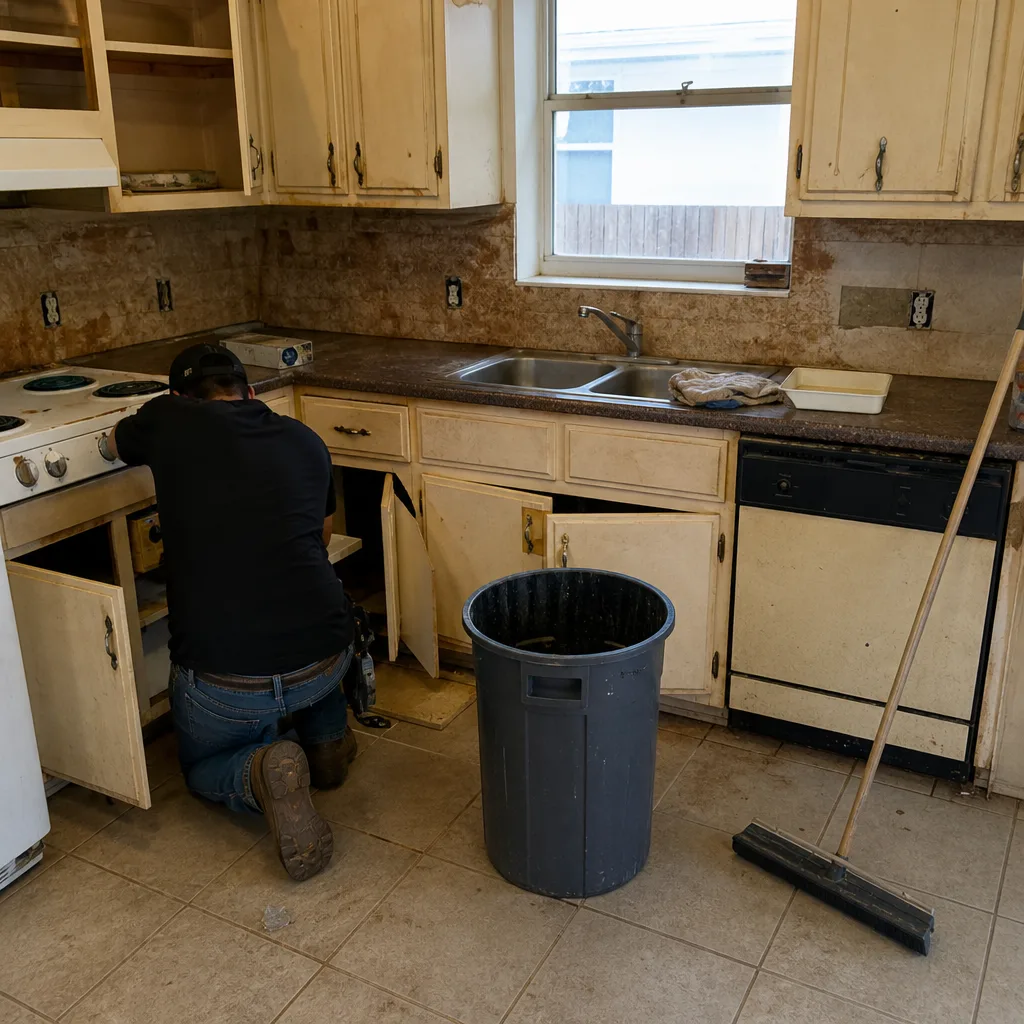 Before
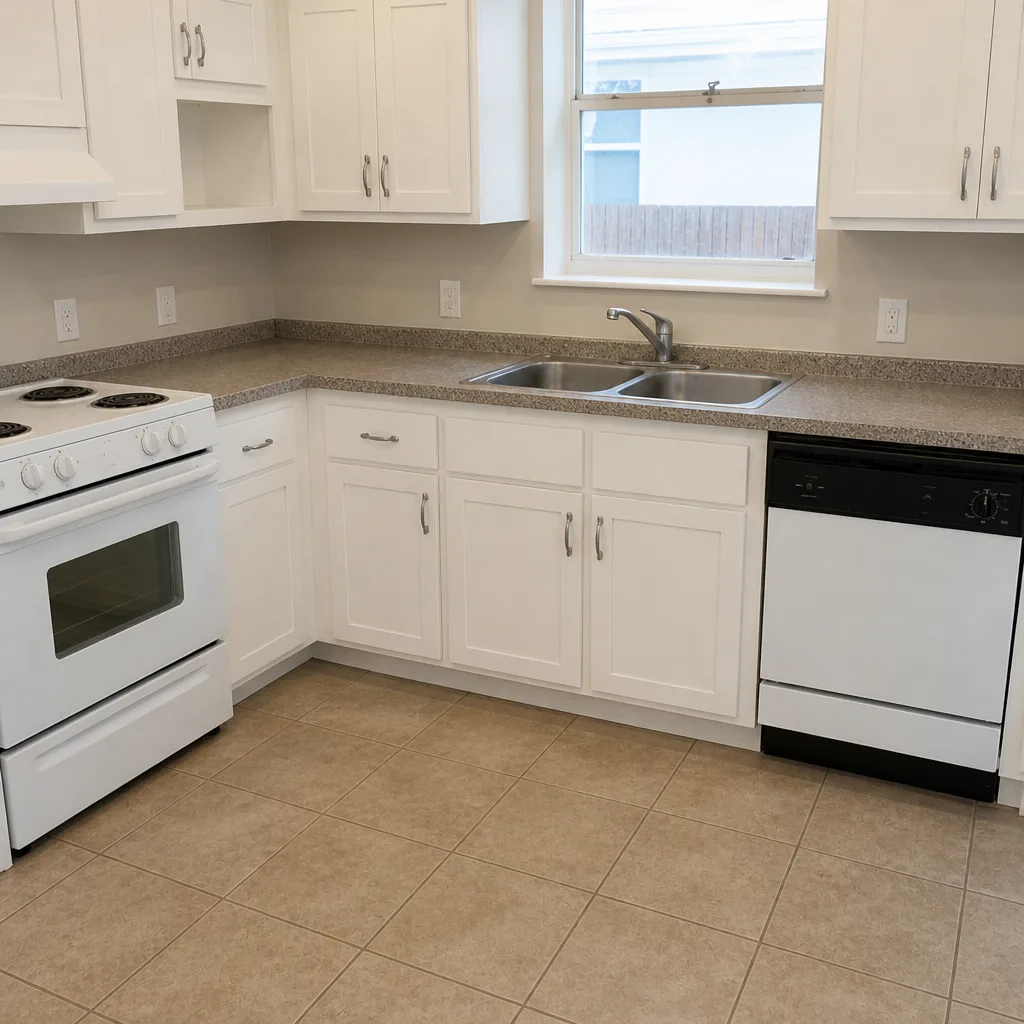 After
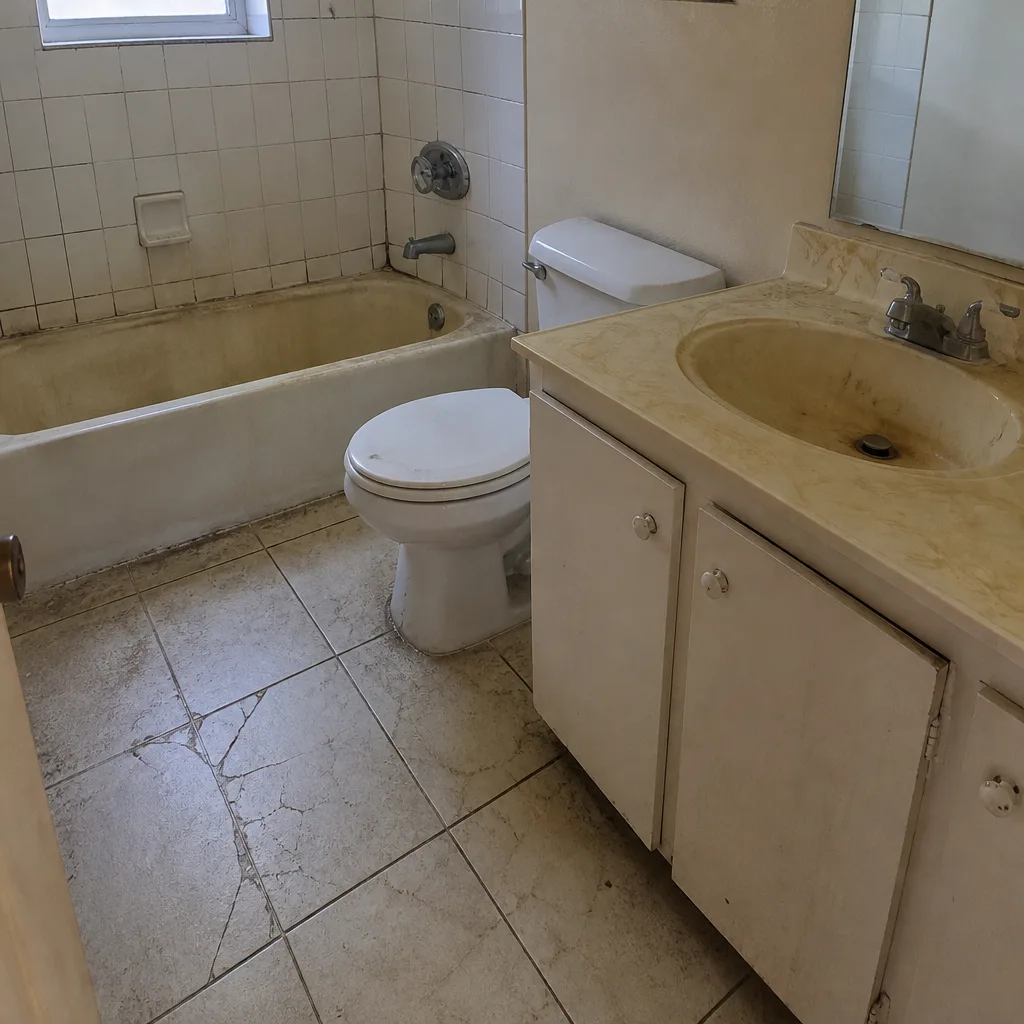 Before
 After
 Before
 After