
Last updated November 17, 2026
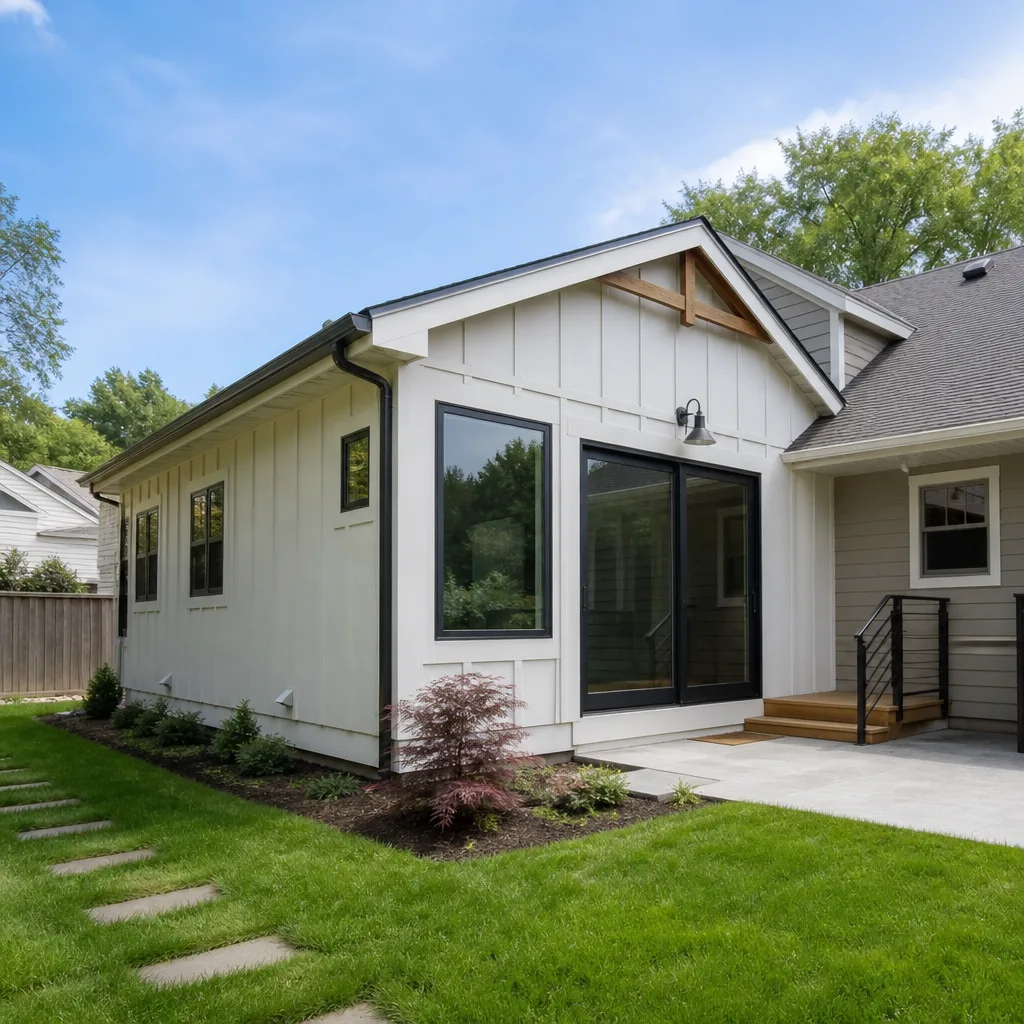 Home additions & ADU
 Kitchen remodeling
 Bathroom remodeling
 Roofing
 Windows & doors
 Driveway & pavers
 Fence
Free written scope consultation - allowances, timeline, and change-order rules on paper before a single trade is scheduled
How Long Does Home Additions & ADU Take? Timelines and What to Expect
Miami-Dade County’s building department averages 8 to 14 weeks to approve a residential addition permit. That number surprises almost every homeowner we talk to in The Hammocks, and it’s the reason a contractor’s “three-month project” is realistically a six-month minimum before the first wall goes up. Most bids you’ll receive never mention that gap. This guide maps the entire timeline phase by phase, with time ranges built for South Florida’s permit backlog and inspection realities, not national averages. By the end, you’ll know what to plan around, what you control, and what to ask before signing anything.
Quick Answer
A home addition or ADU in The Hammocks typically takes 9 to 16 months from first design meeting to final certificate of occupancy. Permit approval alone runs 8 to 14 weeks in Miami-Dade County, and revision cycles after plan rejection can add another 4 to 12 weeks. Actual construction takes 3 to 6 months for most additions and 5 to 9 months for a full ADU, depending on size and whether plumbing or kitchen work is involved.
Styles & brands we work with
- Kitchen remodeling
- Bathroom remodeling
- Home additions & ADU
- Roofing
- Windows & doors
- Driveway & pavers
- Fence
Table of Contents
- The Full Timeline From First Sketch to Final Inspection
- Why the Permit Phase Is the Biggest Variable
- The Revision Cycle: What Happens When Plans Get Rejected
- How Size, Structure, and Scope Add Weeks
- What to Do While You Wait for Permits
- What the Construction Phase Actually Looks Like
- Inspections and the Certificate of Occupancy
- Common Mistakes to Avoid
The Full Timeline From First Sketch to Final Inspection
Most homeowners plan around the build. They shouldn’t. In Miami-Dade, the pre-construction and approval phases regularly run as long as, or longer than, the construction itself. Here’s the honest phase-by-phase breakdown for a project in The Hammocks and surrounding neighborhoods.
- Design and engineering: 4 to 8 weeks. Architectural drawings, structural engineering for any second story or large span, and a survey if you don’t have a recent one. Engineered plans move through review faster because they answer the questions reviewers ask.
- HOA approval (if applicable): 3 to 8 weeks. Many The Hammocks subdivisions require architectural review before you submit to the county. Skipping this step is one of the most common causes of mid-project work stoppage.
- Permit submission and intake: 1 to 2 weeks. This is just the county accepting the application and assigning it to a reviewer.
- Plan review: 8 to 14 weeks in Miami-Dade. This is the number that blows up timelines, and it’s outside anyone’s control except through the quality of the submittal.
- Revision cycles (if triggered): 4 to 12 weeks. More on this below, because it’s the single most unpredictable part of the process.
- Construction: 3 to 6 months for a standard addition, 5 to 9 months for a full ADU.
- Rough and final inspections: 2 to 4 weeks spread across the build, plus 1 to 3 weeks for the final inspection and certificate of occupancy.
Add those up and you land between 9 and 16 months for most projects in The Hammocks. The spread is wide because the permit phase is wide. If you’re planning a project with any complexity, budget at the high end and be pleasantly surprised, not the reverse.
Why the Permit Phase Is the Biggest Variable
Construction schedules are predictable. You know how long a slab takes, how long framing runs, how long it takes to get a roof dried in. Permit timelines are not predictable in the same way, because they depend on a reviewer’s queue, the completeness of your submittal, and whether your plans trigger a second or third round of comments.
In Miami-Dade County, standard residential additions go through plan review with the county building department, and depending on the scope, may also touch zoning, environmental, or public works review. An ADU with its own kitchen and bathroom will almost always pull in more reviewers than a simple bedroom addition, because plumbing and electrical plans add scrutiny. Factor in the county’s current review volume and 8 to 14 weeks becomes a realistic expectation for a clean submittal – meaning a submittal with no major gaps.
What drives permit timing up in The Hammocks specifically
- Flood zone and elevation review: Much of The Hammocks sits in areas where finished floor elevation and drainage requirements get reviewed carefully. Plans that don’t address this cleanly get rejected and resubmitted.
- Hurricane code compliance: Miami-Dade has some of the strictest wind-load and impact-resistance requirements in the country. Structural calcs for any new roof area or large opening need to be complete, not approximate.
- ADU-specific review: Miami-Dade’s rules on accessory dwelling units, including size caps and utility connections, add reviewer touchpoints. Plans that miss a rule come back.
- Contractor experience: A builder who submits plans the way county reviewers expect them to be formatted moves through faster than one learning the process on your project.
We’ve seen clean submittals clear plan review in under 10 weeks. We’ve also seen projects resubmit three times and lose almost four months. The difference is almost always plan quality, not luck. If you want a timeline you can actually plan around, the planning starts at the drawing board.
The Revision Cycle: What Happens When Plans Get Rejected
Plan rejection is normal. Most first submittals come back with comments, and the question is how many rounds it takes to resolve them. Each round works like this:
- The county reviewer issues a comment sheet listing every issue that needs correction.
- Your architect or engineer revises the drawings and writes a response letter addressing each comment.
- The revised package is resubmitted and goes back into the review queue.
- Reviewers confirm the corrections and either approve or issue a new comment sheet.
That cycle takes 4 to 12 weeks total in Miami-Dade, depending on queue depth and how substantive the corrections are. A missing engineering stamp is a quick fix. A structural design that doesn’t meet wind-load requirements is a redesign, and that’s where months disappear.
How to minimize revision cycles
- Use an architect and engineer who regularly submit to Miami-Dade and know the local checklists.
- Get the survey and any elevation certificates done before submitting, not during review.
- Confirm HOA approval first so you don’t get county-approved plans that your neighborhood board won’t allow.
- Include complete structural calculations with the first submittal, not as an add-on later.
- Resolve any scope questions with your builder before plans are drawn, so you’re not revising for design changes and county comments at the same time.
This is the phase where experience pays for itself. Two extra months of permit review on a project with financing running is real money, and it’s the difference between a spring start and a fall start.
How Size, Structure, and Scope Add Weeks
Not all additions are created equal, and the differences show up in both the permit phase and the build. Here’s what moves the timeline:
- Square footage: A 200-square-foot bump-out is a much shorter review than a 900-square-foot addition, mainly because bigger footprints trigger more zoning and lot coverage scrutiny.
- Second stories: Any second-story work adds structural engineering, and reviews take longer because of wind-load calcs and the complexity of tying into existing framing.
- Bathrooms: Adding even a half bath pulls in plumbing plans, which adds a reviewer and adds inspection steps during construction. Expect 2 to 4 weeks on the permit side and 3 to 4 weeks on the build side.
- Kitchens: A kitchen in an ADU or addition adds electrical, plumbing, and often mechanical review. If you’re upgrading finishes during the build, materials like Cambria quartz or Silestone counters need ordering early, since lead times run 3 to 6 weeks.
- ADUs with full utilities: A detached ADU with its own kitchen, bathroom, and electrical service is a full small-house build in miniature. Permitting takes longer and construction runs 5 to 9 months.
- Impact windows and doors: Required for new construction in Miami-Dade, but exact product selection affects delivery timing. Order windows as soon as the permit is approved, not when framing begins.
If you’re still deciding whether to include a bathroom or kitchen, that decision is worth making before plans are drawn. Changing scope after the permit is submitted is the fastest way to add two months to a project. Our Home Additions & ADU in The Hammocks page walks through the design conversation if you’re at that stage.
What to Do While You Wait for Permits
The permit waiting period feels like dead time. It isn’t. Done right, it’s the most productive stretch of the whole project, and it’s where organized homeowners save weeks of construction time.
- Finalize every finish decision. Flooring, cabinet styles, countertops, plumbing fixtures, paint colors. Every decision made now is a decision the crew doesn’t have to wait on later. If you’re choosing between Silestone and Caesarstone counters, decide during the wait, not during week six of the build.
- Clear the site. Remove anything in the footprint of the addition, and make sure crews can get equipment and materials in and out of the yard. On tight lots in The Hammocks, access planning matters.
- Order long-lead materials. Windows, doors, cabinets, and countertops all have lead times. Ordering after permit approval keeps the material delivery roughly in line with when you need it.
- Sort out financing. If you’re using a home equity line or secured loan, get it in place before construction starts. Lenders want permits and contracts in hand.
- Talk to your neighbors. Construction involves noise and truck traffic. A short conversation before the first excavator shows up saves friction later.
- Plan how you’ll live. If the addition touches a bathroom or kitchen, plan for the weeks those spaces are offline. Temp setups, meal plans, and parking all work better decided in advance.
We walk homeowners in The Hammocks through this list before the county finishes review, because the projects that go smoothly are the ones where the waiting period got used. The build phase goes better when the decisions are already made.
What the Construction Phase Actually Looks Like
Once the permit is issued, work breaks down into a sequence you can plan around. For a typical addition, expect:
- Site prep and foundation: 1 to 3 weeks. Clearing, excavation, footing, slab. Miami’s water table and soil conditions sometimes slow this down.
- Framing: 2 to 4 weeks. This is where the shape of the project becomes real.
- Roofing and drying in: 1 to 2 weeks. In South Florida, the goal is to get dry-in as fast as possible because of the afternoon storms from May through October.
- Rough-in trades: 2 to 3 weeks. HVAC, electrical, and plumbing go in. This is where counties schedule rough inspections, and where inspection scheduling can add a week or two if the crews aren’t coordinated.
- Insulation and drywall: 2 to 3 weeks.
- Finishes: 4 to 8 weeks. Flooring, cabinetry, tile, paint, trim, fixtures. Kitchen and bathroom work stretches this phase because tile and cabinet installs have their own sequence.
- Final walkthrough and punch list: 1 to 2 weeks.
A straight bedroom bump-out can be done in 12 weeks. A fully finished ADU with a kitchen and bath is closer to 36 weeks. On any job, weather matters: Miami’s rainy season can push exterior work by days, and time is lost when a crew isn’t ready to pivot to interior work while rain passes.
Inspections and the Certificate of Occupancy
Every phase of the build has an inspection attached to it, and you don’t move forward until that inspection passes. The sequence in a Miami-Dade addition typically runs: foundation, framing, rough plumbing, rough electrical, rough mechanical, insulation, and final. Some projects also require energy code inspections and impact-product installation verification.
Inspection scheduling is where more build time gets lost than any other single thing. If a crew runs late getting ready for inspection, you wait. If an inspection fails, you fix, reschedule, and wait again. Weeks can disappear this way when the schedule isn’t tight.
The certificate of occupancy (CO) is the finish line. You can’t legally live in or rent an ADU without it, and lenders require it if you’re financing. Plan for 1 to 3 weeks from final inspection to CO in hand. This is the phase where a builder with real inspection experience earns their fee. Knowing what each inspector looks for means fewer surprises, and fewer do-overs.
Common Mistakes to Avoid
- Starting plans without checking HOA rules. Many The Hammocks subdivisions have approval requirements that run parallel to, or ahead of, the county process. Discovering a rule after plans are drawn costs weeks.
- Choosing the lowest bid without reading what it excludes. Quotes that don’t include permits, engineering, or inspections are the ones where the final cost is far higher than the number you signed. Upfront pricing with everything listed is the standard to hold everyone to.
- Changing scope after permit submission. The revision cycle already takes 4 to 12 weeks. Adding changes mid-review doubles it. Finalize scope before submitting.
- Ordering materials after framing starts. Window lead times run 4 to 8 weeks. Cabinets and counters run 3 to 6 weeks. Everything ordered late delays the finish phase.
- Underestimating flood zone and elevation review. Parts of The Hammocks sit in areas where finished floor elevation gets reviewed closely. Plans without elevations get sent back.
- Assuming a “3-month project” quote includes permits. It doesn’t usually account for the 8 to 14 weeks of permit review. Always ask your builder for the pre-construction timeline in writing, not just the build timeline.
- Skipping the final punch list walkthrough. Small items get deprioritized once crews move to the next job. Schedule the walkthrough before the crew leaves the site.
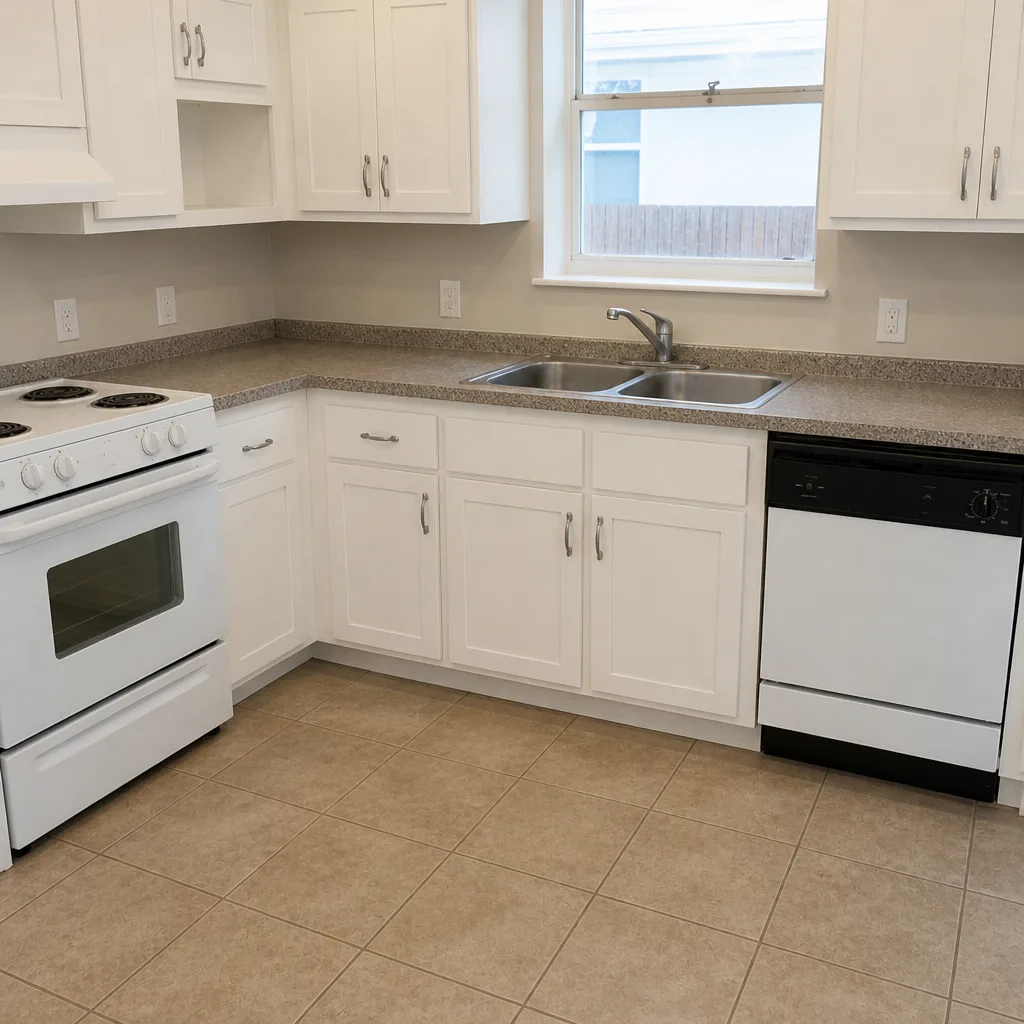
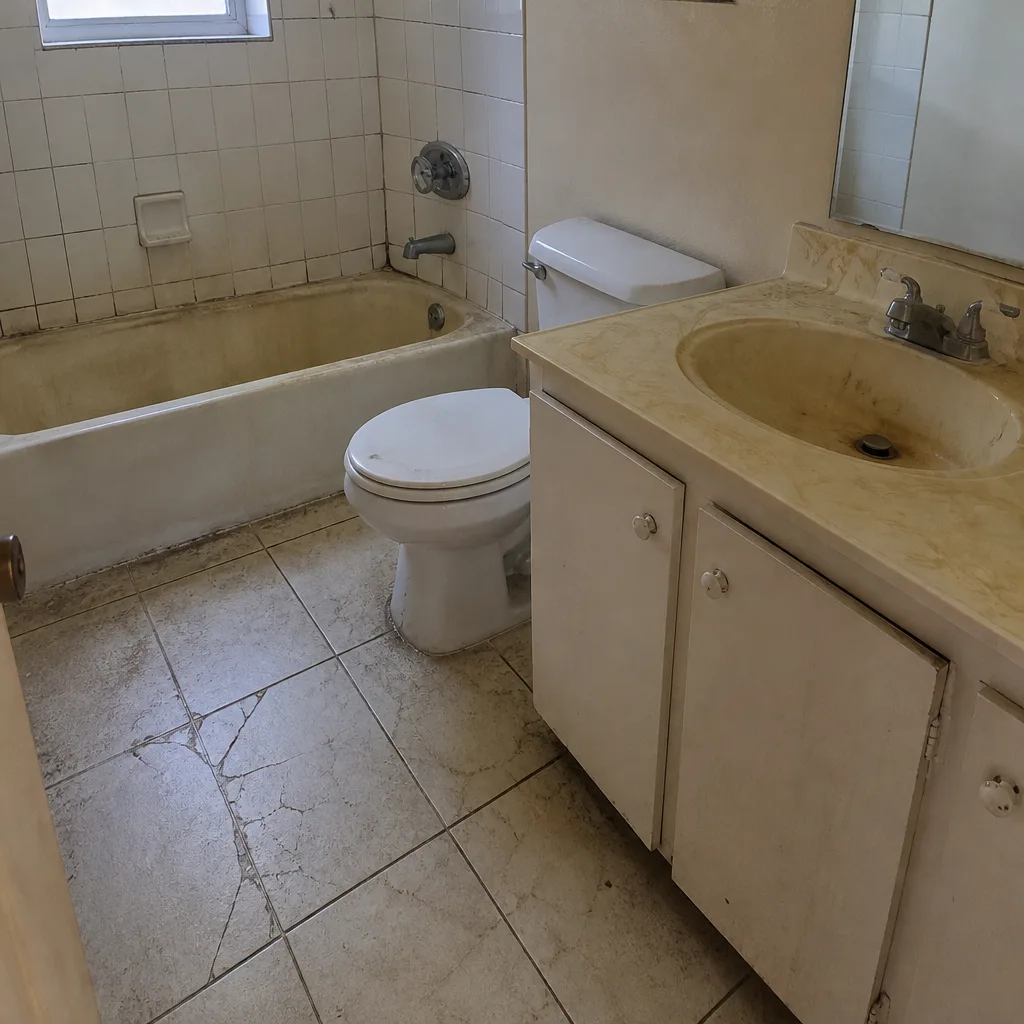
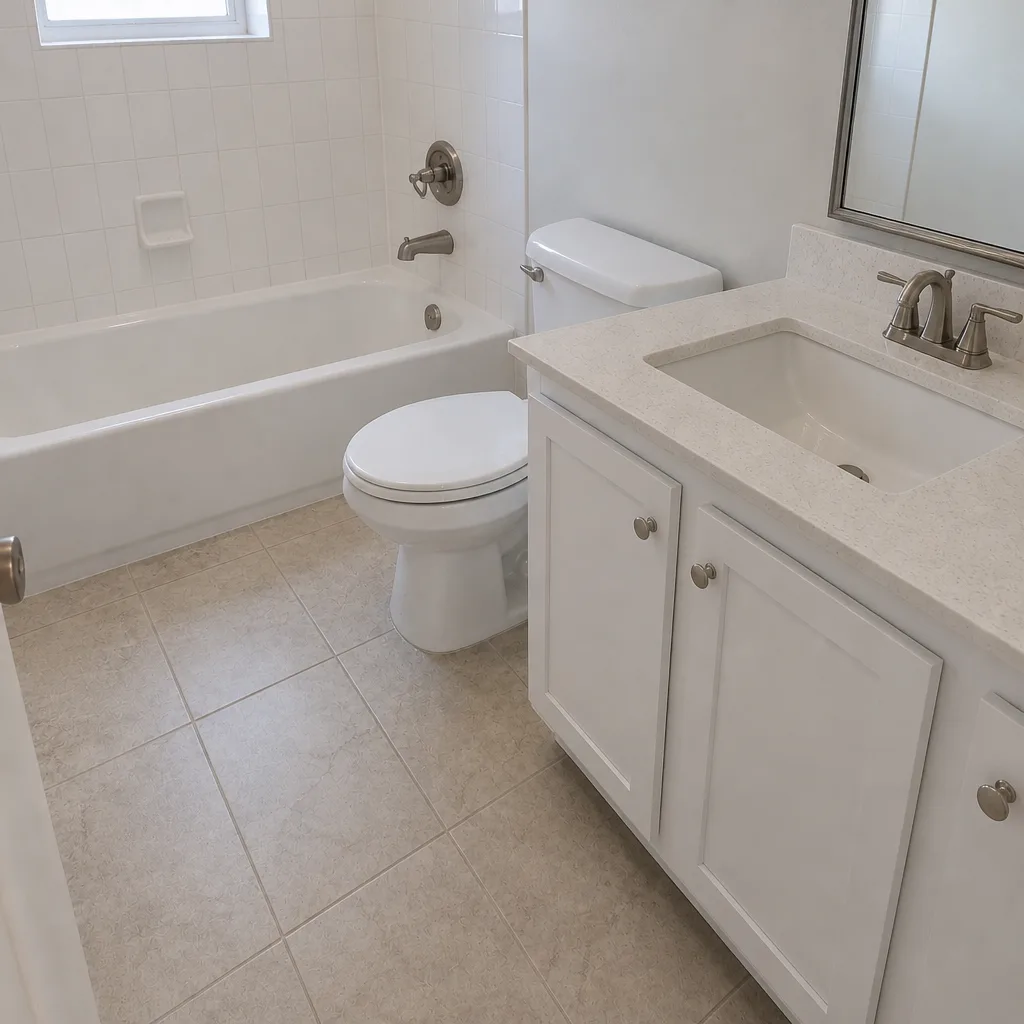
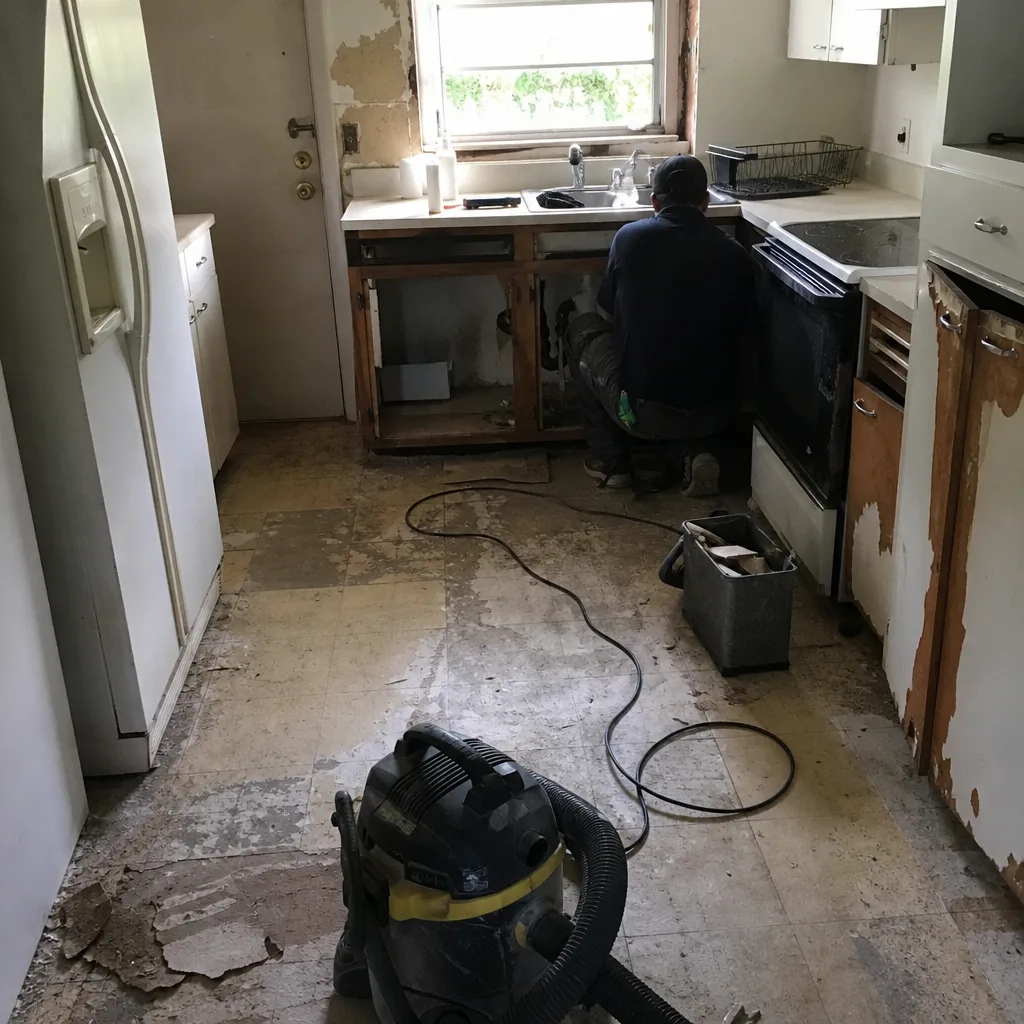
See the difference
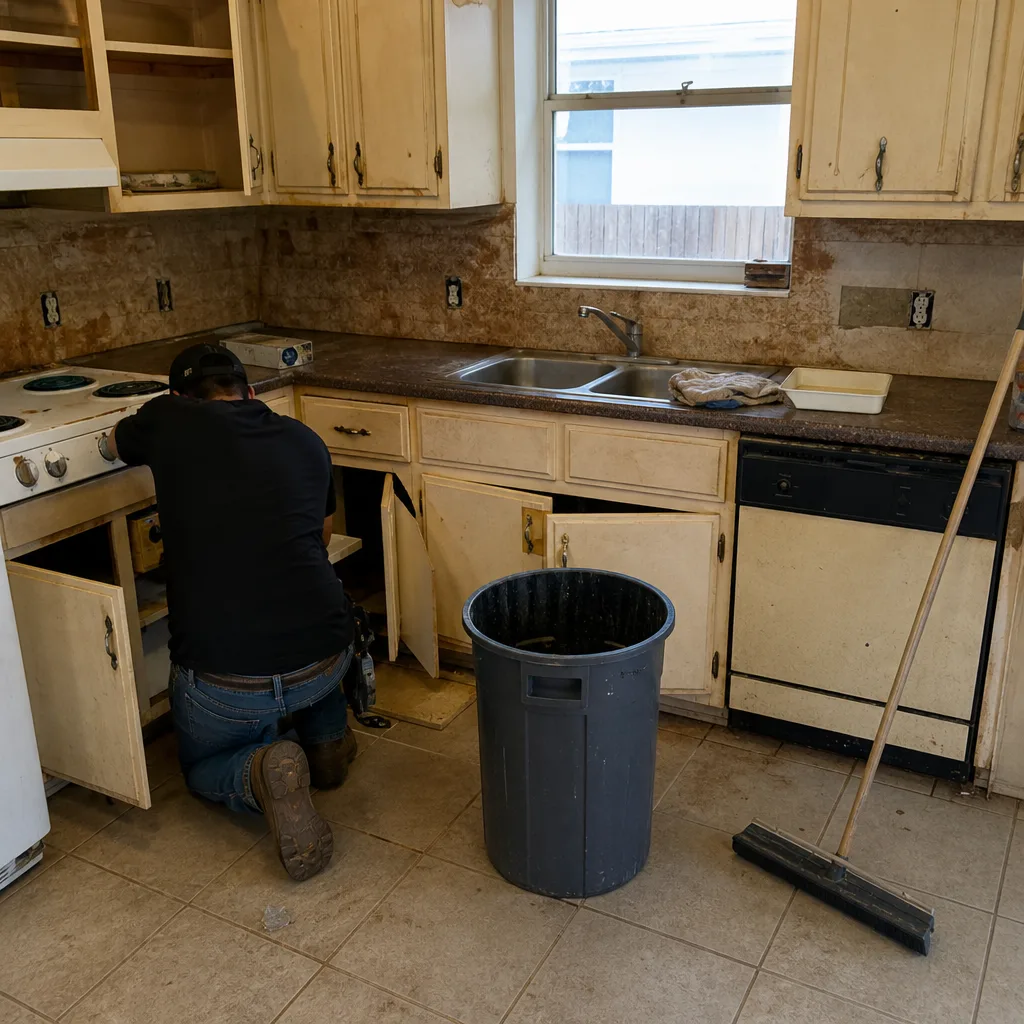 Before
 After
 Before
 After
 Before
 After
When to Call a Professional
Some projects can run with a handyman and weekend time. Additions and ADUs can’t. Any structural modification, any new plumbing or electrical, any footprint change, and any ADU requires permitted, licensed work, and Miami-Dade inspections that don’t pass on unpermitted builds. If your project involves any of those, get a builder involved before you’ve spent money on drawings. If you own a home in The Hammocks and you’re wondering whether your lot fits an addition or ADU, that conversation should happen before anything else, since zoning rules in The Hammocks decide a lot of it.
Groundwork Construction Co. of The Hammocks offers free estimates in The Hammocks, call (844) 761-9356. Every quote includes the full pre-construction timeline, permits included in writing, and a fixed price at signing. Our technicians have up to 12 years of experience, and every job is covered by our 730-Day Done Right Promise.
Frequently Asked Questions
A home addition in The Hammocks usually takes 9 to 16 months from first design meeting to final inspection. The permit phase alone takes 8 to 14 weeks in Miami-Dade, and revision cycles after plan rejection can add another 4 to 12 weeks. The construction phase is typically 3 to 6 months. Call (844) 761-9356 for a free estimate that includes the pre-construction timeline.
A full ADU in Miami-Dade takes 12 to 18 months from design to certificate of occupancy. ADU reviews run longer than standard additions because of utility connections and separate kitchen and bath plans. Construction alone typically runs 5 to 9 months. Call (844) 761-9356 for an ADU-specific timeline based on your lot.
Miami-Dade County currently averages 8 to 14 weeks for standard addition permit review, and ADUs pull in additional reviewers. Hurricane code compliance, flood zone requirements, and review volume all add time. Clean, complete submittals with all engineering and survey work included come through faster. Call (844) 761-9356 to talk about what your specific project needs to submit.
No. Miami-Dade requires a permit before construction begins, and building without one triggers stop-work orders, fines, and demolition or full rework in some cases. It also creates problems when you sell or refinance, since unpermitted work surfaces in title searches. Call (844) 761-9356 to plan your project correctly from the start.
Rejection is common and not a reason to panic. Most first submittals come back with comments, and the revision cycle usually takes 4 to 12 weeks to resolve. Using an architect and engineer experienced with Miami-Dade review reduces how many rounds it takes. Call (844) 761-9356 to talk through how we prepare submittals to minimize revision cycles.
Home additions in The Hammocks typically run $180 to $400 per square foot depending on scope, with ADUs at the higher end due to full plumbing, electrical, and finishes. A standard 400-square-foot addition commonly lands between $85,000 and $160,000. Call (844) 761-9356 for a free, line-item estimate with the pre-construction timeline included.
The Bottom Line
Home additions in The Hammocks take 9 to 16 months, and the phase that eats the most time isn’t construction. It’s the permit and inspection process in Miami-Dade, where 8 to 14 weeks of review plus potential revision cycles can double the pre-construction timeline. The projects that come in on schedule are the ones where the drawings are complete, the HOA is cleared first, the scope is locked before submission, and the long-lead materials are ordered during the permit wait. Plan around the full process, not just the build, and the numbers you were quoted have a real chance of being the numbers you pay.
If you’re thinking about an addition or ADU in The Hammocks, the smartest first step is a free estimate, with a full timeline in writing before you spend anything. Our Groundwork Construction Co. of The Hammocks home page is a good starting point, and if your project also involves exterior work, our Fence Installation in The Hammocks and Driveway & Pavers in The Hammocks pages cover the finish details that often get bundled into a larger build.
Get a Free Addition or ADU Estimate in The Hammocks
A real timeline starts with a real conversation. Call (844) 761-9356 and we’ll walk through your project, your lot, and what the full Miami-Dade process will look like from design to certificate of occupancy. Estimates are free, permits are included in writing, and every project is backed by our 730-Day Done Right Promise. When workmanship is guaranteed for two years and pricing is fixed at signing, the timeline is the only variable left, and we plan for it from day one.
Written by the team at Groundwork Construction Co. of The Hammocks.