
Last updated November 17, 2026
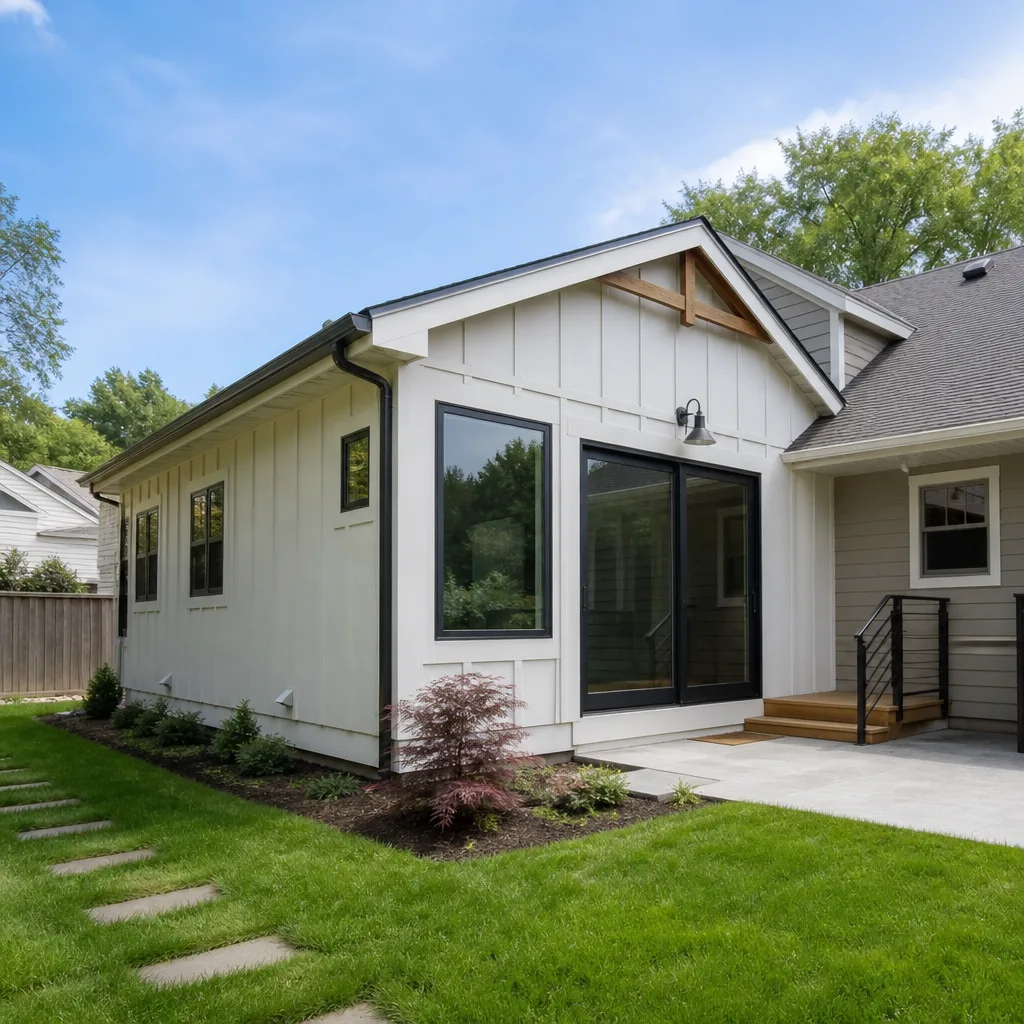 Home additions & ADU
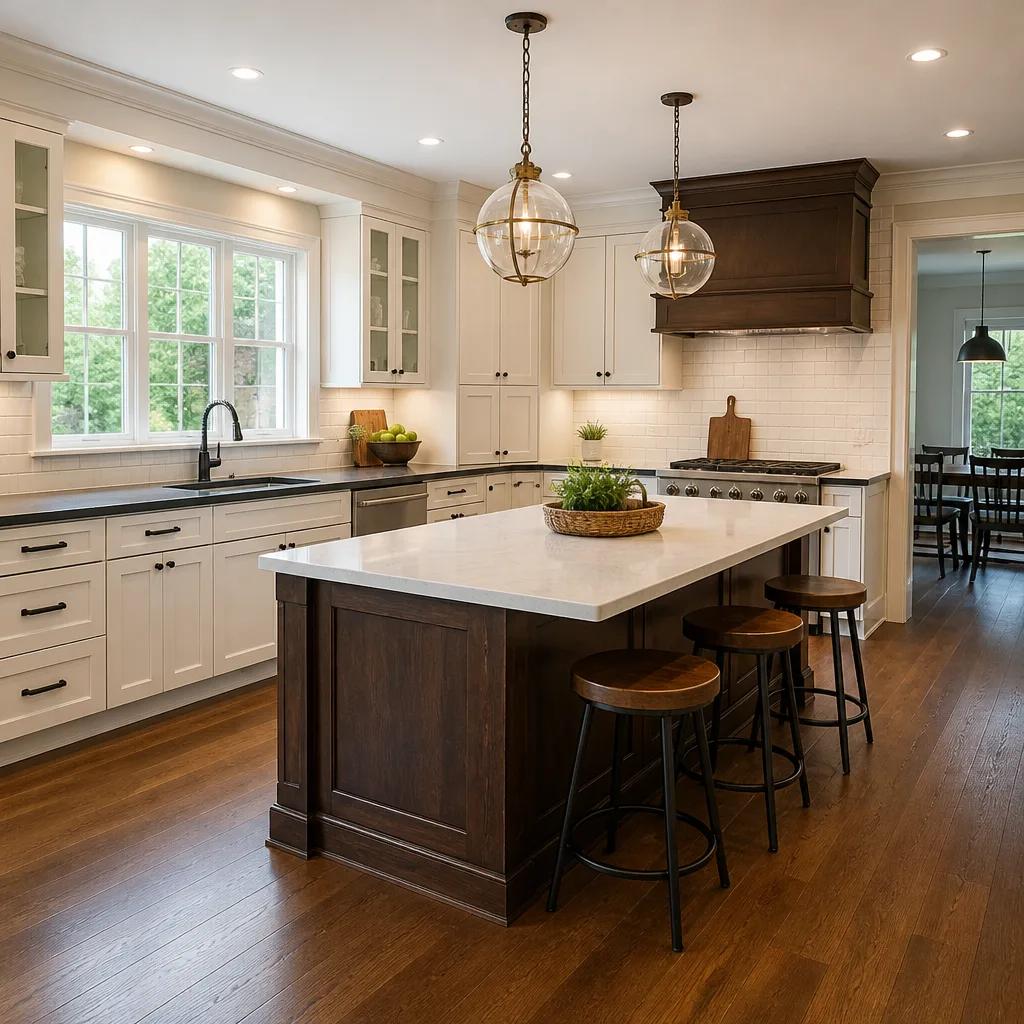 Kitchen remodeling
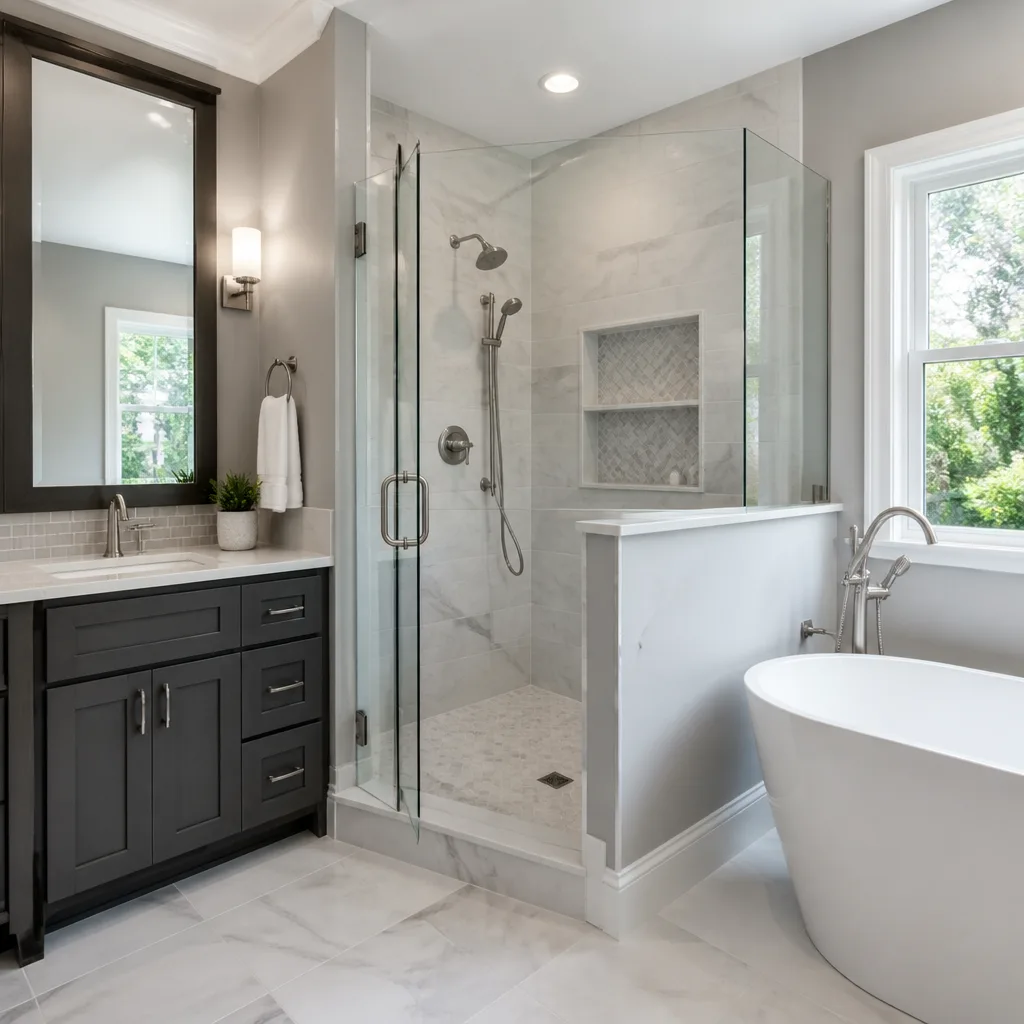 Bathroom remodeling
 Roofing
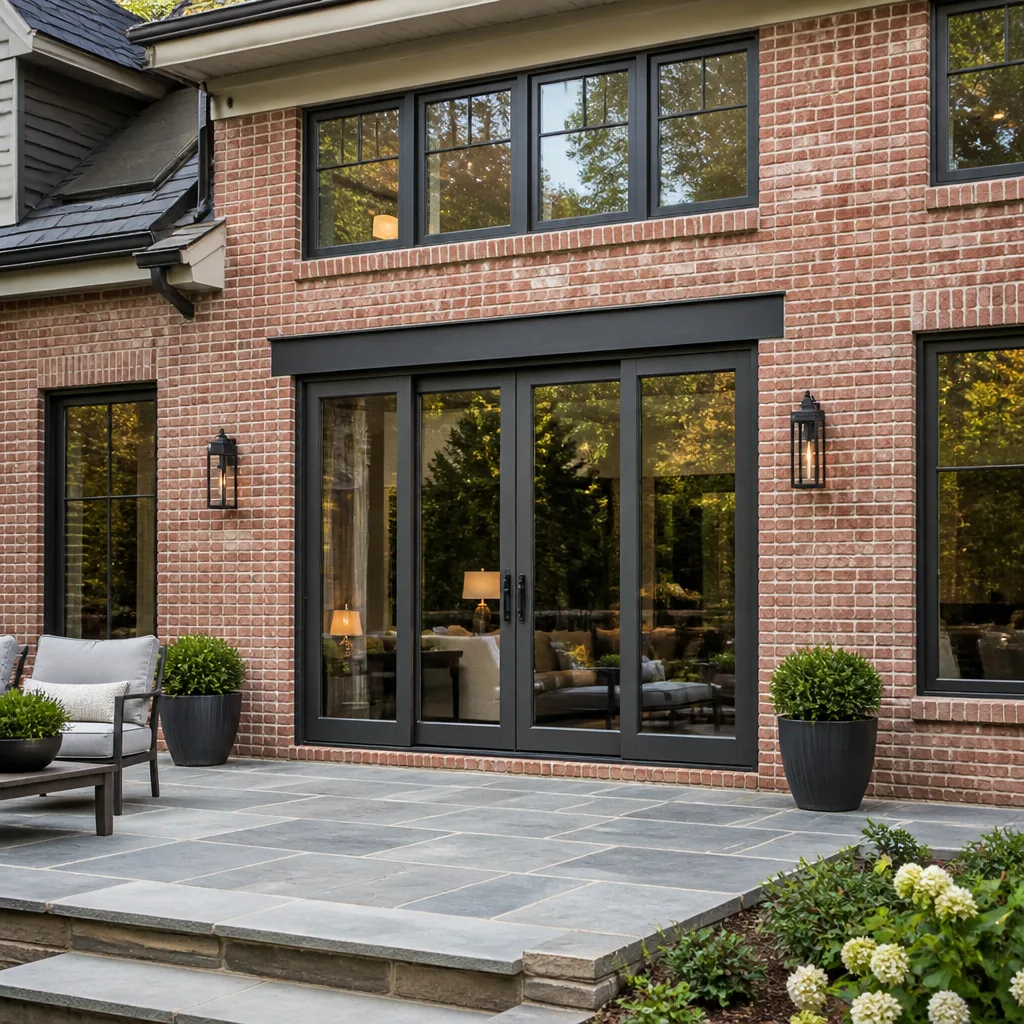 Windows & doors
 Driveway & pavers
 Fence
Free written scope consultation - allowances, timeline, and change-order rules on paper before a single trade is scheduled
DIY vs Professional Home Additions & ADU: What’s Safe to Do Yourself
Here’s the part most how-to guides skip. In Florida, an addition you build yourself without the right permits isn’t just unfinished square footage. It’s a legal liability that can force a demolition order, kill a future sale, and void the insurance on the entire house. We’ve walked into The Hammocks homes where a hopeful owner-builder framed a back room over a weekend and spent the next year untangling it. This guide draws the line honestly: which tasks you can genuinely do yourself, which ones Florida law won’t let you sign off on, and where the savings evaporate. You’ll learn what’s safe, what’s legal, and what protects the biggest investment you own.
Quick Answer
You can safely DIY the finishes and non-structural work on an addition: interior painting, trim carpentry, landscaping around the new structure, and cabinet installation in many cases. You cannot safely or legally DIY the permitted structural and systems work: framing, foundation, electrical, plumbing, and HVAC all require licensed professionals to pull permits and pass inspections in Florida. The real risk isn’t whether you’re skilled enough. It’s that an unpermitted addition can trigger a demolition order, block your home sale, and void your homeowner’s insurance on the whole structure.
Styles & brands we work with
- Kitchen remodeling
- Bathroom remodeling
- Home additions & ADU
- Roofing
- Windows & doors
- Driveway & pavers
- Fence
Table of Contents
- What Florida Law Actually Requires on a Home Addition
- The Owner-Builder Permit: Where It Helps and Where It Backfires
- The DIY Work That’s Genuinely Safe and Legal
- How DIY Electrical and Plumbing Void Your Insurance
- The Resale Reality: What Buyers’ Inspectors See
- An Honest Skills Check: What an Experienced DIYer Can Contribute
- ADU-Specific Concerns in South Florida
- What “Hiring a Professional” Should Actually Look Like
What Florida Law Actually Requires on a Home Addition
Florida is a mandatory-licensing state for the trades that touch structural and systems work. That means specific scope items need a licensed contractor to pull permits and perform or directly supervise the work. Here’s the straight breakdown of what falls where in Miami-Dade County:
- Structural framing: Requires a licensed general or building contractor. Your local building department inspects framing before anything gets closed up, and a failed framing inspection means tearing out walls.
- Foundation and slab work: Licensed contractor territory, plus engineered drawings in many cases. South Florida’s high water table and sandy soil make footing decisions site-specific.
- Electrical: Licensed electrical contractor only. No exceptions for owner-builders on a residential addition in Miami-Dade.
- Plumbing: Licensed plumbing contractor. Rough-in and final inspections are separate events.
- HVAC: Licensed mechanical contractor. Ductwork, equipment sizing, and refrigerant lines all fall under this license.
- Roofing: Licensed roofing contractor. Wind mitigation matters more here than almost anywhere in the country.
What an owner-builder permit legally allows you to do is act as your own general contractor for a single-family home you’ll occupy. It does not let you perform licensed trade work yourself. It lets you hire and coordinate licensed subs. That distinction trips up more The Hammocks homeowners than any other single misunderstanding. If you pull an owner-builder permit and then do your own electrical wiring, you’ve just built an unpermitted, uninsurable addition and exposed yourself to code enforcement action.
The lesson: know exactly which pieces of your project touch permitted work before you pick up a hammer. Everything else can wait for a decision.
The Owner-Builder Permit: Where It Helps and Where It Backfires
The owner-builder exemption exists for homeowners who want to manage their own project and save on the general contractor markup. Used correctly, it’s a legitimate path. Used incorrectly, it’s where additions go sideways.
Here’s the number that surprises people: if you attempt to sell an owner-built home in Florida within 12 months of completion, you must disclose that fact in writing, and the buyer has a right to rescind the contract. That’s not a small footnote. It means the entire time you’re building, you’re also building a disclosure obligation that affects the resale.
Where owner-builder works:
- You have genuine project management experience and a reliable roster of licensed subs you’ve worked with before.
- Your schedule lets you be on-site daily for inspections, deliveries, and coordination.
- You’ve budgeted a real contingency, because coordinating trades yourself means every delay is your problem.
Where it backfires:
- You underestimate the time commitment. Most owner-builders spend 15-25 hours per week on a mid-size addition during active construction.
- You hire unlicensed subs to save money. This is where the insurance and resale problems start.
- You pull the owner-builder permit but then do the trades yourself. This is the fastest route to a failed inspection record that follows the property.
In our experience working across The Hammocks, the owner-builder path works best for homeowners who already work in construction or have a family member who does. For everyone else, the management burden usually costs more than the general contractor markup you thought you were avoiding.
The DIY Work That’s Genuinely Safe and Legal
This is the encouraging part. Plenty of real work around a new addition doesn’t touch a permit or a license. If you want to contribute sweat equity and save money without risking your insurance or your resale, here’s where to put your energy:
- Interior painting: Once walls are finished and inspected, paint is all yours. No permit, no inspection, no liability. This is the highest-dollar DIY labor on most additions.
- Trim and finish carpentry: Baseboards, crown molding, door casings, and closet shelving. Finish carpentry isn’t structural, and the inspections have already passed by the time you get here.
- Cabinet installation in some jurisdictions: Check with your local building department, because requirements vary. In most of Miami-Dade, hanging cabinets in a permitted addition is a finish task, not a permitted one. Reference quality matters here; brands like KraftMaid hold up to the humidity far better than builder-grade boxes.
- Landscaping around the new structure: Sod, mulch, plantings, and even a new fence. If you’re thinking about fencing the yard around your addition, our guide to Fence Installation in The Hammocks covers the permit thresholds for fence height and placement.
- Flooring installation: Tile, laminate, vinyl plank, and most hardwood installs are finish work. Skip this if you’re doing in-floor heating or radiant systems.
- Final cleaning and site prep: Sounds trivial, saves real money, and nobody else needs to do it.
- Exterior hardscape and driveway work: Landscape walls under a certain height, paver walkways, and driveway edge work often fall outside permit thresholds. Our Driveway & Pavers in The Hammocks page walks through what needs a permit and what doesn’t.
What all of these have in common: they happen after the permitted work is closed out and inspected. Sequence matters. Do them at the wrong time and you’ll be tearing them out for an inspector who needs to see what’s behind them.
How DIY Electrical and Plumbing Void Your Insurance
This is the part that costs the most and gets talked about the least. Homeowner’s insurance policies contain exclusions for work performed by unlicensed individuals. If your addition has DIY electrical wiring and a fire starts, the claim can be denied not just for the addition but for the entire structure.
Read that again. The whole house. Not the addition. The house.
Insurance carriers in Florida are already skittish about older roofs, aging plumbing, and anything that smells like deferred maintenance. An unpermitted, owner-wired addition is the kind of detail that gets a policy non-renewed at the next inspection cycle. The Hammocks has plenty of homes in the 15-25 year range where insurers are already asking questions; adding an unpermitted room gives them a reason to walk.
Here’s what a denied claim looks like in practice:
- Water damage from DIY plumbing behind a wall in the addition spreads into the main house. The carrier denies the entire claim because the source was unpermitted work.
- An electrical fire starts at a junction box you wired yourself. The adjuster finds no permit record and no licensed electrician on file. Claim denied, and now you’re rebuilding out of pocket.
- Your mortgage holder requires proof of insurance on the addition. It’s uninsurable. The lender can call the loan.
We’ve seen this movie. It’s why the electrical and plumbing trades exist as separate licensed categories in Florida and why we don’t touch a home addition project without pulling the correct permits. The cost of a licensed electrician is a fraction of the cost of a denied claim.
The Resale Reality: What Buyers’ Inspectors See
Here’s how the sale actually goes when a home has an owner-built addition. The buyer’s inspector walks the property, notes the addition, and asks for the permit history. The permit history isn’t there. The inspector flags it. Now you have one of three scenarios:
- The buyer walks. In South Florida’s competitive market, buyers who’ve already been through a few unpermitted upgrades know exactly what they’re looking at. They don’t negotiate; they move on.
- The lender refuses to finance. Conventional and FHA lenders both require permitted, insurable square footage. If the appraiser can’t verify the addition as legal, the loan doesn’t fund.
- The sale closes at a discount. If the buyer’s cash and willing, you’re negotiating against a permit-retrofit cost in the hundreds. They know it, and the discount reflects it.
Miami-Dade County also runs periodic code enforcement sweeps based on aerial imagery. We’ve seen additions that sat untouched for years get flagged the moment a neighboring property is sold and a fresh survey lands in the county’s system. Once flagged, the homeowner gets a notice of violation, and the remedy is either retroactive permitting (expensive, often involving demolition of finishes to expose structural work) or demolition of the addition itself.
The math is ugly: the money you saved by DIY framing is dwarfed by the cost of retroactive permitting or forced demolition. Buyers’ inspectors flag owner-built additions immediately because they’ve seen the pattern too many times. The resale hit is real, and it’s not one you can argue your way out of.
An Honest Skills Check: What an Experienced DIYer Can Contribute
We’re not here to tell you that you can’t handle a toolbox. Plenty of homeowners in The Hammocks are genuinely handy. The question isn’t whether you’re capable. It’s whether the task is legally yours to do.
Here’s how to honestly assess yourself:
- If you’ve framed a shed or a detached garage from scratch, passed inspection on it, and know how to read a set of structural plans: you have real framing competence. But unless you hold a Florida general contractor’s license, framing an attached addition still isn’t yours to permit.
- If you’ve run wire for outlets or low-voltage systems before: you have familiarity, not licensure. Florida doesn’t recognize self-taught electrical work on permitted additions, even when it’s done well.
- If you’ve installed cabinets, flooring, and trim through multiple rooms: you’re exactly the person who should be doing those finish tasks. This is where a homeowner’s real skills pay off.
- If your experience is “I’ve watched a lot of YouTube”: stay away from the permitted scope, even as a helper. Framing errors, moisture intrusion details, and wind-loading connections in South Florida don’t show up for a year, and by then they’ve done real damage.
The honest line: a genuinely experienced DIYer can act as owner-builder on their own addition if they hire the licensed trades and manage the schedule. A homeowner without that experience can still save money by self-performing finishes and managing landscaping. Neither is safe doing permitted structural, electrical, plumbing, or HVAC work solo. That’s not a scare tactic; it’s the boundary Florida law draws, and it protects you as much as it protects the buyer.
ADU-Specific Concerns in South Florida
An accessory dwelling unit raises the stakes on everything above. ADUs involve all the same permit requirements plus additional layers: zoning compliance, setback rules, utility capacity, and the septic or sewer implications of adding a full kitchen and bathroom to the property.
Here’s what makes The Hammocks specifically challenging for ADU projects:
- Zoning overlays vary by street. Miami-Dade’s ADU rules have loosened in recent years, but lot size, setbacks, and maximum ADU square footage are still neighborhood- and parcel-specific. A DIY homeowner researching on their own will find generic rules that don’t apply to their actual lot.
- Hurricane wind-loading requirements are strict. The Florida Building Code’s High-Velocity Hurricane Zone provisions apply to any new structure, including a detached ADU. Framing connections, roof sheathing fasteners, and opening protections all have specific product and installation requirements. This is where DIY framing fails catastrophic inspections.
- Utility capacity needs a real assessment. Adding a full dwelling unit can require an electrical service upgrade, sewer or septic review, and a second HVAC system. These aren’t things a homeowner can assess with a quick site walk.
- Insurance gets complicated. An ADU is a separate insurable structure. If it’s unpermitted, your policy likely excludes it. If it’s permitted but insured poorly, you’re under-insured on a major asset.
ADUs are where the DIY temptation is highest, because the perceived savings are largest. They’re also where the downside is steepest, because an unpermitted ADU is a full secondary dwelling that you may have to demolish. Our Home Additions & ADU in The Hammocks page walks through the permit and zoning path in more detail, and it’s worth reading before you sketch a single plan.
What “Hiring a Professional” Should Actually Look Like
The DIY question usually exists because the pro option feels opaque. Here’s what a genuinely well-run home addition project looks like in The Hammocks, so you can compare it against what you’re being quoted.
- Pre-construction and permitting first. Plans drawn, structural engineering where needed, permit applications filed with the county before a single concrete form is set. No contractor should suggest starting work “while we wait on permits.”
- Fixed line-item pricing, in writing. You see what each trade and material costs before you sign. Change orders get priced and documented, not verbally agreed to in a hallway.
- Sequenced inspections with the county. Foundation, framing, electrical rough-in, plumbing rough-in, HVAC rough-in, insulation, drywall, final. Each one gets signed off before the next phase begins.
- Documented material selections. Brand-specific windows, roofing, and cabinetry so there’s no ambiguity when materials arrive. This is where partners like Andersen or Marvin for windows, or GAF and CertainTeed for roofing, make a real difference on an addition that has to perform for thirty years in South Florida humidity.
- A written workmanship guarantee that outlasts the construction dust. Longer than the industry’s one-year norm, and specific about what’s covered.
- One team from foundation to finish line. Fewer handoffs, fewer miscommunications, fewer places for your project to fall into a gap between trades.
A full-scope construction partner handles the permitted work, coordinates inspections with the county, and lets you focus your own DIY energy on the finishes you’re actually good at. That’s the honest division of labor. When the scope creep threatens to turn your addition into a three-year project, having the licensed work locked down from the start is what keeps the schedule sane.
Common Mistakes to Avoid
- Doing your own electrical to save a few thousand dollars. You’ll save on the electrical bill and pay it back tenfold if a claim gets denied or an inspection fails. Florida requires a licensed electrician for good reason.
- Hiring unlicensed subs to keep the budget down. It’s tempting when a “handyman friend” offers to handle the framing, but every unlicensed trade on a permitted job is a liability you’re personally absorbing. The counties check, and the property record follows the house.
- Starting construction while permits are pending. This happens in The Hammocks more than you’d think, and it usually results in a stop-work order and a re-inspection cycle that costs weeks. Permits first, ground-breaking second.
- Installing finishes before final inspections. Drywall, tile, and trim that cover up rough-in work will get torn out if an inspector hasn’t signed off. Sequence the finish work carefully.
- Assuming your homeowner’s policy covers an unpermitted addition. It doesn’t, and the disclosure obligation at resale can be triggered whether the work was five years ago or fifteen. Verify coverage in writing before you self-perform anything.
- Skipping the wind-mitigation details on framing and roof connections. South Florida’s hurricane zone requirements are specific to the products and fasteners, and finished walls hide the mistakes. Insurance carriers in Miami-Dade also give credits based on documented wind mitigation, so proper work pays you back twice.
- Treating owner-builder as a shortcut for permits. It doesn’t exempt you from inspections or licensed-trade requirements. It shifts the coordination burden. If you don’t have the bandwidth for daily job-site management, this is where projects stall.
See the difference
 Before
 After
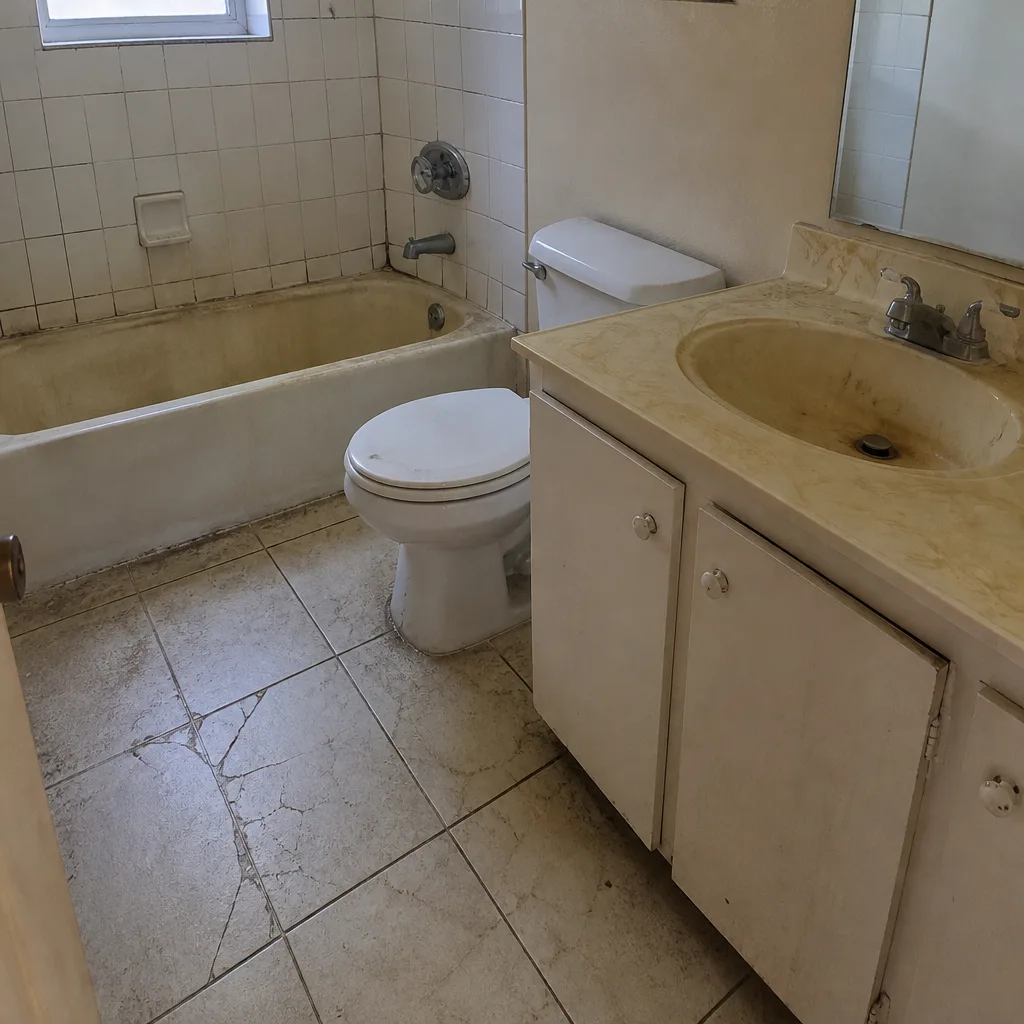 Before
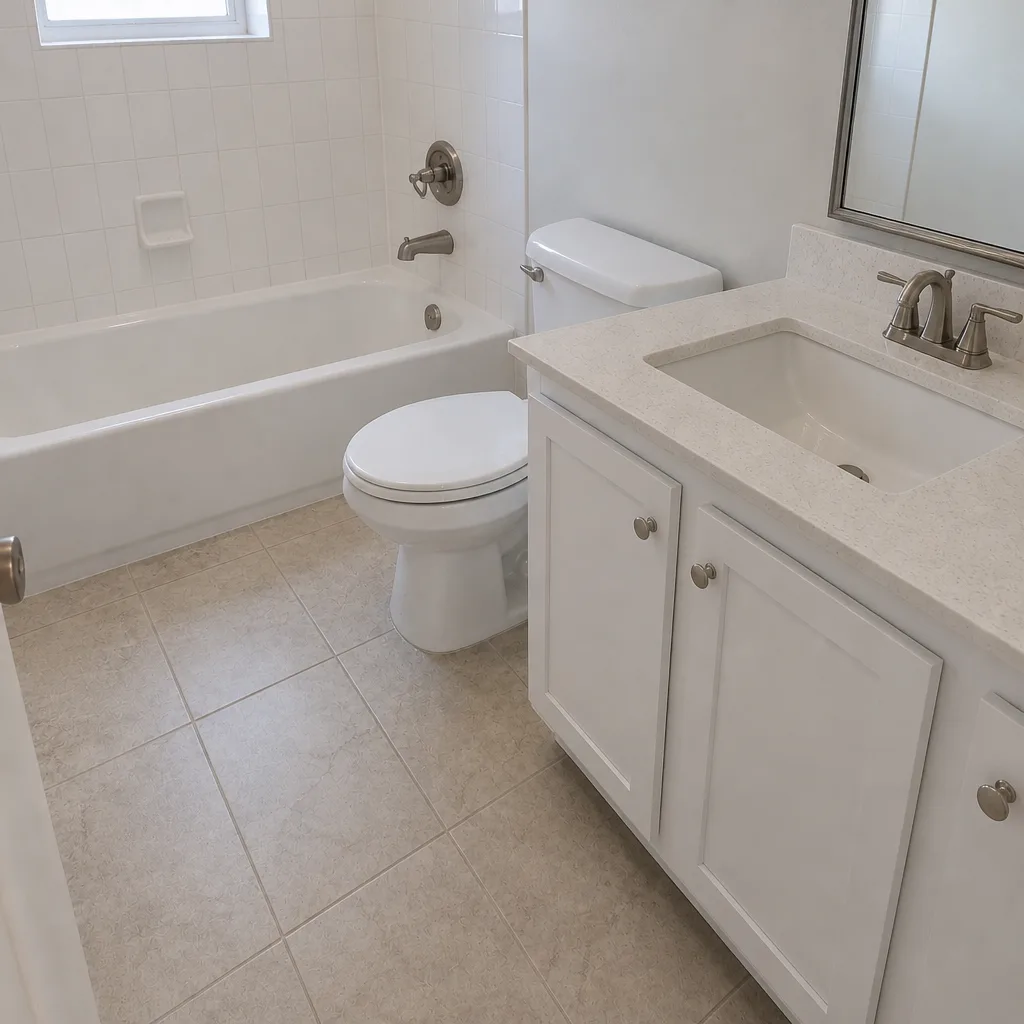 After
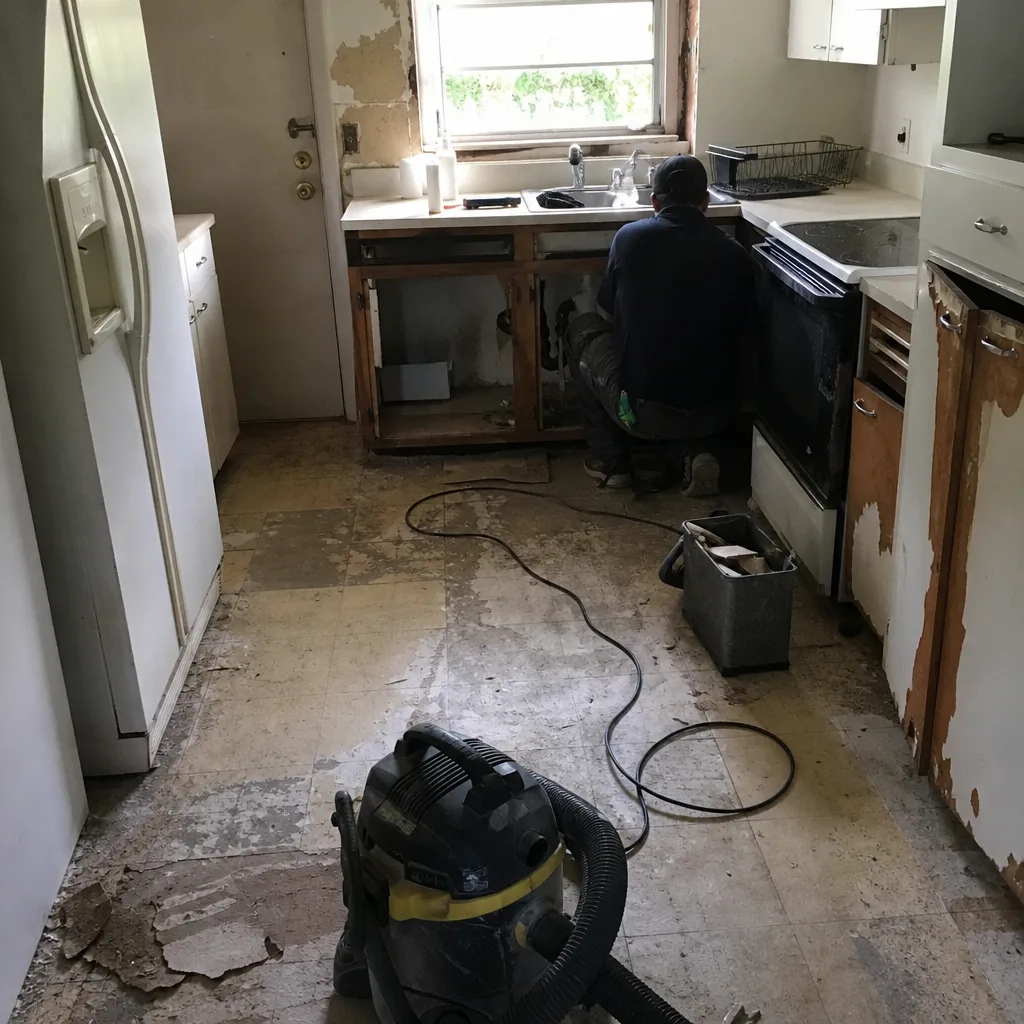 Before
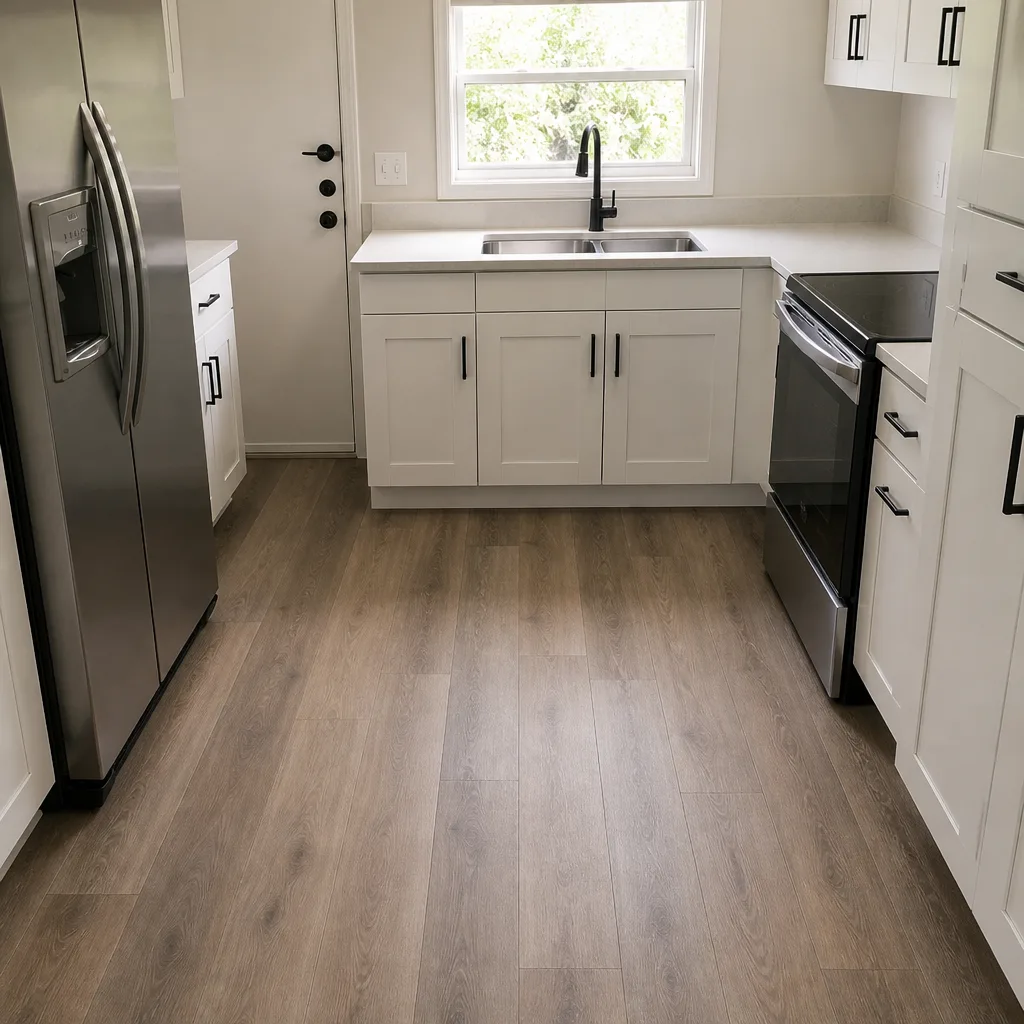 After
When to Call a Professional
Call a licensed professional the moment your project touches structural framing, foundation, electrical, plumbing, HVAC, or roofing. Those are the trades Florida requires a licensed contractor to permit and supervise, and there’s no safe DIY path around them. Call a professional if your addition is attached to the existing house, if you’re building an ADU with a full kitchen and bath, or if your project requires an electrical service upgrade. Call one if you’re unsure about zoning compliance on your specific parcel, and definitely call one if a code enforcement notice arrives. And call one if you’ve inherited an unpermitted addition and want to know your options for retroactive permitting before it becomes a resale problem. Groundwork Construction Co. of The Hammocks offers free estimates in The Hammocks – call (844) 761-9356 to schedule one before your project gets complicated.
Frequently Asked Questions
Only in a limited sense. You can act as an owner-builder and manage your own project with an owner-builder permit, but you cannot legally perform the licensed trade work yourself. Framing, foundation, electrical, plumbing, HVAC, and roofing on a permitted addition all require a licensed contractor in Florida. If you’re thinking about building an addition on your own, Groundwork Construction Co. of The Hammocks home is a good place to see what a licensed path looks like.
You risk a code enforcement action that can result in a forced demolition order, and you’d be unable to sell or refinance the home in many cases. Miami-Dade County periodically identifies unpermitted structures through aerial imagery and surveys tied to neighboring property transactions. Retrofitting an already-built unpermitted ADU into compliance is far more expensive than permitting it correctly the first time.
It can, and the void isn’t limited to the addition. Most Florida homeowner’s policies exclude coverage for work performed by unlicensed individuals. A fire or water damage claim originating from DIY electrical or plumbing can lead to a denial that covers the entire structure, not just the additions and the room you worked on. Confirm with your carrier in writing before you self-perform any electrical or plumbing work.
Interior painting, trim carpentry, flooring installation, cabinet installation in most cases, landscaping, and final cleaning are all safe and legal to DIY once permitted work has been inspected and closed out. Finish work after final inspection is where homeowners save real money without touching a permit requirement. A licensed electrician or plumber should handle anything behind the walls.
Yes, in nearly every case. Miami-Dade County requires permits for any addition that changes the footprint, the roofline, or the home’s electrical, plumbing, or HVAC systems. Even an enclosed sunroom that’s fully insulated and climate-controlled triggers permit requirements. Permitted work gets inspected, and inspected work stays insurable at resale. Call your building department before you design, not after.
Ask for the state license number and verify it directly through the Florida Department of Business and Professional Regulation’s public database. Their license classification should match the scope of the work (a general contractor license for structural work, electrical license for wiring, plumbing license for piping). We also recommend asking for proof of insurance and a written contract that specifies the license classification. All Groundwork technicians are background-checked, and our work is covered under the 730-Day Done Right Promise.
The Bottom Line
DIY on a home addition isn’t a capability question. It’s a legal and financial exposure question. Florida requires licensed contractors for the structural and systems scope, and unpermitted work can trigger demolition orders, block resales, and void your homeowner’s insurance on the entire house. The genuinely safe DIY contributions are finishes, landscaping, and post-inspection work. Everything else belongs to a licensed professional with a permit and an inspection record. If you want a partner who handles the permitted scope from foundation to finish line and lets you focus your own effort on the finishes you’ll actually enjoy, Groundwork Construction Co. of The Hammocks is ready to walk the project with you. Our technicians have up to 12 years of experience, all projects are covered by our 730-Day Done Right Promise, we answer calls with a live person 24/7, and we offer no-hassle upfront pricing plus 0% financing for 18 months and $1,000 off projects over $10,000. Call (844) 761-9356 to schedule your free estimate and design consult today.
Written by the team at Groundwork Construction Co. of The Hammocks.