
Last updated November 17, 2026
 Home additions & ADU
 Kitchen remodeling
 Bathroom remodeling
 Roofing
 Windows & doors
 Driveway & pavers
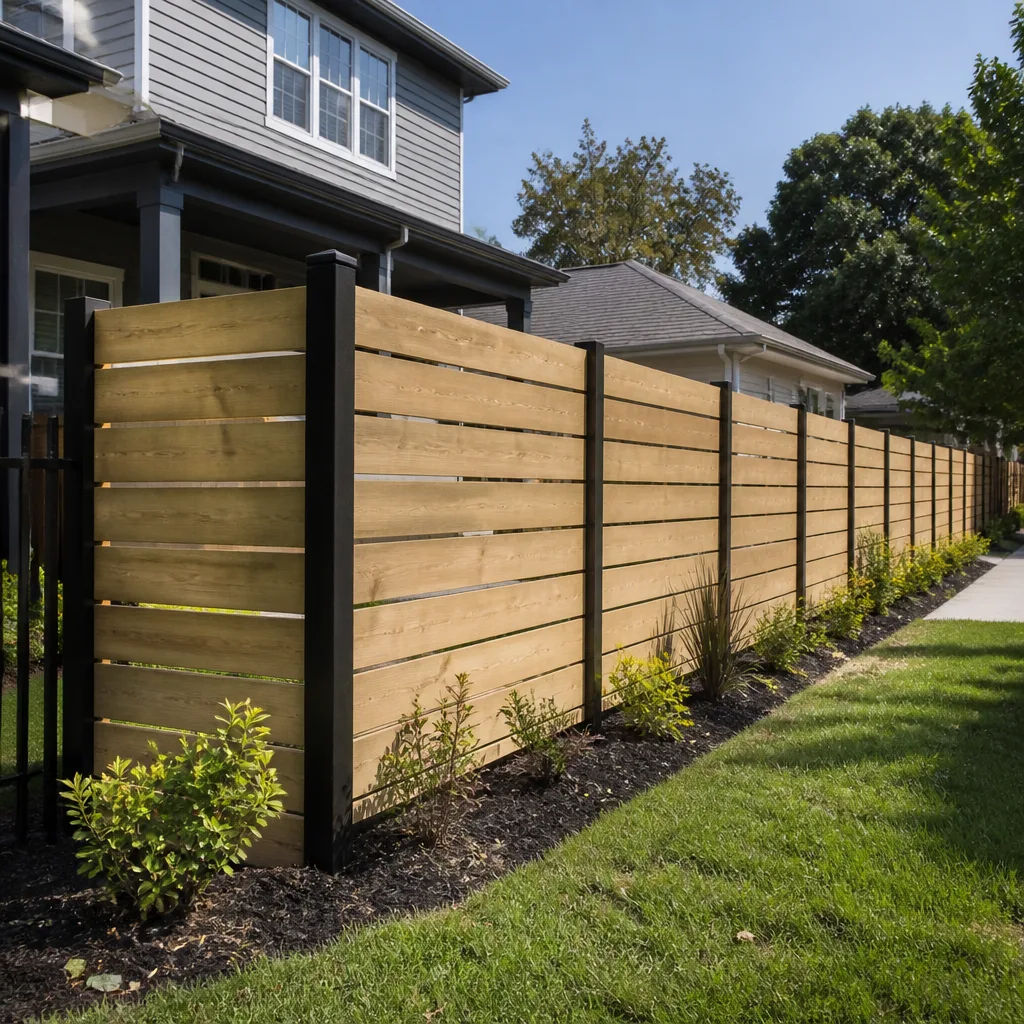 Fence
Free written scope consultation - allowances, timeline, and change-order rules on paper before a single trade is scheduled
Fence Installation Warning Signs Every Homeowner Should Know
Here’s the counterintuitive part: the most expensive fence mistake in Florida usually happens before a single post hole is dug. It happens in the quote. A contractor who quietly drops the permit line item and calls it a “savings” has just handed you the legal liability for whatever goes wrong with that fence later. We’ve watched homeowners in The Hammocks discover this the hard way after a code complaint arrives on their doorstep for a structure they didn’t permit. This guide gives you the observable red flags that separate a cut-rate crew from a contractor who’ll still answer the phone two years from now: what to catch in the quote, what to watch during installation, and what to inspect at 30 and 90 days.
Quick Answer
The biggest fence installation warning signs are: a quote with no permit line item, no written contract, no proof of insurance, pressure to pay a large cash deposit upfront, and a crew that digs posts without checking property lines or calling for utility locates. If a contractor skips permits, shifts liability to you, and won’t put terms in writing, walk away. A legitimate fence installation in The Hammocks runs $4,000 – $9,500 for a typical 150-linear-foot run, and the numbers line up because permits, materials, labor, and disposal are all accounted for.
Styles & brands we work with
- Kitchen remodeling
- Bathroom remodeling
- Home additions & ADU
- Roofing
- Windows & doors
- Driveway & pavers
- Fence
Table of Contents
- The Permit Omission Trick: How Contractors Shift Liability to You
- What “No Written Contract” Actually Costs You
- Warning Signs in the Quote Before You Sign
- Physical Warning Signs During Installation
- 30-Day and 90-Day Red Flags After the Crew Leaves
- The 5-Question Pre-Hire Checklist
- Material Shortcuts That Show Up Two Years Later
- Florida-Specific Problems: Wind, Termites, and HOA Rules
The Permit Omission Trick: How Contractors Shift Liability to You
Miami-Dade County requires a building permit for most new fence installations, particularly any fence over six feet tall or made of masonry. When a contractor quotes your job without that line item, they often tell you “you’ll save $400 – $600.” What they don’t say is that you now own the entire risk. If the fence violates setback lines, exceeds height limits, or lacks wind-load documentation the county inspector requires, the citation goes to the property owner, not the contractor. You also can’t sell the home cleanly until the violation is resolved.
We’ve seen this on the western edge of The Hammocks, where HOA architectural review and county permitting overlap. A homeowner hired a low bidder for a six-foot PVC privacy fence, saved on the permit, then got flagged at inspection because the fence encroached two feet into a drainage easement. Cost to fix: uninstall, reset the posts, reinstall, and file an after-the-fact permit. The savings disappeared six times over.
Legitimate fence installation in The Hammocks includes the permit in the written scope. Ask any contractor two questions:
- Will you pull the building permit in your name, and who pays the fees?
- Will you submit wind-load details for the post spacing required by the Florida Building Code?
A confident contractor answers both without hesitation. That standard is exactly what our fence installation in The Hammocks process enforces from first call to final walkthrough, and it’s the mark we hold ourselves to for every fence we build.
What “No Written Contract” Actually Costs You
A handshake and a text message are not a contract. When disputes arise over post depth, material grade, or property line placement, the only question a judge or arbitrator cares about is: what does the signed paperwork say? Verbal promises about “eight-foot post spacing” or “galvanized hardware” evaporate the moment the crew leaves. Without a contract, you have no enforcement mechanism, no arbitration clause, and no written proof the contractor agreed to anything.
The specifics matter. A written fence contract in The Hammocks should spell out:
- Total linear footage and fence height, with a simple site plan
- Post spacing, depth, and concrete specification (not just “set in concrete”)
- Exact material grade and manufacturer: a Boral composite panel is not the same product as an unnamed composite, and a PGT aluminum panel is a different cost than builder-grade aluminum
- Gate hardware brand and hinge type
- Disposal of excavated soil and old fencing
- Payment schedule tied to milestones, with a deposit no larger than 30%
- Warranty terms stated in writing and tied to the manufacturer and the installer
If a contractor resists putting these terms down, especially material grade and warranty, that’s not a paperwork problem. That’s a signal they intend to leave themselves room to substitute cheaper materials once they’ve been paid.
Warning Signs in the Quote Before You Sign
The quote is where the most consequential red flags live, and they’re easy to spot if you know what you’re looking for. A fence installation bid in The Hammocks should be itemized, not a single lump-sum number scrawled on a napkin. Here’s what to look for:
- No permit or inspection line. Already covered, but worth repeating: no permit line means the legal burden falls to you.
- No proof of general liability and workers’ comp. Ask for the COI (certificate of insurance) and actually call the carrier to confirm it’s active. If a worker is injured in your yard, an uninsured contractor’s injury default lands on your homeowner’s policy.
- A deposit above 30% upfront, in cash only. Large cash deposits are the mechanism by which bad actors disappear. Legitimate contractors accept checks or card, and hold the bulk of payment until completion.
- No line-item for materials or grade. “Premium fence” means nothing. Ask which brand. A Boral composite panel and an unnamed builder-grade composite don’t perform the same in a Florida summer.
- No written warranty terms. Ask specifically: what’s covered, for how long, and who is the point of contact if something fails?
- Pressure to sign today. “The price is good through tomorrow” is a sales technique, not a fair business practice. A contractor proud of their work will let you take a week to compare bids.
What a clean bid looks like: itemized, permit and inspection line included, material brand named (e.g., a specific Boral or PGT product), payment schedule stated, disposal included, warranty in writing. If the total is within 10 – 15% of competing quotes and the scope is fully itemized, that’s a fair bid. A quote that’s 30% cheaper almost always means skipped permits, cheap materials, or both.
Physical Warning Signs During Installation
You don’t need to be a contractor to spot a bad install. If you’re home while the crew is working, walk out and look for these specific behaviors:
- Posts set without checking cure time. Concrete needs 24 – 48 hours to cure before weight is hung on it in Florida’s heat and humidity. If a crew is hanging panels an hour after setting posts in wet concrete, the fence will lean within 90 days.
- No string line. A professional crew stretches a string line from corner to corner to set every post on a straight plane. If the posts look visually wobbly before panels go on, they won’t get better.
- Inconsistent post spacing. Counting the gaps between posts should show you a consistent measurement (typically 8 feet on center for most residential fences, though code and material requirements vary). Wildly inconsistent spacing means the crew is eyeballing.
- No utility locate tags. Before digging, they should have a Sunshine 811 ticket on file. Florida law requires 811 notification before excavation. A crew that skips it risks hitting a gas or irrigation line and leaving you with the repair bill.
- Panels screwed without pilot holes in composite. Composite fence materials split at the ends if they’re driven without a pilot hole. Split panels are a warranty claim waiting to happen.
You can also judge a lot by the presentation of the crew. Background-checked, uniformed technicians on every project is the standard we hold ourselves to, and it’s a fair standard to expect from anyone you’ll pay several thousand dollars.
30-Day and 90-Day Red Flags After the Crew Leaves
Some problems don’t show up on day one. They show up after the first heavy rain and the first heat cycle. Here’s your 30-day and 90-day inspection checklist:
Inspect within 30 days:
- Walk the full run with a level and check every post for plumb. Any post out of plumb by more than a quarter-inch is a problem.
- Open and close every gate ten times. Does it clear the ground? Does the latch engage cleanly? A gate that drags or sticks at 30 days is a hinge or post-stability issue.
- Look for panel gaps that weren’t there on completion day. If panels are separating from the rails, the fasteners or the mounting details are wrong.
- Check for stained or discolored panels near the base. Discoloration at the bottom of a panel often signals water pooling behind it.
- Look for termite mud tubes along the base of any wood-contact post in The Hammocks. Supposed-to-be-treated posts aren’t always treated.
Inspect again at 90 days:
- Re-check plumb on every post.
- Look for screws backing out or rust streaks along fasteners.
- Confirm gate sag: if the gate has dropped noticeably since installation, the hinges or post embedment is fine-tuned wrong.
- Inspect the concrete collars around posts. Cracking radiating outward from the post is a sign the concrete settled unevenly.
The best contractors want to hear about these. The ones who disappear won’t answer the phone when you call. That’s the clearest test of all.
The 5-Question Pre-Hire Checklist
Ask these five questions before you sign. The answers eliminate most bad actors before a single post is dug:
- “Will you pull the building permit, and is that in the quote?” A yes-with-specifics is the only acceptable answer. “We can skip it to save you money” is not.
- “Can you send me your current certificate of insurance for general liability and workers’ comp?” If they can’t send it today, they don’t have it.
- “Which fence brand and grade are you quoting, and what’s the warranty on each component?” If they can’t name the manufacturer, they’re planning to substitute a cheaper material.
- “How many square feet of concrete per post, and what’s the post embedment depth?” Floridians need to hear a specific number, typically at least a 24-inch embedment with a concrete collar appropriate to the wind zone. Vague answers mean the crew is guessing.
- “What happens if a post leans or a gate sags in the first two years?” If the warranty covers only 90 days, ask why. Our standard is the 730-Day Done Right Promise, which covers every fence we install, and it’s an honest baseline for comparing bids.
Five questions. Five minutes. That’s the whole filter. A contractor worth hiring answers all five without hesitation.
Material Shortcuts That Show Up Two Years Later
The most expensive failures don’t announce themselves at installation. They bloom quietly over the first Florida summer. A few specific ones we see most often:
- Untreated or under-treated posts. The same pest pressure that eats wood in The Hammocks eats fence posts. A contractor saving $8 per post by using under-treated lumber loses that savings when the post rots out in year three.
- Electro-galvanized screws instead of hot-dipped. It’s a $40 savings on a 150-foot fence and a guaranteed rust streak within two years. Hot-dipped galvanized is the standard.
- Non-structural aluminum in high-wind zones. A PGT aluminum panel that doesn’t meet the wind-load requirement is a code problem and a safety problem. Always confirm the material is rated for the specific wind zone your fence sits in.
- Cheap composite without UV stabilizers. Composite panels in Florida need UV protection built in. Cheap composite chalks, fades, and cracks within three summers. Boral’s composite system has UV stabilizers built in; builder-grade equivalents often don’t.
- Improper or omitted footing size. A gatepost that’s undersized for the weight of the gate is one of the most expensive mistakes a homeowner inherits.
The difference between a good and bad fence isn’t visible from the street on day one. It’s visible from the street in year three. “Built to last, backed in writing” is only true if the materials and the workmanship both earn that description.
Florida-Specific Problems: Wind, Termites, and HOA Rules
The Hammocks sits in a high-velocity hurricane zone, which means the fence installation rules are stricter than most of the country. The Florida Building Code requires wind-load calculations for fence height, post spacing, and material. When contractors skip those calculations, the fence that “looked fine” during a tropical storm may not be standing after the next one. We’ve seen fences along the western edge of The Hammocks lose panels in a 45-mph gust not because the panels failed but because the post embedment was two inches shallower than spec.
Termites are a separate problem. The Hammocks has documented subterranean termite activity, and wood-contact fences are a standing invitation. Composite materials like Boral composite panels sidestep that entirely, and aluminum (whether PGT or a comparable rated product) never had a termite problem to begin with.
And the HOA. Many of The Hammocks’ communities require architectural review approval before fence installation, and some regulate fence height, material, and even color. These rules are a real part of the process, and a contractor who’s familiar with them won’t let you pick a fence that needs to come down after a complaint. Ask specifically: “Have you worked with our HOA architectural committee before?”
Our team’s 12 years of experience with Florida’s climate, code, and HOA landscape gives us a straightforward read of what will survive a Miami-Dade summer and what won’t. And when a fence job requires grading, drainage correction, or a paver apron at the gate, our driveway and pavers in The Hammocks scope handles it in the same job.
Common Mistakes to Avoid
- Choosing the lowest bid without reading the scope. A bid 30% below the others is a bid missing permits, insurance, or materials. If the line items don’t match, don’t assume the gap closes.
- Paying the deposit in cash. Cash deposits are the single most common mechanism for a disappearing contractor in Miami-Dade. Pay by check or card so the payment leaves a paper trail.
- Skipping the utility locate. Florida law requires an 811 locate before digging. Every legitimate crew knows this and files for one. If they don’t, they’re betting your irrigation lines on luck.
- Setting a fence on the wrong side of the property line. A survey is worth the $300 – $500 before any fence goes in. If your fence crosses into a neighbor’s yard by six inches, you don’t own that fence and you may have to move it.
- Choosing a non-rated fence for a high-wind zone. Aesthetics first, wind-load second is a recipe for a collapsed fence in the first named storm.
- Rejecting the HOA review before installation. Architectural committee approval is required in most The Hammocks communities. Get the approval in writing before the first post is dug.
- Assuming a verbal warranty means anything. If it’s not in writing, it doesn’t exist. Get the warranty terms written into the contract with a specified point of contact.
See the difference
 Before
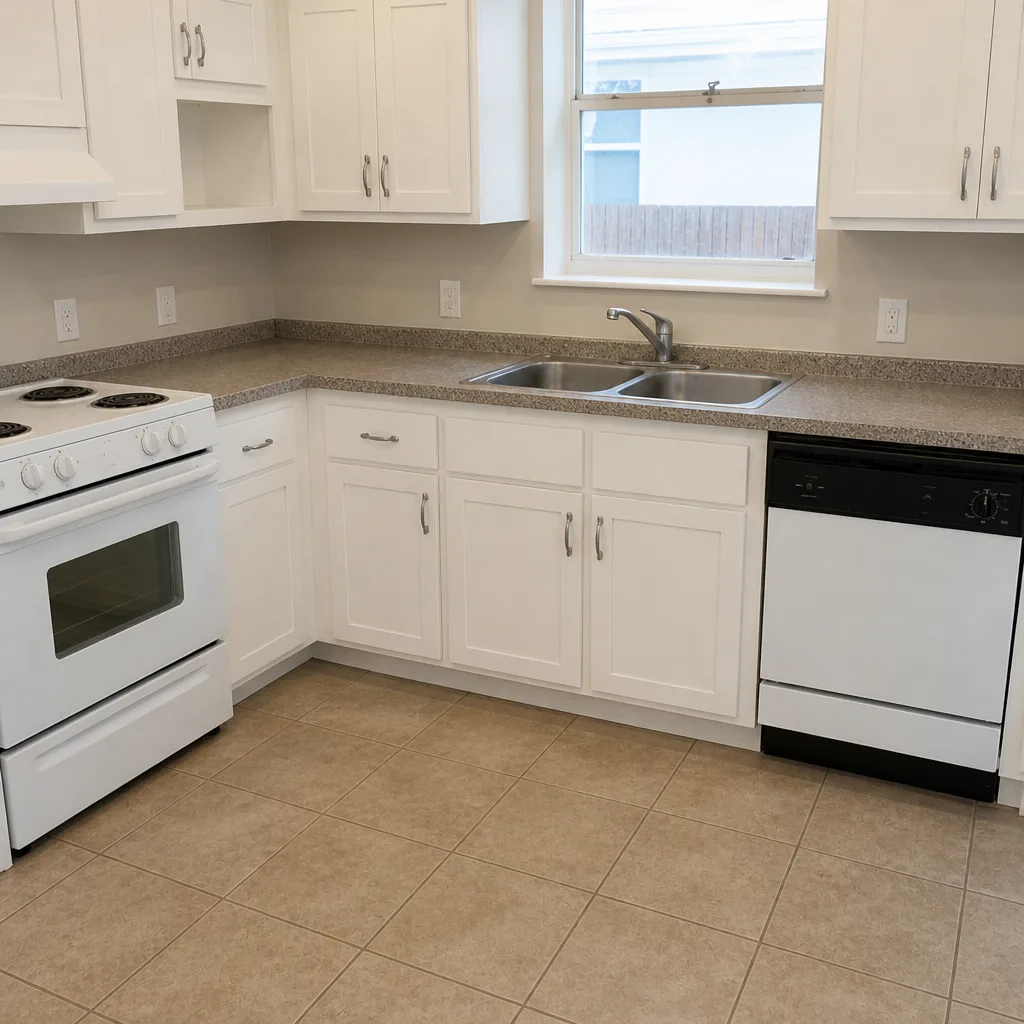 After
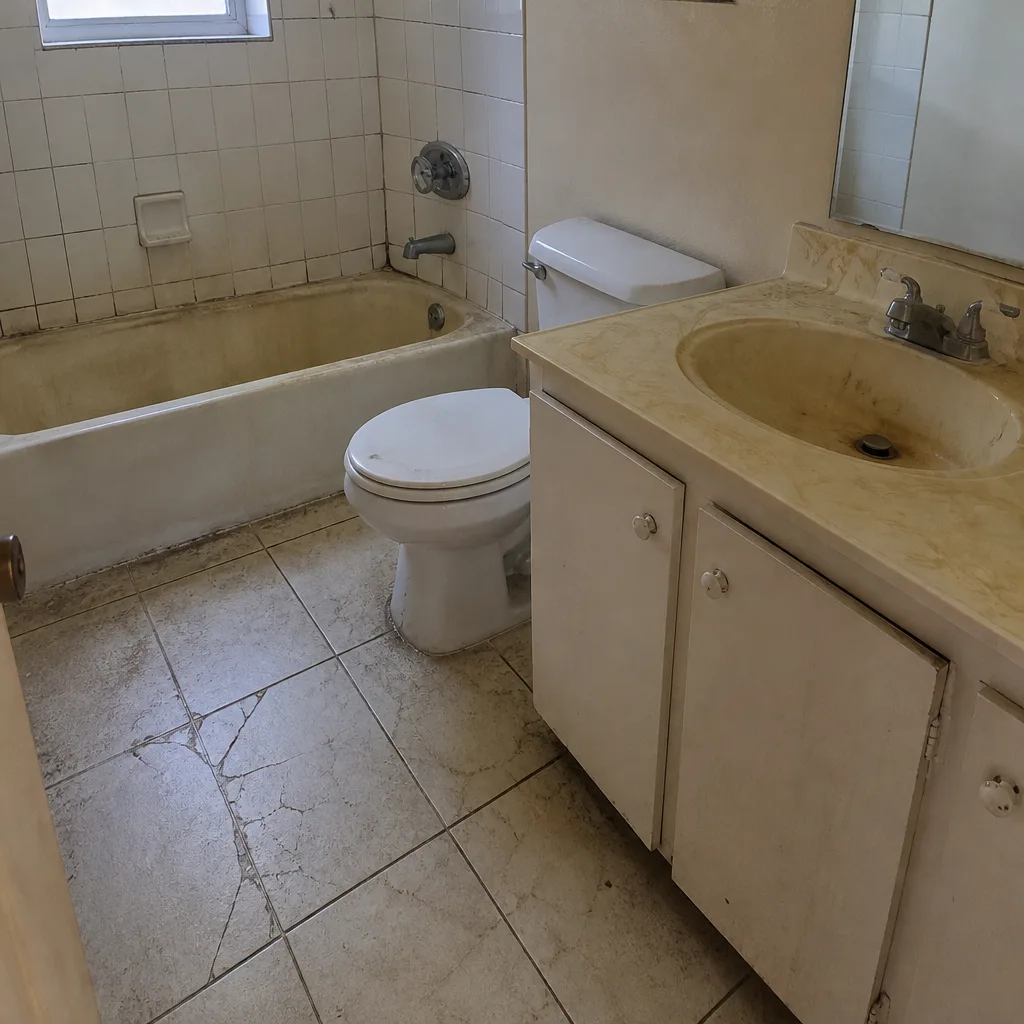 Before
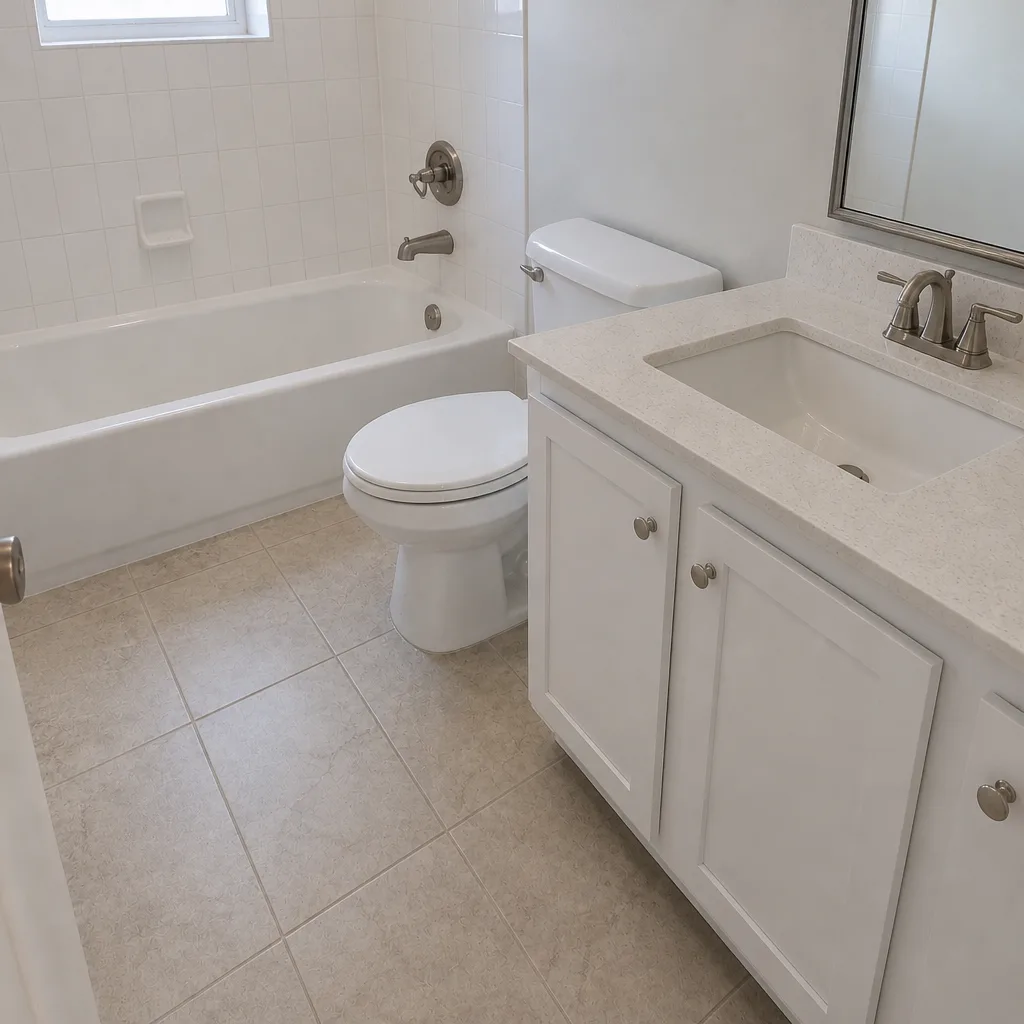 After
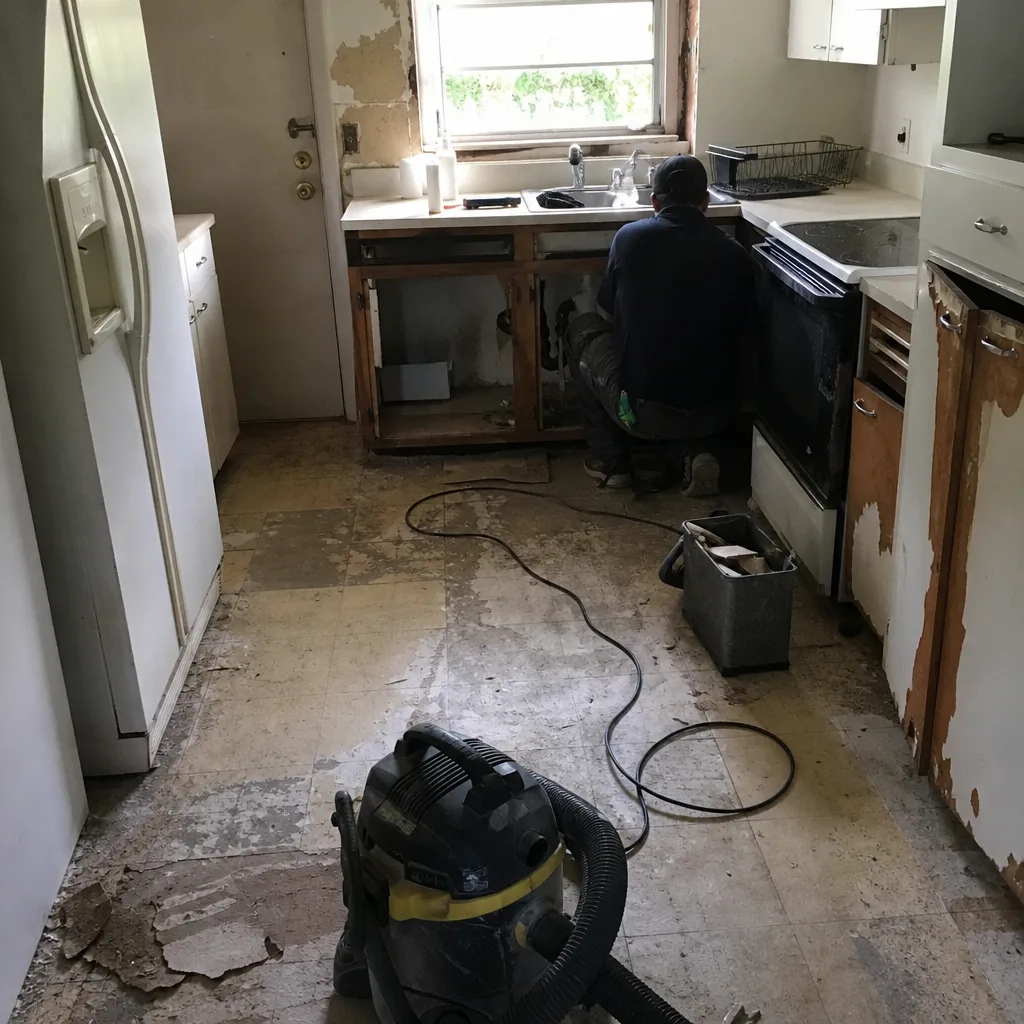 Before
 After
When to Call a Professional
Some fence work is straightforward enough for a homeowner to handle. A small garden bed border, a short decorative run, a simple repair to a single picket. But the moment the fence becomes a boundary line, involves masonry posts, spans a slope, or sits within a high-velocity hurricane zone, the complexity jumps. That’s the point to bring in a professional.
Specifically, call a professional if: the fence is a property boundary; the fence involves a permitted structure or masonry; the fence height exceeds six feet; the fence must meet Florida wind-load requirements; the fence sits over underground utilities you don’t have documentation for; or the fence is more than roughly 50 linear feet. Each of these situations involves permit, code, or safety factors where the cost of a mistake runs into five figures.
Groundwork Construction Co. of The Hammocks offers free estimates in The Hammocks. Call (844) 761-9356 to schedule yours, and we’ll walk the property with you, talk through permits and materials, and give you an itemized quote in writing before you sign anything.
Frequently Asked Questions
Fence installation in The Hammocks typically runs $4,000 – $9,500 for a 150-linear-foot run, depending on material. Wood privacy fencing lands around $25 – $40 per linear foot, composite fencing such as Boral runs $40 – $65 per linear foot, and aluminum (PGT or comparable) runs $45 – $75 per linear foot. Masonry and CBS wall fencing runs considerably higher. Call (844) 761-9356 for an exact quote, and estimates are free.
Yes, in most cases. Miami-Dade County requires a building permit for most new fence installations, and any fence over six feet tall or made of masonry requires one regardless. Fences within a high-velocity hurricane zone also require documented wind-load capacity. A contractor who quotes without a permit line is shifting the legal liability to you. Call (844) 761-9356 to discuss your specific fence and permit requirements.
No written contract. Everything else follows from that: without a contract, the post embedment, material grade, payment schedule, and warranty aren’t enforceable. A close second is a quote without a permit line. Both are signals that the contractor intends to leave themselves room to cut corners after you’ve paid.
At least 24 inches for a standard residential fence in this market, with a concrete collar around each post and a footing sized appropriately for the wind zone. In the high-velocity hurricane zone around The Hammocks, the required embedment and footing size scale with fence height and material. If a contractor can’t tell you their embedment standard without checking, that’s a problem. Call (844) 761-9356 for details on your specific site.
You can install a small decorative fence yourself, but most boundary fences in The Hammocks require a permit, an 811 utility locate, and compliance with wind-load requirements. Getting any of those wrong creates legal exposure that costs far more than professional installation. For boundary fences, permitted fences, and anything over a few dozen linear feet, use a licensed and insured contractor. Call (844) 761-9356 for a free estimate.
The workmanship warranty should be in writing, cover at least two years, and name the point of contact for claims. Manufacturer warranties are separate and vary by product: composite panels and aluminum panels carry different coverage. Ask to see both in writing before you sign. Every fence we install is backed by the 730-Day Done Right Promise: if it’s not done right, we make it right. Call (844) 761-9356 for a straight answer on your fence.
The Bottom Line
The fence installation warning signs that matter most are the ones you can spot before anyone touches a shovel: a quote without a permit line, no written contract, no proof of insurance, a large cash deposit, and vague answers about material grade or wind-load compliance. During installation, watch for cure time, post spacing, string line, and 811 locate tickets. At 30 and 90 days, inspect posts for plumb, gates for sag, and panels for gaps. The five-question checklist filters out most bad actors in five minutes. The rest you can’t spot without a pro on the property. Our team has the experience to tell the difference, and our work is backed in writing with the 730-Day Done Right Promise.
Groundwork Construction Co. of The Hammocks handles fence installation, driveway and pavers, home additions and ADUs, roofing, windows and doors, and full-scope kitchen and bath remodeling. From foundation to finish line, we build it to last, and we back it in writing. Every project gets a free project estimate and design consult, upfront pricing with no surprises, and 0% financing for 18 months. Projects over $10,000 qualify for $1,000 off. Visit the Groundwork Construction Co. of The Hammocks home page for our full service lineup, and call (844) 761-9356 to schedule your free estimate. A live person answers, 24/7.
Written by the team at Groundwork Construction Co. of The Hammocks.