
Last updated November 17, 2026
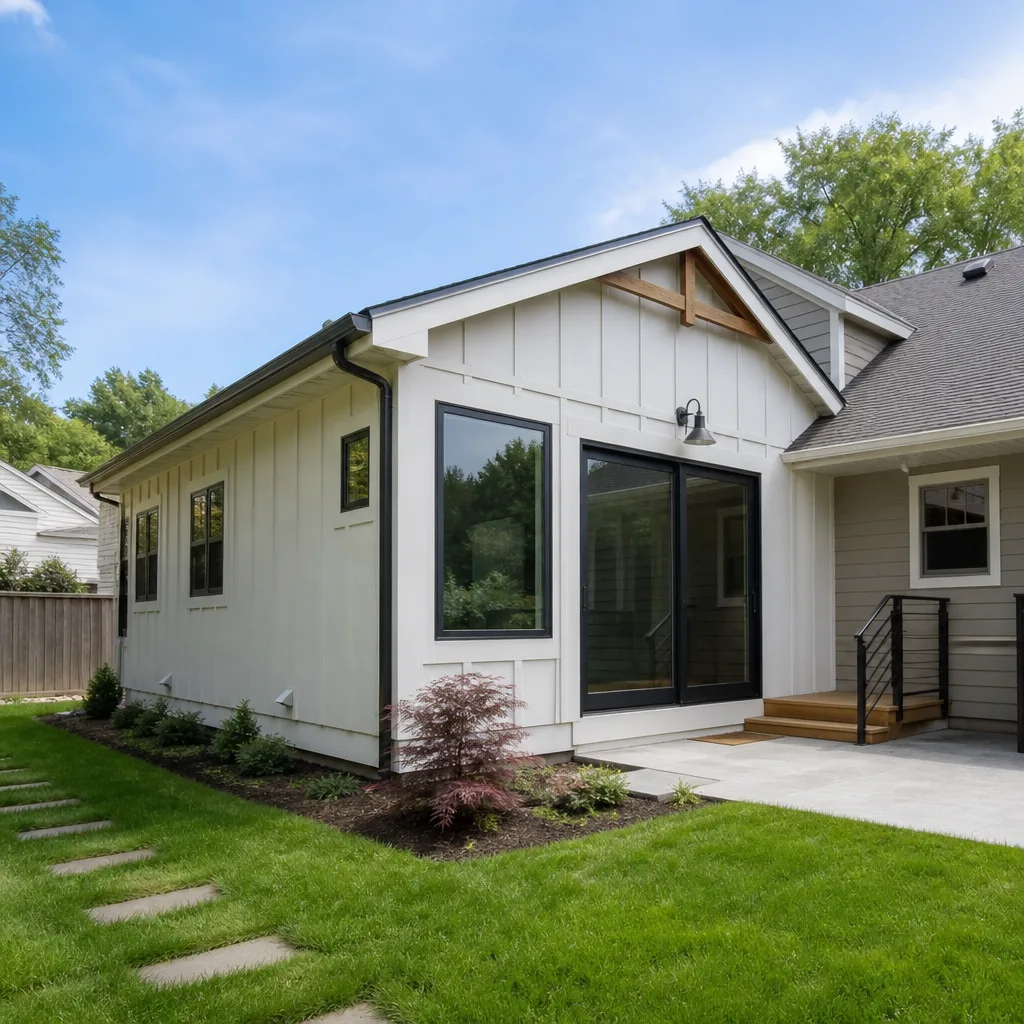 Home additions & ADU
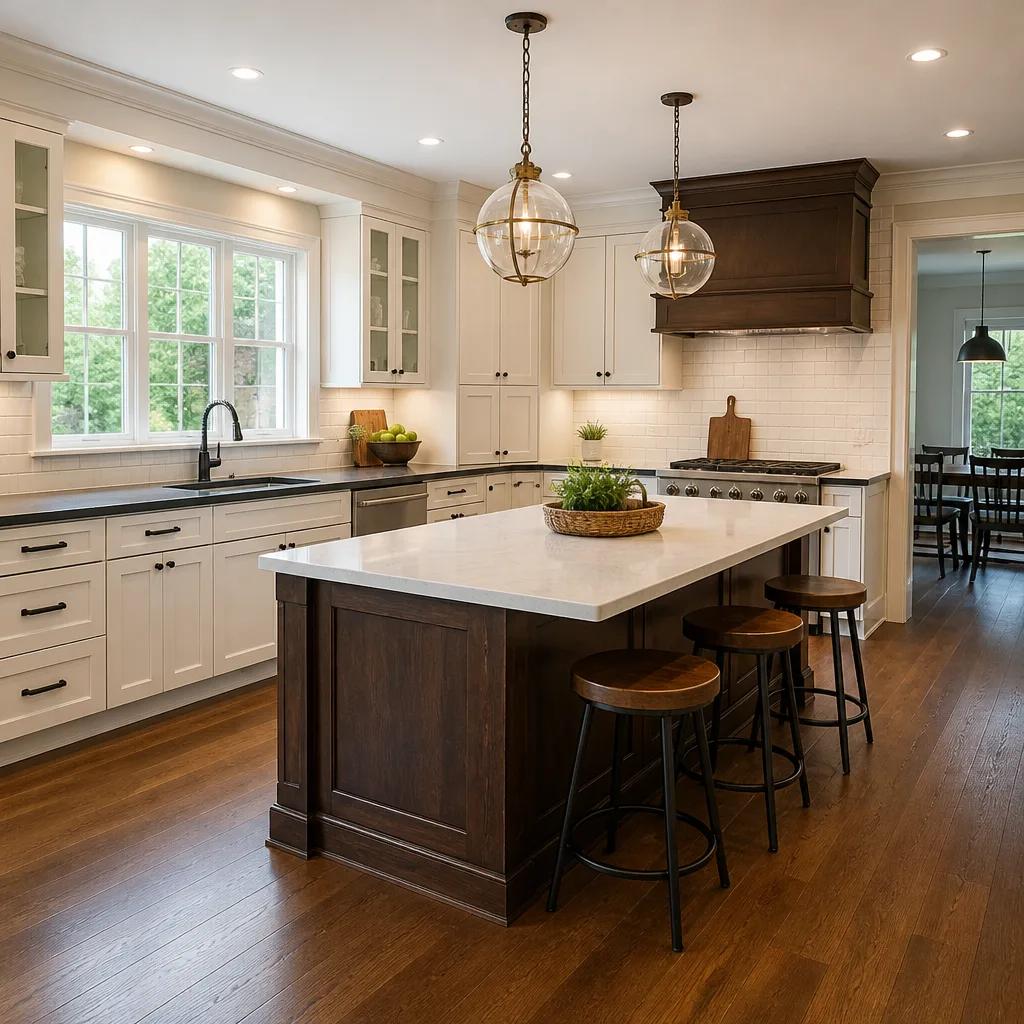 Kitchen remodeling
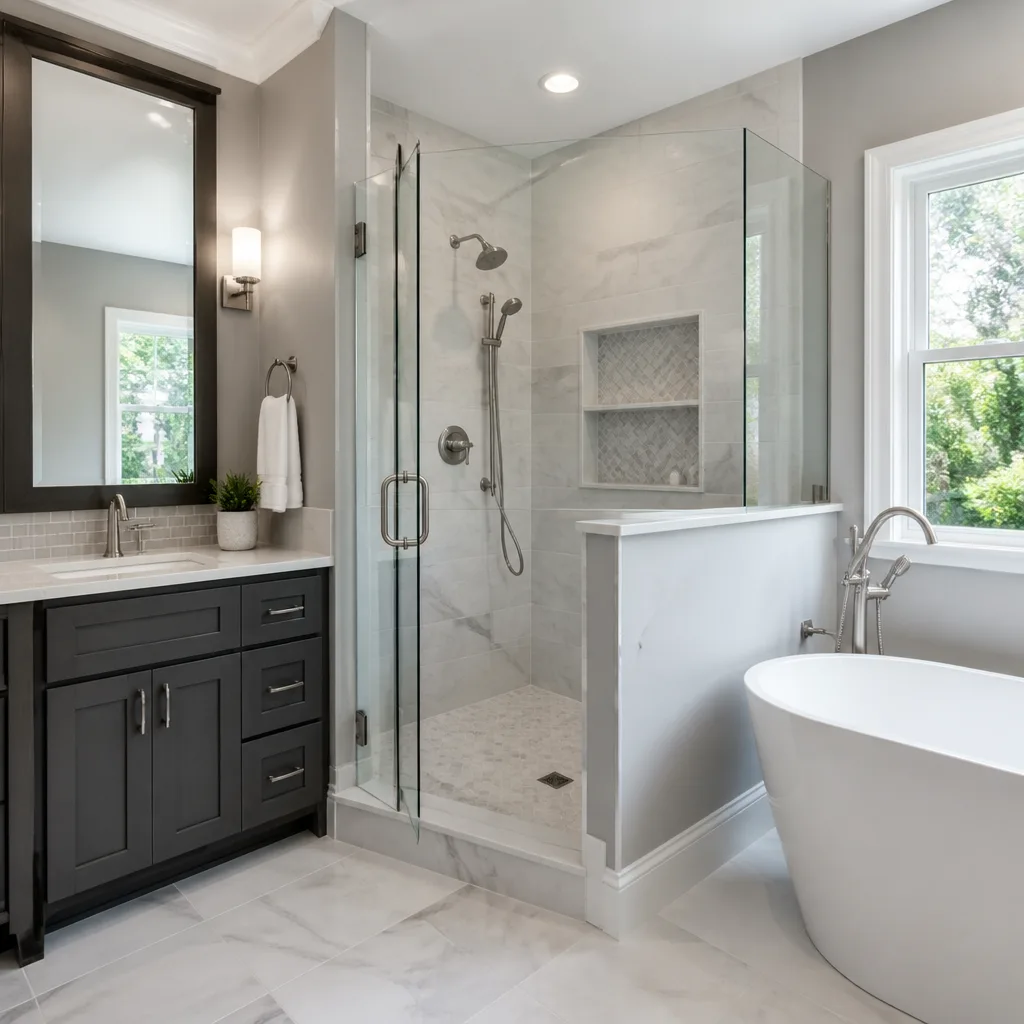 Bathroom remodeling
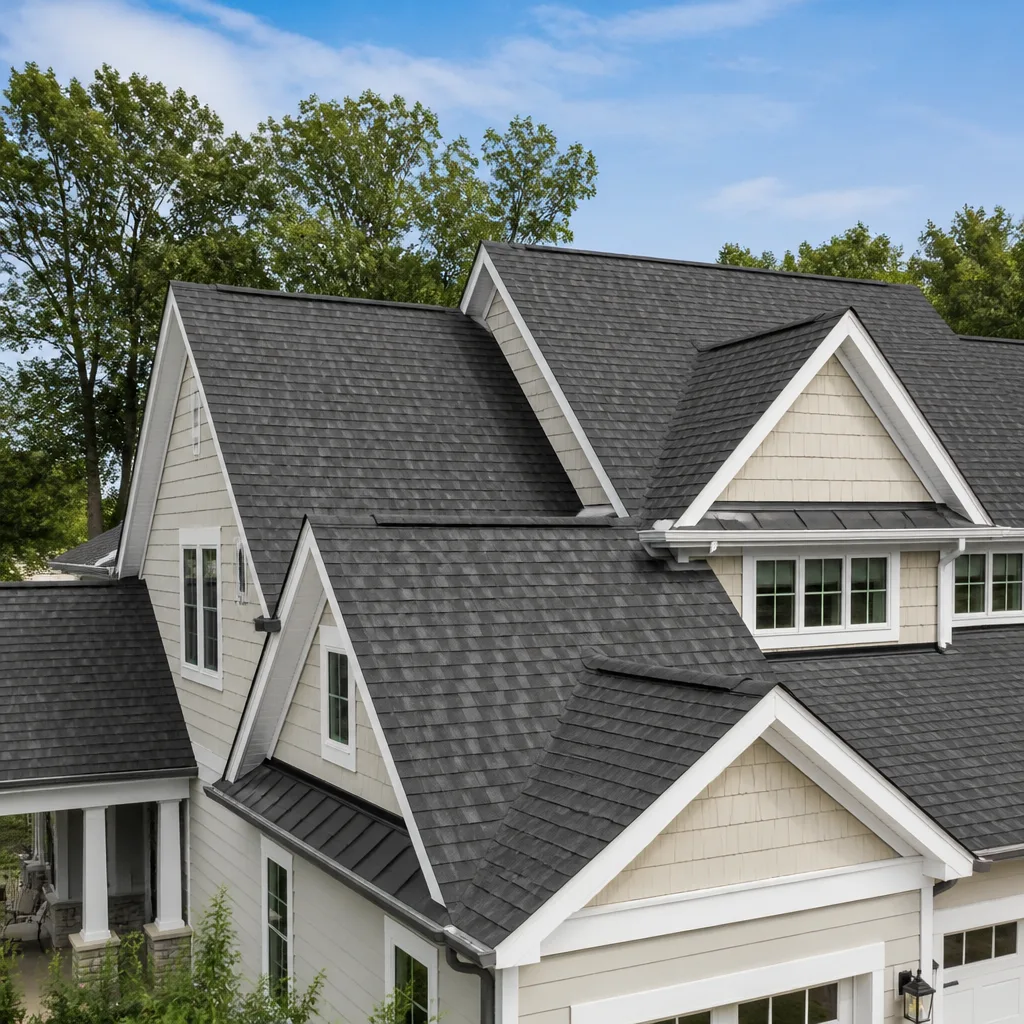 Roofing
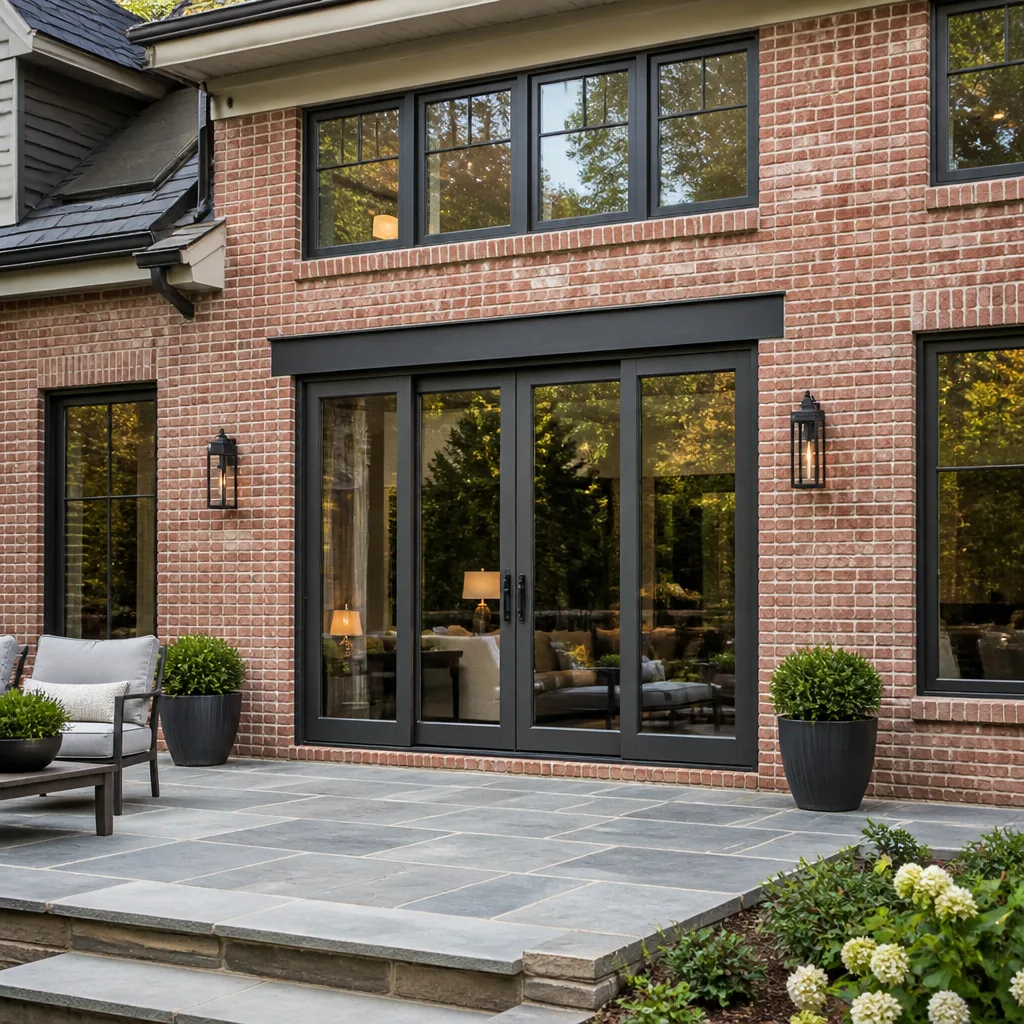 Windows & doors
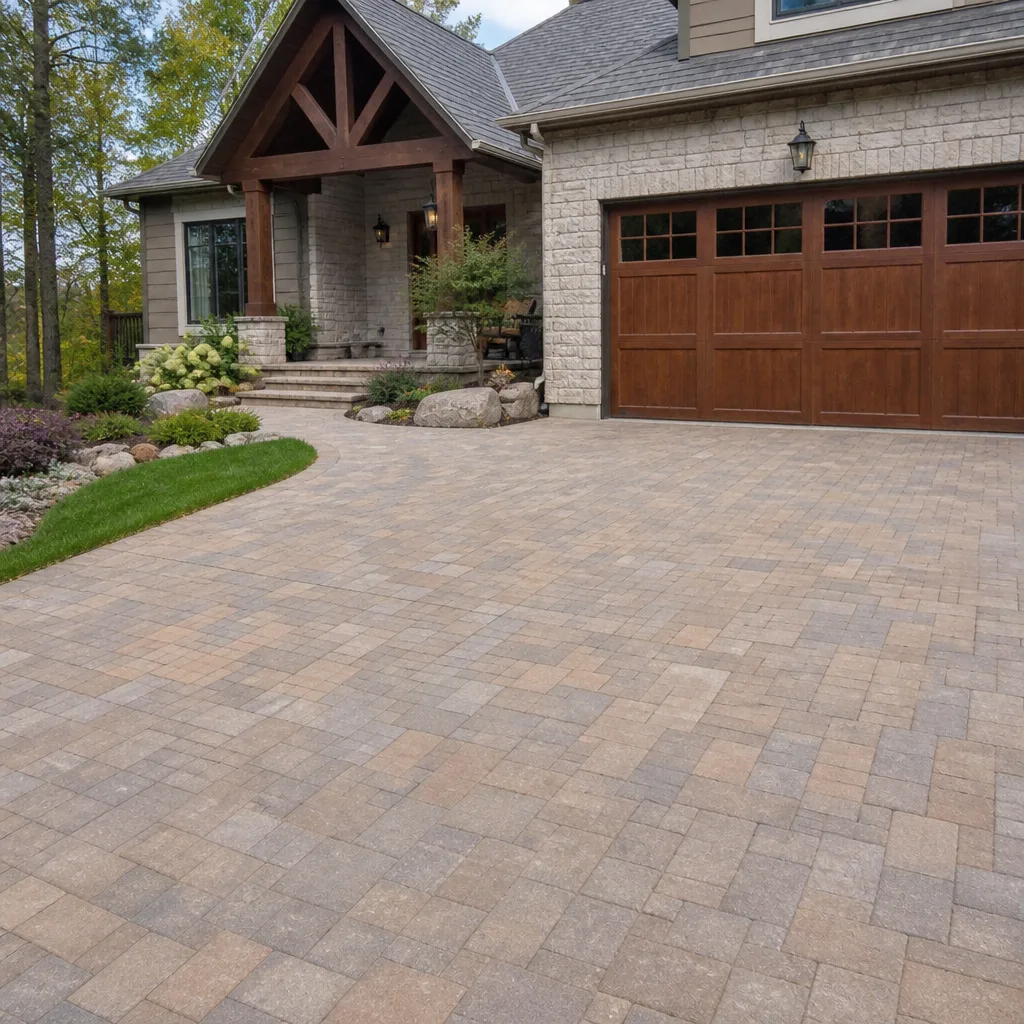 Driveway & pavers
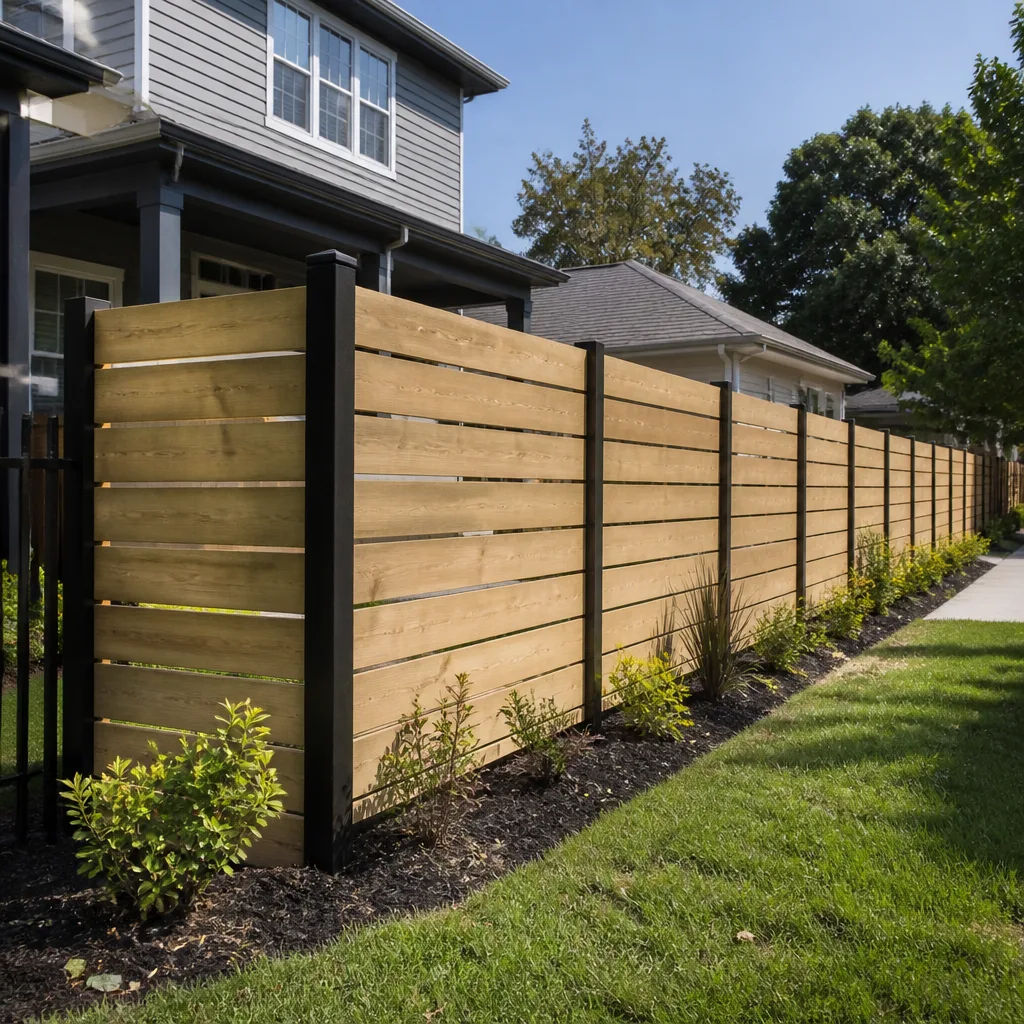 Fence
Free written scope consultation - allowances, timeline, and change-order rules on paper before a single trade is scheduled
Seasonal Construction Care for The Hammocks: Year-Round Homeowner’s Guide
A standard national home maintenance calendar is useless in The Hammocks. It tells you to clear gutters before winter, winterize pipes, and check your furnace in October – in a place that hasn’t seen frost in recorded history. Meanwhile, the tasks that actually matter here go unmentioned, and the timing is off by months. The Hammocks runs on two seasons, not four: a dry window when exterior work is efficient and a wet season when deferred maintenance turns into emergency repair. This guide maps the real calendar. You’ll learn which months to book exterior construction, what hurricane prep actually involves for construction elements, what to inspect after the rains, and which tasks genuinely need doing every year versus which you can safely defer.
Quick Answer
In The Hammocks, plan exterior construction and inspections during the dry season (roughly November through May), with March through May being the most critical booking window before wet-season demand hits. Reserve the rainy months (June through October) for hurricane hardening, drainage checks, and interior projects. The tasks that genuinely must happen annually are roof inspection, drainage clearing, and caulk/sealant renewal – most everything else can flex without penalty.
Styles & brands we work with
- Kitchen remodeling
- Bathroom remodeling
- Home additions & ADU
- Roofing
- Windows & doors
- Driveway & pavers
- Fence
Table of Contents
- Why The Hammocks Has Two Seasons, Not Four
- The Month-by-Month Task Calendar
- March Through May: The Most Critical Window for Exterior Work
- Hurricane Season Prep vs. General Storm Prep
- Post-Rainy-Season Inspection Priorities
- Annual Tasks vs. Tasks You Can Safely Defer
- Matching Materials to The Hammocks Climate
- Neighborhood-Level Notes for The Hammocks Homeowners
Why The Hammocks Has Two Seasons, Not Four
The Hammocks sits in a subtropical climate with distinct wet and dry cycles. The wet season runs roughly June through October, bringing afternoon thunderstorms, high humidity, and hurricane exposure. The dry season runs November through May with lower humidity, more stable weather, and longer workable windows. That split changes everything about how you should schedule construction and maintenance.
A national maintenance template assumes a freeze-thaw cycle that stresses pipes, foundations, and roofs. The Hammocks doesn’t have that. Instead, it has a wet-dry cycle that stresses different things: concrete and pavers expand and contract with moisture, stucco and paint take UV and humidity year-round, and drainage systems either handle the wet season or fail it.
Here’s what that means in practice:
- Exterior work is efficient November through May. Roofs, fences, driveways, and paint go in during the dry window with fewer weather delays and better curing conditions.
- Wet season is inspection and hardening season. You’re not building; you’re protecting. Hurricane prep, drainage checks, and interior work move to the front.
- March through May is the booking bottleneck. Every homeowner in The Hammocks wakes up at the same time, and contractor schedules fill fast.
If you’re planning a project like a home addition, that timing matters even more. Our team at Home Additions & ADU in The Hammocks sees the difference between projects started in the dry window and those started mid-wet season play out on every schedule. The dry window isn’t just nicer – it’s cheaper to build in, because weather delays are rare and materials cure correctly.
The Month-by-Month Task Calendar
This calendar is built for The Hammocks specifically, not borrowed from a national checklist. Use it as your planning anchor.
January – February
- Inspect roof flashing and shingles after any dry-season wind events.
- Walk the property for fence post movement and gate alignment issues.
- Schedule any paver sealing or driveway work now while conditions are stable.
- Check caulk lines around windows and doors for cracking.
March – May (Critical Window)
- Book all exterior projects now – roofs, fences, driveways, additions.
- Get a pre-hurricane roof inspection before storm season approaches.
- Clear and test drainage routes, gutters, and swales.
- Trim trees and vegetation away from the roofline and fence lines.
- Confirm your hurricane shutter or impact window status.
June – August (Wet Season Active)
- Monitor for water intrusion at doors, windows, and roofline junctions.
- Keep drainage clear – debris accumulates fast during heavy rain.
- Schedule interior projects like kitchen or bathroom remodels.
- Photograph any storm damage immediately for insurance documentation.
September – October (Peak Storm Window)
- Confirm shutters are accessible and hardware is functional.
- Secure loose outdoor items, fence sections, and site materials.
- Document the pre-storm condition of roof, fence, and pavers.
November – December (Dry Season Opens)
- Post-storm inspection of roof, stucco, fence, and paver areas.
- Book dry-season projects before the March rush.
- Refresh sealant on windows, doors, and exterior penetrations.
March Through May: The Most Critical Window for Exterior Work
If you take one thing from this guide, take this: March through May is the tightest window in The Hammocks for exterior construction, and homeowners who book late pay for it in delays and higher pricing. The reason is simple supply and demand. Everyone plans exterior work after the holidays, the dry season is still open, and contractor schedules fill within weeks.
Here’s how to work the window effectively:
- Start calling in February. Get estimates before the March rush. A free project estimate and design consult takes the pressure off and gets you on the schedule early.
- Prioritize by exposure. Roof first, then fence, then driveway and pavers. Roof is the highest-risk element in a storm-exposed area like The Hammocks.
- Lock materials early. Roofing materials from partners like Owens Corning and IKO can have lead times. Confirming material selection in February avoids waiting in April.
- Schedule inspection and repair in one block. Don’t split the roof inspection from the repair decision. Get the assessment while the crew is there.
The reason we emphasize this window isn’t marketing pressure. It’s that we’ve watched homeowners in The Hammocks try to schedule a roof replacement in June and end up waiting through the entire wet season, then paying emergency pricing after a storm exposed the weakness they already knew about. The same logic applies to Fence Installation in The Hammocks – a fence installed in dry conditions settles correctly, while one installed mid-wet-season with saturated soil can shift within a year.
If you’re working with a contractor who offers a long workmanship guarantee like our 730-Day Done Right Promise, the dry-season schedule also protects your warranty – materials that cure correctly perform correctly, and there’s less dispute about what went wrong.
Hurricane Season Prep vs. General Storm Prep
General storm prep means clearing gutters and securing loose items. Hurricane prep in The Hammocks is a different category entirely. It involves the structural elements of your home and property that storm exposure actually tests: roof attachment, fence anchoring, window and door impact resistance, and drainage capacity under sustained heavy rain.
What hurricane prep actually covers:
- Roof attachment and flashing. Wind uplift is the leading cause of storm damage. A roof that’s properly fastened and flashed resists uplift far better than one with deferred maintenance. Roofing partners like Owens Corning, IKO, Atlas, and Tamko all publish wind-rating specs worth understanding before you choose.
- Impact windows and doors. In a hurricane zone, window integrity determines whether wind pressure compromises the structure. If your windows aren’t impact-rated, this is a priority assessment.
- Fence anchoring. A fence that looks fine in calm weather can fail under sustained wind. Post depth, concrete anchoring, and material weight matter.
- Drainage capacity. Sustained rainfall exposes drainage problems that brief showers don’t. Clearing and testing drainage routes before the wet season is the single highest-value prep task.
- Shutter hardware. Test the hardware, not just the panels. Track corrosion in coastal humidity is common.
The distinction matters because most homeowners prep for general storms, not hurricanes. That’s a gap. If you’re honest about your home’s storm readiness, a pre-season inspection costs far less than post-storm repair. Call (844) 761-9356 to schedule a free estimate and design consult before the wet season tightens the schedule.
Post-Rainy-Season Inspection Priorities
The wet season leaves a specific signature on The Hammocks properties. Concrete, pavers, stucco, and drainage all take the most stress during rains, and the inspection priorities that follow the season determine your repair costs before they escalate. This is the inspection sequence we recommend, in order.
- Concrete and pavers first. Look for shifted joints, raised edges, and pooling water spots. Settlement or heaving under pavers signals a base failure that gets more expensive every month you defer it. For paver-specific assessment, Driveway & Pavers in The Hammocks covers what to look for.
- Stucco and exterior walls. Hairline cracks that grew during the wet season indicate movement. Water tracking behind stucco creates interior damage that shows up months later. Check around window and door corners where stress concentrates.
- Drainage routes and swales. Confirm water is moving away from the structure, not toward it. Check gutter connections, downspouts, and any swale or grading that directs runoff.
- Roof and flashing. Look for lifted shingles, granule loss, and darkened spots that suggest moisture. Interior ceiling stains are a late indicator – inspect the roof, not just the ceiling.
- Fence and gate integrity. Post movement, gate sag, and material rot at ground contact points are the common failures after the wet season.
Doing this inspection in October or November gets you ahead of the March booking rush and gives you time to budget repairs into the dry season. Doing it in January or February means competing for the same contractor slots as every other homeowner in The Hammocks.
Annual Tasks vs. Tasks You Can Safely Defer
Not every maintenance task on a national checklist belongs on your annual list. Some tasks genuinely need doing every year in The Hammocks. Others are low-risk to defer, and treating them all as urgent only wastes money and attention.
Do annually (non-negotiable):
- Roof inspection – one pass per year, ideally at the start of the dry season.
- Drainage clearing and testing – before the wet season.
- Caulk and sealant renewal at windows, doors, and exterior penetrations.
- Hurricane shutter hardware check – before storm season.
Can defer (low-risk, monitor):
- Exterior paint touch-ups – small chips can wait a season without damage.
- Paver sealing – re-sealing extends life but isn’t urgent every year.
- Gutter replacement – if cleaning solves the flow problem, defer replacement.
- Fence staining – cosmetic lifespan task, not structural.
- Driveway cosmetic patching – address structural cracks, but hairline surface marks can wait.
Never defer (escalation risk):
- Any water intrusion into the structure.
- Roof flashing or shingle damage.
- Drainage failures that route water toward the foundation.
- Concrete or paver settlement that creates tripping hazards.
The distinction protects your budget. Defer the cosmetic work so you can fund the structural work without borrowing against your emergency reserve.
Matching Materials to The Hammocks Climate
Material choice in The Hammocks has a longer consequence horizon than in most markets. UV exposure, humidity, and storm wind stress test materials year-round, and a material that performs well in a dry climate may fail here in three years. Roofing is the clearest example. Comprehensive spec sheets from Owens Corning, IKO, Atlas, and Tamko vary in wind rating, granule adhesion, and heat reflectivity – all of which matter more here than in milder climates.
The material selection process should start with climate performance, not aesthetic preference:
- Roofing: Prioritize wind uplift rating and heat reflectivity. Impact-rated systems are worth the incremental cost in a storm-exposed zone.
- Windows and doors: Impact-rated glazing and frame material matched to humidity. Frames and seals that fail in humidity create water intrusion that’s expensive to trace.
- Fencing: Material weight and ground-contact treatment determine wind survival and rot resistance. Vinyl and treated wood behave very differently in The Hammocks.
- Pavers and concrete: Permeability and base preparation matter more than surface color. A beautiful paver over a poor base fails within a wet season.
Brand partners in each category matter here. Our curated partners include names like GAF, CertainTeed, Andersen, Pella, and Belgard, and the reason we specify rather than substitute is that climate performance is verifiable only when the material is known. You can check the spec sheet against The Hammocks climate conditions and know what you’re getting before install day.
If you’re weighing a kitchen or bathroom project, climate also affects interior material selection less than exterior, but humidity control and ventilation still matter. Our Groundwork Construction Co. of The Hammocks home page overviews the full service scope if you want to see how material selection fits across every project type.
Neighborhood-Level Notes for The Hammocks Homeowners
The Hammocks is a large, established community, and different sub-areas have different exposure profiles. Homes near open water or open land buffers face more wind exposure during storms. Homes on slightly lower lots in the subdivision deal with more drainage pressure during wet-season rains. Homes on interior streets with established tree cover deal with more debris on roofs and in gutters.
What that means for your calendar:
- Higher wind exposure: Move roof inspection earlier in the dry season and confirm wind-rated materials specifically.
- Drainage pressure: Inspect drainage routes monthly during the wet season, not just once.
- Heavy tree cover: Clear gutters and roof valleys more frequently; debris accumulates faster than on open lots.
- Older homes: Inspect caulk and sealant more frequently; deterioration compounds with age.
These differences aren’t trivial. In our experience working across The Hammocks, the same storm event produces very different outcomes block to block – the variables are drainage, wind exposure, and material condition. The neighborhood context should shape your inspection schedule, not just your comfort level.
Common Mistakes to Avoid
- Following a national maintenance calendar. The tasks and timing are wrong for The Hammocks. A winterization checklist is useless here, and it distracts from the tasks that actually matter.
- Waiting until June to book exterior work. The March-May window fills early. Booking late means waiting through the wet season and paying emergency pricing after a storm.
- Treating hurricane prep as storm prep. Clearing gutters isn’t hurricane prep. Roof attachment, impact windows, fence anchoring, and drainage capacity are.
- Skipping the post-rain inspection. The weeks after the wet season are when repair costs are lowest. Waiting until next spring lets small issues become structural ones.
- Deferring water intrusion. In The Hammocks humidity, moisture behind stucco or flashing compounds fast. Never put this on the deferral list.
- Choosing material by color instead of climate spec. A roof that meets the aesthetic brief but fails the wind uplift rating is a bad decision at this latitude. Verify the spec before you commit.
- Hiring without a written guarantee. A verbal promise doesn’t follow the crew after they leave. Our 730-Day Done Right Promise exists because workmanship should be verifiable in writing, not just verbally.
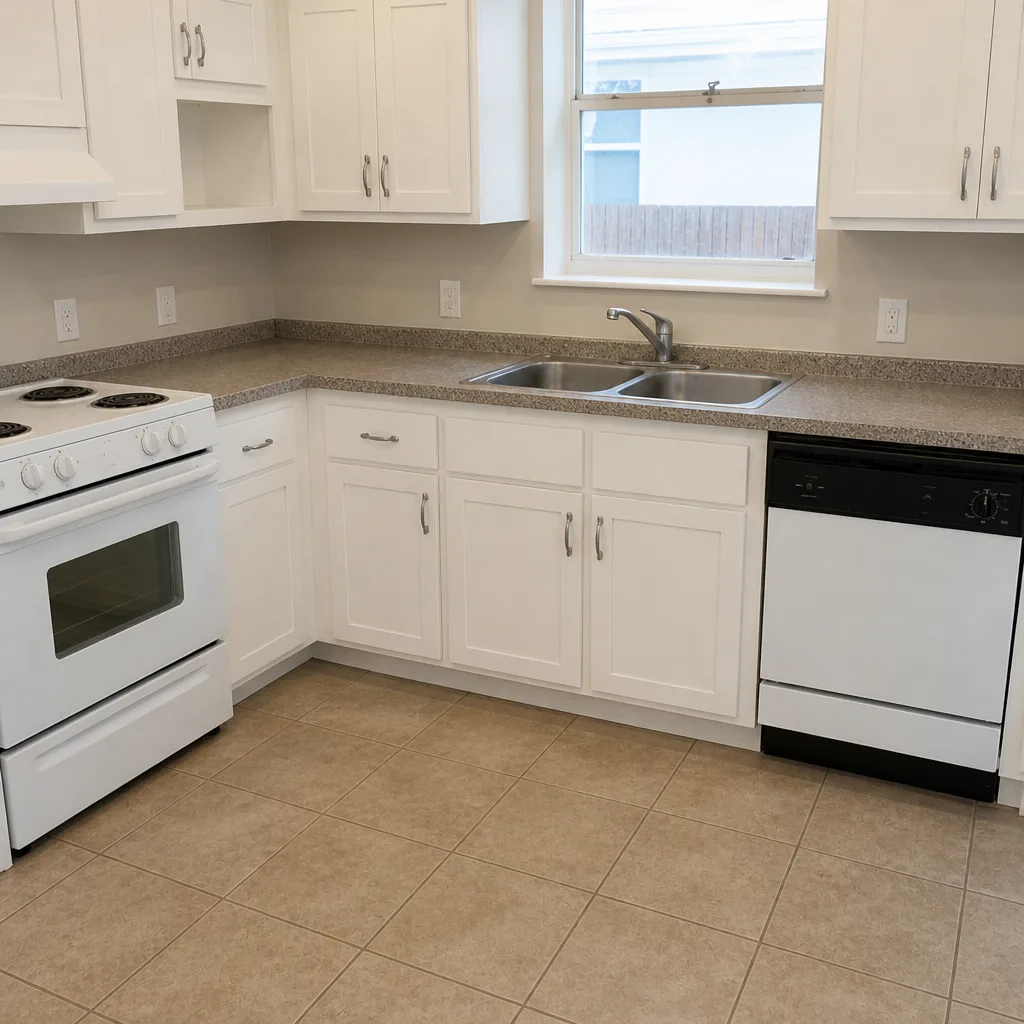
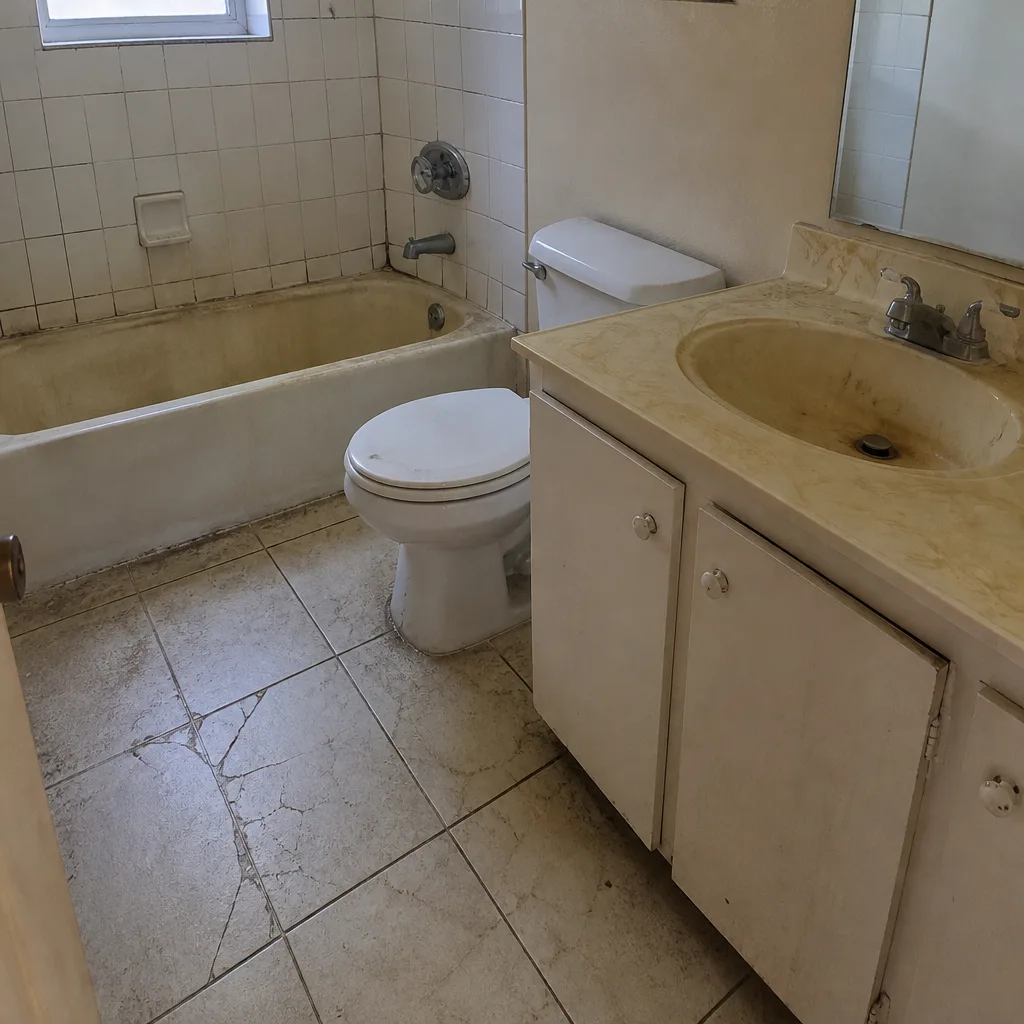
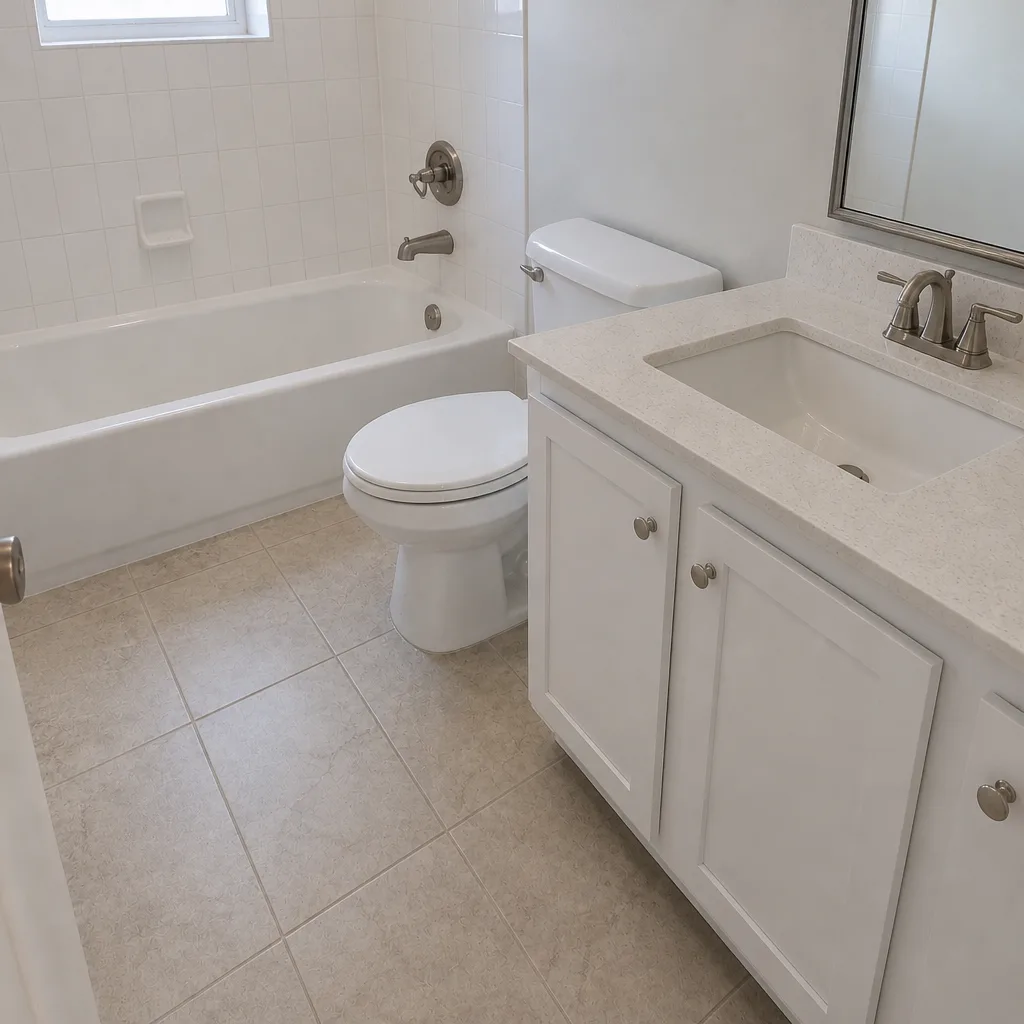
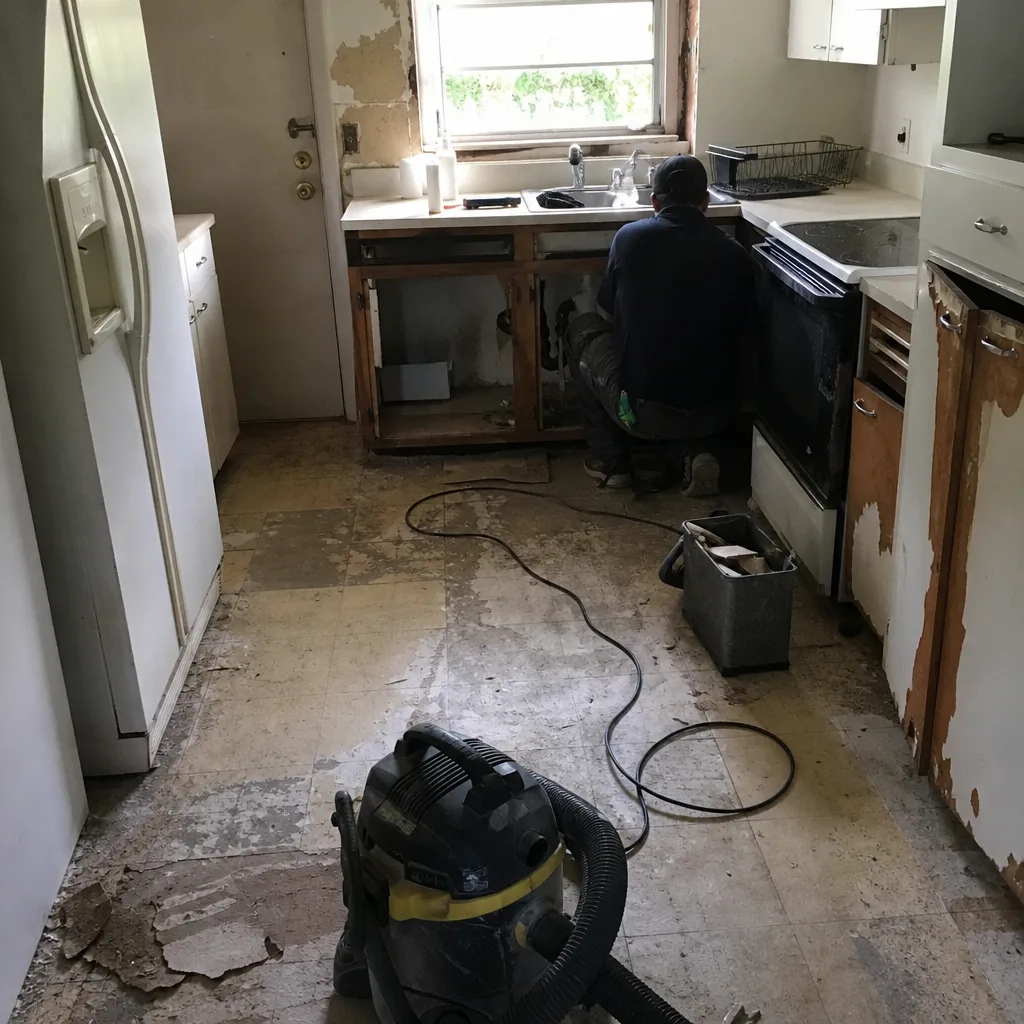
See the difference
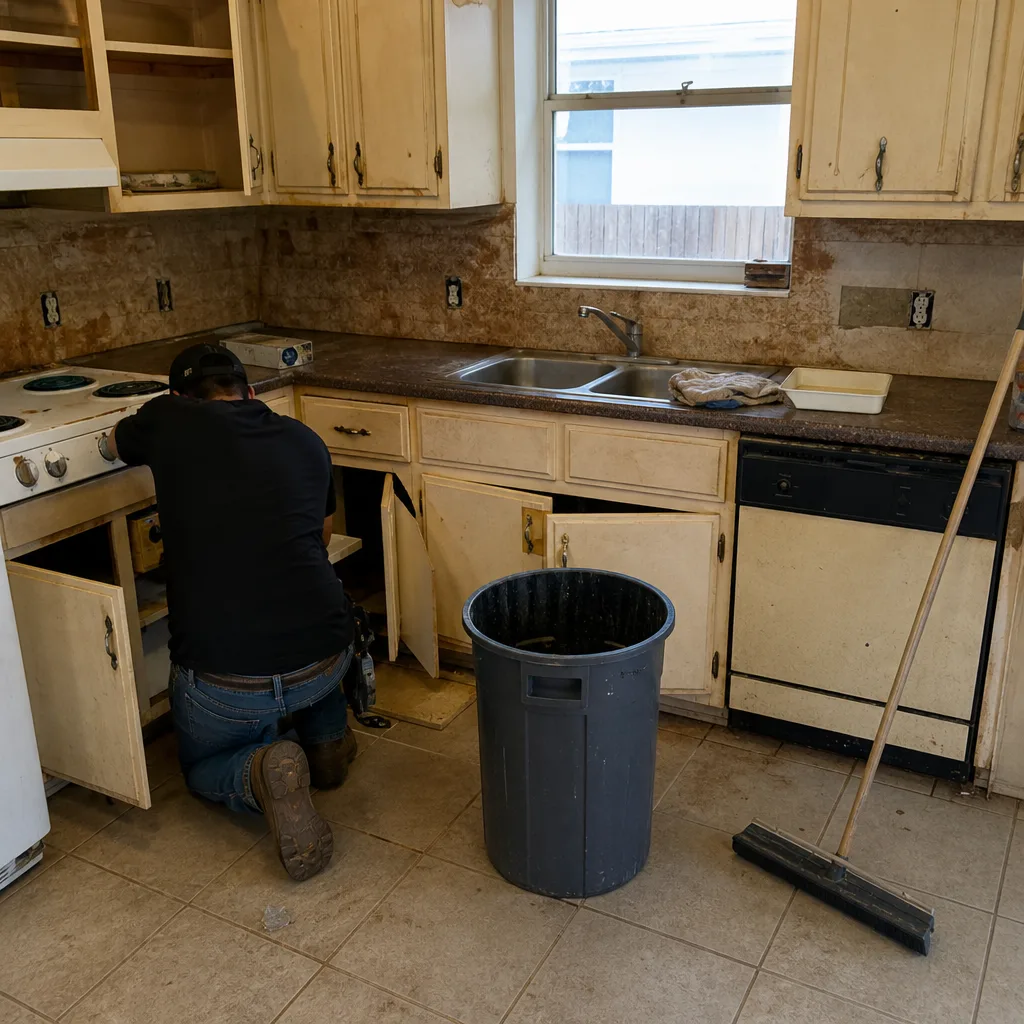 Before
 After
 Before
 After
 Before
 After
When to Call a Professional
Some tasks belong to any careful homeowner. Others need a trained professional, and knowing which is which protects both your budget and your safety. Call a professional for any roof or height work – steep roof access is genuinely dangerous and not a weekend project. Call for structural concerns: foundation cracks, concrete settlement, or paver base failure that creates tripping hazards. Call for water intrusion anywhere in the structure – stucco cracks that reach the interior, window or door leaks, or roof flashing failures. Call for storm damage assessments before you file an insurance claim, so the written report supports your documentation. And call before any major purchase decision where material spec matters – a free estimate and design consult gives you a paper trail before you commit. Groundwork Construction Co. of The Hammocks offers free estimates in The Hammocks – call (844) 761-9356. Calls are answered by a live person 24/7, and the estimate includes a written scope and line-item pricing with no change orders.
Frequently Asked Questions
March through May is the most functional window for exterior work in The Hammocks – the dry season is still open, conditions support roofing, fencing, and paving, and the wet season hasn’t started. Book in February to secure the schedule. Call (844) 761-9356 for a free estimate before the window tightens.
Roof inspections in The Hammocks typically run $150 to $350 for a residential home, with repair costs varying based on what’s found. Many contractors include the inspection in a free project estimate. Call (844) 761-9356 – estimates are free, and we’ll walk you through the findings before you commit to anything.
After the wet season in The Hammocks, the order is concrete and pavers first, then stucco, then drainage, then roof, then fence. Water intrusion and base settlement compound over time, so addressing them in October or November prevents escalation. Call (844) 761-9356 for an inspection with written findings.
Small paint chips and cosmetic touch-ups can safely wait a season in The Hammocks without structural consequence. What you can’t defer is any paint failure that exposes bare material to humidity – that accelerates rot. Call (844) 761-9356 if you’re unsure which category yours falls into.
Hurricane prep in The Hammocks addresses structural elements – roof attachment, impact windows, fence anchoring, and drainage capacity. General storm prep is shorter-term cleanup. The structural elements are what storm exposure actually tests. Call (844) 761-9356 to schedule a pre-season assessment before June.
Impact windows aren’t universally required in The Hammocks, but they’re the strongest option for storm wind resistance. If your existing windows aren’t impact-rated, it’s worth an assessment before the next storm season. Call (844) 761-9356 for a free estimate and design consult.
The Bottom Line
The right calendar for The Hammocks isn’t the national one. It’s a dry-season build window and a wet-season protection window, and the tasks that genuinely matter every year are roof inspection, drainage, sealant renewal, and hurricane hardware. Book exterior work in February for the March-May window, and inspect in October when the rains end. Defer the cosmetic tasks so you can fund the structural ones. Material selection should follow climate spec first, aesthetic second. And every project – roof, fence, driveway, addition – should come with a written guarantee you can hold to. Groundwork Construction Co. of The Hammocks exists for exactly that kind of accountability. Call (844) 761-9356 for a free estimate and a live person on the other end, any hour.
Written by the team at Groundwork Construction Co. of The Hammocks.