
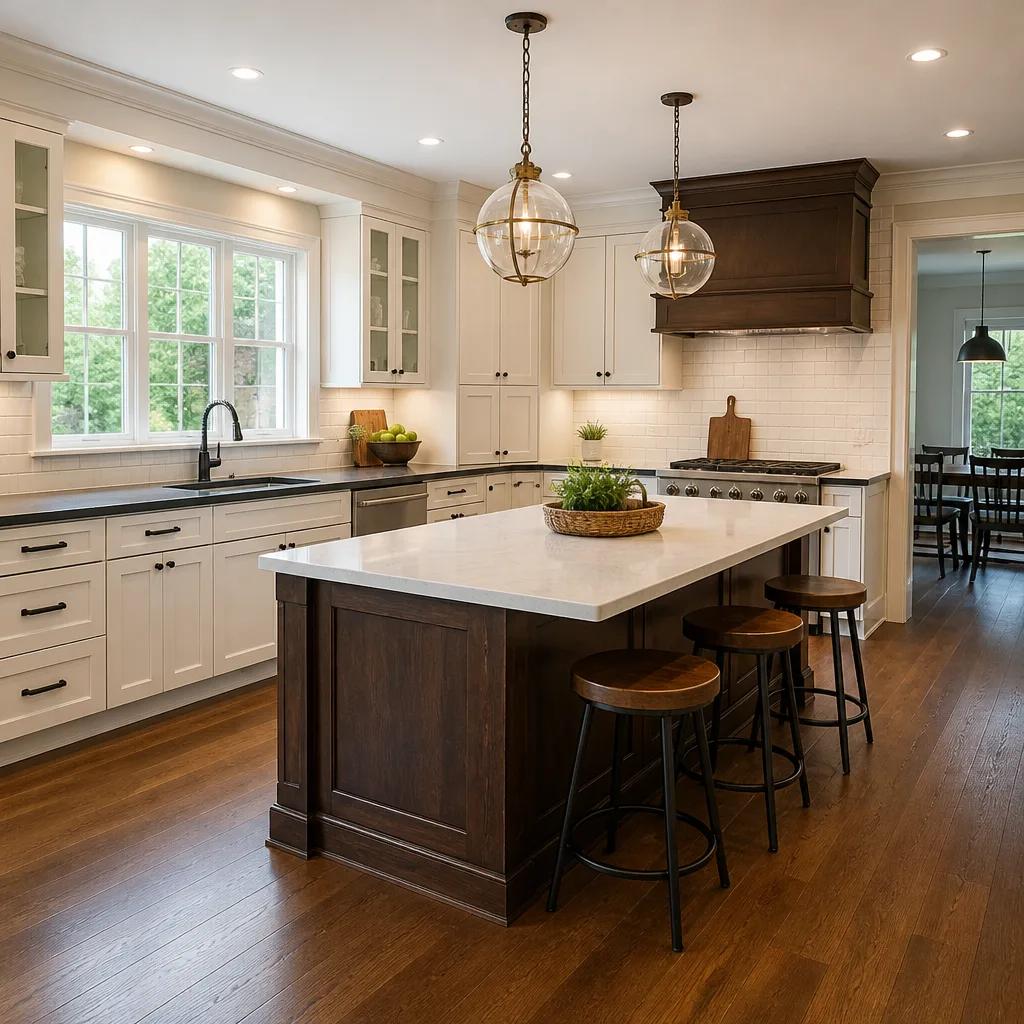
 Kitchen remodeling
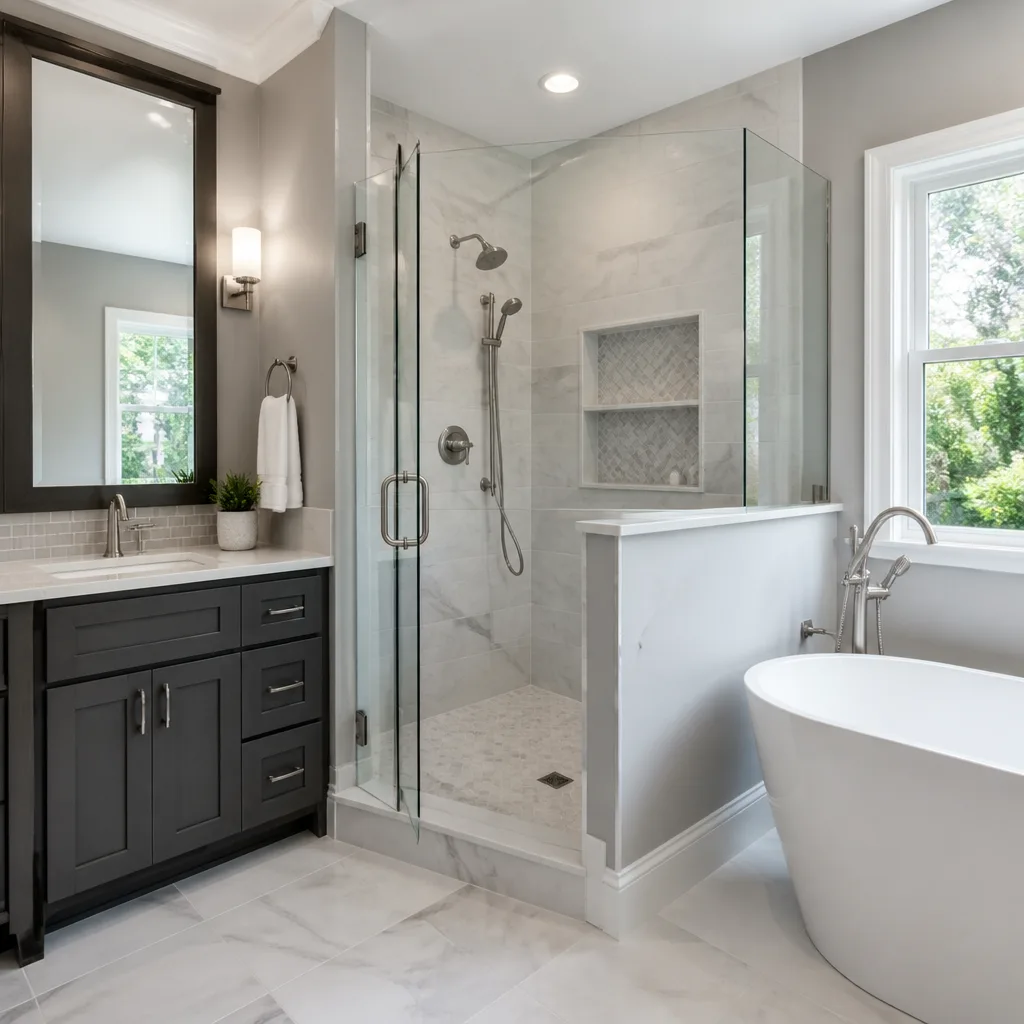 Bathroom remodeling
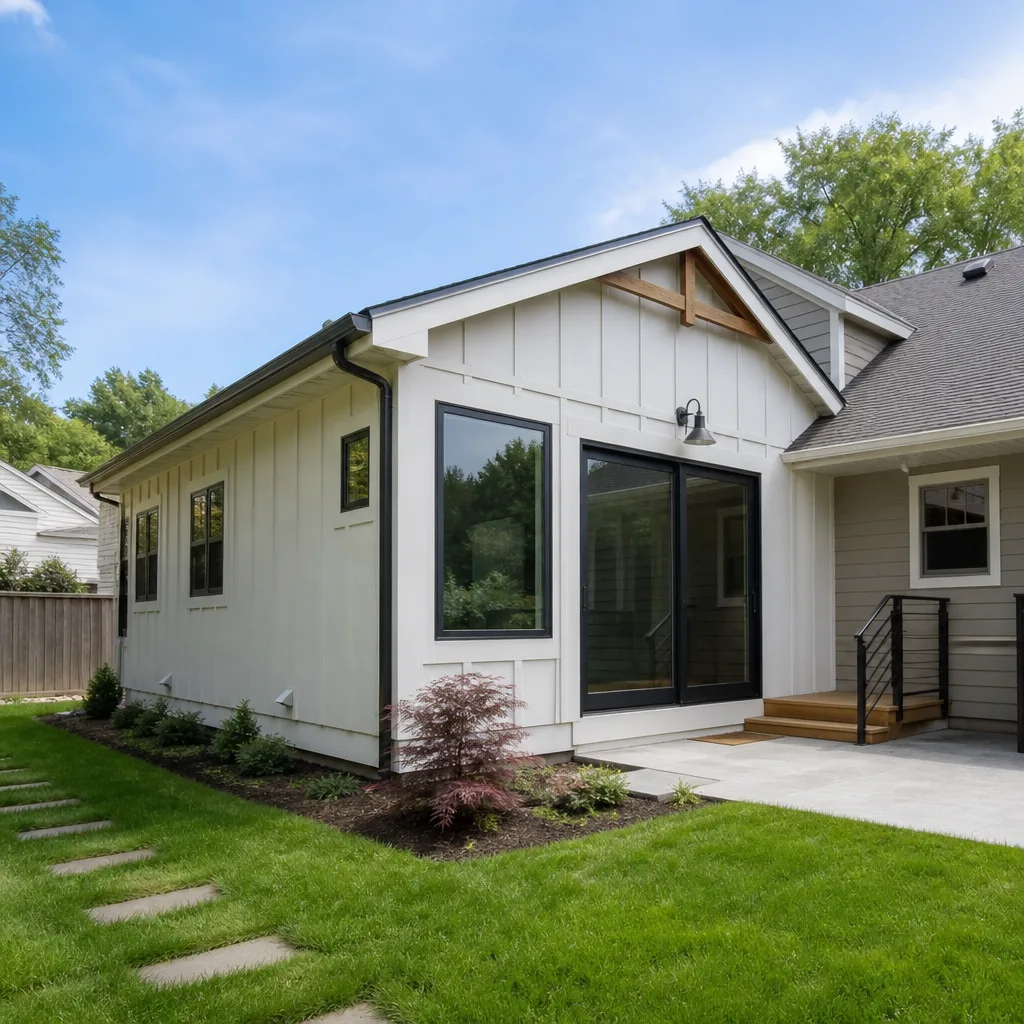 Home additions & ADU
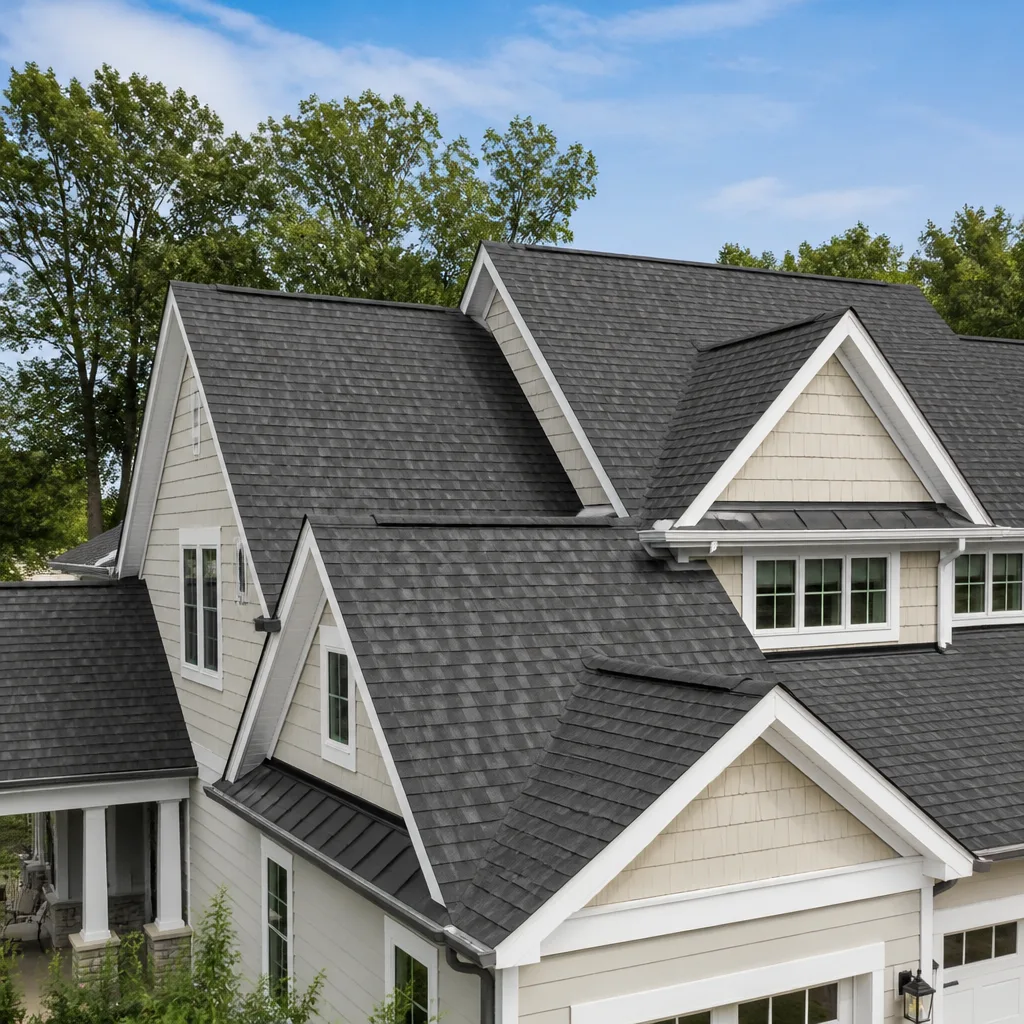 Roofing
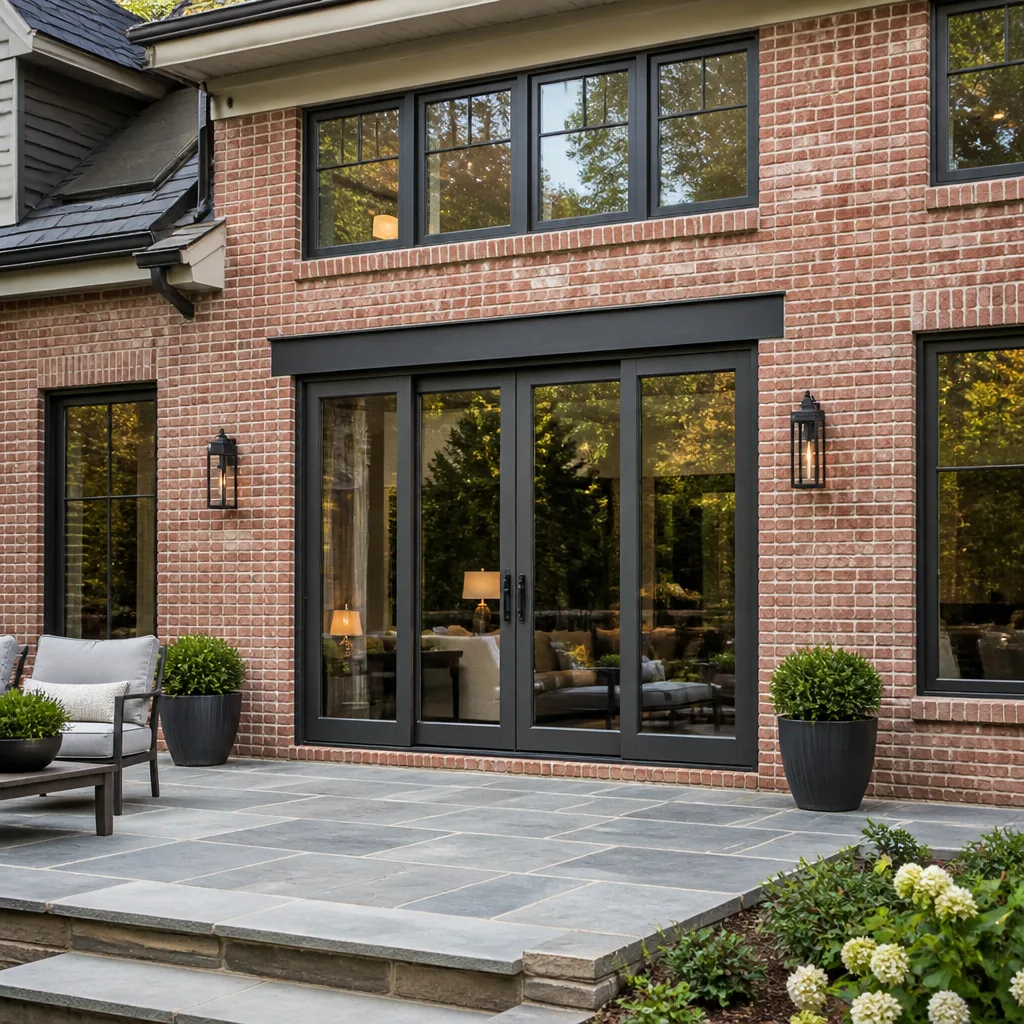 Windows & doors
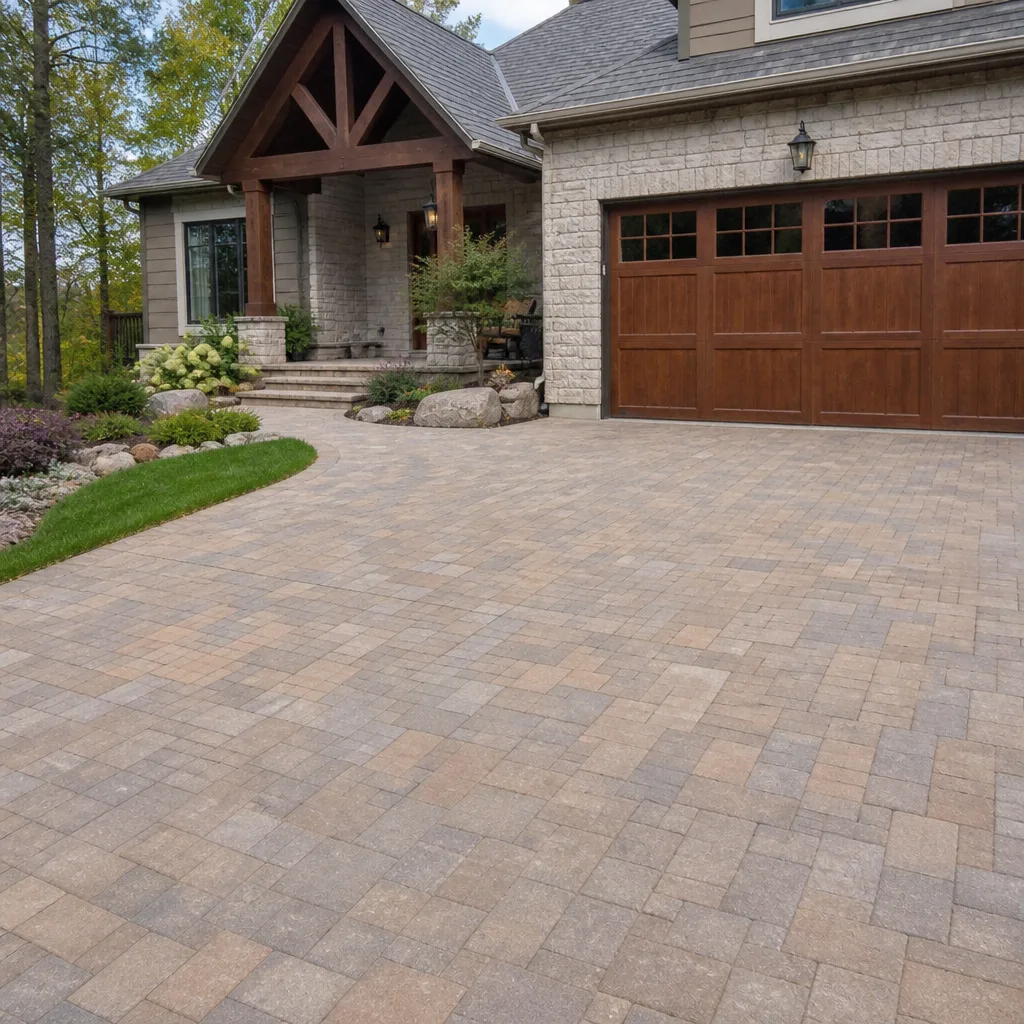 Driveway & pavers
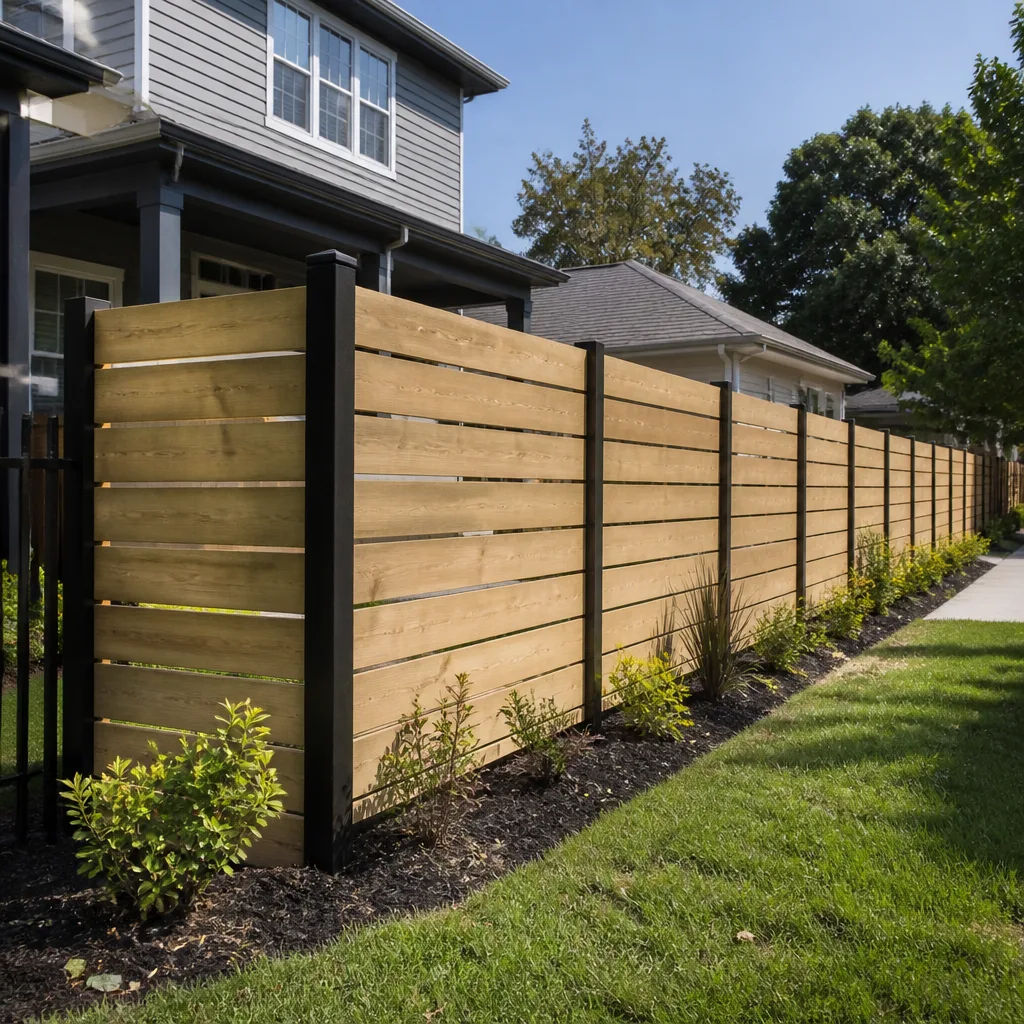 Fence
Free written scope consultation - allowances, timeline, and change-order rules on paper before a single trade is scheduled
Styles & brands we work with
- Kitchen remodeling
- Bathroom remodeling
- Home additions & ADU
- Roofing
- Windows & doors
- Driveway & pavers
- Fence
See the difference
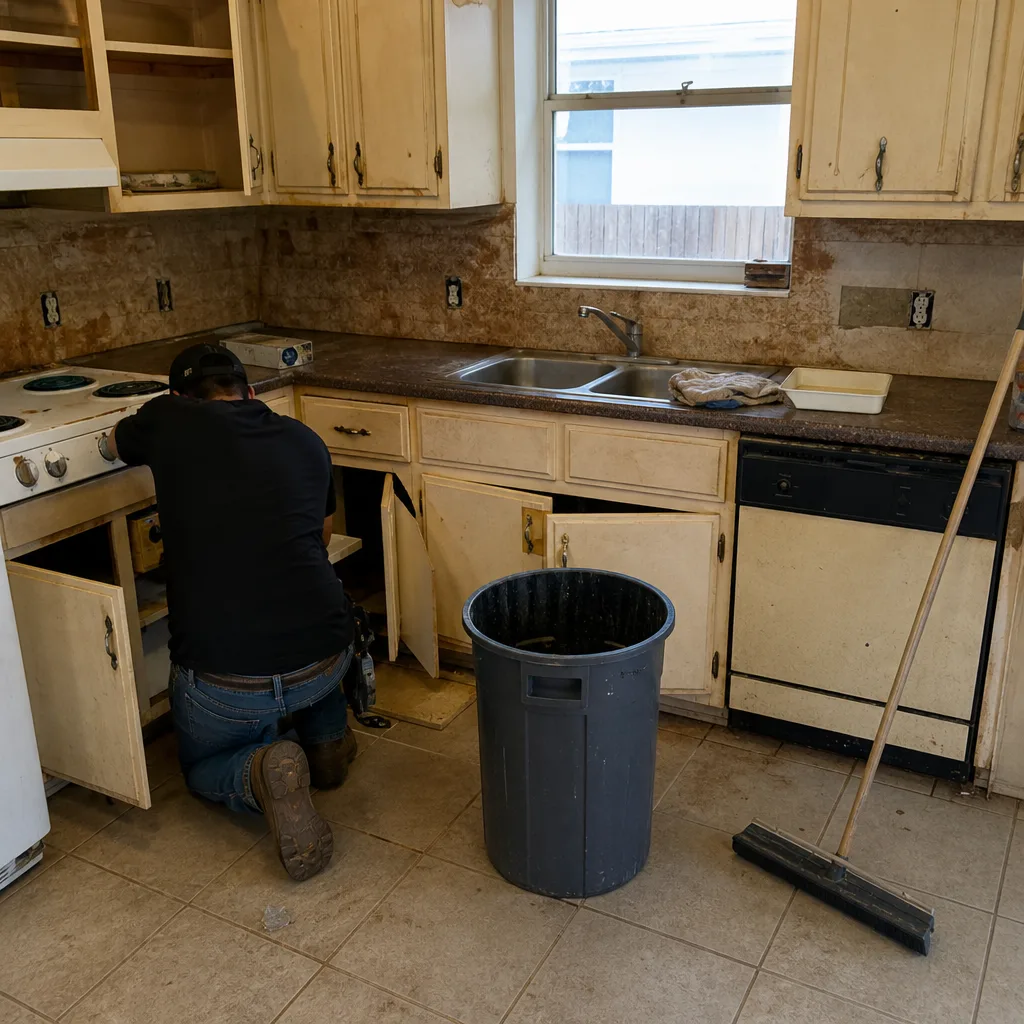 Before
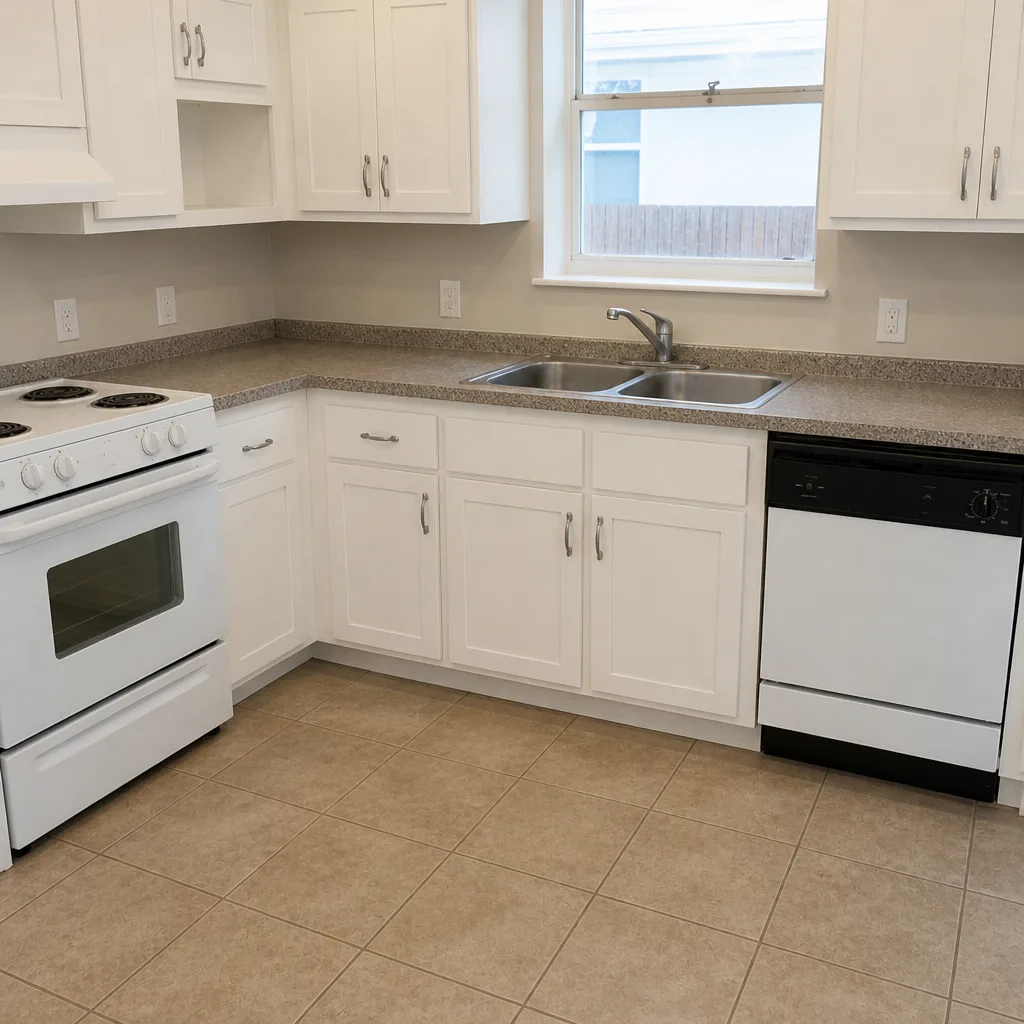 After
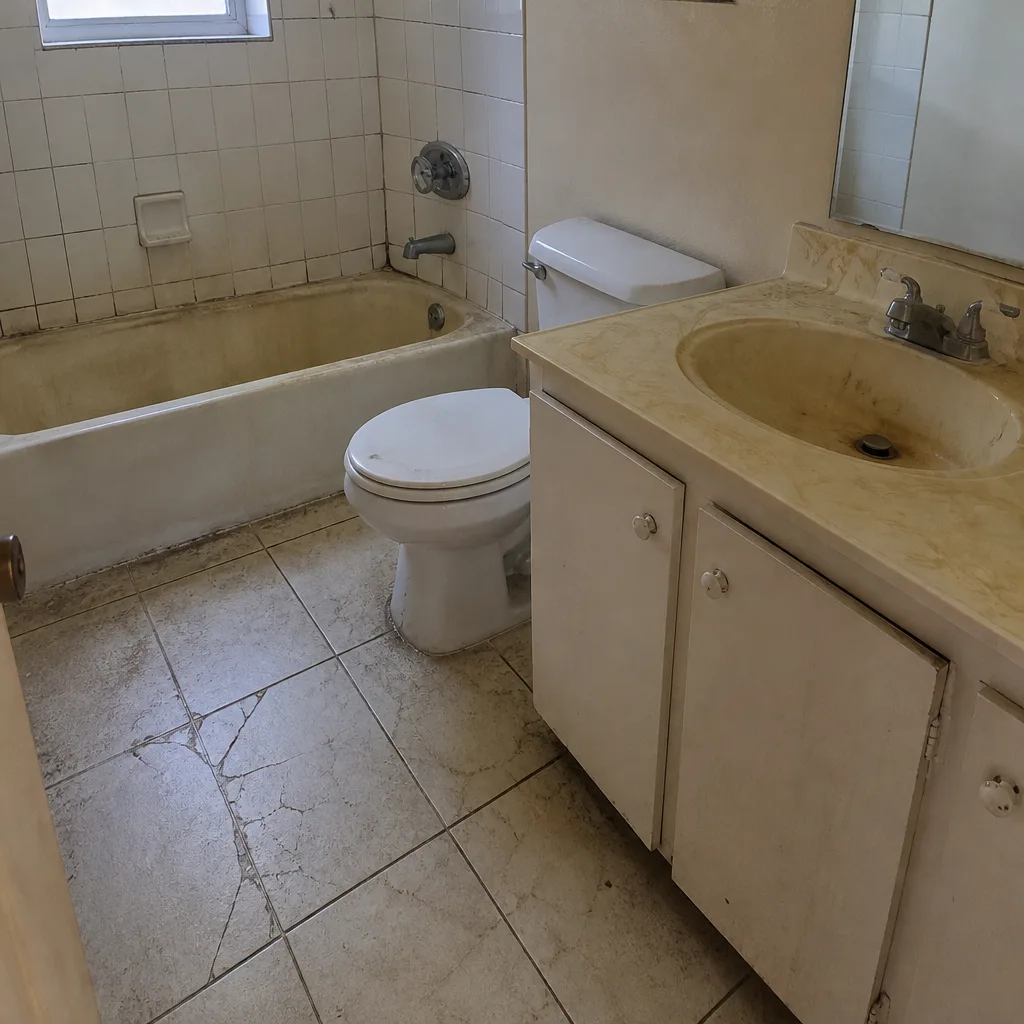 Before
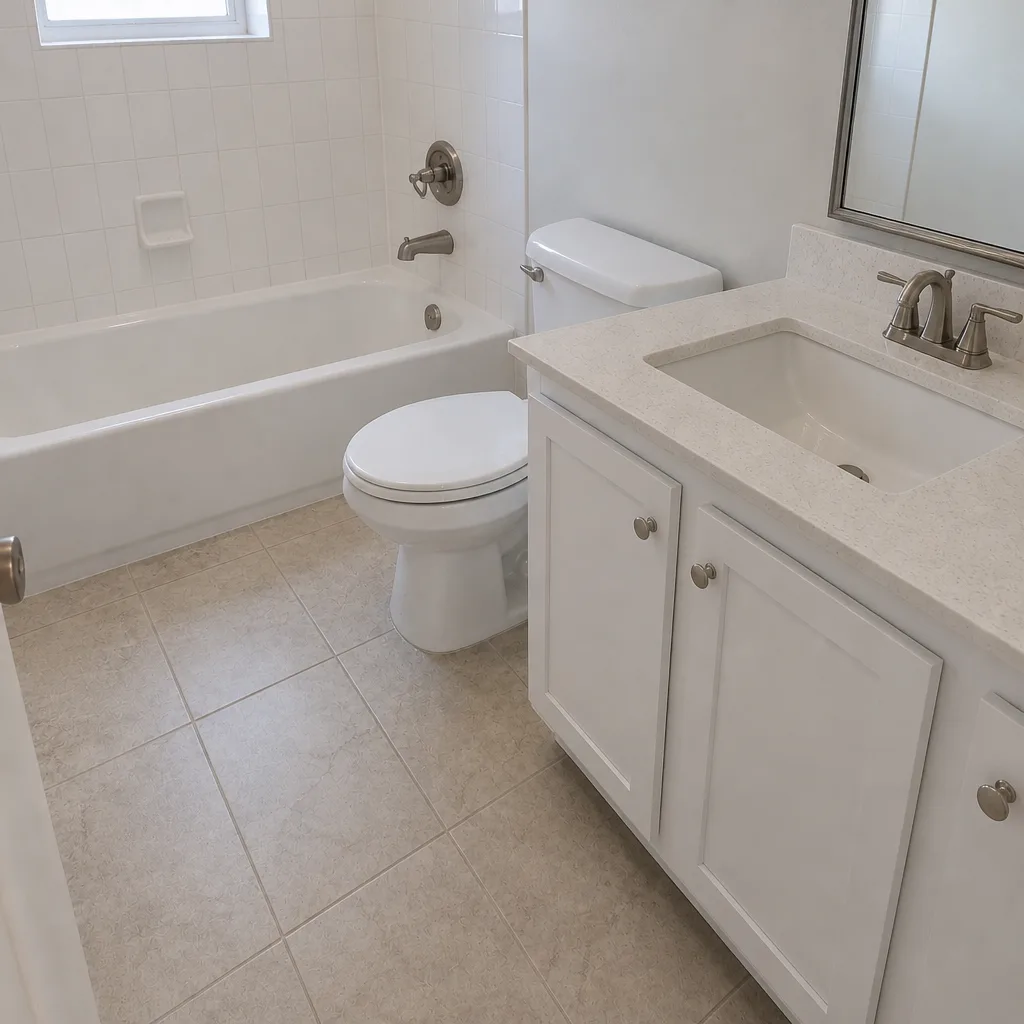 After
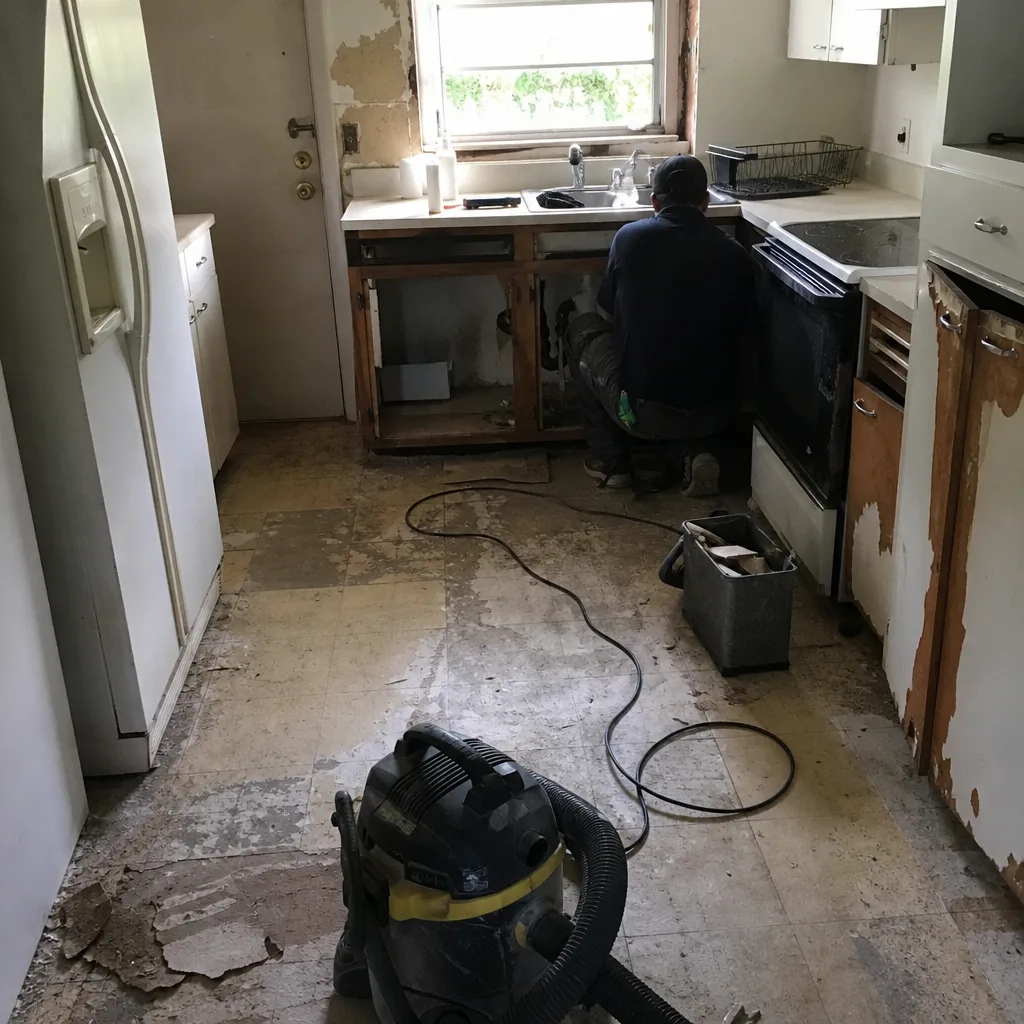 Before
 After
What Is Low-E Glass? The Answer Most The Hammocks Homeowners Get Wrong
Low-E glass is window glass coated with a microscopically thin metallic oxide layer that reflects radiant heat while letting visible light through. There are two formulations built for opposite climates – solar-control Low-E, which blocks incoming heat, and passive Low-E, which traps interior heat – and for The Hammocks, only solar-control is the right answer. Most homeowners here get sold the wrong one. If your windows were ordered from a generalist supplier without a climate zone specified, there’s a decent chance a heat-retaining coating is sitting in your wall right now. Get it checked. Call (844) 761-9356 for a free estimate.
Here’s the short version of what happens: Miami-Dade’s High-Velocity Hurricane Zone (HVHZ) code demands a Notice of Acceptance (NOA) on every impact product installed here. The Low-E coating has to be part of the tested, certified assembly – not a separate specification you tack on afterward. Specifying “Low-E” on a job in The Hammocks without checking which formulation and which NOA covers it is how good intentions turn into a compliance problem.
Solar-Control vs. Passive Low-E: Why The Hammocks Needs the Heat-Blocker
Solar-control Low-E has a low Solar Heat Gain Coefficient (SHGC) – typically 0.25 to 0.40 in the products we specify for South Florida – and it blocks the sun’s radiant energy before it turns into cooling load inside your home. Visible light transmission stays high, so rooms don’t get dark or gray. That’s the coating a The Hammocks home wants, because your climate problem is heat coming in, year-round.
Passive, or hard-coat, Low-E does the opposite. It has a high SHGC – often 0.55 to 0.75 – because it’s engineered for cold climates where the goal is keeping furnace heat from escaping through the glass in January. Install it here and it works against you: your AC fights sun load that the coating lets through, and the home gets hotter, not cooler. The two coatings are not interchangeable. They’re not even close.
- Solar-control Low-E: low SHGC, high visible light, correct for The Hammocks and all of hot-humid Miami-Dade.
- Passive / hard-coat Low-E: high SHGC, designed for northern heating climates, wrong for South Florida.
- What “Low-E” alone tells you: almost nothing. It’s a category, not a specification.
Andersen and Marvin both specify Low-E formulations by climate zone on their product lines, which is exactly why Groundwork Construction Co. of The Hammocks orders to the hot-humid classification rather than defaulting to whatever box the distributor has on the rack. When we quote Windows & Doors for a The Hammocks home, the coating formulation is written into the spec before the order goes out.
Why Low-E Alone Won’t Pass Miami-Dade’s NOA Requirements
This is the part that sinks more installations than any other. Miami-Dade County requires every impact window, door, and shutter used in the HVHZ to carry a valid NOA – a document proving the whole assembly passed testing for missile impact and cyclic wind pressure. The Low-E coating is part of that tested assembly. You can’t buy a compliant frame, add a coating that wasn’t on the tested product, and call it approved.
In The Hammocks specifically, this matters because nearly every home here is a CBS (concrete block and stucco) tract build from roughly the 1980s through the 2000s, and the work is almost entirely retrofit and re-roof rather than new construction. Whole blocks were built at once, so whole blocks hit the same 20-to-35-year milestone together. When your street starts doing impact-window retrofits, the neighbor’s permit and inspection set the bar for yours. If their window carries a valid NOA with solar-control Low-E and yours carries a generic “Low-E” product that isn’t on the NOA, your inspection stalls. No amount of good intention fixes that after the fact.
Ask your contractor two questions before signing: which NOA covers this product, and does that NOA list the specific Low-E formulation being installed. If neither answer comes back clean, don’t order yet.
What Low-E Does and Doesn’t Do for The Hammocks’ Humidity
The coating reflects radiant heat. It does not seal a window. Those are two different jobs performed by two different parts of the assembly. Low-E does nothing for the humidity that lives in The Hammocks from May through October, and it does nothing for water that finds its way past a failing weatherstrip, a gap at the sill, or a frame that wasn’t caulked correctly on a wind-driven-rain day.
What actually controls moisture infiltration is the frame, the glazing gaskets, the weatherstripping, the flashing at the rough opening, and the skill of the installer. A beautifully spec’d Low-E window that goes in with a lazy bead of sealant and a rushed frame will fog, streak, and rot at the sill just like the old single-pane it replaced – and it will do it faster here than in most American cities, because subtropical humidity accelerates the damage.
Here’s a real-world number that makes the coating choice concrete. A west-facing window on a Hammocks home without solar-control Low-E can add 20 to 30 percent to the afternoon cooling load in that room. On a typical FPL bill, that often translates to somewhere in the neighborhood of $25 to $45 more per month through the hot months when the sun hits that window hardest. Multiply that across multiple west-facing windows and you’re looking at the low end of a full window retrofit over a few summers.
| Specification | South Florida (hot-humid) target | Northern climate target |
|---|---|---|
| Climate zone | Hot-humid | Cold / mixed |
| Solar Heat Gain Coefficient (SHGC) | Low (roughly 0.25-0.40) | High (roughly 0.55-0.75) |
| Coating type | Solar-control Low-E | Passive / hard-coat Low-E |
| Requires Miami-Dade NOA | Yes | Not applicable here |
What Window Work Costs in The Hammocks
Budget numbers, drawn from the same ranges we quote throughout The Hammocks, so you can price a retrofit before anyone knocks on your door:
- Window replacement (standard, non-HVHZ spec): $4,500-$15,000
- Impact window installation (full HVHZ NOA assembly, solar-control Low-E): $8,000-$25,000
- Roof replacement (often bundled with a window retrofit on aging tract homes): $8,000-$20,000
- Tile roof repair: $600-$2,500
Groundwork Construction Co. of The Hammocks quotes these as upfront pricing, so the number you see is the number you pay. No surprise line items buried at the end. There’s also 0% financing for 18 months and $1,000 off projects over $10,000 for anyone thinking through the budget across a full summer. Our technicians have up to 12 years of experience on impact and Low-E installations, and every job is backed by our 730-Day Done Right Promise – if it’s not done right, we make it right.
For a broader view of what else a Hammocks retrofit typically involves – from tile re-roofs to lanai screen-enclosure rebuilds – the The Hammocks service area page has the landmark detail, or start at the home page to see the full range of trades we handle.
FAQs
No. Low-E is a coating that reflects radiant heat; impact glass is a laminated or layered assembly that resists wind-borne debris and hurricane pressure. In The Hammocks you want both on the same window – a solar-control Low-E coating applied to an impact-rated product that carries a valid Miami-Dade NOA. One does not substitute for the other. Call (844) 761-9356 if you’ve been quoted one without the other.
Impact window installation across a The Hammocks home typically runs $8,000-$25,000 depending on count, size, and whether doors are included in the scope. Standard non-HVHZ window replacement lands closer to $4,500-$15,000. The exact number depends on the assembly and the NOA-compliant product selected. Call (844) 761-9356 for an exact quote – estimates are free.
It can reduce it, but it won’t eliminate it. Low-E keeps the interior glass surface slightly warmer, which cuts down on the temperature differential that causes summertime condensation in air-conditioned homes. Real moisture control comes from the frame, the weatherstripping, and the sealing of the opening. If you’re seeing fog between panes, that’s a seal failure and the assembly needs to be looked at. Call us for an assessment.
We can. Our team walks the window and door schedule, checks the NOA documentation, and confirms whether the coating on the original order was specified for hot-humid Miami-Dade or pulled from a northern-climate stock product. That answer takes a single visit in most The Hammocks homes. Call (844) 761-9356 to schedule it.
If you’d rather have it looked at, Groundwork Construction Co. of The Hammocks offers a no-pressure assessment in The Hammocks – call (844) 761-9356. Live person on the line, 24/7, and upfront pricing on the spot.
Written by the team at Groundwork Construction Co. of The Hammocks, serving The Hammocks, FL.