
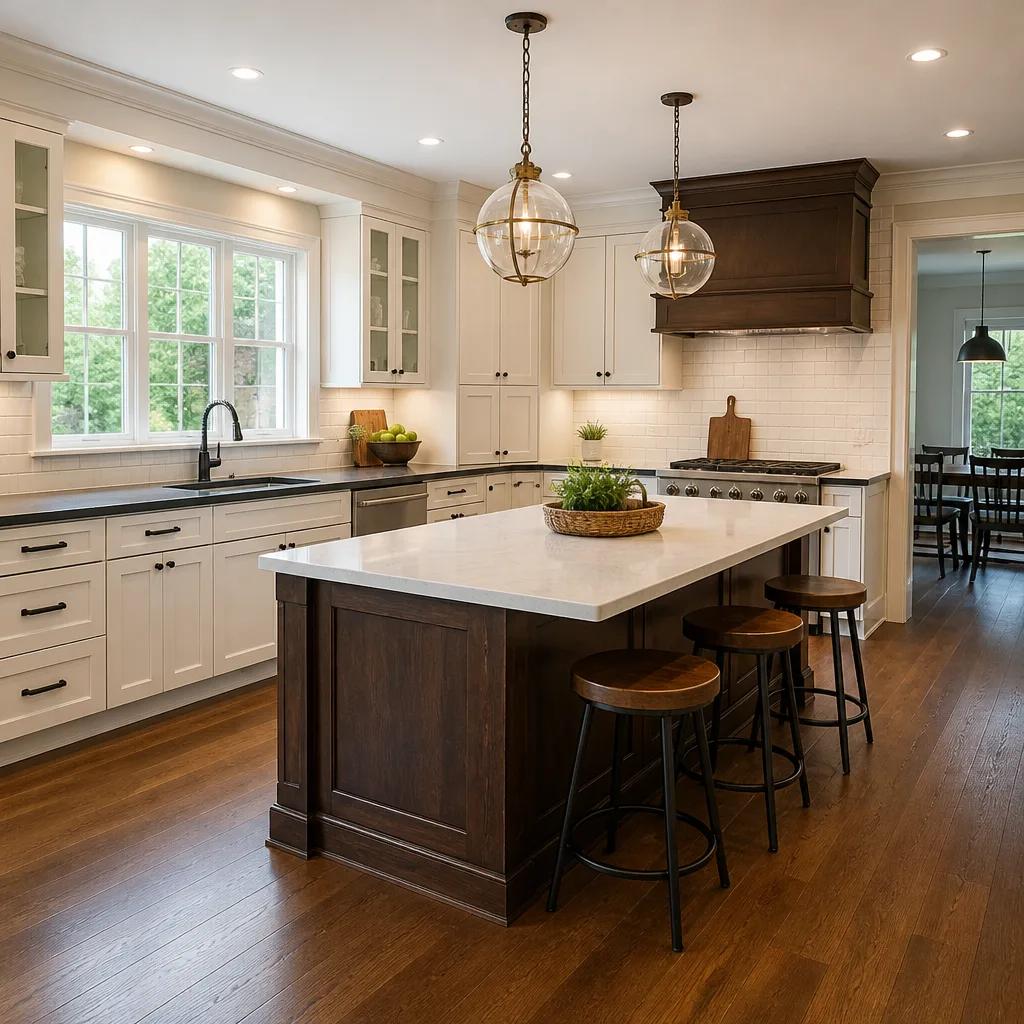
 Kitchen remodeling
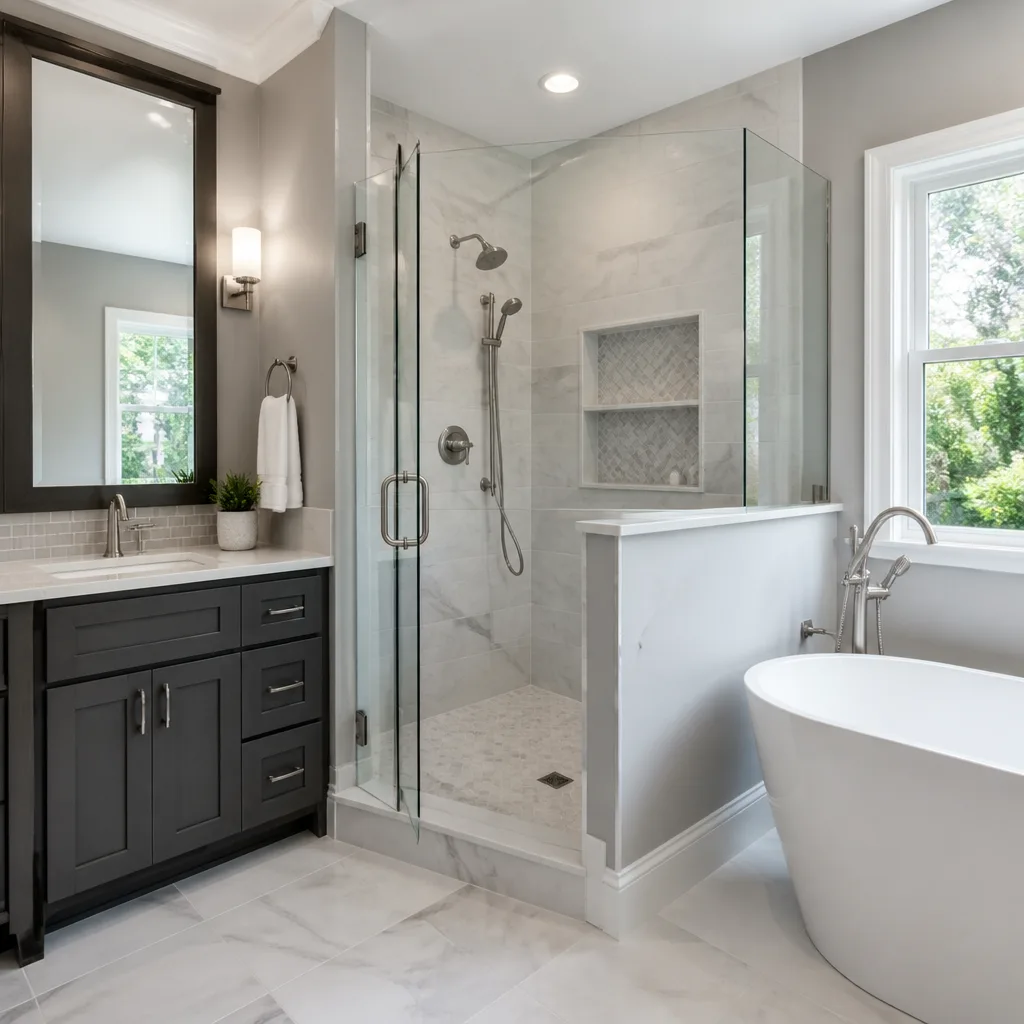 Bathroom remodeling
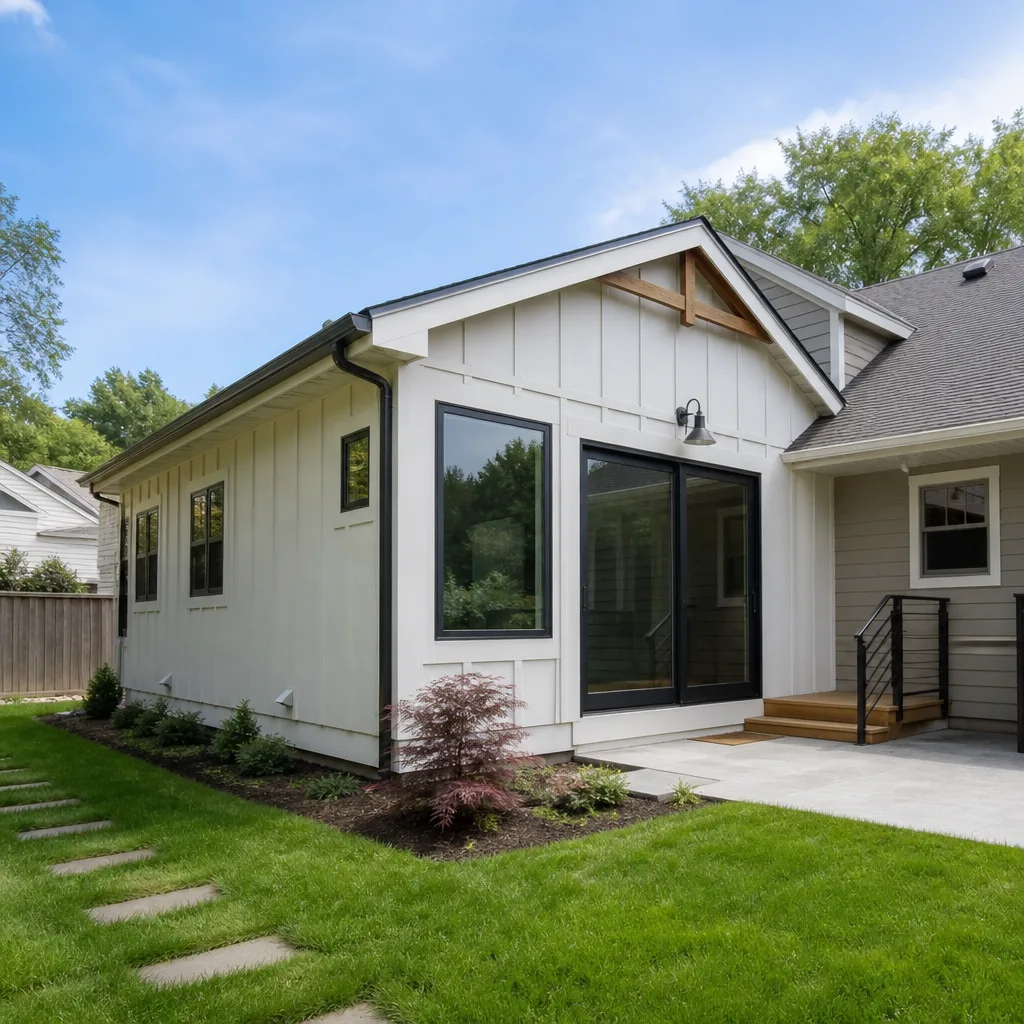 Home additions & ADU
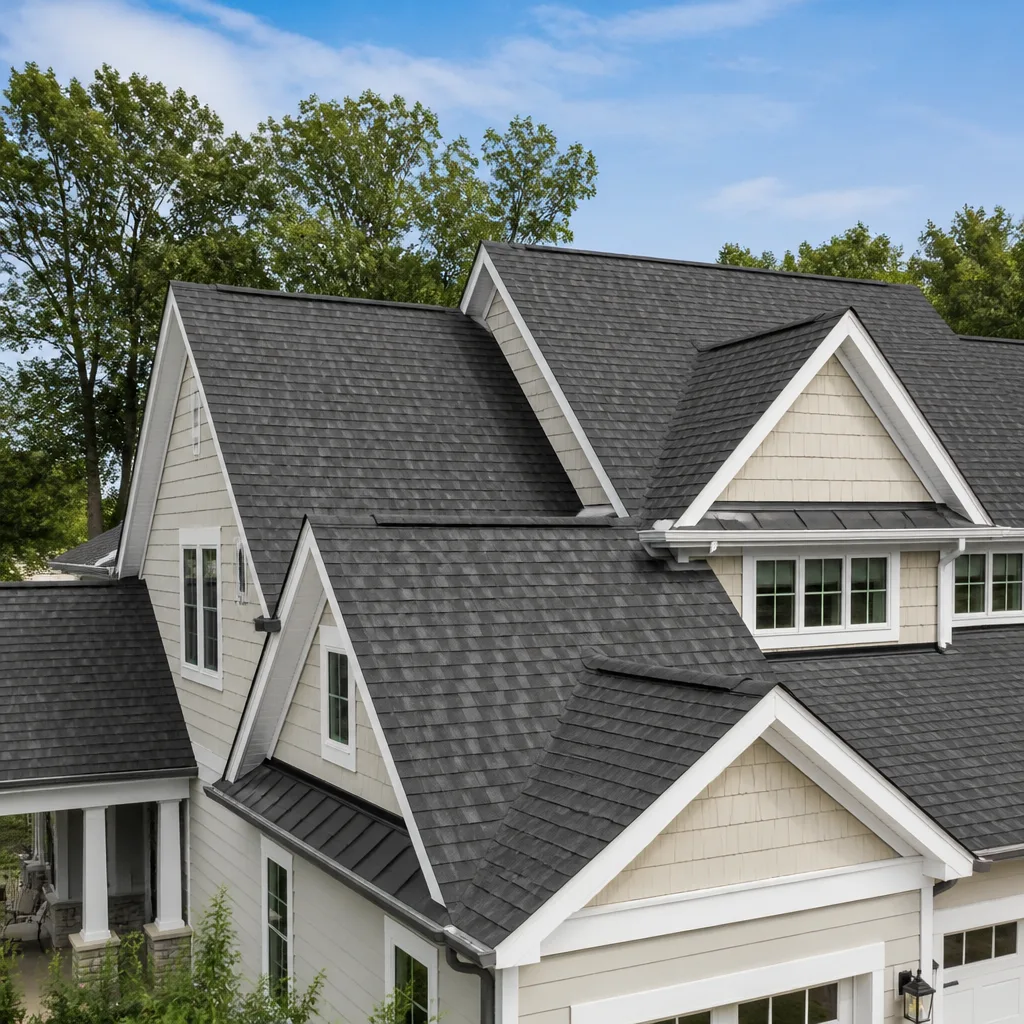 Roofing
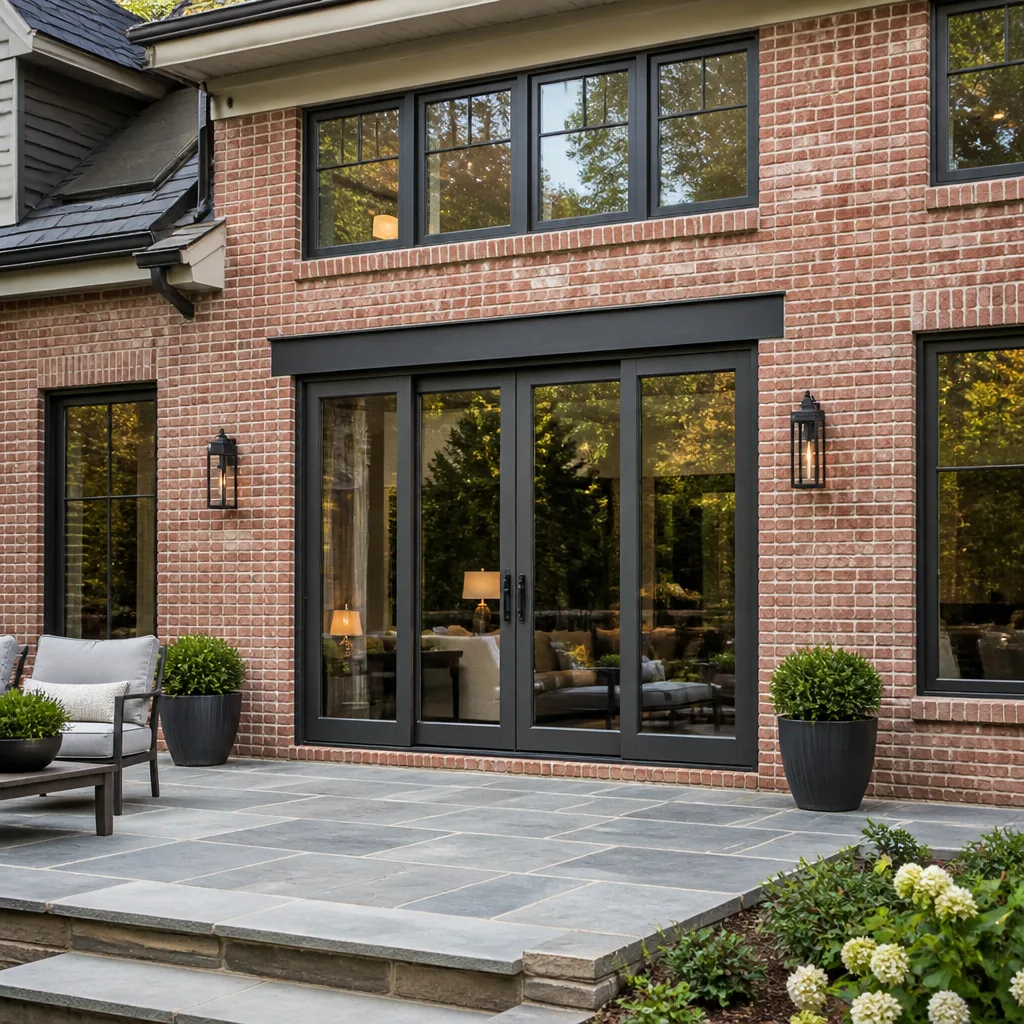 Windows & doors
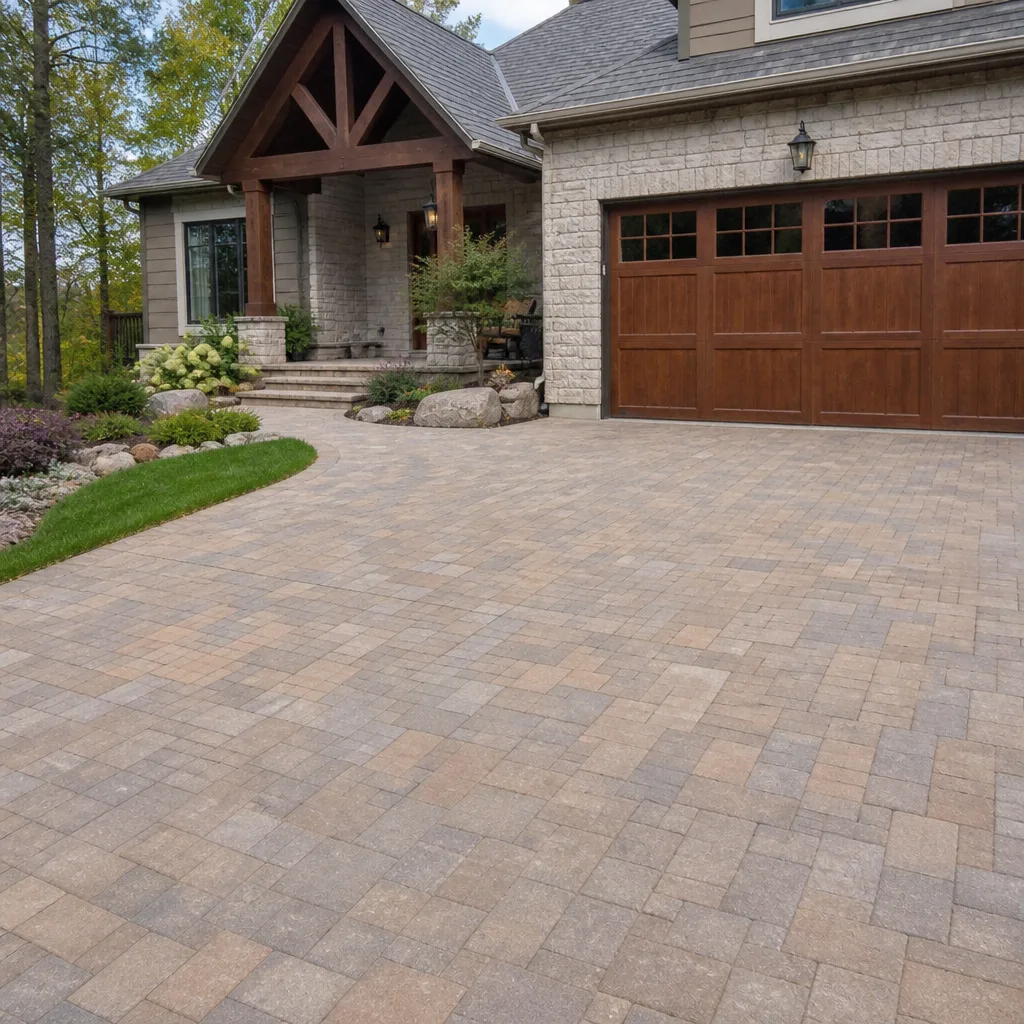 Driveway & pavers
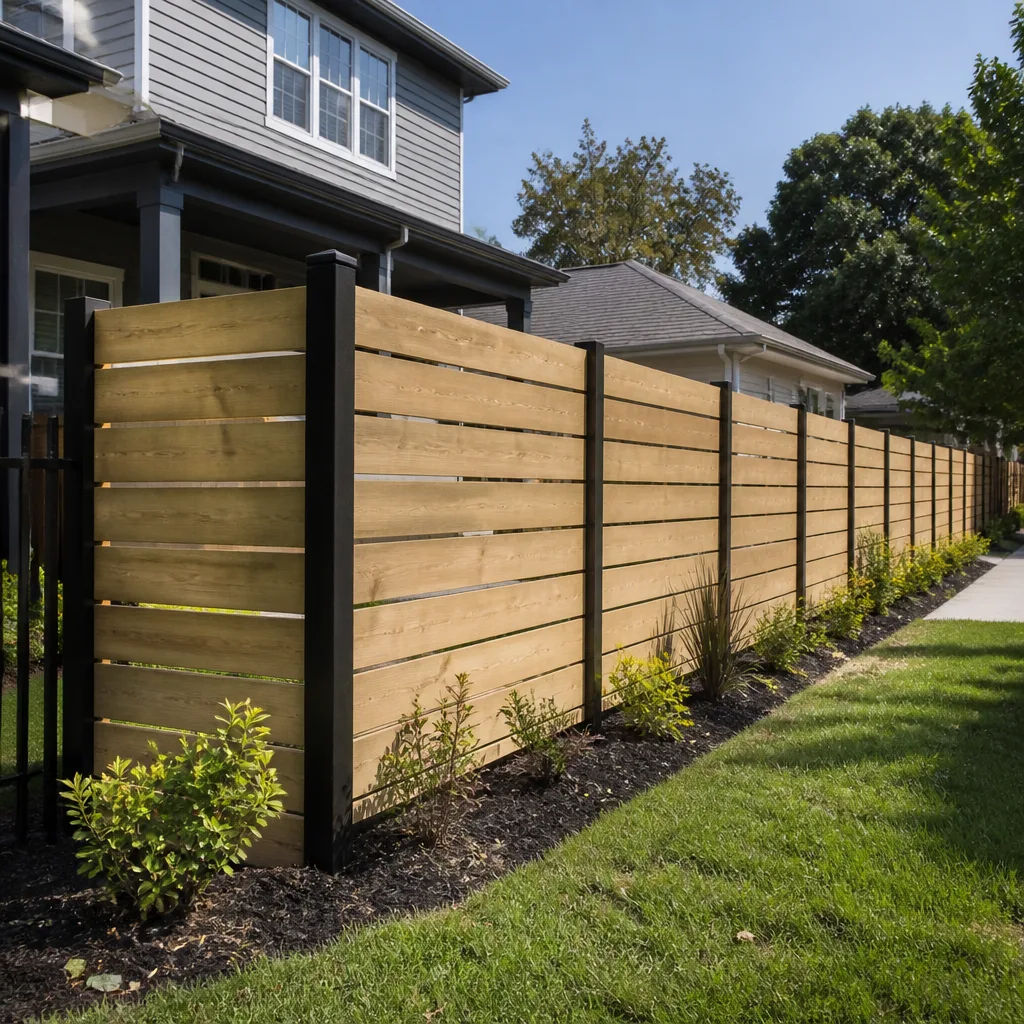 Fence
Free written scope consultation - allowances, timeline, and change-order rules on paper before a single trade is scheduled
Styles & brands we work with
- Kitchen remodeling
- Bathroom remodeling
- Home additions & ADU
- Roofing
- Windows & doors
- Driveway & pavers
- Fence
See the difference
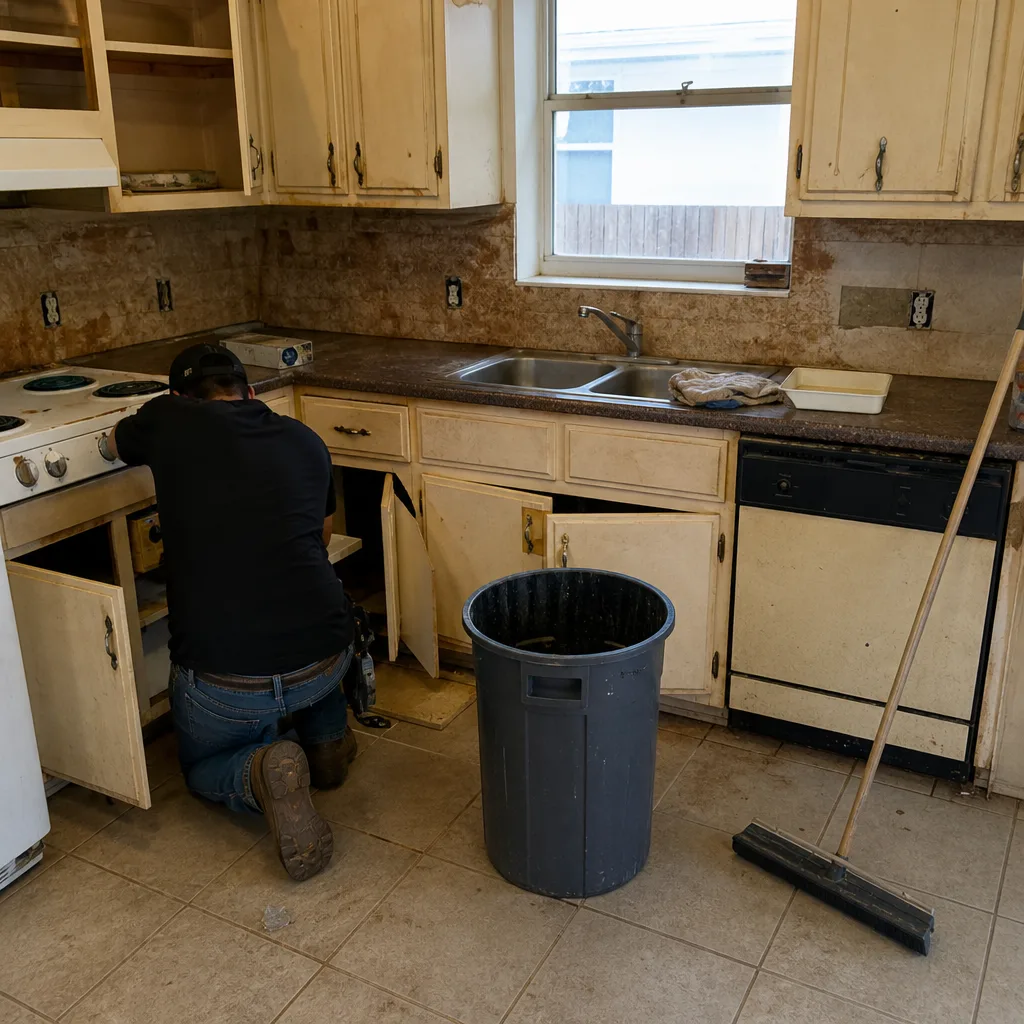 Before
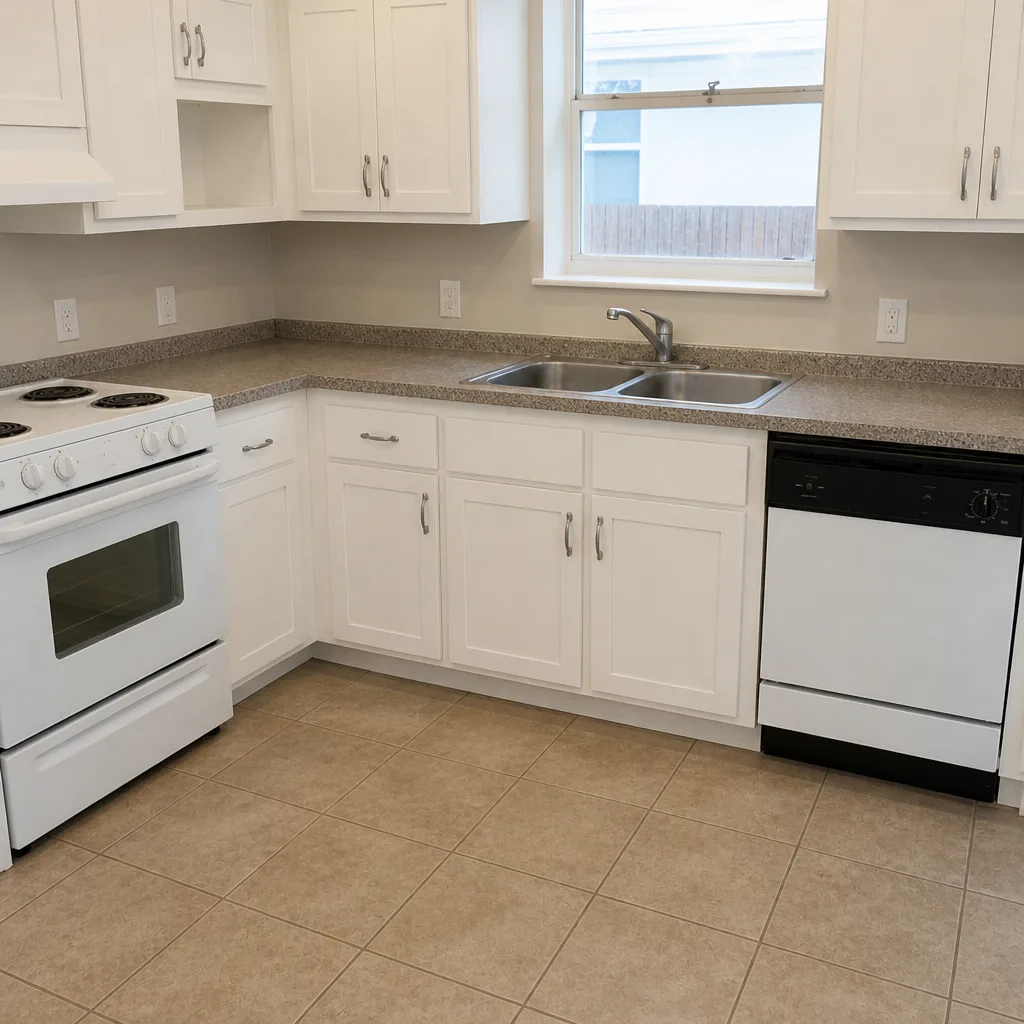 After
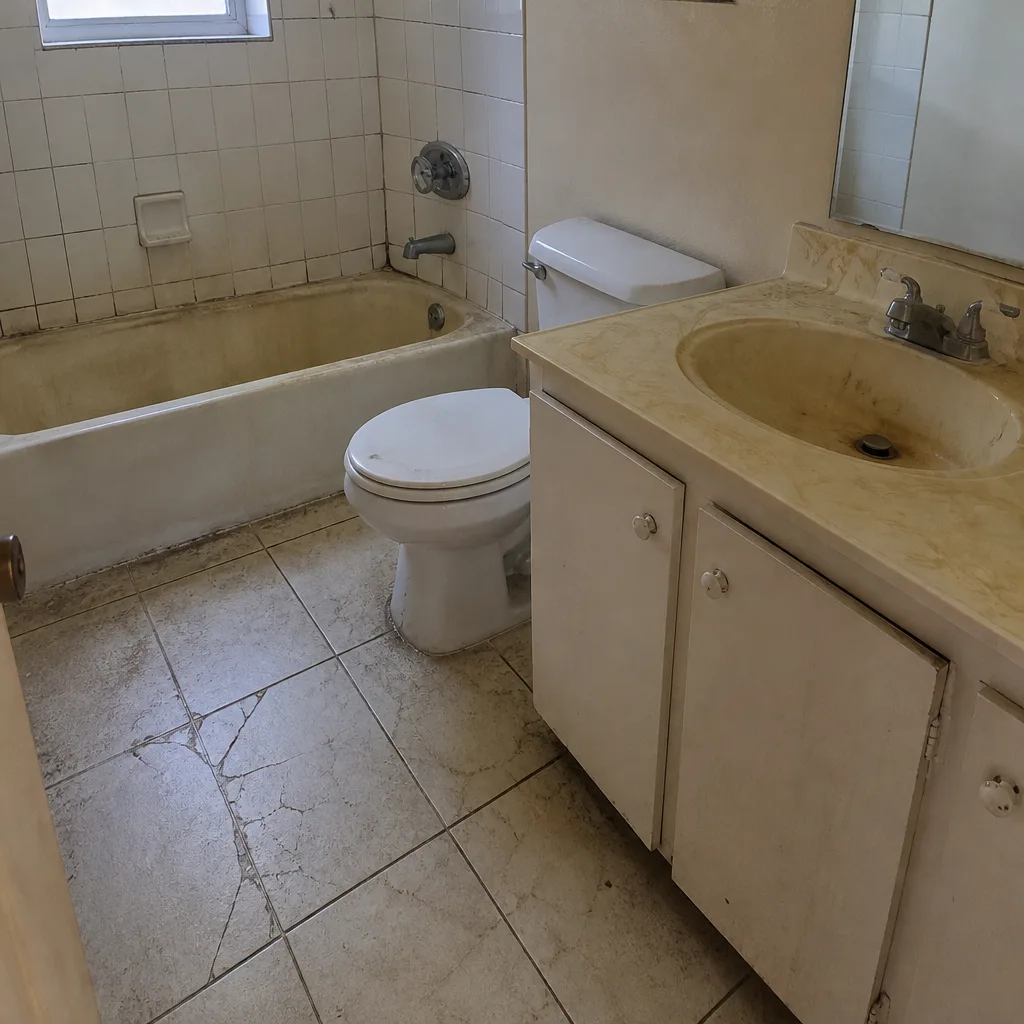 Before
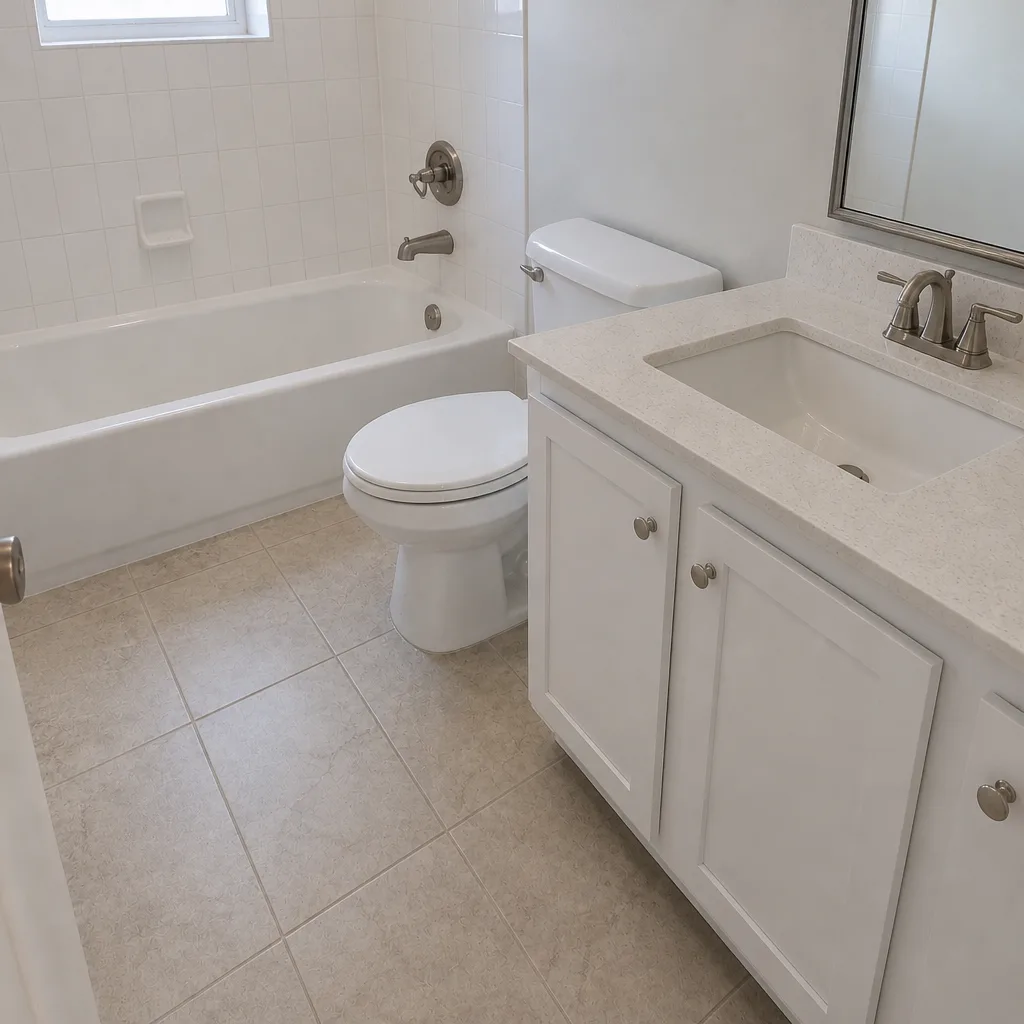 After
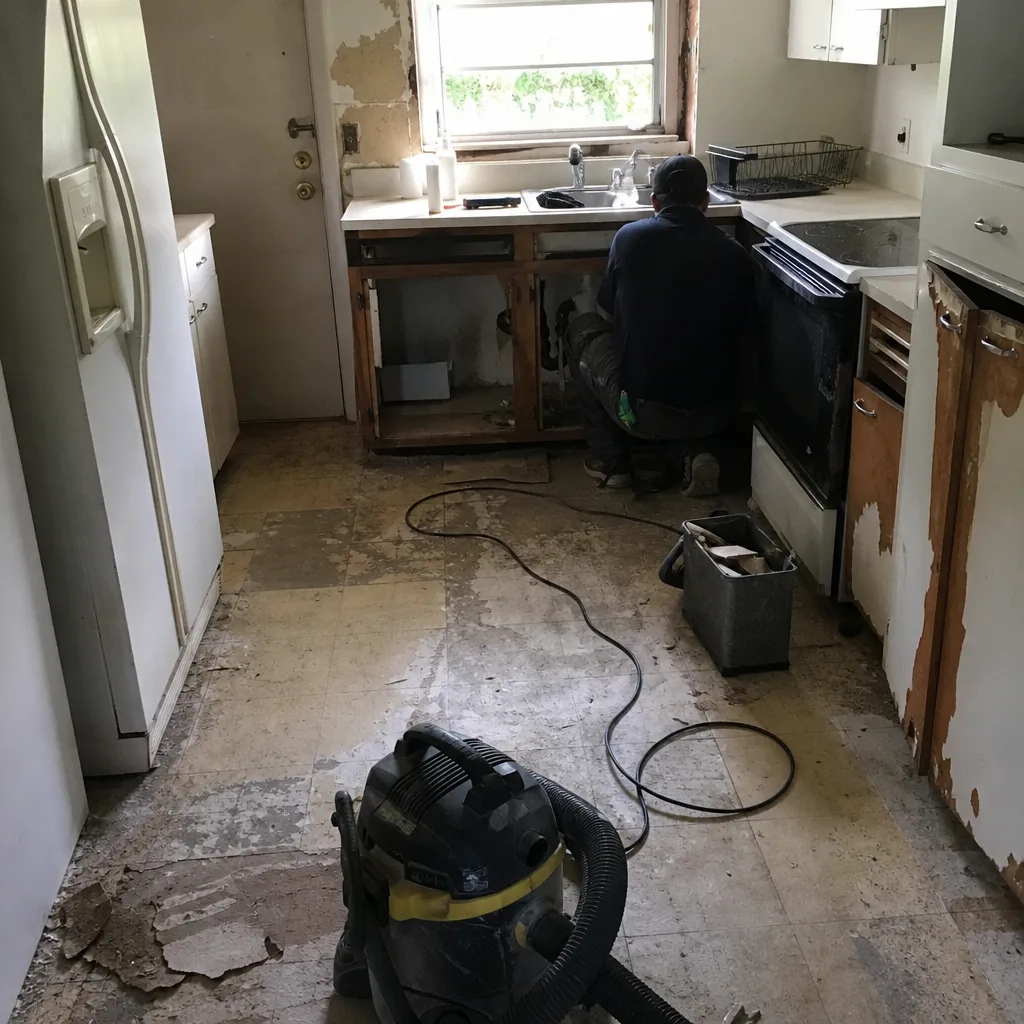 Before
 After
Window Design Pressure Ratings in The Hammocks, FL: What the Number Actually Means
A design pressure (DP) rating tells you how much wind load a window is engineered to resist, expressed in pounds per square foot (psf) as a DP number like DP-40, DP-50 or DP-65. But in Miami-Dade’s High-Velocity Hurricane Zone, that number alone doesn’t make a window legal or insurable for your home. The one line that decides whether a Hammocks window passes inspection or gets red-tagged is the Notice of Acceptance (NOA) number, because Miami-Dade requires that a window be installed as part of a tested assembly, not just carry a wind rating on its spec sheet. Call (844) 761-9356 if you want a straight read on what your 1980s or 1990s CBS home actually needs.
How Windows Fail Here Even When the Sticker Looks Right
Walk a block in The Hammocks and the housing stock reads the same: concrete-block construction with stucco, built as tract development from the 1980s through the 2000s, with original aluminum jalousie or single-hung windows that were never HVHZ-rated in the first place. When those get replaced, homeowners assume a DP-50 window solves the problem. It doesn’t, on its own.
Miami-Dade’s High-Velocity Hurricane Zone code, put in place after Hurricane Andrew, treats a window as one part of a window-wall assembly. That means the tested product, the frame, the rough opening prep, the anchor type and the embedment depth into your CBS block all have to match what was actually tested. If your installer used a masonry anchor that’s a half-inch shallower than the NOA specifies, the assembly is no longer the tested assembly, and the inspector is within his authority to fail the whole run of windows, not just one.
This is where whole blocks in The Hammocks move at once. Because the subdivision was mass-produced in a narrow window, neighbors hit the same milestone together. One impact-window permit goes in, the crew’s anchor detail gets talked about, and a run of copycat jobs follows down the block, sometimes with shortcuts that don’t survive inspection.
The Three Pressure Numbers Behind Every DP Rating
A DP rating isn’t one number. It’s shorthand for a test sequence that measures three distinct loads:
- Positive design pressure – wind pushing inward against the glass and frame.
- Negative design pressure – wind suction pulling the window outward, which is usually the load that breaks the seal or pulls the frame from the wall in a hurricane.
- Cyclic pressure – thousands of smaller load reversals that simulate a multi-hour storm, testing fatigue on fasteners and sealant.
In The Hammocks and the rest of unincorporated Miami-Dade, a window has to survive all three at the rating stated on its NOA, then pass water penetration and impact testing. A DP-50 window that passes those tests is rated. A DP-50 window that was never submitted to Miami-Dade for a NOA is not approved for the High-Velocity Hurricane Zone, full stop. That difference is why our crews only specify windows carrying current, active Miami-Dade NOAs, which is also why we work with Andersen and Marvin on impact products. You can see the full lineup on our Windows & Doors page. Nothing gets spec’d that isn’t already approved or pending nothing.
Impact Glass vs. Shutter Paths: What Your Insurance Carrier Wants
Miami-Dade code gives homeowners two ways to protect openings during a design wind event, and they are not interchangeable:
- Impact-rated opening protection – laminated glass in a frame tested as an assembly and issued its own NOA. This is the only path that lets a window stand on its own.
- Opening protection by shutter or panel – a non-impact window plus a separate rated shutter system to deploy ahead of a storm.
Here’s where a lot of The Hammocks homeowners get tripped up: even a DP-65 rated window, if it isn’t impact-rated or accompanied by a rated shutter, may not satisfy your carrier’s wind-mitigation requirements. You end up paying for a premium window and a shutter contract on top. Impact retrofit is typically the simpler long-term answer for a 1990s CBS home. Impact window installation in The Hammocks runs $8,000-$25,000 for a full replacement, and standard window replacement is $4,500-$15,000, depending on home size and how much stucco gets opened up around the openings.
| Path | What’s Required | Typical Range in The Hammocks |
|---|---|---|
| Impact-rated window | Laminated glass + active Miami-Dade NOA on the full assembly | $8,000-$25,000 (whole-house impact retrofit) |
| Standard window + shutters | Non-impact window + rated shutter system to satisfy carrier | $4,500-$15,000 window + separate shutter cost |
The Anchor and Sill Detail Nobody Reads Until Inspection Day
On the CBS block construction typical of The Hammocks, the anchor goes into hollow or grouted concrete block, so the embedment depth is not a matter of preference. The NOA for a given window specifies an anchor type, a spacing, and a minimum depth into the block. Go shallower and you fail the assembly test. Sill flashing is the same story: NOAs call out specific flashing details at the rough opening, and if the crew skips it or uses a different product, water penetration testing results are void.
Our technicians have up to 12 years of experience on window assemblies, and that expertise matters most at the rough opening, before glass ever goes in. Background-checked, uniformed technicians on every job. Upfront pricing so you know the anchor and flashing detail is included before you sign anything. That’s part of our 730-Day Done Right Promise: if the assembly doesn’t hold up, we make it right.
Common Local Scenarios We See in The Hammocks
A few patterns repeat here because the housing stock tracks so tightly:
- Original jalousie runs in 1980s homes replaced en masse. Neighbors on the same block typically need the same window order and the same anchor detail, which makes block-by-block scheduling efficient.
- Stucco patching after retrofit – high humidity and driven rain work the stucco around openings, so cracks and moisture intrusion have to be addressed before the new window goes in, or the flash detail won’t be watertight.
- Insurance carrier reviews triggered by a neighbor’s permit. Carriers care about the NOA number and impact status on each opening, not the sticker on the frame.
- Post-installation inspection failure when a crew used a generic anchor spec instead of the NOA spec, forcing a re-do on the entire window run.
We handle the whole cycle from foundation to finish line, coordinating the window spec, the anchor detail, the stucco repair and the final inspection. You’re not left calling three trades to get one opening right.
FAQs
DP-50 means the window was tested to resist 50 pounds per square foot of positive and negative design pressure plus the required cyclic load. It’s a wind-load number, not a Miami-Dade approval. In The Hammocks, which sits entirely inside the High-Velocity Hurricane Zone, the window also must carry an active Miami-Dade Notice of Acceptance covering the assembly as installed. Call (844) 761-9356 to find out whether a specific product carries current NOA coverage.
No. Under Miami-Dade’s High-Velocity Hurricane Zone code, a DP rating alone does not satisfy the requirement. The product must have a current NOA, and the installation must match the tested assembly in that NOA, including anchor type and embedment depth into your CBS block. Inspectors can red-tag the full run of windows if any one unit deviates.
Miami-Dade code allows either path, but they are not interchangeable for insurance purposes. Impact-rated windows stand on their own NOA; a non-impact window requires a rated shutter system to satisfy your carrier. For a 1990s CBS home in The Hammocks, impact retrofit usually ends up simpler because you’re not storing and deploying shutters every season. Impact window installation here runs $8,000-$25,000, and standard replacement runs $4,500-$15,000 – call (844) 761-9356 for a free estimate and a straight read on which path fits your carrier’s requirements.
Because the inspection evaluates the assembly against the NOA, and if the anchor depth, spacing or sill flashing deviates from the tested detail on one opening, the presumption is that the same technique was used on every opening in the run. Neighbors in The Hammocks frequently hire the same crews around the same time, so a single failed detail tends to show up across multiple homes on the block. Background-checked, uniformed technicians on every job helps keep the anchor detail consistent from the first opening to the last.
If you’d rather have it looked at, Groundwork Construction Co. of The Hammocks offers a no-pressure assessment in The Hammocks. We’ll walk your window run, read your existing NOA paperwork and tell you what your carrier actually needs. As part of our broader The Hammocks service area work, we handle impact retrofit, stucco repair and inspection coordination in one pass. Call (844) 761-9356 for a free estimate, upfront pricing and 0% financing for 18 months on projects you’re ready to move on. Live person, 24/7, no voicemail.
Written by the team at Groundwork Construction Co. of The Hammocks, serving The Hammocks, FL.