
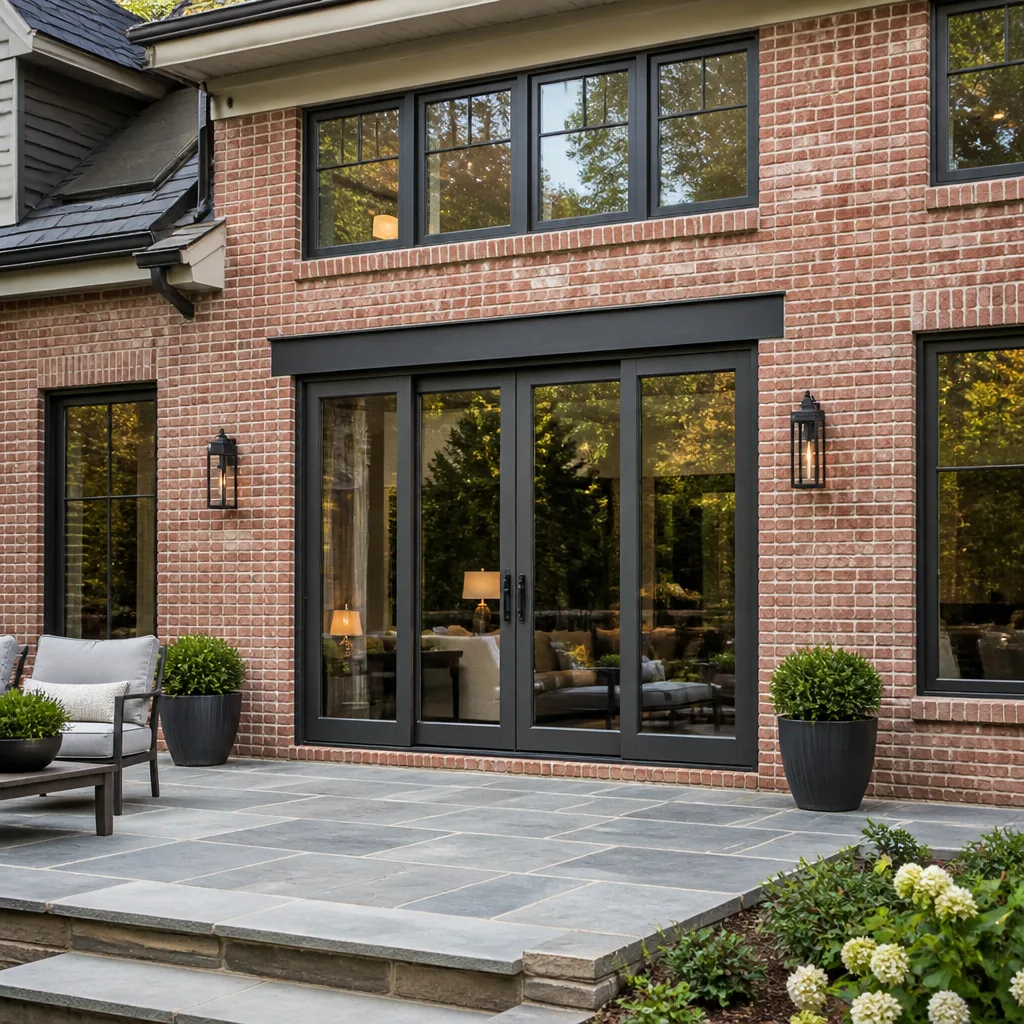
 Windows & doors
 Kitchen remodeling
 Bathroom remodeling
 Home additions & ADU
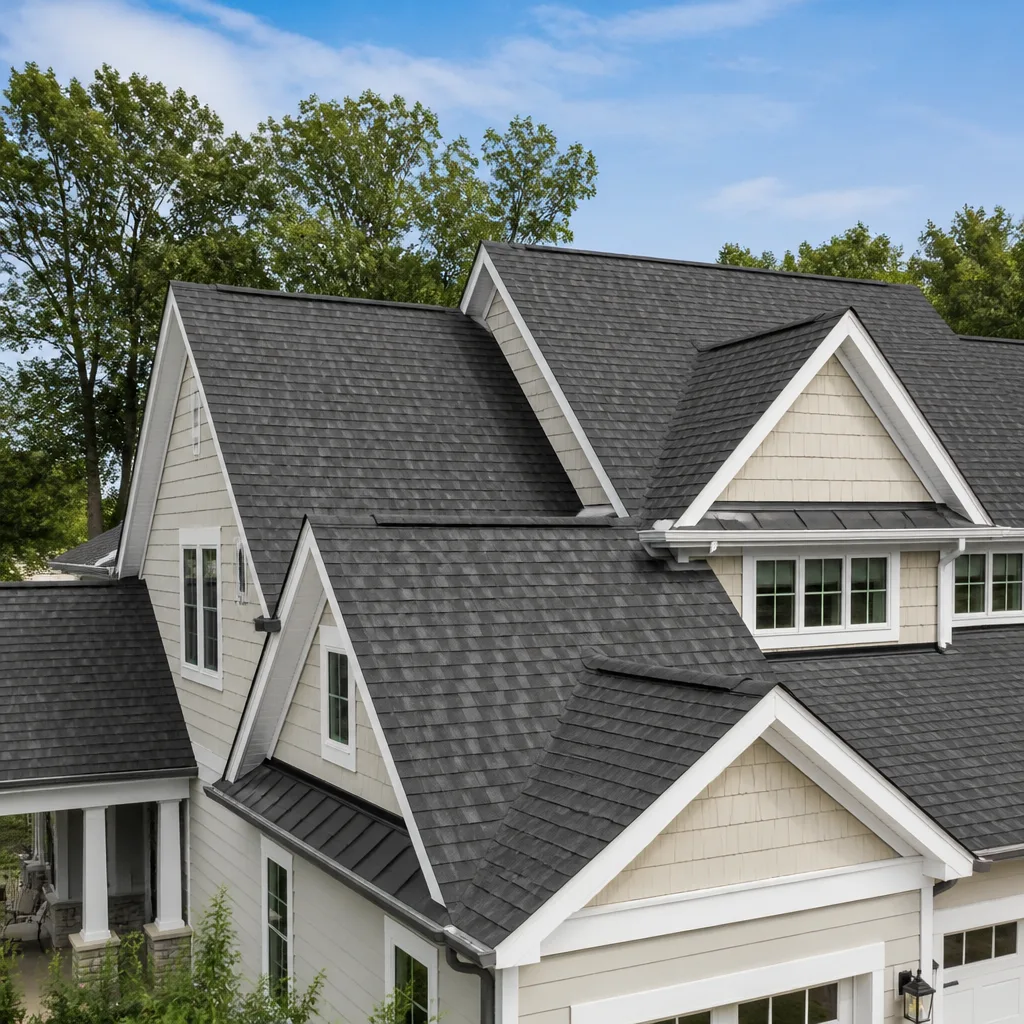 Roofing
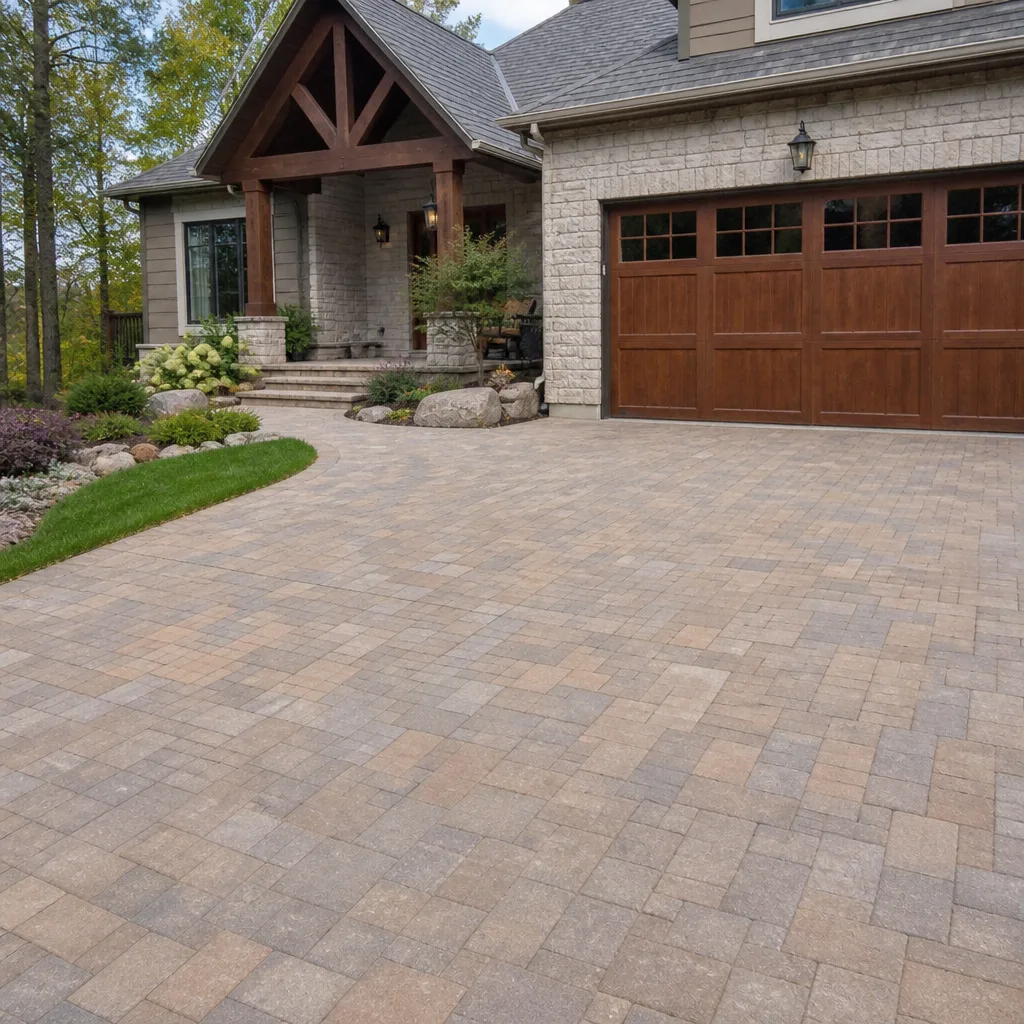 Driveway & pavers
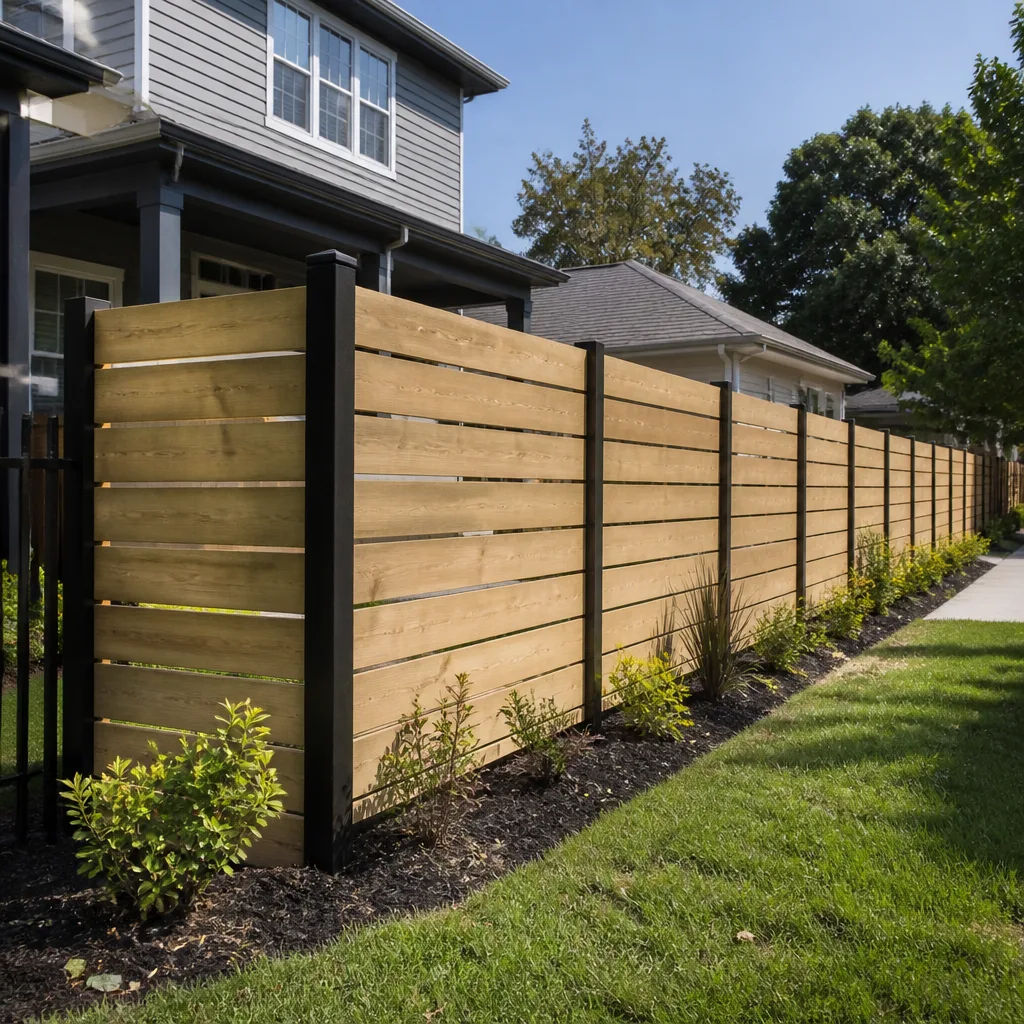 Fence
Free written scope consultation - allowances, timeline, and change-order rules on paper before a single trade is scheduled
Styles & brands we work with
- Kitchen remodeling
- Bathroom remodeling
- Home additions & ADU
- Roofing
- Windows & doors
- Driveway & pavers
- Fence
See the difference
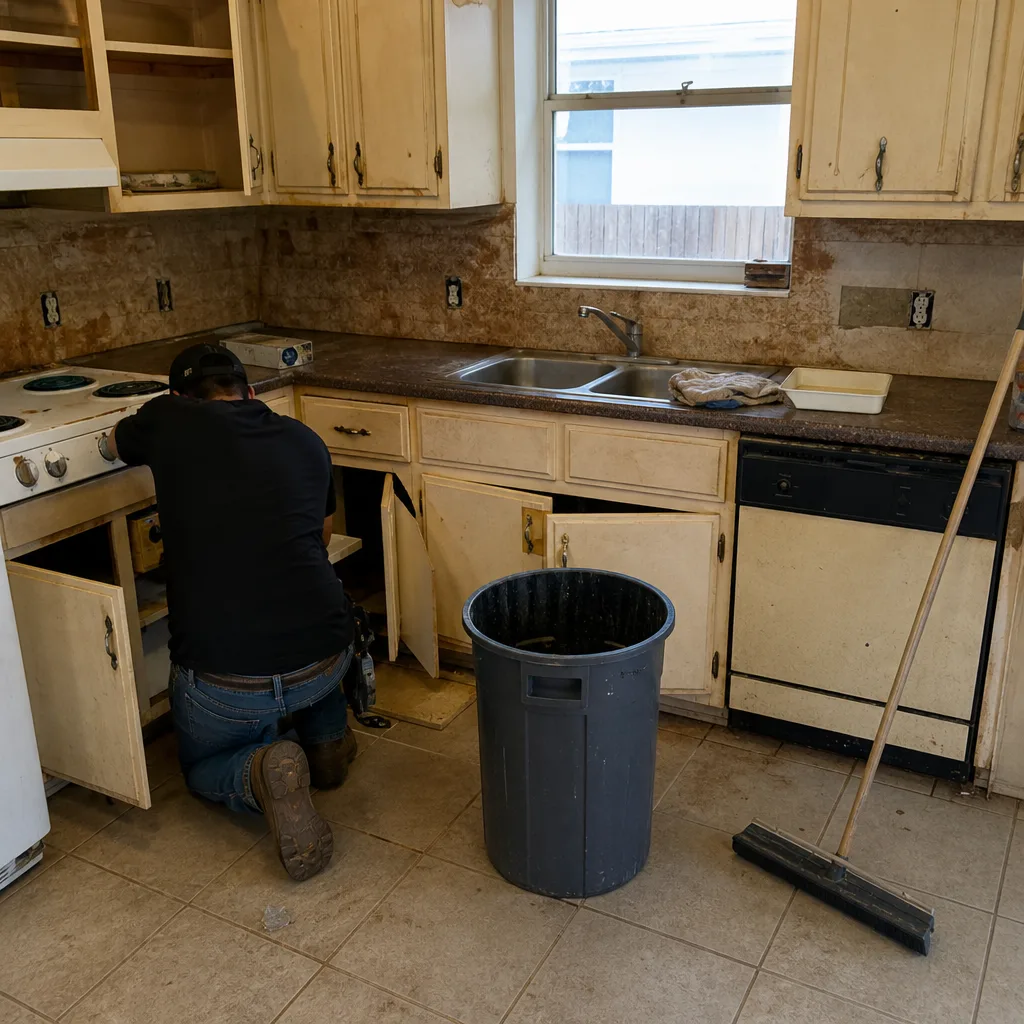 Before
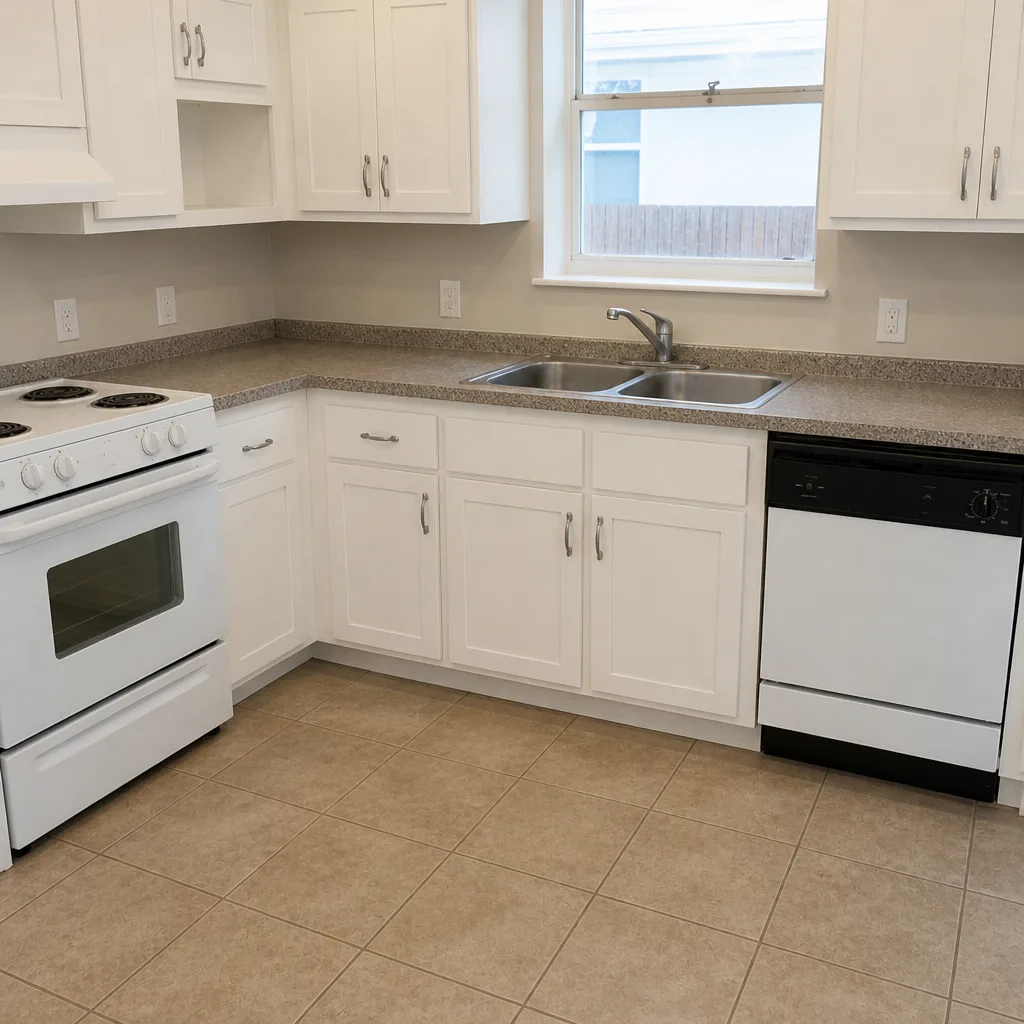 After
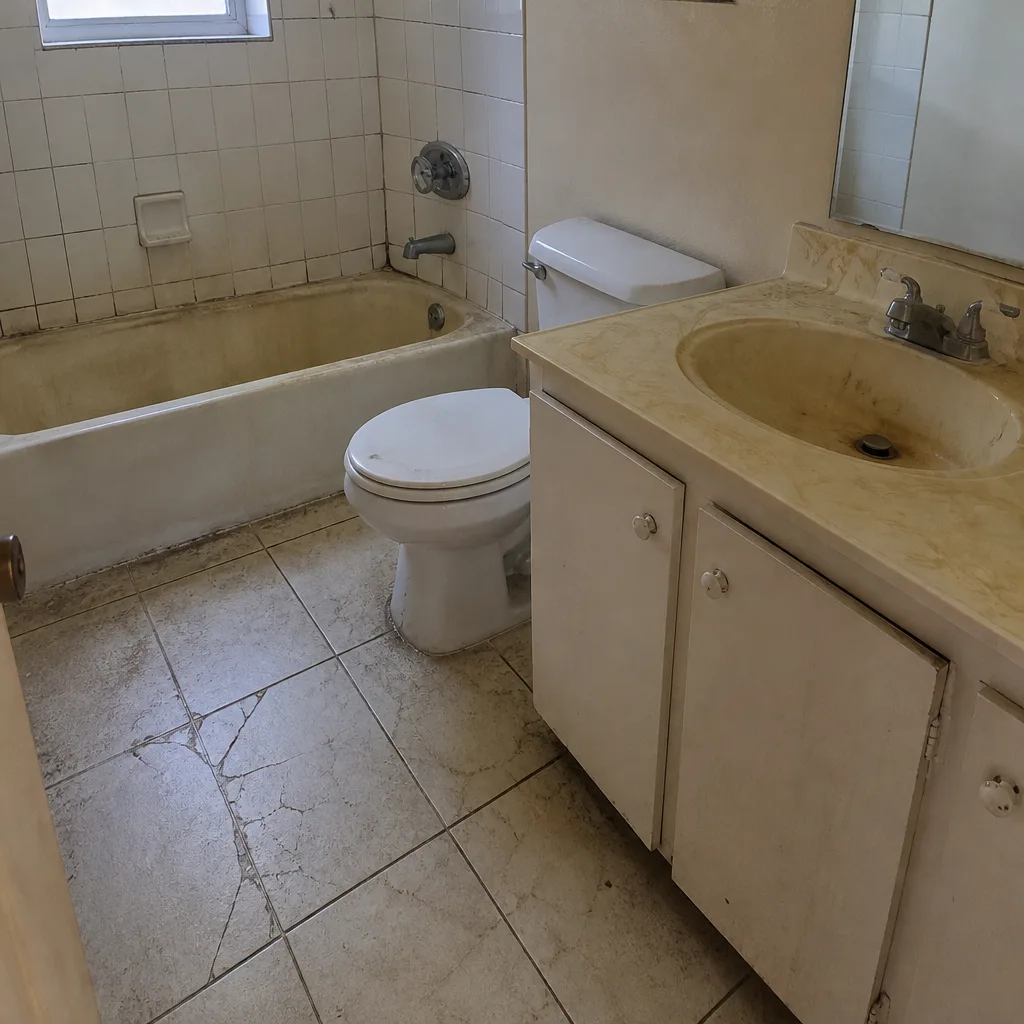 Before
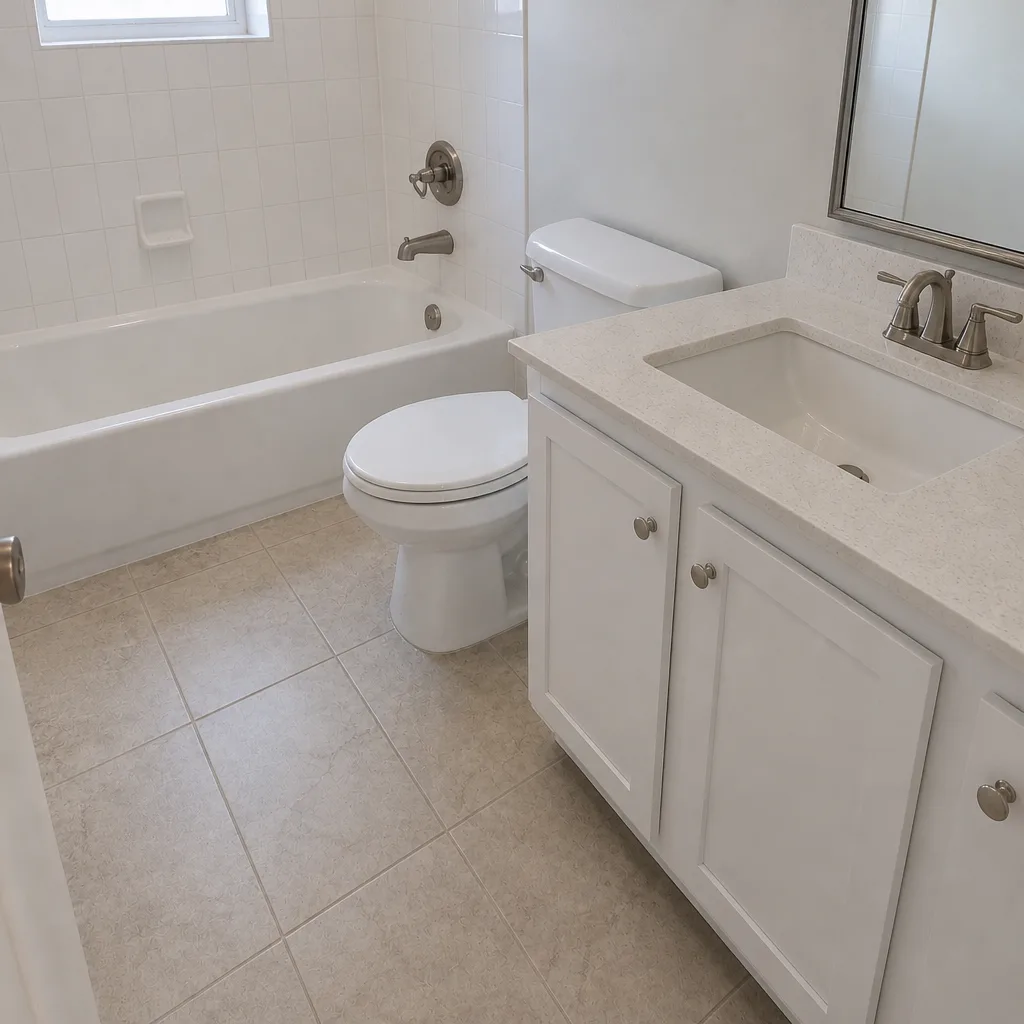 After
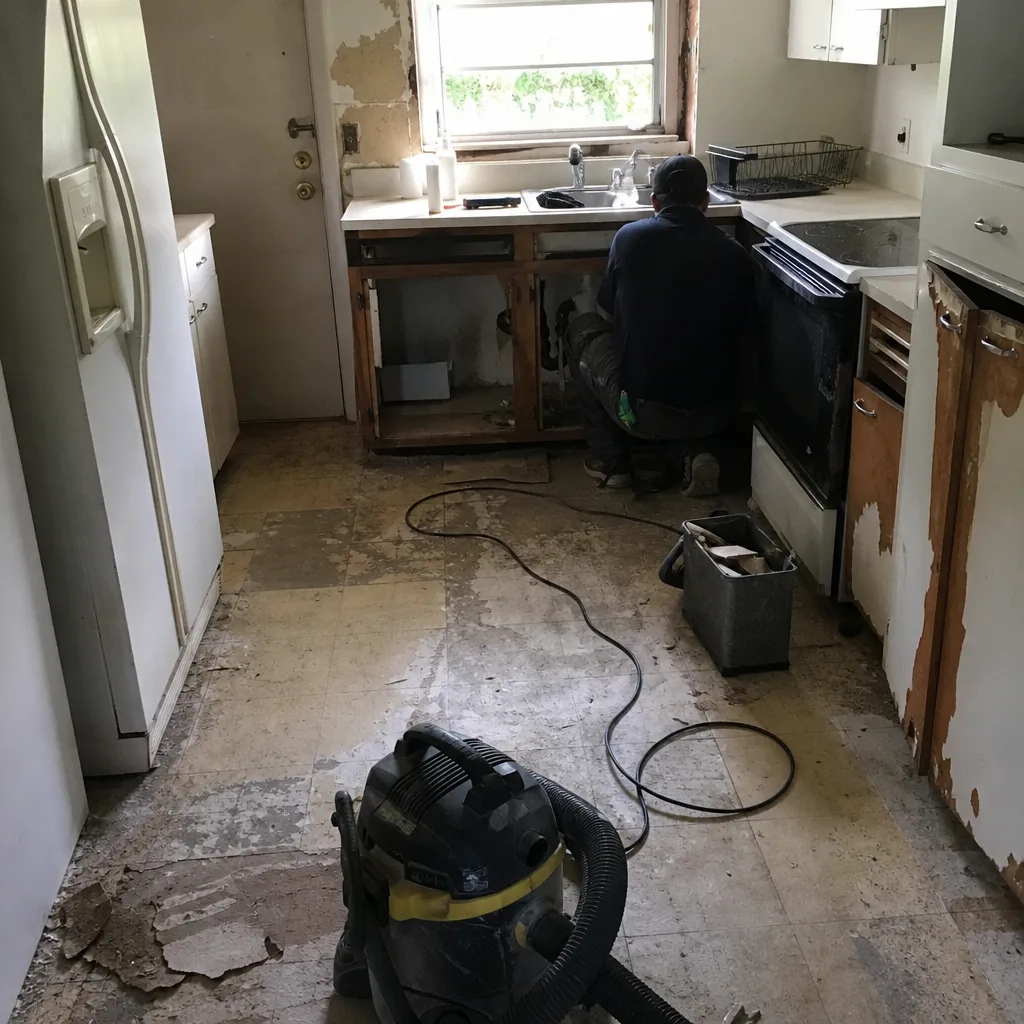 Before
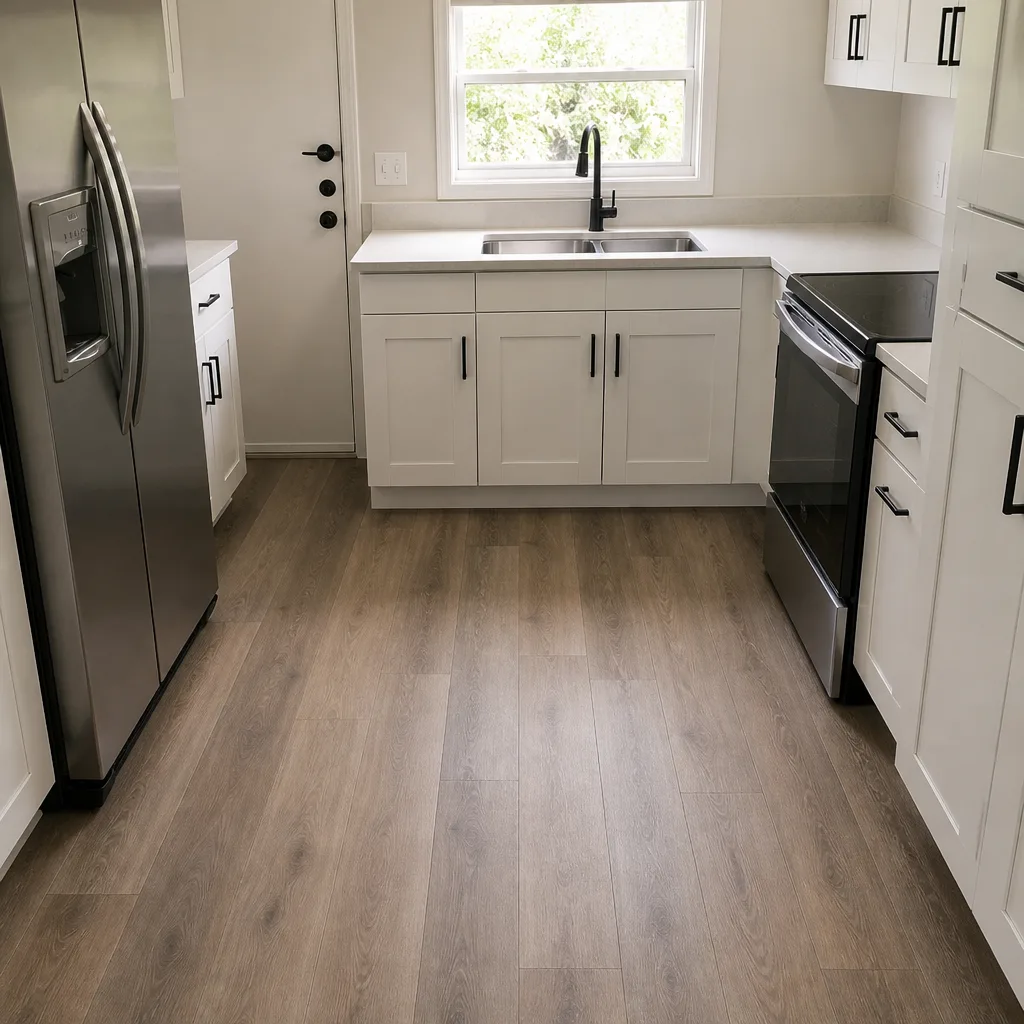 After
Vinyl vs Fiberglass Windows in The Hammocks, FL: Which One Belongs on Your House?
Choose fiberglass unless you’re working a strict budget on a shaded wall that never sees direct sun. In The Hammocks, fiberglass is the better long-term window because South Florida’s heat and UV load punish vinyl’s expansion behavior in ways cold-climate comparison guides never account for. Vinyl is the right answer in Minnesota. Here, where a south-facing frame bakes at 150°F or more in July and has to hold an impact-rated seal through hurricane season, the math shifts. If you want a straight read on your own walls before you commit, call Groundwork Construction Co. of The Hammocks at (844) 761-9356 and we’ll walk the elevations with you.
Why the national “it’s a toss-up” verdict falls apart in The Hammocks
Nearly every vinyl-versus-fiberglass write-up you’ll find was written for a temperate market. It assumes mild summers, moderate UV, and no windborne-debris code. The Hammocks runs nothing like that. This is a subtropical stretch of unincorporated Kendall, and the housing stock tells you a lot: the subdivision went up almost entirely as concrete-block (CBS) tract homes and low-rise townhomes with stucco exteriors and tile or shingle roofs, mostly built between the 1980s and 2000s. That means most of the windows we touch here are first-generation units hitting the end of their service life, and every replacement falls under Miami-Dade’s post-Andrew wind and impact code rather than an ordinary residential permit.
The practical consequence of that uniform build-out is worth stating plainly: whole blocks age on the same clock. When one neighbor books an impact-window retrofit, the houses on either side tend to follow within a season or two – we see the same street-by-street pattern in our The Hammocks service area work. So the question isn’t just “which frame is better in the abstract.” It’s “which frame survives 20-plus years of this specific climate,” because you’ll be living with the answer a long time.
How does thermal expansion actually affect vinyl windows here?
Vinyl expands and contracts at roughly three to four times the rate fiberglass does under the same temperature swing. That single fact drives most of what goes wrong with vinyl in South Florida.
Think about a south- or west-facing window in The Hammocks in late July. The glass surface pushes past 150°F while the interior side sits in air-conditioned comfort, and the frame absorbs the difference all day, then cools overnight, then repeats. Each cycle flexes the insulated glass unit’s edge seal and works the frame’s corner welds. Over thousands of cycles, that stress shows up as fogging between the panes (a failed seal) or a frame that’s warped enough that the sash no longer closes flush. Fiberglass moves far less under the same load, so its seals and frame joints see a fraction of that mechanical wear. In a temperate market the difference may take decades to matter. In The Hammocks it shows up on a timeline homeowners actually notice.
Does fiberglass hold up better under Miami-Dade hurricane code?
Both materials can earn Miami-Dade Notice of Acceptance (NOA) approval, so on paper an approved vinyl unit and an approved fiberglass unit both satisfy the code. What the paper doesn’t show is how each frame behaves at elevated temperature during the cyclic pressure testing that simulates hurricane-force wind. Fiberglass keeps its dimensional stability under that cycling better than vinyl does once the frame is hot. In real storm conditions – wind-driven rain, pressure pulses, debris impact – that stability is what keeps the sash seated and the seal intact while the storm passes. The code sets a floor both products can meet; the material decides how much margin you keep above that floor.
Which window frame holds paint and color against stucco?
Fiberglass takes and holds paint far better than vinyl in a UV-intense environment. That matters more in The Hammocks than in most places because nearly every home here is stucco over CBS, and the window frame is a visible design element sitting right against that finish. Vinyl frames can’t be repainted to match a stucco color and are prone to chalking and fading after years of relentless sun. Fiberglass can be refinished, so the frame color stays coordinated with your stucco over decades instead of drifting toward a washed-out gray. For a stucco exterior, that’s a maintenance point, not just a cosmetic one.
Side-by-side: vinyl vs. fiberglass for a The Hammocks home
| Factor | Vinyl | Fiberglass |
|---|---|---|
| Thermal expansion | 3-4x higher; stresses seals and corner welds | Much lower; frame and seal stay stable |
| Miami-Dade impact approval | Achievable (NOA) | Achievable (NOA), with more stability at high temperature |
| Paint / stucco color match | Not paintable; prone to chalking and fade | Paintable; holds color against stucco |
| Typical seal life in this climate | Shorter; earlier IGU fogging | Longer; fewer seal failures |
| Upfront cost | Lower | 15-30% more than comparable vinyl impact units |
Which brands do we recommend, and why those?
For fiberglass impact windows in The Hammocks, we specify Andersen and Marvin fiberglass lines. The reason is simple: our material curation exists to match product to climate, not to sell whatever’s most available off a shelf. Both brands carry the impact ratings this code zone demands, and both hold up where vinyl struggles – under sustained heat cycling and decades of sun. Windows & Doors is where we put that curation to work, and every install is covered by the 730-Day Done Right Promise: if it’s not done right, we make it right.
Is fiberglass worth the higher upfront price in The Hammocks?
Fiberglass impact units typically run 15-30% more than comparable vinyl impact windows upfront. Over a 25-year horizon in this climate, the reduced seal-failure rate and frame stability usually make fiberglass the lower total cost of ownership. The comparison guides that call it “a toss-up” won’t commit to that calculation. We will: in The Hammocks, the avoided replacement of a failed IGU or a warped sash – plus the labor to redo it – closes the upfront gap and then some. Here’s the line-item context for planning:
- Window replacement (standard units): $4,500-$15,000
- Impact window installation (full-home scope): $8,000-$25,000
- Fiberglass impact units: roughly 15-30% above comparable vinyl impact pricing
Pricing is upfront and the number you see is the number you pay – no surprise line items after the crew is on site. We also carry 0% financing for 18 months and $1,000 off projects over $10,000, which takes some of the sting out of choosing the better material.
FAQs
Plan on $4,500-$15,000 for standard window replacement and $8,000-$25,000 for a full-home impact installation, with fiberglass units running 15-30% more than comparable vinyl impact windows. The exact figure depends on window count, size, and how your CBS walls and stucco openings are configured. Call (844) 761-9356 for a free estimate – we quote upfront, so there’s no guesswork on the number.
Yes – approved vinyl impact windows can carry a Miami-Dade Notice of Acceptance, so they meet the code minimum. The catch is margin: fiberglass frames hold dimensional stability better under cyclic pressure at elevated temperature, which is the difference between passing the test and keeping that performance through a real storm. If you want the unit with more headroom above the code floor, that’s the fiberglass argument.
Not necessarily – if your shutters carry a valid Miami-Dade NOA and you’re willing to deploy them for every storm, you can keep them. Most Hammocks homeowners we meet are moving to impact glass anyway, because shutters are a chore and impact windows protect the opening even when no one’s home to close them. We’ll tell you honestly whether your existing shutters already satisfy the code before you spend a dollar.
Most single-home impact retrofits are completed in a single visit, with larger full-home jobs split across a couple of days depending on window count. Because the Hammocks was built in a narrow window, whole streets often need the same work at once – schedule early in the season if you’re in a cluster, since contractors here run on that block-by-block demand.
If you’d rather have it looked at, Groundwork Construction Co. of The Hammocks offers a no-pressure assessment in The Hammocks – call (844) 761-9356. Our technicians have up to 12 years of experience, and calls are answered by a live person 24/7.
Written by the team at Groundwork Construction Co. of The Hammocks, serving The Hammocks, FL.