
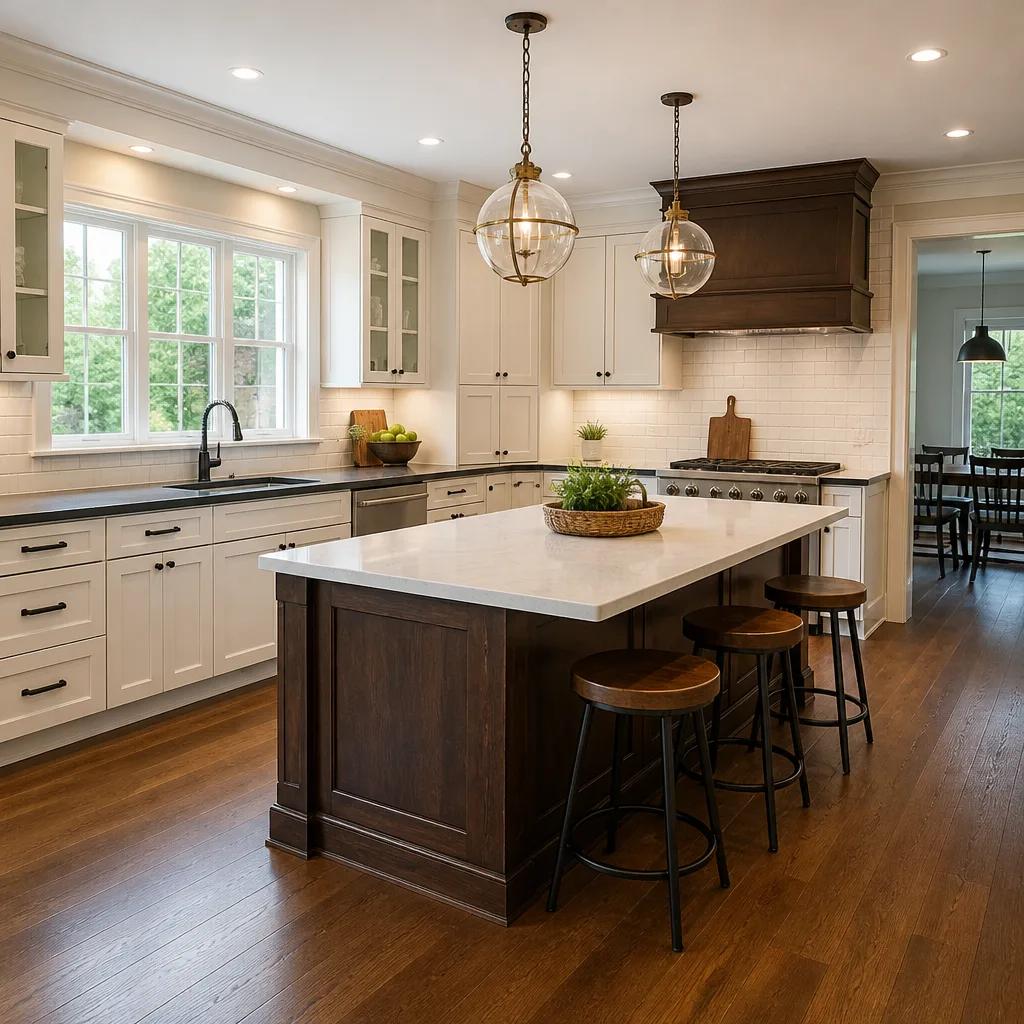
 Kitchen remodeling
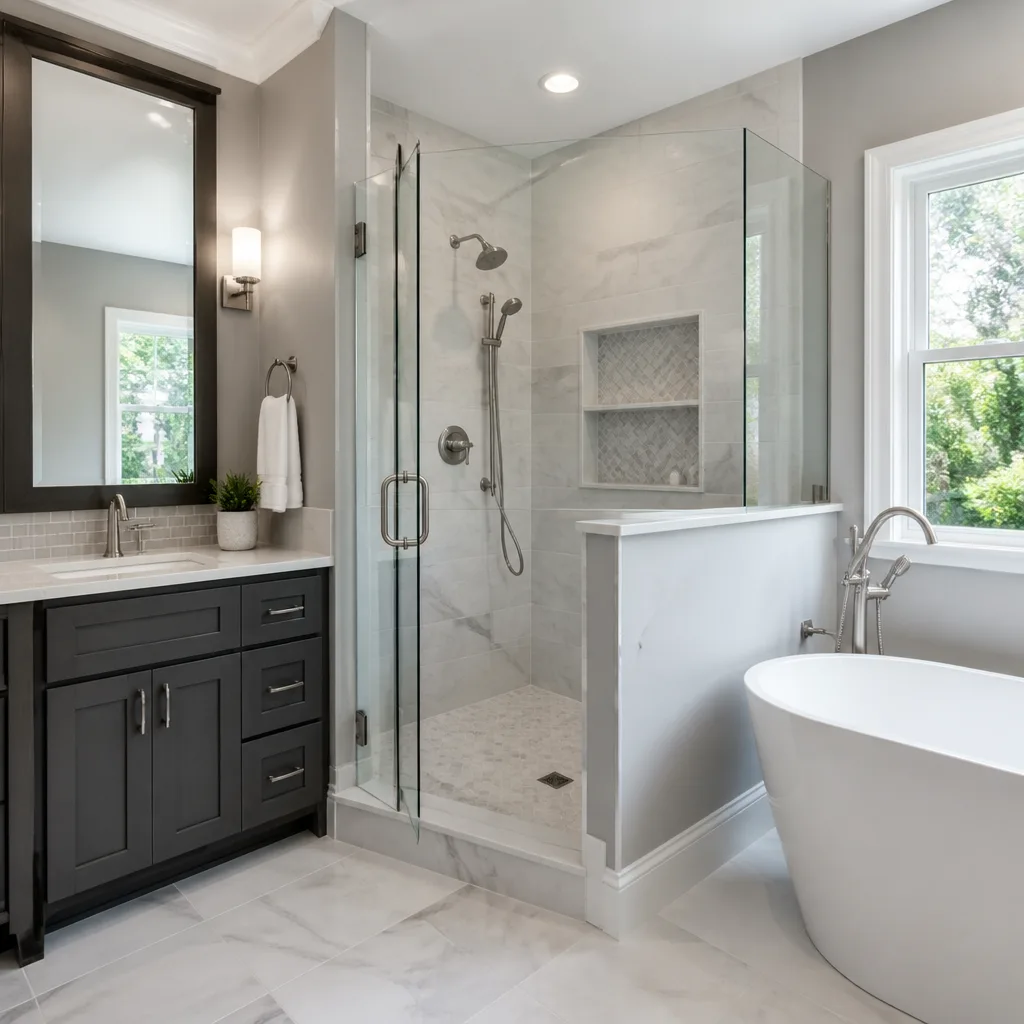 Bathroom remodeling
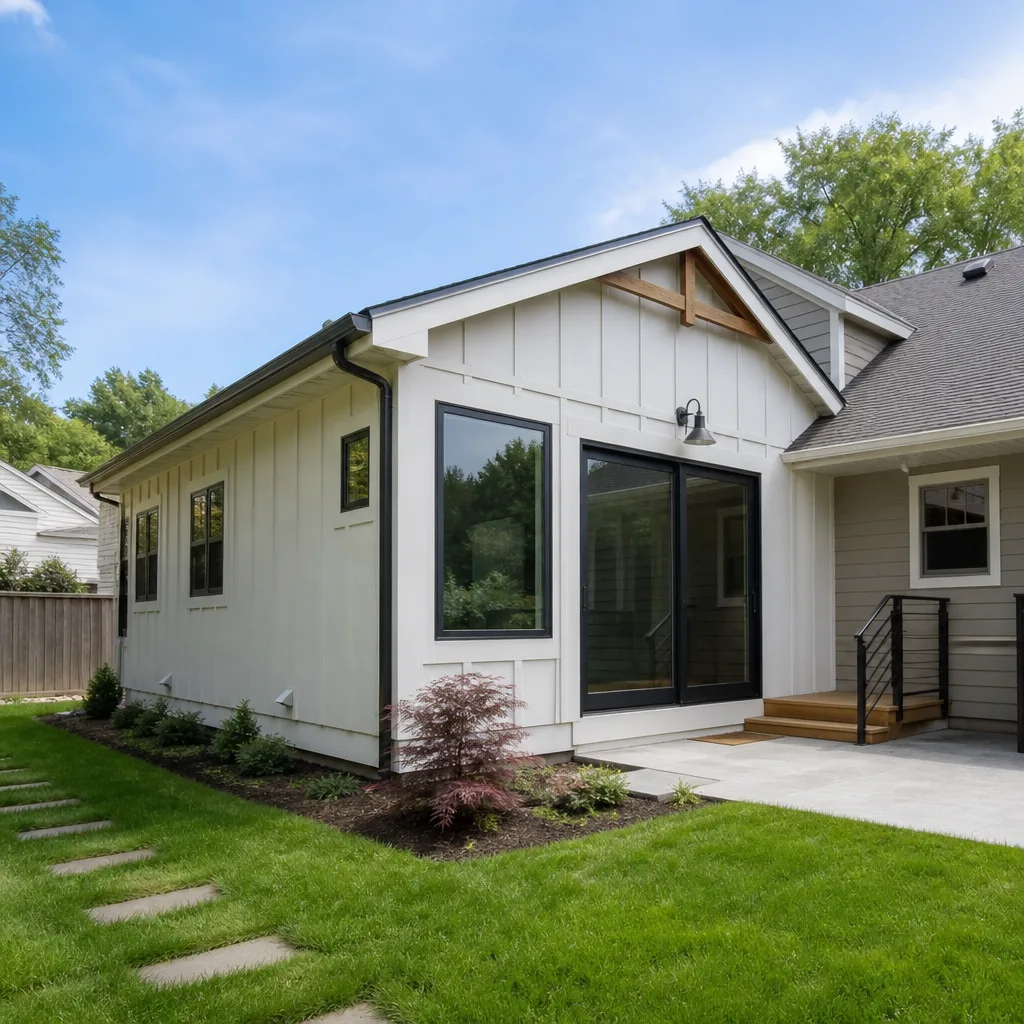 Home additions & ADU
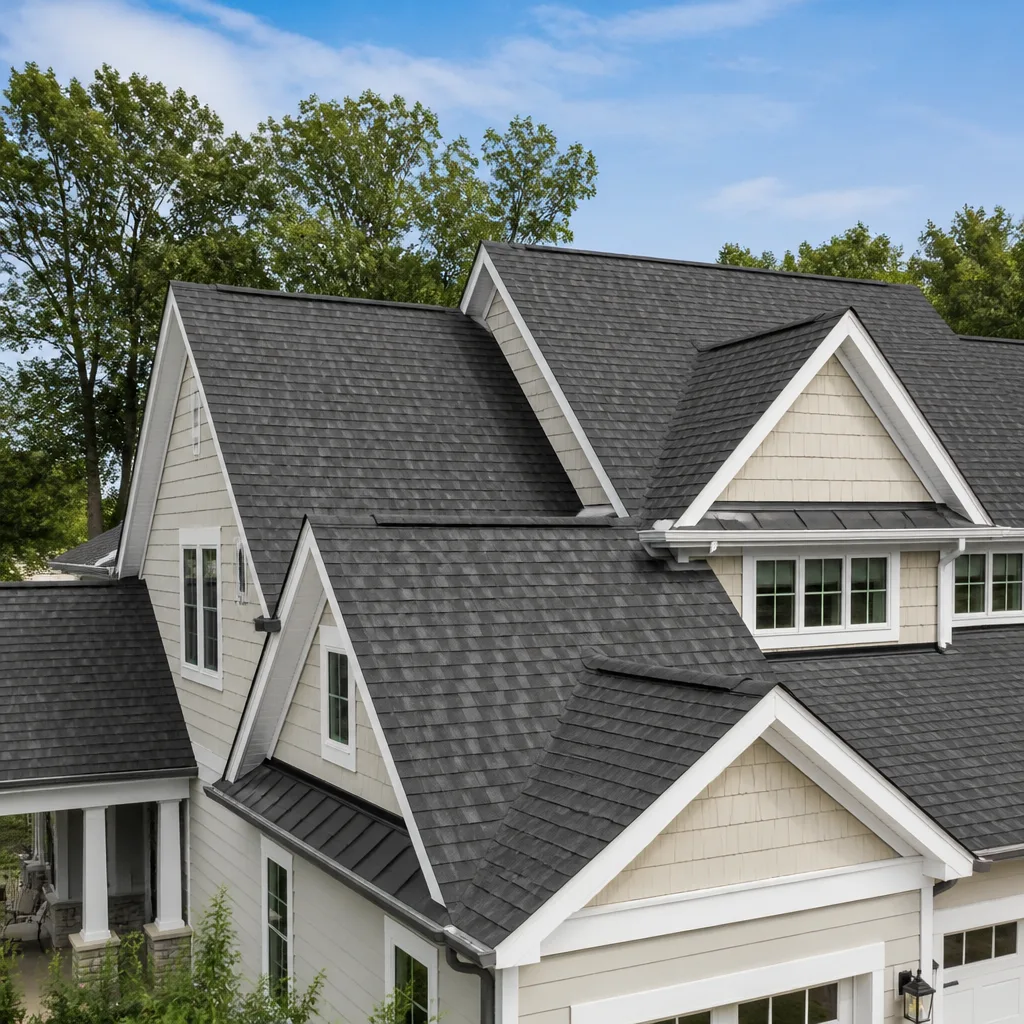 Roofing
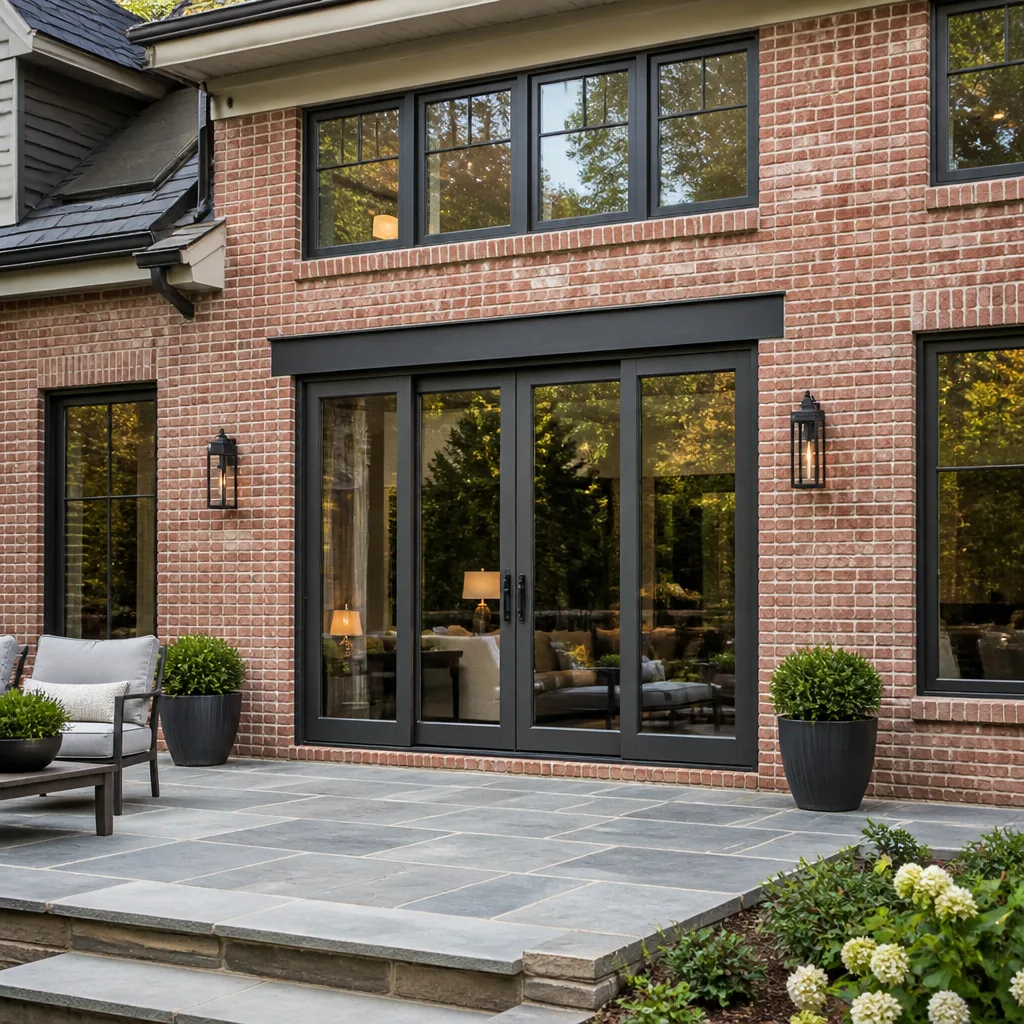 Windows & doors
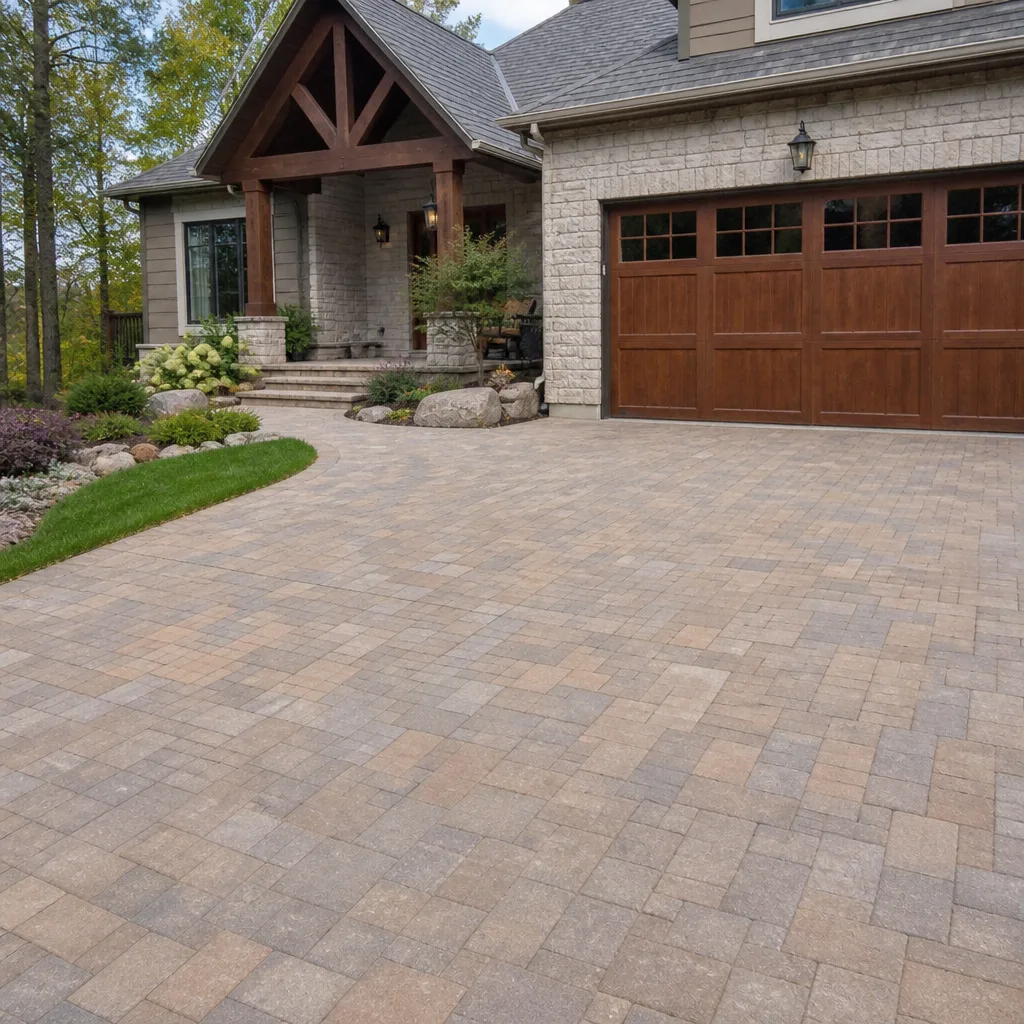 Driveway & pavers
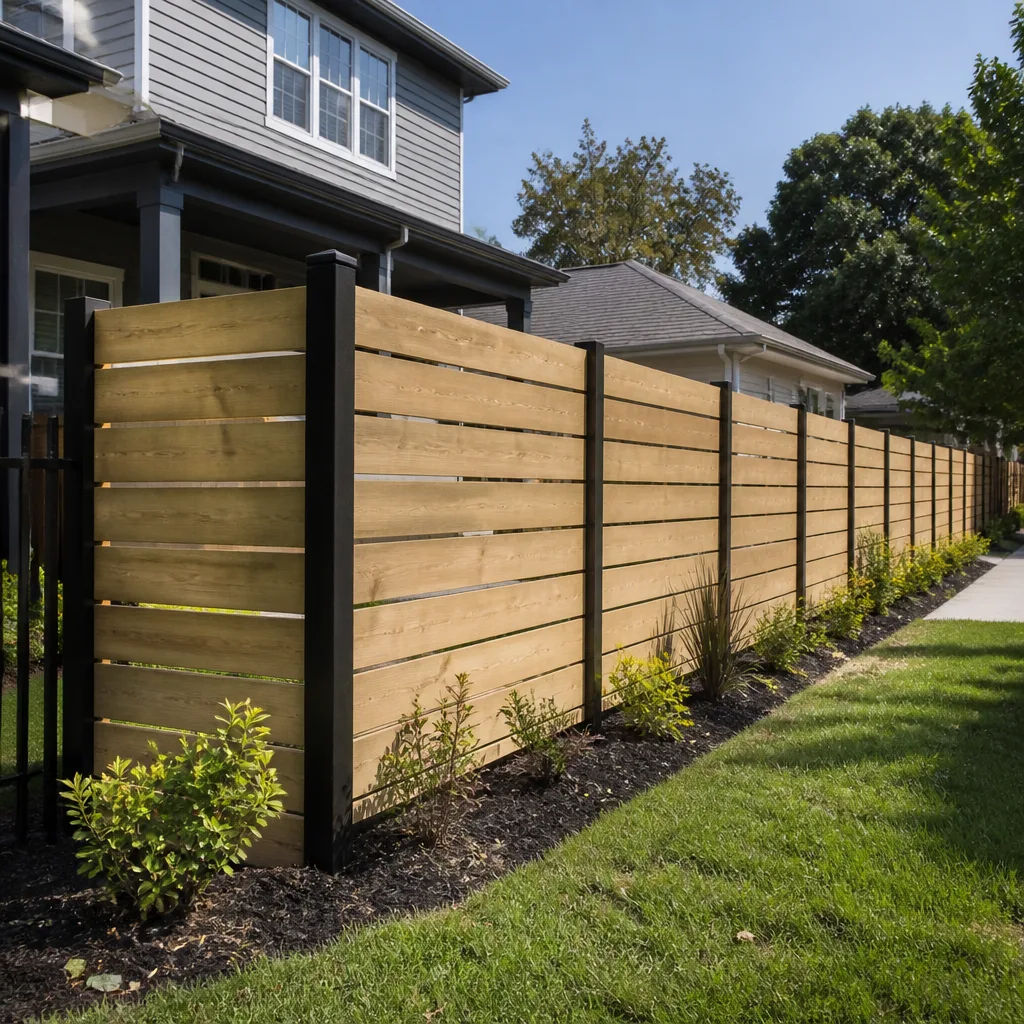 Fence
Free written scope consultation - allowances, timeline, and change-order rules on paper before a single trade is scheduled
Styles & brands we work with
- Kitchen remodeling
- Bathroom remodeling
- Home additions & ADU
- Roofing
- Windows & doors
- Driveway & pavers
- Fence
See the difference
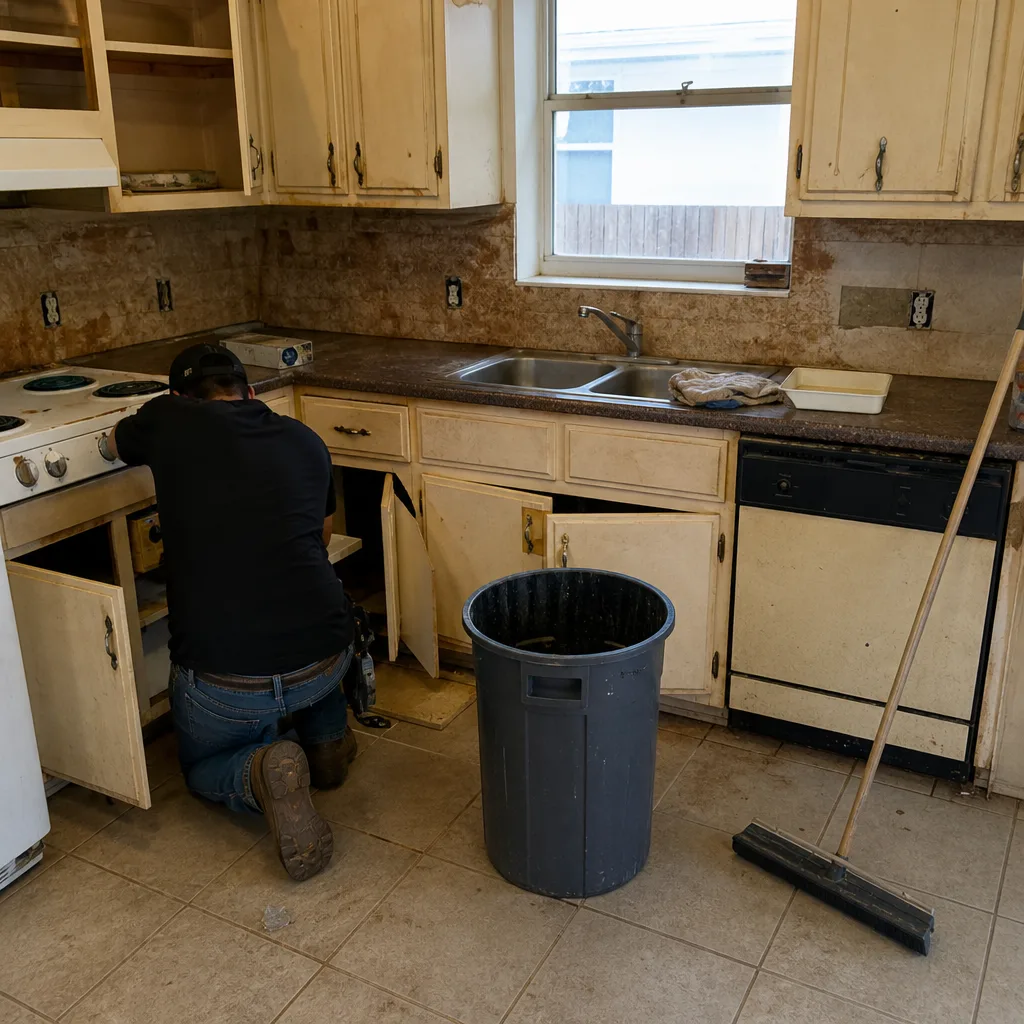 Before
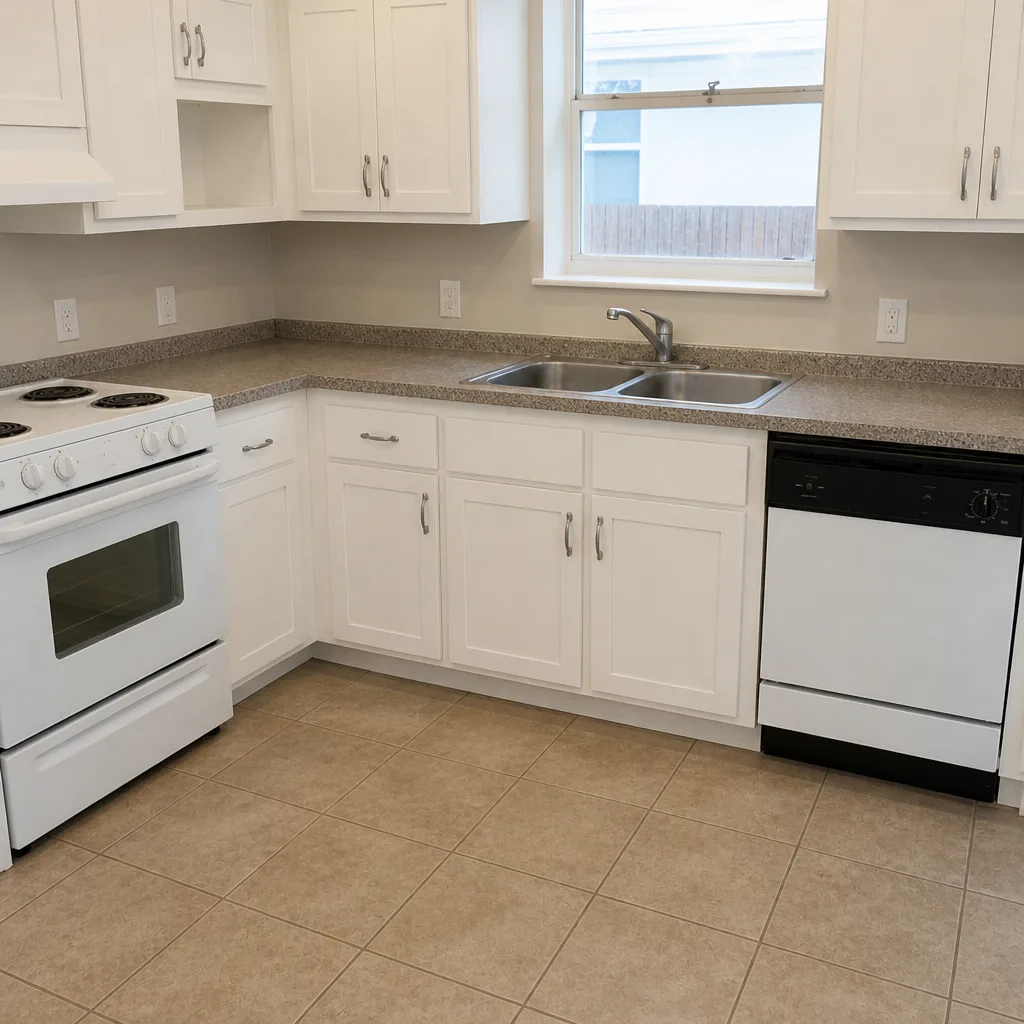 After
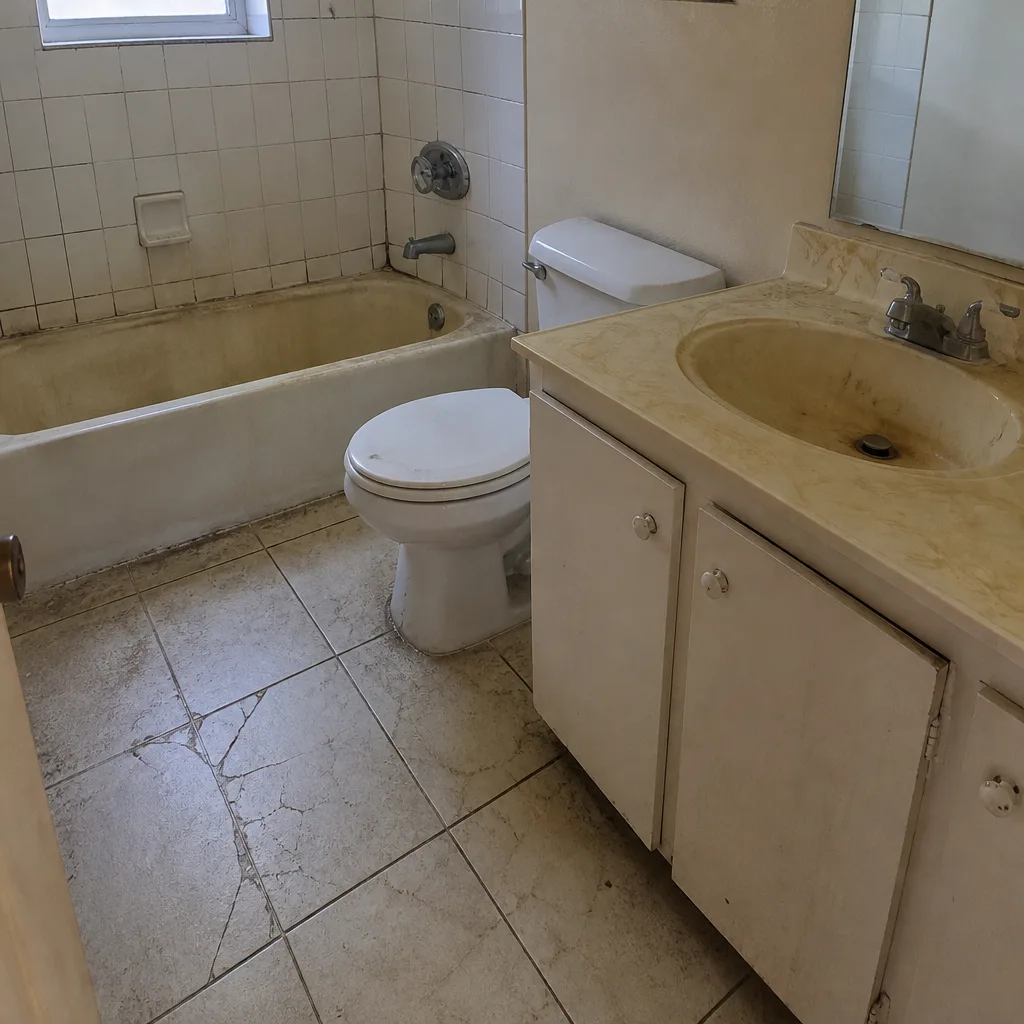 Before
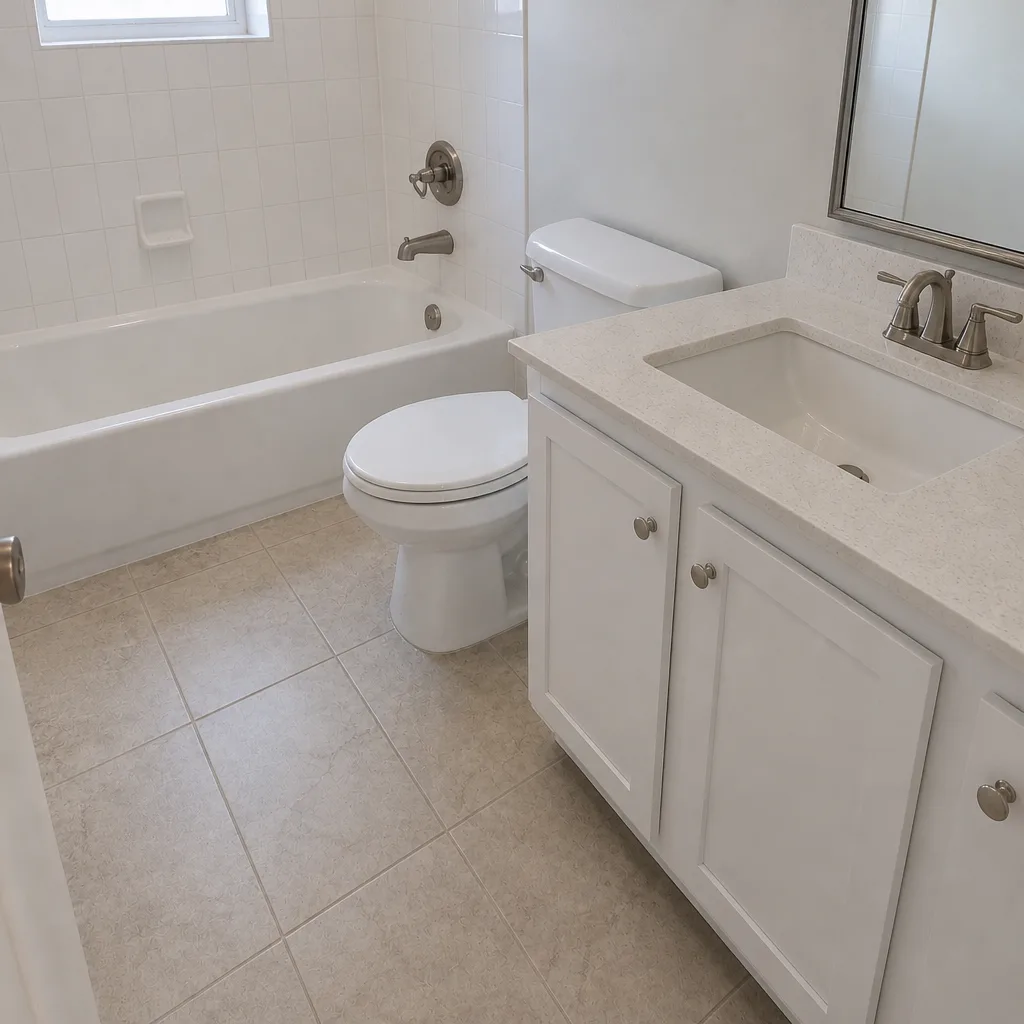 After
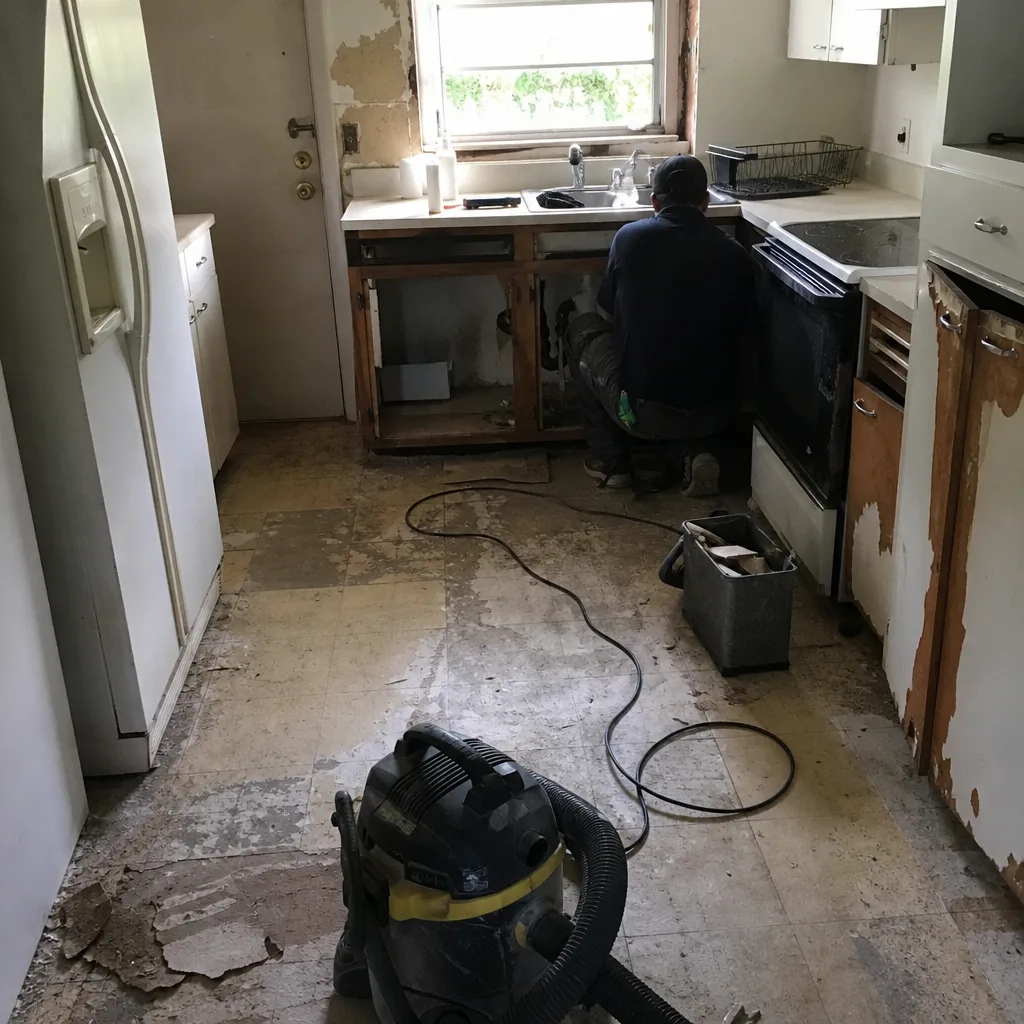 Before
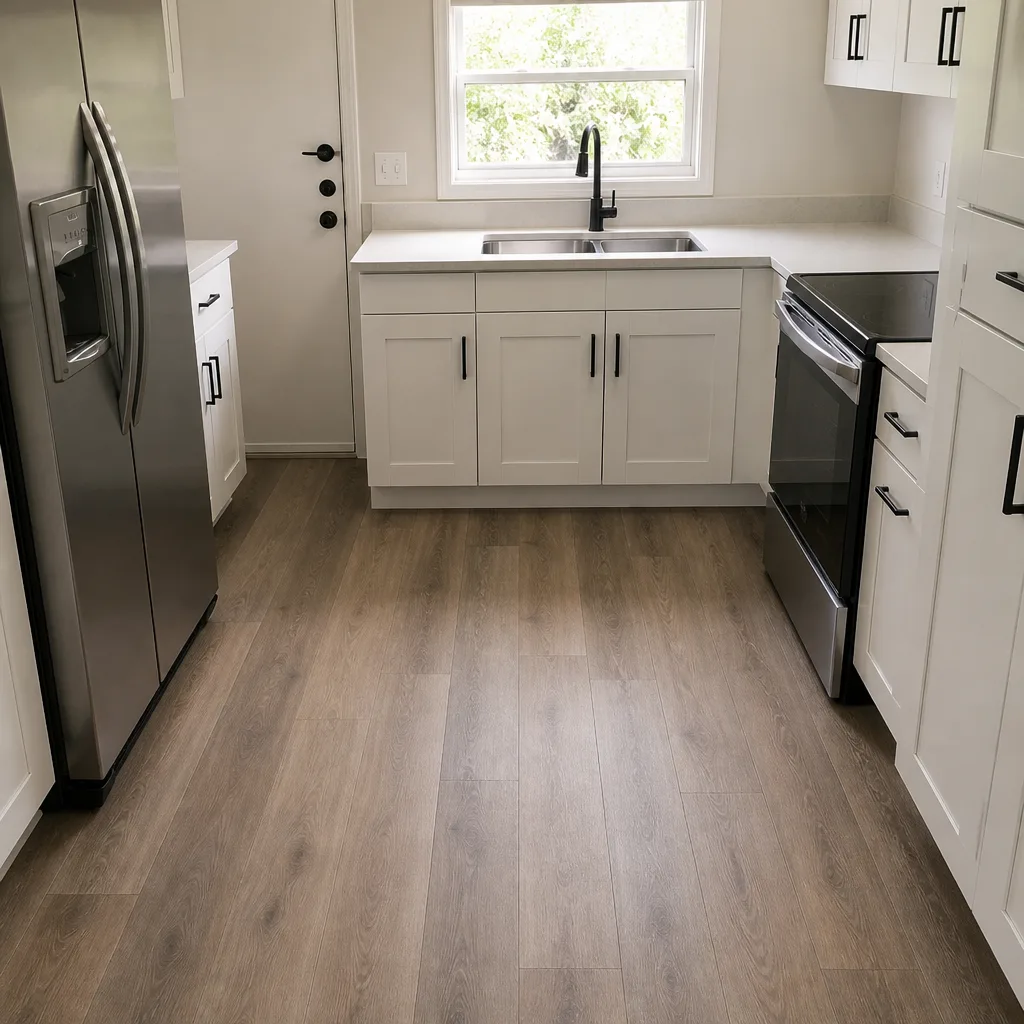 After
What a General Contractor Does in The Hammocks, FL (And Why Miami-Dade’s Permit System Makes the Role Essential)
A general contractor plans the scope, pulls the permits, coordinates licensed trades in the right sequence, schedules inspections, and carries legal responsibility for the work from first inspection to final closeout. In The Hammocks, that job is harder than it sounds. This is unincorporated Miami-Dade County, the most inspection-intensive permit jurisdiction in the country for residential work, and a GC here spends as much time managing the building department as managing subcontractors. Homeowners who hire separate subs to save money often end up acting as their own unlicensed GC in a county where one missed inspection can freeze a project for weeks.
Groundwork Construction Co. of The Hammocks works this process daily. If you want to understand the role before you hire anyone, call (844) 761-9356 and we’ll walk through what your specific project will require.
Permit Coordination: The Job Most Homeowners Underestimate
The permit function is where The Hammocks projects live or die. A GC submits for the correct permit type (building, roofing, electrical, mechanical), tracks the plan review queue in Miami-Dade’s portal, responds to reviewer revision requests, and schedules inspections in the required order. Get the sequence wrong and the inspector doesn’t just fail that trade. The whole job stops until the previous phase is signed off.
A few of the concrete tasks behind that:
- Filing the right permit application the first time, because a rejected submittal can cost you days or weeks depending on plan review volume
- Tracking the review queue and closing revision requests fast, since reviewers work off a specific set of expectations that aren’t always spelled out in the code book
- Sequencing sub-trade inspections (rough plumbing, electrical rough-in, framing, insulation, wallboard) so no phase starts before the prior one clears
- Calling in the final inspection only after all required trades sign off, which is where self-managed jobs lose the most time
Miss one step and the economic damage compounds. Trades sit idle while you wait for a re-inspection slot, and those idle days get baked into the next trade’s bid. That cost is real, and it’s one reason a single GC point of contact saves money over bargain-basement sub management. Every Groundwork project runs on upfront pricing, no surprises, and calls are answered by a live person 24/7, so you’re never waiting until Monday morning for a permit update.
HVHZ Product Approvals: Where the Hammocks Job Gets Complicated
Every product specified for a home here has to carry a current Miami-Dade Notice of Acceptance (NOA) before the permit is submitted, or the application is rejected. Windows, doors, roofing systems, fasteners, sealants: each component in the High-Velocity Hurricane Zone needs a valid, unexpired product approval that matches the installation. This is the function homeowners managing their own subs almost always skip, and it’s usually what sends them back to square one at plan review.
It’s a real problem in The Hammocks because the neighborhood was mass-produced from the 1980s through the 2000s, so whole blocks hit the same milestone at once. When one neighbor pulls a tile re-roof or an impact-window retrofit, a run of copycat jobs follows down the street. That pattern means contractors here know the current NOA landscape for the products that fit 20-to-35-year-old concrete-block homes, and they know which assemblies hold approval after a change.
| Project type | Typical cost in The Hammocks |
|---|---|
| Roof replacement | $8,000-$20,000 |
| Roof repair | $400-$1,800 |
| Tile roof repair | $600-$2,500 |
| Impact window installation | $8,000-$25,000 |
| Window replacement | $4,500-$15,000 |
| Bathroom remodel | $9,000-$28,000 |
| Kitchen remodel | $14,000-$45,000 |
| Home addition | $45,000-$130,000 |
These ranges reflect what a properly permitted job runs, not what a zero-permit job costs up front. Skipping the permit doesn’t save money in Miami-Dade; it just moves the cost to whenever the work gets discovered. Our home page lists the service lines where these numbers apply.
CBS Construction Sequencing: Why the Order of Trades Matters
Nearly all homes in The Hammocks are concrete-block with stucco exteriors and clay or concrete tile or shingle roofs. On a CBS home, the hard dependencies between trades are unforgiving: masonry, plumbing rough-in through slab, electrical, waterproofing, then finish work. Each one depends on the one before it being inspected and complete. A GC who knows CBS construction sequences those dependencies to prevent the idle-trade cost that inflates budgets. A homeowner coordinating separately doesn’t always see the chain, and the plumber ends up waiting on the electrician who’s waiting on the slab inspection that was never called in.
That sequencing is also where the subtropical climate comes into it. Intense summer sun, hurricane-season wind-driven rain, and constant humidity drive the repair trade here, and stucco cracks are the usual entry point for moisture intrusion. A GC who’s seen enough of these jobs schedules waterproofing checks before the finish trades close up the wall, so problems are caught while they’re still cheap to fix.
The Accountability Function: Who’s Responsible When Something Goes Wrong
A licensed general contractor is the legally responsible party on the permit. That means they carry the bond and insurance that makes a homeowner whole if something goes wrong, and they’re the party the county holds accountable for code compliance. Homeowners who self-manage subs hold that liability themselves, along with the exposure from uninsured workers and unpermitted work that complicates future sales or insurance.
Groundwork’s answers to that exposure go past the permit:
- 730-Day Done Right Promise, one of the longest workmanship guarantees in residential construction. If it isn’t done right, we make it right.
- Background-checked, uniformed technicians on every project, not an unmarked crew you can’t verify.
- Brand partners across every trade, including Kohler and Moen for fixtures, and James Hardie for exterior siding, so specified products are quality choices rather than what happened to be in stock.
- 0% financing for 18 months and $1,000 off projects over $10,000, so a larger job is manageable without hidden add-ons.
The guarantee matters more than it sounds, because a typical GC’s written accountability ends at closeout. Extending that past the permit closeout dates is the difference between a contractor who finishes and one who stays reachable.
What That Looks Like in Practice
Groundwork Construction Co. handles the full scope in The Hammocks: pulling the right permit, verifying every product’s NOA before submittal, sequencing CBS construction phases so no trade sits idle, and scheduling inspections in the correct order. One point of contact means you don’t track down subs yourself, and the live person 24/7 answering means you reach a human when a question comes up mid-job. From foundation to finish line, one contractor carries the liability, the schedule, and the warranty.
The technicians on the team have up to 12 years of experience working this county’s permit system, and the pattern is familiar: a second-generation job in the Hammocks goes smoother when the contractor has already done the same re-roof or impact-window retrofit on the same block. Built to last, backed in writing.
FAQs
For most structural, roofing, electrical, mechanical, or plumbing work in unincorporated Miami-Dade, yes, either a licensed GC or a licensed specialty contractor must pull and sign for the permit. If you’re the homeowner, that means either hiring a licensed contractor or taking on the responsibility of an unlicensed manager, which most people don’t want. Call (844) 761-9356 to talk through what your project requires.
Because this is inside the High-Velocity Hurricane Zone, and the county rejects any permit application where the specified windows, doors, roofing, or fasteners lack a current Notice of Acceptance. The GC’s job is to verify each product’s NOA matches the installation before the permit goes in. Skipping that step is the most common reason a DIY-submitted application bounces back.
The whole job stops until that phase is corrected and re-inspected, and you’re the one tracking the re-inspection and paying the idle trades in the meantime. That’s the accountability gap a licensed GC closes. Estimates are free if you want to compare, and our upfront pricing means the quote is the number you pay.
On paper, separate contractors look cheaper. In practice, idle-trade costs from sequencing mistakes, re-inspection delays, and unpermitted work that surfaces at sale or insurance renewal usually erase the difference, and you carry the liability. One GC carries the bond and insurance that makes you whole. Call (844) 761-9356 for a free project estimate and design consult.
If you’d rather have it looked at, Groundwork Construction Co. of The Hammocks offers a no-pressure assessment in The Hammocks - call (844) 761-9356. We’ll walk the project, tell you which permits apply, and put the number in writing.
Written by the team at Groundwork Construction Co. of The Hammocks, serving The Hammocks, FL.