
 Kitchen remodeling
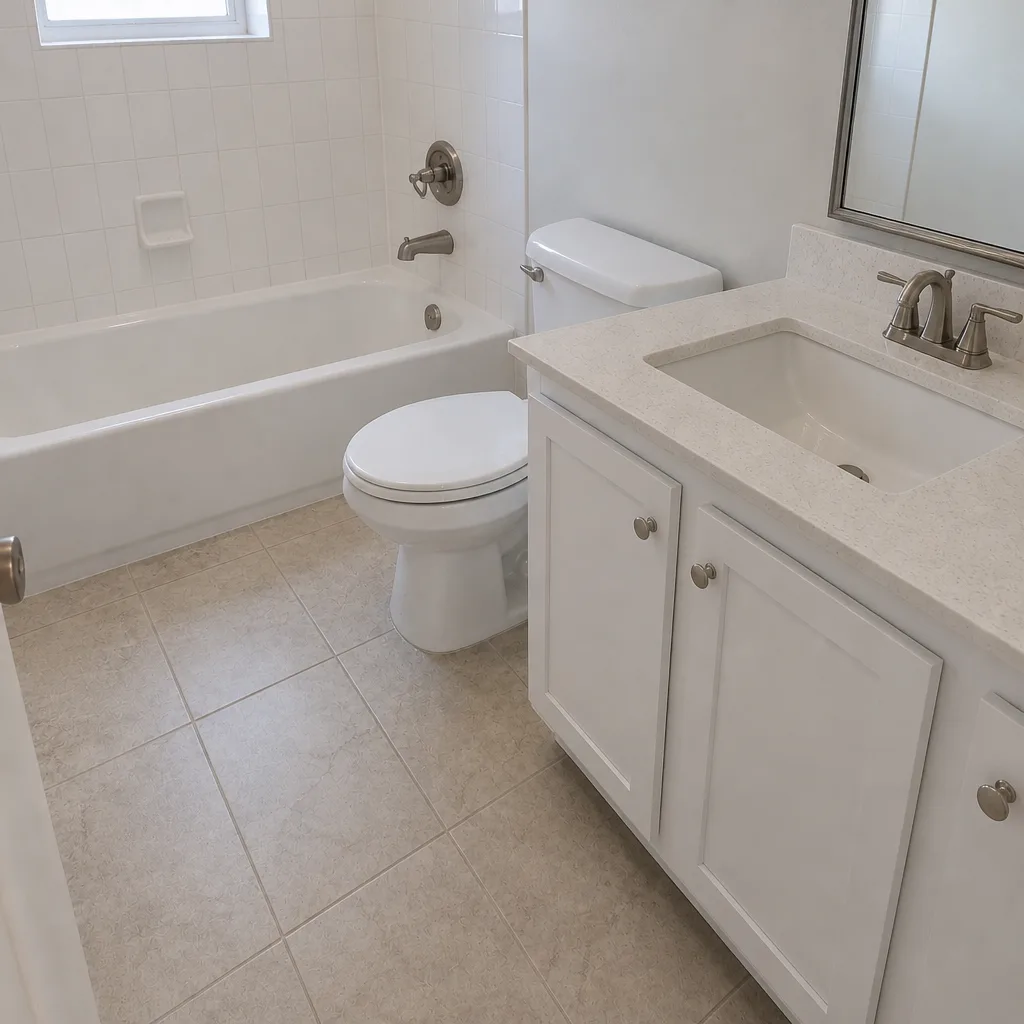
 Bathroom remodeling
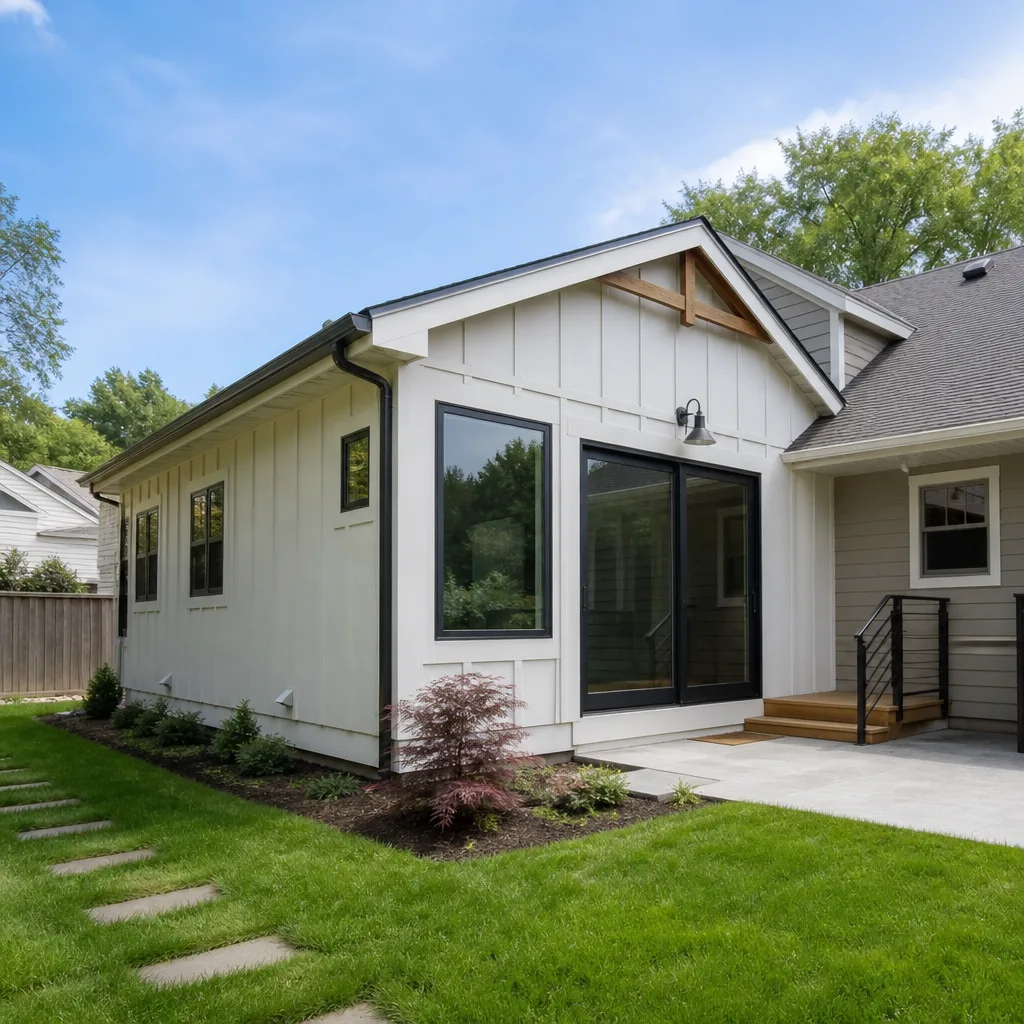 Home additions & ADU
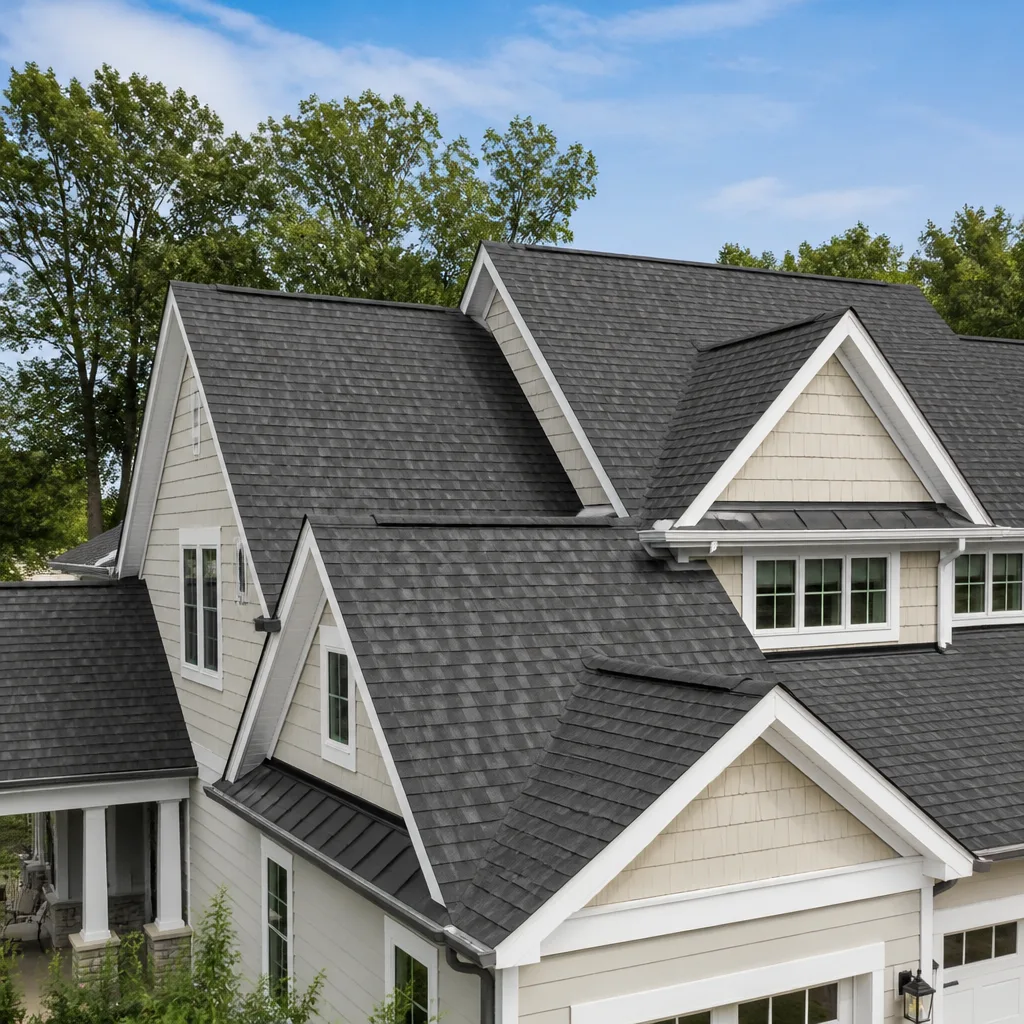 Roofing
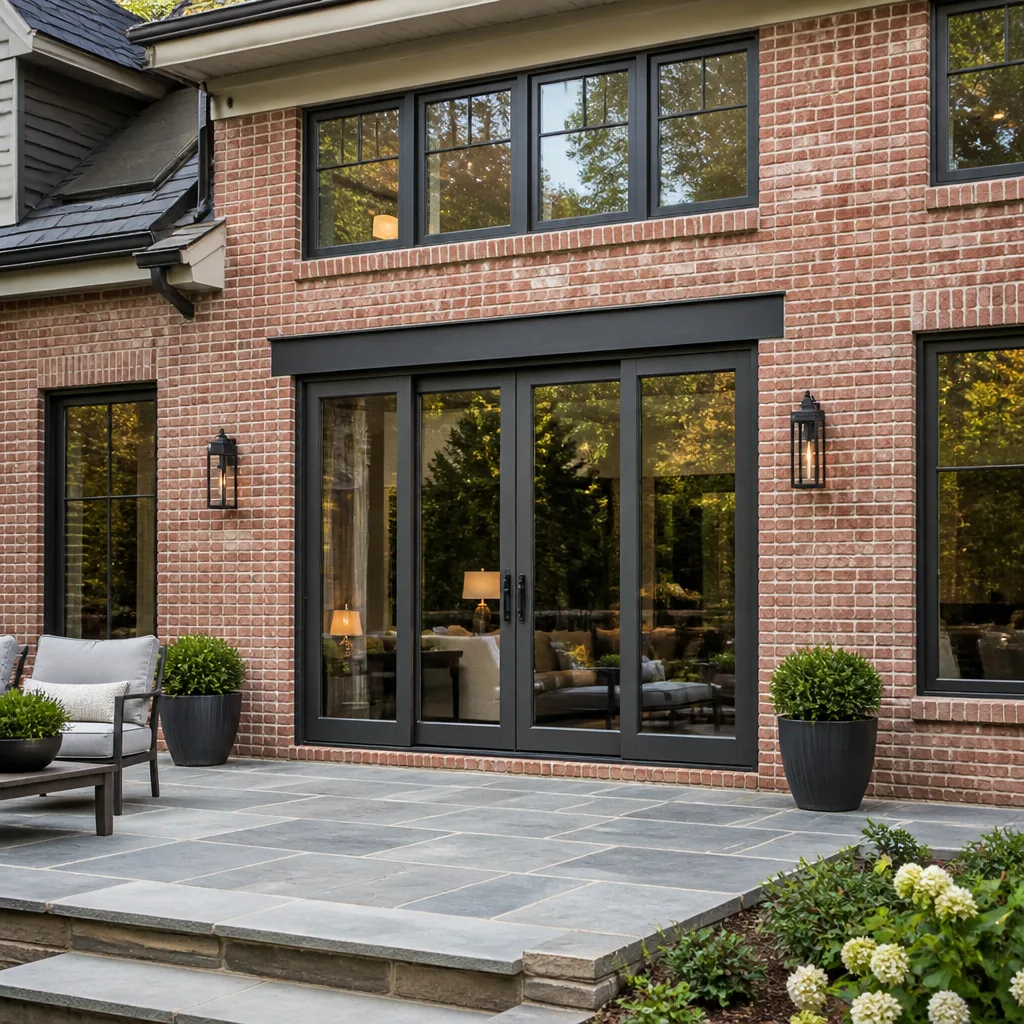 Windows & doors
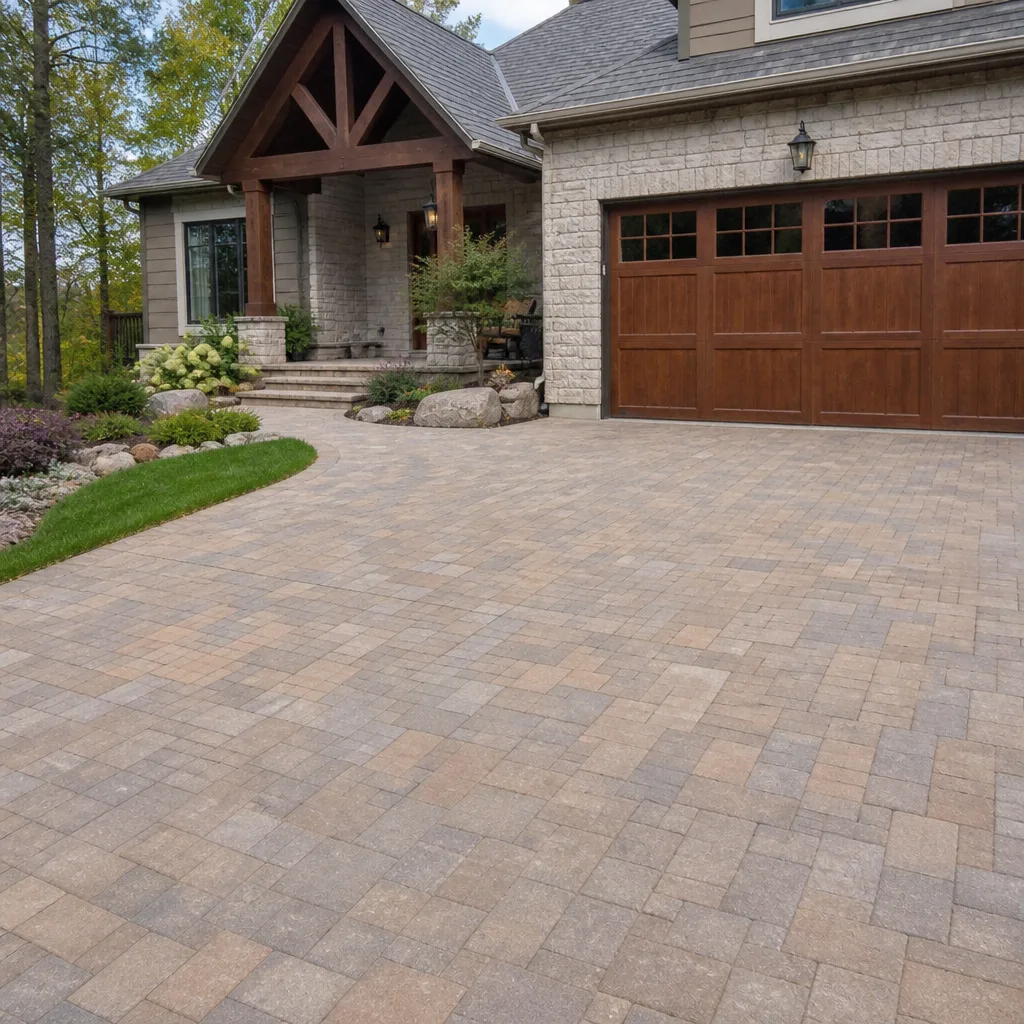 Driveway & pavers
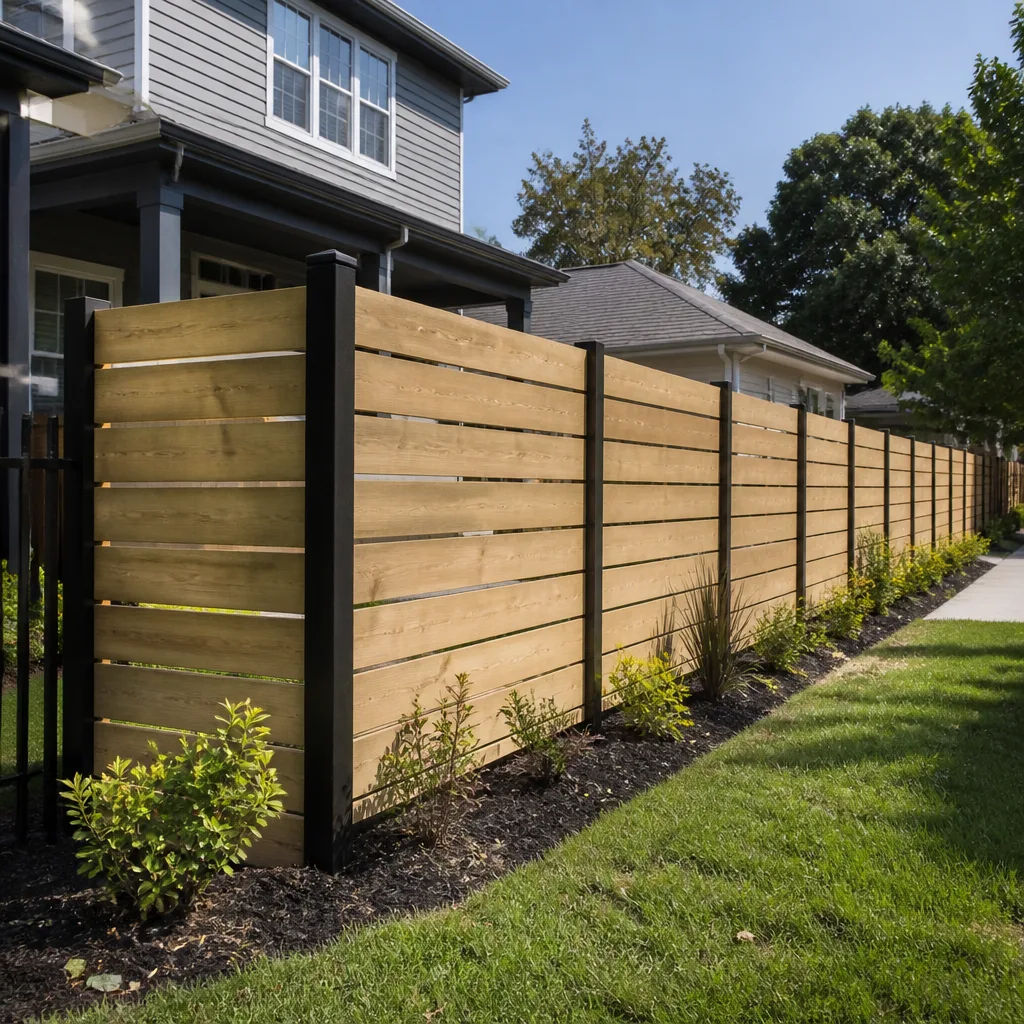 Fence
Free written scope consultation - allowances, timeline, and change-order rules on paper before a single trade is scheduled
Styles & brands we work with
- Kitchen remodeling
- Bathroom remodeling
- Home additions & ADU
- Roofing
- Windows & doors
- Driveway & pavers
- Fence
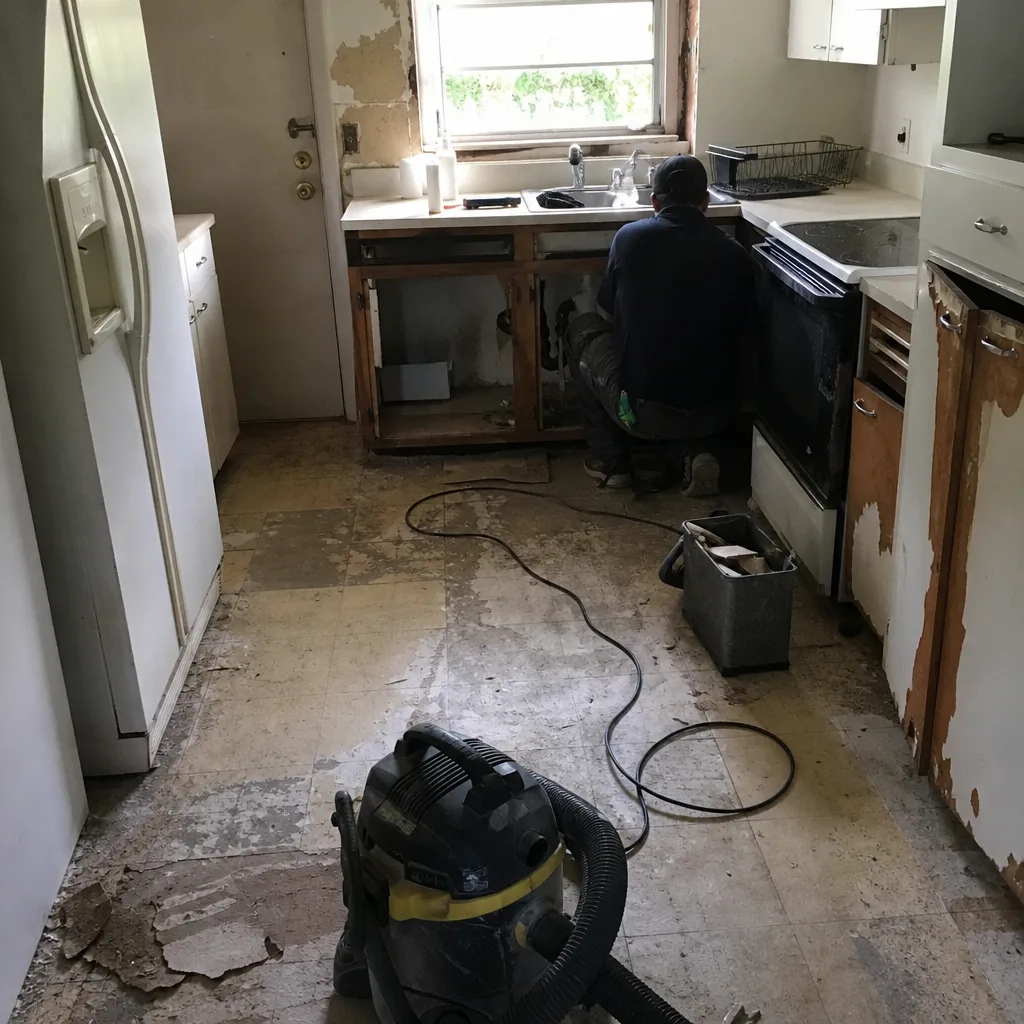
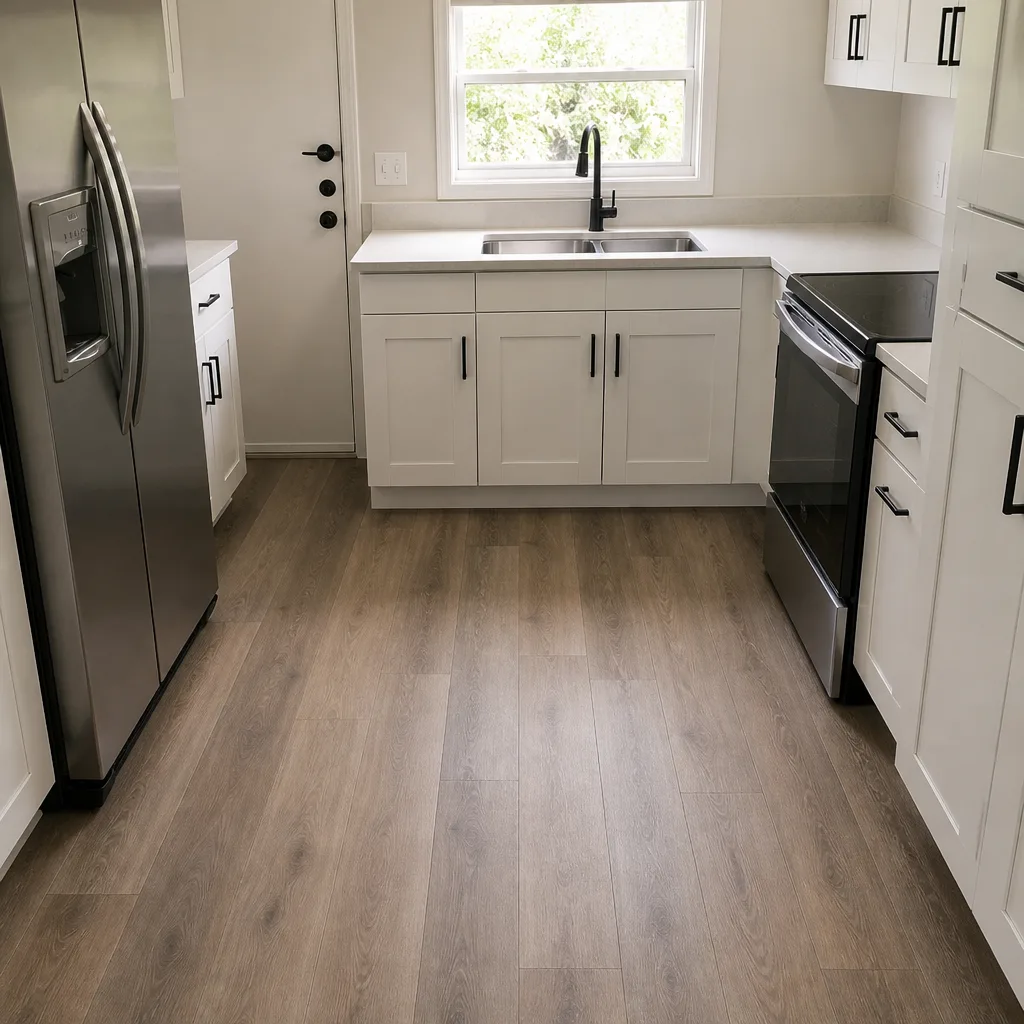
See the difference
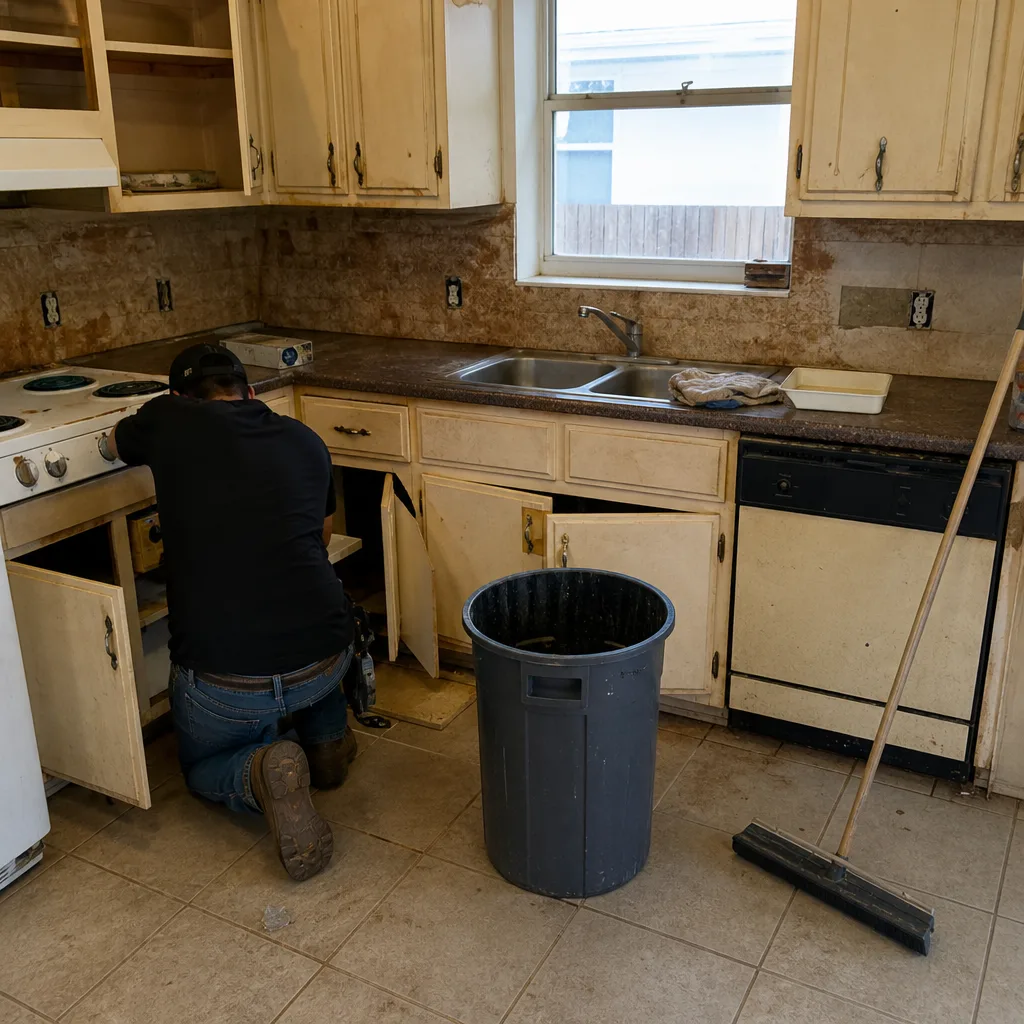 Before
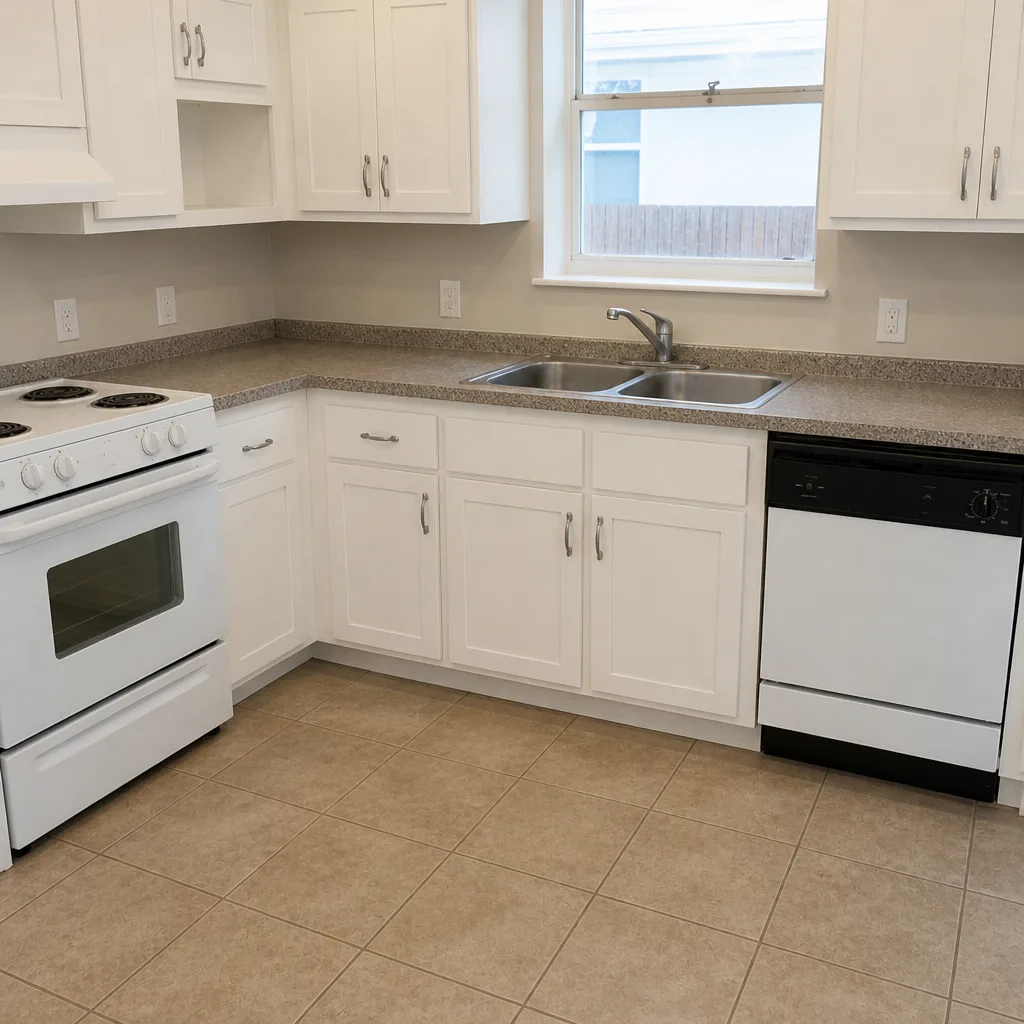 After
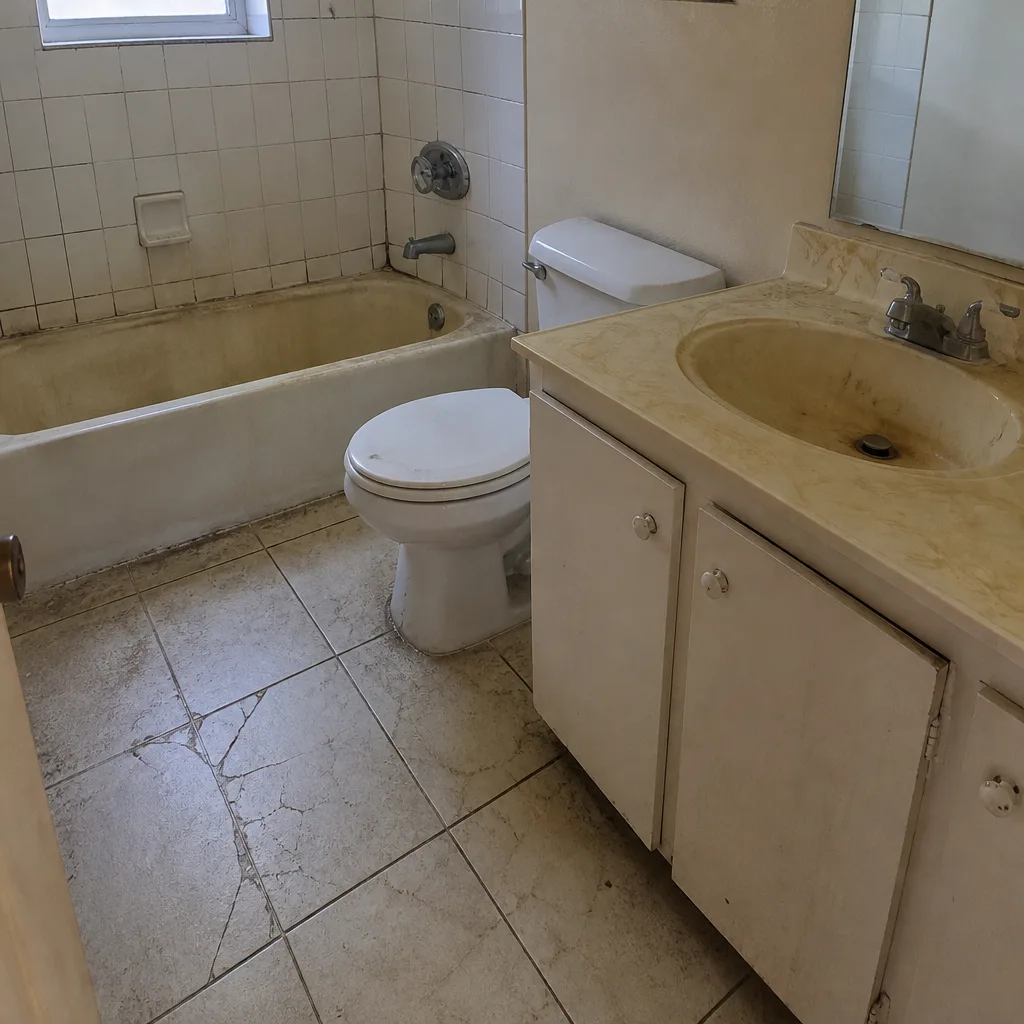 Before
 After
 Before
 After
What Causes Roof Leaks in The Hammocks, FL? The Two Failures Nobody Warns You About
On The Hammocks’ concrete tile roofs, the most common cause of a leak is failed mortar at the ridge caps and hip terminals, followed closely by dried-out felt underlayment that’s been baking under the tile for 20-plus years. Clogged gutters and missing shingles top most generic “roof leak causes” lists, but in this community nearly every home is CBS construction with a tile roof, and the real culprits are hidden under the tile, not sitting on top of it. If water is showing up on a ceiling you didn’t expect, call (844) 761-9356 and we’ll find the actual source before anyone quotes a repair.
Why The Hammocks Roofs Leak Differently Than the Rest of the Country
The Hammocks was built almost entirely between the 1980s and the 2000s as one large master-planned tract, so the housing stock is remarkably uniform: concrete-block homes with stucco walls and clay or concrete tile roofs, all installed to Miami-Dade’s High-Velocity Hurricane Zone standards. That uniformity matters for leaks. When a whole block went up in the same year with the same materials, those roofs now reach the end of their service life at the same time. The underlayment, the mortar, the flashings – they all age on the same clock.
South Florida’s climate accelerates the clock. Intense summer sun bakes the roof surface for months, hurricane-season wind-driven rain hammers it sideways at angles gravity was never designed to shed, and constant humidity works on every metal fastener. The result is a failure pattern specific to this part of The Hammocks and the surrounding Kendall-area subdivisions, and it’s why generic advice about clearing leaves off shingles doesn’t help much here.
What to Look For Under the Tile: The Two Failures That Cause Most Leaks
Here’s a comparison frame that covers the causes you’ll actually run into on a Hammocks home, ranked roughly by how often we see them in our leak investigations.
Highest likelihood: mortar failure at ridge caps and hip terminals
On a tile roof, the ridge caps and the hip lines – the highest, most wind-exposed points – are held in place and sealed with a mortar bed. That mortar is a consumable material, not a permanent fixture. Under South Florida’s thermal cycling, it dries, shrinks and cracks over a service life of roughly 15 to 25 years. Once it cracks, wind-driven rain gets a direct channel under the tile at the very top of the roof, and from there it runs down the underlayment until it finds a seam. This is the single leading cause of active leak calls on Hammocks tile roofs, and the tile itself usually looks fine from the ground.
Silent and invisible: dried-out felt underlayment
The original underlayment on most The Hammocks homes, installed with the original roof in the 1980s through the 2000s, is a standard ASTM D226 asphalt felt. After 20-plus years of subtropical heat, it doesn’t shed water anymore – it turns brittle and powdery and starts to absorb it. You won’t see a sign from outside. The first time it matters is the first hard wind-driven rain event, when moisture gets past the tile and the underlayment, instead of deflecting it, passes it straight to the roof decking. A tile roof can look completely intact and still be leaking from underneath.
Corroding CBS wall-to-roof step flashings
Where the CBS block wall meets the roof, galvanized step flashings seal the junction. In South Florida’s salt-air, high-humidity environment, that galvanized metal rusts through from the back face first – the side against the wall, where you can’t see it. From the exterior the flashing looks solid while it’s actively funneling water into the wall cavity. By the time a stain shows on interior drywall, that rust-through has usually been working for years.
Wind-driven rain forcing water under the tile laps
South Florida’s hurricane-season rain doesn’t always fall straight down. When wind pushes it sideways at speeds above about 50 mph, it forces water up and under the tile laps at an angle that a gravity-drained roof was never built to handle. A roof that’s watertight in a normal vertical rainstorm can leak heavily in a wind event. That’s exactly when the underlayment is your only remaining barrier, and dried-out felt has already quit doing that job.
What to Look For: A Quick Diagnosis Checklist
You don’t need to climb up – and on a tile roof, we’d rather you didn’t. From ground level and inside the house, here’s what points to which failure:
- Cracked or loose mortar at the ridgeline – visible from the yard with binoculars, and the usual suspect for a leak that appears near the highest part of the ceiling.
- Interior staining near a wall-to-roof junction – points toward corroded step flashing rather than a tile problem.
- Multiple ceiling spots after a windy storm but no leak in gentle rain – a strong hint the underlayment is compromised and wind-driven rain is getting under the laps.
- Granular or powdery debris in the attic near the decking – often the dried felt breaking down.
- A leak that keeps returning after prior spot repairs – the symptom was patched without finding the root cause.
Our technicians have up to 12 years of experience on South Florida roofs, and every leak call starts with a documented root-cause finding in writing before a single repair is authorized. You get a diagnosis, not just a bill for the spot that happens to be dripping. That’s part of how our Roofing work stays accountable, and it’s why we back every project with the 730-Day Done Right Promise. If it’s not done right, we make it right.
How Much Does Leak Investigation and Roof Repair Cost in The Hammocks?
Roof repair in The Hammocks typically runs $400 to $1,800 for the repair job itself, and tile-specific repair often lands in the $600 to $2,500 range depending on how much tile has to be lifted and reset. That’s the repair. What we do first is find the cause, and we put the finding in writing so you can see whether the fix is a mortar reset or a larger underlayment and flashing issue.
| Service | Typical Range in The Hammocks |
|---|---|
| Roof repair (general) | $400 – $1,800 |
| Tile roof repair | $600 – $2,500 |
| Roof replacement | $8,000 – $20,000 |
| Metal roof installation | $15,000 – $40,000 |
When the underlayment is the root cause on a roof that’s 20-plus years old, replacement is often the honest answer – repairing a few tiles over failed felt just moves the leak a few feet. Tile replacement here uses hurricane-zone-rated products, and we work with vetted brand partners so you’re choosing quality, not settling for whatever’s in stock. Upfront pricing means the number we quote is the number you pay, and we offer 0% financing for 18 months plus $1,000 off projects over $10,000 to make a larger re-roof manageable.
Is It Cheaper to Repair or Replace a Leaking Tile Roof in The Hammocks?
Repair is cheaper when the problem is isolated – a section of failed ridge mortar, one corroded flashing. Replacement is usually the better value when the underlayment has failed, because a 20-plus-year-old roof on its original felt is failing across its whole surface, and patching tile over dried felt just produces the next leak after the next storm. On homes in this part of The Hammocks service area, the age of the roof is the deciding factor more than the size of the leak. If you’d rather not guess, our inspection tells you which it is in plain language.
FAQs
Failed mortar at the ridge caps and hip terminals is the most common cause of active leaks on The Hammocks’ tile roofs. The mortar cracks under South Florida thermal cycling, creating a direct path for wind-driven rain to get under the tile at the roof’s highest point. Call (844) 761-9356 for a free estimate on the fix.
Because wind-driven rain is forcing water under the tile laps at an angle gravity drainage can’t handle. Above roughly 50 mph winds, the underlayment becomes your only barrier, so wind-only leaks usually mean the underlayment is compromised even if the tile looks fine. Call (844) 761-9356 and we’ll trace the source – estimates are free.
A roof that leaks in wind but not in ordinary rain, plus powdery debris around the decking in the attic, is the clearest sign the original felt has dried out. You can’t confirm it from the ground – it takes a rooftop inspection. Call (844) 761-9356 to have it checked and documented in writing.
Most roof repairs in The Hammocks fall between $400 and $1,800, with tile roof repair often running $600 to $2,500 depending on how much tile has to be lifted and reset. Call (844) 761-9356 for an exact upfront quote – estimates are free and there’s no pressure.
If you’d rather have it looked at, Groundwork Construction Co. of The Hammocks offers a no-pressure assessment in The Hammocks – call (844) 761-9356. We’ll find the real cause, put it in writing, and give you upfront pricing on whatever actually needs fixing.
Written by the team at Groundwork Construction Co. of The Hammocks, serving The Hammocks, FL.