
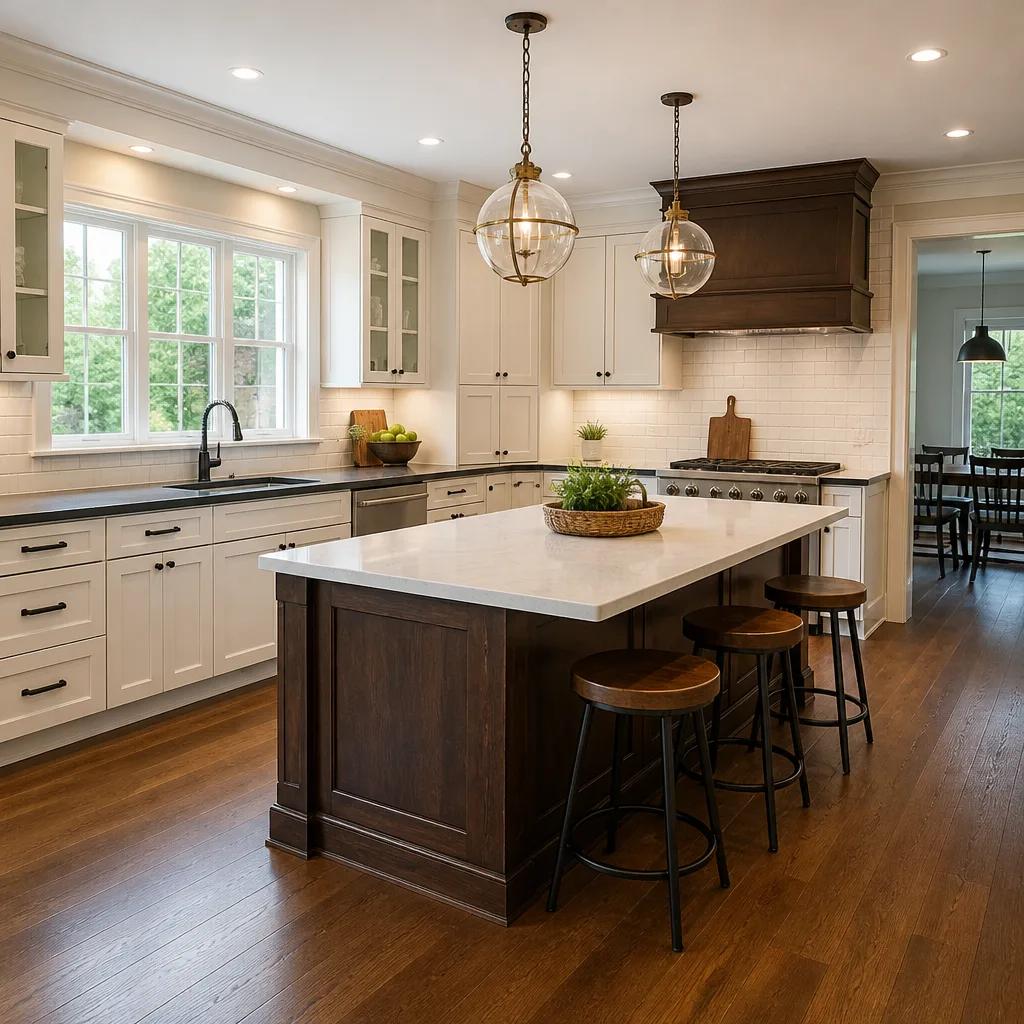
 Kitchen remodeling
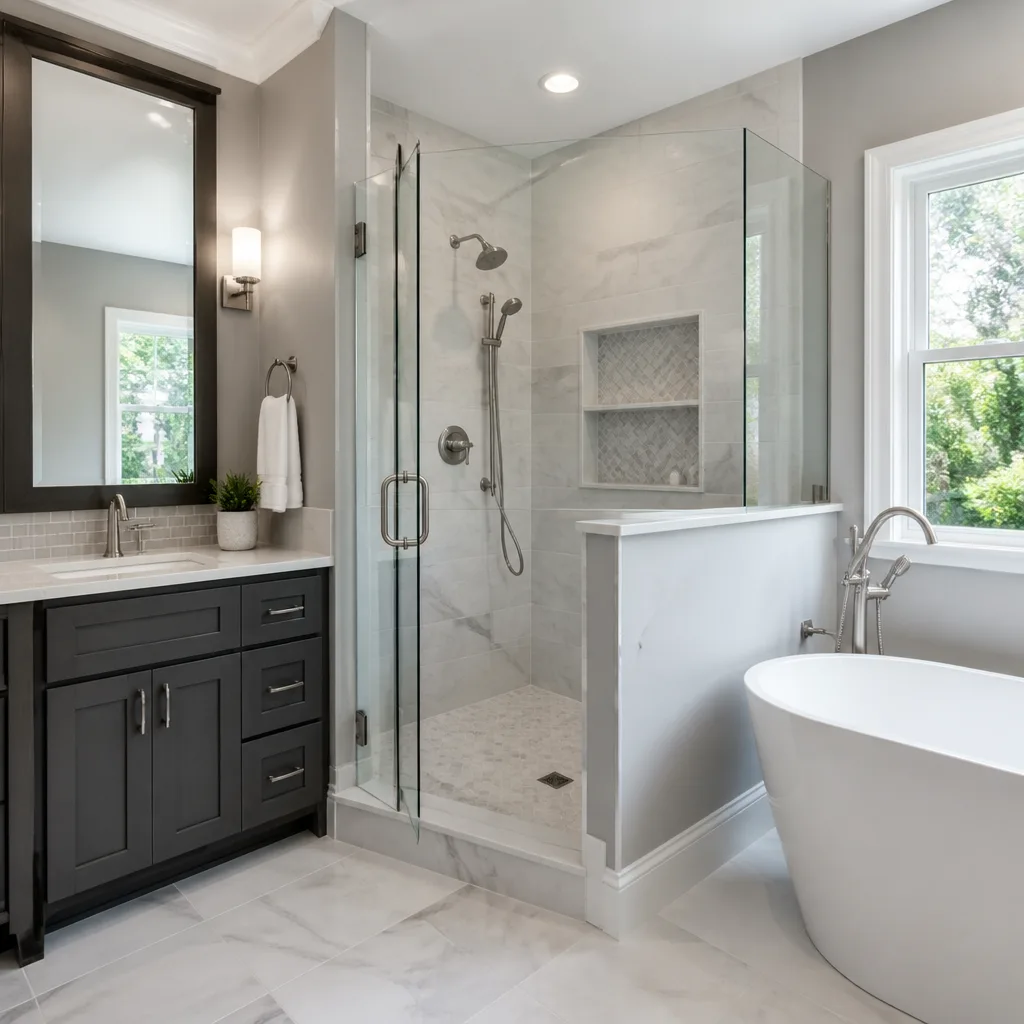 Bathroom remodeling
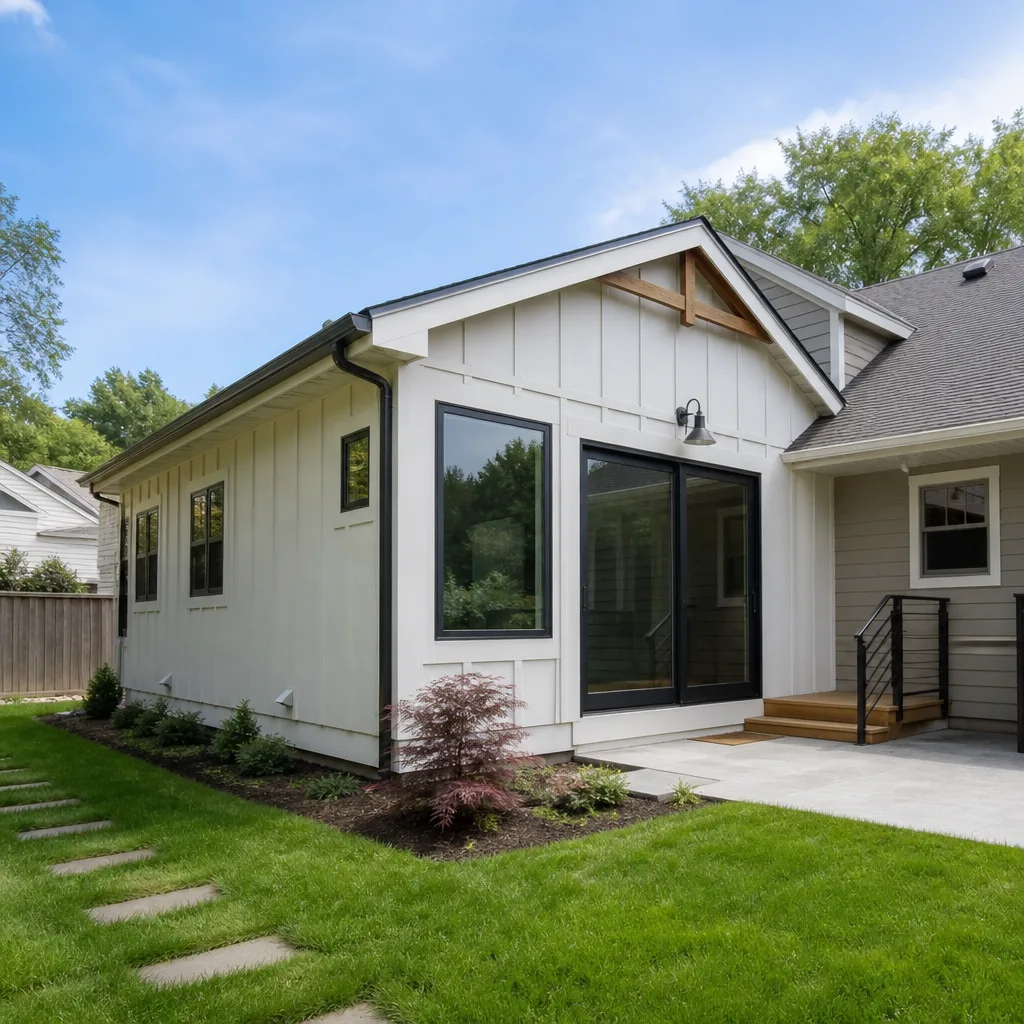 Home additions & ADU
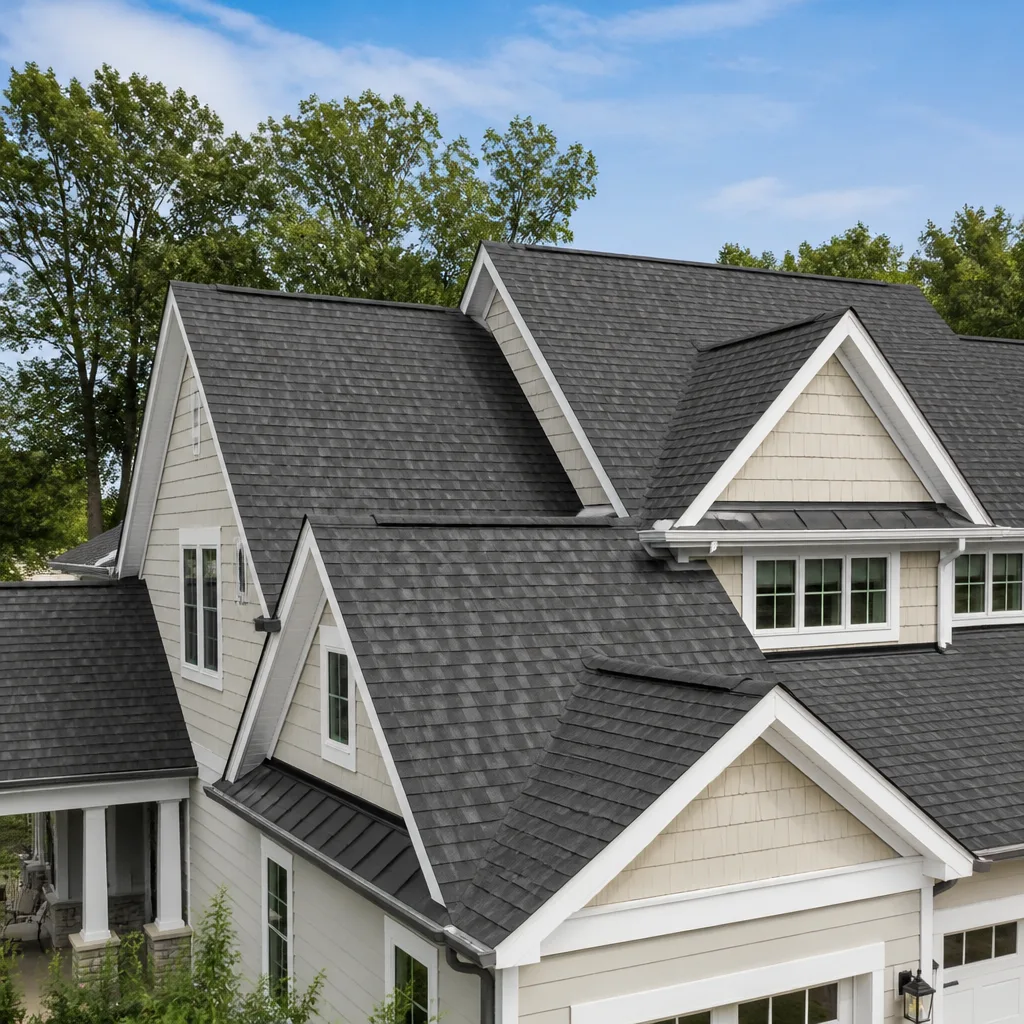 Roofing
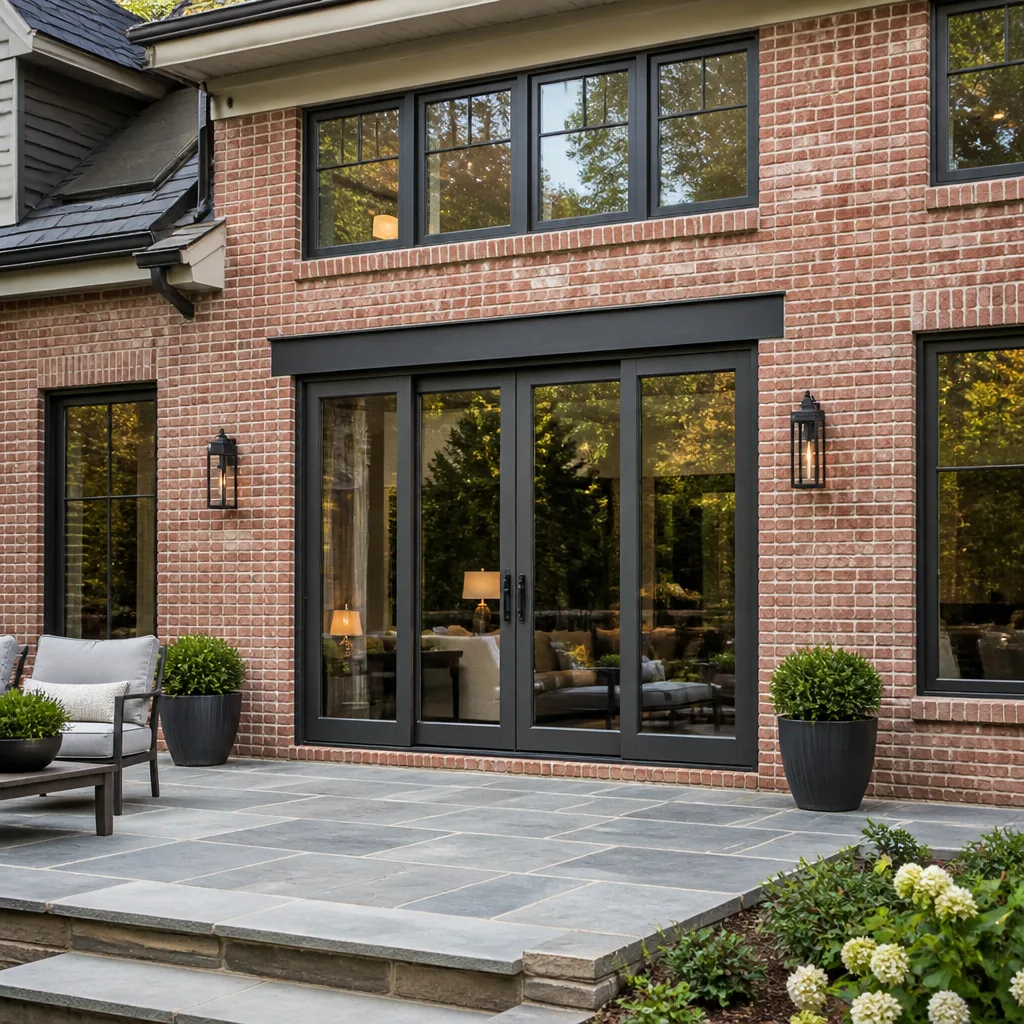 Windows & doors
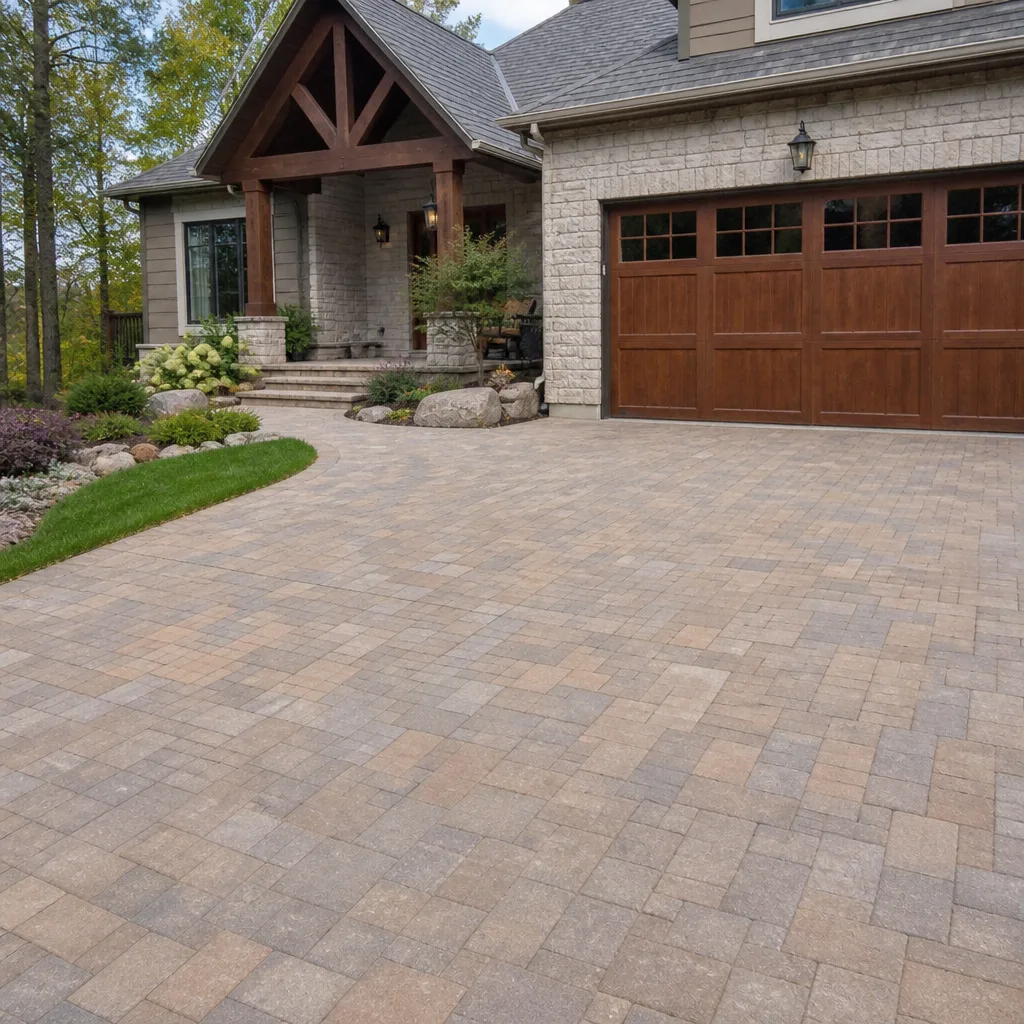 Driveway & pavers
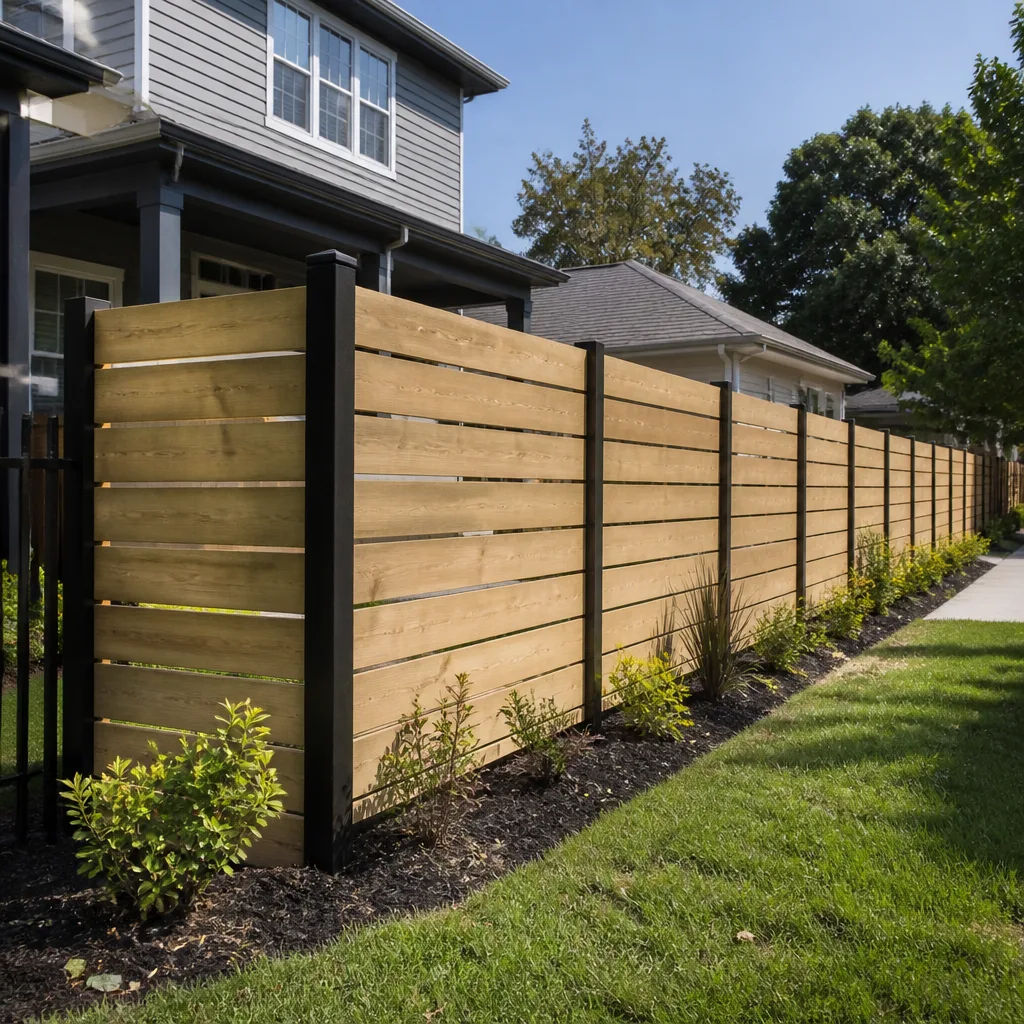 Fence
Free written scope consultation - allowances, timeline, and change-order rules on paper before a single trade is scheduled
Styles & brands we work with
- Kitchen remodeling
- Bathroom remodeling
- Home additions & ADU
- Roofing
- Windows & doors
- Driveway & pavers
- Fence
See the difference
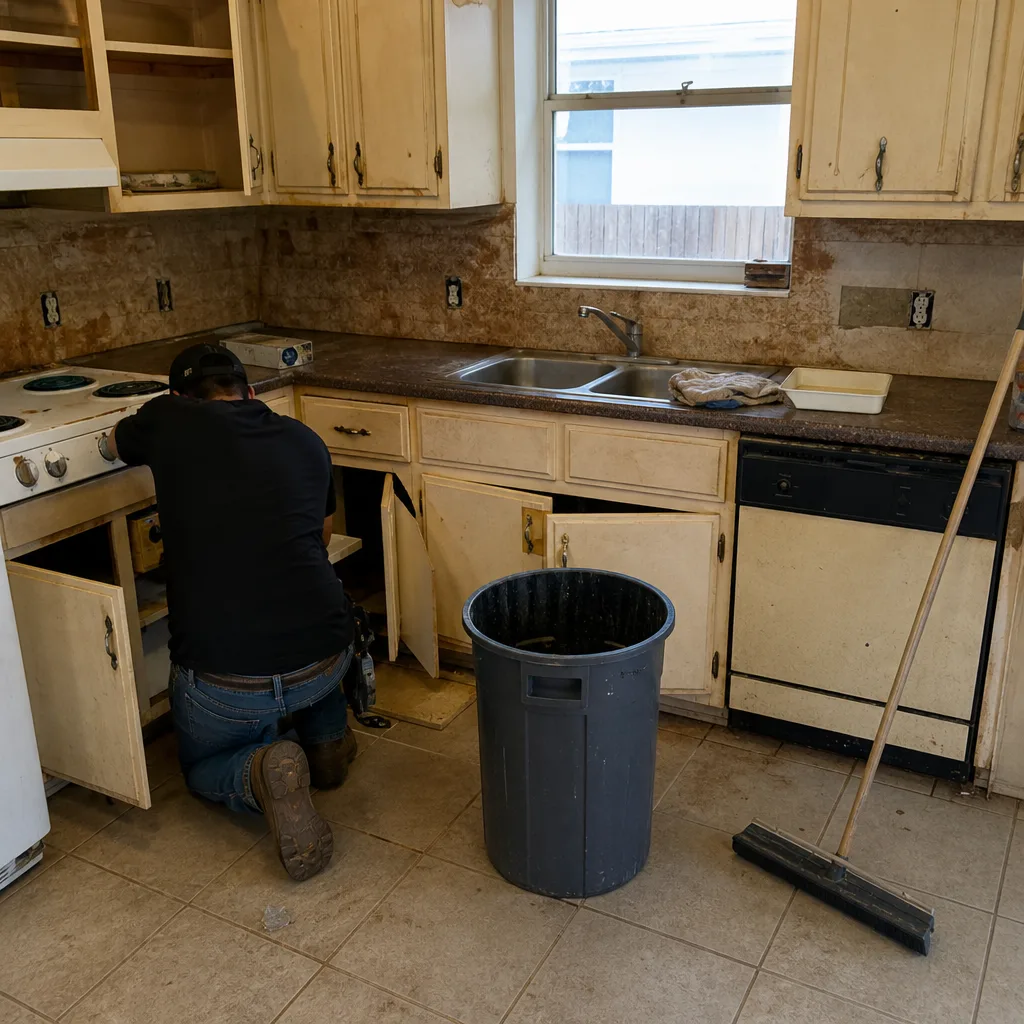 Before
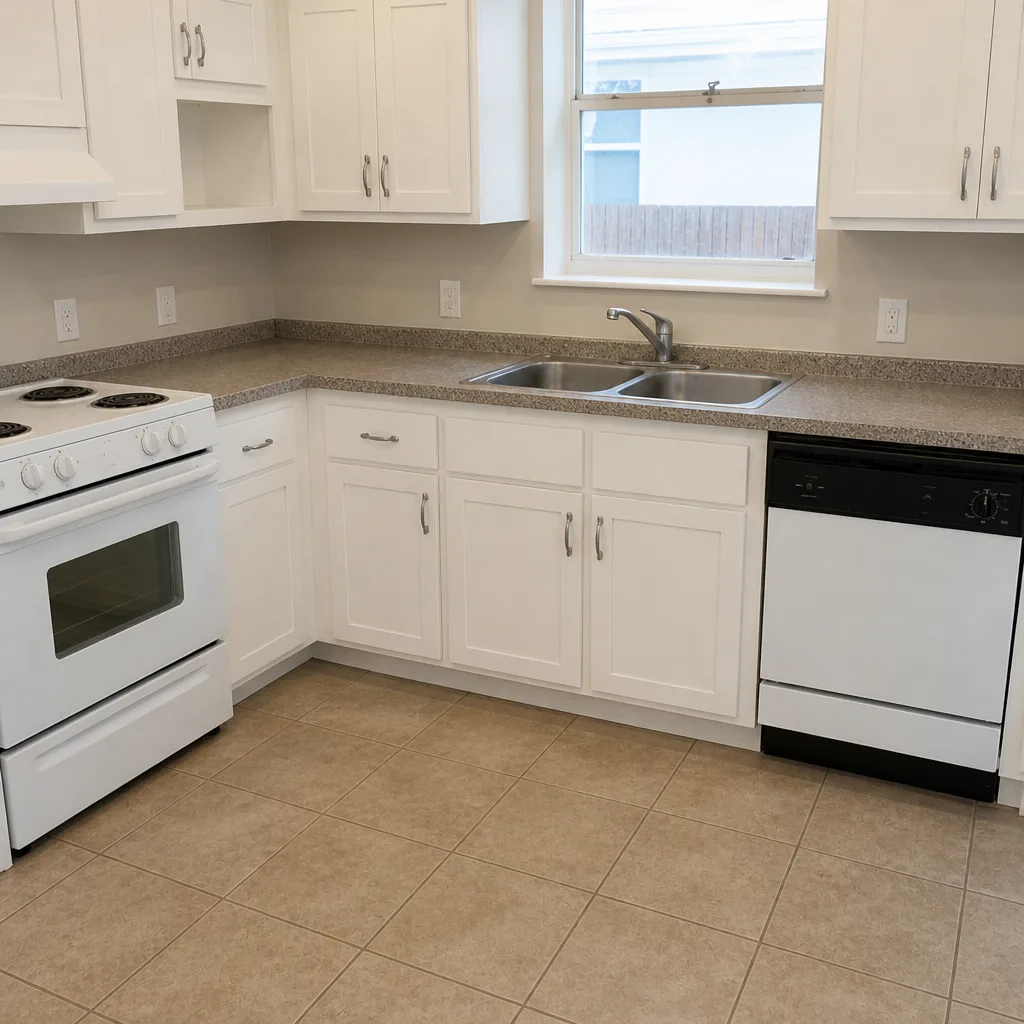 After
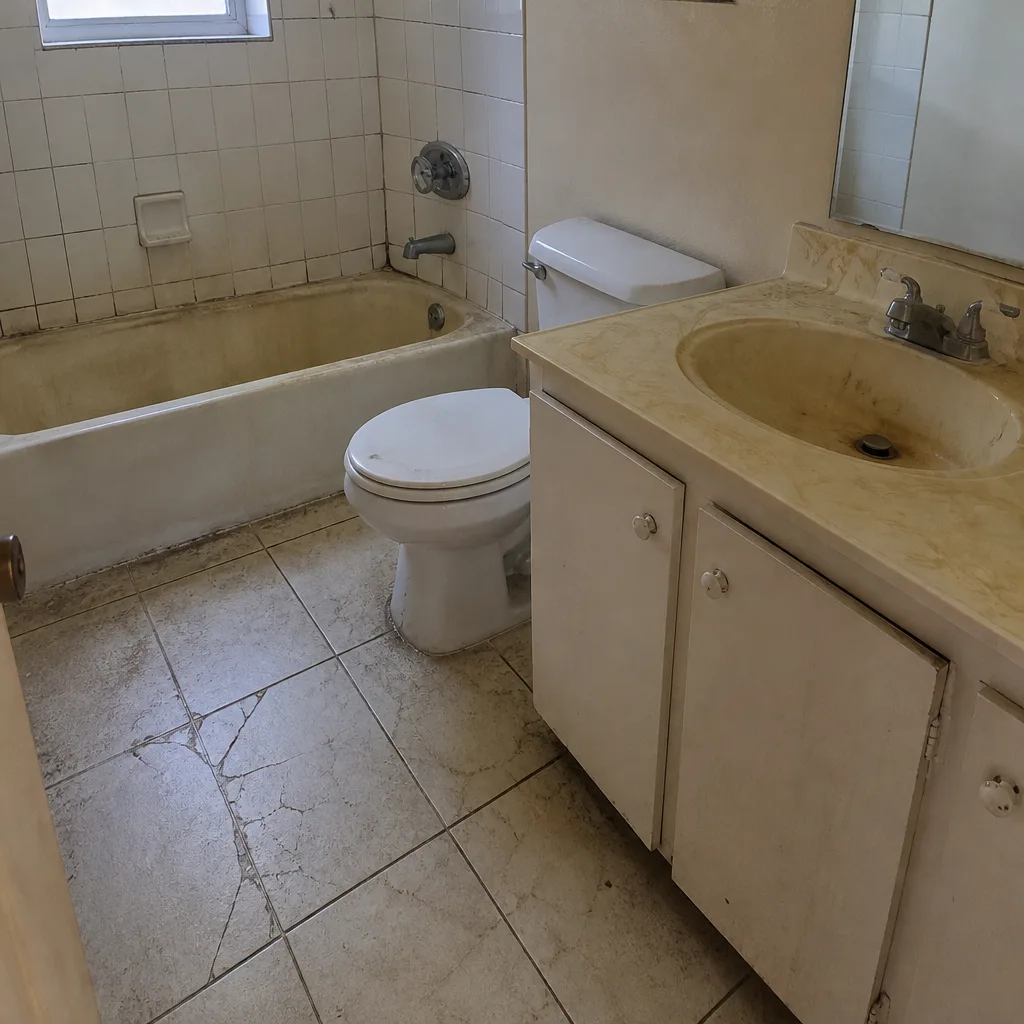 Before
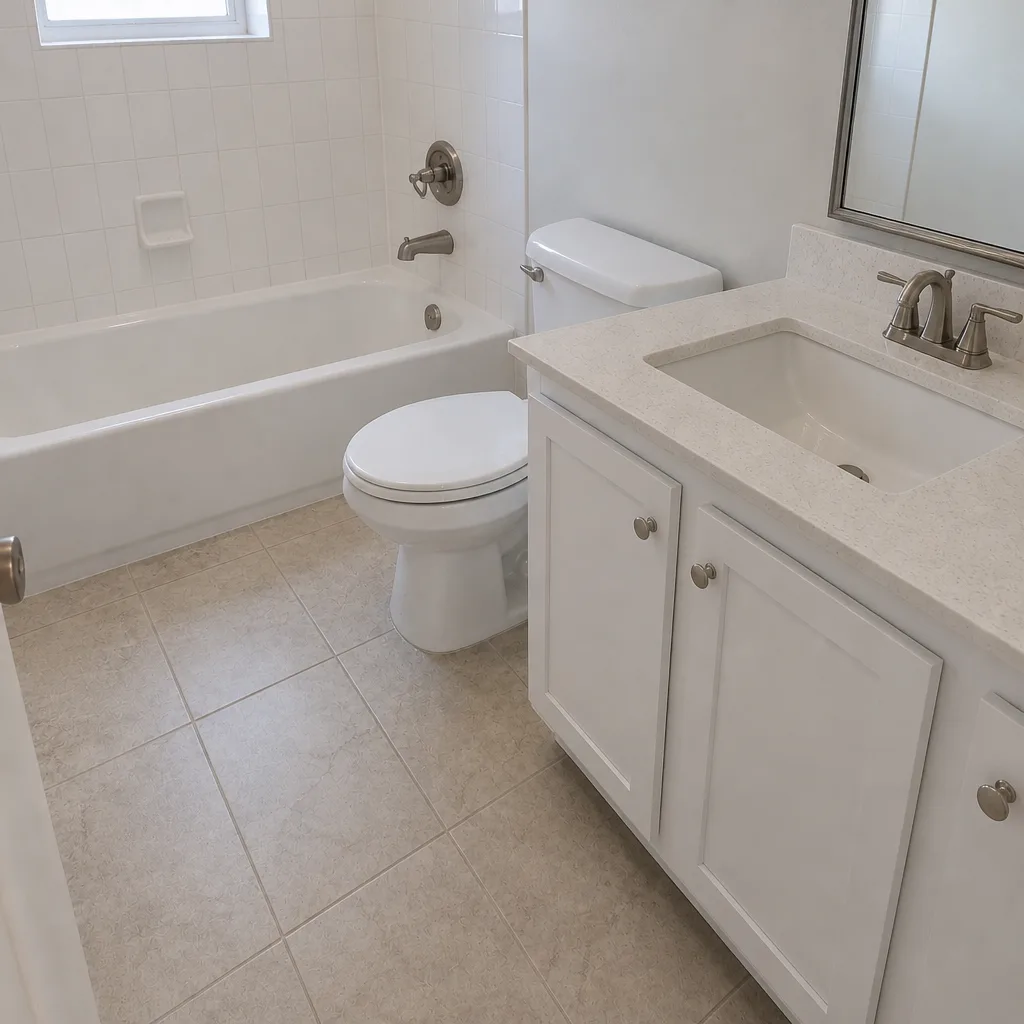 After
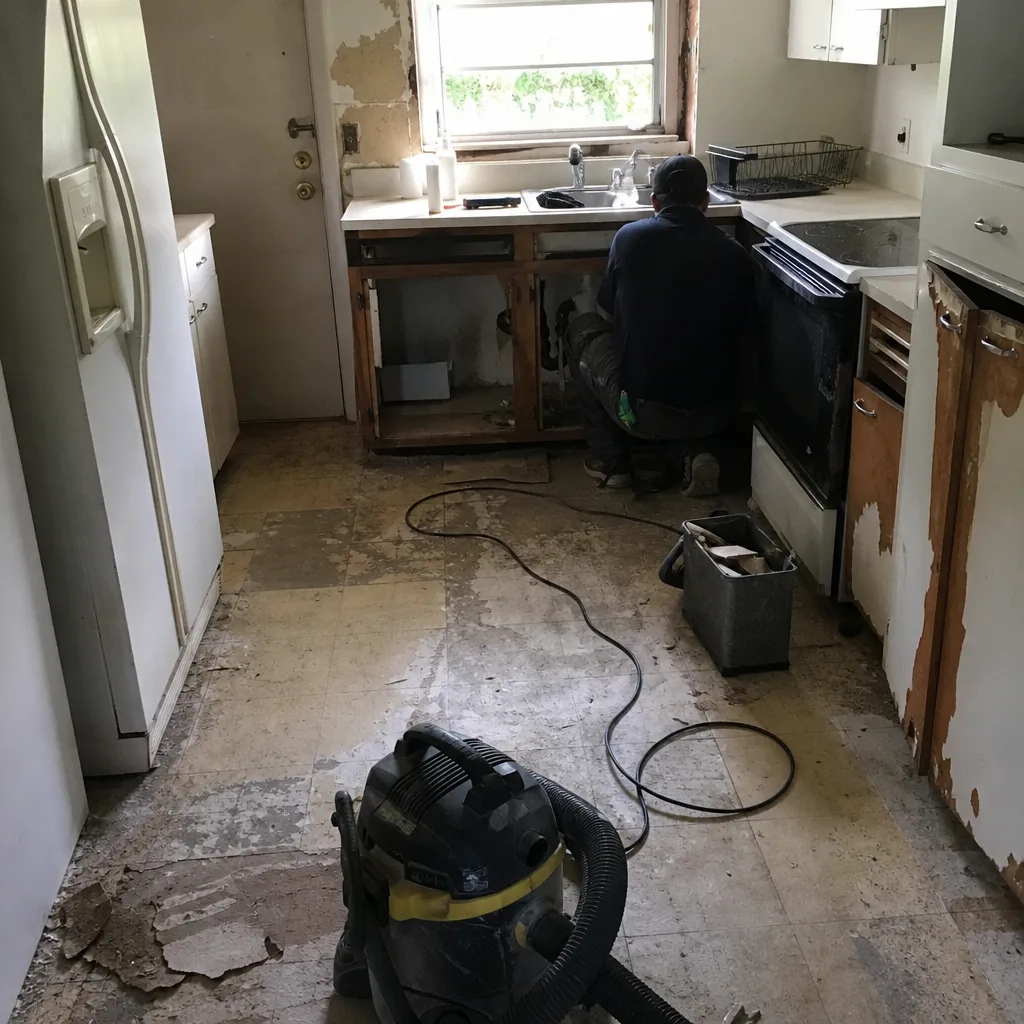 Before
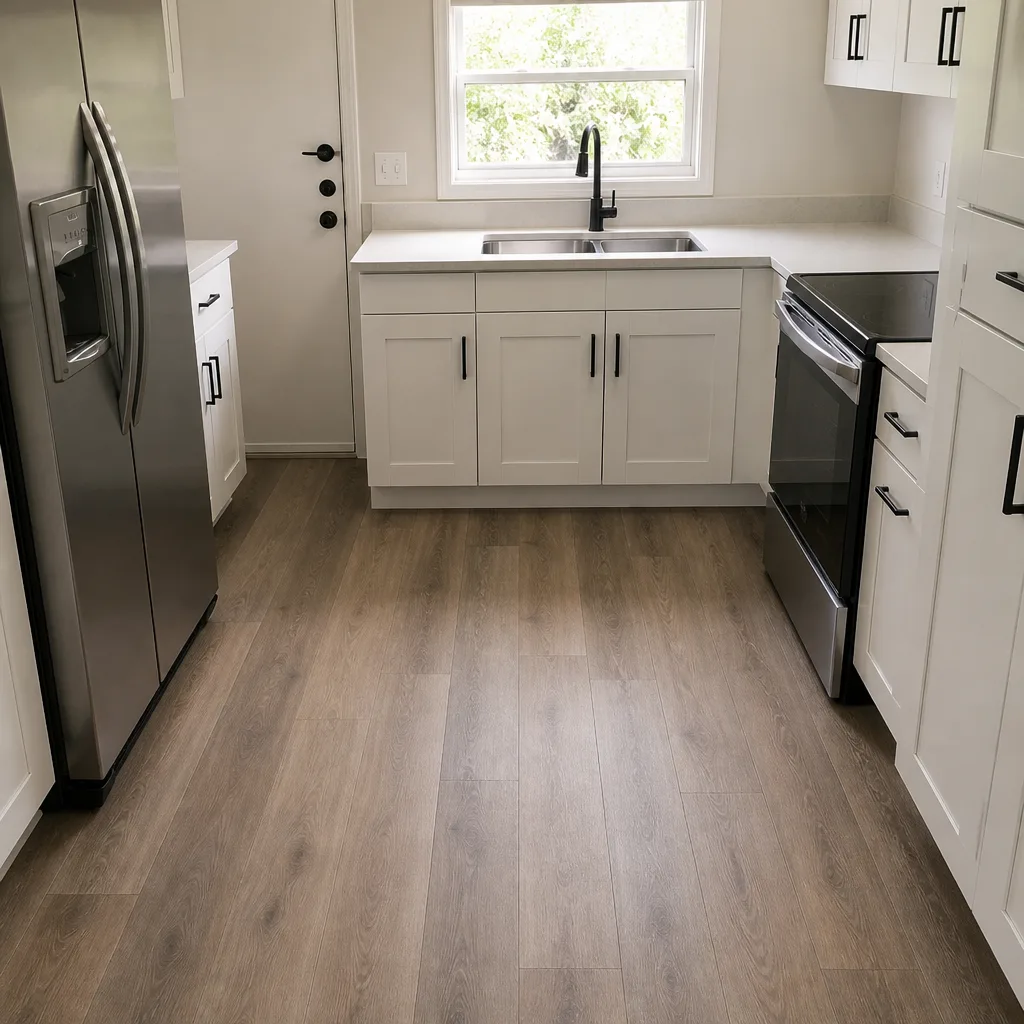 After
Signs You Need a New Roof in The Hammocks, FL: What Concrete Tile Actually Tells You
On a concrete tile roof in The Hammocks, the interior water stain is not the first sign – it’s the last one. The real warning signs are tiles that shift under light hand pressure, white mineral staining along the ridge caps, and rust bleeding through the soffit, and each points to a failing underlayment or corroded fastener rather than the tile itself. If you want the short version: press a few field tiles near a valley, look up at the ridge line, and check the soffit vents before you call anyone. Then call us at (844) 761-9356 and we’ll confirm it in person.
Key Takeaways
- Concrete tile can outlast the house. The underlayment, mortar bed, and flashings are what fail first.
- Most The Hammocks homes are 20-35 years old, which puts original ASTM D226 felt squarely at end of service life.
- A roof that looks perfect in February can fail in the first wind-driven rain of June, and you’ll never see it coming from the ground.
- Whole streets here were roofed in one construction phase, so a neighbor’s re-roof is genuine data about your own timeline.
Why the Standard “Signs You Need a New Roof” List Misses Your Roof
Nearly every checklist you’ll find online was written for asphalt shingle roofs in cooler climates. Granules in the gutter, curling tabs, bald patches, hail dents – those are shingle failure signals, and they matter if you have shingles. The Hammocks housing stock is almost entirely concrete-block (CBS) homes with stucco walls and clay or concrete tile roofs, built as tract development from the 1980s through the 2000s. On that inventory, shingle vocabulary is a distraction.
Here’s the part that surprises people: the tile itself is rarely the problem. A well-fired concrete tile can last 50 years or more, and plenty will outlast the building. The failure point is the system underneath – the mortar bed holding the ridge and hip tiles, the metal flashings at every penetration, and the felt underlayment that keeps wind-driven rain out of the deck.
That distinction changes everything about what you should inspect. Here’s the comparison we walk homeowners through:
| What the generic list says | What actually matters on a The Hammocks tile roof |
|---|---|
| Missing or curling shingles | Tiles that shift or rock when you press them – broken mortar bond |
| Granules in the gutters | White, chalky efflorescence streaking at ridge caps and hips |
| Bald patches on the field | Rust staining on metal flashings at vents, plumbing stacks, and valleys |
| Visible sagging from the yard | Rust bleeding through soffit or fascia, meaning fasteners are corroding from below |
| Hail bruising | Interior staining only after heavy wind-driven rain – the underlayment has already failed |
What Should You Actually Look For on a South Florida Tile Roof?
Start with the three signals that show up first in this climate. They’re all visible from a ladder at the eave or from a second-story window, and none of them requires walking the roof – which we’d rather you didn’t do.
- Tile movement. Press gently on tiles at the ridge, hip, and near valleys. A tile that rocks or shifts means the mortar bed has lost its bond. On a 25-year-old roof, that’s routine; on a 15-year-old roof, it’s a warning.
- Efflorescence. That white, chalky mineral bloom at the ridge caps isn’t cosmetic. It’s moisture moving through the mortar and evaporating out, and it’s a reliable early indicator that water is getting behind the system.
- Rust at penetrations. Every vent stack, plumbing boot, and valley flashing is a small metal component in a very salty, very humid environment. Rust here means the surrounding seal is compromised too.
South Florida’s humidity does something else the generic lists never mention: it corrodes roof deck fasteners from underneath. That failure is invisible from the ground and invisible from above. The tell is rust staining bleeding through the soffit or fascia board – it means the nails holding your decking down are corroding, and that’s a structural issue, not a cosmetic one. If you see brown streaks under your soffit vents, get it assessed before hurricane season, not after. Our Roofing team handles this kind of assessment routinely.
Is Your Roof Age Itself a Warning Sign in The Hammocks?
Yes, and this is the signal unique to a community built the way The Hammocks was. Because the neighborhood was mass-produced in a narrow window, whole blocks hit the same milestone at once. The original ASTM D226 felt underlayment on these homes was engineered for roughly 20 to 25 years. Many The Hammocks homes are now 20 to 35 years old. Do the math.
That underlayment dries out and turns brittle long before it fails. There’s no drip in the ceiling, no stain, no visible exterior sign at all – just a thin sheet of dried-out felt doing nothing. Then the first wind-driven rain of June drives water sideways under the tile field, straight through, and you’re looking at ceiling damage and a full re-roof in the same week.
Here’s the operator detail we share with homeowners, and it’s the most useful thing on this page: watch your street. If three homes within a year on your block have needed re-roofs, the rest of the street is almost certainly in the same failure window. One neighbor’s tile re-roof permit often triggers a run of copycat jobs down the block, and that pattern is real. It’s not a sales tactic; it’s what happens when a subdivision ages as one cohort. If your block is producing re-roofs, get your roof looked at now, while you have options.
When Is It Repair vs. Replacement?
The honest answer depends on whether the failure is in the tile or in the system beneath it. A few cracked field tiles after a storm is a repair. Lifting or rocking tiles across a hip, efflorescence at every ridge cap, and rusted flashings at multiple penetrations is a system-level problem, and patching it just buys you time until the next rain event.
Our technicians have up to 12 years of experience, and they’ll tell you plainly which one you’re looking at. If it’s a repair, we repair it. If it’s replacement, we walk you through the options, including GAF and Owens Corning systems rated for Miami-Dade’s High-Velocity Hurricane Zone product approvals, so you’re choosing quality rather than whatever’s available that week.
What does it cost in The Hammocks? These are the ranges we hold to across our market, so you’re not guessing:
| Job | Typical range in The Hammocks |
|---|---|
| Roof repair | $400-$1,800 |
| Tile roof repair | $600-$2,500 |
| Full roof replacement | $8,000-$20,000 |
| Metal roof installation | $15,000-$40,000 |
Every replacement we do is covered by our 730-Day Done Right Promise – if it’s not done right, we make it right, for two full years. That’s one of the longest workmanship guarantees in residential construction, and it exists because a re-roof is a system, not a stack of tiles. If you’re budgeting, we also offer 0% financing for 18 months and $1,000 off projects over $10,000, with upfront pricing so the number you see is the number you pay.
One more thing on timing: if you see a warning sign on a Sunday night and there’s rain in the forecast, that’s exactly when you don’t want a voicemail. Our phones are answered by a live person 24 hours a day, so you get a real human and an inspection scheduled, not a callback on Monday. Explore our The Hammocks service area page to see how we handle assessments across the neighborhood.
FAQs
The tile itself can last 50 years or more, but the underlayment beneath it typically lasts 20 to 25 years – and that’s the part that decides your roof’s real lifespan. On a 20- to 35-year-old The Hammocks home, the felt underlayment is usually at or past end of service life even when the tiles above it look fine. Call (844) 761-9356 and we’ll check the system, not just the surface.
Yes, and on concrete tile roofs this is the most common scenario we see. A dry, brittle underlayment shows no visible exterior sign at all until wind-driven rain pushes water under the tile field and it fails suddenly – often in the first storm of the season. If your home is in that 20- to 35-year window, the age of the roof is the warning sign even when the roof looks intact. A no-pressure assessment settles it; call (844) 761-9356.
White, chalky staining along your ridges and hips is efflorescence, and it means moisture is moving through the mortar bed and evaporating out – a reliable early sign the system underneath is compromised. It’s not a cosmetic stain to scrub and forget. Have it looked at while it’s still a repair rather than a re-roof; call (844) 761-9356 for a free estimate.
A repair is cheaper up front – tile roof repair here runs $600-$2,500 against $8,000-$20,000 for a full replacement – but only if the failure is isolated to damaged tiles or one flashing. If tiles are lifting across a hip and the underlayment is past its service life, repeated repairs cost more than a replacement within a few seasons. Call (844) 761-9356 and we’ll tell you honestly which situation you’re in.
Get a Straight Answer on Your Roof
If your 20- to 35-year-old The Hammocks roof is showing any of these signals, don’t wait for a stain on the ceiling to confirm it. Groundwork Construction Co. of The Hammocks offers a no-pressure roof assessment – real answers, upfront pricing, and a live person on the phone any hour. Call (844) 761-9356 for a free estimate.
Written by the team at Groundwork Construction Co. of The Hammocks, serving The Hammocks, FL.