
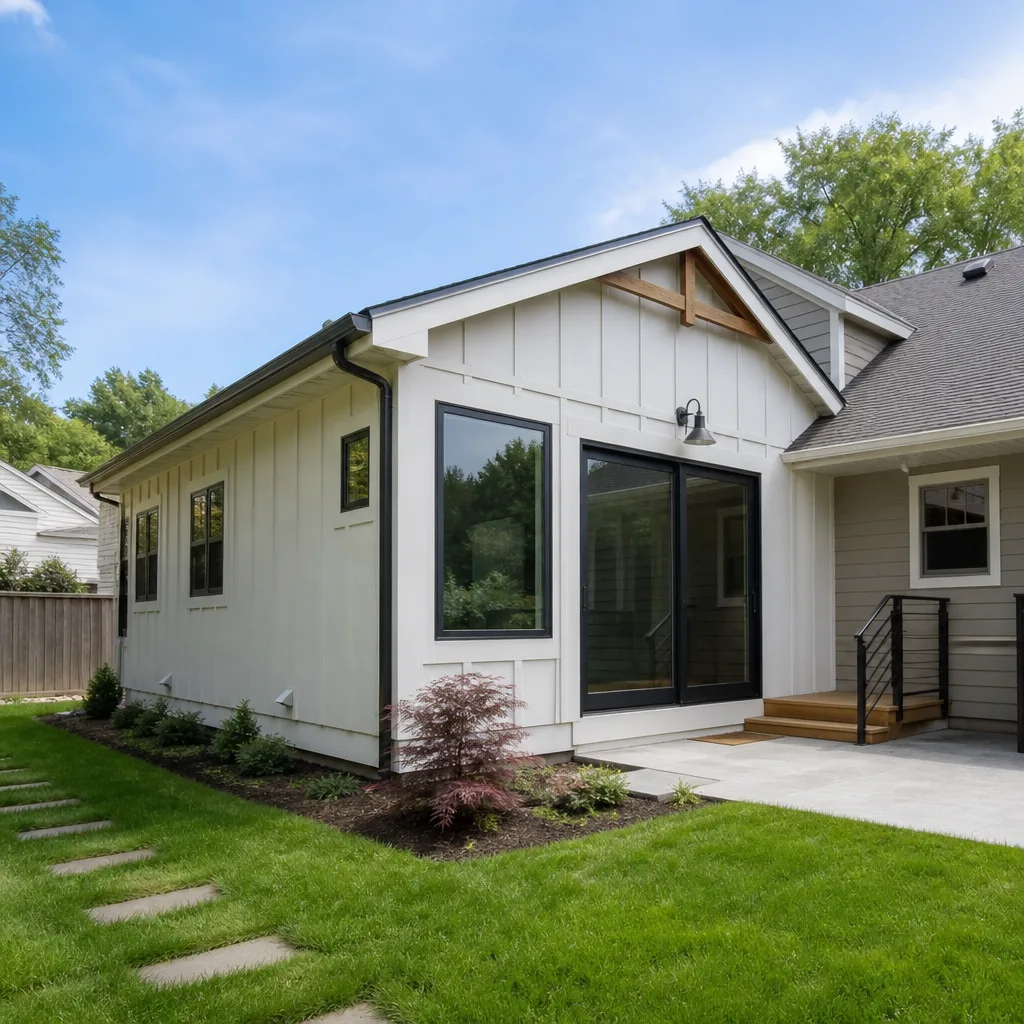
 Home additions & ADU
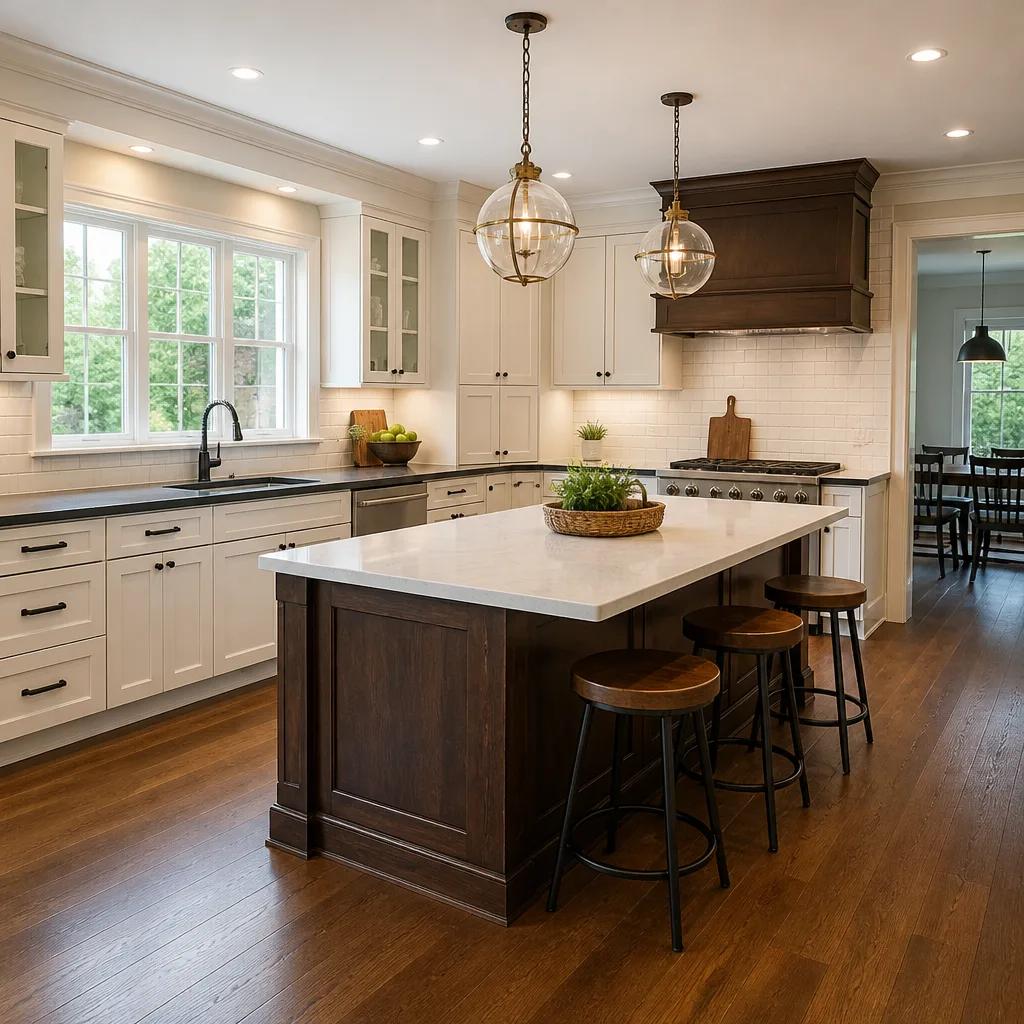 Kitchen remodeling
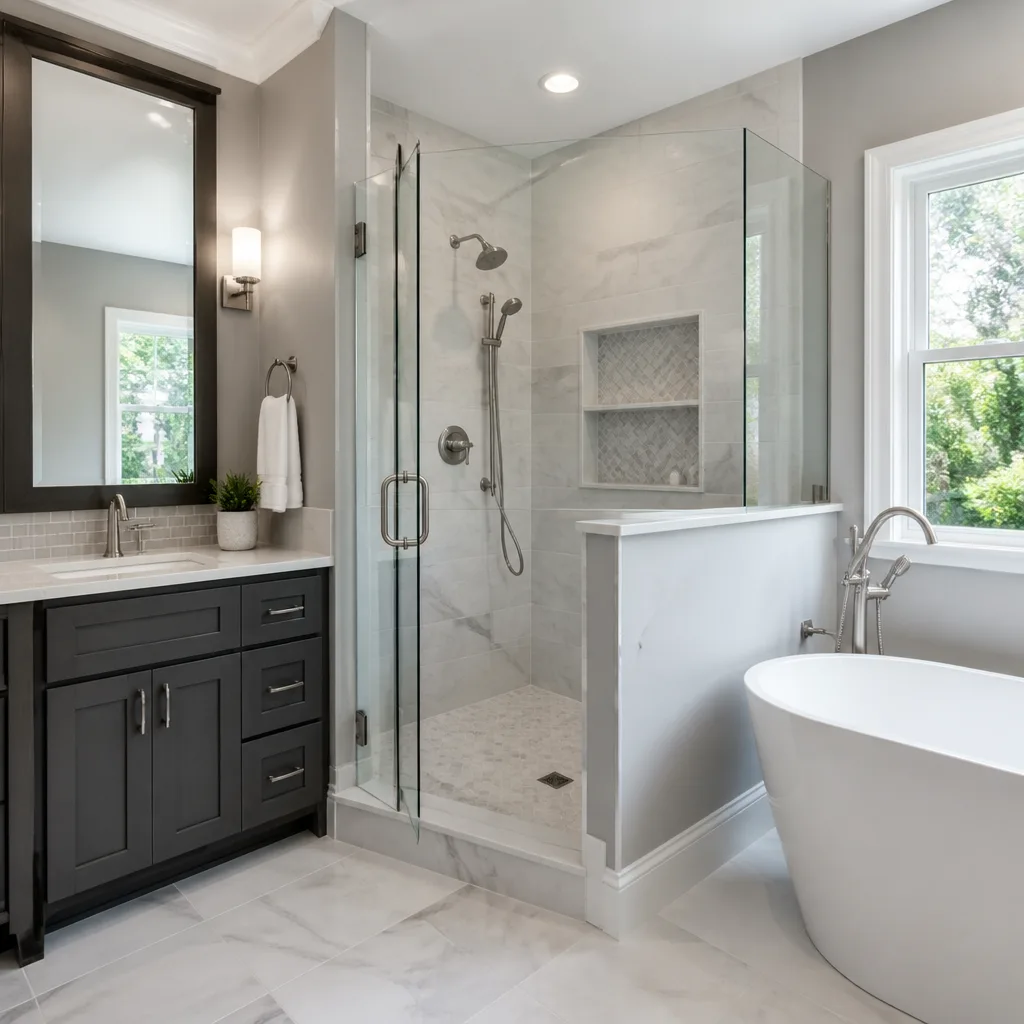 Bathroom remodeling
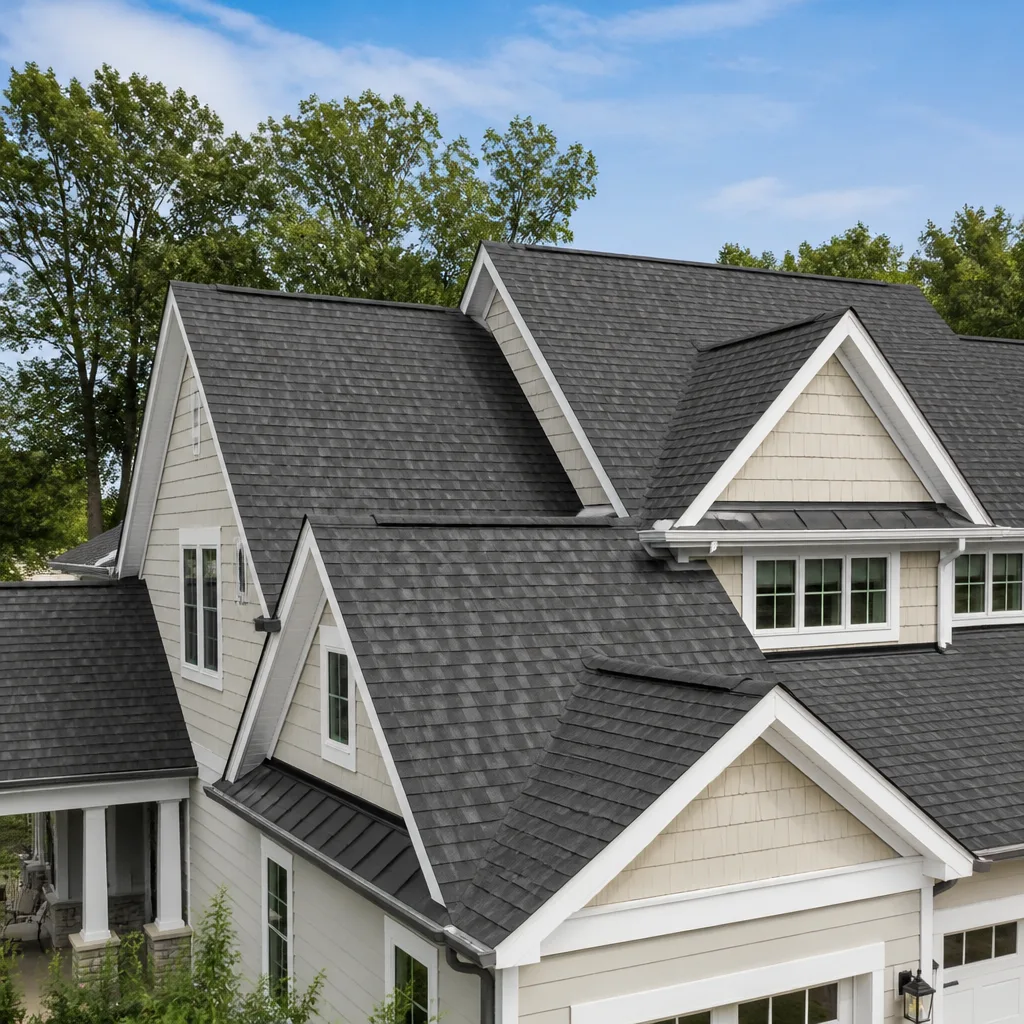 Roofing
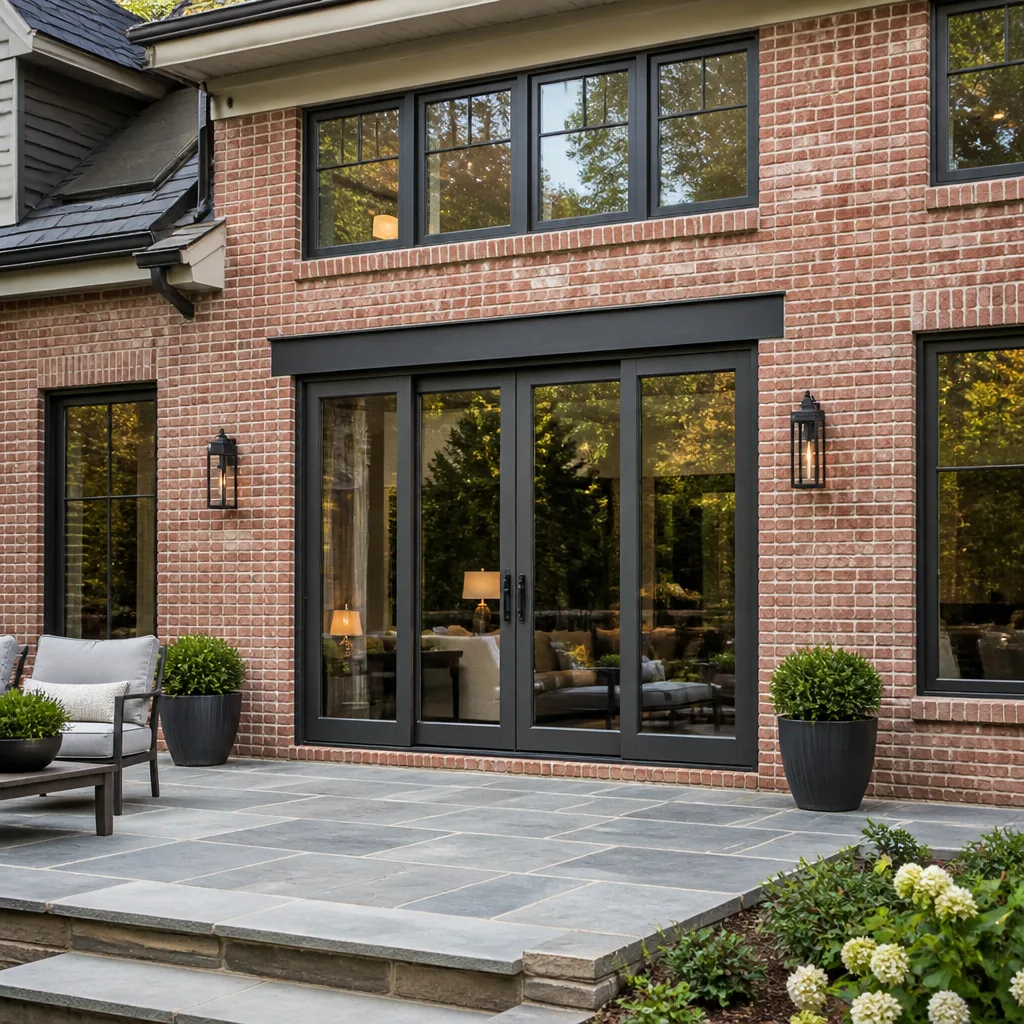 Windows & doors
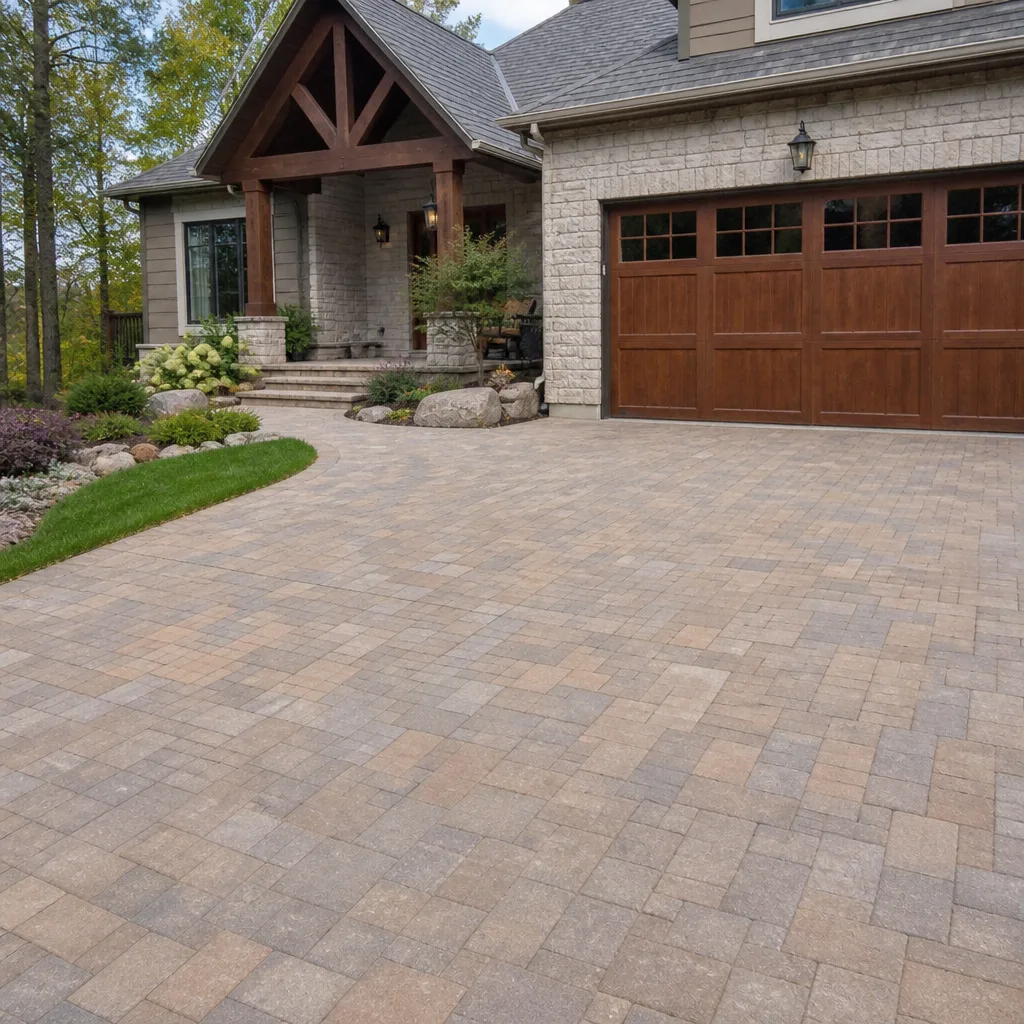 Driveway & pavers
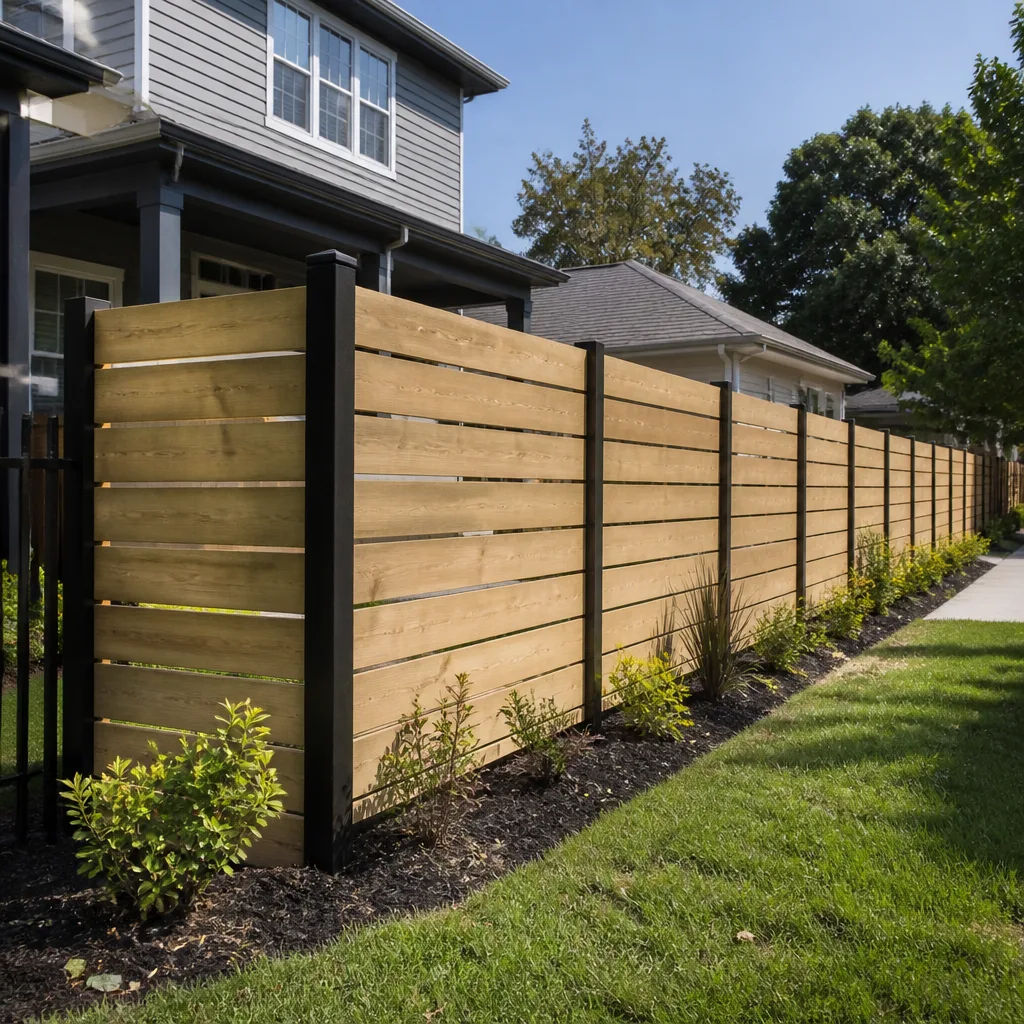 Fence
Free written scope consultation - allowances, timeline, and change-order rules on paper before a single trade is scheduled
Styles & brands we work with
- Kitchen remodeling
- Bathroom remodeling
- Home additions & ADU
- Roofing
- Windows & doors
- Driveway & pavers
- Fence
See the difference
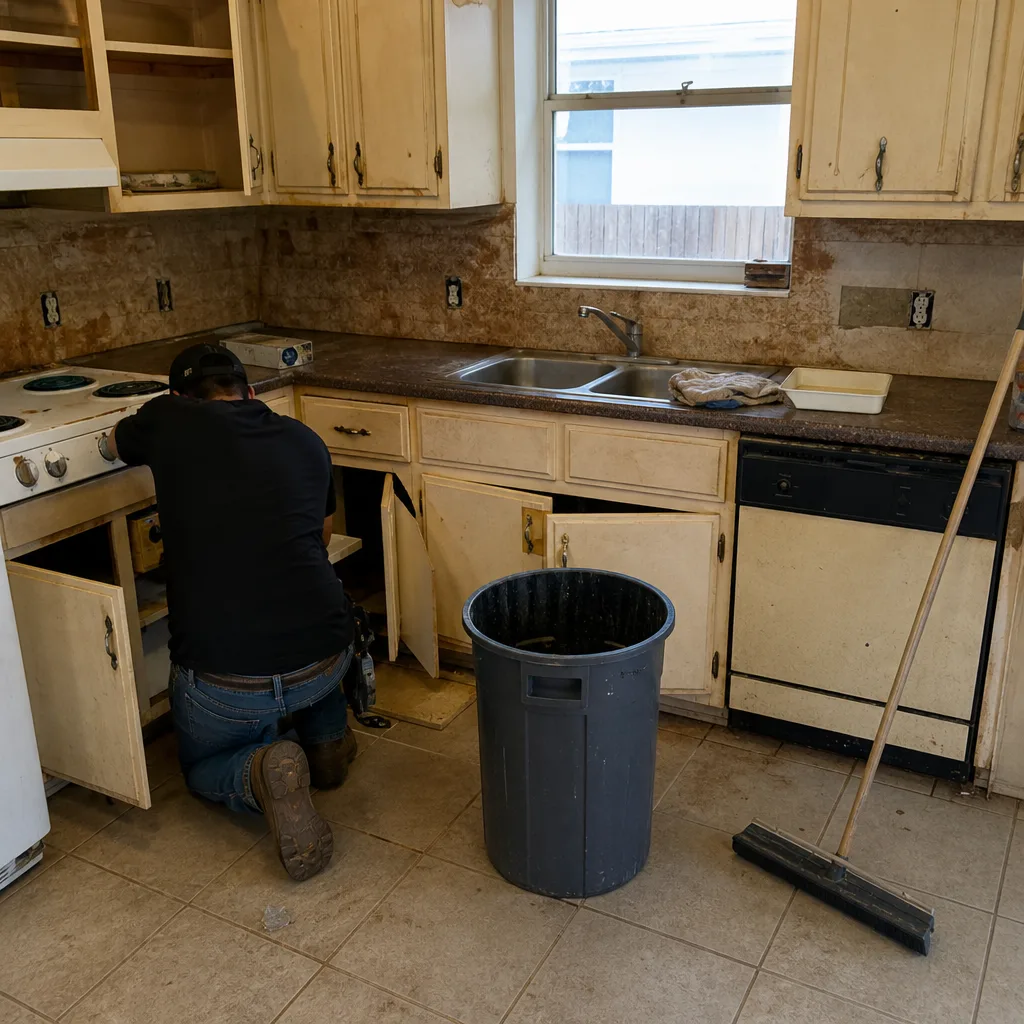 Before
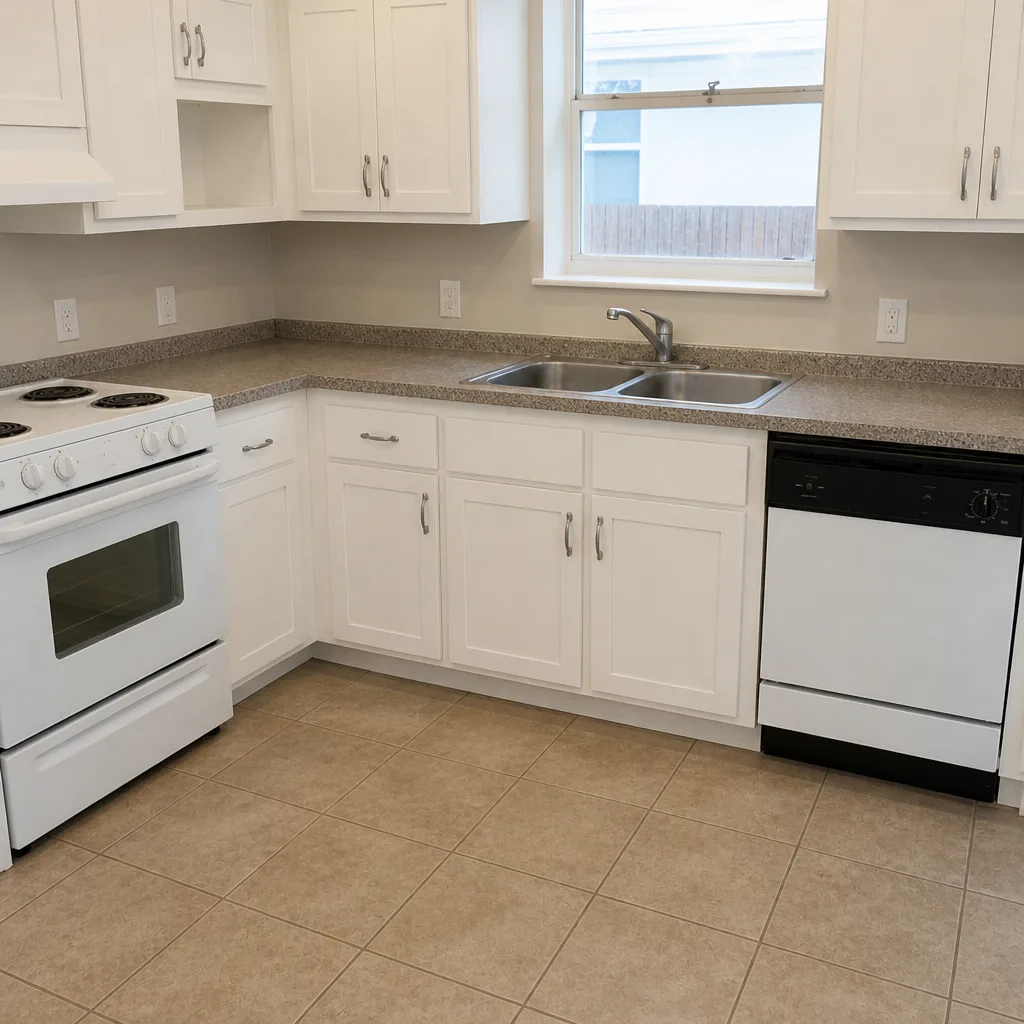 After
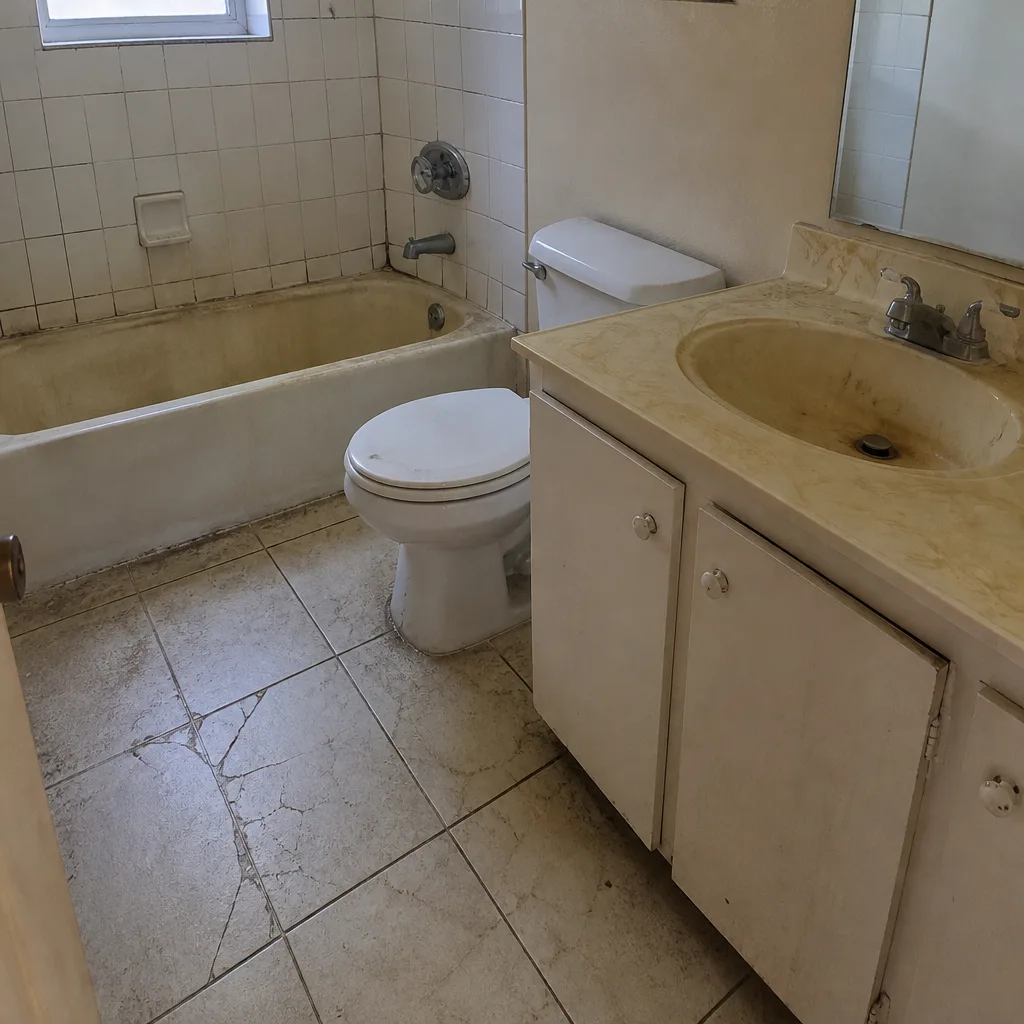 Before
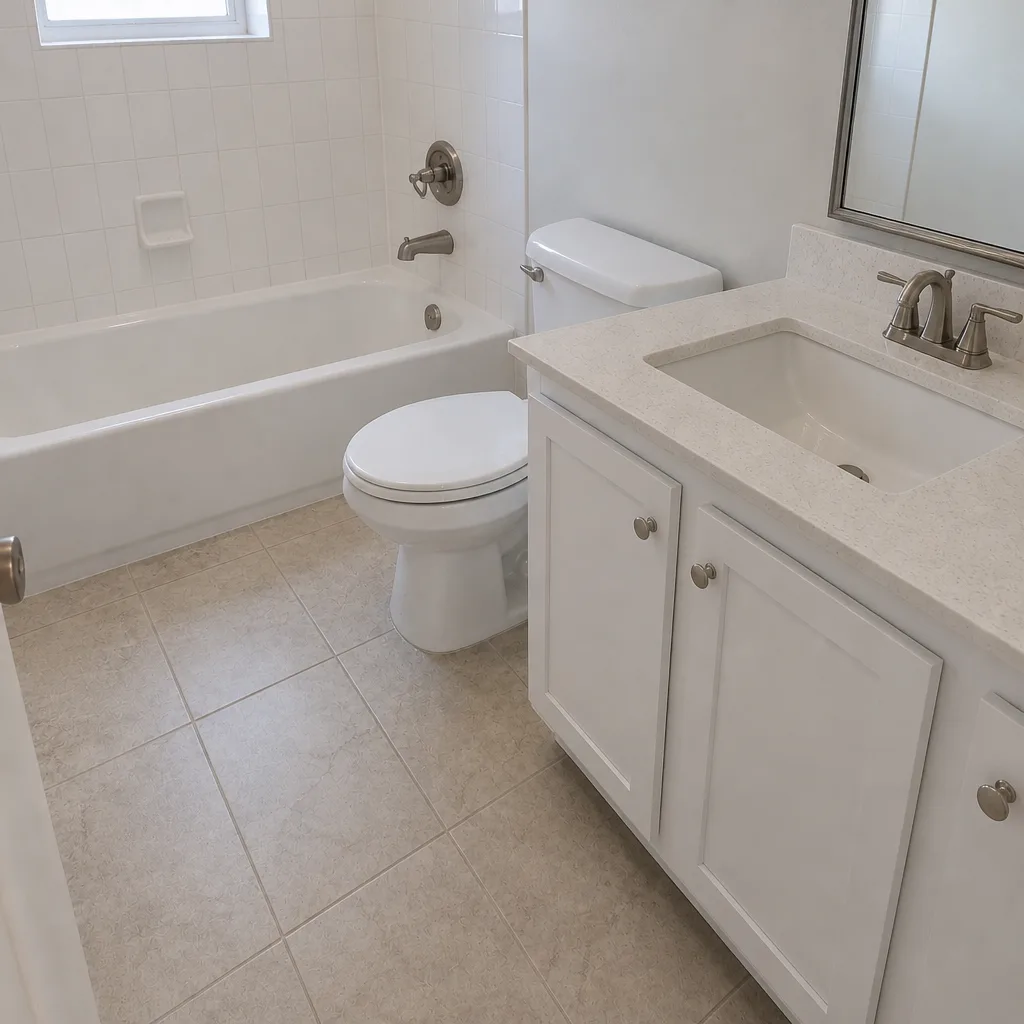 After
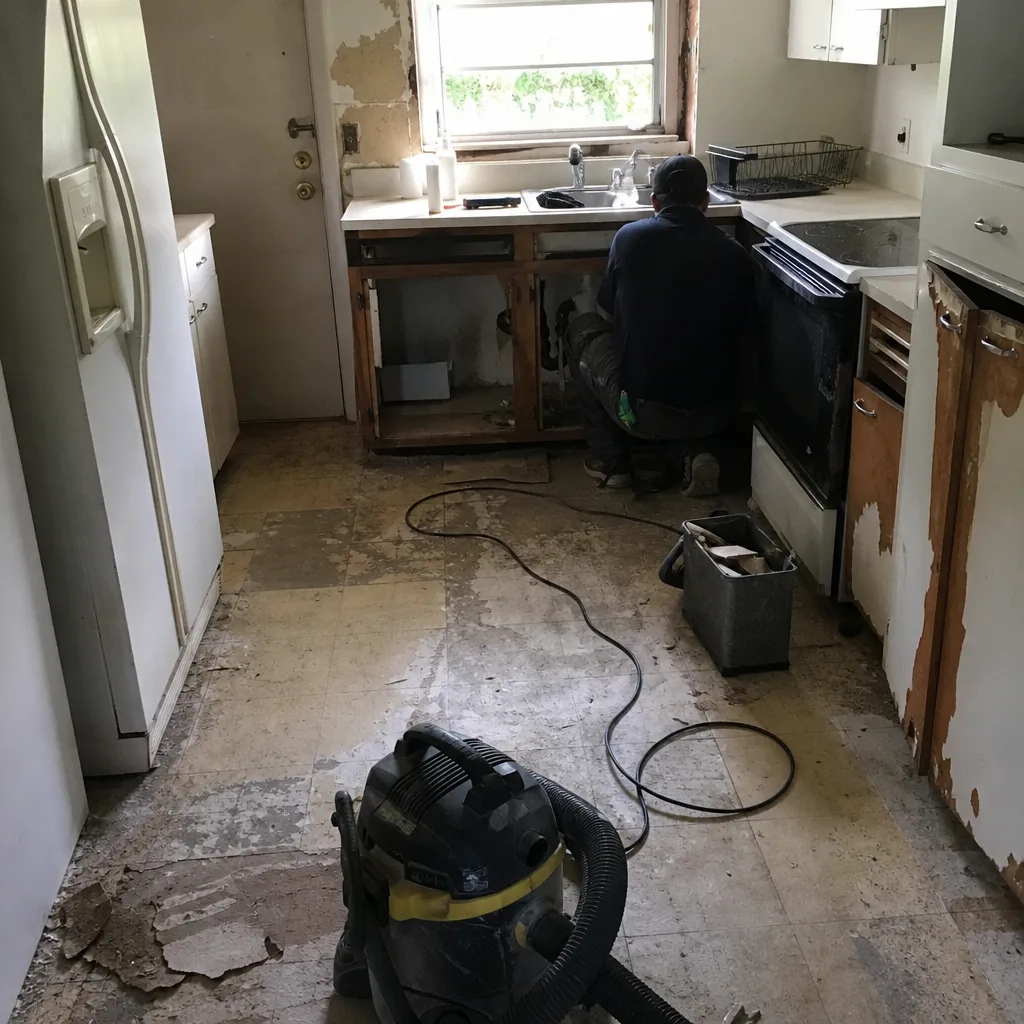 Before
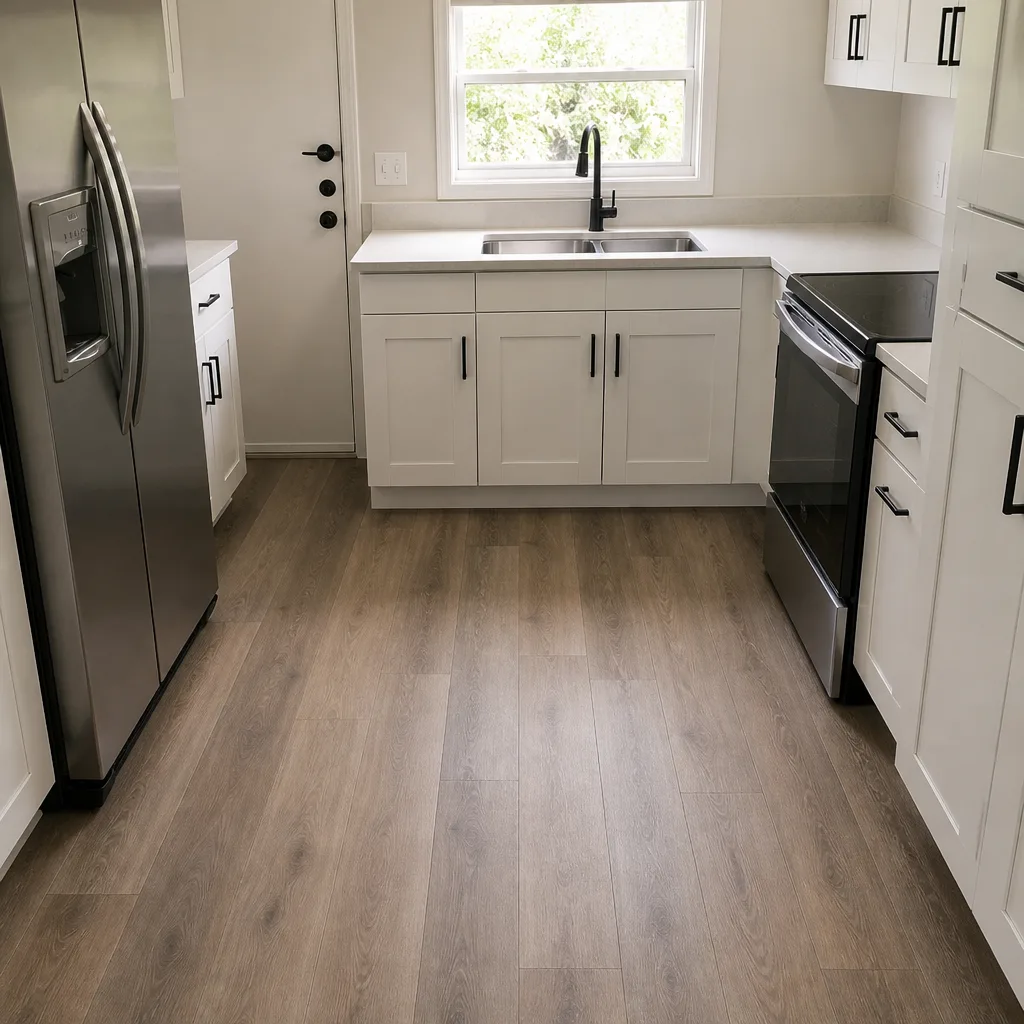 After
Home Addition vs ADU in The Hammocks, FL: Which One Actually Fits Your Lot?
Choose a home addition unless rental income is part of your plan. On a Hammocks lot, an addition adds square footage to the house you already own and can’t be rented as a separate unit; an ADU can bring in rent, but Miami-Dade’s impervious-surface limits, setback rules, and the 1980s tract plat can kill the idea before it starts. The right call depends on your lot, your financing, and what you actually want the space to do. Call (844) 761-9356 to walk your specific property, and we’ll run both numbers with you before you spend a dollar on plans.
Key Takeaways
- A home addition expands your principal structure and cannot be rented as a separate dwelling unit in Miami-Dade.
- Only a properly permitted ADU with its own entrance and address qualifies for rental income.
- The Hammocks’ 7,000-9,000 sq ft tract lots are often near their impervious-surface limit already.
- A second-story addition on a CBS home triggers a full structural re-analysis of the slab and foundation.
- Miami-Dade’s 2023 ADU ordinance lets an ADU count toward property value for financing.
Why This Decision Is Mostly About Your Plat, Not Your Taste
The Hammocks was mass-produced in a narrow window, mostly the 1980s through the 2000s, so nearly every single-family home here is concrete block with stucco, sitting on a lot that was platted by the same handful of developers. Walk down one street and you’ll see the same 7,000-9,000 sq ft footprint, the same side-yard setbacks, and often the same pool-and-patio configuration added in the years since. That uniformity is exactly why running a generic “addition or ADU?” search gets you the wrong answer. Your neighbor’s lot and yours share the same constraints, and those constraints are legal and physical before they’re ever aesthetic.
In Miami-Dade, a home addition is classified as an expansion of the principal structure. It’s part of your house. You can’t rent it separately, you can’t meter it independently, and you can’t call it an ADU on a permit application no matter how nicely you separate the entrance. An ADU is a different animal: a permitted, separate dwelling unit with its own address and its own entrance. That distinction drives everything that follows, from what you can borrow against to who can legally live there and pay you rent.
So the honest framework is this: if you want more room for your own family and no rental component, an addition is simpler, cheaper per square foot, and faster to permit. If rental income, a multigenerational setup, or a future refinance is part of the plan, an ADU only works if your lot can physically carry the footprint. For Hammocks homeowners, that last question is the one that trips up the whole project.
The Impervious-Surface Trap on a Hammocks Tract Lot
Impervious surface is the concrete, pavers, roof, and pool deck that don’t absorb rain. Miami-Dade caps how much of a residential lot can be covered. A typical Hammocks lot left the developer with plenty of headroom. Three decades of pool installation, patio pours, and driveway widening later, many of those lots are sitting within a few hundred square feet of their limit. And a detached ADU’s concrete footprint is exactly the kind of addition that pushes a lot over the line.
This is where a second-story addition runs into its own problem. On a CBS Hammocks home, putting a second floor on triggers a full structural re-analysis of the existing slab and foundation, because the original design never anticipated the load. That engineering work adds cost and time to the front end of the project. In plenty of scenarios we’ve scoped, those added costs make a detached ADU financially competitive even after the higher construction price, because the ADU doesn’t ask the existing house to carry anything new. No generic comparison guide runs that math. We do, lot by lot.
Subtropical South Florida also works against you here. Wind-driven rain and high humidity are hard on stucco, roof fasteners, and every enclosure, so an ADU built today has to hold up under the same Hurricane Zone product approvals as any addition. That means NOA-approved materials from the first day of planning, not as an afterthought when the permit reviewer flags them. We specify approved products up front so the build doesn’t stall mid-permit.
Side-by-Side: What Each Option Really Costs and Delivers
Numbers are the only place this decision gets honest. Here’s how the two paths compare in The Hammocks, using our current local ranges and what the resulting structure can legally do.
| Factor | Home Addition | Detached ADU |
|---|---|---|
| Typical cost range in The Hammocks | $45,000-$130,000 | $90,000-$220,000 |
| Can be rented as a separate unit | No | Yes, with permit, entrance, and address |
| Counts toward property value for financing | Yes, as appraised square footage | Yes, under the 2023 ADU ordinance, including rental-income capitalization |
| Impervious-surface impact | Moderate to none (stacks on existing footprint if second story) | Significant (new concrete footprint) |
| Structural re-analysis of existing home | Required for a second-story build | Not required for the main house |
| Best for | More room, no rental, simpler permit | Rental income, multigenerational living, refinance strategy |
If you need the most space for the least money and rental income isn’t in the picture, an addition wins. If you’re planning to refinance and want the structure to carry rental-income capitalization, an ADU is the only option the county treats that way, which is a real difference in the ROI math for a homeowner who intends to leverage the property. We don’t push either direction. We run both scopes against your lot and let you decide on real figures.
Every project we take on falls under our 730-Day Done Right Promise: if something isn’t done right, we make it right, backed in writing for two full years past most competitors’ warranty window. That applies to ADU builds and additions alike. For the full range of what we build, see our Home Additions & ADU in The Hammocks page, and for the broader scope of work this company handles, start at our home page.
Where the Permit and Financing Details Live
Miami-Dade’s 2023 ADU ordinance changed the ROI math for anyone planning to refinance, because it allows an ADU to count toward property value in a way an addition doesn’t quite match. An addition raises appraised value through square footage. An ADU adds square footage plus rental-income capitalization. If you’re building for the long term and plan to borrow against the property, that difference is worth understanding before you draw the first line.
Financing is where a lot of Hammocks homeowners stall. Construction loans for an ADU tend to be larger and draw more scrutiny than for an addition, because the lender is underwriting two structures. We offer 0% financing for 18 months and $1,000 off projects over $10,000, and our pricing is upfront: the number you see is the number you pay, with no surprise line items after you’ve signed. If you’re planning on impact windows for the new structure, we work with Mr-Glass and Therma-Tru so the glazing meets Miami-Dade approval and matches the rest of the house.
What we don’t do is hand you a bid built on assumptions. We put the addition scope and the ADU scope side by side in writing, with permit cost estimates and the material specs, using NOA-approved products from the outset. You walk away with two real numbers and the legal constraints spelled out, not a pitch. Our technicians have up to 12 years of experience on projects exactly like this, and every job runs with background-checked technicians who arrive in uniform.
FAQs
No. A home addition in Miami-Dade is an expansion of the principal structure and cannot legally be rented as a separate dwelling unit. If rental income is part of your plan, only a properly permitted ADU with its own entrance and address qualifies. Call (844) 761-9356 for an exact quote on either scope - estimates are free.
Only if your lot has enough impervious-surface headroom left after the existing pool, patio, and driveway are counted. Hammocks lots average 7,000-9,000 sq ft, and many sit close to the limit already. We’ll measure your actual coverage and tell you straight. Call (844) 761-9356 for a no-pressure assessment.
A permitted ADU in The Hammocks typically runs $90,000-$220,000, depending on footprint, finishes, and site work. A home addition runs $45,000-$130,000. The ADU carries a higher ticket but can generate rental income and counts toward property value for financing. Call (844) 761-9356 for a written scope comparison.
An addition is cheaper up front in almost every case, but the gap narrows when a second-story addition forces a full structural re-analysis of your CBS slab and foundation. Once the engineering and added timeline are folded in, the ADU is often financially competitive. We run both numbers in writing. Call (844) 761-9356.
Let’s Run Your Numbers Before You Commit to Either
If you’d rather have it looked at than guess, Groundwork Construction Co. of The Hammocks offers a no-pressure assessment in The Hammocks. We’ll measure your lot, check the surface limits, and put addition and ADU scopes side by side with real permit costs and approved materials. Call (844) 761-9356 for a free estimate and design consult. Calls answered by a live person, 24/7.
Written by the team at Groundwork Construction Co. of The Hammocks, serving The Hammocks, FL.