
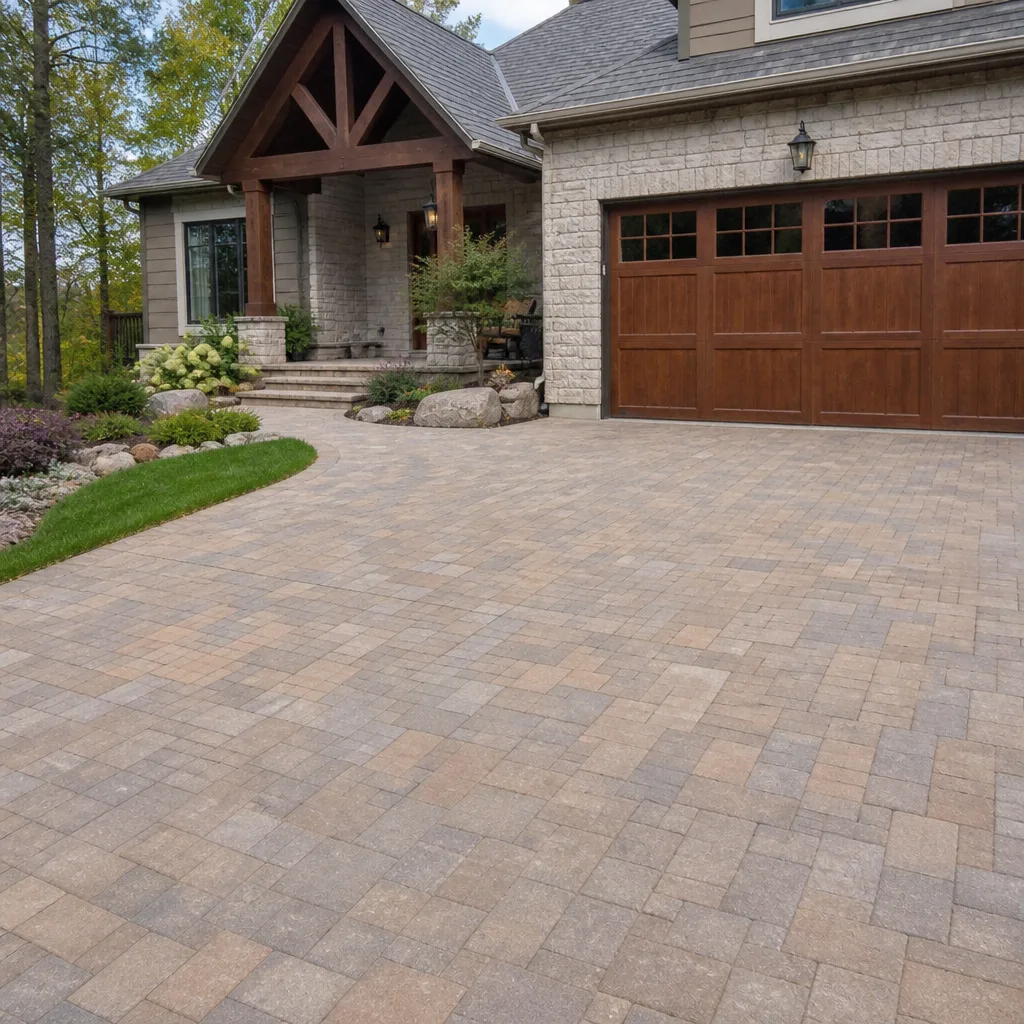
 Driveway & pavers
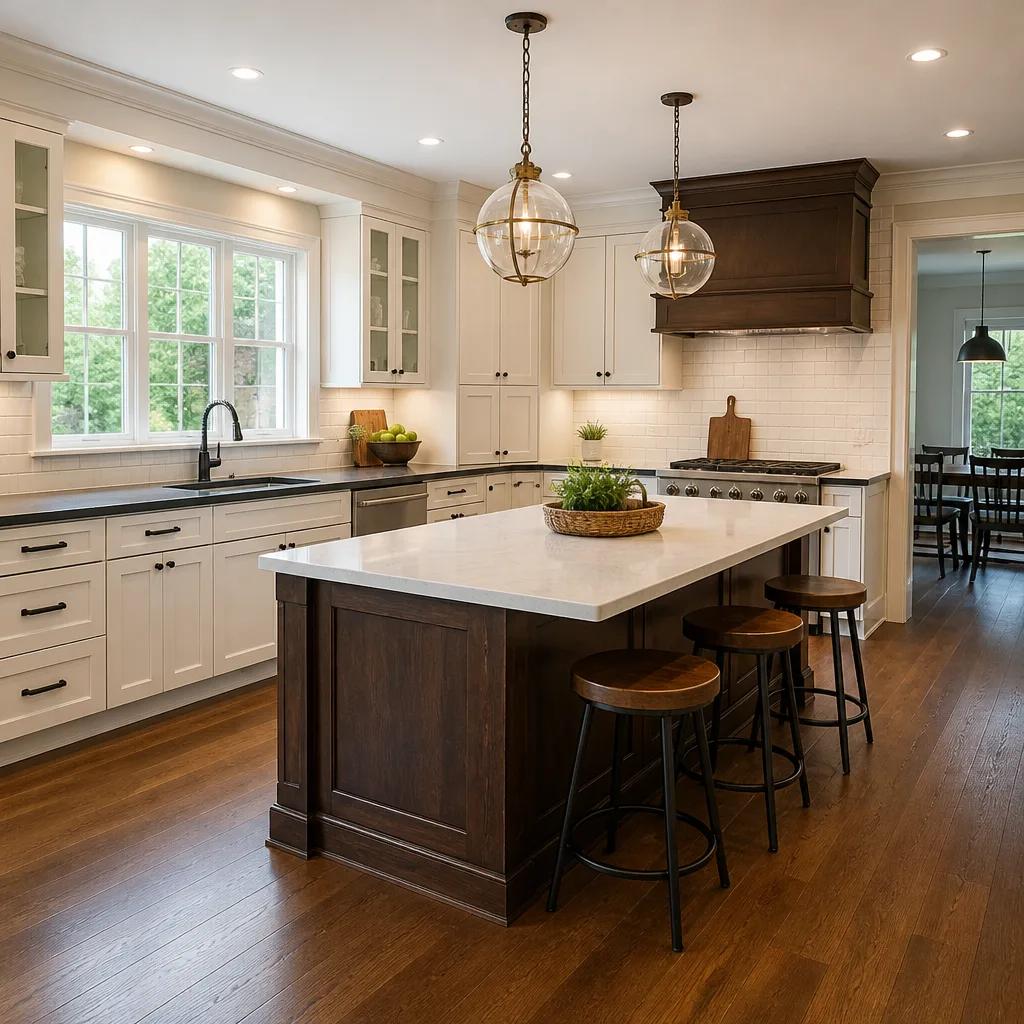 Kitchen remodeling
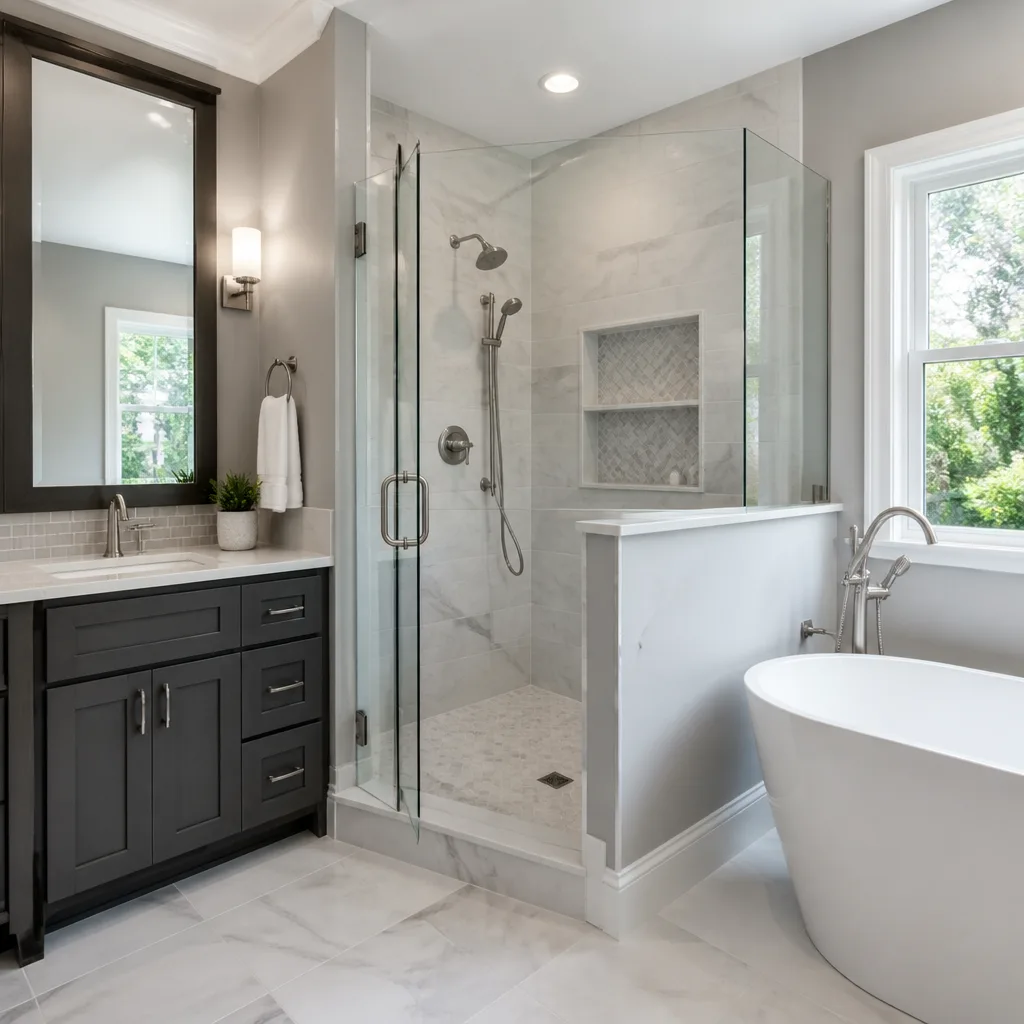 Bathroom remodeling
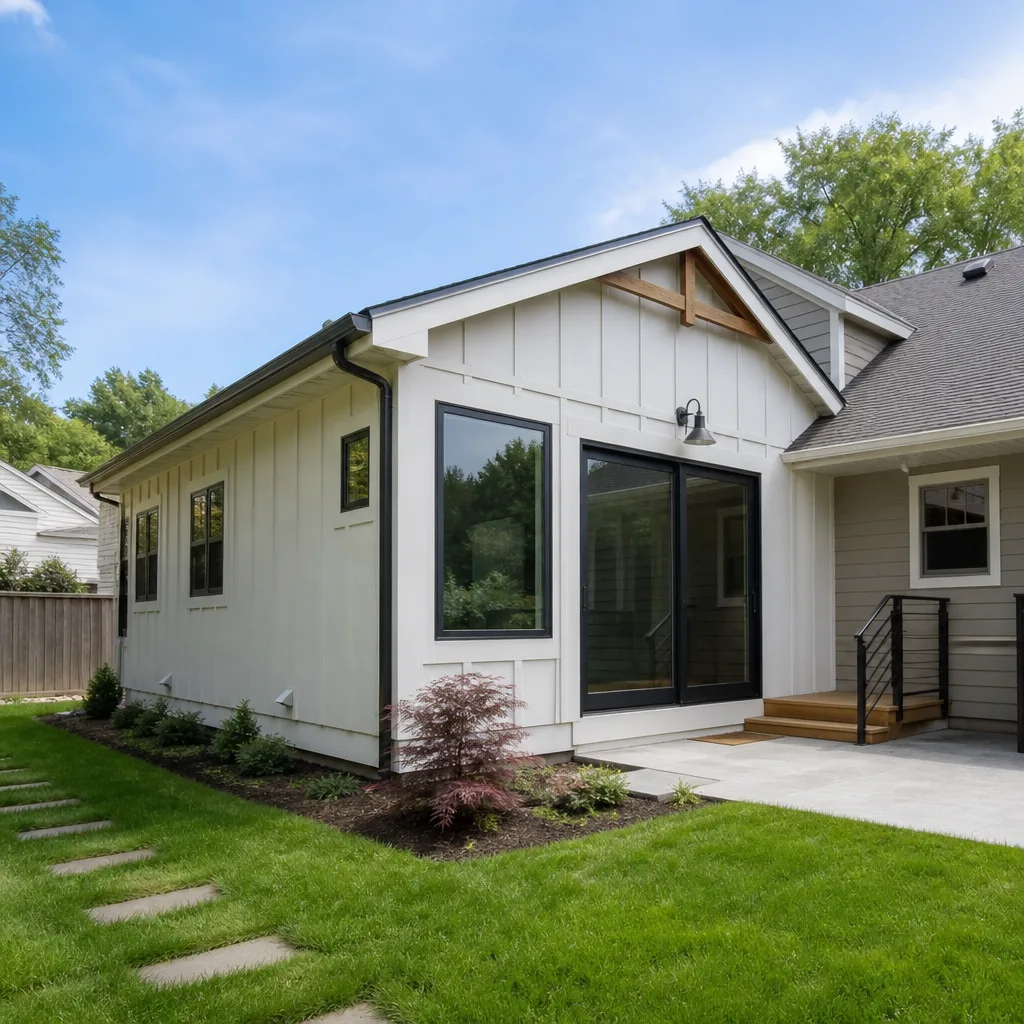 Home additions & ADU
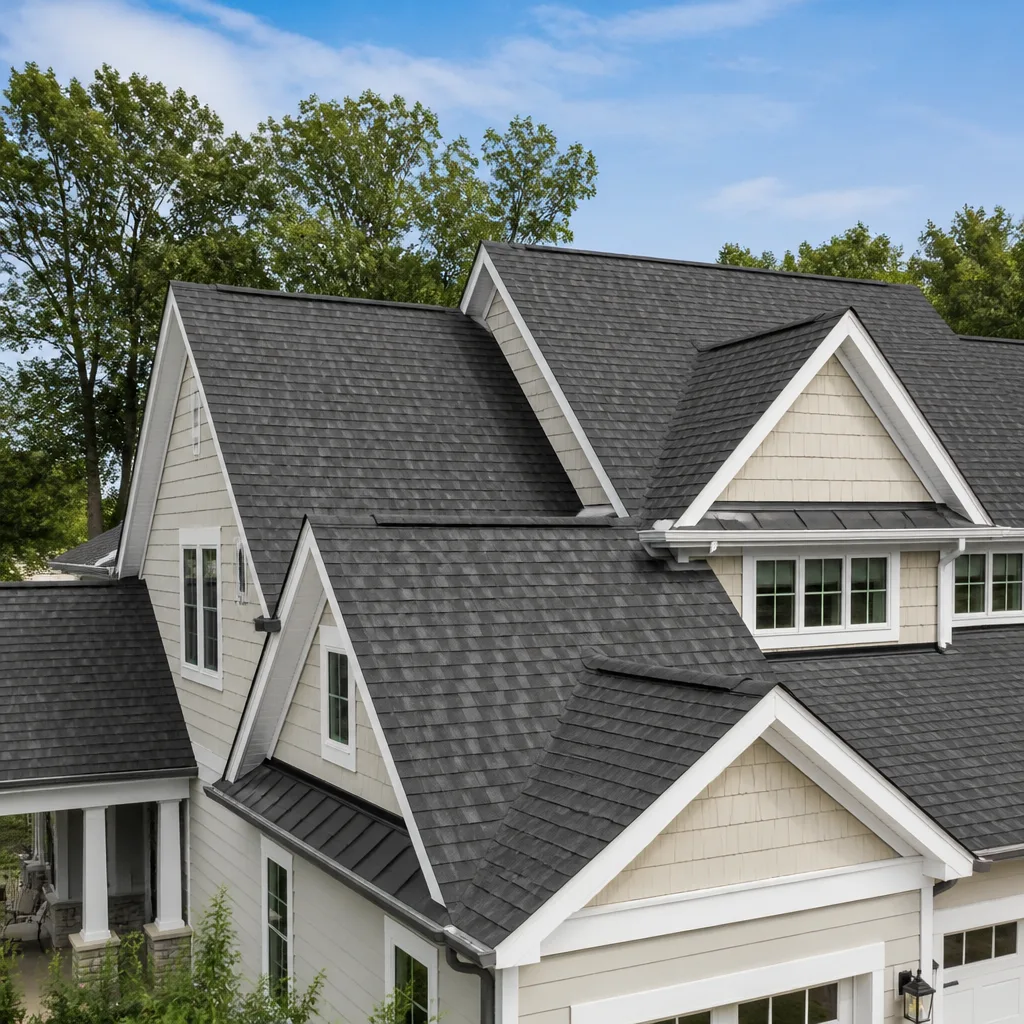 Roofing
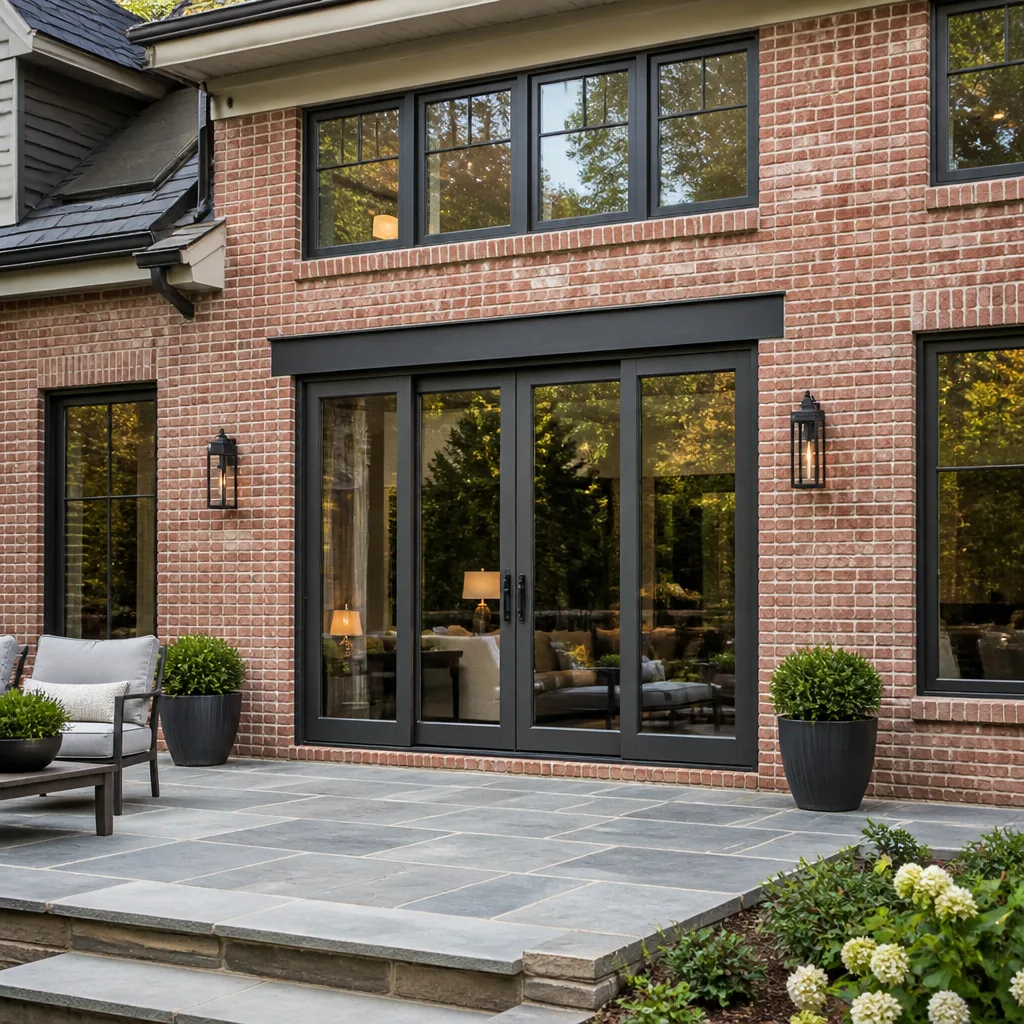 Windows & doors
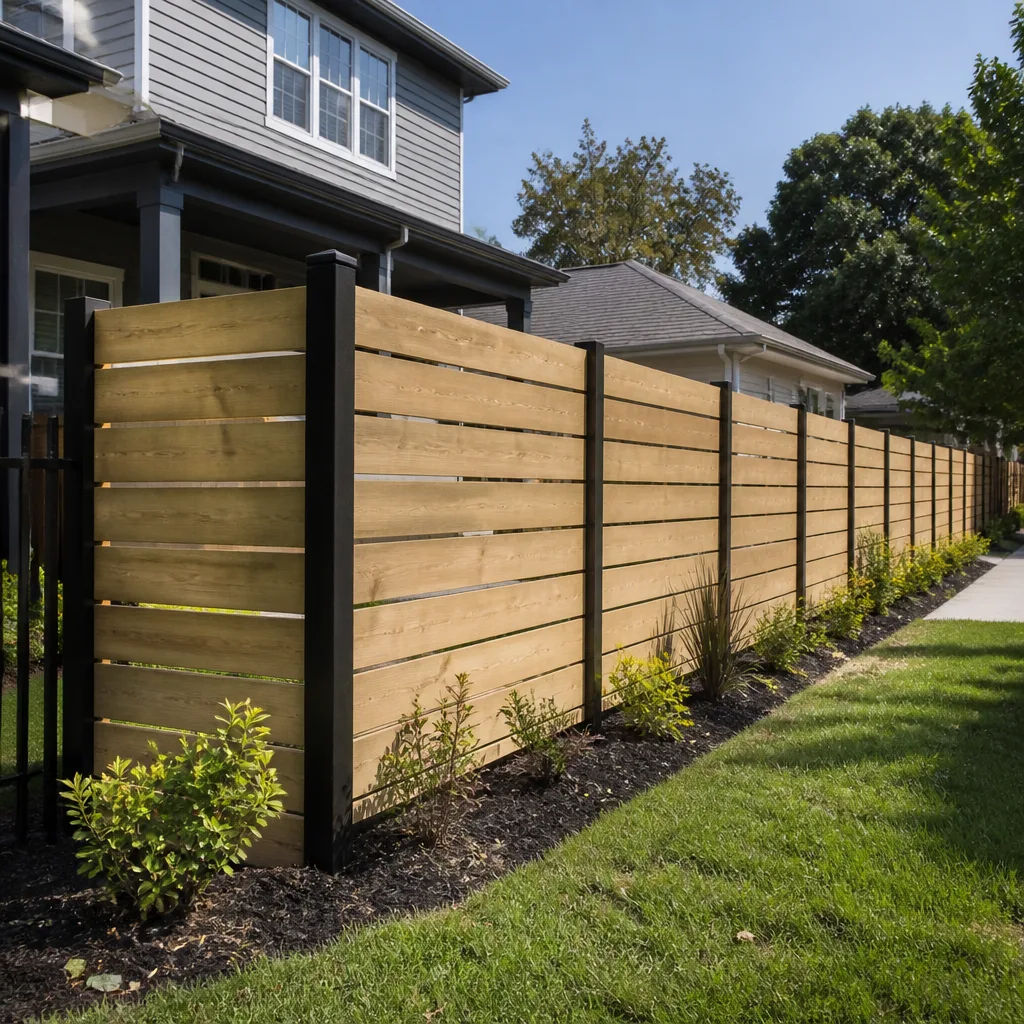 Fence
Free written scope consultation - allowances, timeline, and change-order rules on paper before a single trade is scheduled
Styles & brands we work with
- Kitchen remodeling
- Bathroom remodeling
- Home additions & ADU
- Roofing
- Windows & doors
- Driveway & pavers
- Fence
See the difference
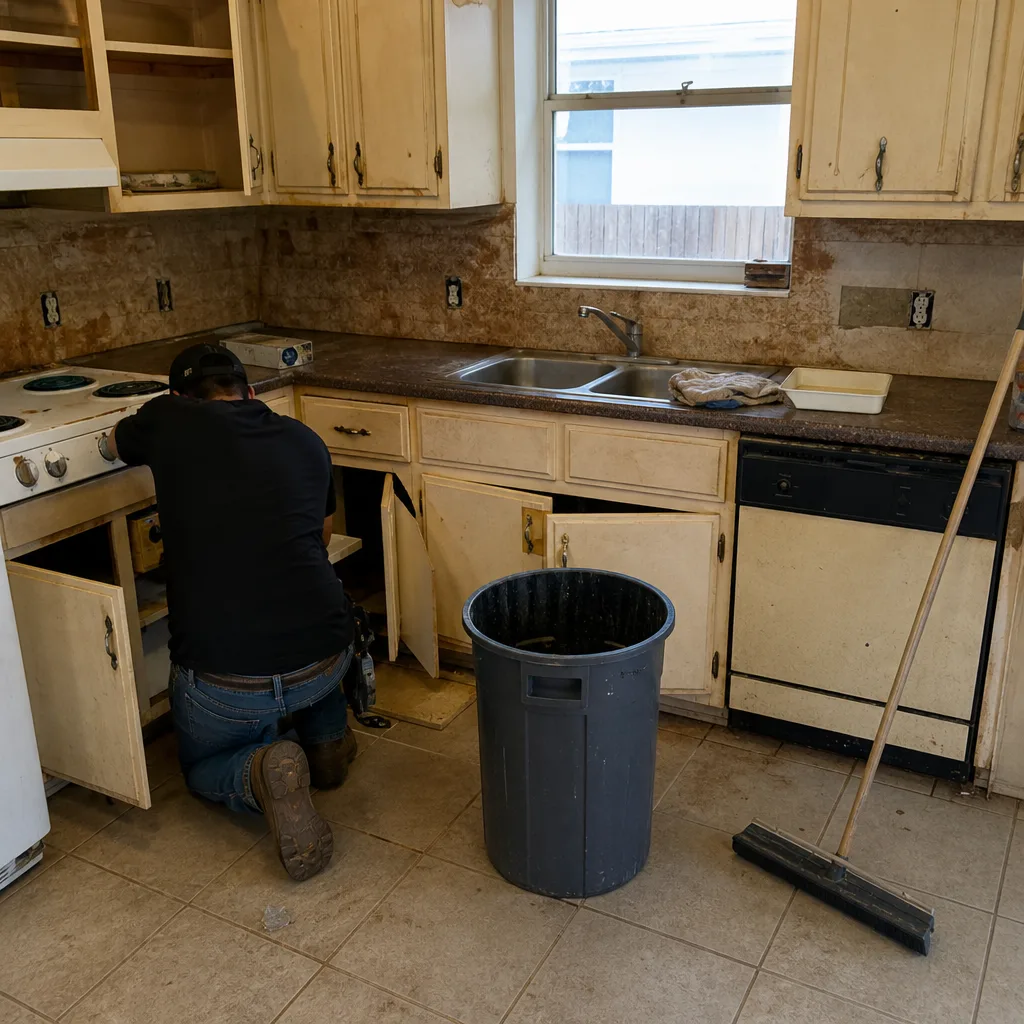 Before
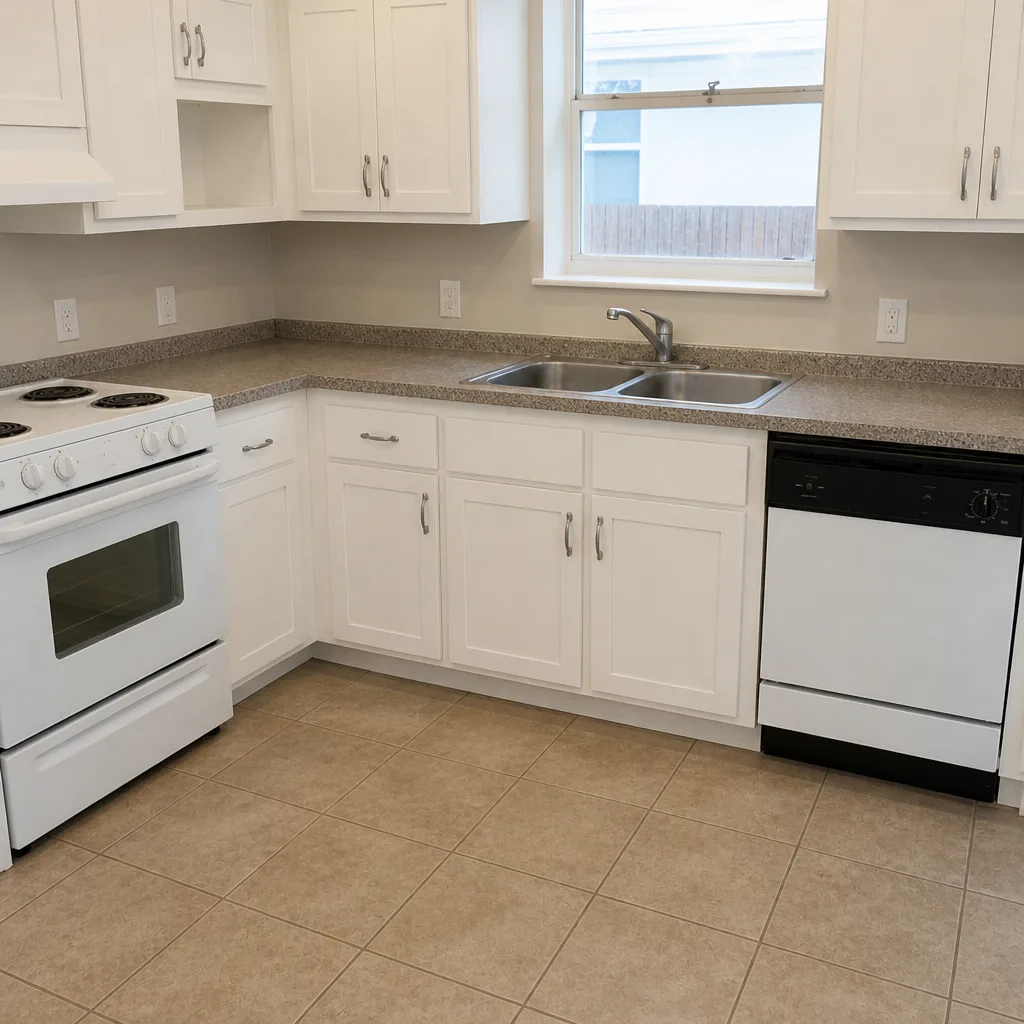 After
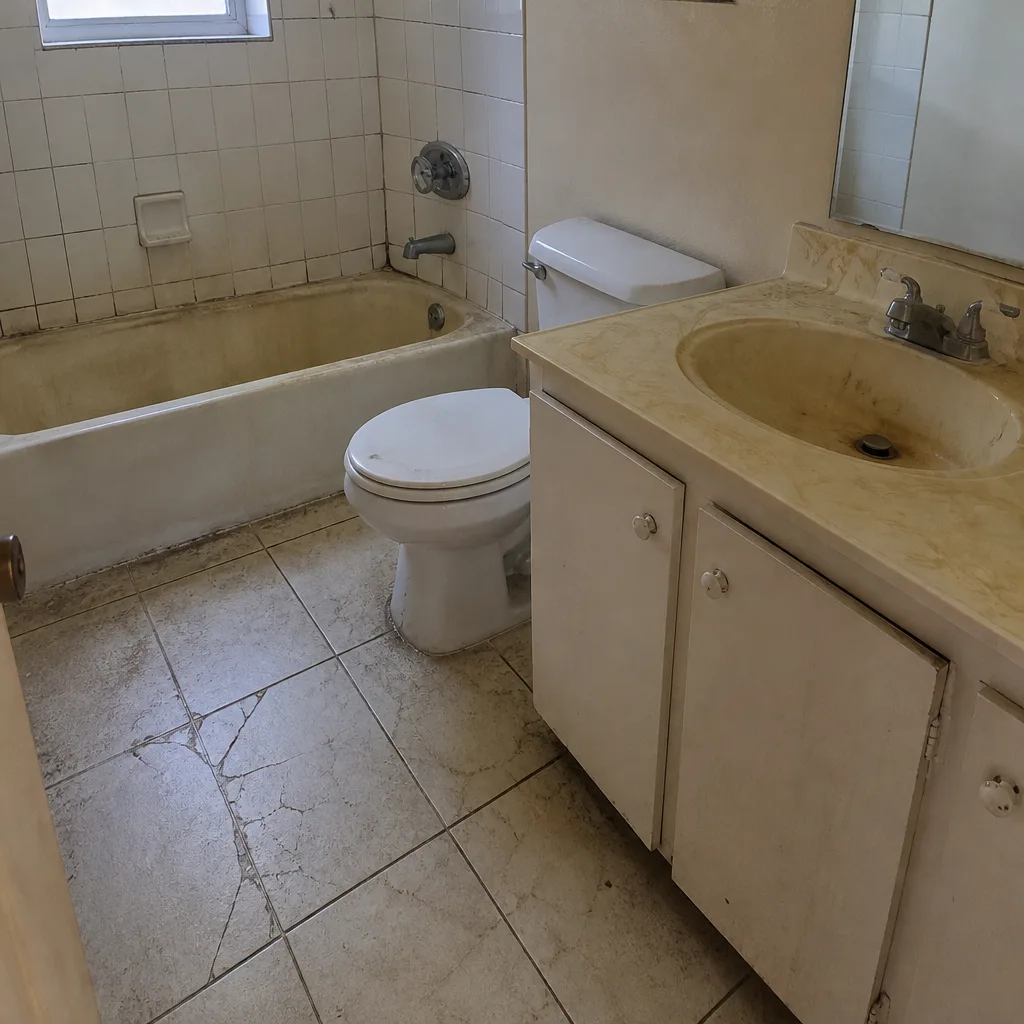 Before
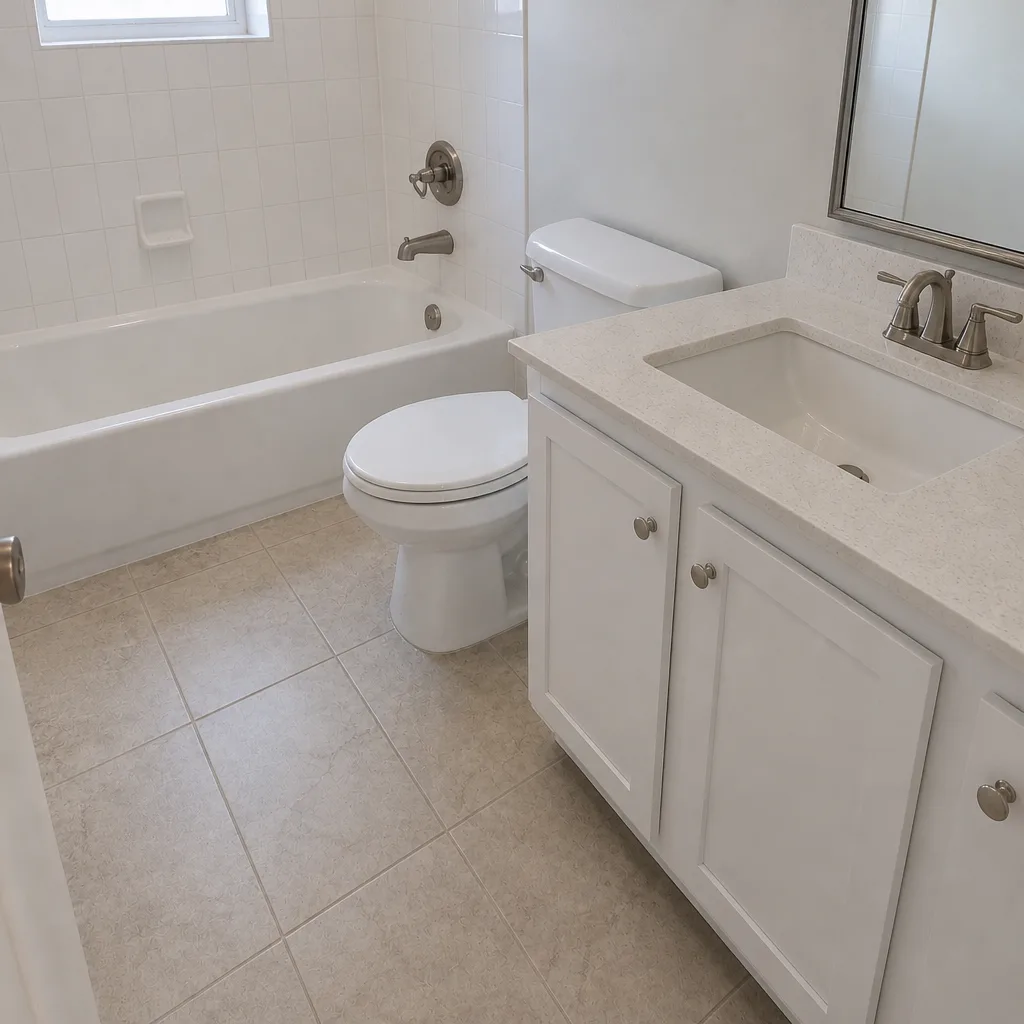 After
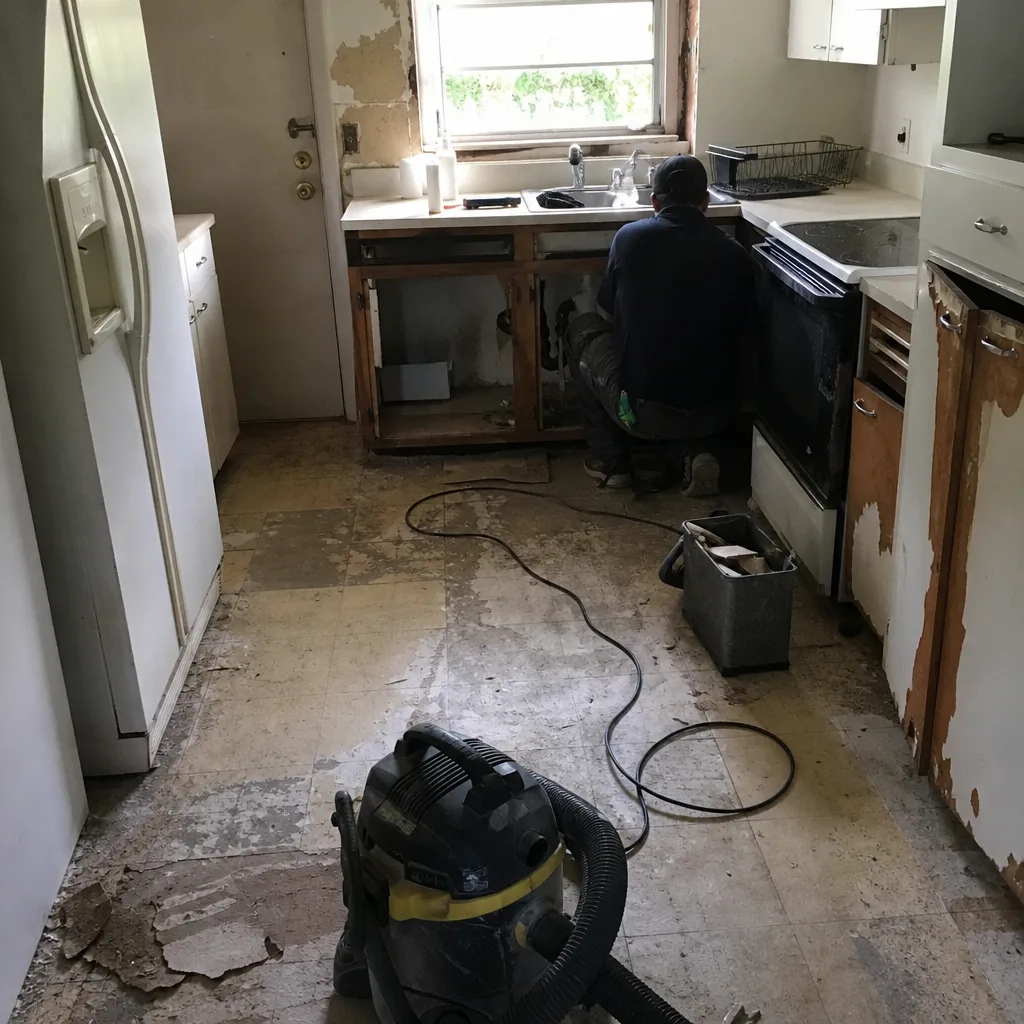 Before
 After
Driveway Resurfacing vs Replacement in The Hammocks, FL: Which One Actually Pays Off?
Choose resurfacing only if the sub-base under your slab is sound, the cracks are surface-level, and you’re comfortable with a 5-to-12-year lifespan. Choose replacement if the slab dates to The Hammocks’ 1980s-to-2000s build-out and shows structural cracking or voids underneath. For most homes in The Hammocks, FL, the honest answer comes down to a diagnostic step almost nobody performs before quoting: checking what’s under the concrete. Call our driveway and paver team at (844) 761-9356 and we’ll assess both paths before you spend a dollar.
Why Your Hammocks Driveway Is a Different Decision Than the Generic Guides Describe
Resurfacing costs less today. That part is true everywhere. What’s different in The Hammocks is what’s sitting under the surface.
This subdivision was built almost entirely as master-planned tract development from the 1980s through the 2000s. That means whole blocks of concrete-block homes went in at the same time, poured by the same handful of crews working to the sub-base compaction standards of that era. Those standards were not what Miami-Dade County requires today.
Here’s the practical consequence. When we probe a driveway on a 30-year-old lot in The Hammocks and find loose, under-compacted fill, no amount of new material on top will fix what’s moving below. South Florida’s high water table makes it worse. Water finds the voids, the slab flexes, and the fresh overlay you paid for starts cracking from underneath in a fraction of the time it should last. We’ve watched homeowners in this position resurface twice in six years, then replace anyway. They spent more than a straight replacement would have cost.
That’s the local wrinkle most comparisons leave out: resurfacing without a sub-base inspection is a documented short-cycle failure pattern, not a hypothetical risk.
The Diagnostic Gate: What Has to Happen Before You Decide
Before anyone quotes you a resurfacing price in The Hammocks, three checks should come first. We do these on every driveway assessment, and none of them require tearing up your slab.
- Probe rod test. A steel rod pushed through a drilled inspection point tells us whether the base material is dense or hollow. Voids show up fast.
- Hose saturation test. We run water over the slab and watch where it drains and pools. Water disappearing into cracks rather than running off is a signal the sub-base has failed somewhere.
- Crack pattern mapping. We photograph and map every crack so the pattern is readable, not just the count.
The rule we work by: if voids exist under more than roughly 25% of the slab, resurfacing is a money-loser in this climate. The bond won’t hold, and we’ll tell you so.
How to Read Your Own Cracks Before We Arrive
You can learn a lot standing in your driveway with a hose and ten minutes. The distinction that matters is surface aging versus structural movement.
Surface cracks are shallow, narrow, and usually branch in random directions as the top layer weathers. They’re cosmetic. They don’t reach the base.
Structural cracks are wider, tend to run in straight lines or form connected polygons, and often have a slight vertical offset where one side of the crack sits a quarter-inch higher than the other. That offset means the slab is moving independently of its neighbor. Movement usually traces back to the sub-base, not the surface.
If you find offset cracks or a network of connected slabs separated by widening joints, plan on replacement being the smarter bet. If the cracks are hairline and scattered, resurfacing has a real chance. One more sign to check: a hollow sound when you tap across the slab with a wrench handle points to voids below.
The Permit Reality in Miami-Dade
Full driveway replacement requires a permit in unincorporated Miami-Dade County. Resurfacing typically does not. Homeowners sometimes choose resurfacing specifically to skip the permit process, and that can come back to bite at sale.
If the work was substantial enough to have required a permit, an unpermitted job can surface as a code flag when a buyer’s inspector reviews the property. At that point, you’re either documenting the work after the fact or removing it. Getting the permit up front is cheaper than resolving it under contract pressure. We pull the right permits for the work being done and can walk you through what applies to your specific property.
What Each Path Actually Costs and Lasts in The Hammocks
These ranges reflect what we quote and confirm in The Hammocks and the surrounding Kendall area. Every quote follows an upfront assessment, and the number you see is the number you pay.
| Path | Typical Cost Range | Realistic Lifespan Here |
|---|---|---|
| Asphalt overlay (resurfacing) | $3,500 - $9,000 | 8 - 12 years |
| Concrete resurfacing | Bundled into sealing work, $250 - $700 per cycle | 5 - 8 years before bond degrades |
| Full driveway replacement (concrete) | $5,000 - $14,000 | 25 - 30 years |
| New concrete install, ground-up | $4,500 - $12,000 | 25 - 30 years |
| Paver driveway (over properly prepared base) | $7,000 - $18,000 | 30+ years with occasional re-sanding |
Run the math on the resurfacing side. A $4,000 overlay that fails in six years and gets replaced costs you $4,000 plus the eventual replacement. Two overlay cycles in The Hammocks’ UV and rainfall conditions routinely exceed the cost of a one-time honest replacement. The climate is unkind to surface bonds here: intense summer sun degrades the top layer fast, and hurricane-season wind-driven rain gets into every failure point.
Where resurfacing genuinely wins: an asphalt driveway in reasonable structural shape that needs a fresh wearing course, or a concrete slab with only cosmetic wear and a verified sound base. When we do resurface, we use proven materials from our curated brand partners, and the work is covered by our 730-Day Done Right Promise. What we won’t do is resurface a slab that the diagnostic says should come out. Our guarantee only means something on work we can stand behind.
What Replacement Looks Like from the Ground
Replacement is not one day’s work, and we’re upfront about the schedule. Removing a 40-foot driveway typically means one day for tear-out and hauling, careful preparation and compaction of a fresh base, then the pour and a curing window before you park on it. Paver work runs its own timeline depending on square footage and layout.
During tear-out we grade the sub-base to current Miami-Dade standards, compact it in lifts, and verify density before the finish material goes down. Doing that step right is what makes a 25-to-30-year lifespan realistic here. Our technicians bring up to 12 years of experience, and every crew member is background-checked and arrives in uniform. We treat the base work as the core of the job, not a hidden cost.
The work is covered by the 730-Day Done Right Promise: if it’s not done right, we make it right. Financing is available at 0% for 18 months, and projects over $10,000 get $1,000 off. Given that replacement options in The Hammocks start around $5,000, the financing takes some of the sting out of choosing the honest path over the cheap one.
Quick Takeaway: Which Path Fits Your Situation
- Hairline surface cracks, sound base, budget tight this year: resurfacing is a reasonable call, with realistic expectations on lifespan.
- Offset cracks, hollow spots underfoot, or a slab from the 1980s-to-2000s build-out with no prior base inspection: replacement is the cheaper path over a ten-year window.
- Asphalt driveway that’s structurally intact but worn on top: overlay can be a smart choice.
- Planning to sell in the next few years: factor in the permit trail much more heavily than the current price difference.
FAQs
Resurfacing in The Hammocks runs $3,500 to $9,000 for an asphalt overlay, while full replacement runs $5,000 to $14,000. But the honest cost comparison depends on how long your specific slab will hold. A resurfacing that fails in six years is more expensive than a replacement that lasts thirty. Call (844) 761-9356 for a free estimate that accounts for both scenarios.
Yes, in most cases. A probe rod test, hose saturation test, and crack pattern mapping reveal sub-base conditions without excavation. If voids sit under more than about 25% of the slab in The Hammocks, we recommend replacement and can tell you before any work starts. Call (844) 761-9356 to schedule a no-pressure assessment.
Full replacement requires a permit in unincorporated Miami-Dade County; resurfacing typically does not. The distinction matters most at sale, when substantial unpermitted work can surface as a code item. Call (844) 761-9356 and we’ll confirm what applies to your address before you commit.
It depends on the crack type and sub-base condition. Cosmetic surface cracks are cheaper to address individually. Structural cracks or voids below mean repeated repairs add up to more than one replacement. Call (844) 761-9356 and we’ll give you the straight comparison before you spend anything.
If you’d rather have it looked at, Groundwork Construction Co. of The Hammocks offers a no-pressure assessment in The Hammocks. We test before we quote, we tell you which path the slab supports, and the estimate is free: call (844) 761-9356. Our team is here to guide, not pressure.
Written by the team at Groundwork Construction Co. of The Hammocks, serving The Hammocks, FL.