
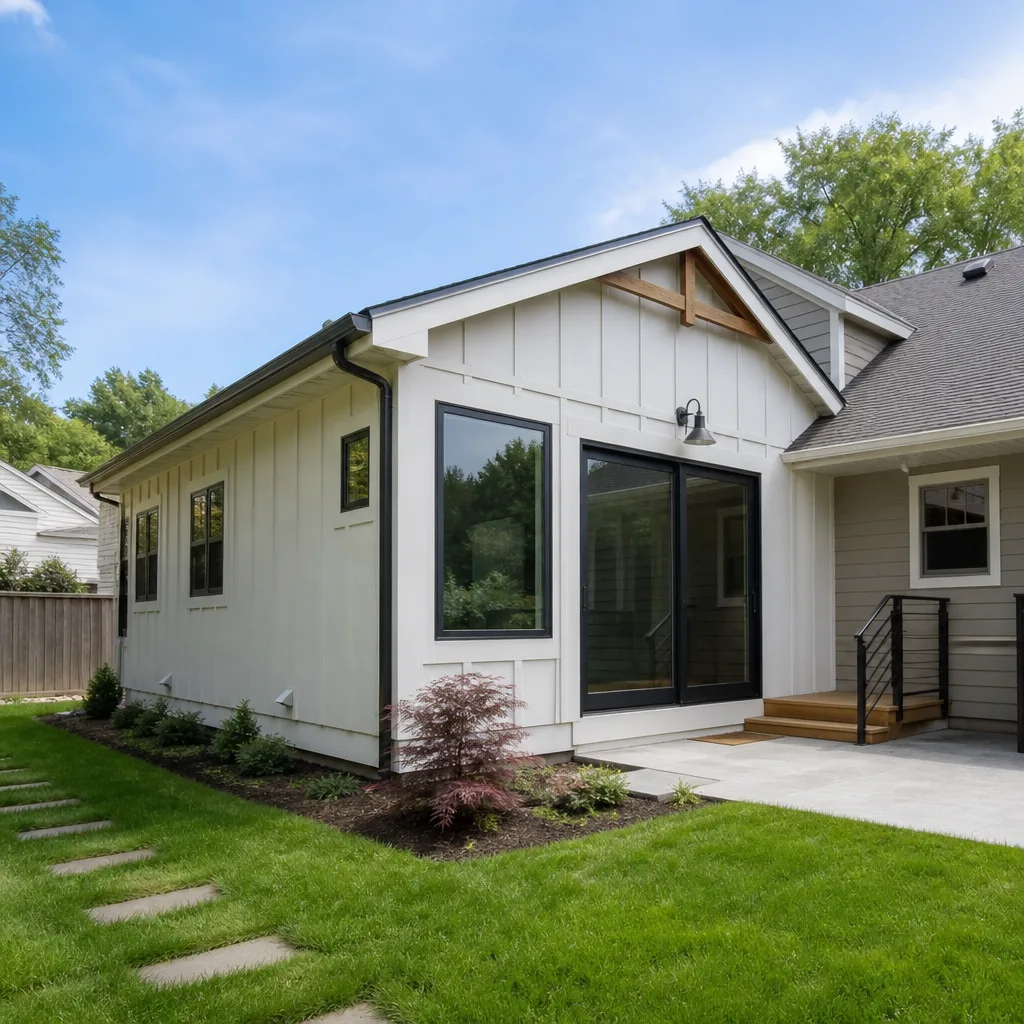
 Home additions & ADU
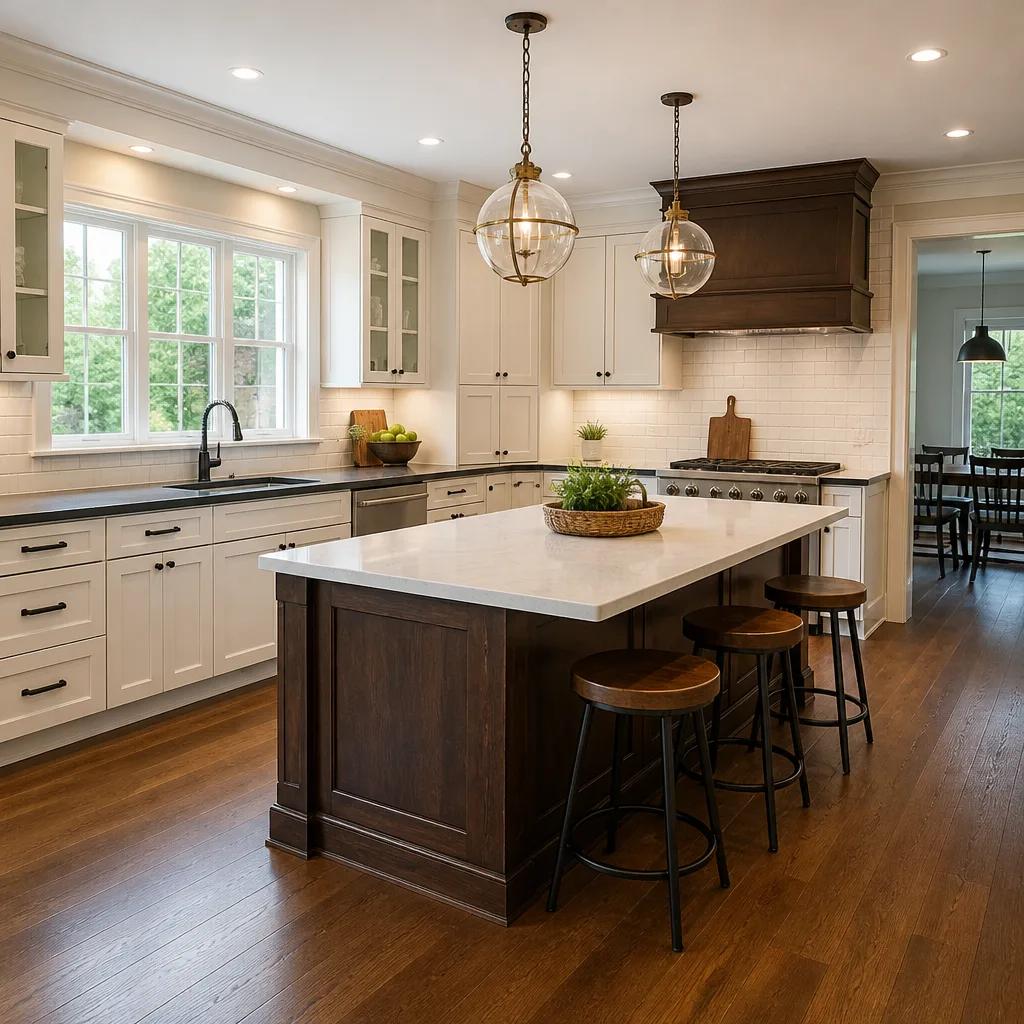 Kitchen remodeling
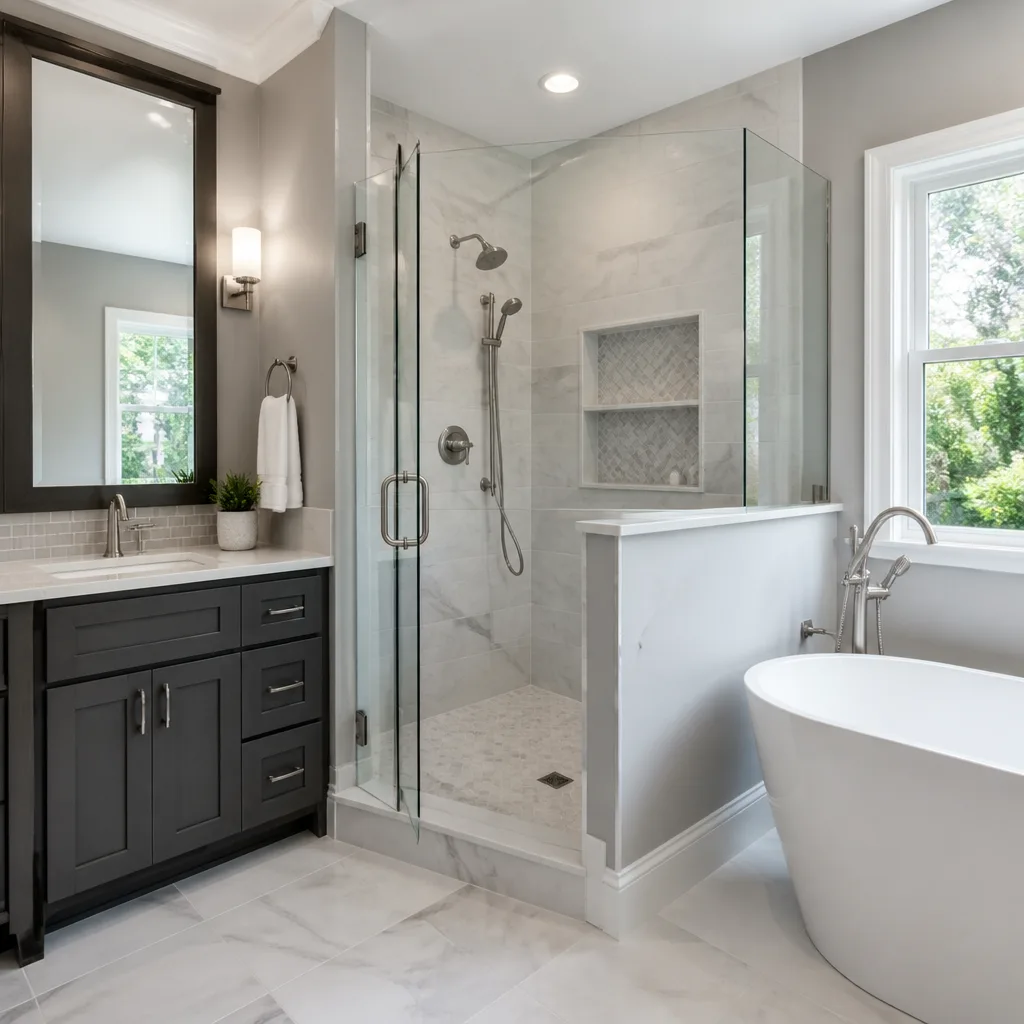 Bathroom remodeling
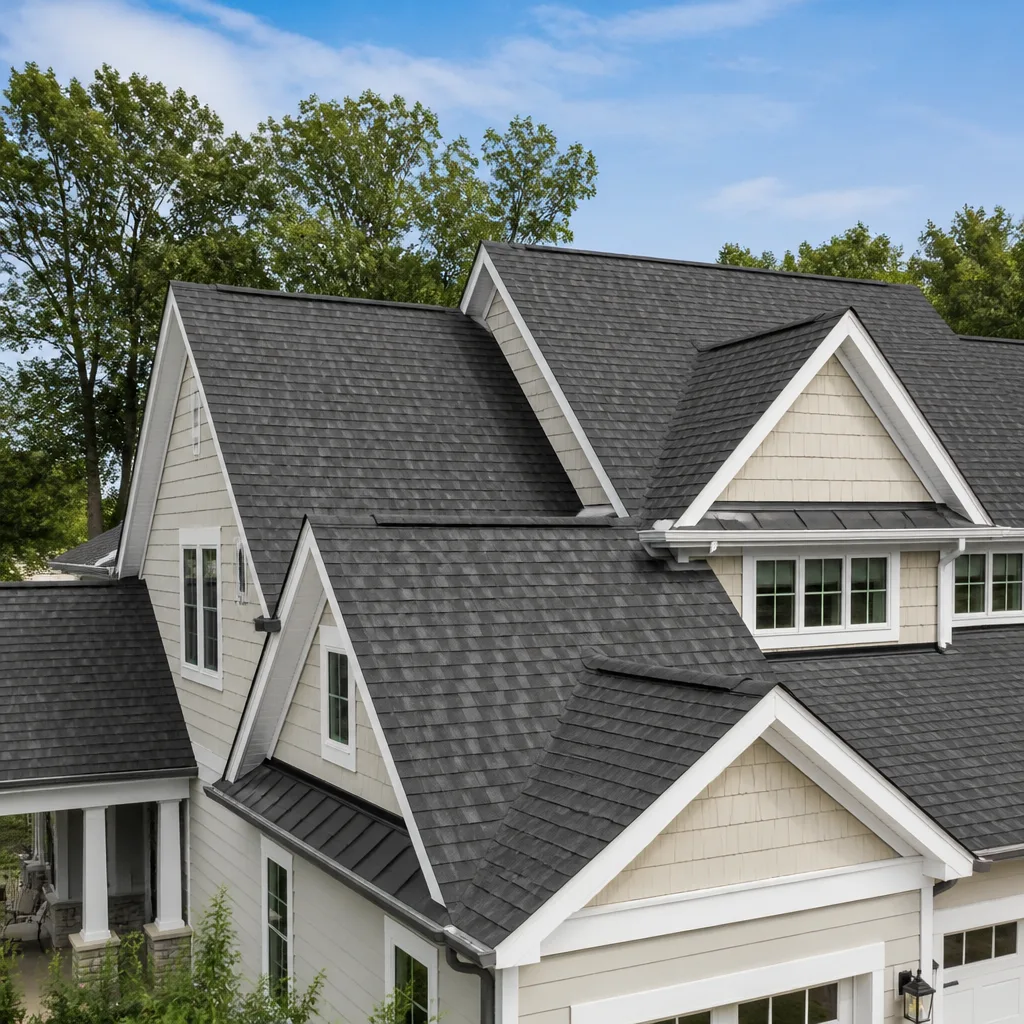 Roofing
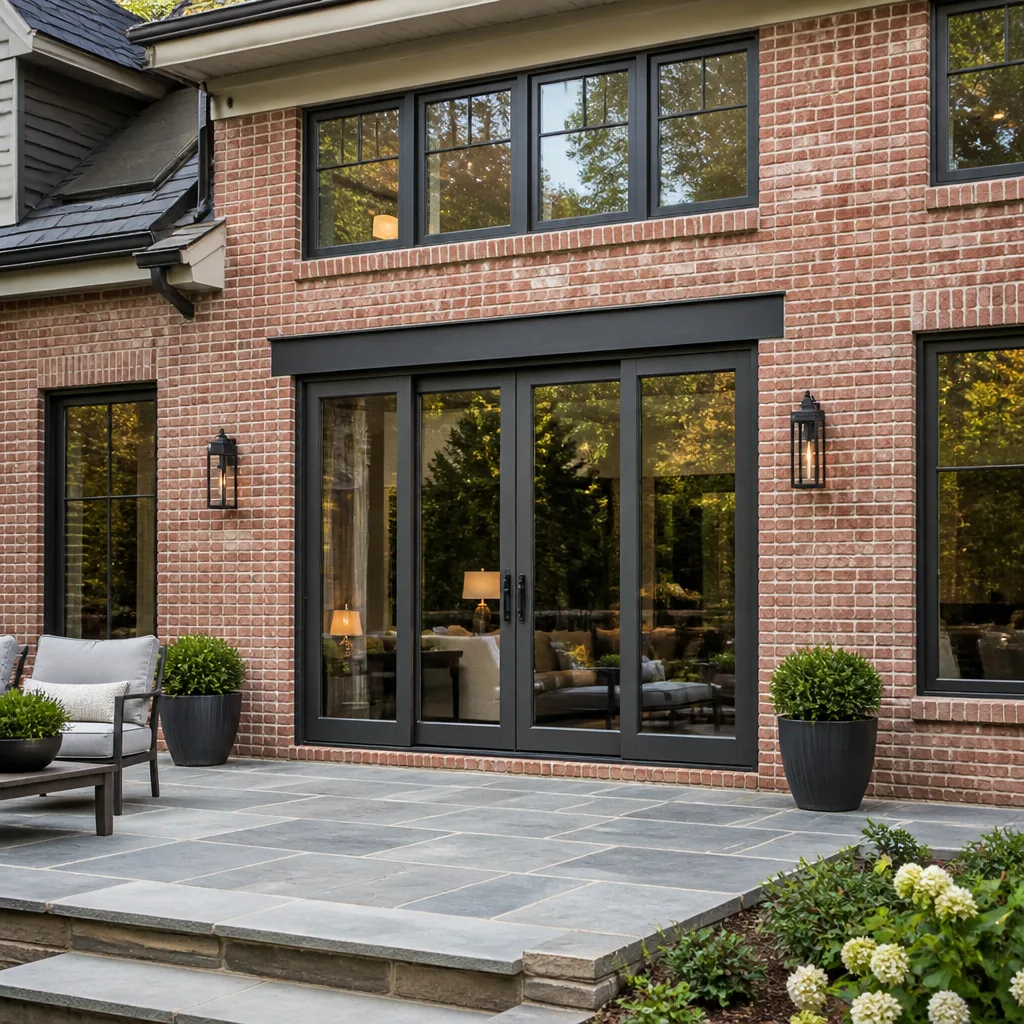 Windows & doors
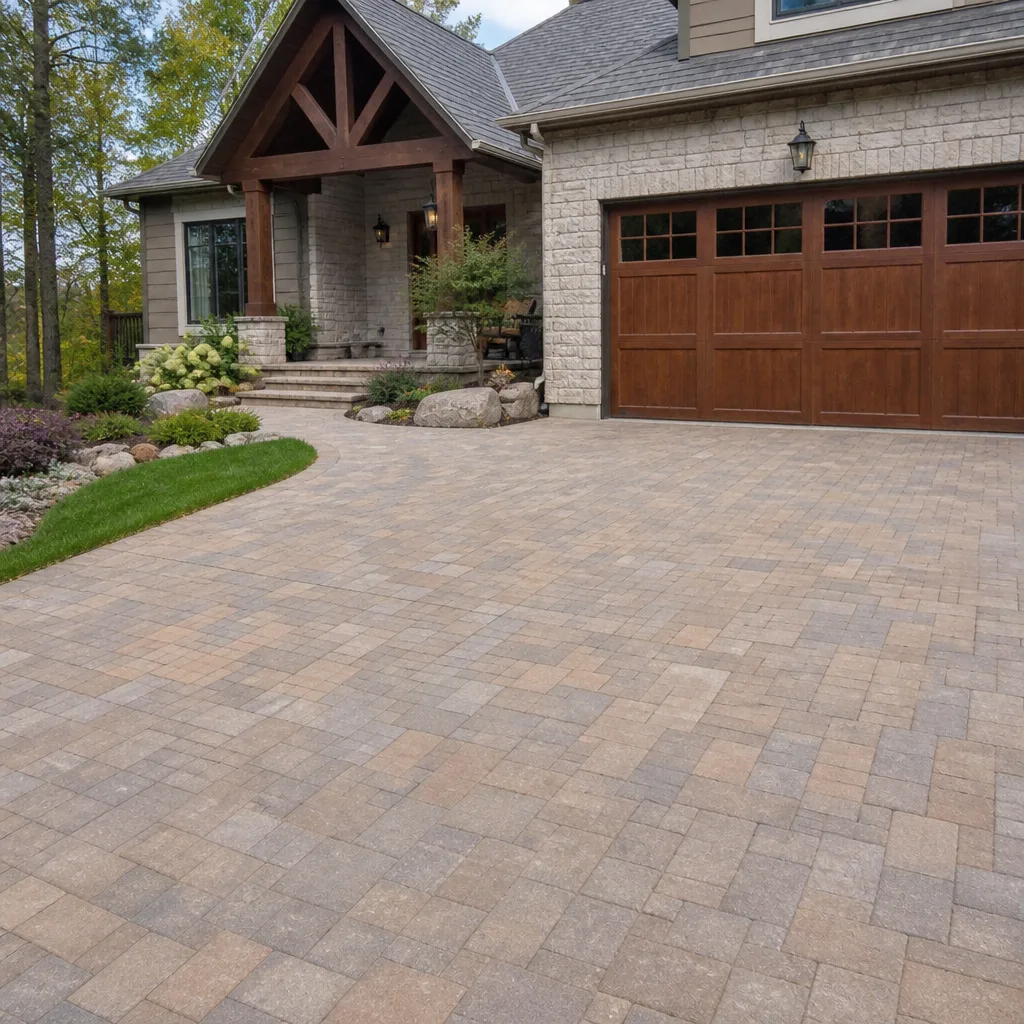 Driveway & pavers
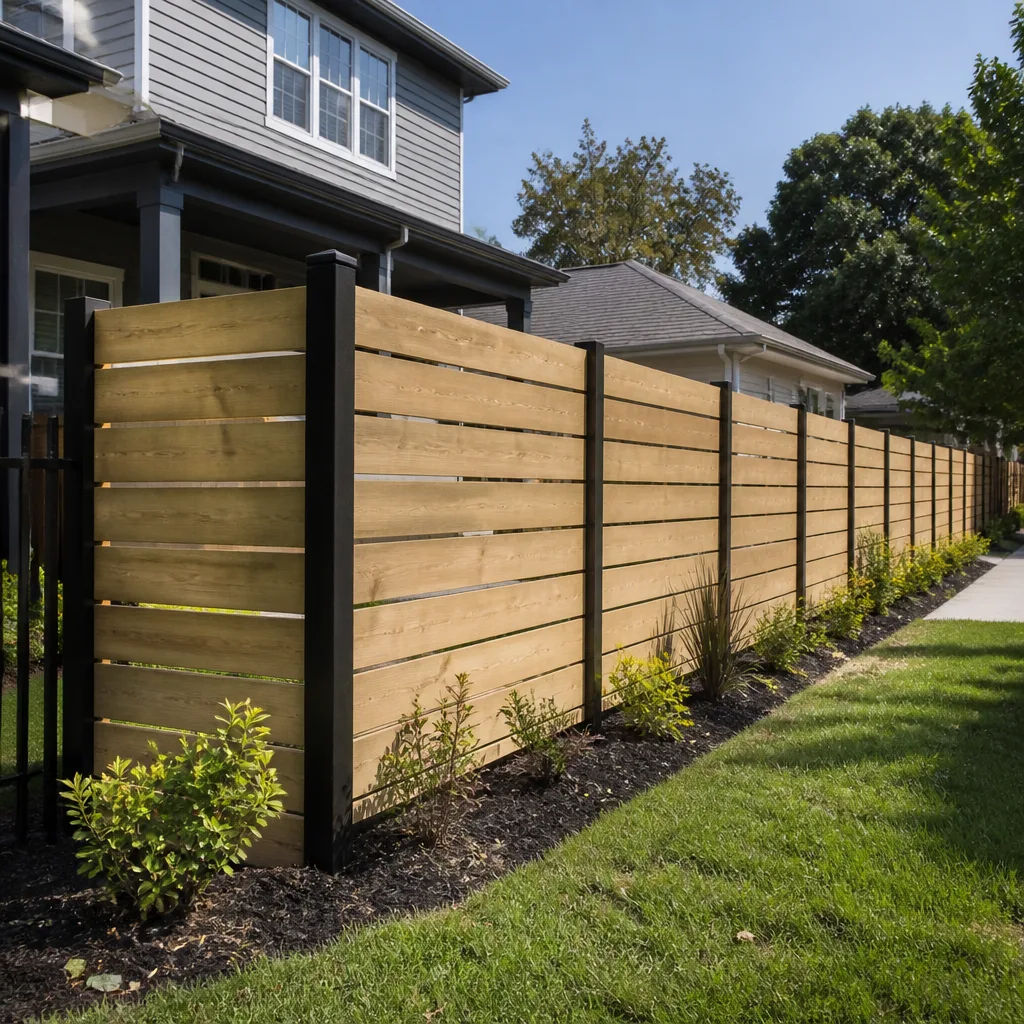 Fence
Free written scope consultation - allowances, timeline, and change-order rules on paper before a single trade is scheduled
Sakrete Home Additions & ADU: The The Hammocks Owner’s Guide
If you’re planning a home addition or ADU in The Hammocks, Sakrete is the brand most commonly tied to the concrete, mortar, and structural mix stage of the build. A 600 to 1,000 square foot addition here typically lands between $45,000 and $130,000 installed, with detached ADUs running $90,000 to $220,000 depending on size and site conditions. This isn’t a same-day repair – additions are planned, permitted work that runs weeks to months. We handle the full scope: foundation to finish line.
The concrete and masonry phase is where Sakrete products enter the picture. Mix delivered, bagged, or spec’d for a certain structural application – and when it’s under-strength or mixed wrong, problems show up later. In The Hammocks, owners usually discover trouble through hairline cracks spreading across a slab, mortar joints crumbling at the block base, or a chalky surface that never cured hard. By the time the slab is exposed or the foundation is failing, the original mix decisions are already baked in – literally.
Which Sakrete Models This Applies To
Sakrete doesn’t make “models” the way a garage door opener brand does. It makes product lines – and knowing which line you or your previous contractor used tells you what’s failing and why. The common ones you’ll encounter on a The Hammocks addition project:
- Sakrete All-Purpose Sand and Concrete Mix – the general-purpose bags most often used for small pours, post holes, and non-structural slabs. Not rated for load-bearing footings.
- Sakrete High-Strength Concrete Mix – rated for structural applications and heavier loads. The correct choice for footings and slab-on-grade under an addition.
- Sakrete Mortar Mix / Type S and Type N – for block and brick laying. Type S has higher compressive strength and is the right choice for structural block work; Type N is for above-grade non-load-bearing walls.
- Sakrete Concrete Resurfacer – a repair product, not structural. Seeing this used to cover a failing slab is a red flag worth investigating.
To identify what’s actually there, check the original project documentation or any leftover bag labels. Concrete mix is printed with the line name and compressive rating (psi) right on the bag. If you’re comparing an OEM Sakrete product against a generic store brand, the compressive strength rating and the mix’s intended application are the two specs that matter – not the price per bag. A cheaper mix rated for 4,000 psi is fine for a footing; one rated for 2,500 psi under a load-bearing slab is not. That’s the OEM-versus-generic decision for Sakrete in one sentence: match the psi rating and the intended-use label to the structural job, every time.
Styles & brands we work with
- Kitchen remodeling
- Bathroom remodeling
- Home additions & ADU
- Roofing
- Windows & doors
- Driveway & pavers
- Fence
Signs Your Sakrete Home Additions & ADU Is Failing
These are the concrete and masonry symptoms we see most on The Hammocks addition projects, with the likely cause behind each:
- Hairline or spiderweb cracks across a slab. Usually caused by mix cured too fast in South Florida heat or poured thin. Shrinkage cracks are common; cracks that widen or run in a straight line point to structural movement.
- Crumbling or sandy mortar joints at the base of a block wall. Points to a Type N mortar used where Type S was required, or to water intrusion at grade. In The Hammocks, the high water table and clay-heavy soil put constant pressure on block foundations.
- Chalky, soft surface that never hardens. Almost always an over-watered mix or concrete that froze during curing (rare here, but a real issue in any season for improperly stored bags). Once a slab cures soft, it can’t be re-hardened.
- Efflorescence – white, powdery staining on the foundation. Water is migrating through the concrete and depositing salts on the surface. It’s not always structural, but it means moisture is getting in where it shouldn’t.
- Visible settlement – the addition floor slopes away from or toward the main house. The most serious symptom. Under-spec’d footings or a mix that didn’t reach its rated strength will allow the slab to settle under The Hammocks soil conditions, and it shows up as gaps, doors that won’t close, or a visible step at the transition.
See the difference
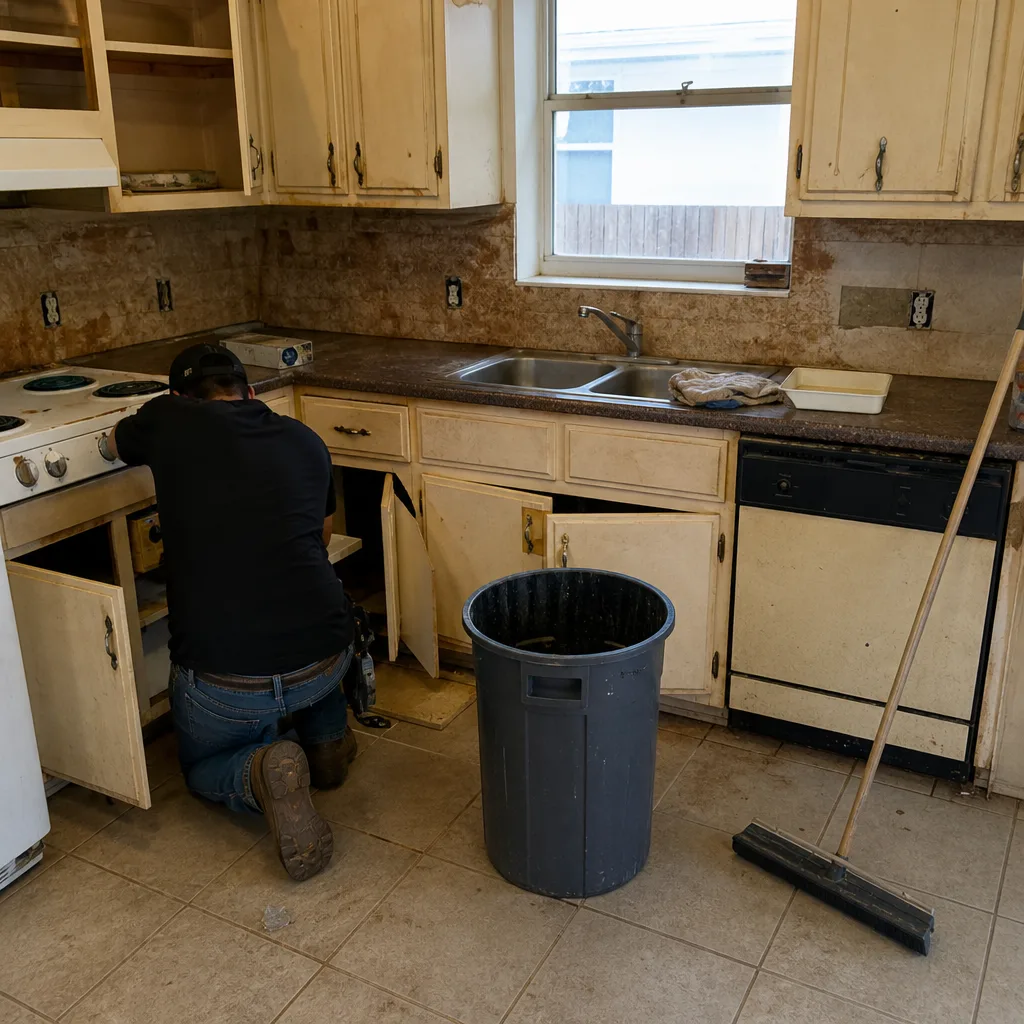 Before
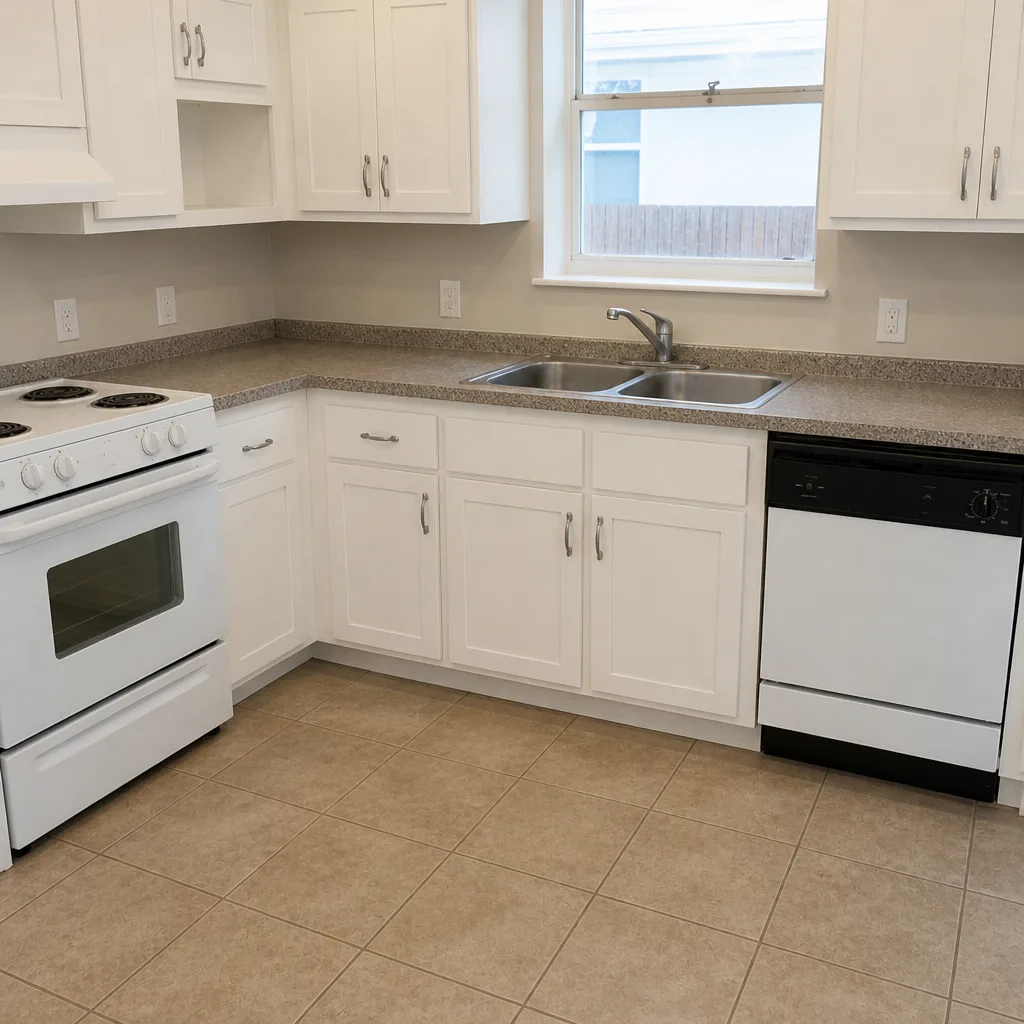 After
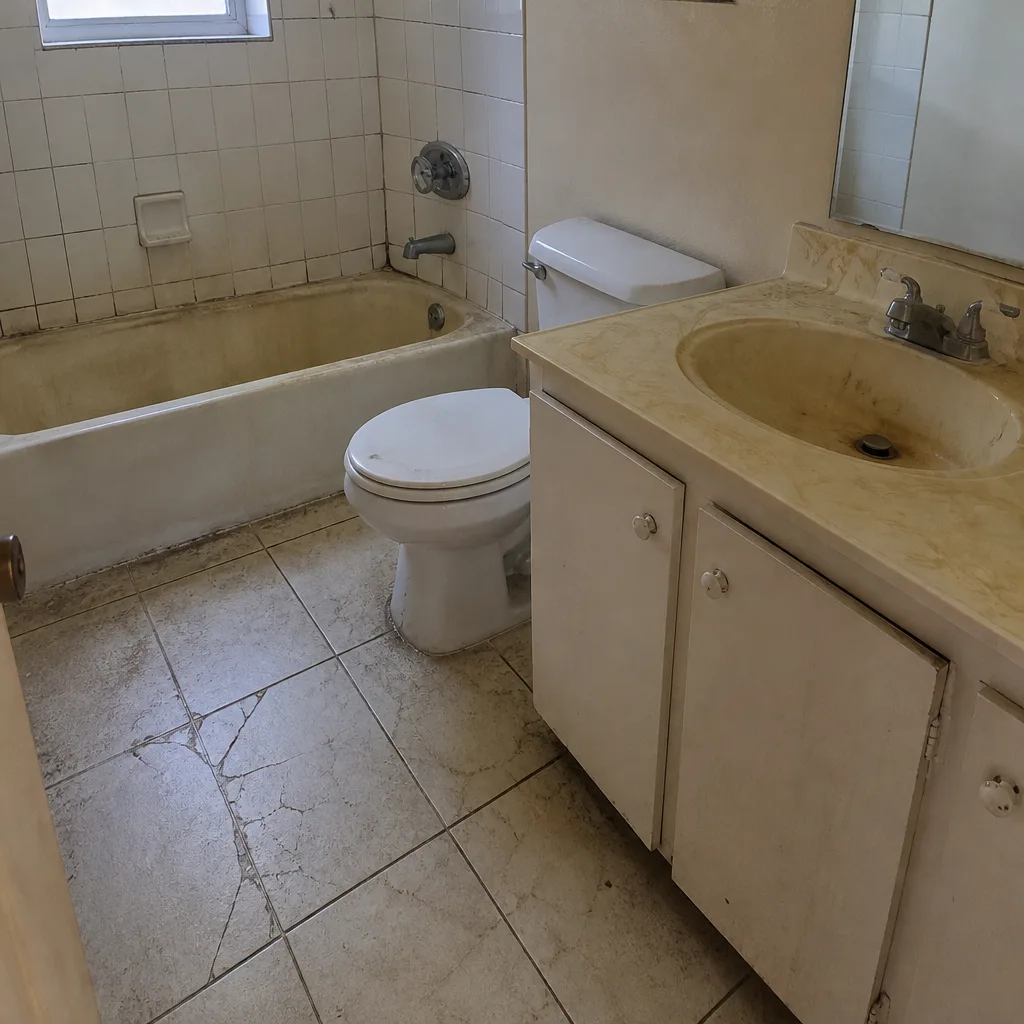 Before
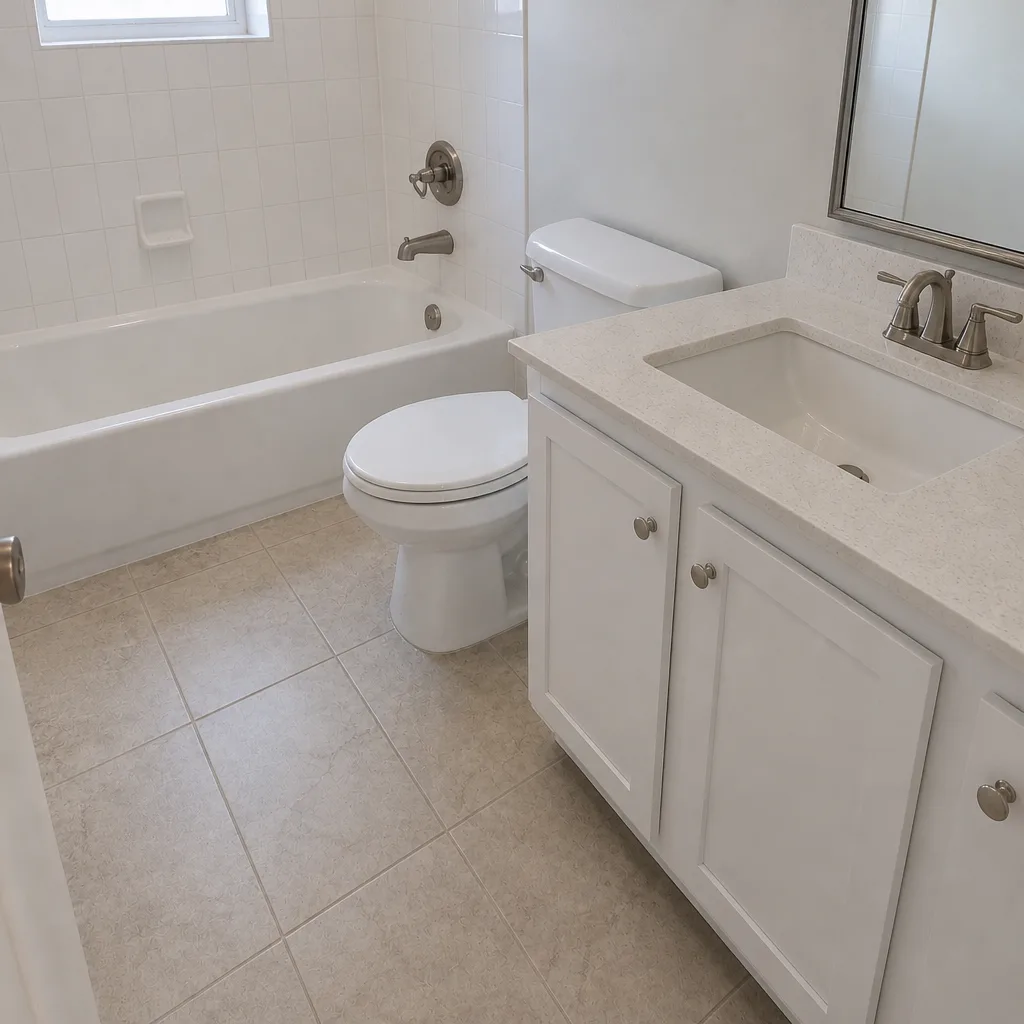 After
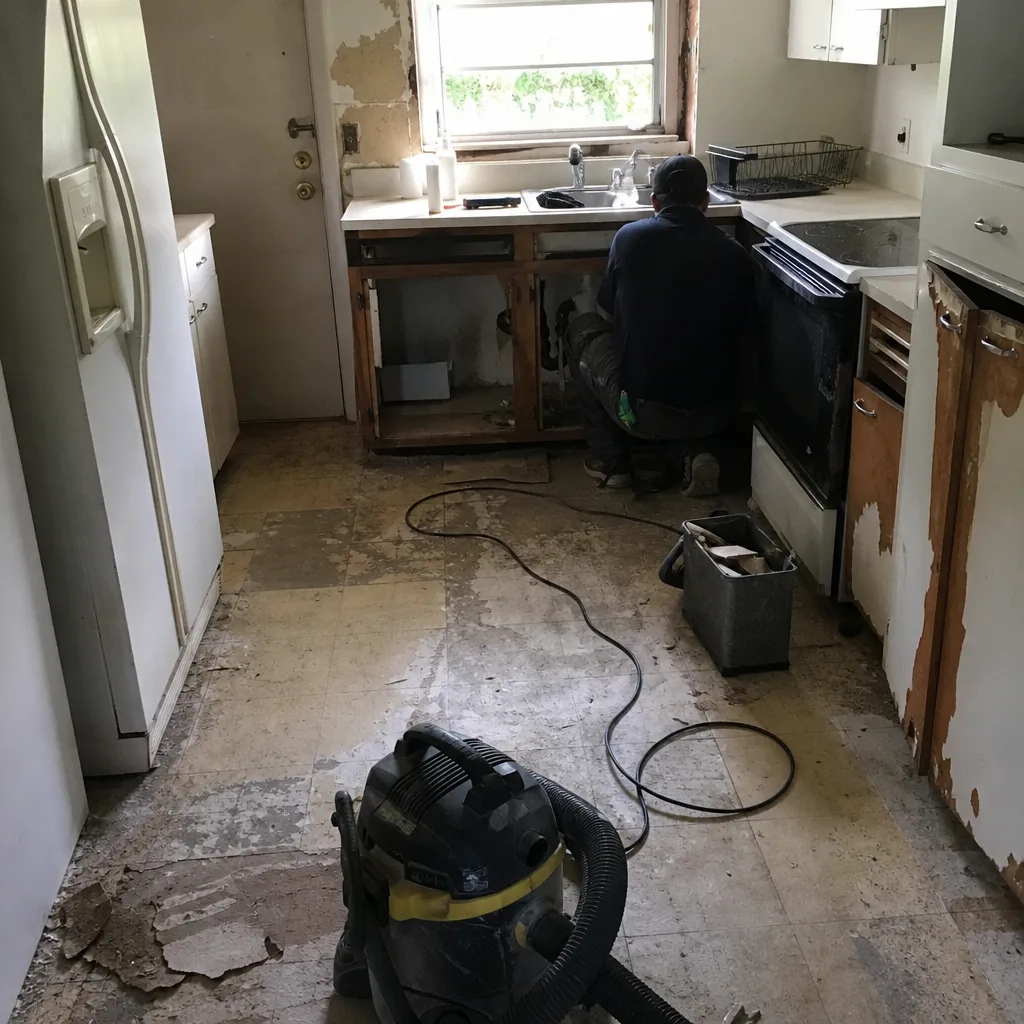 Before
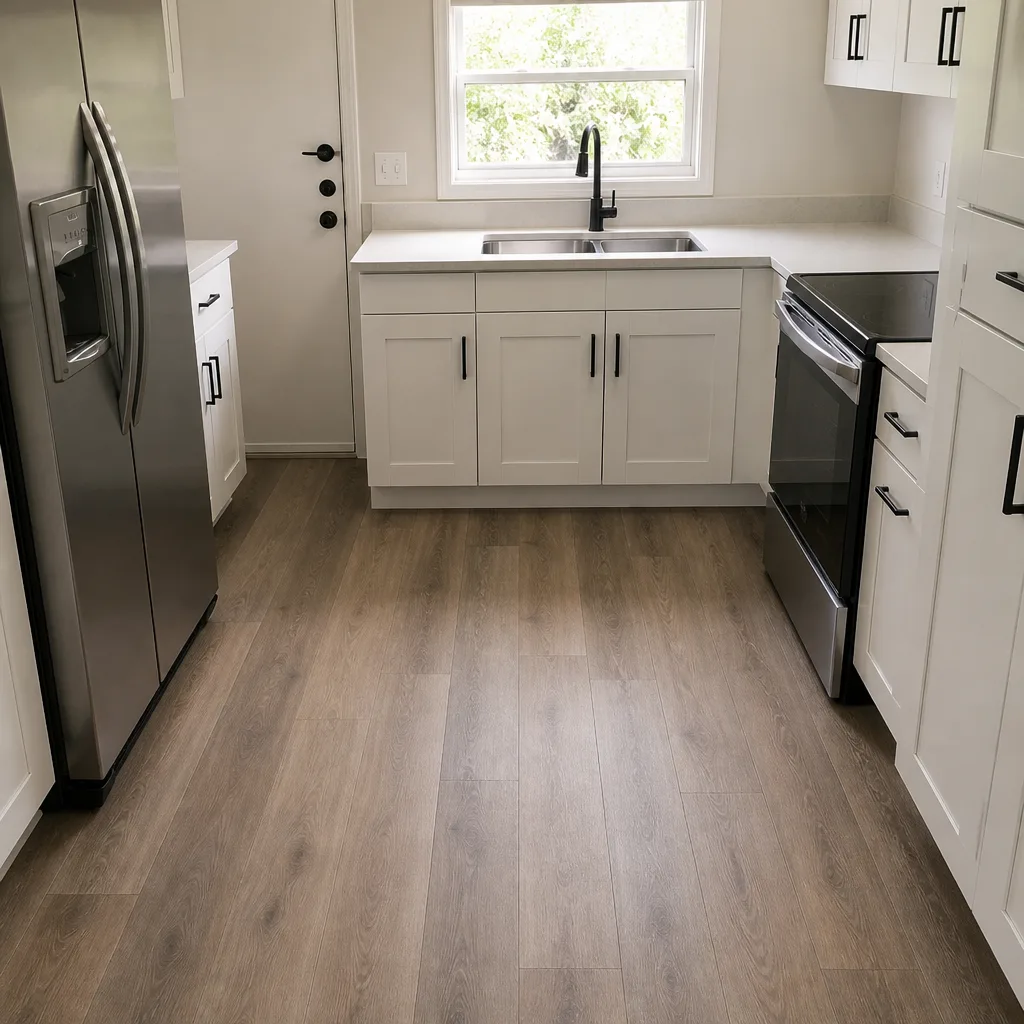 After
Replacement Cost & What’s Included
For a The Hammocks home addition, the concrete and masonry phase – foundation, footings, and block work to the first-floor line – is typically built into the overall project, not billed separately. Here’s where the numbers land for the full build:
- Home Addition (single-story, 400 – 600 sq ft): $45,000 – $130,000
- ADU Construction (detached, 600 – 1,200 sq ft): $90,000 – $220,000
- Garage Conversion (to livable space): $30,000 – $80,000
The range is driven by size, foundation complexity, whether the site needs grade changes in The Hammocks’ high water table, and the finish level. You’ll get a written line-item quote before any work starts – upfront pricing, no surprises. The work is covered by our 730-Day Done Right Promise, and permits are pulled and inspections passed as part of the job.
DIY or Call Us?
What you can safely do: check for cracks, look for efflorescence, and photograph any settlement or soft spots. What you should not do is dig into or attempt to repair a suspected foundation issue yourself. Cutting into a slab to investigate or trying to re-pour a footing on your own risks undermining the structure you’re already depending on. Foundation work under an addition isn’t a weekend project – it’s structural, it’s permitted, and getting it wrong can mean tearing out what you built on top of it. Our technicians have up to 12 years of experience in exactly this kind of work, and they’re background-checked and uniformed. Call (844) 761-9356 to schedule your free estimate.
FAQs
How long does a Sakrete-based foundation last in The Hammocks?
A properly mixed and cured concrete foundation should last 50+ years. The failure point in The Hammocks is usually water: soil with high clay and a high water table means drainage matters as much as the mix. A full footer and slab under a home addition, built right, is a long-horizon material – not something you’ll be replacing.
Can the existing foundation be repaired instead of replaced?
Sometimes, yes. Minor surface cracks can be sealed; a slab that’s settled can occasionally be underpinned or mudjacked. A foundation that’s crumbling from under-strength mix or severe settlement usually can’t be saved, and repair attempts on a failed structural pour often create a larger problem. Call (844) 761-9356 for an exact assessment and a free estimate.
How long does the concrete and masonry phase of an addition take?
Footings and slab are typically a one-to-two week phase, cured before framing starts. Block work adds a few days to a week depending on height and complexity. The full addition build runs weeks to months on top of that. This isn’t a same-day job, and we’ll give you a realistic schedule in your written quote.
How do we source the Sakrete product for your project?
We specify the correct Sakrete line and psi rating for each structural application and source it from a supplier before the pour. We don’t stock it or carry it on a truck. The bag label and delivery paperwork will show exactly what went into the mixture. We also work with KraftMaid, Cambria, and Silestone on the interior finishes that come after the foundation is done. Call (844) 761-9356 for a free estimate on your The Hammocks addition.
Written by the team at Groundwork Construction Co. of The Hammocks, serving The Hammocks and nearby areas.