

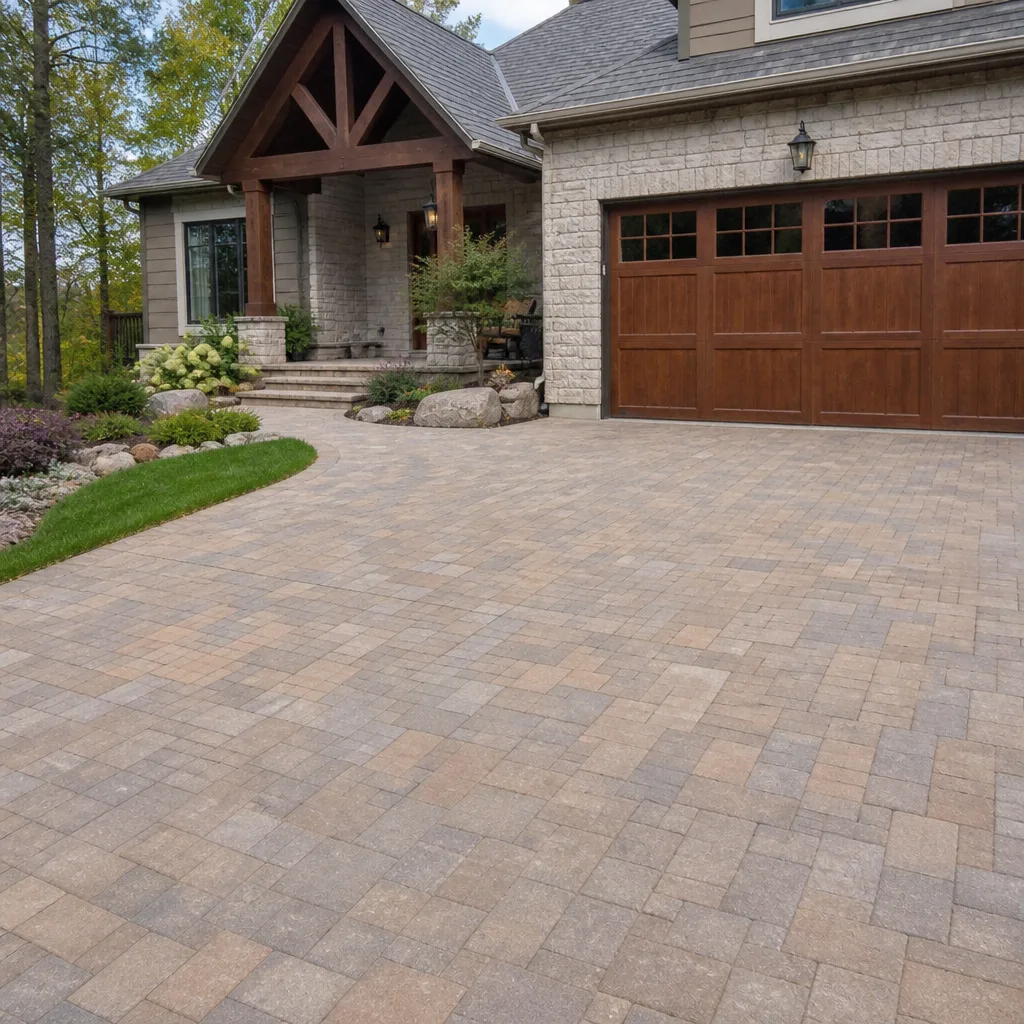
 Driveway & pavers
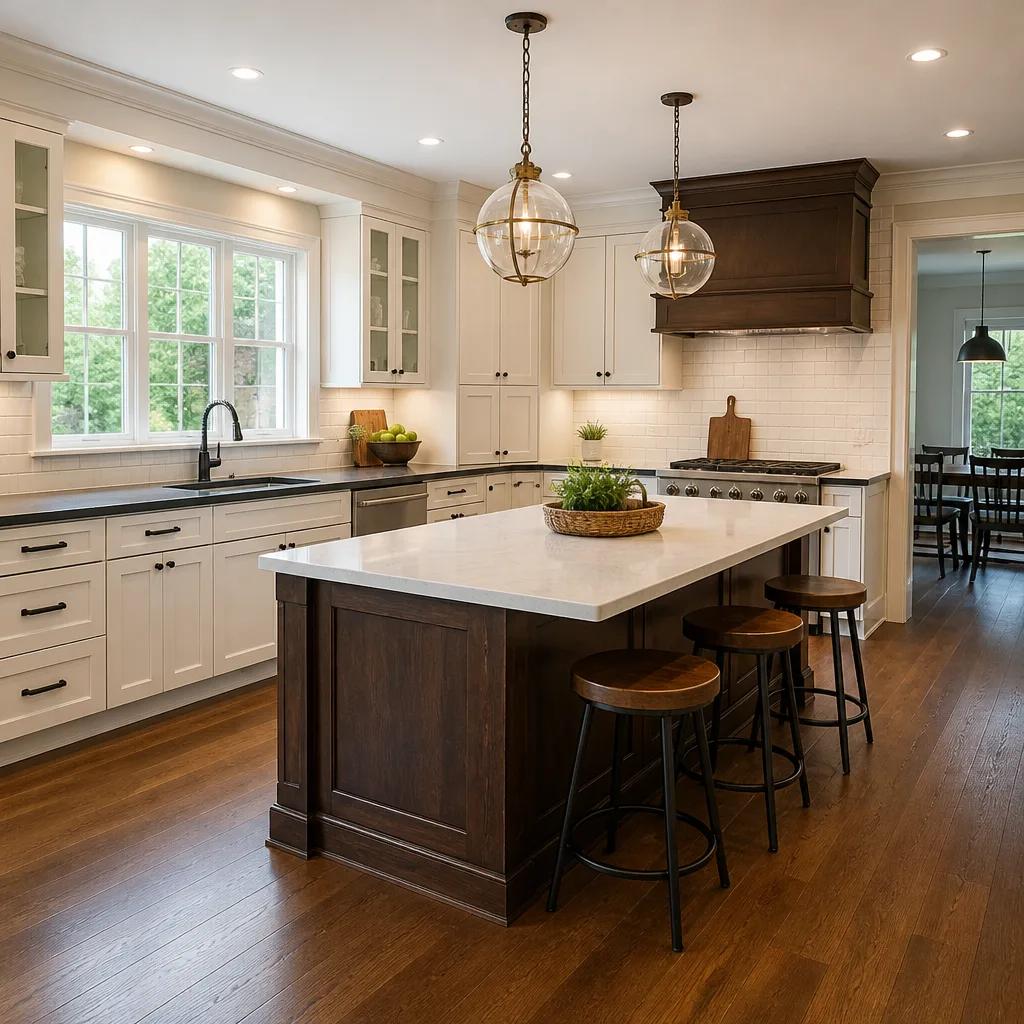 Kitchen remodeling
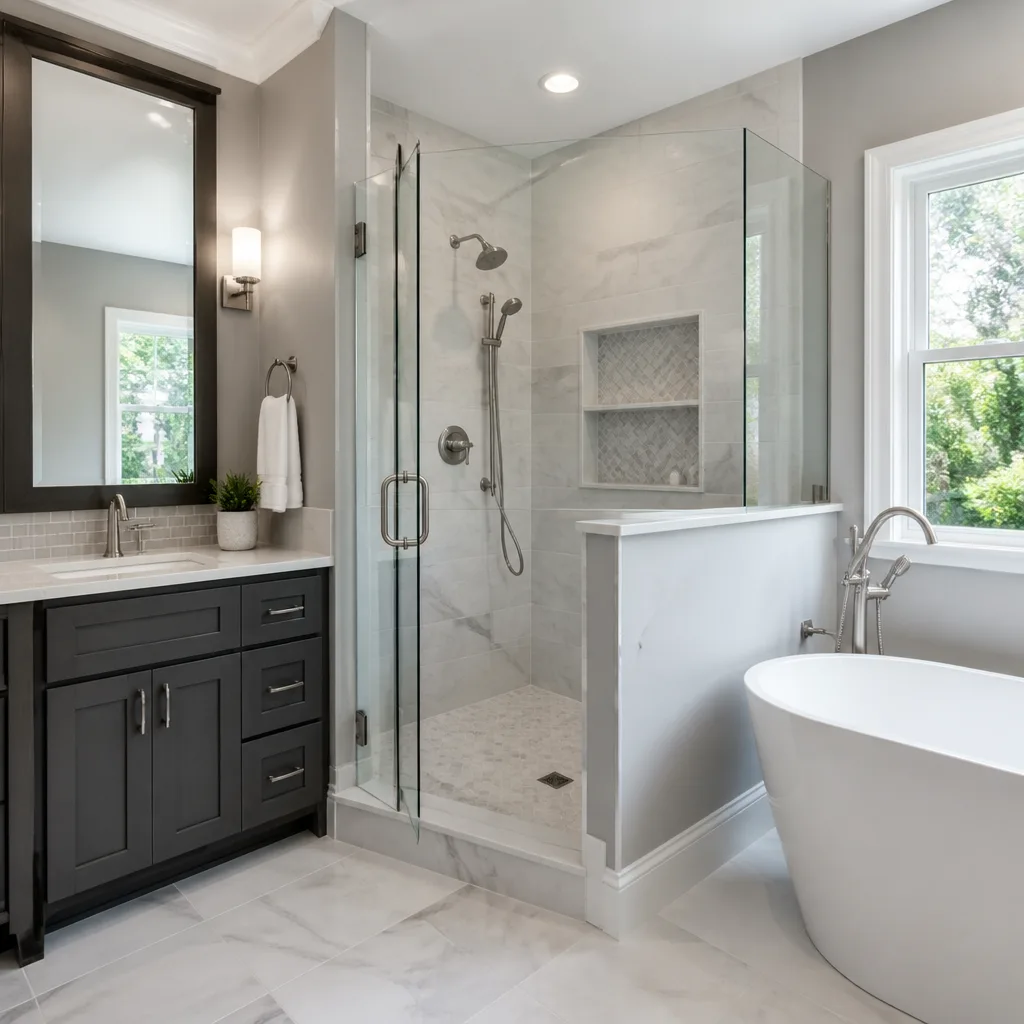 Bathroom remodeling
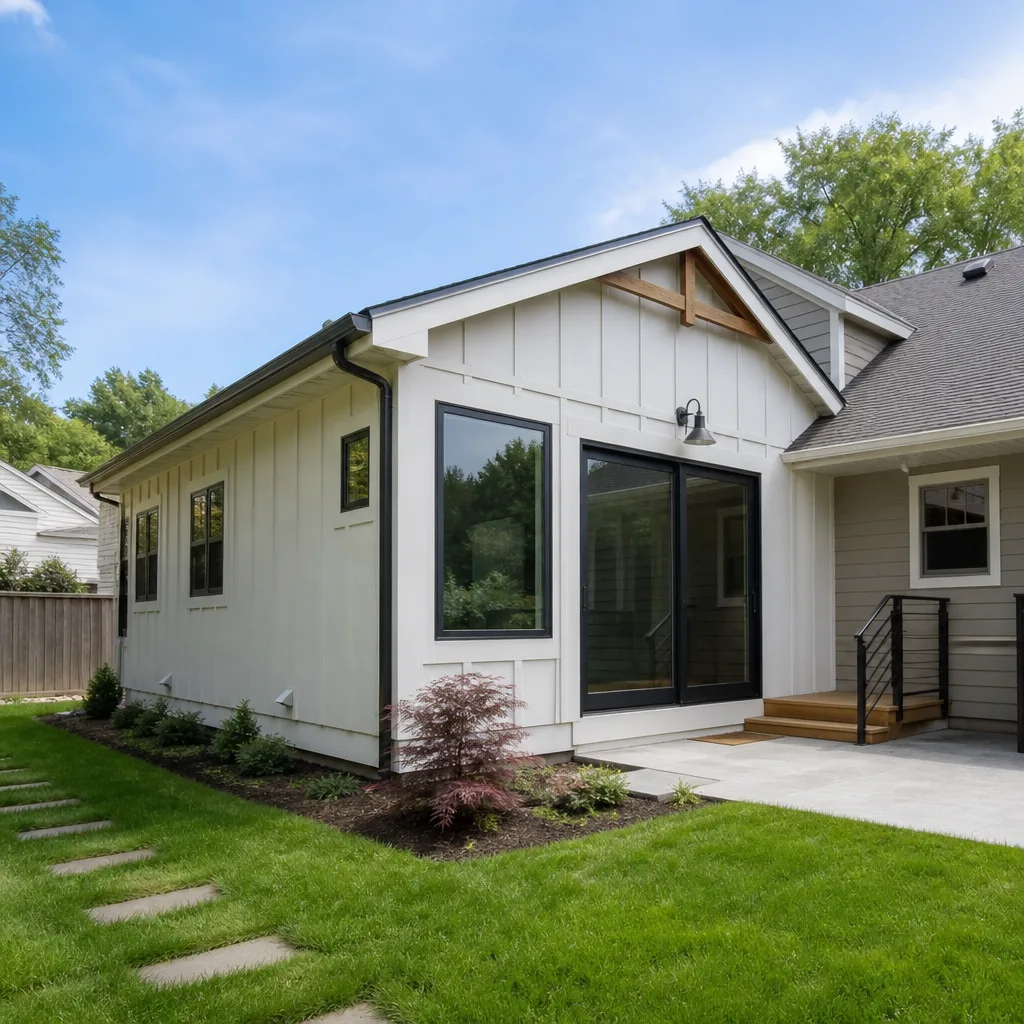 Home additions & ADU
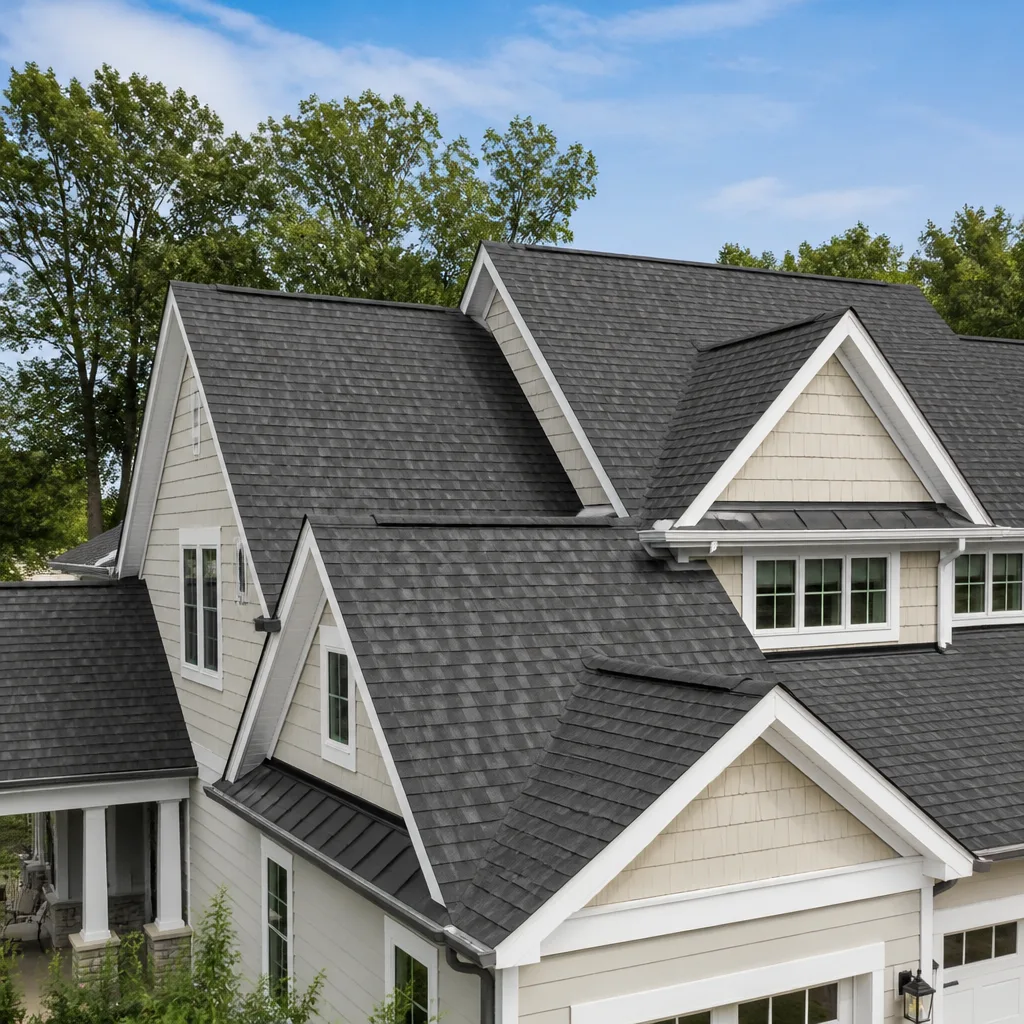 Roofing
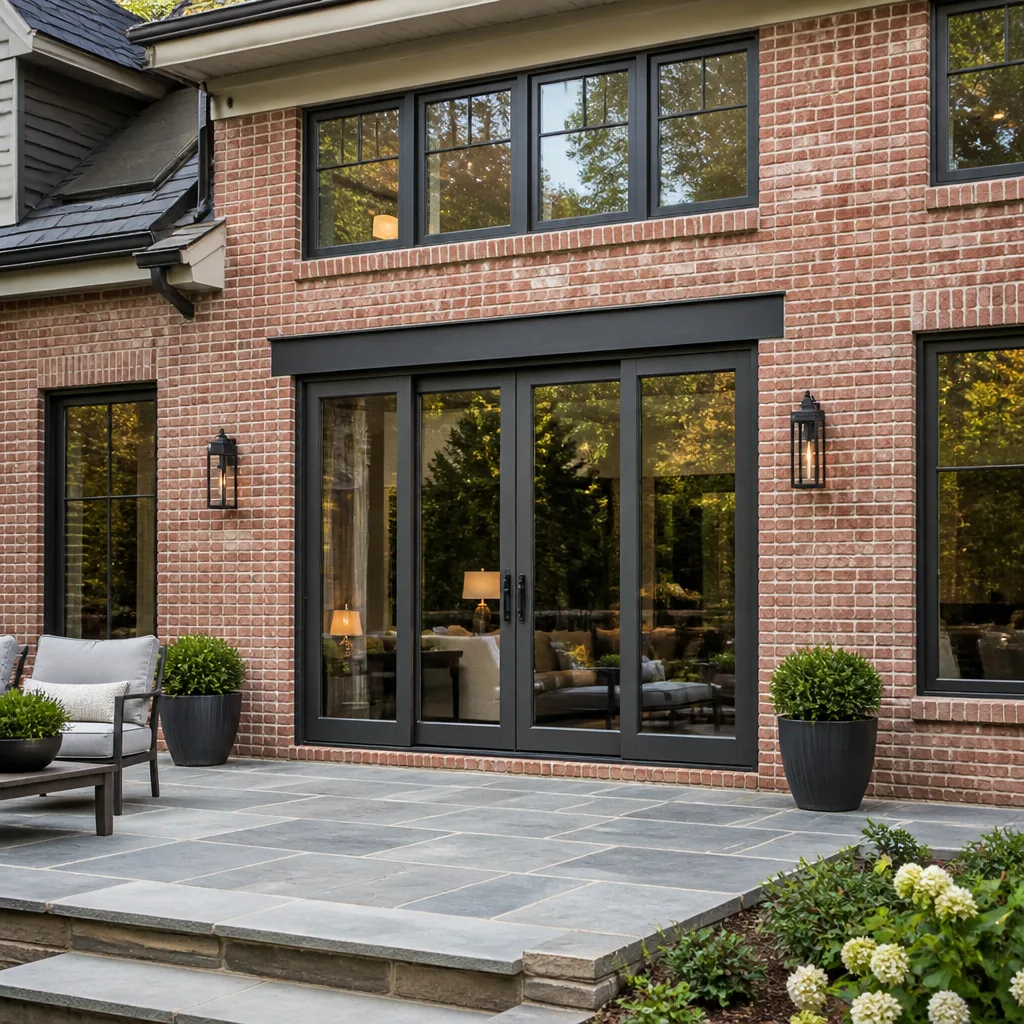 Windows & doors
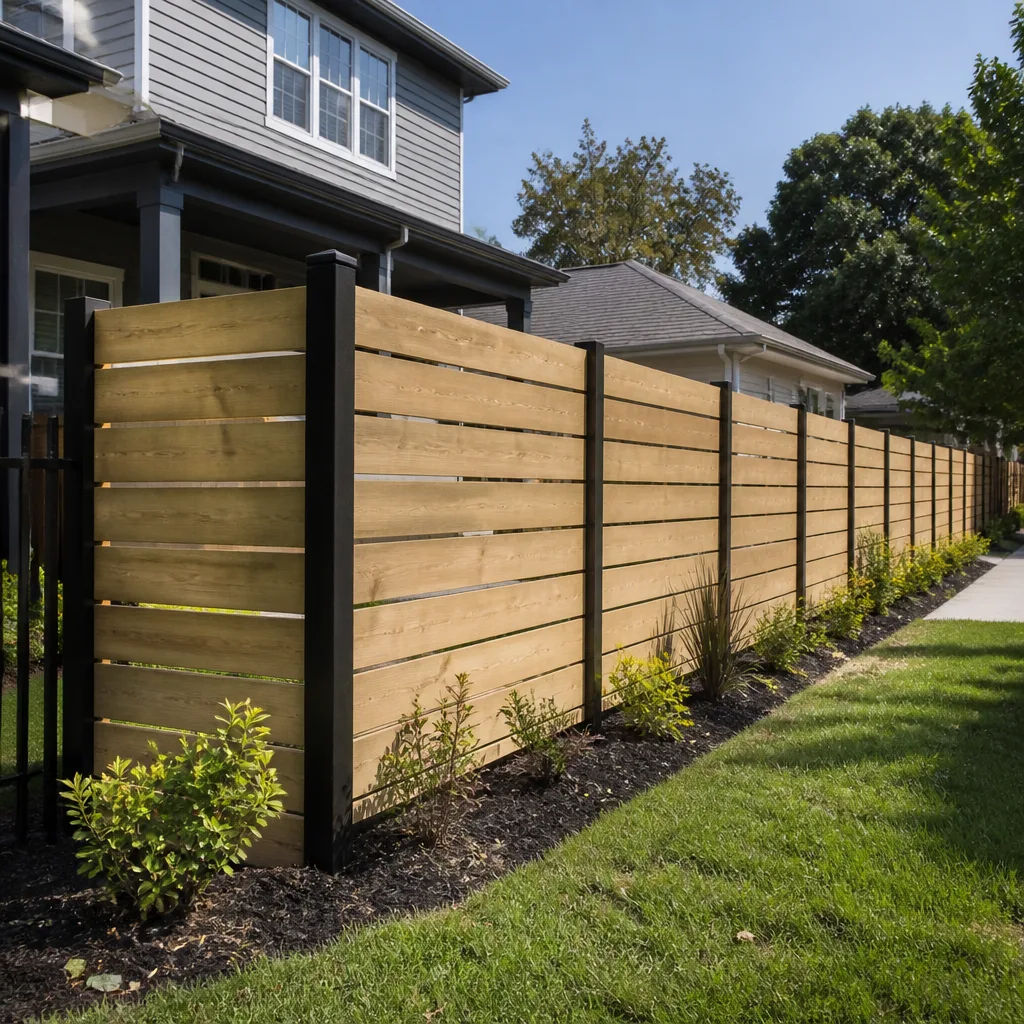 Fence
Free written scope consultation - allowances, timeline, and change-order rules on paper before a single trade is scheduled
PGT Driveway & Pavers: The The Hammocks Owner’s Guide
We install PGT-compatible driveway and paver systems in The Hammocks, and a full paver driveway installation typically runs $7,000 – $18,000 installed, with concrete replacement at $5,000 – $14,000. When a PGT hardscape component fails, you usually find out the same way everyone else does: a hairline crack in the setting bed after a heavy summer rain, a pavers course that has started to heave along the garage apron, or standing water that used to drain and suddenly doesn’t. South Florida’s wet season and sugar-sand subgrade are unforgiving on anything installed without the right base, so the failure isn’t random. It’s almost always base, drainage, or compaction, and it shows up in predictable spots.
One thing before we go further: Groundwork Construction Co. of The Hammocks is an independent service provider, not affiliated with PGT. We work with PGT-compatible materials because that’s what homeowners here ask for, but the brand relationship ends at compatibility.
- Installed paver driveway: $7,000 – $18,000
- Concrete driveway: $4,500 – $12,000
- Asphalt driveway paving: $3,500 – $9,000
- Full driveway replacement: $5,000 – $14,000
- Driveway sealing: $250 – $700
- Paver patio installation: $3,500 – $11,000
Which PGT Models This Applies To
PGT’s paver and hardscape lines show up across a range of residential driveway specs, and matching the right product to your existing installation matters more than most homeowners realize. If you’re pulling a replacement section to match an existing driveway, the first thing to nail down is paver thickness and nominal size (common residential profiles run 60mm and 80mm, with the 80mm specified for driveways that take vehicle traffic). Getting the thickness wrong on a partial replacement means the new field sits proud or sinks unevenly at the transition within the first rainy season.
Find the identifying marks before you order anything. PGT pavers are typically stamped or molded with a manufacturer mark on the underside, and the original install paperwork – if you have it from the builder or previous owner – will name the series and color. If you don’t have paperwork, a sample paver pulled from a low-visibility area (behind the garage apron, along an edge course) tells you more than a photo ever will. Color lots drift between production runs, so even the correct series can read slightly off against three-year-old pavers.
On the OEM-versus-aftermarket call: for a full driveway installation, there’s no reason to chase an exact PGT match – you’re replacing the whole field and can specify any quality paver you like. For a partial repair or border-match, an exact OEM series match is worth the effort, and a close aftermarket profile in the same dimensions and finish will often read identically once installed. We’ll tell you honestly which situation you’re in after we measure, and we don’t claim to carry parts or stock pavers on a truck. Everything is ordered to spec for your job.
Styles & brands we work with
- Kitchen remodeling
- Bathroom remodeling
- Home additions & ADU
- Roofing
- Windows & doors
- Driveway & pavers
- Fence
Signs Your PGT Driveway & Pavers Is Failing
In The Hammocks, we see the same handful of failure patterns repeat because the soil and rain load here are consistent. Here’s what each symptom actually means:
- Heaving or uneven paver courses near the garage apron. This is almost always base compaction failure or water getting under the edge and freezing the joints loose over time. When the base wasn’t compacted in lifts, the pavers rock and the joints open.
- Standing water in low spots after rain. Poor slope or a clogged drainage channel, not a paver problem. Water that pools on pavers finds its way into the base and accelerates everything else on this list.
- Joint sand washing out season after season. Polymeric sand breaking down, or joints that were never filled deep enough. In our wet season, underfilled joints erode within a couple of years.
- Hairline cracks in the setting bed or on concrete sections. Subgrade movement or a slab poured too thin for the vehicle load. Common on older driveways where the original pour predated current thickness standards.
- Efflorescence (white chalky haze) that keeps returning. Moisture migrating through the paver from below. It’s cosmetic until it isn’t – persistent efflorescence usually points to a drainage problem underneath.
See the difference
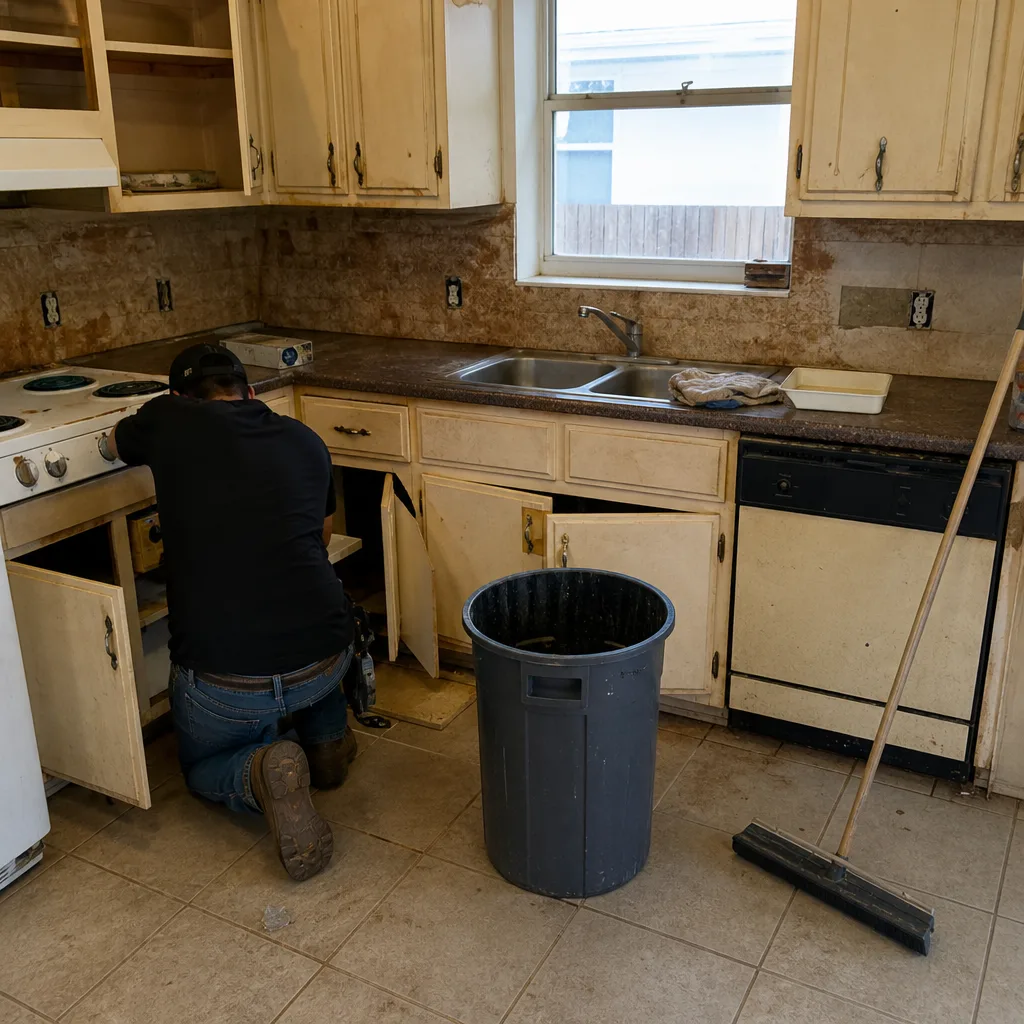 Before
 After
 Before
 After
 Before
 After
Replacement Cost & What’s Included
A paver driveway installation in The Hammocks runs $7,000 – $18,000 installed. Concrete replacement lands at $4,500 – $12,000, asphalt paving at $3,500 – $9,000, and a straight driveway replacement at $5,000 – $14,000. Sealing a driveway to protect the surface runs $250 – $700.
What drives the range: total square footage, whether the old surface needs full removal and haul-off, base depth required for your subgrade, drainage corrections, and paver selection (a premium tumbled paver costs more than a standard profile).
Our quotes are upfront and line-itemed – the number you see is the number you pay, no change-order surprises after the demo starts. Every driveway and paver project is covered by our 730-Day Done Right Promise: if it’s not done right, we make it right. We back the workmanship in writing, and the product warranty comes from the paver manufacturer.
DIY or Call Us?
Some things you can safely check yourself. Walk the driveway after a rain and mark where water pools. Probe the joint sand with a screwdriver to see how deep it goes. Pull one loose paver from an edge and look at the base underneath – if it’s muddy or has voids, that tells you a lot. Snap a photo of the paver’s underside stamp so we can identify the series for you.
What you shouldn’t tackle yourself: full base rebuilds, re-sloping a driveway for drainage, or lifting and resetting a paver field. A driveway that’s improperly based fails again within a season or two, and the rework costs more than doing it right once. Base prep and compaction are the whole game, and they’re not a weekend job. If you’re unsure which category your project falls into, call us at (844) 761-9356 and we’ll talk it through – no pressure, no sales script.
FAQs
A properly installed paver driveway lasts 25 – 30 years or more, even in South Florida’s wet season and sun exposure. The pavers themselves outlast the base in most cases – it’s the base prep and drainage that determine whether you get 30 years or 8. Concrete typically runs 20 – 30 years, asphalt 15 – 20 with sealing.
Often yes. Localized settling, a failed section, or washed-out joints can usually be repaired without tearing out the whole driveway, and that’s the first thing we check. If the base failure is widespread or the slope is wrong across the whole field, a partial repair just kicks the problem down the road and full replacement is the honest recommendation.
A standard residential paver driveway in The Hammocks takes about 3 – 5 days from demo through final compaction and joint sand, weather permitting. Larger driveways, complex borders, or significant base corrections push it toward a week. We give you a realistic schedule up front, not an optimistic one.
We measure your existing installation, identify the series from the paver stamp or your original paperwork, and order to spec from verified suppliers. We don’t claim to stock parts locally or carry pavers on a truck – your material is ordered for your specific job, which is why the color and dimensions match rather than “close enough.”
Whether you’re matching an existing PGT paver field or starting fresh on a full driveway, call (844) 761-9356 for a free estimate. We’ll measure, identify what you have, and give you a written line-item quote with no surprises.
Written by the team at Groundwork Construction Co. of The Hammocks, serving The Hammocks and nearby areas.