
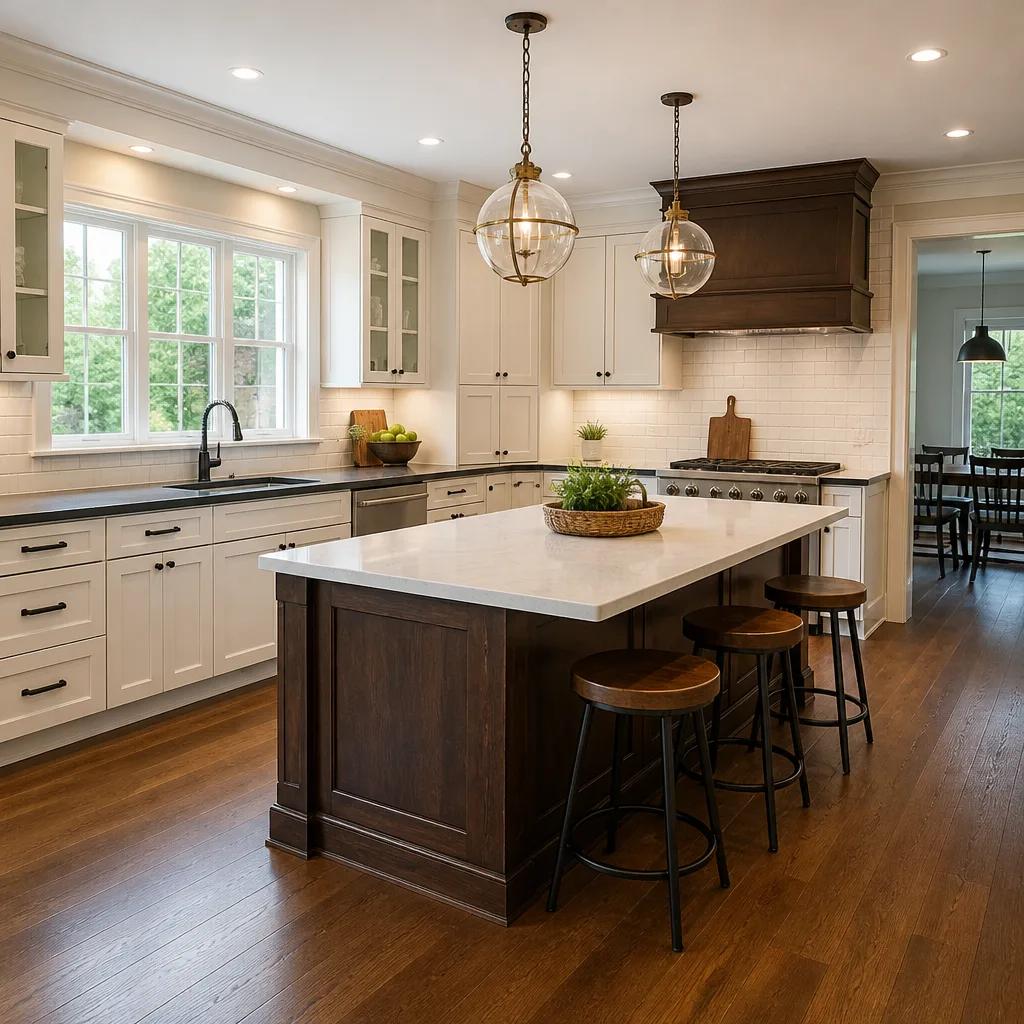
 Kitchen remodeling
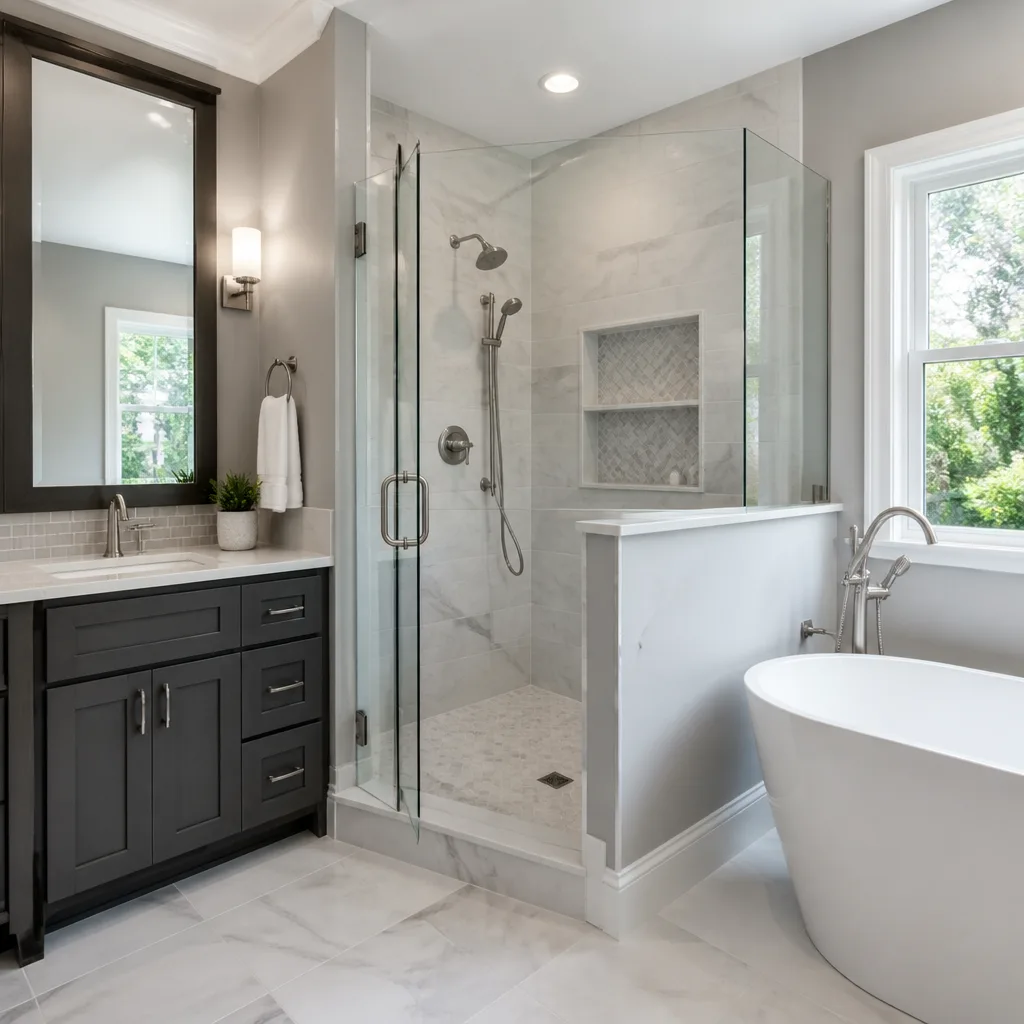 Bathroom remodeling
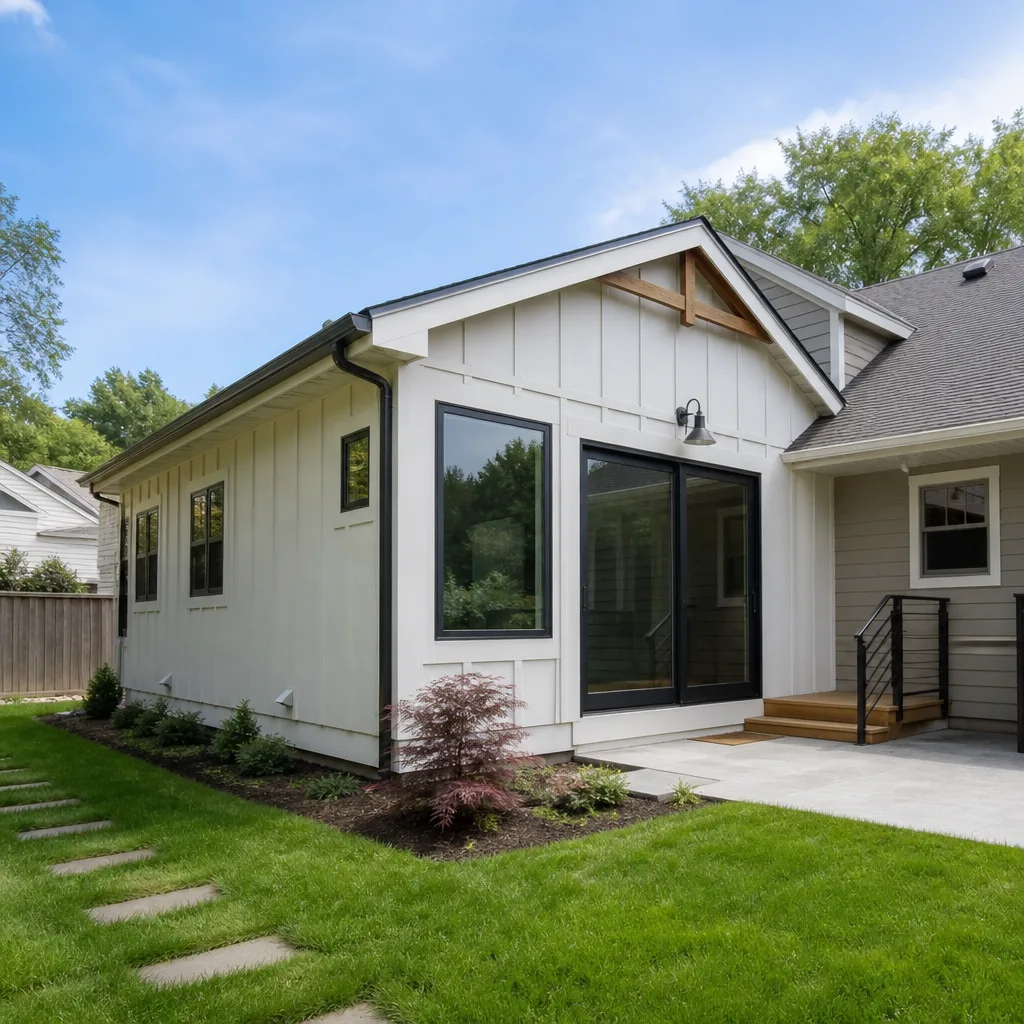 Home additions & ADU
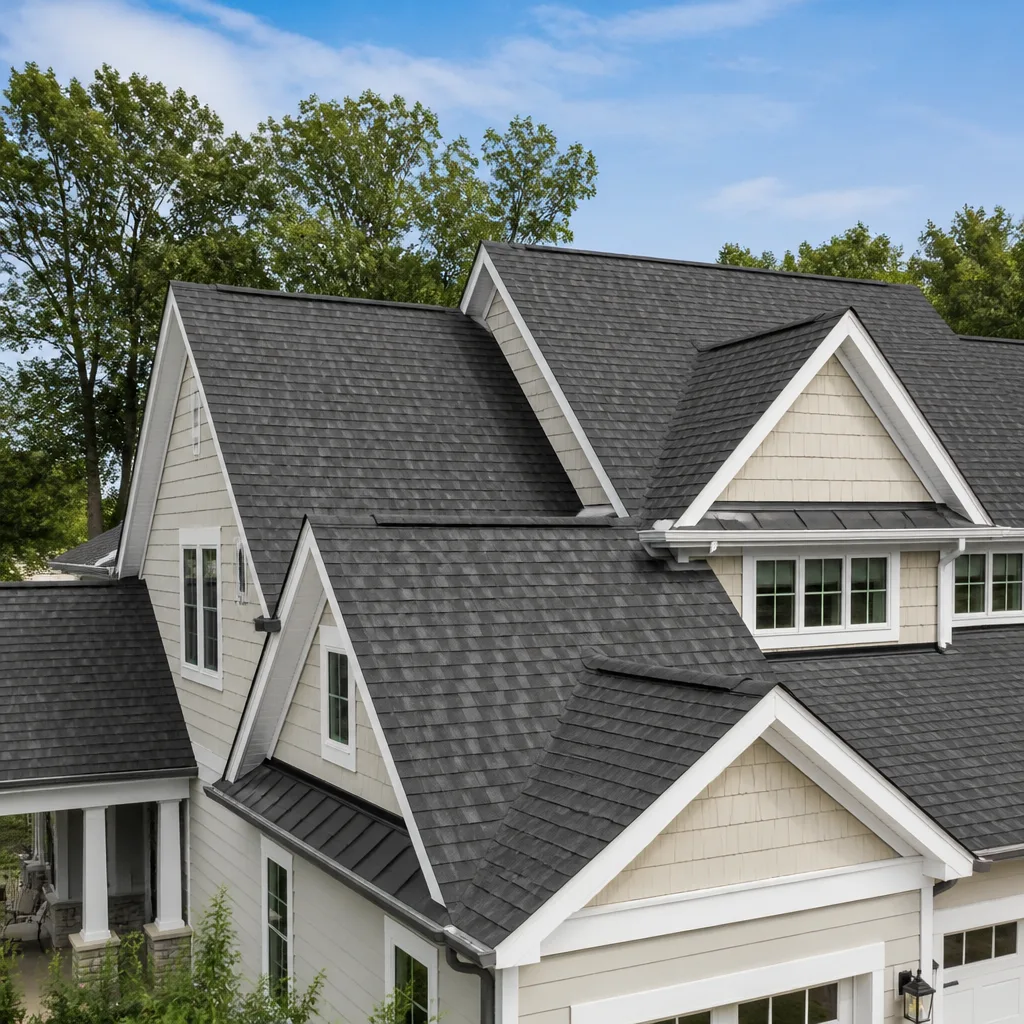 Roofing
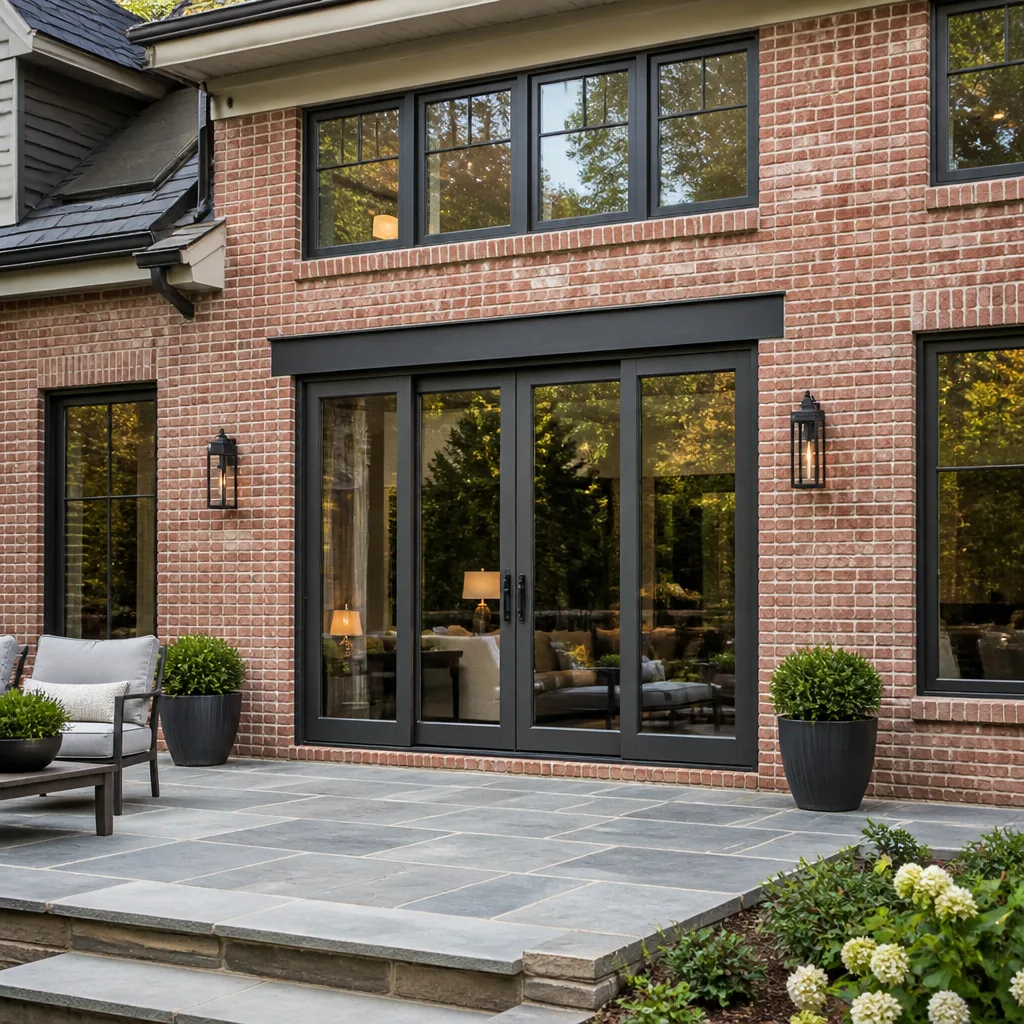 Windows & doors
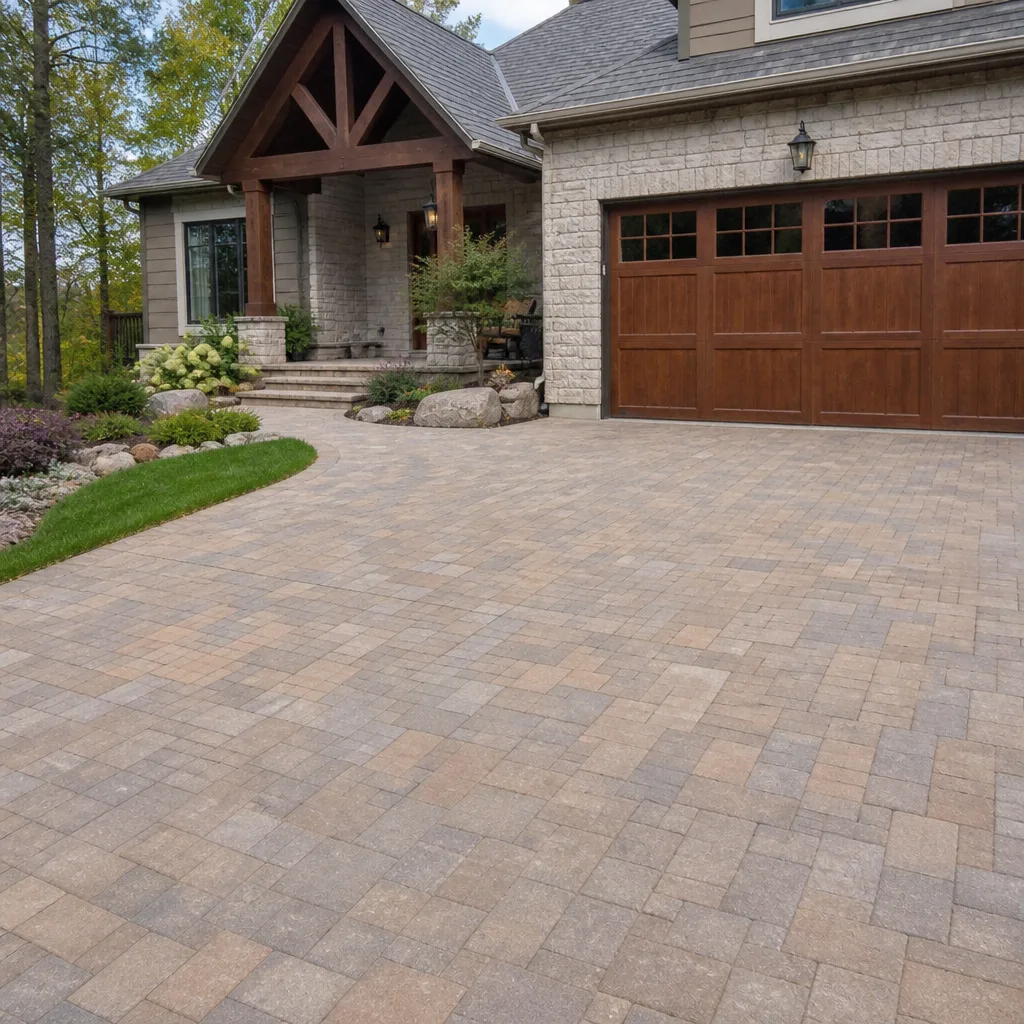 Driveway & pavers
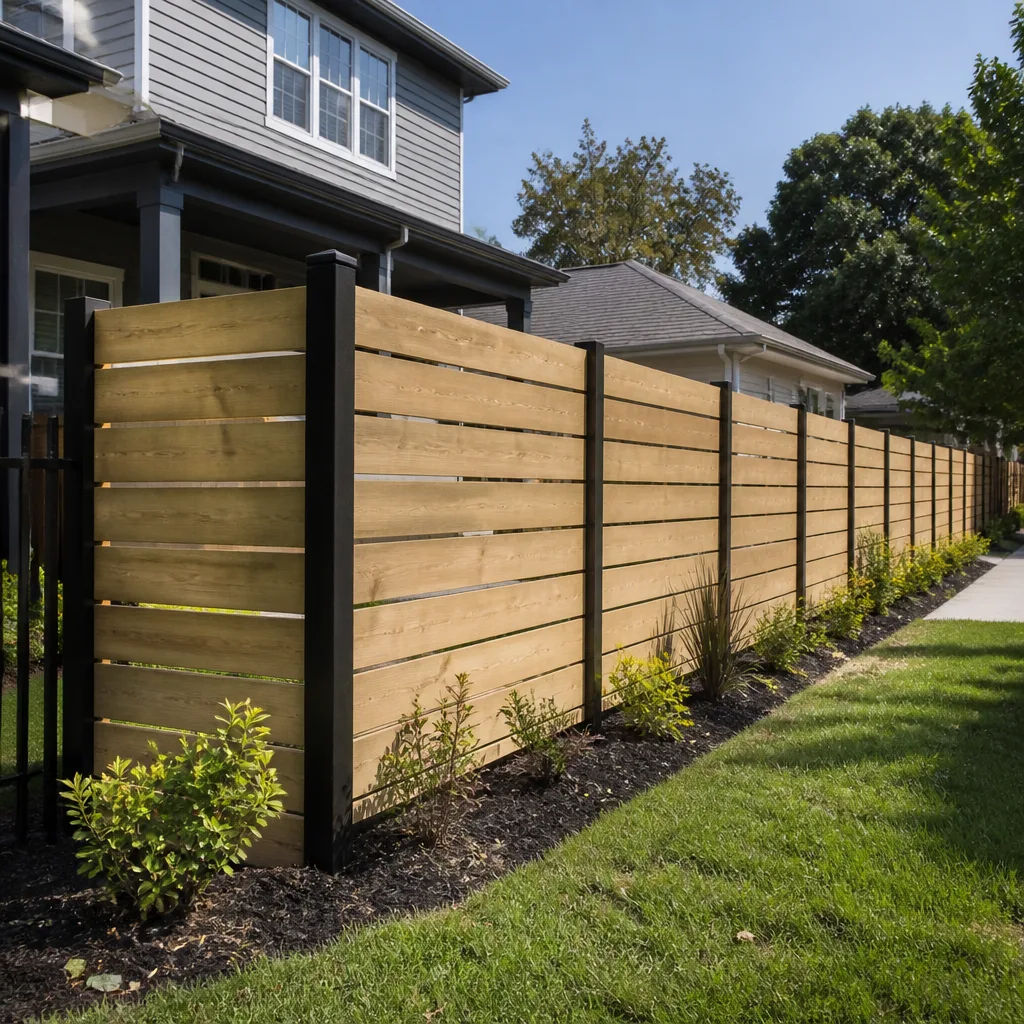 Fence
Free written scope consultation - allowances, timeline, and change-order rules on paper before a single trade is scheduled
Styles & brands we work with
- Kitchen remodeling
- Bathroom remodeling
- Home additions & ADU
- Roofing
- Windows & doors
- Driveway & pavers
- Fence
See the difference
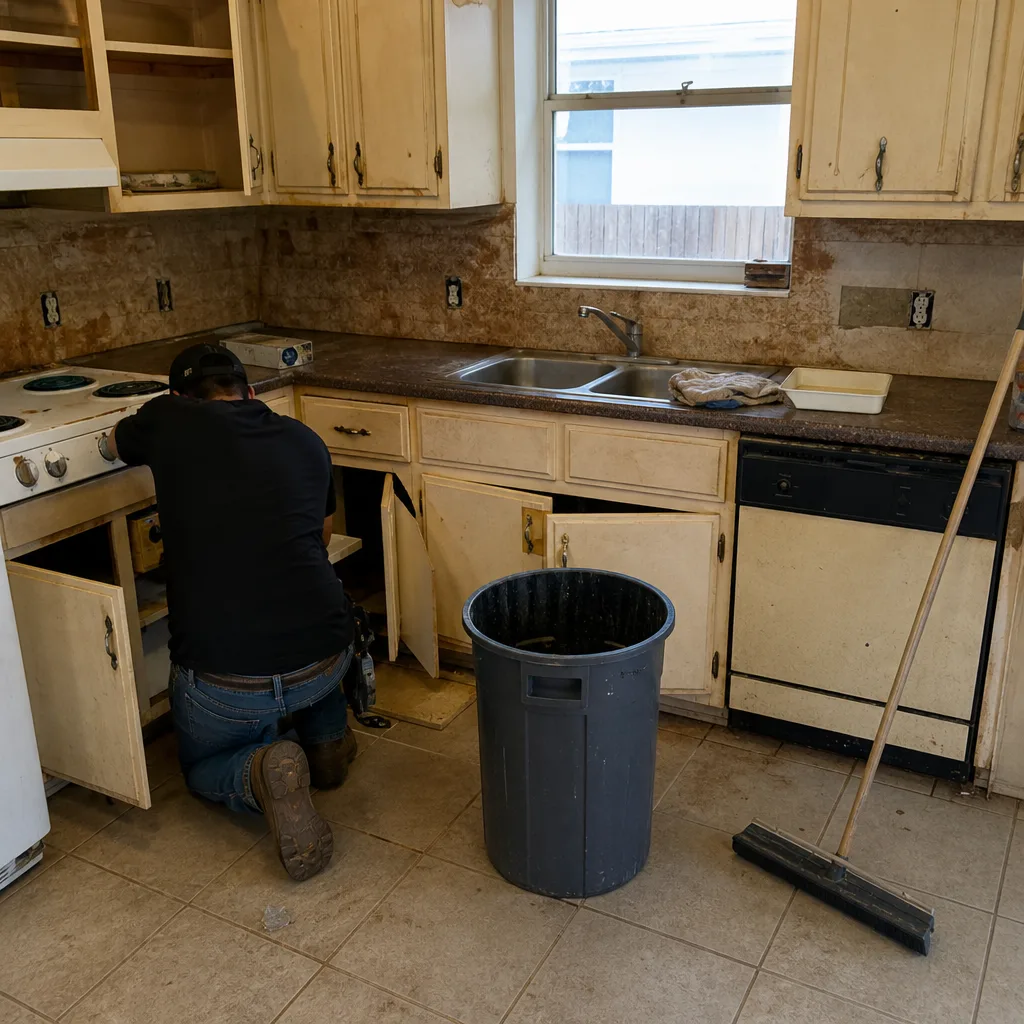 Before
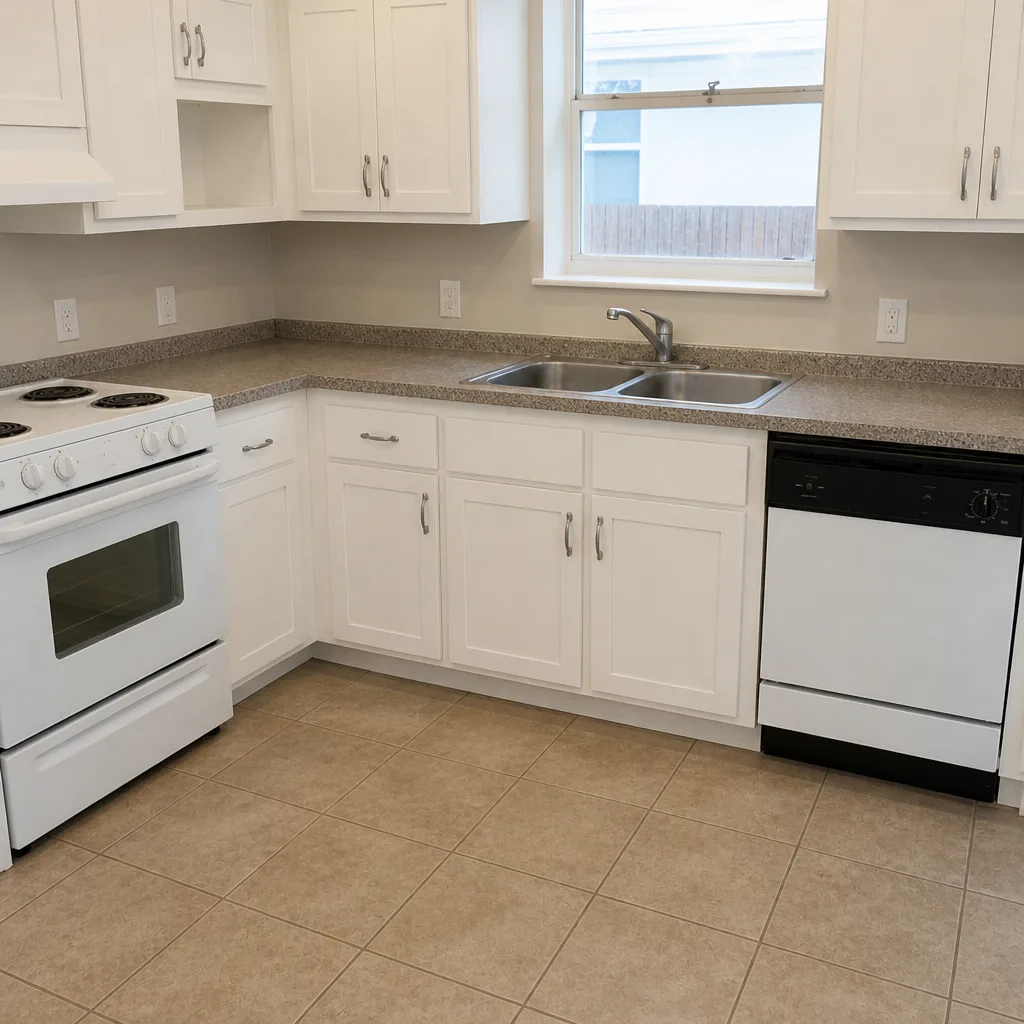 After
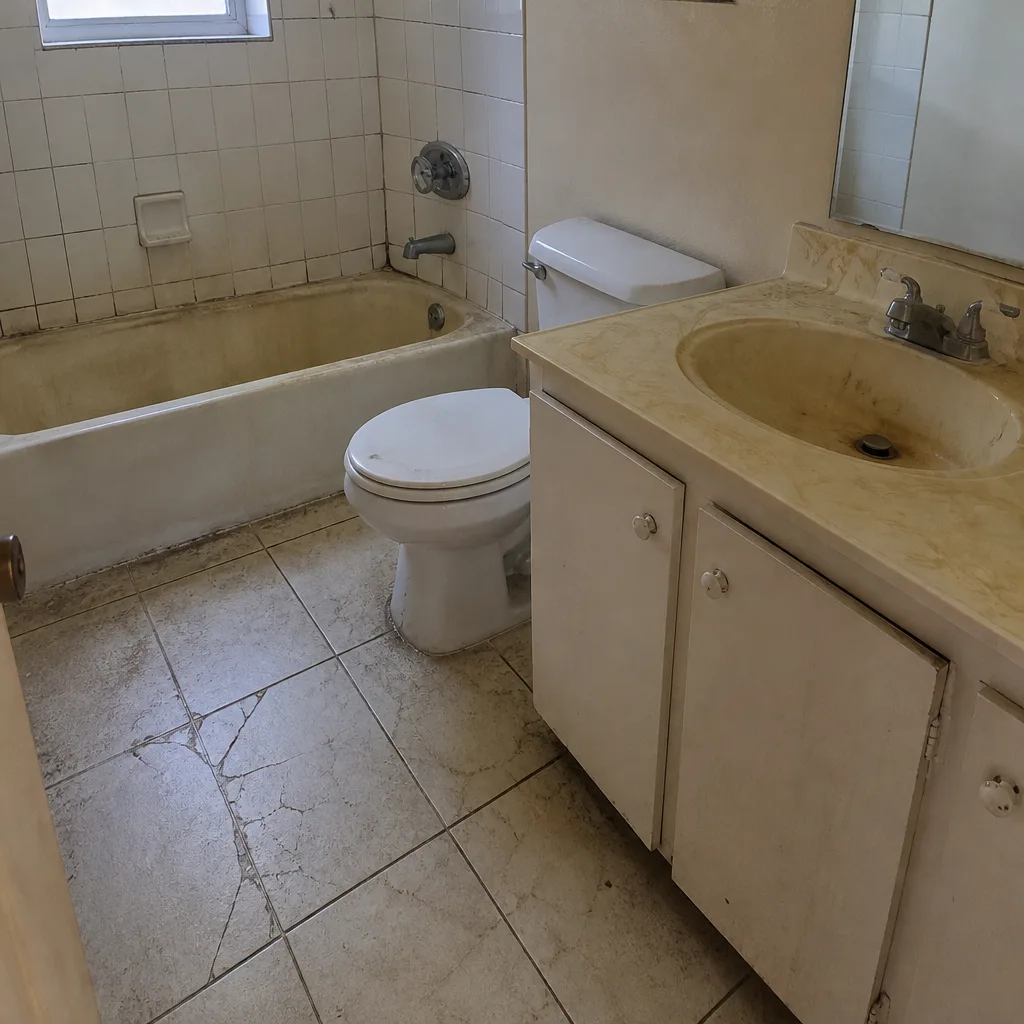 Before
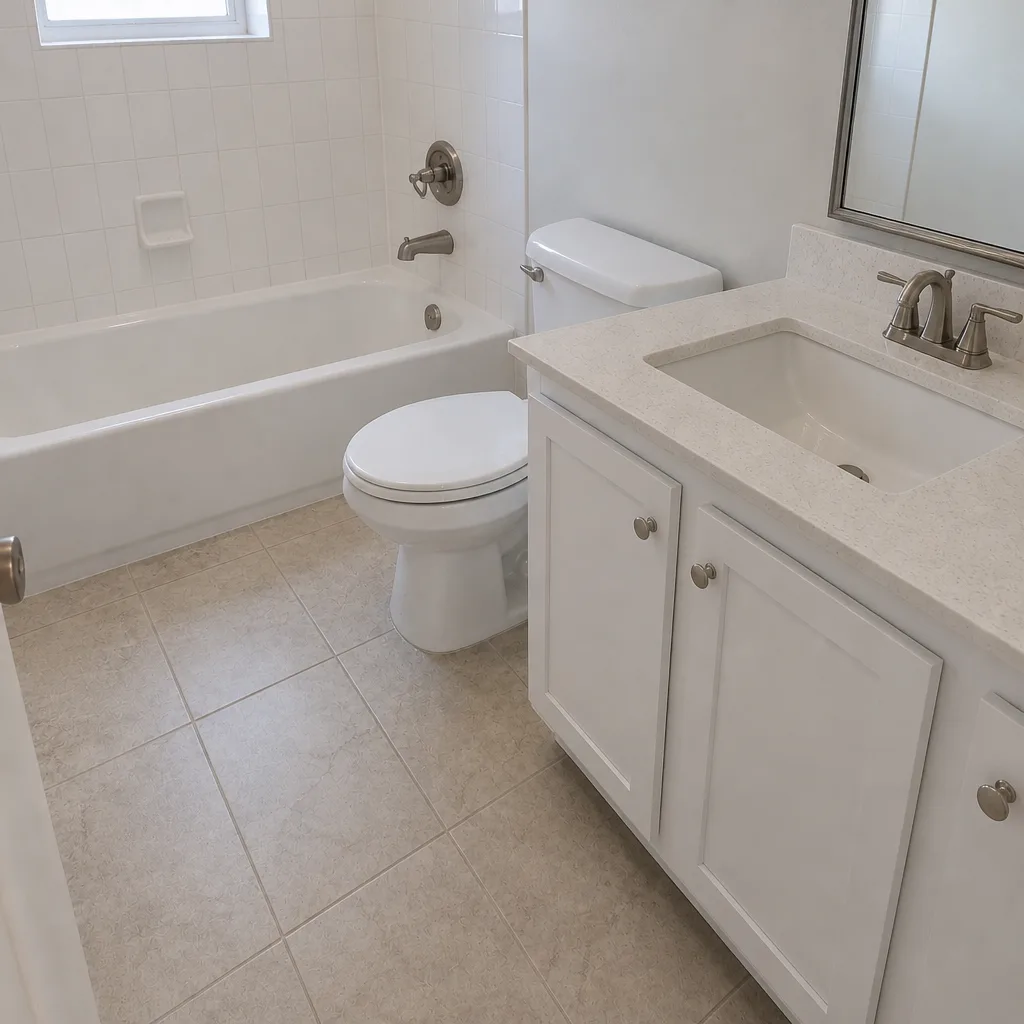 After
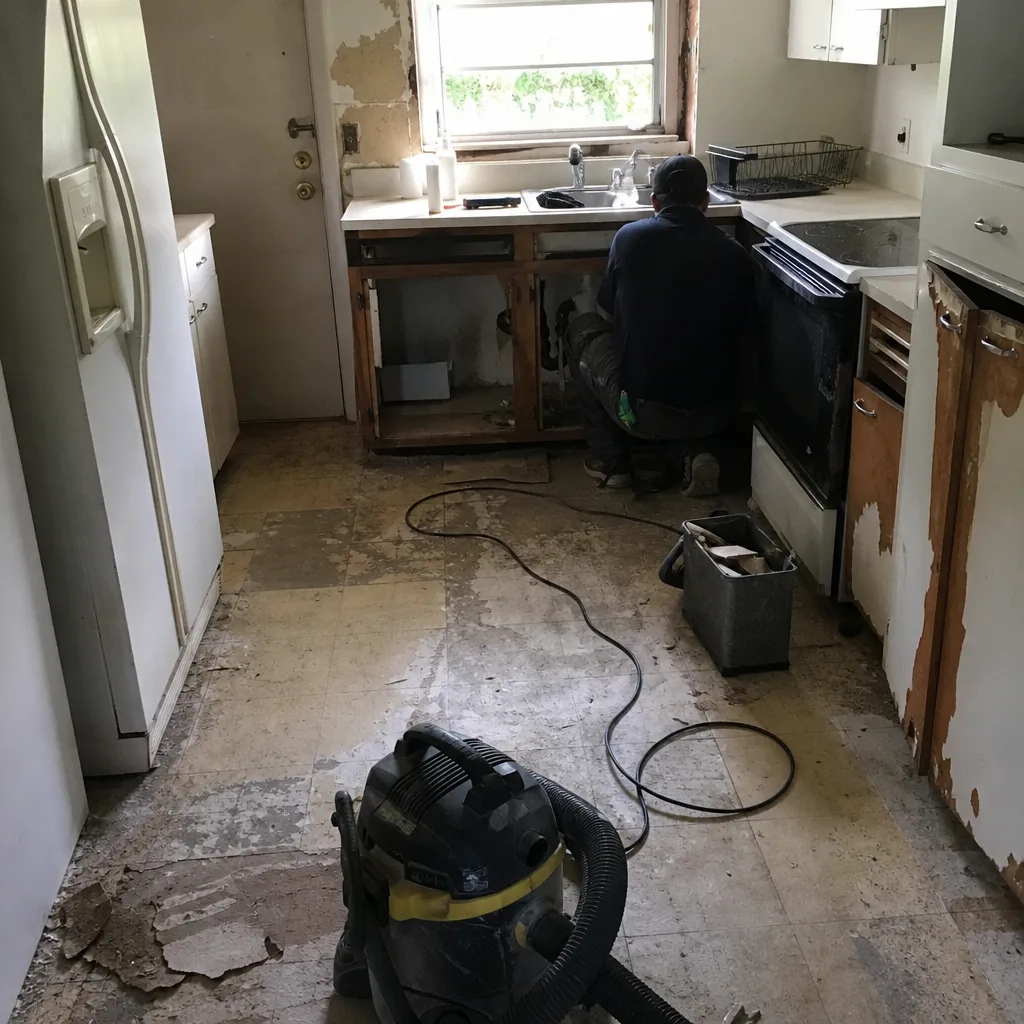 Before
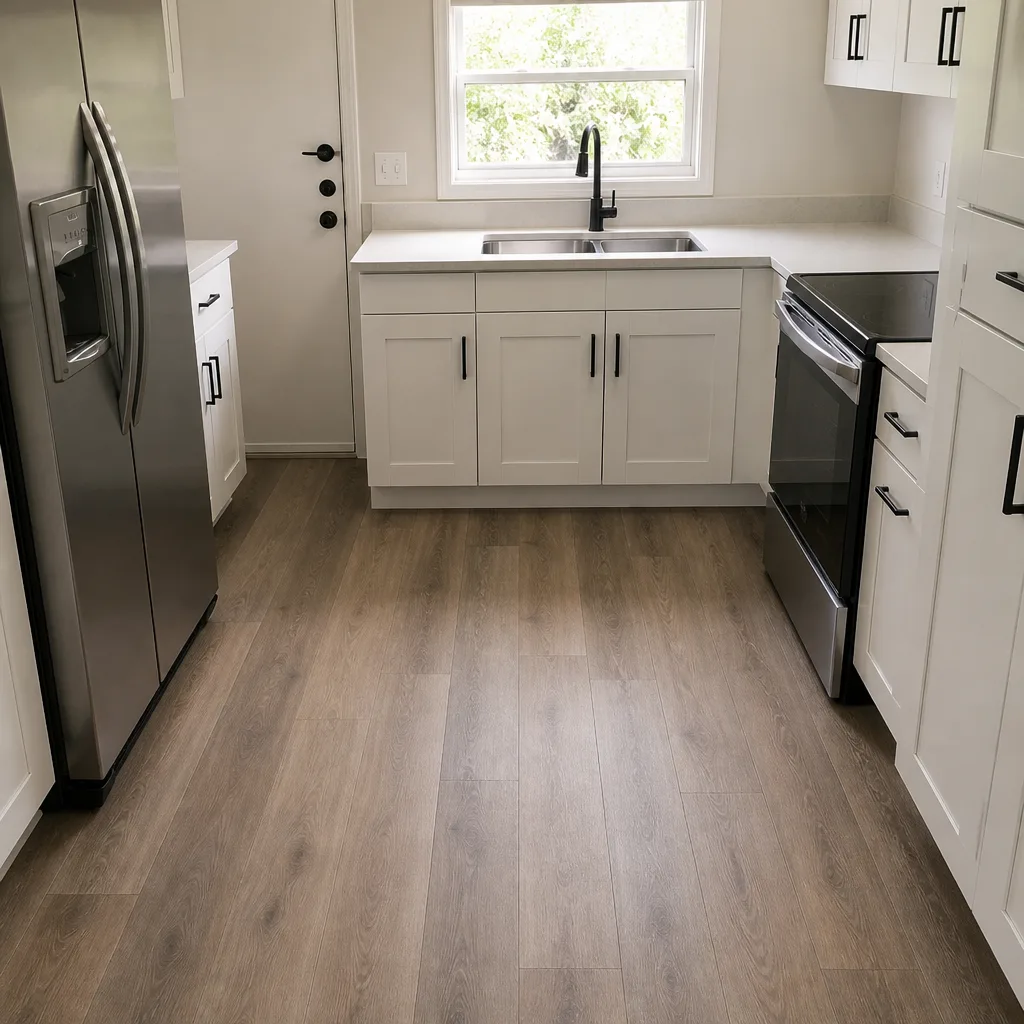 After
Tile vs. Vinyl Plank for a The Hammocks Kitchen: Which Floor Belongs on Your Slab?
Choose porcelain tile unless you’re flooring a rental, a flip, or a kitchen with no exterior exposure – then luxury vinyl plank is a fair cost-saver. For a primary kitchen in The Hammocks, tile is the climate-correct choice: it bonds directly to the concrete slab, shrugs off South Florida humidity and slab moisture, and matches the permanence of a CBS home. Vinyl plank can work here, but it raises your finished floor height 6-8mm and demands a dry slab that many Hammocks homes don’t have. Call (844) 761-9356 and we’ll test your slab before anyone sells you a floor.
The Hammocks was built as one big master-planned tract through the 1980s and 2000s, so nearly every kitchen we walk into is a 20-to-35-year-old concrete-block (CBS) home with a stucco exterior and a slab underfoot. That construction detail is the whole story. This isn’t a new-build town where the floor is a clean slate. Most of what we do here is second-generation renovation under Miami-Dade’s post-Andrew wind and impact requirements – and a kitchen floor sits right in the middle of those realities.
Why the Tile-vs-Vinyl Decision Is Structural in a Hammocks Kitchen
Most guides compare tile and vinyl on looks and price per square foot. In a The Hammocks kitchen, the decision is about clearances, moisture, and code, in that order. Here’s the honest framing before we get to money.
The height problem nobody mentions until demolition
Floating luxury vinyl plank over an existing tile floor adds height to your floor plane. Usually it’s 6-8mm. That sounds like nothing until you try to slide out the dishwasher. Standard dishwashers need roughly 34.5 inches of opening height to clear the countertop, and plenty of Hammocks builder kitchens were framed to that exact number with little to spare. Add 6mm of new floor and the appliance won’t come out without the counter coming up first.
- Dishwasher clearance: the most common casualty – appliance trapped once the new floor is down.
- Toe-kick reveal: cabinet toe kicks look off when the floor creeps up under them unevenly.
- Refrigerator slide-in: a taller floor can push a fridge past its opening or leave a gap at the top.
- Exterior door sweep: exterior kitchen doors in Miami-Dade fall under wind and impact code, and a raised floor can change the clearance at the door threshold. That’s a code conversation, not just a cosmetic one.
Tile set directly on the slab, by contrast, doesn’t stack on top of old flooring. We remove the old floor, prep the slab, and bond the new tile – so the finished height is calculated, not stacked.
Slab moisture and thermal movement: the vinyl failure mode in The Hammocks
South Florida concrete slabs absorb ground moisture and move with temperature swings. LVP wants a dry, flat slab. The industry test is a calcium chloride moisture reading below 3 lbs per 1,000 sq ft per 24 hours (ASTM F1869). Many Hammocks slabs without a proper vapor barrier fail that test – and an installer who skips it will happily glue or float right over it. The failure shows up later: LVP cupping and buckling at the seams, often within 18-24 months, right at the edge of a weak warranty.
Porcelain tile bonded to the slab has no moisture-movement failure mode. It tolerates the humidity and temperature swings of a kitchen with a sliding glass door or an exterior wall. In a CBS home, it’s the material that matches the structural permanence of the building – the same reasoning that makes tile the standard on these flat, hot-site slabs. For a deeper look at how the whole room fits together, our Kitchen Remodeling service page covers cabinetry, counters, and the floor as one scope.
What Each Floor Actually Costs on a 150-Plus Square-Foot Kitchen
Let’s put real numbers on the table for a typical 150 sq ft Hammocks kitchen floor, installed with proper substrate prep:
| Option | Installed cost (150 sq ft) | Typical lifespan on a slab here | Moisture risk |
|---|---|---|---|
| Porcelain tile bonded to slab | $1,800-$3,500 | Decades; tile rarely fails, grout can be refreshed | None from slab moisture |
| Luxury vinyl plank over existing floor | $800-$1,500 | Often 18-24 months before seam issues on a wet slab | High without a passing moisture test |
The gap is roughly $1,000 to $2,000 on a 150 sq ft floor. Not trivial – but not dramatic enough to justify the performance risk in a kitchen you actually cook in and that sees South Florida summers through a sliding door. If that floor is part of a larger remodel, see how the numbers stack up across the full scope on our Kitchen Remodeling in The Hammocks page, where kitchen budgets run $14,000-$45,000 depending on cabinets, counters, and layout.
Smaller kitchen projects often land in the $9,000-$20,000 range, and a straight floor-and-cabinet refresh can sit near the top of that band. New cabinet fronts, counters, and a backsplash are common additions – cabinet installation runs $4,000-$13,000, countertops $2,000-$6,500, and a backsplash $800-$2,500. We walk every The Hammocks homeowner through these line items upfront: the number you see is the number you pay, and there’s 0% financing for 18 months plus $1,000 off projects over $10,000 to keep the whole remodel in reach.
When Vinyl Plank Is the Right Call – and When It Isn’t
We install both floors and we’ll tell you honestly when LVP wins. In a rental unit, a budget refresh before a sale, or an interior room with no exterior exposure and a slab that passes the moisture test, vinyl plank is a legitimate, cost-effective choice that goes down in most jobs completed in a single visit. It’s warm underfoot and easy to live with.
But in a primary Hammocks kitchen that opens to a lanai or sees the summer humidity cycle, the long-term durability math favors tile. The floor is under the most water, the most foot traffic, and the most temperature swing in the house. Bonded porcelain handles all three without a failure mode that shows up two years later. That’s the “built to last” case, and it’s why we lead with tile here rather than push the cheaper install.
What the Slab Assessment Finds Before Either Floor Goes Down
This step isn’t optional, and it’s the same whether you pick tile or LVP. Before we quote a floor, we test and check the substrate. It’s the part a rushed installer skips – and the part that protects your 730-Day Done Right Promise. Here’s what we look at:
- Slab moisture test: a proper reading against the ASTM F1869 threshold. If it fails, the floor decision changes or the prep changes.
- Existing tile adhesion check: old tile that’s already loose won’t hold a floating floor for long – we tap and test before covering anything.
- Floor leveling: a flat slab matters more than a level one for floating floors; high spots telegraph through LVP.
- Clearance measurements: dishwasher opening height, fridge opening, and exterior door sweeps get measured before we recommend a material.
The site assessment decides which prep is required – the floor material choice comes after. That’s how a home upgrade should sequence: test the structure, then pick the finish. We use proven setting materials and patching compounds from brands like Quikrete and Sakrete for slab prep, so the base under the floor is as solid as the floor itself. Our technicians bring up to 12 years of experience to that assessment, and every crew is background-checked and arrives in uniform. Whatever we install, the 730-Day Done Right Promise covers it: if it’s not done right, we make it right.
FAQs About Kitchen Flooring in The Hammocks
Yes, it can – but only if the existing tile is sound and the slab passes a moisture test. Vinyl plank floats over tile and adds roughly 6-8mm to your floor height, which can trap a dishwasher, throw off toe-kick reveal, and affect exterior door clearance under Miami-Dade wind code. We test the slab first, because a wet slab will buckle LVP at the seams within 18-24 months. Call (844) 761-9356 for a slab assessment before you commit – estimates are free.
On a 150 sq ft kitchen, expect $1,800-$3,500 for porcelain tile bonded to the slab and $800-$1,500 for luxury vinyl plank installed over existing flooring. That’s roughly a $1,000-$2,000 gap. The full kitchen remodel, if you’re bundling cabinets and counters, runs $14,000-$45,000. Call (844) 761-9356 for an exact quote on your The Hammocks kitchen – upfront pricing, no surprises.
Porcelain tile is the better choice for a primary South Florida kitchen on a concrete slab. It bonds directly to the concrete, has no moisture-movement failure mode, and handles the humidity and temperature swings of a kitchen with exterior exposure. Vinyl plank is better saved for rentals, budget refreshes, and interior rooms with no exterior exposure and a dry slab.
Yes. We schedule no-pressure kitchen assessments throughout The Hammocks and answer every call with a live person, 24/7 – no voicemail, no waiting until Monday. We’ll measure clearances, test your slab, and lay out tile and LVP options side by side so you can decide. Call (844) 761-9356 to set a time.
If you’d rather have it looked at than guess from a blog, Groundwork Construction Co. of The Hammocks offers a no-pressure assessment in The Hammocks – call (844) 761-9356 and we’ll test the slab, measure the clearances, and give you a straight answer on tile versus vinyl.
Written by the team at Groundwork Construction Co. of The Hammocks, serving The Hammocks, FL.