
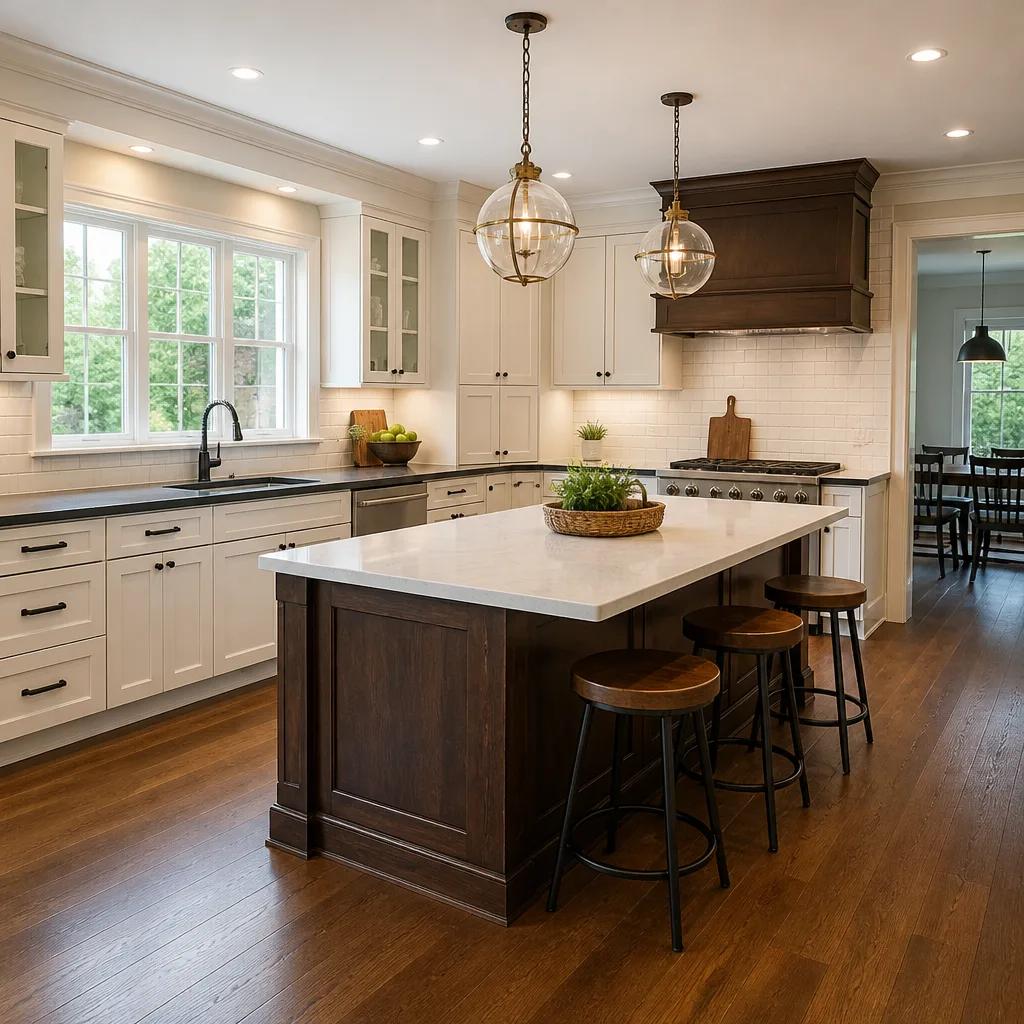
 Kitchen remodeling
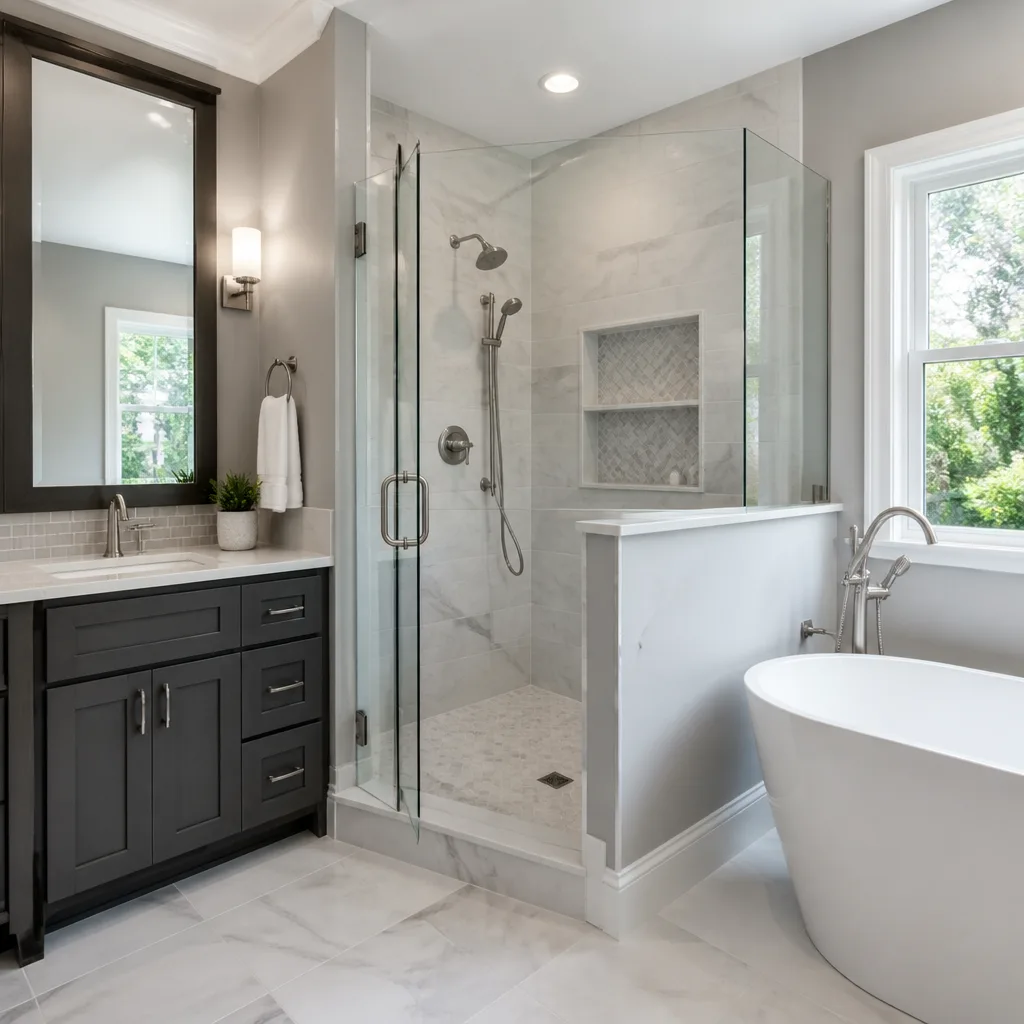 Bathroom remodeling
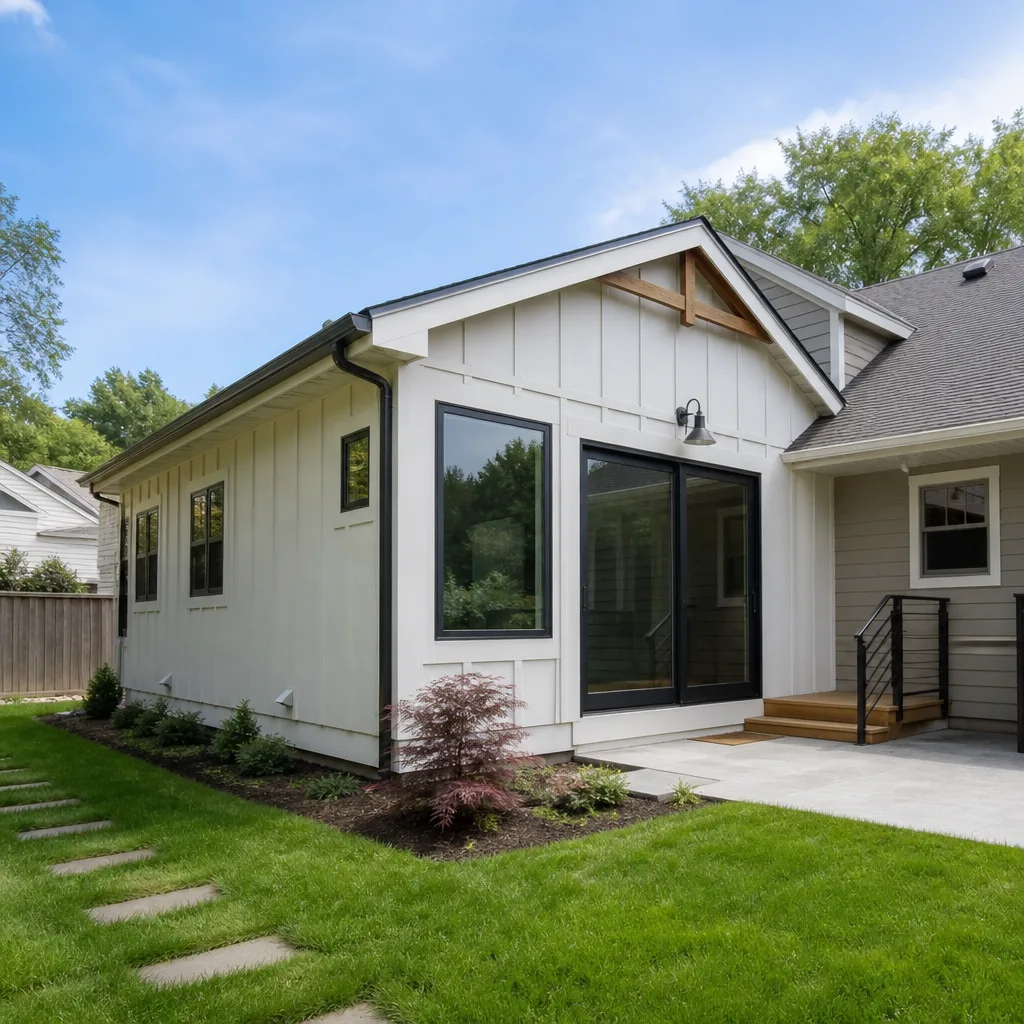 Home additions & ADU
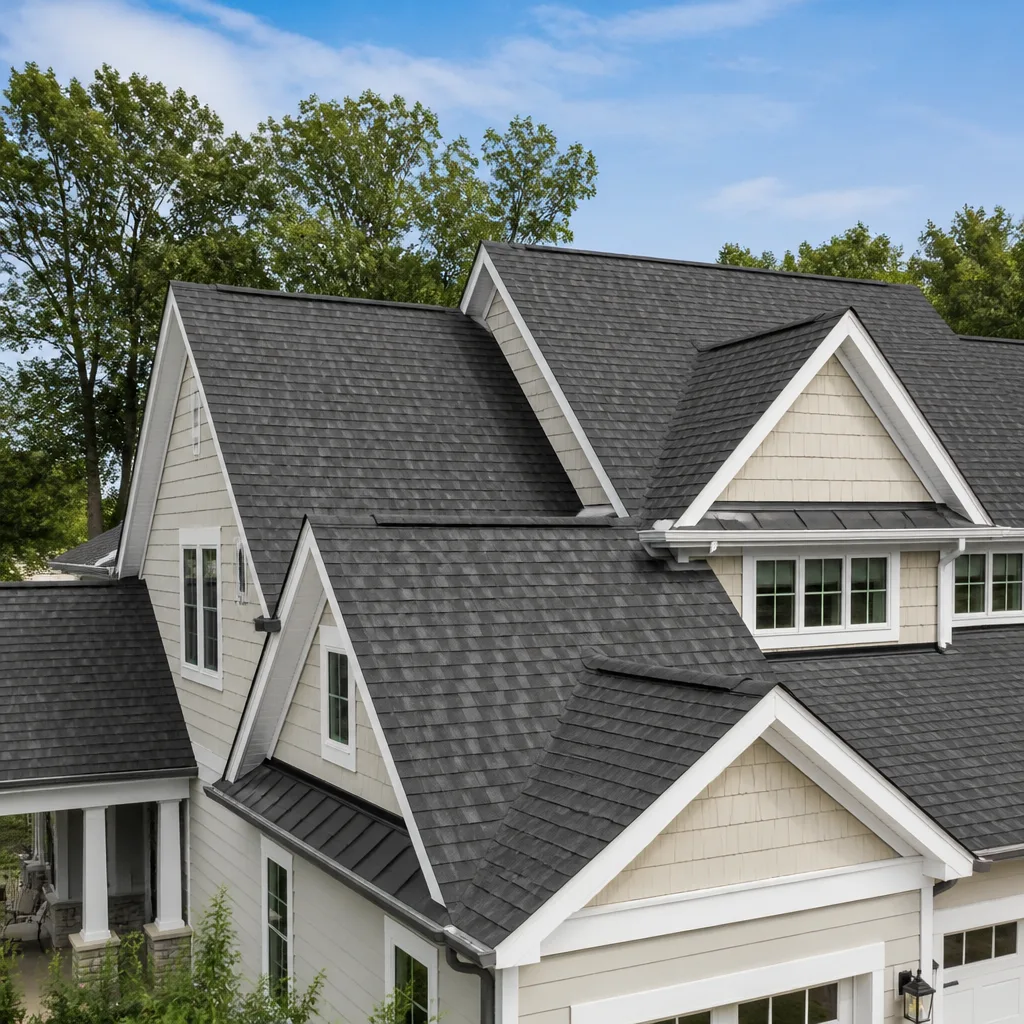 Roofing
 Windows & doors
 Driveway & pavers
 Fence
Free written scope consultation - allowances, timeline, and change-order rules on paper before a single trade is scheduled
Styles & brands we work with
- Kitchen remodeling
- Bathroom remodeling
- Home additions & ADU
- Roofing
- Windows & doors
- Driveway & pavers
- Fence
See the difference
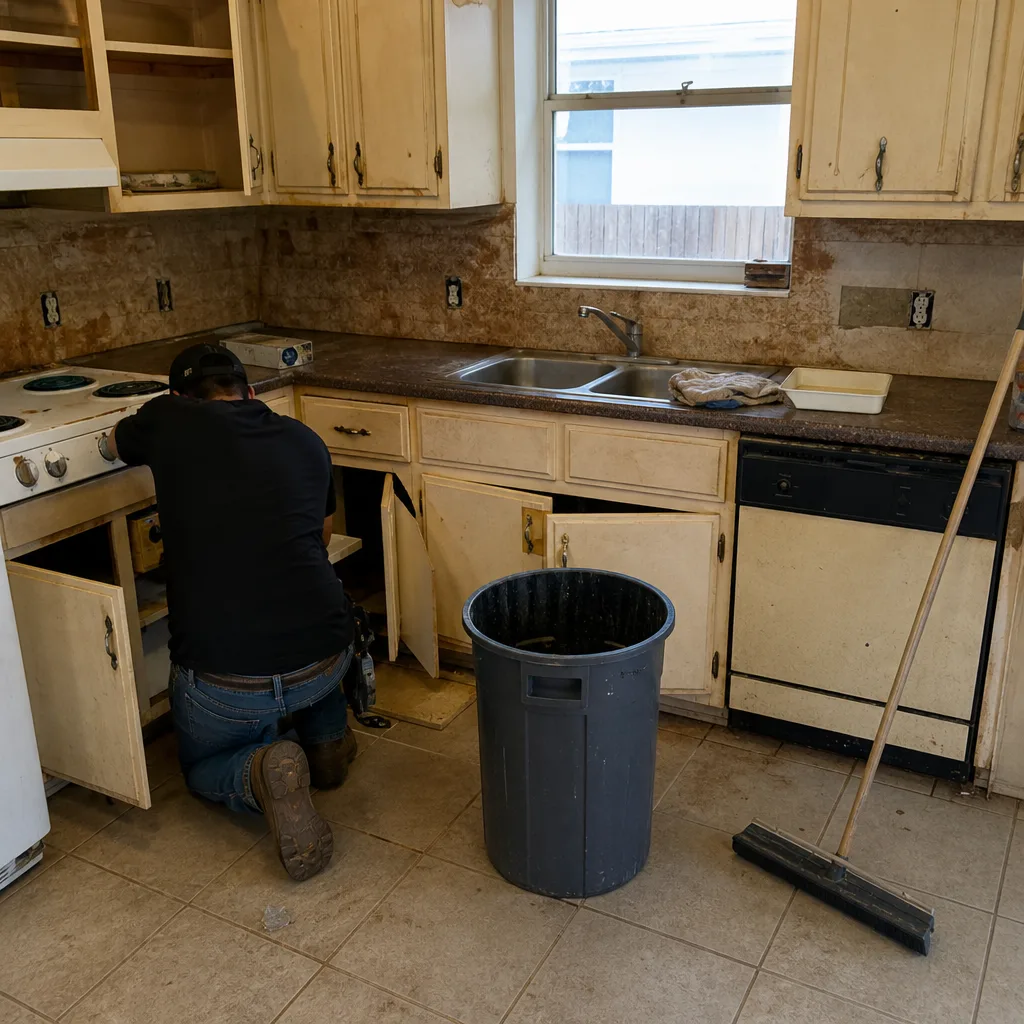 Before
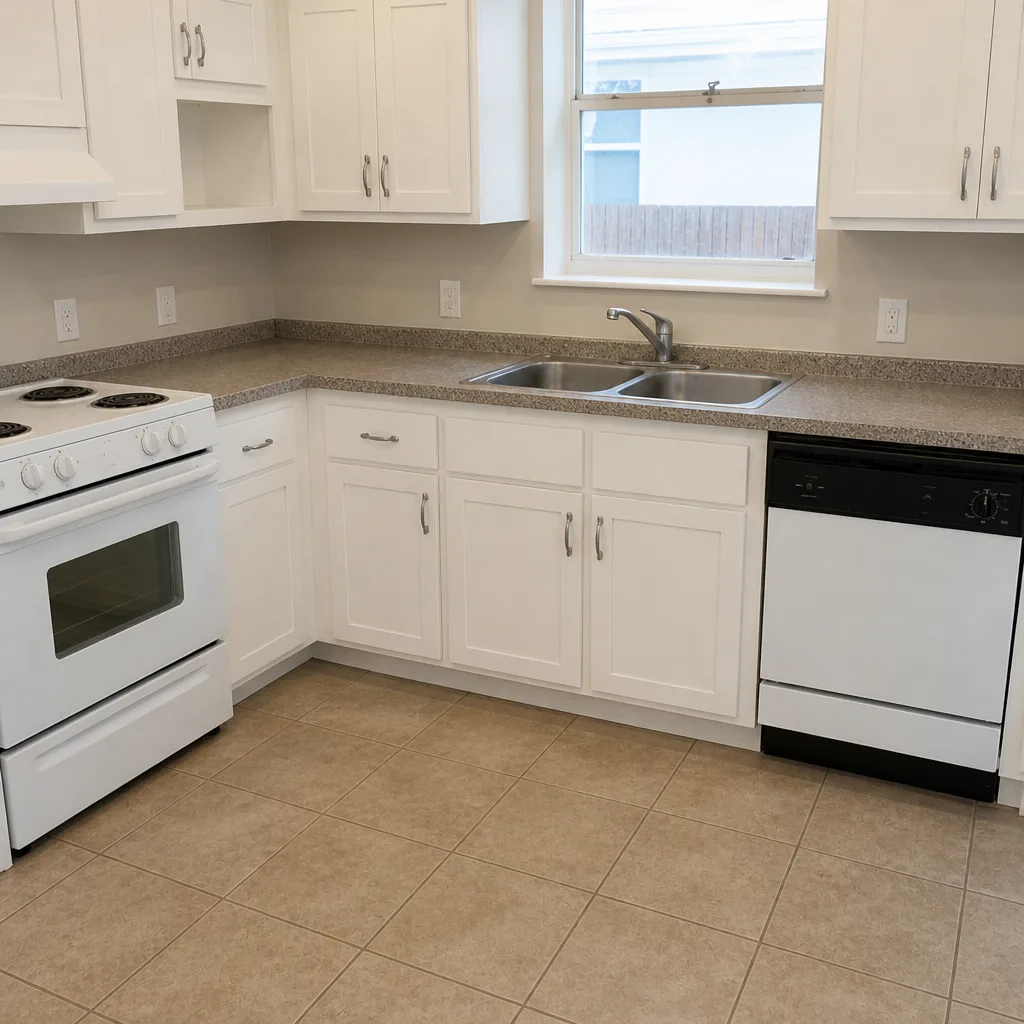 After
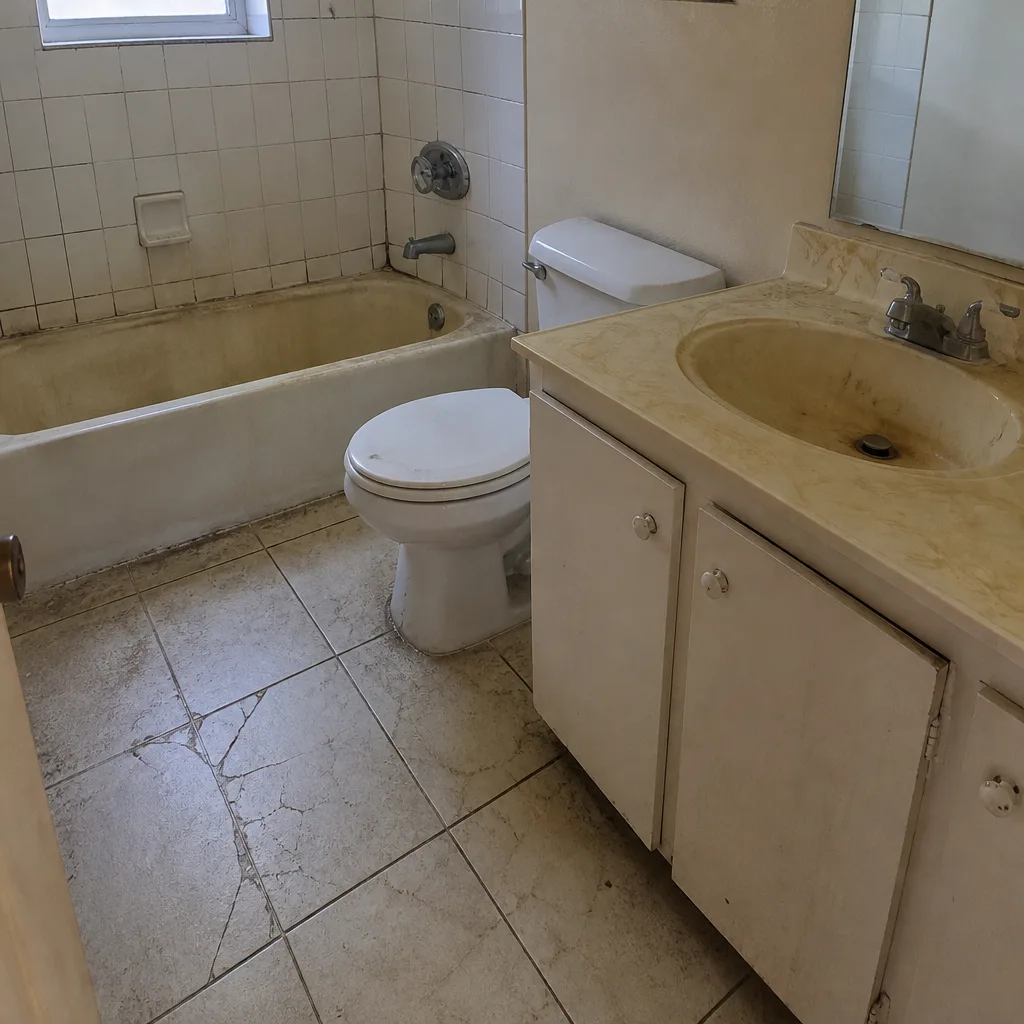 Before
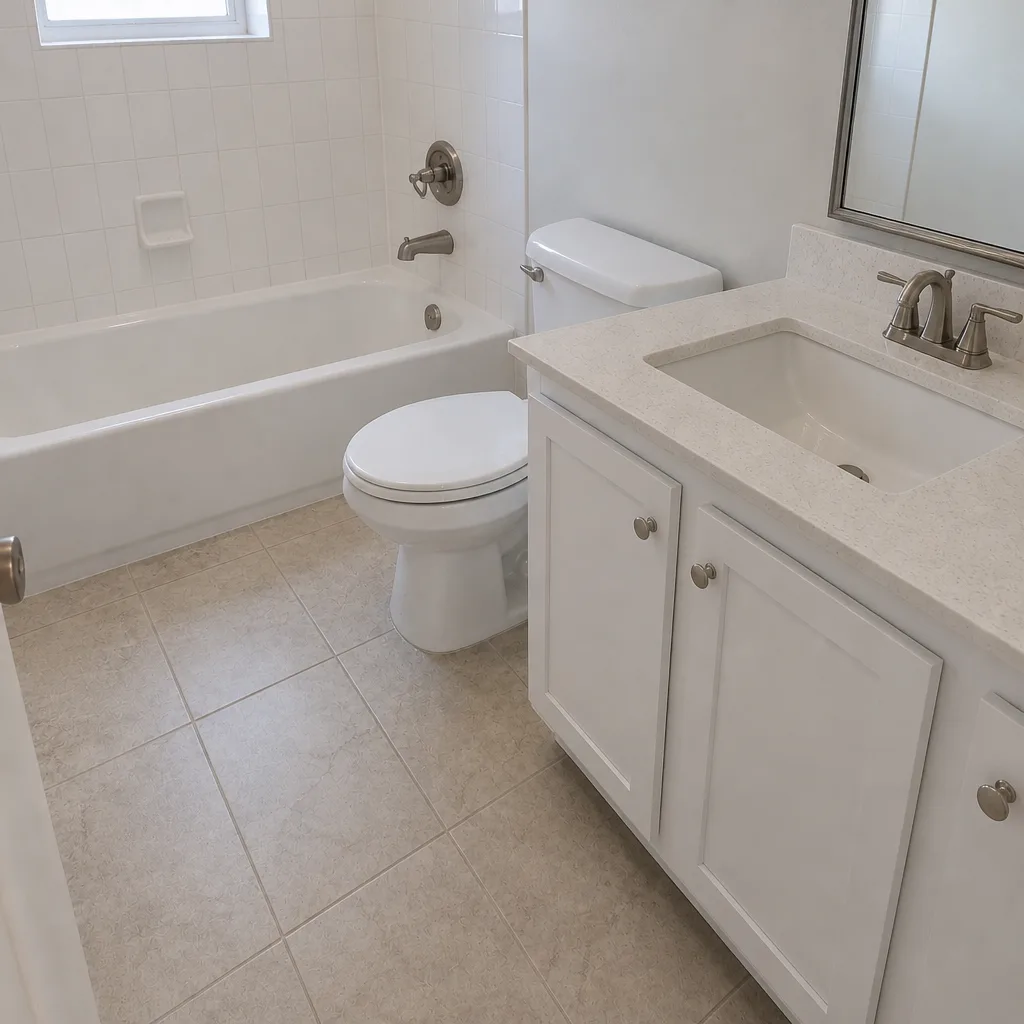 After
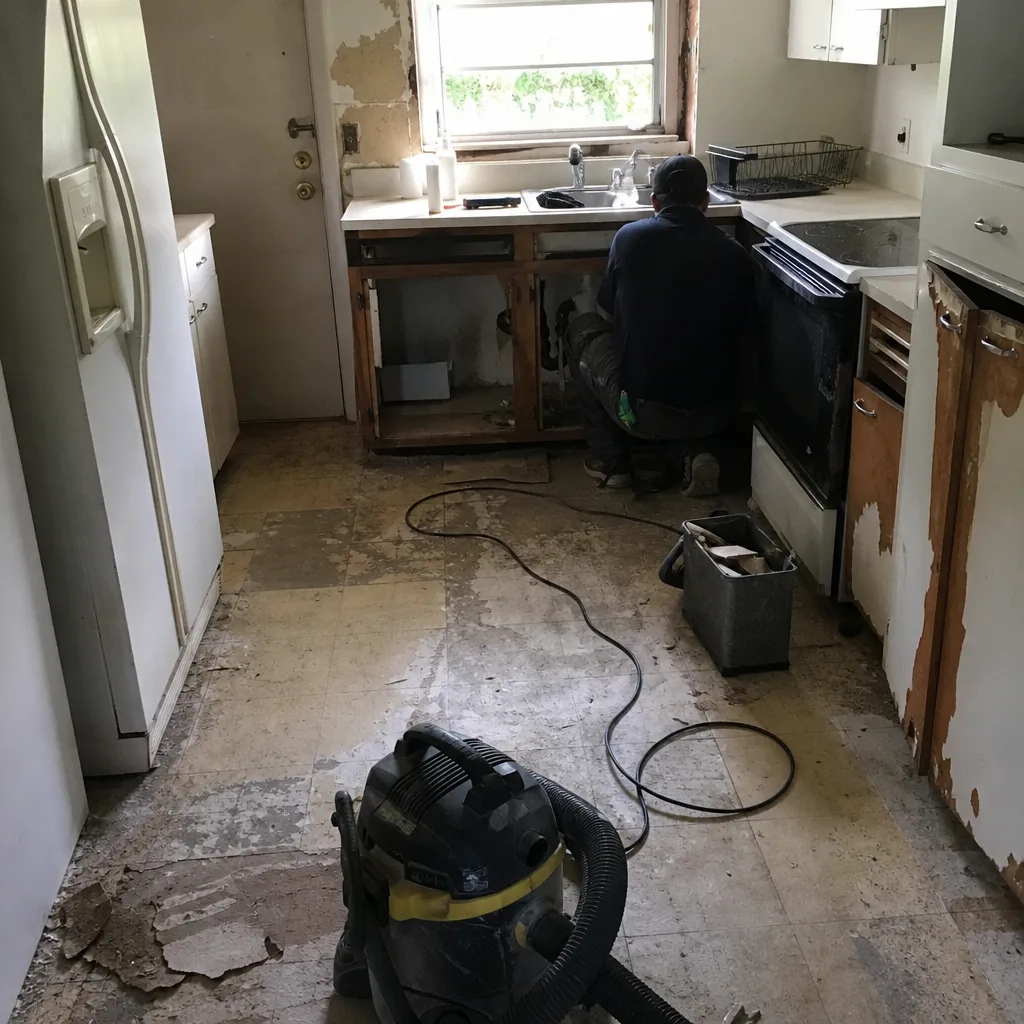 Before
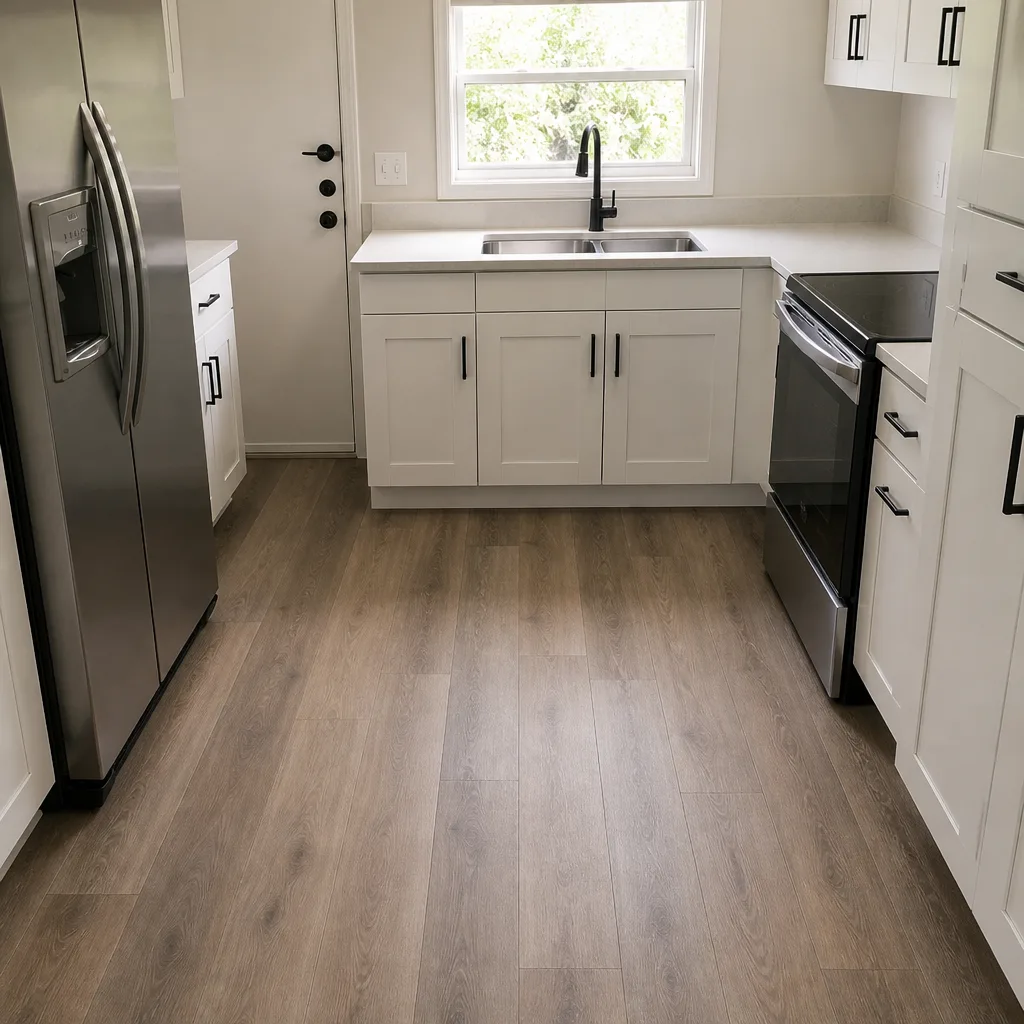 After
Quartz vs Granite Countertops in The Hammocks, FL: Which One Actually Holds Up Here?
Choose quartz unless you specifically want the one-of-a-kind look of natural stone and you’re willing to seal it every 12 to 18 months. In a Hammocks kitchen that runs near 95% humidity through the summer and sees daily cooking, quartz is the lower-maintenance, higher-durability pick, and the maintenance gap is bigger here than most comparison articles admit. Call (844) 761-9356 for a free countertop estimate and we’ll walk you through real slabs and samples, not a website gallery.
Most quartz vs granite write-ups finish with “it depends on your preference.” That’s not useful when you’re standing in a 1990s tract kitchen with original tile and an owner who wants an answer. So here’s ours, with the reasoning you can actually check.
Key Takeaways
- In South Florida humidity, granite needs sealing every 12 to 18 months instead of the 3 to 5 years a dry climate allows. Quartz needs no sealing at all, ever.
- Granite genuinely resists heat better than quartz. In a kitchen where you use trivets anyway, that advantage is mostly theoretical.
- Cambria quartz, which we carry, is NSF-certified non-porous and backed by a lifetime residential warranty. No granite slab comes with that.
- Either material goes in under our 730-Day Done Right Promise. We’ll install what you choose, but we won’t hide the upkeep.
Why the humidity in The Hammocks changes the granite math
Granite is porous. That’s the whole story right there. In a dry climate, the sealer on a granite counter slowly wears from contact with oils, acids, and cleaners, and re-sealing every three to five years gets the job done. In The Hammocks, the air itself works against you. Summer humidity sits in the 90s, ambient moisture pushes into the stone, and that moisture breaks the sealer down from the inside and out. The result: re-sealing every 12 to 18 months, not every few years.
That’s a real recurring cost, not a footnote. It’s a scheduled chore you or a pro has to do on a humid subtropical timeline, and if you skip it, a granite top starts absorbing cooking oil, wine, citrus, and cleaning chemicals. Once a stain or etch works into the stone, it doesn’t come out with a sponge. In a Hammocks kitchen where the A/C cycles hard all summer and the windows fog every morning, we’ve pulled granite tops that were sealed “recently” and still showed dull, moisture-fed patches near the sink and the cooktop.
Quartz has no sealer to fail because quartz isn’t porous. The resin binders make it a solid, non-absorbent surface from day one. You wipe it down and that’s the maintenance. For a homeowner here who is already juggling tile roof upkeep, impact-window compliance, and a lanai that needs screen repair after every storm season, trading a yearly sealing ritual for nothing is a meaningful win.
The heat-resistance myth, addressed honestly
Granite is more heat-resistant than quartz. We’re not going to pretend otherwise. Quartz is roughly 90% ground stone bound with resin, and those resins can discolor if you set a 350°F pan straight off the stove onto the surface, especially above 300°F. Granite, being solid stone, shrugs off that contact.
But think about how you actually cook. You use a trivet or a landing pad. You set hot pans on the stovetop or a cooling rack. In real daily use in a Hammocks kitchen, that heat advantage is theoretical, while quartz’s non-porosity advantage is something you touch every single day. We’d rather you gain a practical benefit than defend against a hazard you already avoid with a $12 piece of cork.
Cambria quartz vs. a standard granite slab
If you’re leaning quartz, the brand matters. We carry Cambria, and the difference against an anonymous granite slab is concrete: Cambria’s surface is NSF-certified for food contact and non-porous, which matters in a kitchen where you’re prepping raw chicken and wiping down often. It also carries a lifetime residential warranty that no natural granite slab can match, because granite’s warranty is whatever the fabricator says and nothing more.
| Factor | Cambria quartz | Standard granite |
|---|---|---|
| Sealing required | None, ever | Every 12-18 months in South Florida humidity |
| Porosity | Non-porous, NSF-certified for food contact | Porous, absorbs oils and moisture |
| Heat tolerance | Good with trivets; resins can discolor above 300°F | Higher direct-heat tolerance |
| Warranty | Lifetime residential warranty | Fabricator-dependent |
| Pattern | Consistent, engineered | One-of-a-kind natural variation |
| Resale signal in The Hammocks | Named premium brand buyers recognize | Anonymous unless specified |
Countertop installation in The Hammocks typically runs $2,000 to $6,500 depending on square footage, edge profile, and material grade. A Cambria top lands at the upper end of that band; a builder-grade granite slab can land lower. Factor in a decade of re-sealing and the gap narrows more than the sticker price suggests.
What this means when you sell in The Hammocks
Most of the housing here is 1980s-to-2000s CBS construction, and the resale band for a single-family home sits roughly in the $500K to $750K range. Buyers shopping that band walk in knowing what quartz is. A named brand like Cambria on a listing reads as a real upgrade, and a listing that says “Cambria quartz” markets better than one that says “granite counters” with no name attached. Anonymous natural stone is just stone. Buyers can’t tell premium granite from builder granite in a photo, but they do recognize a brand they’ve seen in showrooms.
That’s the second reason quartz wins here even though this page is about countertops, not resale. If you’re planning a fuller overhaul, our Kitchen Remodeling in The Hammocks page covers how countertops fit into a whole-kitchen budget, and a full remodel runs $14,000 to $45,000 depending on scope. If you’re redoing cabinets at the same time, budget $4,000 to $13,000 for those, and $800 to $2,500 for the backsplash.
The honest case for granite
Granite is a legitimate choice. If the visual variation of natural stone is what you want, no engineered surface replicates it exactly. Every slab is unique, and some homeowners want that and nothing else. We install granite and we stand behind it under our 730-Day Done Right Promise just like we do quartz. The point isn’t to talk you out of it. The point is that the maintenance reality needs to be on the table before you commit, not six months after the install when the sealer is already fading and the stone near the sink is starting to look tired.
Our technicians have up to 12 years of experience setting and sealing both materials, and they’ll tell you the same thing on the job site that we’re telling you here. Background-checked, uniformed, upfront pricing. The number you see is the number you pay.
Common scenarios we see in The Hammocks
The homes here were built in a narrow window, so whole blocks hit the same milestones at once. One neighbor’s kitchen renovation starts a run of copycat jobs down the street, and the countertop question comes up every time.
- Original 1990s kitchen, tile still in place: The homeowner wants a low-maintenance surface they don’t have to think about. Quartz, no sealing, done.
- Rental property with high turnover: Every handoff is a chance for a stain to set. Non-porous quartz protects the asset with zero tenant maintenance.
- Homeowner who loves natural stone and will do the upkeep: Granite, sealed on a South Florida-grade schedule of 12 to 18 months. We’ll set them up with the right sealer and a reminder.
- Selling within a few years: Cambria’s brand recognition in the $500K-$750K band gives the listing a name buyers trust in a photo.
FAQs
Countertop installation in The Hammocks runs $2,000 to $6,500 for most kitchens, with quartz sitting toward the upper end and builder-grade granite toward the lower. That range covers material, fabrication, and install, and we quote it upfront so the number you see is the number you pay. Call (844) 761-9356 for a free estimate on your specific kitchen.
Yes. The humidity here breaks down granite sealer faster than in a dry climate, so re-sealing lands on a 12-to-18-month cycle instead of the 3-to-5-year schedule typical in drier parts of the country. Skip it and the porous stone absorbs oils and moisture. If that maintenance schedule sounds like a chore you’d rather not own, quartz never needs sealing. We’re happy to talk through both.
Quartz, specifically a named brand like Cambria, tends to carry more resale value in The Hammocks because buyers in the $500K-$750K range recognize the brand and the non-porous, low-maintenance story. An anonymous granite slab doesn’t market the same way in a listing photo. Want a realistic read on your kitchen? Call (844) 761-9356 and we’ll give you a free assessment.
No, not as well. Quartz resins can discolor above 300°F, so always use a trivet or landing pad, while granite tolerates direct heat better. In everyday cooking this rarely matters because trivets are standard practice, but it’s worth knowing. Either material goes in backed by our 730-Day Done Right Promise, so if install or workmanship ever fails, we make it right.
If you’d rather have it looked at, Groundwork Construction Co. of The Hammocks offers a no-pressure assessment in The Hammocks - call (844) 761-9356. We’ll bring samples, measure your kitchen, and give you an upfront number with no surprises. From countertop selection to the full Kitchen Remodeling scope, we handle it from foundation to finish line.
Written by the team at Groundwork Construction Co. of The Hammocks, serving The Hammocks, FL.