
Last updated November 17, 2026
 Windows & doors
 Kitchen remodeling
 Bathroom remodeling
 Home additions & ADU
 Roofing
 Driveway & pavers
 Fence
Free written scope consultation - allowances, timeline, and change-order rules on paper before a single trade is scheduled
Windows & Doors Troubleshooting: Common Problems and How to Fix Them
That door sticking in July is not a swollen slab. That window whistling in a winter cold front is not “just wind.” In our experience across The Hammocks, most of what homeowners describe as window and door problems started as installation defects wearing a hardware costume. Treat the squeak, plane the door, add the weatherstripping – and you’ll be back at the same problem in 18 months, because the real cause never moved. This guide teaches you to work backward from the visible symptom to the actual cause: installation failure, normal settling, or a structural issue worth a professional’s eyes.
Quick Answer
Most window and door problems – sticking, drafts, condensation, wind noise – trace back to one of three sources: an installation defect at the frame-to-wall connection, normal settling of the structure, or a structural issue like foundation movement. Diagnose which one you have before you touch a screwdriver. Condensation between panes always means the insulated glass unit failed and only the unit replacement fixes it. Air and wind noise that persists after weatherstripping usually means the frame isn’t sealed to the rough opening properly. A $12 level and a flashlight will tell you more in ten minutes than any product on a hardware store shelf.
Styles & brands we work with
- Kitchen remodeling
- Bathroom remodeling
- Home additions & ADU
- Roofing
- Windows & doors
- Driveway & pavers
- Fence
Table of Contents
- The $12 Diagnosis: Level, Flashlight, and What They Reveal
- The Air Leak Test That Separates Glass Failures from Frame Failures
- Why Condensation Between Panes Always Means IGU Failure
- Sticking Doors: Settling, Foundation, or Bad Shimming?
- Sliding Door Track Problems: DIY-Fixable vs. Out of Square
- What Wind Noise Actually Tells You About Installation
- The Hammocks Climate and Your Windows: Humidity, Storms, and Salt Air
- Repair or Replace? A Decision Framework
The $12 Diagnosis: Level, Flashlight, and What They Reveal
Before you buy a single tube of caulk, buy a 2-foot spirit level and a bright flashlight. That’s your entire diagnostic kit. The level tells you whether the opening is square and plumb; the flashlight tells you where air and light are coming through. Together they separate three very different problems that get treated as one.
Step-by-step diagnosis:
- Close the door or window completely. Lock it. A door or window that won’t latch indicates something out of alignment.
- Place the level on the door head or window head jamb. Check the bubble. Then check the hinge-side jamb vertically. Then check the latch-side jamb. The bubble should center in all three positions.
- Measure the diagonal from corner to corner of the frame. A perfectly square opening has diagonals that match within 1/8 inch. Anything more than 3/16 inch of difference suggests the frame is racked out of square.
- Shine the flashlight along the perimeter of the door or window from inside at night while someone stands outside. Light bleed pinpoints the air paths.
- Look for gaps at the frame-to-wall joint. Any crack wider than a credit card edge that runs the length of the frame is a sealing failure.
In our experience, a level that shows the window plumb but the door out of level at the head is a clear signal that something below has moved. That’s a settlement story, not a hardware story. If you’re in The Hammocks, where many homes sit on the region’s native limestone and fill soils, minor settling is more common than homeowners expect. A level doesn’t fix anything, but it tells you whether you’re chasing a door problem or a ground problem.
The Air Leak Test That Separates Glass Failures from Frame Failures
You feel a draft. You assume it’s the glass. Almost always, it’s not. The glass in a modern window is a sealed unit; if it were leaking air, you’d see condensation between the panes. If you’re not seeing that, the draft is coming from the frame-to-wall connection, the sash seal, or the weatherstripping – and each one has a different fix.
The trick: Hold a lit incense stick or a thin strip of tissue paper an inch from the window perimeter and move it slowly along all four sides, then along the sash edge, then along the frame-to-wall seam. Where the smoke strings sideways or the tissue pulls, that’s your leak path.
- Leak at the frame-to-wall seam: The original installation didn’t seal the rough opening correctly, or the sealant has failed. This is an installation issue, not a window issue.
- Leak at the sash edge: Weatherstripping is worn or compressed. Same-visit fix by a technician.
- Leak through the glass perimeter: The glazing bead or IGU seal failed. Requires a glass unit replacement; re-caulking the exterior does nothing.
- Leak with condensation between panes present: The IGU has failed. See the next section.
When you call a professional in The Hammocks, ask them to run an air-leak test before quoting a window replacement. Any outfit that quotes a full window replacement before running that test is guessing. Our technicians run the test as part of every window and door assessment, which is why we quote to the actual failure, not to the most expensive possible fix.
Why Condensation Between Panes Always Means IGU Failure
Condensation formed between the panes of a double- or triple-pane window is not a humidity problem, a house problem, or a crack-in-the-frame problem. It means the factory seal on the insulated glass unit (IGU) has failed. Once that seal breaks, humid air gets between the glass and the argon or krypton gas leaks out. The window loses most of its thermal performance, and no amount of re-caulking the outside of the window will fix it.
This is the single most misdiagnosed window issue we see in The Hammocks. Homeowners call a handyman, get the exterior caulk re-done, and the fog stays. That’s because the caulk isn’t part of the IGU at all – it’s on the other side of the frame. The fix is always the same: replace the insulated glass unit, or the whole window if the sash is also failing.
- Minor haze near a corner: Early seal failure. Monitor for 6 months. May still be covered by manufacturer warranty on premium brands like Andersen or Marvin.
- Visible fog covering a third or more of the glass: Advanced seal failure. IGU replacement needed.
- Actual water droplets between panes: Complete seal failure. IGU replacement needed. Do not delay – the desiccant is saturated and the window is offering little insulation.
Replacing the IGU is typically much less expensive than a full window replacement, and it preserves the existing frame and trim. When we assess a window in The Hammocks, we tell homeowners which windows need IGU replacement versus full replacement so they aren’t paying for something they don’t need.
Sticking Doors: Settling, Foundation, or Bad Shimmin?
A door that sticks in summer and frees up in winter is telling you something. A door that sticks year-round is telling you something different. And a door that suddenly swings on its own or latches unevenly is telling you something else again. Treating all three as “swollen wood” is how you end up planing a door three times in five years and never solving the problem.
Quick diagnostic table:
| Symptom | Most likely cause | Fix |
| Sticks in summer, frees in winter | Humidity swell – normal in coastal Florida climate | Minor adjustment, seal the door edge |
| Sticks year-round at the top | Hinge sag or frame racking | Hinge tune, check the frame diagonal |
| Sticks at the bottom latch side | Foundation movement or settling | Structural assessment |
| Sticks on one corner, level confirms tilt | Improper shimming during install | Re-shim, re-seat the frame |
| Latches unevenly, swings on its own | Hinge bind or frame out of plumb | Level check; may need rehang |
We’ve seen it in The Hammocks: a south-facing exterior door that hits every summer gets planed and re-planed. But if the level shows the head out of parallel with the threshold, the door isn’t the problem – the opening is. Same with improper shimming. If the install crew only shimmed at the top and bottom hinges without shimming the middle, the frame can flex a quarter inch over 18 months of humidity cycles. Planing makes the symptom go away for one season. Re-shimming makes it go away for good.
This is why we tell The Hammocks homeowners: check the level before anyone touches the plane. Air and water don’t lie, and neither does a 2-foot level.
Sliding Door Track Problems: DIY-Fixable vs. Out of Square
Sliding patio doors are one of the most common service calls in The Hammocks, where almost every home has at least one. The good news is that many track problems are genuinely fixable by a homeowner in 20 minutes. The bad news is that some aren’t, and the wrong DIY attempt can turn a $150 track repair into a $1,200 door replacement.
DIY-fixable:
- Rollers grinding or dragging: Most sliding door brands (Andersen, Pella, and the common budget brands) allow roller adjustment with a small screwdriver through an access slot at the bottom of the panel. Raising the panel 1/8 inch often resolves the drag.
- Track debris: Sand, grit, and – yes, because we live in Florida – the occasional lizard. Vacuum, then wipe the track with a mild soapy cloth.
- Track worn smooth from age: A track lube rated for sliding doors will restore glide. Do not use WD-40; it attracts grime.
- Minor squeak in the rollers: Adjust and clean is almost always the fix.
Signals the frame is out of square (call a professional):
- The panel fits when out of the track but binds when placed back in
- Gaps at the top corners between the panel and frame
- You need to lift the panel with both hands and it still drags
- The door head is not level (check with your $12 level again)
An out-of-square frame is a symptom, not a cause. The cause might be a settled foundation, a badly shimmed install, or a wall issue above. Replacing the door without fixing the cause means the new door will be out of square within 18 months. This is exactly the trap we walk homeowners out of on every assessment.
What Wind Noise Actually Tells You About Installation
“Wind noise” is the single most misunderstood window symptom. It gets blamed on the product – “the windows are just thin” – when the truth is almost always in the installation. A well-installed double-pane window in a properly sealed rough opening will be silent in most wind. A poorly installed triple-pane window will howl. The glass isn’t the weak link; the frame seal is.
Use this to tell the difference:
- Is the noise a low whistle or a sharper, higher-pitched howl? A low whistle is usually a small air leak at a seal. A sharper howl is usually a pressure-driven gap between the frame and the rough opening.
- Does the noise go away when you press the sash inward with one finger? If yes, the sash seal or weatherstripping is the failure.
- Does the noise persist when the sash is pressed? Then it’s the frame-to-wall seal. The window is doing its best; the opening behind it is not.
- Does the noise happen only on one corner? Check that corner’s shimming. If the shim is missing or compressed, the frame is loose and the air gap is larger than it should be.
The window brands our network installs – Andersen and Marvin among them – are engineered to the same air-infiltration standards as most premium windows. If your windows howl and they’re a name brand, the install was almost certainly the weak point. When we quote a window replacement in The Hammocks, we quote the seal, the shim, and the flashing alongside the window, because that’s the part that actually controls wind noise.
The Hammocks Climate and Your Windows: Humidity, Storms, and Salt Air
Windows and doors in The Hammocks operate under stresses a homeowner in, say, Colorado does not face. That matters for troubleshooting because the same visible symptom here often has a different root cause than it would elsewhere. The three local drivers:
- Year-round humidity swings. The Hammocks sits on tropical air for most of the year, and that means wood expands and contracts around door and window frames continuously. A door that fit perfectly in January can stick in July from a tenth of an inch of expansion. That’s normal swelling – not a defect – and the right fix is adjustment, not replacement.
- Hurricane-season pressure changes. Every major storm that brushes South Florida cycles your windows through pressure differentials strong enough to expose weak installation seals. We routinely see air-infiltration symptoms in The Hammocks appear for the first time after a storm system, even though the underlying install issue was present for years.
- Salt air and coastal fallout. Homes near the coast in The Hammocks deal with corrosion on aluminum frame components, hinges, and sliding-door rollers. If a hinge is binding and the door is otherwise flat and level, corrosion on the hinge leaf is the likely culprit. Hinge replacement with a salt-rated model is the right fix; planing the door is not.
These are also why we nudge The Hammocks homeowners toward hurricane-rated windows for any full replacement – not just because of code requirements (which vary by zone), but because the installation methods for rated units are stricter, which happens to fix the root cause of most of the problems in this guide.
Repair or Replace? A Decision Framework
Our rule of thumb after walking hundreds of The Hammocks homes: repair the window if the frame is solid and the problem is the glass, the sash, the hardware, or the seal. Replace the whole window only if the frame itself is compromised or the window is out of production. And if we have to replace, we fix the installation method that failed the first time – because replacing a window over a failed seal is a very expensive way to have the same problem again.
Repair makes sense when:
- Only the IGU has failed (condensation between panes) and the sash is structurally sound
- The frame is plumb and square (confirmed with the level)
- Hardware is the failure – hinges, cranks, locks, rollers
- Weatherstripping and sealant are the failure points
Replace makes sense when:
- The frame is rotted, cracked, or out of square
- Multiple IGUs on the same window have failed
- The window is out of manufacturer production and parts aren’t available
- The frame-to-wall seal has failed beyond what re-sealing can fix, and water intrusion has reached the sheathing
For a sliding door, the framework is usually the same, plus one extra consideration: if the door is over 15 years old and is out of production, parts availability will soon make repair impractical. Our team can usually tell within 15 minutes whether repair or replacement is the smarter spend.
Common Mistakes to Avoid
- Re-caulking the exterior to fix interior condensation. The caulk is on the wrong side of the glass. The IGU has failed; the outside sealant won’t touch it. Two hours and a tube of caulk later, the fog is still there.
- Planing a sticking door without checking level. If the frame is out of plumb or the foundation has settled, planing removes material that you can’t put back. In The Hammocks, this is a common one because we see a lot of settling on fill soils.
- Adding a second layer of weatherstripping to stop wind noise. If the noise doesn’t change when you press the sash, the leak is at the frame-to-wall connection. More weatherstripping adds bulk without fixing anything.
- Assuming new windows will fix drafts without addressing the rough opening. A brand-new Andersen or Marvin window installed over a poorly sealed rough opening will perform like a 20-year-old window. The install is the product.
- Ignoring water staining on the interior trim. Any water line – even brown staining without visible moisture – means water has reached the frame-to-wall joint. This is the earliest sign of a structural issue, not a cosmetic one.
- Lubricating a sliding door track with WD-40 or grease. Both trap grit and make the drag worse within weeks. Use a dry silicone or a track lube rated for sliding doors.
- Ignoring a door that suddenly swings on its own. This is a hinge-bind or frame-plumb symptom, and it often gets worse with time. A level check takes two minutes and can save a full door replacement down the line.
See the difference
 Before
 After
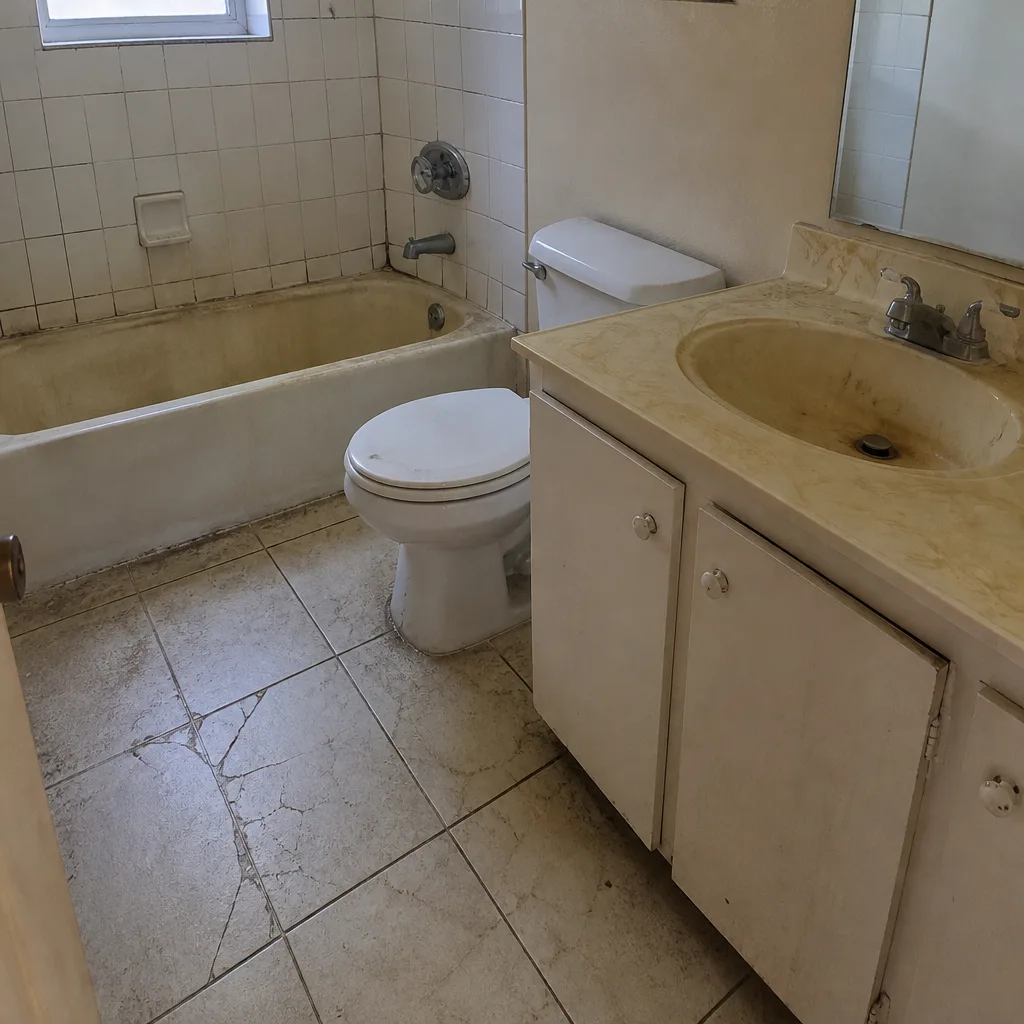 Before
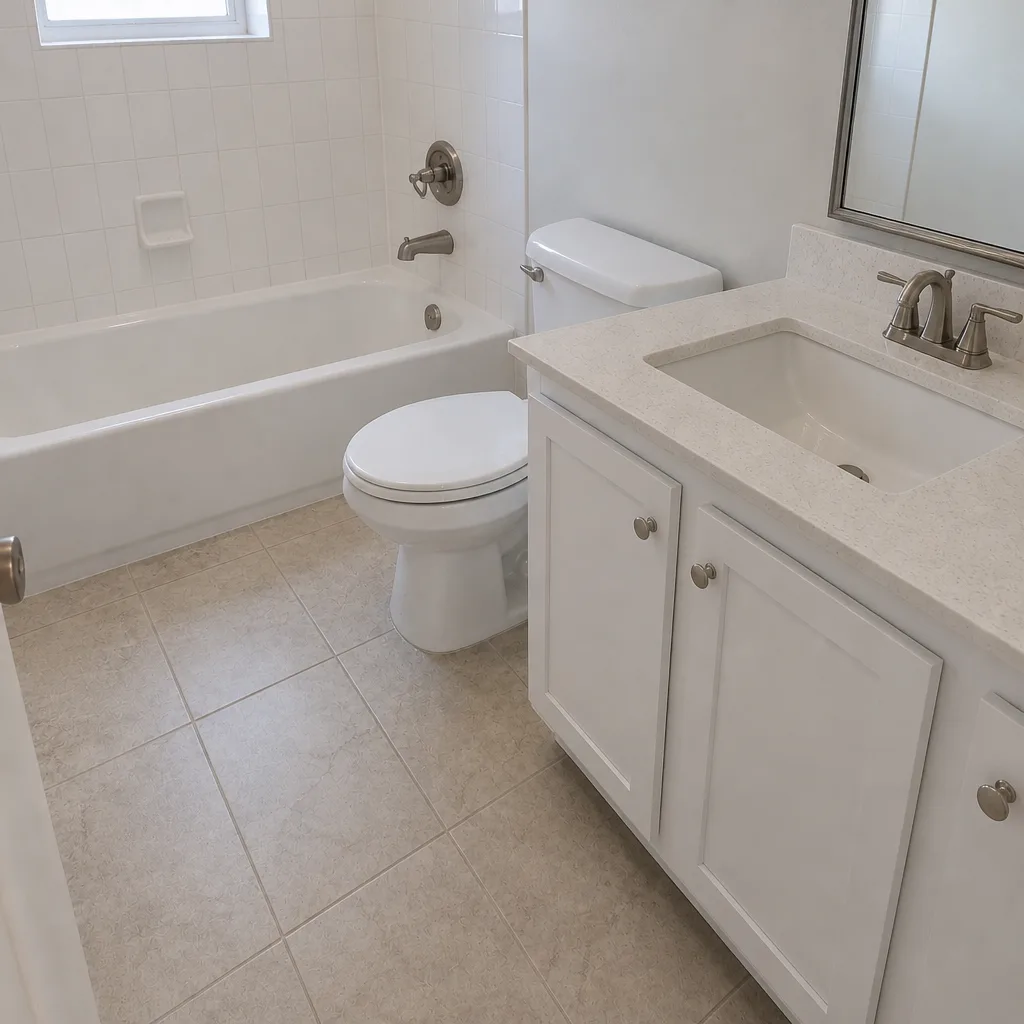 After
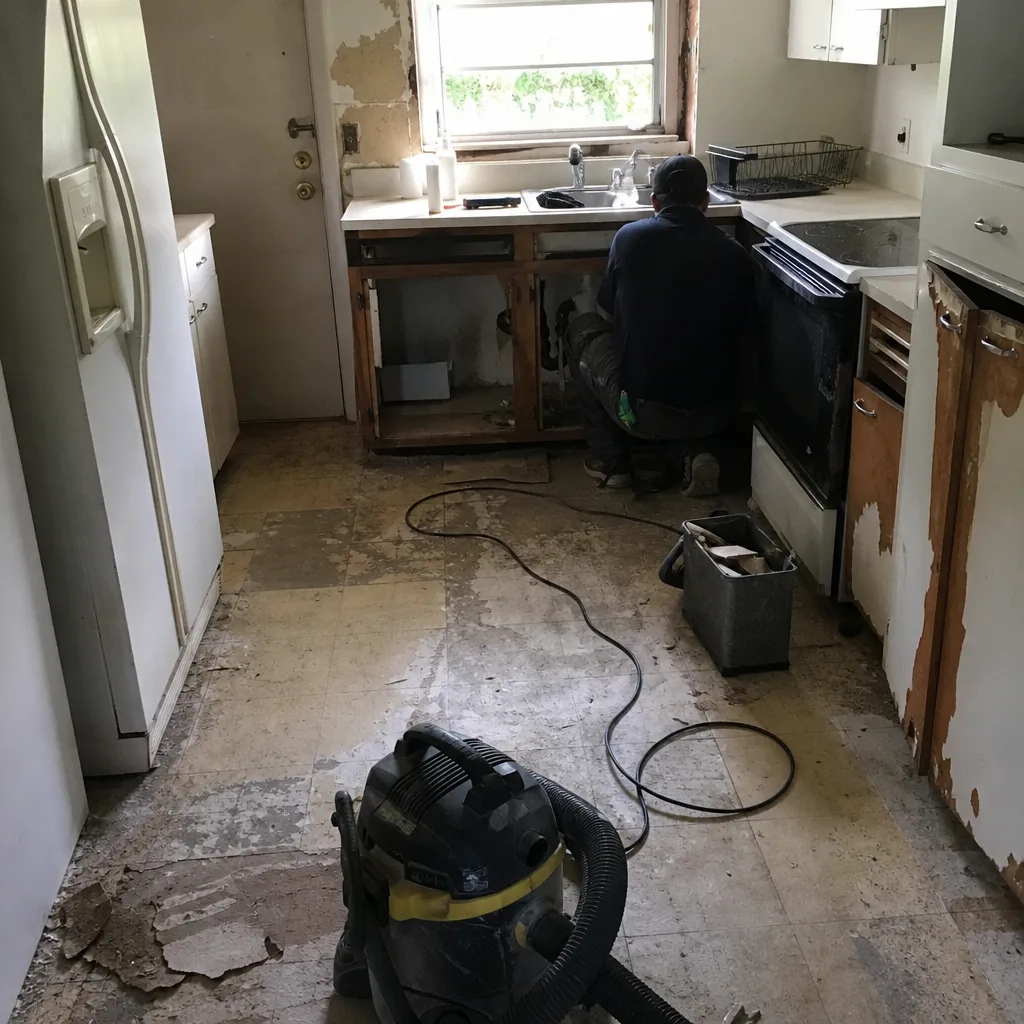 Before
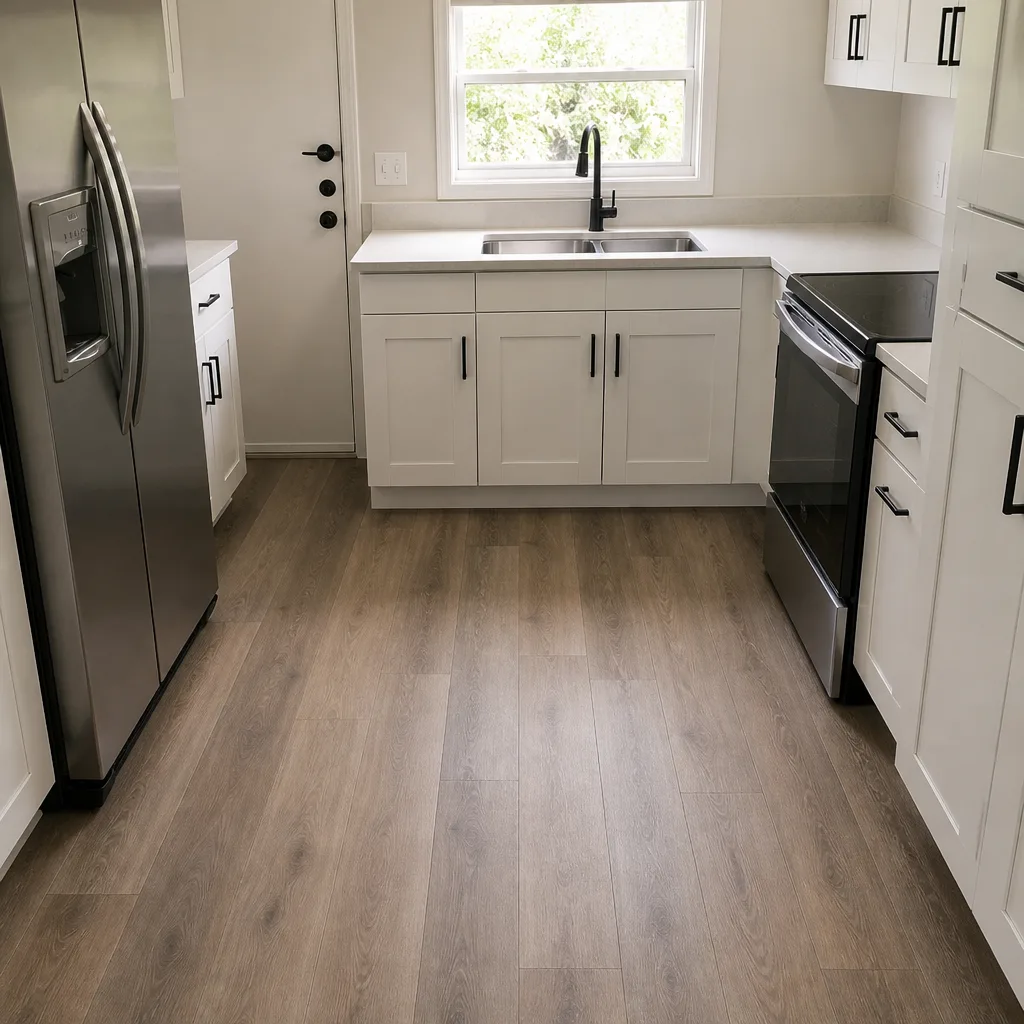 After
When to Call a Professional
Call a professional when you can’t isolate the cause with a level and a flashlight, when water is reaching the trim or wall, when an exterior door suddenly swings on its own, or when the level reveals a frame that isn’t plumb. These are the signals that a window or door problem is really an installation or structural issue rather than a hardware tune-up. That’s the difference between a same-visit fix and a job that requires diagnosis, re-shimming, re-sealing, and potentially a fresh install. Groundwork Construction Co. of The Hammocks offers free estimates in The Hammocks – call (844) 761-9356. Our 730-Day Done Right Promise covers the workmanship, and if it’s not done right, we make it right. We install only verified brand partners like Andersen and Marvin for windows, and every assessment starts with a diagnostic, so we quote the actual fix rather than the most expensive possible one.
For a broader look at how we handle window and door work as part of a full-scope home construction plan – including how we integrate with Groundwork Construction Co. of The Hammocks home services – our team can walk you through it on the first call. We also regularly coordinate windows-and-doors work with Home Additions & ADU in The Hammocks projects, since new additions almost always involve new openings and matching existing window lines.
Frequently Asked Questions
Summer sticking is almost always humidity-driven swelling of the door slab or the frame, which is normal in The Hammocks’ climate. The fix is usually minor – adjusting the strike plate, easing the edge, or improving the edge sealant. If the sticking persists year-round, check the level; the frame may not be plumb.
Yes – it means the insulated glass unit (IGU) seal has failed, and the window has lost most of its insulating value. Re-caulking the exterior does not fix it. The right fix is IGU replacement or, if multiple IGUs have failed on the same window, a full window replacement. Call (844) 761-9356 for an assessment – estimates are free.
No. Any solution that claims to “de-fog” a failed IGU without replacing the unit is a temporary cosmetic fix at best. The desiccant in the unit is saturated, which means the insulation value is gone. IGU replacement by a technician is the correct fix and is usually more affordable than a full window replacement.
If the noise goes away when you press the sash inward with one finger, the weatherstripping or sash seal is the failure. If the noise persists, the frame-to-wall seal is the failure. Either way, it’s an installation issue, not a product issue – which is good news because it’s fixable.
Usually yes, and often it’s DIY-fixable. Vacuum the track, then check roller height. If the door needs lifting with both hands and the frame is out of square (level check), call a professional – out-of-square frames usually indicate a settled opening or an installation defect that DIY adjustment won’t fix.
Three signals: the door sticks year-round at the bottom latch side (not the top), the frame’s diagonal measurements are off by more than 3/16 inch, and the door head is out of level relative to the threshold. Any of these warrants a professional assessment before you plane or adjust the door.
The Bottom Line
Most window and door problems in The Hammocks are installation problems, and they can be caught early with a level and a flashlight. Diagnose the root cause before treating the symptom, or you’ll be back at the same problem in 18 months. Condensation between panes means IGU failure – re-caulking outside won’t help. Wind noise and drafts are frame-to-wall seal failures, not glass failures. Sticking doors are a level check, not a planing check. Sliding door track problems have a clean line between DIY and call-a-pro. And if the level shows something structural, call a professional before you touch the door – the diagnostic is the most important part of the job.
Groundwork Construction Co. of The Hammocks offers free project estimates in The Hammocks. Call (844) 761-9356 to talk through your window or door problem with a technician who has up to 12 years of experience, backed by our 730-Day Done Right Promise and upfront pricing with no surprises.
While you’re mapping out the home’s openings, it may also be worth looking at the exterior systems that protect them – our work on Driveway & Pavers in The Hammocks and Fence Installation in The Hammocks often pairs with window and door replacement as part of a single scope. And if a new opening is part of a larger change, our Home Additions & ADU in The Hammocks team handles the structural work through the same single-contractor relationship. For a broader look at our work, see our Groundwork Construction Co. of The Hammocks home page.
Written by the team at Groundwork Construction Co. of The Hammocks.