
Last updated November 17, 2026
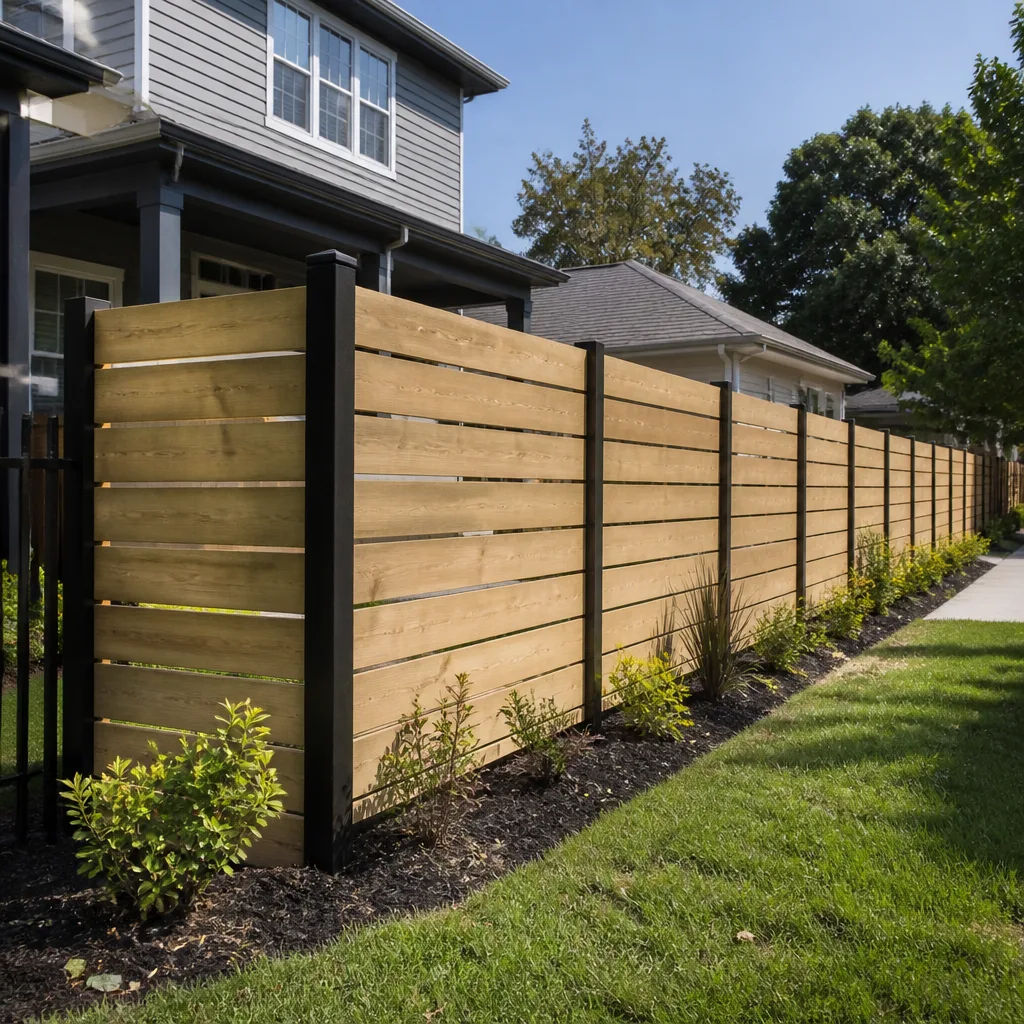 Fence
 Kitchen remodeling
 Bathroom remodeling
 Home additions & ADU
 Roofing
 Windows & doors
 Driveway & pavers
Free written scope consultation - allowances, timeline, and change-order rules on paper before a single trade is scheduled
DIY vs Professional Fence Installation: What’s Safe to Do Yourself
Installing a fence without a permit in Miami-Dade County doesn’t just risk a fine. It creates a disclosed defect that surfaces in every future real estate transaction on your property. We’ve seen sellers in The Hammocks scramble to retroactively permit a six-year-old fence because a buyer’s title search flagged it, and the cleanup cost more than the original installation. Most DIY fence projects don’t fail from lack of effort. They fail because wind-load engineering, footing specifications, and permit requirements aren’t things you can approximate. This guide draws the honest line between what’s genuinely homeowner-accessible and what puts your property at risk.
Quick Answer
Painting and staining fence panels, replacing gate hardware, and repairing individual pickets are safe homeowner projects that don’t touch structural integrity. Everything that involves a post in the ground is not. In Miami-Dade County, fence installation requires a permit that demands engineered footing calculations for wind compliance, and getting it wrong creates a structural liability your insurance company can deny coverage over after a storm. The dividing line is simple: cosmetic work above grade is DIY-safe; anything below grade is professional work.
Styles & brands we work with
- Kitchen remodeling
- Bathroom remodeling
- Home additions & ADU
- Roofing
- Windows & doors
- Driveway & pavers
- Fence
Table of Contents
- The Miami-Dade Permit Reality for Residential Fencing
- What You Can Actually Do Yourself Without Risk
- The Footing Depth and Concrete Volume You Can’t Guess At
- What Renting Post-Hole Equipment Really Costs in The Hammocks
- South Florida Soil, Roots, and the Job Site You Can’t See
- How to Read a Fence Bid Beyond the Bottom Line
- Common Mistakes to Avoid
- When to Call a Professional
The Miami-Dade Permit Reality for Residential Fencing
Homeowners assume fence permits are a formality. In Miami-Dade, they’re structural. Any fence over 6 feet in height requires a building permit, and even fences at or below 6 feet often trigger a permit if they sit within a flood zone, an easement, or a designated special flood hazard area. The Hammocks has plenty of properties that fall into those categories, and a fence contractor who doesn’t check before digging is a contractor who hasn’t done this in The Hammocks.
What the application demands goes beyond a site sketch. Miami-Dade requires the permit application to specify post spacing, post material and embedment depth, footing diameter and concrete volume, and connections to satisfy the wind load requirements of the Florida Building Code. Fences are treated as a structure under the code. A 6-foot privacy fence in a 150 mph wind zone becomes a sail, and the document that goes to the plans examiner has to prove the posts and footings hold that sail in place.
Here’s what unpermitted work actually costs a homeowner:
- Title disclosure: Unpermitted improvements are disclosed during a title search, and buyers’ lenders can refuse to close on a property with unpermitted structures.
- Retroactive permitting: Bringing an unpermitted fence into compliance usually requires exposing footings for inspection, which means removing panels or digging around posts.
- Insurance exposure: If a storm damages an unpermitted fence and it damages a neighbor’s property, the claim gets complicated fast.
- Code enforcement fines: The county can cite a fence installed without a permit and require removal at your expense.
A permitted fence comes with inspection records that stay with the property. That’s a document a future buyer will ask for, and having it is worth more than the permit fee.
What You Can Actually Do Yourself Without Risk
Some fence work is entirely reasonable to do yourself. The dividing line is above-grade cosmetic work versus below-grade structural work. You don’t need a contractor to refresh a fence that’s already standing and permitted.
Homeowner-appropriate tasks:
- Painting and staining panels: Refinishing wood or staining a vinyl fence doesn’t touch the structural system. Use a product rated for South Florida’s UV load and humidity swings.
- Replacing gate hardware: Hinges, latches, and self-closing mechanisms wear out faster in our salt-heavy coastal air. Swapping them out is a one-hour job.
- Minor picket repair: Replacing a cracked picket on a wood fence, or a single damaged vinyl picket, is straightforward as long as the posts and rails are sound.
- Tightening loose fasteners: Seasonal checking and tightening of rail bolts is good fence maintenance.
- Cleaning and algae removal: South Florida humidity grows algae on fences fast. Pressure washing at low pressure is fine on most materials.
What voids your warranty or creates structural liability:
- Setting new posts, resetting existing ones, or deepening footings.
- Adding a new panel section to an existing fence.
- Changing fence height or raising a fence above the permitted dimension.
- Trenching under a fence line for irrigation or electrical lines without checking easements.
If you’re not sure whether the fence you’re looking at was permitted, that’s the moment to pull the property’s permit history before touching it. Cosmetic work on an unpermitted fence doesn’t create a problem. Adding structure to one definitely does.
The Footing Depth and Concrete Volume You Can’t Guess At
This is where the DIY math falls apart, and it’s not a matter of skill. It’s a matter of information. A fence post’s footing is sized by two variables: the wind load on the fence panel and the soil bearing capacity at your specific site. In Miami-Dade, the wind load is set by the county in the 150-plus mph range for most residential fence construction. The soil capacity depends on what’s actually under your property.
Here’s the calculation a properly engineered fence installation is doing:
- Determine wind pressure based on fence height and the county’s design wind speed requirements.
- Calculate the tributary load each post carries, which depends on post spacing (typically 6-8 feet apart).
- Determine the required footing diameter to resist the overturning moment that load creates at grade.
- Set the embedment depth below the frost line, which in Miami-Dade means getting below the root and topsoil zone into stable, compacted soil.
- Calculate concrete volume for the specific footing dimensions, typically a 12-inch diameter by 30-36 inch deep footing for a 6-foot privacy fence, adjusted for soil conditions.
Each of those numbers depends on the site. A fence installed on a lot with sandy topsoil and a high water table in The Hammocks needs a different footing than a fence on a lot with dense limestone a foot down. A contractor who hands you a bid without mentioning footing specs hasn’t done the calculation.
The consequence of getting it wrong isn’t a cosmetic issue. An undersized footing is a fence that leans after the first heavy rain season, then fails in a tropical storm or hurricane. The failure isn’t just the cost of rebuilding the fence. It’s damage to whatever the fence hits on the way down, and in some cases, an insurance dispute over whether the fence was code-compliant to begin with.
What Renting Post-Hole Equipment Really Costs in The Hammocks
The rental counter math looks simple until you layer on South Florida’s actual working conditions. A one-man post-hole auger rents for roughly $75-$125 a day in the Miami market. A two-man auger runs $110-$180 a day. Add a concrete mixer at $50-$80 a day, a trailer to haul the auger at $30-$60 a day, and the fuel running back and forth, and you’re into the $250-$350 range before you’ve bought a single bag of concrete.
Now layer on the reality of digging eighteen to twenty-four holes in a The Hammocks yard:
- Root density: Established lots in The Hammocks are full of Royal Palm roots, oak roots, and the fibrous root mats that come with mature landscaping. Augers bind and stop in root mats. A hand-operated post-hole digger and a pry bar end up doing most of the work.
- Limestone cap rock: Parts of South Florida sit on a shallow limestone shelf. An auger will stop cold on cap rock, and the only way forward is a breaker bar or a rented jackhammer, which adds another $100-$150 per day.
- Water table: The Hammocks sits at low elevation with a high water table. Dig deeper than a couple feet in the wet season and holes fill with water. You’ll be pumping holes to pour concrete, and the concrete has to be placed and cured under wet conditions.
- August heat: A two-man auger is heavy. Work on twenty holes in a July afternoon on a west-facing fence line in The Hammocks is a heat illness risk, and the job stretches over multiple days, multiplying the rental bill.
By the time you’ve spent four days on the rental clock, bought concrete mix, hauled the debris, and possibly broken a rented auger (you’ll pay for that too), the “money saved” figure has mostly evaporated. On a 150-foot fence, that math rarely favors DIY.
South Florida Soil, Roots, and the Job Site You Can’t See
Every fence installation starts with an assumption about soil that only the dig proves right or wrong. In The Hammocks, that surface assumption rarely holds. Yards here are a mix of imported fill from original construction, native sandy loam, and sometimes compacted limestone within a foot of the grass line, all sitting on a water table that fluctuates with the rainy season.
That variability isn’t a corner case. It’s the norm across the neighborhood, and it drives every decision a proper installation makes.
What a contractor reads from the dig:
- Fill depth: If the top 18 inches are loose fill, the footing has to extend deeper to reach stable soil, which changes the concrete volume.
- Rock shelf: If limestone sits high, the footing uses a bell or a wider diameter to carry the same load in less depth.
- Water table depth: If water fills the hole quickly, the concrete mix and placement method have to compensate, or the footing cures weak.
- Root systems: A palm root bundle crossing a fence line means either rerouting the post spacing or hand-excavating and cutting through the root ball, which the homeowner can’t guess at from the surface.
A homeowner digging their first hole is learning this in real time, on the job, with no way to adjust the permit drawings once they’re filed. A crew that’s installed fences across The Hammocks has seen the site conditions before. That experience is what keeps the footing spec compliant with the drawings that went to the county.
How to Read a Fence Bid Beyond the Bottom Line
Fence bids that look identical on paper can be built to wildly different standards. The gap usually sits in details the homeowner doesn’t know to ask about, which is exactly why a contractor can underbid a competitor by leaving them out. Here’s what to put your finger on before signing anything in The Hammocks.
Footing specification: Ask for the post embedment depth and footing diameter in writing. A proper response names the concrete volume per post. A vague answer like “we set posts deep” means the contractor hasn’t done the engineering, and you’re getting a fence built to a rule of thumb from another climate.
Post material and grade: Ask what type of pressure-treated wood or steel post is being used and whether the posts are rated for ground contact. Ground-contact-rated lumber matters in Florida’s humidity. Steel posts should be galvanized or powder-coated for salt-air exposure, especially within a few miles of the coast.
Concrete mix: Ask what strength concrete is going in the hole. Ready-mix at 2,500 psi or higher is standard. Bagged mix poured dry into a wet hole is a shortcut that shows up as a leaning fence in two years.
Hardware grade: Stainless steel or hot-dipped galvanized fasteners matter where the salt air shortens the life of standard zinc-plated hardware by years.
Panel attachment method: Ask whether pickets are fastened with nails, screws, or a hidden track system. Screw-fastened panels last longer at the rails, particularly on a fence that flexes in wind.
Permit responsibility: Confirm, in writing, that the contractor pulls the permit and that permit and inspection costs are in the bid. A bid that quietly leaves the permit for “the homeowner to handle” is a bid that hasn’t done the county paperwork.
Warranty: Ask what’s covered, for how long, and what voids it. A fence backed by a real workmanship warranty is a fence the builder trusts to stand.
Common Mistakes to Avoid
- Installing a fence before checking permit requirements. Miami-Dade County will flag unpermitted structures during a title search, and closing gets held up. Pull the property’s permit history before the first post hole is dug.
- Assuming the property line is where the fence looks like it should go. A survey is required before construction. Fences installed over a property line in The Hammocks regularly trigger neighbor disputes that end in removal at the homeowner’s expense.
- Setting posts directly in soil with no concrete. This is the single most common DIY shortcut, and it fails in the first wet season. Posts set in tamped soil hold until the first heavy rain softens the ground, then lean.
- Underestimating post depth for wind load. A 30-inch embedment that works in another state is not sufficient in Miami-Dade’s wind zone. Footings are engineered, not estimated.
- Buying the cheapest concrete mix. Fast-setting post concrete is convenient but cures weaker than standard ready-mix. On a fence that has to survive hurricane season, that difference matters.
- Skipping the final inspection. An inspection passed means the fence is compliant and documented. Without it, the fence is unpermitted at the title level regardless of whether the paperwork was filed.
- Buying premium panels and hardware, then going cheap on the footing. The panel is the visible part of the fence. The footing is the part that decides whether the panel stays up in a storm. Any structural budget cut should be made on cosmetics elsewhere, not here.
When to Call a Professional
Call a professional fence contractor when the job involves anything below grade: new posts, footing work, structural repair to a leaning fence, adding a fence section, or any installation on a property without a clean permit history. Also call when the existing fence needs to be brought into code compliance, when your property sits on a lot with unknown soil conditions or a high water table, or when the fence runs along a property line that needs a survey to confirm. These are the situations where the honest assessment is that doing it yourself creates a compliance and liability problem that outlives the fence.
For the installation itself, a permitted electric fence line, a matching fence along a shared property line, or a fence that needs to survive a Miami-Dade summer without sagging, fence installation in The Hammocks with a licensed contractor is the lower-risk path. Groundwork Construction Co. of The Hammocks offers free estimates in The Hammocks. Call (844) 761-9356.
For properties where the fence is one piece of a larger outdoor renovation, we also handle driveway and pavers in The Hammocks as part of the same project scope, which keeps the site work under one contractor and one timeline. And if you’re planning an addition or ADU that changes the property line, coordinating the fence with the structural work means fewer moving parts.
See the difference
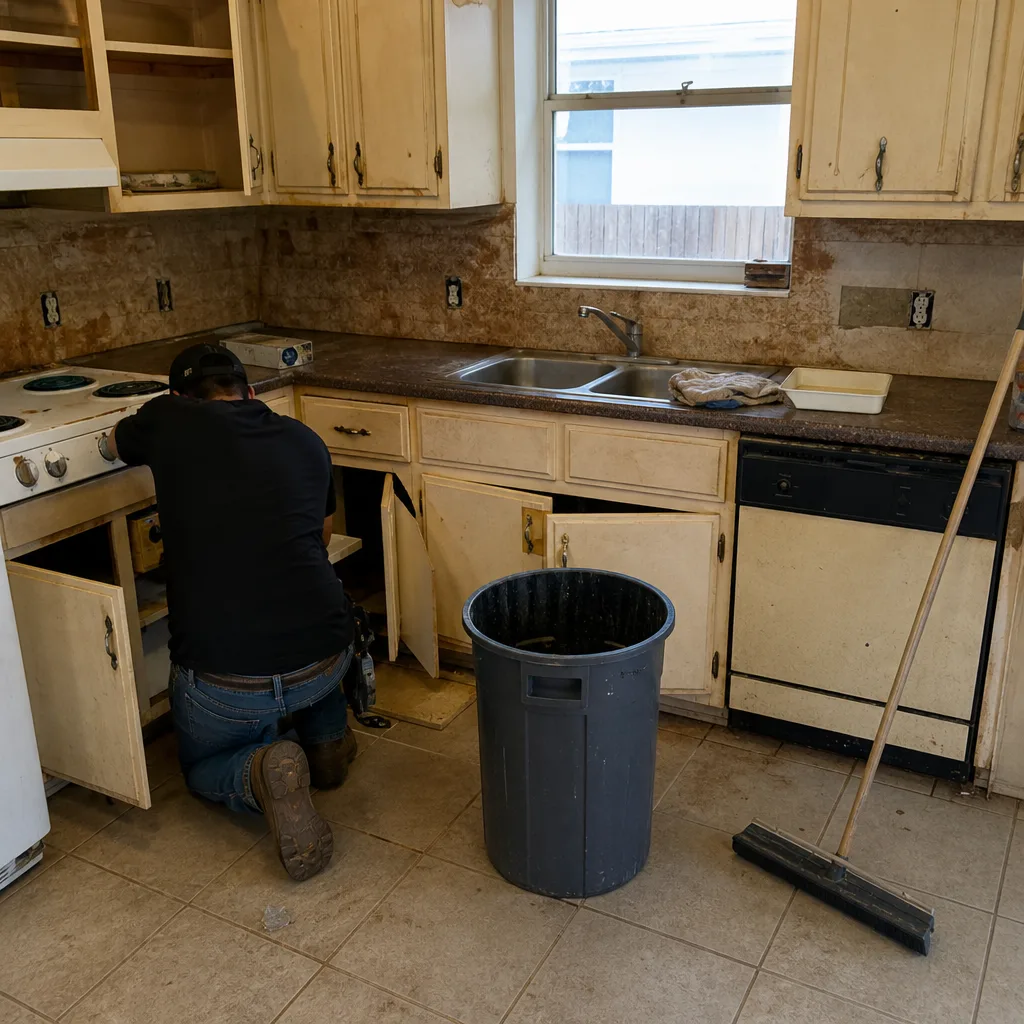 Before
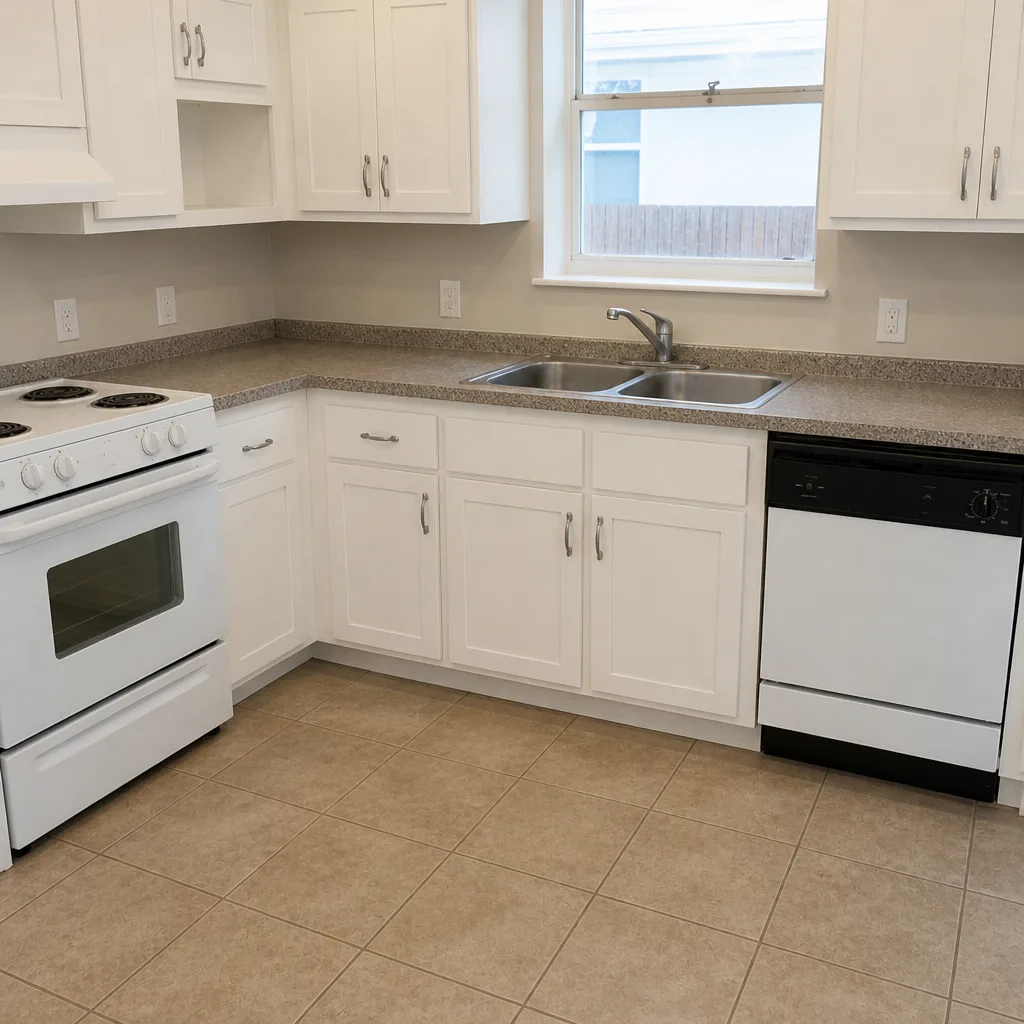 After
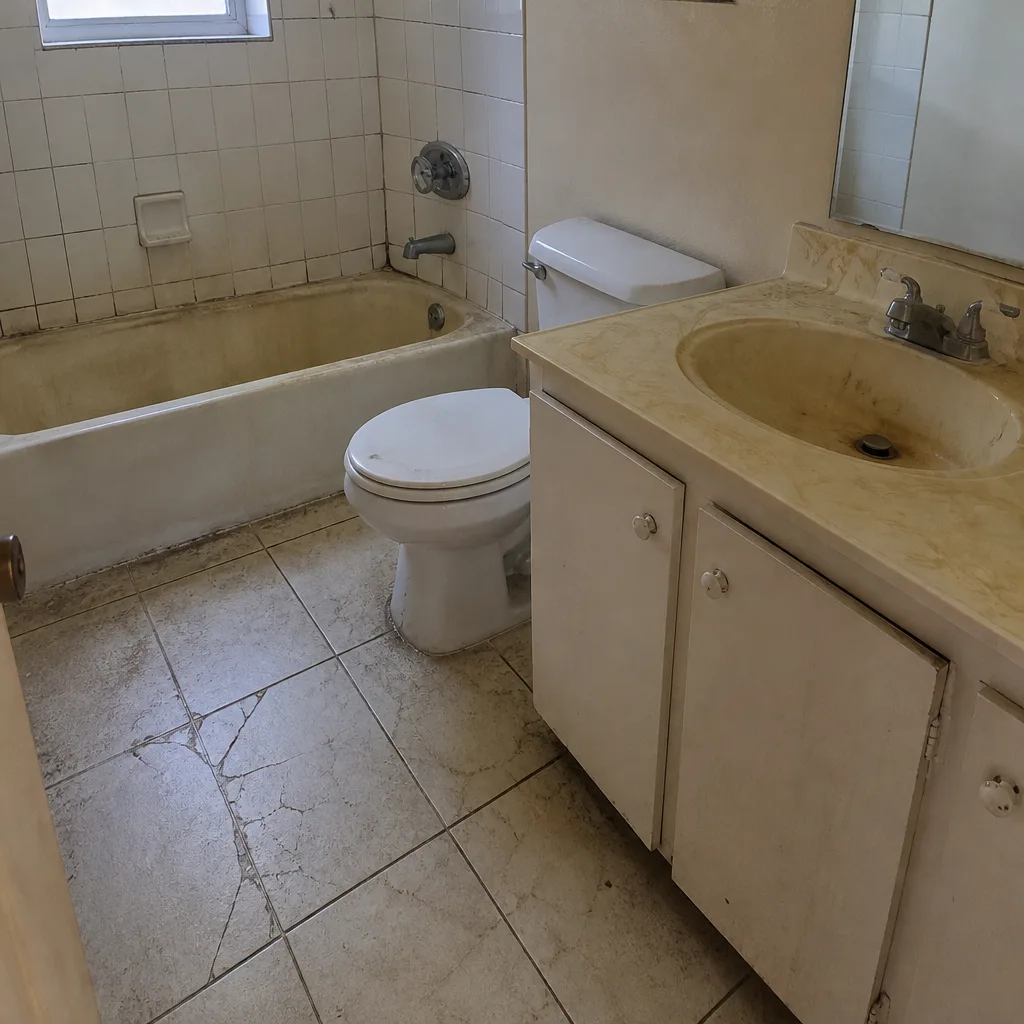 Before
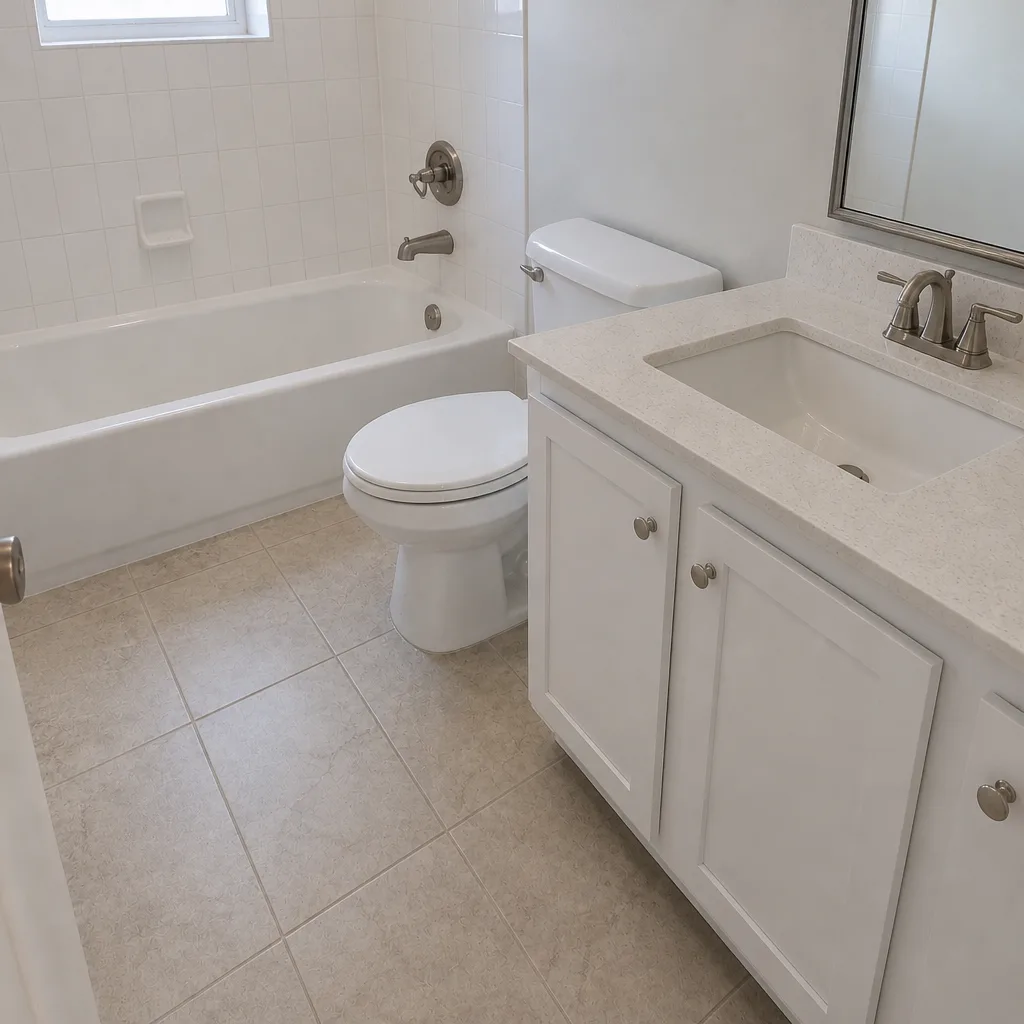 After
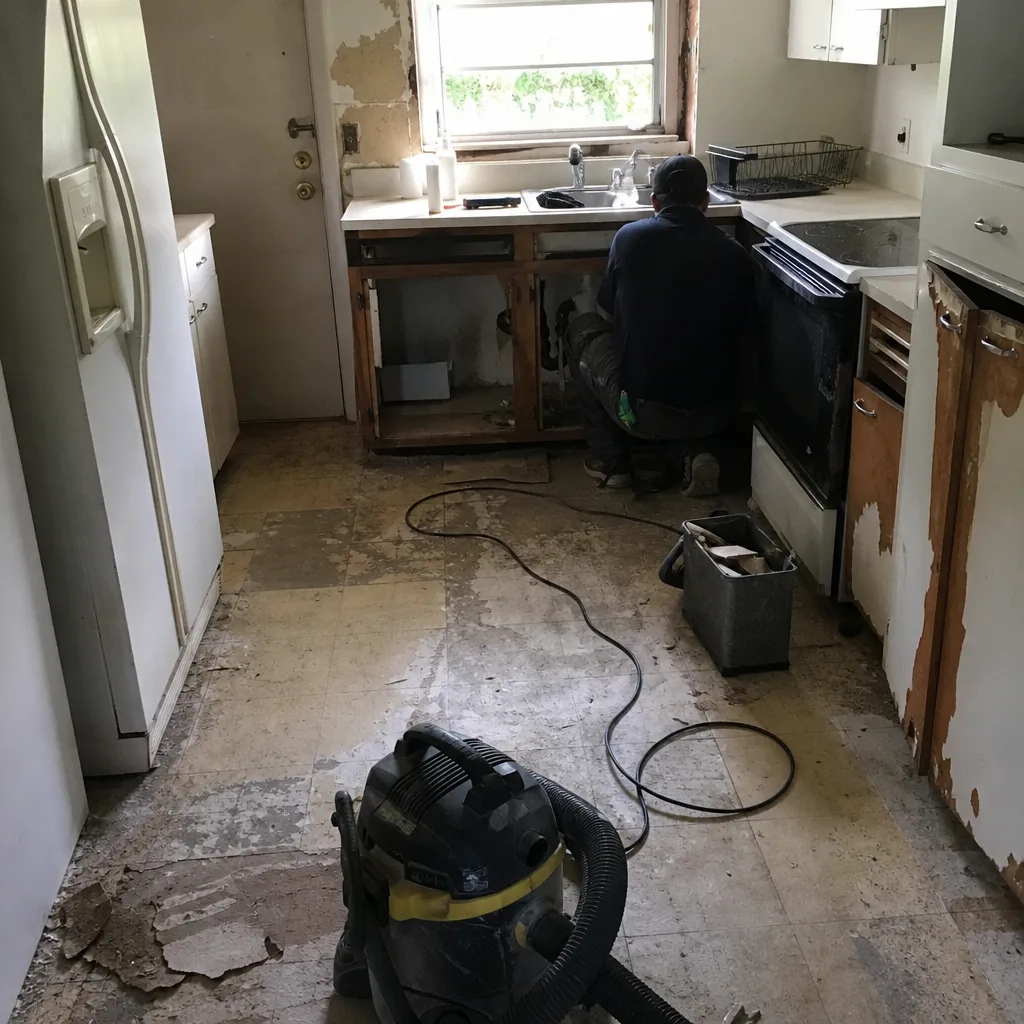 Before
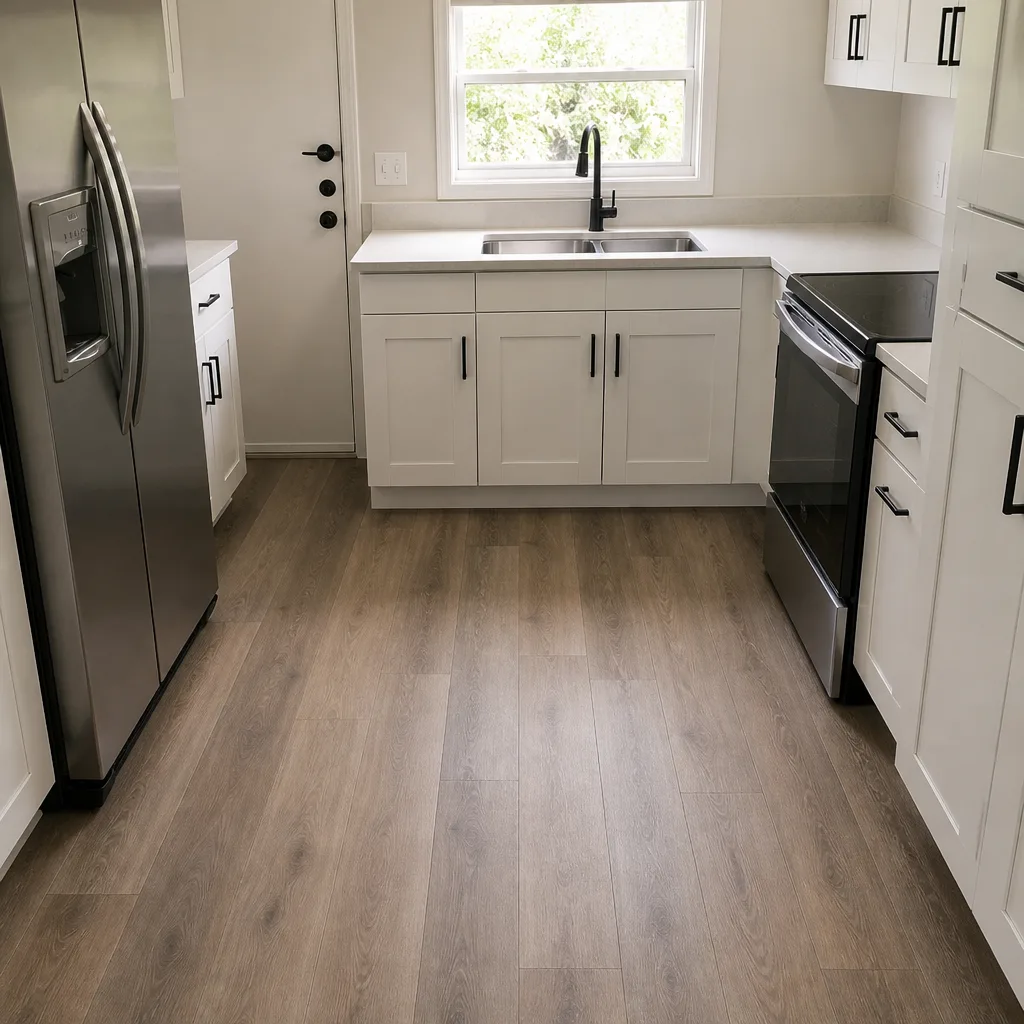 After
Frequently Asked Questions
In most cases, yes. Fences over 6 feet require a building permit, and even fences at or below 6 feet require one if they sit in a flood zone, an easement, or a special flood hazard area. The permit application must include engineered footing specifications that satisfy wind load requirements under the Florida Building Code. Call (844) 761-9356 if you want a professional to handle the permit and the footing engineering on a new fence.
Technically you can, but the permit and footing engineering requirements make it a risky DIY project. The county requires the application to prove that posts and footings will handle the specified wind load, and that calculation depends on soil conditions you can’t know until you dig. Most homeowners who start a fence installation themselves end up retrofitting footings or redoing work after a building inspection fails.
Footing depth varies by fence height and soil condition, but a typical 6-foot privacy fence uses an embedment depth of around 30 to 36 inches with a footing diameter of 12 inches, adjusted per the wind engineering for the site. A fence contractor who names a specific number without checking your soil is guessing. Proper design starts with the county’s requirement and works backward from the site conditions.
The unpermitted fence becomes a disclosed defect during any future property sale. You may be required to obtain a retroactive permit, which often means exposing footings for inspection, and your property insurance could dispute a storm damage claim on a structure that wasn’t code-compliant. The county can also cite and require removal at your expense.
Ask for the footing diameter and depth in writing, the concrete mix strength, the material grade and ground-contact rating of the posts, the fastener type, and confirmation that the contractor pulls the permit. A bid that skips those details is priced lower because it’s building to a less demanding standard. Compare bids only after you’ve confirmed all five items appear in each one.
For a professionally installed, permitted fence in The Hammocks, most projects land in the low-to-mid four figures for a typical residential lot, depending on material, height, and length, with footing depth and permitting adding real cost to a proper build. A contractor should give you a fixed, itemized quote rather than a per-linear-foot estimate. Call (844) 761-9356 for a free, no-hassle estimate in The Hammocks.
The Bottom Line
The line between safe DIY and risky DIY on a fence is cleaner than most homeowners expect. Cosmetic work above grade, like painting, staining, hardware swaps, and picket repair, is genuinely yours to do. Anything that touches the ground creates a code, permitting, and structural liability that you don’t want to discover after a hurricane or a home sale. The footing math, the permit paperwork, and the soil conditions in The Hammocks don’t favor guesswork. If the work involves a post, get a licensed professional. That’s not a sales pitch. It’s the line we’d tell a homeowner who was standing in their yard with a shovel.
If you’re ready to get a real fence built to code, with footing specs you can see and a permit handled correctly from the start, call (844) 761-9356 for a free estimate. Our technicians have up to 12 years of experience, we’re no-hassle on upfront pricing with the number you see being the number you pay, and every project is covered by the 730-Day Done Right Promise. See how the whole project comes together from start to finish at Groundwork Construction Co. of The Hammocks home, and if the outdoor work extends beyond the fence line, our home additions and ADU work in The Hammocks is handled by the same team.
Written by the team at Groundwork Construction Co. of The Hammocks.