
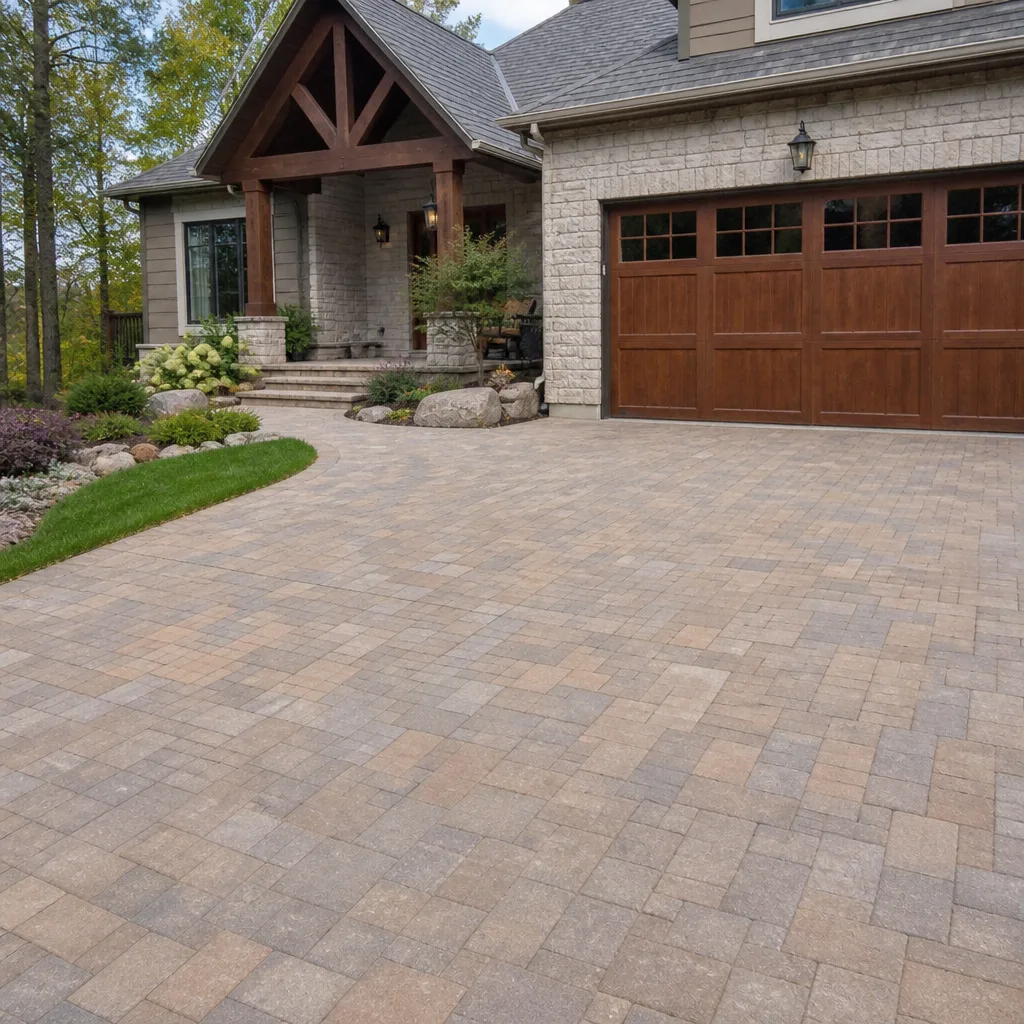
 Driveway & pavers
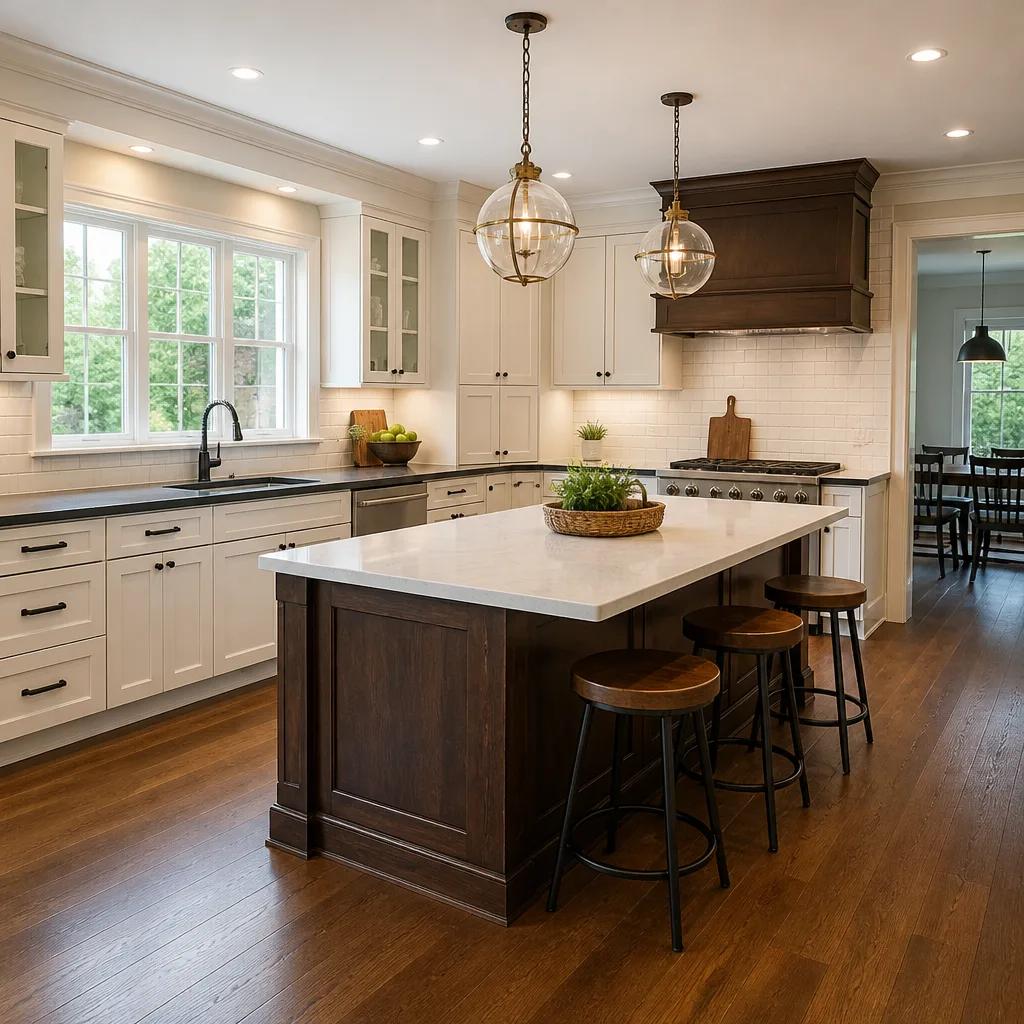 Kitchen remodeling
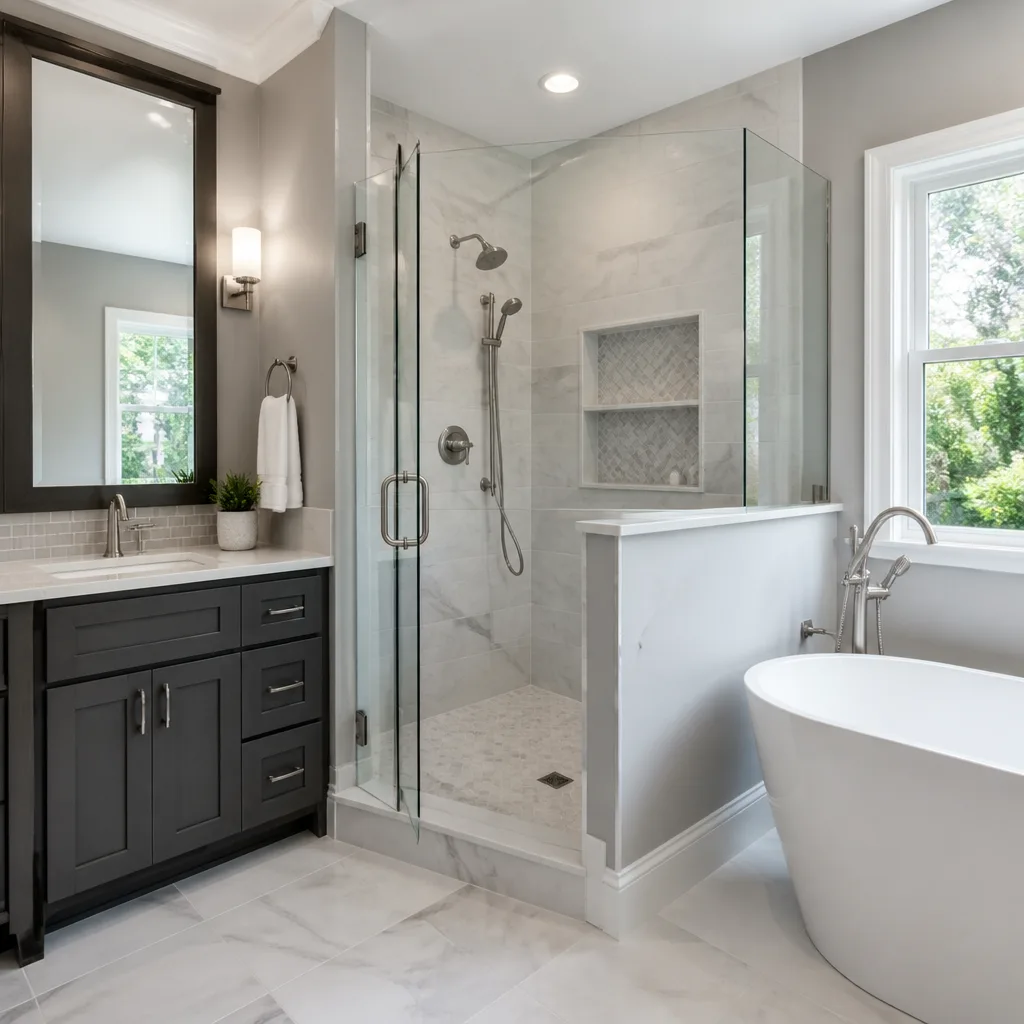 Bathroom remodeling
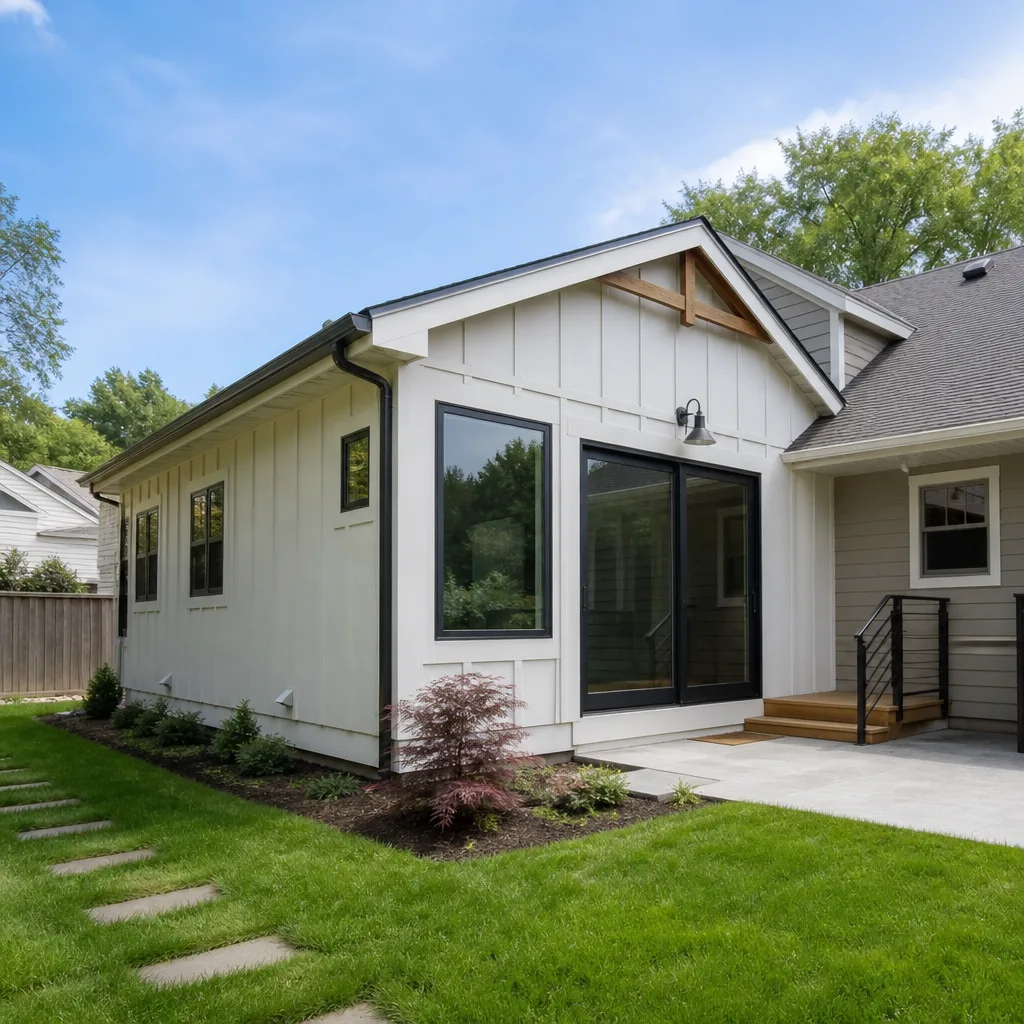 Home additions & ADU
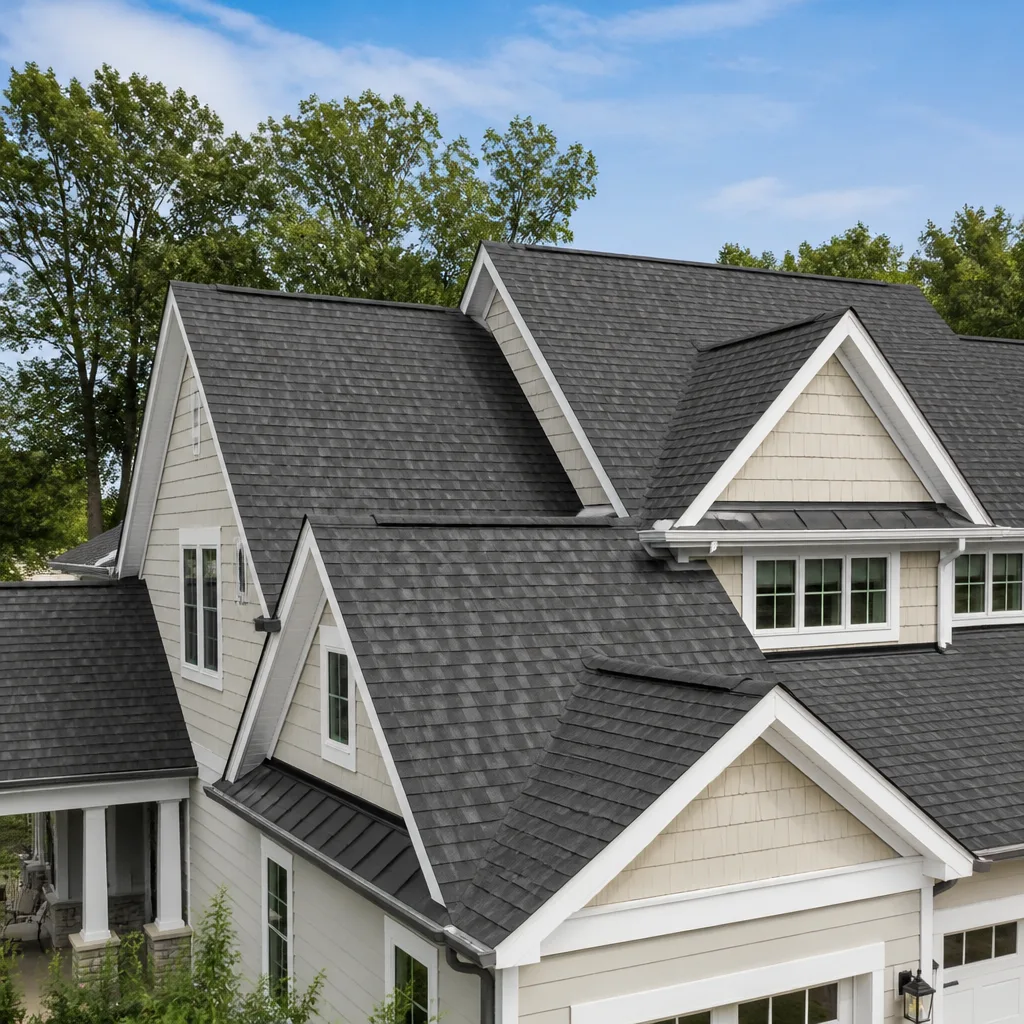 Roofing
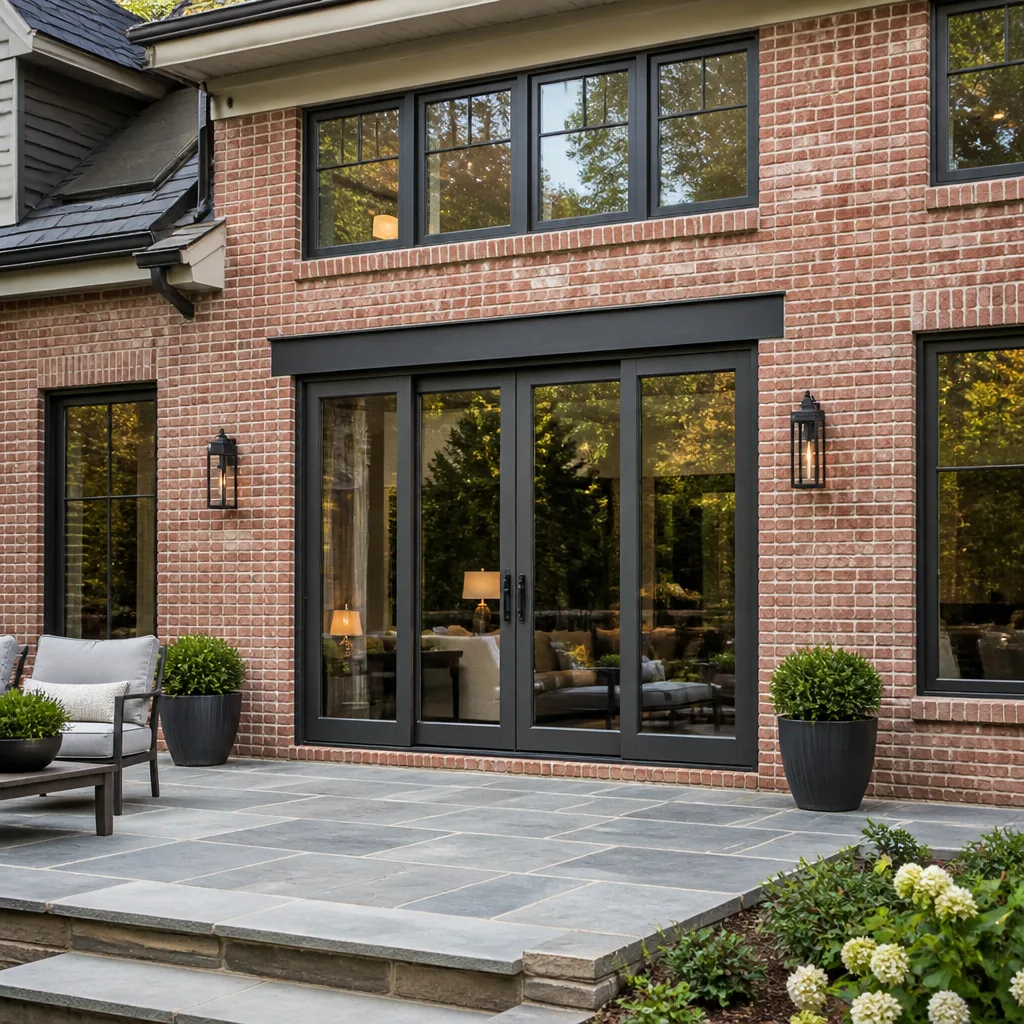 Windows & doors
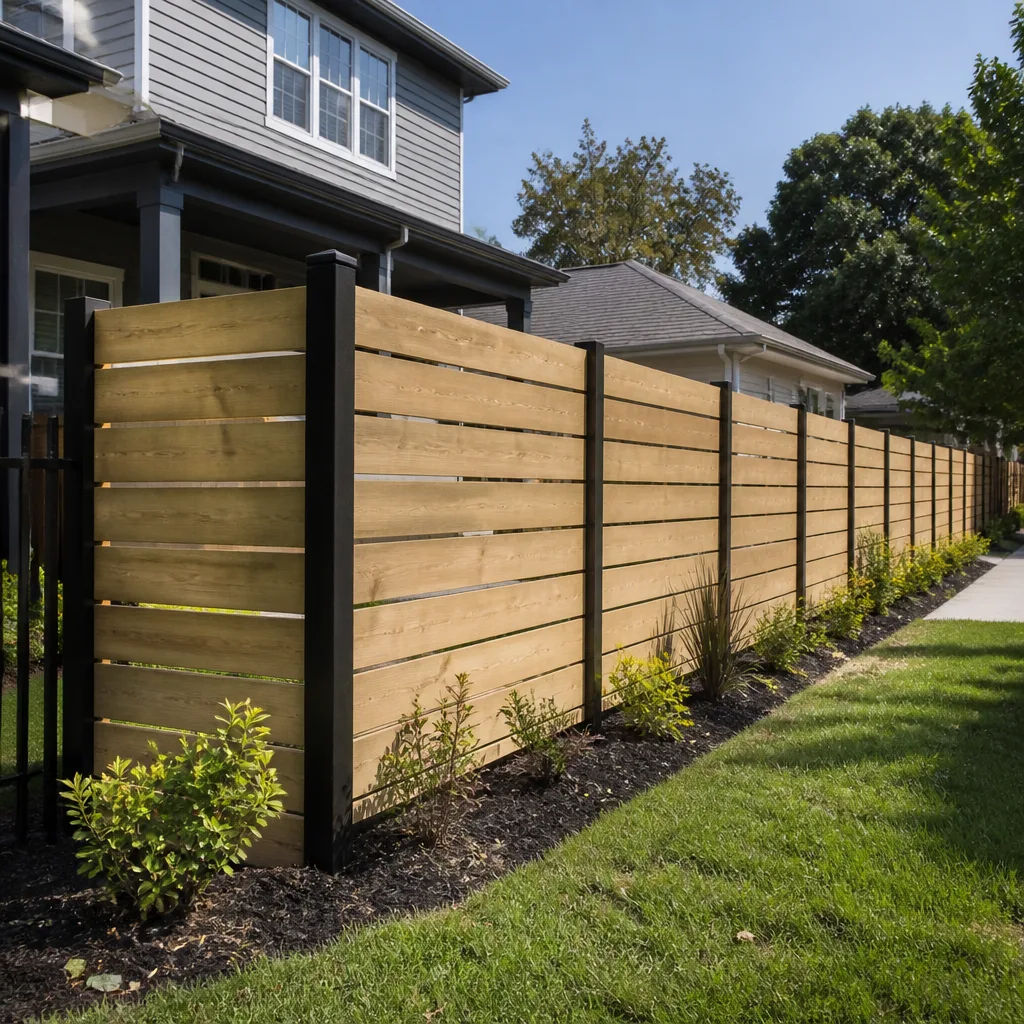 Fence
Free written scope consultation - allowances, timeline, and change-order rules on paper before a single trade is scheduled
Styles & brands we work with
- Kitchen remodeling
- Bathroom remodeling
- Home additions & ADU
- Roofing
- Windows & doors
- Driveway & pavers
- Fence
See the difference
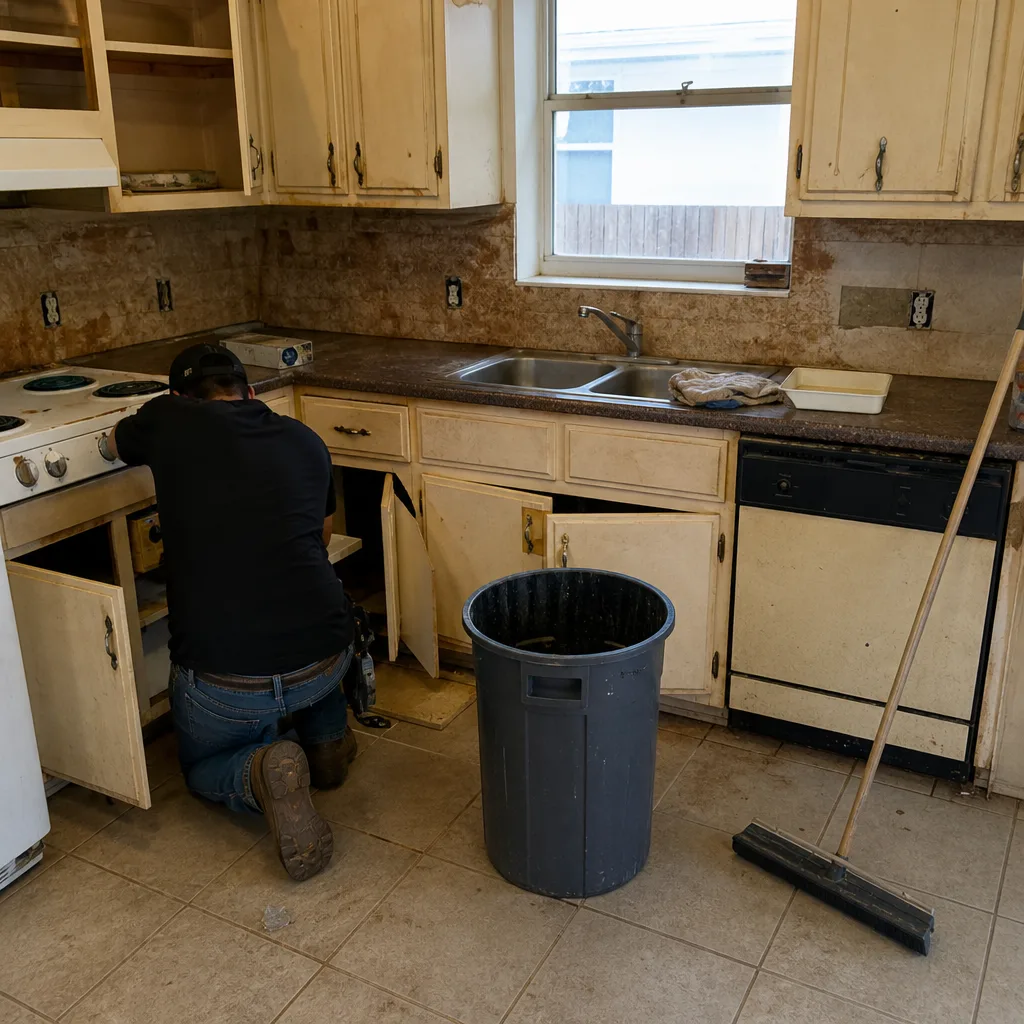 Before
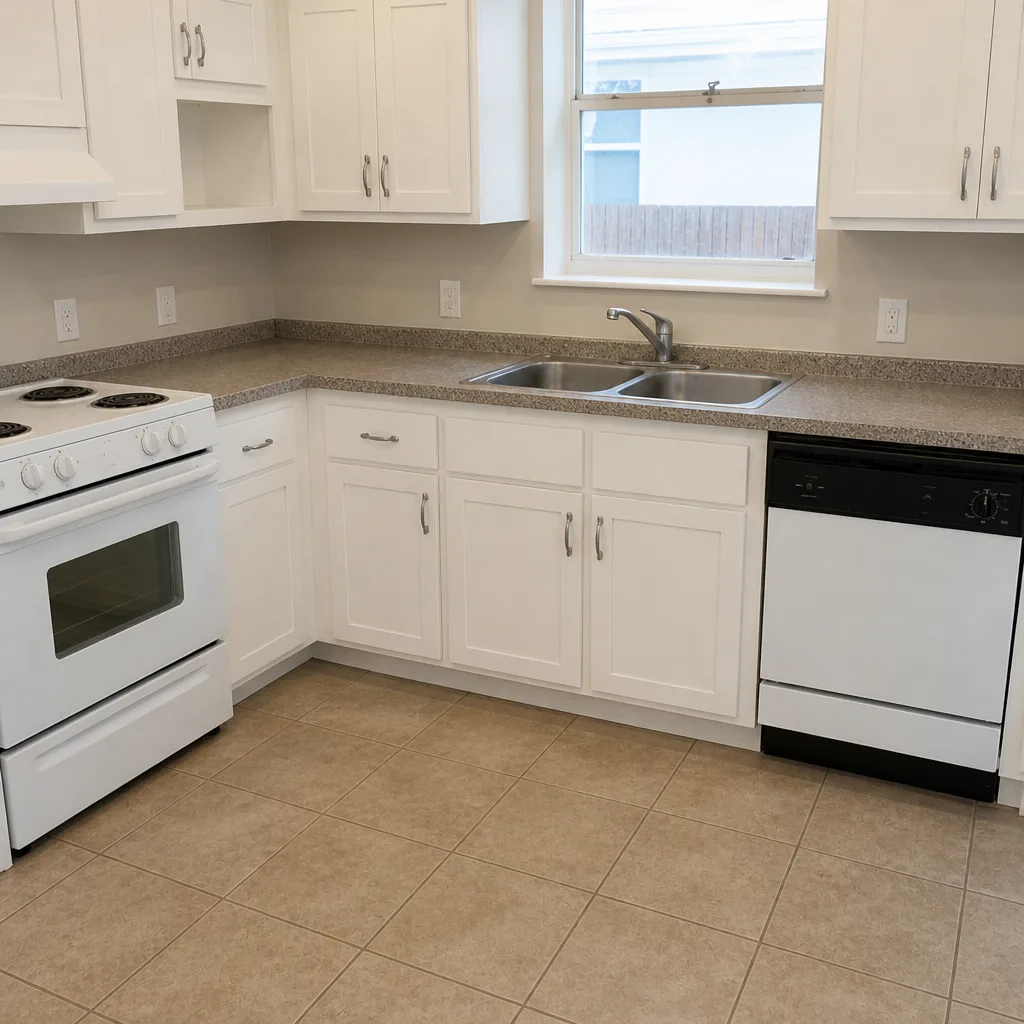 After
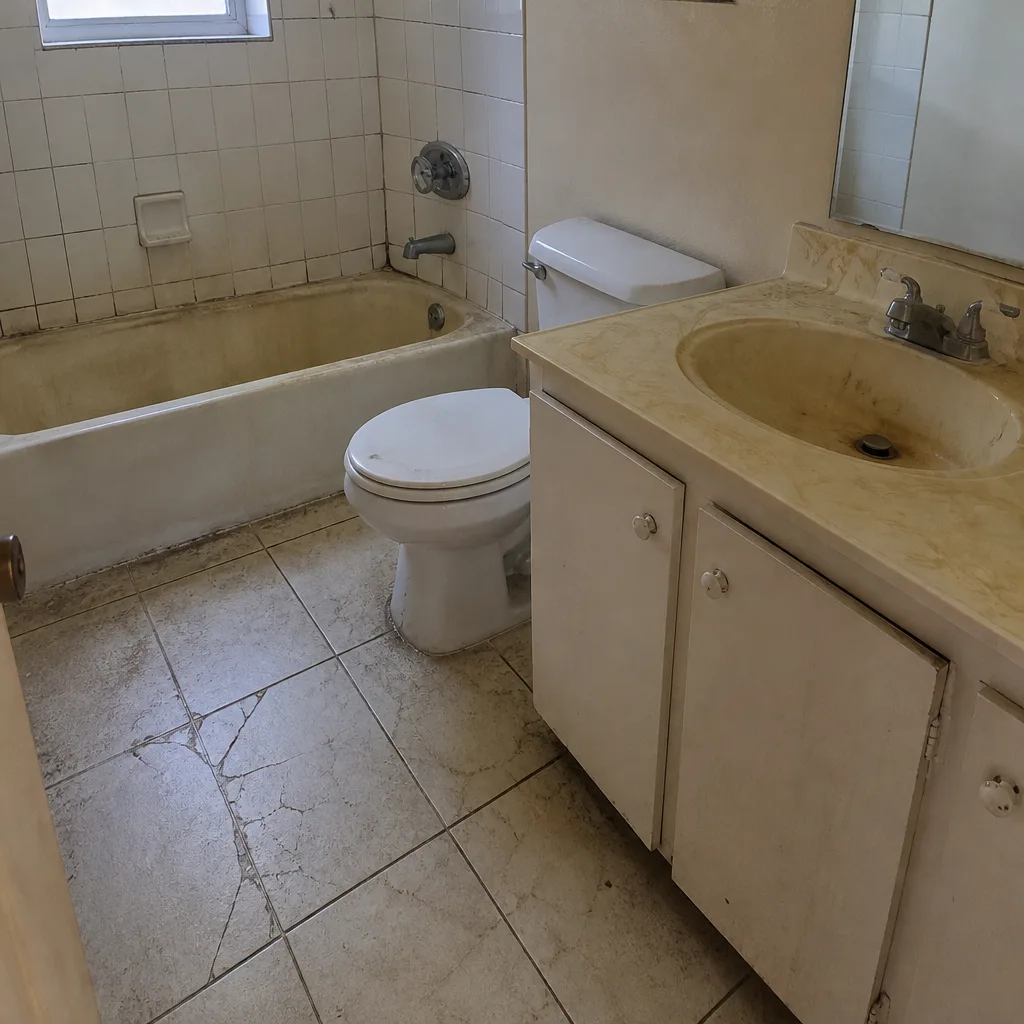 Before
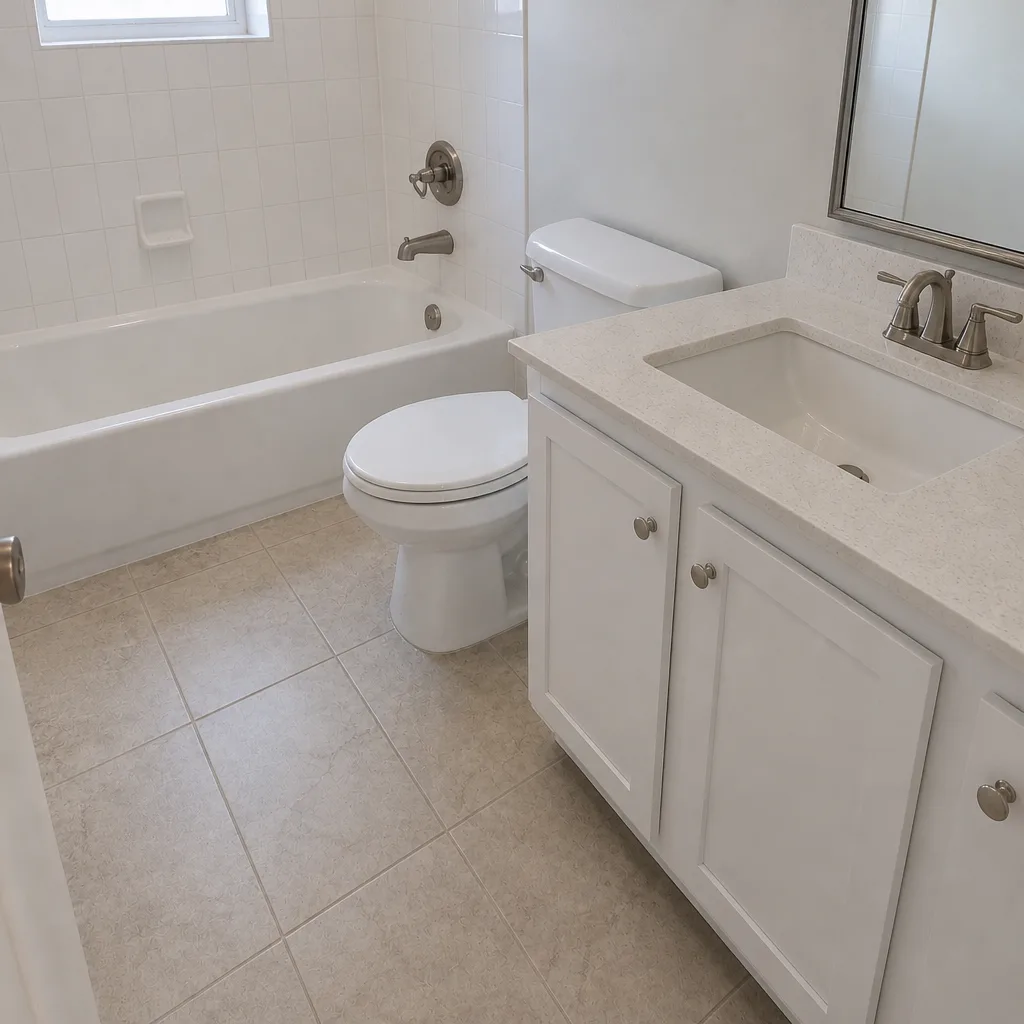 After
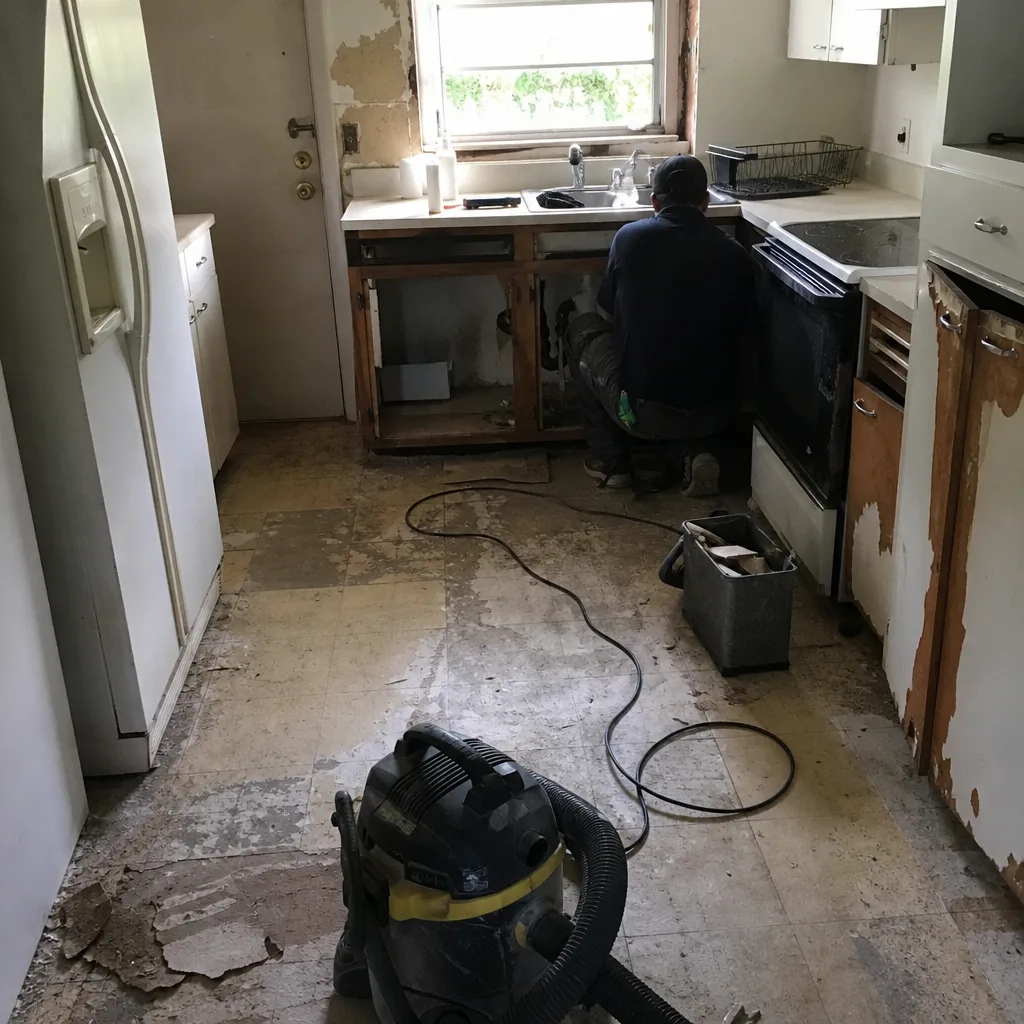 Before
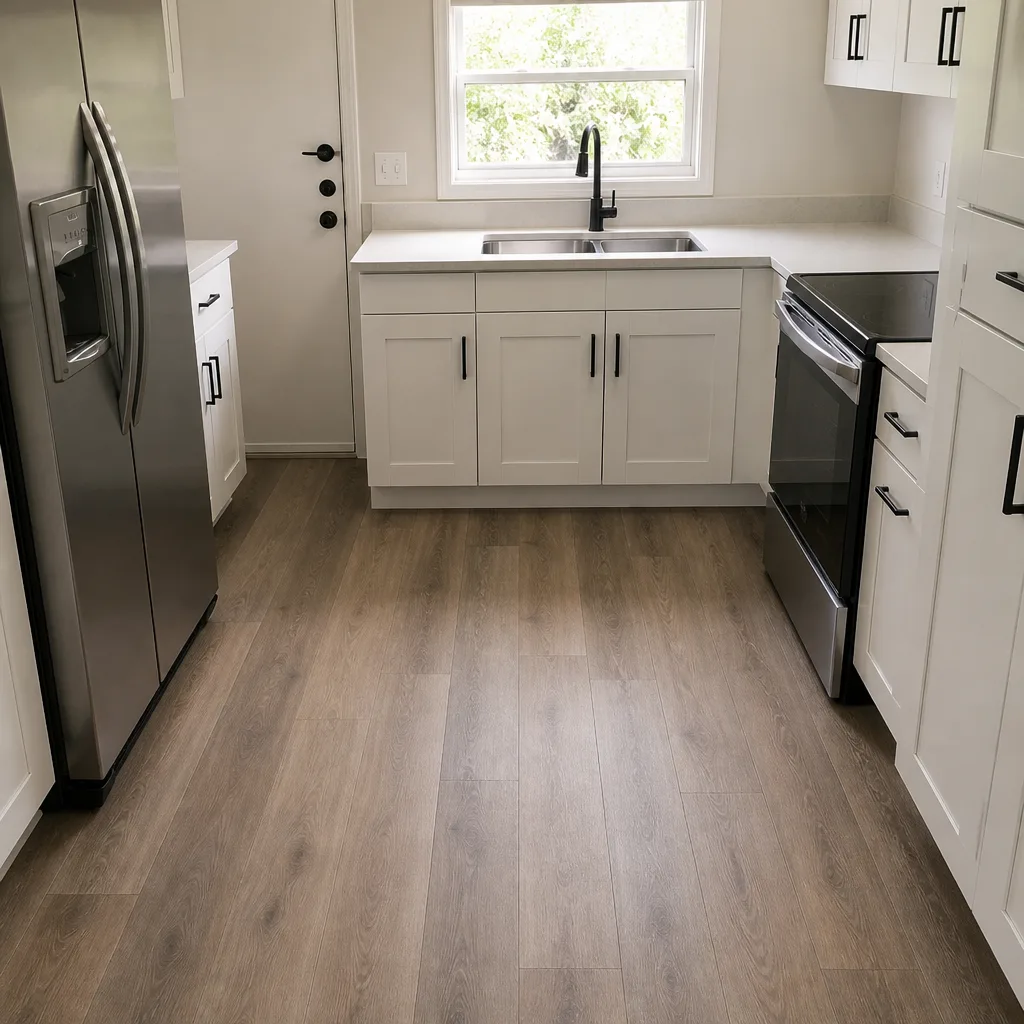 After
Pavers vs Concrete Driveway in The Hammocks, FL: Which One Actually Holds Up Here?
Choose pavers unless your budget is the hard limit or you want the lowest upfront number. In The Hammocks, pavers win on repairability, root tolerance, and long-term cost, and concrete wins on day-one price. There’s no freeze-thaw cycle down here to crack your driveway the way it does up north, so the usual northern case for pavers doesn’t apply. What does apply is 35 years of wet-season hydrostatic pressure under a flat lot, and pavers handle that movement differently than a monolithic slab. Call (844) 761-9356 and we’ll price both options side by side, free.
That’s the short version. The rest of this page is the honest reasoning behind it, because a driveway is a 20- to 30-year decision and you should understand what you’re buying, not just what we recommend.
Why South Florida Stressors Are Different From the Ones You Read About Online
Most pavers-vs-concrete articles are written for climates that freeze. They talk about frost heave, salt spread, and spring thaw. None of that touches The Hammocks. Our stressors are three, and they’re specific to this subdivision.
Hydrostatic pressure. The Hammocks sits on flat ground with a high water table. During the wet season, water doesn’t run off the way it does on a slope. It saturates the sub-base and pushes up. A poured concrete slab is one rigid piece across your whole driveway, so when the sub-base shifts under one corner, the slab has nowhere to give. It cracks. Pavers are individual units with sand joints between them, which means the surface flexes with the ground instead of fighting it. A settled area can be re-leveled by lifting a handful of pavers, not by breaking out a slab.
UV degradation. The summer sun here is relentless. Poured grey concrete chalks and fades over a decade or so. Pavers do too, but lighter-colored concrete pavers with sand joints reflect more UV than a poured grey slab, and that matters for surface temperature. If you walk to the mailbox barefoot in July, you’ll notice the difference. Dark pavers or dark stamped concrete both get genuinely hot. Choose lighter tones if barefoot use is part of the picture.
Tree root intrusion. This is the one northern articles almost always skip. The Hammocks was built out in the 1980s through the 2000s, and the live oaks, mangoes, and ficus that went in with those lots are now mature with fully established root systems. Roots travel toward moisture under a driveway. Under a concrete slab, a single root intrusion lifts one section, cracks the slab across its width, and now you’re looking at grinding, patching, or full replacement. Under pavers, a root lifts a few units. We pull them, address the root, reset the base, and put the same pavers back. That’s the difference between a repair and a project.
If you want the installation side in detail, our Driveway & Pavers page walks through base prep, edge restraint, and polymeric sand. This page is about the decision, not the build.
Side-by-Side: What Each Material Actually Costs You Over 15 Years
Upfront, concrete is cheaper. That’s true and we won’t pretend otherwise. Concrete driveway installation in The Hammocks runs $4,500-$12,000. Paver driveway installation runs $7,000-$18,000. The gap is real, usually $2,500-$6,000.
Now the part the quote sheets don’t show you. Concrete is monolithic, so when it fails, it fails as a unit. A cracked slab with a root void underneath typically means grinding the crack, patching, or tearing out and re-pouring the affected section. On a 30-year-old lot with mature trees, we see this cycle repeat. Pavers fail as individual units, and a localized repair runs a fraction of a slab replacement. Factor in Miami-Dade permitting for slab work and the labor cost of full replacement, and pavers’ higher install cost tends to recover inside a 15-year horizon on lots with mature landscaping.
| Factor | Concrete Driveway | Paver Driveway |
|---|---|---|
| Install cost (The Hammocks) | $4,500-$12,000 | $7,000-$18,000 |
| Response to sub-base movement | Cracks as a slab | Flexes at joints |
| Root intrusion repair | Grind, patch, or replace section | Lift and reset a few units |
| Surface heat (light tones) | Hot; grey slab absorbs more | Cooler with light pavers, sand joints |
| Sealing / maintenance | Occasional crack fill | Seal every few years: $250-$700 |
| Full replacement | $5,000-$14,000 | $7,000-$18,000 |
One honest caveat: pavers aren’t maintenance-free. You’ll reseal them every few years in this climate, and that sealing range runs $250-$700. Budget for it. It’s cheaper than a slab replacement, but it’s not zero.
The Block-Effect Reality Nobody Warns You About
Here’s something you’ll only hear from someone who works these streets. Because The Hammocks was mass-produced in a narrow window, whole blocks hit the same milestone at once. Driveways poured in 1988 are all 37 years old simultaneously. When one neighbor replaces a driveway or pulls a permit, the block tends to follow. We see runs of driveway jobs move down a single street in a matter of months.
That cuts both ways for you. It means you’ll have neighbors who’ve just gone through the same decision and can tell you what they learned. It also means contractors get busy on those runs, so scheduling matters. Upfront pricing and a written scope protect you when a crew is moving fast between jobs. Ask for both.
Materials matter too. We work with established paver and concrete suppliers like Oldcastle and Quikrete because the base materials under a driveway in this climate are what determine whether it lasts, not the color on top. Compromising on base prep to hit a price is how driveways fail in year five instead of year twenty-five.
How to Decide: A Straightforward Framework
We guide, we don’t pressure. Run your situation against these:
- Pick pavers if you have mature trees within 15 feet of the driveway, you plan to stay in the home more than 10 years, barefoot comfort matters to you, or you want a surface you can repair in sections.
- Pick concrete if budget is the deciding factor, you have a clear lot with no significant root pressure, you want the lowest upfront number, and you’re comfortable with the possibility of a section replacement down the road.
- Consider asphalt only as a budget stopgap. Asphalt driveway paving in The Hammocks runs $3,500-$9,000 and needs more frequent attention in this sun.
Either way, ask for the quote to show base depth, edge restraint, and drainage slope. If a bid skips those, it’s a number, not a plan.
How Groundwork Handles Both Options
Groundwork Construction Co. of The Hammocks prices pavers and concrete side by side in the same visit, so you’re choosing on merit, not on what a crew happens to have in stock that week. Our technicians have up to 12 years of experience, arrive background-checked and in uniform, and every driveway job is covered by our 730-Day Done Right Promise. If it’s not done right, we make it right.
Financing makes the gap manageable: 0% financing for 18 months, plus $1,000 off projects over $10,000. Calls are answered by a live person, 24/7, so you’re not waiting until Monday for an answer. Pair the driveway with other work and you get one contractor from foundation to finish line. See our full Driveway & Pavers in The Hammocks service for scope and scheduling.
FAQs
Paver driveway installation in The Hammocks runs $7,000-$18,000, and concrete driveway installation runs $4,500-$12,000. Concrete is cheaper upfront by roughly $2,500-$6,000, but pavers tend to recover that gap over a 15-year horizon on lots with mature trees because repairs are localized. Call (844) 761-9356 for an exact quote on your lot; estimates are free.
Pavers hold up better to tree roots because each unit is independent. A root lifts a few pavers that can be reset; a root under a concrete slab lifts and cracks the whole section, usually requiring grinding, patching, or section replacement. On The Hammocks’ 1980s-2000s lots with fully established trees, that difference shows up within the first decade.
Repair is cheaper short-term, but on a slab with root intrusion underneath, repairs repeat. A localized paver repair is cheaper than a slab repair because you’re resetting units, not breaking concrete. If more than a third of the slab is cracked, replacement usually wins. Call (844) 761-9356 and we’ll tell you honestly which side of that line your driveway sits on.
Yes, with the right base prep and drainage slope. The wet season makes base compaction and drainage planning more important, not impossible. We schedule around heavy rain days and build the sub-base to handle hydrostatic pressure, which is the real concern on a flat Hammocks lot. Call (844) 761-9356 to check scheduling.
If you’d rather have it looked at, Groundwork Construction Co. of The Hammocks offers a no-pressure assessment in The Hammocks. We’ll price pavers and concrete side by side, put the numbers in writing, and let you decide on your timeline. Call (844) 761-9356 for a free estimate. Wear and tear on a driveway doesn’t stay put, and the earlier you plan, the more options you have.
Written by the team at Groundwork Construction Co. of The Hammocks, serving The Hammocks, FL.