
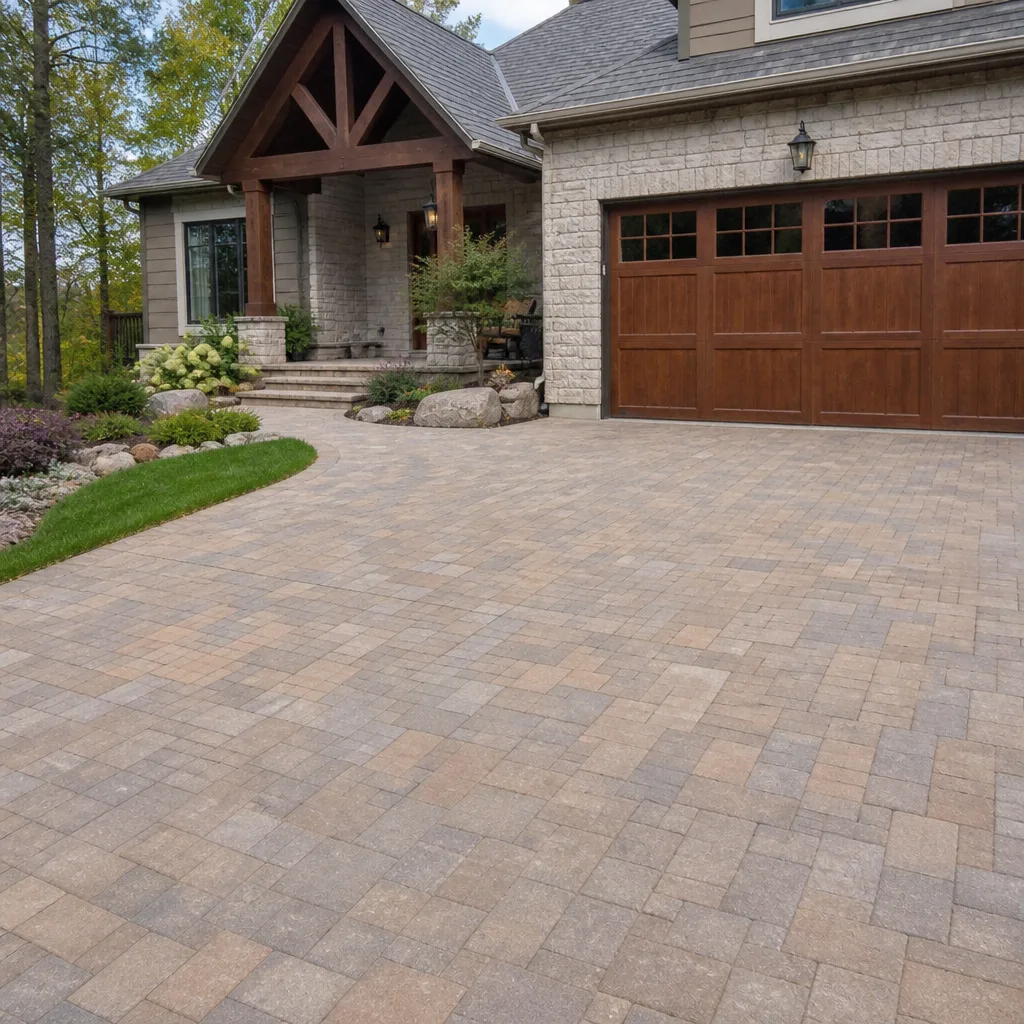
 Driveway & pavers
 Kitchen remodeling
 Bathroom remodeling
 Home additions & ADU
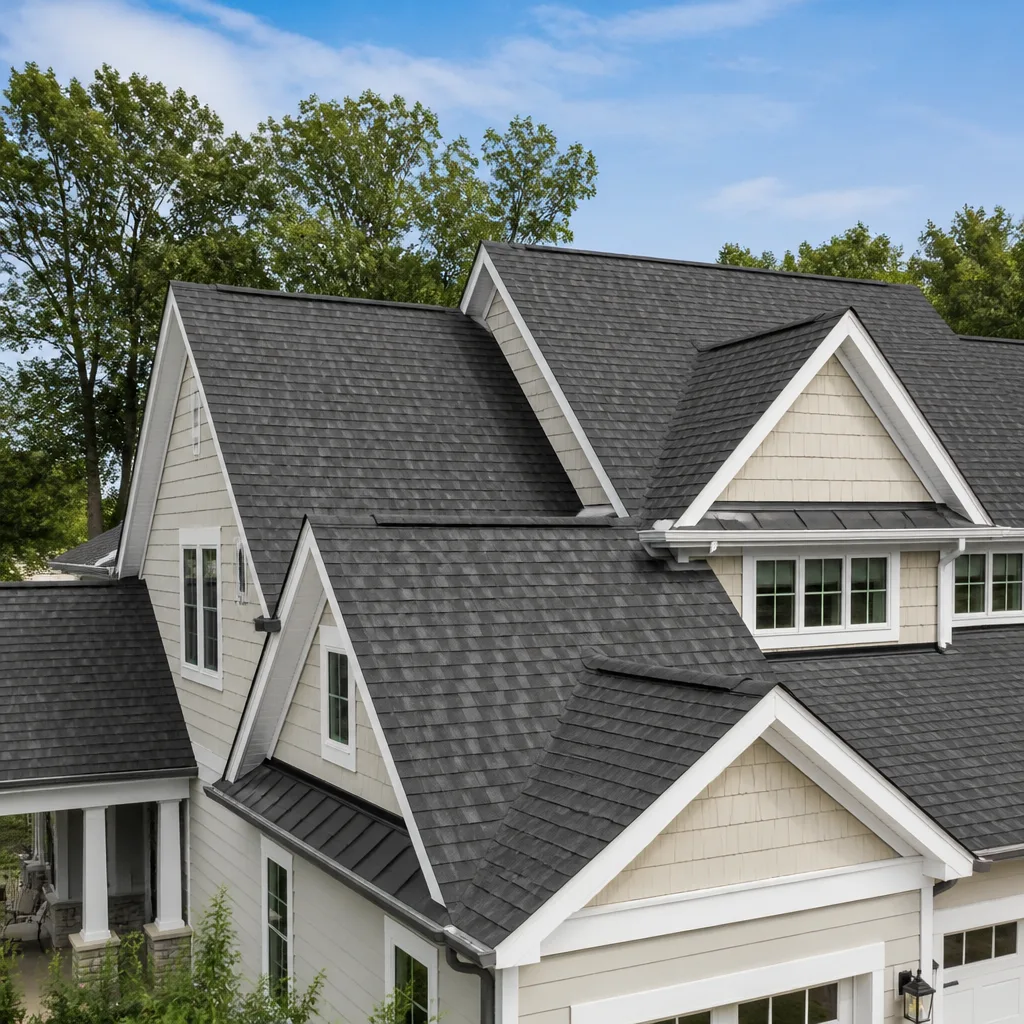 Roofing
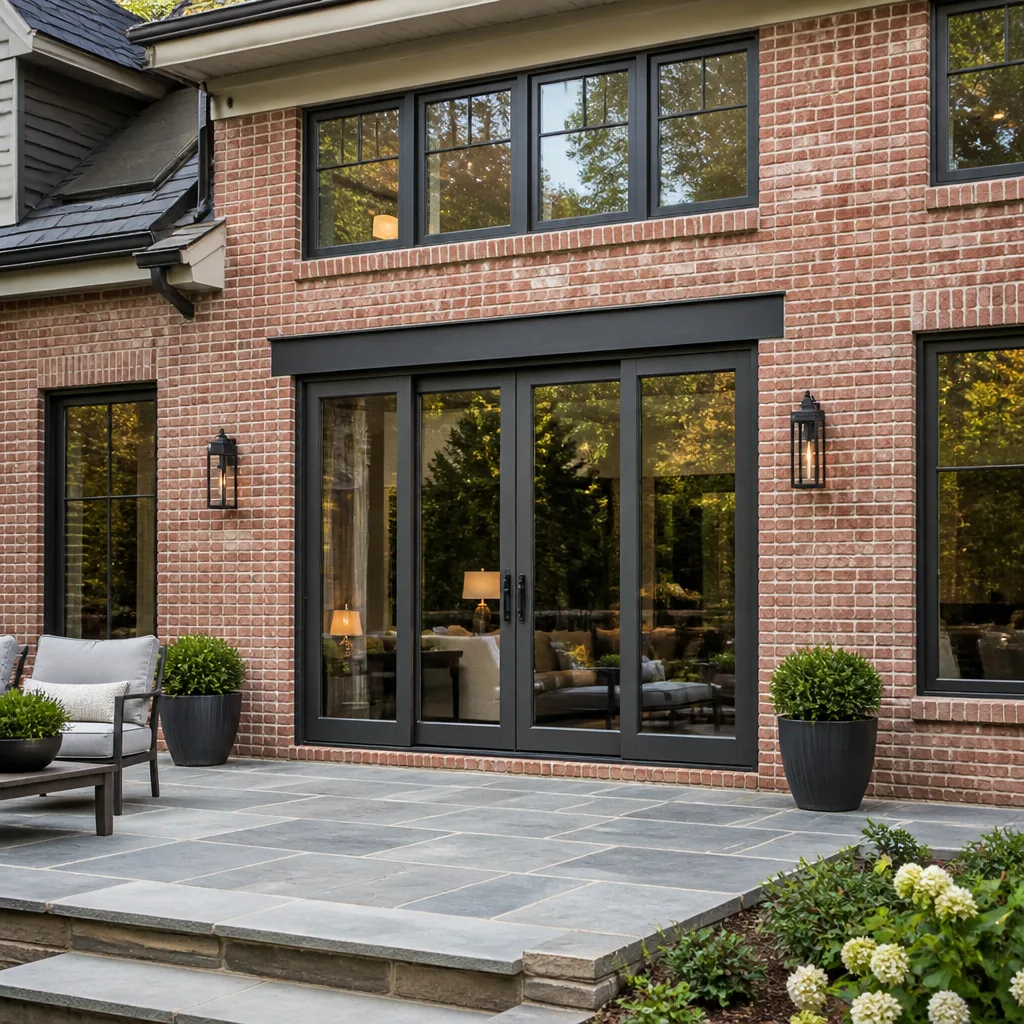 Windows & doors
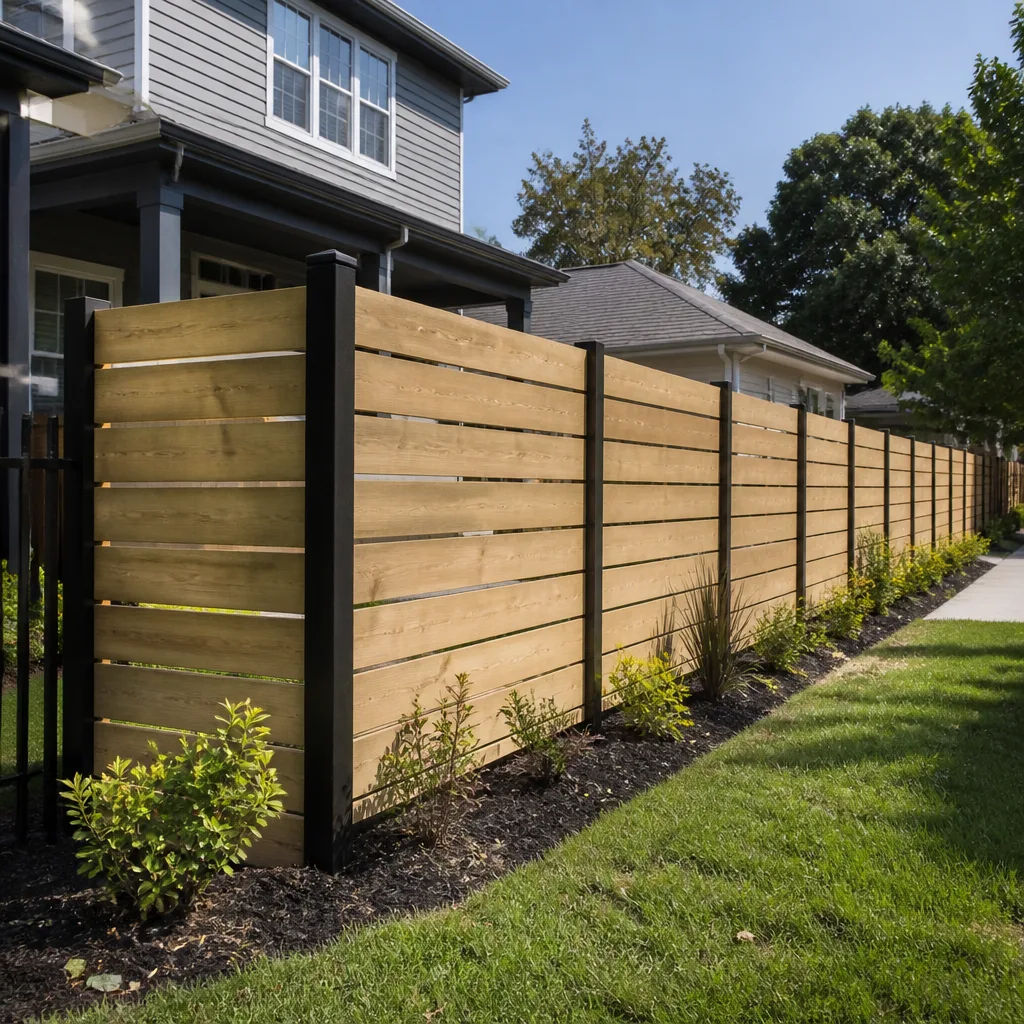 Fence
Free written scope consultation - allowances, timeline, and change-order rules on paper before a single trade is scheduled
Styles & brands we work with
- Kitchen remodeling
- Bathroom remodeling
- Home additions & ADU
- Roofing
- Windows & doors
- Driveway & pavers
- Fence
See the difference
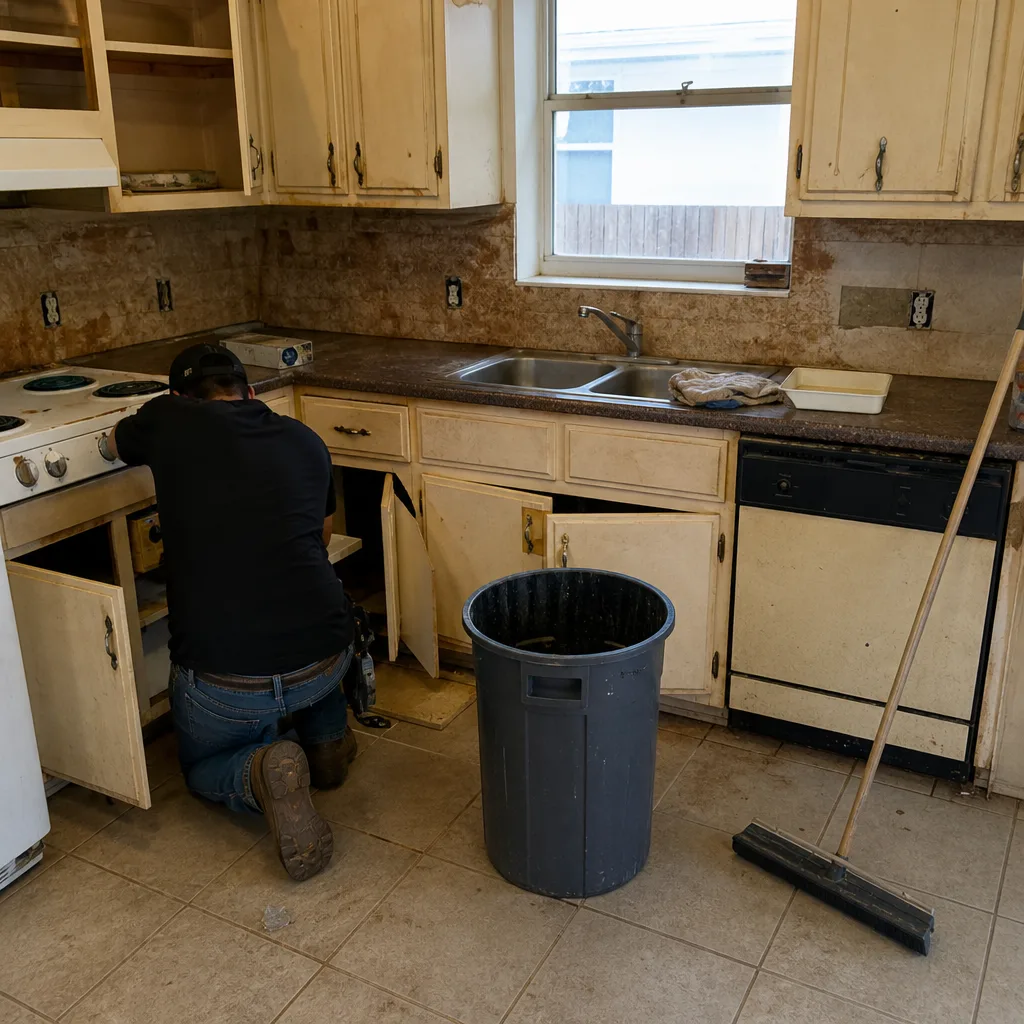 Before
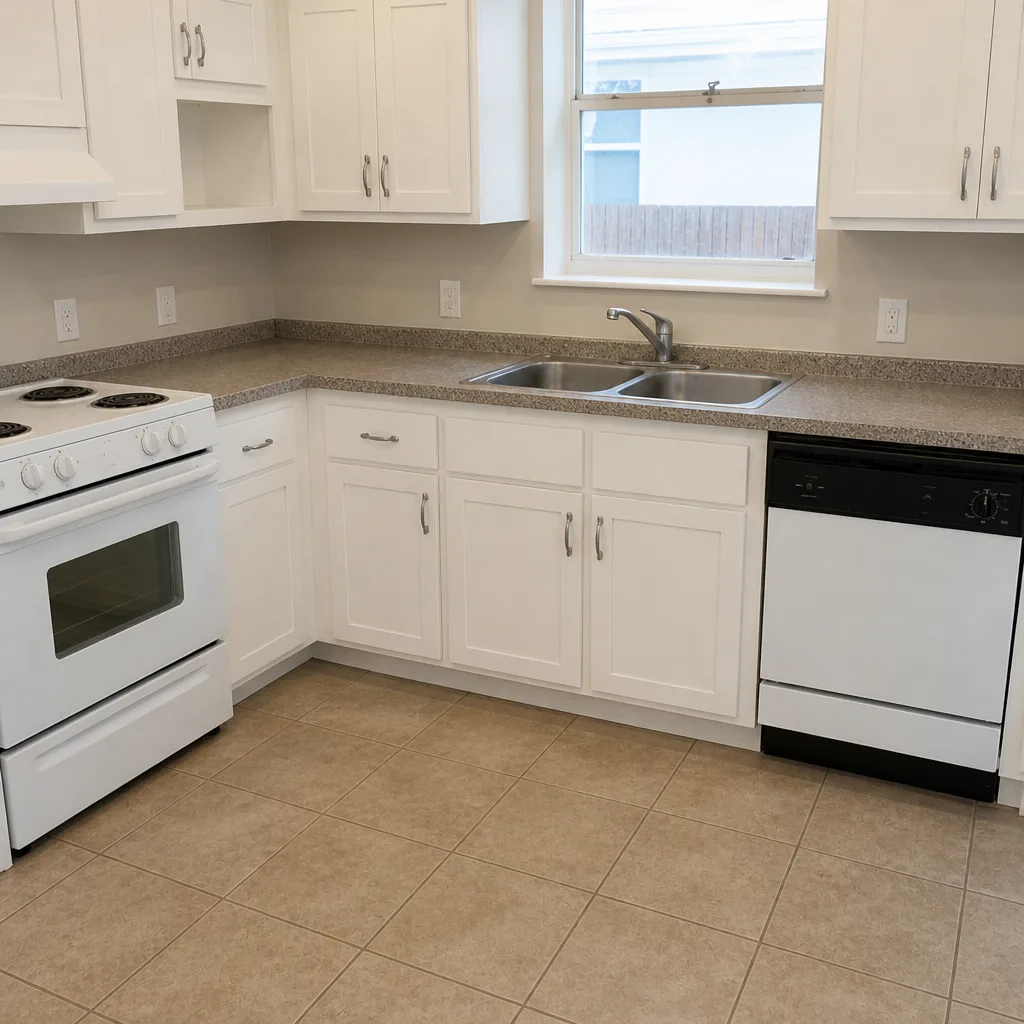 After
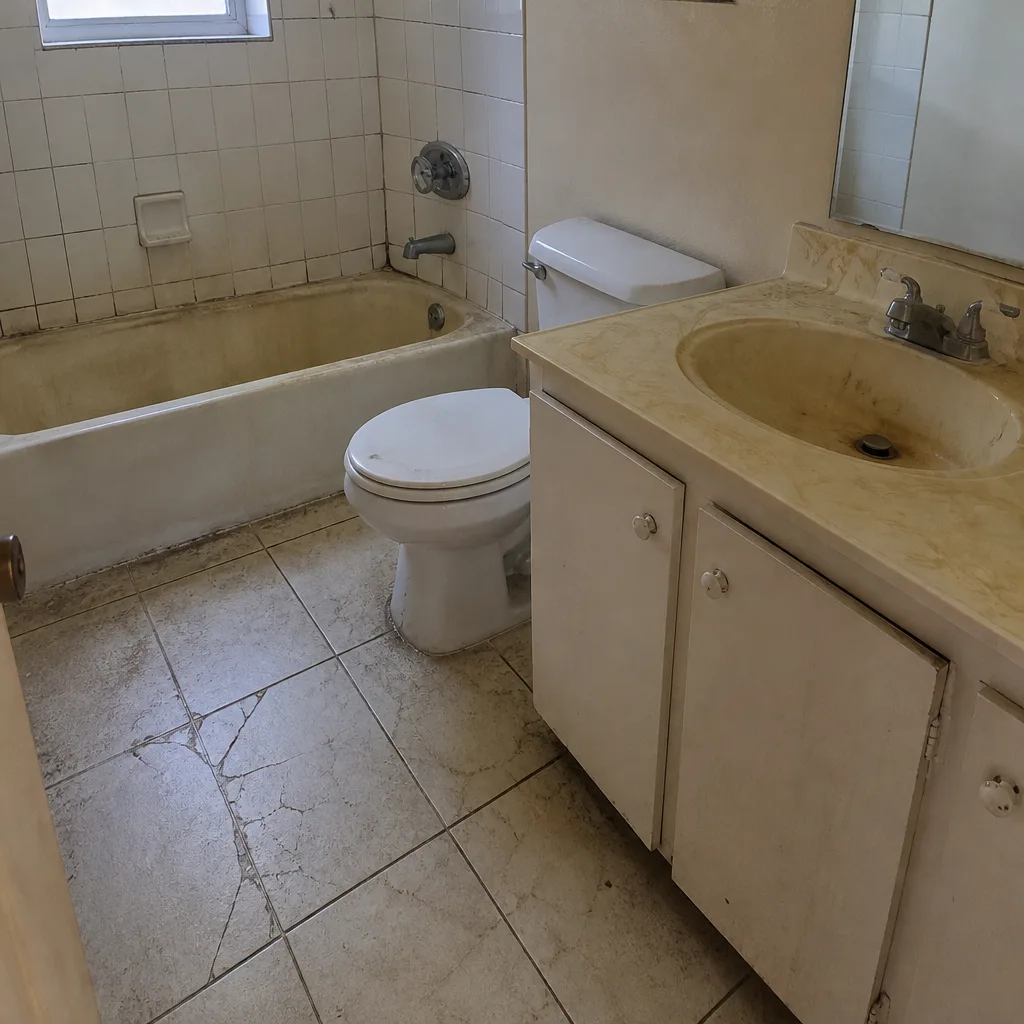 Before
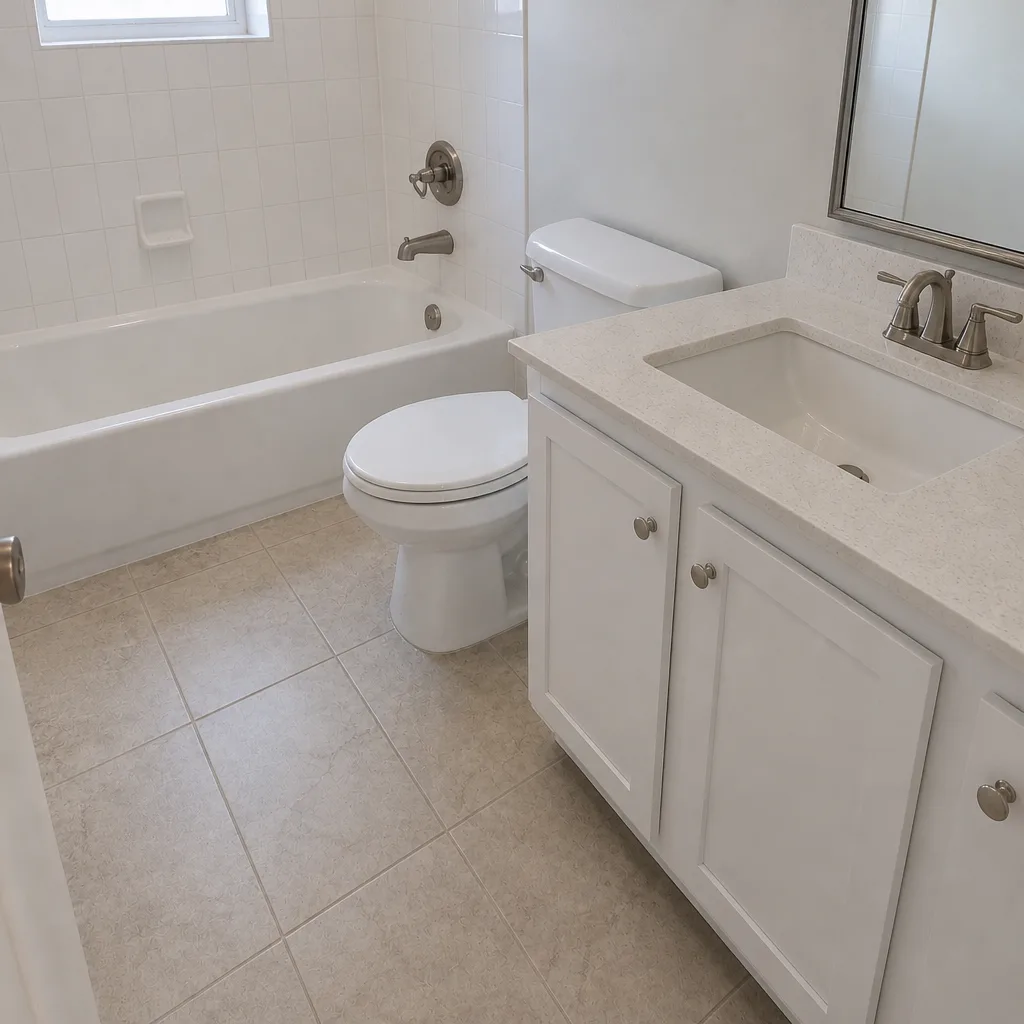 After
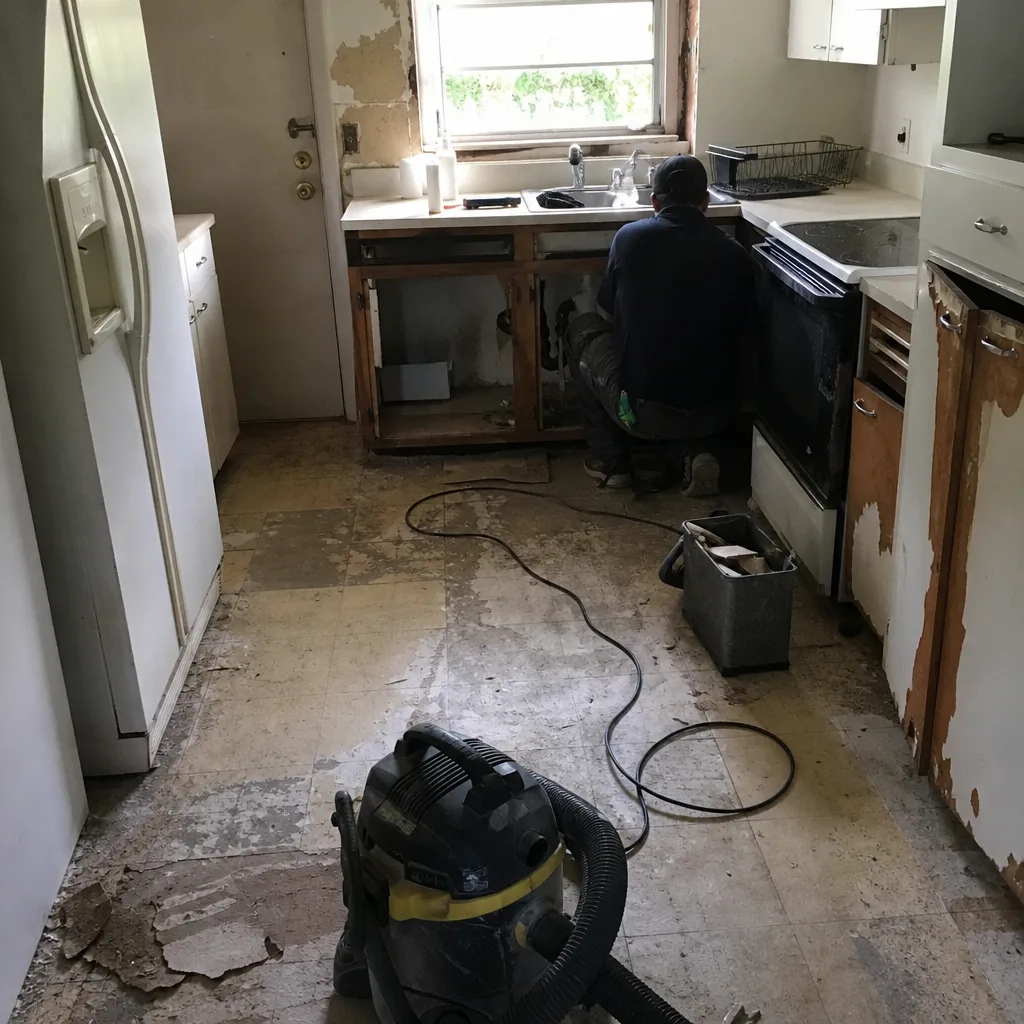 Before
 After
When to Seal a New Asphalt Driveway in The Hammocks, FL: The Real Timeline
Wait at least 90 days before sealing a new asphalt driveway, and in The Hammocks add another 30 to 60 days if the pavement was laid during the wet season. Your driveway has to cure from the inside out, and high humidity slows the off-gassing of petrochemicals that makes a sealer bond properly. Push it early and you trap moisture under the surface, which is how fresh asphalt starts sinking and cracking in its first year. If you want a real read on your specific driveway, call Groundwork Construction Co. of The Hammocks at (844) 761-9356 for a free assessment.
Every season here writes its own rules. The Hammocks is a large unincorporated Kendall-area subdivision built almost entirely between the 1980s and 2000s, so most driveways we look at sit on lots that are 20 to 35 years old. Those concrete-block homes went up as master-planned tract development, and the ground beneath them is flat, low, and close to the water table. Add afternoon storms that soak the sub-base almost daily from June through October, and the textbook 90-day clock stops being something you can read off a calendar. We’ve watched enough driveways in this neighborhood to know the difference between paving that tightens up and paving that keeps sweating underneath.
Why the 90-Day Rule Breaks Down Here
Summer ground temperatures on exposed asphalt in The Hammocks climb past 130°F on a sunny afternoon, and that heat pulls vapor out of the slab. The same heat is why the pavement stays pliable for months rather than weeks. Now put humidity on top of it. South Florida’s ambient moisture slows the evaporation that lets fresh asphalt shed its oils, so the surface you can touch and the core that actually needs to dry are on two different schedules.
Here’s what most people never hear: standing water resets the clock. Every time a rainstorm pools along the edge of your new drive and sits there, moisture pushes back up into the sub-base. In a climate where the wet season delivers rain four or five afternoons a week, a driveway laid in July may need to wait closer to five or six months before a sealer will hold. A driveway laid in January, during the dry stretch, can often be sealed inside the standard three-month window. Same neighborhood. Completely different schedule. That’s the part a generic “wait 90 days” answer gets wrong.
What actually tells you it’s ready
- The color test. New asphalt goes from jet black to a dull charcoal gray as it oxidizes. When the whole surface has faded uniformly, it’s telling you it has finished its initial cure.
- The thumb test at midday. Press hard into the surface around 1 or 2 p.m. when the pavement is hottest. If your thumb leaves a deep, soft depression, it’s still too pliable to seal.
- The sheen test after rain. Wait for a good soaking storm, then look at the surface once it dries. A faint oily rainbow or a slick that lingers is petrochemical residue still working its way out.
- Drainage check. Walk the perimeter after a hard rain. If water is standing along the edges or ponding at the apron, the sub-base isn’t draining and no sealer will fix that.
How The Hammocks’ Flat Lots and High Water Table Change the Decision
Sealing a driveway that hasn’t dried from underneath is a little like painting a damp wall. It looks fine for a season, then it blisters. The Hammocks sits on flat ground with a high water table, and tract-built lots from the ’80s and ’90s weren’t graded with the drainage sophistication we’d use today. We routinely see shallow ponding in swales between neighboring driveways and along the gutters where the rear slope of a lot meets the yard. On a lot like that, the sub-base holds moisture far longer than the surface suggests.
That’s the trap. The asphalt can feel firm underfoot, you’ve waited the full 90 days, the color looks faded, and it still isn’t ready, because the water underneath is still moving. Seal it now and you trap that moisture against the base. Over the following months, the trapped water softens the sub-base, the pavement loses its support, and you get the alligator cracking and edge settlement that homeowners assume is “just what asphalt does.” It isn’t. It’s usually what happens when a sealcoat went down before the ground was ready.
This is the kind of thing we look at before we quote any paving or sealing job. If you’re weighing a new asphalt pour against other surfaces, our Driveway & Pavers page lays out what we install and what each surface needs from you over the years. Either way, the upfront pricing we quote is the number you pay, and it’s backed by our 730-Day Done Right Promise. If a coat goes on too early and fails, it gets corrected. We don’t debate it.
Sealer Choices and South Florida’s UV Load
Not all sealers hold up the same way under this sun. Miami-Dade’s UV intensity is brutal, and bargain-grade sealers break down 40 to 60% faster here than manufacturer lab tests suggest. The two common options are coal-tar emulsion and asphalt-based sealer, and the difference matters more here than in a cooler climate.
| Sealer Type | What It Does Well | What to Watch For |
|---|---|---|
| Coal-tar emulsion | Deeper black finish, tough against oil and gas drips | Fades under intense UV; needs reapplication sooner; has environmental restrictions in some areas |
| Asphalt-based sealer | Flexes with the pavement, handles South Florida’s heat cycling | Less black initially; quality varies widely by manufacturer |
We generally recommend an asphalt-based sealer for driveways in The Hammocks because it moves with the pavement rather than fighting it. The flat-lot moisture situation means you want a coat that flexes, not one that turns brittle and hairline-cracks after one dry season. Whichever you choose, a proper seal on a well-cured driveway runs $250 to $700 in The Hammocks, depending on square footage and prep. Andres, our lead estimator for paving around the Kendall area, has been running driveway jobs here for 11 years and can tell you in five minutes of looking whether your surface is ready or needs another month. Our technicians have up to 12 years of experience with asphalt work across South Florida.
What to Look For in a Driveway Sealing Contractor
A few things separate a crew that will do this right from one that won’t. Ask about each of these before you book the job:
- They check the sub-base before they quote. A real inspection includes drainage and firmness, not just a visual scan of the surface.
- They give you a straight answer if it’s too early. If a contractor will seal your driveway tomorrow without looking at it, that’s your sign.
- They back the work in writing. Our 730-Day Done Right Promise covers sealcoat and full paving work: if something fails prematurely, we return and make it right.
- They show up ready. Our technicians are background-checked and arrive in uniform on every job.
- They answer the phone. We pick up 24/7, so you’re never stuck leaving a voicemail.
For a full picture of what paving work costs in The Hammocks, our Driveway & Pavers in The Hammocks guide breaks down installation, replacement, and repair by surface type.
FAQs
Sometimes, but only if the pavement has fully cured and the sub-base is dry. In The Hammocks during the dry months (roughly November through May), a driveway laid in good conditions can often be sealed closer to the 90-day mark. During the wet season, that window pushes out to 4 to 6 months. The color, firmness, and post-rain sheen tests tell you more than the calendar does.
You trap moisture under the sealer, and that moisture softens the sub-base from below. The result is typically premature cracking, edge settlement, and the sinking that makes a young driveway look decades old. Fixing it means stripping the failed sealer and often repairing the base, which costs far more than waiting a few extra weeks. Call (844) 761-9356 if you want someone to look before you commit; the assessment is free.
A proper sealcoat in The Hammocks runs $250 to $700, based on square footage, prep work, and sealer type. That’s just the sealing. If your driveway needs full replacement first, asphalt paving runs $3,500 to $9,000 and paver installation runs $7,000 to $18,000. Call us for a free, exact quote: upfront pricing is our standard, and the number we give you is the number you pay.
Yes, when it’s applied at the right time. A good sealer slows oxidation from UV, resists oil and gas drips, and buys your driveway several more years before resurfacing. Applied too early, though, it accelerates failure rather than preventing it. The timing question matters more than the sealer brand. Reach out for a free estimate and we’ll tell you honestly where yours stands.
Let’s Take a Look at Yours
If the calendar says 90 days but the pavement says otherwise, you want a trained eye on it. We offer a no-pressure assessment anywhere in The Hammocks, at no charge, with upfront pricing and 0% financing for 18 months if work is needed. Call (844) 761-9356. A live person answers, 24/7.
Written by the team at Groundwork Construction Co. of The Hammocks, serving The Hammocks, FL.