
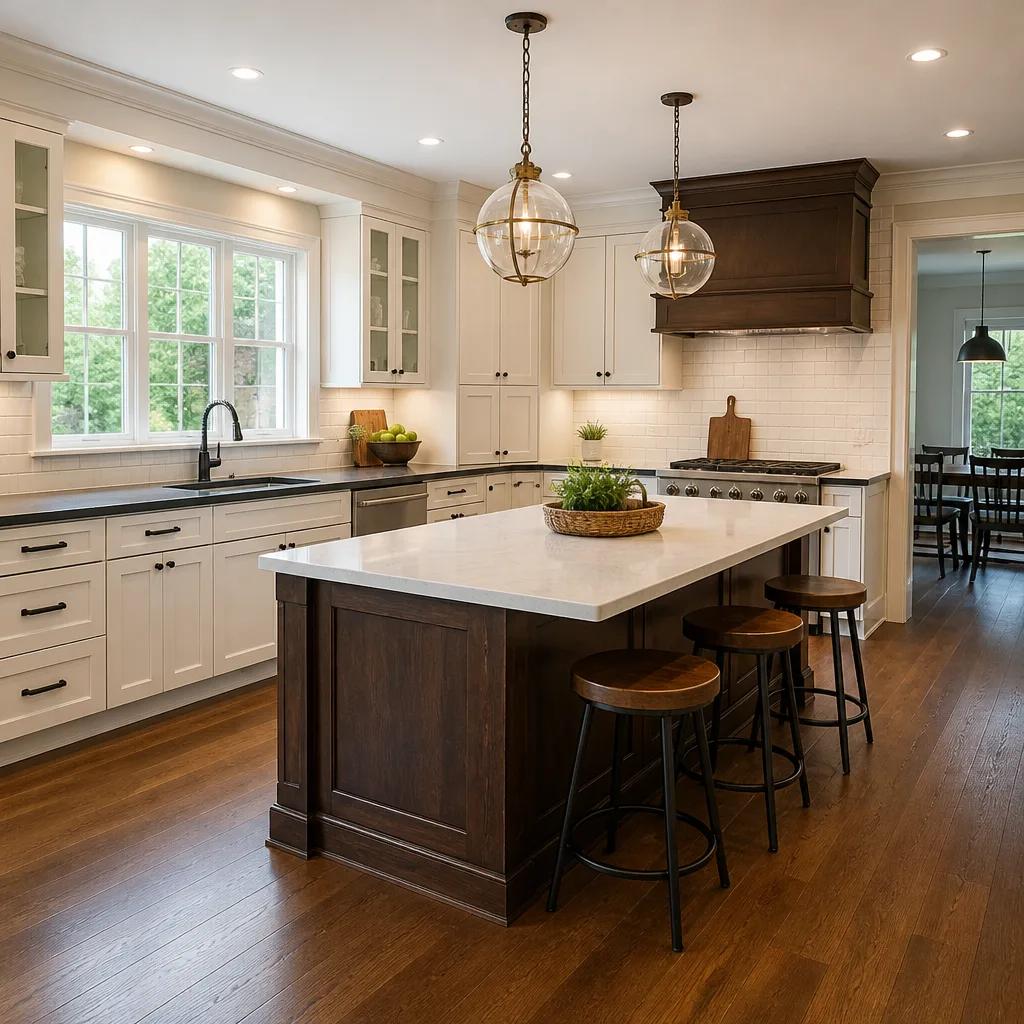
 Kitchen remodeling
 Bathroom remodeling
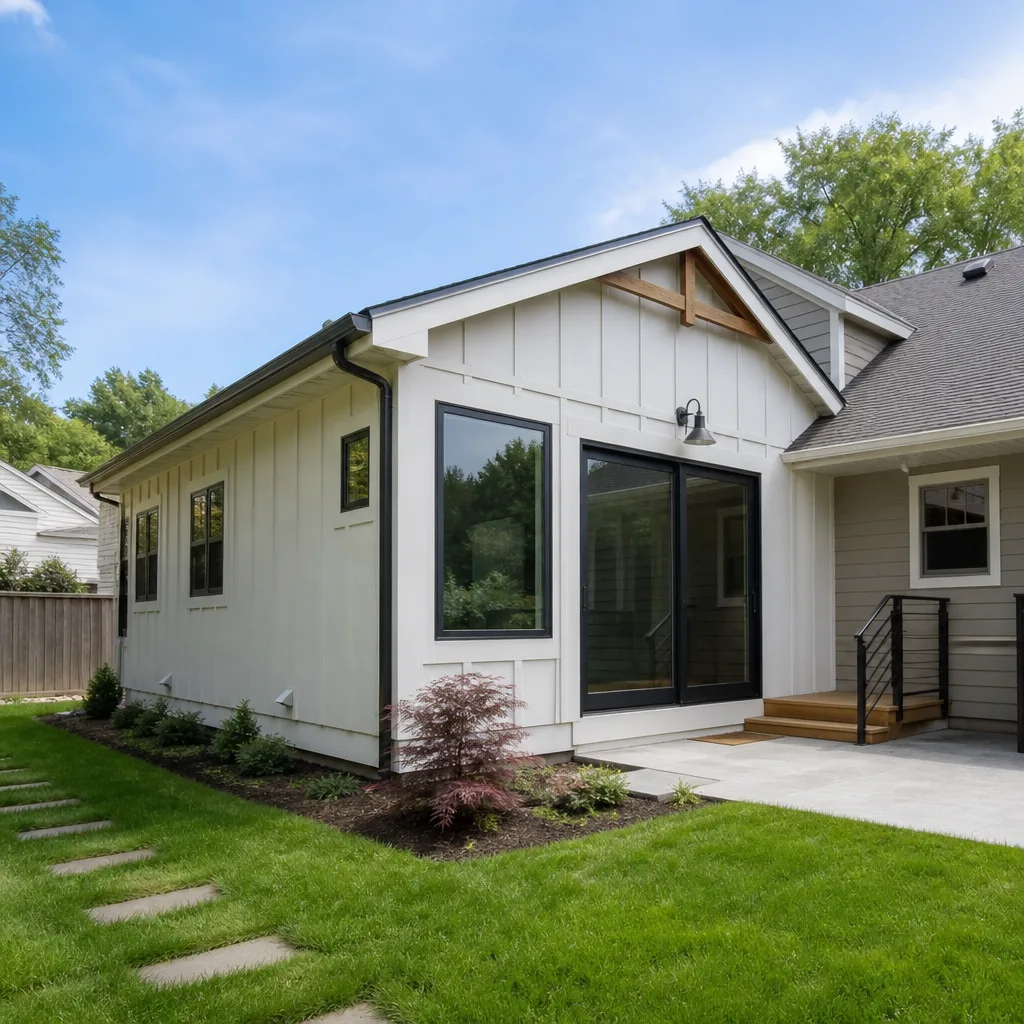 Home additions & ADU
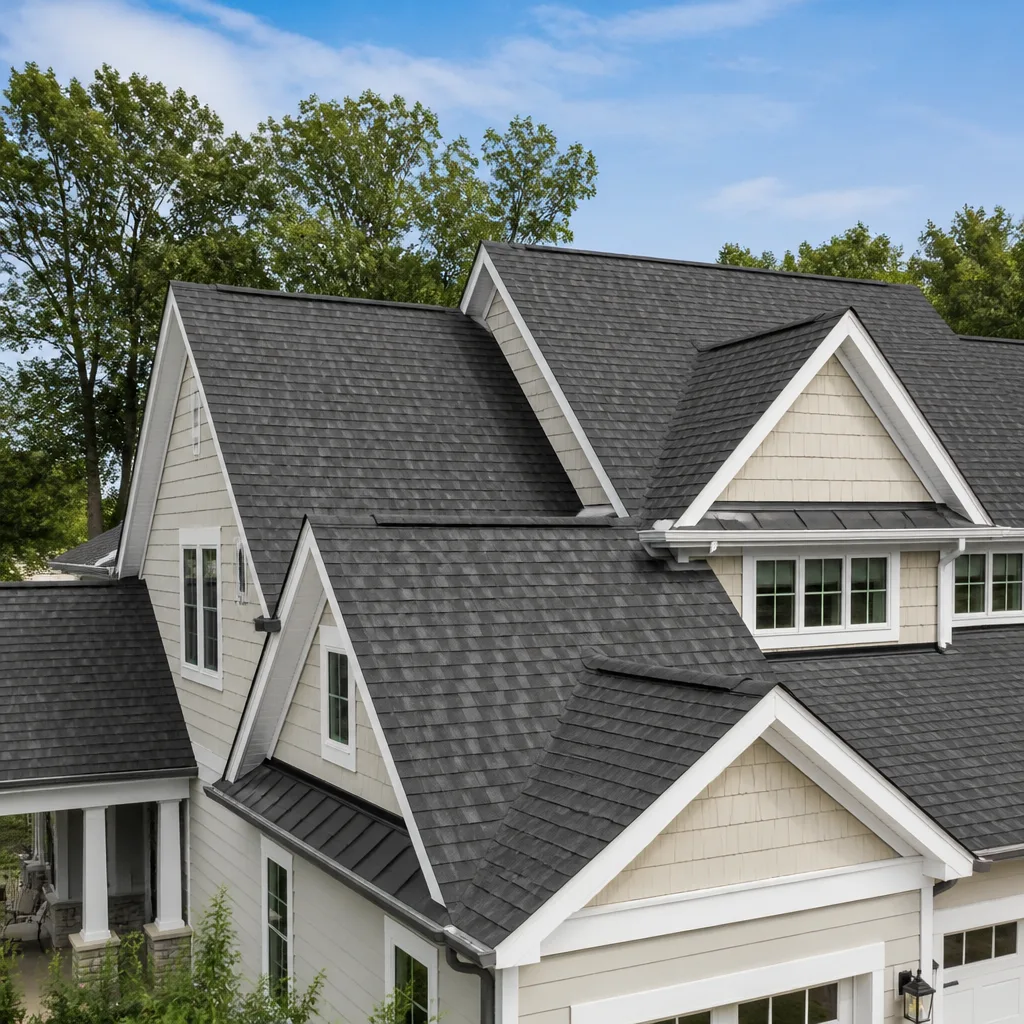 Roofing
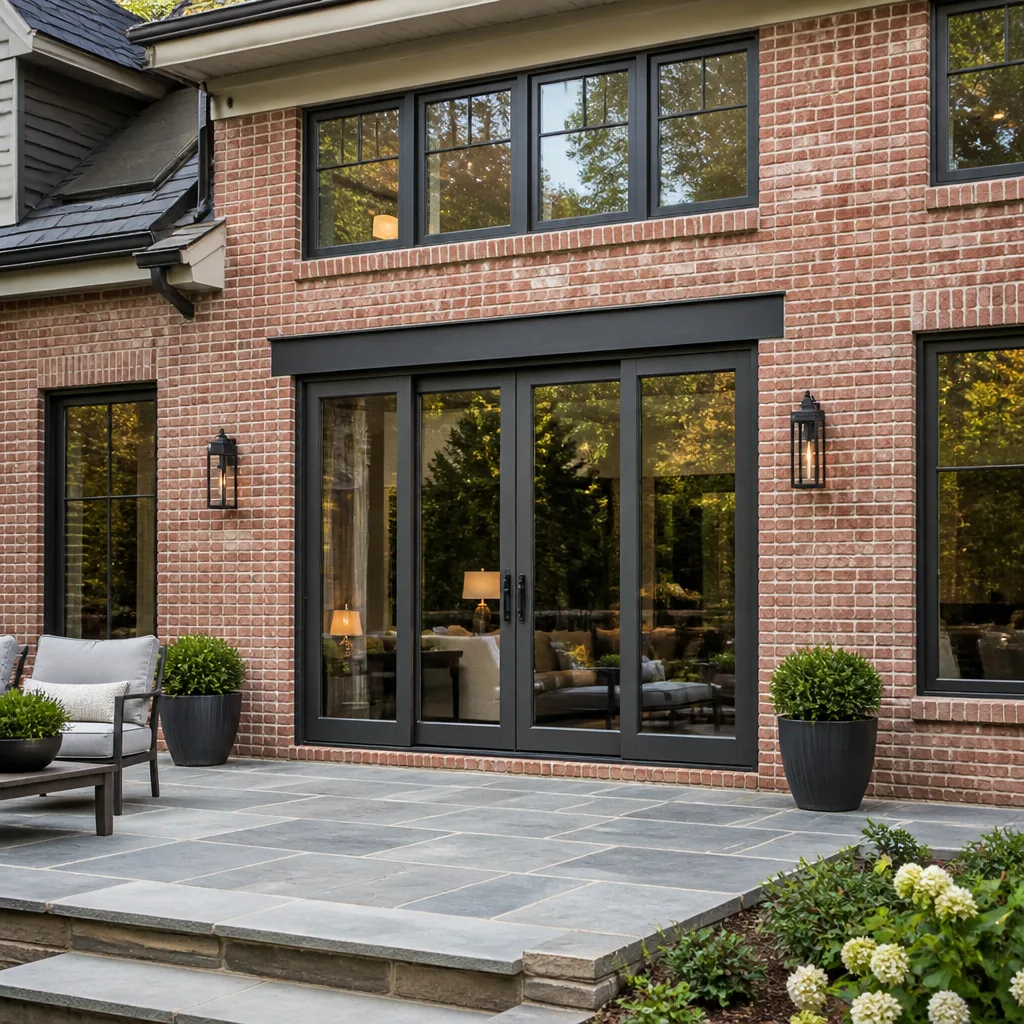 Windows & doors
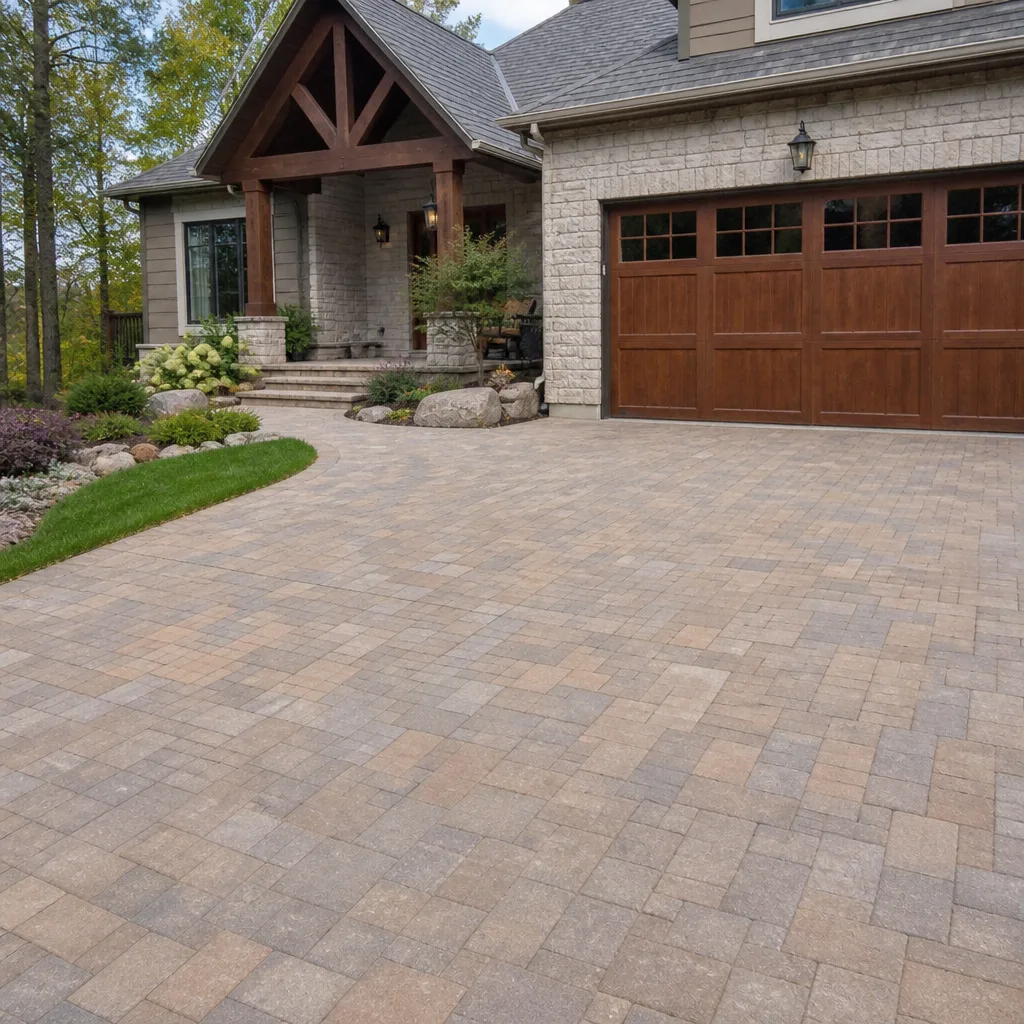 Driveway & pavers
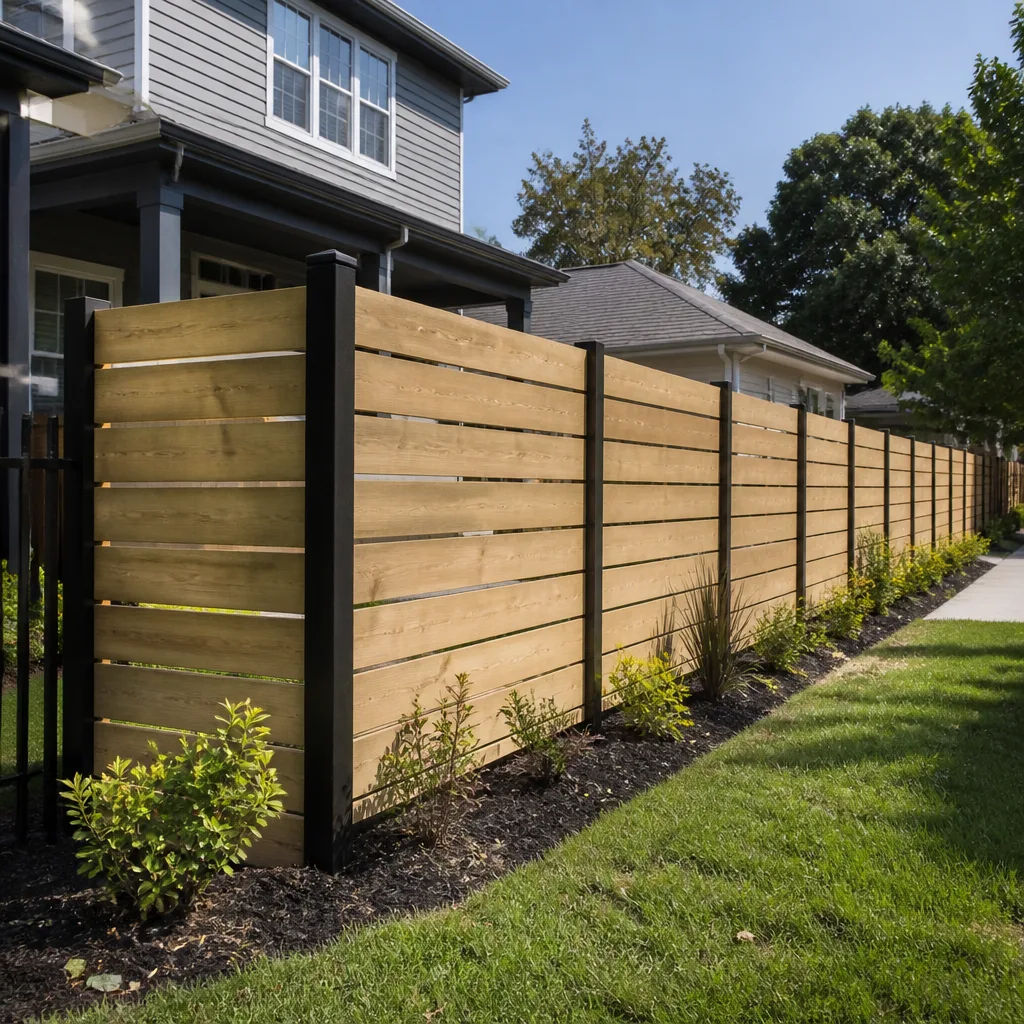 Fence
Free written scope consultation - allowances, timeline, and change-order rules on paper before a single trade is scheduled
Styles & brands we work with
- Kitchen remodeling
- Bathroom remodeling
- Home additions & ADU
- Roofing
- Windows & doors
- Driveway & pavers
- Fence
See the difference
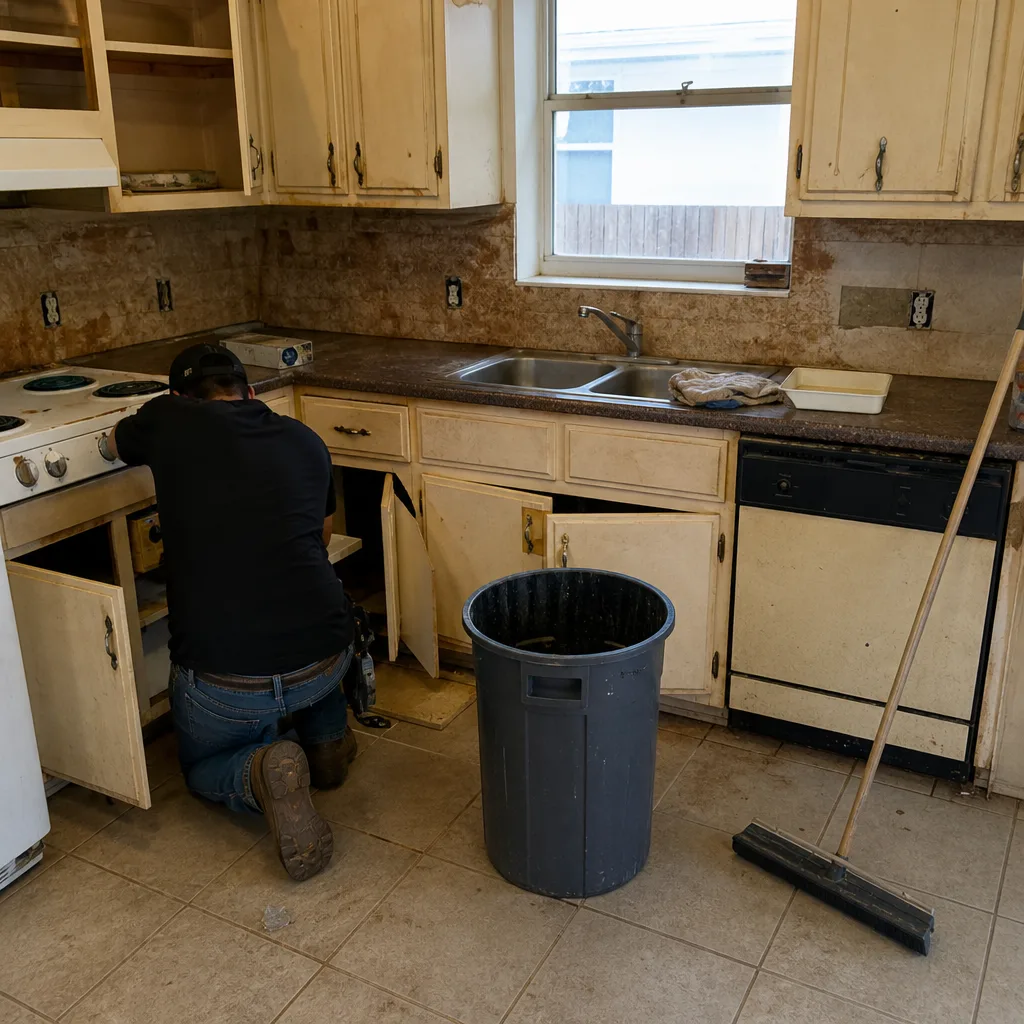 Before
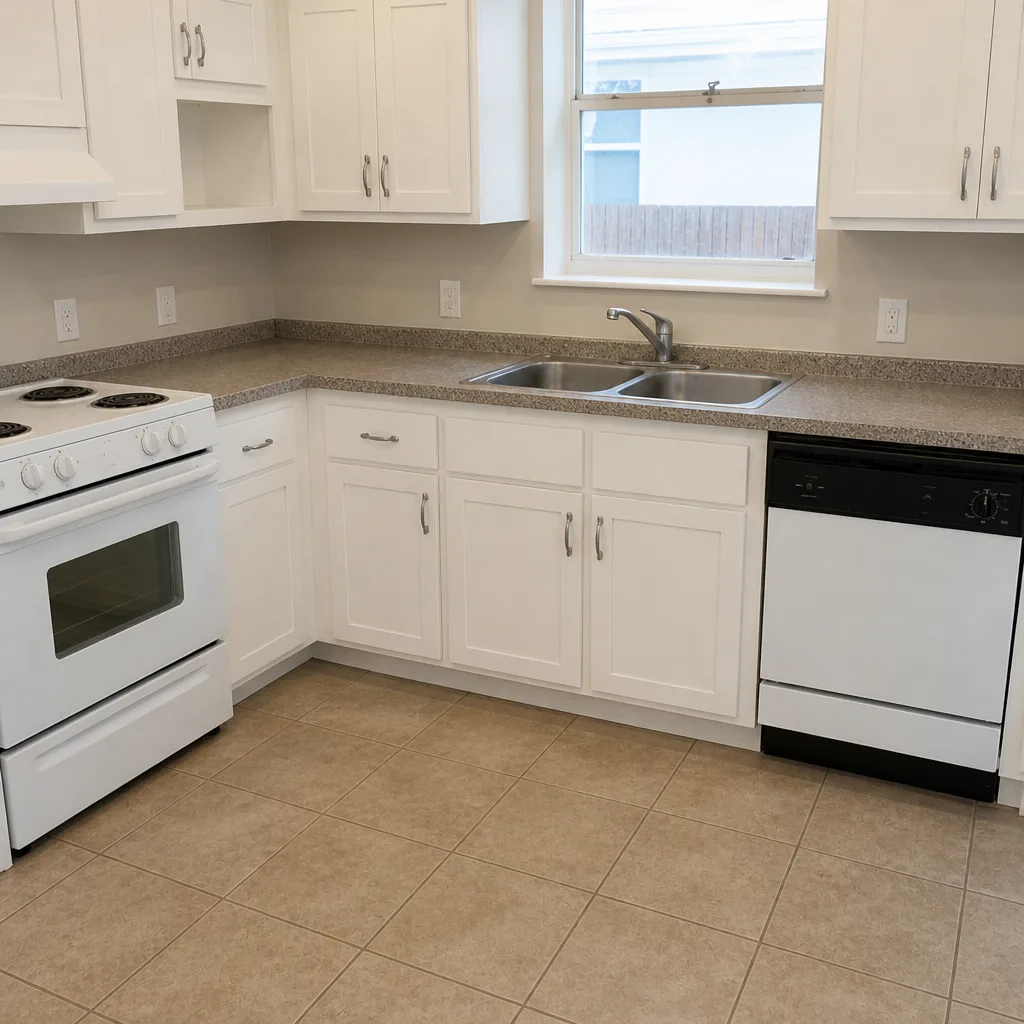 After
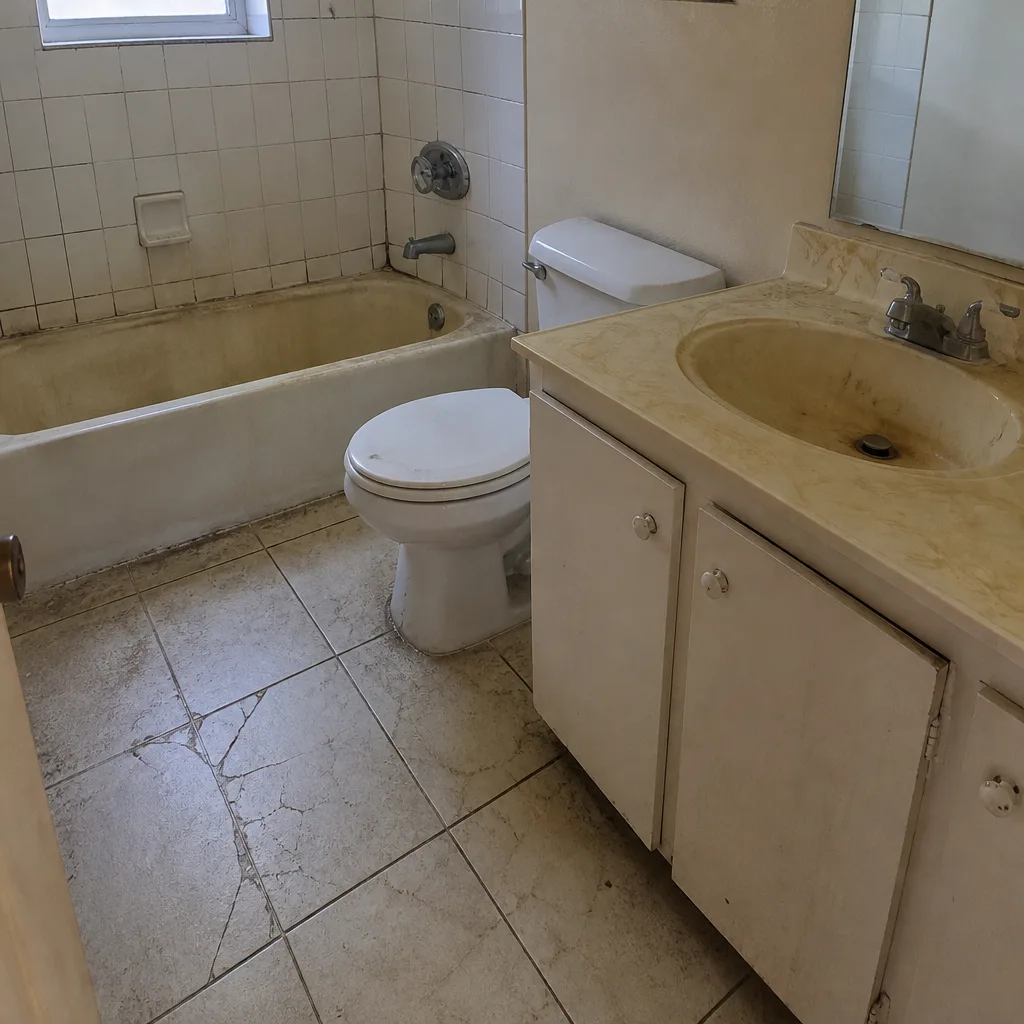 Before
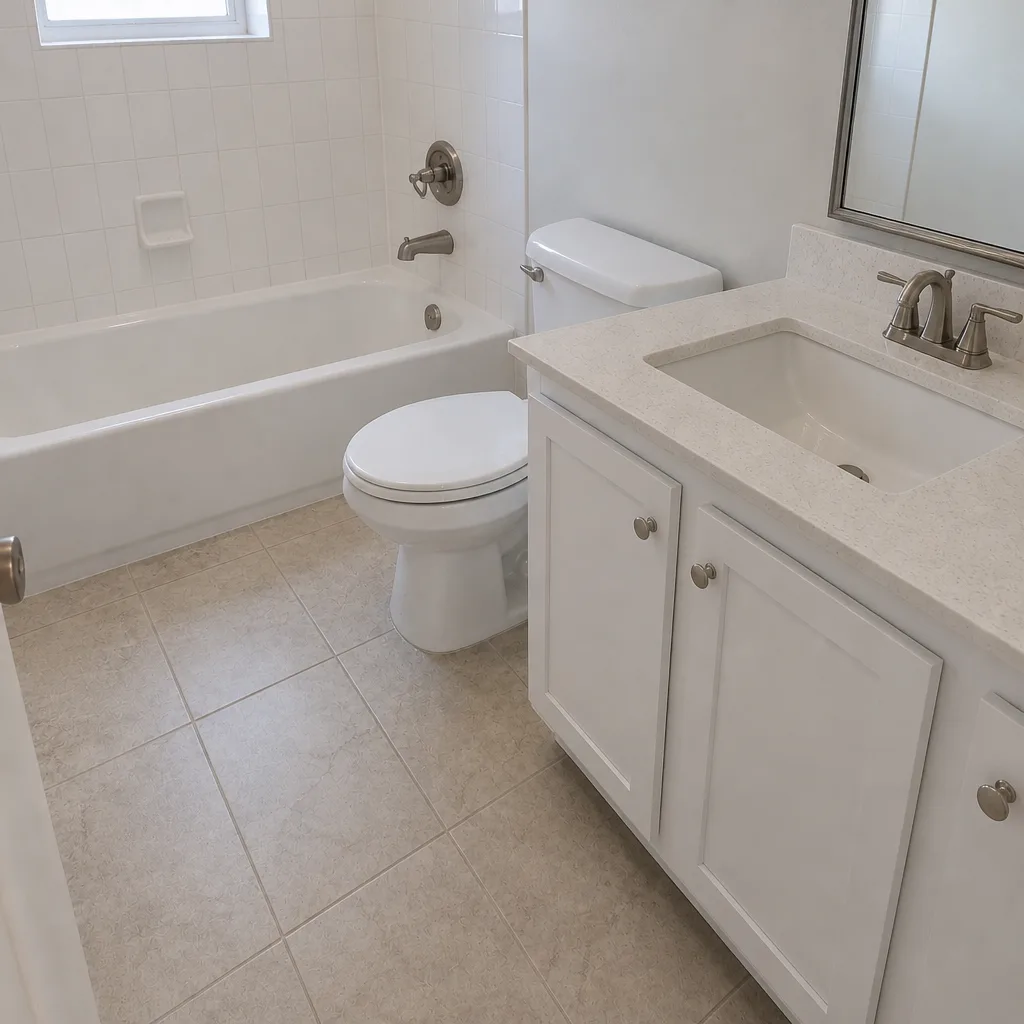 After
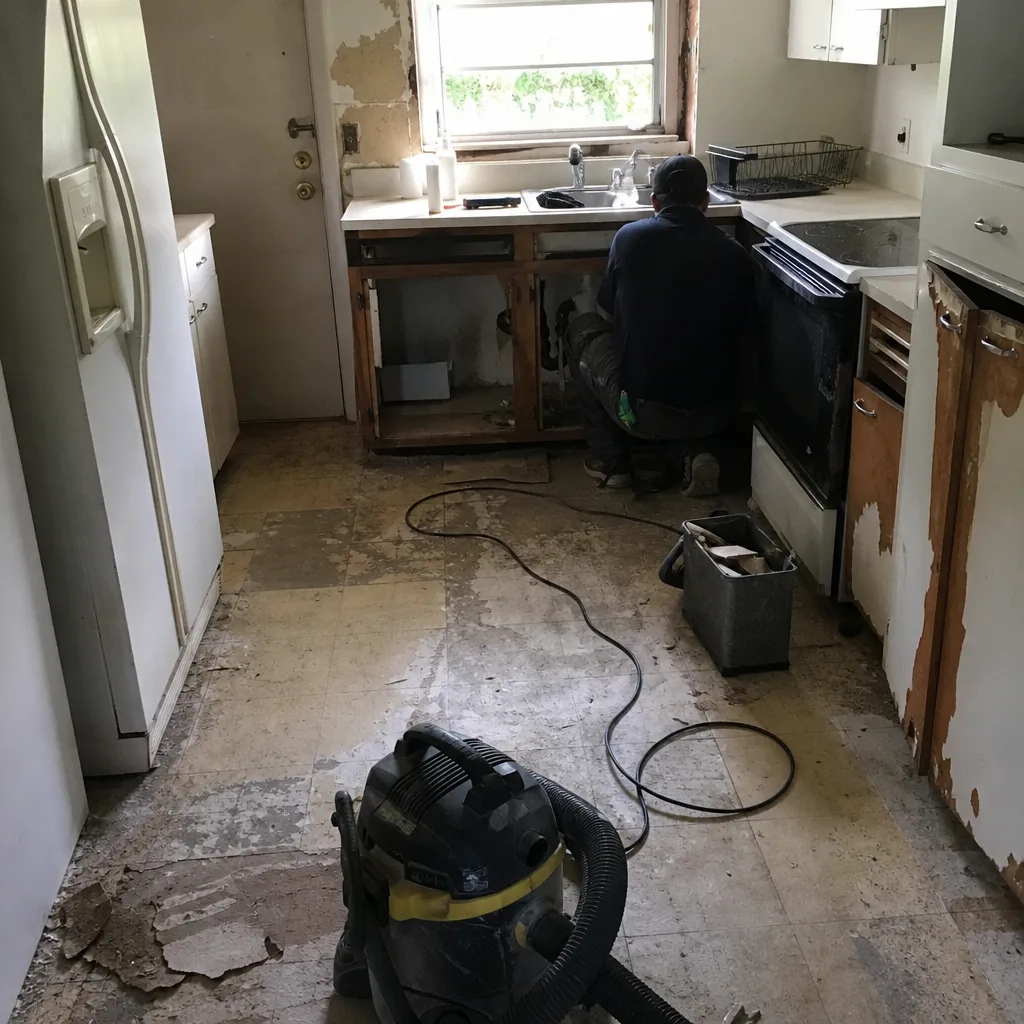 Before
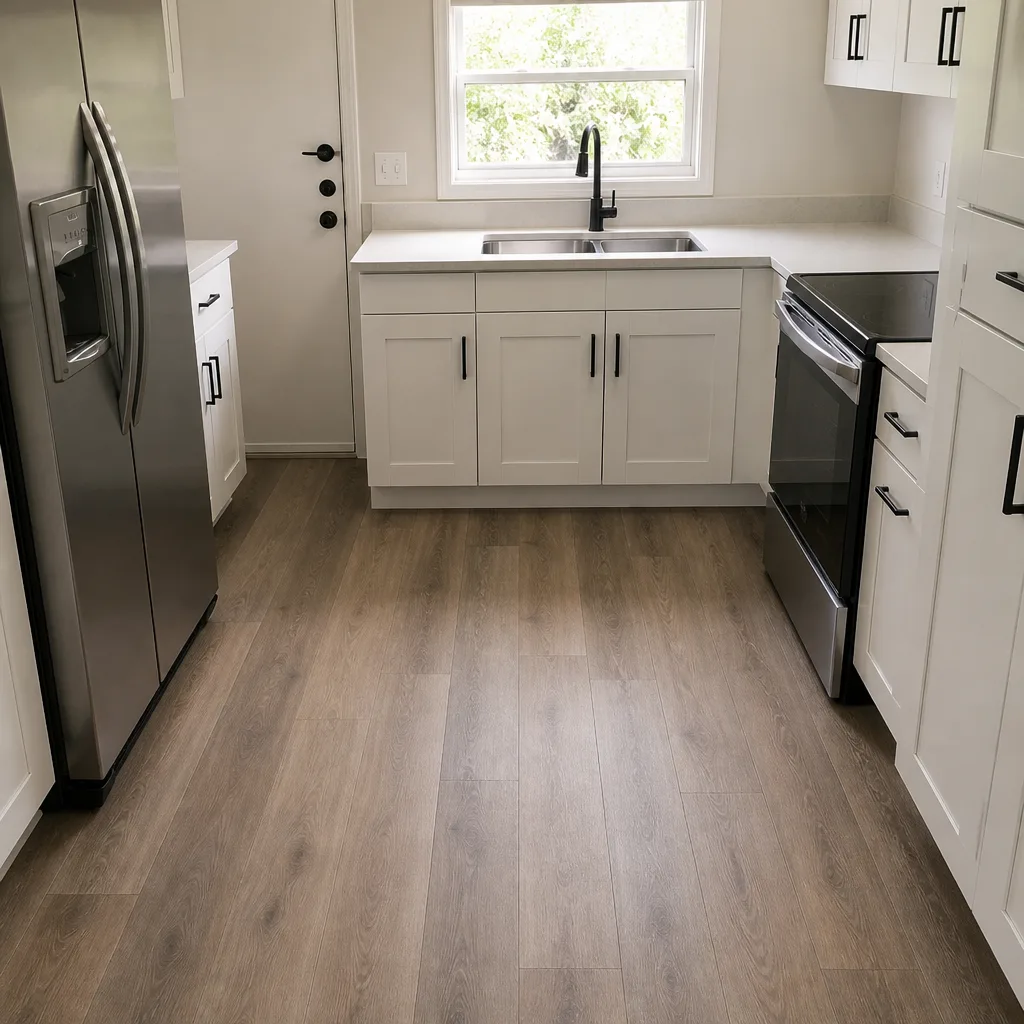 After
How Long Before You Can Drive on New Concrete in The Hammocks, FL?
Wait at least 7 full days before driving a standard passenger car on a new concrete driveway, and 10 to 14 days before parking anything heavy like a full-size SUV or a pickup over 6,000 lbs. Seven days is the number everyone quotes, and under standard 70°F curing conditions it puts the slab at roughly 70% of its design strength. In The Hammocks in August, with 95°F heat, full sun and humidity near 85%, that same 7 days is both right and misleading, depending on which part of the slab you’re asking about. If you’re scheduling a pour or worried about one already placed, call Groundwork Construction Co. of The Hammocks at (844) 761-9356 for a straight answer.
Key Takeaways
- Passenger vehicles: 7 days minimum after the pour.
- Heavy trucks and SUVs over 6,000 lbs: 10 to 14 days.
- Surface hardness in South Florida heat does not equal internal strength.
- Curing compound, windbreaks and storm timing matter more here than anywhere.
- Surface scaling or dusting within two years is usually a curing error, not “bad concrete.”
Why South Florida Heat Makes the 7-Day Rule Tricky
Concrete doesn’t dry into strength. It hydrates: the cement chemically reacts with water and hardens from the inside out. The standard 7-day benchmark assumes moderate temperatures and low humidity, where moisture stays in the mix long enough for that reaction to run its course. The Hammocks doesn’t offer those conditions in summer.
When the mercury sits near 95°F in direct sun, moisture leaves the surface far faster than the interior can use it. The top feels rock hard on day two. The slab underneath is still gaining strength. That gap is where homeowners get into trouble, because the surface passes the fingernail test long before the slab can carry a loaded truck.
This is why we tell every The Hammocks homeowner the same thing: the calendar is a starting point, not a verdict. A slab placed in January cures differently than one placed in July, and the honest timeline depends on temperature, sun exposure, wind, and whether curing compound went down immediately after the finish.
The Curing Details That Separate a Good Pour From a Bad One
Three site practices make a real difference on an exposed driveway in this climate. Skip any of them and you’ll see the consequences in the first two summers.
- Curing compound, applied right away. It goes on immediately after the finish, forming a membrane that holds moisture in the slab while it hydrates. Without it, the top layer cures weaker than the core. That weakness shows up later as scaling and dusting, which gets blamed on bad concrete but is almost always a finishing or curing decision.
- Windbreaks on windy, sun-exposed pours. Plastic shrinkage cracking shows up when wind crosses roughly 15 mph over fresh concrete in direct sun. That’s a typical dry-season afternoon in The Hammocks. Windbreak panels and evaporation retarder are standard on our exposed driveway pours for exactly this reason.
- Weather-window scheduling. A hard storm inside the first 24 hours can wash the surface paste away and ruin the finish. We plan every pour around the 72-hour forecast and use our live-answered 24/7 line to adjust start times when a system is tracking toward the property.
That combination is what separates a driveway that looks good after a decade from one that needs patching after three. It’s also why we can back the work with the 730-Day Done Right Promise. If the slab surfaces poorly under normal residential use within two years, that’s on us to address, not something to shrug off as “concrete being concrete.”
How Long Until You Can Park, and What to Avoid in the First Two Weeks
The calendar answer from above breaks into practical stages. Here’s what a typical The Hammocks driveway looks like on our schedule:
| Time after pour | What’s safe |
|---|---|
| 0-24 hours | Nothing on the slab. Keep foot traffic and sprinklers off. Watch for storms. |
| 24-72 hours | Light foot traffic only. No ladders, no wheelbarrows, no furniture. |
| 3-7 days | Foot traffic fine. Keep vehicles off. |
| 7 days | Standard passenger car is okay. Surface is at roughly 70% strength. |
| 10-14 days | Heavy SUVs, pickups over 6,000 lbs, delivery trucks. |
| 28 days | Full design strength. This is the real milestone for anything heavy or point-loaded. |
Forgetting to plan for the wait is the most common mistake. If you’re having a driveway installed as part of a larger project, coordinate parking and access before the pour day. Park on the street or in a neighbor’s space for at least the first week. If you’re combining a driveway with other exterior work, our Driveway & Pavers team can walk through the sequencing so nothing gets blocked in while the slab is still curing.
Surface issues that show up early are worth flagging right away. Map cracking, whitish dusting that won’t wash off, or edges that feel soft are cure-related and should be raised with the crew. Waiting doesn’t improve them.
What to Look For in a Driveway Contractor Here
The Hammocks was built almost entirely in a narrow tract-development window from the 1980s through the 2000s, which means driveways across whole blocks are hitting the end of their service life at the same time. You’ll see neighbors within a few houses of each other replacing slabs within the same summer. That repeating cycle is one reason we know the local conditions so well.
When you’re comparing quotes, the details that matter are the ones we listed above. Ask whether curing compound is standard, how weather windows are handled, and what happens if the surface fails within the guarantee period. A contractor who waves off those questions is signaling that they’ll be hard to find when something goes wrong. The 730-Day Done Right Promise exists because we’d rather put the commitment in writing than in a sales pitch.
Prices for a concrete driveway in The Hammocks run $4,500 to $12,000 depending on size and site conditions. Paver installations run $7,000 to $18,000. Full replacement after demolition of the old slab lands between $5,000 and $14,000, and sealing afterward runs $250 to $700. Those are upfront numbers with no surprise line items at the end, and we offer 0% financing for 18 months plus $1,000 off projects over $10,000 to make the timing easier to manage. See the full scope on our Driveway & Pavers in The Hammocks page, or browse home for the other exterior and remodel services.
For a larger job that touches the whole exterior, the same crew handles roofing, roof replacement, and impact window installation, so the sequencing across a driveway, roof and windows can be coordinated from one plan. Homeowners planning an interior renovation at the same time can review kitchen remodeling, cabinet installation, bathroom remodeling, or walk-in shower installation to see where the timing lines up.
FAQs
No. Three days is not enough, even in hot weather where the surface feels hard. The slab is still well below its usable strength at that point, and driving on it risks cracking that won’t show up until months later. Plan for the full 7 days on a passenger car, and 10 to 14 days for anything heavy.
A whitish, powdery surface is almost always a curing problem, not bad concrete. When moisture leaves the surface too fast in direct sun, the top layer sets weaker than the core and loses its hard surface finish. It happens when curing compound isn’t applied quickly enough or wind strips the moisture before the finish sets. Call us if you’re seeing it on a recent pour.
It can. A hard storm within the first 24 hours can wash away the surface cement paste and leave a rough, pitted finish that can’t be fixed without redoing the top layer. That’s why we build the pour schedule around the 72-hour forecast and adjust start times when weather is uncertain. If you’re planning a pour during rainy season, ask your contractor how they handle weather risk.
Yes, for surface scaling, map cracking, and delamination that trace back to the pour and cure process. If the slab surfaces poorly within two years of normal residential use, we address it under the guarantee rather than chalking it up to concrete behaving unpredictably. That’s what the promise is for.
If you’d rather have it looked at, Groundwork Construction Co. of The Hammocks offers a no-pressure assessment in The Hammocks. Call (844) 761-9356 for a free estimate, and we’ll walk the slab, explain what’s happening, and give you a clear plan with upfront pricing.
Written by the team at Groundwork Construction Co. of The Hammocks, serving The Hammocks, FL.