
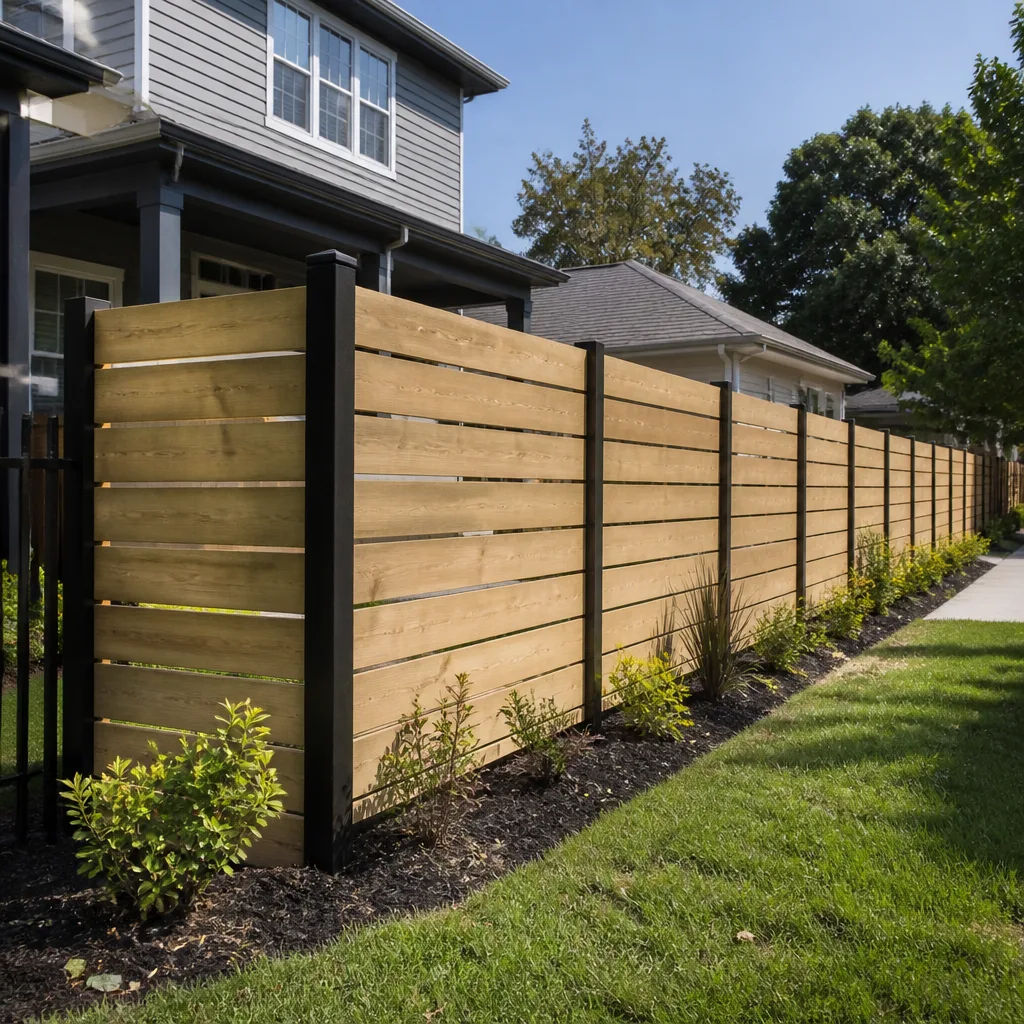
 Fence
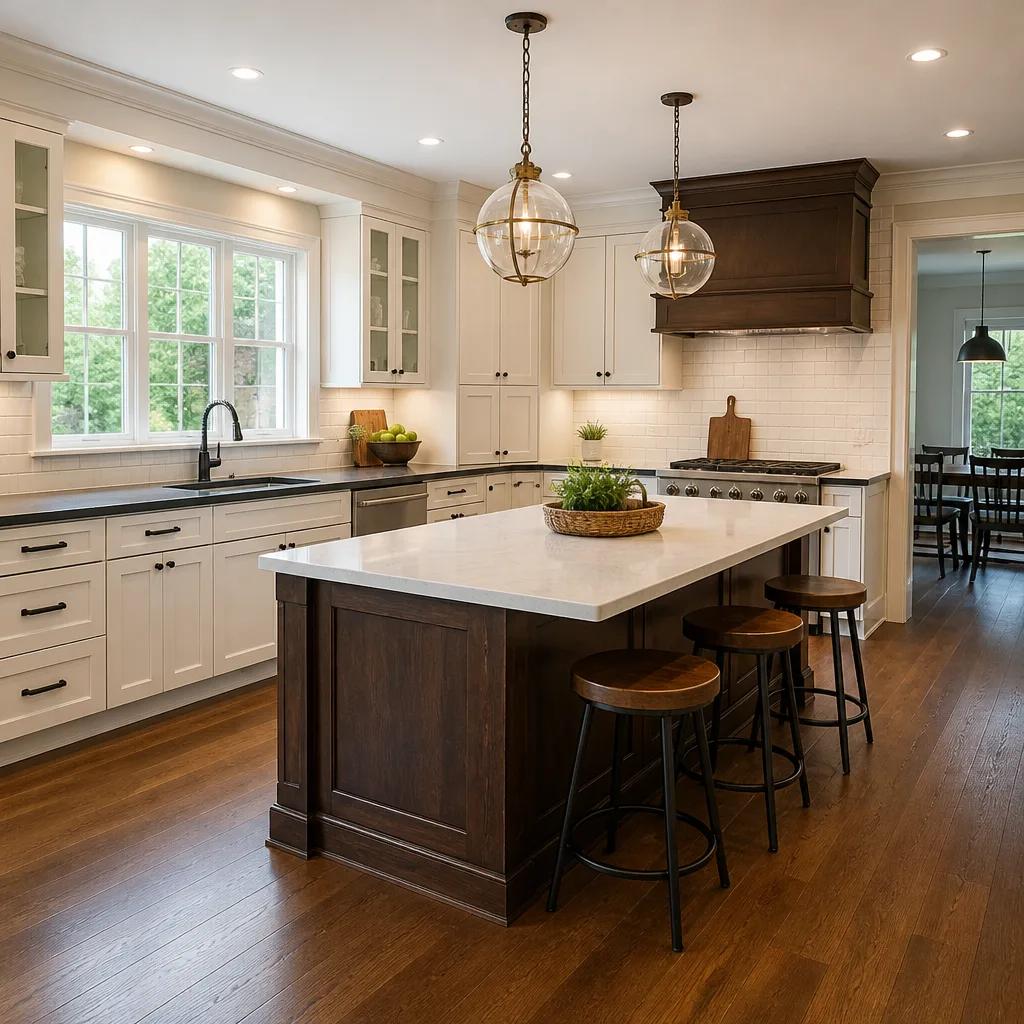 Kitchen remodeling
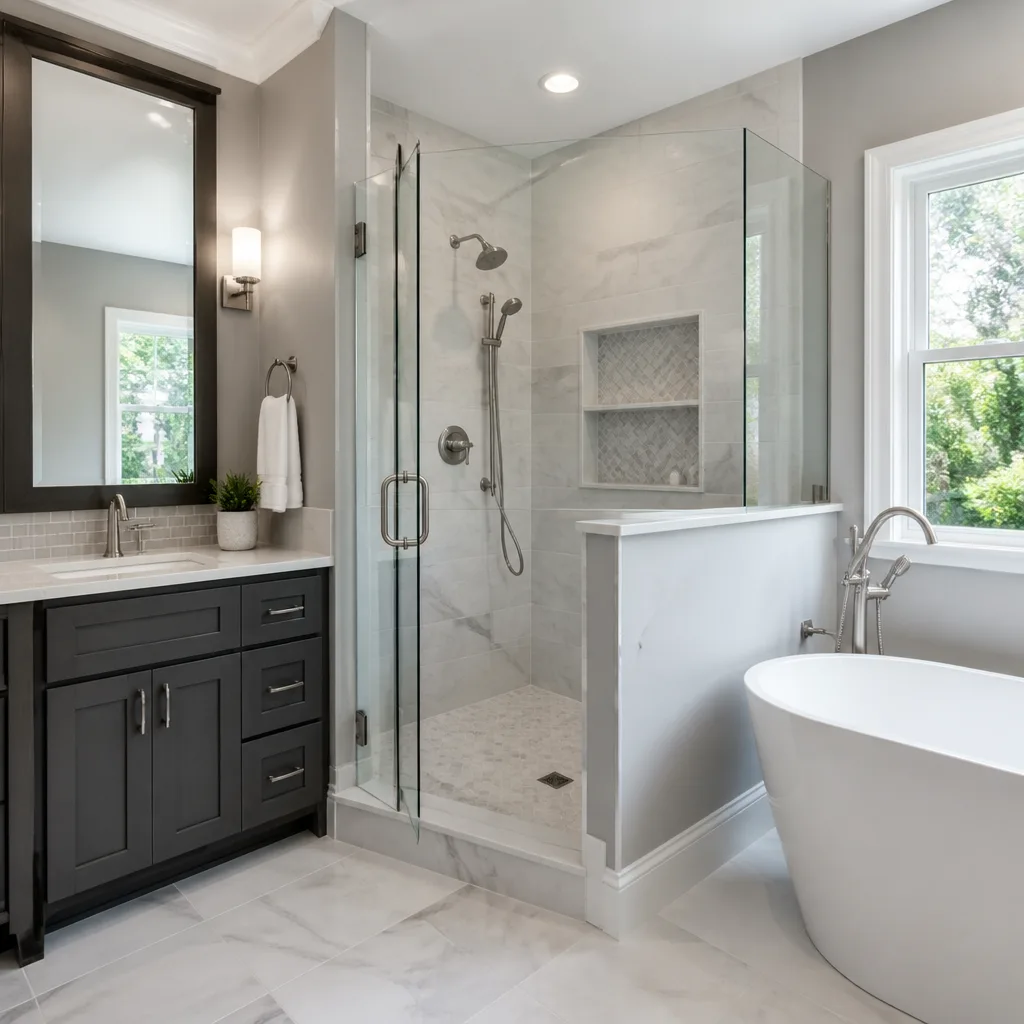 Bathroom remodeling
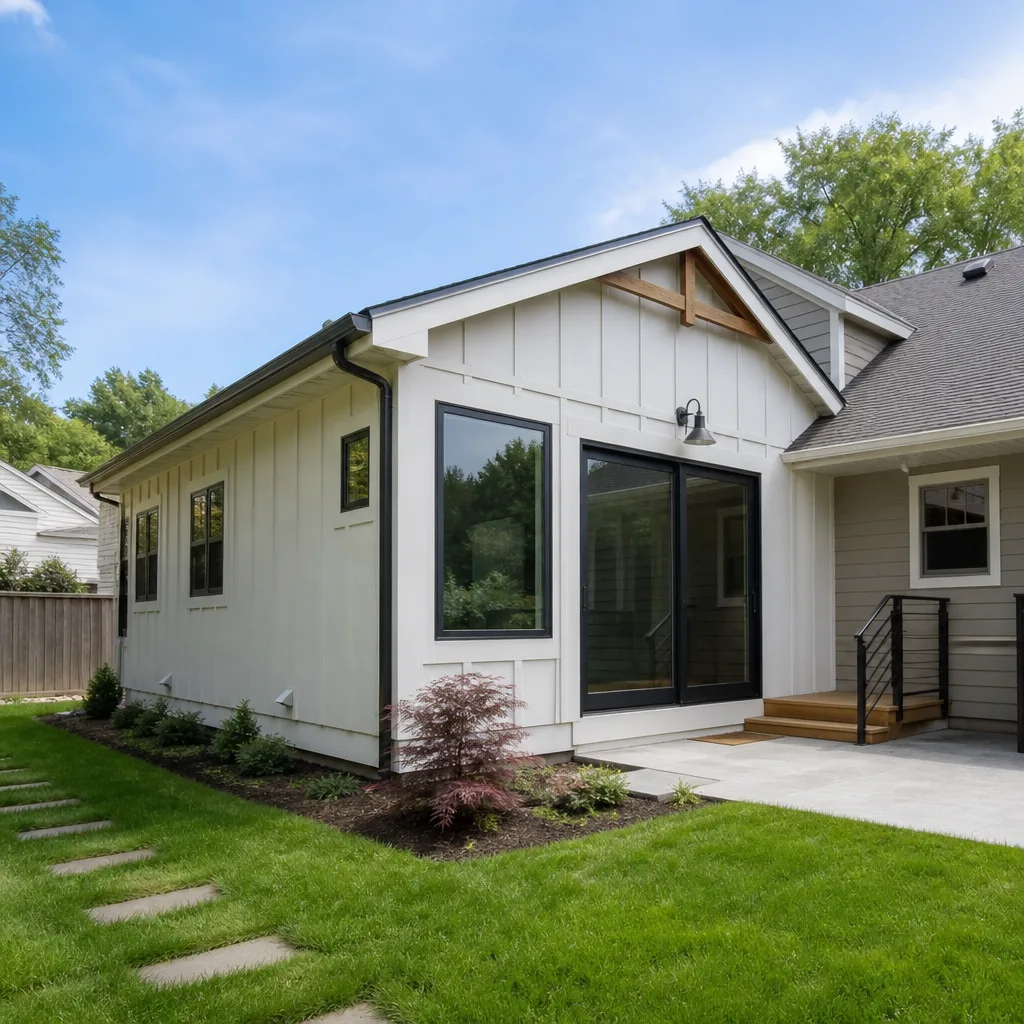 Home additions & ADU
 Roofing
 Windows & doors
 Driveway & pavers
Free written scope consultation - allowances, timeline, and change-order rules on paper before a single trade is scheduled
Styles & brands we work with
- Kitchen remodeling
- Bathroom remodeling
- Home additions & ADU
- Roofing
- Windows & doors
- Driveway & pavers
- Fence
See the difference
 Before
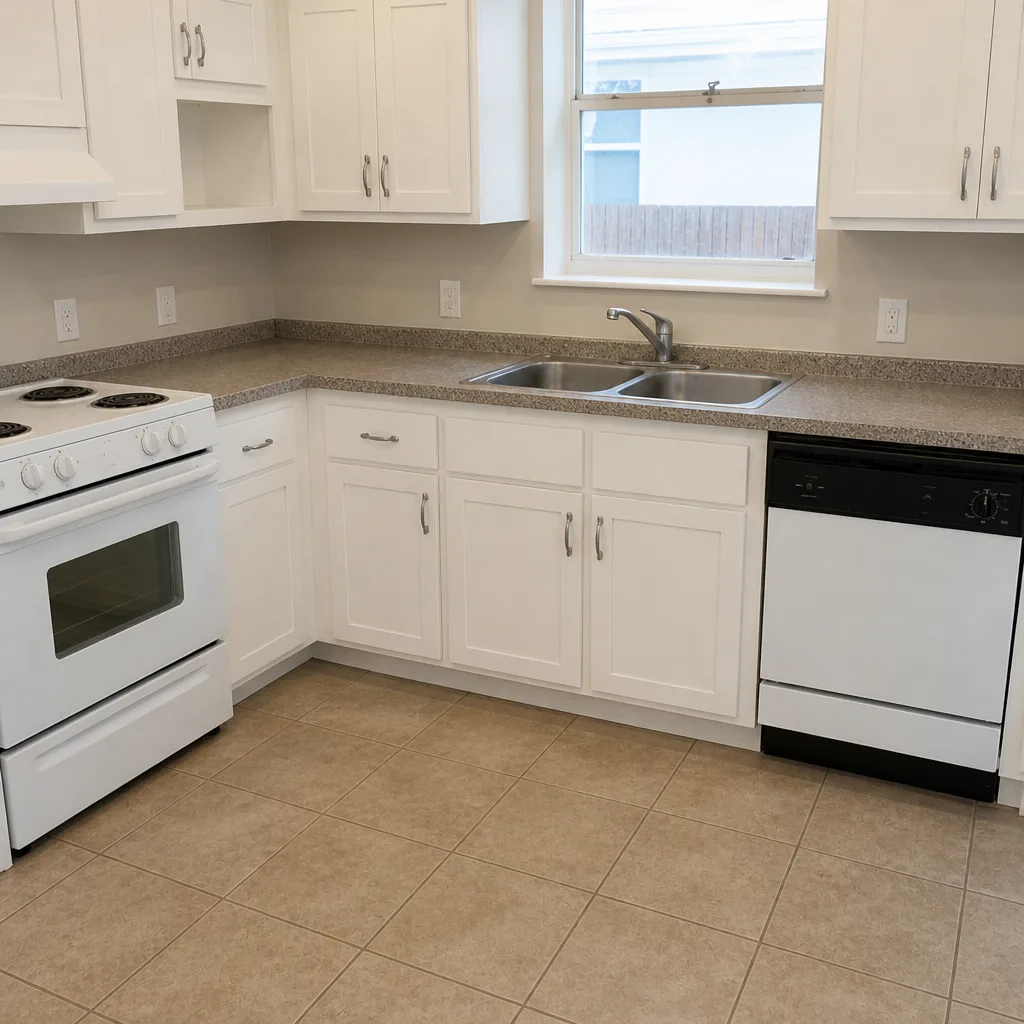 After
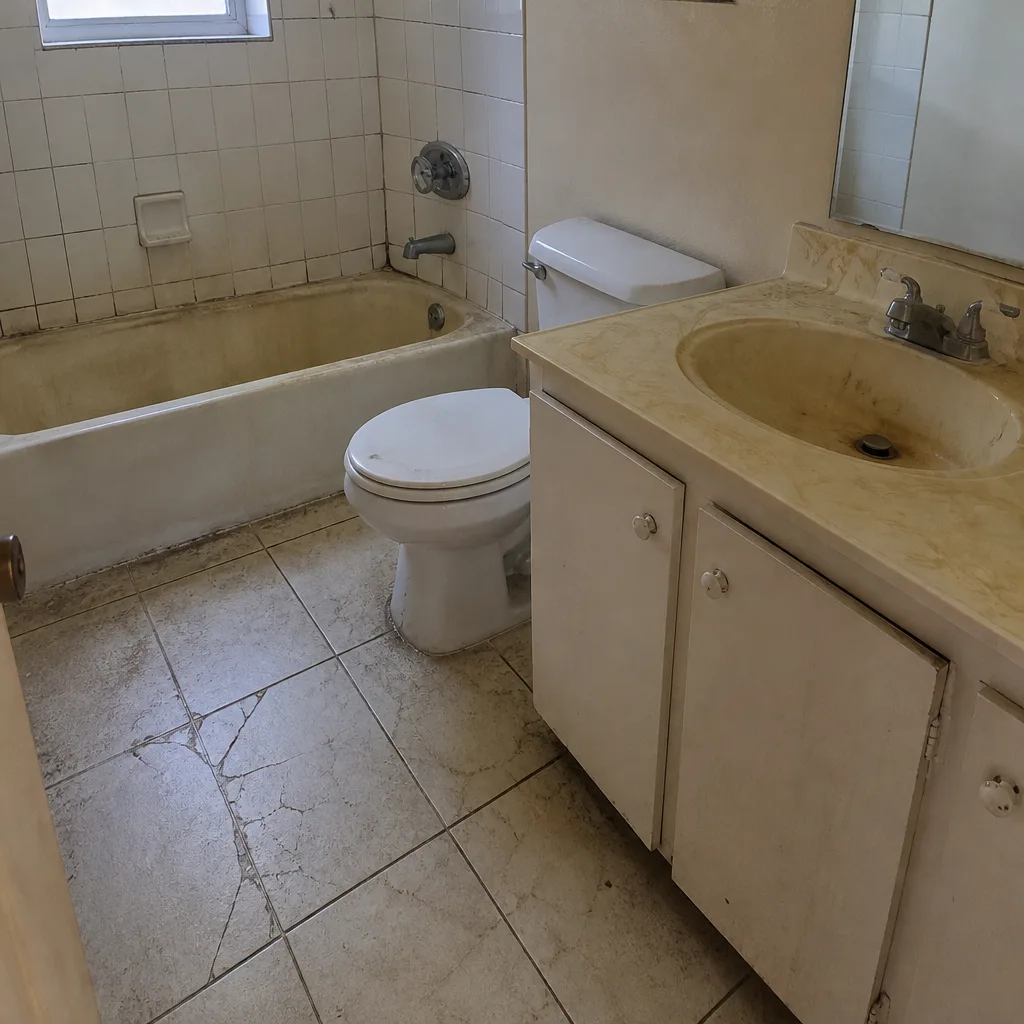 Before
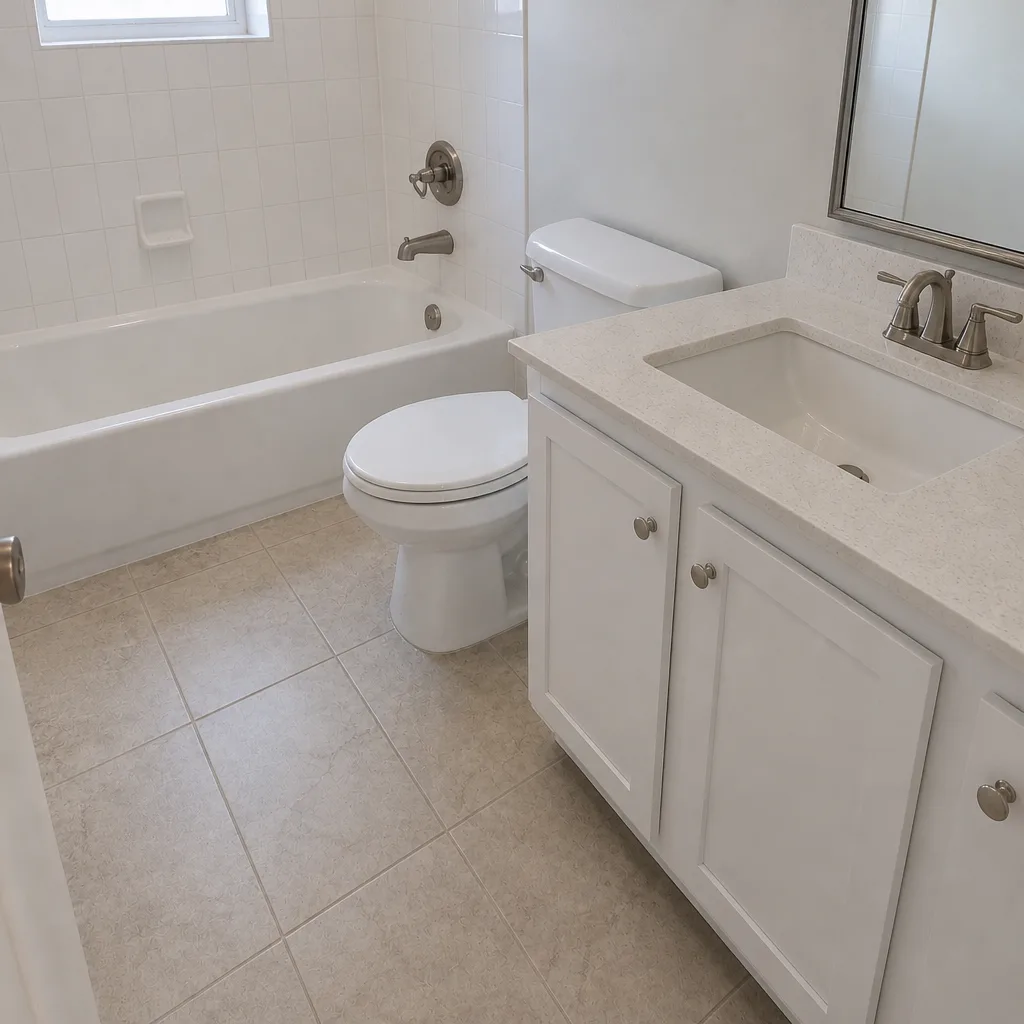 After
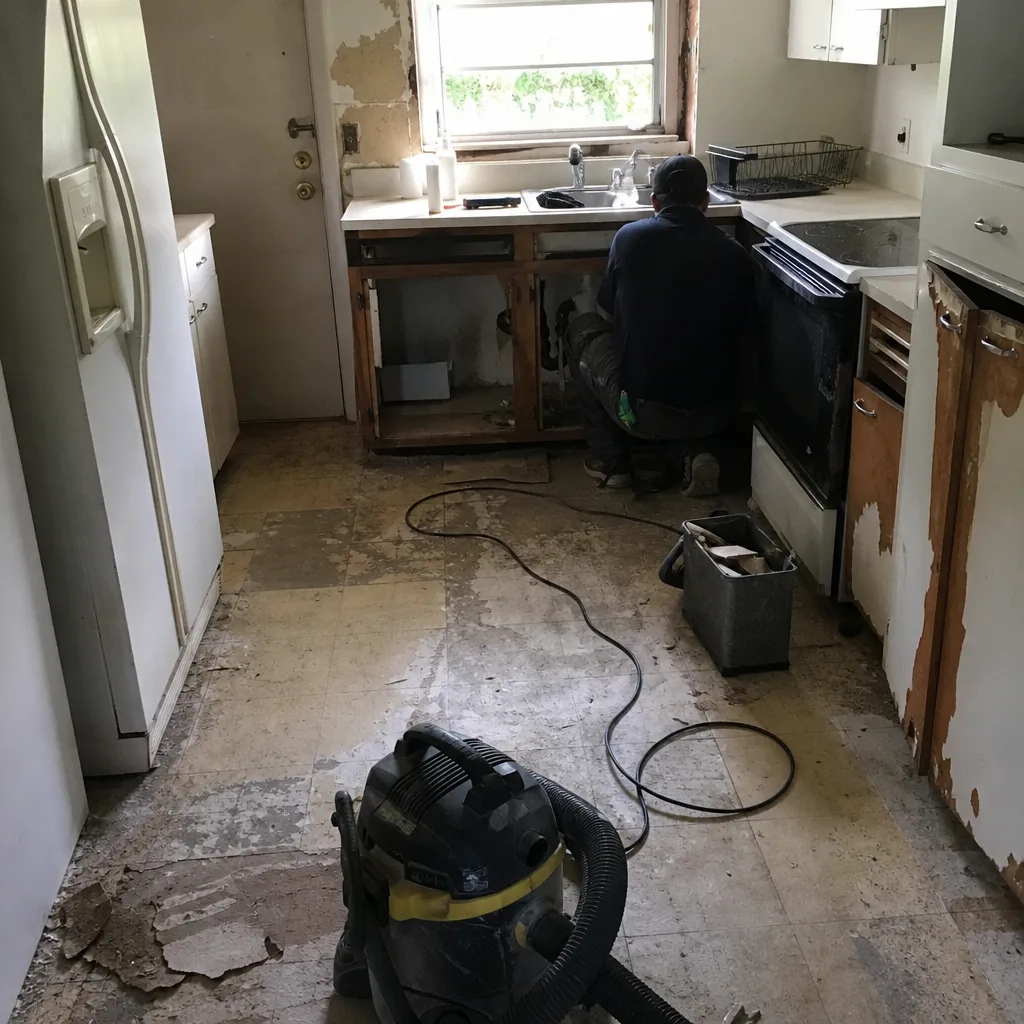 Before
 After
Vinyl vs Aluminum Fence in The Hammocks, FL: Which One Actually Survives the Sun?
Choose architectural-grade vinyl if you want privacy and full screening, and choose powder-coated aluminum if your HOA dictates a specific color and profile or you’re enclosing a pool. There’s a catch, though. In The Hammocks, the vinyl-vs-aluminum question is really a question about which vinyl grade is in the quote. The UV index at this latitude will expose the difference between economy-grade PVC and virgin-vinyl architectural grade faster than any other climate in the continental US. Call (844) 761-9356 and we’ll walk you through both before you sign anything.
Vinyl and aluminum look like a style choice. They aren’t, not here. The Hammocks is a big unincorporated Kendall-area subdivision built almost entirely in the 1980s through the 2000s, which means most of the homes doing fences right now are 20- to 35-year-old CBS houses getting their second-generation exterior work. That matters, because you’re retrofitting a fence against an established yard, mature landscaping and HOA rules that were written decades ago. The material you pick has to hold up against South Florida’s summer sun, hurricane-season wind-driven rain and the salt-laden humidity that chews at fasteners. Here’s how we think about it when we’re standing in a driveway on a Tuesday morning.
What’s the single variable most vinyl-vs-aluminum guides ignore?
UV exposure, and how differently the two products respond to it. Aluminum doesn’t care about the sun. Vinyl cares intensely, and the difference between one grade of vinyl and another is enormous.
Most comparison guides treat “vinyl” as one product. It isn’t. There are two products sold under the same name, and they perform nothing alike at 25 degrees north latitude:
- Economy-grade PVC: higher recycled content and a lower UV-stabilizer load. It goes chalky, then brittle, then cracks at the post connections. Under The Hammocks sun, we see this happen in as little as 5-7 years.
- Virgin-vinyl architectural grade: titanium dioxide UV inhibitors and 3-layer coextrusion construction. The color holds, the surface resists chalking, and it keeps its impact resistance through the summer.
So when you ask “which lasts longer,” the honest answer is: which vinyl? A quote that just says “vinyl privacy fence” is telling you nothing. Ask for the manufacturer, the product line, and whether the material carries a Miami-Dade Notice of Acceptance (NOA) number for high-velocity hurricane zone use.
How does The Hammocks wind environment change the decision?
Powder-coated aluminum holds structural rigidity under wind load that vinyl doesn’t match at the same panel width. That’s the whole trade-off, and it’s a bigger deal here than it would be in, say, Tennessee.
Every summer, The Hammocks runs through the tropical weather cycle that South Florida is famous for. Vinyl panels above a certain width can flex and fatigue at the post connections during sustained wind events. Aluminum, because it’s a metal frame bolted together rather than a continuous extruded panel, distributes that load across the whole structure. It doesn’t mean vinyl fails in every storm. It means the failure mode exists on vinyl that doesn’t exist on aluminum, and it tends to show up at exactly the worst moment.
If wind is your main concern, look at the post spacing and anchoring detail on any quote. An aluminum fence set in concrete footings at proper depth will take wind load that a vinyl panel just won’t. That’s the framing we use when we size the fence to the property.
What about HOA rules and the pool code?
Aluminum satisfies both more reliably. That’s the plain answer.
Most Hammocks subdivision lots belong to HOAs whose architectural guidelines were written in the 1980s and 1990s. Those guidelines specify exact fence color (usually black or a dark bronze) and profile. Vinyl is color-stable in architectural grade, but even good vinyl shifts subtly over years of sun exposure. Aluminum won’t. The powder coat on aluminum holds its color, which means your fence will still match the approved sample when the HOA board walks the block five years from now.
The pool barrier is the other piece. Miami-Dade pool code requires a specific minimum height and specific self-closing, self-latching gate hardware. In the High-Velocity Hurricane Zone product approval database, there are more certified NOA-compliant gate hardware options for aluminum systems than there are for vinyl. That’s not a knock on vinyl. It’s just how the approval database shakes out. If you’re enclosing a pool, aluminum gives you more approved hardware choices and fewer surprises at inspection.
Side-by-side: vinyl vs aluminum for The Hammocks
| Factor | Architectural Vinyl | Powder-Coated Aluminum |
|---|---|---|
| Cost installed | $3,500-$9,000 | $4,000-$10,000 |
| UV performance | Depends on grade; economy fails in 5-7 years | UV-independent |
| Wind load | Panel flex possible at post connections | Rigid rigid frame, handles load well |
| Privacy | Full solid barrier | Open pickets, unless matched with slats |
| HOA color matching | Color shifts over time | Stable |
| Pool code hardware | Fewer NOA-approved gate options | More NOA-approved gate options |
| Maintenance | Rinse; occasional panel replacement | Rinse; touch-up if scratched |
| Best for | Backyard privacy, pet containment | Front-yard, pool, HOA-restricted lots |
What does a fence cost in The Hammocks?
Expect to spend somewhere between $3,500 and $9,000 for architectural-grade vinyl, and $4,000 to $10,000 for powder-coated aluminum, depending on linear footage, height, gate count and terrain. The numbers below are line-item ranges so you can build your own comparison. These are the figures we hold to across every quote, and the price you see is the price you pay.
| Line item | Typical range |
|---|---|
| Architectural-grade vinyl fence, installed | $3,500-$9,000 |
| Powder-coated aluminum fence, installed | $4,000-$10,000 |
| Pool code gate hardware, per gate | bundled into the quote |
| Removing and hauling an old fence | bundled into the quote |
| Post setting in concrete footings | included |
Two things drive cost more than anything else: linear footage and gate count. A 100-foot run with one gate sits near the low end. A 200-foot perimeter with three gates including a pool gate will push the top of that range. When you compare quotes, ask every contractor the same three questions: what’s the product’s NOA number, what’s the UV stabilizer rating on the material, and are the posts set in concrete. If those answers aren’t in writing, the quote isn’t a real comparison. If you’d rather short-circuit the back-and-forth, our Fence Installation team quotes this all the time.
Why ask about the NOA number?
Because it’s the only way to compare two vinyl quotes apples-to-apples. When we quote vinyl in The Hammocks, we’re specifying the architectural grade appropriate for Zone 10 UV exposure, not whatever economy product landed at the supply house. If a competing quote won’t give you the NOA number or the UV stabilizer rating, you can assume it’s the cheaper product. That’s the information gap that costs homeowners money.
FAQs
Vinyl in The Hammocks typically runs $3,500-$9,000 installed, and aluminum runs $4,000-$10,000, with architectural-grade vinyl and powder-coated aluminum at those prices. The gap is smaller than most people expect, which is why the grade of vinyl matters more than the material choice on the low end. Call (844) 761-9356 for an exact quote – estimates are free.
Powder-coated aluminum typically outlasts vinyl in The Hammocks, because its performance doesn’t depend on UV inhibitors the way vinyl’s does. A quality architectural-grade vinyl can hold up for well over a decade here, while economy-grade PVC often shows chalky, brittle failure within 5-7 years. The grade is the whole story.
Yes, and it often passes more reliably than vinyl because aluminum holds its color and there are more NOA-approved gate hardware options in the HVHZ database. Most Hammocks HOAs specify a black or dark bronze profile, which aluminum matches and holds. If you’re enclosing a pool, confirm the gate hardware carries the correct certification before you buy.
Most residential fence jobs in The Hammocks are completed in a single visit, though larger perimeters or tricky terrain can push into a second day. We’ll tell you up front what to expect. Call (844) 761-9356 and we’ll get you scheduled.
If you’d rather have it looked at, Groundwork Construction Co. of The Hammocks offers a no-pressure assessment in The Hammocks – call (844) 761-9356. We’ll bring the NOA numbers, the UV ratings and the manufacturer spec sheets, and you can compare them side by side against any other quote you’ve got. Our technicians have up to 12 years of experience, and every job is covered by our 730-Day Done Right Promise. Live person answers the phone, around the clock.
Written by the team at Groundwork Construction Co. of The Hammocks, serving The Hammocks, FL.