
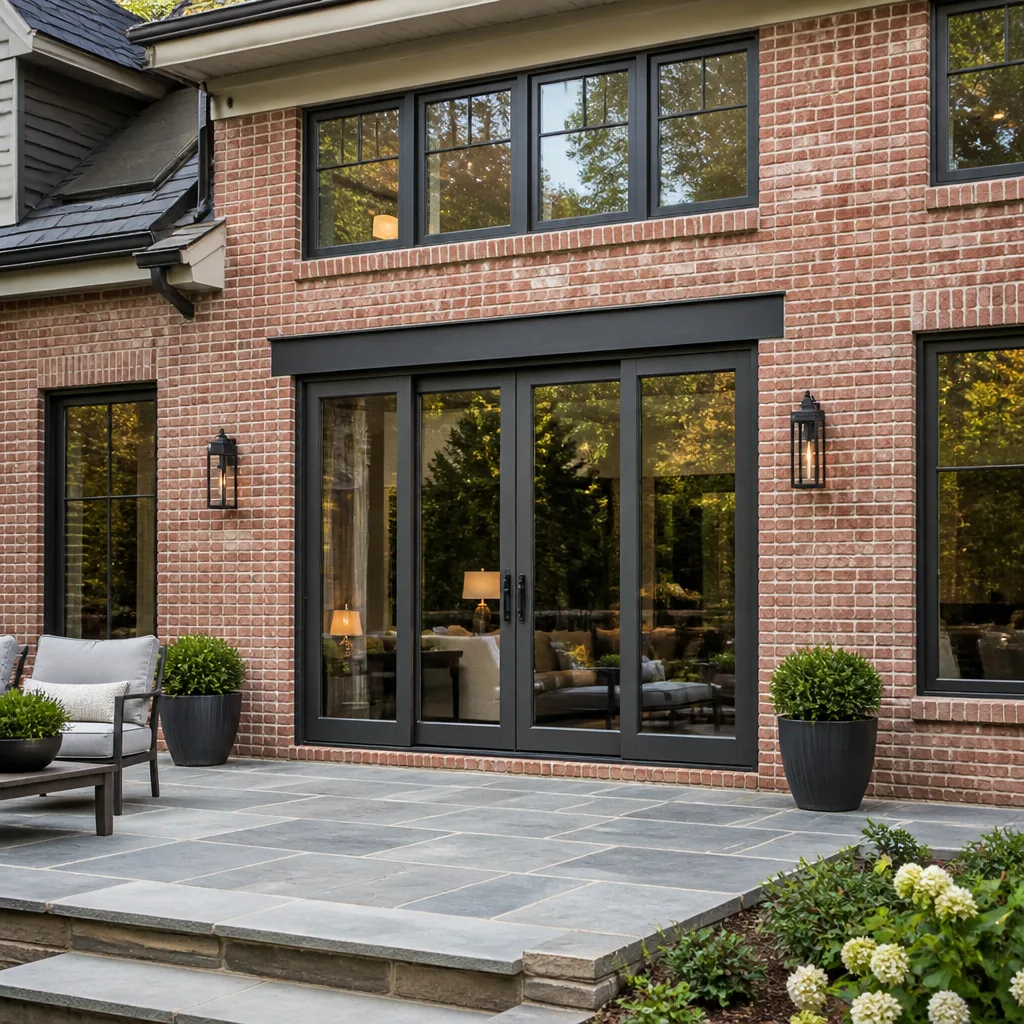
 Windows & doors
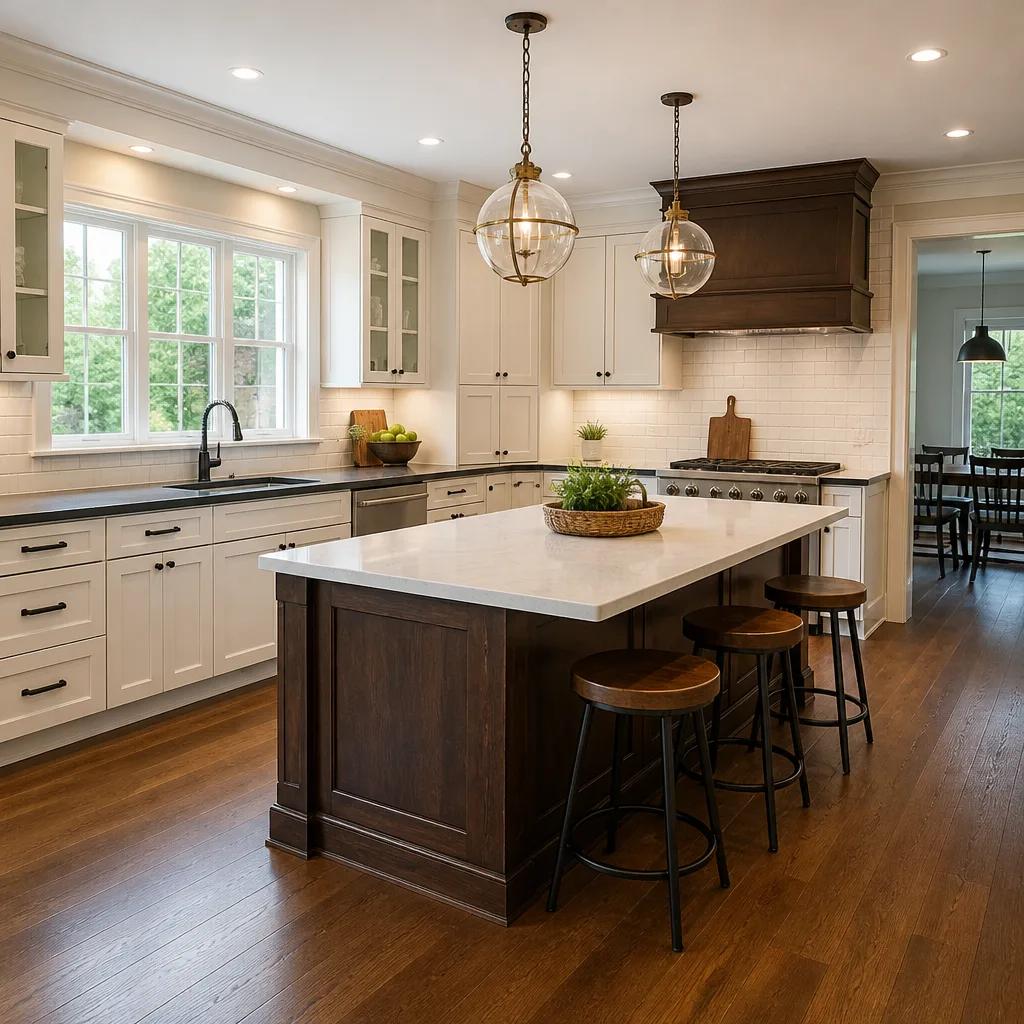 Kitchen remodeling
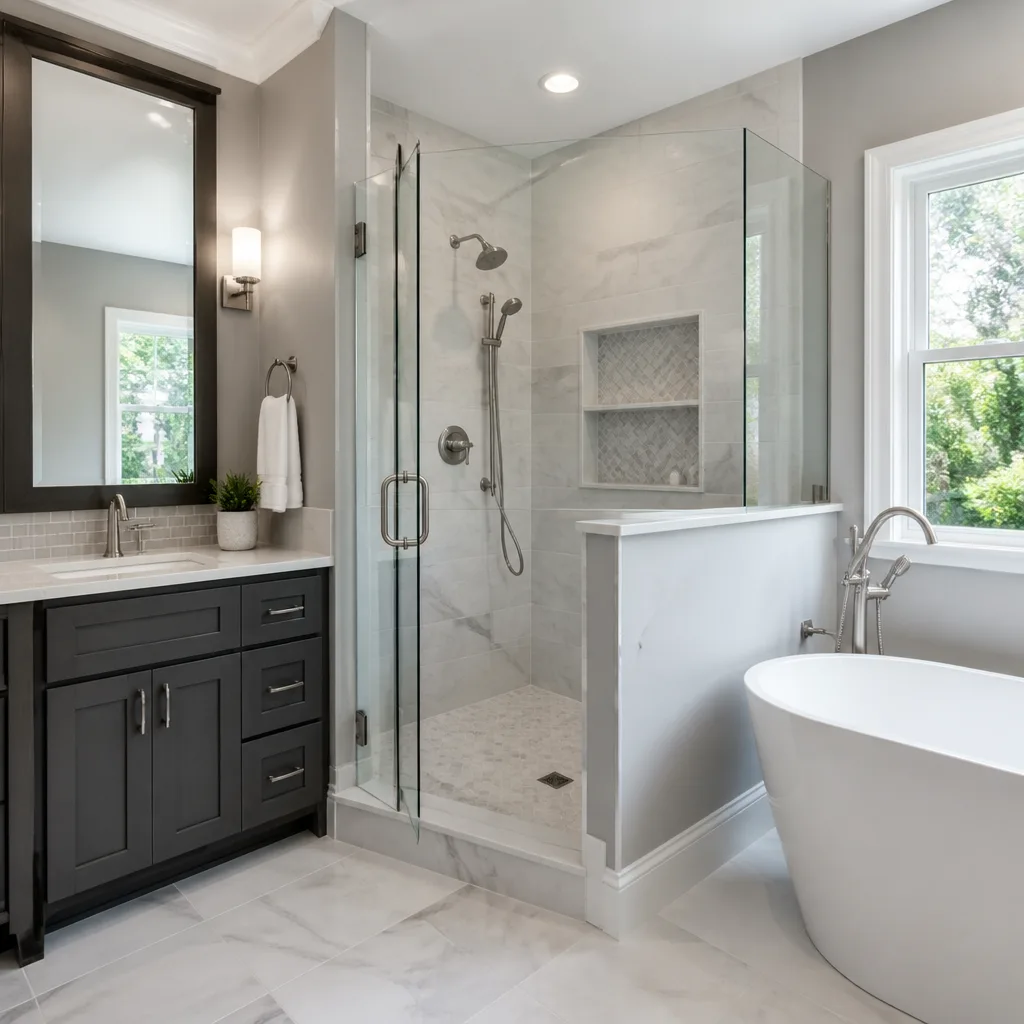 Bathroom remodeling
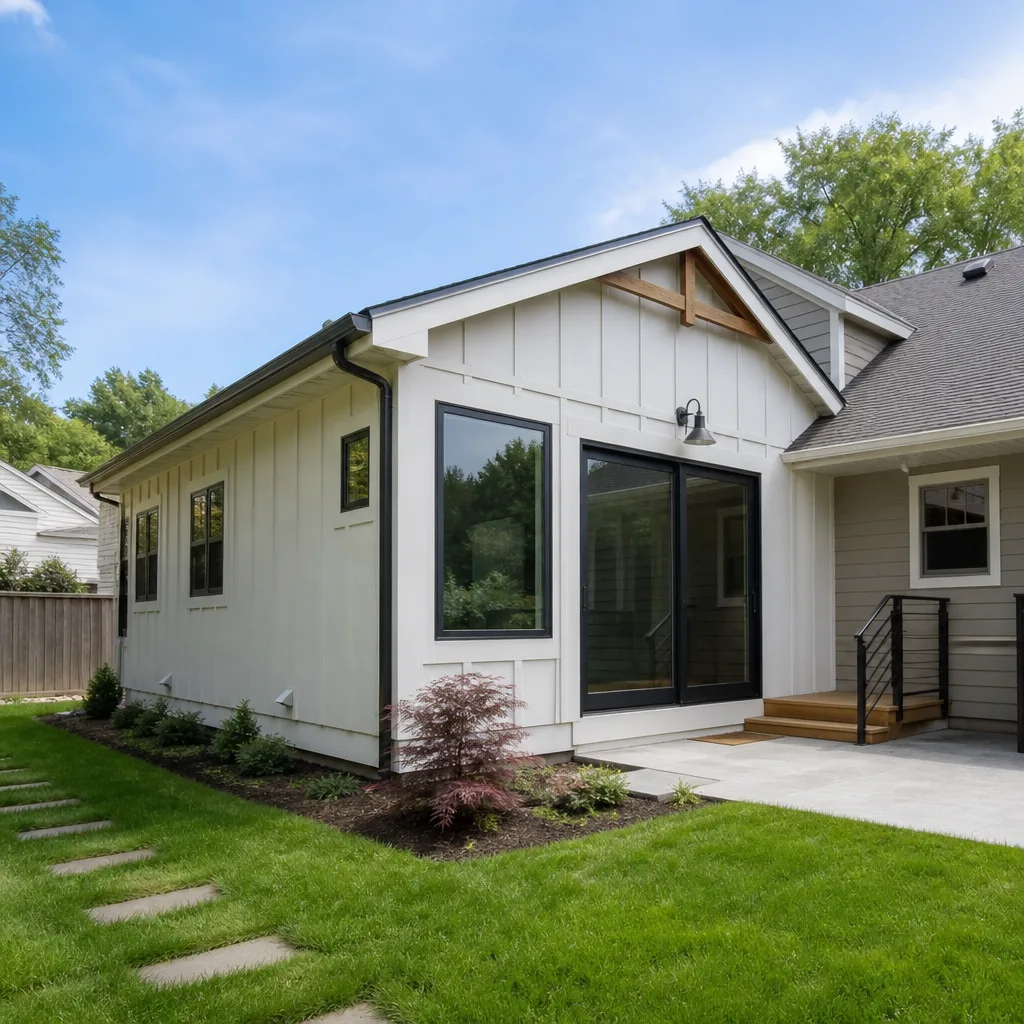 Home additions & ADU
 Roofing
 Driveway & pavers
 Fence
Free written scope consultation - allowances, timeline, and change-order rules on paper before a single trade is scheduled
Styles & brands we work with
- Kitchen remodeling
- Bathroom remodeling
- Home additions & ADU
- Roofing
- Windows & doors
- Driveway & pavers
- Fence
See the difference
 Before
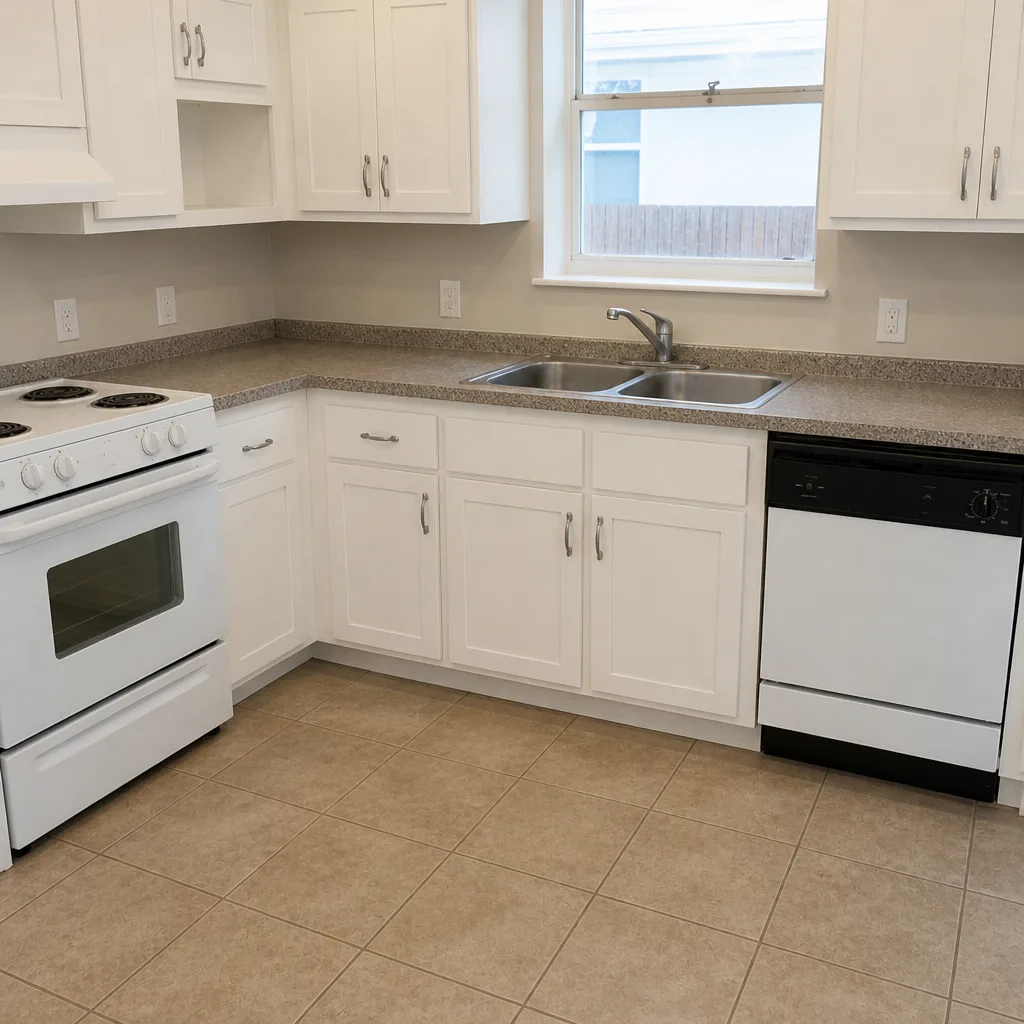 After
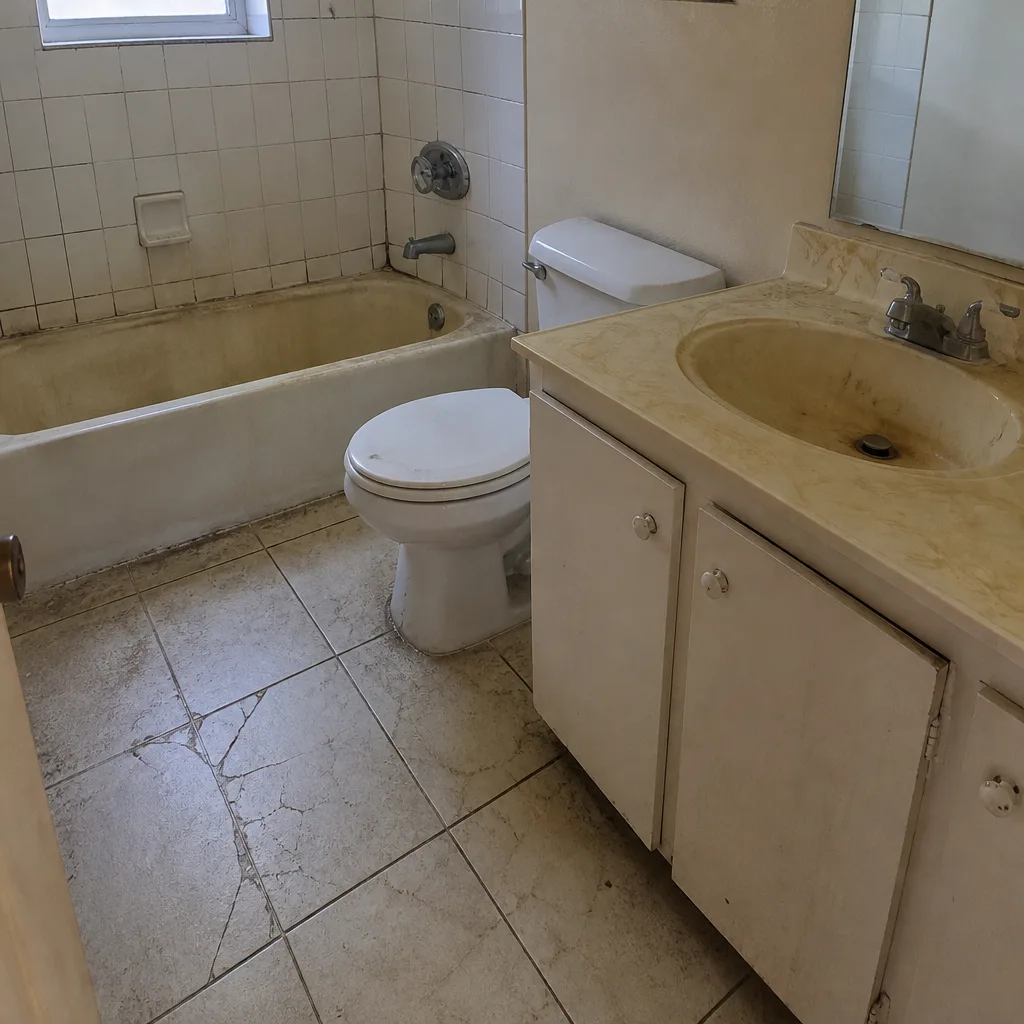 Before
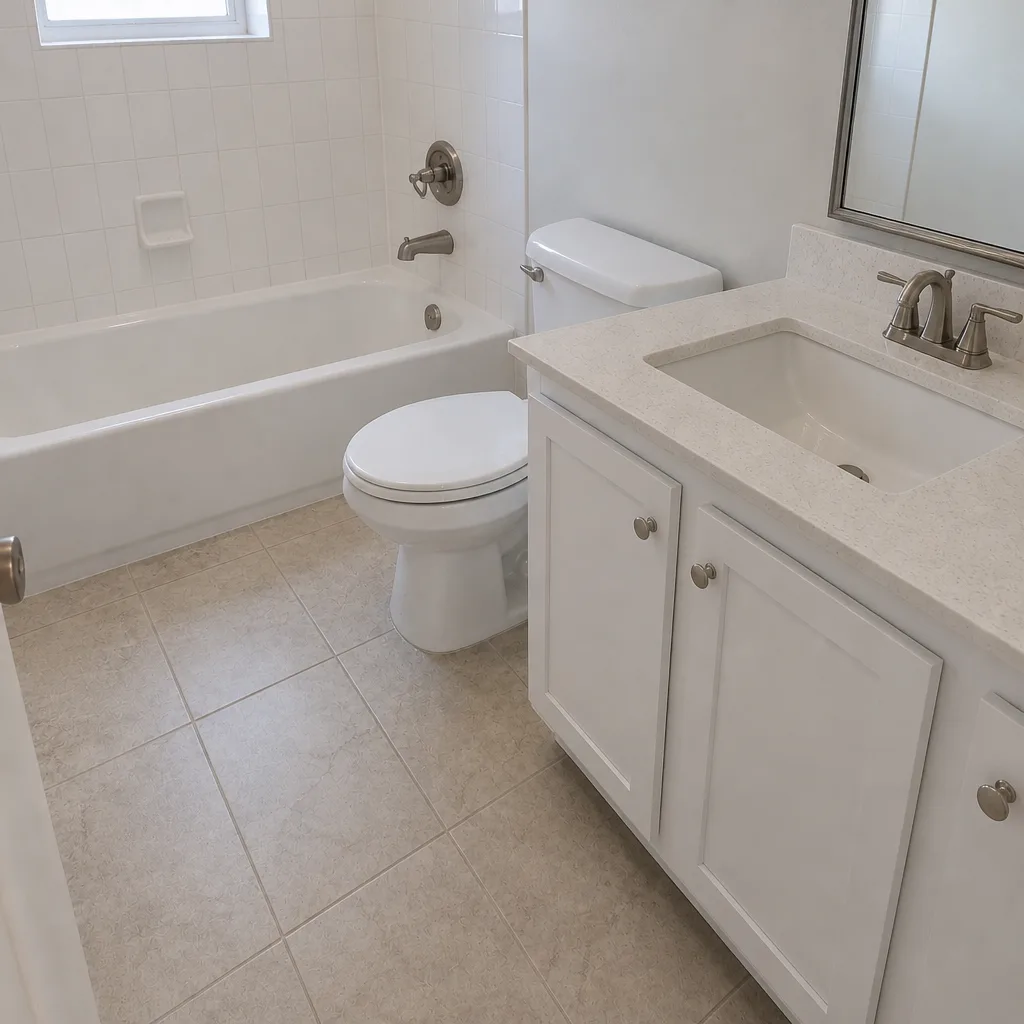 After
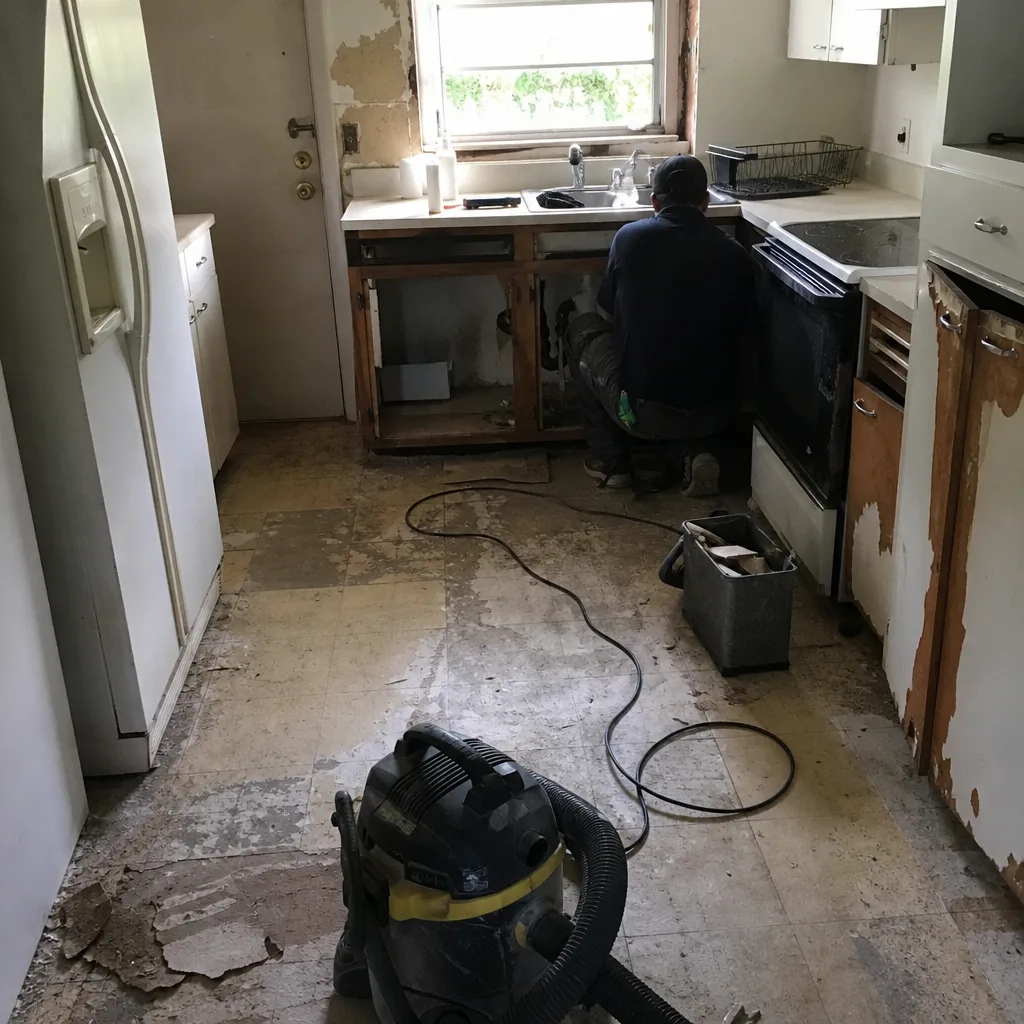 Before
 After
New Construction vs Replacement Windows in The Hammocks, FL: The Code Answer, Not the Cosmetic One
Choose replacement (retrofit) windows unless you’re enlarging the rough opening and building a new wood buck. In The Hammocks, nearly every home is concrete block, and a new-construction window with a nailing fin cannot legally anchor into that block. The frame type isn’t a style preference here. It’s a Miami-Dade High-Velocity Hurricane Zone question, and getting it wrong means a failed inspection on top of a voided hurricane rating. If your window project is already on the calendar, call (844) 761-9356 and we’ll tell you which assembly your home actually takes before anyone orders product.
Key Takeaways
- New-construction windows anchor through a nailing fin driven into wood framing. CBS block walls have no wood framing at the opening.
- Replacement windows fasten directly into the masonry substrate with a bolt-and-screw pattern that matches the product’s NOA anchor-pull-out test.
- A fin-nailed unit in an existing Hammocks block opening will fail Miami-Dade inspection and no longer qualifies as a tested assembly.
- Building a wood buck to accept a fin-nailed unit adds roughly $300-$600 per opening.
- Installation that falls outside the NOA drawing costs you the wind mitigation credit on your OIR-B1-1802 form.
Why the Frame Type Is a Miami-Dade Code Question in The Hammocks
The Hammocks was built as a master-planned tract development from the 1980s into the 2000s, which means almost every single-family home and low-rise townhome here is stucco-over-CBS. When those homes go through the second-generation cycle - and whole blocks are in it at once - the window opening is a masonry hole, not a framed stud bay.
A new-construction window is designed to be installed while a wall is being built. Its nailing fin laps over sheathing or framing and gets fastened to wood. That’s the whole system. There’s no wood to fasten to in your existing Hammocks block wall.
A replacement window is designed for the opposite condition. It sets into the existing masonry opening and its fasteners go straight into the block, using a pattern and embedment depth the manufacturer tested for that exact substrate. That test is what produces the Notice of Acceptance - the NOA - that Miami-Dade requires for every product installed inside the HVHZ.
One more thing worth saying plainly: spring-loaded garage doors, electrical work, and steep-roof labor aren’t the only places homeowners get hurt trying to save a dollar. A window dropped into an under-anchored opening becomes a projectile in a hurricane. This is not a job to figure out from a video.
What the Inspector Actually Checks
Miami-Dade inspectors don’t eyeball the window and move on. They check the installation against the product’s NOA drawing, line by line. That means:
- Fastener type - the specific screw or bolt called out in the NOA, not a generic deck screw from a bucket.
- Diameter - a smaller fastener can’t substitute.
- Embedment depth - how far the fastener bites into the block or into a grouted cell.
- Spacing - the distance between fasteners around the perimeter, which is set by the tested assembly, not by feel.
A fin-nailed unit in a masonry opening doesn’t match any HVHZ-tested assembly. There’s no drawing for it because it isn’t a legal installation. If it gets caught, it’s red-tagged, and the window comes out.
The reason this matters in The Hammocks specifically is volume. Because the housing stock went up in a narrow window, neighbors are replacing windows at roughly the same time. One permit gets pulled on a street and a run of copycat jobs follows. That’s good for keeping costs competitive. It’s terrible for cutting corners, because inspectors here see the same block of homes over and over and know exactly what a proper anchor pattern looks like.
The One Case Where New-Construction Framing Is Legitimate
There is a real scenario where a fin-nailed window belongs in a Hammocks home: when you’re enlarging the masonry opening. If you cut back the block to get a wider or taller window, you can build a new pressure-treated wood buck into the opening and anchor that buck to the block, then install a fin-nailed new-construction unit over it.
Two things to know before you choose that path. The buck fabrication and anchoring add roughly $300-$600 per opening, and the buck itself has to be properly anchored to the block or you’ve just moved the problem. Enlarging the opening also means stucco patching, header work, and a bigger permit scope.
If you’re keeping the same opening size - which is most of the retrofit work in The Hammocks - replacement windows win on cost, speed, and code risk. That’s the honest answer, whether or not it’s the bigger sale.
Side-by-Side Comparison
| New-Construction Window | Replacement (Retrofit) Window | |
|---|---|---|
| Anchors into | Wood framing or sheathing via nailing fin | The masonry substrate directly, with bolts or screws |
| Fits an existing CBS opening in The Hammocks? | No, unless a new wood buck is built | Yes, when the product’s NOA covers masonry |
| HVHZ inspection | Fails unless the full bucked assembly matches an NOA | Passes when installed to the NOA drawing |
| Added framing cost | $300-$600 per opening for buck fabrication | None typical |
| Typical Hammocks scope | Enlarged openings, additions, new construction | Same-size window retrofits |
| Best for | Rough opening changes and new walls | Like-for-like swaps in 1980s-2000s CBS homes |
For whole-home window replacement in The Hammocks, budgets land in the $4,500-$15,000 range for standard replacement, and $8,000-$25,000 for impact-rated window installation. The gap usually comes down to impact glass versus non-impact, the number of openings, and whether any openings get resized. If you’re also weighing new doors in the same project, our Windows & Doors team handles both under one scope.
How We Handle It at Groundwork Construction Co. of The Hammocks
We specify Andersen and Marvin replacement lines with NOA approvals written for masonry substrates, matched to CBS construction. Not because the label is nicer, but because the paperwork has to line up with the wall your home actually has.
Installation gets documented with photos of anchor embedment. Nobody requires those photos. We take them because they’re the difference between a wind mitigation inspector granting your credit and denying it. That’s a real dollar figure on your insurance premium, year after year, and it disappears quietly if the installation fell outside the NOA.
Our technicians have up to 12 years of experience working this housing stock, and they arrive background-checked and in uniform. Every window project is covered by our 730-Day Done Right Promise, and the price we quote upfront is the price you pay.
Common Local Scenarios
Same-size swaps on a 1990s tract block. This is the standard case. You’re replacing aluminum single-pane units with impact glass in the original openings. Replacement frames, masonry anchors, no buck needed.
Converting a lanai or patio opening. Enclosures here take a beating from wind-driven rain and sun, and fasteners corrode over time. If the opening stays the same size, retrofit applies. If you’re closing it in differently, we look at the framing.
A homeowner who wants to widen a window. Legitimate use for a bucked, fin-nailed installation. We’ll price the framing and stucco work alongside the window so there’s no surprise halfway through.
Post-inspection problems. We get called to fix red-tagged work where a fin-nailed unit went into a block wall. It comes out, the opening gets re-prepped, and the correct assembly goes in.
If you’re still in the planning stage across your property, it helps to look at the whole picture before committing to one trade. Our home page covers the seven service lines, and if you want to confirm coverage in your section of town, the The Hammocks service area page lays it out.
FAQs
Only if you enlarge the opening and build a pressure-treated wood buck anchored into the block, then install a fin-nailed unit over that buck. In an unchanged masonry opening, a fin-nailed window has nothing legal to fasten to. It won’t match an HVHZ-tested assembly and will be red-tagged at inspection. Call (844) 761-9356 and we’ll tell you which path your project actually needs.
Yes. The OIR-B1-1802 wind mitigation form only credits a window that was installed to its NOA assembly instructions. A unit installed outside its tested pattern doesn’t earn the inspector’s credit, which means no premium reduction. That’s a recurring cost, not a one-time one. Estimates are free if you want your current windows assessed.
Replacement windows are almost always cheaper in a CBS home, because buck fabrication adds roughly $300-$600 per opening on top of the window cost. Standard replacement in The Hammocks runs $4,500-$15,000, and impact installation runs $8,000-$25,000. Those ranges hold whether you go through us or not - call (844) 761-9356 for an exact number on your home.
The applicable NOA is the product-specific document stating which substrate, fastener and spacing the assembly was tested to. It’s tied to the window model, not to your street. We match the NOA to your wall construction before ordering anything. A no-pressure assessment in The Hammocks starts with a phone call.
Get It Right the First Time
If you’d rather have it looked at, Groundwork Construction Co. of The Hammocks offers a no-pressure assessment in The Hammocks - call (844) 761-9356. We’ll confirm whether replacement windows fit your openings, flag anything that needs a buck, and quote it upfront. Live person, 24/7.
Written by the team at Groundwork Construction Co. of The Hammocks, serving The Hammocks, FL.