
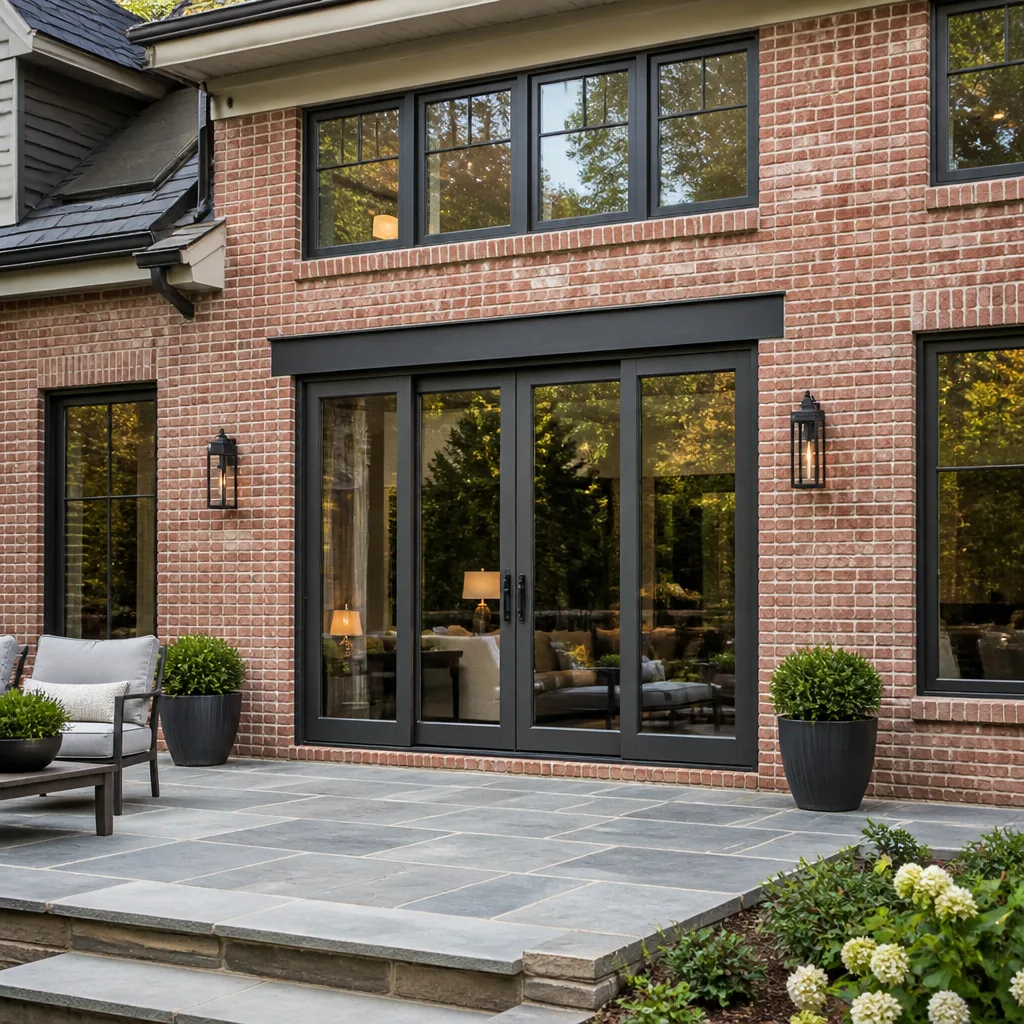
 Windows & doors
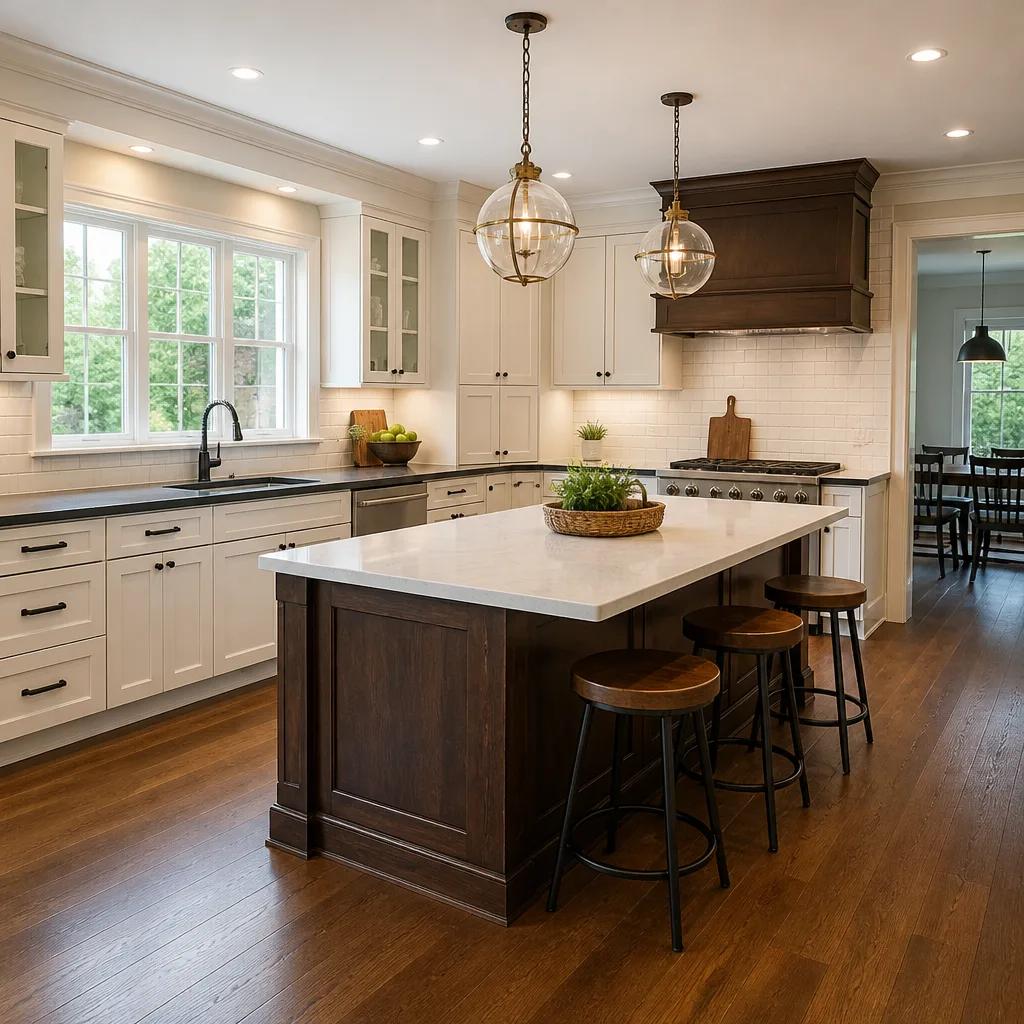 Kitchen remodeling
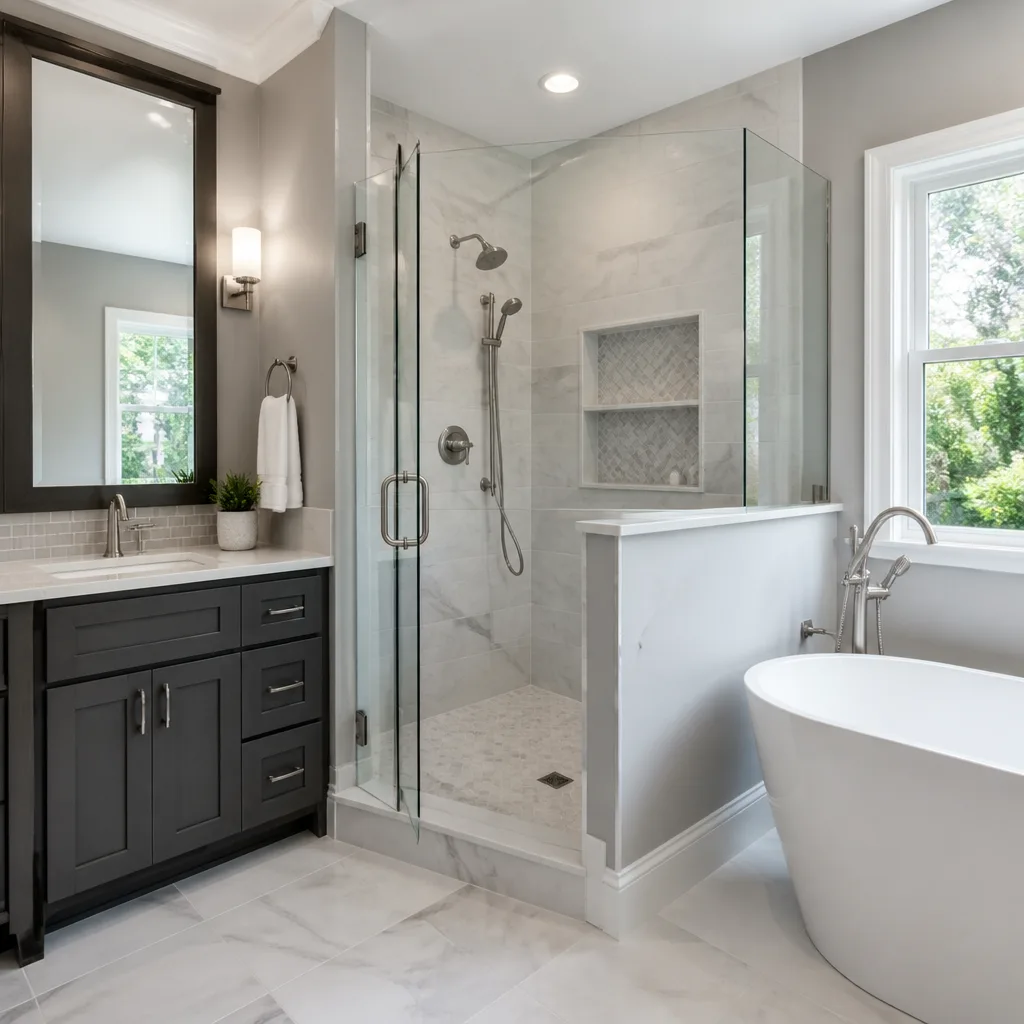 Bathroom remodeling
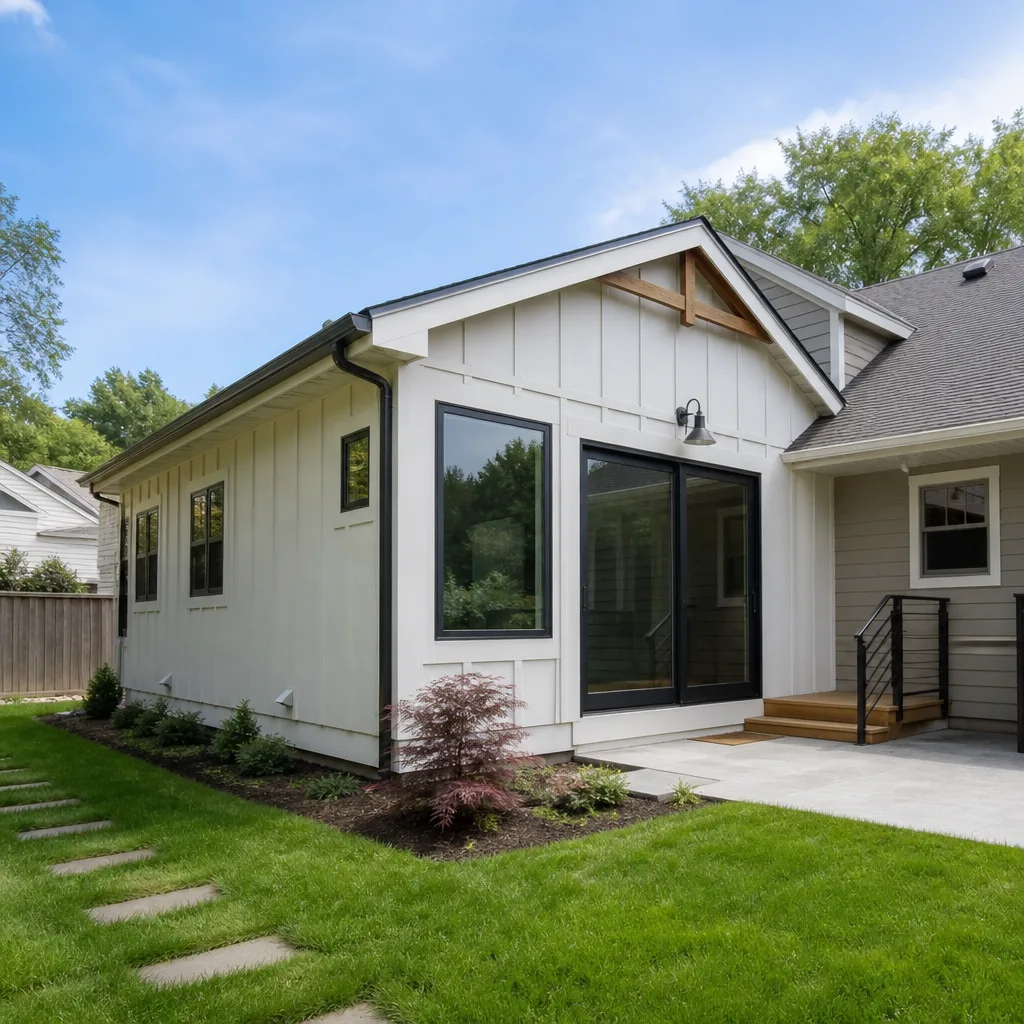 Home additions & ADU
 Roofing
 Driveway & pavers
 Fence
Free written scope consultation - allowances, timeline, and change-order rules on paper before a single trade is scheduled
Styles & brands we work with
- Kitchen remodeling
- Bathroom remodeling
- Home additions & ADU
- Roofing
- Windows & doors
- Driveway & pavers
- Fence
See the difference
 Before
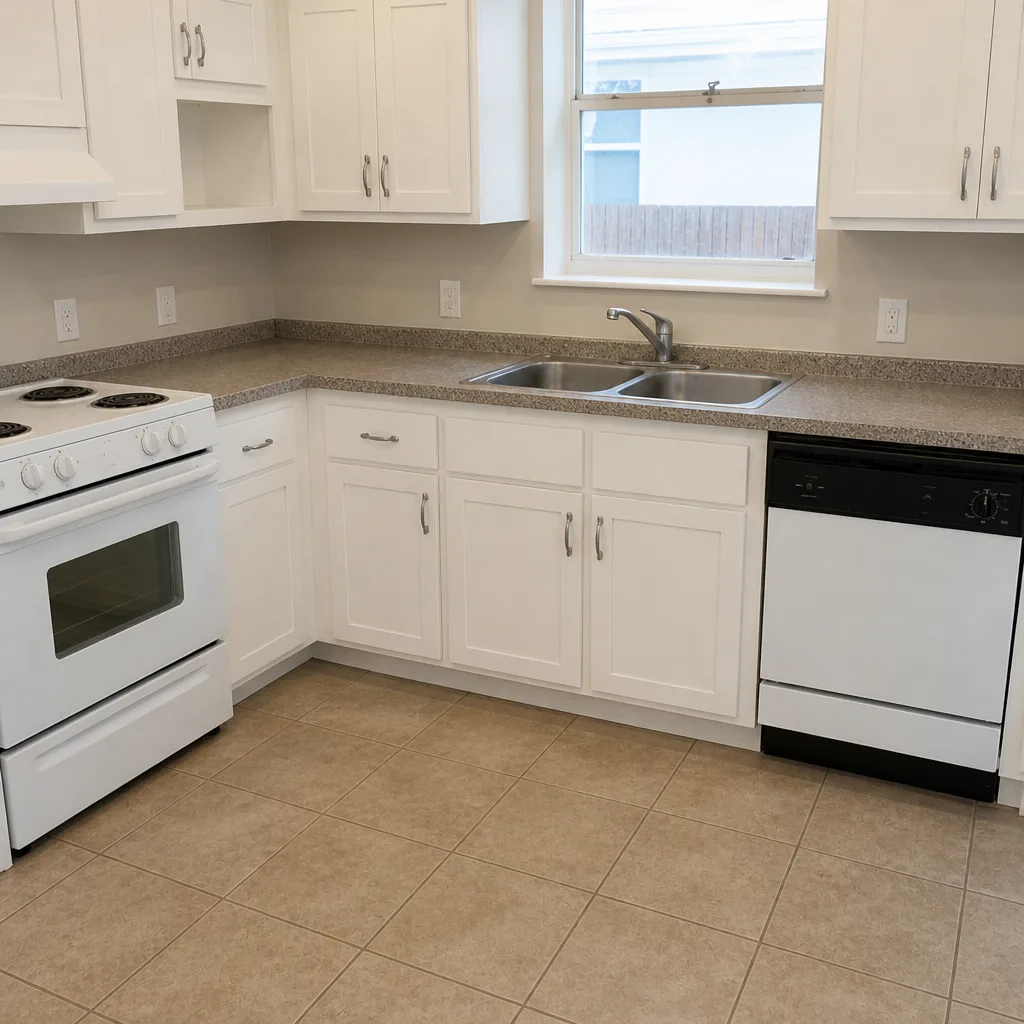 After
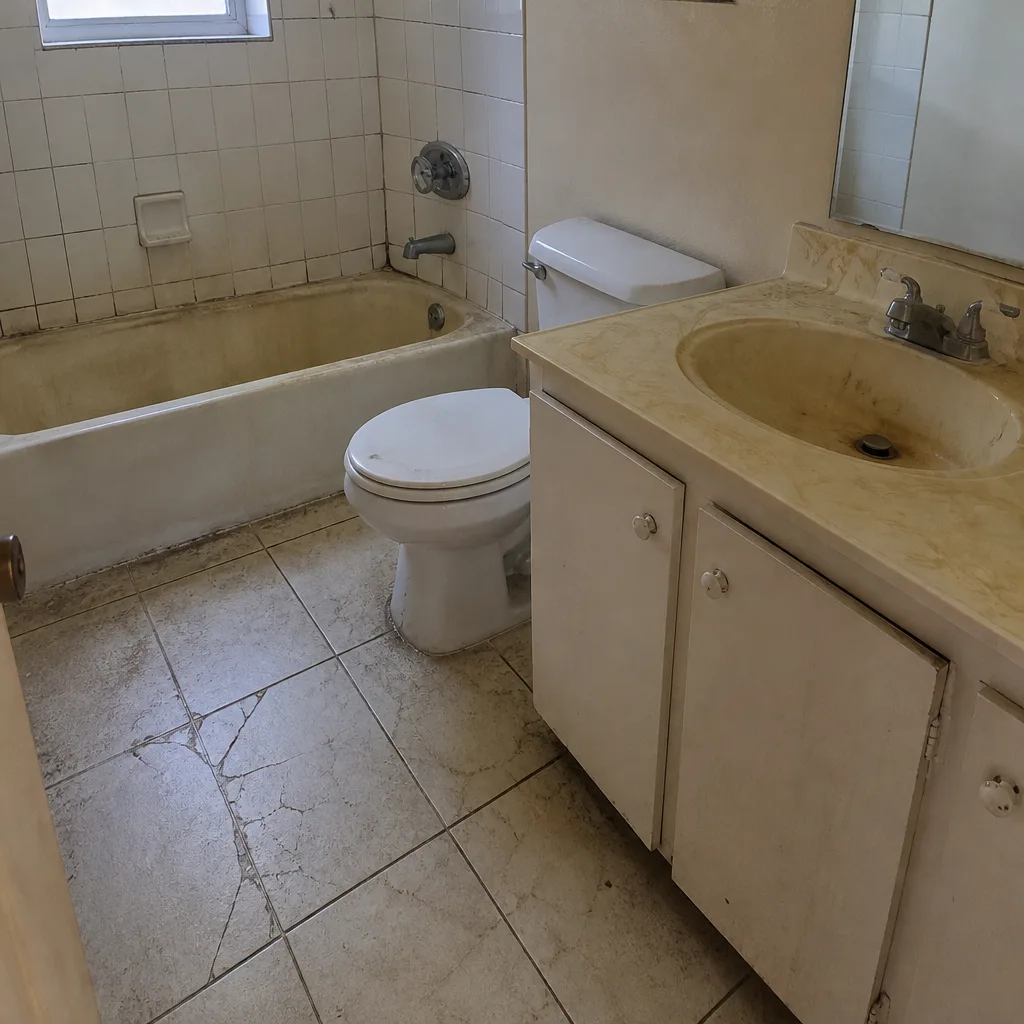 Before
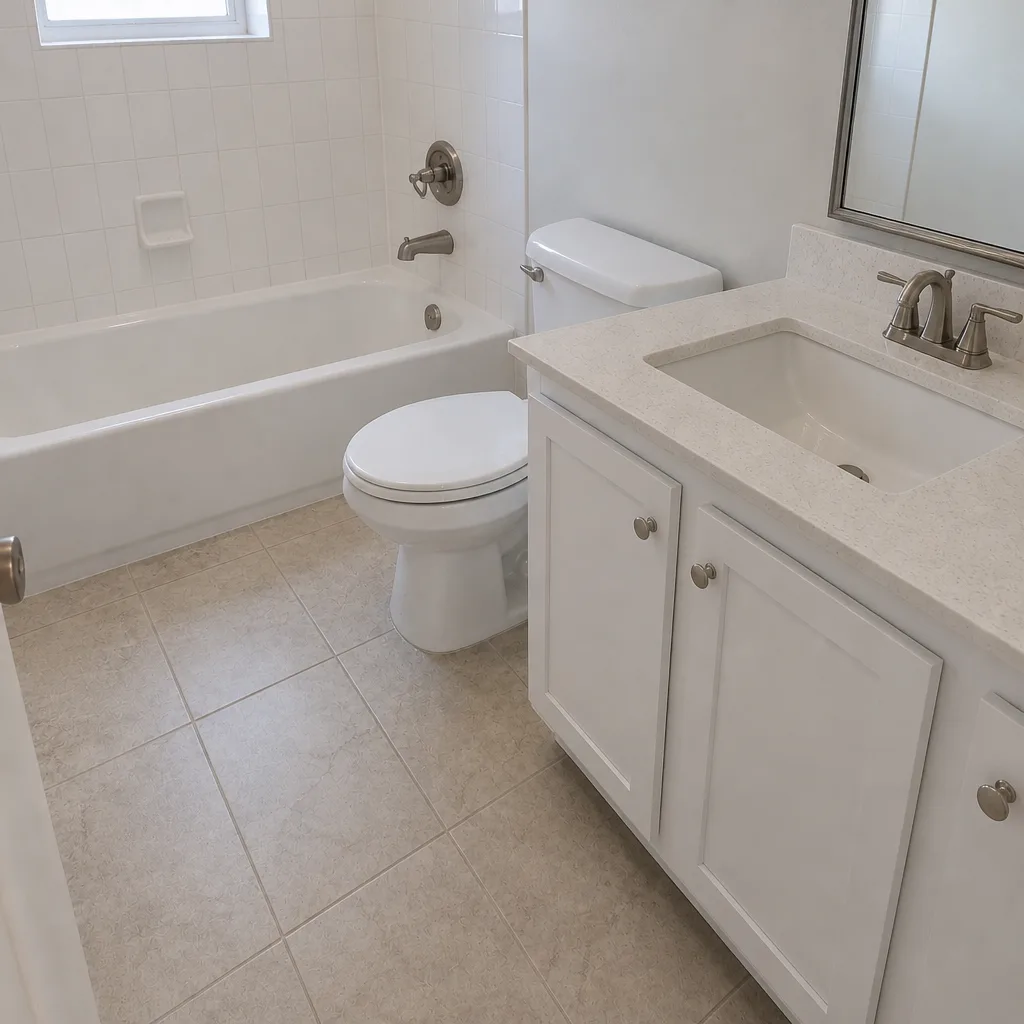 After
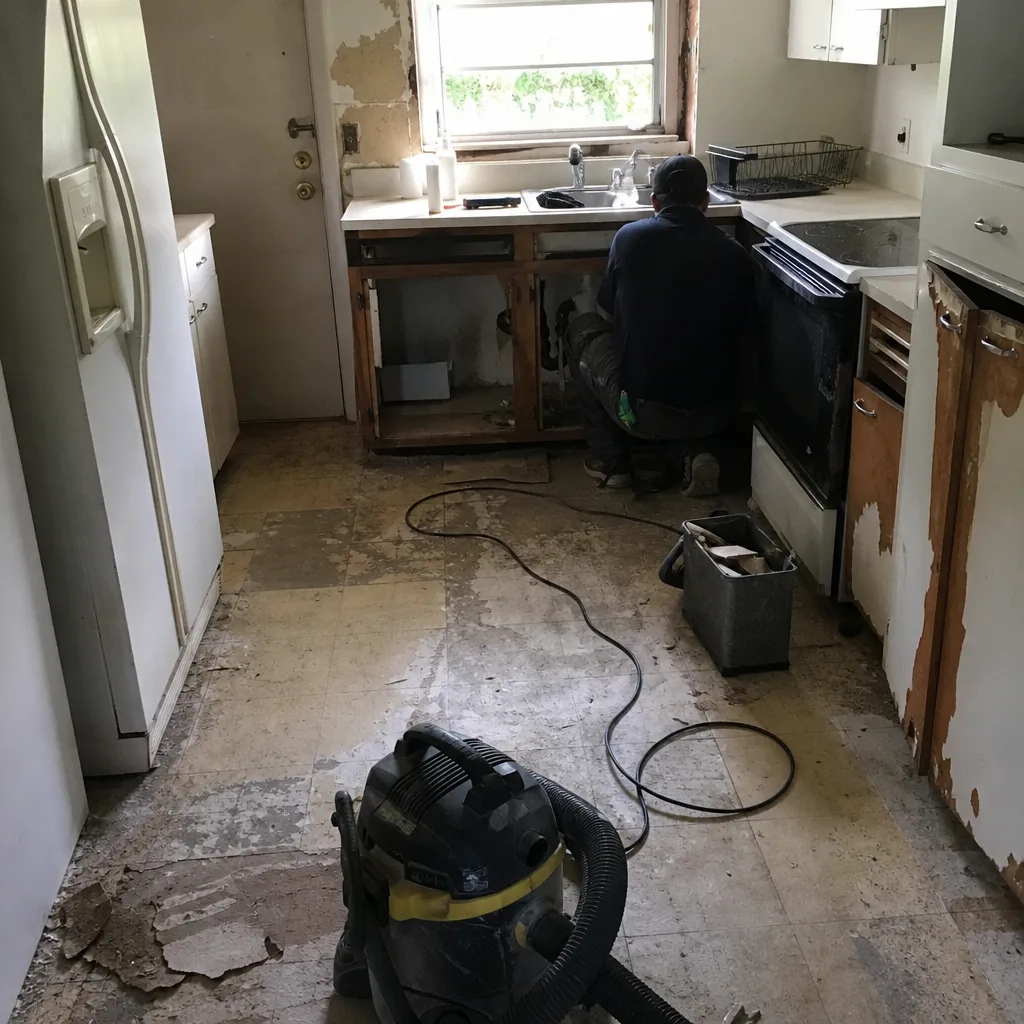 Before
 After
How Custom Windows Are Made for The Hammocks, FL Homes
Custom windows are made by engineering glass and frame as a single tested assembly built to hit a specific performance target – and in The Hammocks, that target is Miami-Dade’s High-Velocity Hurricane Zone (HVHZ) product approval. That approval isn’t a sticker or a marketing claim. It’s a manufacturing certification earned through destructive large-missile impact tests and cyclic pressure tests that no standard window survives. Everything about how your window gets built flows from passing those tests.
If you’re weighing an impact-window retrofit on a 1980s-2000s CBS home here, our Windows & Doors team can walk you through what that means for your specific openings. Call (844) 761-9356 and a live person picks up, day or night.
What Miami-Dade’s HVHZ Test Requires of a Window
The HVHZ large-missile impact test fires a 9-pound 2×4 at 50 feet per second at the glass, then follows with thousands of positive and negative pressure cycles to simulate a storm’s buffeting. A window that shatters or lets the frame deform fails. This is the performance target every custom impact window is reverse-engineered to beat.
That target drives three manufacturing decisions:
- Interlayer selection. The plastic layer laminated between two panes does the load-bearing after impact. More on this below.
- Glass thickness and makeup. Annealed, heat-strengthened, or laminated glass is specified based on the test, not aesthetics.
- Frame-to-sash connection. Screws, gaskets, and corner joinery are rated to hold the assembly together when a window is pressured from both sides.
None of these are arbitrary design flourishes. They’re the minimum needed to pass, and manufacturers who cut corners on any one of them lose their approval.
The Interlayer: Where Andersen and Marvin Diverge
Interlayer technology is where custom impact lines separate. Standard PVB interlayers handle impact reasonably well but are more prone to edge delamination over decades of UV exposure and humidity. SGP (SentryGlas Plus) interlayers offer higher post-impact retention and greater resistance to long-term delamination – a meaningful difference in subtropical South Florida, where sun and moisture are relentless.
Andersen and Marvin impact products reflect this distinction in their engineering, and we work with both brands for exactly that reason: their HVHZ-approved lines hold up under local conditions. Not because they’re the easiest to source, but because the manufacturing tolerances are appropriate for the climate.
Why this matters over 20 years
Edge delamination doesn’t announce itself. It starts as a faint clouding or bubbling at the glass perimeter and progresses until the laminated unit loses structural integrity. A window with a good interlayer that’s been properly manufactured may look identical to a cheaper one on day one – and completely different by year fifteen.
Custom Sizing for CBS Masonry Openings
Nearly every single-family home in The Hammocks is concrete-block (CBS) construction with stucco exteriors, built as master-planned tract development from the 1980s through the 2000s. CBS openings are unforgiving – masonry doesn’t flex to accommodate a window that’s 1/8 inch off. So the manufacturing process starts with precise field measurement.
Here’s how a custom unit goes from your wall to the factory and back:
- Field measurement. A technician measures each opening at multiple points to capture wall thickness, reveal depth, and any irregularities in the masonry.
- Frame extrusion selection. The factory matches measurements to an extrusion profile appropriate for your wall depth and anchorage method.
- Glass cutting and lamination. Glass is cut to the exact rough opening size and laminated to the specified interlayer.
- Assembly and testing. The frame, sash, glass, and hardware are assembled and tested to the approved HVHZ design.
- Delivery and installation. Units arrive matched to their openings, then get installed with the proper flashing and sealant for a masonry wall.
That chain is why custom impact units typically take 4-8 weeks. An ordering error in step one or two can push the timeline out significantly – which is why working with technicians who’ve measured thousands of CBS openings matters more than people realize.
Frame Materials: Fiberglass vs. Vinyl vs. Aluminum in Subtropical Heat
Frame material is a manufacturing decision with 20-year consequences in The Hammocks, where summer sun and humidity work on every exterior surface. Here’s how the three main options compare:
| Frame Material | How It’s Made | Behavior in South Florida Heat |
|---|---|---|
| Fiberglass composite | Pultrusion – fibers pulled through resin and cured | Highly dimensionally stable; resists warping and expansion |
| Vinyl (uPVC) | Extruded profiles | Can warp and distort under sustained heat over time |
| Aluminum | Extruded and thermally broken | Conducts heat; needs a thermal break to perform |
Fiberglass composite frames are pultrusion-manufactured to maintain dimensional stability in exactly this kind of environment. For a home that’s already 20-35 years old and will see another 20+, that stability is a concrete quality factor, not a sales talking point.
HVHZ Pricing for The Hammocks Homes
What you’ll spend depends on opening count, unit size, and frame material. These are the ranges we see on typical Hammocks retrofits, with upfront pricing and no surprises once the work starts:
- Impact Window Installation: $8,000-$25,000 for a whole-home or major retrofit
- Window Replacement: $4,500-$15,000 for standard replacements without full impact upgrades
Because the street here was built in a narrow vintage band, one neighbor’s impact-window permit often triggers a run of copycat jobs down the block. That repeating pattern means we see the same CBS openings over and over – and know the realistic costs before we set foot on your property.
How We Vet the Manufacturing: Why Brand Curation Matters
The brands we work with aren’t chosen for availability – they’re chosen for manufacturing quality appropriate to local conditions. Andersen and Marvin make the cut for impact windows because their HVHZ-approved product lines are built to tolerances that hold up in subtropical heat and humidity. KraftMaid and Kohler anchor our kitchen and bath work, and GAF and CertainTeed cover roofing with the same reasoning. ActiveYards and Belgard round out the outdoor trades.
Our technicians have up to 12 years of experience measuring, specifying, and installing these products. Every job is backed by the 730-Day Done Right Promise: if it’s not done right, we make it right. All technicians are background-checked and arrive in uniform.
You can explore our full range of services through the home page or see how we handle projects across The Hammocks.
FAQs
They’re engineered around the large-missile impact test and cyclic pressure test – a 9-pound 2×4 fired at 50 feet per second, followed by thousands of pressure cycles. The interlayer, glass thickness, and frame-to-sash connection are all specified to survive those tests. Call (844) 761-9356 to discuss which HVHZ-approved lines fit your home.
Because each unit is cut and assembled to your specific CBS opening dimensions and HVHZ approval requirements – there’s no stock size that matches a masonry opening exactly. Ordering errors in the field measurement stage can extend that timeline. Call (844) 761-9356 for a free measurement assessment.
SGP (SentryGlas Plus) offers higher post-impact retention and greater resistance to long-term delamination than standard PVB, which matters in a high-UV, high-humidity climate like South Florida. Call (844) 761-9356 to compare impact window options for your home.
Fiberglass composite frames are pultrusion-manufactured for dimensional stability and resist warping better than vinyl under sustained heat. For a 20-35 year-old home facing another 20+ years of subtropical sun, that stability is a real performance difference. Call (844) 761-9356 for a no-pressure assessment.
If you’d rather have it looked at, Groundwork Construction Co. of The Hammocks offers a no-pressure assessment in The Hammocks – call (844) 761-9356. Live person, 24/7, and the estimate is free.
Written by the team at Groundwork Construction Co. of The Hammocks, serving The Hammocks, FL.