
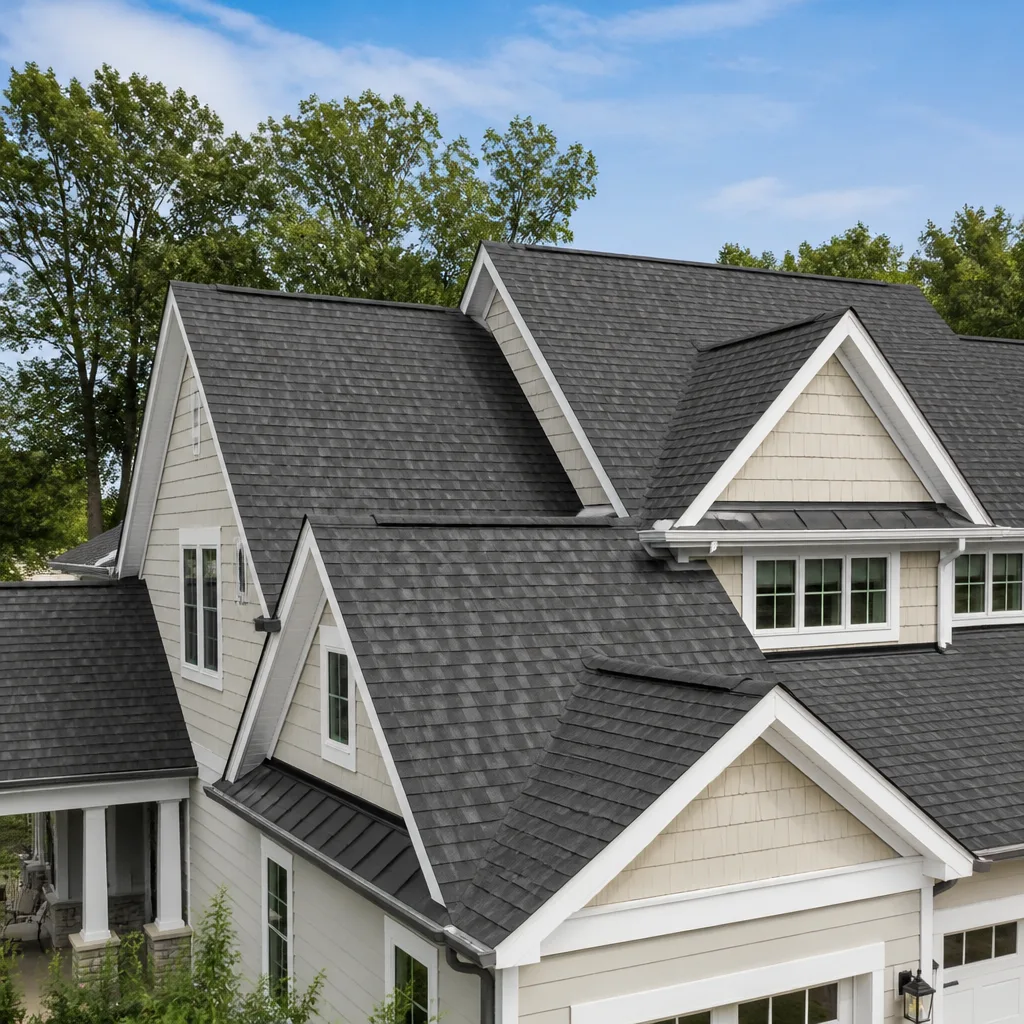
 Roofing
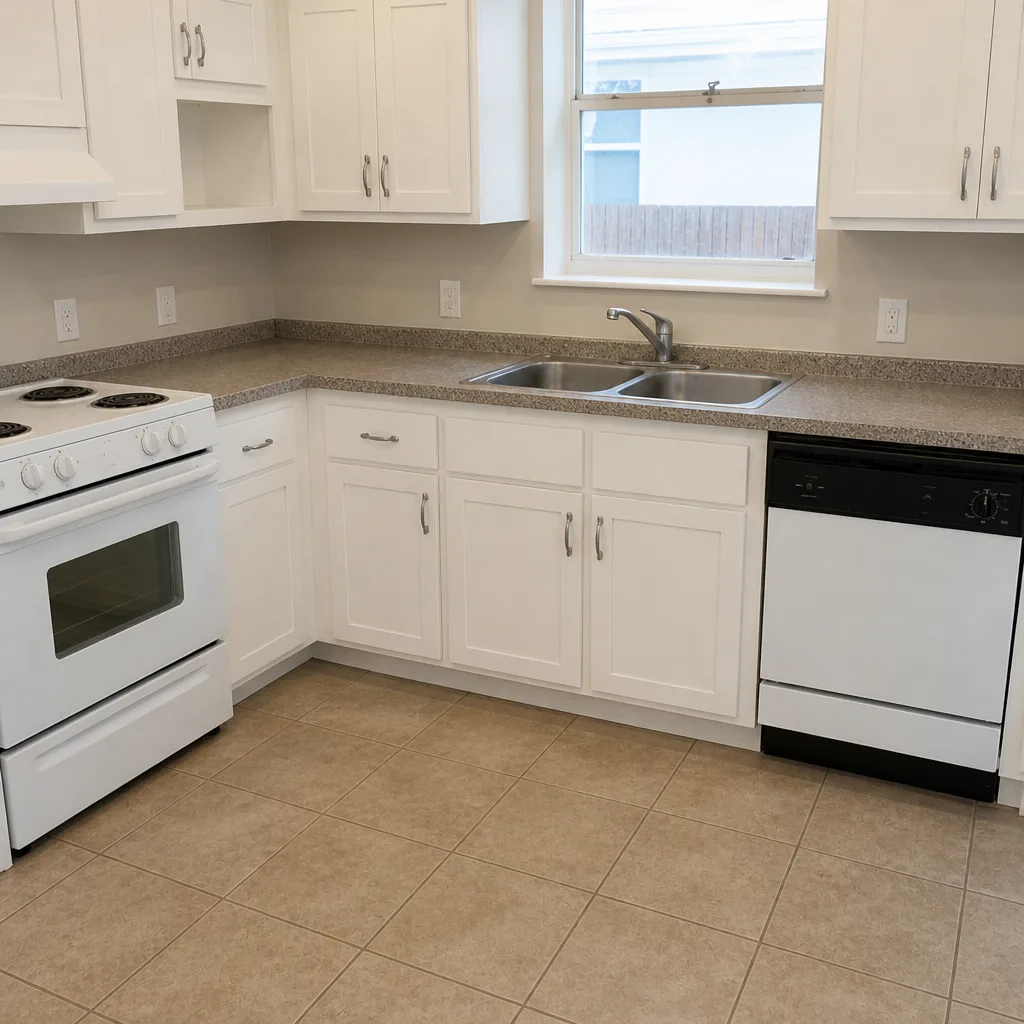
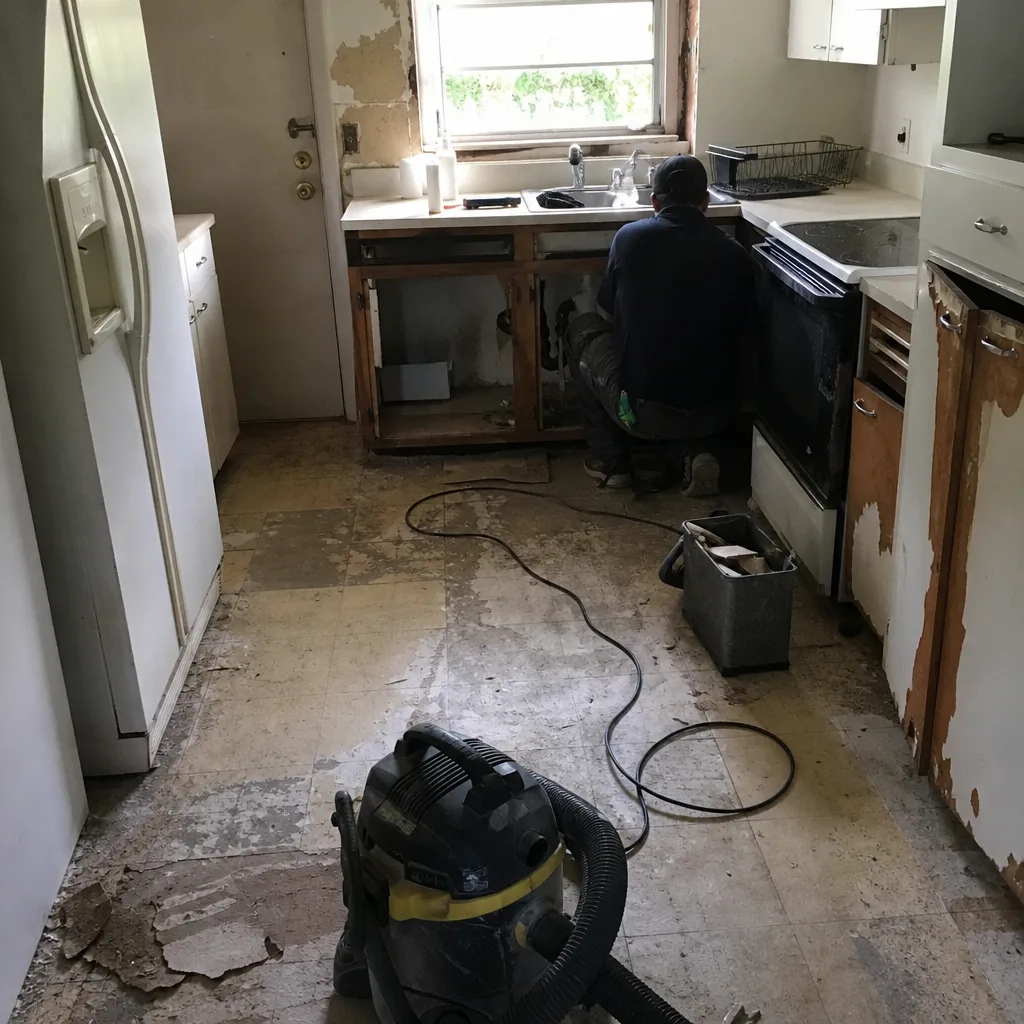
 Kitchen remodeling
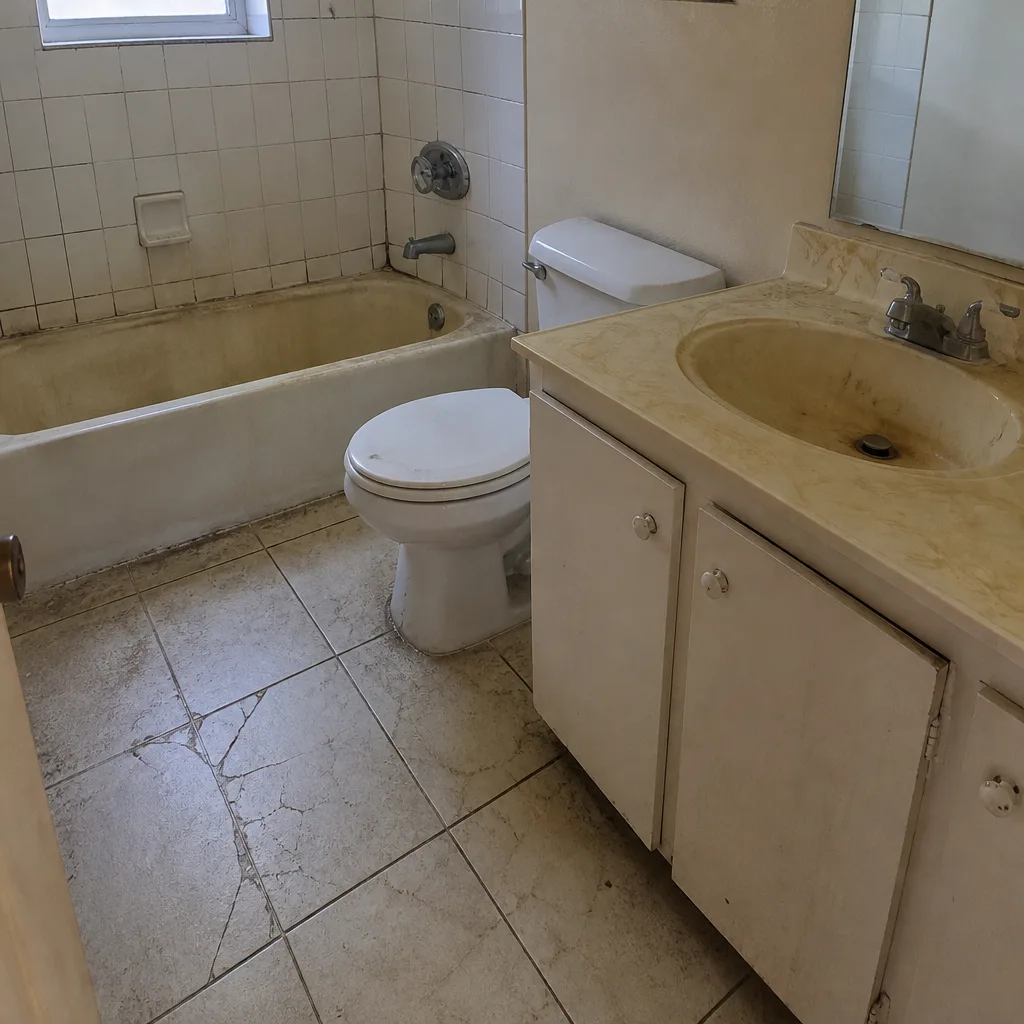
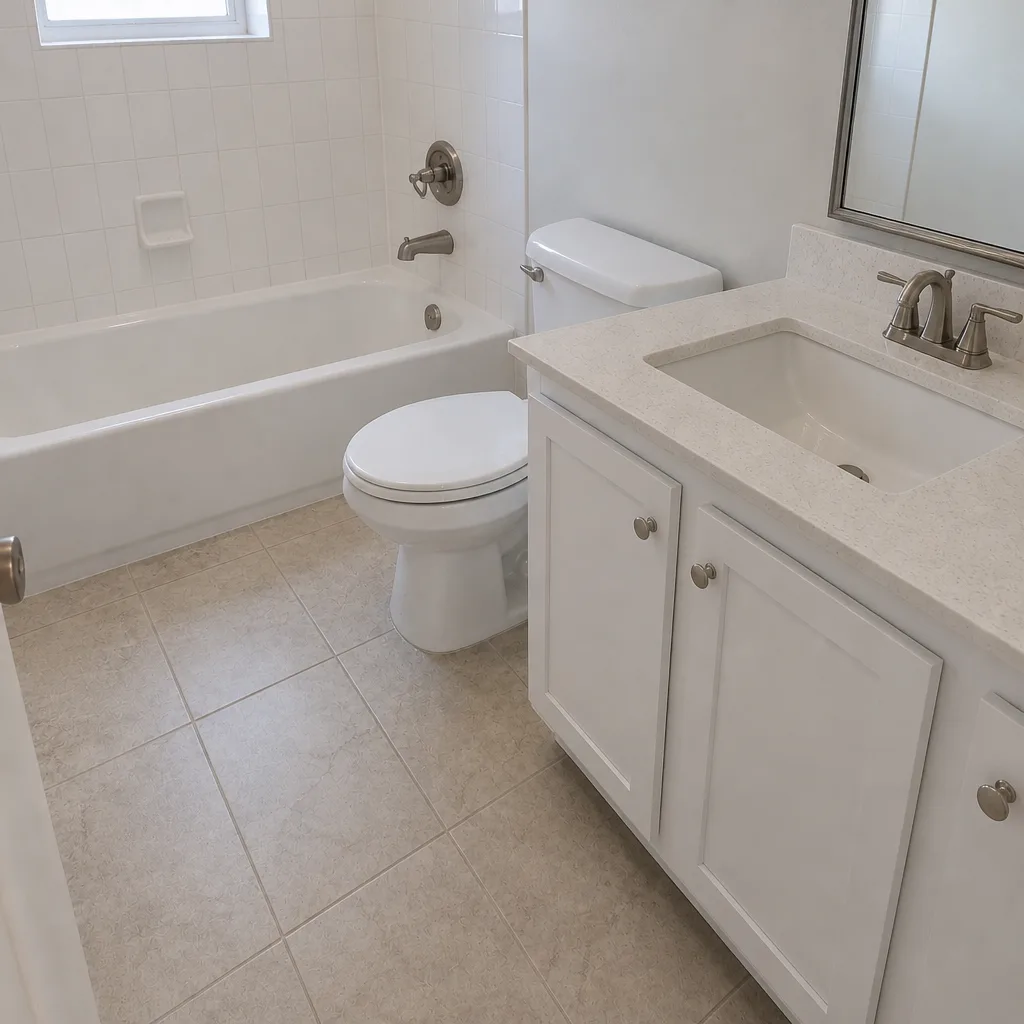
 Bathroom remodeling
 Home additions & ADU
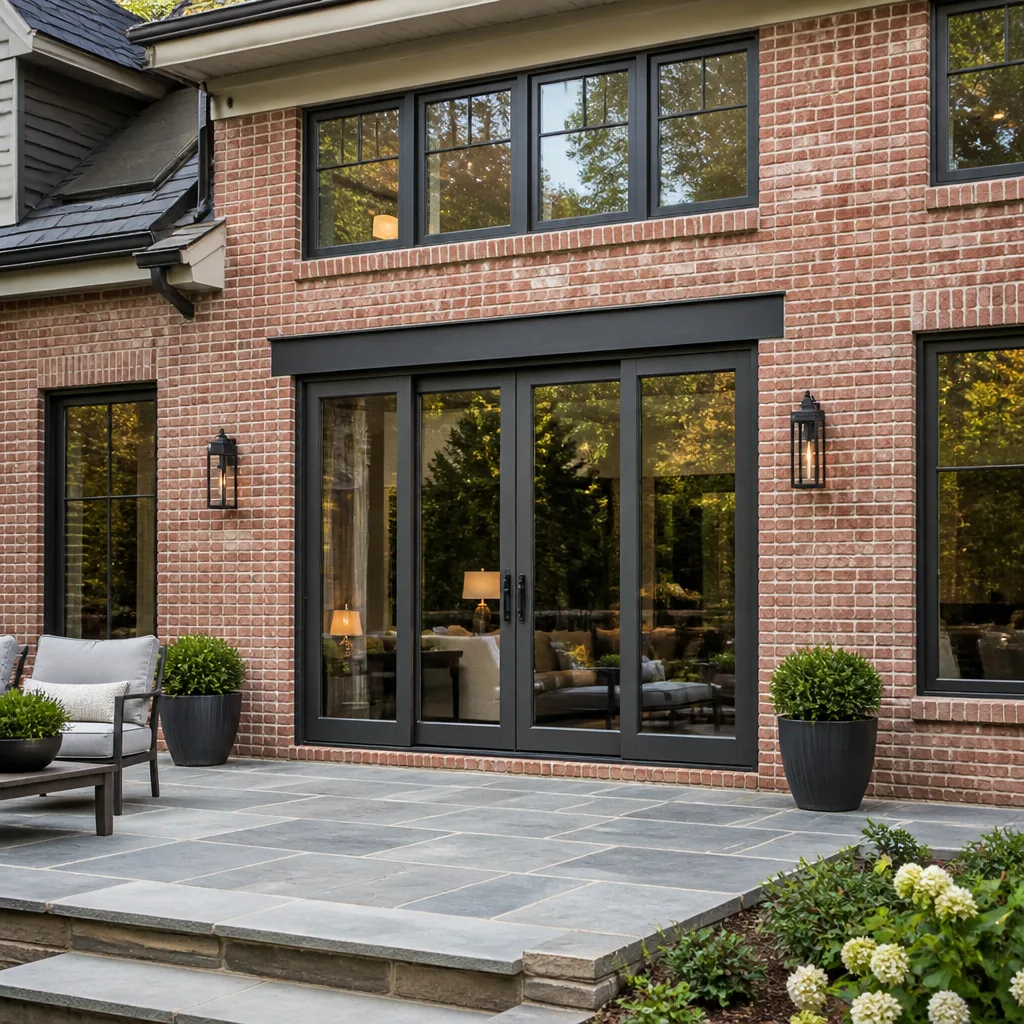 Windows & doors
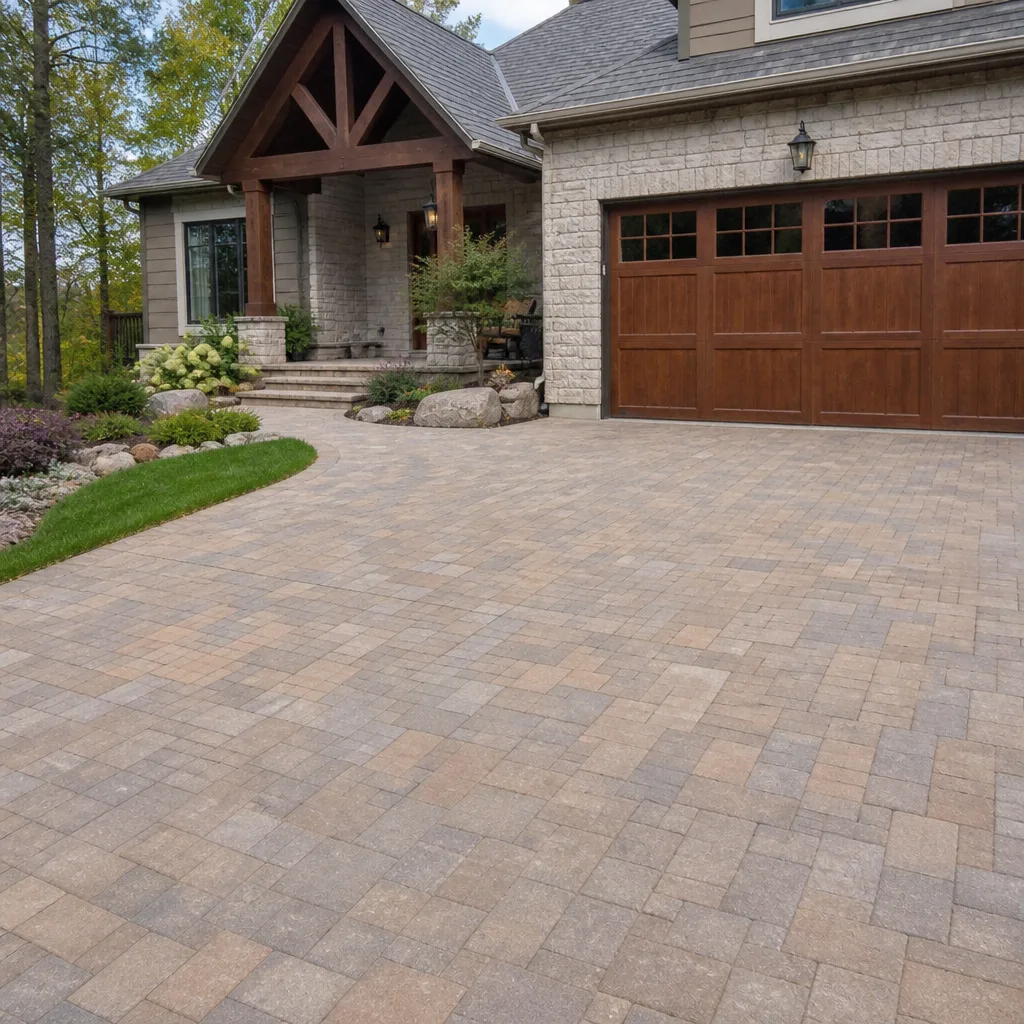 Driveway & pavers
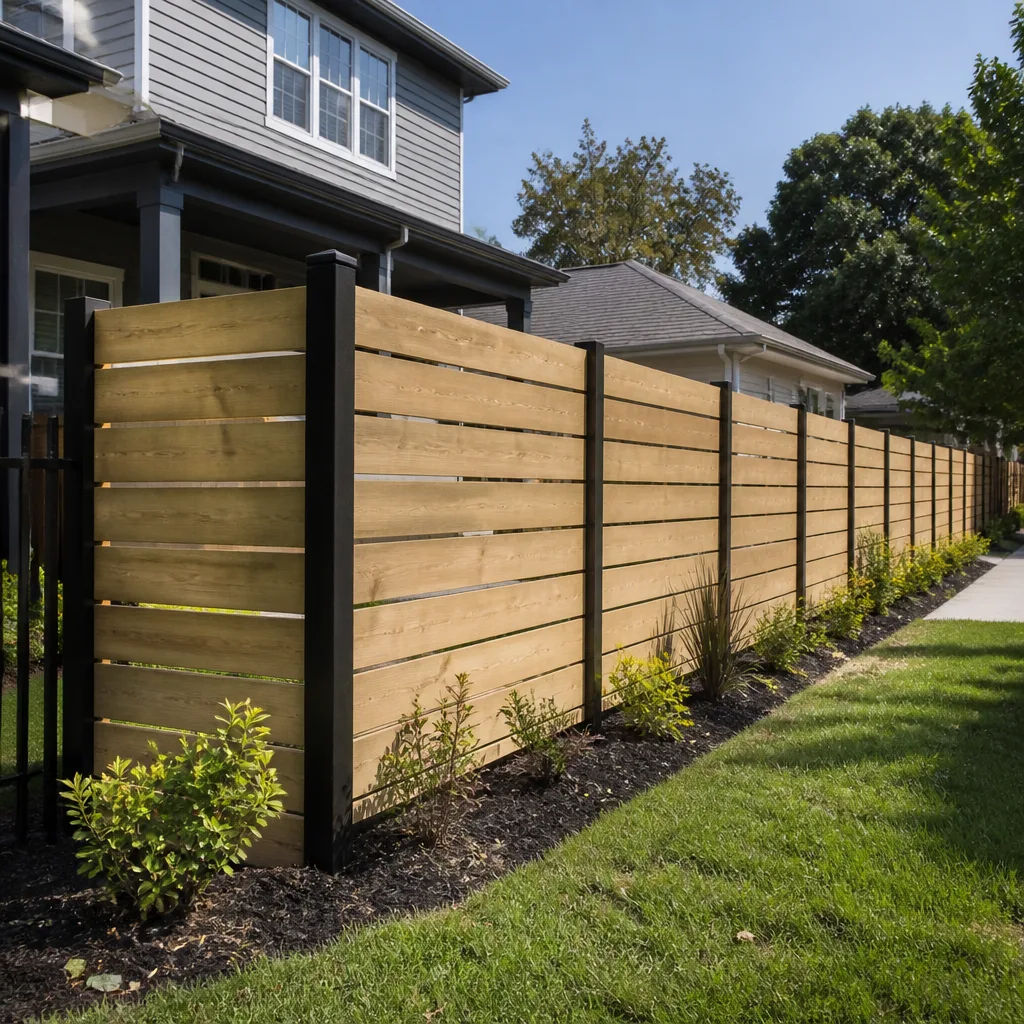 Fence
Free written scope consultation - allowances, timeline, and change-order rules on paper before a single trade is scheduled
Styles & brands we work with
- Kitchen remodeling
- Bathroom remodeling
- Home additions & ADU
- Roofing
- Windows & doors
- Driveway & pavers
- Fence
See the difference
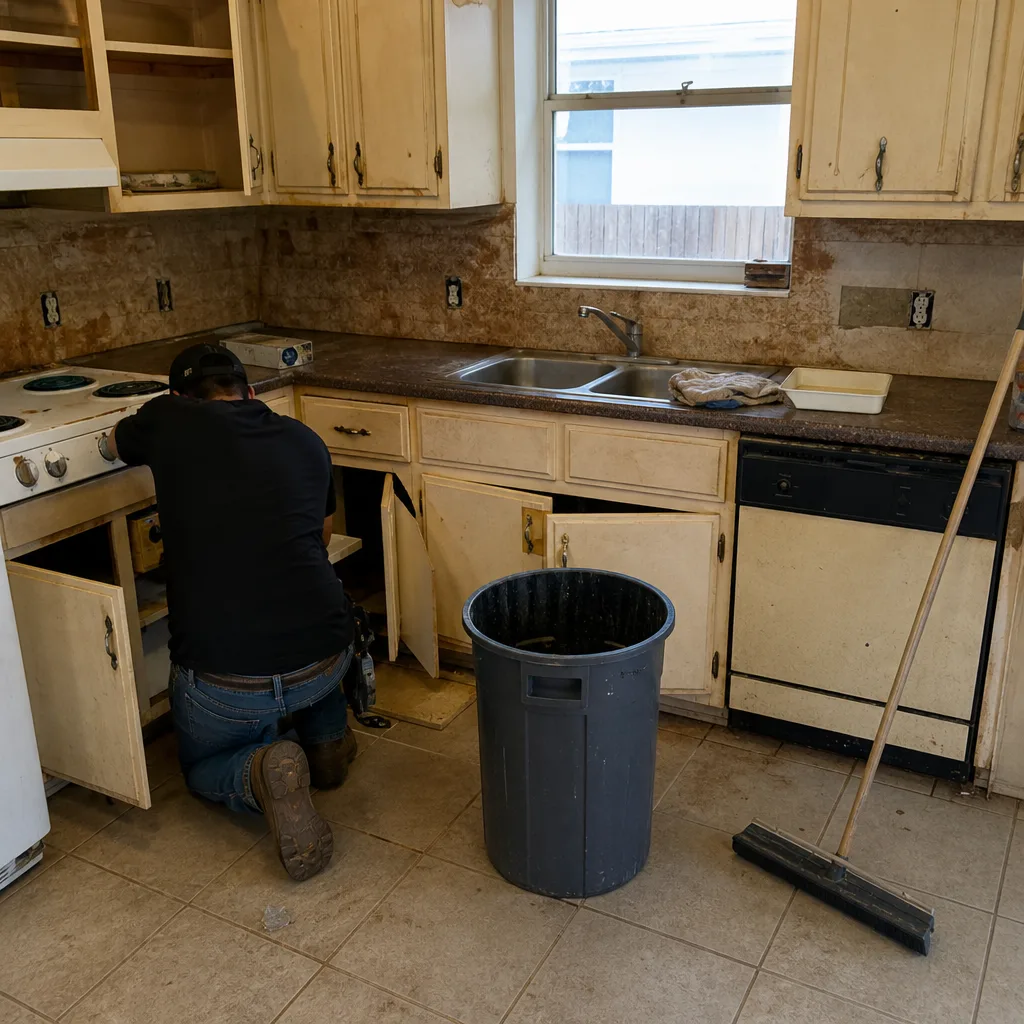 Before
 After
 Before
 After
 Before
 After
Best Roofing Material in The Hammocks, FL: The Honest Answer for a Miami-Dade CBS Home
For a concrete-block home inside Miami-Dade’s High-Velocity Hurricane Zone, the best roofing material is almost always concrete or clay tile – with standing-seam metal as the one credible alternative – unless your budget genuinely won’t stretch past asphalt shingles, in which case choose a Miami-Dade NOA-approved shingle system and protect it with opening coverage. In The Hammocks, code and your carrier have already trimmed the field to those options. The real question is which one fits your home’s trusses and your wallet. Call (844) 761-9356 and we’ll walk the roof with you.
Anywhere outside South Florida, “best roofing material” is a fair debate. Here it’s closer to a math problem. Your truss engineering, your product approvals, and your wind-mitigation score decide it before preference gets a vote. Groundwork Construction Co. of The Hammocks is a home construction and renovation company that works this decision with homeowners across the neighborhood, and we’ll give you the code-compliant comparison with installed costs attached.
Why The Hammocks Narrows the Field Before You Even Compare
The Hammocks was built almost entirely as a master-planned tract subdivision from the 1980s through the 2000s. That means nearly every house here is single-family concrete-block (CBS) with a stucco exterior and either clay/concrete tile or shingles up top. Whole blocks reach the same roof age at roughly the same time, which is why you’ll see a re-roof run down one street and not the next.
The housing stock is the reason tile makes so much sense here. Northern material debates hinge on whether a roof structure can carry the dead weight of tile, whether freeze-thaw will crack it, whether snow load matters. In The Hammocks, none of those apply. The CBS walls and the engineered truss system were designed to carry tile or shingle from the original build. There’s no snow load to plan for. Our climate brings intense summer sun, hurricane-season wind-driven rain, and constant humidity – the conditions that punish fastener decay and moisture intrusion, not the conditions that punish heavy tile.
Subtropical heat is the quieter factor. Asphalt shingles take in and hold solar heat differently than tile. That heat radiates down into the attic, and your air handler works harder month after month. Over a 20-year roof life the extra cooling load is a real-dollar line item that almost never shows up in material comparison articles. It’s one of the first things we point out when a homeowner is leaning shingle purely on sticker price.
The Insurance Math Most Roofing Comparisons Leave Out
Here’s where “best material” stops being aesthetic and turns into a return calculation. Florida’s wind-mitigation inspection form (OIR-B1-1802) assigns your premium discounts based on roof material, how the roof deck is attached, and whether your openings are protected. A Miami-Dade NOA-approved tile or metal roof paired with a fully adhered underlayment can shave $1,500 to $3,000+ off the annual premium on a Hammocks home. Run that across the years you keep the roof and the “expensive” option often isn’t.
We work this calculation with you before you commit. When we quote a Roofing project, the estimate lists the material options side by side, the underlayment spec, and the deck attachment method, because those are the inputs the inspector will ask about. Then you can call your carrier and price the discount against the install cost. That’s the honest version of the comparison.
Material Comparison for a The Hammocks CBS Home
Installed pricing for a typical Hammocks roof falls into these bands. Your number moves with square footage, roof complexity, and which underlayment system you choose, but this is the working range we build quotes from.
| Material | Installed cost range | Fit for The Hammocks |
|---|---|---|
| Concrete or clay tile | $8,000-$20,000 (replacement) | Best overall. Trusses were built for it, code-friendly, strong wind-mitigation credit, long service life under sun and storm. |
| Standing-seam metal | $15,000-$40,000 | The credible alternative. Excellent wind performance and premium credit, but higher upfront. Best when you plan to stay long-horizon. |
| Asphalt shingle system | Lower upfront, quoted with the others | Budget-driven choice. Needs Miami-Dade NOA approval and a strong underlayment spec to hold up. Higher heat gain, lower premium credit. |
| Tile repair (vs. full replacement) | $600-$2,500 | Right call when the deck and underlayment are still sound. We inspect before recommending it. |
| Emergency or spot repair | $400-$1,800 | For active leaks and wind damage during the storm season. |
What We Actually See on Hammocks Roofs
Block-by-block re-roofing here gives us something a brochure can’t: a live reference database. Because the tract vintage is so uniform, we can often show a prospective customer completed projects on their own street, with the post-job wind-mitigation scores attached. “Best material” stops being hypothetical. You see what your neighbor’s tile roof scored and what it did to their premium.
- A roof past 20 to 25 years on a home built in the 1990s is usually at the age where tile underlayment starts failing, even when the tiles themselves look fine from the ground.
- Stucco and roof transitions are the common leak entry points, and rusted fasteners on older shingle runs are a frequent repair call.
- After a windy season, we get a cluster of calls on the same street at once – the block-by-block pattern is real, and it helps us spot which material systems are holding up.
On the material side, we keep relationships across more than one product line so the recommendation isn’t driven by what earns us the most. Our supplier network includes GAF and Owens Corning along with other verified partners, which means you get a genuine cross-category comparison – not a single brand pushed because it’s what happens to be on the shelf.
How Groundwork Construction Co. of The Hammocks Handles the Decision
We don’t pressure you toward one roof. We inspect the deck, document the truss and attachment conditions, price the code-compliant options, and hand you the comparison with the wind-mitigation inputs spelled out so you and your carrier can do the math. Every roofing project we complete is covered by our 730-Day Done Right Promise – if it isn’t done right, we make it right – and our technicians bring up to 12 years of experience to the work. You’ll get a crew that’s background-checked and in uniform, an upfront price with no surprises, and financing options that make the better material reachable. Live people answer our phones 24/7, storm season or not.
FAQs
Concrete or clay tile is the best choice for most The Hammocks homes, with standing-seam metal as the strongest alternative. The truss systems were engineered for tile from the original build, the material earns solid wind-mitigation credit, and it handles subtropical sun and storm rain well. Call (844) 761-9356 for a free estimate on your specific roof.
Metal performs excellently and often earns a premium wind-mitigation credit, but it costs more upfront – $15,000 to $40,000 installed versus a $8,000 to $20,000 tile replacement range. For most Hammocks homeowners the deciding factor is how long you plan to stay and how much of the premium discount you’ll realize. We’ll put both side by side. Call (844) 761-9356 for a free estimate.
Yes – the OIR-B1-1802 inspection form ties your discounts to roof material, deck attachment, and opening protection, and a NOA-approved tile or metal roof with fully adhered underlayment can cut $1,500 to $3,000+ a year on a Hammocks home. We build the estimate around those inputs so you can price it with your carrier. Call (844) 761-9356 for a free estimate.
Repair is cheaper when the deck and underlayment are still sound – tile repair runs $600 to $2,500 and spot repairs $400 to $1,800, while full replacement starts around $8,000. We inspect first and tell you honestly which side you’re on. Call (844) 761-9356 for a free assessment.
Get the Comparison Before You Commit
If you’d rather have it looked at, Groundwork Construction Co. of The Hammocks offers a no-pressure assessment in The Hammocks – we’ll inspect the roof, document the attachment and truss conditions, and hand you installed costs across at least two material categories. Call (844) 761-9356 to schedule your free estimate.
Written by the team at Groundwork Construction Co. of The Hammocks, serving The Hammocks, FL.